This day has been re-affirming. In Los Antiguos I read a book, There is a Spiritual Solution to Every Problem, and I’ve been practicing the attainment of higher frequencies of energy through a connectedness to my spirituality, which channels all the energies to work toward positive outcomes. This is not as complicated as it sounds. It’s more than the power of positive thinking. It means focussing on breathing, relaxing the tension in one’s face and shoulders, trusting in and connecting to a Higher Force that is pure love, and letting go of the natural urge to be in control. What happens after that is pure magic: everything falls into place, and things unfold the way they are supposed to.The past week or two has been frustrating as nothing that I was trying to plan would materialize. I was going to be in Ushuaia for 3 weeks, and tried getting a Workaway job there, but gave up after several emails. I contemplated changing my flight to Buenos Aires to an earlier date and then go to Uruguay and work there for 2 weeks, but I was unable to get onto the website to do the change and I had no replies from emails I had sent to Uruguay. All along I knew there would be a reason for this, but at the same time I knew I had to make decisions. On Friday the 13th March, it started to change:
- I managed to buy a new ticket for US$150 less than what a change of dates would have cost
- I made an Airbnb booking in Buenos Aires for 2 days only
- I decided to go to Uruguay anyway, work or no work
- Halfway to the place where I was going to dispatch Louise seperately to Buenos Aires (thinking only 10kg of hand luggage was allowed on the plane) I decided not to carry on walking and turned back. I was just fed-up with worrying about everything and gave up on all my concerns
And then this morning:
- It wasn’t raining when I left for the airport (rain had been forecast)
- I had decided to take the bus into the city centre to save on the cost of the taxi to the airport, and as Louise and I crossed the street to the bus stop, it arrived, right on cue
- The route of that specific bus just happened to go right to the other side of town, very close to the airport, so the taxi cost next to nothing
- Louise was allowed as luggage, absolutely no problem
- I had been assigned a middle seat, and the window seat just happened to be unoccupied (the plane was full)
And on landing at Buenos Aires:
- WApp’s that I had received made me realise that Uruguay was not going to allow me entrance as result of the coronavirus
- And urgings from friends and other incidents made me decide there and then to change my flight back to South Africa
- I went to the LATAM counter (no que!) and managed to get a flight on the 16th, allowing for the 2 days accommodation I had booked, just perfect.
All of the above is what is re-affirming. There is an English hymn that we used to sing in the Methodist Church when I was a child: Trust and obey, for there’s no other way… This song has become my mantra.
Okay, now that I have shared some of the turbulence I’ve been through, let me tell you about Ushuaia, also known as El Fin del Mundo (The End of the World), as it is the southernmost city on the continent. Here’s a map to orientate you (the yellow is Argentina, the rest is Chile):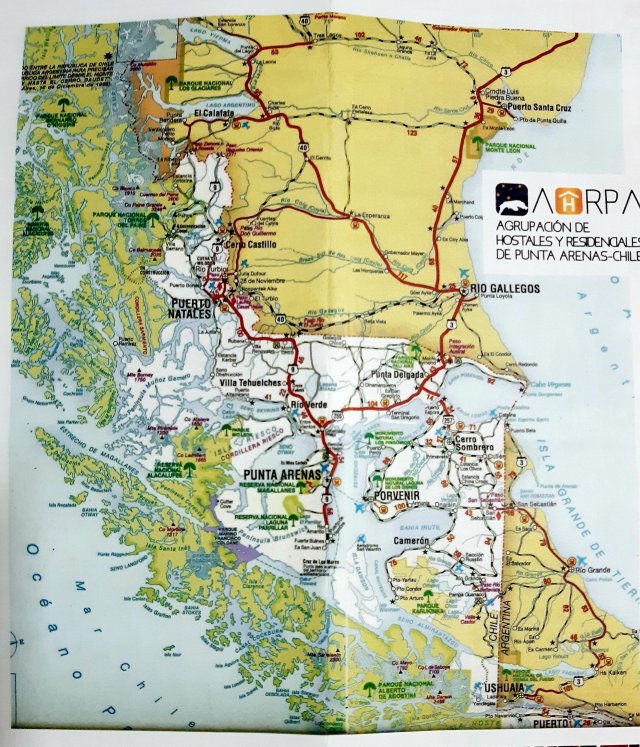 As usual on arrival, I decided to walk to the place I had booked, not realizing that it was 2,4km, with a hefty uphill to boot. The swivel of Louis’ wheels is not working that well anymore, so the poor thing periodically gets kicked just to keep her on track. I arrived hot and sweaty, ate a leftover sandwich and went to bed.
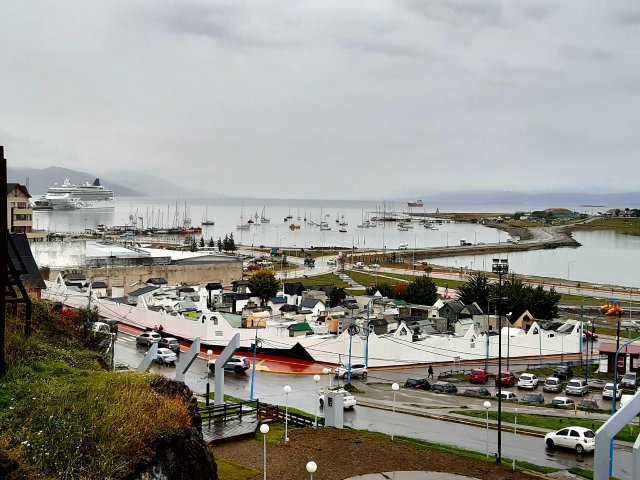 The Argentinian part of Tierra del Fuego, the large island south of the Strait of Magellan, was populated by mostly non-Argentinians during the second half of the 19th century. In 1869 a British missionary, Stirling, lived among the native Yámana and was later joined by other missionaries, teachers and farmers. These natives suffered many deaths as result of diseases and eventually the missionaries withdrew.
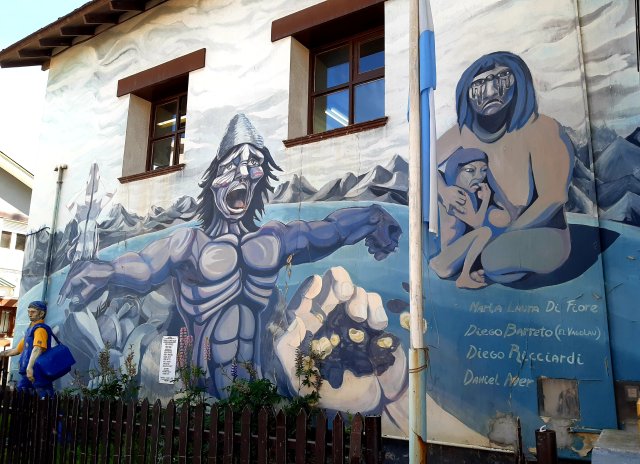 The Argentinian government decided to establish this area as a penal colony in an attempt to gain sovereignty and to populate the area. In 1896 the first inmates were accepted in the newly built prison in Ushuaia. They were some of the most serious criminals and second-time offenders of the country, and were used to chop down thousands of trees in the area. They built a railway-line from the forest to the settlement, and most of the timber houses of the town were built by them as well. The prison was closed down in 1947 because of reports of abuse and poor conditions. The train is now run as a tourist attraction to transport visitors to the National Park. A mural on the post office wall:
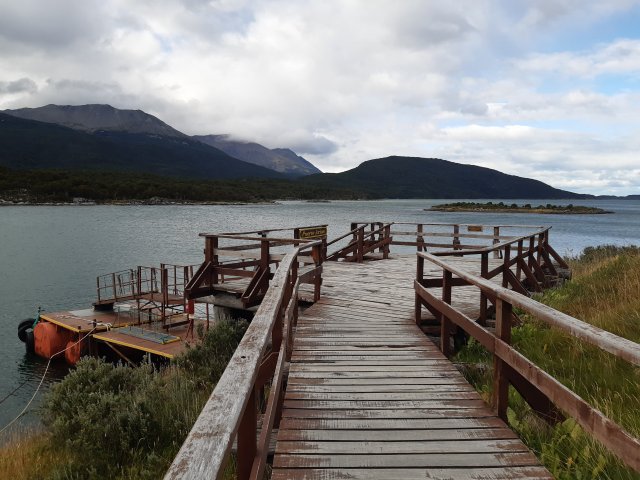
 Today, Ushuaia has much to offer in the way of trekking, catamaran trips along the Beagle Channel to see lighthouses, sea lions, birds and penguins, visits to museums and estancias (farms), skiing and walks along the waterfront. The long main street has many restaurants and shops, some of them tax-free.All the excursions are quite expensive (most are over a R1000), so I limited myself to two of the cheaper ones. The first was to the National Park where I spent the day walking some trails. The bus stops at different points in the park, and I got off at the pier, where the smallest and southernmost post office is.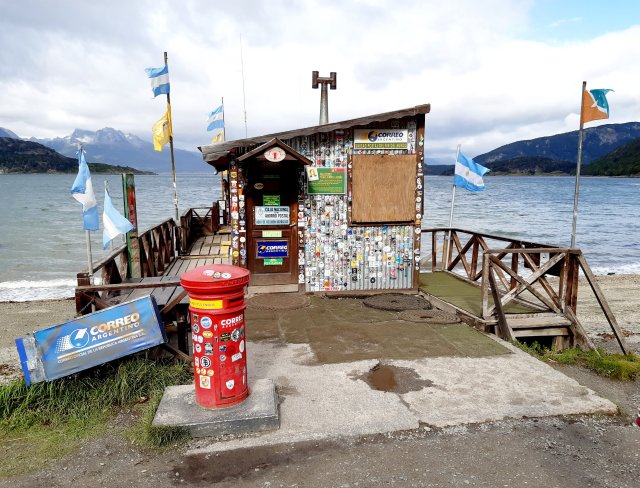
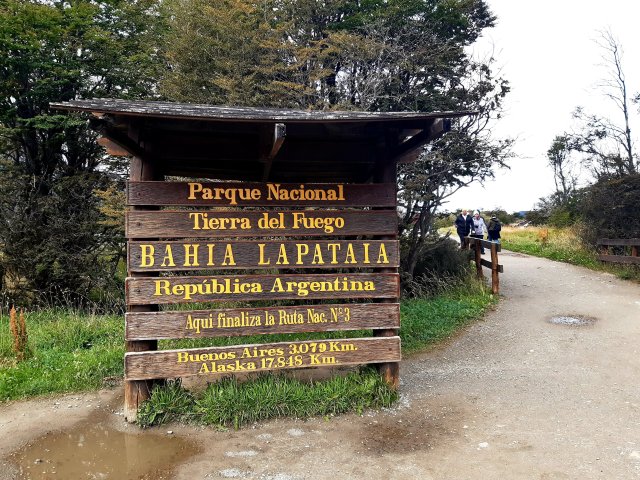
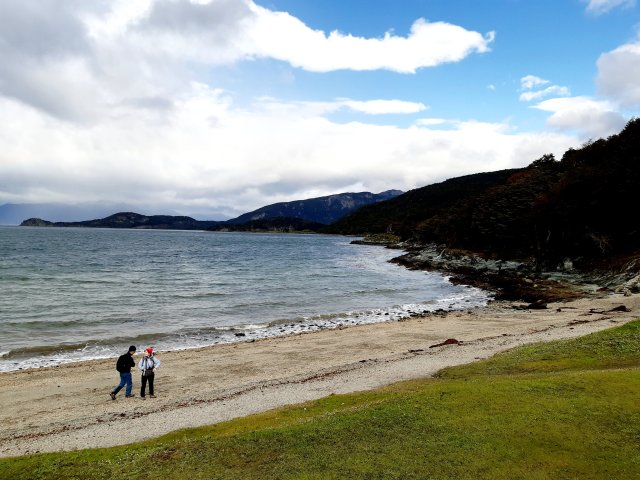
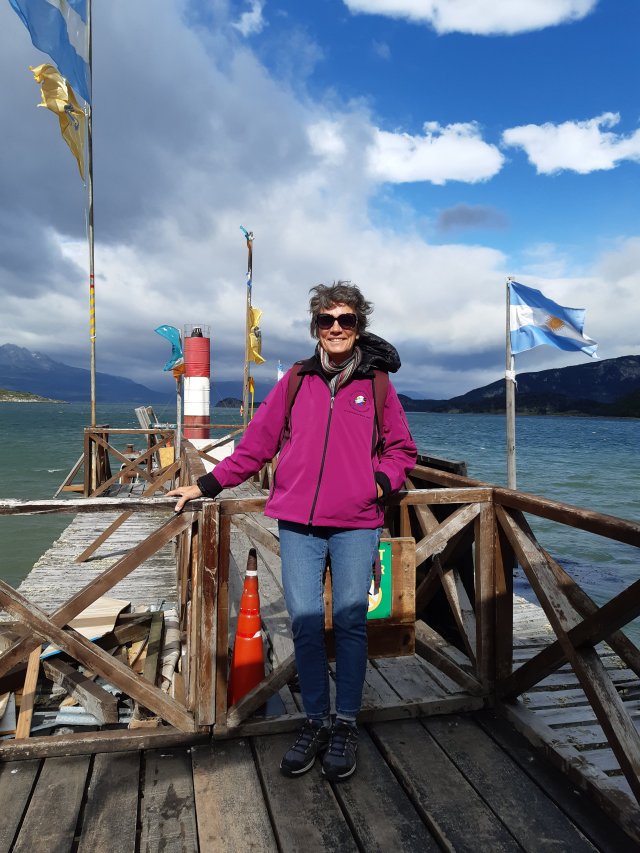 From there I followed a trail through more enchanted forests and along picturesque coves, until I reached a point where one can cross to a small island, where the end of Route No 3 is, which starts in Alaska.
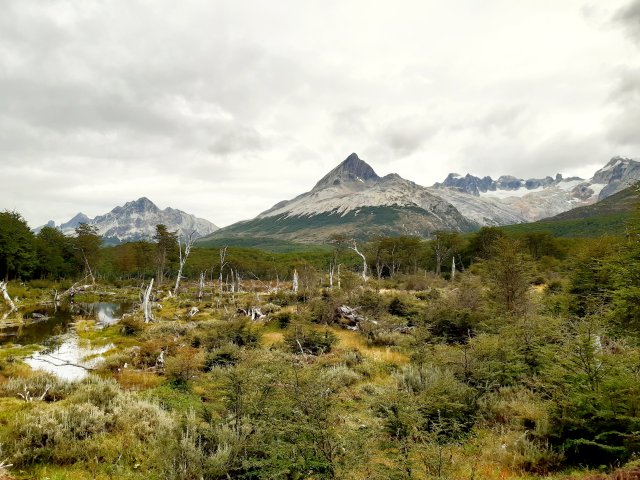
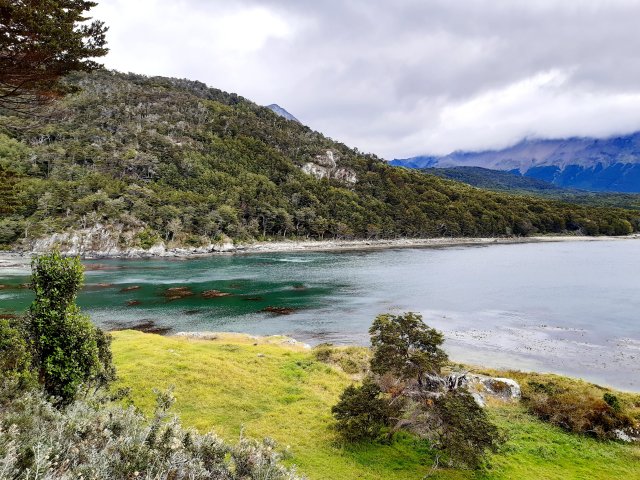
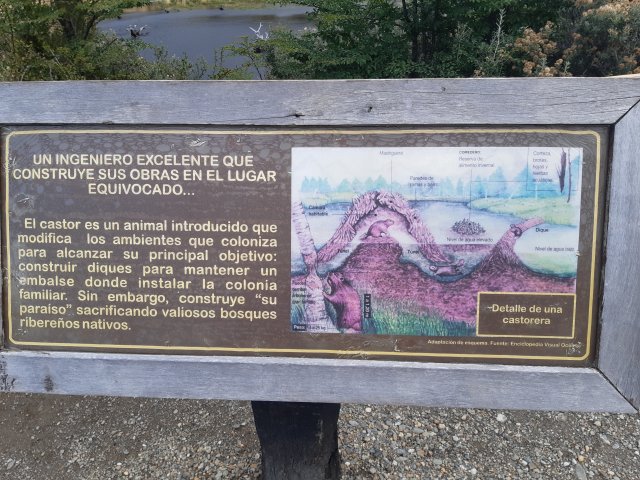
 There is a beaver dam built in one of the rivers on the island, most intriguing. Unfortunately they are a pest, as they were orginally brought in to breed for their pelts, which was not lucrative, so they became wild. They cause a lot of damage to the forests and are being trapped and castrated or sterilised to curtail their numbers.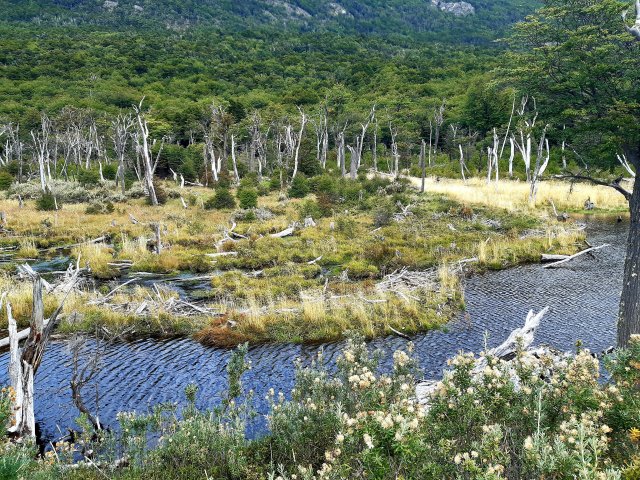
 On my way back through town, I ran into a protest march for International Women’s Day. Ooh boy, I wouldn’t want to cross swords with some of those ladies! They were dancing and having fun though, and feminism is huge in Argentina. Necessarily so, as abuse towards women is rife.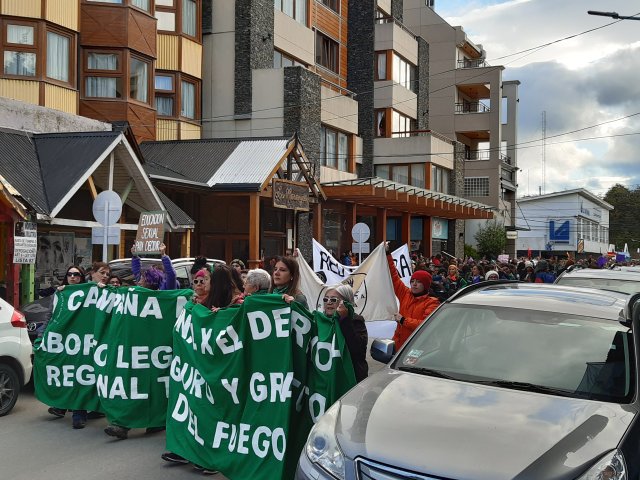
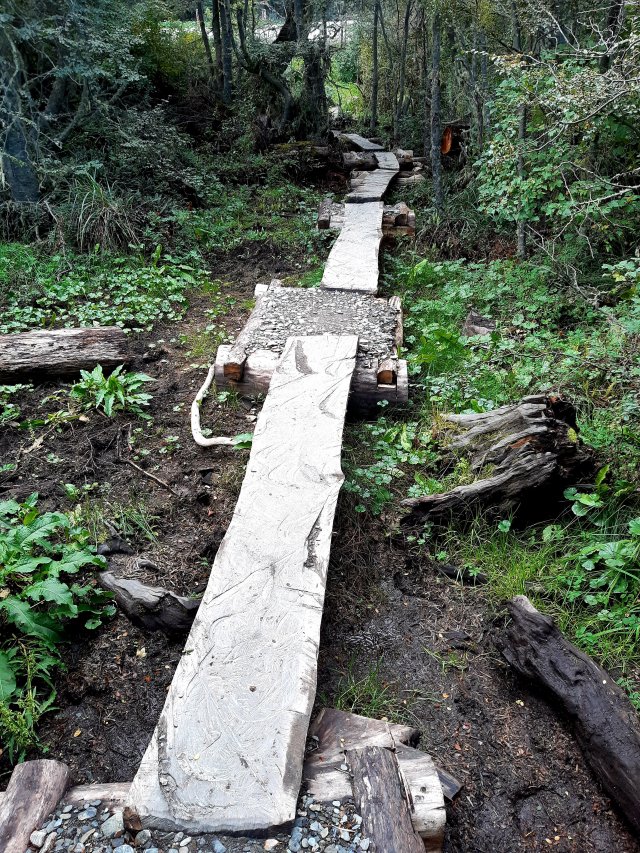
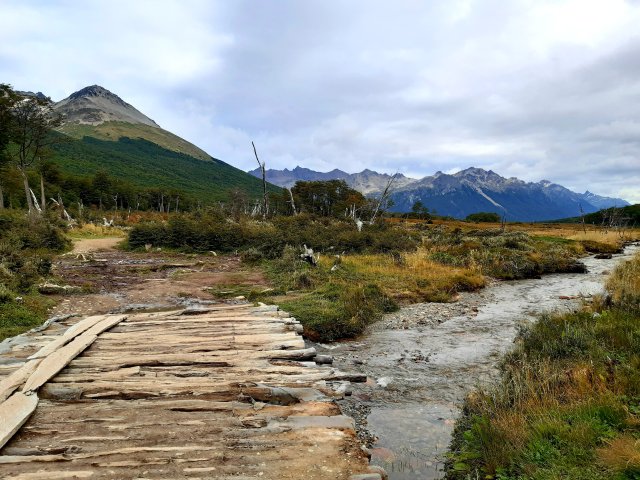
 My second outing was to Laguna Esmeralda, an emerald coloured lake northeast of Ushuaia, surrounded by the Sierra Alvear and with water from a hanging glazier feeding into the lake. To get there, one has to hike 4km through muddy forest paths and peat bogs. Suggested walking time is 2hrs, and it takes 2 long hours to slog through it all. The parts of the path in the forest that were dry were a pleasure, but the rest was a matter of hopscotch from solid piece, to roots, to plant mounds, to stones and little detours that take you to firmer ground. One slip, and you land ankle deep in the mud. I slid on some flat pieces of logs that had been packed to serve as pathway, and had quite a nasty fall. Luckily my phone didn’t hit the water, but I was a bit shaken up and my arm and leg bruised.I came prepared for the peat bogs though, as I had read a blog beforehand, warning of the treacherous stretch before the final part taking you up to the lake. I took off my shoes and rolled up my pants, and just walked through the peat, trying to keep to more solid spots, because one can sink in knee-deep. I had slip-slops for the stony bits in between, and washed my feet in the emerald river water afterwards – I had even brought a towel. Everybody commented on the suitability of the plan, but nobody followed suit. Some people very meticulously picked their way through, others just gave up and got their shoes thoroughly covered in mud and peat. It was a challenge, and the view from above of the lake and mountains was spectacular. There were hordes of people doing the hike, but on my way back I had a few minutes of walking alone through the forest. I stopped and listened to the silence, breathing in the rich, moist air and appreciating the stillness of the soft green leaves, filling my soul.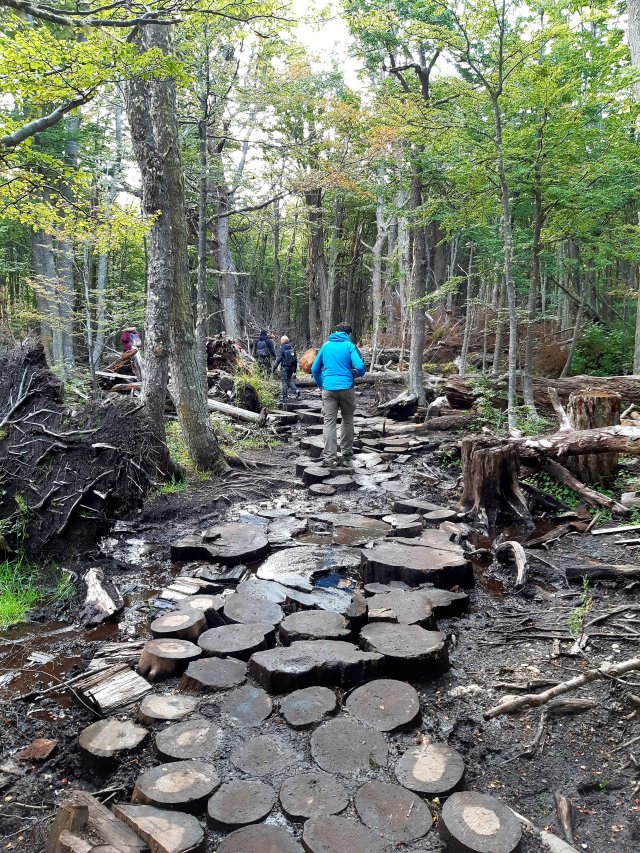
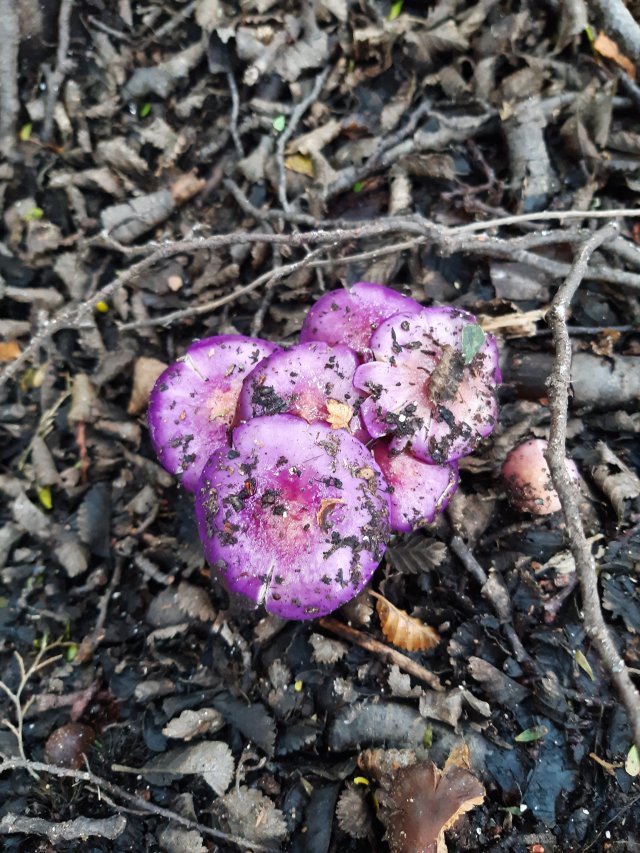
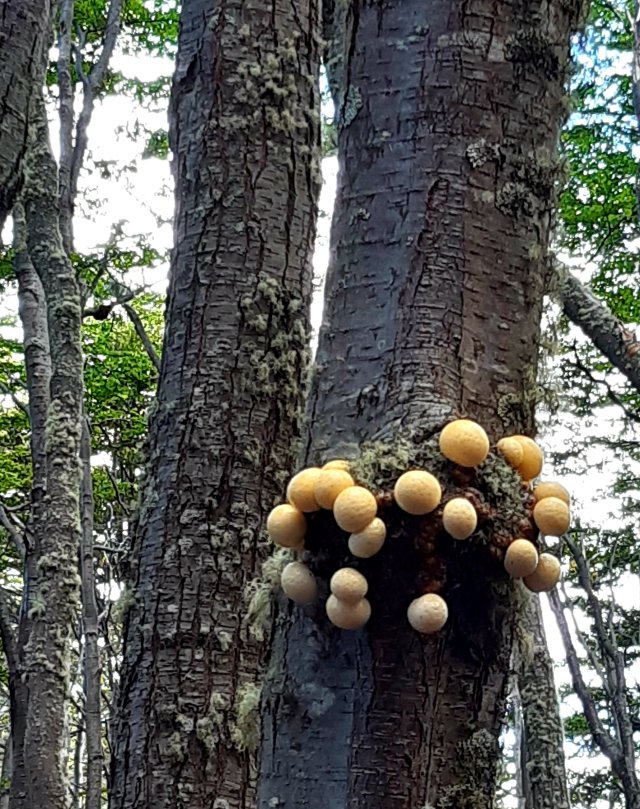
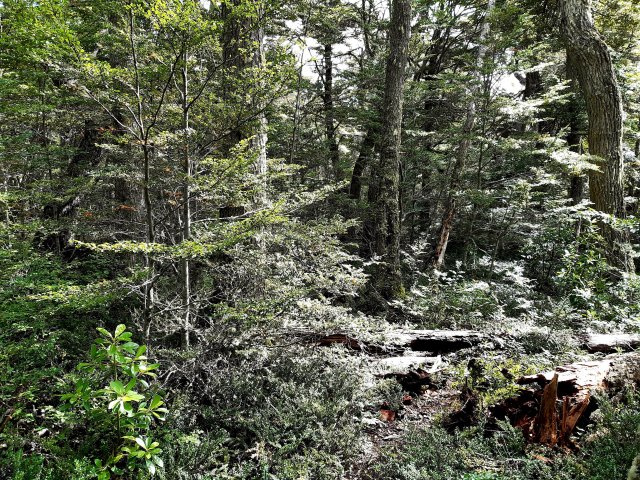

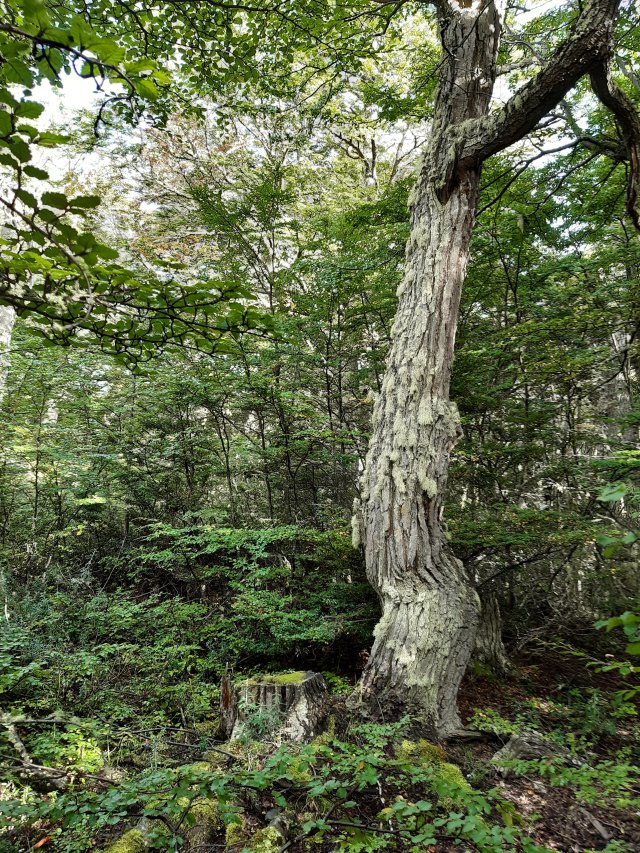
 The day before the 13th I followed a road up a mountain to what I thought would be a view, but all I found were cabins in the forest and dogs. I also found a tree under which I could sit and gather my wits, do the thing I described at the beginning of this blog. When I got up from there, things had changed, I just knew it
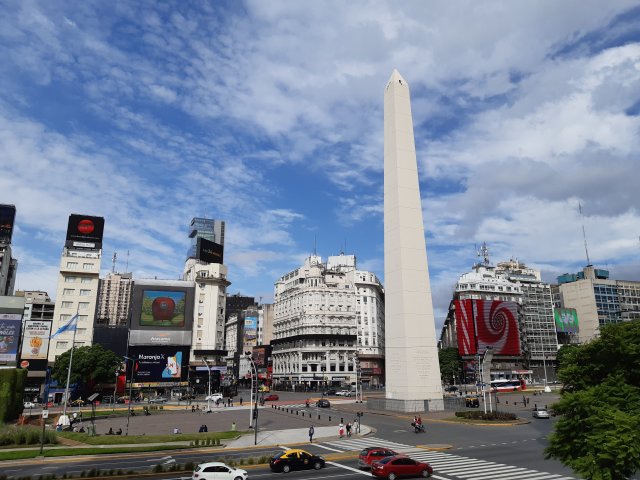
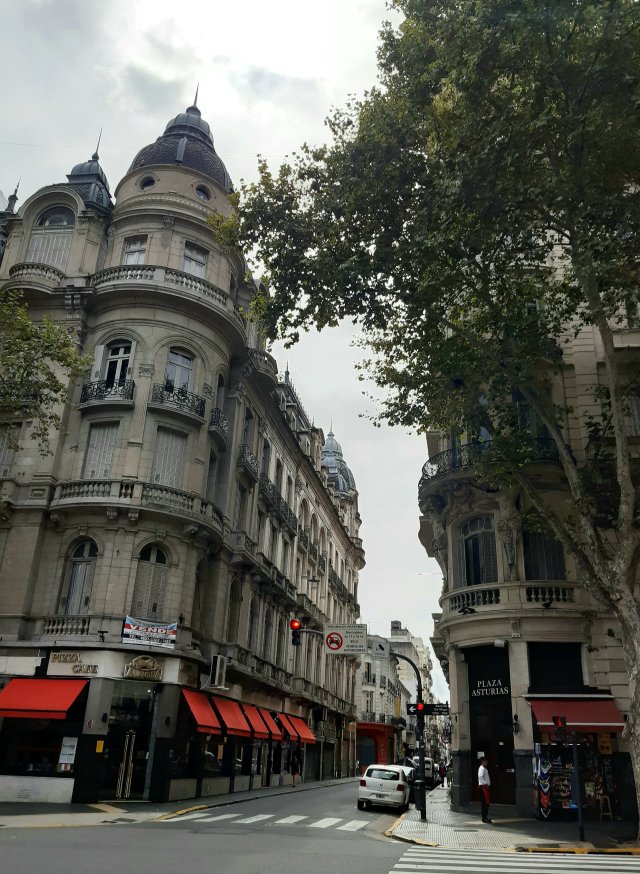
 On the 14th I left for Buenos Aires, and had one day to take my leave. My accommodation was in a lovely old homely apartment, with a super helpful hostess who insisted on cooking for me and driving me to the shop. I walked 25 blocks to Plaza de Mayo, a nostalgic and emotional trip, reliving my introduction to Argentina more than 7 months ago. Time had passed in the blink of an eye.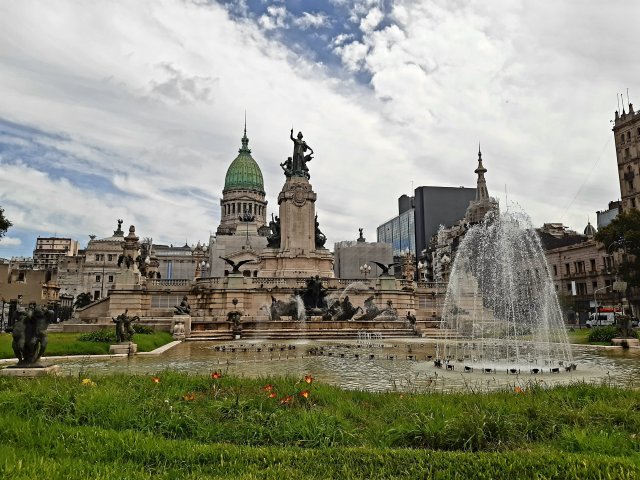
 1
1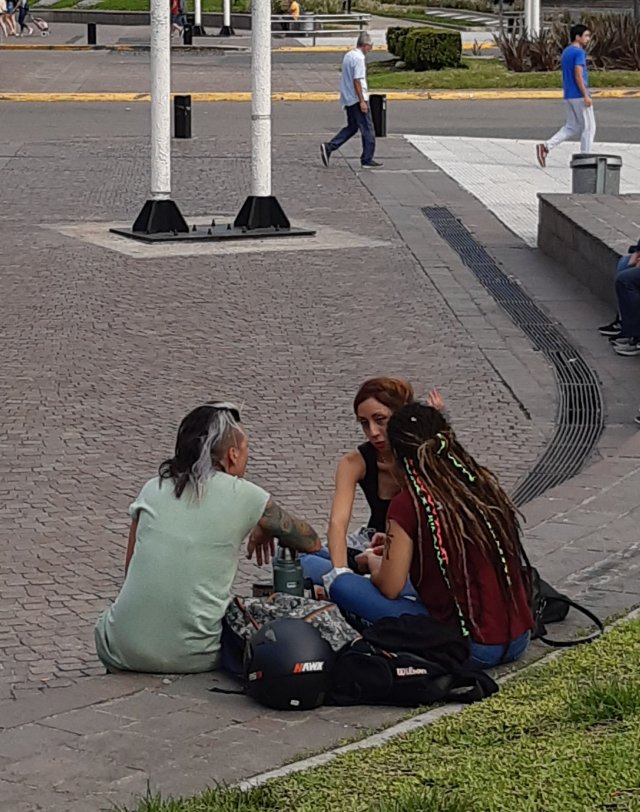

16th March:
As I walk towards the linking tunnel before entering the plane, it hits me: I’m leaving – my travels have come to a swift end. Coronavirus has dictated that I leave sooner than later, 3 weeks prematurely. Emotions well up, and I blink away the tears. I will be back, I think, or probably not. This has been the adventure of a lifetime, but there are other worlds to explore. And my family and friends are warmly awaiting my arrival. Taking a deep breath, I smile and step onto the walkway.
Thank you all for following my blog. Talking to you in my mind as I formulated experiences helped to make everything more meaningful. I truly appreciate each read, feedback or comment, a heartfelt thank you!
Se cuidante!
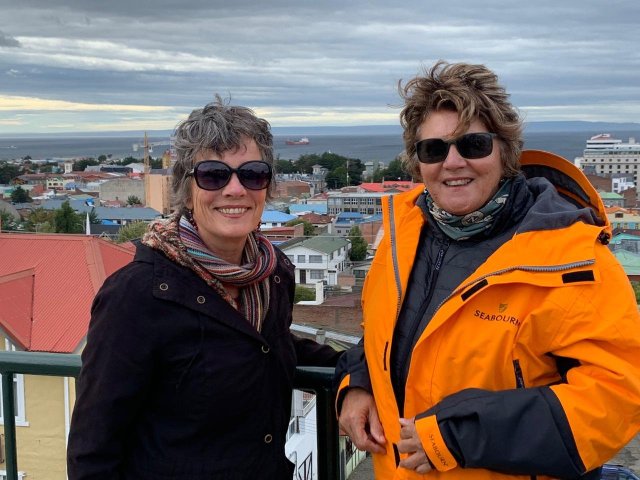
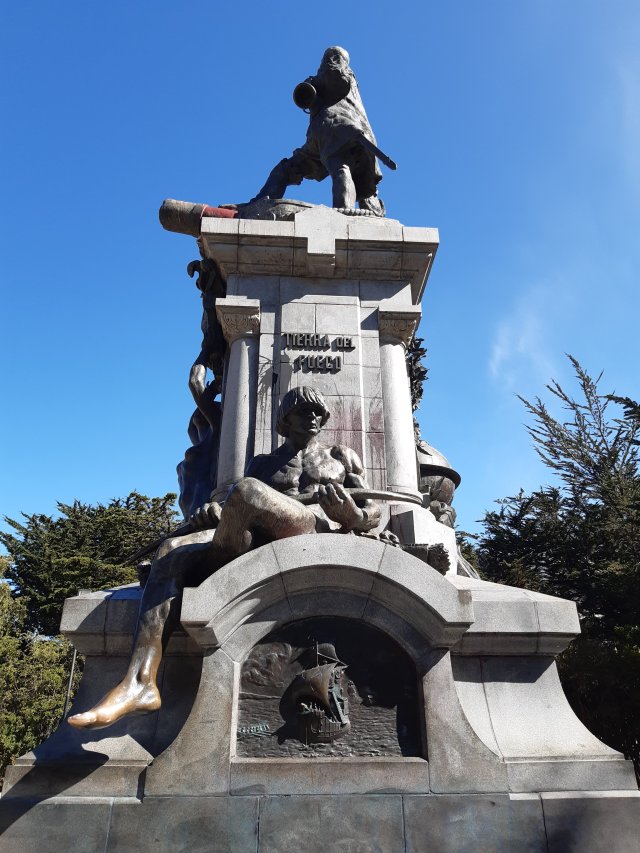
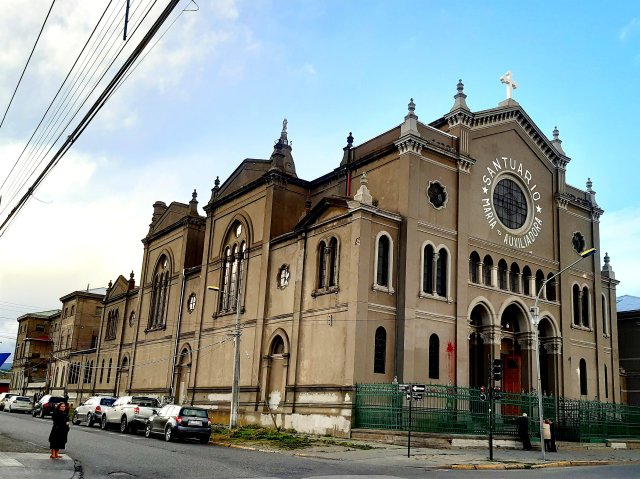
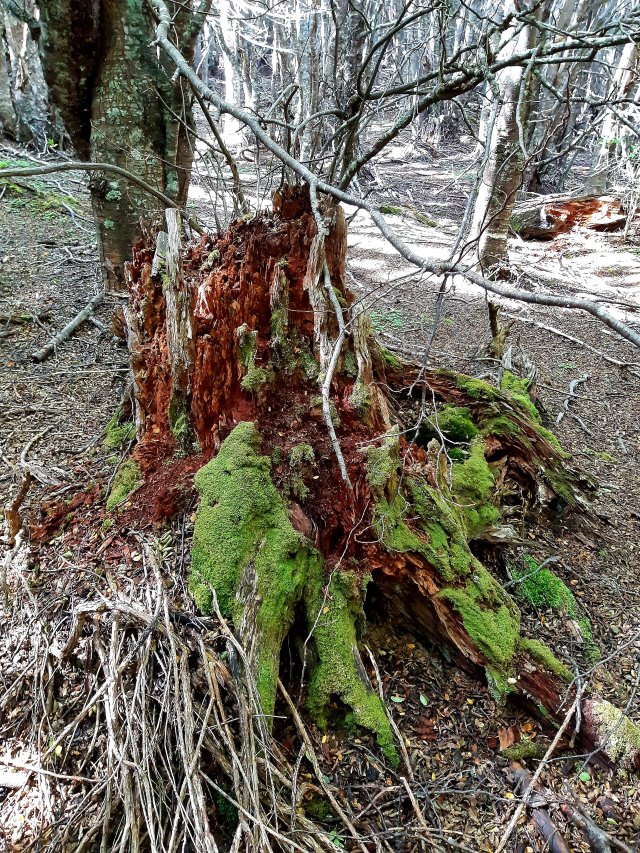
 Alan stayed for a couple of days, and we managed to do a hike in the Reserva Nacional Magallanes, a fascinating forest a few kilometers out of the city. It is eerie in some places, fairy like in others. There was evidence of thick old trees that had been harvested years ago, their stumps often covered with bright green moss. I love the musty smell of decaying wood and leaves in a forest and the sponginess of the ground. I visualize the new growth springing forth from the graveyard of the old, and I’m reminded of the inevitable cycle of life and death.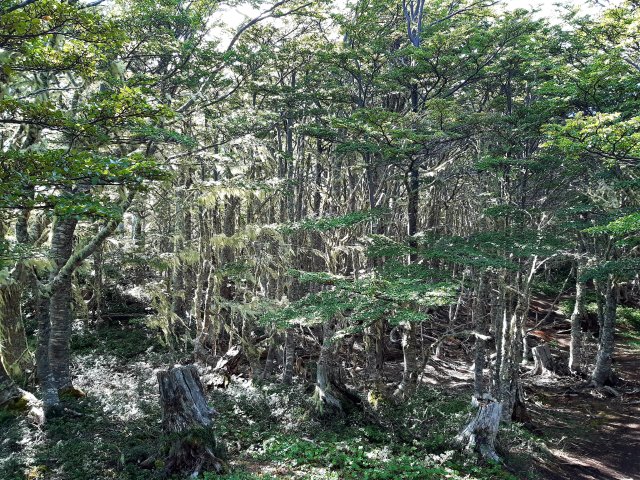
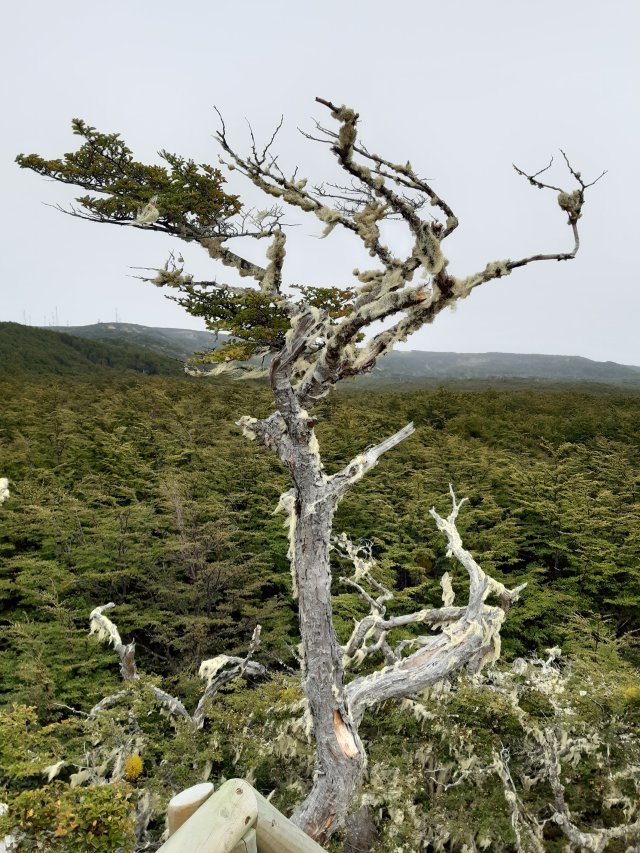


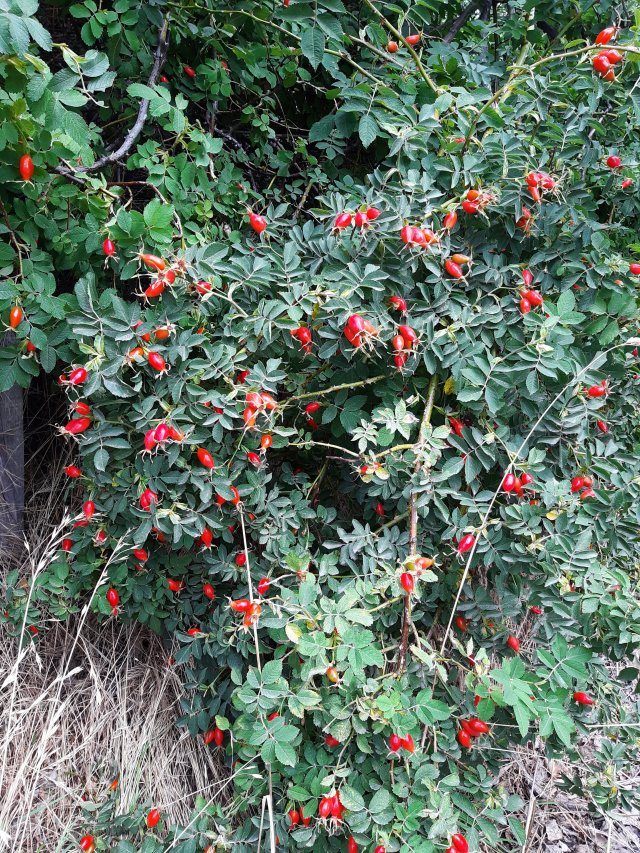
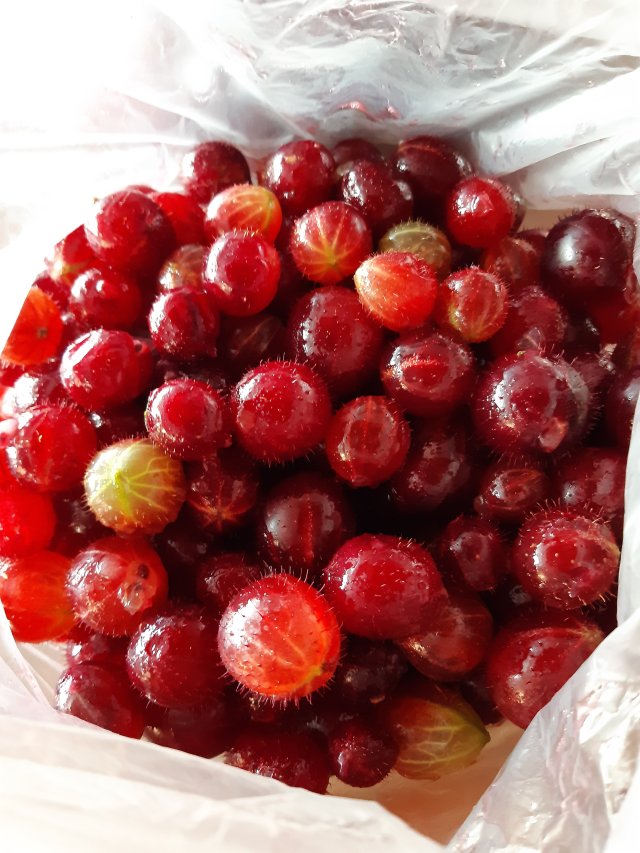
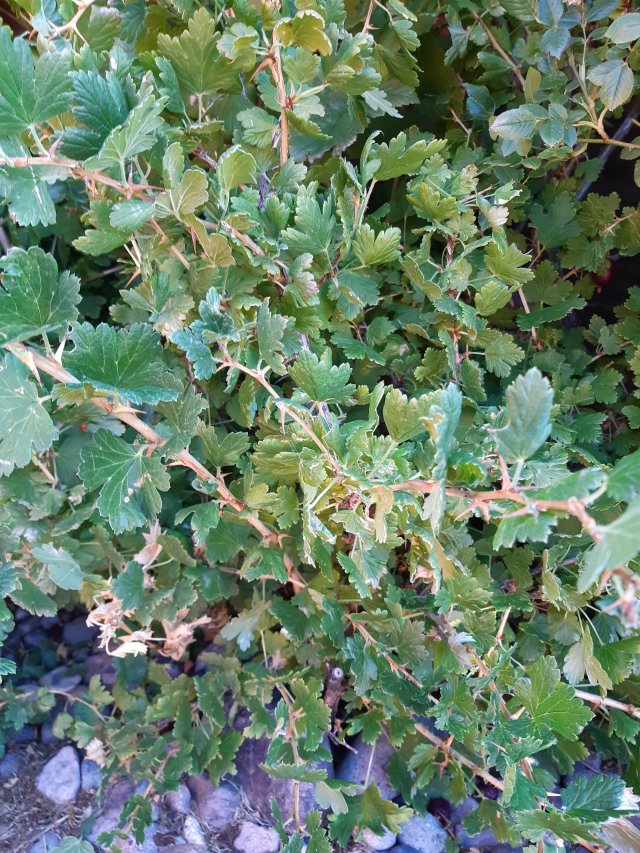
 The trees in this area are mostly lenga, ñirre and coigüe (beech). There are edible berries all over – it was a first for me to be told “eat the berries”! I had calafate, murtilla and chaura.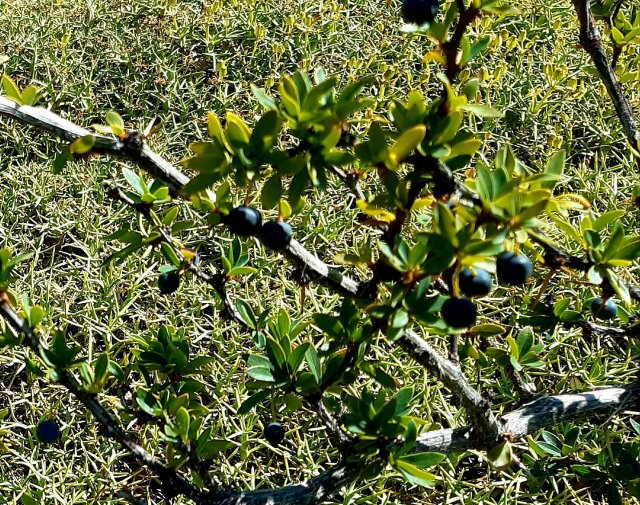
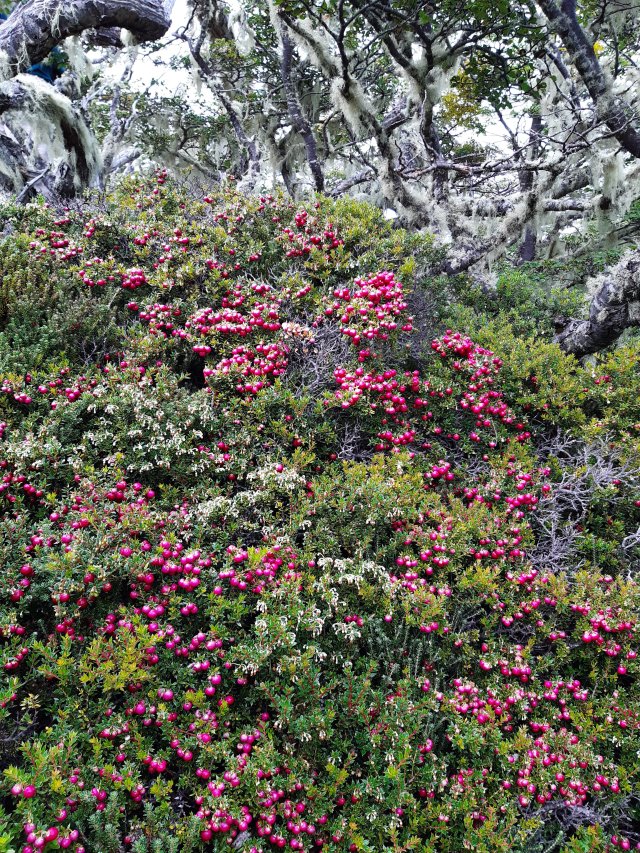
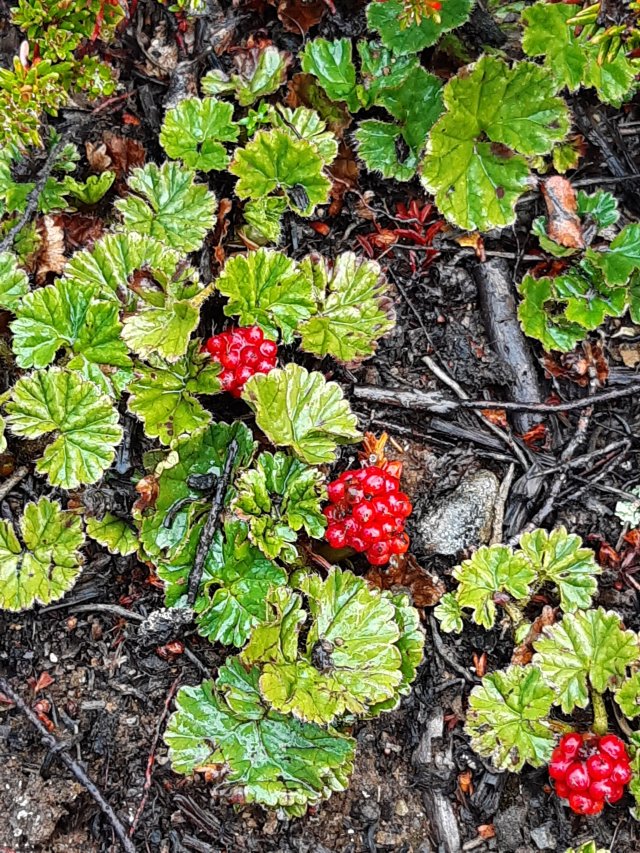
 There were a variety of exquisite plants and flowers, some very small. The flower in the next picture is a quarter of the size of my pinkie nail. The red beauty in the following one is no fun when it is dry. It clings to your trousers or socks, and when you touch it to remove it, it disintegrates and each of those seeds have to be removed individually.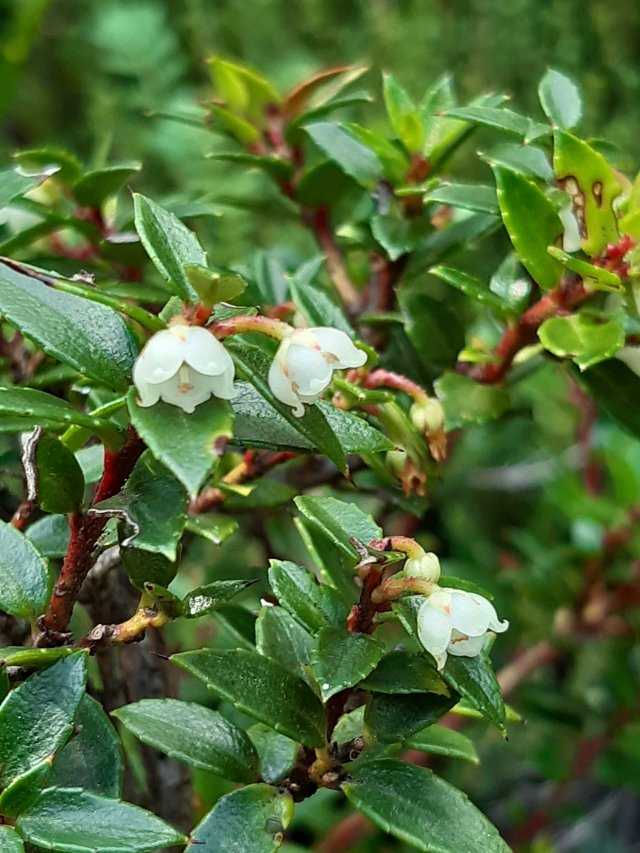

 Alan is an ornithologist, so needless to say we saw many birds, including a Black-chested Buzzard-Eagle and a Rufous-legged owl. I was treated to a few dinners and many good conversations – very happy to visit with my cousin and sad to see him go!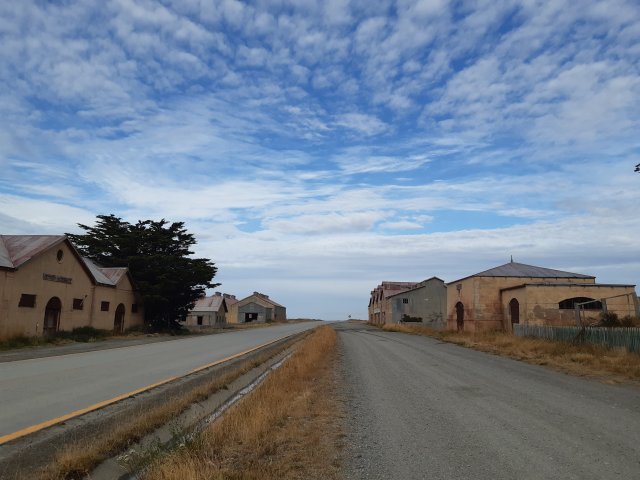
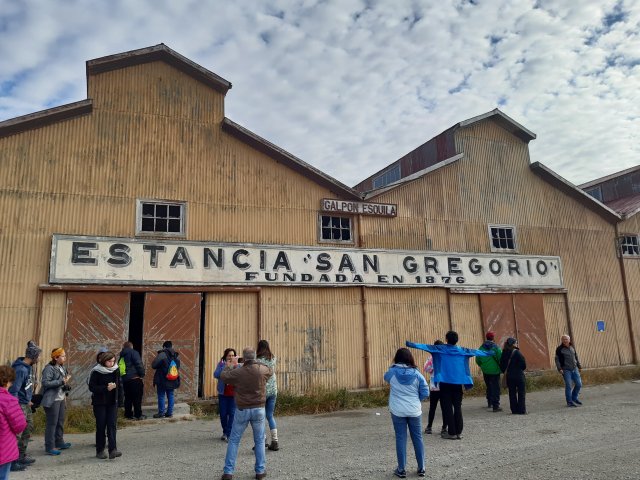

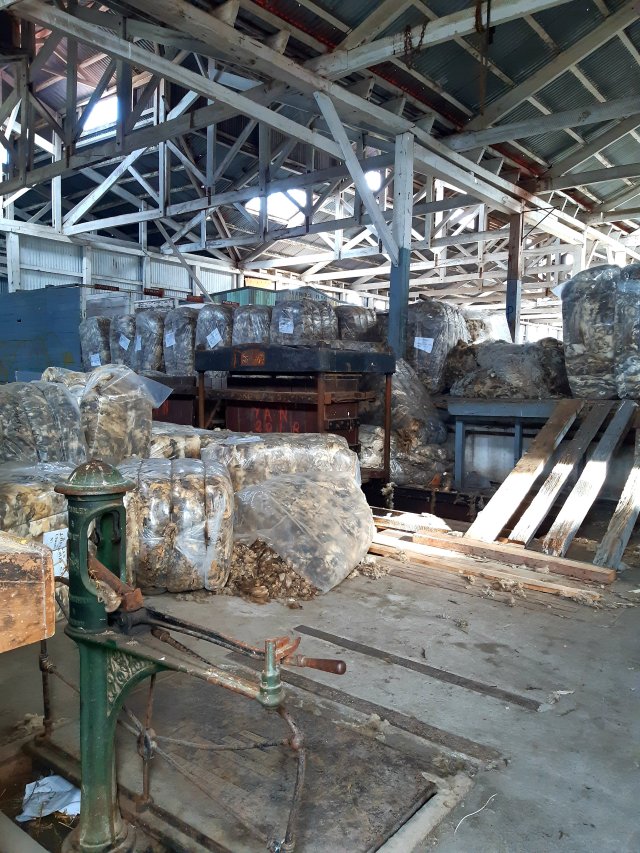
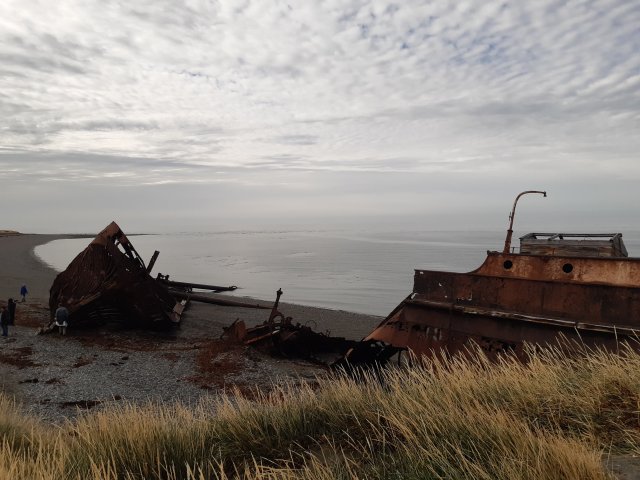
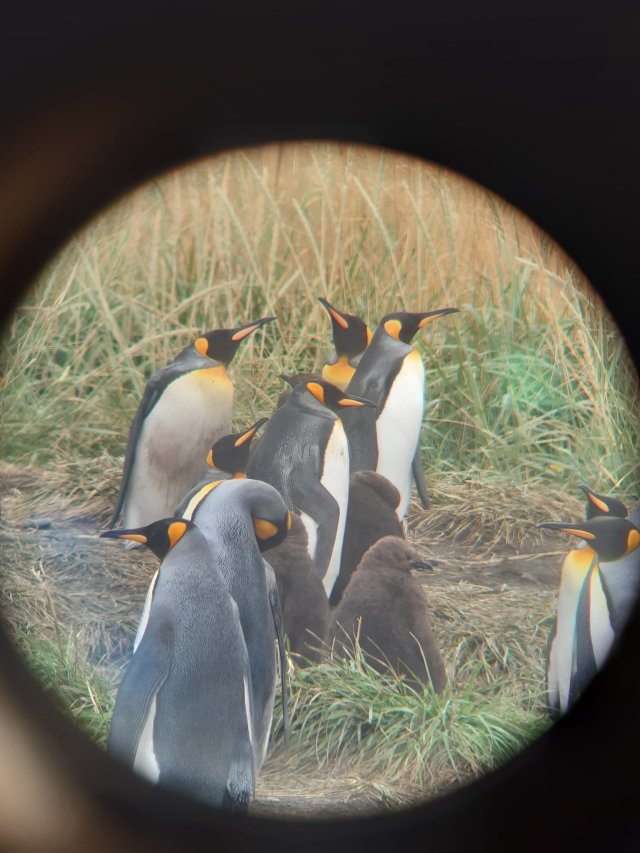
 The penguins are a small colony of about 120 who established themselves there 12 years ago, originally just with a few pairs. An interesting fact that I was unaware of, is that after raising the first chick, the female decides if the male was a good enough father or not, and based on that, she will either call for him the following year, or she will mate with another male. Unfortunately it was raining, and they were a bit far for good pictures.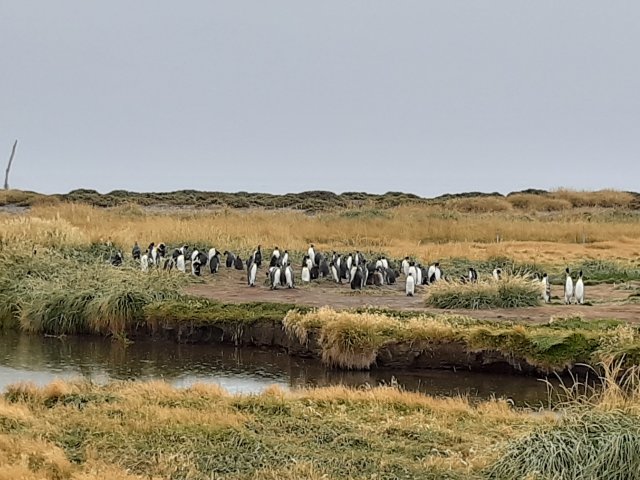
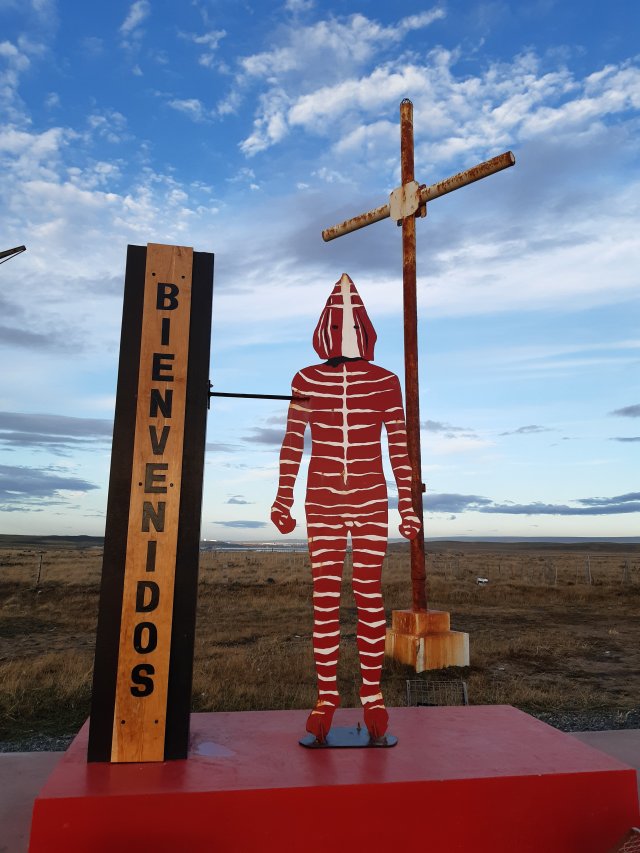
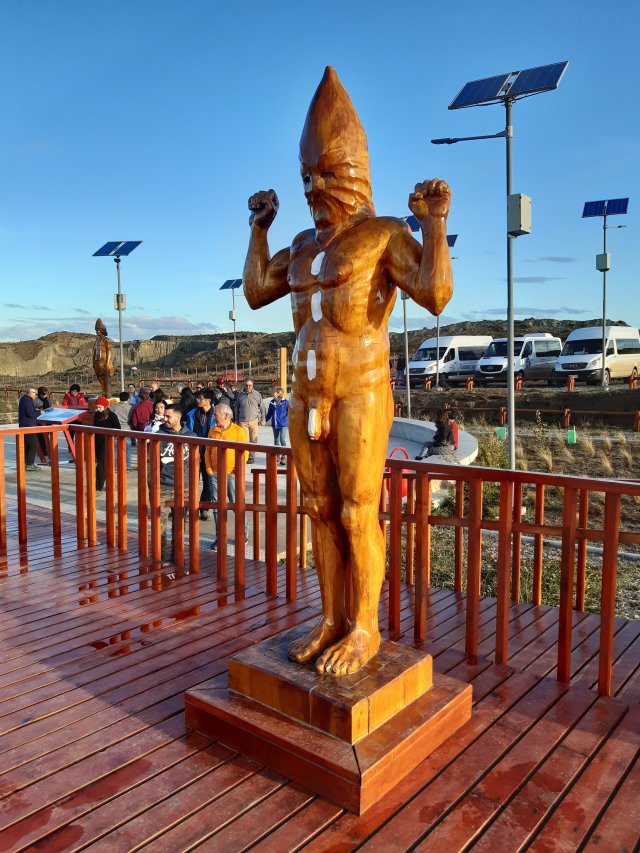
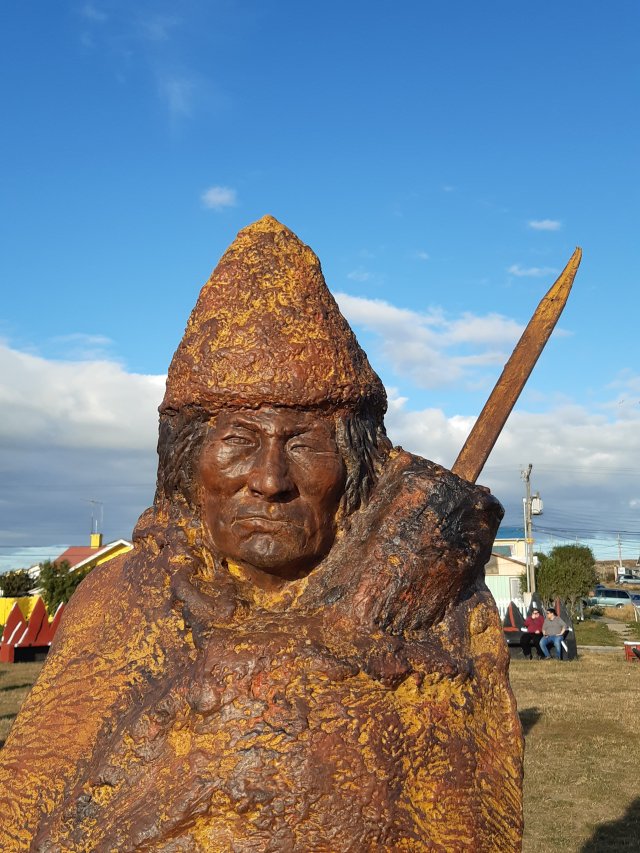
 We returned to Punto Arenas via Porvenir, from where a two-and-a-half hour ferry trip took us back accross the Strait of Magellan. At Porvenir we visited the Hain viewpoint, a site where the Hain intiation ceremonies of the Selk’nam are commemorated. During the initiation the young men would paint their bodies according to the spirit they wanted to represent. There were three spirits: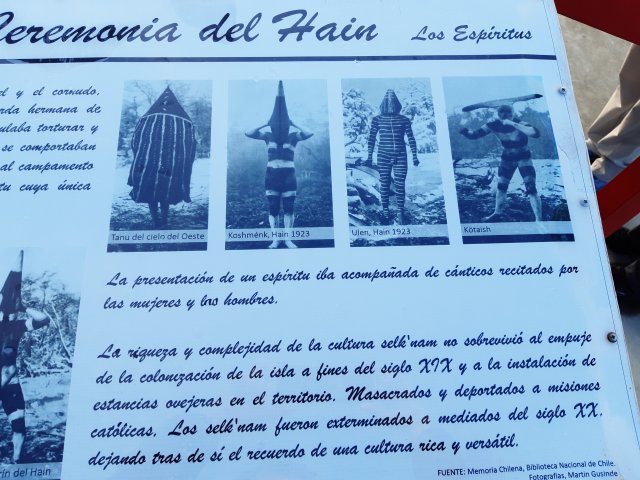


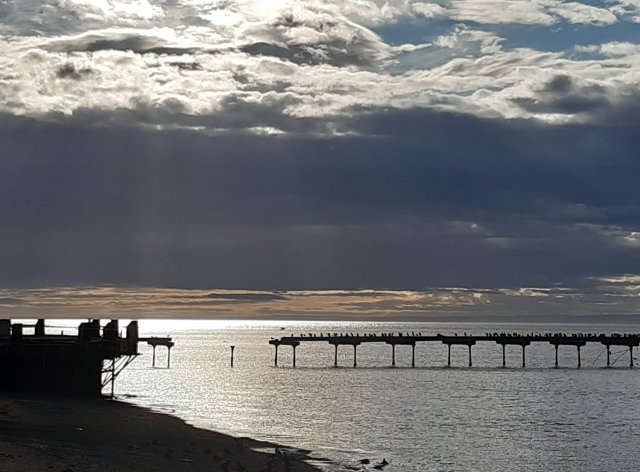
 The water is crystal clear and unpoluted. I took this photo from the jetty – what looks like patterns are the slight ripples on the surface of the water:
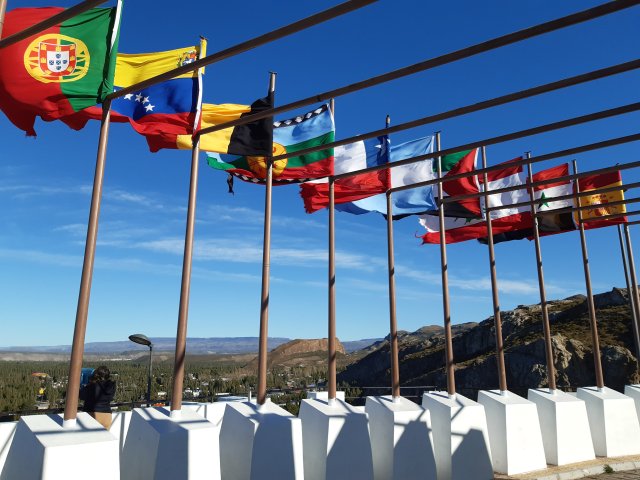
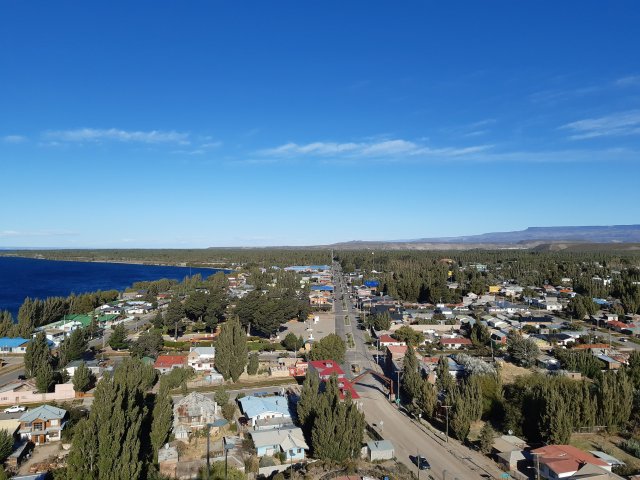
 When Carla (my boss in Los Antiguos, who had brought me accross the border to Chile Chico) left after our lunch the previous day, I had walked up to a mirador (lookout point) in the howling wind. Chile Chico is a small town, and a ferry takes people and cars accross the lake to Puerto Ibañez in 2 hours, a trip that would take about 6hrs by car.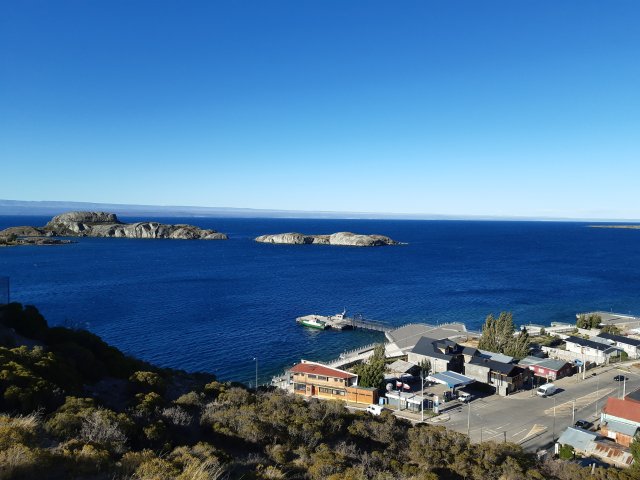
 I was heading to Cochran, which is south of Chile Chico, along the Carrera Austral, the main road runnning longitudinally down Chile. There are only direct buses on three days of the week, so I had to go to Puerto Rio Tranquilo, which was more north, and then catch a bus south again, retracing about one third of my trip. It wasn’t bad, because it is a scenic route all along the lake and countryside.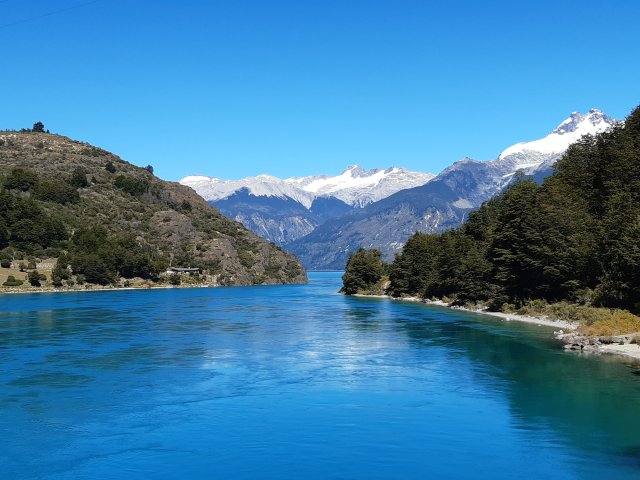
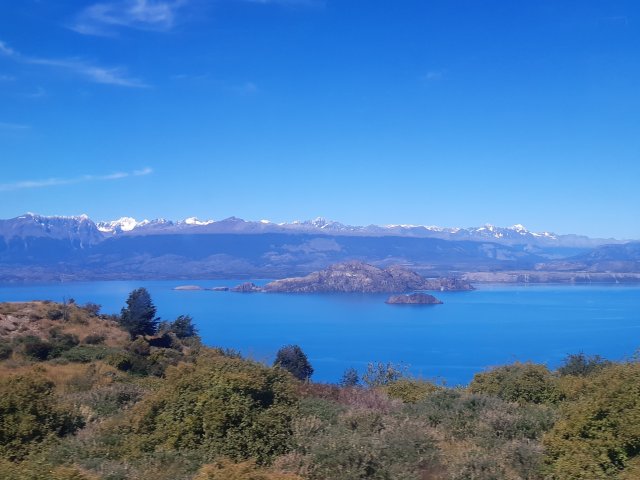

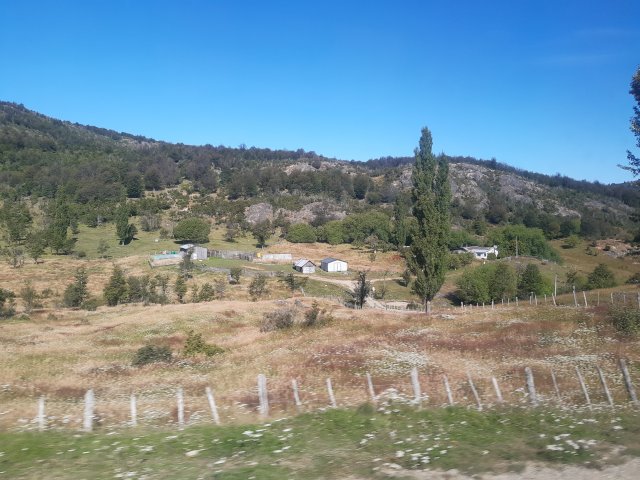 Cochrane is a small town which is covered in snow in winter, but once again I was blessed with a bright windless day. I borrowed my hostess’s bicycle to ride the 4km to the Parque National and did a 2hr hike to a lookout point of the lake and river. On my way into the park I was lucky enough to see a huemul, the south Andean deer that is an endangered specie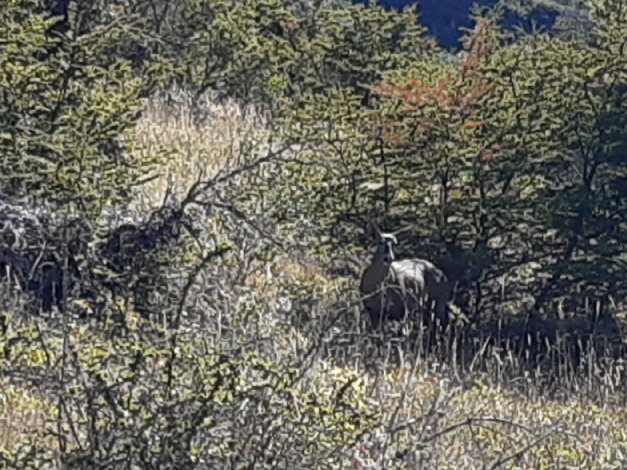
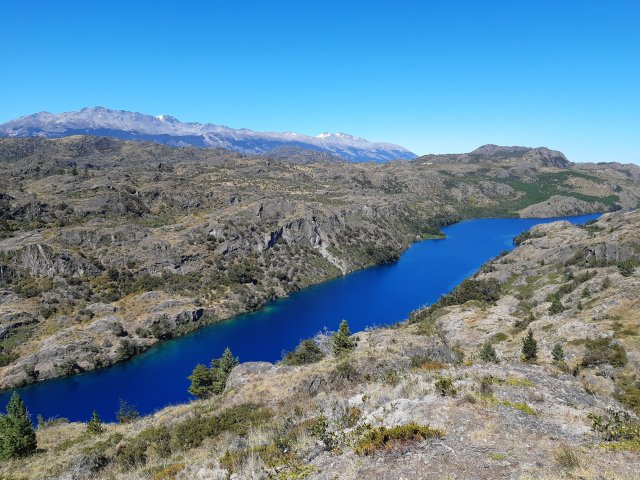

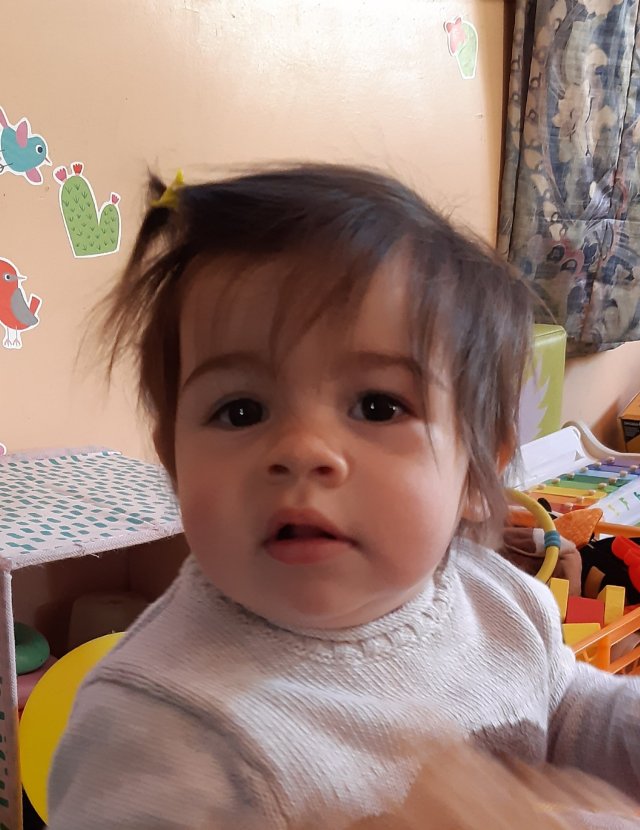
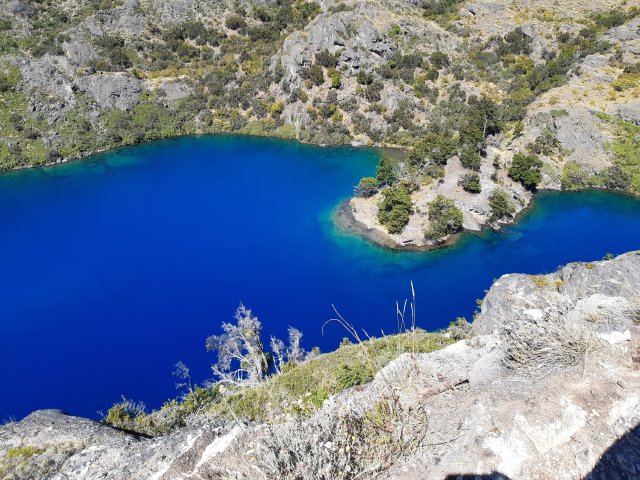 I was staying with the most wonderful couple, Maurice and Carmen, and I fell completely in love with little Amara, their one-year old daughter. Her penetrating brown-eyed stare never wavered for a moment – she must be an old soul, with the wisdom of the ancients. Both Carmen and Maurice know much about Chile, its history, indigenous people and the political situation, and they happily shared all of it with me.
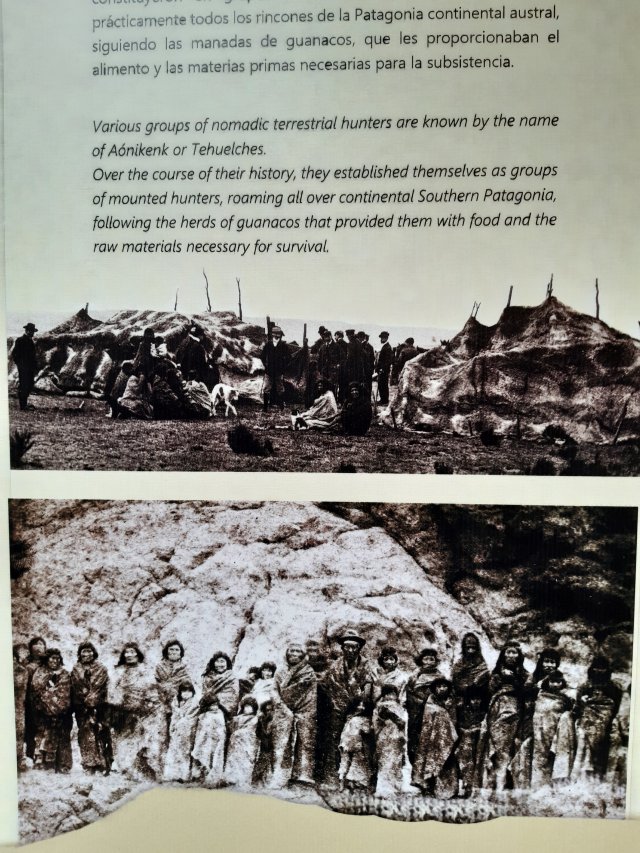
 The first group of hunter-gatherers arrived in Patagonia about 12000 years ago, when the landscape was mostly cold steppe, and trees grew only in some parts of southern Patagonia. The Aonikenk, or Tehuelces, were the group who roamed the steppe, living in tents and hunting guanacos for food and raw materials. After the settlers arrived, their numbers started dwindling as they succumbed to sickness, strange food and alcohol. They couldn’t hunt anymore, so took to breeding horses and working for the settlers. The last Aonikenk, Alberto Achacaz Walakial died in 2008.
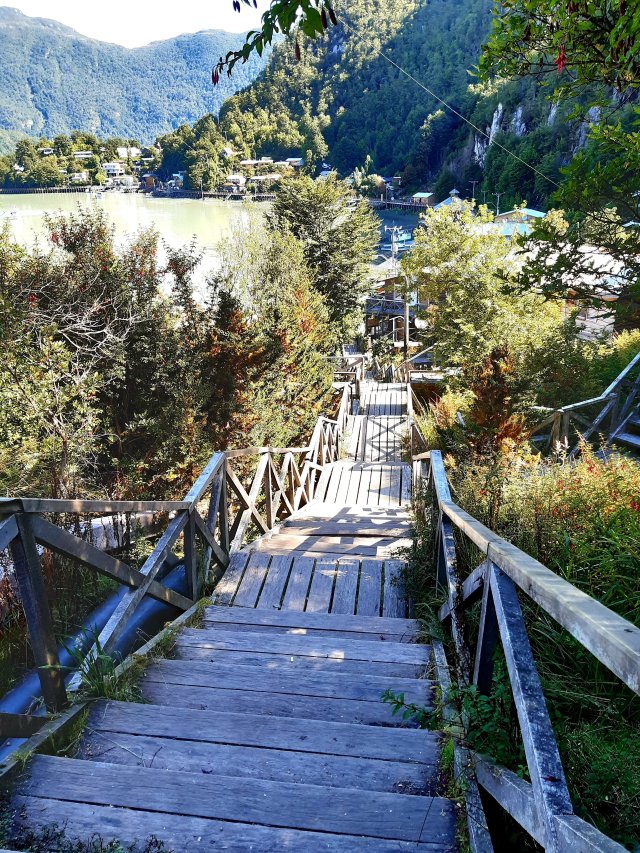
 My mission was to go from Tortel (south of Cochran) to Puerto Natales by ferry, a once-a-week 41hr trip down the fjords, having only an allocated reclining chair and meals served in a dining salon. I had unsuccessfully tried booking online for several weeks beforehand, and finally was told that there were no seats available for the 22nd February, the day I wanted to leave. I determinedly caught the bus to Tortel anyway, a picturesque village with no cars, only boardwalks. There is a parking area for vehicles at the top, and wooden stairs lead to the village below. The road there from Cochrane had only been built in 2000 – previously it had only been accessible by horseback.
 I arrived at Tortel at 9am, stored Louise at the bus station, and spent the day exploring, climbing to a mirador, eating and waiting. I mentioned in a previous blog that every town, no matter how small, has a plaza (square), and in Tortel, those covered areas jutting out are the plazas.


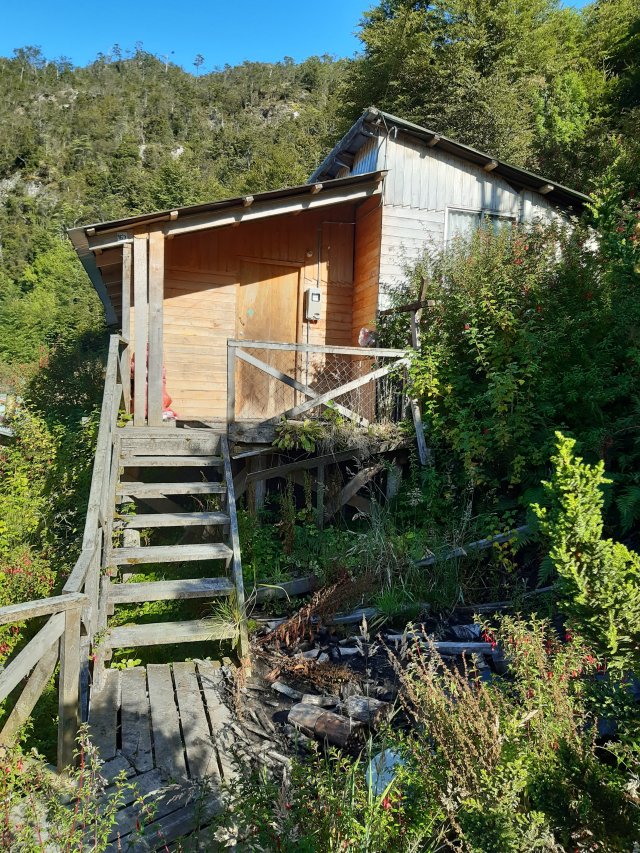

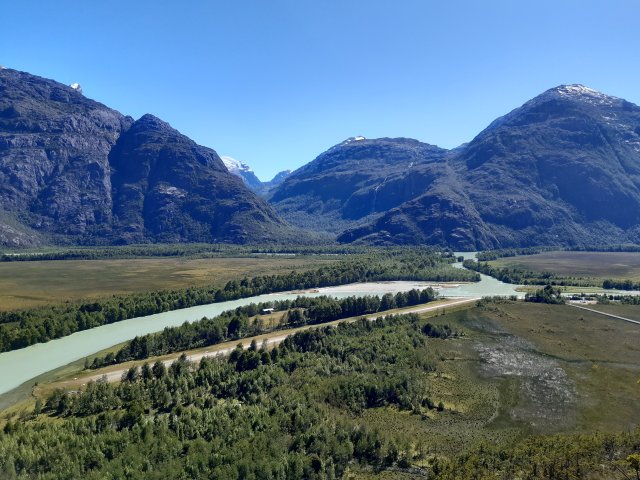
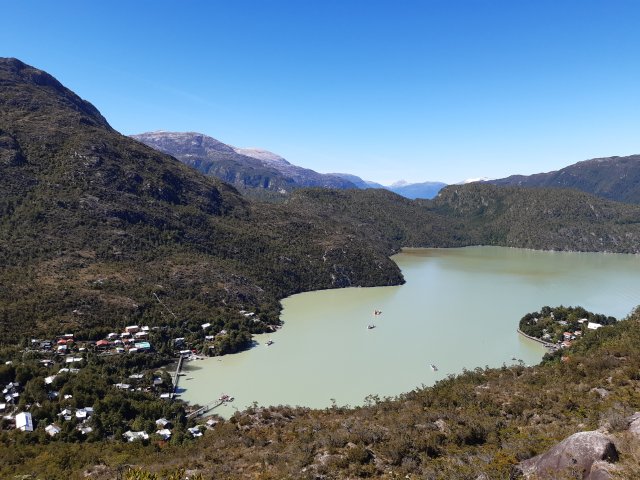 At the local Astral Broom office (the company running the ferry) they also told me there was no space, but that I could go to the docking pier at 10pm and enquire if there had been cancellations. My nerves were being severely tested, but everyone around was supportive and encouraging, and there was no way I was lugging Louise back along the boardwalks (her wheels kept on going into the grooves) and úp all the thousands of steps which I had had to carry her dówn. So I focussed on staying positive. In the end there were seven of us without tickets, and we all got a seat after waiting for about an hour. The price of the ferry was 125000 pesos (Chilean = R2500), which included good meals. The ferry takes about 30 cars and 150 people, of which 50 tickets are allocated to foreigners, 50 to Chilean travellers, and 50 to local Chileans. The Chileans’ tickets are subsidised by the government, so they travel very cheaply.
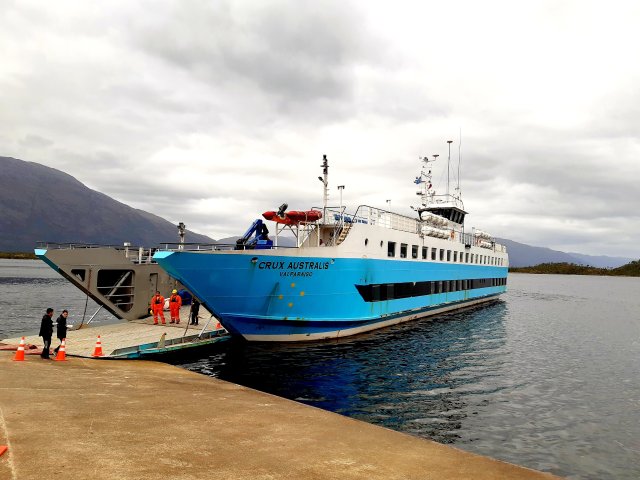 This is a map of the area south of Tortel, the dotted line between the fjords is the route the ferry took:
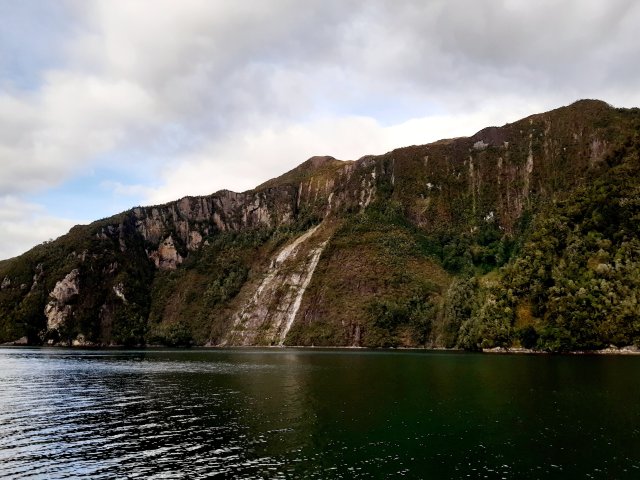
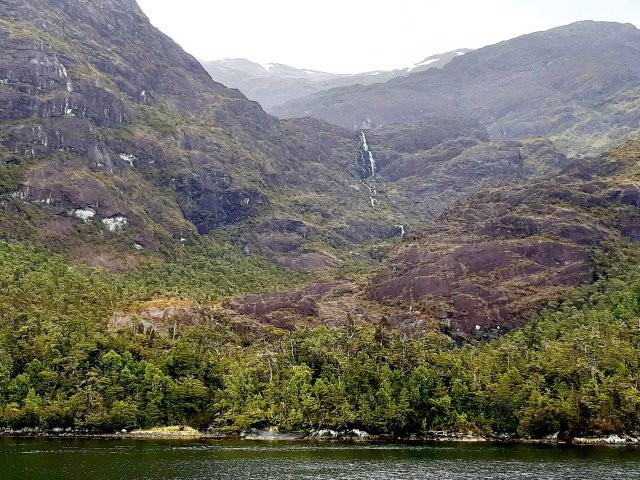
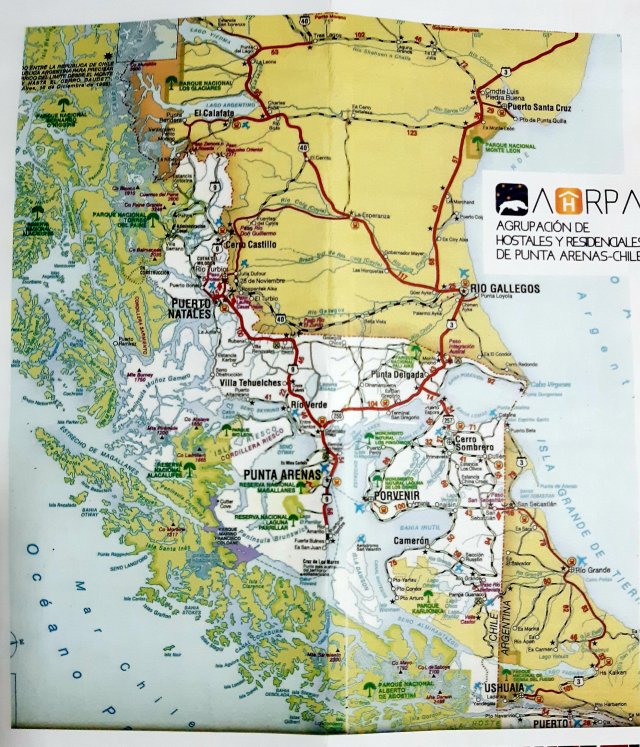 I was super excited and on deck before sunrise, taking pictures and going from one deck to the other up and down the steps. There were waterfalls, wooded mountains and wrecks along the way, and I saw some dolphins and many kinds of birds.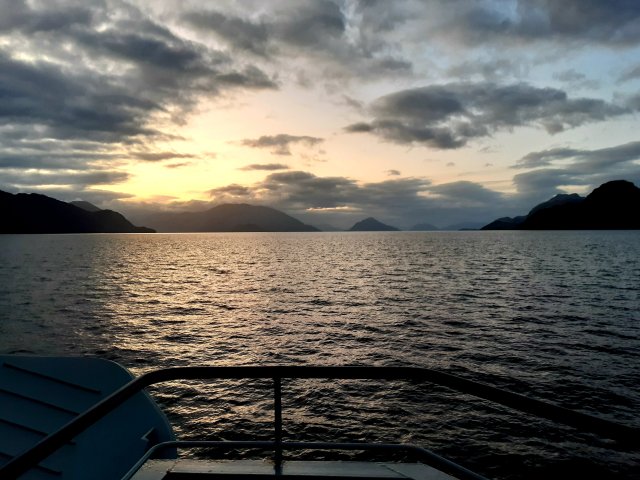
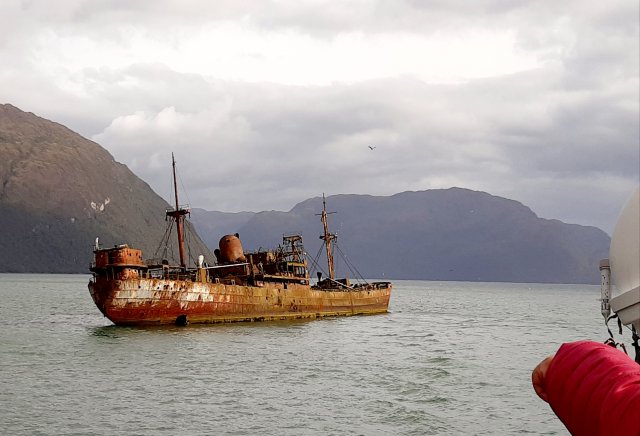
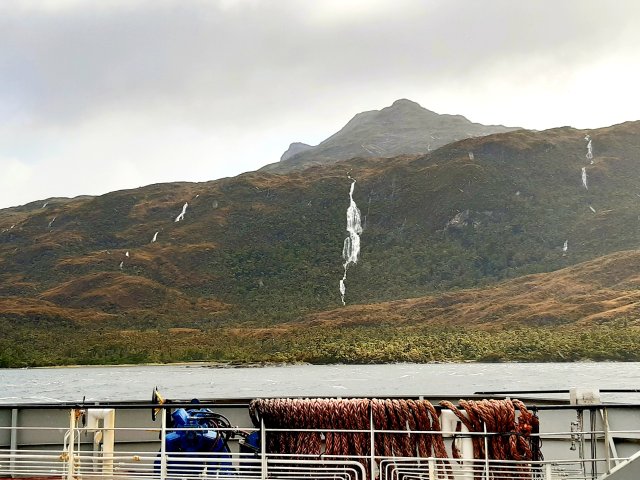 Around noon of the first day we stopped at Puerto Eden, a pueblo (town) on an island, also with no cars. This part of Patagonia had been inhabited by the Kawésqar, nomadic people who spent most of their time (as families) on their canoes, going up and down the fjords. The canoes were made of bark and caulked with a mixture of plant material, mud and roots, and sometimes covered with skin. They always kept a fire going in the canoe, on a bed of stones, shells and sand. Sometimes a woman would even give birth on the canoe, and the man would wear the umbilical cord around his neck to show that he had become a father. It was worn for a year, and meant bad luck for the child if he lost it before the year was over. The women gathered shellfish, diving for it (in that freezing water) if necessary, wove baskets, cleaned birds and looked after the children. The men made boats and weapons, and fished and hunted. The 3000 inhabitants met with the same fate as the other indigenous people when the whaling and sealing boats started arriving at the end of the 18th century. Individuals, and sometimes whole families, were also taken to Europe and North America to be exhibited and studied, as they were believed to be savages worthy of scientific study.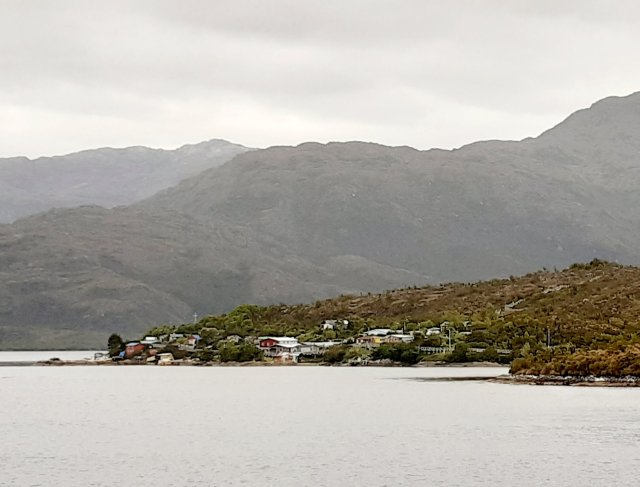

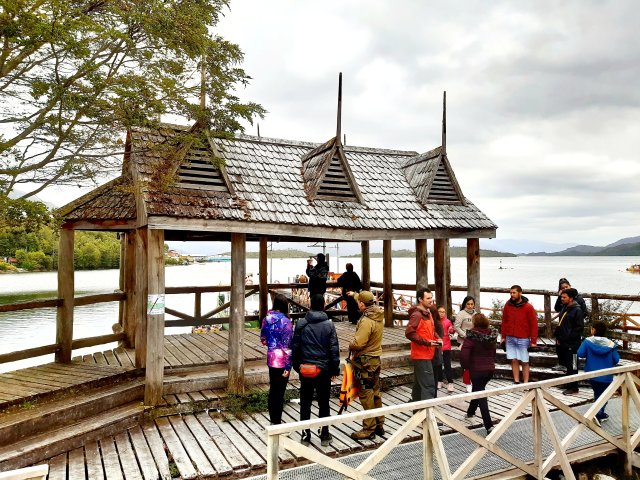 The weather changed later that afternoon, and we had rain and an icy wind for the rest of the trip, arriving at Puerto Natales at about 4pm.Puerto Natales is the town from which most people do the trekking in Torres del Paine, a popular and quite difficult 5 or 8 day hike in the park. There are caves worth visiting, where fossilized bones of the milidon, a large sloth with a head like a horse, were discovered. They date back at least 9000 years, when they had disappeared as a result of natural catastrophes.
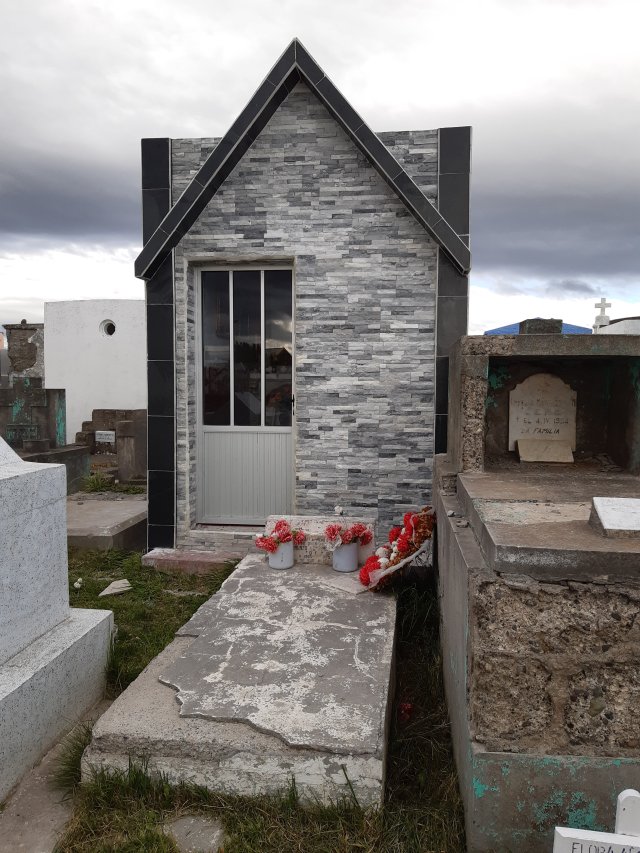
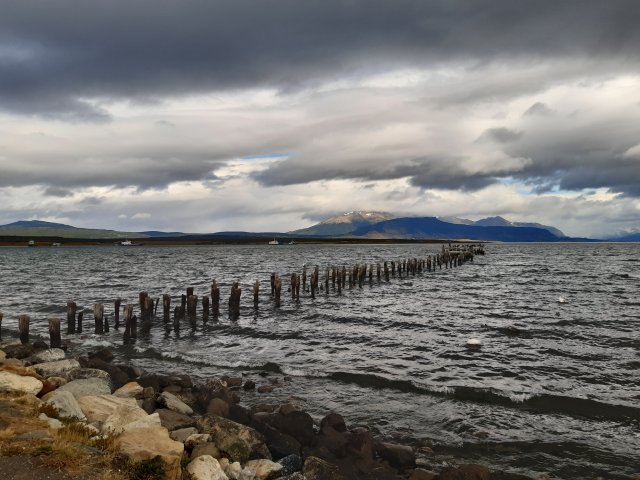
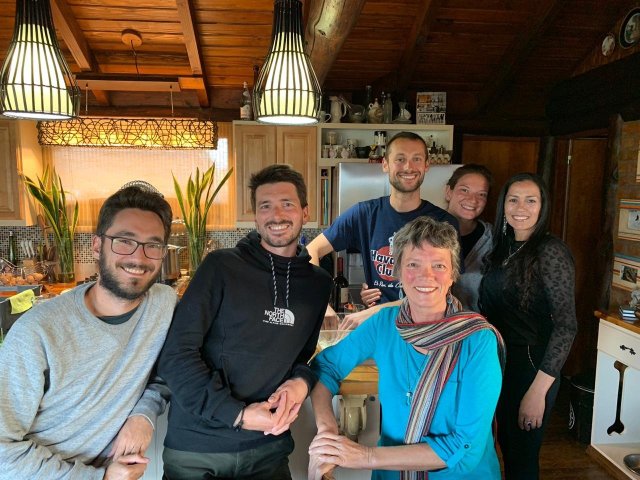
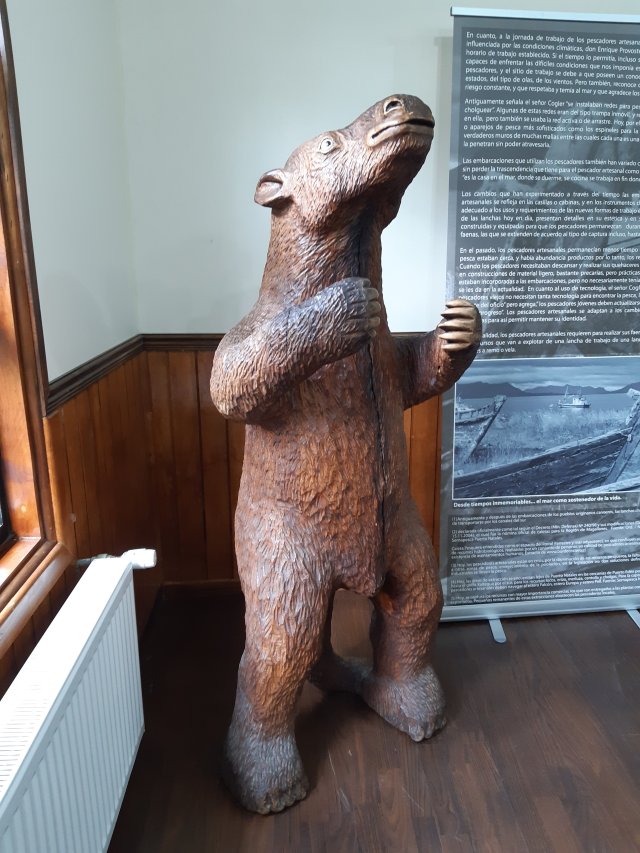 I didn’t do much other than walk around, visit a museum and the graveyard, have a few dinners with a friend that I had met on the boat, and cook on a lovely warm woodburning stove. I was meeting up with two of the French Workawayers that had been at Los Antiguos, and we had a happy reunion at a bar/restaurant overlooking the bay.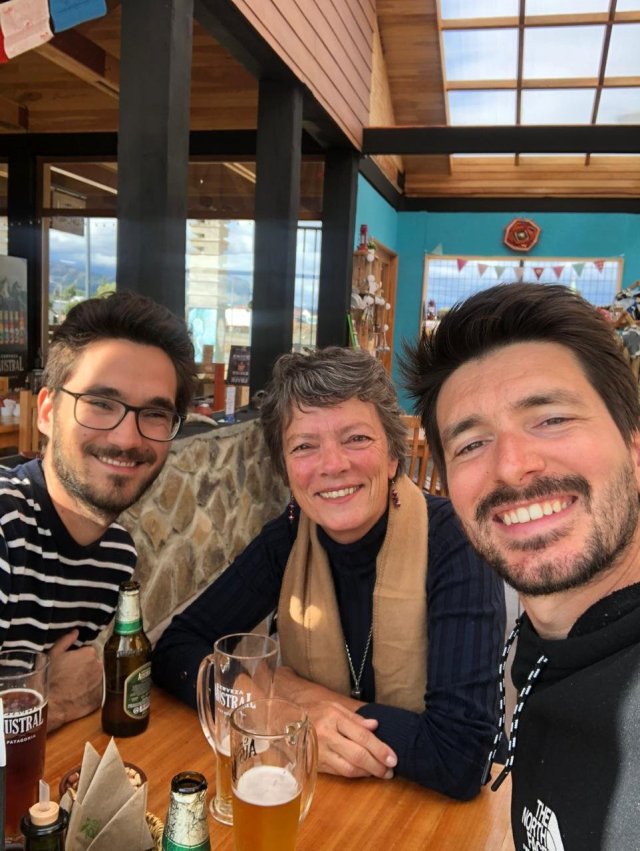


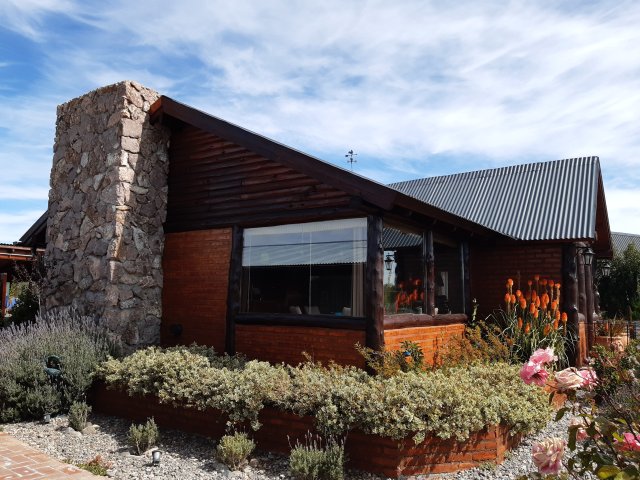
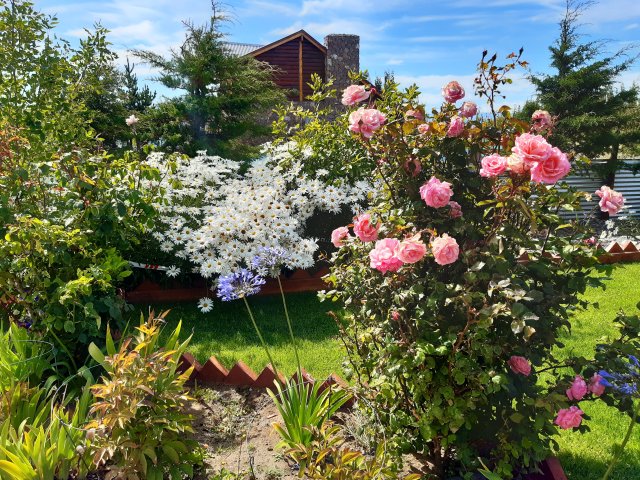
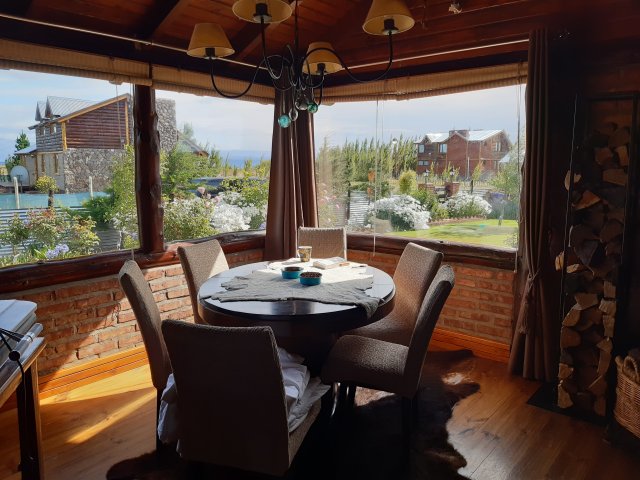
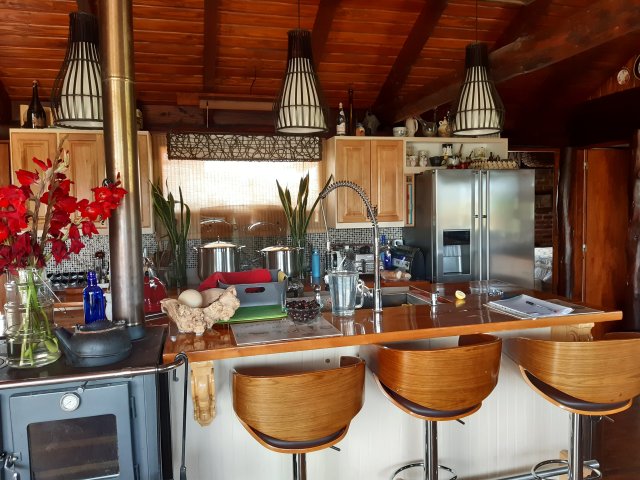


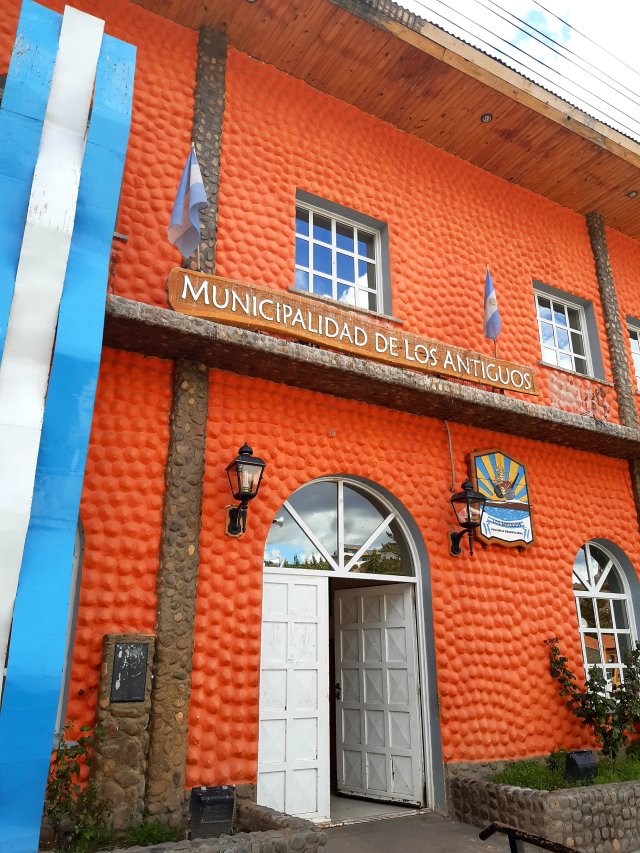
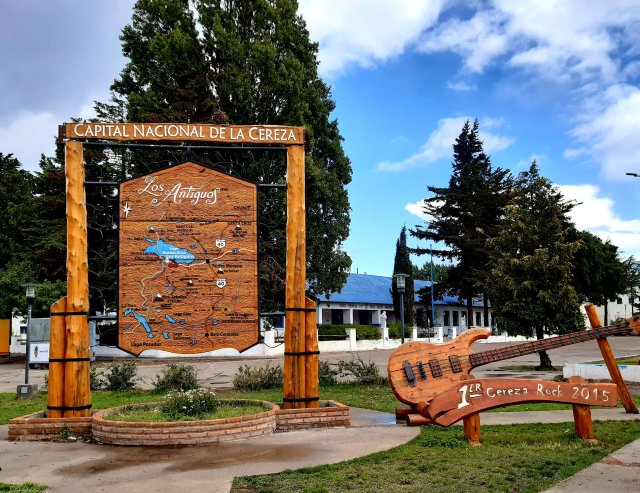
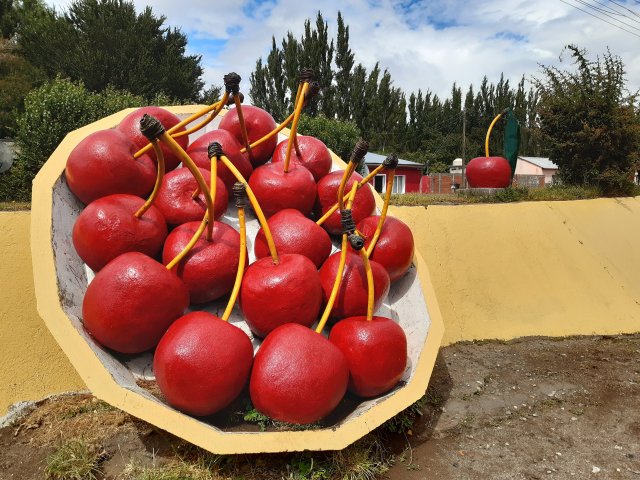
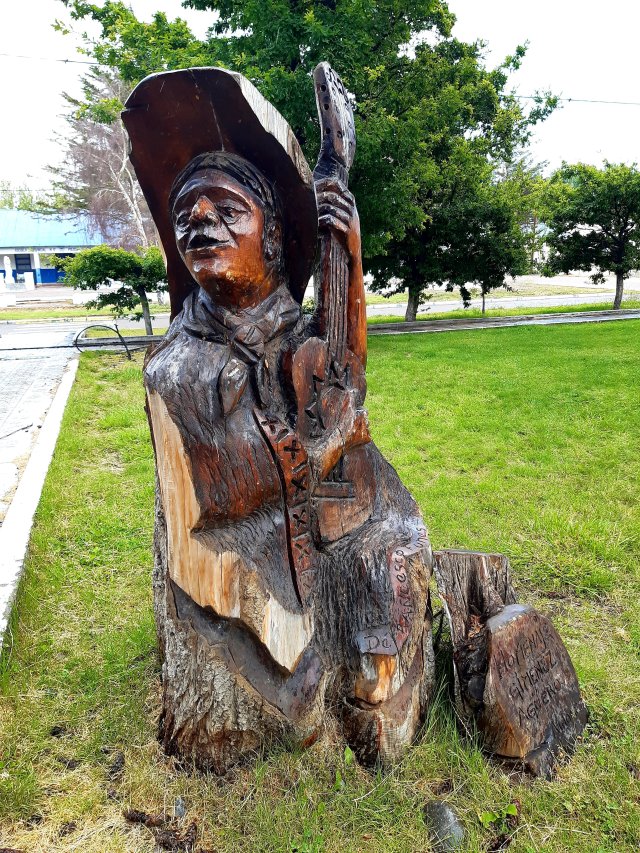
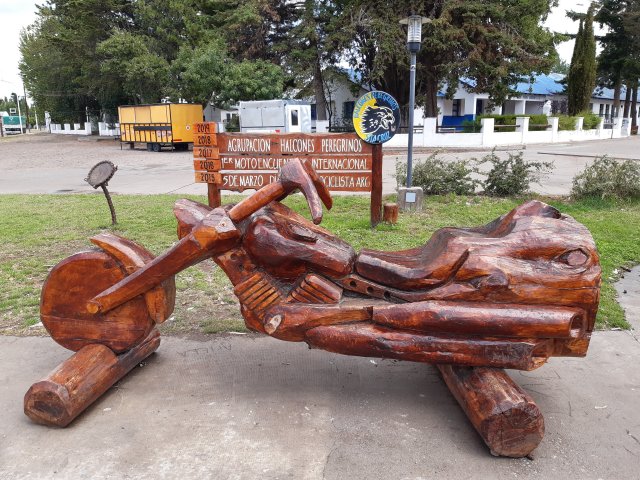
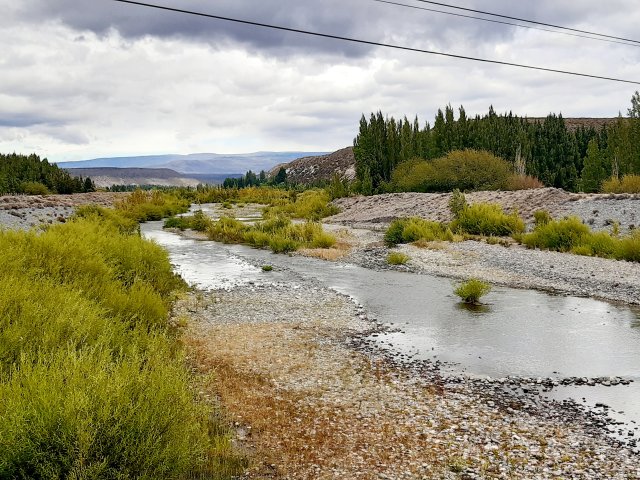
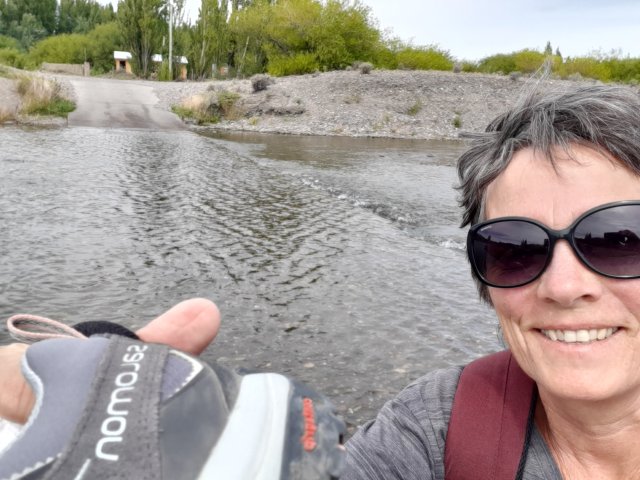
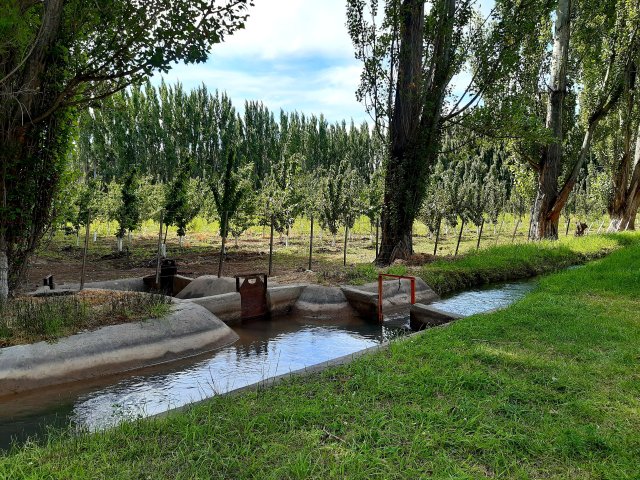
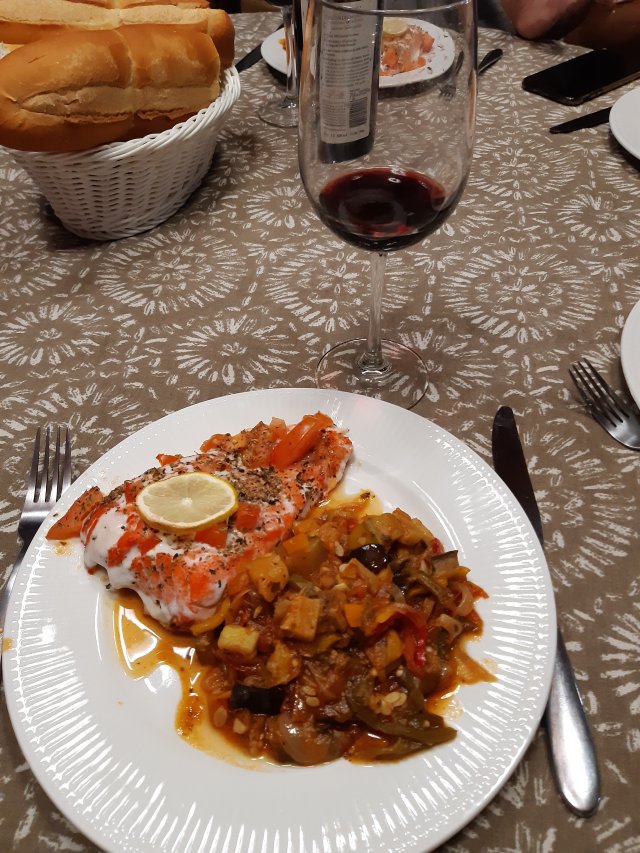
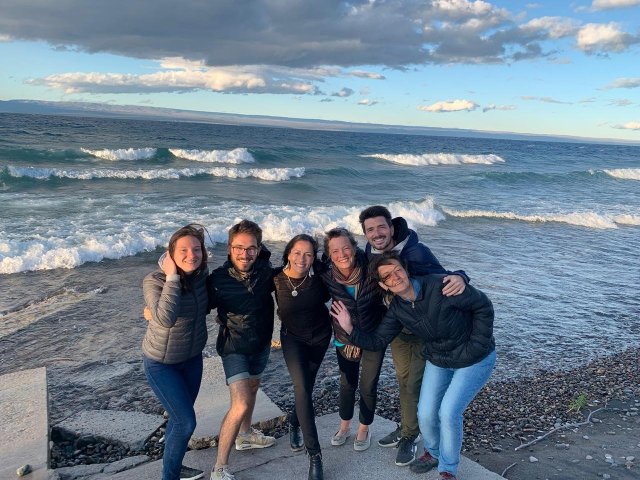
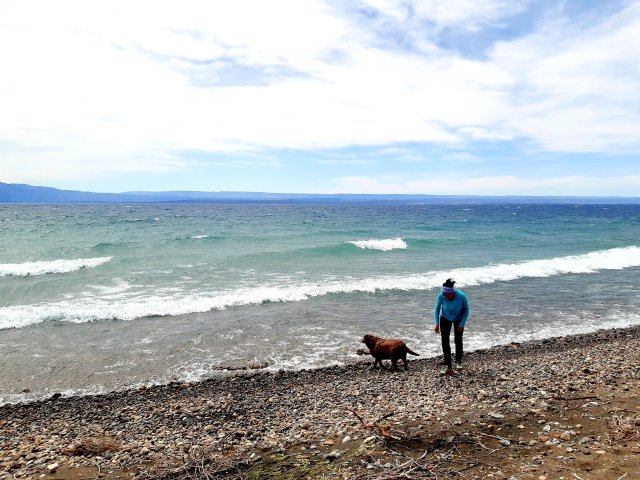

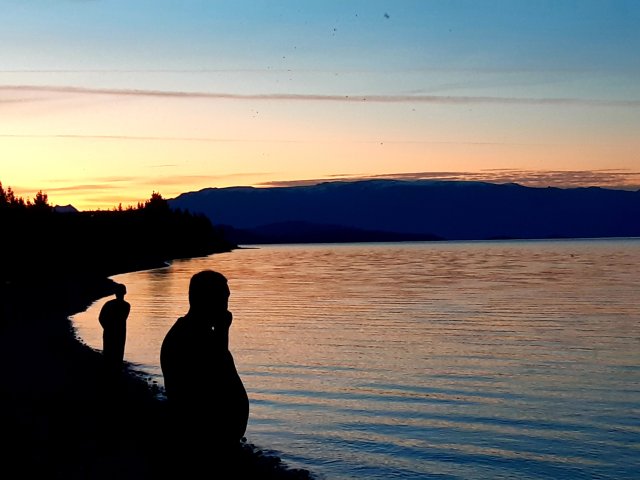
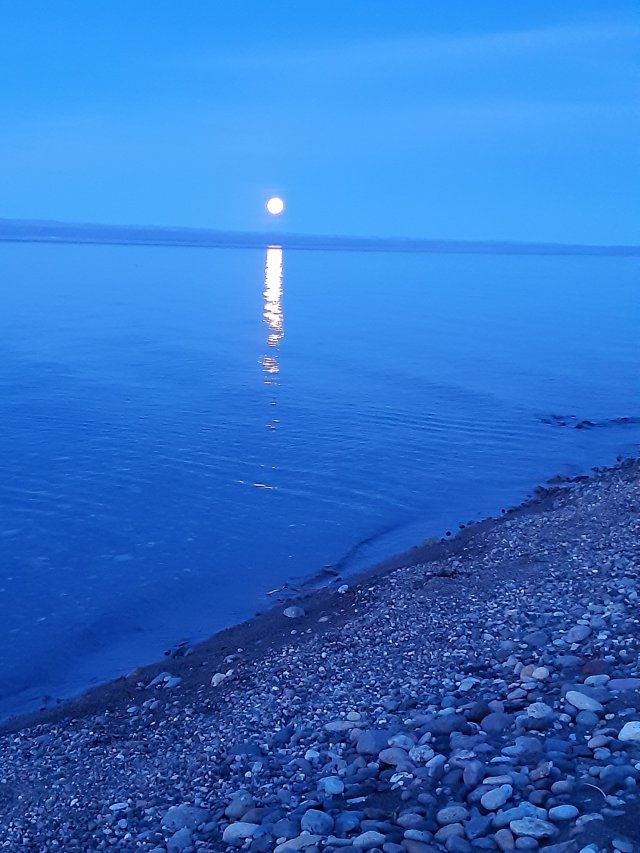
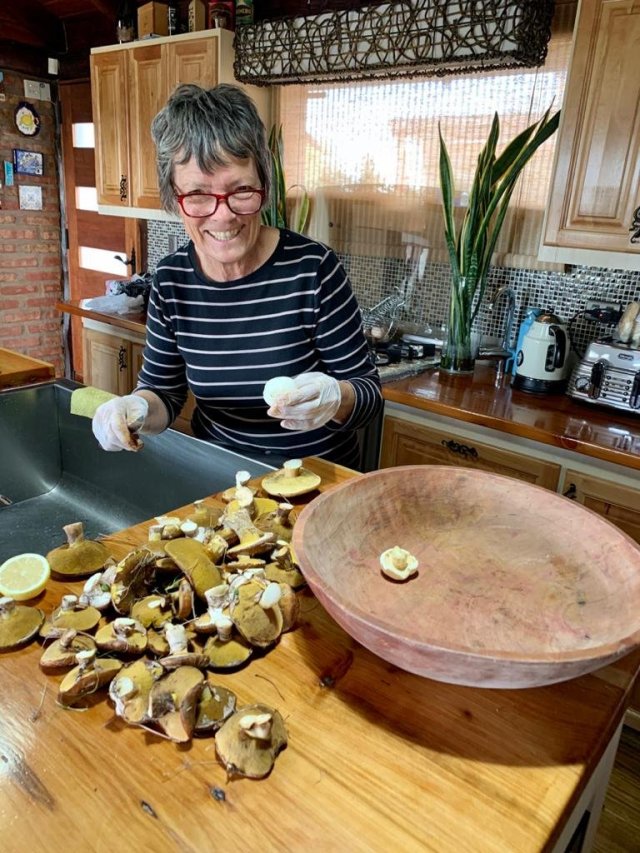
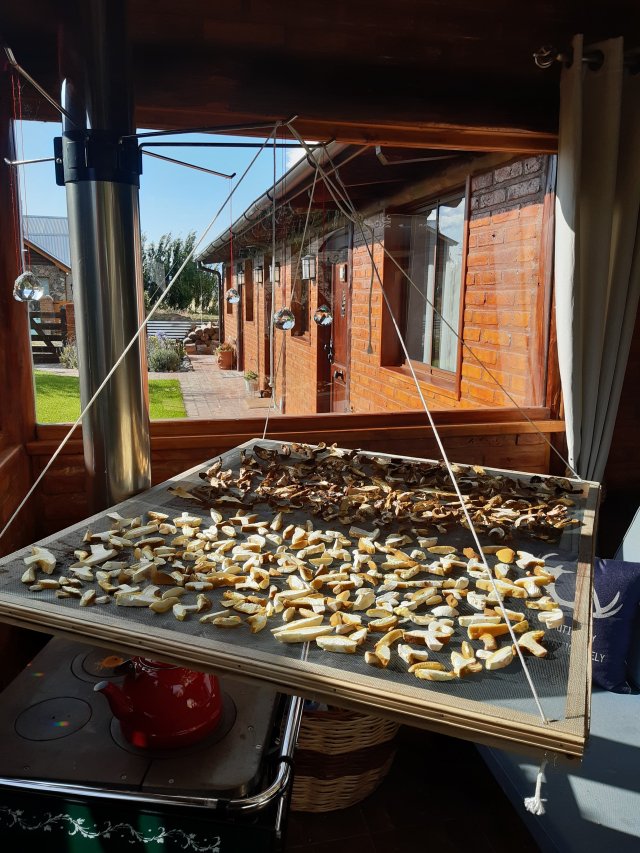
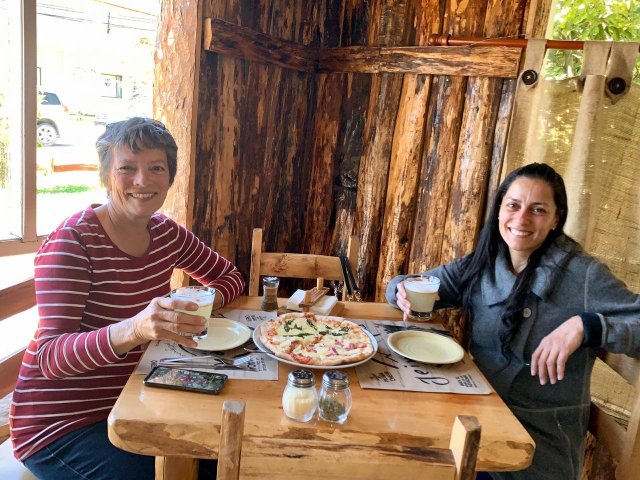
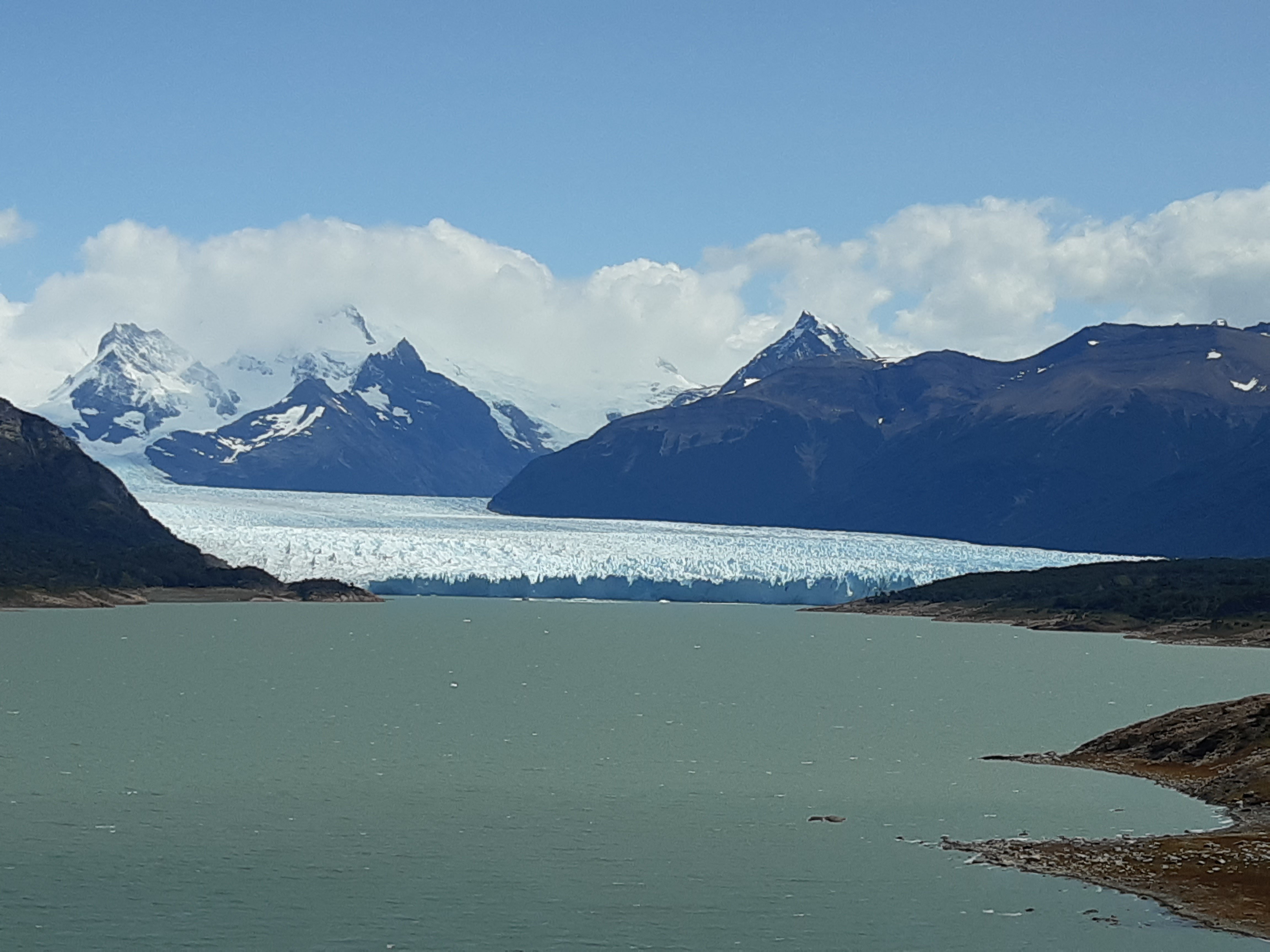
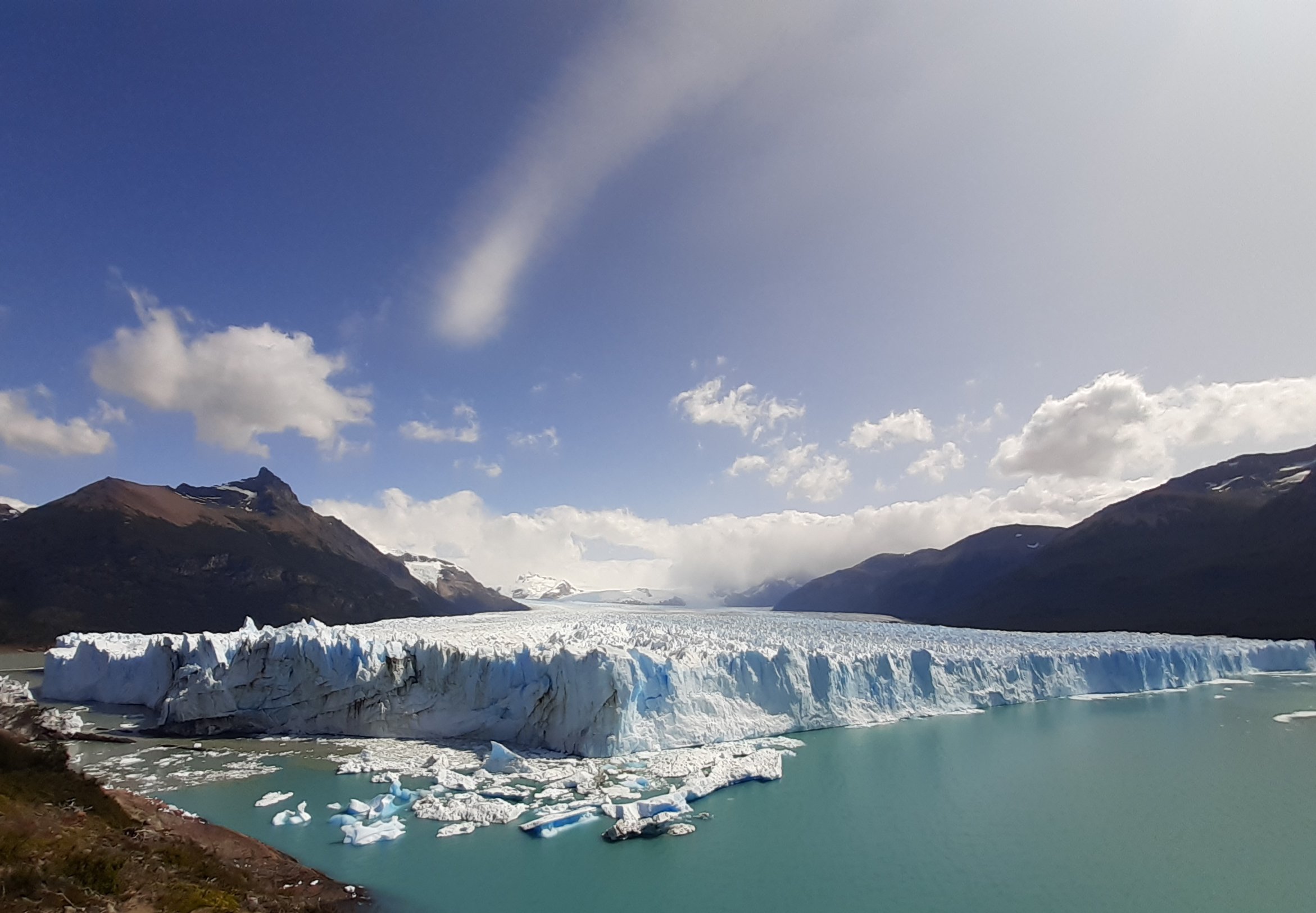

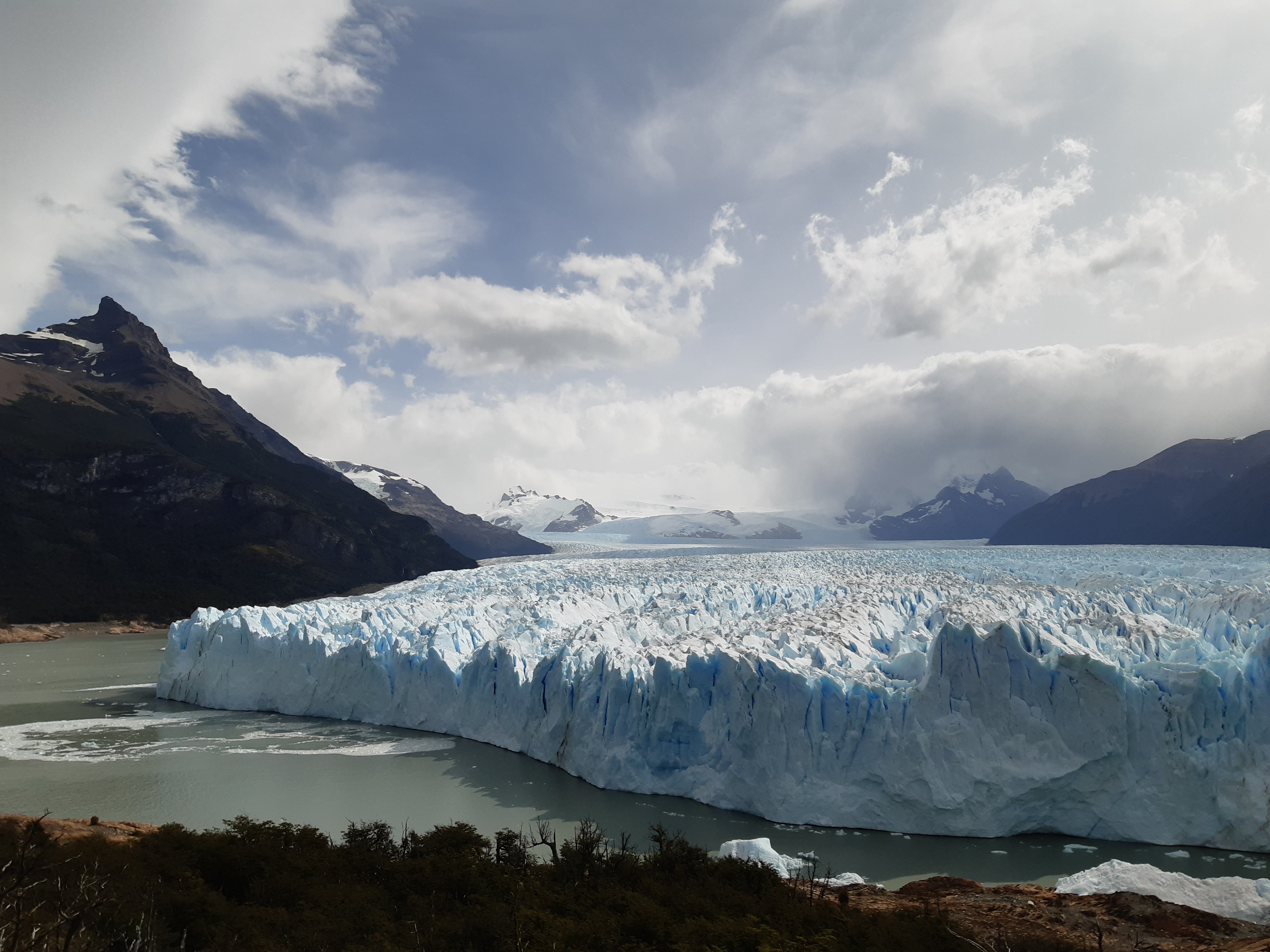
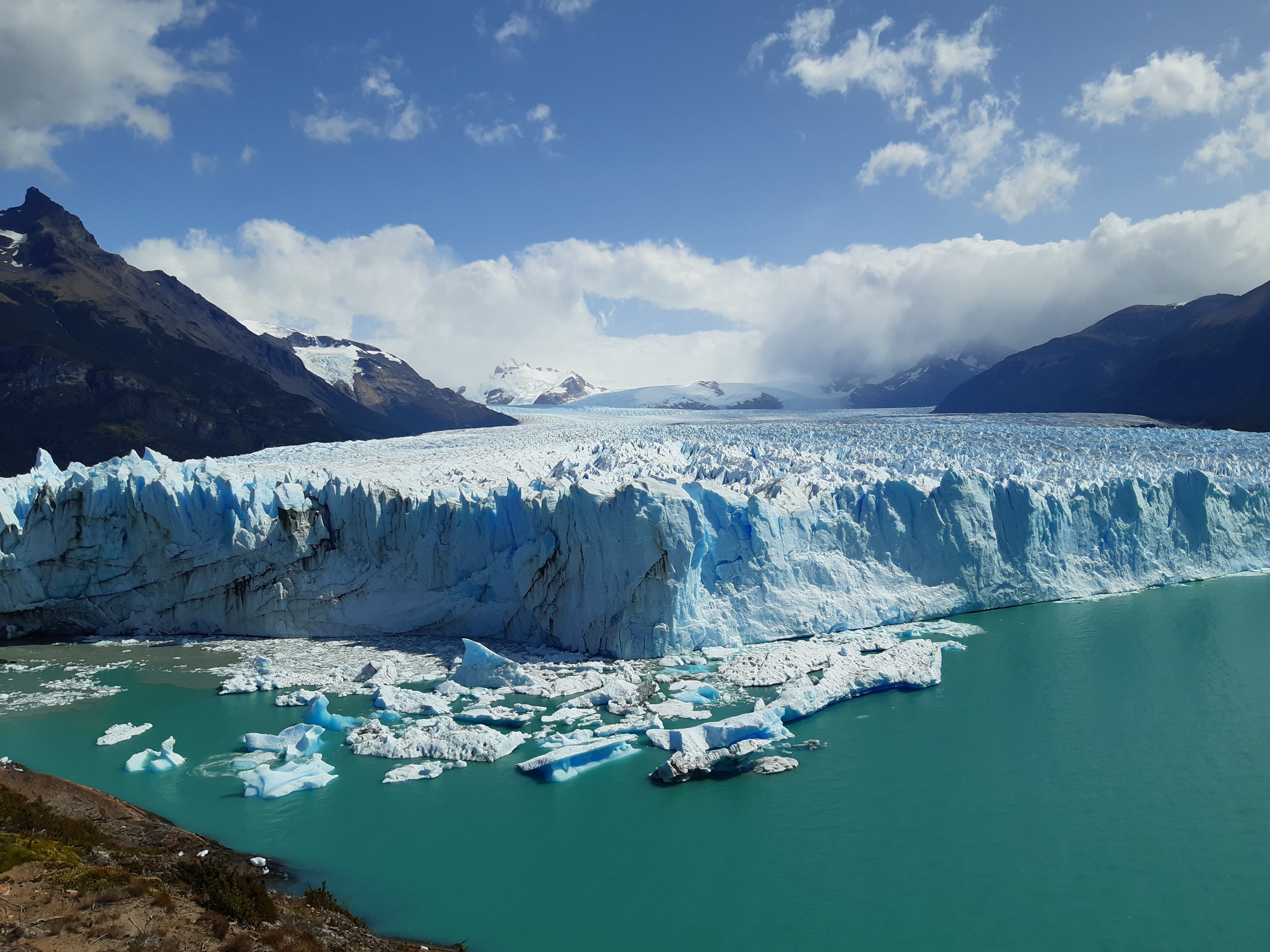
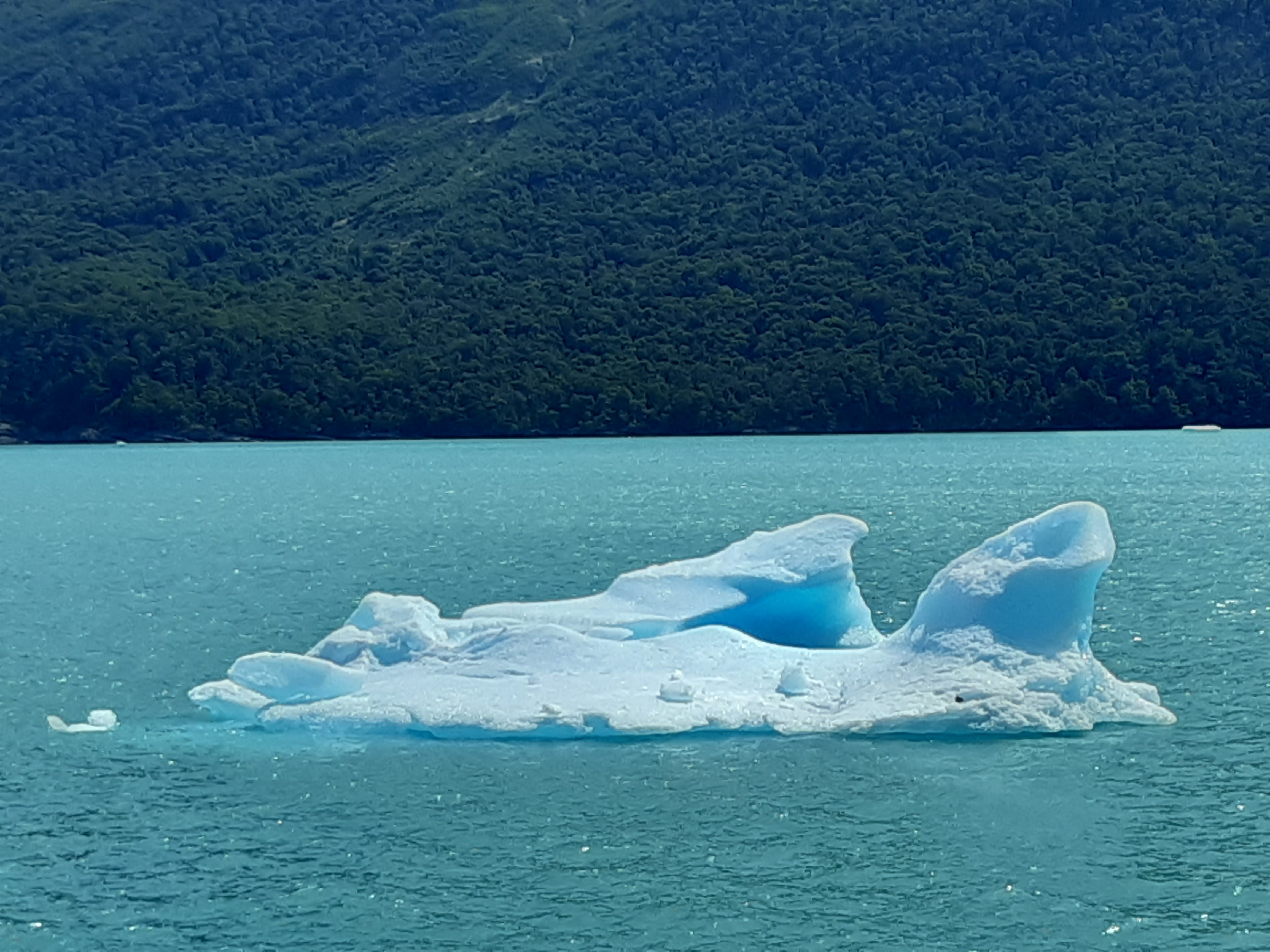

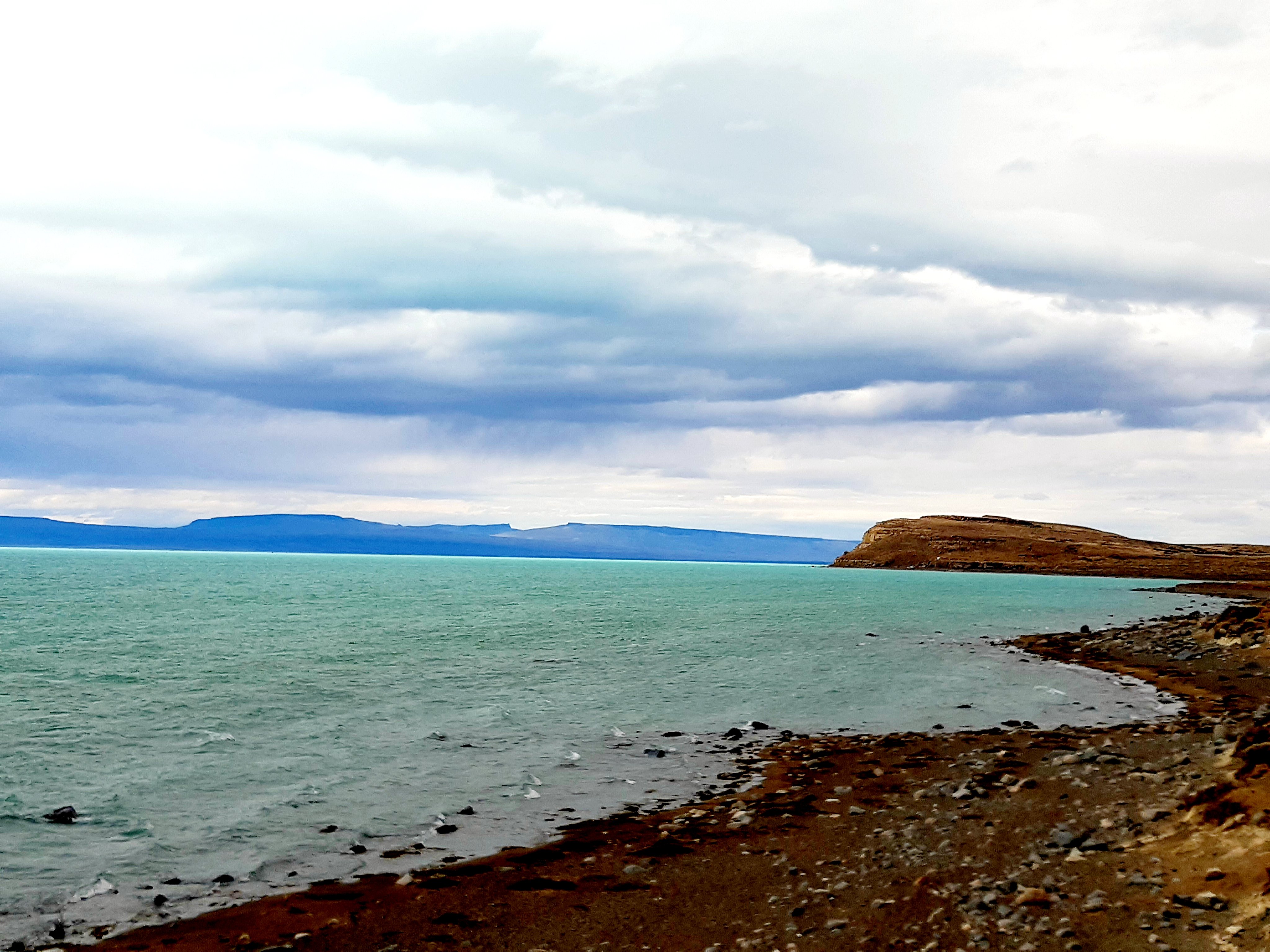
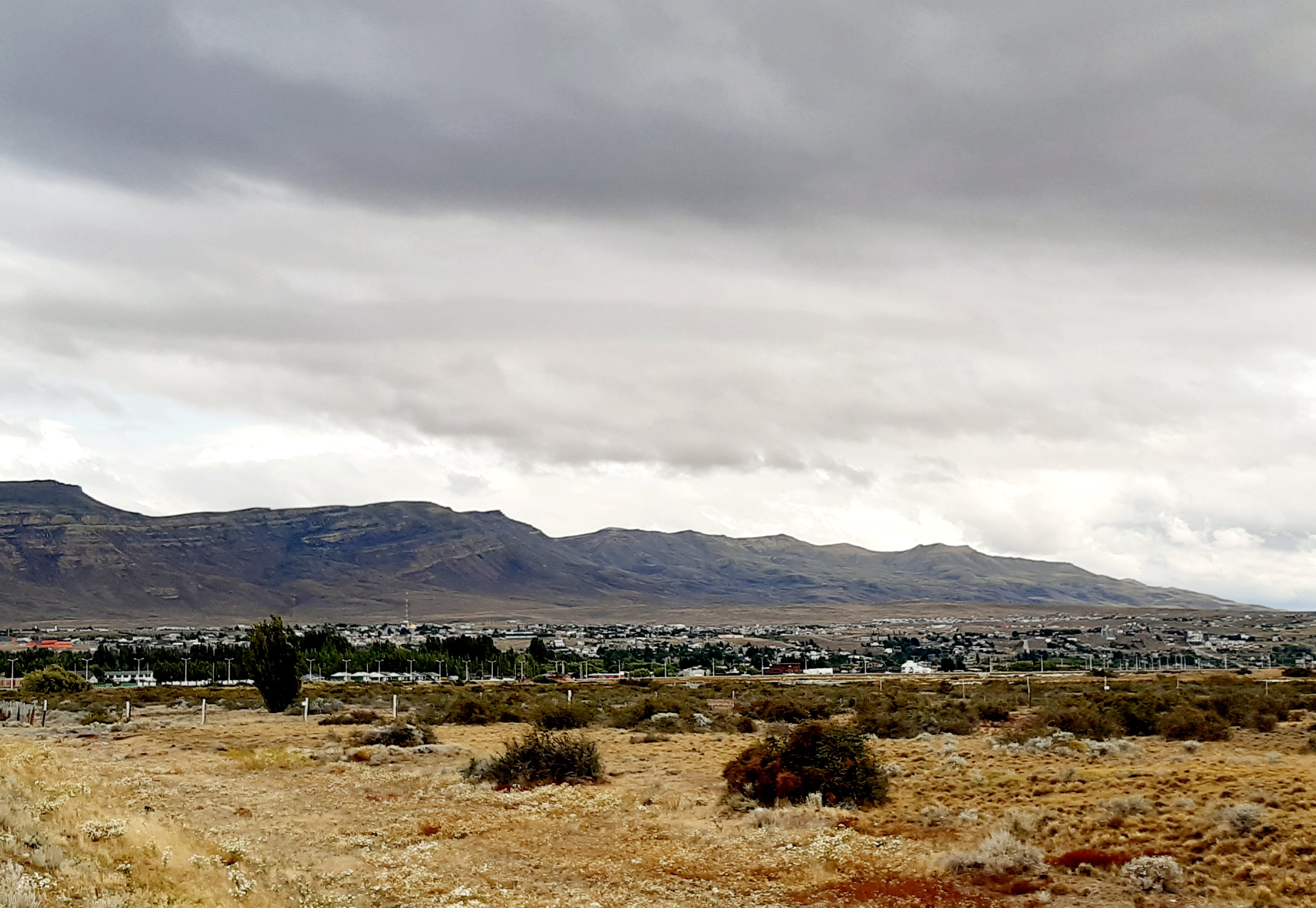
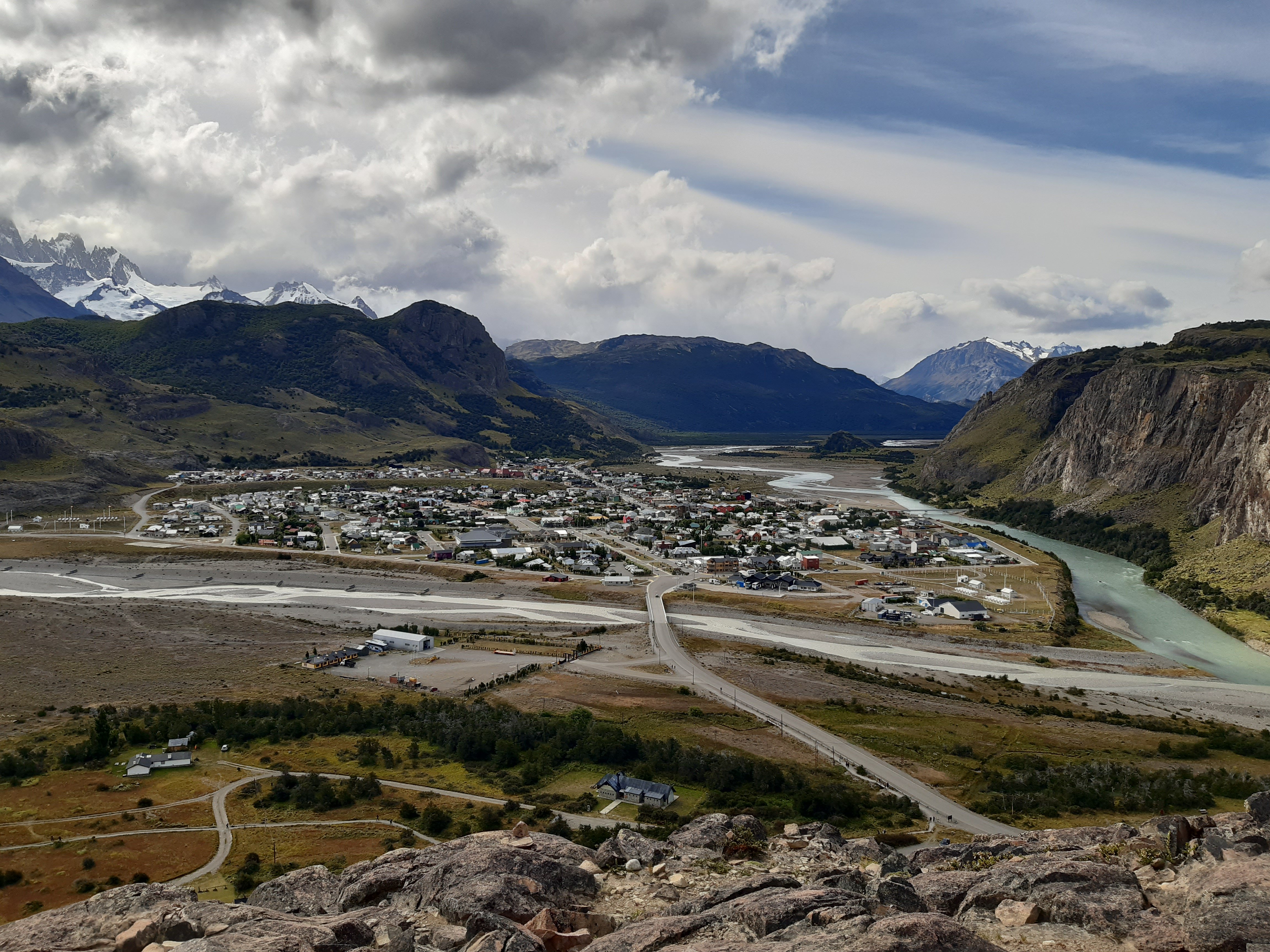
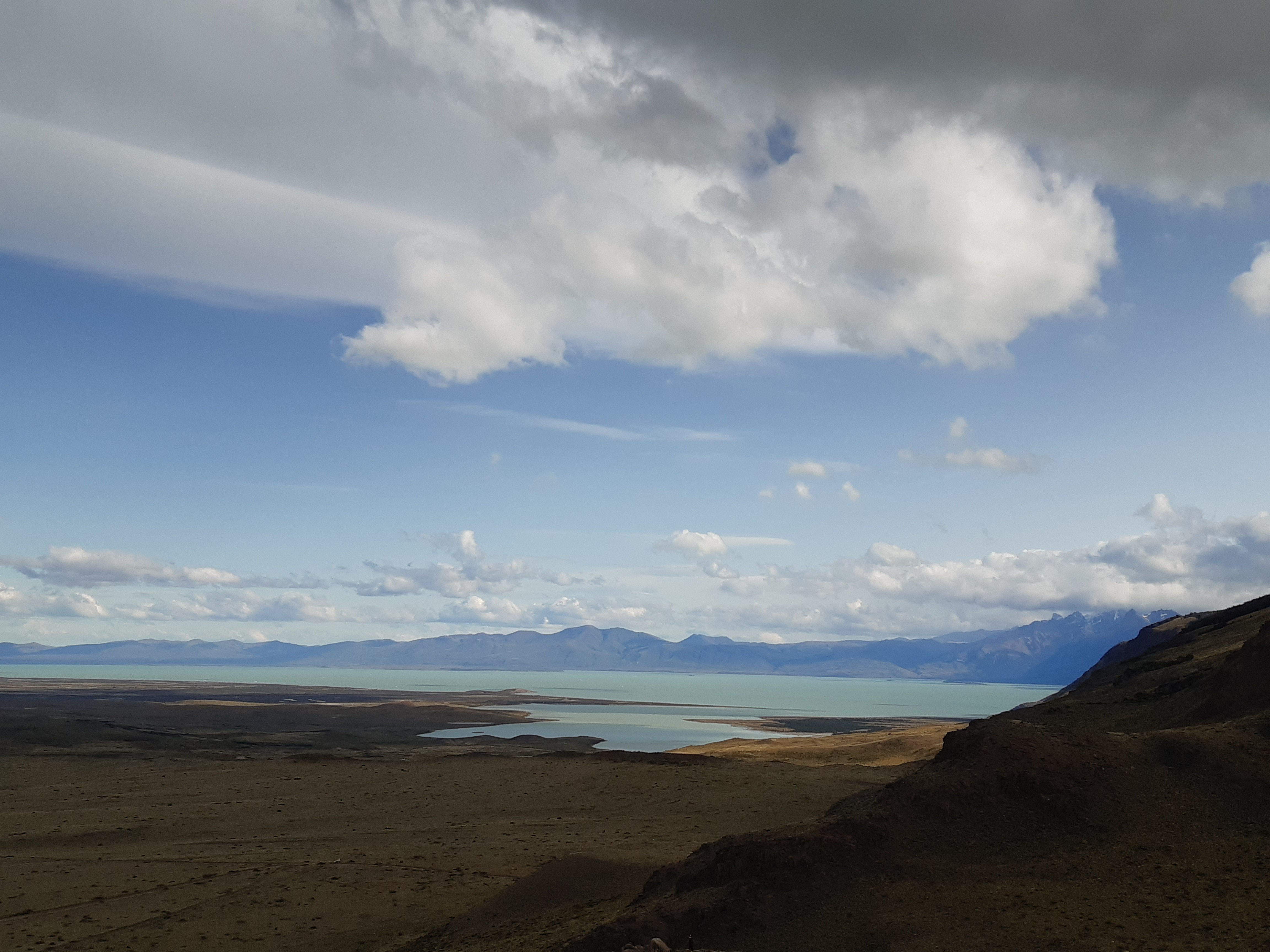
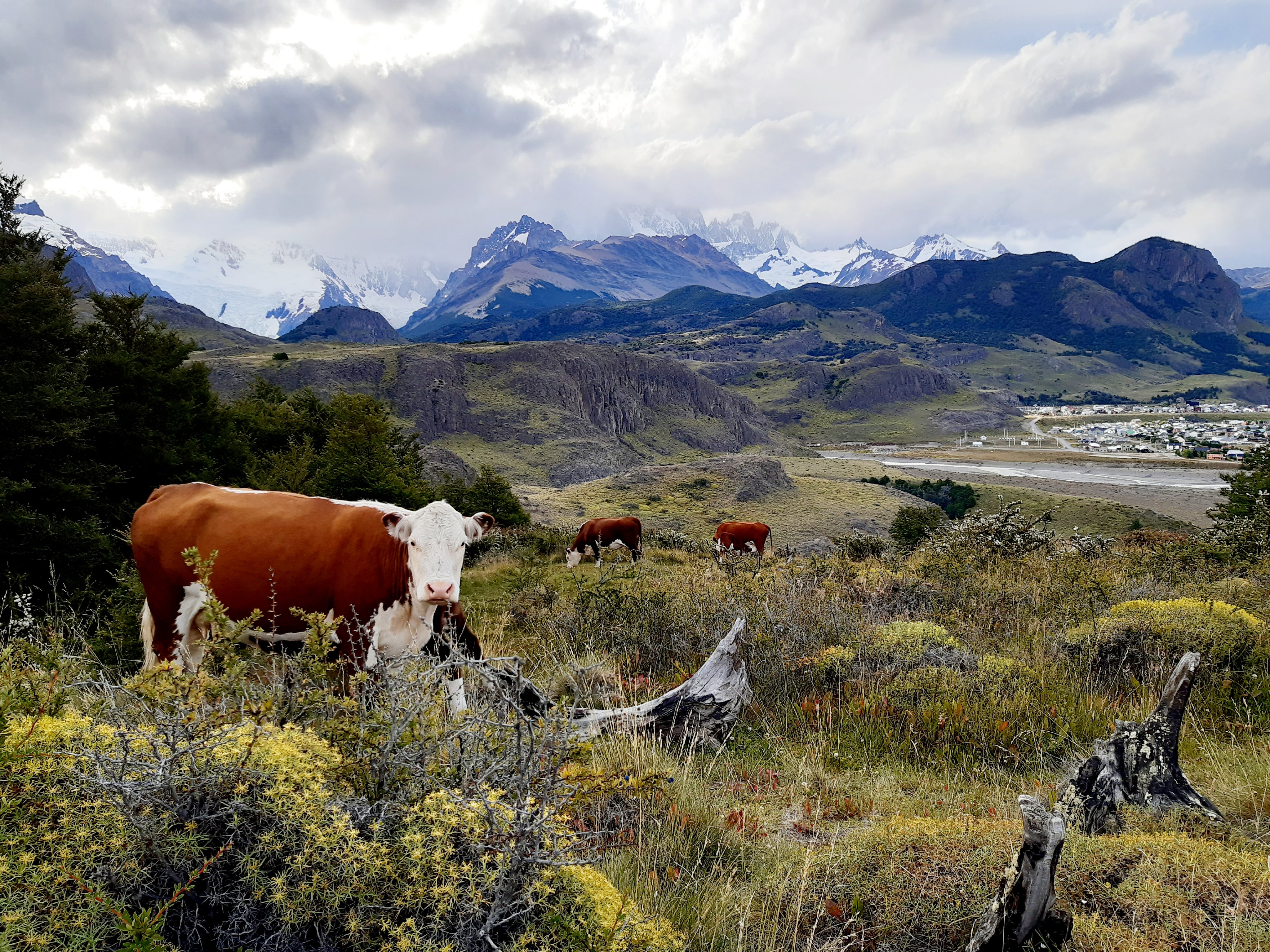
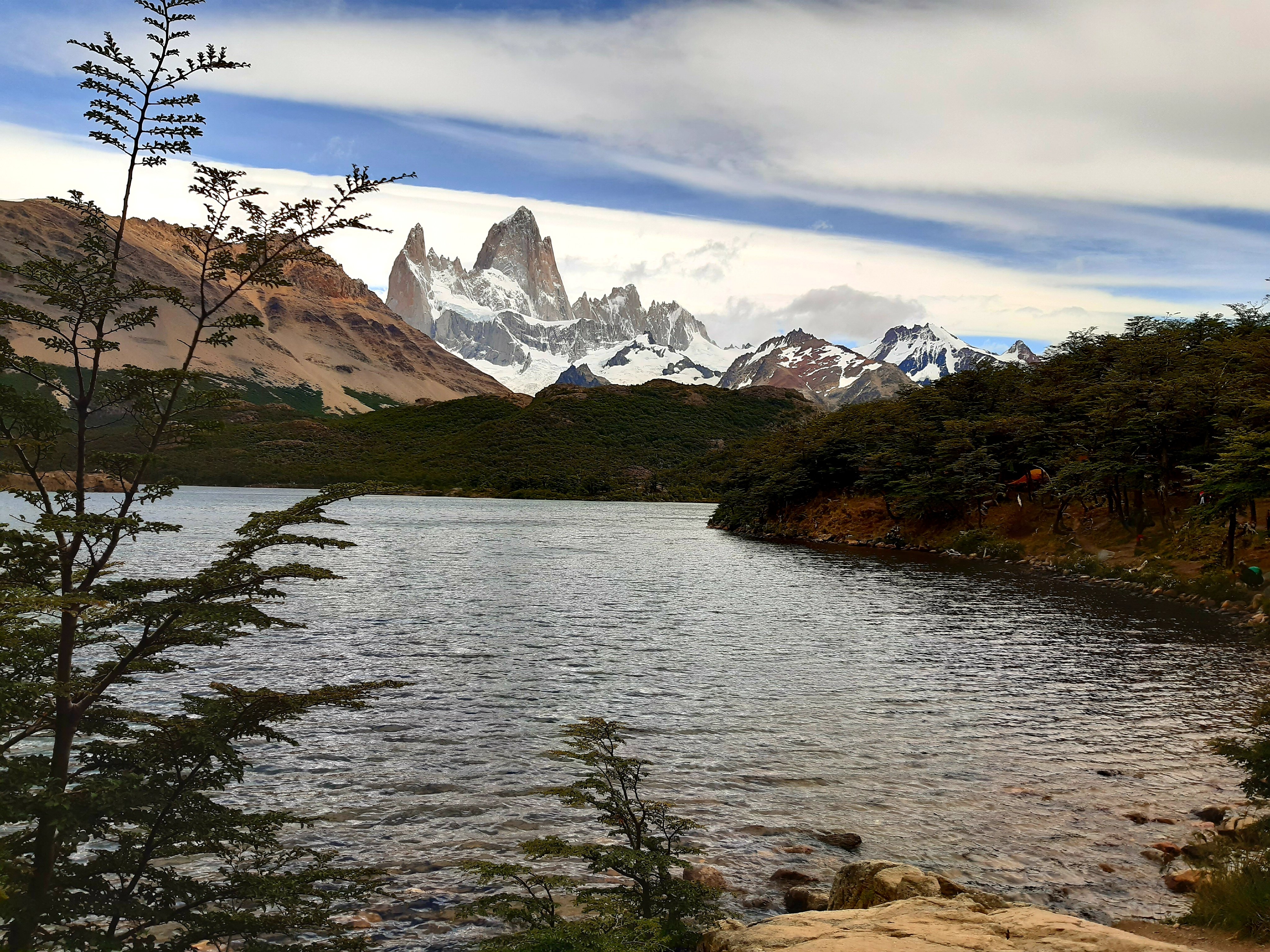
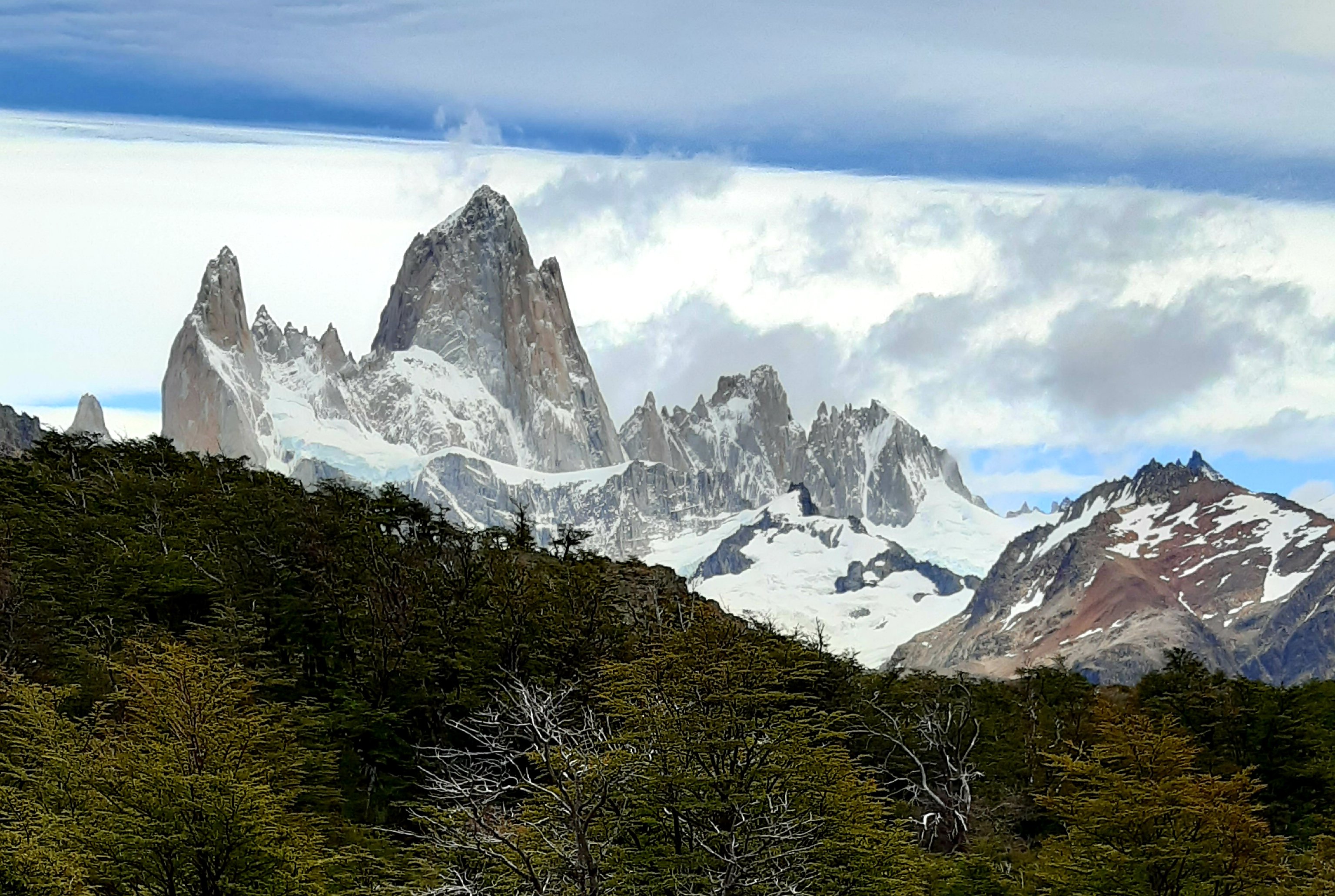
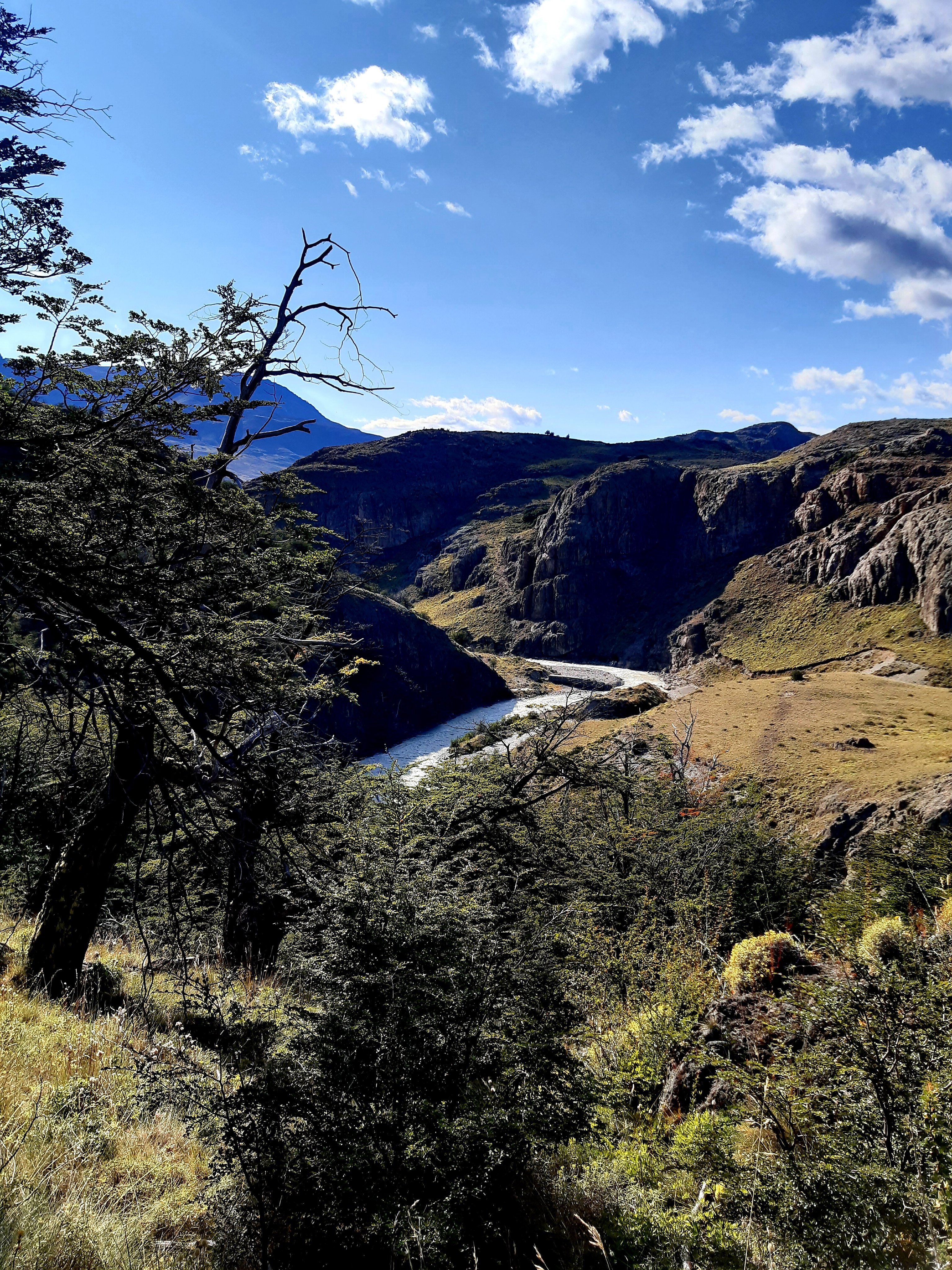

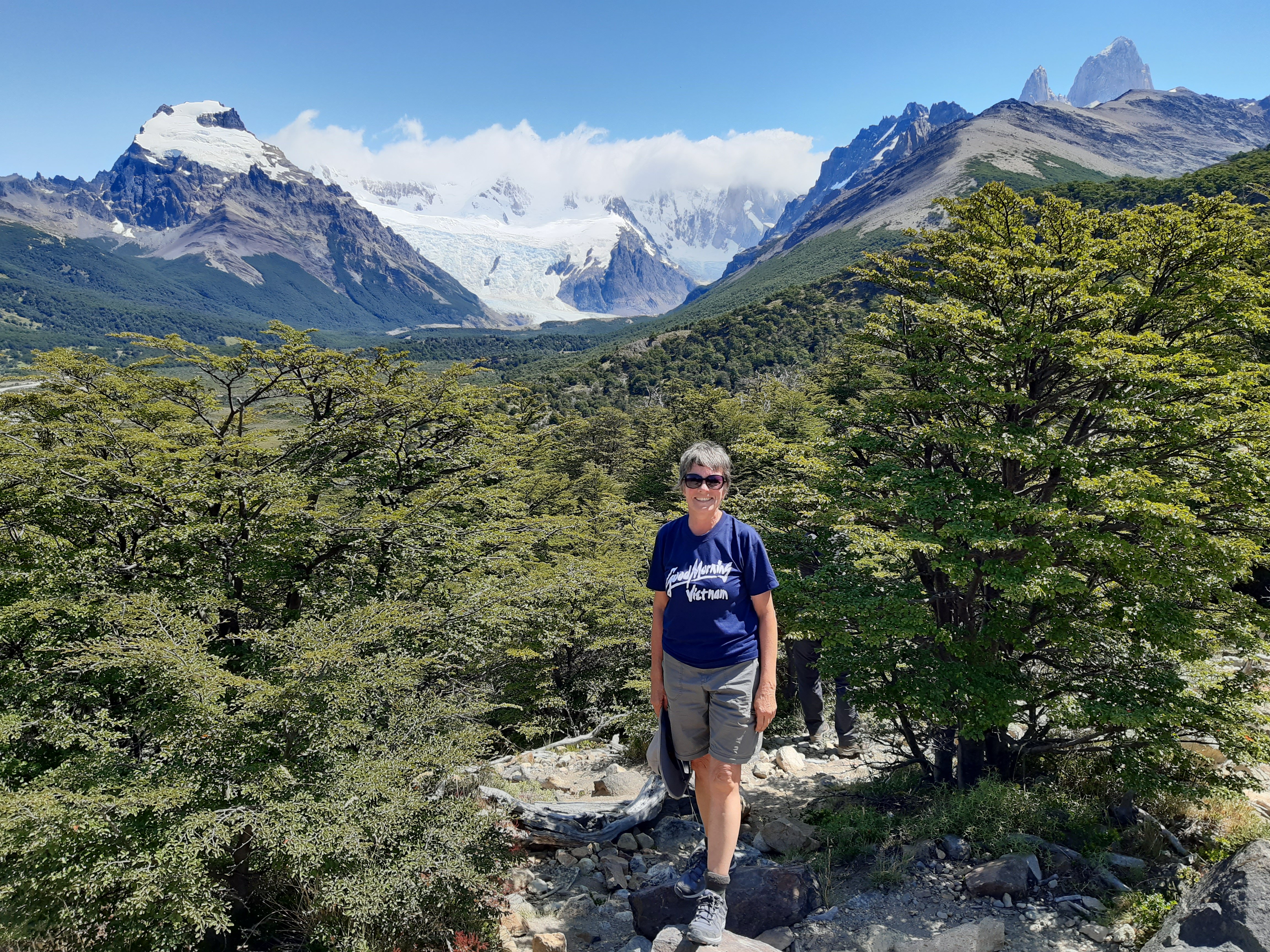
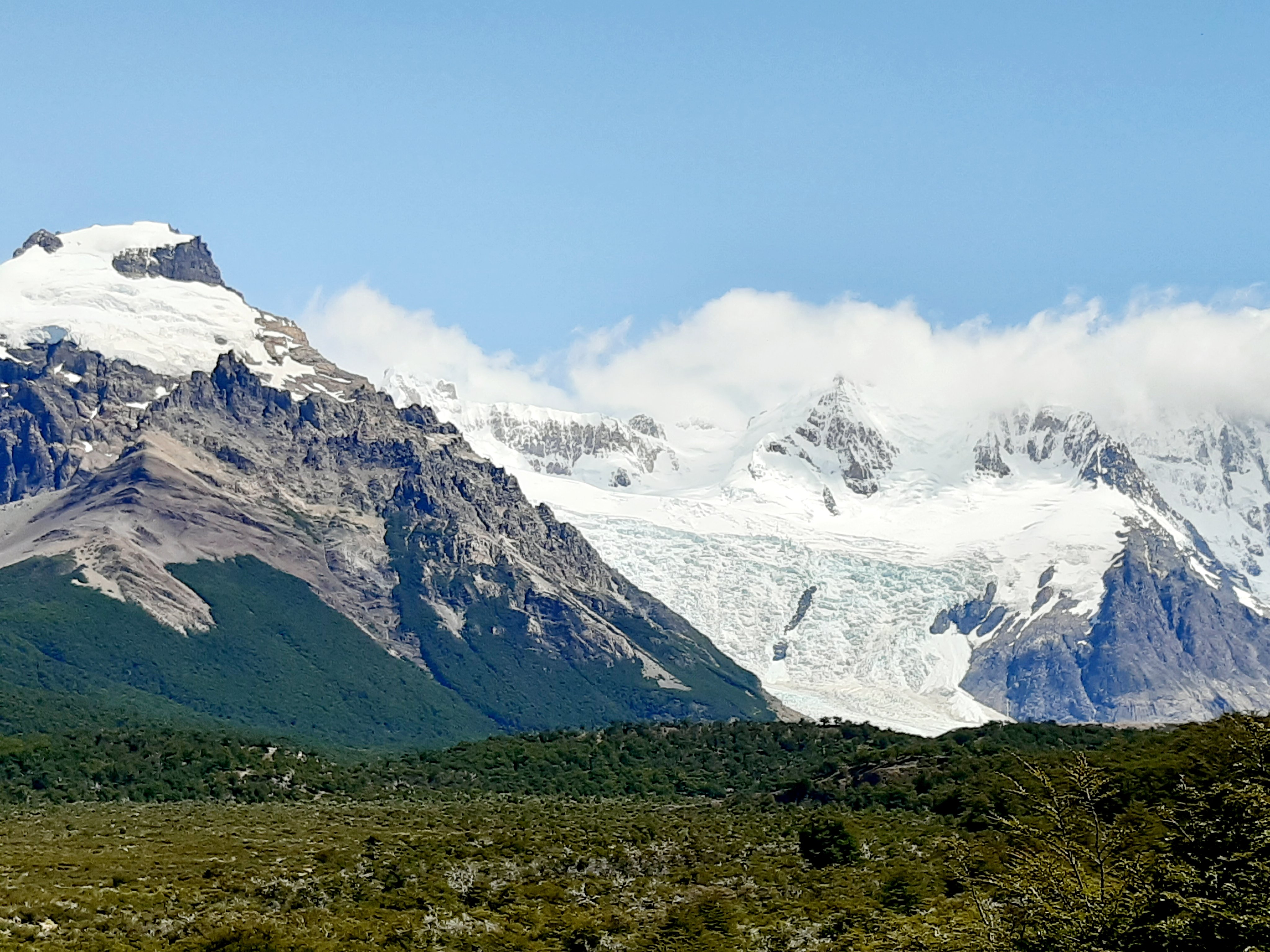
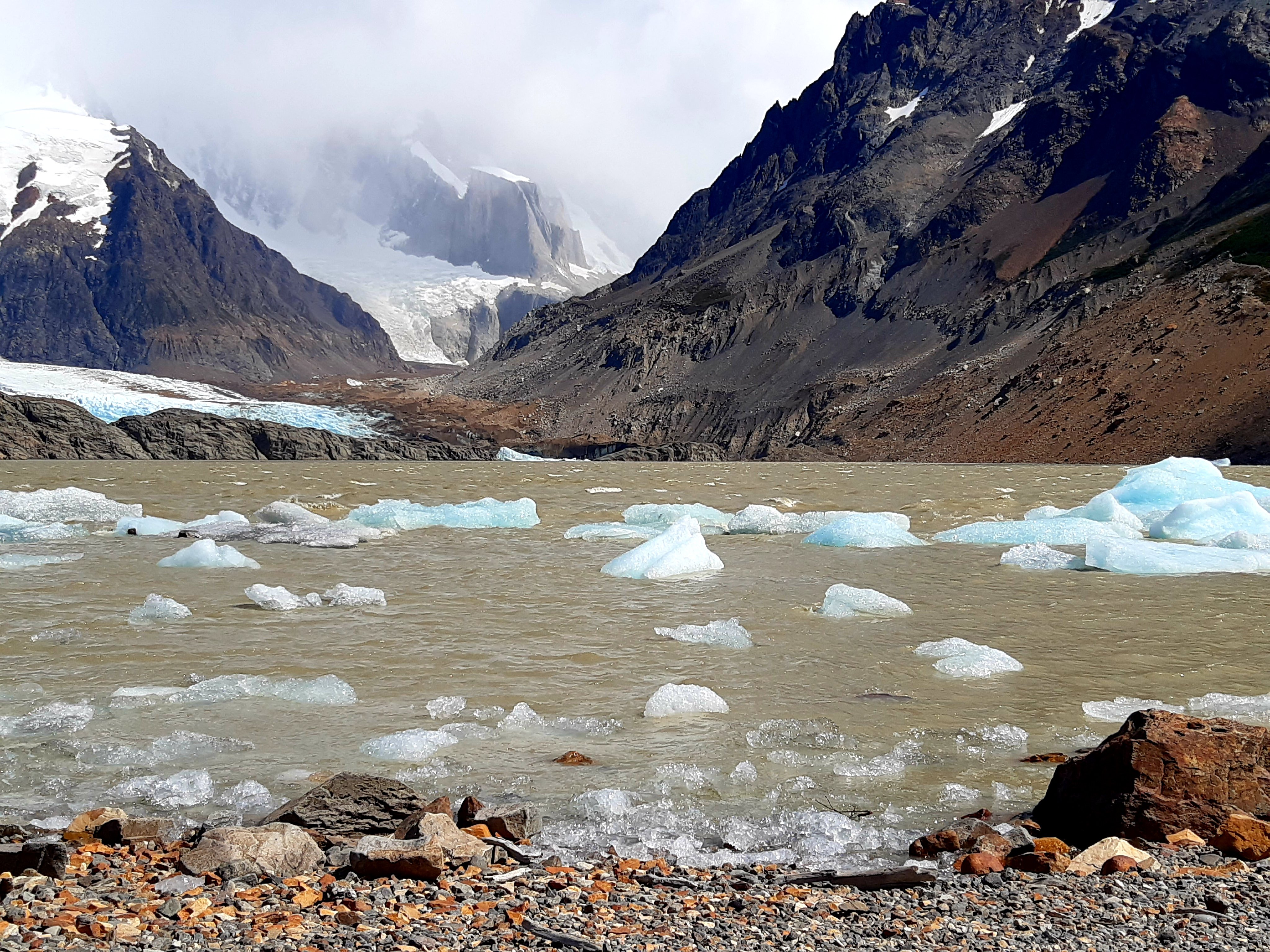 After all this excitement I headed further north on a night bus to a town called Los Antiquos, where I had a 3-week Workaway stint planned. More about that next time.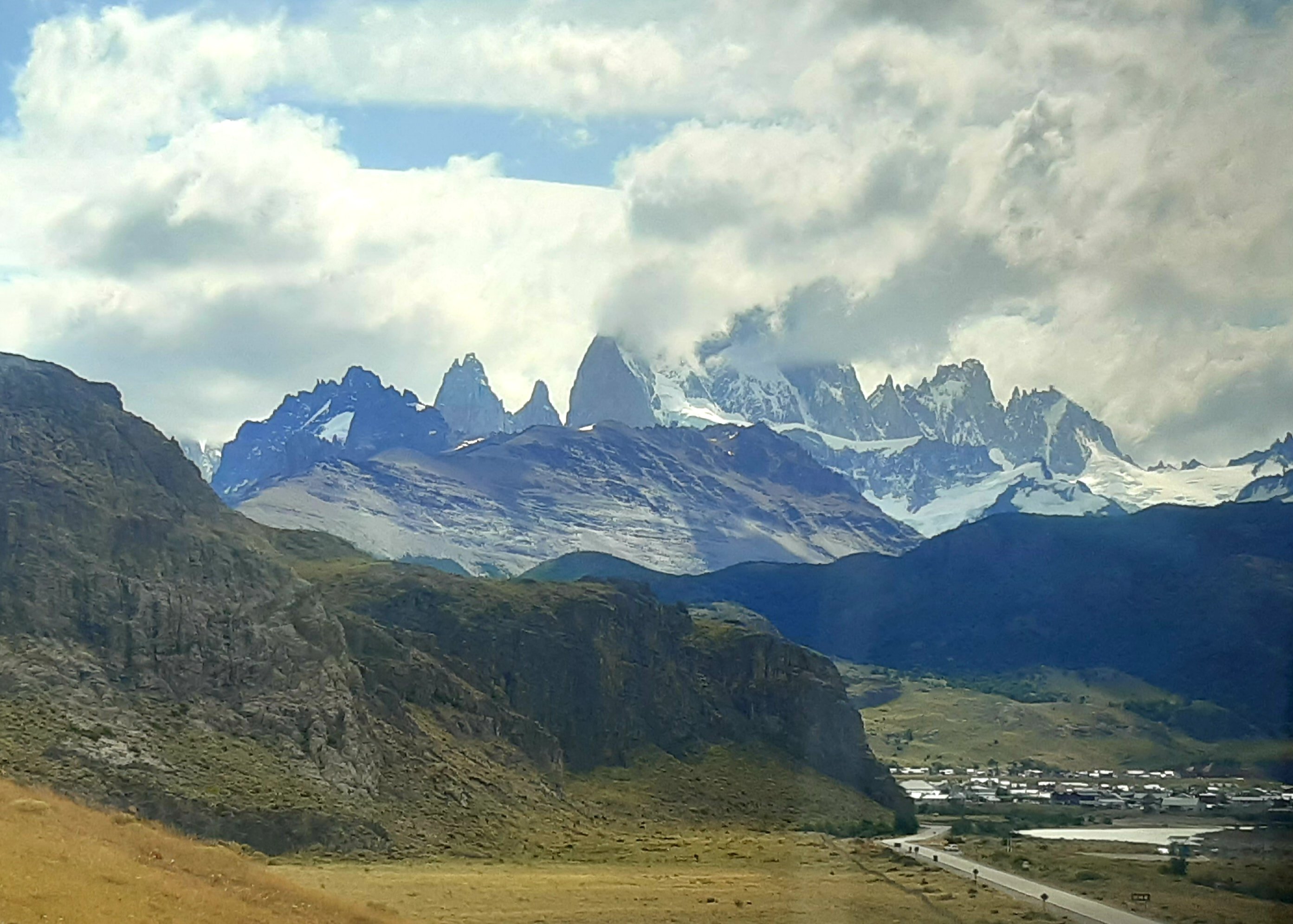
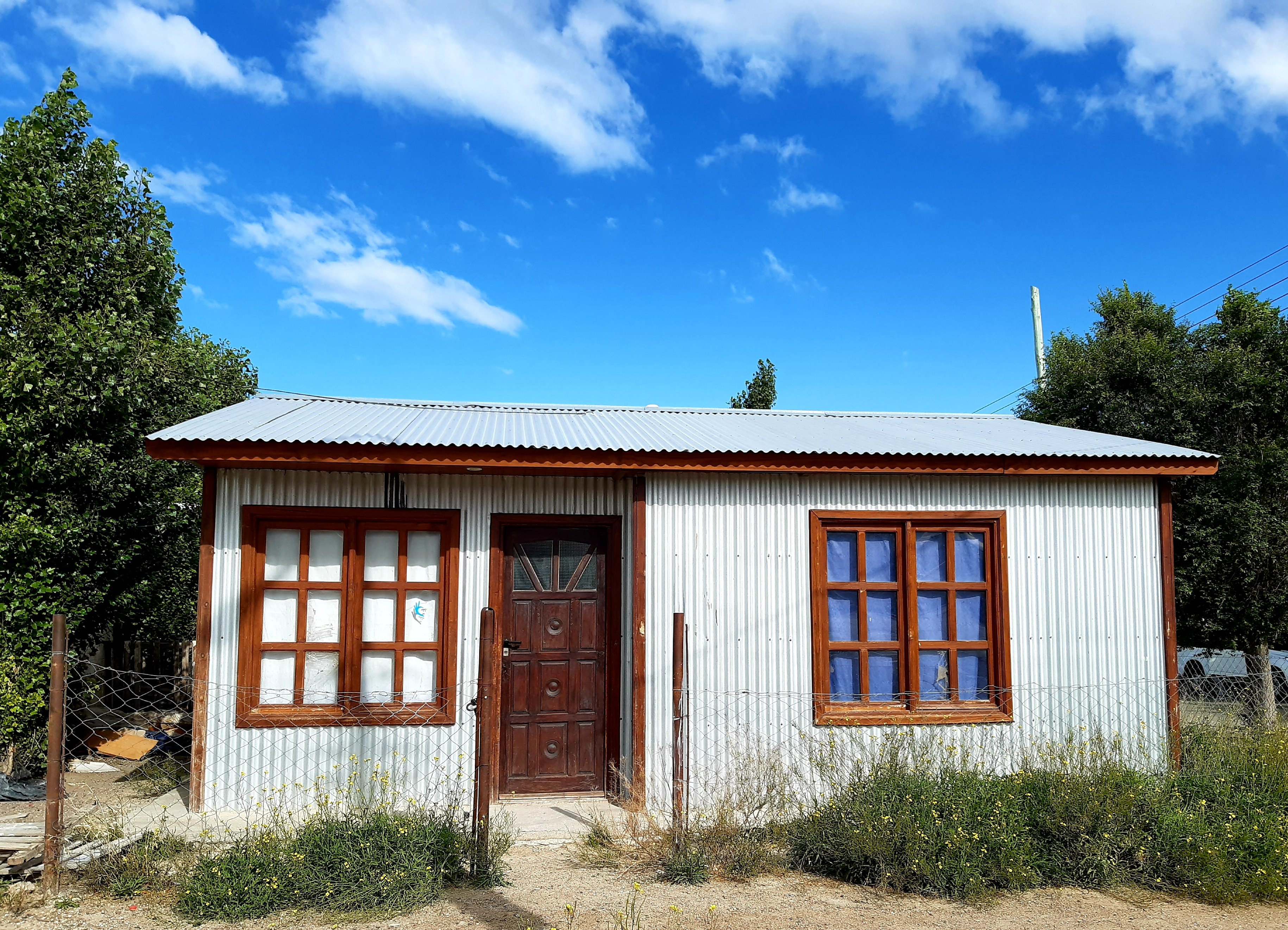
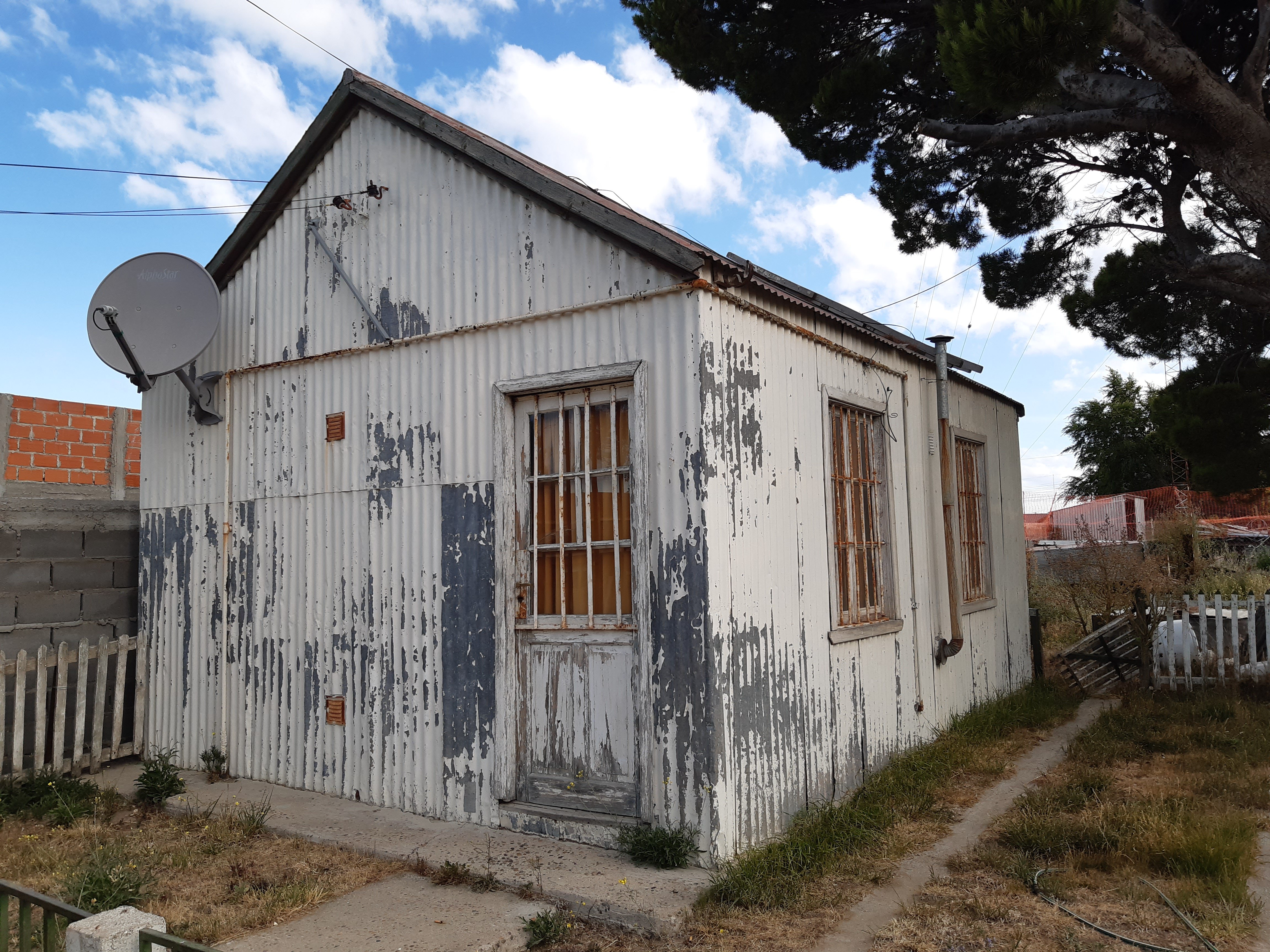
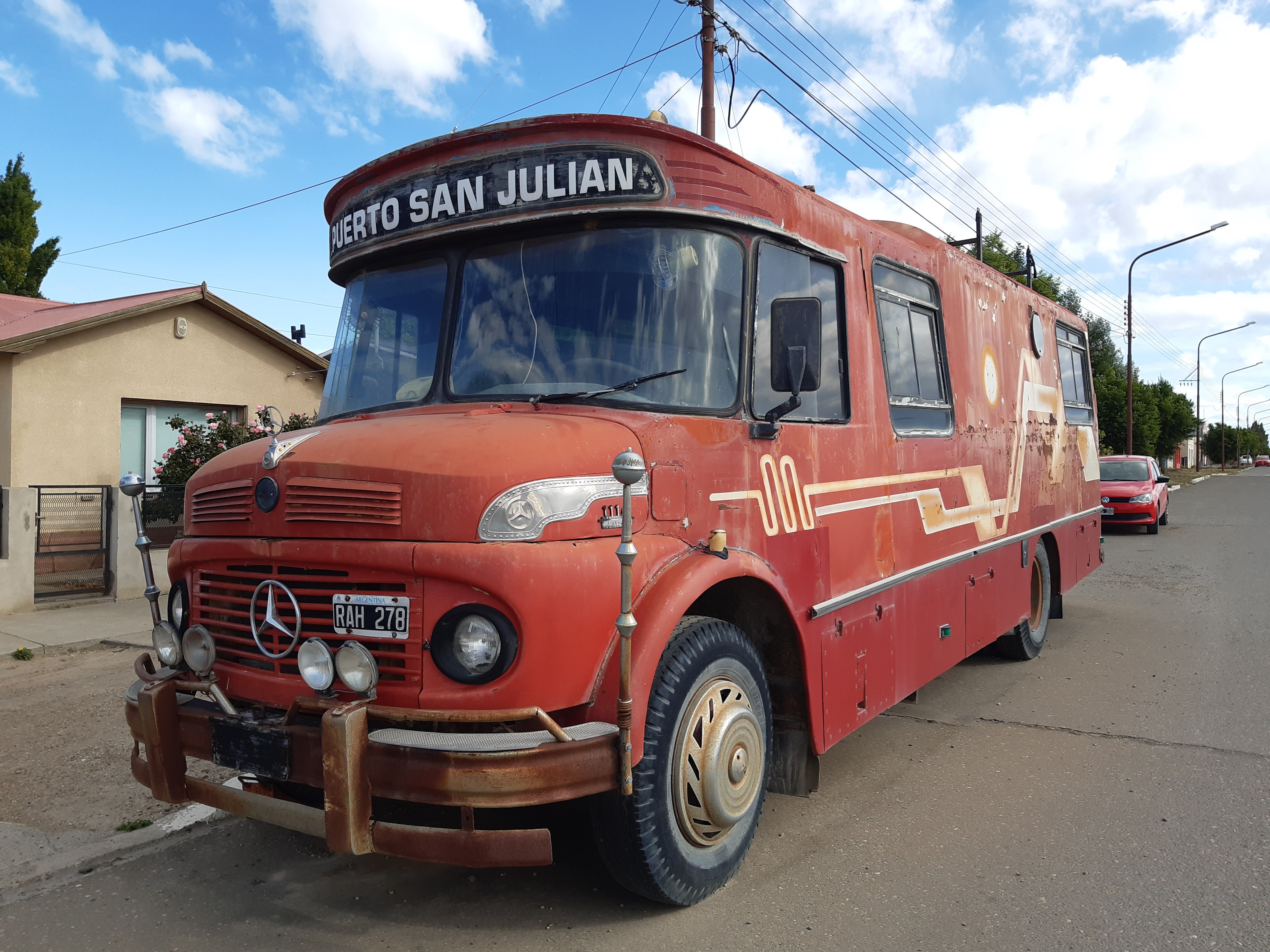
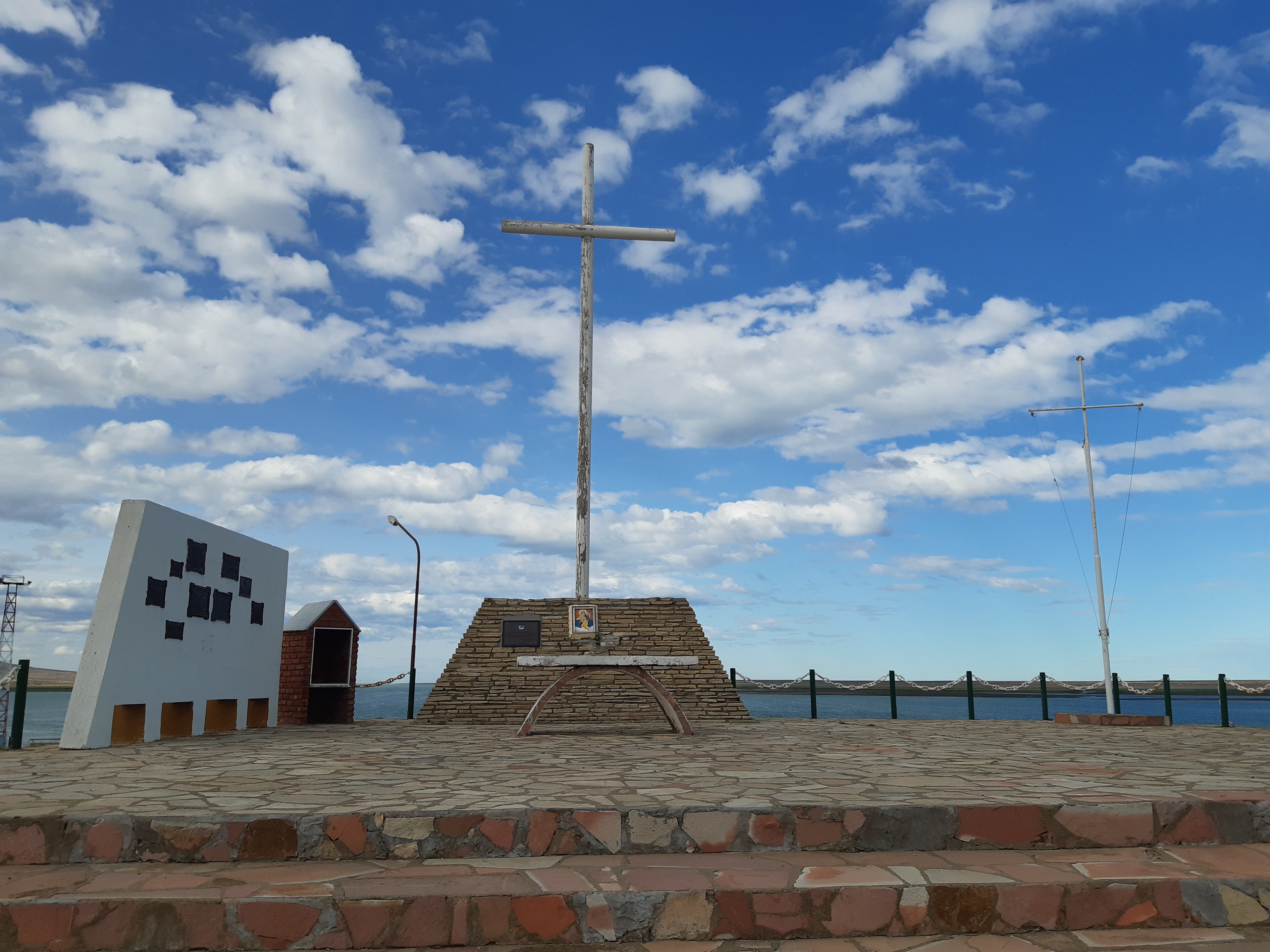
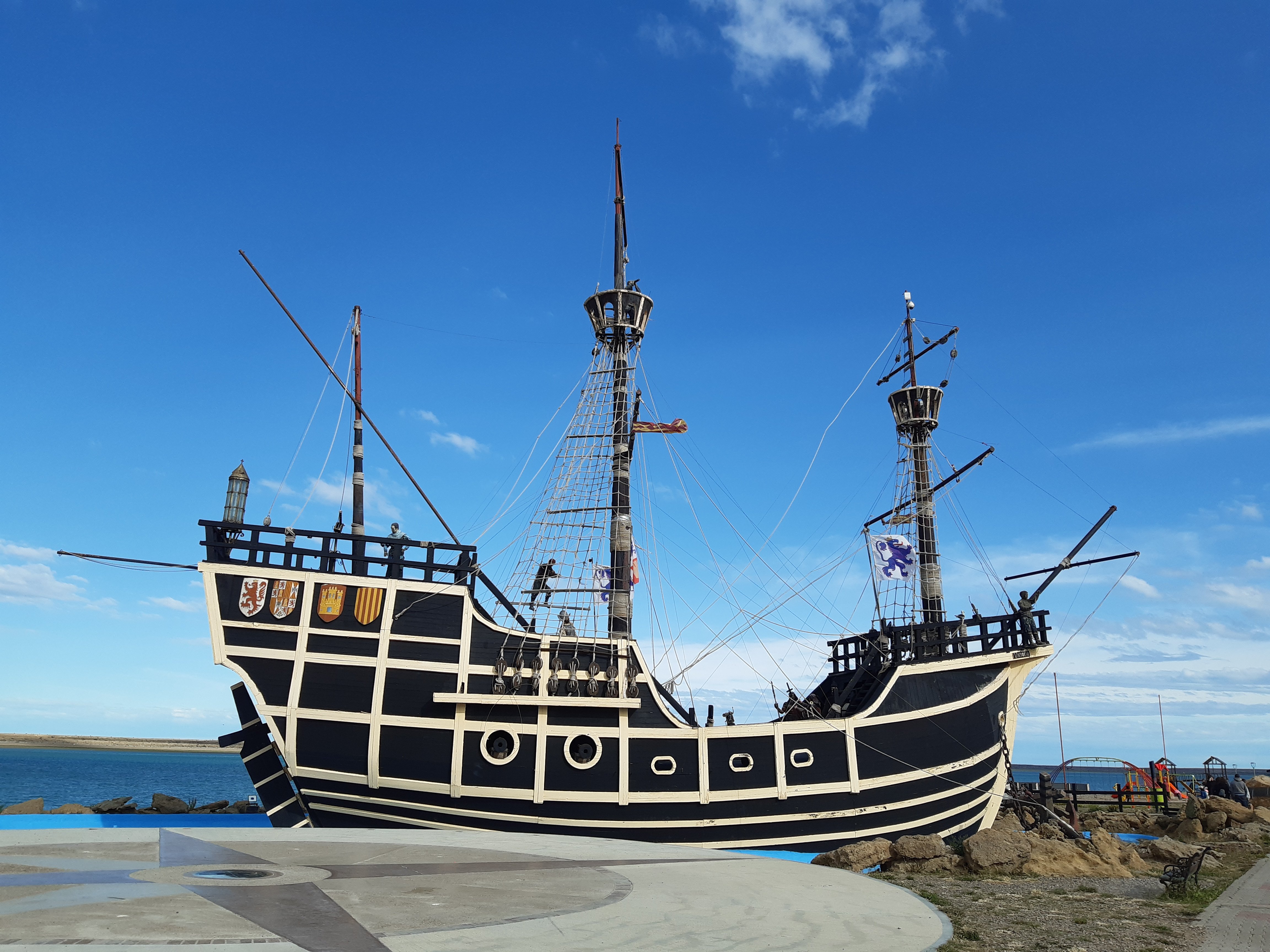

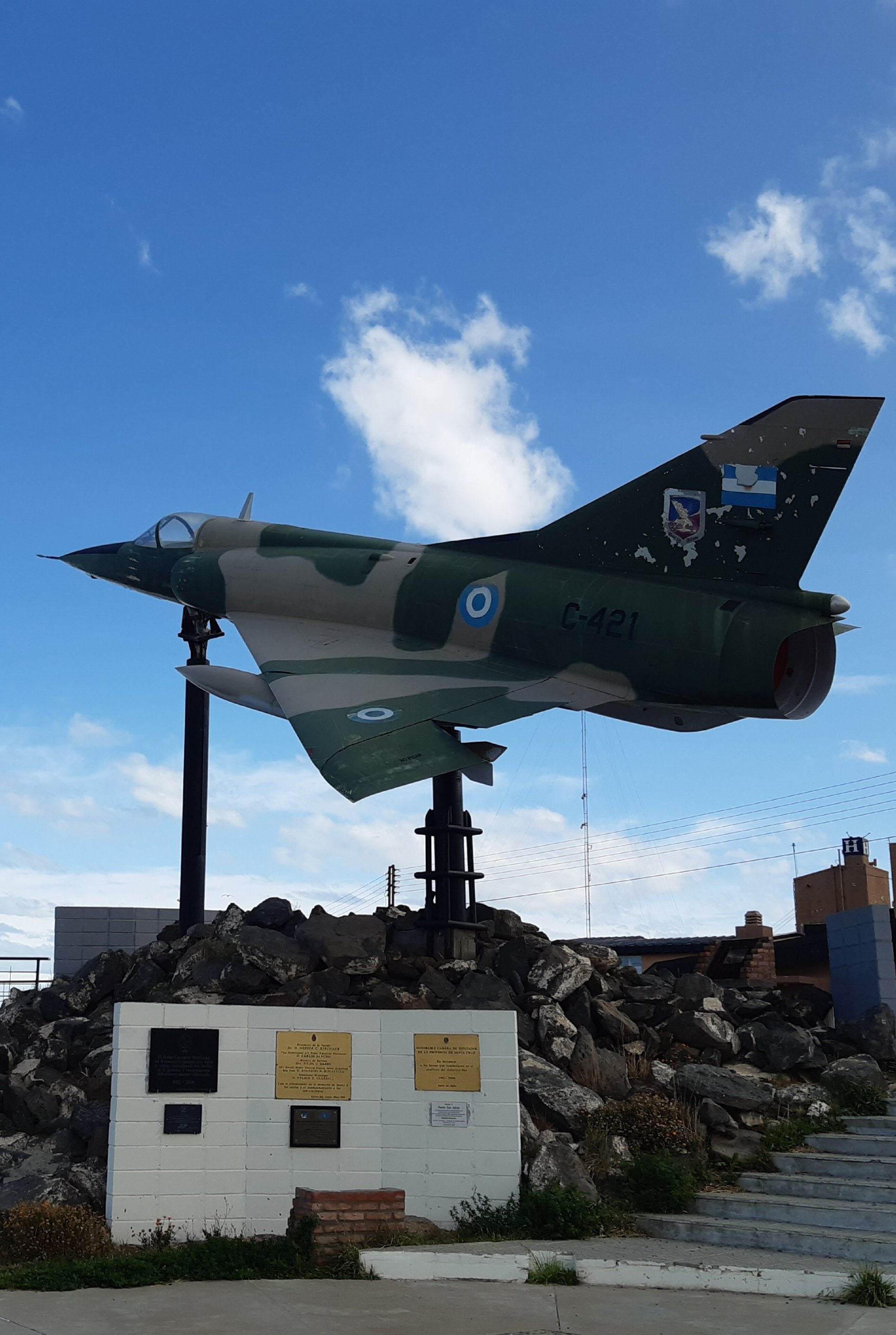
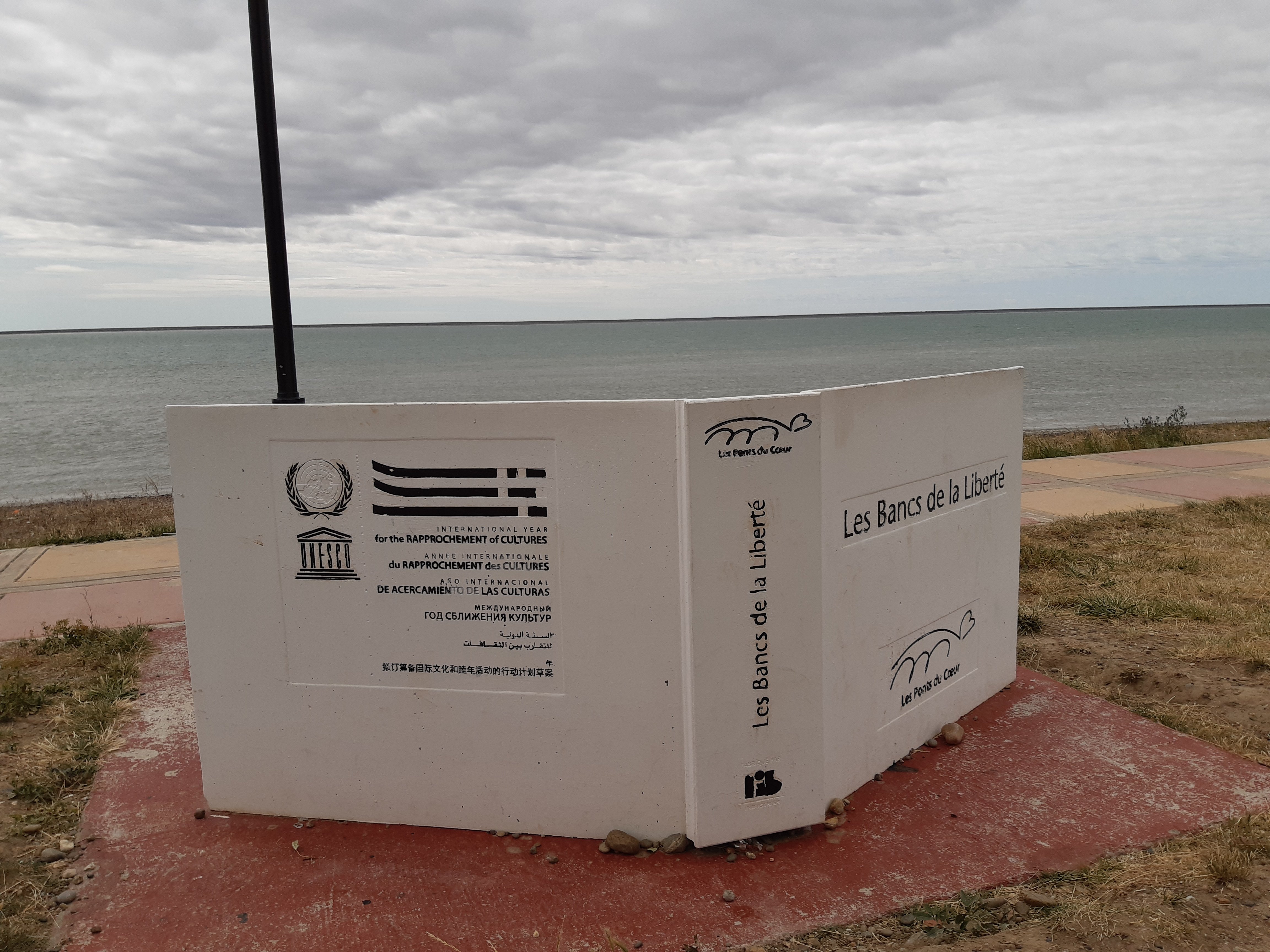



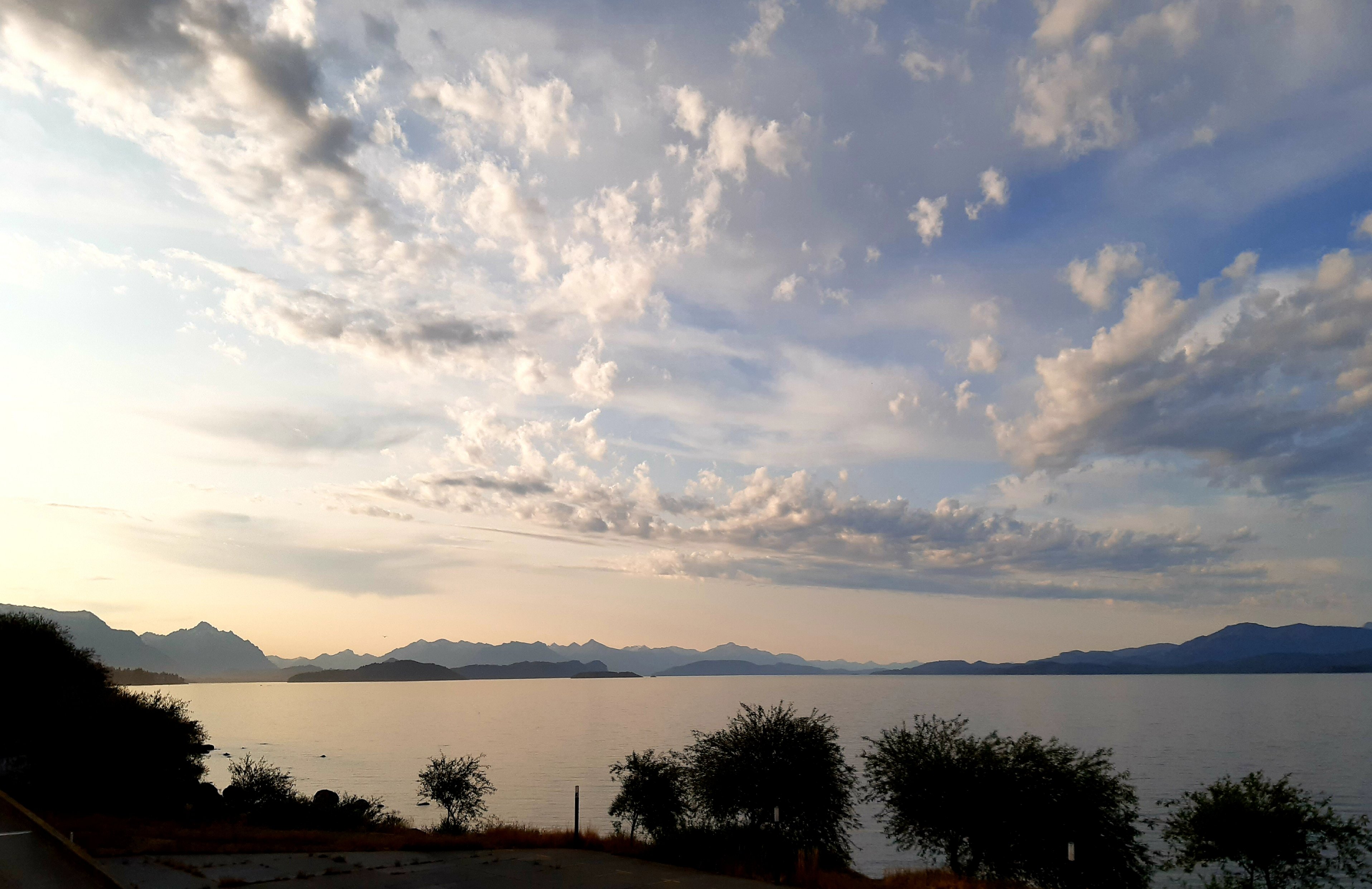
 I’m feeling nostalgic, as usual when I have to leave. Sitting alone with a copa de vino tinto (glass of red wine), watching the colours change as the sun sets, is intensifying the nostalgia. It is só beautiful here and I’ve met such wonderful people.
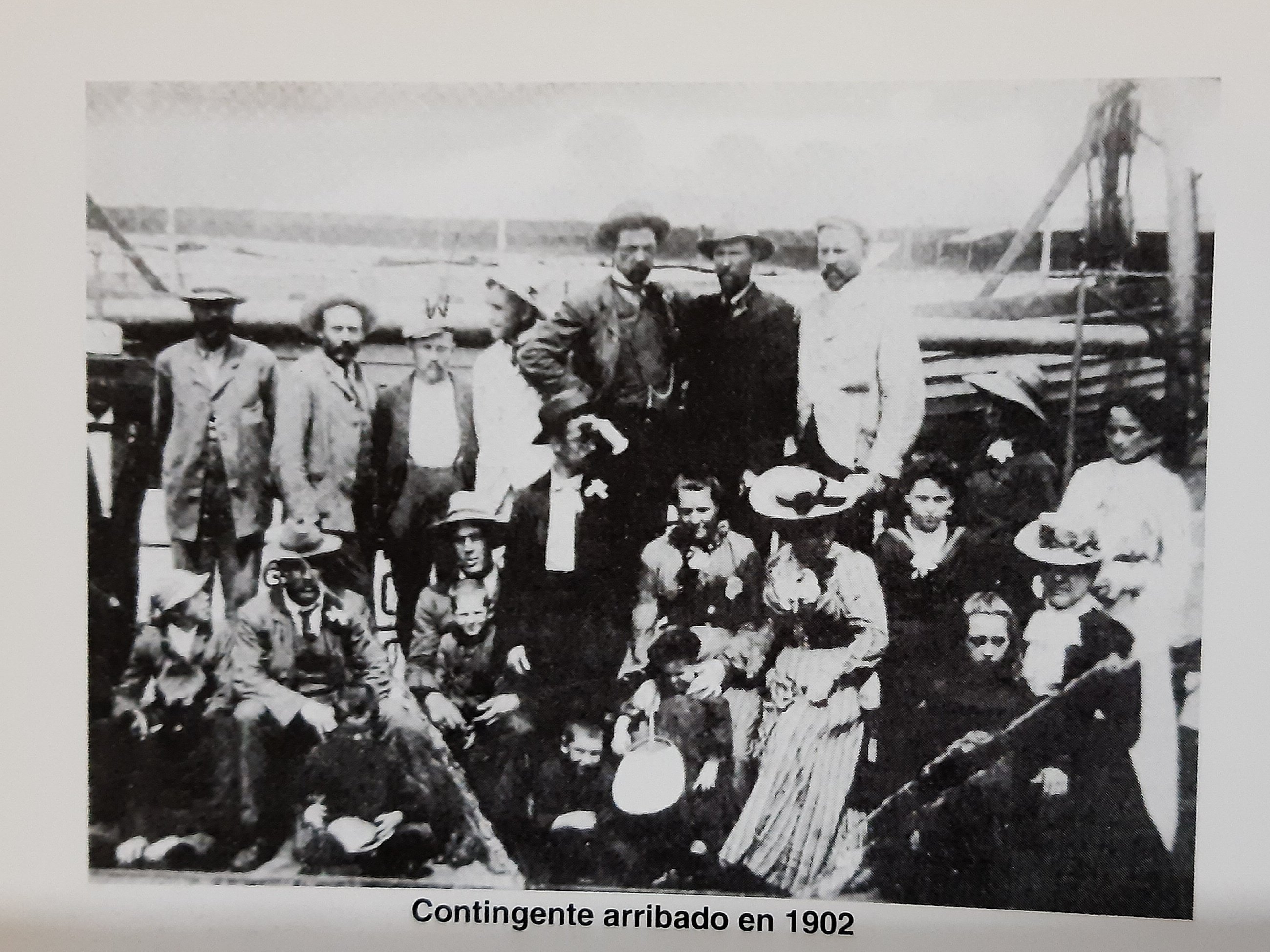
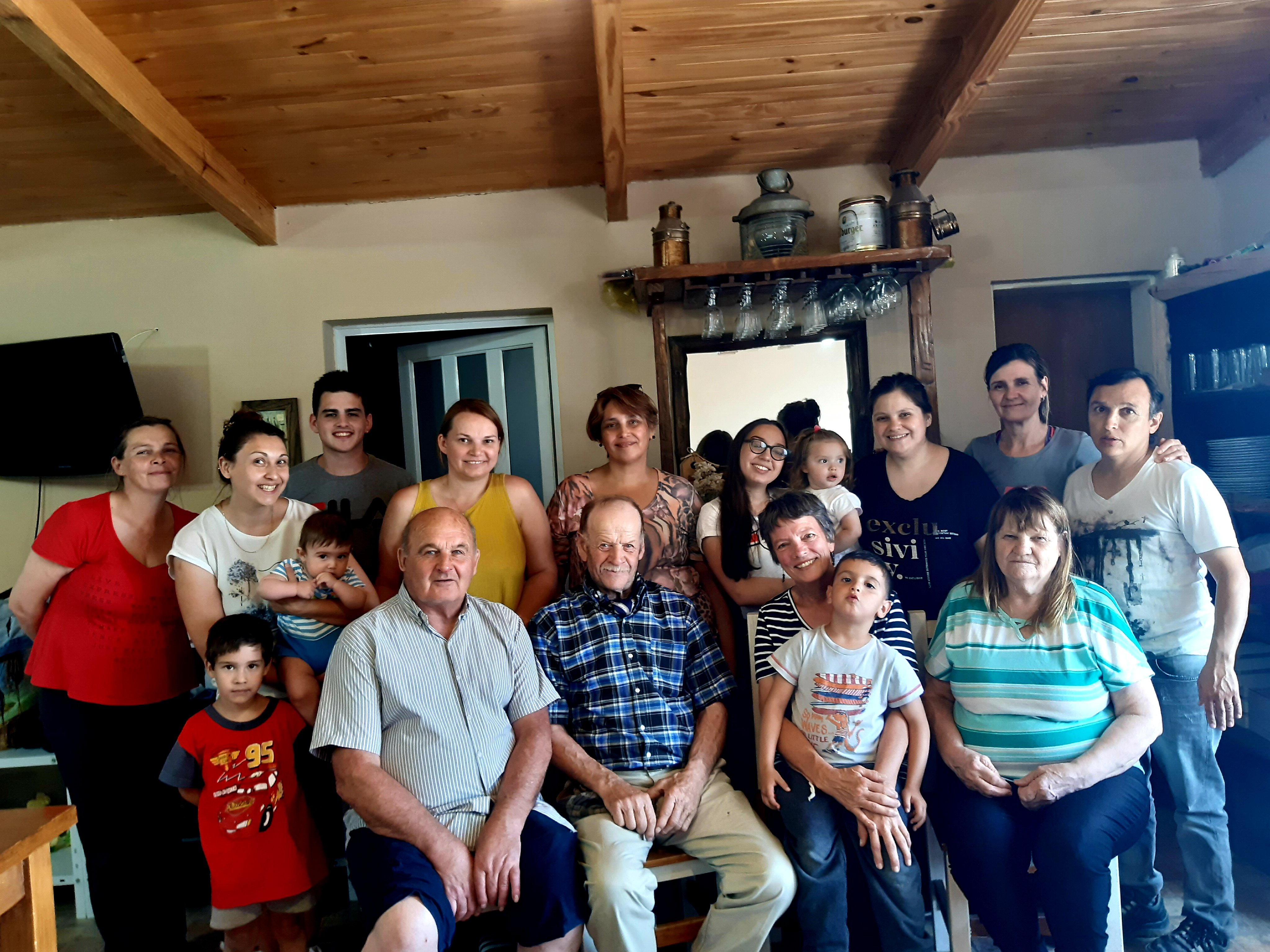
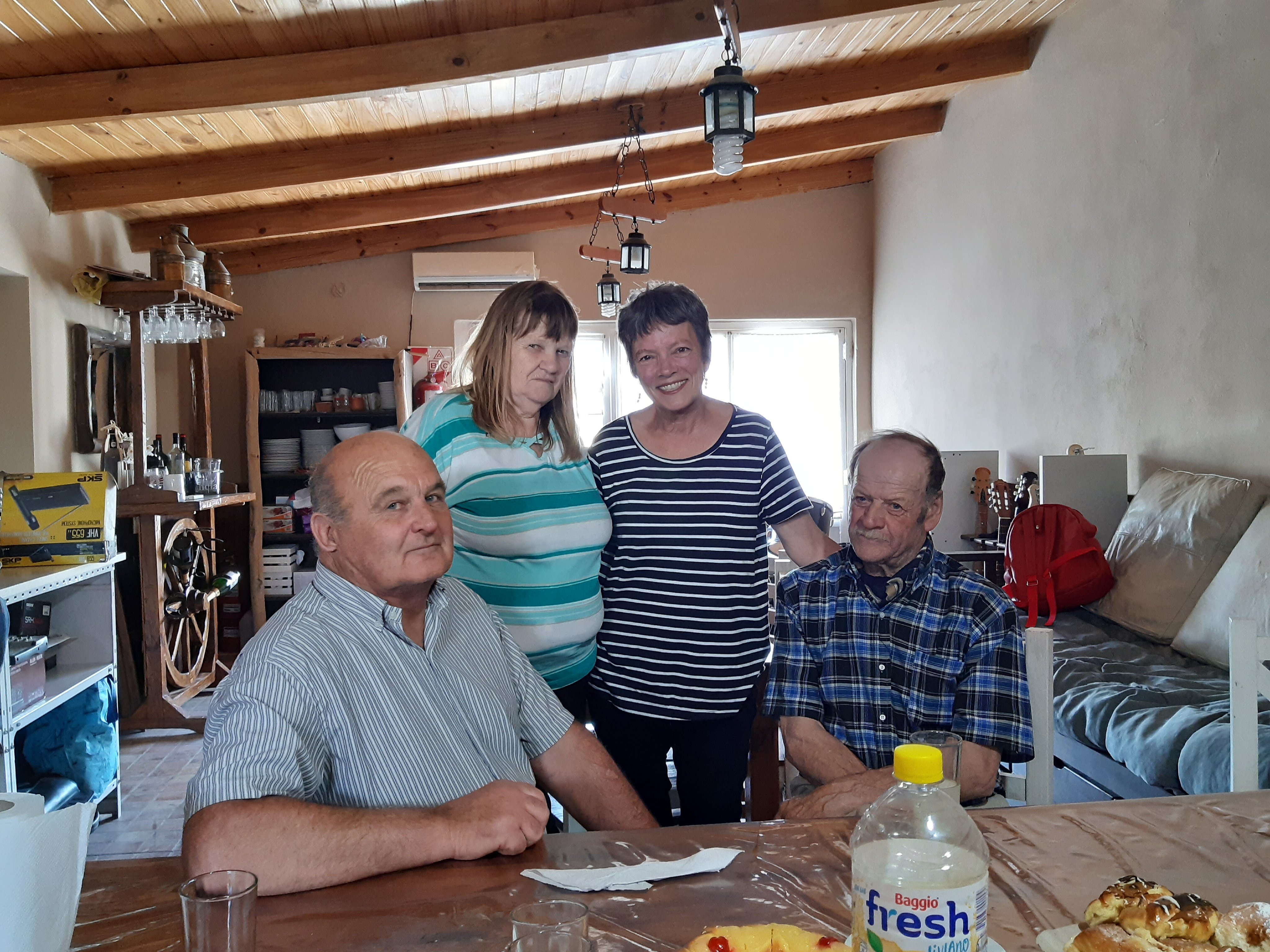
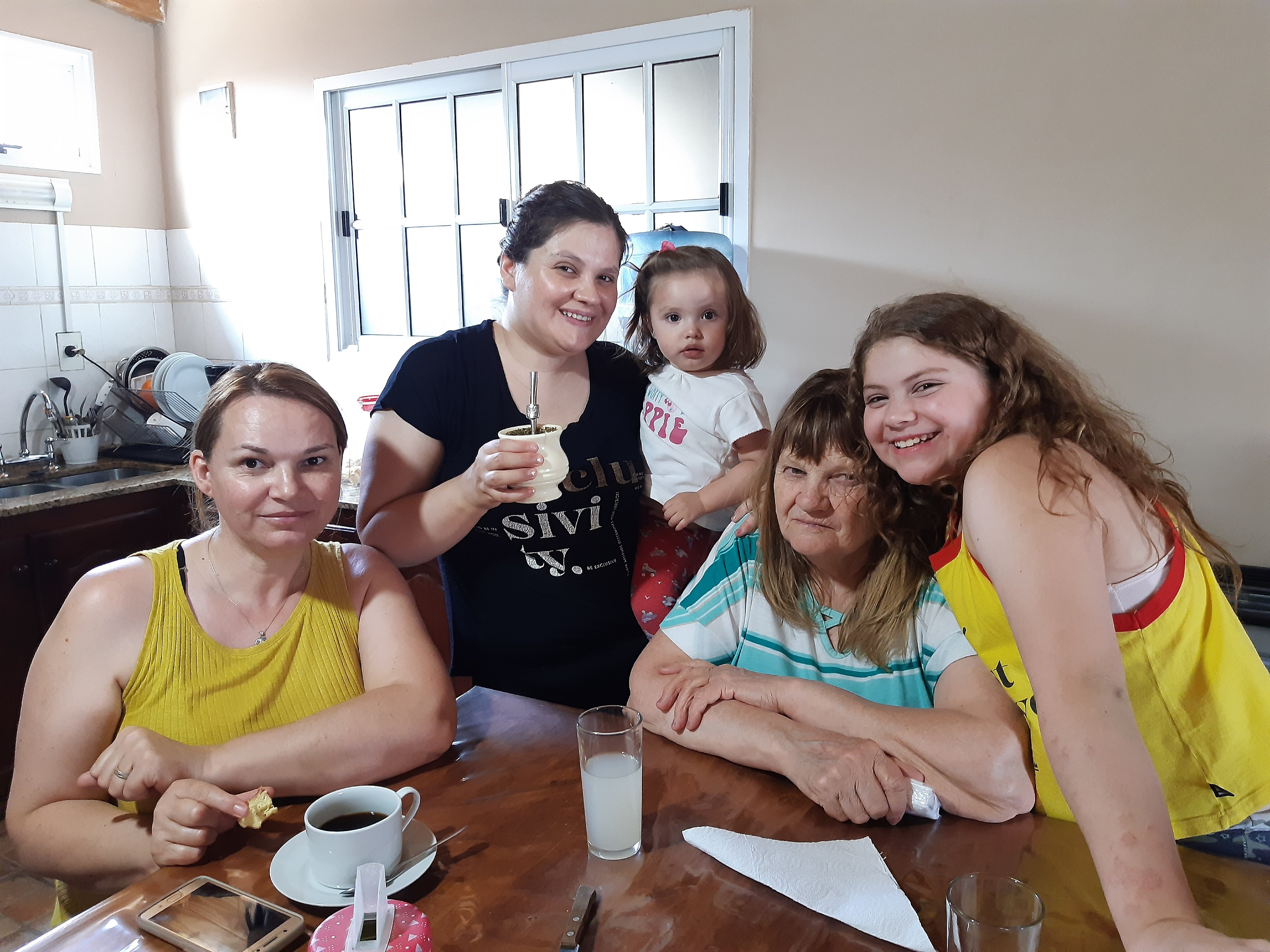
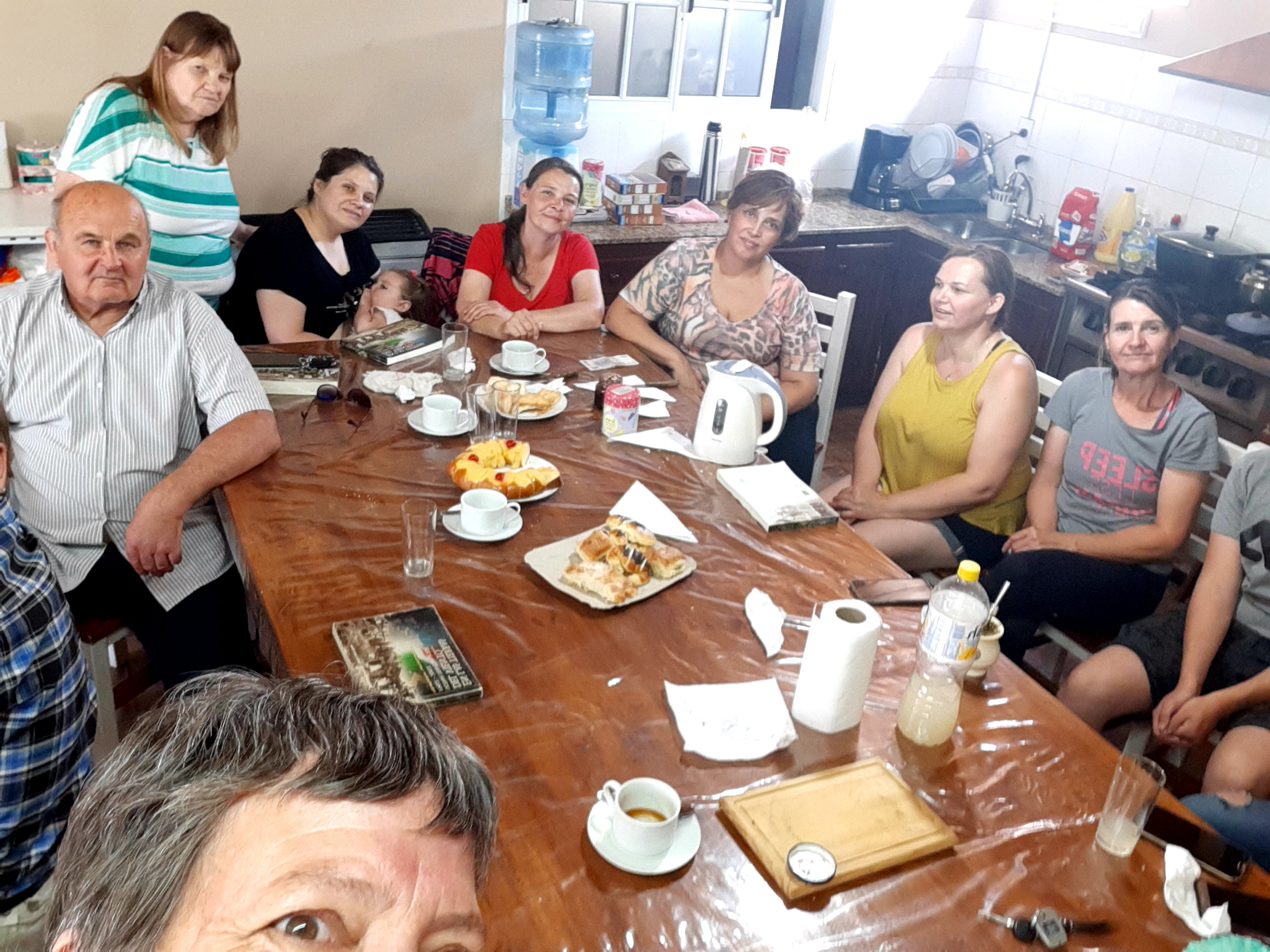
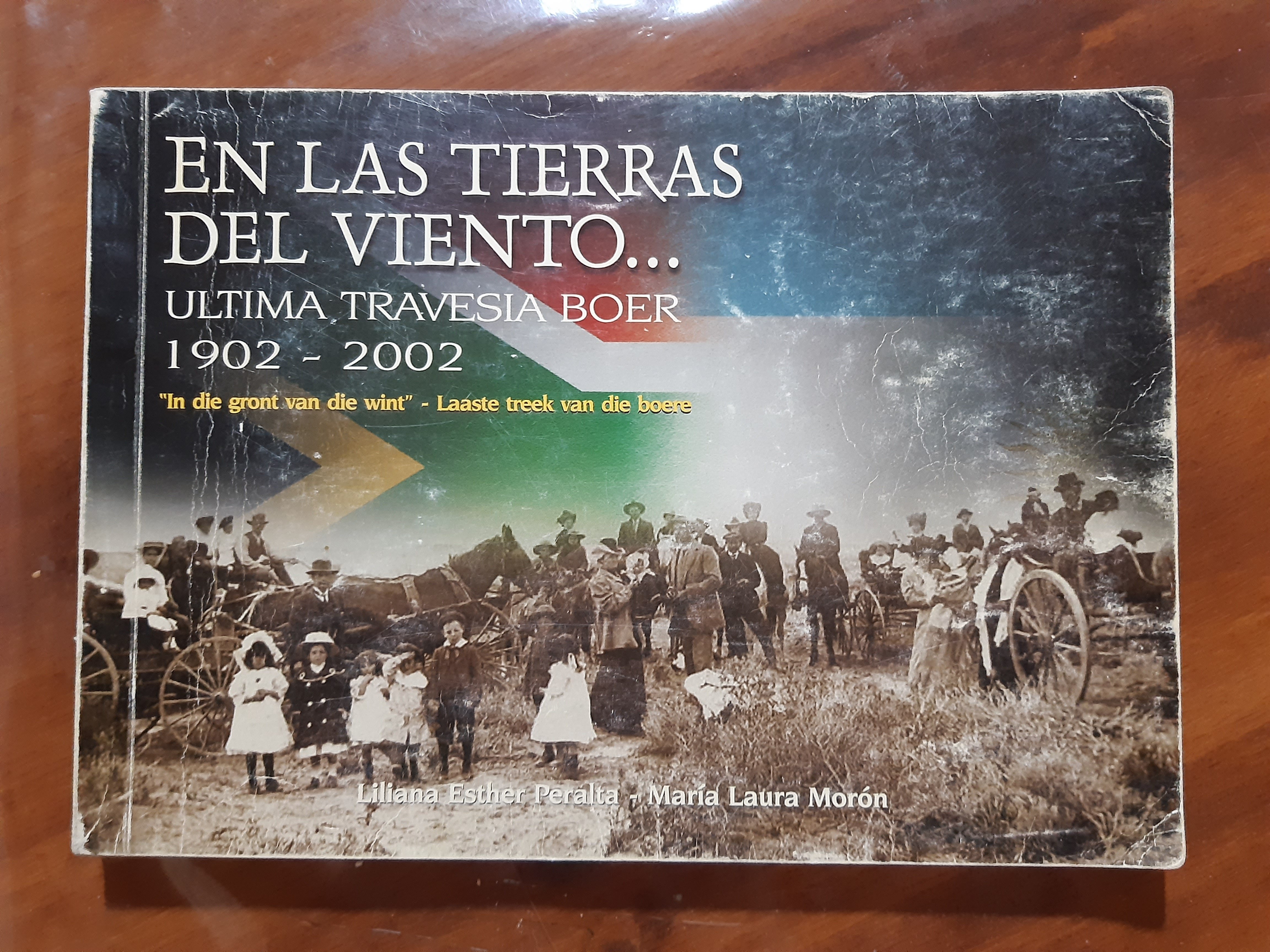
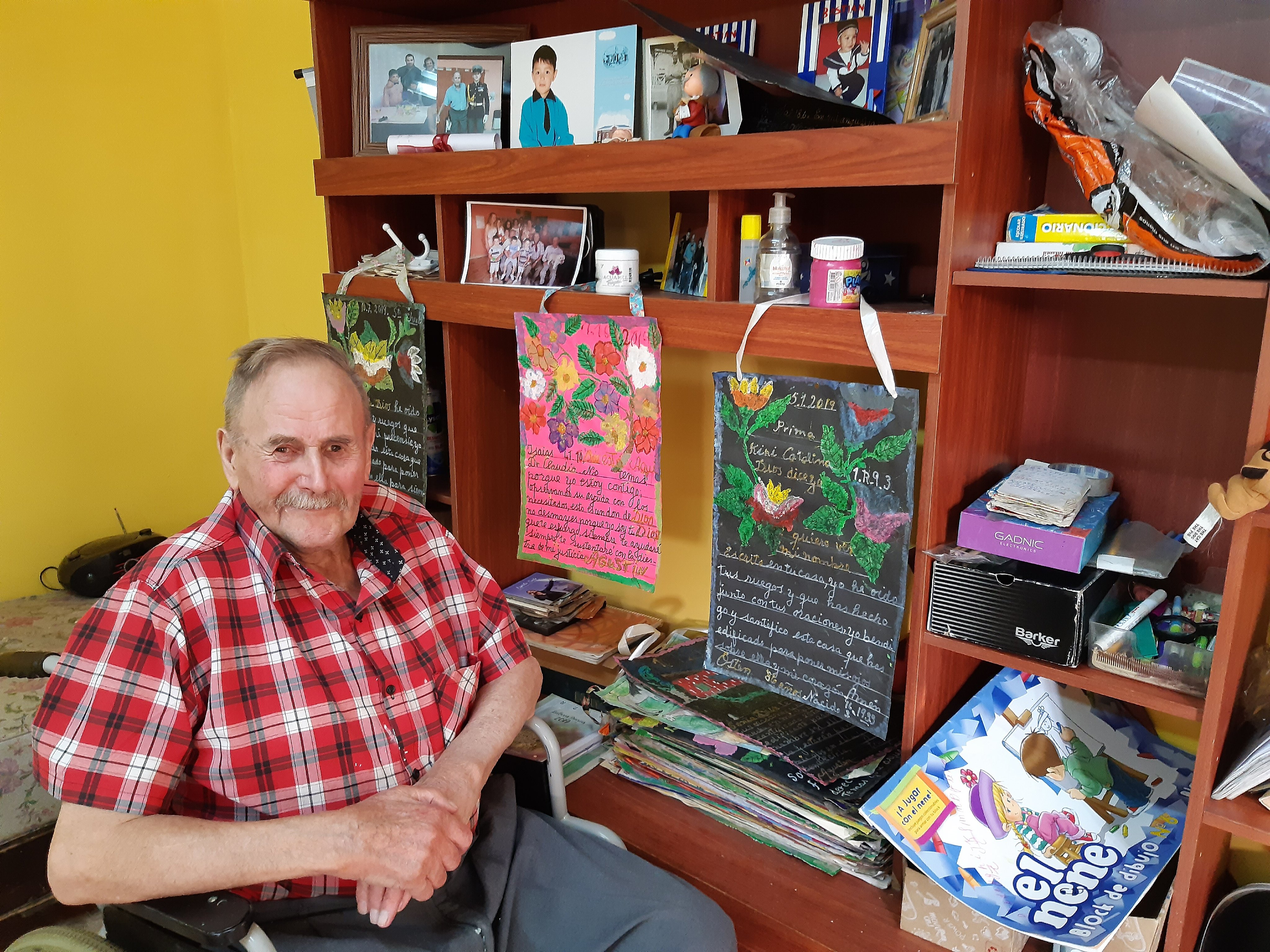
 Tomorrow I’m heading to Comodoro Rivadavia on the east coast, where descendants of the Afrikaners who emigrated in 1902 are still living. I’ve known about them since I was a little girl, and always thought that I would visit them if I went to Argentina. I was reluctant, as it is out of my way, but a friend encouraged me to try and find them and put me in touch with a researcher at Michigan University, who referred me to Facebook. So I’m going there.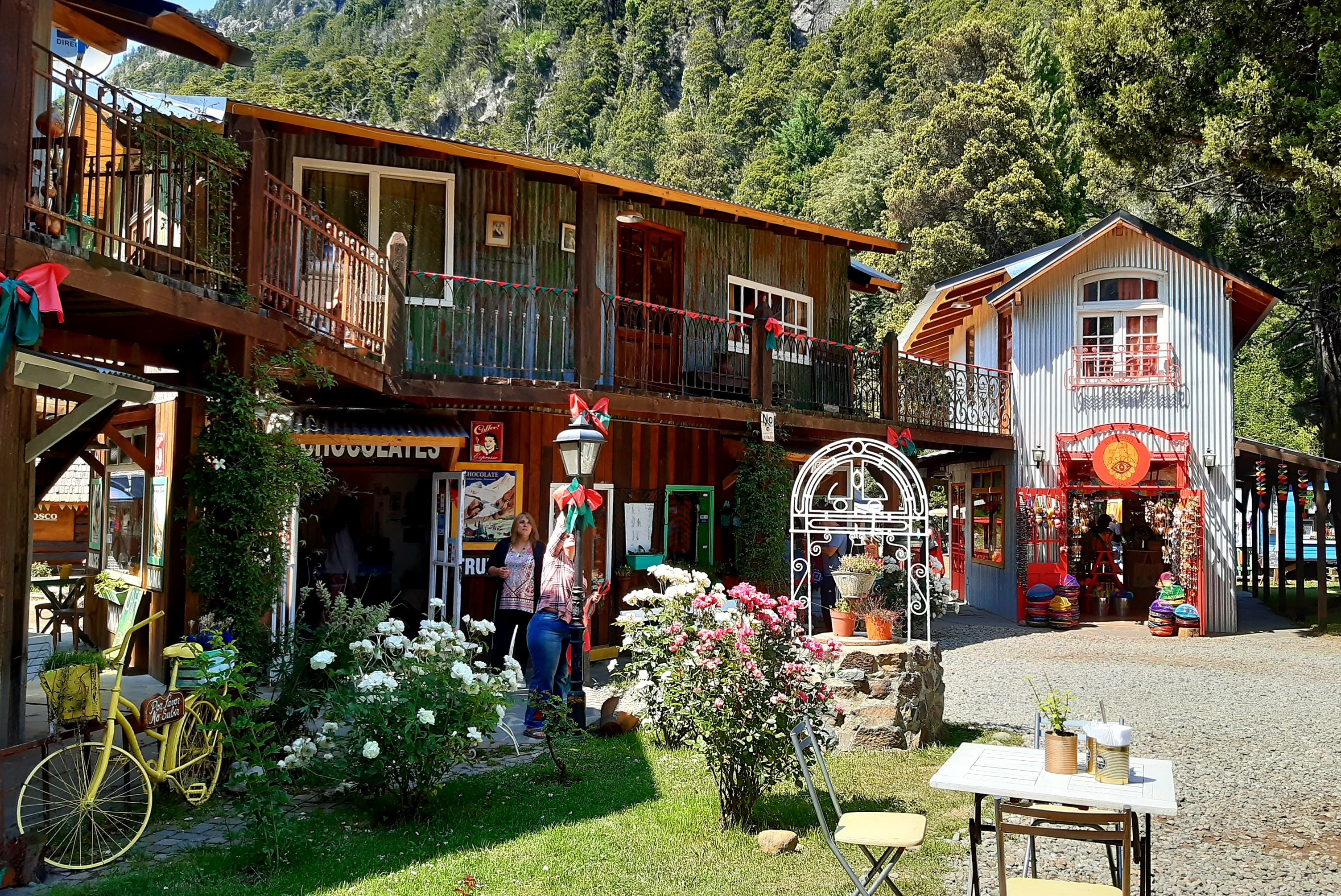
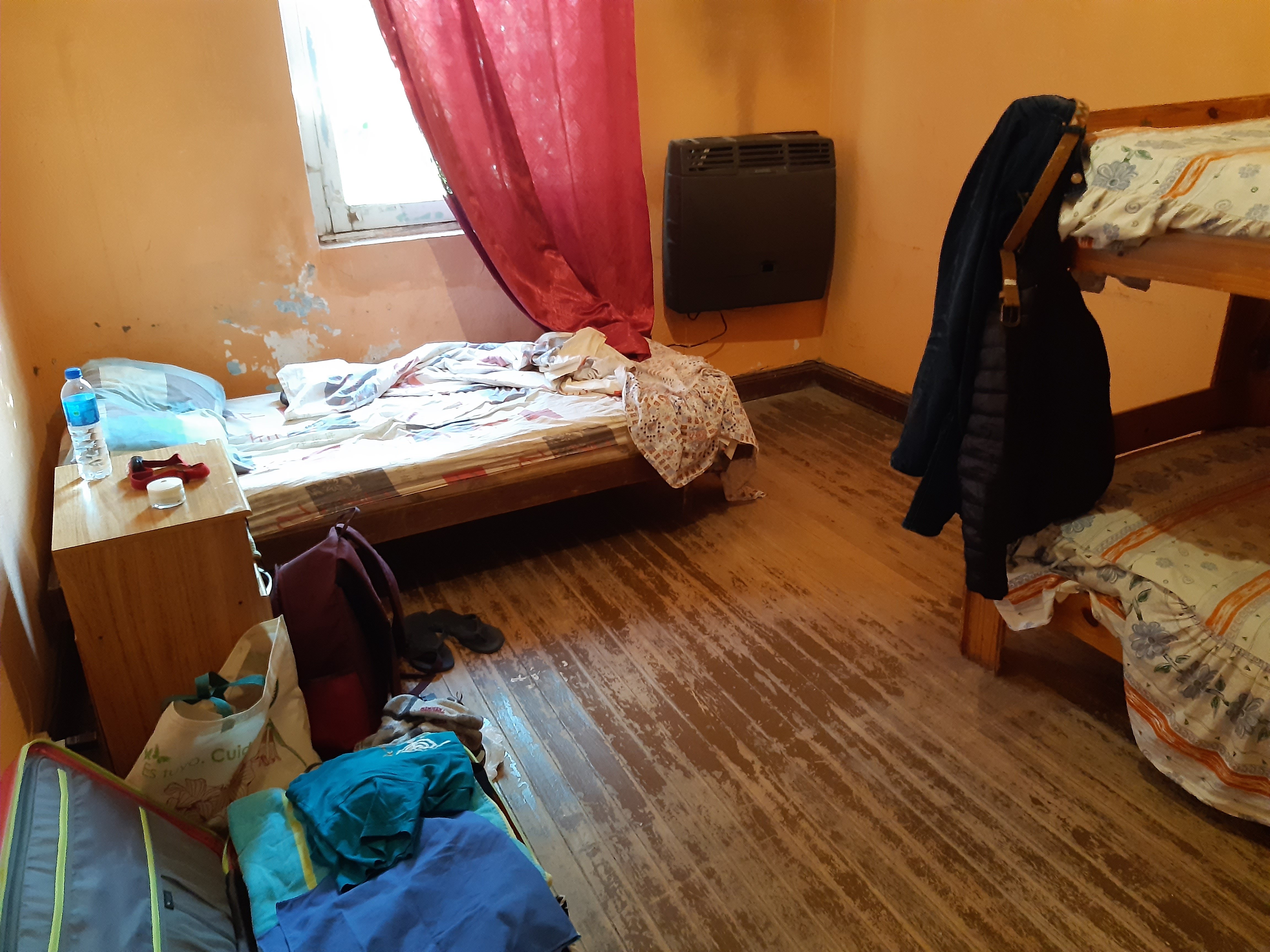
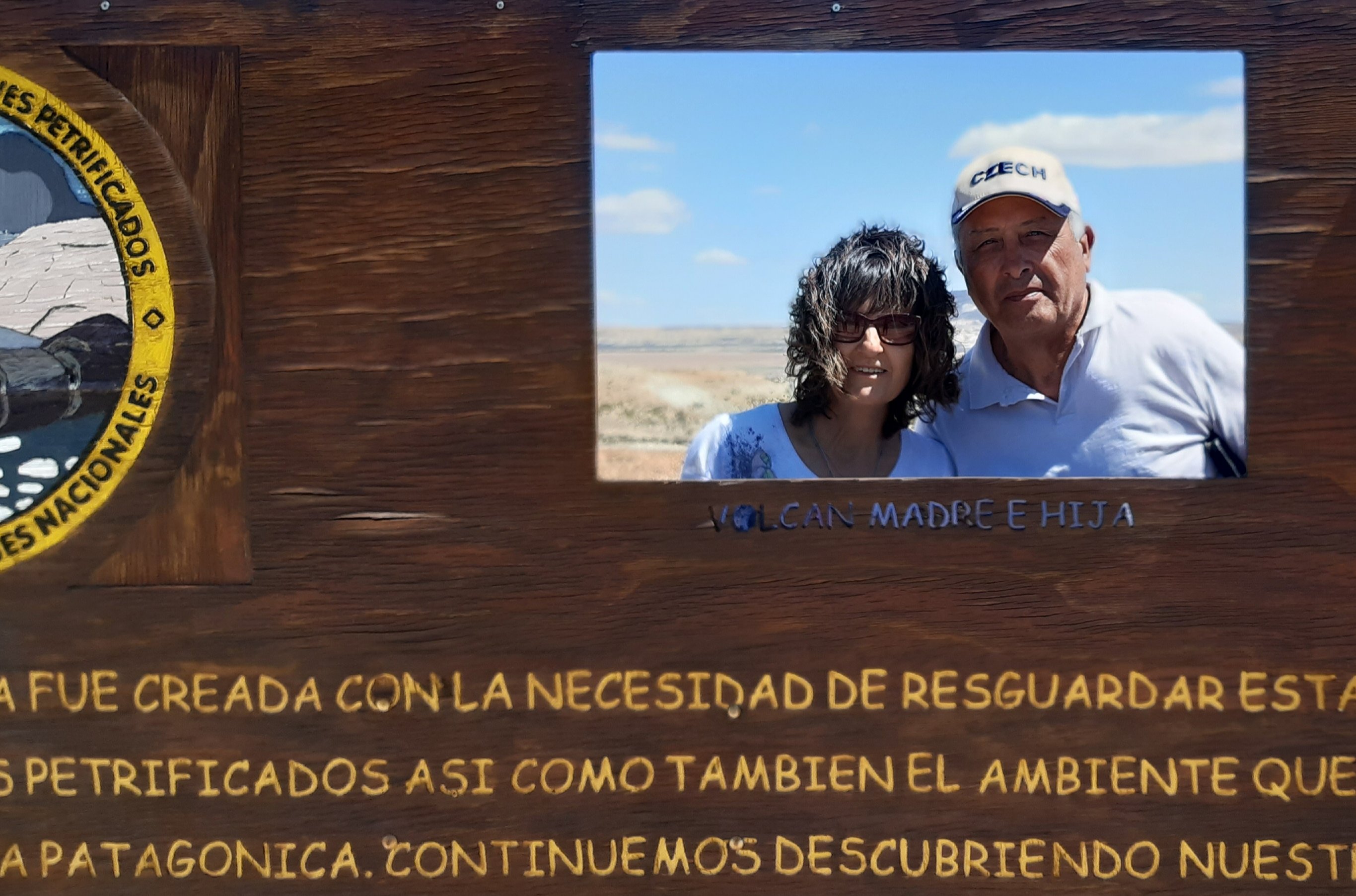
 My mood had lifted considerably, so I thought I was making good progress. Until this morning… One of the volunteers, Petr (a Czech), was leaving, and I was sad to see hom go as we had had some interesting philosophical conversations about stoicism, minimalism, etc. In spite of his cynicism, I enjoyed his forthright comments regarding people, situations and attitudes. He kept on encouraging me to learn more Spanish (and take cold showers), and helped me when I was stuck with computer bookings, making bread and cookies, answering Spanish phone calls or receiving Spanish guests. So I was sad. And then it was a hectic morning, with organising breakfast, guests booking out and early check-ins, people wanting to exchange money, etc. At some stage I must have left money on the counter, because when Marina (one of the owners of the hostel) arrived and checked the cash register, there was 2000 pesos (R500) missing, which I had to refund. Someone must have swiped it, or I had made a wrong entry. I couldn’t believe that I had been so careless and was most upset. R500 is a lot of money, but I was more upset with the whole situation than with the loss of the money. Not being able to converse properly in Spanish does not help of course. I felt like the proverbial ‘old woman trying to do a job’, not very successfully. On the other hand, one slip-up per job is probably not a bad track record… And I should count my blessings, as my dear mother always said (and she did exactly that, sometimes up to two hours if that is what it took to make her feel better): Mei-tal, a volunteer from Israel, fell of her bike today, hurting herself quite badly. I just had an ego fall… Not a good weekend, as Annorien said!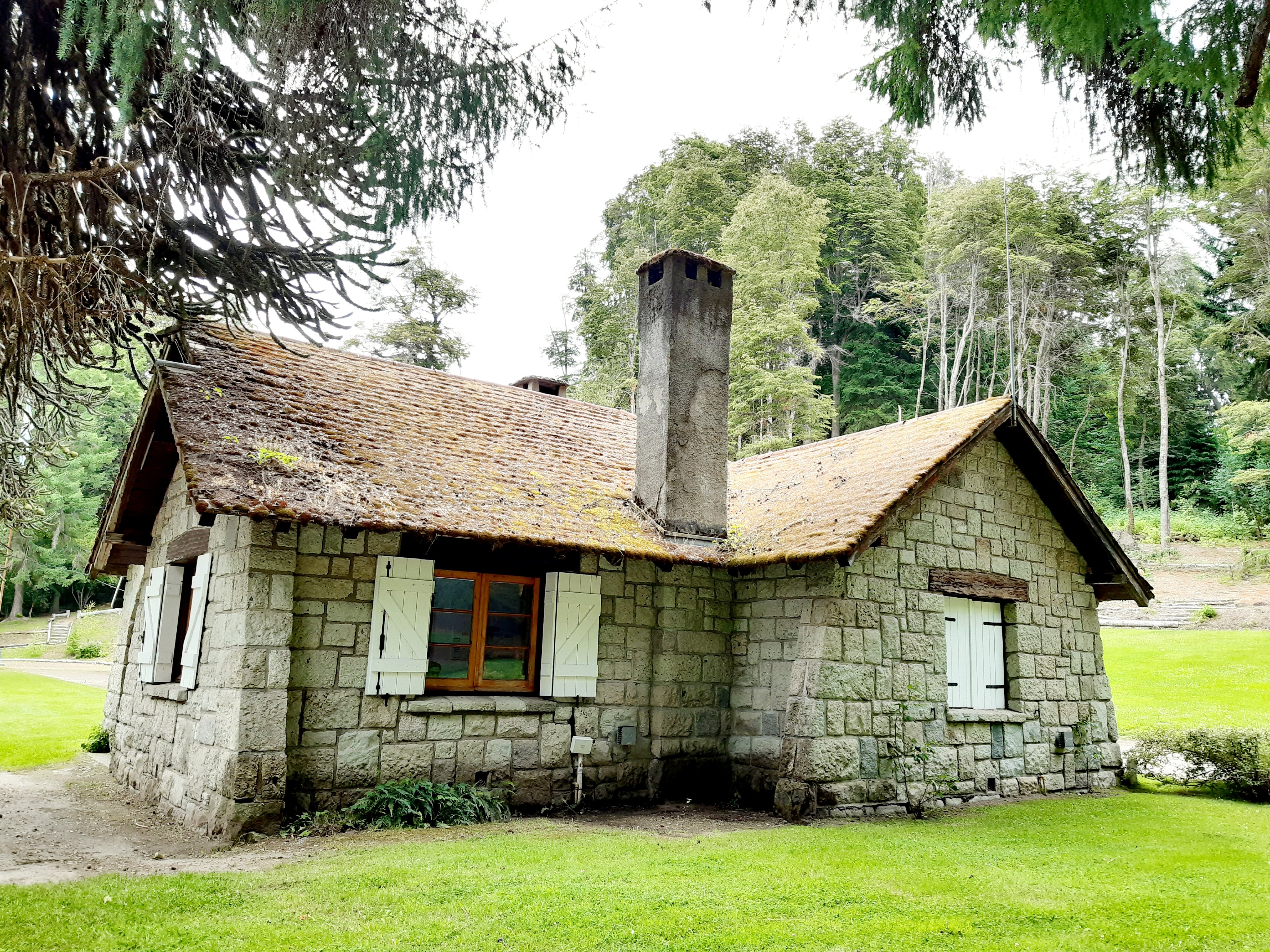
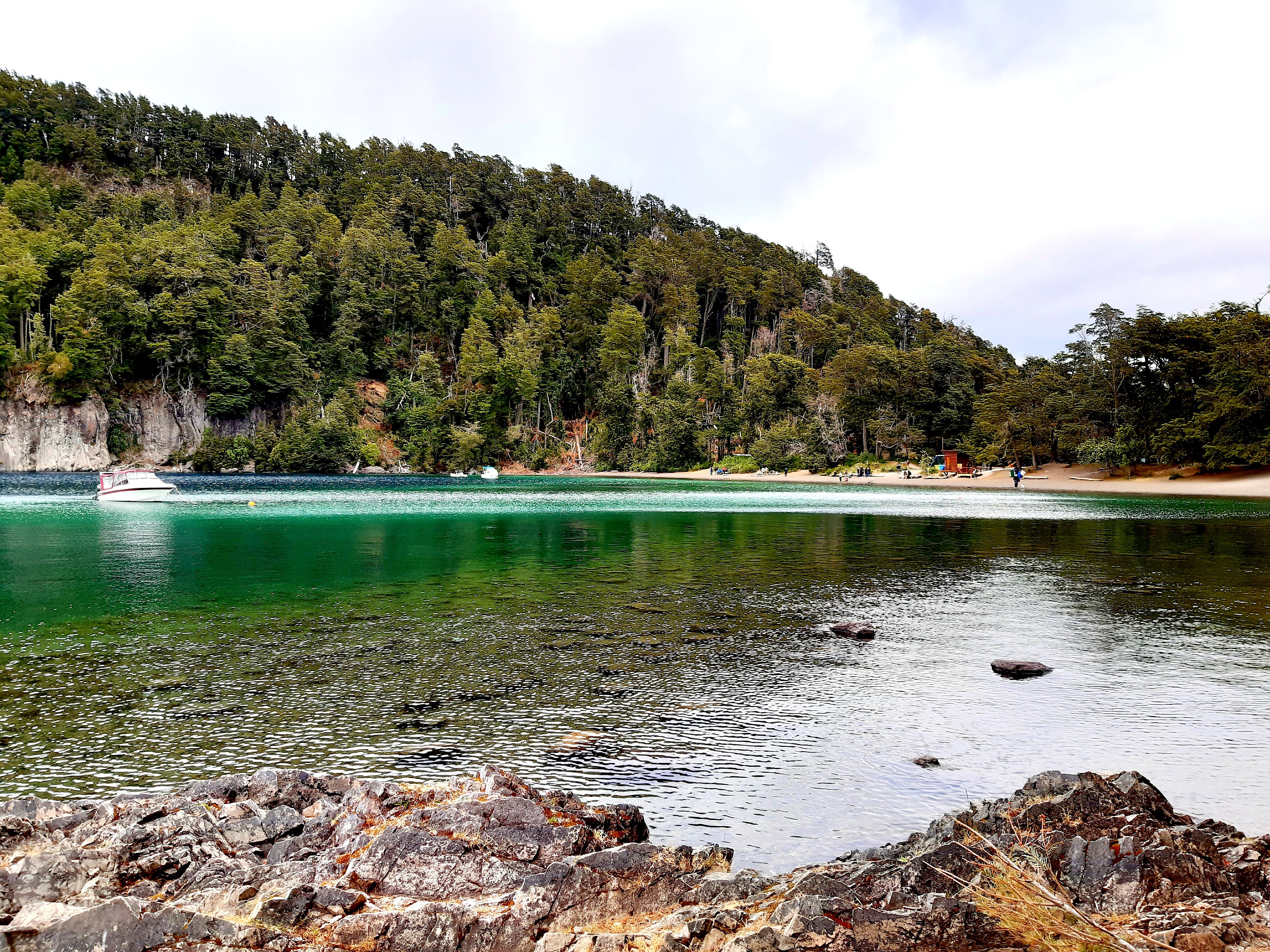
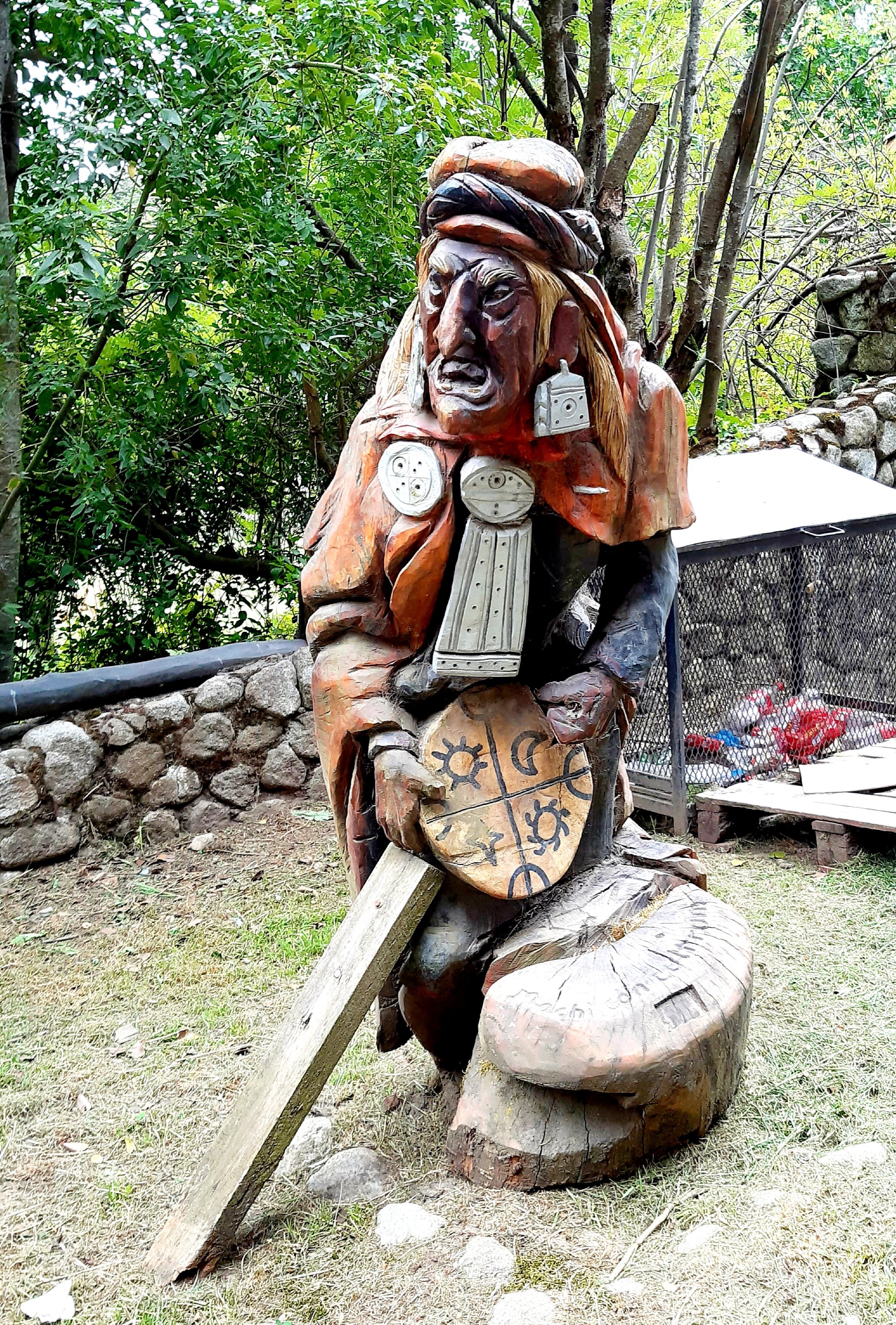
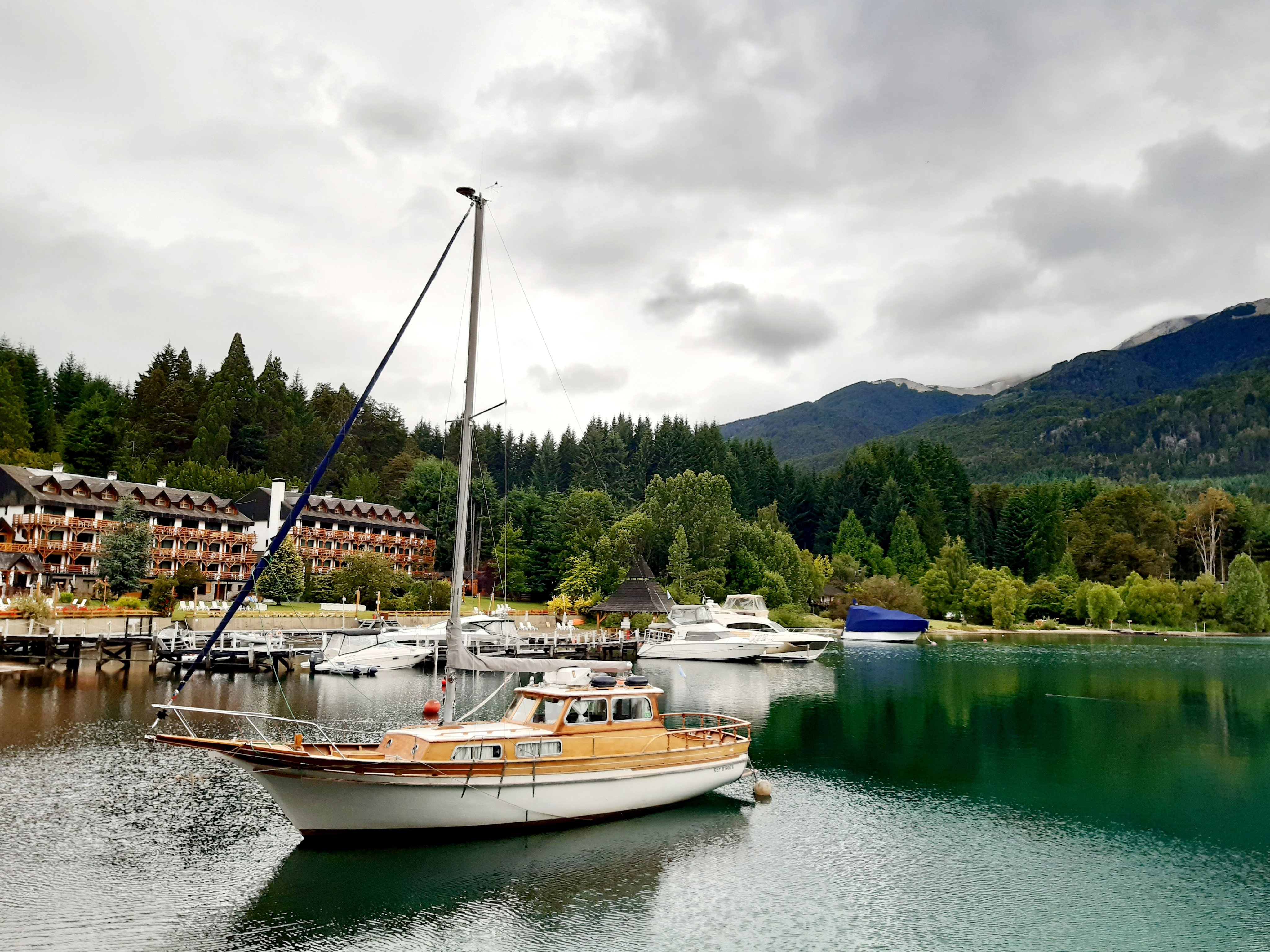
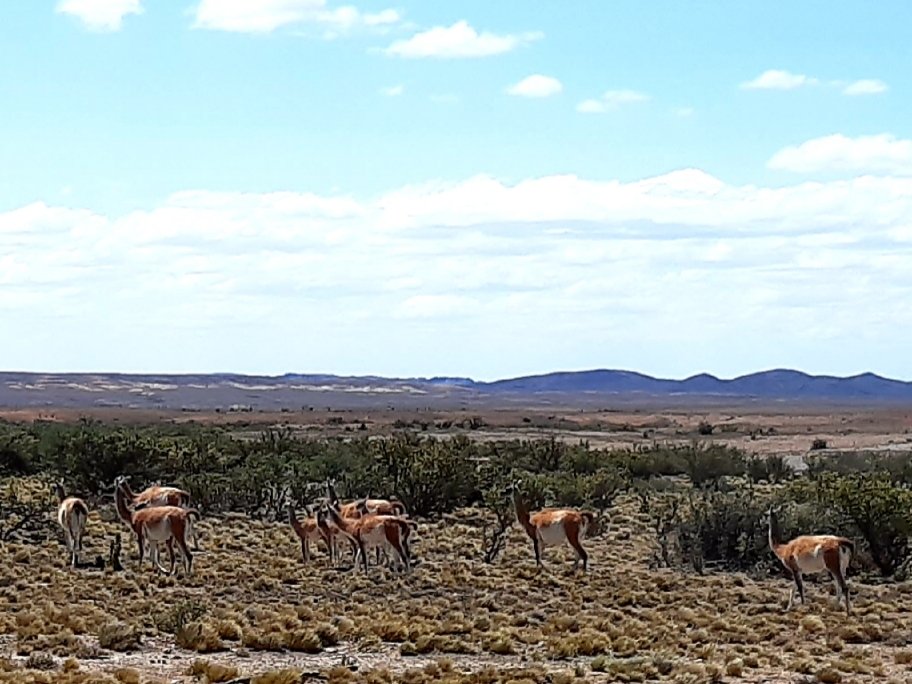
 I am really missing seeing wildlife. Birds and butterflies are all I see here. I don’t miss the mosquitos, flies and brommers, but even seeing a mouse or lizard would be great. Or a snake, on one of my many walks – but nada (nothing)! There are puma’s in the mountains, but I have not been lucky enough to see one. One does not realise how fortunate we are in Africa, to have so much wildlife. Interestingly enough, everyone I meet here who hears I am from South Africa, either comments on or questions me about wild animals. Something to appreciate even more when I am back.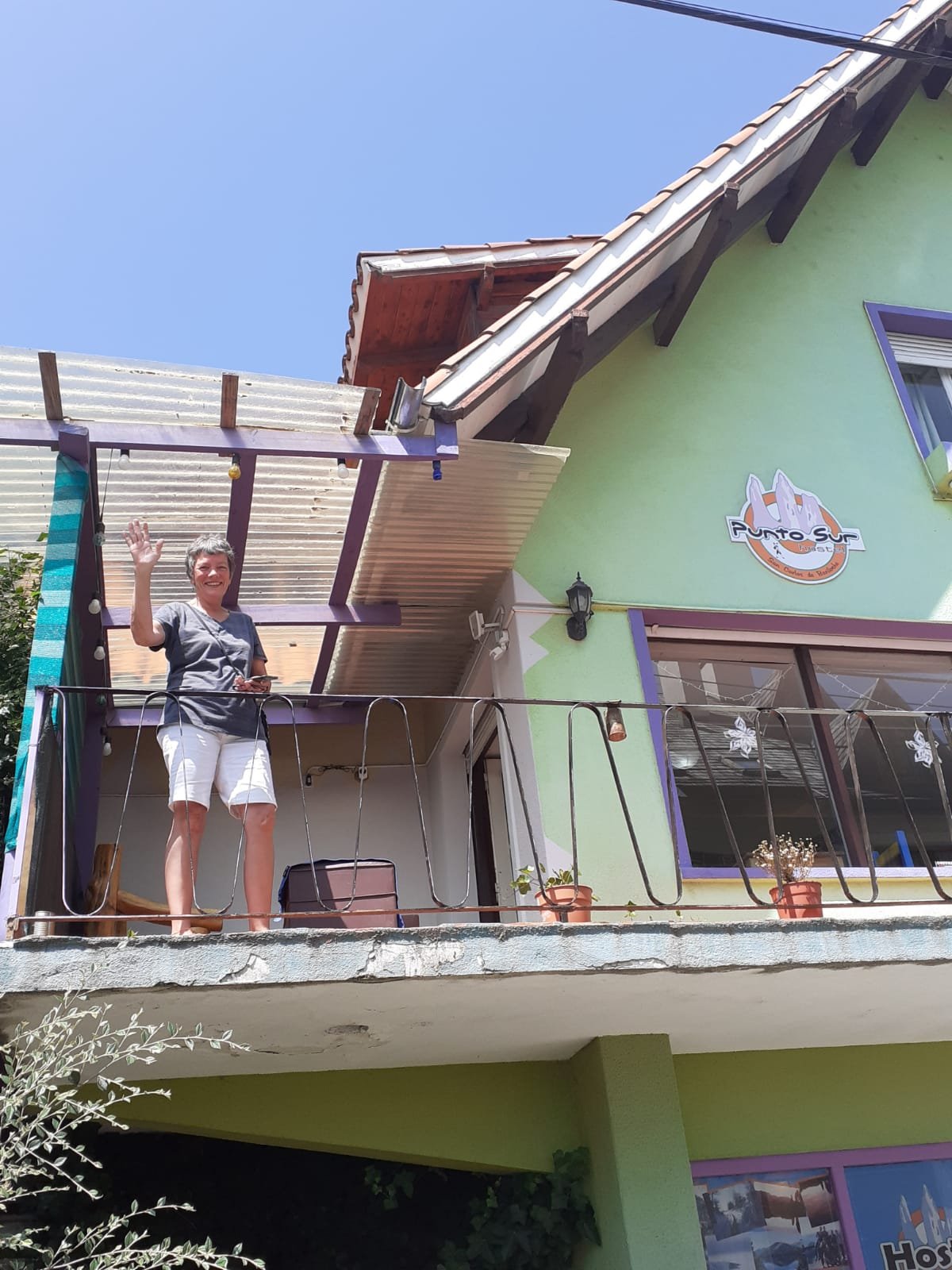
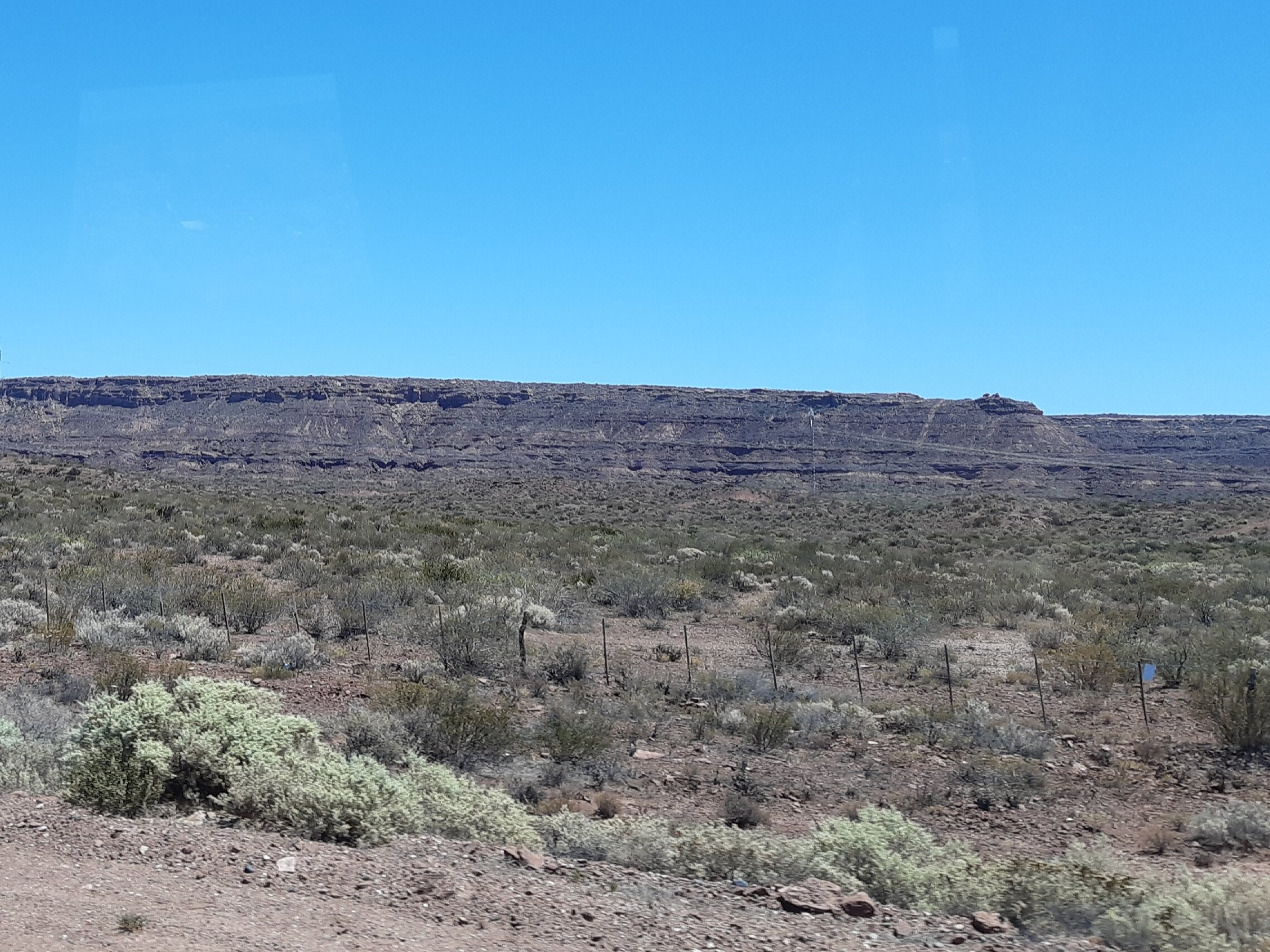
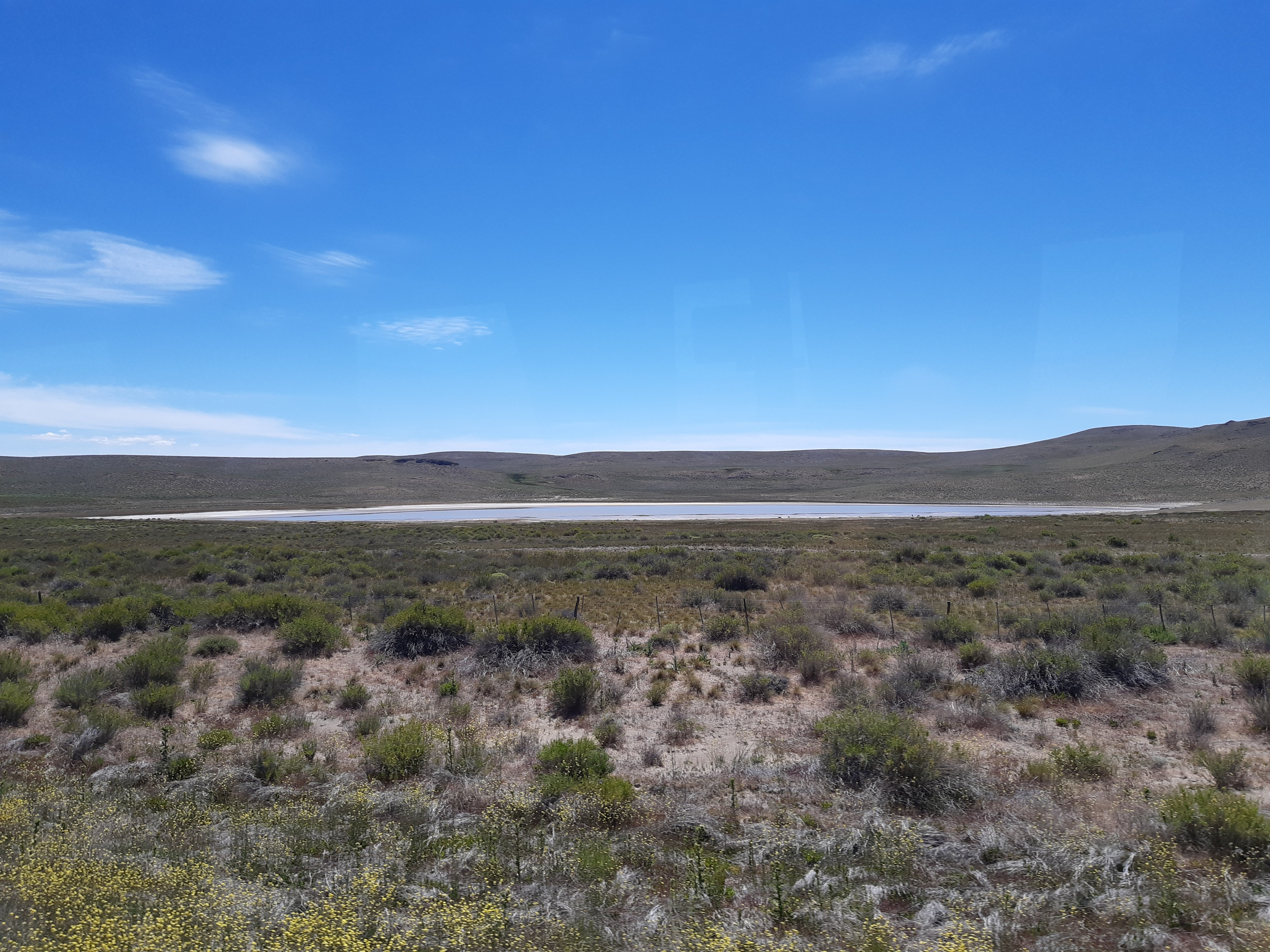
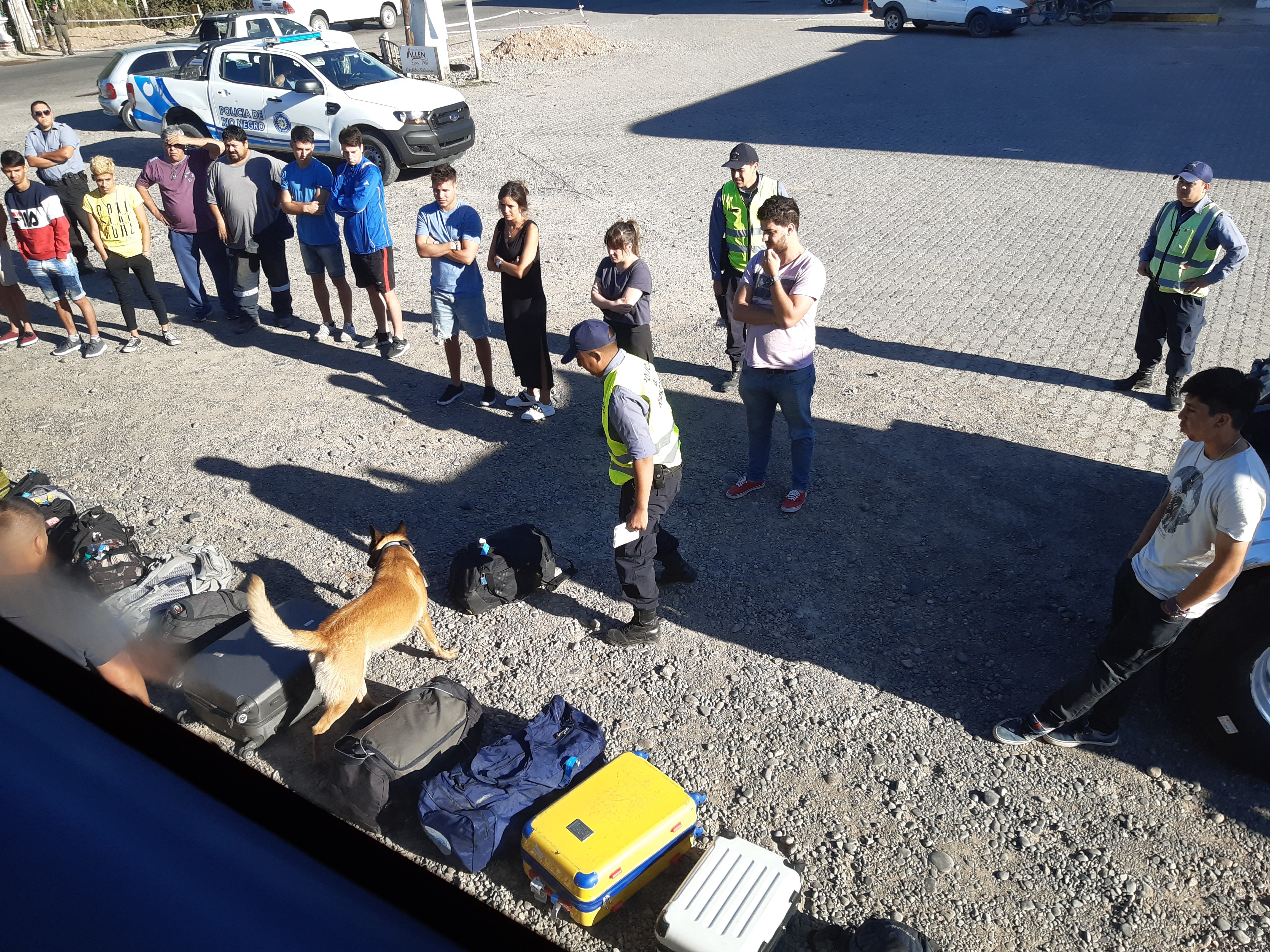
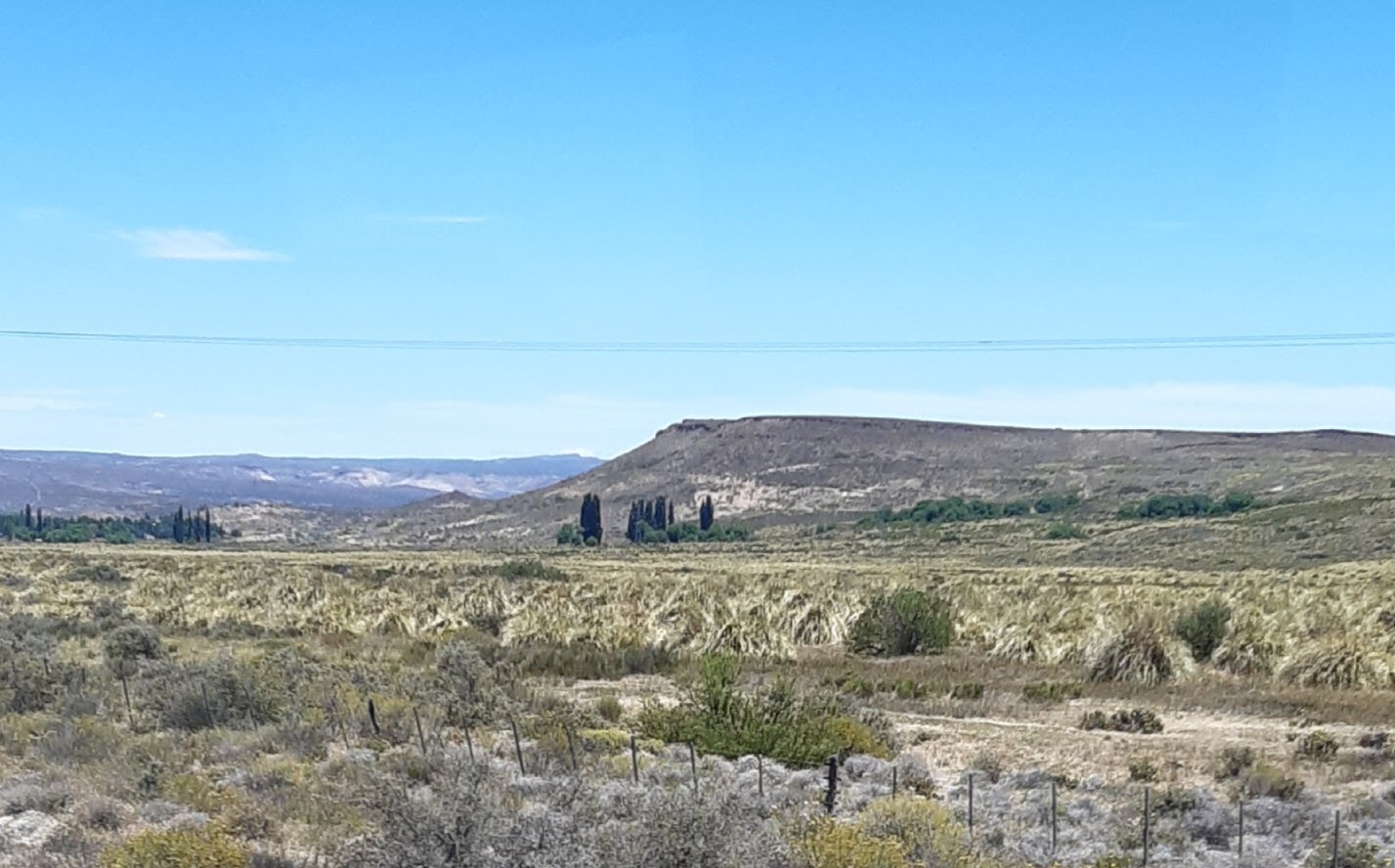 We had this one crazy police stop, where quite a few youngsters were asked to step out of the bus and line up with their bags. A police dog then sniffed at all of the bags and yanked one out. The poor guy had to stand in public view while the police unpacked his whole bag, just to reveal nothing. I have no idea what thát was about.
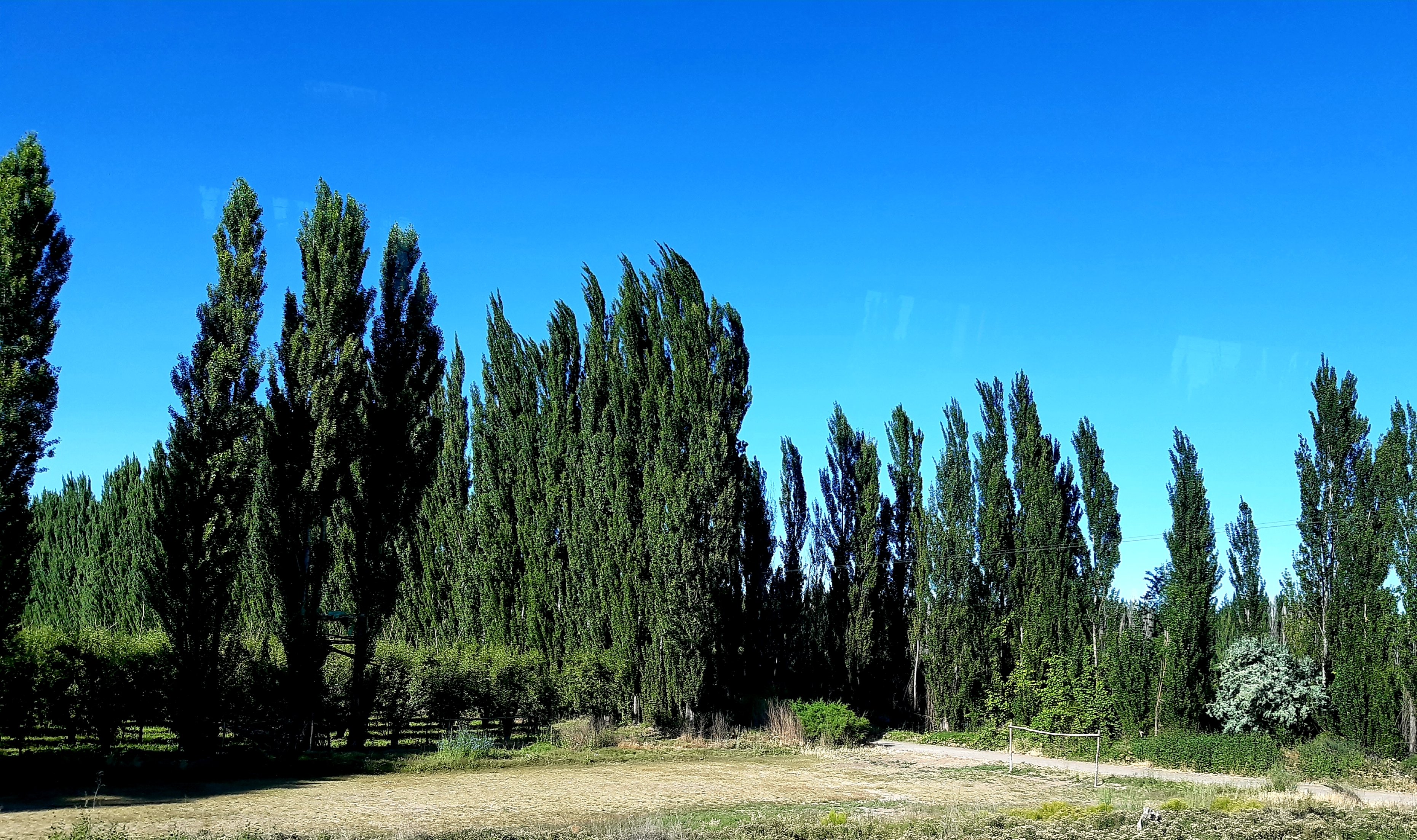
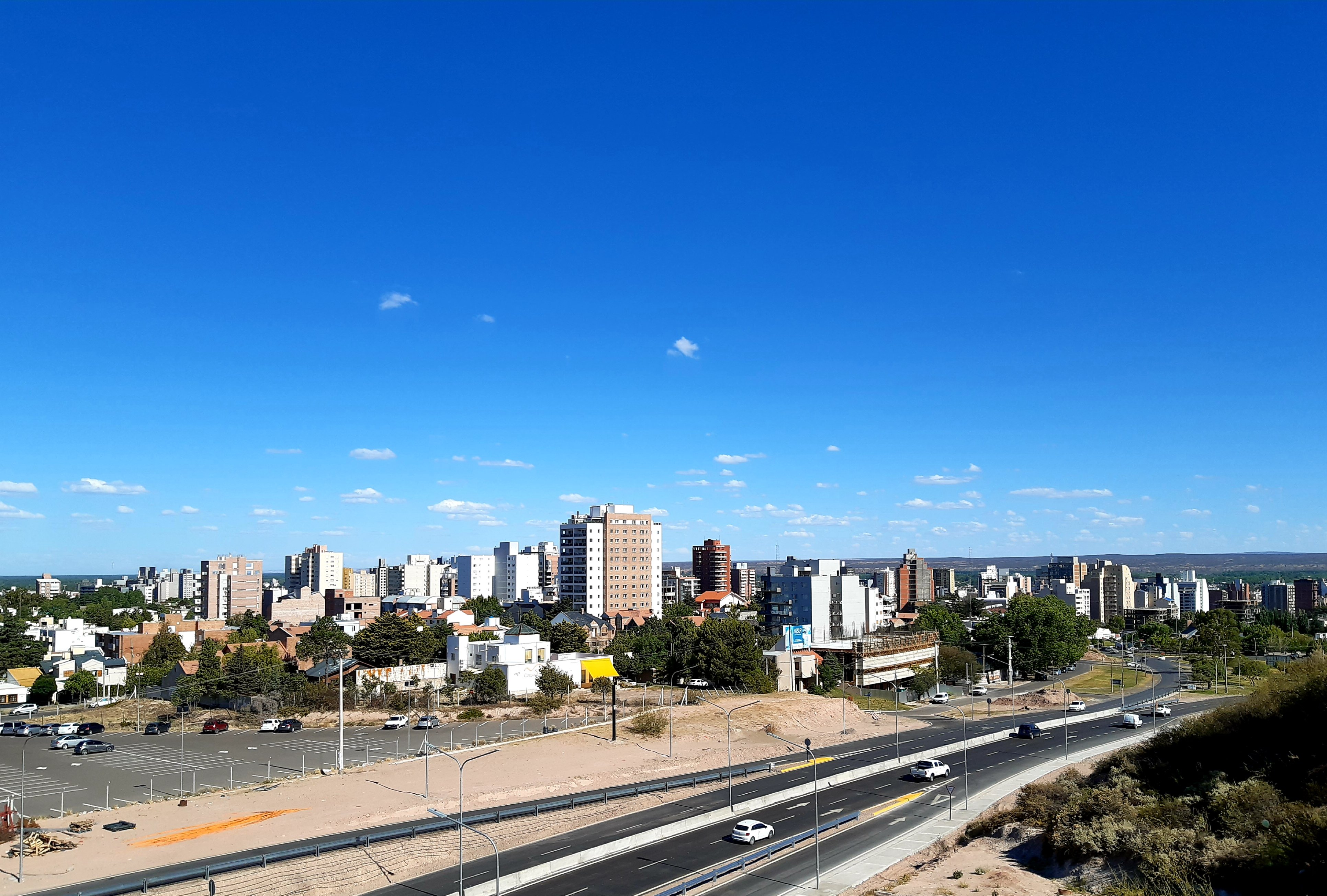
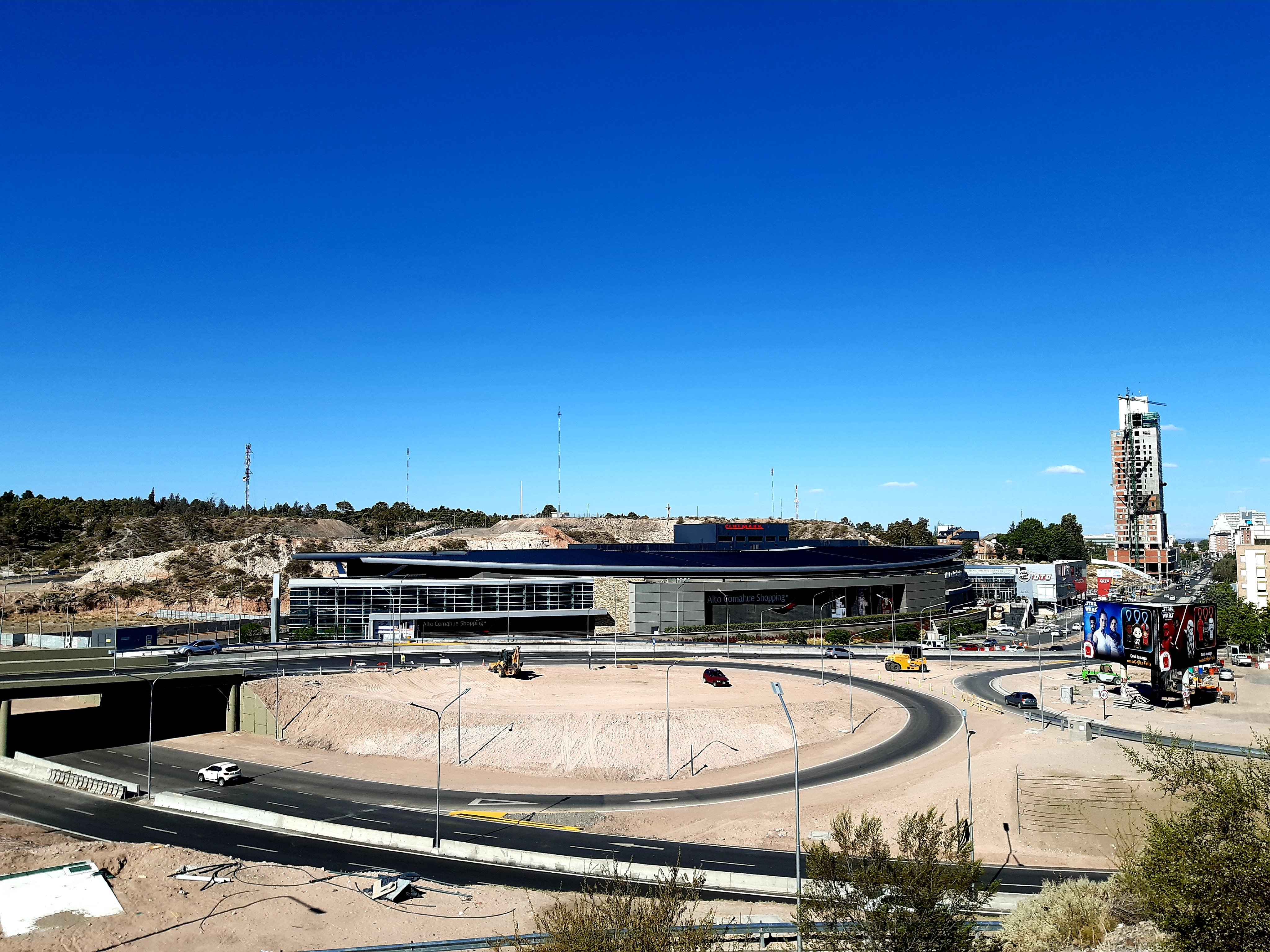
  After a night bus I spent the following day in Neuquen, the ‘capital’ of Patagonia (I was told). An impressive city, after so many miles of nothingness. It is in a river valley where mostly apples are grown, and seems to be expanding rapidly, judging by the malls and high-rise blocks of apartments going up.

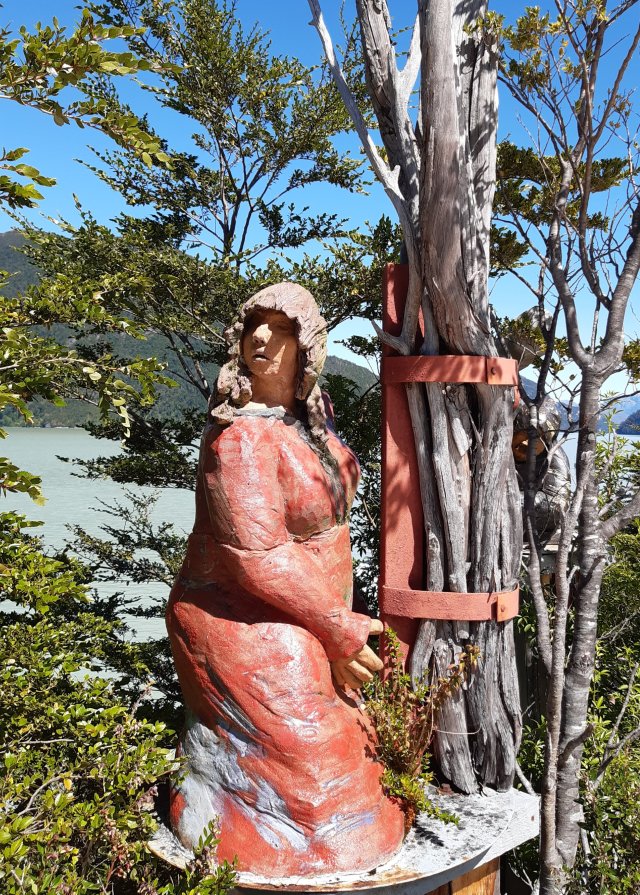
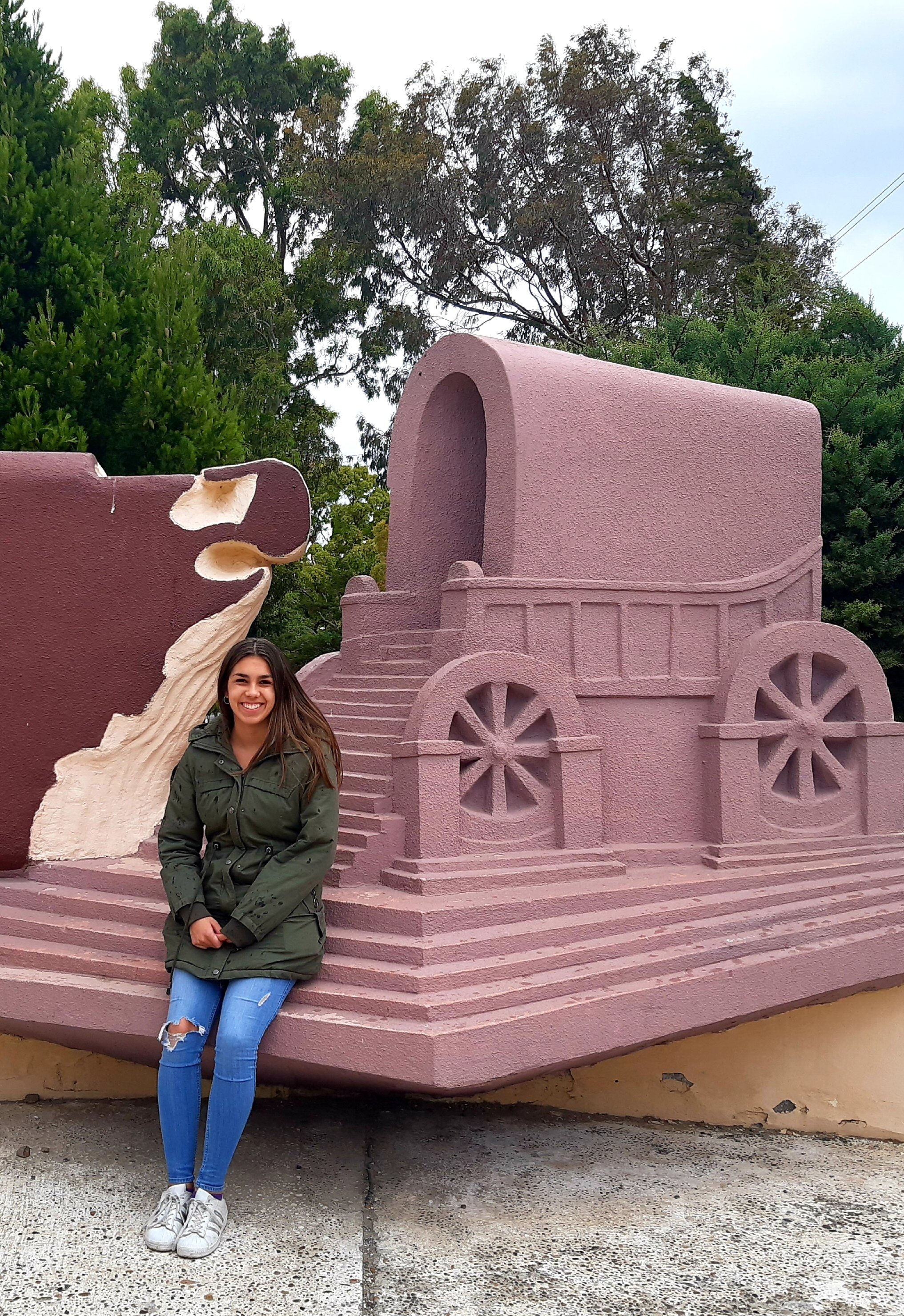
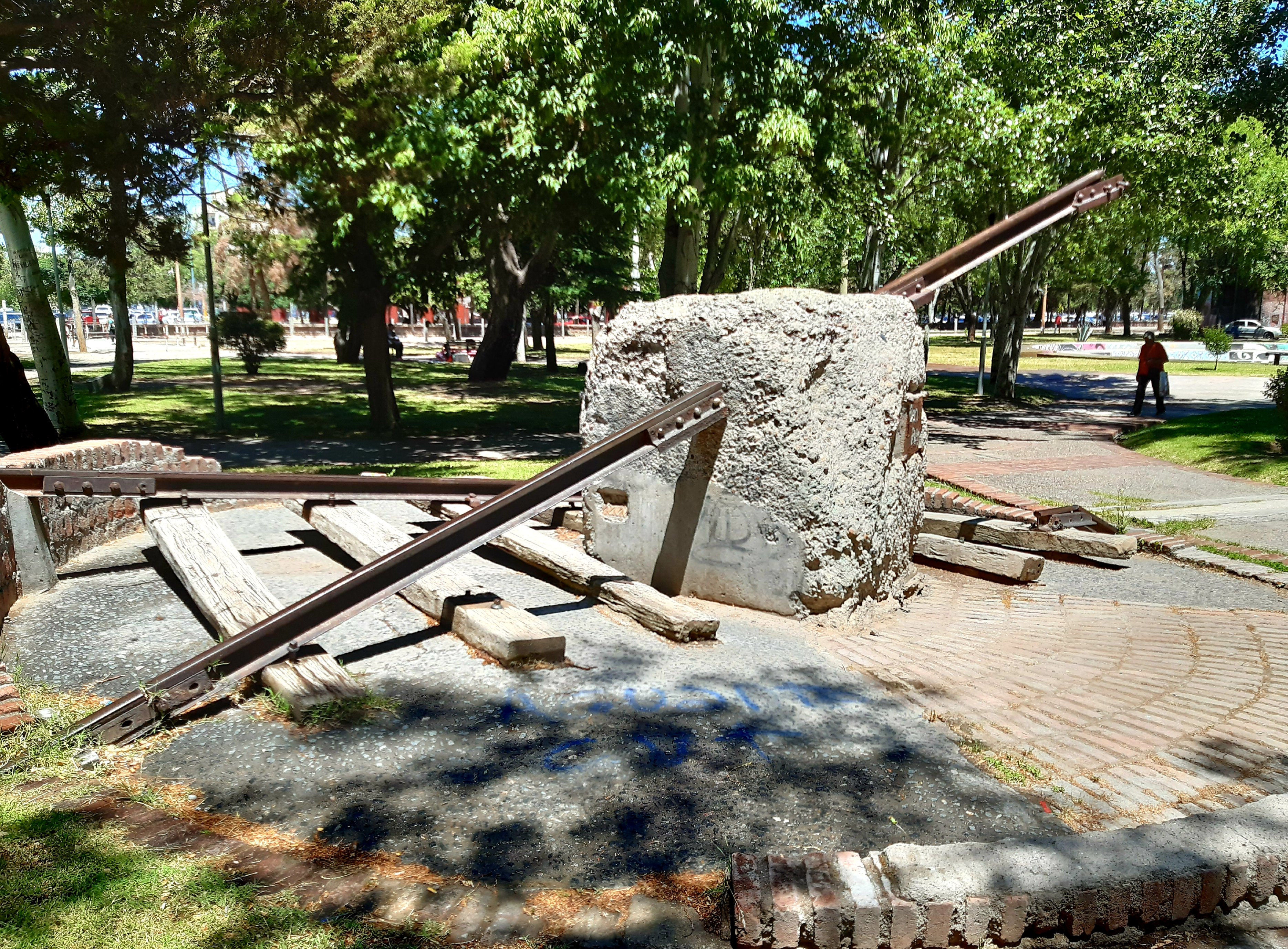
 I was intrigued by this following sculpture, a homage to whoever built the railway line (that is no longer functional):
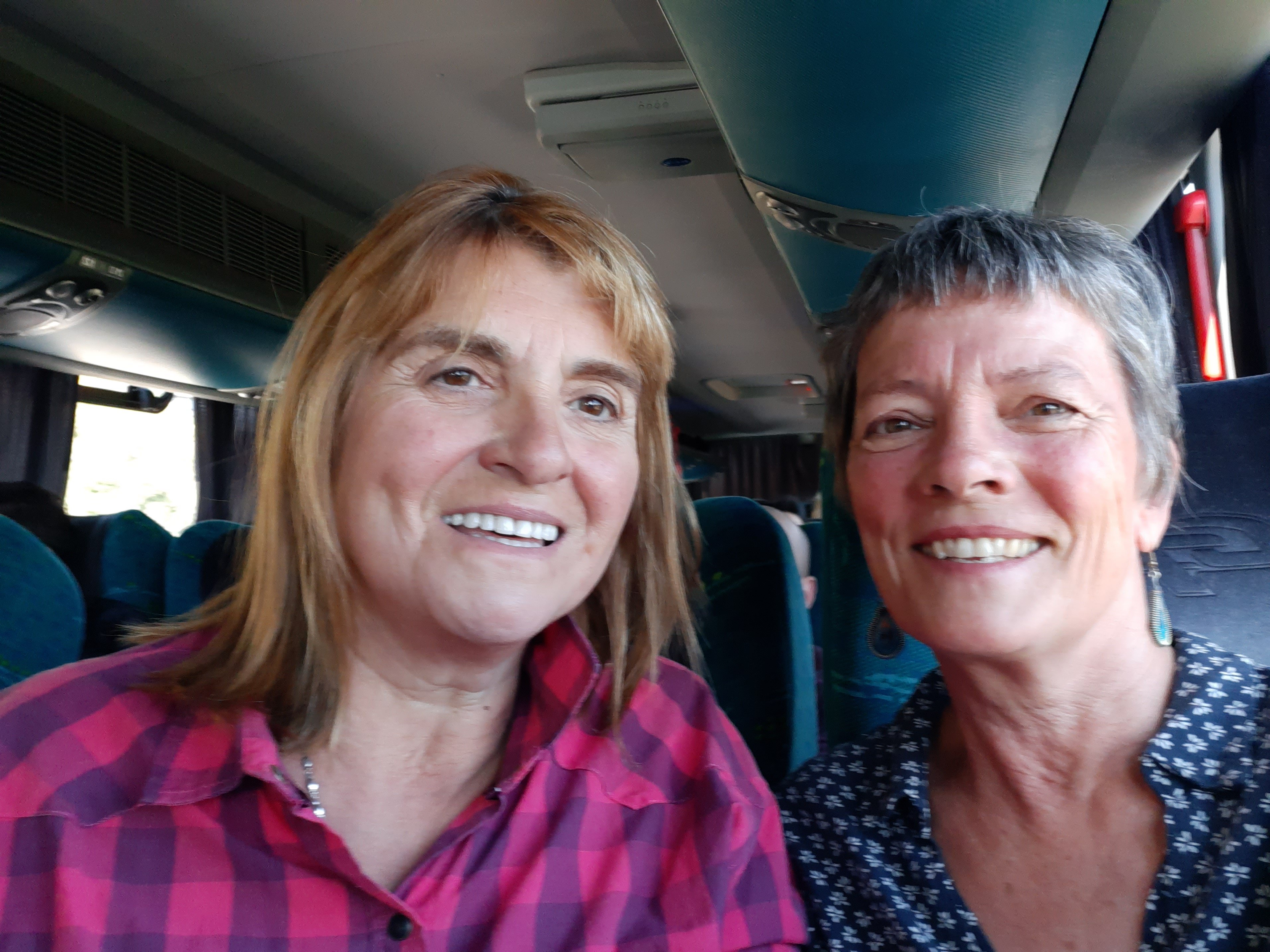
 The following day I was on my way to San Carlos de Bariloche, or Bariloche, as it is popularly known, with a very friendly and talkative Spanish lady (and grandmother) next to me in the bus. She had me practicing my Spanish for quite a few hours. We exchanged phone numbers and have been in contact since. Inis – she lives in Playas Doradas on the East coast and I might visit her there (see the strain of speaking Spanish on my face.
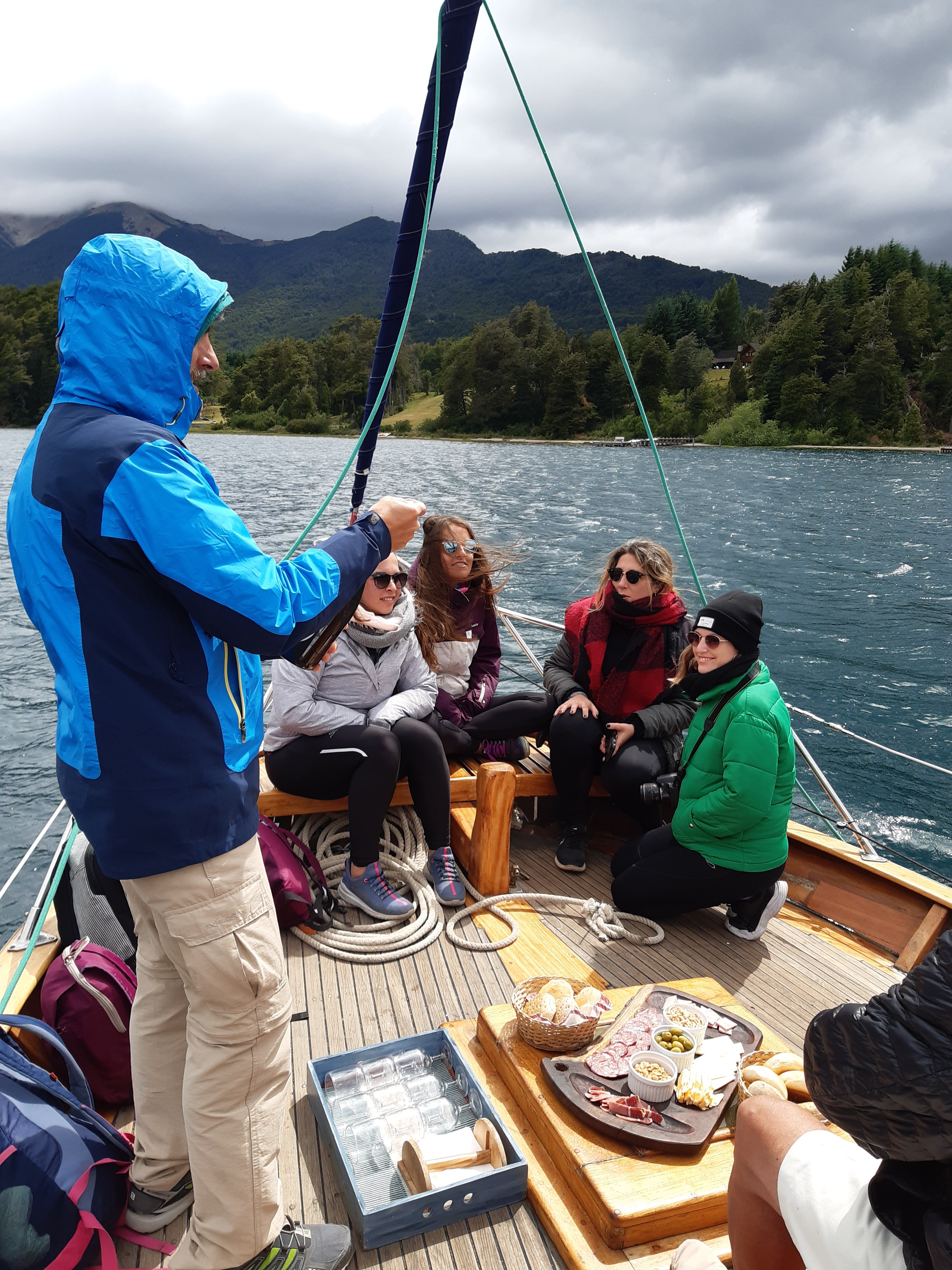
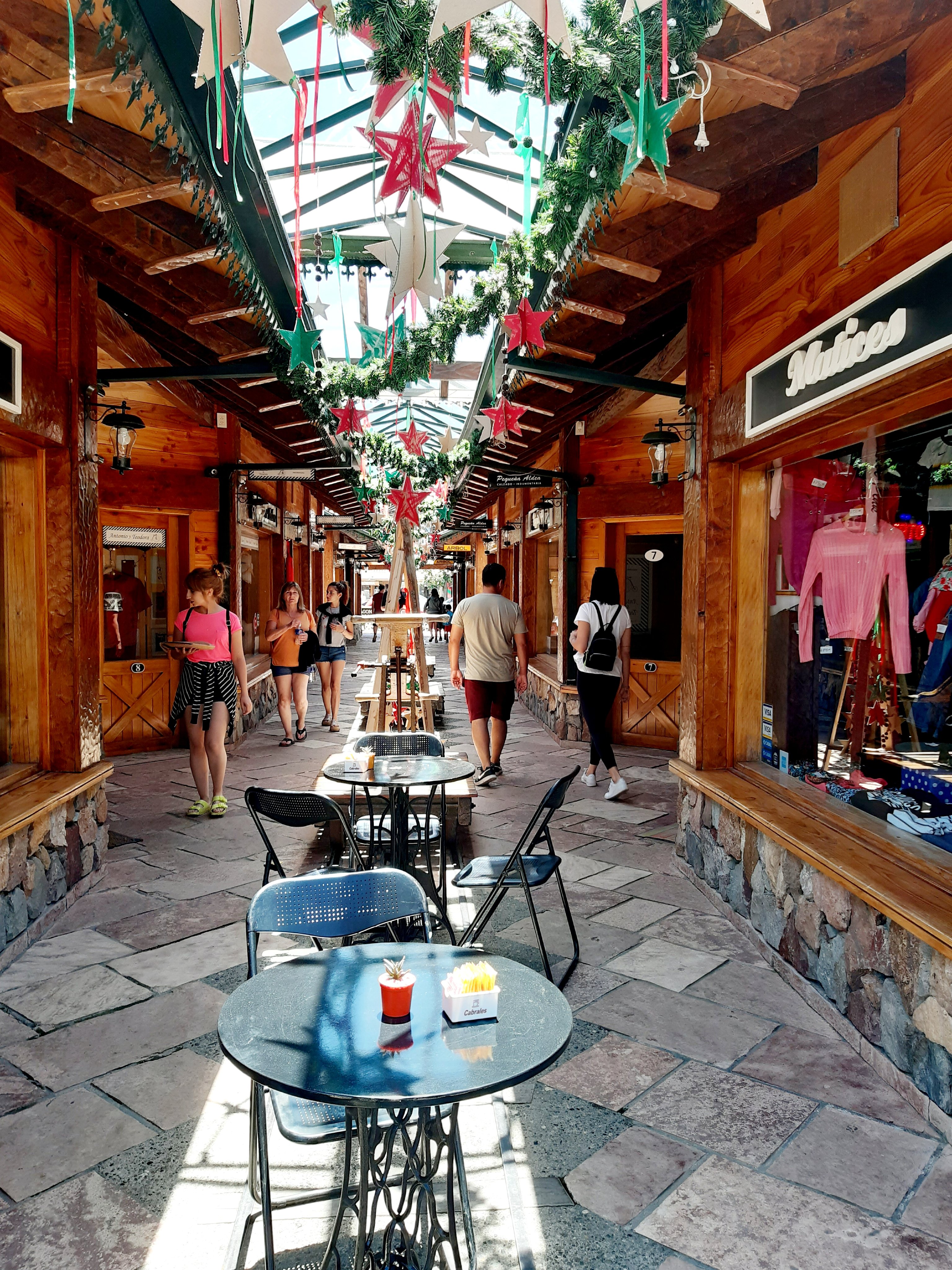
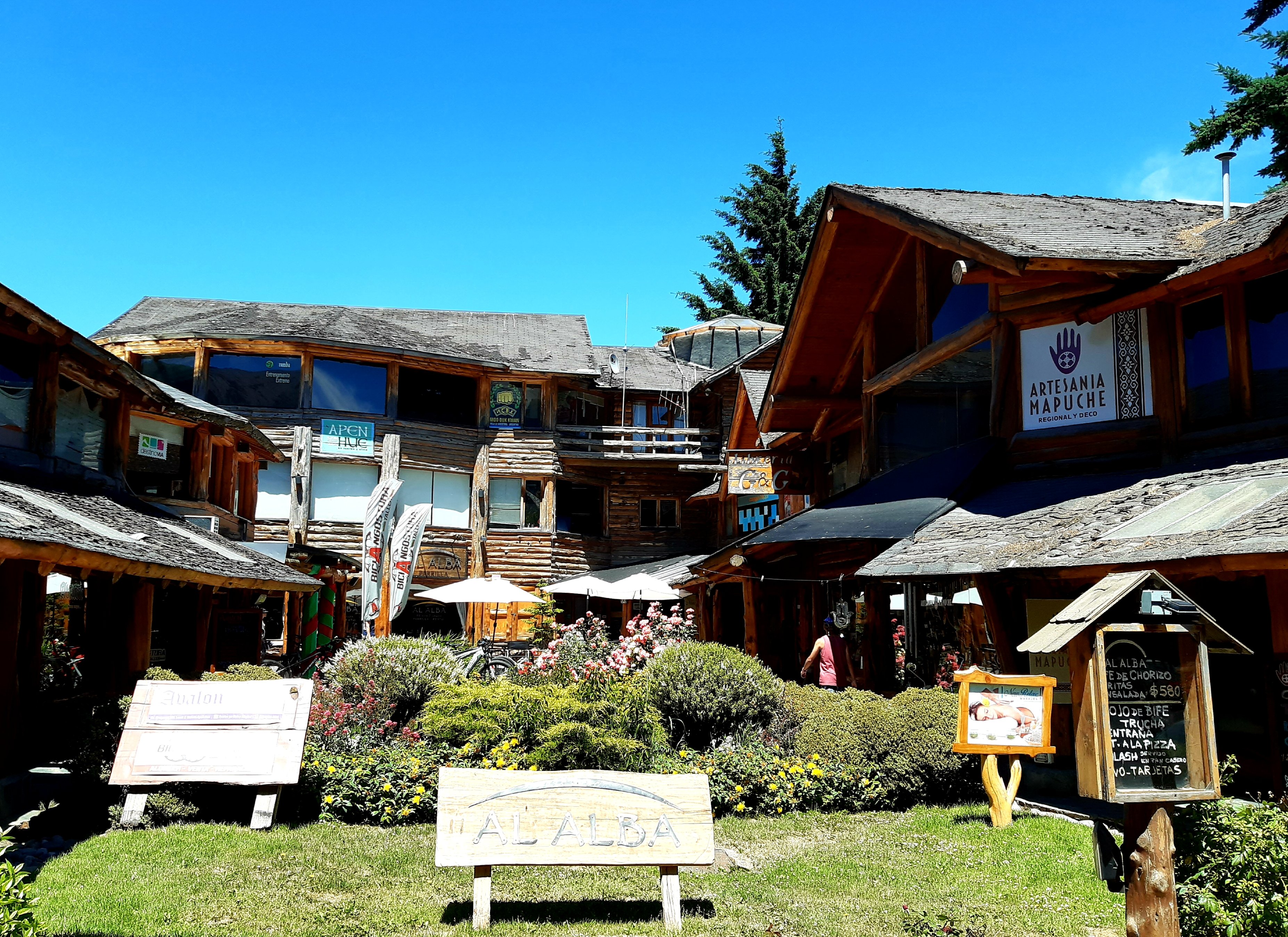
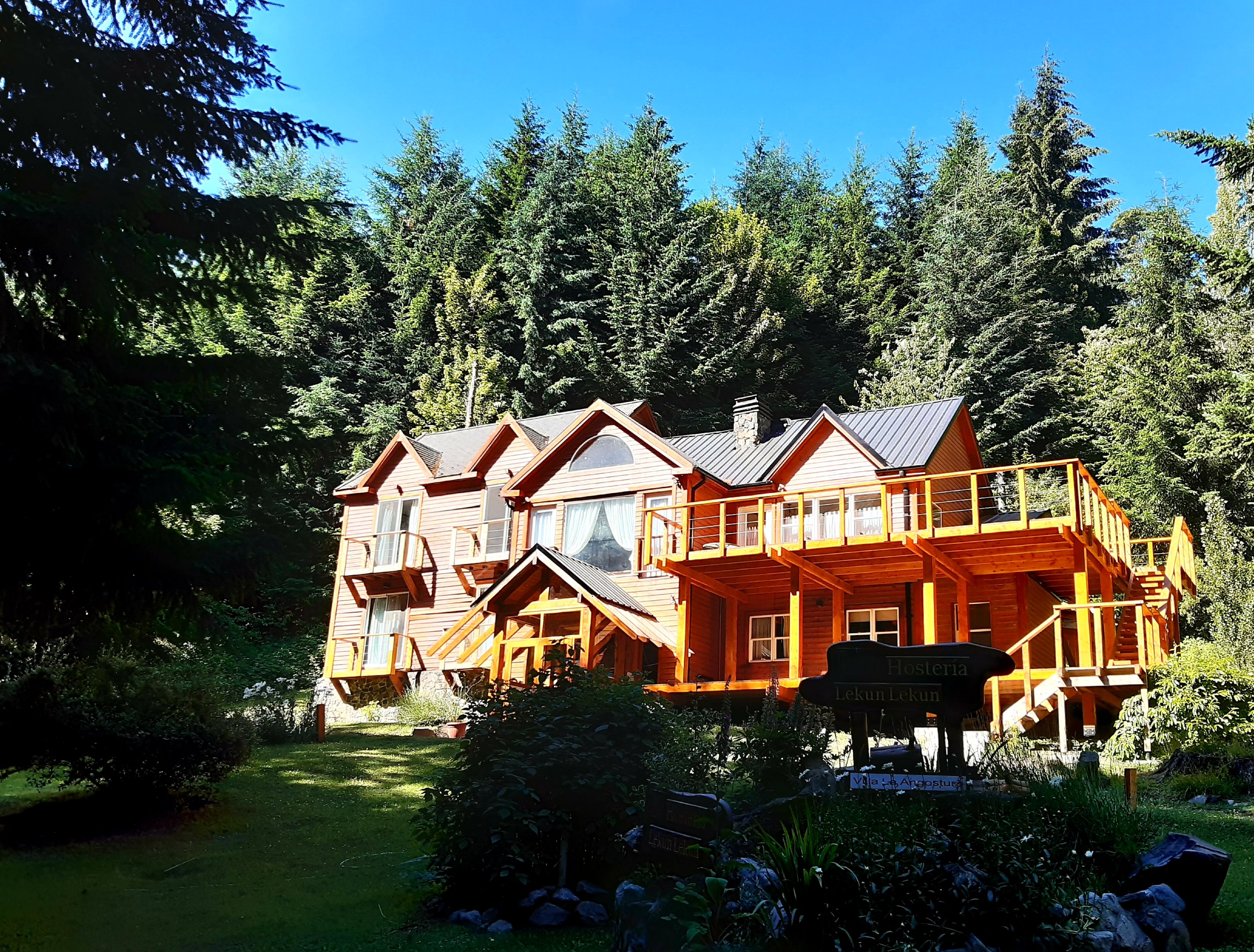
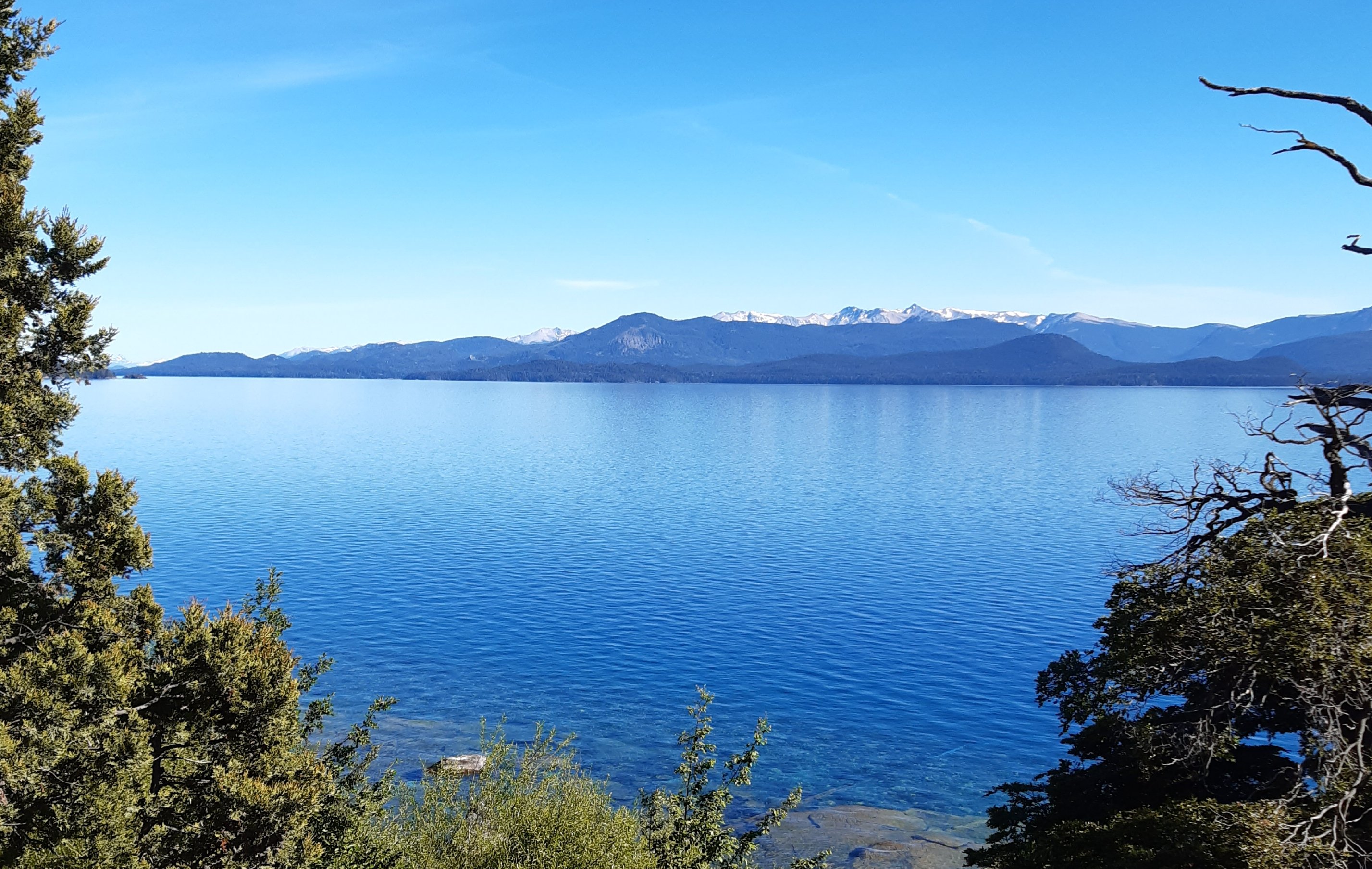
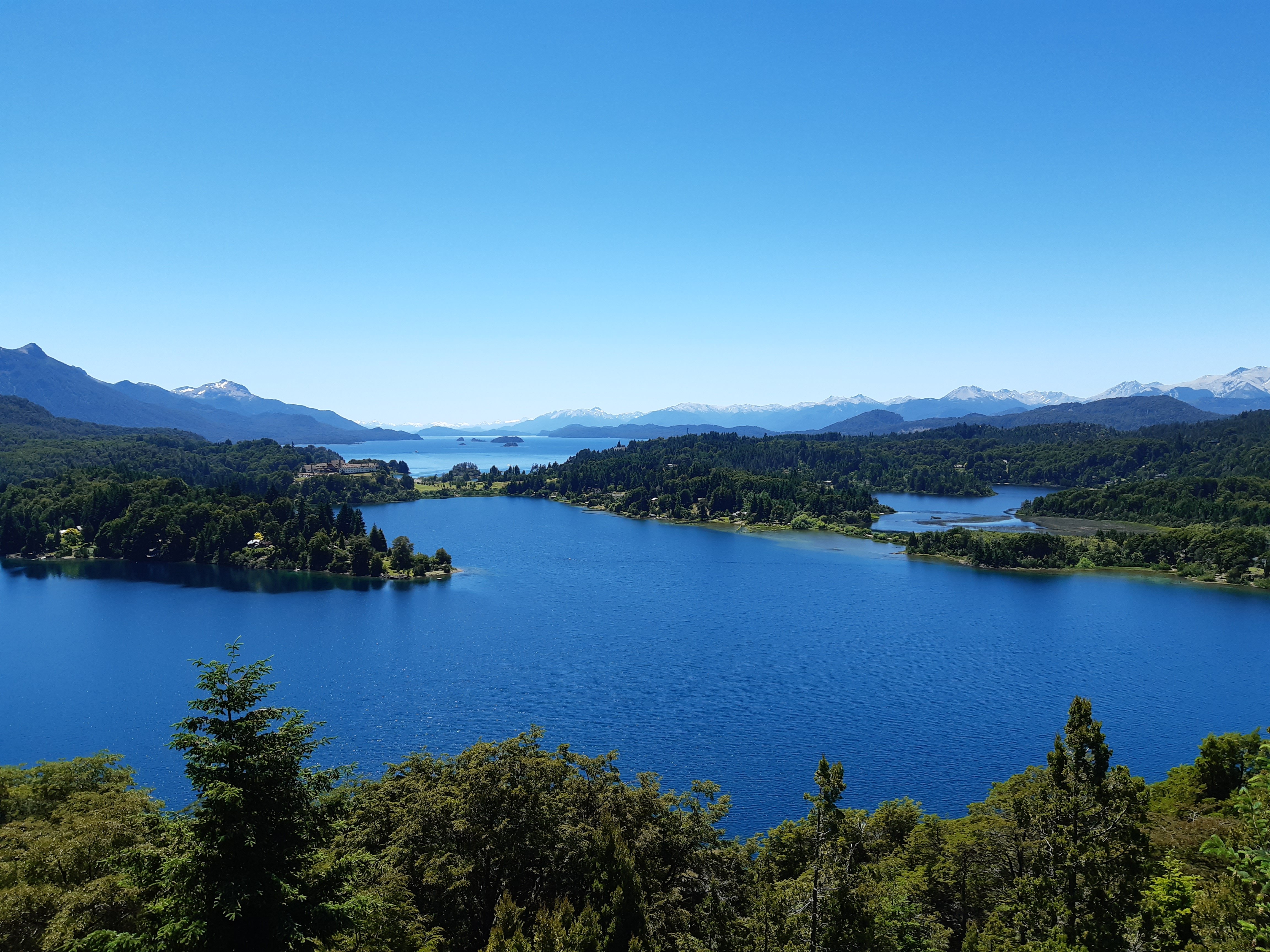
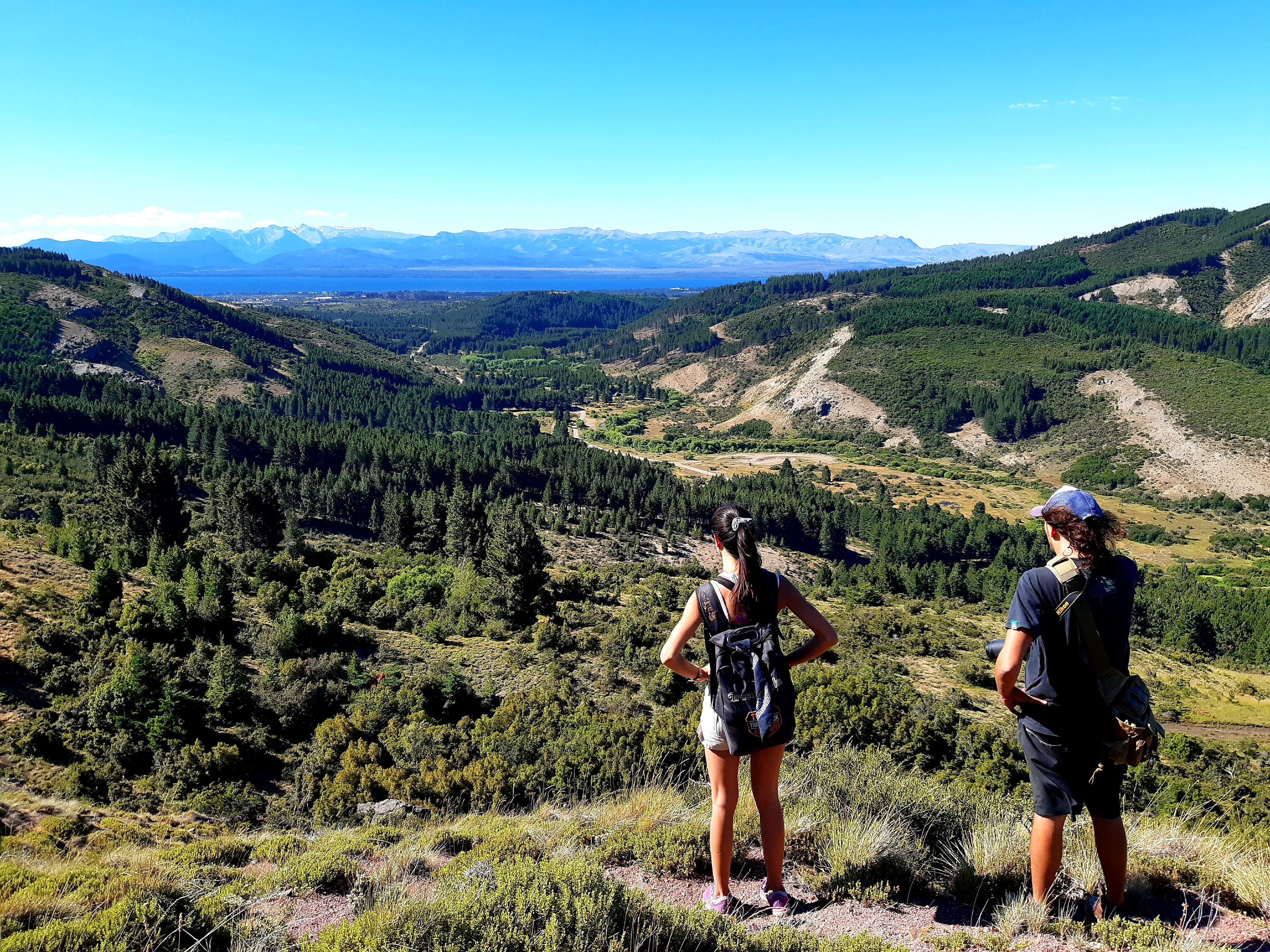
 Bariloche, a little Switserland in the northwest of Patagonia, and gateway to the south. The most beautiful lakes, forests and mountains, with zilions of trails, overnight camping spots, cycling, horseriding, sailing, kayaking, paragliding and many more activities.
 I was persistant in the finding of volunteer work here, and was accepted at Hostel Punto Sur, right in the heart of town, with friendly and supportive owners, Martin and Marina. The work is scheduled in 8hr shifts for 4 days, and then 3 days off, which gives me time to explore towns close by, or do one of the overnight stays in a cabin in the mountains. In winter the mountains are snow-covered and skiing is a great attraction. According to Marina, the Argentinias come here in winter mostly to see and enjoy the snow. The Europeans are the ones who come to ski. I’ve climbed several hills with great views of the lake, Lago Hauma Haupi, and wildflowers along the way, much to my delight.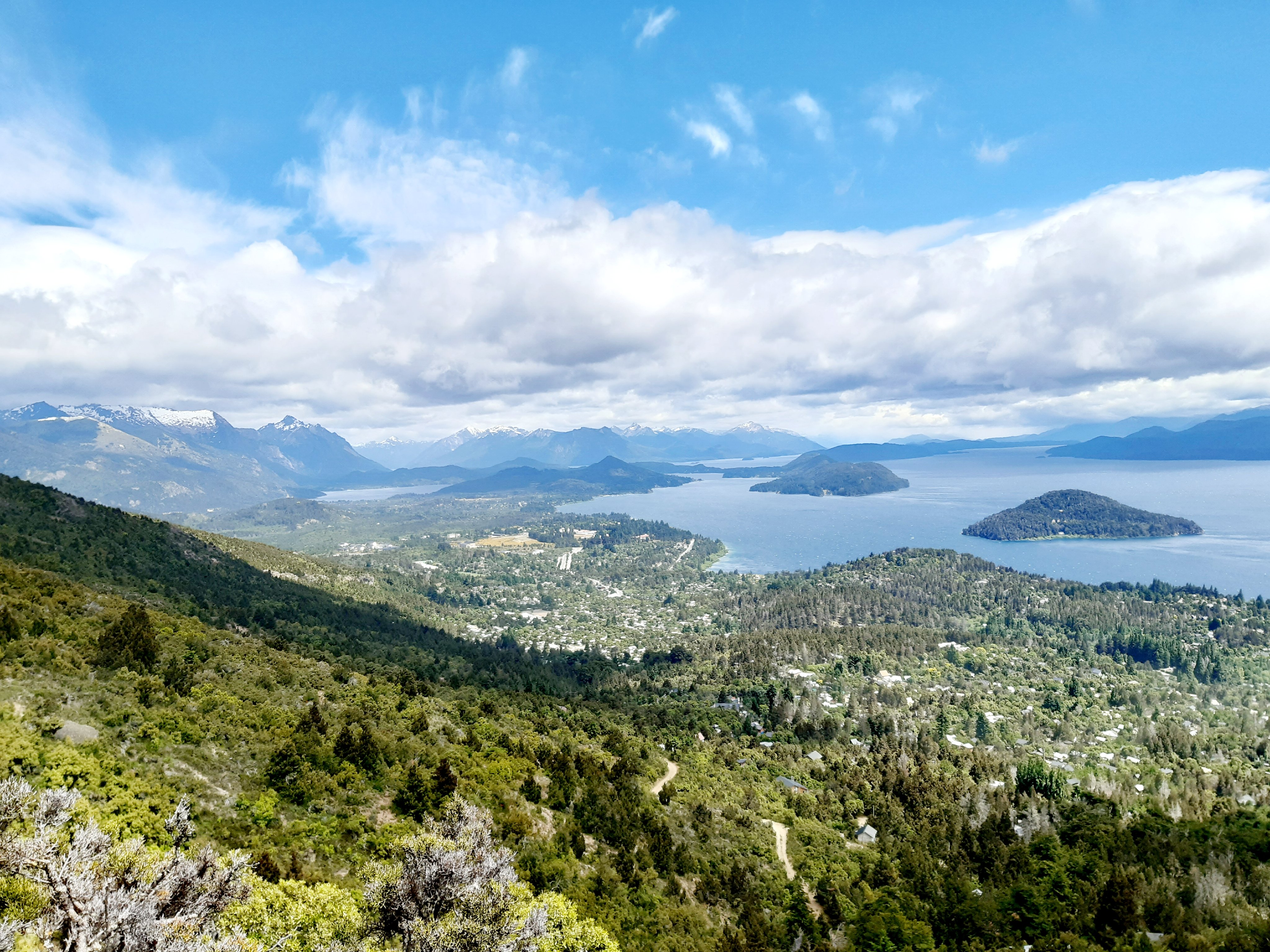

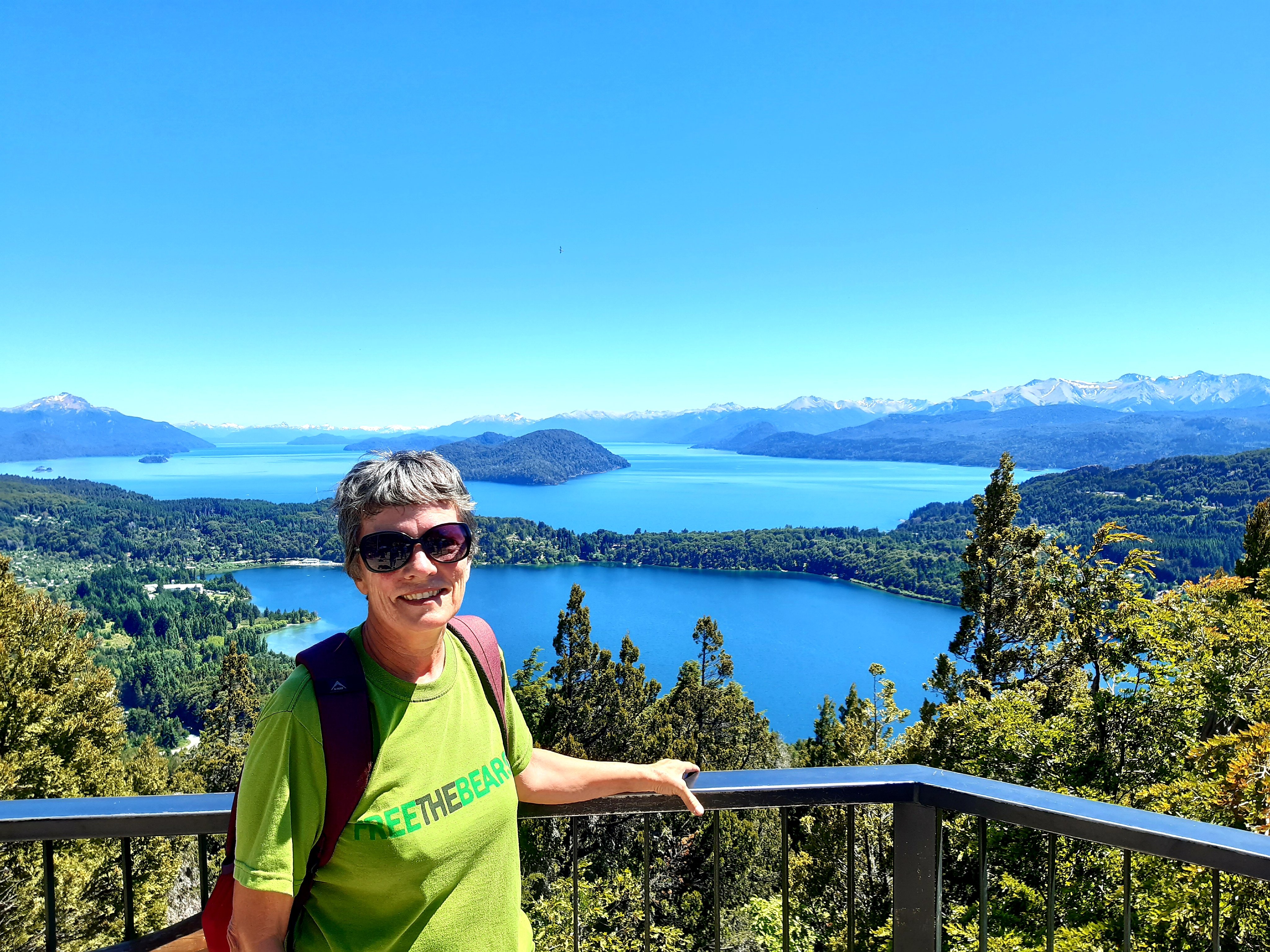

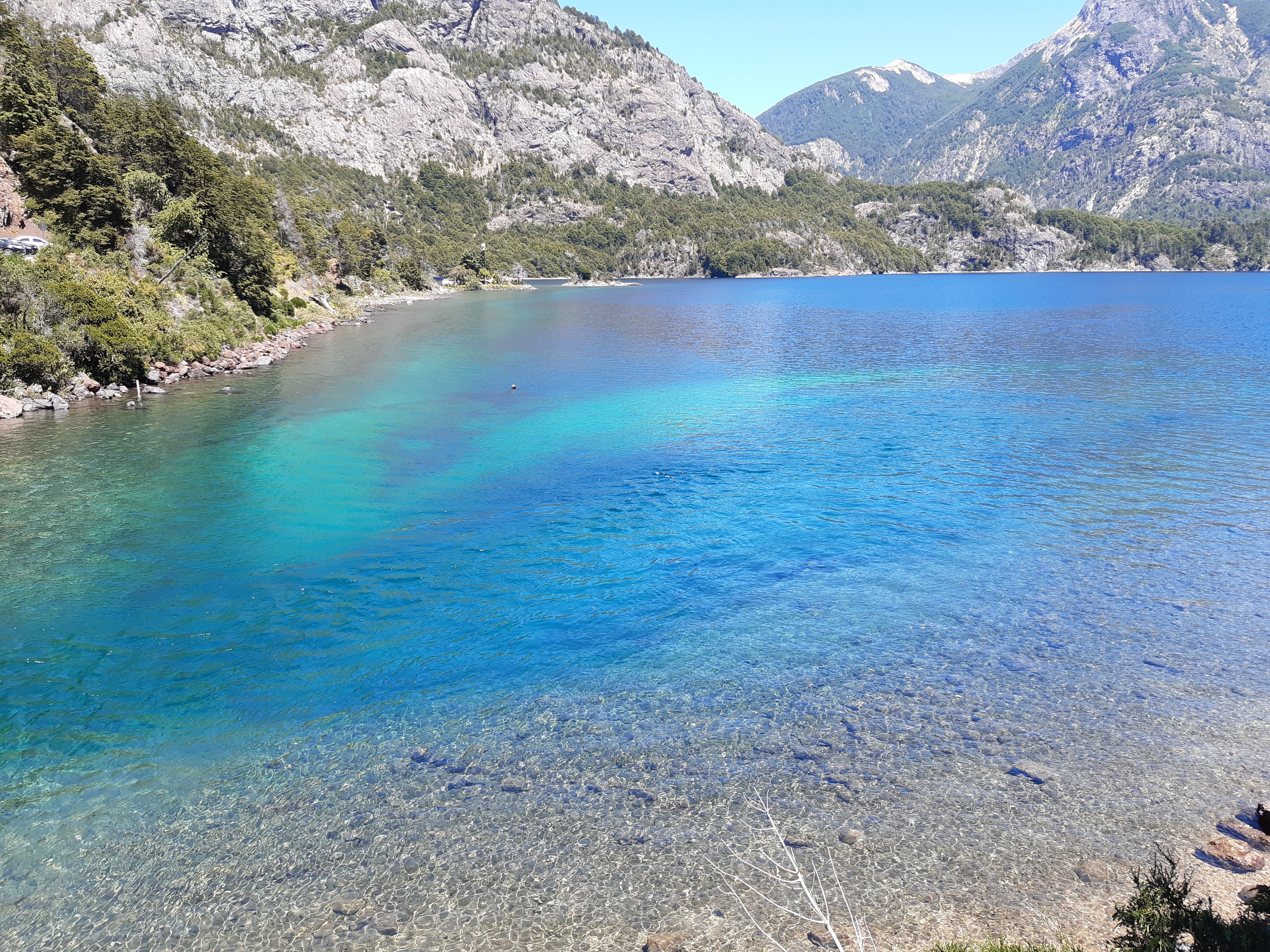
 I did a 30km bicycle trip one day, Circuito Chico it is called, with crystal clear lakes, forests and spectacular views. Renting a bike was quite expensive as it is high season now, R300, but totally worth it.


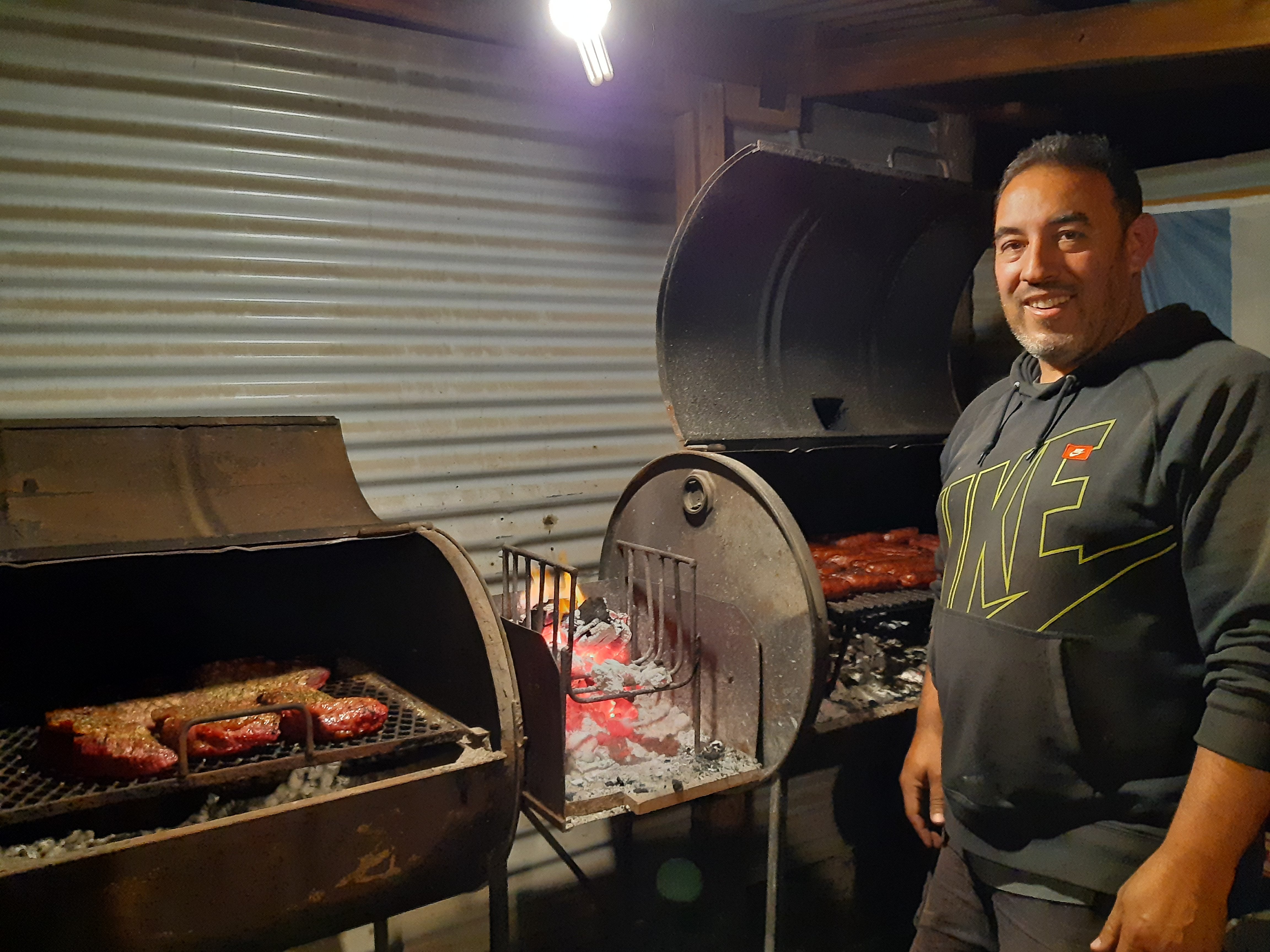
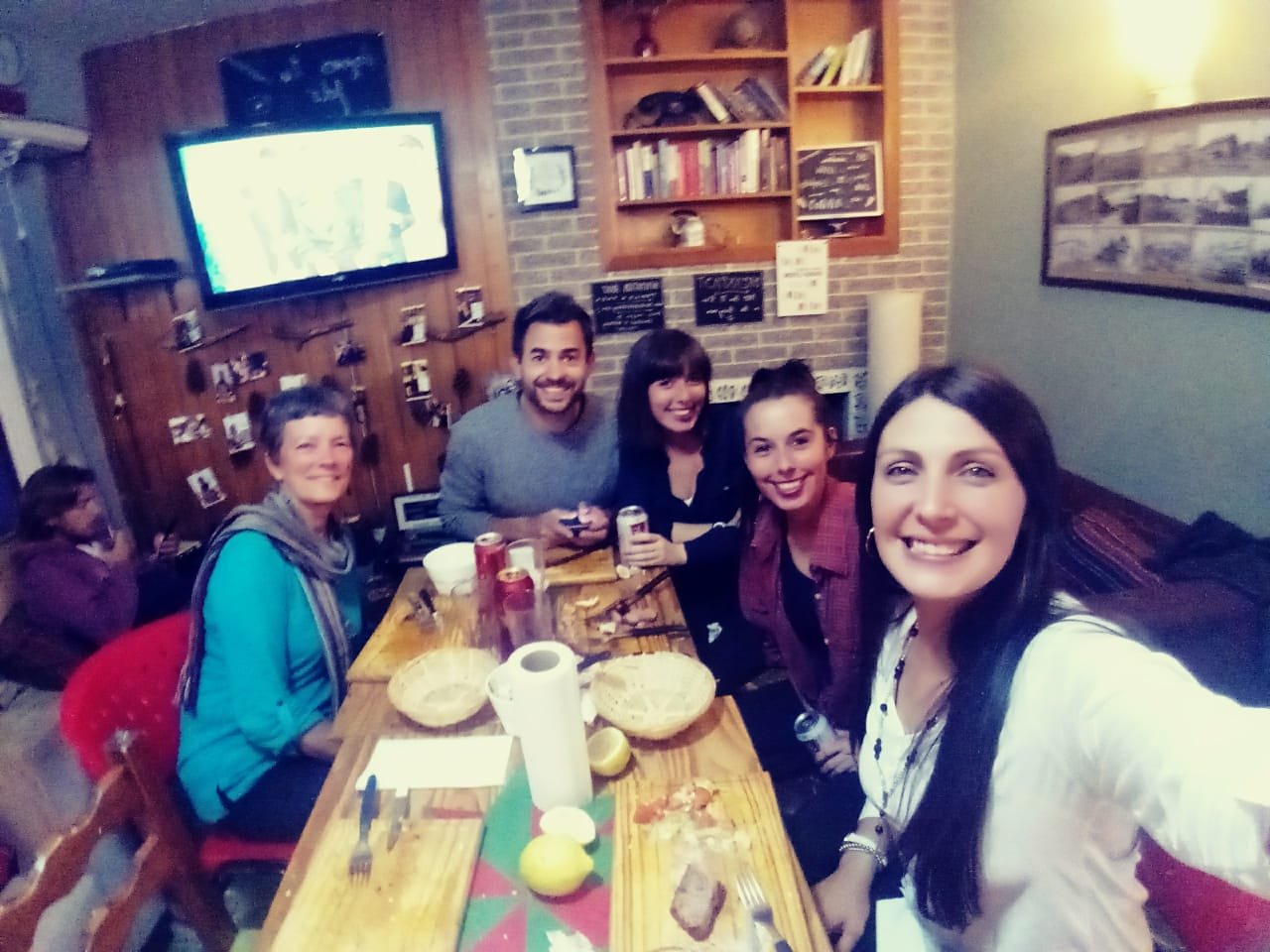
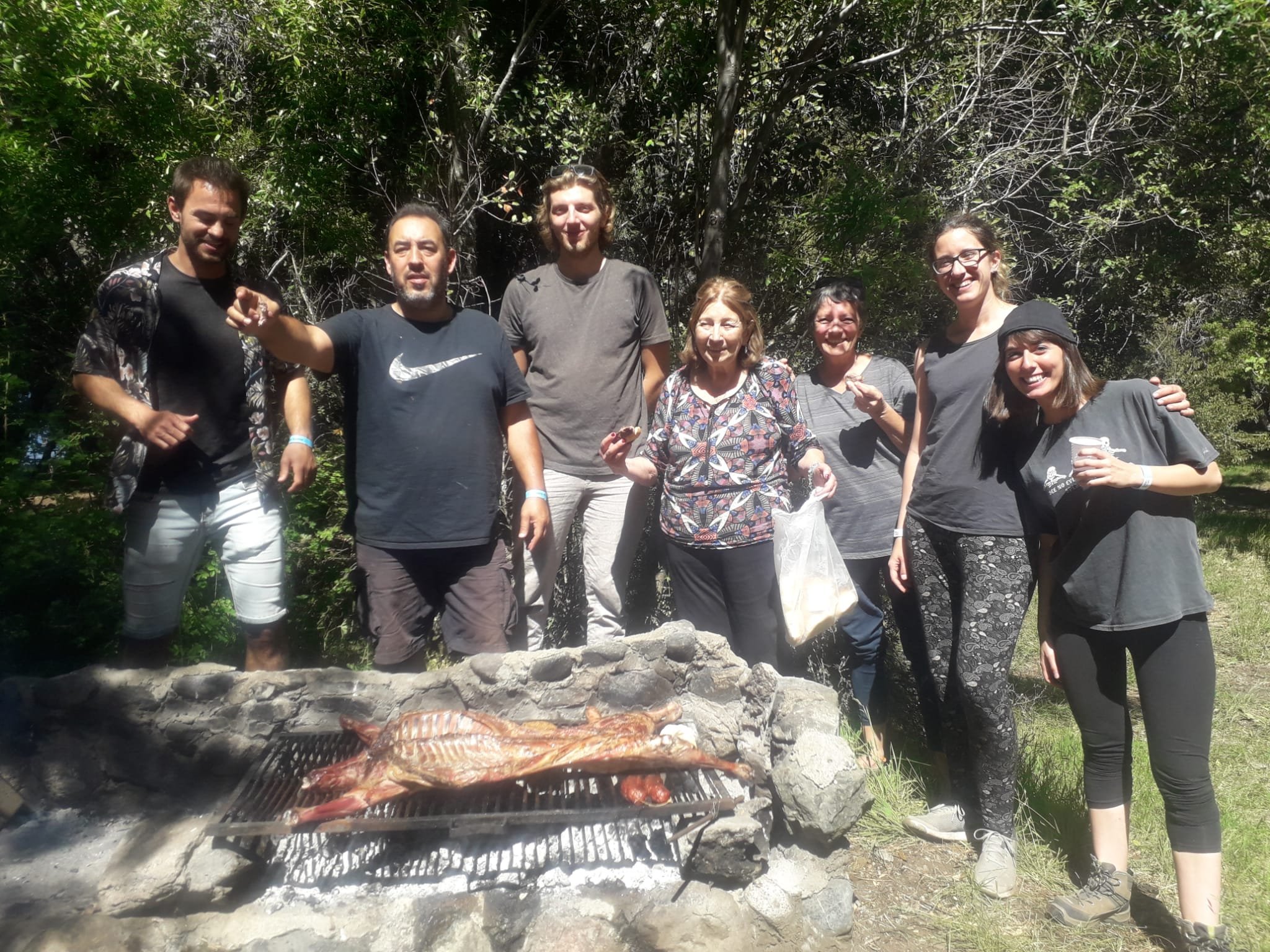
 It was Marina’s birthday on the 30th Dec, and again we were treated to an asado, a whole sheep this time, with a chunk of rib-eye steak and sausages. It was held at a smaller lagoon, and l decided to brave the icy water and had a refreshing swim.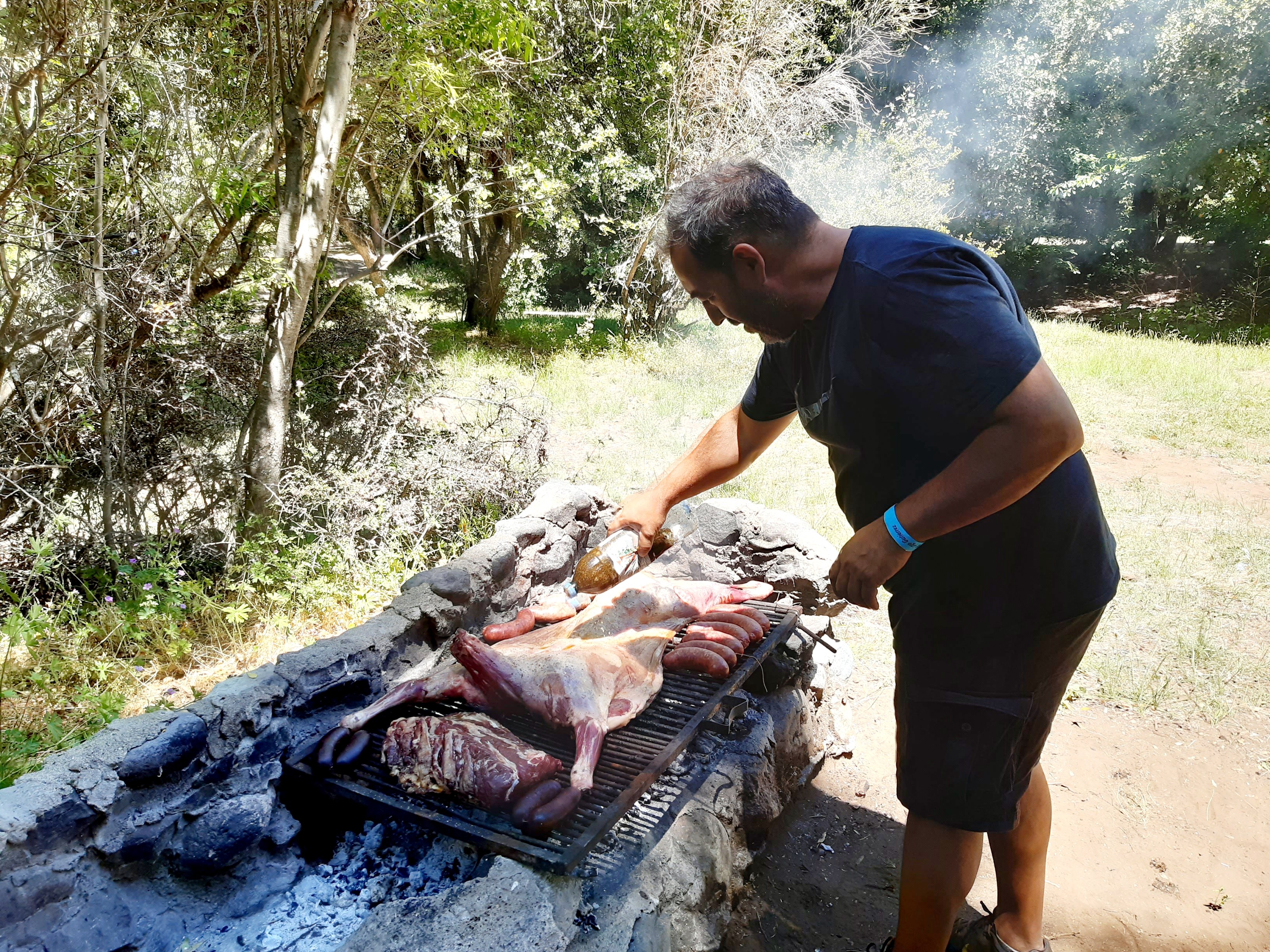
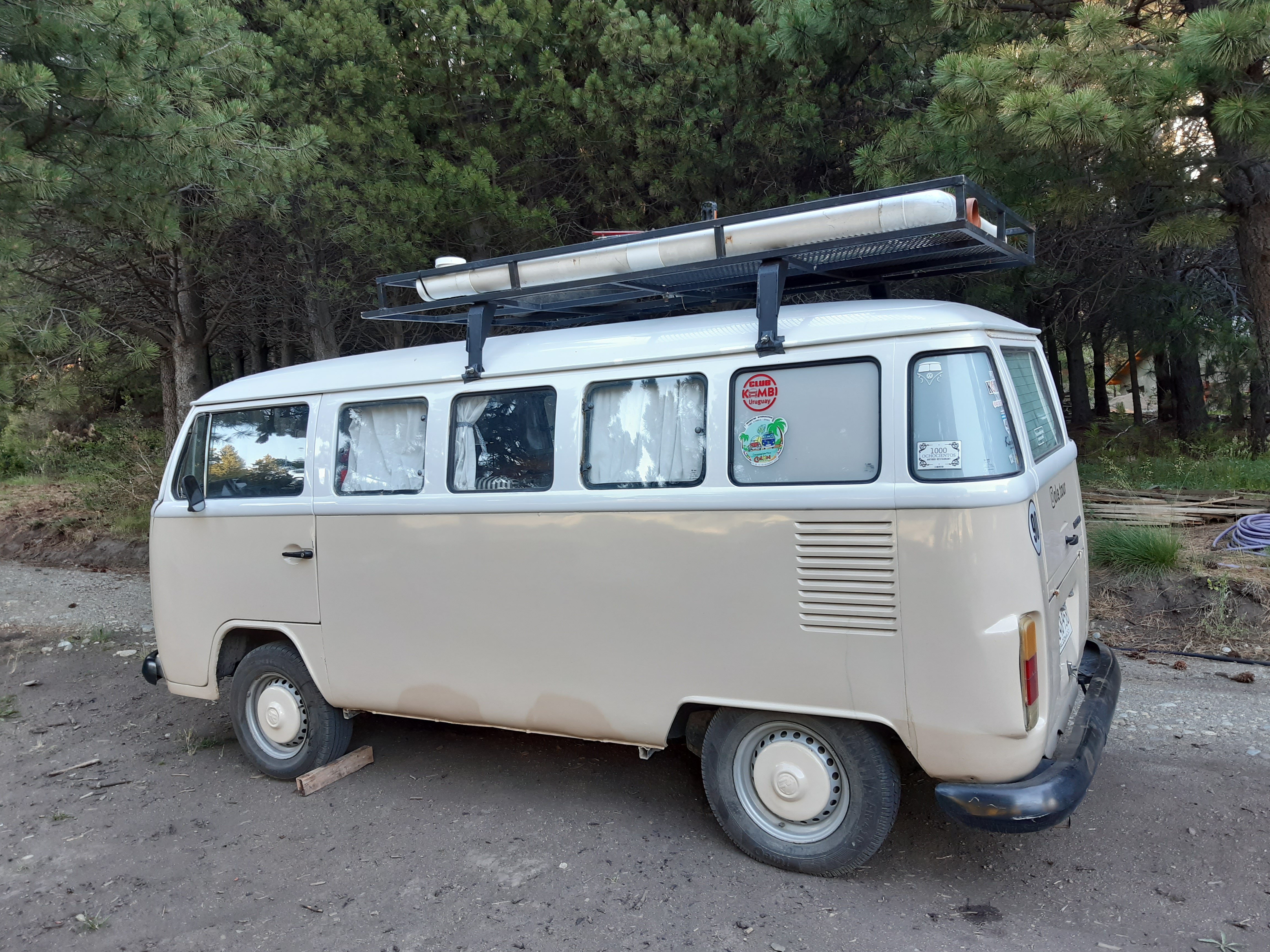
 And then my friend Ale, whom I had worked with at Sauce Viejo in August last year, surprised me here at the hostel! He had a friend with him and they picked me up after work the following day and we went bundu bashing up a mountain where he was camping in his combi.
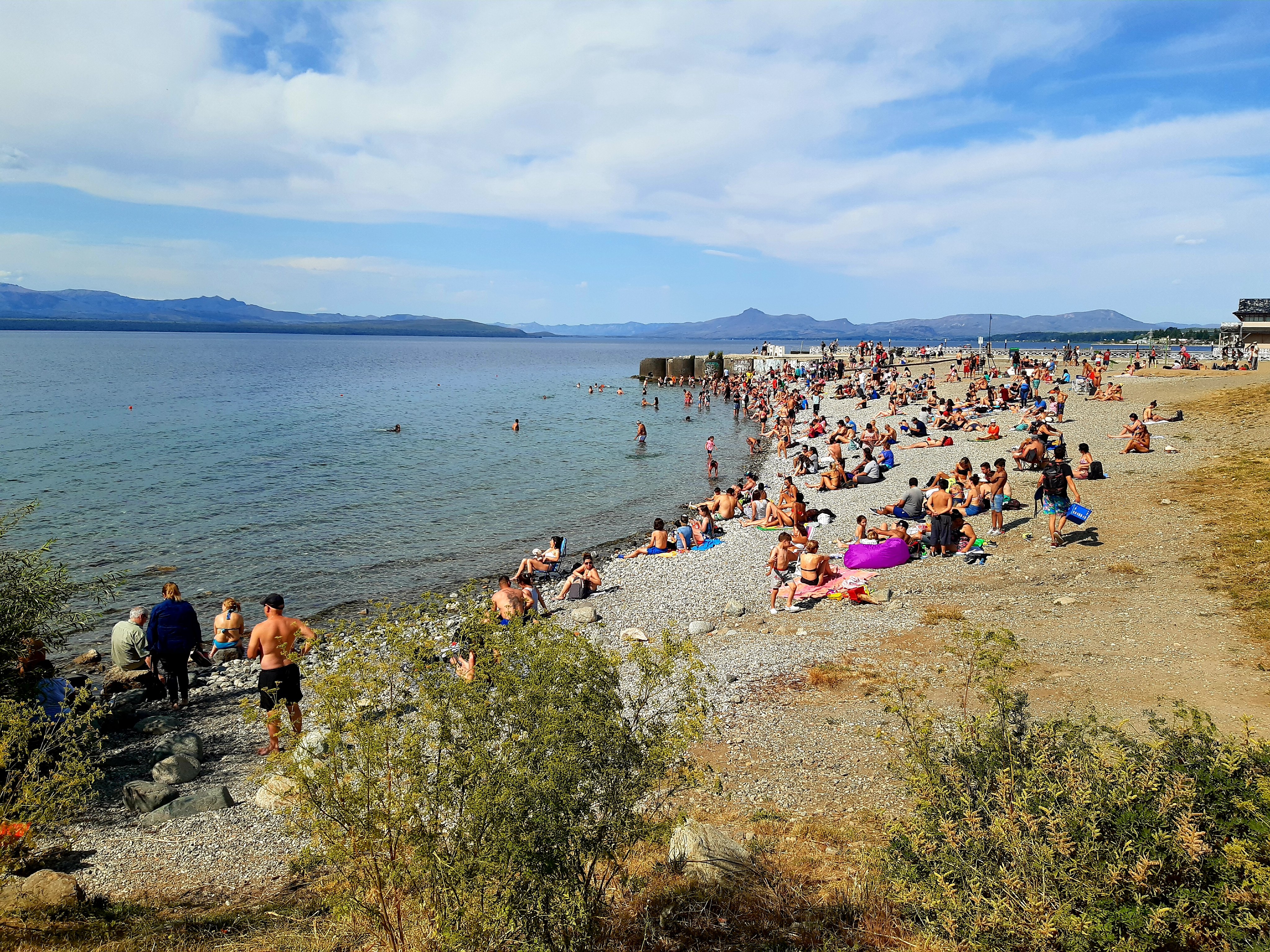
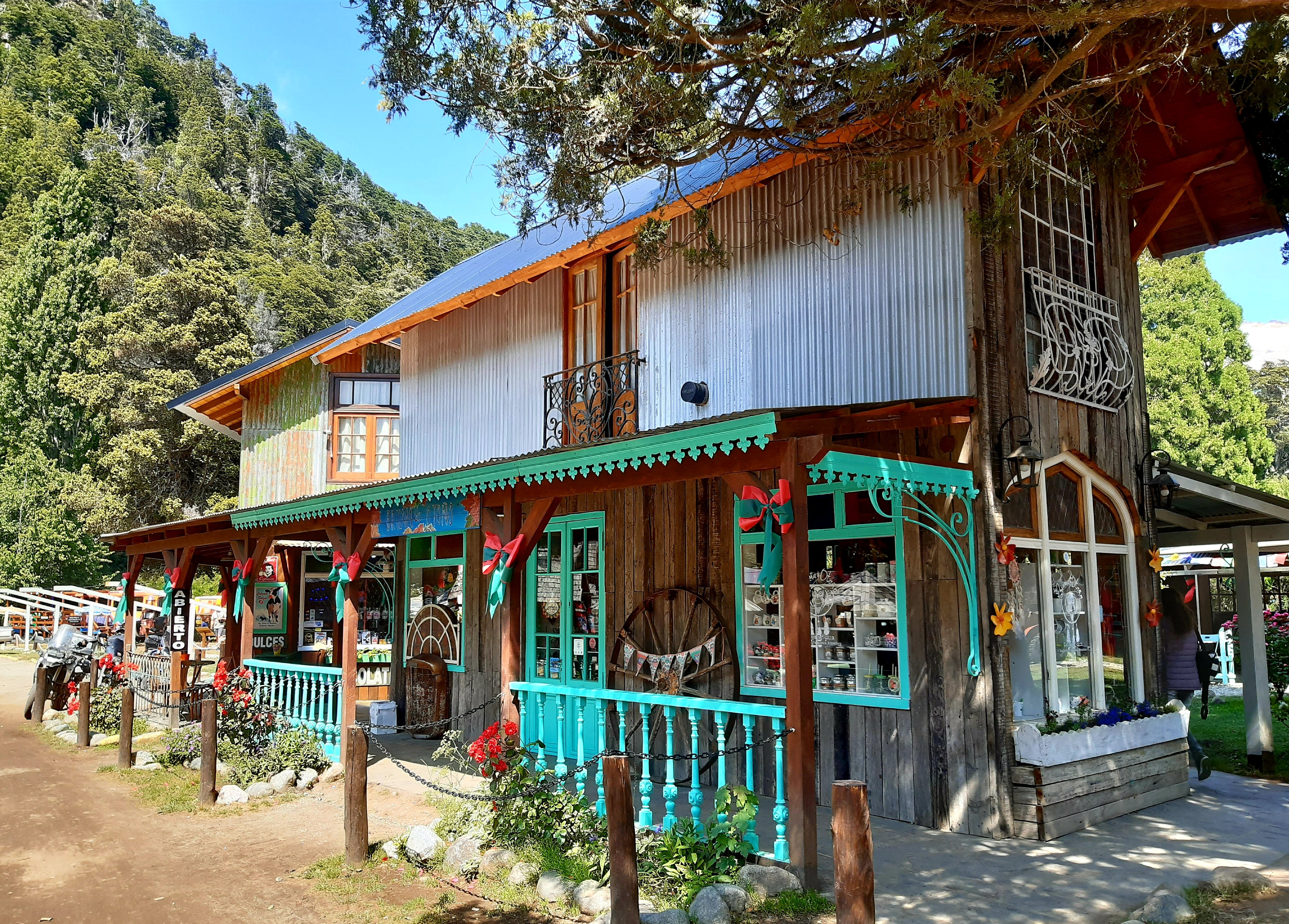
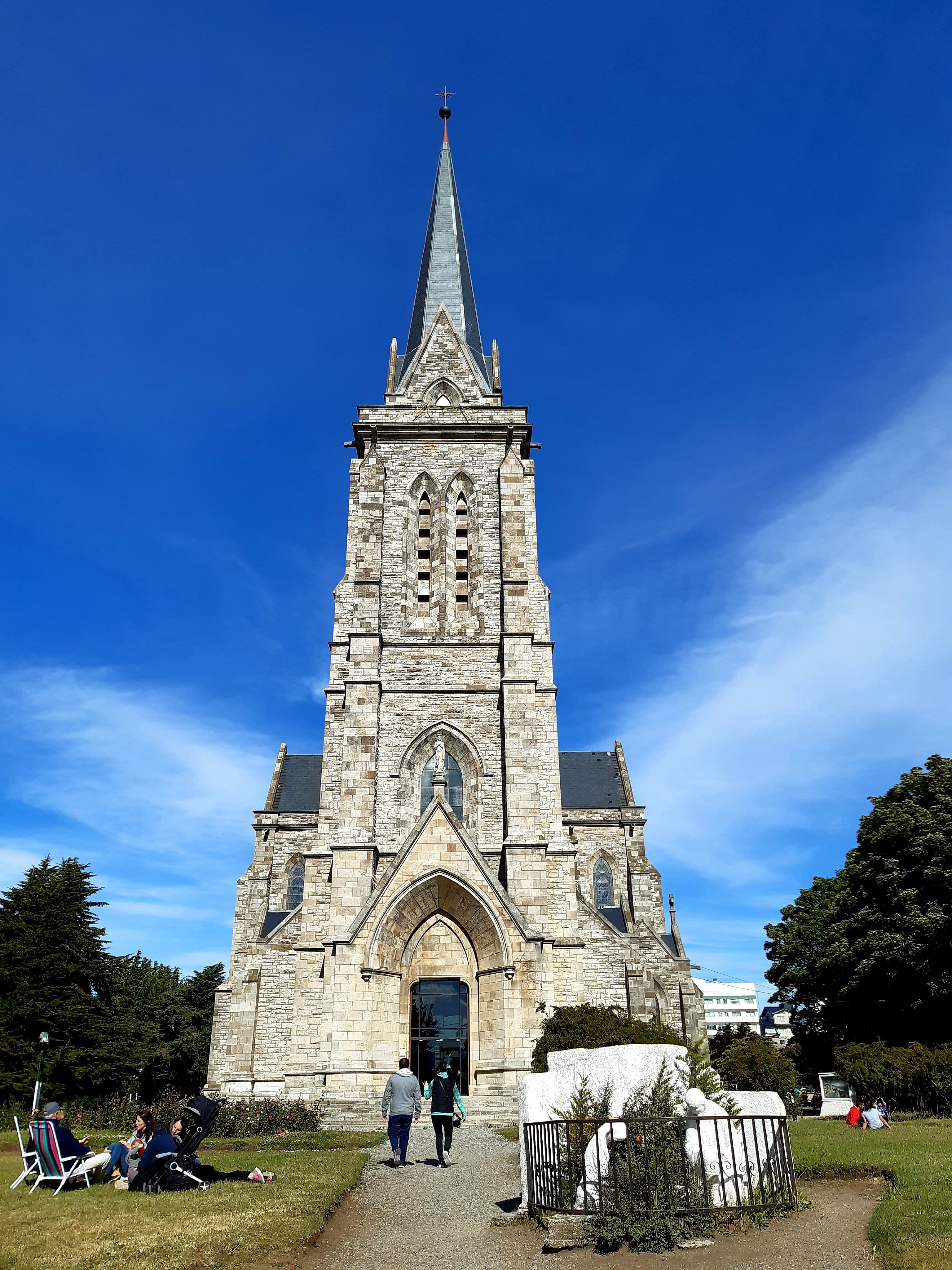
 Bariloche became popular in the 1930 – 40’s, with many Swiss and German people settling here. The European influence in visible in the architectural styles of buildings and houses, as well as in the infrastructure and neatness of the town. The beaches around the lagoon are not sand, but smooth pebbles, which does not deter people from sunbathing and occasionally wading or even bravely taking a dip. The water wasn’t too cold after a few days of hot sunshine and swimming was quite pleasurable.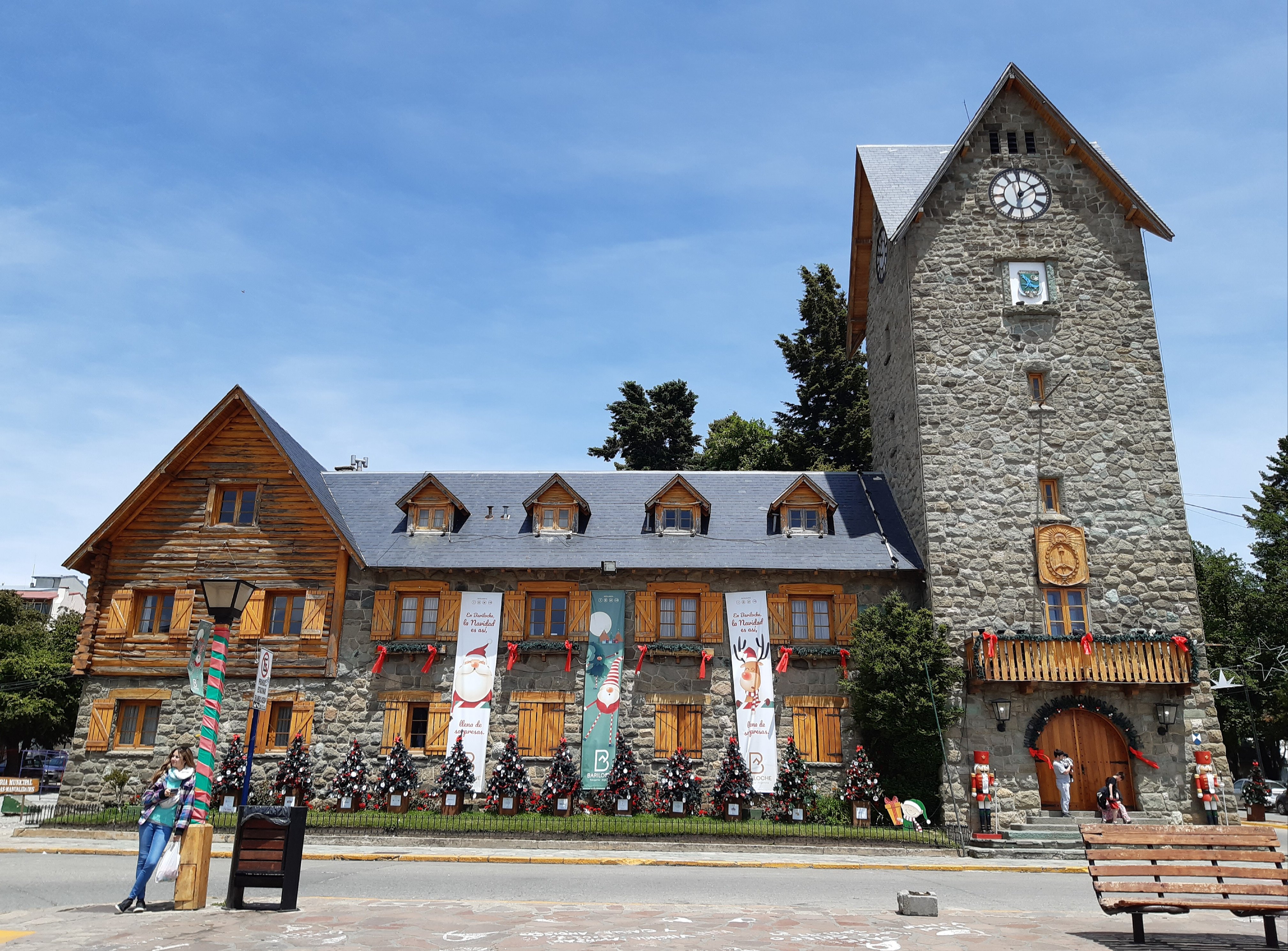
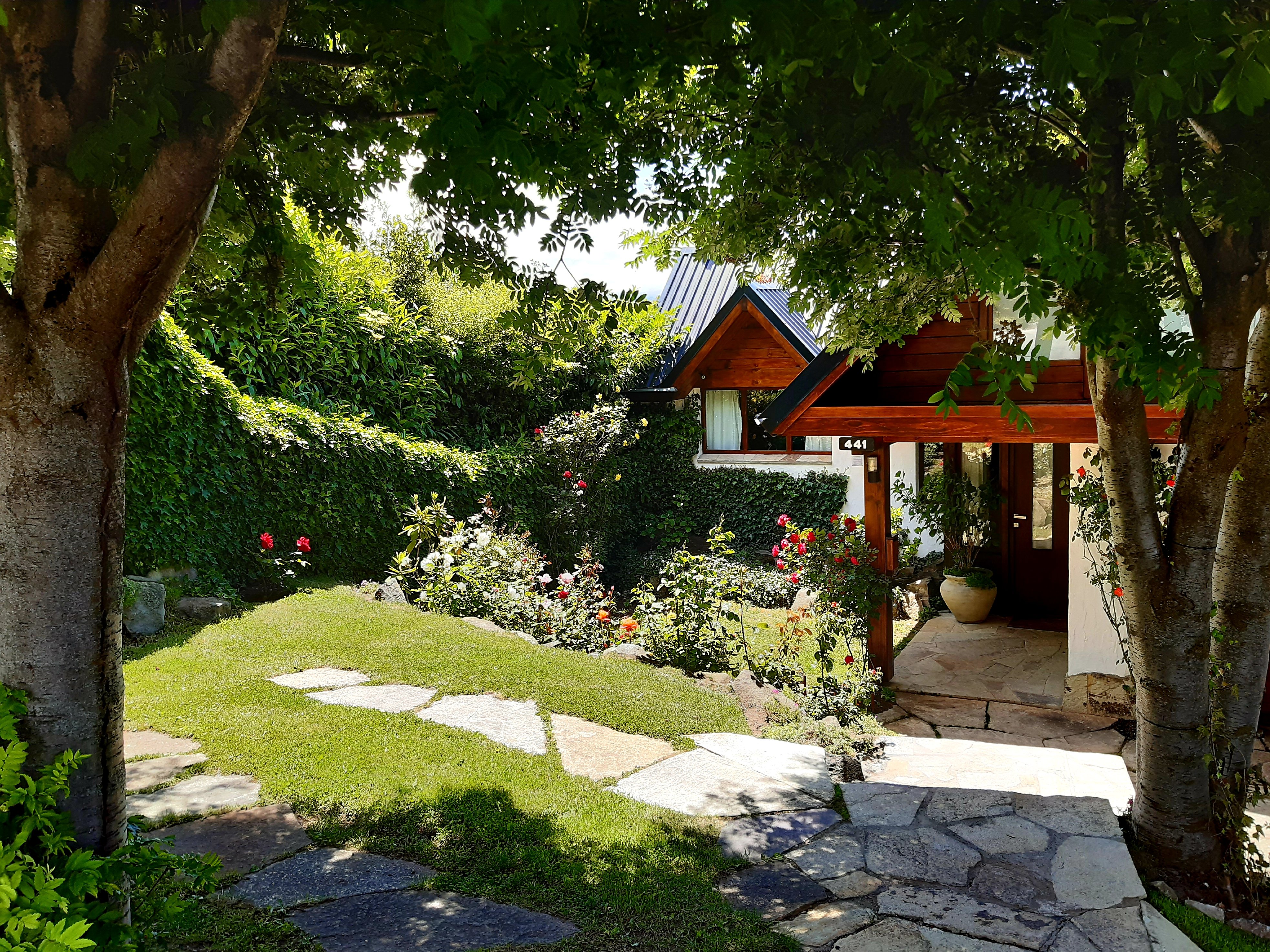


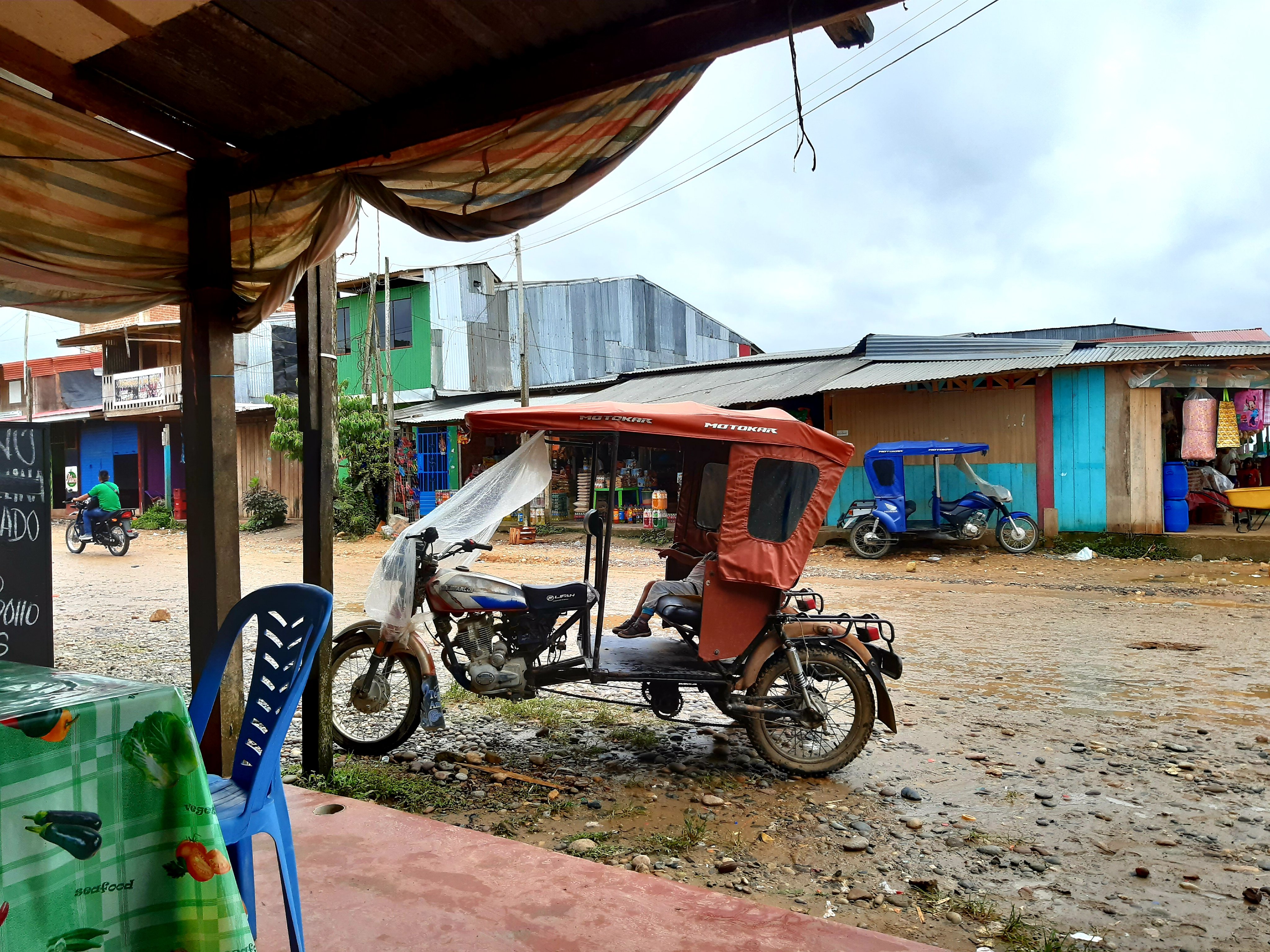 I walked around town, ate at local restaurants for 5 soles, visited a few places out of town and spent a lot of time sleeping and relaxing, especially as it rained for a certain part of the day every day. Nobody speaks English at all, which was good for practicing my Spanish.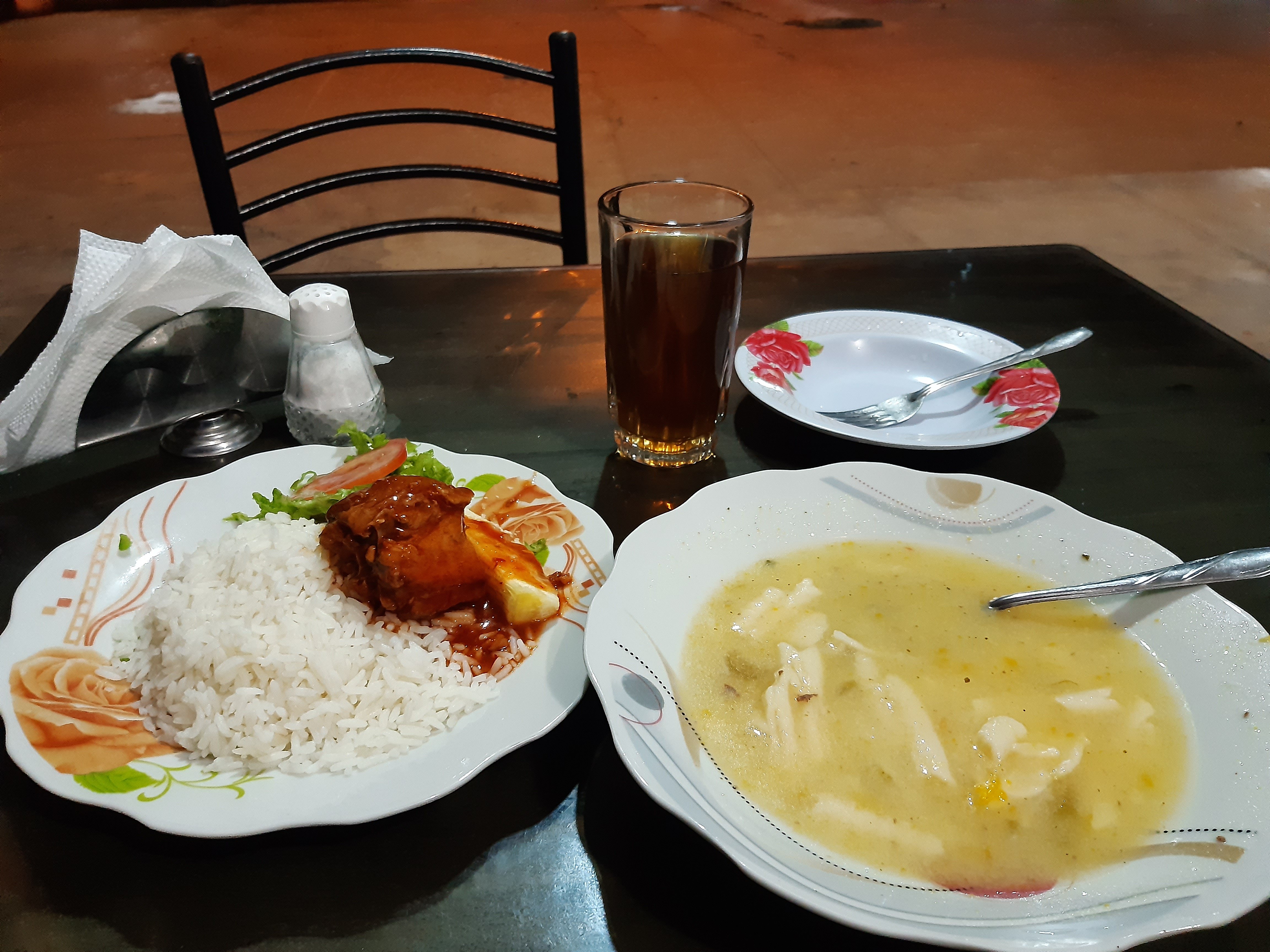

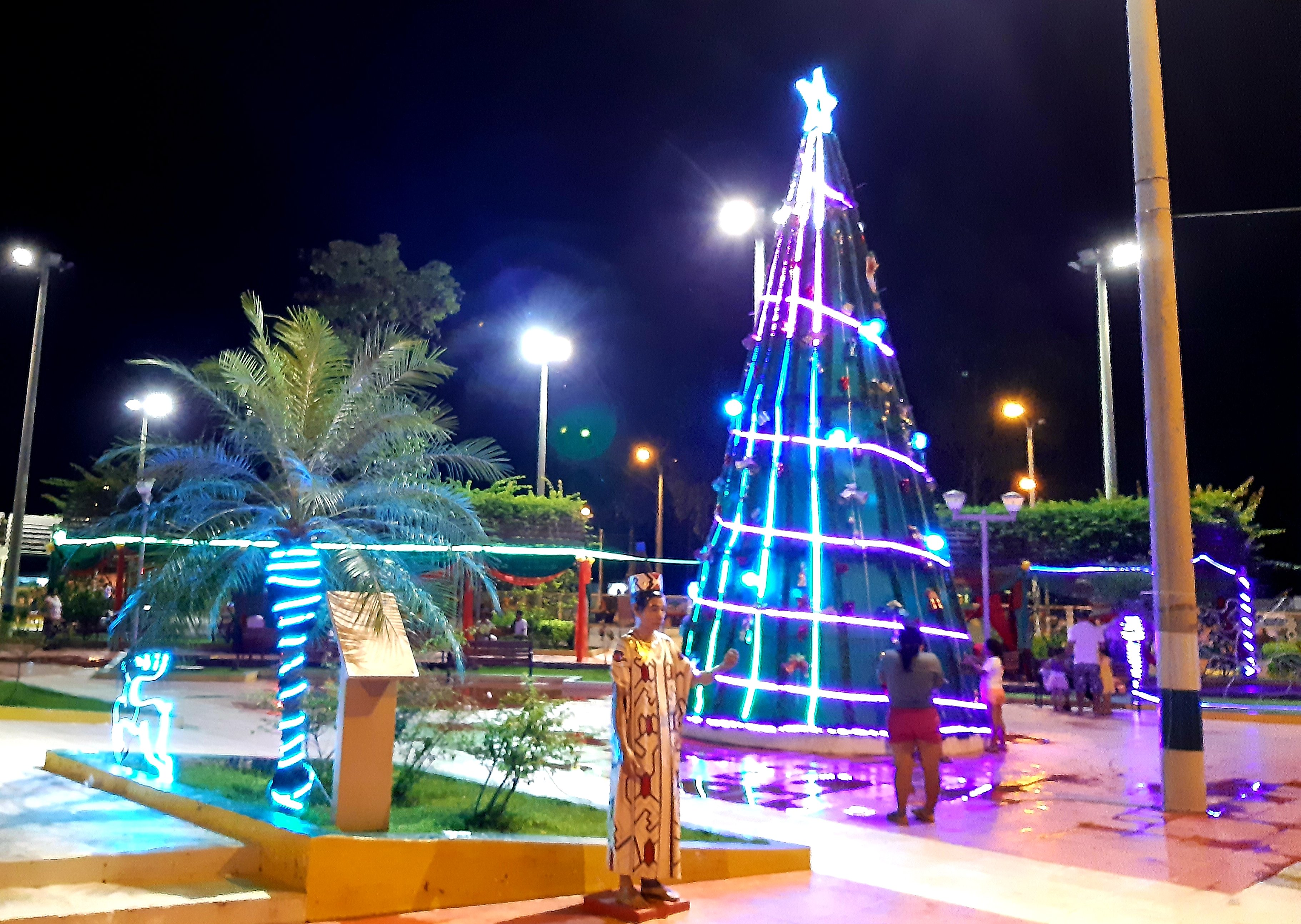
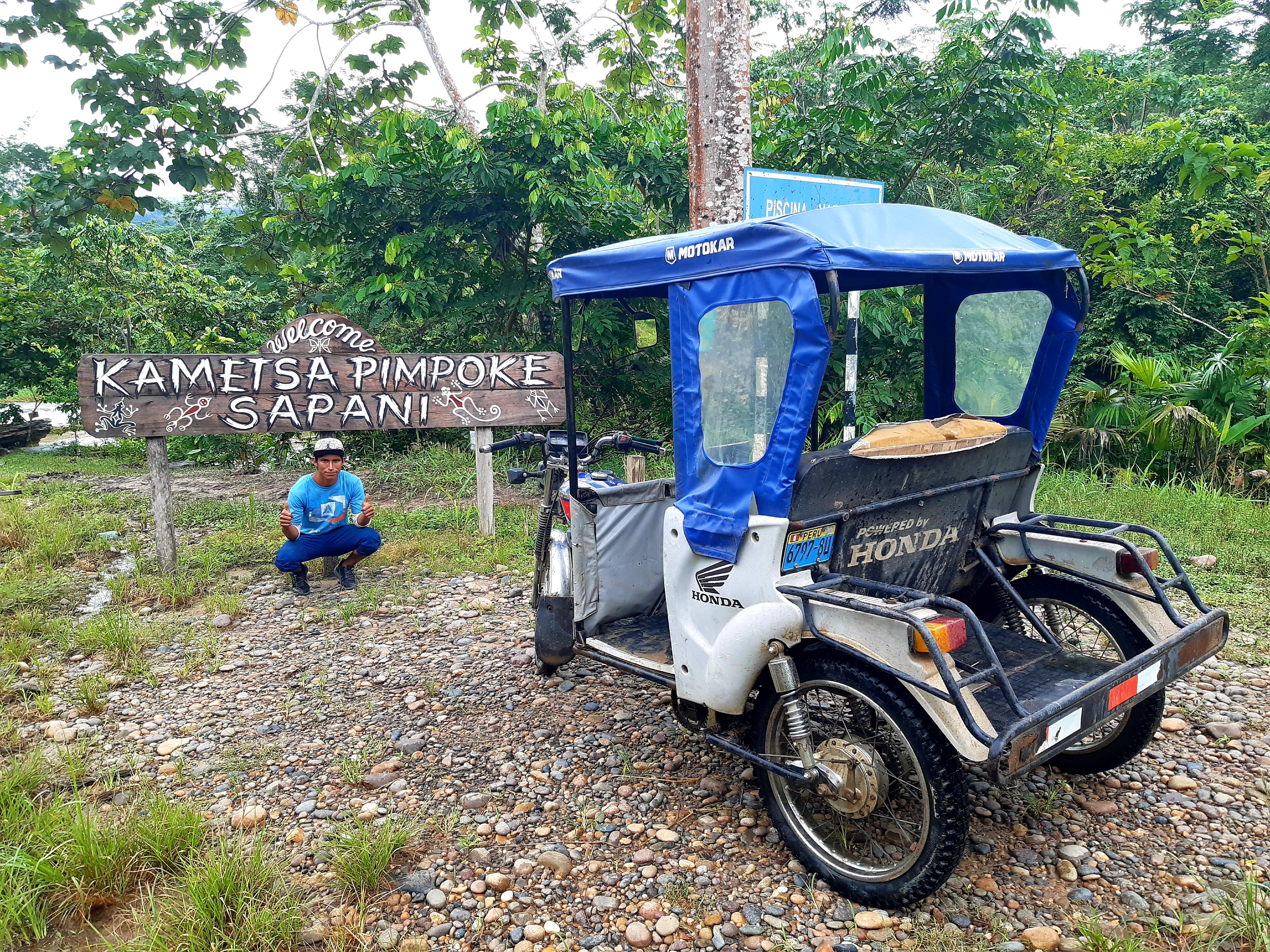
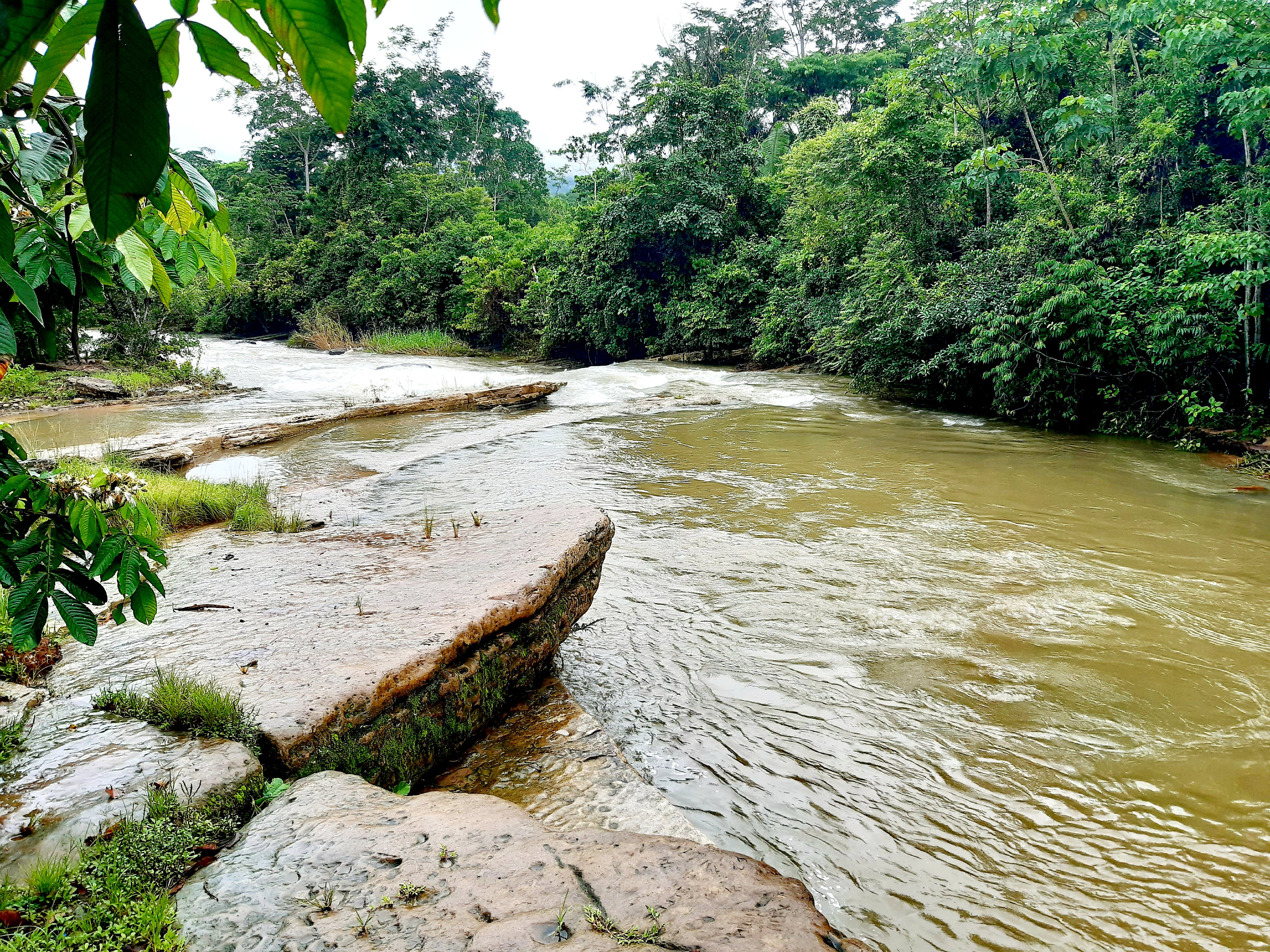 The above photo was taken at Sapani, a resort that normally has crystal clear pools, but was flooded after the rains.
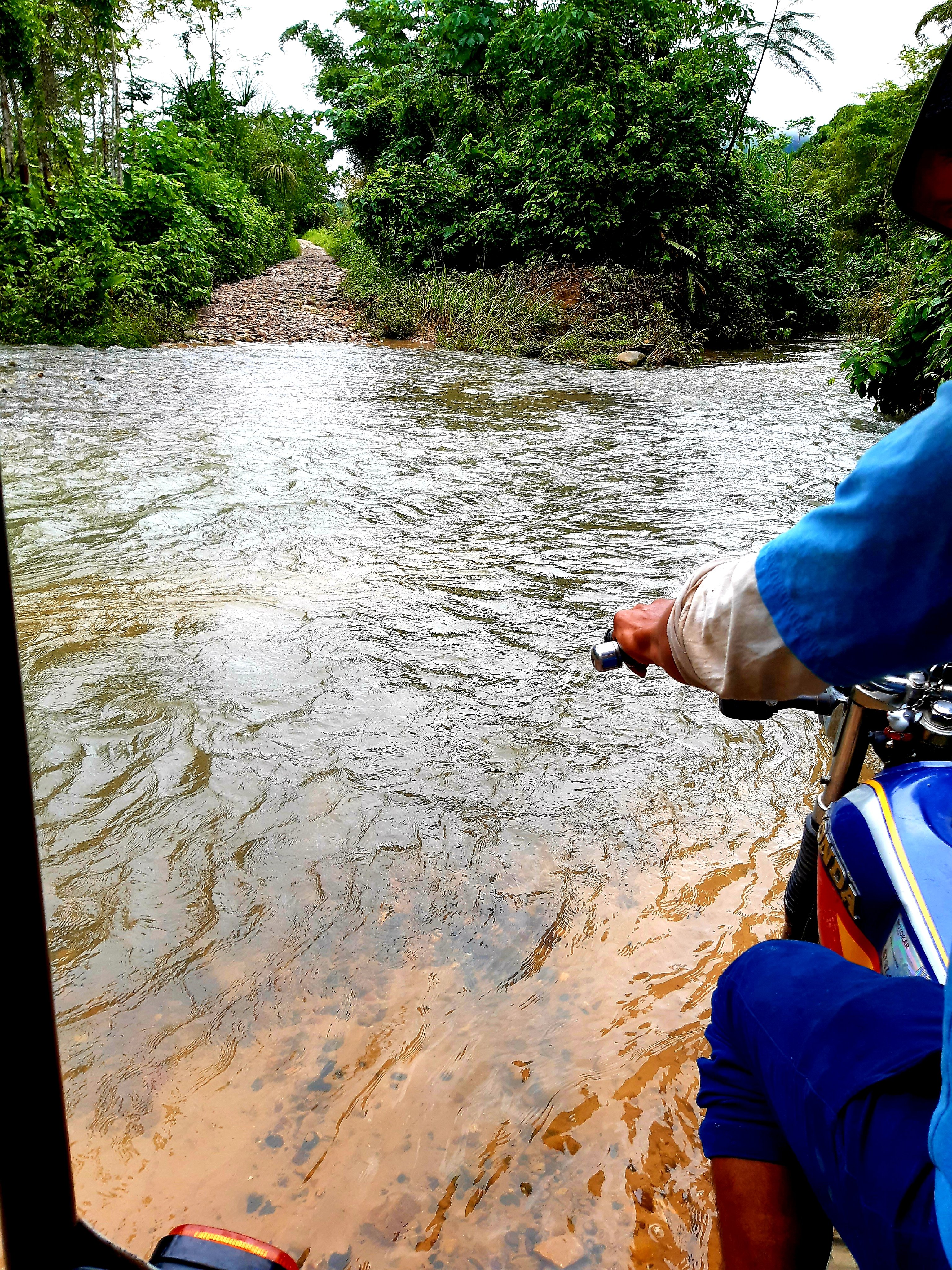 The motor taxi I took out there had to cross streams like this twice. I had to move to the corner if the back seat, to put some weight on the back wheel for better grip. We made it through both times. My proud driver:
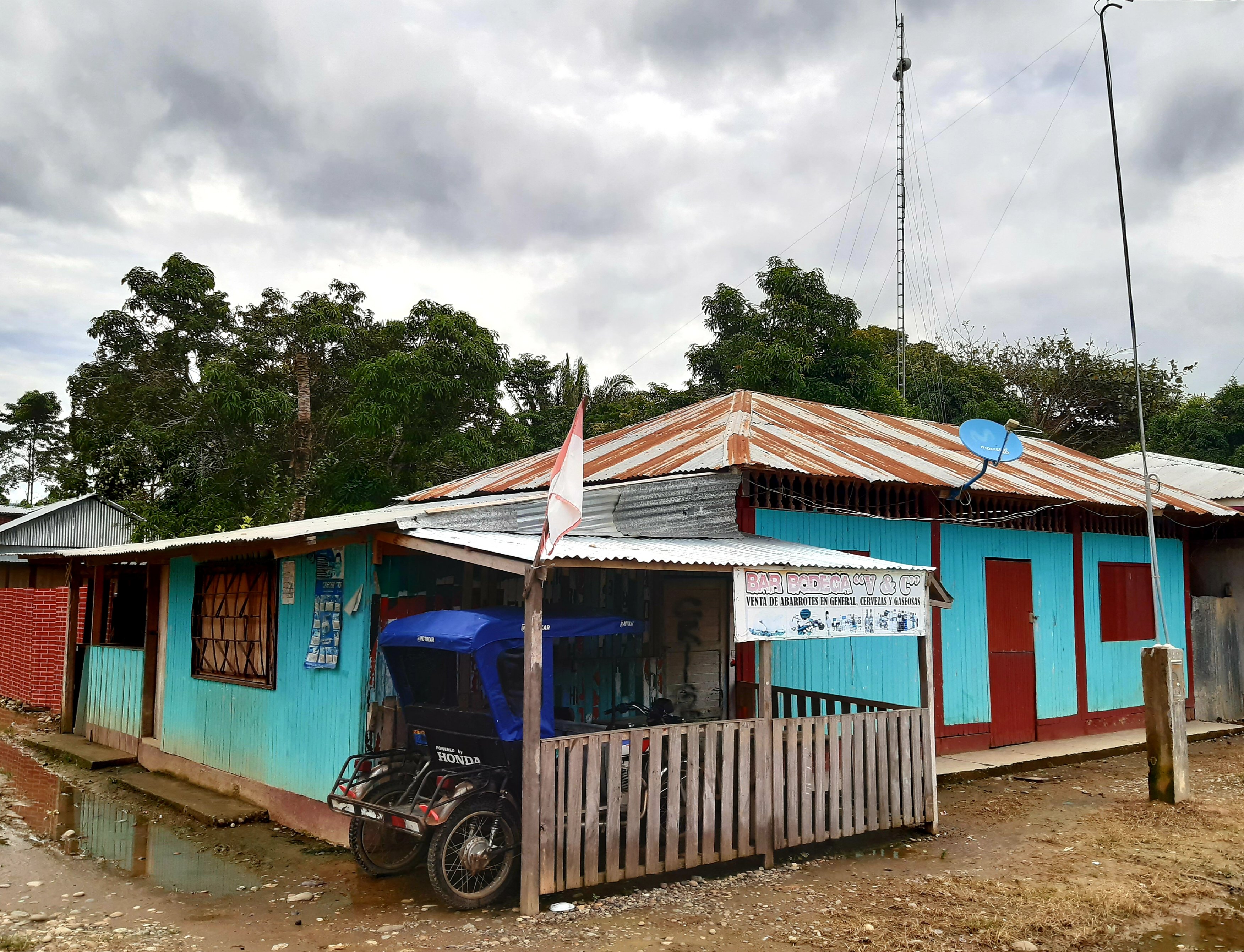
 Some houses in the forest: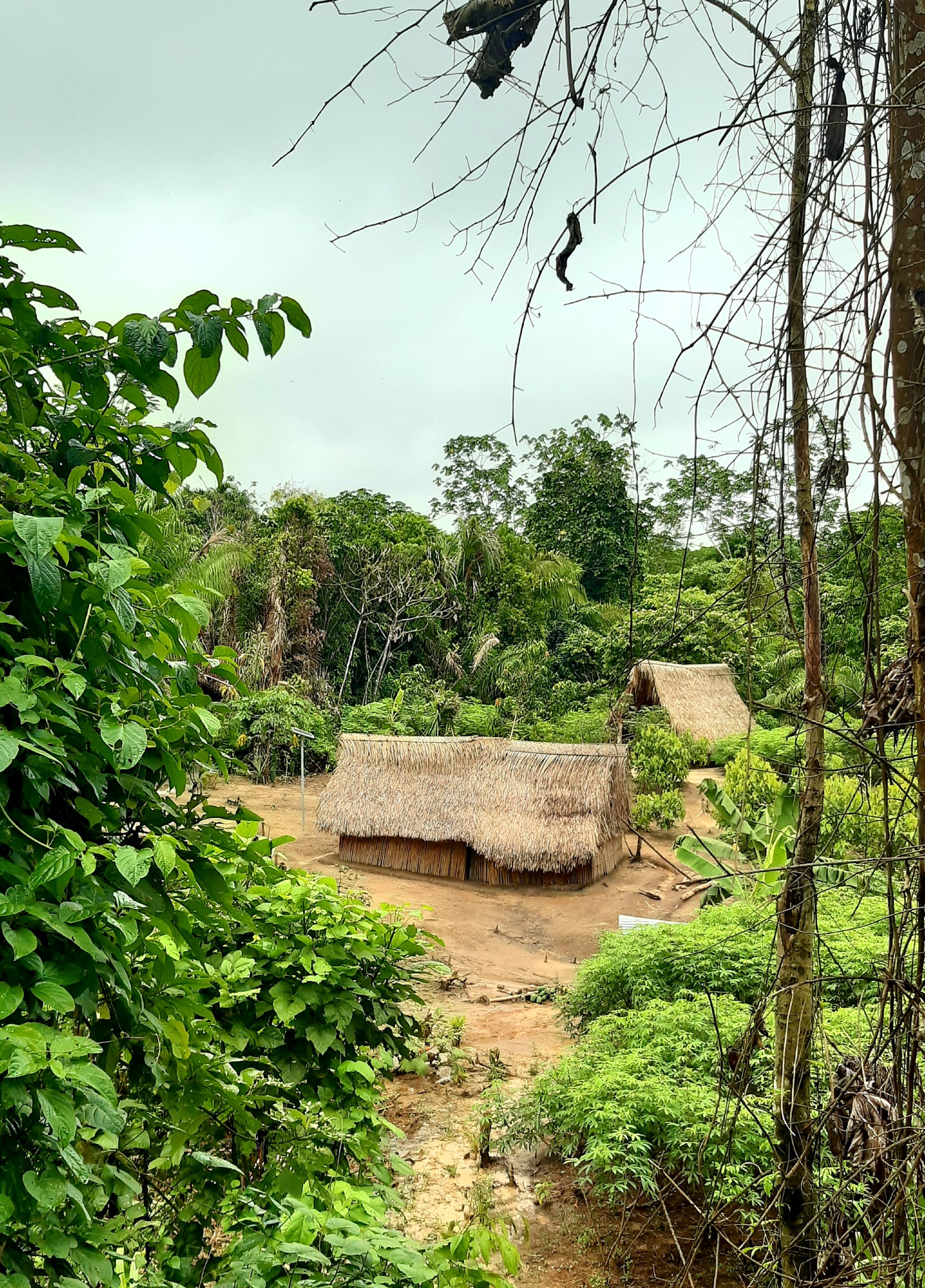
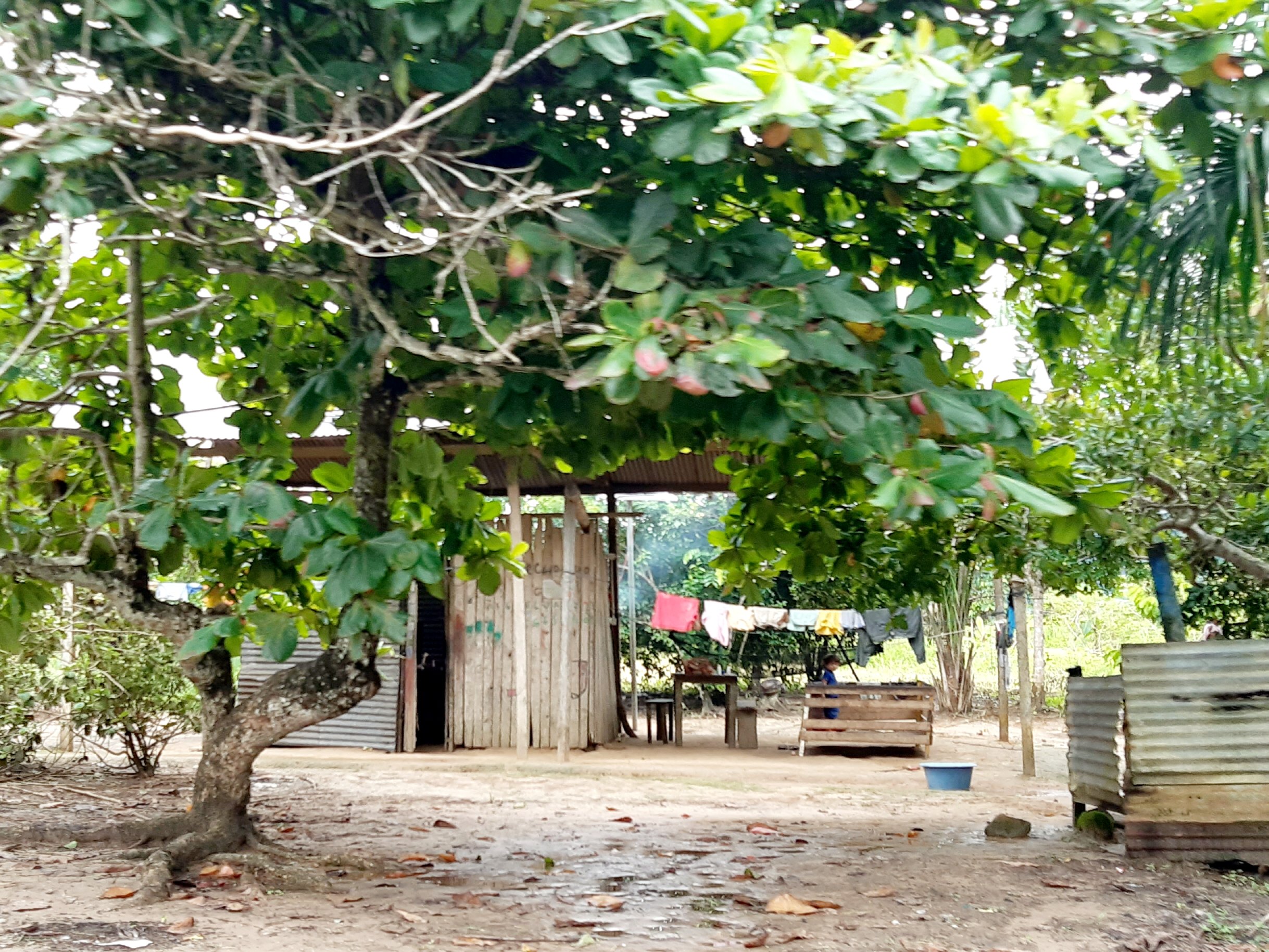
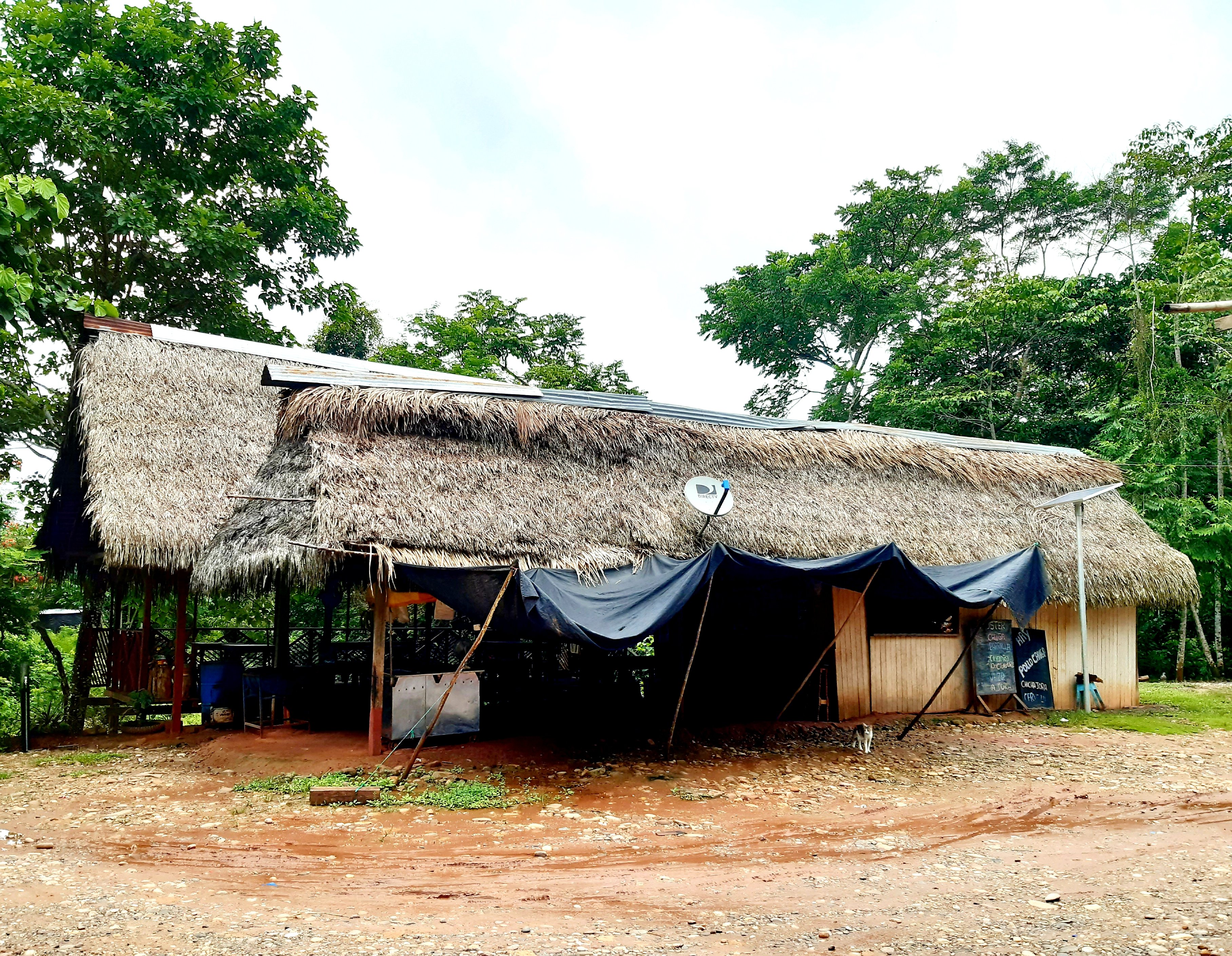 The houses are all built of wood, in a specific style, and on my trip through the jungle I saw signs of deforestation, especially high up on the flat part if the mountains.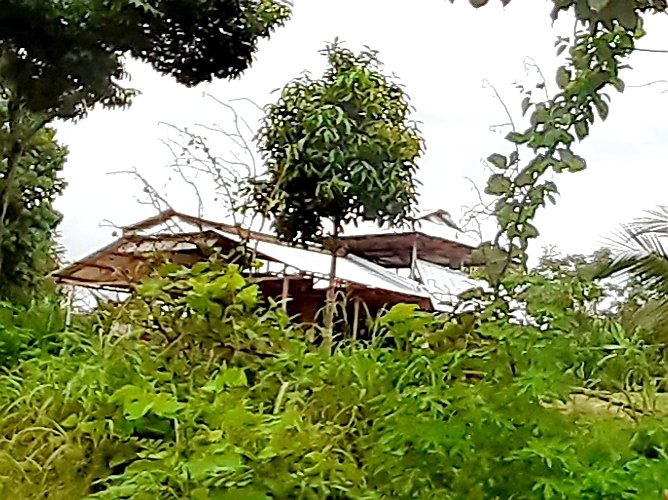
 I saw the full moon rise on my first night in Atalaya, over the Tambo river, which joins the Urubamba (the same one that passes Machu Picchu and Quillabamba), becoming a torrent of water of which I took a picture from the plane when flying back to Lima (the window of the plane was extremely dirty or perished or something, all my photo’s were flops).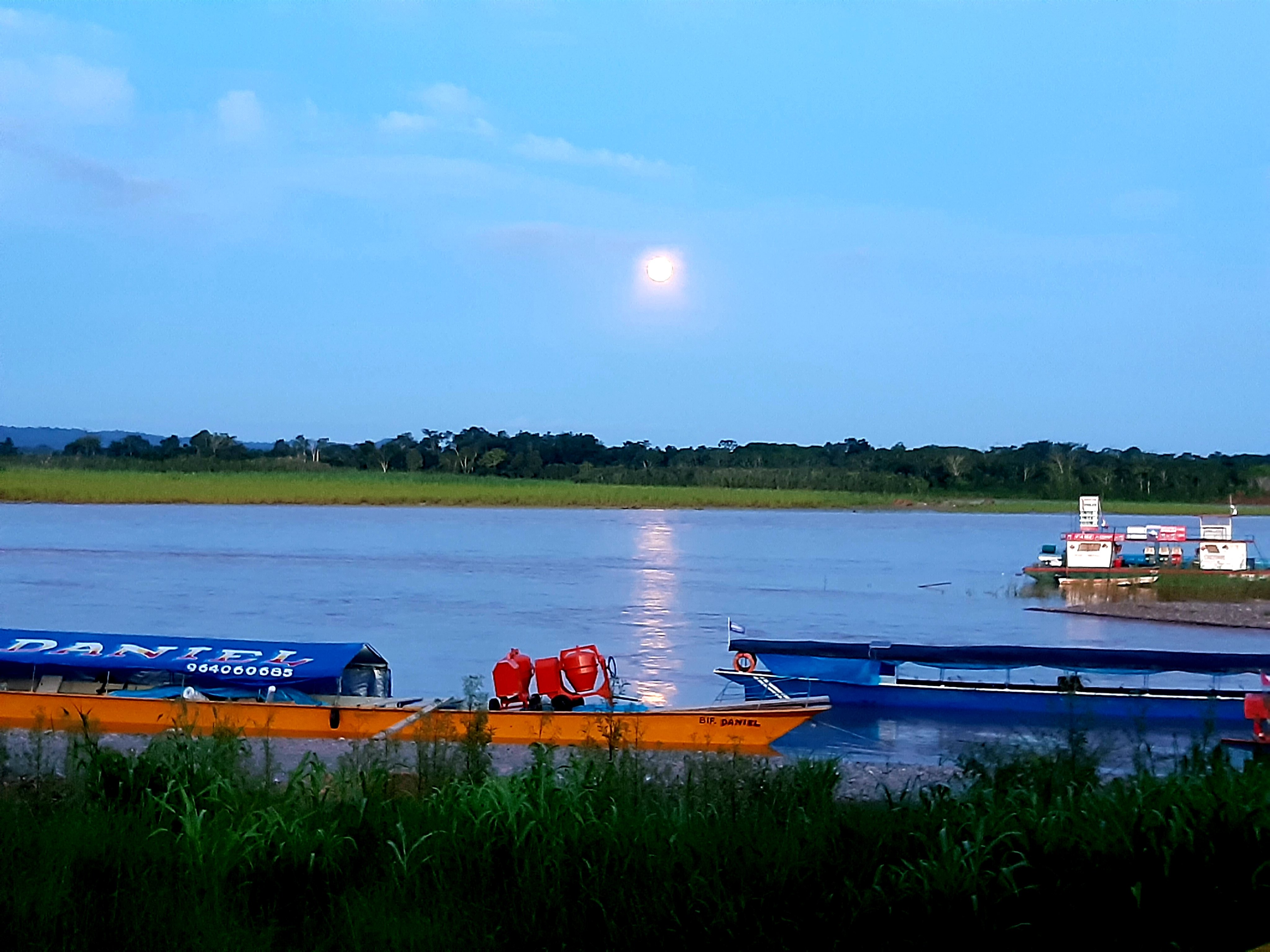
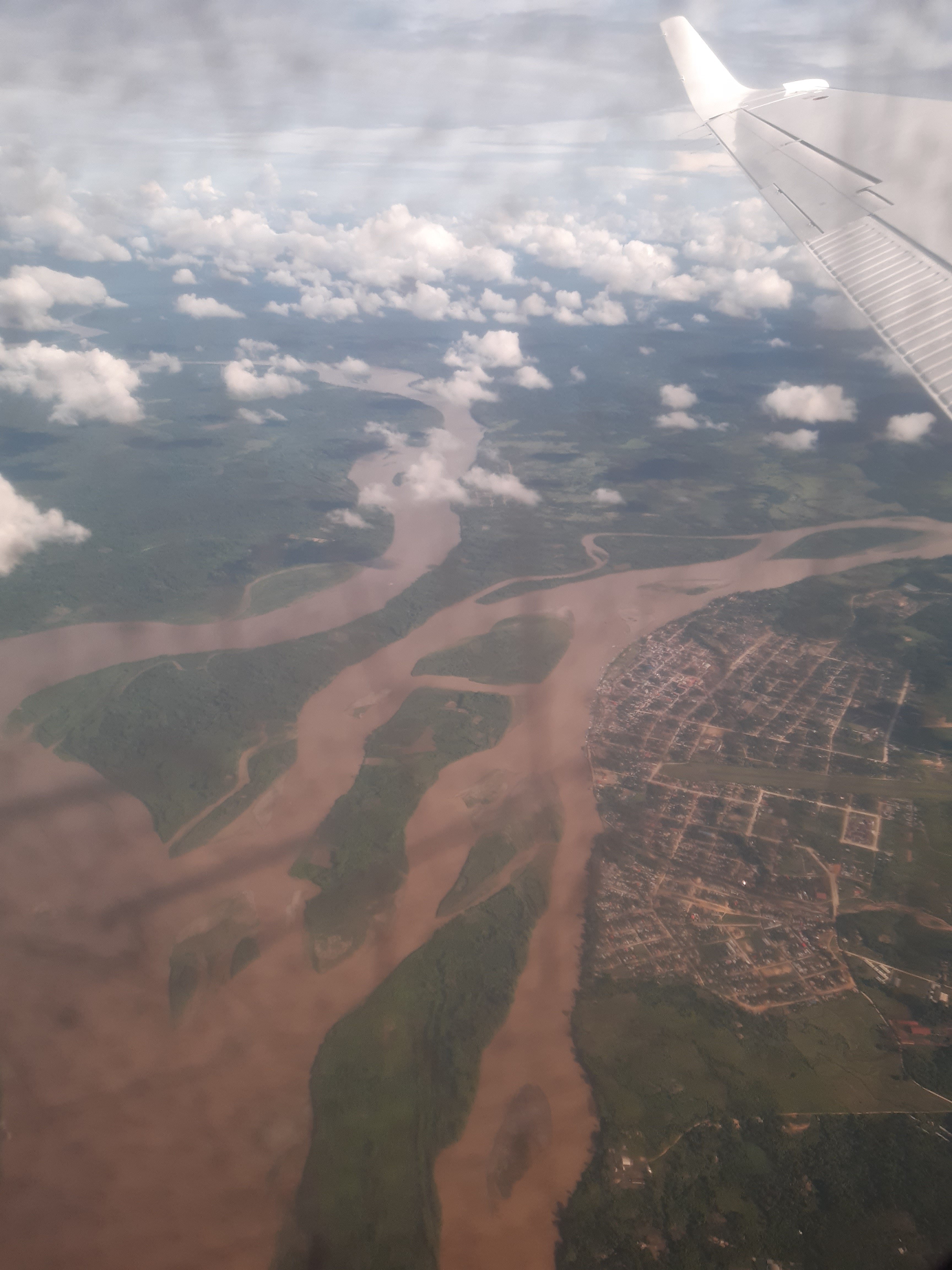 I badly wanted to see the Urubamba at Atalaya (on the photo it is the stream furthest left), so decided to take a boat. After much asking around, I finally found the place from which to depart, but we went to the opposite bank of the Tambo, from which I had to take a motor taxi overland to a little village on the banks of the Urubamba.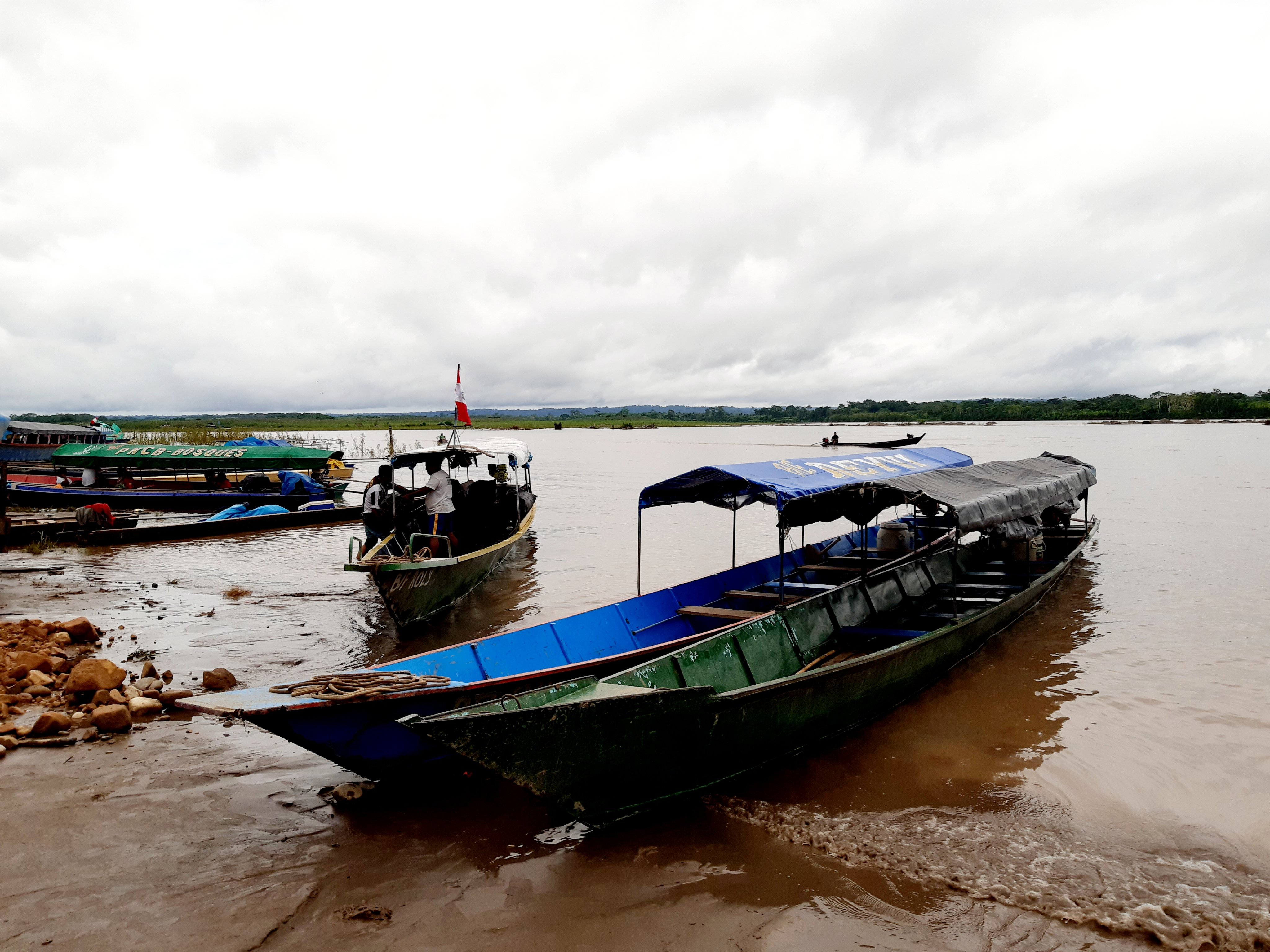
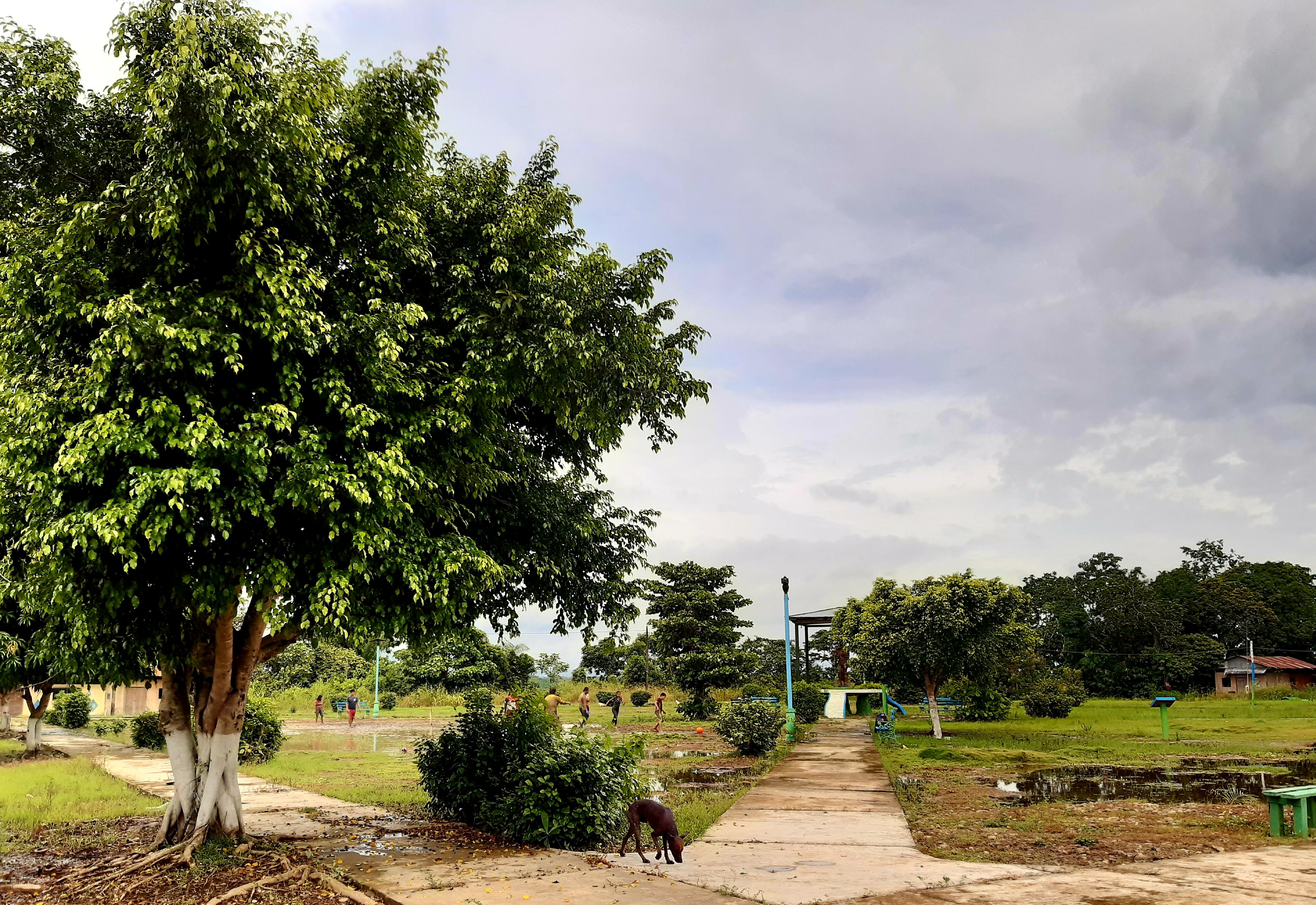
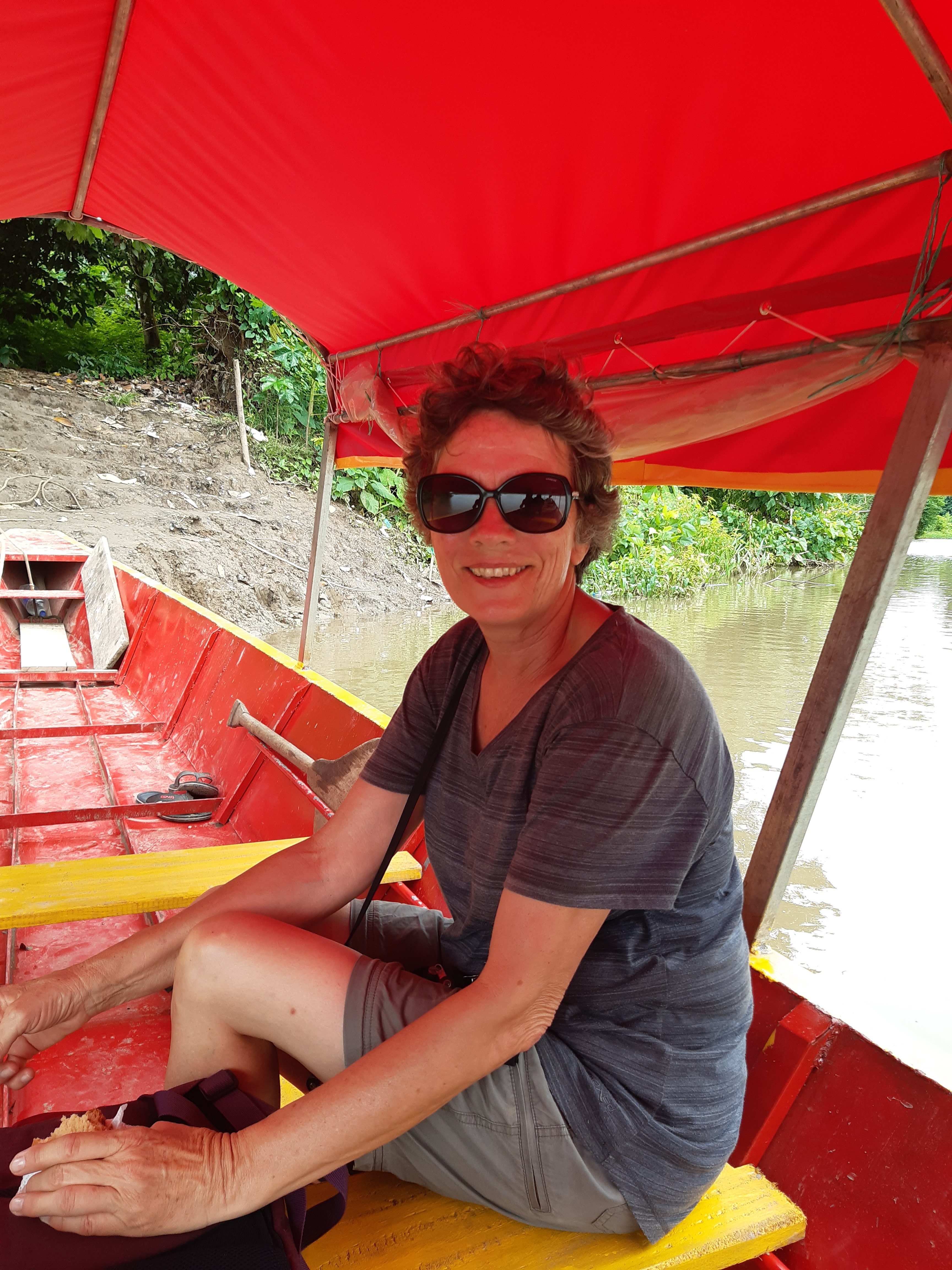 At least I saw it, full of wood, plants and debris after two weeks of rain in the area, I was told. I loved walking through the little town, saw some youngsters playing soccer in a mud field on the square (more falling around in the mud than kicking the ball) and going for a swim in the river after their game. An older man was selling chickens that he was carrying around in heavy wooden crates, calling out as he was walking down the street. He stopped every now and then, wiping sweat from his brow, but would scuttle away when a potential buyer would beckon him.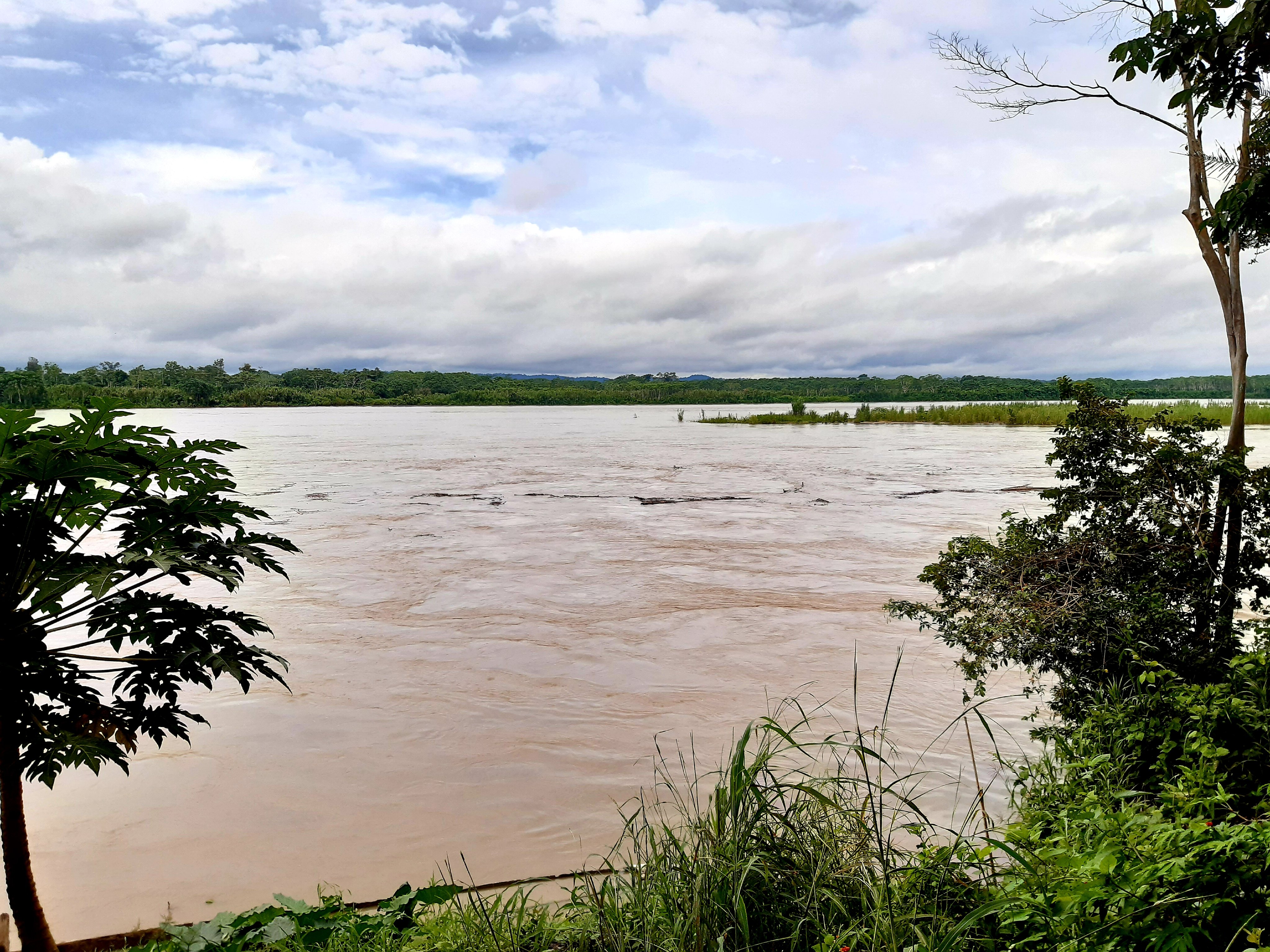
 The night before I left a friend asked me what my general impression of Peru was. I had returned to Lima and wrote the following: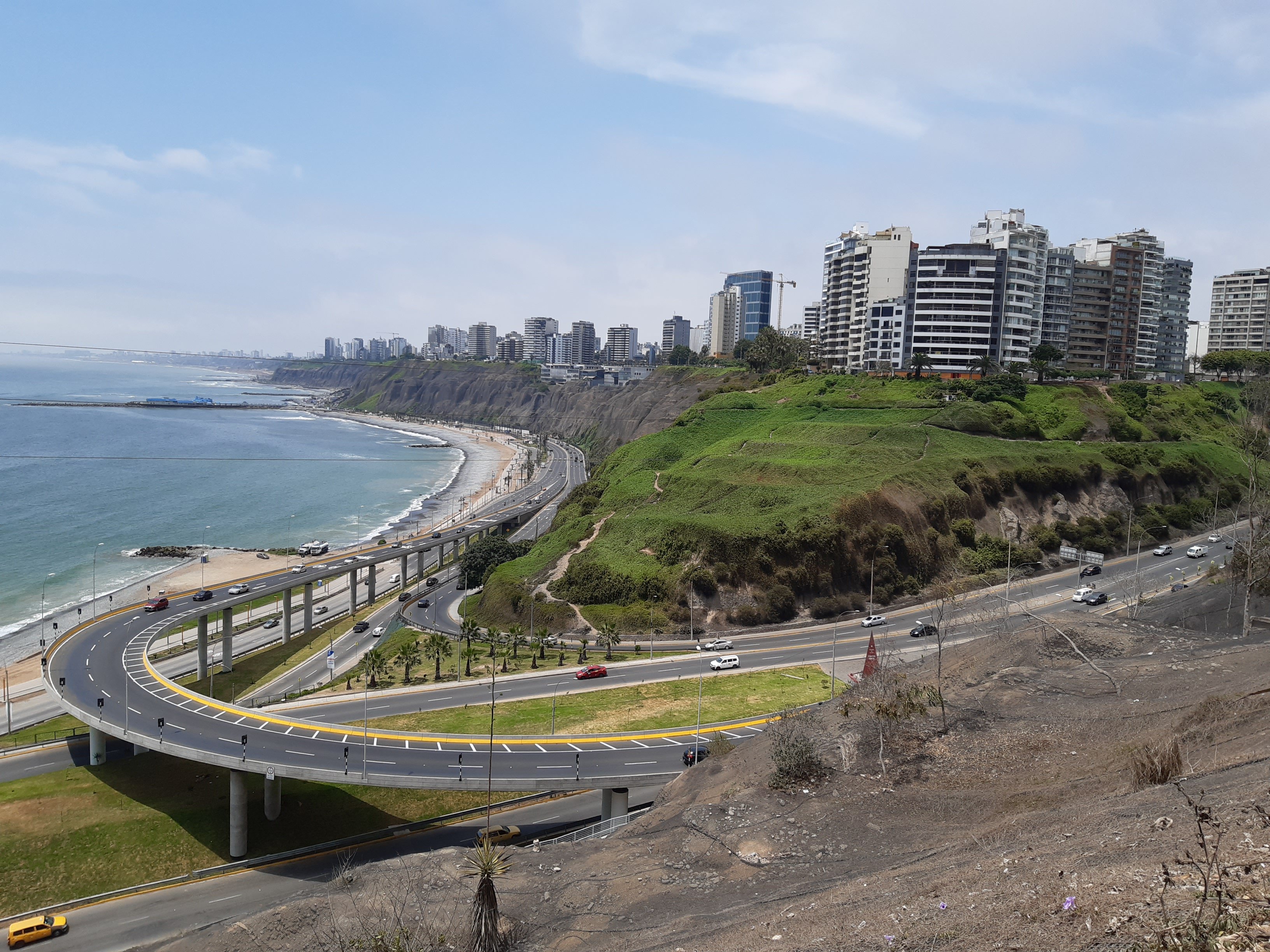
 Mella Madness