“The God of the Universe is charming you!” my daughter-in-law, Adéle said on the phone the other day. I had sent them pictures of my experience of Volcán Fuego, the active volcano near Antiqua, which had had a scary eruption on the 3rd August, the day before I arrived in Guatamala. It has regular eruptions, about every ten minutes smoke (ash and gas) would rise, but at least once in two hours there is a big eruption, with pyroclastic- (hot gas, ash, pumice and rocks) and lava flows. These are especially spectacular at night, when one sees the red lava. There are guided overnight tours up to Acatenango, the dormant volcano next to Fuego. They are rather pricey, but thanks to a generous donation from a dear friend, I was able to go.
There is a basecamp at 3600m, with bungalows (just mattresses, sleeping bags and blankets), and from there one can either hike to Fuego itself, or to the top of Acatenango to see the sunrise. I did neither, as I knew I had to hike back the next day and wanted to give my knees a rest. The view from basecamp was excellent, and I was able to see quite a few eruptions.
On arrival there were still some clouds covering the volcano, but one could see the ash and volcanic gas rising up
The “charming” relates to my experience as compared to the rest of the group. After arrival at 15h00 they decided to do the hike to Fuego, which meant 90 minutes there (first down then up), one hour at the top, and 90 minutes back. 30 minutes after they left it started raining softly, and an hour later a horrific lightning- and thunderstorm broke out. I spent two hours sitting warm and dry in the bungalow, watching nature perform with a vengeance.
The lightning was non-stop, for 2 hours – this was taken from inside the bungalow.
And then this powerful lightning attraction by the volcanoMy daughter Carla managed to extract the photo from the video
I was still standing there after the lightning, when there was an enormous eruption, which I thought I was recording on video, but I had pressed the wrong button. Daniel, our guide, had also stayed at the camp and took this picture of me after the eruption.
The group came back at 20h30, tired, wet, cold and disappointed as they had seen nothing, the rain and clouds had covered Fuego. I went to bed early, heard rain the whole time, but when I woke at 02h00 to go to the toilet, I saw that Fuego was open in spite of the rain, so I sat outside until 05h00 watching it, and saw two beautiful eruptions.
Turn up the volume to hear it
I had booked a 4×4 tour, but was told that the government had closed the roads, so I could either hike or go up by horse. I chose the latter, but felt so sorry for the horse that I told Elmer, the guy leading the horse, that I would hike the last stretch, which was not that difficult. Hiking down the next day was on a zig-zag path through a beautiful forest, a different one from which the horse-ride was. I had been very nervous beforehand, but my knees were fine and I kept up with the group, much to my surprise. It was while hiking down that I heard some of the group complaining about their experience, the bad weather and not seeing any eruptions during the night. It made me realise that one makes choices, and I was very satisfied with the ones I had made. Daniel and Walter (the guides) were excellent – they prepared the bungalow, made the food and kept on asking me “como estas” (how are you) whenever they passed me.
Arriving at the topThe bungalows at basecampInside (without all the rucksacks) – one could not move once they were all in.30 minutes after the group left, clouds and rainSome people hire porters – this is how they carry the stuff, with headbands Sunrise the next morningGoing downThese local guys were going up, carrying very heavy loads – they are all super fit and strong.A 600-year old canac tree. The leaves are used to make tamales (stuffed corn porridge wrapped in leaves, and steamed) and the flowers have medicinal propertiesOrchids high up in the canac tree
Another once-in-a-lifetime experience – I am so glad Juraj persuaded me to go. He kept on sending me WApps, saying what a unique experience it had been, encouraging me to do it.
Antigua, the town from where one leaves to go up Acatenango, is a lively and picturesque old colonial city. It was founded in 1543 as the colonial capital of Central America, and called Santiago de los Caballeros de Guatemala (City of Saint James of the Knights of Guatemala). It was built in Spanish baroque style, with a grid-layout and cobbled streets, grand monasteries, educational buildings, churches and government palaces. It was regularly damaged by volcano eruptions and earthquakes, and finally destroyed in 1773 by the Santa Marta earthquake. It was then decided to move the capital to a safer place, which is now Guatemala City, and the city was renamed Antigua Guatemala (Old Guatemala). It was virtually deserted for the following 150 years, which meant the ruins of the grand buildings were kept intact and today there are many old sites to visit. Restoration was started in 1944, when the government declared Antigua a national monument. The buildings around the central park have been fully restored, and in 1979 it was declared a UNESCO World Heritage Site. The cobblestone streets have to be maintained and buildings are not allowed to have more than two storeys. I loved Antiqua, but it is colonial, not a true reflection of Guatemala. I spent a week there, visiting ruins, walking around, eating ice-cream and drinking coffee, enjoying what it had to offer in terms of restaurants, little cosy shops and markets.
Royal Palace of the Captains GeneralCity HallCathedral of San JoséIce-cream car in central squareThe fountain on the square was designed in 1738 by Diego de Porres
The historical centre of the city is quite small and everything was in walking distance from my hostel. Bob had recommended a restaurant (Toku Baru) which served delicious meals, both local and other, at a very good price. The hostel provided breakfast and a small dinner, so I had a good excuse to have a good lunch, often at Toku Baro.
Toku BaroRuins of Santa Clara (Saint Clare Convent) – founded in 1699 by the Franciscan Order for nuns from MexicoThe library was fully restored, very peacefulTranquil gardens in the conventBehind the San José Cathedral on the square, are the ruins of the old cathedralThis is where bodies were cremated when the person had died from a contagious disease A random courtyard – everywhere doors lead into courtyards, some hotels, some restaurantsChurch San Pedro ApostolArco de Santa CatalinaView from the terrace of the hostel – Fuego and AcatenangoI could even see an eruption from the terraceView of the city and Volcán Agua from a hill called Cerro de la CruzWhile on the hill, these people approached me with the request of speaking English for 5 minutes, to practice.I met Anja again in Antiqua, it was great to see herMe encanta Antigua (I love Antigua)
This blog has to start with una experiencia excelente I had two days ago. But first a very big thank you to all of you who are reading and commenting on my blogs, it is very inspirational, and I thank you with all my heart. Sometimes the going gets tough and I feel discouraged, and then I remember people are following me, and I am encouraged again. So thank you!
The story behind my excellent experience: The popular volcano to view in Guatamala is Volcán Fuego near Antigua, the one that erupted the day before I arrived. It is a difficult five-hour climb up the volcano next to it (Acatenango), and an overnight stay to see the regular eruptions at night. There is the option to take a 4×4 tour up to base camp, overnight bungalows and 3 meals included, but it is very expensive. So when Juraj left Panajachel to climb Volcano Santa María in Quetzaltenango (or Xela, as the local people call it) to view Volcán Santiaguito, I considered it as a viable option. It is the youngest volcano in Guatamala and the world, having being created by the massive and catastrophic eruption of Santa María volcano in 1902. Around 1922, new lava began to push out of the side of Santa María, which created the new volcanic cone. It is the most active volcano in Guatamala, and considered as quite dangerous.
I changed my bookings in Antiqua and went to Xela, finding a hospedaje (en-suite rooms in a private house), 100m from the start of the trail. Veronica, the kind and caring hostess, was adamant that I should not climb Volcano Santa María, as it was difficult, a steep and rocky path. She recommended the relatively easy two-hour trail that takes one around Santa Maria to a viewpoint that is as spectacular.
Well, what can I say. My father-in-law had the saying “It is better to travel expectantly than to arrive”, but in this case the arrival over a ridge to view the volcano outweighed the expectation that had been building up over the last 2km of the trail. The barren, rocky outcrops contrasting the lush green of the surrounding area made me exclaim out loud, and I went back down the trail to make a video recording.
Santiaguito Volcano
I was the only person there, and sat down on a grass ridge to eat my bread and watch the volcano, which had smoke coming up the edges. About 10 minutes later I heard a rumble, and some smoke came out of it, and thinking this was it, I posted a video to my family.
I love hummingbirds, and 30min later I glanced back and saw one feeding on flowers behind me. I got up to see if I could take a photo, when I heard a loud “boom”, and when I turned back to the volcano, a huge eruption was shooting billowing smoke high up into the air – what a sight, and only me to witness it!!
Soon after the eruption the mist and clouds started coming up the mountain, and the whole volcanic area below was covered in clouds. Had I been an hour later, I would not have seen a thing – I felt truly blessed.
Now back to our day trips to villages surrounding Lake Atitlan. On the Saturday we had off, Anja and I went to a village more inland, called Chichicastenango, which has a very colourful graveyard. There we witnessed a Maya fire ceremony, where a big fire is decorated with sticks of tobacco, coloured candles, sweets, marshmallows and black and white sugar. Each of the objects and colours used has a unique meaning, and the ceremony is intended to be an appeal to spiritual guides and ancestors for the healing or assistance of a specific person. The fire itself is sacred and acts as purifier and a bridge between the human world, the cosmos, and the ancestors.
Back in town there was a school band performing on the cathedral steps. Interestingly, the church acts both as cathedral for Catholics and as place of worship for the Maya people. When we first arrived, there was a mass inside, and outside a Maya shaman, called Ajq’ij in K’iche’ (the local Maya dialect, meaning ‘daykeeper’ or ‘timekeeper’) was performing a ritual.
The small cathedral opposite the larger one.The shaman performing his ritual
We had lunch in a small restaurant, and Anja started chatting to a guest, the mother of a 15-year old daughter, who told us that the average age for girls to get married was 12 years. Anja strongly advised the daughter to finish her schooling and travel before settling down. The mother herself was very young, having had her daughter at the age of 16yrs.
There was a fair in the town, and many of these people in costumes came past, some being led by the hand.
On Sunday we crossed the lake with an overloaded ferry which bumped so hard, I was afraid I made break my coccyx. We went to San Marcos first, and walked out of town and down 150 steps to a viewpoint that Juraj had told us about. There was a sacred place, where one could see the remnants of fire ceremonies, and the view of the lake and volcanoes was beautiful and tranquil.
Our next stop was San Pedro, and then we took an overpriced tuc-tuc to San Juan, a very colourful village close to San Pedro. The ferry costs Q25 (just more than R50) per trip, whether you are going far or near. Less for locals of course, as some of them do daily trips to and from villages.
Arriving at San PedroSan PedroMural depicting the three colours of cornA colourful stairway in a private home leading to a viewpoint on their balcony, Q10 to enter – people do anything to generate an income, they are very poorSan Pedro from the tuc-tuc Colourful San Juan
On the ferry back to Panajachel Anja struck up a conversation with a man (she speaks fluent Spanish), and he insisted that we disembark with him and his family, that he would pay (the local fee) and we could pay him back. That kind of made up for the overpriced tuc-tuc, we thought. The family then proceeded to walk some of the way with us, concerned for our safety. The two little boys were taken up with Anja, and both wanted to hold her hand, so sweet. Earlier I had heard the one boy telling his mother he needed to go to the bathroom, but as there was none in the vicinity, his father was going to take him behind a building. He and Anja kept on talking though, and I reminded him that his son seriously needed the bathroom, and we eventually left.
Lake Atitlan is the centre of the K’iche’ Maya, and Bob had a fascinating book telling of their beliefs and traditions. The Ancient Ones (los Naweles) created a divinity called Rilaj Mam, who created human beings from maize and cacao, binding men and women together as fertile and fecund couples. Through rituals of sacrifice, these couples sustain and provide for their divine ancestors, the Ancient Ones. The Maya therefore believe they are corn and they are cacao. It is a deep culture, spanning many centuries, reminding one that perfection lies in the harmony between man and nature, which in modern times has become warped and imbalanced as a result of many factors.
The day before leaving Panajachel I realised I had not even had one swim in the lake, so Anja and I set out early that morning to a spot Bob had suggested, but even there the water, although clear, looked a bit polluted. I had a quick dip, not daring to put my head underwater. Evidently it is not only sewerage polluting the lake, but also chemicals and waste that washes down the rivers when it rains. Friends of Bob told us that a sewerage purifying system had been installed in Panajachel, but funds had not been allocated to run it, so it was non-functional.
We walked past the public graveyard of Panajachel The ‘beach’ areaThere was a fire ritual being held for rain, and later that evening it did rain This boat was completely overloaded, leaving on a sunset cruise, full of locals. As it gained momentum, water was splashing over the back – I couldn’t watch, certain that they were not going to make it.A last sunset
I had decided to spend a few nights in San Pedro after finishing the work with Bob at The Chocolate Factory, just to unwind and relax, regain my equilibrium. The key of the room I had booked was missing, so I was upgraded to a room with a queen-sized bed and en-suite bathroom, sheer luxury. I spent two days exploring and walking and visited Santiago, another village close by.
The hostel in San PedroMy roomWalking along the beach at the lakeAn excellent meal right next to the hostelAnother crazy market in SantiagoA tuc-tuc traffic jamView from SantiagoCommunal laundry washing place in SantiagoFun in San Pedro
Finally I had to leave Lake Atitlan, quite nostalgic, but in retrospect it was for the lifetime experience of seeing an erupting volcano.
Sexy front window of the bus, going downhill in first gear at 10km/h – it took us four hours to travel 80kmLocals leave their luggage at the front. That little boy, the son of the driver, sat perfectly quiet for four hours. He only spoke a few times, and his father gave him a fist bump now and again. The children in general are very docile and quiet on the buses.Going to Hospedaje Santamaria in Quetzaltenango (Xela), which was way out of town, but close to the start of the trail. Volcano Santa Maria in front of us.View of the street from my balconyThere was a lot of noise during the night, and when I looked out, the whole street was filled with vehicles, most of them buses and minivans. I realised that this is where the drivers live, only returning home late at night – it felt like a peek into their private lives.The same street early next morning as I set out on the trailThe beginning of the trail was not very nice, littered with trash, but it got much better higher up. Coming down I was thrilled to see some people had been picking up trash. Alvida, mother of my hostess Veronica
When I left on Monday morning, the street was empty again, everyone back to work. There is a bus stop just down the road from the house, and the bus blows its horn to announce its arrival, so Suerta and I walked down the dusty street, paying Q5 (R10) instead of the Q40 (R80) the Uber had cost me to get there. I was very hungry when it dropped me at the terminal, and I decided to join the locals in sitting down at a stall to have breakfast – cornflakes in a plastic cup and tamales (cooked maize wrapped in banana leaves) which were kept warm wrapped in blankets in a basket. I looked down and saw a chicken in a big bag next to me, which was being sold alive (to be eaten, the seller assured me).
I had seen from the bus window that locals sit at the stalls to eatSuerte patiently waiting for me to have breakfastThe basket full of tamales The chicken – it looked like a cockThe busdriver to Antigua, my next destination, was a real cowboy, taking the turns in the passes at breakneck speed, often with one hand, as with the other he was talking on his cellphone
When I had boarded the bus at a crazy terminal full of chicken buses (as the funny looking local ones are called), I was assured it was going to Antigua, but 10km before the city, at a turn-off, I was told to get off and catch another bus 20m down the road. I was most upset, showing the conductor (who was a boy, not older than 14yrs) the map on my phone, but he just told me to get off, dropping Suerte from the top of the bus into my hands. I of course couldn’t catch her, so she fell on the ground, thankfully unharmed. Great respect for her, but I furiously picked her up and just shouted “No no no, this is not good!”. As if anybody was listening… I followed some other passengers, and within five minutes a bus appeared and I could board, Suerte being grabbed from me and put up on the roof again. They are always impatient and in a hurry, I don’t know why. This time however, when we stopped in Antiqua, a kind man helped me lower Suerte gently to the ground (I was again saying “No no no! Don’t drop her!”).
And now I am in Antigua, a beautiful old city, but I will write about it in the following blog.
Antigua is where the blue dot is.San Jose Cathedral on the town square, Antigua
A friend sent me a WApp the day I was leaving Costa Rica: “Stay far away from the volcanoes!” she said. I couldn’t understand why she would say that, until I looked at Google Maps to follow the route we were flying to Guatemala City that afternoon, and saw a red star and inscription close to Antigua, warning of the eruption of Volcán de Fuego that had started the previous day, 3rd August. People had been evacuated from surrounding villages, but could return a few days later. All along the way one could see a hazy orange glow, and as we approached Guatemala City, I could see smoke coming from the volcano.
It was getting dark when I arrived at the hostel, and when I went to the reception area later to ask if it would be safe to go out to a restaurant, there was an American, Shane, who invited me to accompany him as he was going to find something to eat. He had a very long and complex story regarding his ex and his daughter whom he had not seen for several years, so he had been there for six months, involved in a legal battle. The area in which the hostel is located is called Zone 4, and it is known for its restaurants and artistic vibe, so it was great to have someone show me around. We ate tortillas at a popular local restaurant, where one gave your order at the entrance, went upstairs to a deck and filled your basic tortilla, which they brought to your table, with goodies from a salad bar.
Zone 4 in the daytime Colourful stairway
I set out to explore the city the next morning, mainly to see the underground market that is behind the church. As I walked through a poor area before coming to La Sexta, the long walking street that leads up to the market place, I realized that there is much more poverty in Guatamala than in Costa Rica. There was a long queue at a building that looked like social services, and I noticed that most of them were men. I think the women are mostly in charge of the stalls selling goods.
The queue of people Spiderman was there tooThis was a market on the sidewalk of the walking streetHuge wooden instruments, called marimbas, being played on the sidewalks. It is the national instrument of Guatemala
The Metropolitan Cathedral of Guatemala City on the main square. It was built between 1782 and 1815, after the capital moved from Antigua that had been destroyed by an earthquake.There is a whole series of these huge paintings by Pedro Raminez in the cathedral, which were painted in the 1600’s. Palacio Nacional de la Cultura (National Palace of Culture) on the square. It was formerly the presidential headquarters, and now it is a public museum and cultural center.
The entrance to the underground market is quite obscure, I almost missed it, but I was overwhelmed once I went inside. It covers a whole block or more, and when I had walked through the artisan part, I saw further steps going down into the fresh market area. I bought some blackberries which looked delicious, but they were very sour. After the fresh produce and flowers, there was a huge food hall where local food was being served. I stopped at some tables to take a picture of the pickles that were permanently on the table, when the owner walked up. We started talking, and I asked about the food being sold, as I had seen that pepián (stew with rice and salad) was one of the local dishes. He took me to the kitchen area, and the woman who was cooking pointed out the stew in one of the massive pots on the stove. She dished me a plate and I sat right there eating pepián, without the pickles as they were much to picante (spicy), with a musician playing at the next table – delicious food and jolly music. One also gets a big glass of some kind of watered down juice.
The entrace to the market The artisan sectionFresh marketFood hallFood on displayThe pepián is in the back, middleWhen I had finished eating, I saw there were tortillas under the cloth in the basket. I had assumed it was just for the utensils.
Guatemala City does not have much to offer, but I enjoyed just watching the people and walking in the crowded streets. There were not many tourists, and I felt a bit conspicuous in my shorts as the women all wear either long pants or traditional clothes (skirt and decorated blouse). I read later that it is a conservative city and wearing short shorts is not acceptable – luckily mine were knee length.
The city was severely damaged by a series of earthquakes in 1917, and again by a 7.5 magnitude earthquake in 1976, which killed about 23,000 people. Some of the buildings have only been partly renovated, like the blue cathedral below of which only the facade has been restored.
The back of the cathedralThe interior is beautiful.I glanced down a side street and saw this archway, which has a postal museum on both sides. As in South Africa, public postal services are non-existent in Guatamala
The next day I explored zone 10, which is a more modern and upmarket area, with an open-air shopping mall and well-dressed people walking around. I was wearing jeans, but felt completely underdressed. I took photos of a wonderful bookshop, not daring to browse as I find it hard to leave a bookshop without buying something, and packing space is limited.
A very interesting cathedral on the way to zone 10 – the outside was a bit neglectedThe whole floor has these copper space inlays between the tilesAn wood carving picture in the churchThere are many statues all along the main road, Avenida la Reforma, running into the city – this was a weird horse.The mall wasn’t much, but compared to the city centre it was very differentThe bookshop
There is a textile museum, Museo Ixchel del Traje Indígena, not far from the mall, that I wanted to see. Although Maps.Me showed me the way, I was at a loss to find it and nobody I asked seem to know where it was either. I walked down into a lush valley, which turned out to be a university campus (Universidad FranciscoMarroquín) with very beautiful gardens. I saw a big building which I assumed was part of the university, and asked an official person who was standing close to it if he knew where the museum was. He told me I had to walk out again, and up the hill, but I showed him my map and said it had to be there. I looked again, and eventually saw the name of the museum on the building – how come he didn’t know? Or maybe he just didn’t understand me.
The museum was a good introduction to the Mayan textile industry. It has a big collection of indigenous hand-woven garments, traditional huipiles (loose-fitting blouse or tunic), and weaving tools, and it shows the origin and development of the weaving industry through the ages. Some of the displays use miniatures to depict the different types of clothes and activities. They started off weaving with the back-strap, which was eventually replaced by treadle machines and later industrial machines. The women (because they were more housebound) kept their traditional clothes, but the men (because they were more in contact with the colonists) changed to western clothes.
Along the path in the university grounds there are eight replicas of ancient Mayan stone monuments that were donated to the university.The museumThe back-strap weaving methodMasks are a big part of the Mayan cultureThese watercolours were done by Carmen Gehrke Petterson, a well-known artist who lived in Guatamala. The huipiles shown here are similar to the ones worn by the women in the paintings. She donated more than 60 of her paintings to the museum.
I had found a Workaway job in Panajachel, a town on the shore of Lake Atitlan, a volcanic crater lake in the highlands of the Sololá district. It is 1,563m above sea level, has a depth of 340m, length of 18km and width between 10 and 13km. There are three volcanoes across the lake from Panajachel (Atitlán, Tolimán, and San Pedro) and many Mayan villages all around the lake that one can visit using local ferries that depart regularly from the public piers.
First view of the lake
The host, Bob, had arranged a shuttle for me from Guatemala City. I was surprised when I was picked up by a car, but it was only to Antigua (close to the city), where I transferred to a van with other people. Things were a bit confusing, as the driver did not know where to drop me and I had stupidly not asked Bob for the address as I had assumed he would have given it to them (which he had, but it was not passed on to the driver). I had applied for the garden job, but what had attracted me was the possibility of learning how to make chocolate and ice-cream.
Bob has a chocolate factory where Ixcacao (the name of his brand) chocolate bars have been made for many years, and recently he started a business called The Chocolate Factory in a house in town where he makes milk, white and dark chocolate, using it to make truffles and pralines, the fillings which are also homemade. His ice-cream creations are the best I have ever tasted, all made from scratch using fresh fruit, homemade vanilla paste, and his chocolate. Bob was very generous, often ending our day with a scoop of ice-cream. The lemon and basil sorbet was my favourite, and I gladly picked and cleaned a whole pot of basil leaves one day, and squeezed about a hundred lemons for the ice-cream to be made after I left.
The Chocolate Factory – the entrance to our quarters were further down the streetOur room, which I shared with Anja, another volunteer from Serbia The garden I had to tendThe shop with display cabinet. On the right Donaldo, a permanent worker, mixes the chocolates and makes the pralines and truffles.Cacao pieces mixed into cocoa butterThe mixture needs to be tempered to smooth the edges of the cacao granules. Donaldo at work making the casings for the pralinesBob, the chef
In small spaces off the street there are these hardworking women who make tortillas the whole day. There was one round the corner from us and we bought fresh ones every second day, to eat with eggs and avocados for breakfast, or with the chilli beans that Bob often made. The husks of the roasted cacao beans are used to make cacao tea, which we could drink as much of as we wanted to. It is full of antioxidants, has very low or no caffeine and minerals that improve overall health.
There were two other delightful volunteers, Anja (from Serbia) and Juraj (from Croatia) who were helping Bob with computer stuff. My job was to water the garden, keep it free from falling avocados and leaves, and remove the weeds from the pots in the street. Bob wanted some plants removed and re-potted, which I did, but unfortunately my shoulder started giving me huge problems, so after a few days I told Bob I couldn’t carry on and would have to leave. He kindly offered that I could leave the garden work and just help inside with anything that had to be done, which was sometimes awkward as he has a definite and meticulous way of doing things. We worked for five hours a day, but Bob liked us to be around most of the time and spent many hours telling us about the Mayan culture, adventures he had had, and life in Panajachel before the tourists took over. He is from the USA but has been living in Guatamala for 43 years.
Every night we went down to the lake to watch the sunset.
Juraj and Anja
Juraj is a very keen hiker, and one morning early he took us to a viewpoint near Santa Catarina, the neighbouring town. Along the way we met a man, Daniel, who was carrying a very heavy load of onions on his back, using the traditional head-strap, bringing them down into the village from the fields higher up. He told us he does about four trips a day of carrying onions to help his aged parents with whom he lives, but he was actually a tour guide. On the way back from the viewpoint we met him again, and he invited us to visit his home and see his mother weaving with the back-strap. What a privilege – I bought one of the belts that had taken her five months to weave, very excited to have found an original piece of Mayan weaving as most of the items being sold in the shops and stalls are factory produced. We met Daniel’s sister, his brother and his wife and daughter, the parents and a little boy that they had adopted.
Juraj led the way up from Santa Catarina through narrow alleysA top-heavy houseMeeting Daniel The fields from where the onions were carried They are high up, village down belowLake Atitlan with the three volcanoes Anja, me and JurajSanta CatarinaGoing down, Daniel leading the wayThe door off the street opens to this area, where the family visits, cooks and works. There were doors leading off, which I assumed were bedrooms.Daniel’s mother, very smartly dressed in traditional clothes, with a headband, which is often tied in different waysThe boy took Juraj by the hand and went to show him the chickens. Then he came out with this duck. By then Anja, who has a phobic fear of birds, had made a quick exit.A group photo, Daniel on the right
Panajachel is an entryway to the lake, and as such has many stalls, restaurants and a big artisan market. What struck me the most was the colourfulness of everything – even the buildings were painted with bright colours. Walking down to the pier was fun, as the streets are lined with stalls and people, and lights twinkle on the way back. The stray dogs are a problem though, and one has to watch where you step.
Most of the buses look like this. Evidently they are old USA school buses that have been imported.And of course ideal for narrow roads and alleys – tuc-tucs everywhereI went to the local market with Bob one day to buy fresh strawberries for the ice-cream – everyone had to be picked out by hand.The artisan market in Panajachel Walking down to the pier Huipiles used as chair covers in this restaurant One of the streets leading to the lake
Bob showed me a book (an Indian fairy-tale for adults) that had been illustrated by a local artist, and there was a gallery in town that sold them. When I tried to visit it, there was a yoga class being held, but the owner of the gallery invited me to her house next door, and I was able to buy the book. She told me to look around the garden and the rest of the property, which they run as a guest house. She was German and had also lived in Panajachel for 37 years, but was yearning for her German roots. “The older I get, the more I long for the things in Germany,” she said. “Panajachel has become noisy – too much traffic, air and light pollution, so different from when we moved here.” I fully understood what she was saying, my sinuses were being affected by car fumes and one had to dodge cars and tuc-tucs all the time. Sad, that a cosy Mayan village had become a noisy, polluted big town. Lake Atitlan was quite polluted too, not only with sewage, but with waste and chemicals that washed down when it rained, as Bob had explained. The water is still clear, but swimming is not advised, and definitely not putting one’s head underwater.
On Saturday and Sunday Anja and I took the ferry to some villages on the other side of the lake, but I will write about them in my following blog. (Sorry Lynda!) I’ll end this one with some murals that are all over town.
I have discovered why I couldn’t upload the videos and some photo’s in the previous blog – it seems that the plan that I had subscribed to did have not sufficient space. I have upgraded, hopefully it works.
The ferry crossing from Paquera to Puntarenas was a slow and enjoyable trip of an hour, and on arrival I had another safari trip of catching buses and Ubers to Mi Barrio Hospedaje, where I had booked a private, very expensive room for three days. I needed to integrate and consolidate my Costa Rican experience, and spoiling myself with private space and my own bathroom seemed necessary.
There were many of these brown pelicans on the water during the crossing.
And now I can post the video of them diving for fishMy hostel
Cartago is 24km from San José, and a much better and safer option for staying in than the capital, as it is safer and more “tranquila“. I was researching churches in San José when I came across information about a pilgrimage to the Basilica in Cartago on the 2nd of August every year, known as La Romeriá. More than two million people from all over Costa Rica walk to the Basílica de Nuestra Señora de los Ángeles (Basilica of Our Lady of the Angels) in Cartago to honour the patron saint, La Negrita (Virgin of the Angels).
The story behind La Negrita is the following: In 1635 a young girl discovered a small black stone statue of the Virgin Mary holding the Christ Child, and she took it home and put it in a box. The next day the box was empty, and the little statue was again in the forest where she had found it. This happened three times, and then she took it to the local priest, who put it in safe-keeping. When it re-appeared in the forest again, he decided that a chapel had to be built where the statue was found, which later became the Basílica. Pilgrims walk to give thanks for miracles, to ask for healing or fulfil a promise, often doing the last few metres from the door of the Basilica to the altar on their knees.
The middle section is for the people who want to walk on their knees
The little statue (20cm in size) is the black part in the middle, I think.This is what the statue looks like – I took the photo of a TV close-up shot
I saw hordes of people walking on the side of the road on the 1st of Aug, when I was travelling to Cartago, so I decided to go to the Basilica that afternoon. My hostel was 4,5km from it, and I walked there and back three days in a row, so I reckon I did my own pilgrimage. The most popular route is the 22km from San José (they leave from the outskirts), but as I approached the Basilica, I bumped into a crowd of people that had walked seven days from Quepos, the town where I had worked at the hostel, Planet B. I cheered them on, feeling quite emotional, and also a little bit sorry that I had not thought of walking to Cartago.
The group from Quepos
As I approached the Basilica, I soon realised that this pilgrimage was huge – many people were already gathered there, and many people were still approaching, and it was only the 1st. Quite a lot had been and were returning, people everywhere. Streets had been closed, and food stalls and vendors had put up shop in the streets close to the Basilica. I managed to get entrance through the left door, which was for the people who were entering without walking on their knees. It was getting dark when I walked back, but there were still so many people arriving from the front, that I felt quite safe. Along the way people were selling water and refreshments, but some were just giving it away.
Random 3 bottles of water on a tableHanding out free water and snacks
The next day, 2nd Aug, was the official national holiday and a Eucharist was performed outside the Basilica with high-ranking religious and civic leaders. I managed to stand in front, close to where the officials were leaving from, to walk the path to the platform where the Eucharist was being held, and the president of Costa Rica passed a metre in front of me. She is Laura Fernández, beautiful and only 40 years old!
On the third day the statue was moved from the Basilica to the Cartago Cathedral, about a kilometre away, accompanied by a massive parade. It seemed that farming and produce were being celebrated, as there were about a hundred or more tractors and twin cabs bakkies (trucks) carrying produce that was off-loaded under tents next to the Cathedral. People were queueing to buy the produce (fruit, vegetables and flowers), and I assume the proceeds went to the church. I arrived just in time to view the arrival of the statue, and the people starting clapping, singing and waving, greeting it with great adoration.
These tractors had already offloaded their produceThe tents where everything was being soldThe arrival of the statue at the Cathedral
I left when the service started, and as I stood outside, it occurred to me that I had left my water bottle in the Cathedral. I was dismayed, as there was no way I could go back in, it was too crowded. I settled down on the pavement to wait for the celebrations in the church to end and for people to leave – hopefully I would find my bottle. I was standing there, looking at the parade that was still carrying on (now it was oxen pulling decorated wagons), when I glanced down at my left hand and saw that it was holding the water bottle. It felt like a miracle, just as the little statue was able to move 400 years ago, my bottle was moved into my hand. Well, that is how it felt, it had probably been there all the time, I wasn’t sure.
The parade was still carrying onI walked back to the Basilica, and the oxen and wagons were lined up for the whole kilometreThen came the horsesAnd finally the cleaners to remove the manureAnd the Basilica was closed and deserted.
While walking to and fro from my hostel to the Basilica, I passed the ruins of the Temple of the Santiago Apostle Parish, where many temples had been built since the start of the evangelist period, all of them destroyed by earthquakes. The final one was started in 1870, but never completed.
The gardens insideA statue on the plain in front of the ruins.
I had to have a final gallo pinto, their traditional breakfast, and when I discovered a proper soda (local restaurant) close to the Basilica, I treated myself. Eating where the local people eat always makes me feel more at home, as if I belong.
Gallo pintoI passed a graveyard – it was much more peaceful than the overcrowded churchesThis guy demonstrated pura vida when I stopped to take a photo if his stall.
Finally it was time to move on, and I bid Costa Rica a fond farewell. When I told the guy at customs that I was sad to leave, he said: “Then don’t go! Please promise you’ll come back?” Maybe, maybe not.
San José, city centre barely visible on extreme left.
I apologise for the abrupt ending of my previous blog. Maybe it was an attempt at a cliff-hanger? Or maybe I was just tired after writing on-and-off for three days, and I just posted it.
Golden sunset light breaking through the clouds
Back to Tamarindo. As usual, I met some interesting people in the hostel, most notably a Russian woman, Olga, who had been living in Canada and now lives in Costa Rica, running retreats all over. She had some notebooks, all written in Russian, which she used to explain her approach to me, based on the balancing of energies. She had led a difficult life, with much ancestral stuff she had to identify and work through. What impressed me was that she had been living in Tamarindo a year before, and could see the difference in herself after returning a year later, thanks to applying her own methods.
The hostel clearly support the Surf Shop next door – free earplugs.
I was curious about the name of the town, and researched the tamarind tree and its fruits. The pods have hard, shiny seeds that are covered in a husk and sticky paste, much like dates. These are harvested, and sold as a compacted lump, or as tamarind juice. I went in search of the juice, but unable to find it anywhere, I bought the lump of tamarind and now I make my own juice, dissolving it in water. It has a tangy taste, like a mixture of lemon and dates, and is good for the digestive system.
Tamarind pods and seeds (photo from Google)
Although Tamarindo is by far the most popular tourist and expat town, I loved the relaxed atmosphere at the beach. I spent my days walking and swimming, and tried to rent a bicycle one day, but one peddle fell off after about a kilometre, so I returned the bike and walked to the next beach, Playa Langosta, instead. It ends abruptly at a river, and it was quite amusing to see how people reacted to the river, some going inland to wade waist deep through less turbulent water, others standing there, seriously thinking about entering the strong current. It was low tide when I returned, so I could follow the beach around some rocks instead of having to go back by road.
This man was trying very hard to persuade the other three to join him in going more inland. They refused, he went by himself.
My one beige short pants was beginning to fray and tear, so I went in search of a thrift store, where American second-hand clothes are sold very cheaply. I managed to buy an excellent one for $5, and left the old one and a badly stained T-shirt at the hostel when I left.
Have some surfboards – surfshops everywhereLocal vibe
The nightlife at the beach is quite exciting. Restaurants have tables and chairs on the sand, strings of lights and tempting happy-hour cocktails. Watching a sunset one evening, I ordered a mojito, but the waiter brought two, much to my astonishment – I had forgotten about happy-hour, two for the price of one. As it happened, Enca reminded me it was friend-day in Argentina, so I was sharing with friends worldwide, in spite of drinking both myself. We had a fire-show when it became darker, accompanied by dramatic music.
There are brown pelicans (Pelecanusoccidentalis) that dive for fish like kingfishers, and they were at the Tamarindo beach every day, sometimes diving close to where people were swimming. I was watching them one day when a whole lot of flying fish leapt from the sea close to me, making me and other swimmers gasp in surprise.
I went to draw some money at a bank, and walked past a local restaurant advertising casado, and went in. I was the only customer, and great care was given to the preparation of the food, which the owner explained was made from scratch. He turned on the aircon, and we had a good conversation, him practicing his English, and me my Spanish.
Think I’m wearing the same T-shirt in most photos.
The final FIFA game was being played while I was in Tamarindo, and although I was fervently hoping for an Argentinian win, I couldn’t help being impressed by the staunch support by Spanish fans, and bemused by their exuberance at the end of the game. TV’s were on at all the restaurants and pubs, and the noise was overwhelming when Spain won, carrying on late into the night with hooters blaring and flags being waved out of car windows.
I’ve become very good at making arepas, my breakfast every morning. I managed to buy some yellow maize flour, and fill mine with ham, cheese and an egg, just like in Bogota.
Eventually I had to pack my bags and leave. Juan, the owner of the hostel, had been very helpful with information, especially about the turtles. He had gone to great lengths to find a guide that could take me to a beach to the north, Parque NacionalMarino Las Baulas, where I was told the turtles come to nest. The third person he contacted explained that it was not the right season – turtles nest there from November to April. I had gotten my dates wrong, much to my disappointment. On the Caribbean side they nest at this time of the year, but I was not about to undertake a trip back that way, so decided to go to Montezuma, a small town on the southern side of the Nicoya peninsula. Juan very tentatively told me I could take local buses, and he would explain the route, but when he mentioned a third and fourth town, I decided to take a shuttle, even though it was more than four times the price. Good decision – picked up at The Backside House, dropped at the entrance to Luminosa Montezuma Hostel. Best place ever – right above the sea, great views, waves crashing onto the rocks at high tide, clear rock-pools to swim in at low tide, and hammocks everywhere.
I immediately booked an extra night, and later on I added two more nights – I could’ve stayed there for a month, the tranquility was addictive.
Nate, the owner of the hostel, showed me a map on arrival, explaining in detail what there was to do, how to get to places and where one could eat. The hostel was a 10-minute walk from the small town, but there was a soda across the road which served delicious casados at a reasonable price, so I didn’t do much cooking, apart from the arepas every morning.
My first visit was to the Montezuma Waterfall of course, which was close to the hostel. There were three kids who were jumping and diving from the rocks, into the muddy water where they could not see what was below. One climbed up into the waterfall and dived down.
One day I walked 6,5km along the coast to a waterfall that falls into the sea, but I could only view it from the little beach as it was high tide and the waves were breaking on the rocks below it. It was a lovely walk though, as one sometimes walked on the beach, and sometimes along a trail that went through forests and palm groves. At one point there was a whole lot of garbage bags stacked together and empty ones tied to a fence, that one could take to pick up rubbish above the high tide mark. It is the only place in Costa Rica that I have seen garbage on the coast (a lot of it), and it was well above the high tide mark. The rest of the beach and the sea is clean.
Suddenly in the middle of nowhere along the beach, there are houses, a restaurant and bar, closed at this time of the year. A little place called Cocalito.
There is an island, Cabuya Island, which one can walk to at low tide, so two days later I left early to walk the 6,2km in the opposite direction, this time along the road, but also through some forest areas. Along the way was a gigantic ficus tree, the largest in Costa Rica, Nate had emphasized. I was wearing my hiking boots, so when I got to where I could cross to the island, I had to wade through on the rocky path barefoot, telling myself it was not painful, it was just free reflexology. A pleasant surprise awaited me on the little island – there was a cemetery!
The ficus treeA rocky pathThis man probably had an airplane. Interesting tombstone
Every Saturday there is a local market in town, and on the 25th July they were celebrating Guanacaste Day, which is the commemoration of the voluntary inclusion of the Nicoya peninsula to Costa Rica in 1824, when the area became known as Guanacaste. They had a live band, some stalls and happy people dancing on the little town square, unfortunately mostly expats, so I didn’t stay long, but it was fun.
And then one of the highlights of my trip occurred: Nate told us they were releasing baby turtles at 16h00 on the day before I left. I was not aware that there was a turtle protection project at Montezuma, where they patrol the beaches every night during nesting season, dig up the eggs that are lain and bury them in a protected area to prevent raccoons, dogs and poachers from raiding the nests. Also, the beaches are covered by water during high tide, so nests might be washed away. We gathered at the designated point and watched them remove 118 baby hawksbill turtles (Eretmochelys imbricata) from a nest and release them one by one high up on the beach. It was the first time they had hawksbill turtles breed there, and everyone was very excited. What a joyful occasion, I was enthralled. The last little one struggled a lot, it kept on being washed back up on the beach by the waves, and a great big cheer went up when it finally made it.
In a straight line to the ocean, not one deviated.
My final destination in Costa Rica was going to be Cartago, close to San José, as nobody seems to stay in San José. One can take a ferry to Puntarenas and then a bus to San José instead of travelling up through the peninsula. When I asked Nate about time schedules, she suggested I rather stay in Paquera than Puntarenas, which is a small typically Costa Rican town close to where the ferry leaves from. It was not far from Montezuma, but I liked the idea of still being on the peninsula and booked two nights at the Bioluminiscencia Hostel Tours – South.
I was cooling off in the lovely pool at the hostel, when the owner (Coco), who was scooping bougainvillea flowers out of the pool, started talking to me. “Are you interested in the Bioluminiscence Tour? It is a boat trip to two islands, swimming at a beach on one of the islands, sundowner drinks and seeing the luminescence in the water, really beautiful. You also have the option of taking a kayak.” The latter comment caught my attention, and when he said he was the tour leader and we leave from the hostel, I was convinced. Four of us and Coco left at 16h00, drove to Pájeros Bay in his car, got our kayaks there and rowed quite far into the bay to two islands. Coco asked if I wanted to share a kayak, but I bravely said no, as I was really looking forward to kayaking on the sea. There are many Magnificent Frigatebirds (Fregata magnificens) on one island, called Pájeros Island (pájeros is Spanish for bird), and we saw one male with his red inflated gular sack, but I couldn’t take a picture. There were hundreds of females, and very few males. We stopped at a rocky beach on the second very small island, called Texas Island because of cacti growing on it, and we lolled in the water until well after sunset, drinking mojitos that Coco was mixing on the boat that had joined us (with more guests). One man, a Mexican, talked non-stop the whole time, in Spanish, entertaining the three other young people and other guests. I was feeling anxious about rowing back in the dark, and afraid I might get too tired, so I was a bit withdrawn, not able to communicate my fears in Spanish. All went well though, and we crossed to the dark side of the bay, where the luminescence of the plankton was exquisitely beautiful once it got really dark. I was looking at the stars as much as the water, and drifted away in my kayak while the others were swimming and talking. Eventually the moon rose and we could see quite well to row back. A truly exceptional adventure.
Pool at the hostelWe rowed to those islands Getting in at the wrong side (nervous tension) – Coco didn’t say anything, he just came and turned the kayak aroundFinally got it rightThe Magnificent Frigatebirds
[I am having trouble downloading pictures on this website, and no videos would download, so I’m posting it now and hopefully a new blog post will allow me downloads.]
A friend sent me an article about the South African rugby player, Joe van Niekerk, who lived in the Costa Rican jungle for 7 years after retiring from professional sport in 2014, starting out on a whole new holistic lifestyle, as well as establishing a retreat. In the article he spoke about the expression ‘pura vida‘ (literally translated: pure life) used in Costa Rica, which attracted him to settle here. After almost 2 months in Costa Rica, I can vouch for the authenticity of the expression. It is freely and sometimes profusely used by locals, for everything. The usual greeting of “¿hola, cómo estás?” (“Hello, how are you?”) is most often replied to with “pura vida!”. Everything is pura vida – from food, to mood, to experience, to travels, to even the condition of some roads, which are “not pura vida“. It is a lifestyle and perspective which has become their culture, which shows how Costa Ricans cherish and enjoy the little things in life and how they accept the ups and downs of life without stress. It is evident in their interactions with the tourists, of which there are many, and with the expats, who often have a sense of entitlement and who do not always appreciate the depth of the meaning of pura vida and use it lightly, sometimes the only Spanish they speak. It is used as logo on anything and everything you can buy, and restaurants, hostels, and businesses often use “Pura Vida” as name. So now I’m chilling in a hammock at a hostel in Montezuma, with a view of a rocky coast, waves smashing against the rocks, with lovely tidal pools at low tide – pura vida .
From Dominical to La Fortuna, which is inland, I took a local bus to San José, the capital, and two more buses from there. The whole trip took 12 hours, as entering and leaving San José takes more than an hour each time. We also had a long hold-up in a mountain pass, as the road was too narrow for the huge trucks to pass each other at some bends, and traffic was brought to a standstill. When we eventually emerged from the blockage, traffic was queued up for more than 3 km on the other side, mostly trucks. How they sorted out that mess, I do not know, I was just happy that we had managed to get through.
The route from Dominical in the southeast, to San Jose, then La Fortuna, Monteverde, and Tamarindo on the northwest coast. The bay between the peninsula and the land is called the Gulf of Nicoya (Nicoya being the bottom half of the peninsula).
I had booked a very cheap hostel ($7) in La Fortuna and was nervous about what I might find, but Asha Hostel turned out to be great. The owner, Dnyan, explained: “I am a traveller myself, and I decided to build a hostel that was affordable for travellers, as things are so expensive in Costa Rica.” The location was perfect, not far from where the bus dropped me, a pizza takeaway right next door, a huge supermarket up the road, and the entrance to a sloth park 100m away. The main attraction of La Fortuna is Volcán Arenal, the dormant volcano which dominates the skyline. The last big eruption was in 1968, when 87 people died and three villages were buried in lava, rocks and ash. It was still very much active until 2010, when it entered a dormant phase. At this time of the year it has a permanent cloud covering, but I was lucky to see the top twice while I was there, both times unexpectedly as I walked up the street from the hostel and the clouds had lifted. The first time I just carried on walking out of town for 3km, getting close enough for my satisfaction. I had entered private property and spotted some dogs, so I took some pictures and left. There are tours that one can take, or walks in the national park around it, that give you the opportunity of walking on the lava ridges, but the cost involved was too high for my budget. As are all the excursions everywhere here in Costa Rica.
Quaint restaurants everywhere – all the furniture stays outside during the downpours Volcano ArenalInteresting graveyards in Costa RicaLa Fortuna waterfall – one goes down 500 steps, I counted them coming upIt had been raining and one couldn’t swim underneath the fall, but lower down in the river was okay – quite crowded.Some humor along the stepsInteresting abode
Emi, from Argentina, was working as a volunteer in Asha, and we watched the semi-final of the FIFA World cup at the hostel – both of us ecstatic when Argentina won. We became good friends, and she shared some insightful things about life in Argentina under the reign of Javier Milei, not very positive.
EmiHummingbird at the feeder at Asha Hostel
The Sloth Park had some papayas and bananas attached to trees at the entrance, where one could get a close-up view of birds. I don’t really like the idea of attracting birds with fruit, but it was good to be able to get some pictures.
Blue-gray tanager (Thraupis episcopis)Gray-headed chachalaca (Ortalis cinereiceps)I’m not sure, but I think this is an Orange-chinned parakeet (Brotogeris jugularis)
There are quite a few thermal springs close to La Fortuna, and one was a natural river which was accessible to the public, free of charge. It was quite an experience to be lounging in a hot river. I chose a spot where a cold little side-stream was running into the river, as the heat and humidity were a bit too much. I decided to walk the 10km back to town as it was mostly downhill, and I had seen a man selling arroz con leche (rice pudding) next to the road on the way to the thermal springs, which I wanted to buy – a good incentive to keep me going in the heat.
I passed another stall where pinchos (sosaties) were being sold, and as I was hungry and thirsty, I stopped to buy one and a fanta, eating it at a little table behind the stall.
By now the weather had become threatening, and I was setting a good pace to get to the rice pudding before the rain started. As it came into view, I saw the man was packing up, but I rushed down the hill to catch him, and he kindly took them out again. “The rain is coming”, he said, and before I had finished eating, the first drops started to fall. I had my umbrella with me, but made the good decision to take shelter under a covering at an hotel entrance, as it was a torrential downpour. I waited for 15min, realized it was not a passing shower, and phoned an Uber.
Saying goodbye to EmiEmi loves taking videos
I had heard of the Jeep-Ferry-Jeep shuttle to get from La Fortuna to Monteverde, which I fancied as an option, as it would mean a trip on Lake Arenal. The shuttle was almost an hour late in picking me up, and 10km out of town, it suddenly turned around and went back to La Fortuna, picking up a forgotten person right next to my hostel. Nothing was said, everyone was very relaxed, and the ferry was waiting for us when we arrived – that is the Costa Rican way!
Some canoes on the lakeLooks like Switzerland Arriving at a non-descript disembarcation site, shuttles waitingIt seems they use trimmed branches as fence poles, which then often sprout and grow into trees, so the lands have tree-lined fences.
Our shuttle driver was full of fun, pointing out landmarks and explaining that we were crossing the mountains that were the divide between water running to the Pacific and Caribbean, and that the Pacific side tends to be drier. I was happy about the latter, as my clothes felt wet (from the damp in La Fortuna) when I opened my suitcase in Monteverde, which is high in the mountains and the coolest place I have been in Costa Rica.
A viewpoint in Monteverde The view towards the Pacific, with the Gulf of Nicoya in the distance.
Tana, the woman I had become friends with in Uvita, had sent me some links of things to do in Monteverde, so I set out to find the Rachel and Dwight Crandell Memorial Reserve, which was named after the two pioneers of reforestation in Monteverde. After asking around, I eventually found the entrance through the Monteverde Institute, where there was a brochure with information. Rachel and Dwight started the Reserve together with the Institute to save the critically endangered ocotea montoverdensis (wild avocado, which grows in that area) and to create a habitat for the Three-wattled Bellbird, which was listed as vulnerable. I identified the bird-sound with the Merlin app, and was very excited to spot one. Their sound is varied, and I could hear them all over in the forest.
The wild avocadoThis was so beautiful- the ‘mother’ tree had died, but out of it a new one grewWeird shaped treesThree-wattled Bellbird- bottom picture is from the Merlin appTurn up the volume, and wait for the distinctive different calls of the Bellbird.
On the way back I stopped at the Monteverde Waterfall, a smallish fall with brown water. I was the only one there, changed into my bathing costume and waded in. Much to my surprise I could walk right up to the waterfall, it was so shallow, but still refreshing.
Monteverde waterfallA drinking fountain on the pavementSome pavement artThe hostel had the best kitchen I have seen – every afternoon it was cleaned and left like this. Two cooking stations, one on each side, both with the 8 bottles of spices – when you are travelling, spices are a luxury.
A Dutch guy had shown me photographs of his night excursion, and this prompted me to book one the following day. It was quite a circus, with about 6 guides, each with a group of 8 people, running around frantically in what felt like a maze to me. The paths were too well-trodden, each person had a torch, and we were at the same spot three times – the first time to see a snake, the second time to see some frogs and the third time to look at the stars. The guides were connected with walkie-talkies, and if one spotted something, the others would hurry their group over to that point, sometimes a bit late, as was the case with the kinkajou, which is a small tree-dwelling mammal related to the raccoon, nicknamed the honey bear – I only saw the tail disappearing. In spite of my critical attitude, I enjoyed the outing and was intrigued by the information the guide provided. For example: Only female tarantulas live in holes, the males wander about, and the female kills and eats the male after mating.
A baby boa constrictor Fleischmann’s glass frog, very tinyA tarantulaAnother tarantulaA slothScorpion – they sit against the tree trunksIf a black light is shone on them, they show up luminous due to fluorescence caused by natural chemicals in the outer layer of their exoskeleton called the hyaline layer.
One of my roommates invited me to go to a cloud forest next to the popular Monteverde Cloud Forest, as it was cheaper and fewer people visited it. I wore my rain cape, but was wetter on the inside from sweating than on the outside from the thin mist one walks in. We didn’t see any animals and hardly any birds, but it was like walking in a fairy forest, moss covering all the trees.
I love the mountains, but I was beginning to miss the sea, and my next destination was Tamarindo, on the Pacific, where I was hoping to see some nesting sea turtles. I was back to taking local buses again, it was just so much cheaper, and the receptionist at the hostel had stipulated the route I should take, involving five buses. The bus-drivers were very good at dropping me at the right place and directing me to the next bus, which I sometimes waited for for more than an hour, but even though it took much longer than a shuttle would have, it all worked out in the end.
Dropped by the first busI waited with these guys in the middle of nowhere- if not for them, I would have called an UberGetting good at the waiting game (after the 3rd bus)My hostel was behind this surf shopThe hostel was within 50m of a long beach that had safe swimming – no wonder I booked 2 extra nights.
The month at BongO and Planet B was a good break in travelling, but the night before I had to leave, I was overcome by apprehension, fear, uncertainty and scepticism. Recapturing the rhythm of travelling was going to be a huge effort, I thought, but after a few days on the road I was back on track. Although there was a difference in the pace – I was more relaxed, spending more time in one place, lazing in hammocks, reading and just enjoying whatever came along. During the month at BongO I read about 5 English books from the collection of discarded travellers’ books, and then even one in Dutch, a translated novel by Harlan Coben called Zes Jaar. Travellers thrive on suspense, it seems – those are the only type of books that were available.
Before leaving Quepos, I spent a day in Manuel Antonio, exploring shops and restaurants, and buying sloth T-shirts for my two youngest grandkids. I had lunch at El Avion, an interesting restaurant that claims to have one of the three original C-123 cargo planes that were used in 1986 in the Iran-Contra affair, as well as in the movie that was made about it in 2017, AmericanMade. The affair involved an American drug smuggler, Barry Seal, who had been a CIA agent as well as smuggling cocaine for Pablo Escobar, and he was played by Tom Cruise. Whether the claim is true, remains a mystery, but the food, the view and the service was excellent.
A macaw in the trees for good companyThe inside of the plane has been converted into the bar of the restaurant Maybe Tom Cruise sat in this cockpit, maybe not
A final excursion in Quepos after my last morning shift, was a very long and strenuous walk to a beach, Playa Tulemar, that was not accessible by bus. To get there, I walked down from BongO, past two beaches that were not swimmable, up a very steep hill and down again, and had the best swim of my entire stay. No currents, nice waves and just a few people. Maps.Me indicated a road going into Manuel Antonio from the beach, but after a 50m of going uphill, I was stopped by a friendly guy on a motorbike, telling me it was privately owned and I was not allowed to use it. He was very apologetic, explaining that there were cameras, and he didn’t like his job. “How do I get to Manuel Antonio?” I asked, “I have to get the bus there.” “You walk to the next beach, it is a very beautiful walk,” he assured me. I lost the trail somewhere and bundu-bashed up an embankment, grabbing at roots and saplings, only to discover a beautiful stairway path at the top. The sun was beginning to set, and walking through the darkening forest was a bit scary, but also beautiful. I walked past a hanging bridge, a spa, luxury hotel and restaurant and casually walked past the boom that was at the top, just before the main road. So much for the rich Americans who have claimed that part of the coast as their own.
The walkSunset, taken from the viewpoint above Playa Pará
I have fond memories of Quepos, Manuel Antonio, Planet B, BongO, the manager, his family and people I worked with. A few more pics:
Wedding at Manuel Antonio beachThis house next to Planet B, with instant garden, was built in 3 weeksThe kitchen at Planet BPreparing breakfast for the guests (with a view)A poignant remark painted on a wall in one of the dormitories at Planet B
My next destination was Uvita, a coastal town south-east from Quepos, much less commercialised and also with a long beach and an exceptional ‘whale tail’ that is only exposed at low tide.
On arrival at Uvita, I walked about 2km to the entrance to the beach, and then back towards town along the beach. At one point I saw an ‘Exit’ sign, and followed the trail through some forest, only to arrive at a huge, high, locked gate, the actual entrance to the national park which closes at 5pm. There was a man on a bicycle on the other side of the gate, and when he saw me stuck on the wrong side, he told me to go behind some trees to the right, where he helped me to climb over a lower fence. It was getting dark, so I was only too happy, as retracing my steps would’ve been impossible.
The beachSome black vultures cleaning up the beach – it must have been a very big fish, judging by the headThe lifeguards’ little hut
I rented a bike the next day, and after a morning on the beach, had lunch at a soda (local restaurant, cheaper than the regular ones) and went for a ride around town. I passed a whole long row of cars that were being held up because of a protest further along the main road. Evidently the issue was bad management of the Corcovado National park by the booking agencies, and tourist numbers being limited. Later I cycled to a river in a different part of town. and saw that frustrated drivers were crossing the river in their 4×4’s in an attempt to avoid the congestion higher up on the main road. Quite funny to see some motorbikes crossing, almost toppling over on the big rocks in the river. Cycling is so much different from walking, and I was humming along as cycled, enjoying the countryside on the edge of town, breathing in the smell of cows and horses. I had a good close-up view of two toucans eating a papaya as an added bonus. I was a bit late in returning the bicycle and the shop was closed, but when I phoned the owner, she was unfazed: “Just lock it to our boat behind the shop and put the key behind the wheel of the trailer,” she instructed. Which I did, but when I passed the boat early next morning, the bike was no longer there, which had me a bit worried, but I decided it was none of my concern.
Nice bicycle, with gears, which made going uphill much easierThe sodaDecor at the soda, spot the South African flagMy usual casado – the orange is an actual local orange (I was told) that tastes like lemon, but not quite as sour.A man on a bicycle passed the soda with 3 horses in tow – they use them for rides on the beach
I was staying in a ‘glamping hostel’, having my own little bungalow with communal kitchen, showers and toilets. There was a woman that had been staying there for two months, receiving hormone treatment to repair the damage to the cartilage in her hips. She walked with crutches, and there was quite an obnoxious smell when one came close to her – either the food she was carrying in dirty plastic bags, or her person, not sure which. She consistently engaged in a monologue about the medical intricacies of the whole situation, which had me regularly escaping to my bungalow with some or other lame excuse. I was glad to leave after 3 days.
A uniquely carved chair
Before leaving I had to see the ‘whale tail’, so I went to the entrance of the park at 7am, had a lovely long walk along the beach, the only person around at that hour, and was ready to walk to the tail of the whale at 9am, which was low tide. It was a bit disappointing, as the water never completely subsided and one had to wade through the last part – the photo on the website looked more spectacular.
Early morning on the beach – only my footprints when I walked backThese palm trees along the shore were overwhelmingly beautifulThe whale tail at the far endLooking towards the land from the tail.From a Google Maps, much more spectacular
Some of the volunteers at Planet B had told me about a hostel, Cascada Verde Eco Hostal, that was within a 5 minute walk from the Uvita waterfall, and to escape the garrulous woman, I moved camp to it the next day. I had booked 2 nights, but it was such a beautiful setting that I ended up staying for 4 nights. I met some great people, had long and interesting conversations, and joined one of them, Tana, for the 4th of July celebrations in a nearby town, Dominical. Tana is from the USA, was a volunteer at the hostel, and had rented a car, so drove us to Dominical, where she diligently did her four hour work shift at the cake stall. She is an art teacher, and was teaching the owner’s daughter art as part of her duties. I was often working at a puzzle at the table next to where they were busy with their artwork, and it felt so homely and fun, listening to their chatting and viewing their progress.
There was also a strange male guest at the hostel, who started sharpening all the kitchen knives the evening after he arrived. Tana and I were building puzzle, and we gave each other a quizzical look, wondering what was going on. He was sharpening with a vengeance, using a loose grindstone, bent almost double. The morning before I left, Tana told me that he had told the owner that he had spent time in jail for murdering a woman. Soon after she told me, he asked if he could help us build the puzzle, and he sat down next to me. He kept on moving closer, and when his leg shoved against mine, I shot up with the excuse “I have to go and pack, I’m leaving soon”.
The hostel Our dormitoryEach bed conveniently covered with a mosquito netHuge kitchenTana and her student
There were a few trails in the area, all going uphill of course, and on one I carried on going uphill until I finally found a viewpoint of the whale tail. I think I walked 10km that day, but I was adamant. The waterfall was fun, I went down the natural slide that it made, but it did not seem fit for an old lady to do the jumps from higher up that the boys were doing, so I gladly refrained. After a while a guided tour group arrived, with extra ropes being put up, demonstrations given of how to go down the waterfall slide, and life jackets handed out. I was happy to leave them to it, and went and had a mora (berry) smoothie at the restaurant at the top, feeling very superior.
The trail down to the waterfallSwimming to the ladder to climb upAt the top
Sliding downOne of the boys jumping down (top corner, right)The whale tail (again…)
The Nauyaca falls that I wanted to see were a 30min bus ride from Dominical, the town where the Independence Day celebrations were, so that was my final destination on the coast before moving inland. I booked a hostel close to the beach, but swimming was not safe at all, so I just walked. I was told it was a surfer’s paradise, definitely not a swimming beach, and there was enough evidence of that. It is a long beach lined with palm and other trees that have no undergrowth, as it is used by so many people for camping, picnicking, parking and walking. I was on my way to find a restaurant when I saw through the trees that the sun was about to set. I carried on walking to the edge of the trees which is next to a river, and out onto the sand to have a good view. I was carried away, taking many pictures, and at some stage I turned around to look at the beach and was surprised to see that many people were sitting and standing behind me, watching as well.
There was a private balcony leading from my dormitoryAnd a little pool, which compensated for not being able to swim in the seaMillions of these ants had been washed up on the beach – my brother Merryck Googled them, evidently they are mating ants that leave the nests to mate with young queens that have also left their nests, usually after a rain stormThe high tide mark was lined with them all along the whole beachThe trees next to the beachThis turtle was made from plastic bottles and empty plastic containersThe sunsetAll the people watching
The Nauyaca waterfalls (there are two, one above the other) were well worth the 5km walk from where the bus dropped me. A very steep descent on a tar road of 1,5km to the parking lot, then a gradual incline for a kilometre or more, and another quite steep climb to the top, after which one goes down many steps to get to the bottom again – crazy, but one does it. What upset me was that I caught the bus at 6am, waited for 30min for the ticket office to open, and thought I would be the first one at the falls, but a safari 4×4 vehicle full of people drove past me at 08:15, ten minutes before I got to the falls. I had to wait for all the posing for photographs to be over with before I could get a decent picture. I put my cell phone at risk by wading through the stream on slippery rocks to get both falls in the picture, but managed to keep my balance and kept it safe. On the way back I had walked 500m of the steep uphill from the parking lot and was wondering how I was going to manage the next kilometre of very steep, when one of the 4×4 vehicles came past, stopped and offered me a lift. That young man saved my life, and will most definitely be blessed somewhere in the future. I then had time before the bus back to town arrived, and went for my usual berry smoothie at a lovely little restaurant just down the road from the bus stop, where I saw the last 20 minutes of the FIFA game between Argentina and Egypt, with 3 goals being scored – what an accomplishment!
Crossing the border from Panama to Costa Rica by foot was just so much easier than going through the rigmarole of airport exists/entrances – hassle-free and quick, no checking in/out of luggage, scans, or passport control checks, just a quick stamp in one’s passport at both ends, and voilà you’re through.
Arriving at Puerto Viejo on the Caribbean coast of Costa Rica, I was excited to see tuc-tucs, my favourite mode of transport. As soon as I stepped off the bus, I approached one and requested a ride to my hostel, 3,5km out of town. He quoted a price (CRC 3000) which became un poquito más (a little more) when he realised I was not going to the beach in Cocles (the next small town) but to a hostel, Madre Selva Jungle Hostel, in the rainforest 1,5km further. I only had dollars on me, and the receptionist at the hostel changed my $20 for Costa Rica colones (CRC), as the driver did not want to take dollars. I was expecting change, but he waved me off, stating that the CRC 7000 was the right amount. I tried to argue, but to no avail, and had to contend with paying R250 for a 3,5km trip. That was the last of my using a tuc-tuc – for the rest of my stay, I walked the 3,5km every time I needed to go in to town, hot and sweaty, but determined not to pay.
Madre Selva Jungle HostelThe jungle right there next to the hostelCosta Rica: From Puerto Viejo to Manuel Antonia
The rest of the day was rather frustrating. I needed to buy a new sim-card and to draw some money, so I walked the 500m along a dirt road to Cocles, the closest town. Some very helpful ladies at the supermarket sold me a sim-card for $2, but couldn’t get it registered, so I went to the next supermarket where they sold me a different sim-card (Liberty) which they still couldn’t get registered, so I had to go to the Liberty office in Puerto Viejo, which was closed, as I got there after 17h00. Along the way I had seen a guy who had been on the same shuttle as me from Bocas del Toro, standing in front of a hostel. I had chatted to him, and then I had noticed that one could rent bicycles there, which I then did, thinking it would save me walking to town and back. I could only get it for 24 hours though. In town I was also unable to draw money, I don’t know why it was refused, as it worked two days later. It was dark by the time I cycled back to my hostel, and I did the last 500m dirt road using my cellphone as a torch. A stretch was uphill, so I was pushing the bike part of the way, grateful when I arrived at the hostel safely.
Old time bikes, no gears and back-pedal breaks, but fun to rideIn Puerto Viejo – cycling is the thing to do there.
Another reason for renting a bike was that I wanted to cycle the 10km to the national park at Manzanillo, a town further east. It was a lovely morning (although there were threatening clouds in the distance) and an easy ride, with just two slight uphills. One walks to a lookout point, not very far, and then one can walk further to another beach, which a volunteer working at the hostel had told me was “the most beautiful beach I have ever see”. The path was very muddy, I was hot and tired of all the uphills and downhills, and very disappointed when I finally came to the beach – many palm- and other trees had fallen down, and the embankment was badly corroded as result of rising seawater. There were buildings, which looked like a bar and restaurant, but everything was closed and deserted, probably as the season had ended. I had a quick swim and walked back, advising a girl who asked about the distance to not go further as it was muddy and the beach not worth it. Just as well, because it started raining just as we came out of the forest, which meant I had to cycle back in pouring rain. Back at the hostel I had a shower, put on dry clothes, donned my plastic cape against the rain, and cycled a further 3km to return the bicycle. Wet and cold, I ordered an uber to take me back to the hostel, at half the price of the tuc-tuc.
The forest is lush and beautiful These rocks with growth on them fascinate me, they are everywhere along the coastA multicoloured lizard – there are many lizards, everywhereThe beach was disappointing – maybe it was just high tide.There were some beautiful flowers thoughMy white shoes covered in mud – who hikes with white shoes anyway?Just before I left the park, somebody pointed out this sloth- the first one I had seen in the wild
The third day I again walked to Puerto Viejo to get the sim-card sorted out and to draw money, all successful this time. There are many restaurants, bars and coffee shops – it is a town with a typical Caribbean vibe and a popular tourist destination. I bought a very fancy iced coffee which cost a fortune (R160!!), but it wasn’t that spectacular. I bought some groceries and did home-cooking that night (pasta and sauce, the standard dish), in a bit of a shock about the price of everything.
My original idea was that I would spend a month working in Costa Rica, and I managed to get work at a hostel between Quepos and Manuel Antonia, another popular tourist area, on the Pacific side. It was a long trip via San Jose, the capital, so I spent the following two nights in Cahuita, a town closer to San Jose. There was another national park there that reportedly had more animal sightings, so I was keen to visit it. Cahuita was much more my kind of town – it is very small, the main street having mostly restaurants, and everybody seemed to be locals. I was early (booking in is normally after 2pm) so I walked through the town, ending up at a restaurant where I had my first casado, a local dish that has now become my favourite. It is tasty, affordable (R200), the meat is very tender, and it is more than enough.
A welcoming mural at the muddy and rain-drenched bus stationNothing better than the first taste of an ice-cold beer when you are hot and sweatyCasado: slow-cooked beef with onions and carrots, rice, beans, fresh salad and fried plantains. One of the local characters in Cahuita
A little beach – more harbour – in Cahuita
The hostel where I stayed, called The Secret Garden, was really lovely, with a very talkative and friendly receptionist who kept everything clean and tidy. I arrived there one evening after a stroll to see the sunset, to find her very agitatedly shining her cellphone torch into the bushes. “There’s a snake here, and I don’t know what kind it is!” she exclaimed. She had gone to take a photograph of a light or meter in the hedge, and the snake was right there. Later she came to tell me it was not poisonous. And I had another interesting experience in the hostel. I was having an afternoon nap, when one of the other occupants of the room arrived, came over to my bed and opened the curtain behind my head. Looking at me she said: “I thought this was a females-only dormitory!” I lifted my head, and replied: “The last time I checked, I was female.” She was very apologetic and closed the curtain – I suppose I have my very short hair to blame for that.
Comfortable seating at the hostelSuper clean kitchen, very organised
The park is very marshy, so one walks on boardwalks to the point of the peninsula where there is a safe beach to swim. There was a stretch along the coast where they made one aware of the evidence of corrosion as result of the rising seawater level, not very pleasant to see or walk through. I saw some sloths, monkeys, many hermit crabs and lizards, but that was about it. I heard birds call, but the forest is dense and they sit high up in the trees, difficult to spot. I had a swim at one of the beaches, and as it was a circular route, I emerged at another gate, 4km from town. At the exit I was greeted by a taxi driver in perfect English: “Hello lady! I hope you can speak Spanish, because I cannot speak English!” I laughed and declined his offer of a ride into town, telling him I was going to catch the bus. He told me they came every hour, looked at his watch and said the next one was due in 3 minutes. I ran the 100m to the bus stop, was there in time, just to see it drive past without stopping. I walked back to the taxi driver who was just leaving with 2 other passengers, and sheepishly asked for a ride. He made us a special offer, so it wasn’t too expensive.
A hot spring in the forestThe eroded beach The White-faced Capuchin monkey
These were fighting
I haven’t been able to get a good picture of the Howler monkeys, but their sound is very eerie in the forest (turn up the volume)Another sloth Some pelicans floating in the seaThe hermit crabs all have different shells – one needs a new shelter I think
If one has a long journey on a bus, they stop for a lunch and bathroom break along the way, usually at a place where there are restaurants and stalls that cater for the passengers. On the way to San José, there were more stalls than usual, with interesting crafts and things to eat. The distances are not that far, but as the roads are winding through mountain passes, it often takes much longer than expected. Beautiful countryside, with spectacular views at times – but difficult to photograph in a moving bus.
In San José I had to go to another bus station to catch the local bus to Quepos, and again the taxi driver quoted an exorbitant price so I ordered an uber, which the taxi driver told me was illegal. I’m not sure if that is true, but it sounded a bit like they were trying to monopolise the industry, just like in South Africa. When we got to the Pacific coast, we passed about 30km or more of palm tree plantations, and I read that this area has the largest production of palm oil in Costa Rica. The palms were planted in the 1950’s to replace the banana plantations that had been wiped out by disease. Although palm oil production is an important industry in Costa Rica, it remains environmentally debatable because of deforestation, soil health, and water usage and pollution.
Now I have been working at a hostel, Planet B, 3km outside of Quepos, for almost 3 weeks. The owner, who lives in Texas, has an hotel as well, 5min walk down the road (BongO), where the volunteers stay. Bongo is nestled on a slope in the surrounding forest, and wildlife abounds here. There are monkeys, iguanas, lizards, sloths, macaws and other birds.
I’m sharing a bungalow with a delightful 19-year old girl, Amy, from the USA, whom I keep on pestering with translations of voice notes that Fernando, the manager, sends on the group. He doesn’t speak English, and my Spanish is just not good enough to understand. I really appreciate these youngsters for accepting me as an equal, despite the age difference. We are spoilt, as we have air-conditioned rooms, a huge kitchen just for the volunteers, and we may use the swimming pool. We work 4-hour shifts for 6 days, and then have a day off. There are beaches close by, Quepos is 20min walk down the hill and there is a regular local bus to catch if you don’t feel like walking back up the steep hill. Spectacular sunsets can be viewed just 200m down the road, and the very popular Manuel Antonia national park is 20min away by local bus. Costa Rica, and especially this area, is very expensive, so I am more than happy that I have free board and lodging for a month. Many expats have settled here, and one hears the Americans everywhere. The sea is warm, but some beaches are very dangerous as there are rip currents, so one has to be careful.
The hotel, BongO A social flycatcher, who catches insects by skimming the poolA macaw- they are very noisySquirrel monkeys often run around in the hotel, completely harmless and not scavenging.Quite a few iguanasSometimes they sit on the roof of a bungalowEspadilla beach, past Manuel Antonia, the most popular beachWhere I workSome of the murals at the hostelThe sign at the front deskA map of the areaThe beach at Quepos at low tide – some serious surfing happens at the end of the yacht harbour to the left, and at many other beachesSome stone sculptures in Quepos Sunset from a viewpoint 200m down the road from BongO Hotel
Yesterday was my day off, and I went to the national park in Manuel Antonia. One has to book online, which I initially struggled with, but Amy helped and eventually I managed to secure a booking. I had to buy a non-disposable water bottle, as plastic ones are not allowed in the park, and neither is any food. There is a restaurant in the middle of the park, which is caged in, so that no animals are attracted by food.
Walking in the park was frustrating, not at all like the parks in Panama, where I was sometimes the only one there. There are many visitors, most of them part of a group led by a guide. The paths are all paved, or are wooden walkways, and often so congested with people and guides, that one struggles to get past them. The guides have telescopic bent lenses that people can use to look at insects, frogs, crabs, birds or sloths that are often high in the trees. All the paths are indicated on my Maps.Me app, so I managed to steer clear of the crowds at times, walking deep into the forest. Then I would slow down, take a deep breath, inhaling the damp forest smell, listening to the silence and enjoying the fullness of the moment. I realised that I had missed the jungle walks, not having done one in almost three weeks.
The crabs in the forest all have this colouring – bright red in the brown rotten leaves. I don’t know why the one claw is a different size. This palm tree was stripped bare by the leaf-eating antsA viewpointArboreal termites make nests in a tree, they are everywhere in the forests A well camouflaged iguanaOne of the several beaches
The following picture is one of an uprooted old giant that had fallen across the path. A chunk had been sawn out and removed, the rest of it was lying stretched out on the other side of the path. Just beyond that was a sign that said: “Matter cannot be created or destroyed, it can only be transformed”, with an explanation of the ecosystem that is sustained by fallen trees.
The beach where everyone floats in the water, no waves.White-faced Capuchin monkey. They have such old and sad little facesIguana on the beach.
Evidently the fruit lying around the iguana are from a highly toxic tree, the Manchineel tree (Hippomane mancinella), regarded as the most dangerous tree in the world. Every part of it is highly toxic – the bark, leaves, fruit, and even its sap. It causes acid-like burns and blisters, the smoke from burning logs when inhaled can cause eye irritation and respiratory problems, and eating the fruit can be fatal. One shouldn’t even stand under one when it’s raining. Locally it is known as manzanillo de playa (beach chamomile) or árbol de la muerte (tree of death) and it grows at the edge of sandy beaches. I didn’t know any of is, and happily picked up and played with one of the fruit while walking along the beach (I usually pick up a stone, but there weren’t any). I also almost sat down on a trunk to put on my shoes, when a passer-by warned me. Oops!
More of the fascinating rocks
This morning during my breakfast shift I was talking to one of the guests, when she saw a sloth in a tree next to the hostel. It was the first time I had seen one move in natural surroundings, and compared to the monkeys they are very slow, but compared to a chameleon they are quite fast. I’m loving this living surrounded by nature, birds and animals.
After the cooler weather of Valle de Anton, I decided to stick to the mountain areas and booked five nights in Santa Fe, a small town that not many people know of, but I found intriguing as I had read on a website about the clean-up and beautification that a group of people were doing there. I wrote to them, asking if I could help as volunteer, but I never got a reply, too bad. I was the only person booked into a Swiss-style hostel, alone in a six-bed dormitory, with only a cat to keep me company – bliss. Hammocks on the balcony, lovely garden and an adjoining restaurant where my breakfast was served, which was included in the booking. The restaurant had guests on one occasion, but the other nights I was the only one having dinner.
La Qhia Eco RetreatThe balconyView of the gardenThe restaurantMy view in the morningThe restaurant served delicious meals – these are prawn tacos, with beans and rice
The first morning I set out to have a swim in the river 2km out of town, downhill of course, which meant uphill going back, but it was very refreshing. People still use horses there as the terrain is very hilly. A family arrived while I was there, and the little girl started fishing with a stick while her mother washed banana leaves that the father had been carrying on his back. I think they use them for tamales, the traditional dish I mentioned in a previous blog.
The next day I caught the colectivo (local bus) to the start of a trail leading to a waterfall, Cascada Loma Grande, even though the weather looked threatening. It felt a bit desolate when I was dropped in the middle of nowhere with a slight drizzle falling, but I found the trail and started down. It was beautiful in the forest, water dripping from the leaves, but not too wet. There were many steps and walkways, which made it easier. I had a quick swim, as by then it was raining harder, and walked (rather climbed) back with an open umbrella, which helped. By the time I reached the road, it had stopped raining and as I had no idea when the bus would pass, I started hitchhiking. A twin-cab full of people stopped and offered me a lift on the back, which was loaded with empty 25l water bottles, black bags and cooler boxes. I squeezed down between the stuff and had the ride of my life – down into the valley we would go, and as we went up the next hill, the landscape would unfold and it felt as if I was flying. When they stopped in town, some of the passengers got out and paid, but they wouldn’t take any money from me.
Where the colectivo dropped me
The hostels all have a collection of old books in different languages, which I love. I found one by Isabel Allende, Inés of My Soul, and spent the next day reading in the hammock. It is based on the life of Inés Suárez, and her relationship with Pedro de Valdivia, with whom she travelled to Chile in the 1500’s and founded the city of Santiago. Every time I now walk in the forest, after reading of their trials, adversities and suffering, I am grateful for a ready-made trail, a shower afterwards, clean clothes and food.
Santa Fe has an interesting history. It is one of the oldest towns in Panama, founded in 1560 by the Spanish captain Francisco Vázquez, the survivor of the Eldorado expedition (search for gold), for the purpose of gold mining. For many years it was quite isolated as it had no paved roads connecting it to Santiago, and it was dominated by a few powerful families who controlled most of the resources. In 1967 a Colombian priest, Jesus Héctor Gallego Herrera, arrived in Santa Fe and he started organizing the local peasants into cooperatives, to bypass the controlling elites. By 1971 things were going so well that Gallego, as he was known, was regarded as a threat by the dictator of that time, Omar Torrijos, and he was arrested and “disappeared”. However, the cooperatives continued to exist and later that year Santa Fe was connected to Santiago by a paved road.
There is a mountain, Cerro Tute, where a revolt was staged by rebels in 1959, and this was where I was headed to the following day, an 8km hike to the top. A friend recently told me: “You must be very fit by now,” but I replied, “No, I climb very slowly and rest very often, but I get to the top.” “Oh,” he said, “dan is jy fluks, nie fiks nie!” Much closer to the truth (then you are diligent, not fit). As it was, it took me many hours to reach the top, but the view was spectacular. Along the way I saw an old man carrying his shopping, struggling along very slowly, so I helped him carry it to his house, 500m down the track. There are some rocks at the top that one could climb onto, and it was very windy, so fearing a fall, I contacted my family to tell them where I was.
Cerro Tute – halway upEnormous anthills made by the leaf cutter ants – the area was already quite depleted of leavesThe view from the topThis might sound bad, but I saw this carton of orange juice lying close to the top, and thought I would carry it down, thinking it was empty. It was still half full, and was fresh – I was extremely grateful, as I was very thirsty, in spite of the 2 bottles of water I had carried with me – small miracles!!Beautiful little orchids I saw at the top, called the Crucifix Orchid (Epidendrum ibaguense)The rocks I had to climb
I was still reading my book, and didn’t realise that the restaurant was closed on the last night, so I went in search of some food. It was almost dark, and there were some huge thunderclouds looming in the distance – I managed to catch a streak of lightning on my cell phone. I found a cosy looking restaurant with a deck (probably the only one open on a Sunday evening), and was served a huge pizza with a thick crust. It was supposed to be vegetarian, but the chef came out and asked if he could add some other ingredients, which turned out to be chorizo and bacon. He was very proud of his pizza, and when I left, he said: “Tomorrow you take the rest of the pizza to the river, and you sit on the rocks, looking at the water and the trees, relaxing and enjoying it.” I just smiled and thanked him, not having the heart to tell him it would be padkos (food) for the long bus trip to Santa Catalina the following day.
Santa Catalina is one of the places on the Mediterranean coast where all the young people go to for swimming, surfing, snorkelling and scuba diving. It was not my intention to visit it, but after all the strenuous hiking and climbing I felt like a swim in the sea, so booked two nights in a lovely hostel, called Bohdi. I had stayed in a Bohdi hostel in Anton de Valle, and I can highly recommend them. They are clean, well-run by friendly and helpful staff, and provide great breakfasts. As I was checking in, three girls walked past and the manager asked them how their trip was. They had been to Coiba Island on a snorkelling trip, and were ecstatic. Needless to say, I immediately booked a trip for the one day I was going to be there, even though it was quite expensive ($80). One travels for 1,5 hours along the coast by boat, and we saw some pantropical spotted dolphins playing along the way. There were three dives in various places around the island, with lunch served on one of the beaches. Coiba Island is a UNESCO World Heritage site, and well protected and preserved. One sea area has been closed off to visitors as it was being over-exploited. There is a museum with so much information, it was impossible to take it all in. We saw many hawksbill turtles, a few stingrays, white tip reef sharks, starfish, many colourful fishes, big and small. The bigger fish often swam in shoals closer to the surface, and one could almost touch them if you reached out. It felt like swimming in a huge aquarium, unbelievably beautiful.
Santa Catalina is run-down, not at all picturesque The water is not very clear – evidently the nice beaches are further away, but I just had a quick swim at this one the day I arrived – my first swim in the Pacific Ocean. On the beach front – desertedA spectacular sunset – I left the beach too early, but caught this from the hostelThe dives were next to those islands in the background- I’m standing on Coiba IslandThe beach where we had lunchPatterns in the sand made by this little crabIngenious way of serving pineapple on the beachThe only snake I’ve seen – on Coiba Island
My last stop in Panama was going to be Boquete, another town in the mountains. Getting there with local buses would have meant taking a detour via Santiago, and many hours more, so I booked a shuttle for $35, which took a more direct route and had air-conditioning. Boquete is a typical mountain village, nestled in a valley below the highest volcano in the southern part of Central America, Volcán Barú, which is classified as an active volcano, although it last erupted in 1550. One of the traditional things to do in Boquete, is to start climbing it at 24h00 to be at the top in time for sunrise. To save my pride, I preferred not to, giving up the chance of climbing the highest peak in Panama at 3,475 meters above sea-level – I know my limits!
Boquete. Volcán Barú is to the left, not in the photo. The mountains in the background are where the other hikes are.On the way in to town. This made me miss my Dad – he was an avid Lion’s member, started the Lion’s club in Carnarvon (my home town) and received the Melvin Jones Award for active service. It is the first time in my travels here that I have come across a Lion’s emblem. Lover’s Lane on the town square
I had booked six nights in Boquete, with the idea of doing most of the hikes, but ended up doing one every second day, giving me plenty of time to relax, read, talk to people and explore the town. The first was to a waterfall along the Pipeline Trail, a 5km hike and back, not too strenuous. I was hoping to see the quetzal bird which has its habitat in those forests, but no luck. Two days later I was on my way on the colectivo to hike the Lost Waterfall Trail, when I decided to go further and do the Quetzal Trail, determined to spot the elusive bird. What a climb that was! I got as far as the Tiger’s cave, and 200m before a viewpoint I turned back, completely kaput (exhausted). I did however see the volcano across the valley through the trees, and really enjoyed the forest. About a 100m before leaving the forest to walk down a dirt road to the start of the trail (about 2km), I was telling myself: “You are a South African who knows that you don’t always see the lions, cheetahs, rhinos, etc in the Game Reserve, and you are okay with that. So just accept that you are not going to see the quetzal. Besides, the trees are very tall and they live in the tree tops, so chances are you won’t see it even if you hear it.” The next minute one flew across the path right in front of me, and perched on a branch, half hidden by leaves. I took a quick photo, but as I moved closer, it flew away. But at least I saw one!
These are quite big, hanging from the tree, but are not to be touched – they have minute thorns like on prickly pears (I discovered the hard way)The flower of the above podI spent a long time sitting with this 1000 year old Mexican elm tree (Ulmus mexicana)There are lizards everywhereA splash of red in all the green, lovelyThe Tiger’s caveView of Volcán BarúThe quetzal (which I didn’t see like that, photo from Google) – my photo at the bottom
On the last day in Boquete I was going to do another popular hike to some waterfalls, but after having had serious problems with an upset stomach the whole night, I went for an easier option, i e to take a colectivo to warm springs, called Caldera Hot Springs. Little did I realise that one had to walk for almost an hour after being dropped off, so out came the umbrella and off I set. The springs were very natural, with boulders forming little pools, but crystal clear water, quite hot. There is a river running next to it, so I thought it would be much cooler in the river, and as I walked down to it, I stepped into a little pool, discovering it to be hot, much to my surprise. Could the whole river be hot, I wondered? Impossible. It was actually very cold, the little pool was just a catch-up of the hot springs running into the river. So I had fun going from hot to cold to hot, pretending the hot was a sauna. There were some Dutch youngsters further down the river, and on the way back, they passed me with their van, not even offering me a lift – poor form, I reckoned.
A deserted house next to the hot springsThe pool in front was hot, the river behind was cold
One meets people at the hostels, and valuable information is shared. One such girl that I met in Boquete gave me so much information about Costa Rica, that I now have a whole itinerary planned. She told me she had crossed the border from Costa Rica to Panama close to Bocas del Toro in the north-western tip, which made me re-think my plans of crossing at the usual place (Paso Canoas) more to the south. Bocas del Toro is another popular tourist town on Colon Island in the Caribbean which I had thought to avoid, but staying in Panama for two more days was tempting. Besides, I wanted to visit Puerto Viejo in Costa Rica, which is on the Caribbean in the northeast, not far from the border. So I again took a shuttle to Bocas del Toro, which makes the ferry crossing easier as it is included. I stayed in a weird hostel, which had pitched tents on a covered wooden deck, in a jungle-like garden, but I had booked a single room for more comfort. Unfortunately it was very mouldy, I slept with the fan on and the door slightly open, but almost suffocated. I’m sure if I had stayed longer, I would have developed serious lung problems.
Leaving Almirante on the ferry to Bocas del Toro- very polluted water, quite upsettingBocas del Toro is a lively town, many restaurants
The hostel I was staying at was out of town, but close to the beach, which was not fit for swimming, the manager informed me. “People swim there with their heads covered in a mask” he jokingly remarked. I walked to a few other beaches, but one was rock covered and the other had big waves and currents, much too dangerous to swim. So I went back to a bar where I had noticed two women wading, and there was a pool.
All the gates to properties have colourful muralsThe bar I saw – typical CaribbeanI had a very expensive but very refreshing mojito, just to be able to have a swim in shallow water on the little beach one could only access through the bar.The little beach
I had not eaten out for a long time, so that evening I went into Bocas del Toro and a friendly lady invited me into a posh looking restaurant overlooking the bay, telling me they served ceviche. I do not like raw fish, so I have avoided eating it, but thought I should give it a try. Absolutely delicious! The way they prepare it in Panama is different from the way they do it in Peru. The latter do whole chunks of fish, whereas in Panama they cut it up into small pieces, often doing a mix with prawns. Crisply fried plantains were used as garnish, which complemented the lime taste.
Ceviche
I had bought a shuttle ticket for Puerto Viejo in Costa Rica on arrival in Bocas del Toro, not sure about the authenticity of it, and I was quite sceptical, but in the end it was all legitimate. It was quite amusing, as the taxi driver that took me to the ferry, an older man (obviously a local), insisted on seeing and inspecting my ticket to make sure it was authentic. The shuttle took us to the border, where we were led by someone to the exit immigration office, then across the bridge of the Sixaola River (luckily not the Styx) and to the immigration office on the Costa Rica side, where another shuttle picked us up. All very efficient and painless. I was told one had to pay an exit fee of $8 on leaving Panama, but we walked right past that building without going in – evidently no control.
Bocas del Toro, people arriving from the mainland – there was a permanent coming and going of boats and people, but I was told to waitCosta Rica, here I come!
Back in Albrook, the bus station in Panama City, I knew exactly where to go and what to do to catch the bus to La Chorrera, where I was doing a Workaway job at La casa de Ito, a hostel owned by two brothers, Raul and Mario. Raul had told me where to get off on the Pan-American Highway, very close to the hostel, but the bus took a detour through town, so I got off at the very busy town square and ordered an Uber. The hostel is in a house that was owned by their grandfather, but they have added on an open-spaced living and games area, and have tents for guests to sleep in.
The living area – the mosaic tiling was done with old or redundant tiles that they were given by friendsMurals everywhere, painted by volunteersThis one was done by an artist friend who was staying with them, it depicts the different aspects of Panamanian lifeMy tent was the one on the right
Raul and and Mario work online every day, so my job was to keep the house clean and rake the leaves, very tranquilo (relaxed). I walked to the town centre twice, but La Chorrera is not a pretty town, and it was very hot. Once I stopped for an ice-cream in an air-conditioned little shop, and asked if I could sit at the one available table where a young guy was eating. He could speak a little English and proceeded to tell me all about Costa Rica, as he had lived there for 3 years. That was the only interesting thing about La Chorrera…
Staying with Raul and Mario was great, though. Raul went to a lot of trouble to provide local dishes for me, which I thoroughly enjoyed. Every evening their friends would come to visit and they would play table tennis, guitar, music or just talk or play games on their phones. I could never figure out who was who, but I gathered that Ricky made fantastic hamburgers and fried chicken, and Ruki’s mother made tamales (flavoured and spiced corn dough stuffed with chicken, wrapped in a banana leaf and steamed till firm).
Top to bottom: Tamale (and next picture, the leaves removed), chicharrón (crispy fried pork belly or skin) with cassava, patacones (twice-fried plantain slices that I had made), and mamallena (bread pudding)
Mario was busy with a project in his room, and I couldn’t understand why the broom was always in his room when I looked for it, until he explained that he was building something and had to clean up every day. He eventually brought it out the day before I left. It was a boat, for the game Dungeons & Dragons, of which I know very little, but he showed me how one could fold open the decks, with things inside. He was building it with scraps of cardboard, empty toilet rolls and lots of toilet paper mixed with glue. I was very impressed, and sad at the thought that it could be broken in their ensuing battles. He however, was very pleased with his project, sure that it could be fixed again if broken.
I went in to Panama City one day, to see the American Bridge over the canal and visit the Biomuseum, which is close to the bridge. The bus dropped me on the western side, as there was supposedly a lookout point and some Chinese stalls. Well, I got there to find nothing, apart from one local stall next to the road, and an area that was cordoned off with rope and a guard keeping watch. The guy from the stall could speak English and explained that Trump had ordered all the Chinese stalls and a statue to be removed, closing off the area to visitors. America had built the bridge, but the Chinese had built the harbour on the inland side of the bridge, which explains their presence there – but Trump was calling the shots. I walked across, a scary and unpleasant experience as the walkway is very narrow (and high!!), covered with garbage, and in the middle section there is no barrier between the pedestrian and the hundreds of cars racing past in four lanes. But I stoically marched on, keeping my hand on the railing to my right, in case I stumbled – landing in front of a car on the American Bridge was not on my bucket list. And so I walked from North to South America…
The one remaining Panamanian stallThe area that is cordoned offI asked the guard to take a picture of the bridgeThe harbour that was built by the ChineseI passed under the bridge to get to the sea side to cross
View toward the sea – the Biomuseum can be seen in the distance
The Biomuseum (which depicts the biodiversity of Panama) is excellent – it has an interesting architectural design, with interactive and informative displays. It has different sections on different levels, and in the basement area, which is open, the history of the world and Panama is depicted on several pillars. Here I made an interesting discovery: my great-grandmother’s maiden name was Patterson (of Scottish descent), and in 1699 there was a failed attempt by Scotland, under the leadership of William Paterson, to found a colony in Darien, in the northeast of Panama. Could it have been an ancester of mine? Might just have been – a good explanation for my yen for travelling.
On the upper levels the biodiversity of Panama is shown through its geological structure, fauna and flaura, sea life and space exploration. The isthmus (land bridge), which was eventually Panama, developed from volcanoes over millions of years, thus eventually connecting North and South America. The general theory, that it was approximately 3 million years ago, has been accepted for the past forty years, but new research is showing that it all started many more million years ago with the movement of tectonic plates which caused a volcanic arch. The forming of the isthmus allowed animals to move from South to North and vice versa, it divided the oceans into Pacific and Caribbean, impacting on the movement of the gulf stream, and effecting the development of marine life.
One of the rooms have all these screens where typical Panamanian scenes are shown – even the floor has glass and sea-creatures would ‘swim’ under one’s feet. Pictures on the windows, as seen from inside
There was a colossal downpour when I came out of the museum, which lasted for an hour or more, and eventually I just put up my umbrella and caught a bus to the Pan-American Highway, from where I could go back to La Chorrera. Not that easy – the bus dropped me beyond the highway, and I had to trudge through wet neighbourhoods and roads to eventually find a bus stop. A lady who was also waiting, assured me it was the right place, but a few buses passed and didn’t stop, some stopped but said not La Chorrera, and then a taxi stopped, asking if anyone wanted to go to La Chorrera. I had checked taxi prices and was not about to pay $30, but then he said only $2. I couldn’t believe it, but it was getting dark and I was anxious to get home, so I climbed in. The driver lives in La Chorrera, was fed-up with the rain and worried that there might be leakages at his home, so he had stopped working and was going home. Later Raul told me that it was quite common for taxi drivers to do that, and that the standard rate then was always $2. I gave him $5 dollars as I was very grateful for the lift.
There was a Chinese girl, Valencia, staying at the hostel when I arrived, and in her last day she entertained us with her traditional clothes, dyeing fans and swinging a dragon ribbon, which is called dragon poi, which I could barely do. She said that during festivals in China, even little kids do it. Raul is also a tattoo artist, and when I came back from Panama City, he came up to me and said: “Look what I’ve been doing today,” showing me a picture of a tattoo. Valencia came out of her room, proudly showing me the tattoo on her upper leg. I was sorely tempted to have one done, but I thought I had better ways of spending $100, even though Raul assured me I was not too old for one.
We could choose from several fans that Valencia had, and when I asked her later what the Chinese lettering on mine was, the meaning was quite profound: “Life is a journey, sometimes challenging – I am the walker.” Above the Chinese writing there is a red symbol, and the meaning of mine is: “follow your mind/ good luck”.
On my second last day there I had finished working and was sitting at the table outside my tent, staring at the wall, when I suddenly felt inspired to paint a dolphin. If I couldn’t have a dolphin tattoo, I would paint one on the wall. There was already a wave and a sun, and I found the perfect spot for my dolphin. I’m the worst artist, so googled a picture and was quite chuffed with my attempt. I told Raul and Mario that it would remind them to visit South Africa and to stay with me.
They are busy extending their accommodation by building a ‘hobbit’ house, which they started while I was there. There was already a cement rectangle as basis, to which they attached curved steel rods and wire netting. Next would come waterproof plastic, then foam, more netting and eventually cement plaster, which would be covered by a mosaic of ceramic tiles. Raul had learned this building method in Mexico, and was planning on having it all finished in two week’s time.
After spending 9 days living the traditional Panamanian life, having great conversations and listening to them and their friends as I lay in my tent, I was sad to go. Raul carried Suerte to the front gate, and they sent me off with a fond farewell and special blessings.
My next stop was going to be El Valle de Antón, but I had to first catch a bus to Anton, a town on the Pan-American Highway, and then a local one from there. When I arrived in Anton and told the conductor I was going to El Valle de Antón, he gave me a curious look and spoke to the driver, who went around the block again to drop me where I was supposed to have gotten off before. A sleazy looking man immediately approached me, speaking English, taking Suerte and shoving me toward a seat against the wall, saying that the ‘big bus’ will be there in 10 min. He had a little book, and was using his phone a lot. Five minutes later a small bus arrived and he instructed me to get on, but we ended up going back 30km to the previous town, Las Uvas. What was fishy, was that the bus driver gave the conductor some money, which he gave to the sleazy guy. I was following our route on Google Maps, and when I asked the conductor why we were going back and not using the direct route from Anton to El Valle de Antón, he kind of smiled and said the buses on that road did not run regularly. Back in Las Uvas, I had to carry Suerte over one of those road passes, and sure as anything, on cue, a bus, filled to capacity and more, was waiting just for me. Again a man with a book and phone, and money exchanging hands. I had to stand with a bent head, too tall for the space, grabbing hold of anything to prevent me from falling. Later on I managed to get a seat, when some people had gotten off. It felt like a cartel was at work – the drivers and conductors were mostly young guys, but some of the ones with the little books were older, and their eyes looked like they were on drugs.
One guy with his little book, waving down a busSchool kids crammed in – they had to wait until all the seats were taken, then they could get in. This is how the locals travel
El Valle de Antón is a beautiful town built in a volcanic crater which was last active some 13,000 to 200,000 years ago. It had once been a lake, which drained through many thousands of years, and the valley was occupied by different native tribes for many years. At about 600m above sea-level, it is cooler than other areas of Panama and has become a popular weekend retreat for Panamanians, with a colourful permanent market where plants, fruit, vegetables and artisan’s products are sold. All the plots are huge, with rolling lawns and pristine gardens, although the houses are not necessarily mansions. There is even a street called Milionares Row.
Interesting gate posts – the panther on one side, the deer running away on the other
The mountains forming the ridge of the crater provide the opportunity for many hikes, of which I did a few. One of them, La India Dormida (The Sleeping Indian), has the shape of a woman lying on her side, and I was fascinated to read the legend that is told by traditional people.
On the way up there are houses, and the kids use the paved pathway to play hop-scotchThere are undeciphered hieroglyphs on some protruding rocks on the way upEl Valle de Antón, spread out on the floor of the craterI thought if I reached the top I would walk along a ridge, but the trail went down again and up, at least four times
I eventually gave up trying to reach the end of the trail, and walked down to the road running back to town as I wanted to have a swim in a river closeby. I was low on water, and very tempted to drink the water from the river, but I was a bit scared as I realised the river runs through the town before reaching the swimming place. I was visualizing an ice-cold Coke, but when I eventually reached town and was buying one, the man behind me in the queue was shocked at my choice of drink after a strenuous hike, and recommended I rather drink coconut water. Meekly I replaced the Coke and went in search of coconut water, which I couldn’t find, but bought orange juice instead.
There are mineral baths on the edge of town, and I followed the sign to ‘Aguas Caliente’ (warm water), ending up in a public heated water park, which I later realised was the local gathering place on a Sunday. Everybody had gathered around the little pools with their cooler bags, food, loud music and kids running all over the place. I had a quick swim, and went in search of the right place, where I had to pay $6 entrance fee. My bathing costume was ruined for life, turned yellow-brown from the minerals, but it was very relaxing to lie in the lukewarm water.
On arrival at El Valle de Antón I walked 3km up to a waterfall and swimming hole, only to be told I couldn’t swim as it was closing soon. “But I have to swim!” I exclaimed, “can’t I still do it?” Ten minutes is what I was given, and I had to pay $6 for that, but definitely worth every cent.
On my way I had seen and photographed a beautiful flower arrangement in a stall, speaking to the woman who had made it, and I recognized her on the way back, as she was walking home. I stopped and chatted to her, very happy that I knew somebody in town.
One experiences so much in a short time, I’m afraid my blogs are rather long, but they are also serving as diary for me, so I appreciate you all for sharing my experiences and memories. I’ll end this one with some pictures with descriptions – great place, El Valle de Antón!
Trail up to Cerro Cara Iguana (Face of the Iguana)I had just been thinking I need a walking stick, when I almost tripped over one in the path. A few minutes later it saved me when I slipped on some pine needles – one of those small miraclesScary sign, especially as the trail then went through thick and high shrubs and grassesShell ginger (porcelain lily), red bananas and Red Torch ginger (Emperor’s Staff)Corpus (Palicourea triphylla), yellow flowers (Lisianthius seemannii), Shaman (Dodonaea viscosa), Guava (Psidium guajava), Copey (Clusia Rosea Jacq.), flowering vine called Savannah Flower or “Plebeian Trumpet Vine”. ( Mandevilla hirsuta)
The last night there was this parade, evidently celebrating the biodiversity of El Valle de Antón
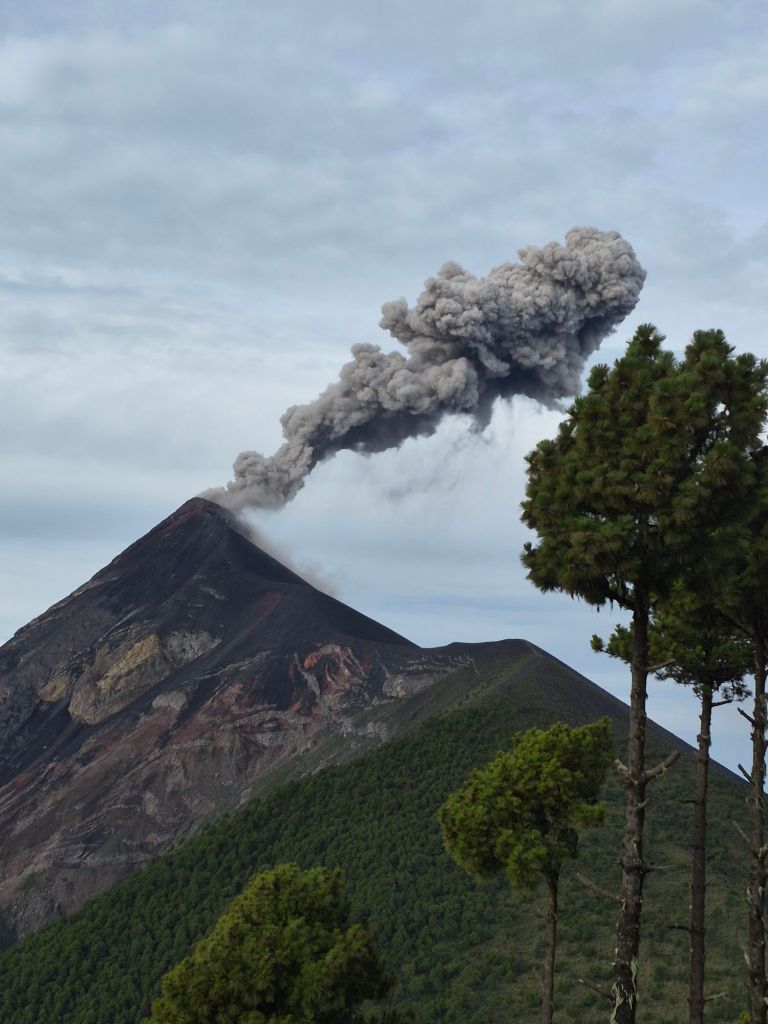
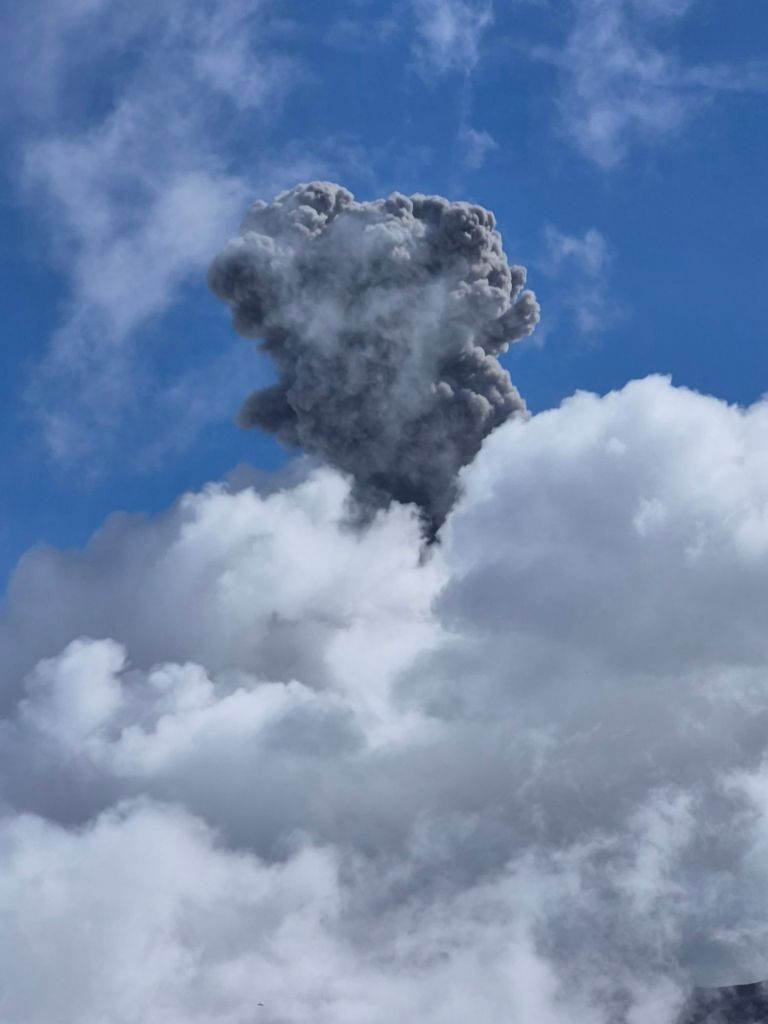
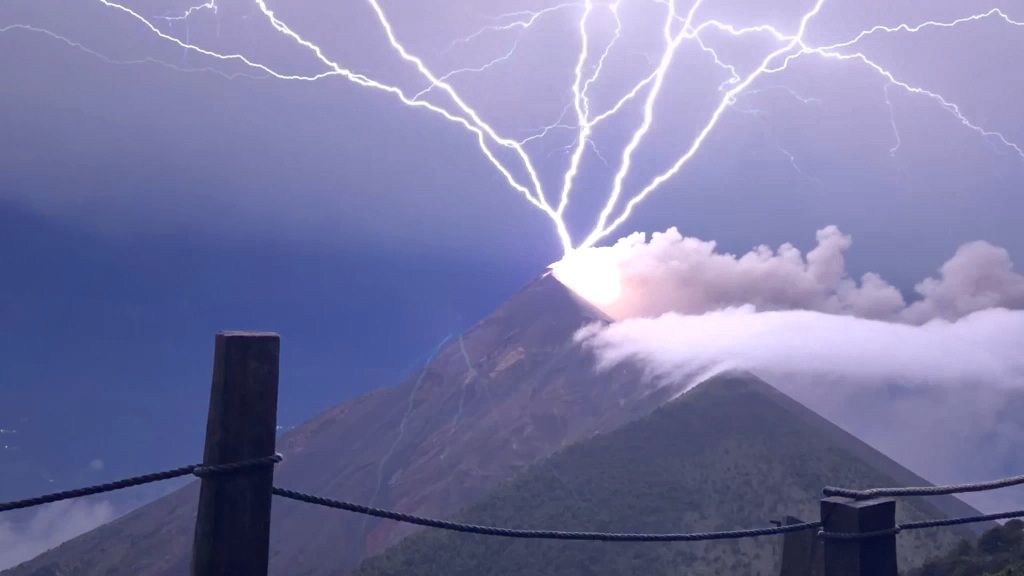
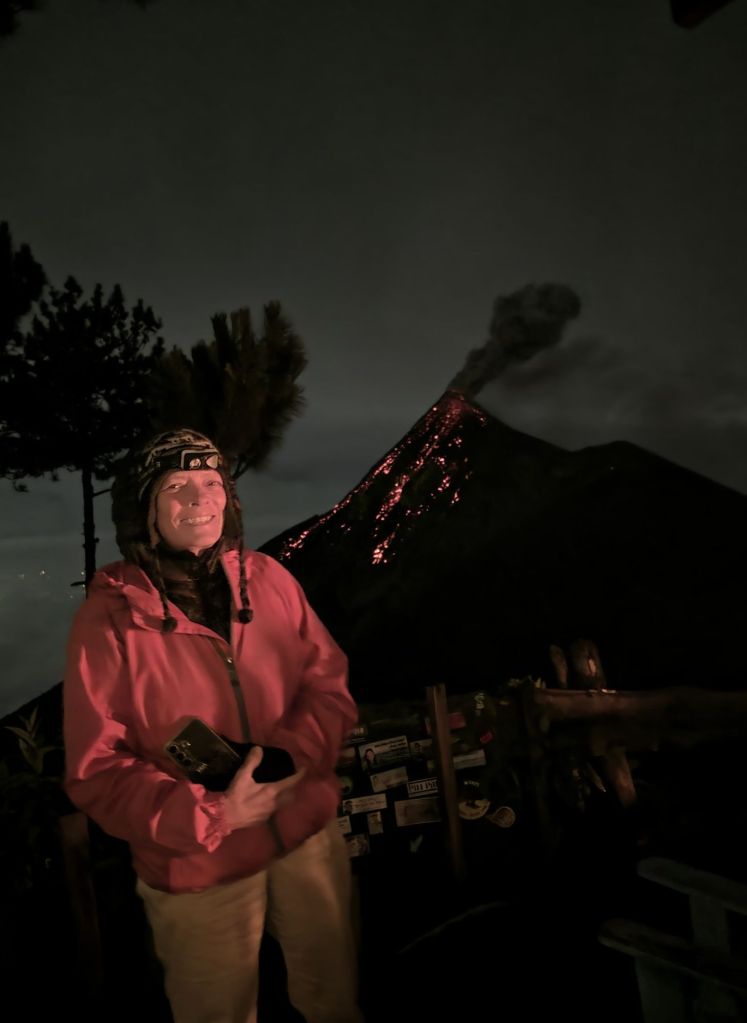
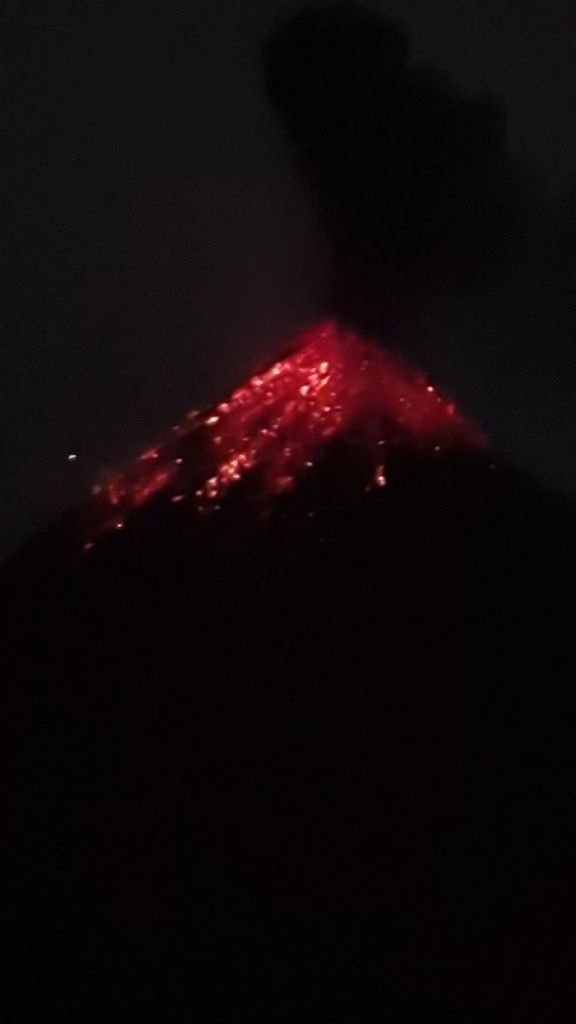
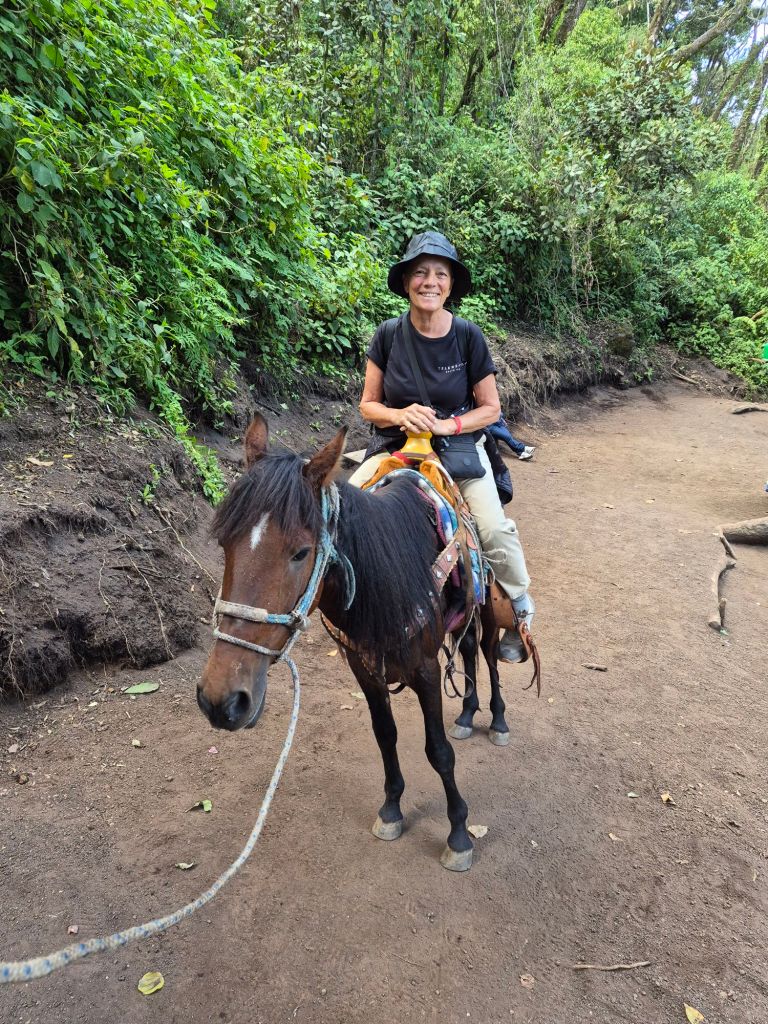
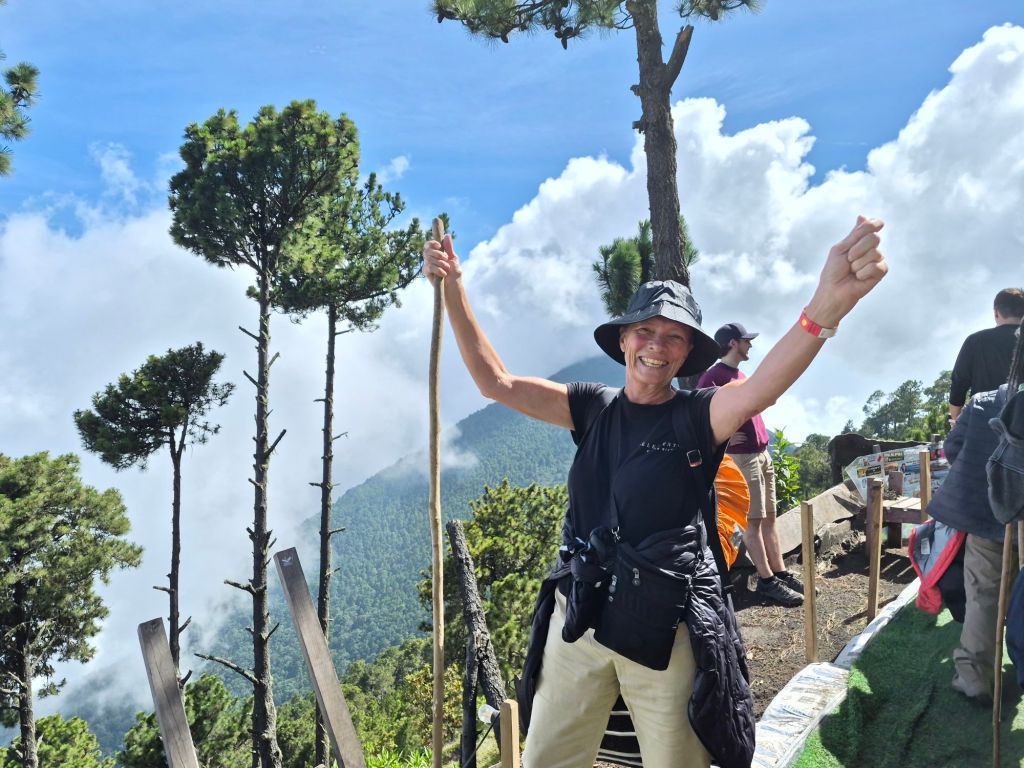
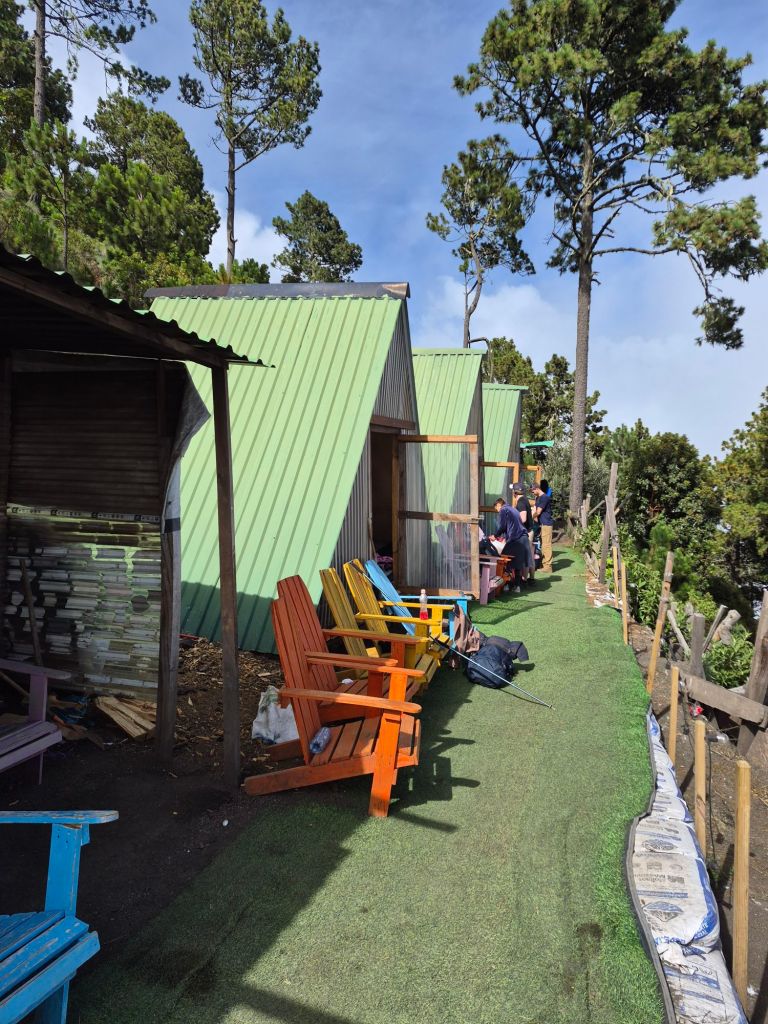
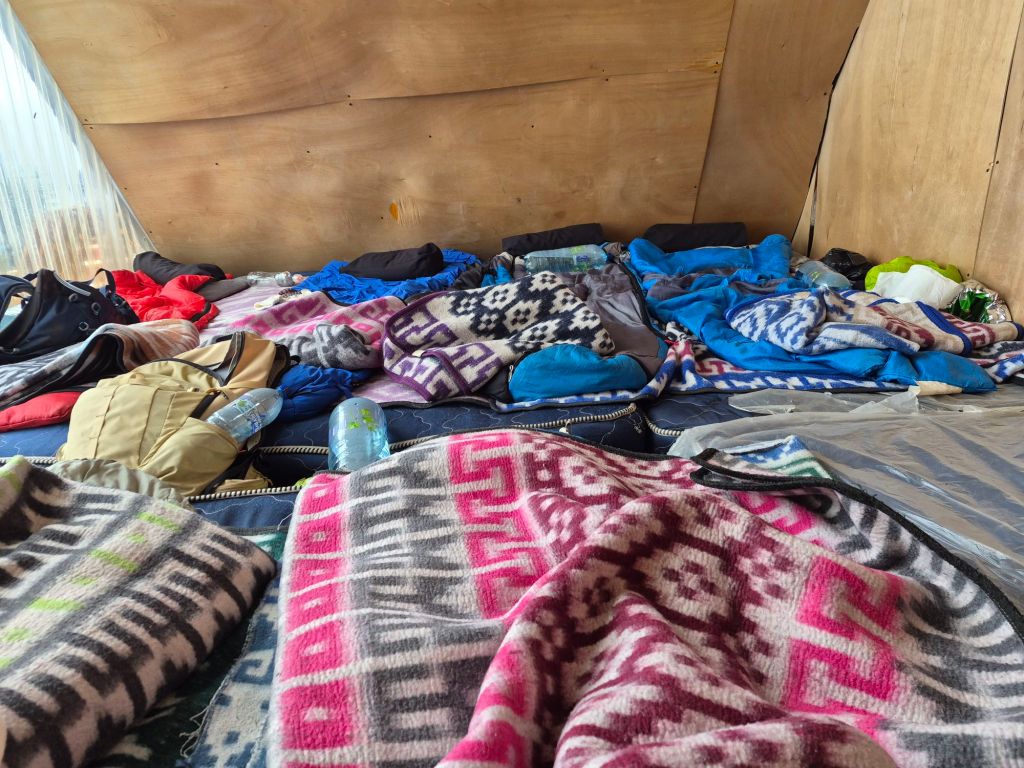
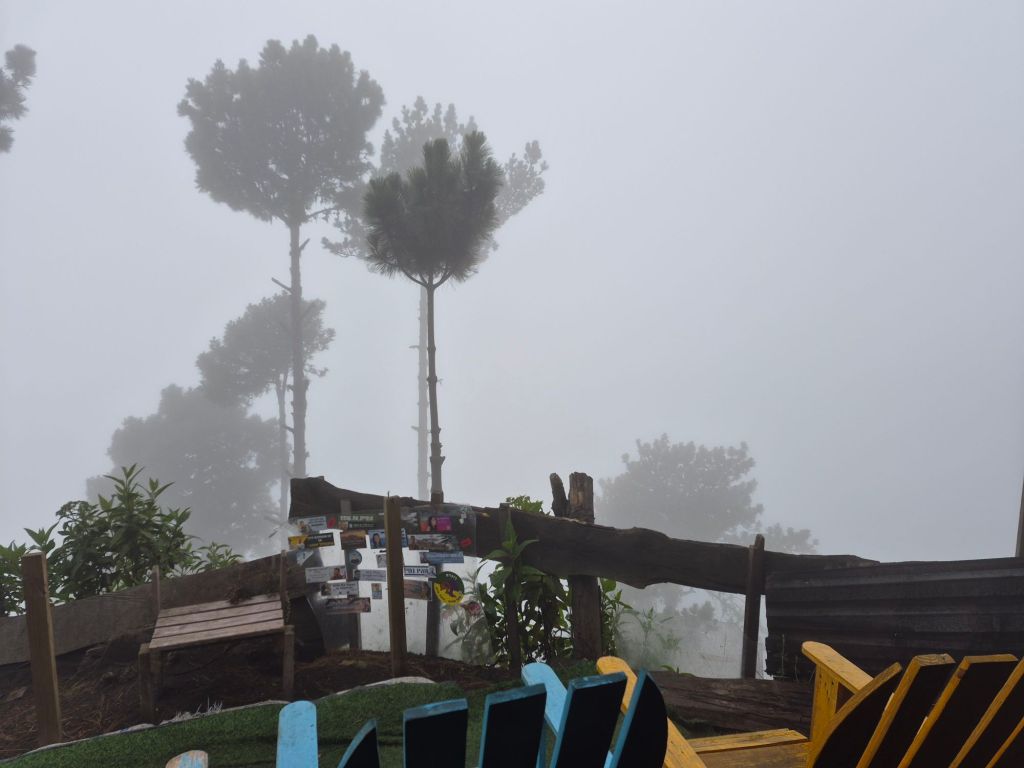
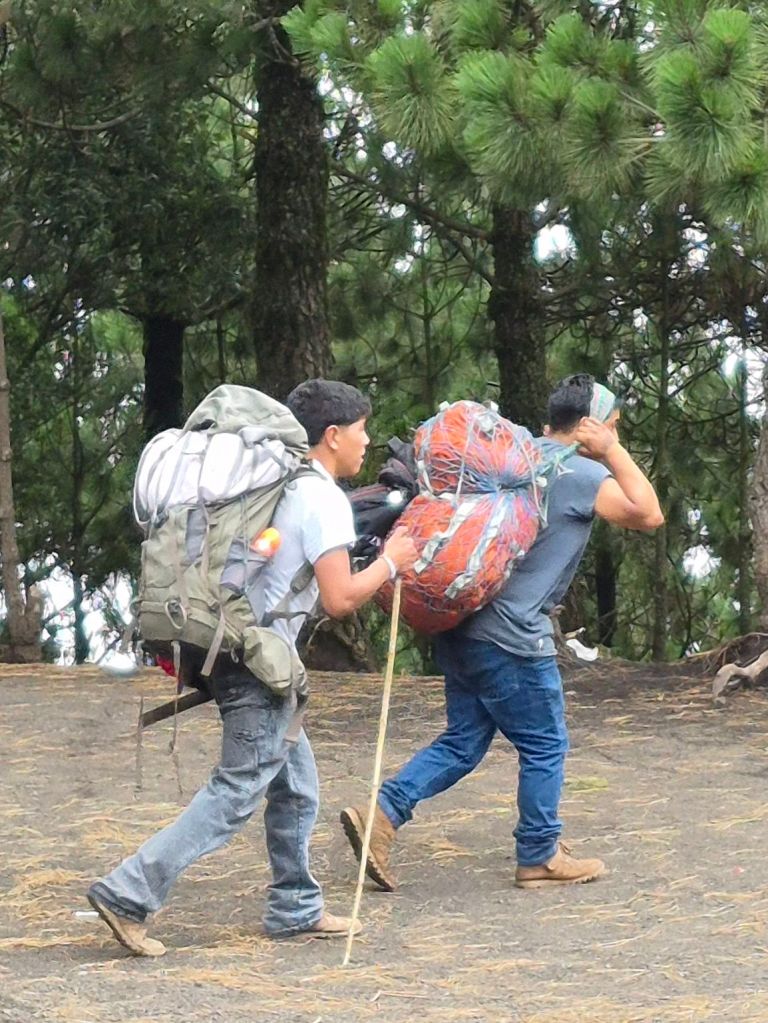
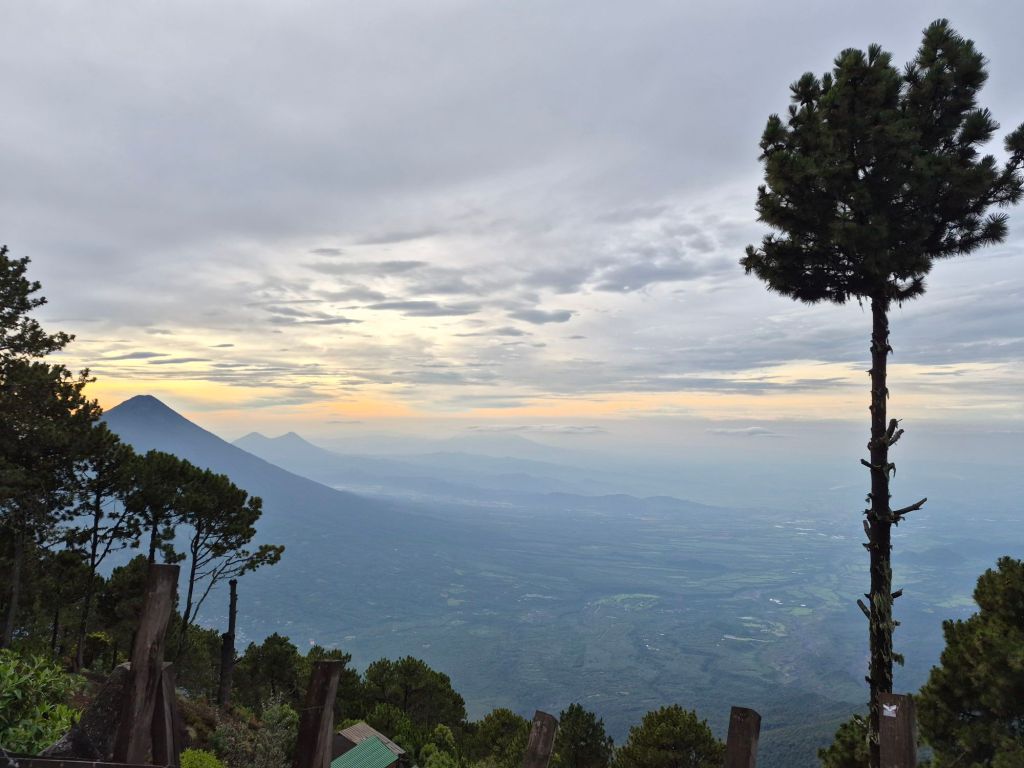
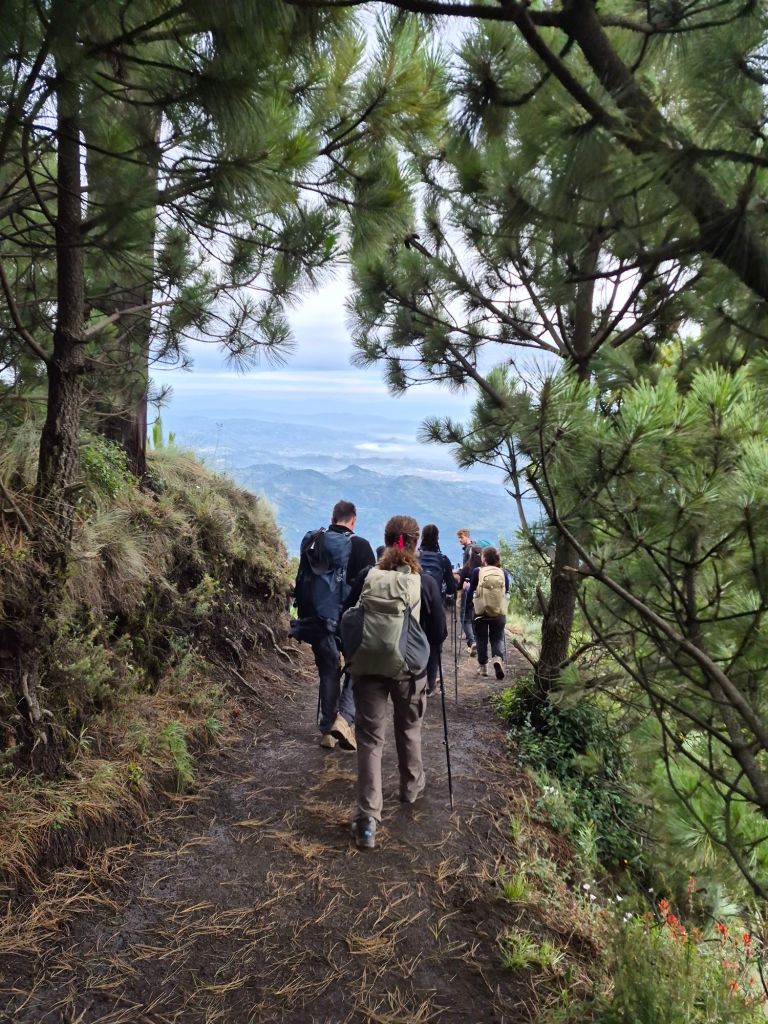
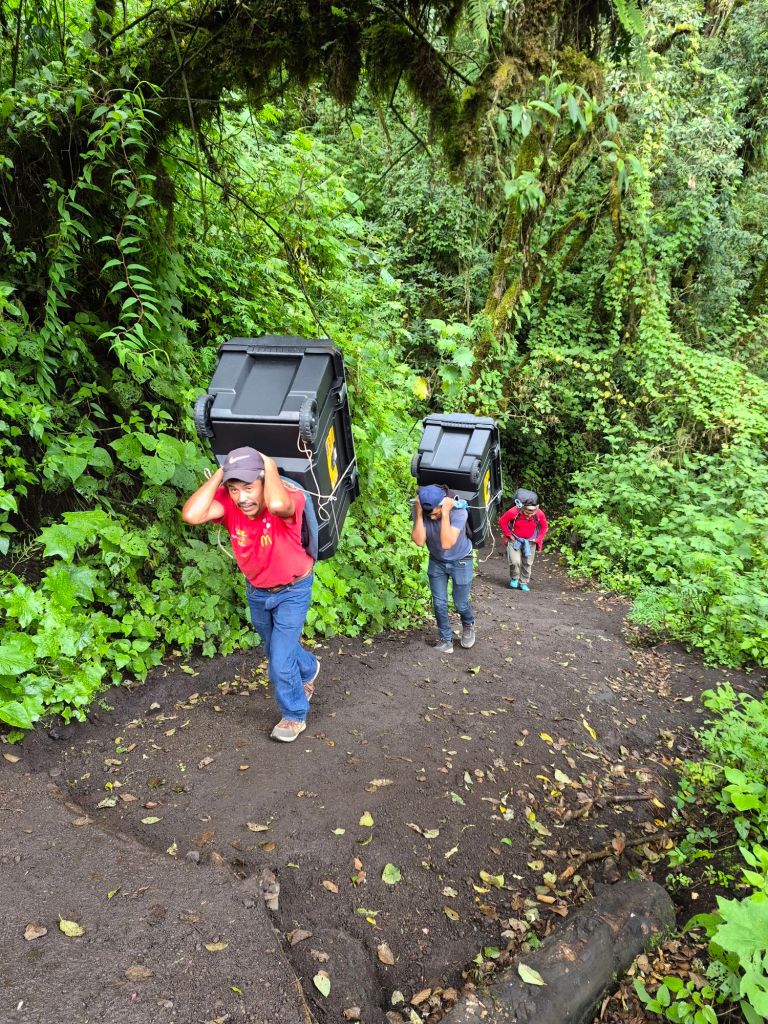
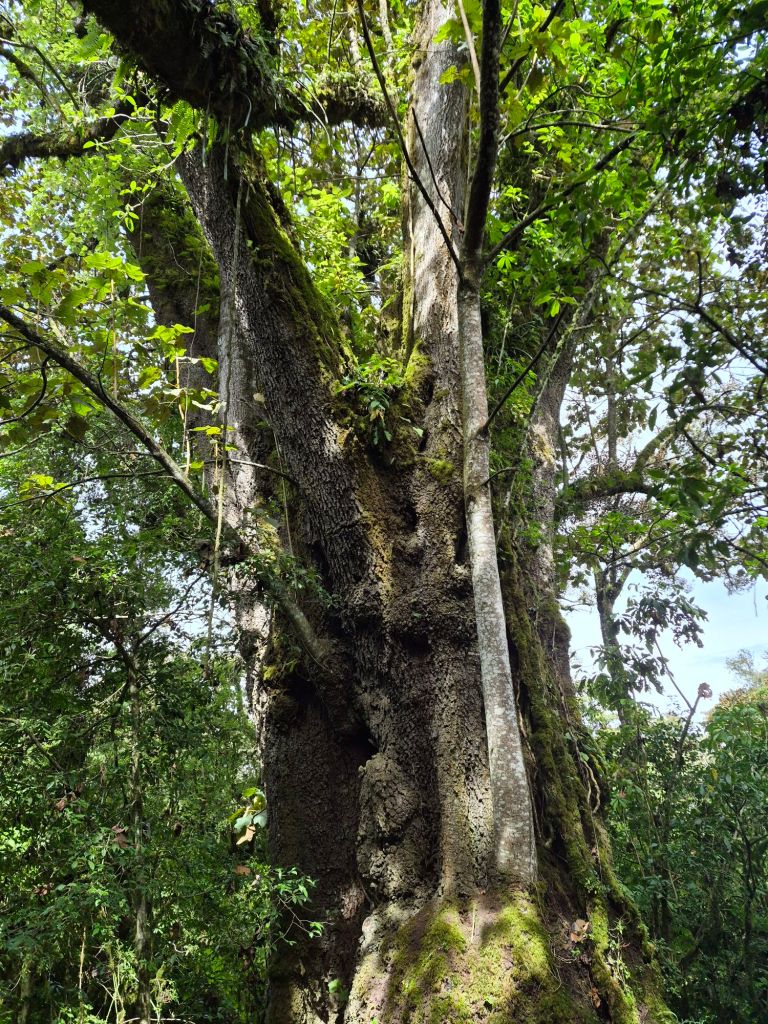
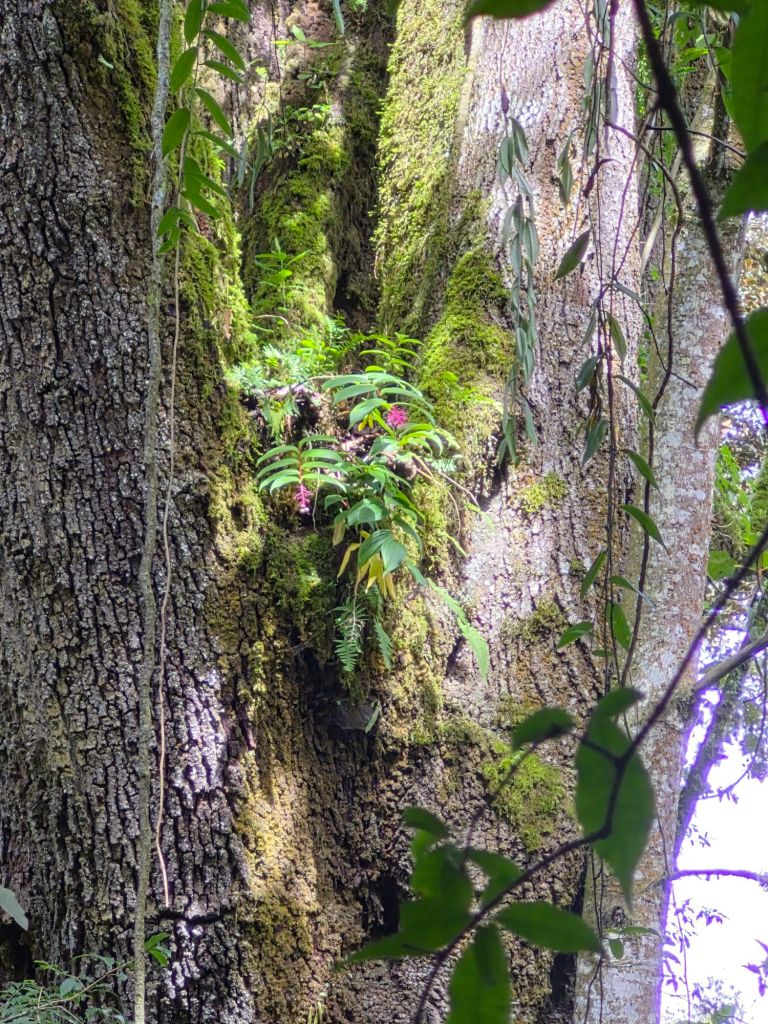
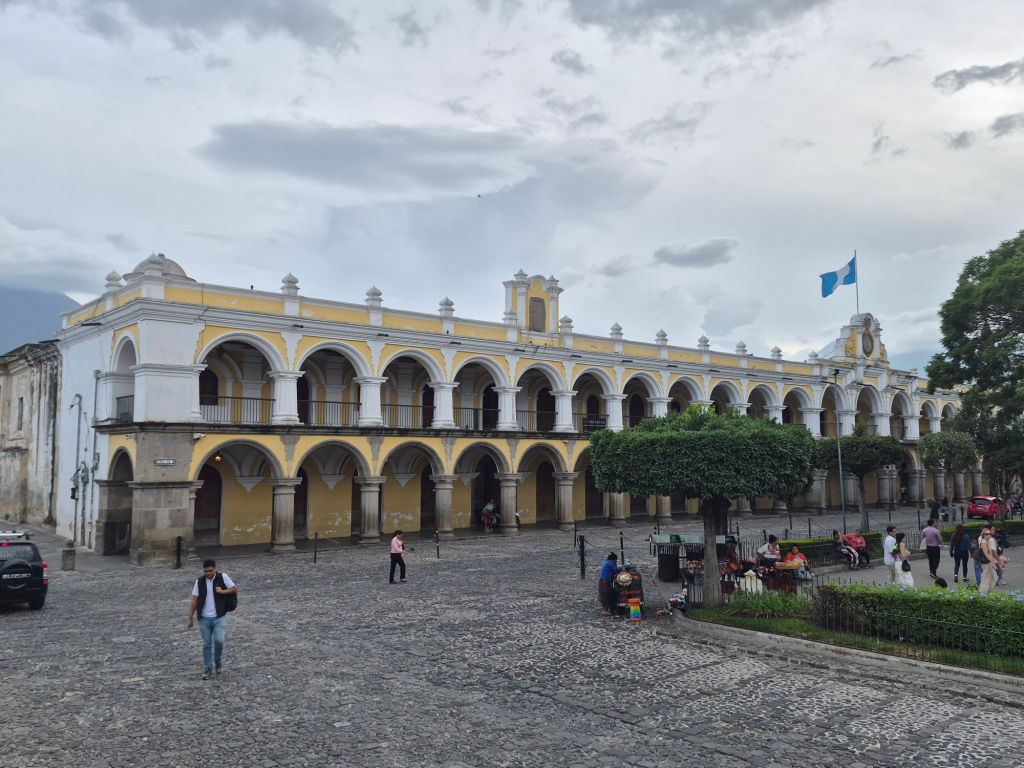
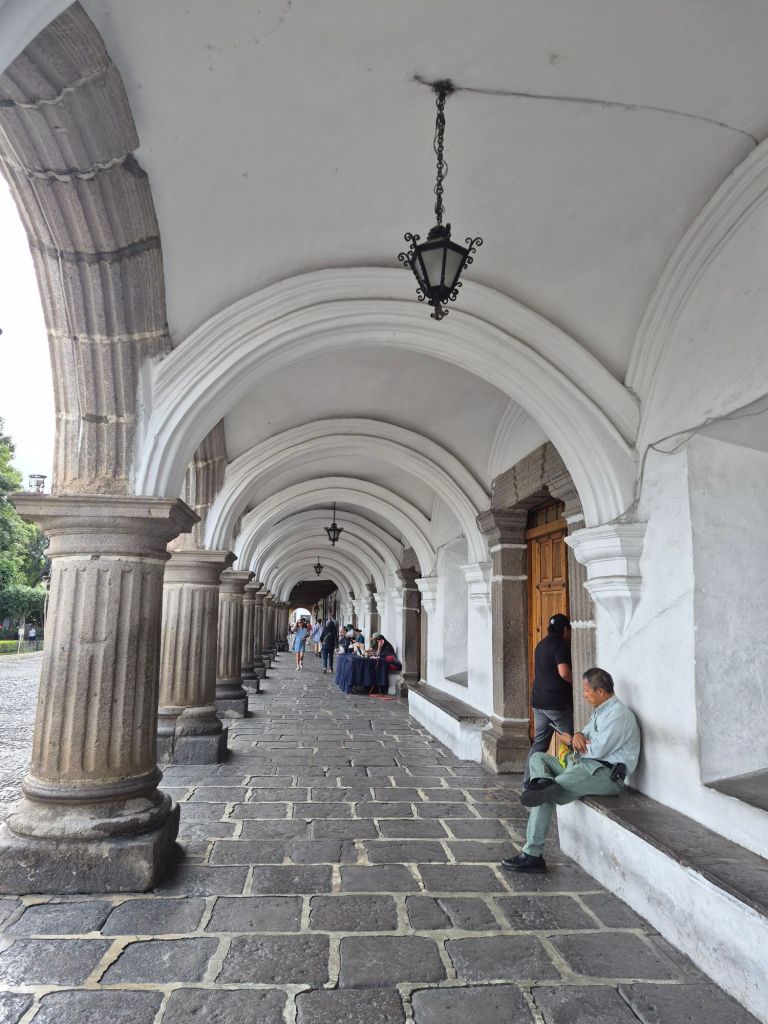
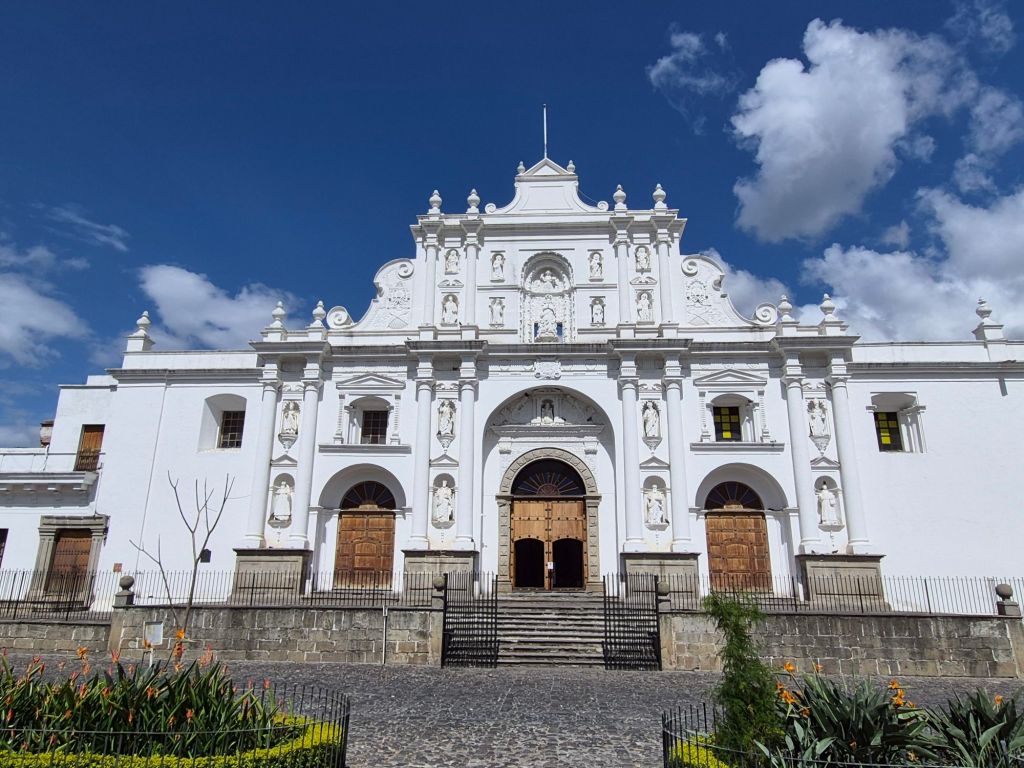
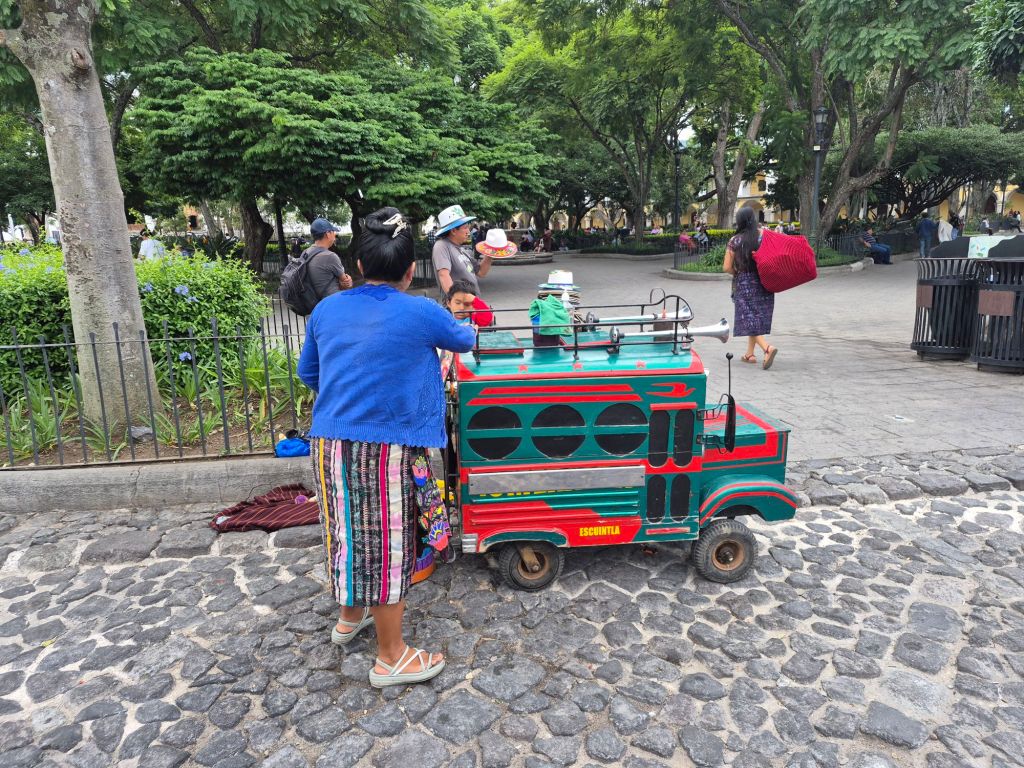
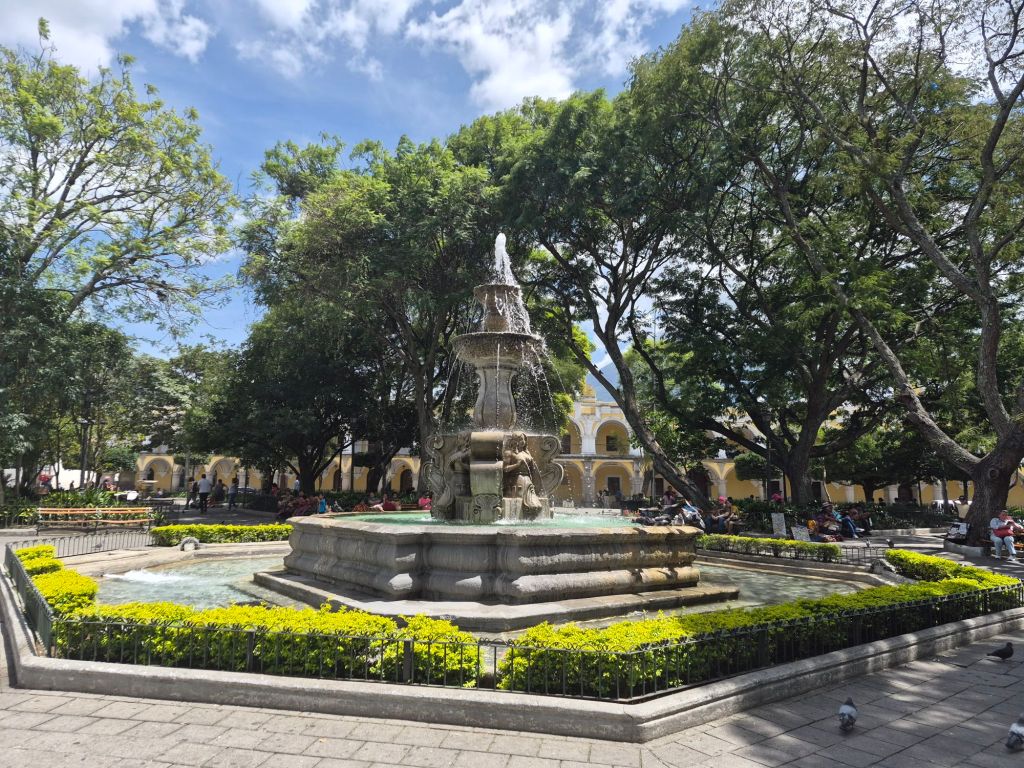
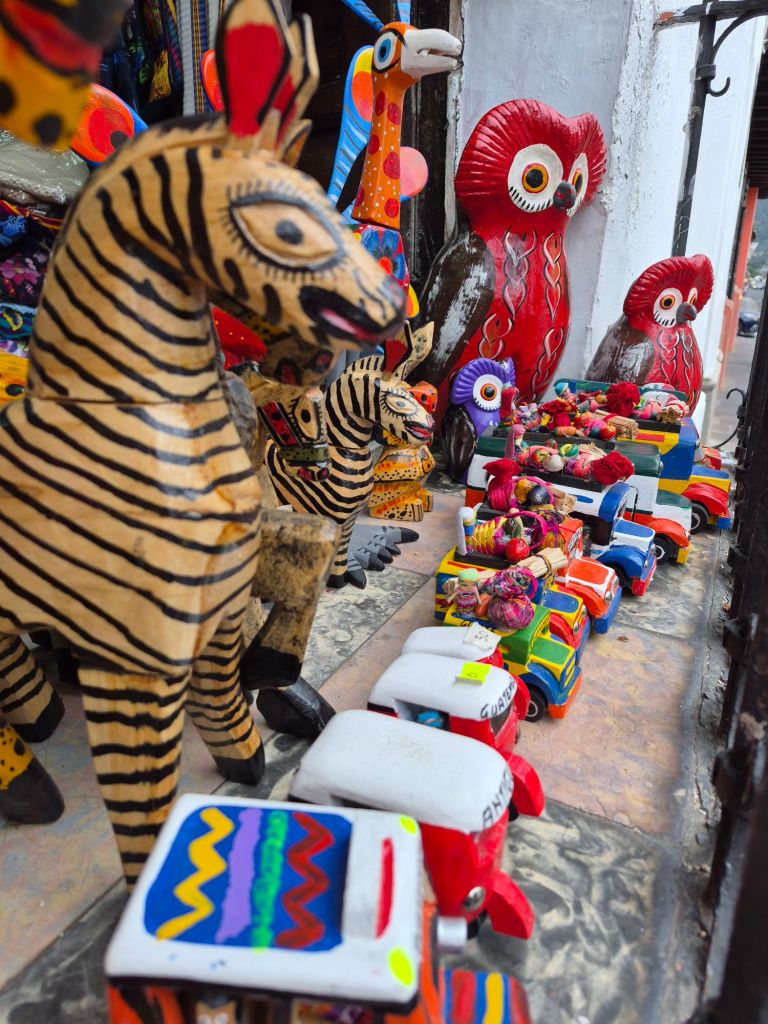
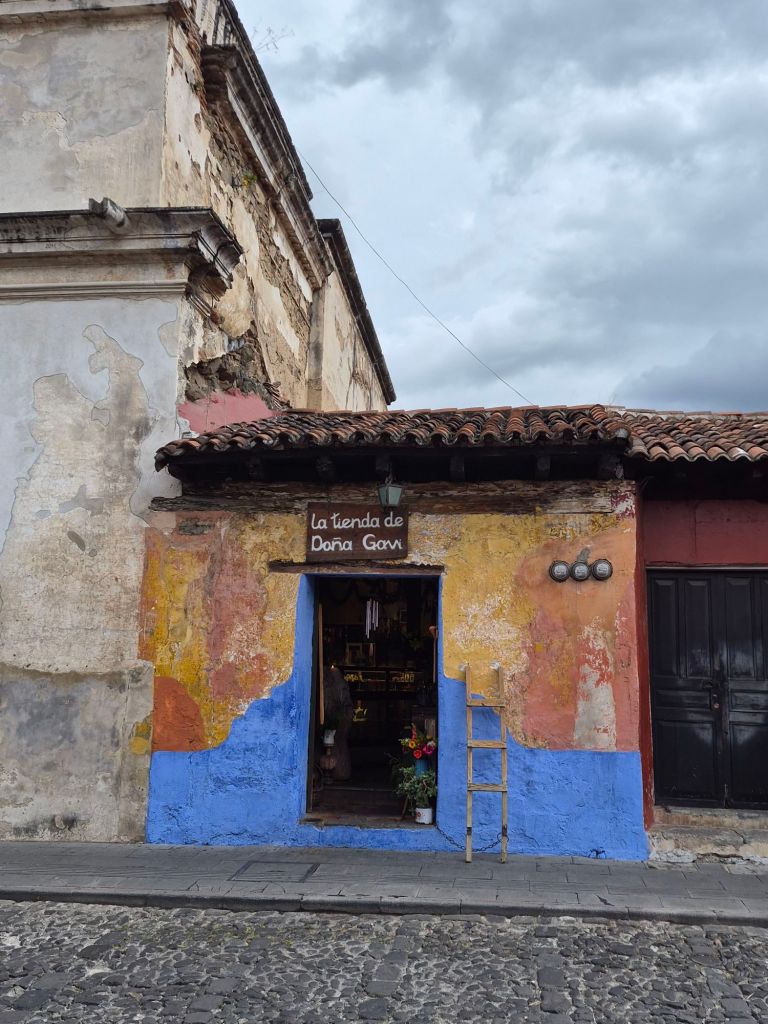
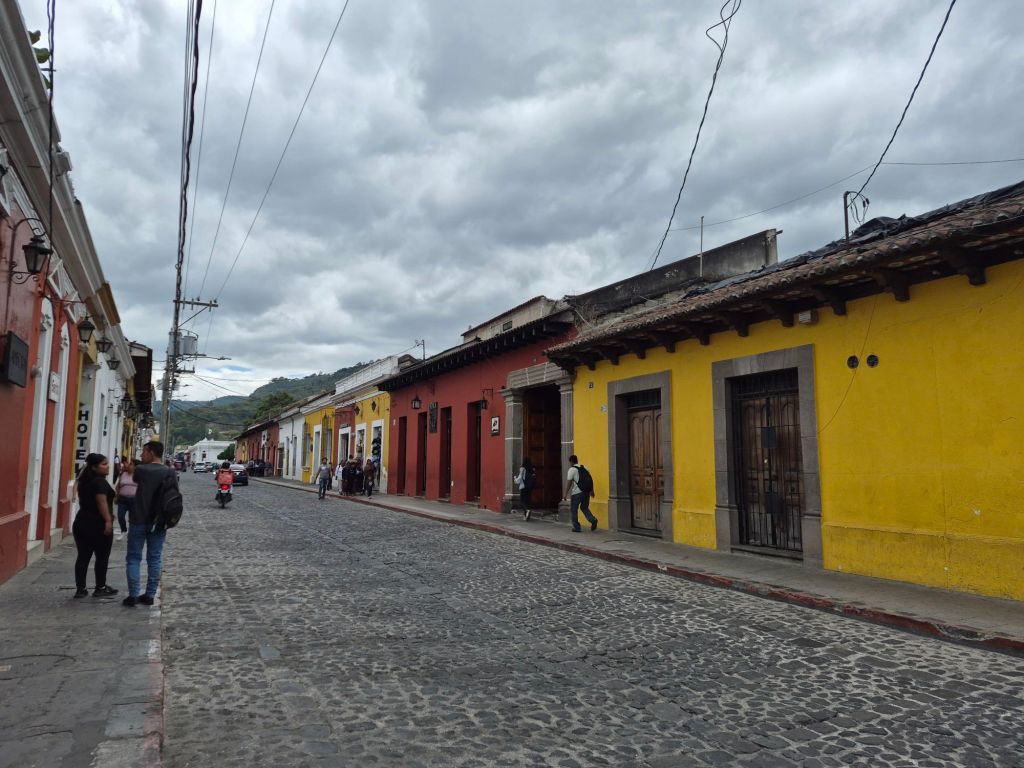
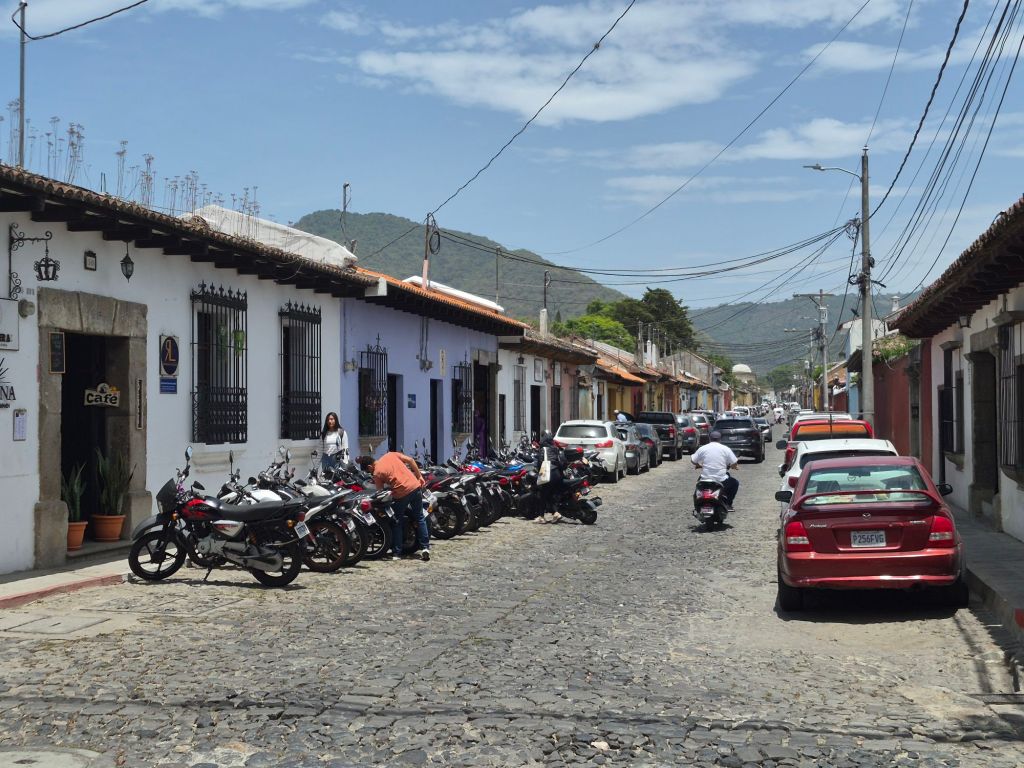
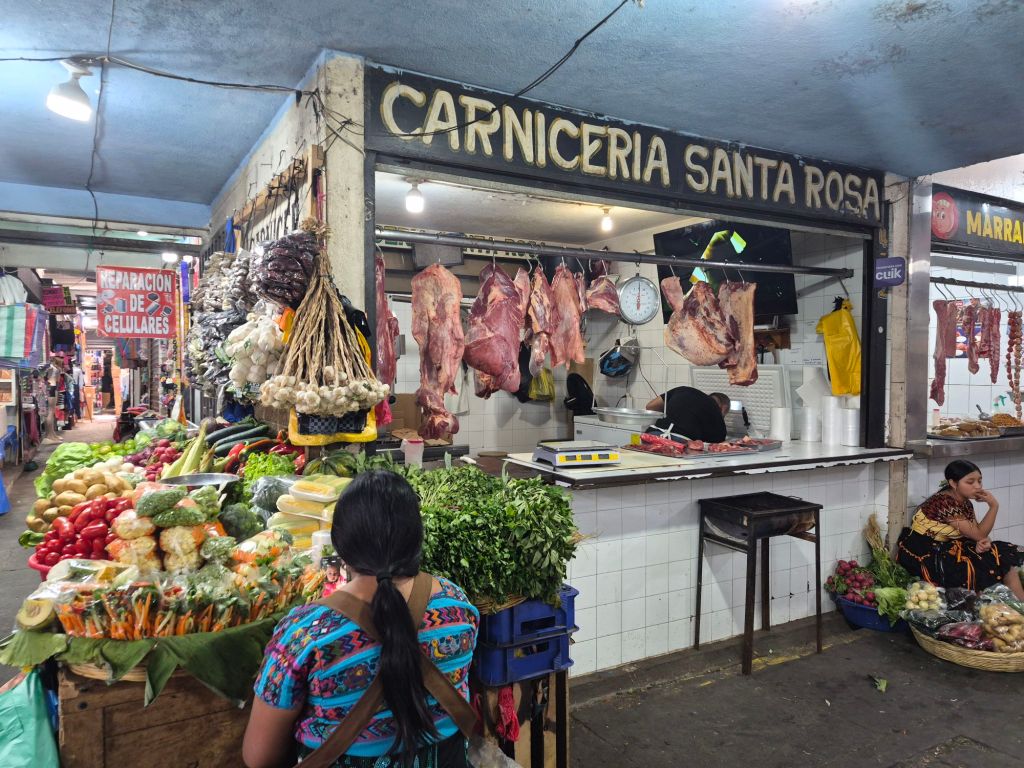
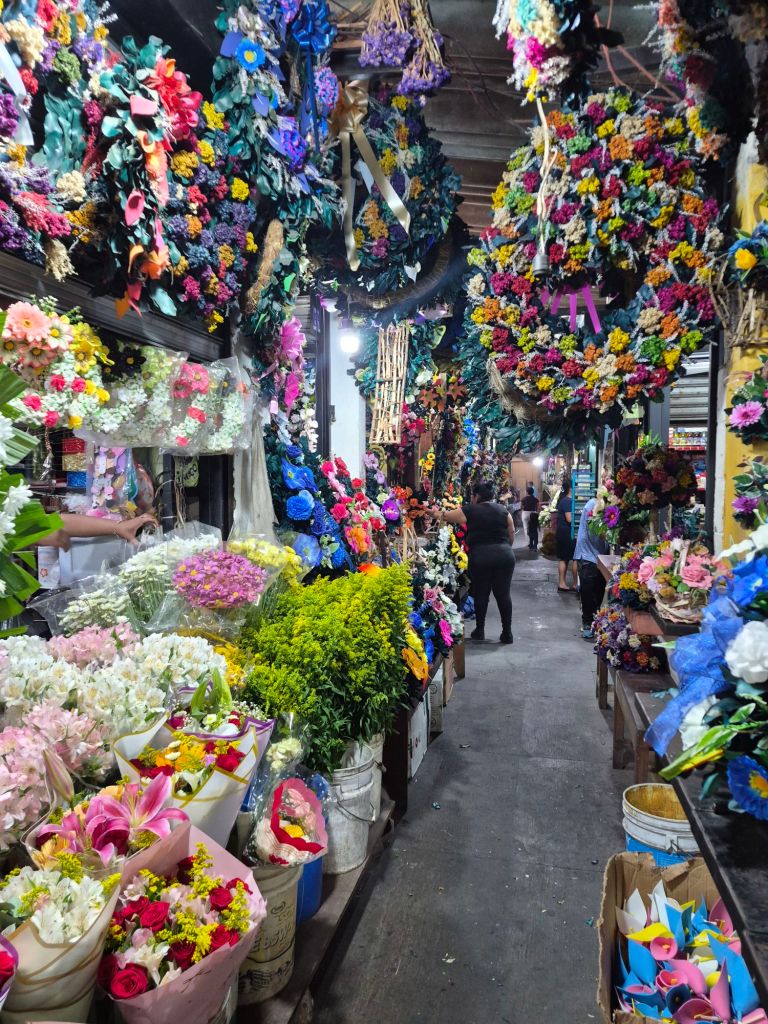
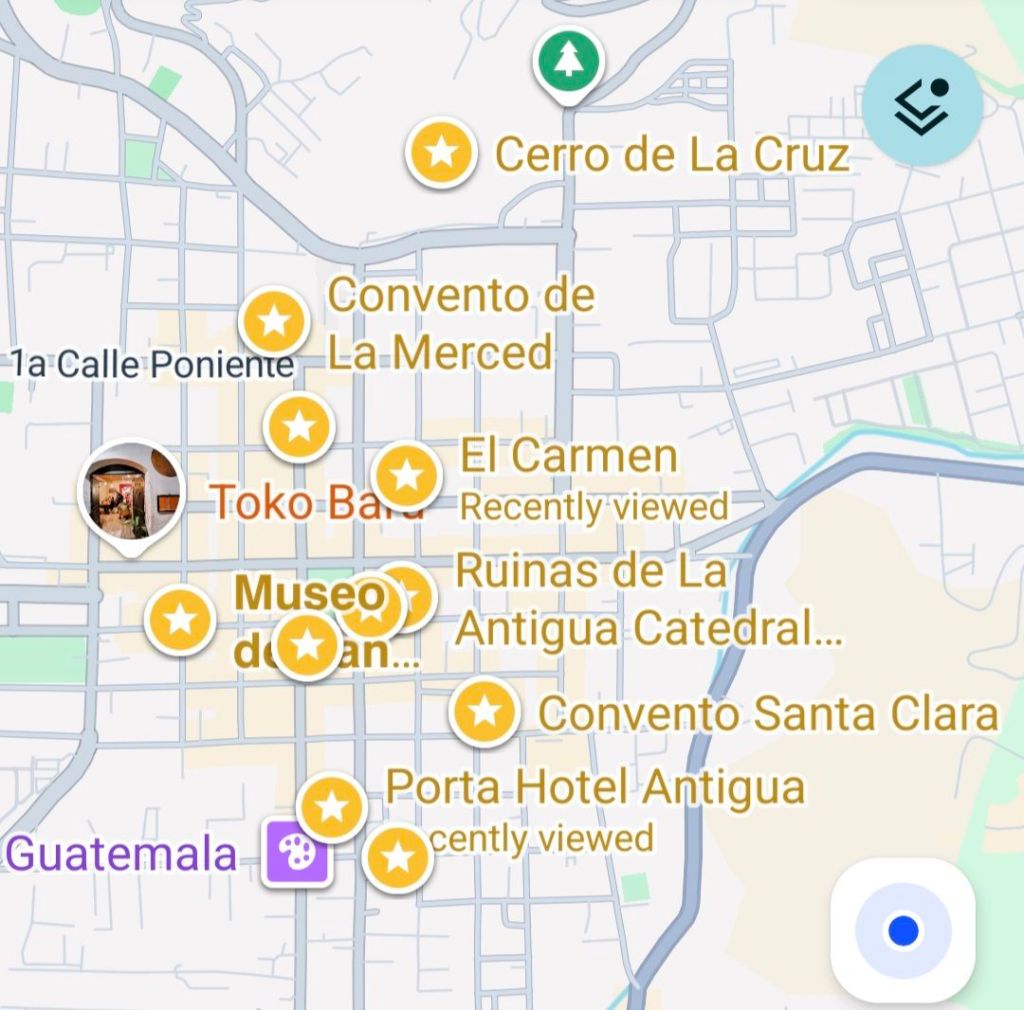
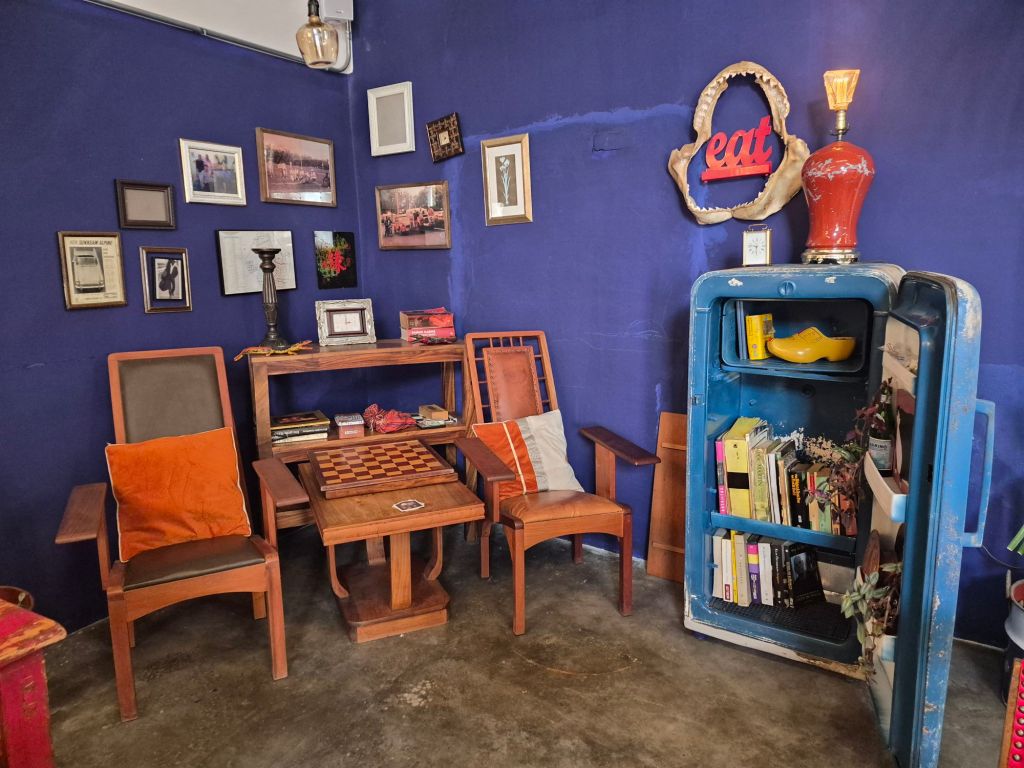
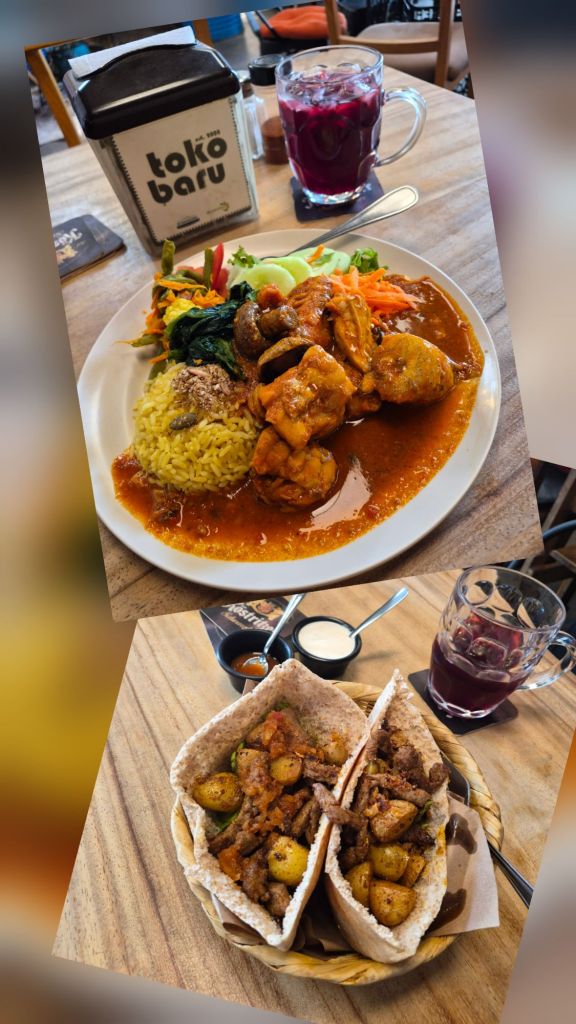
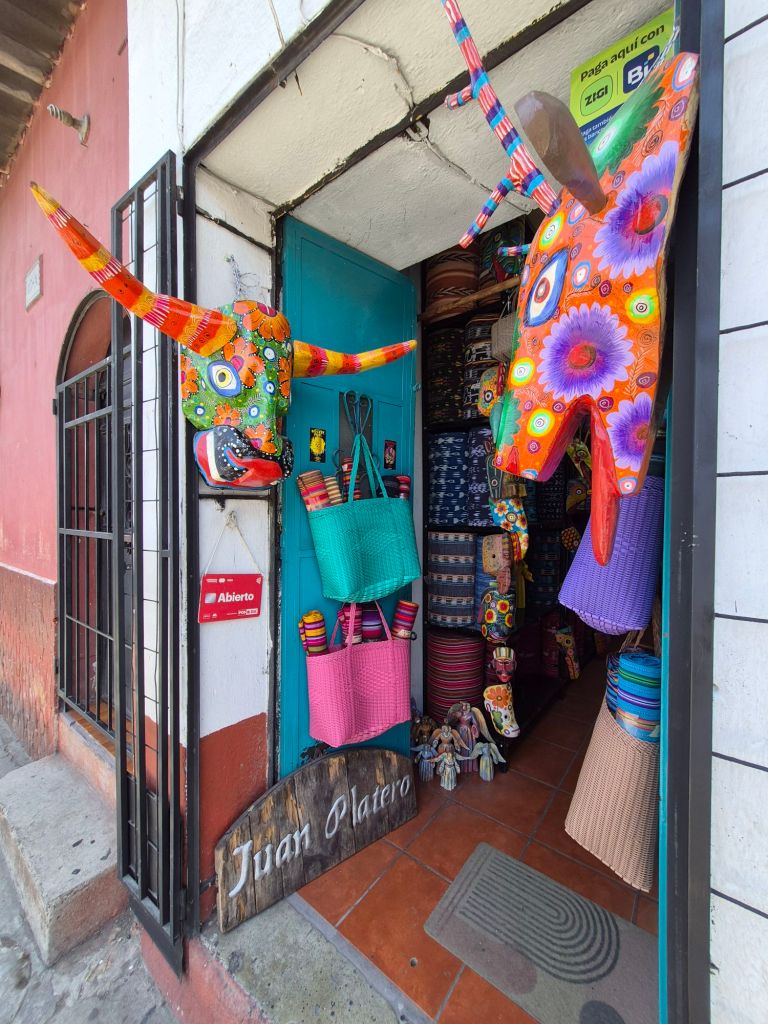
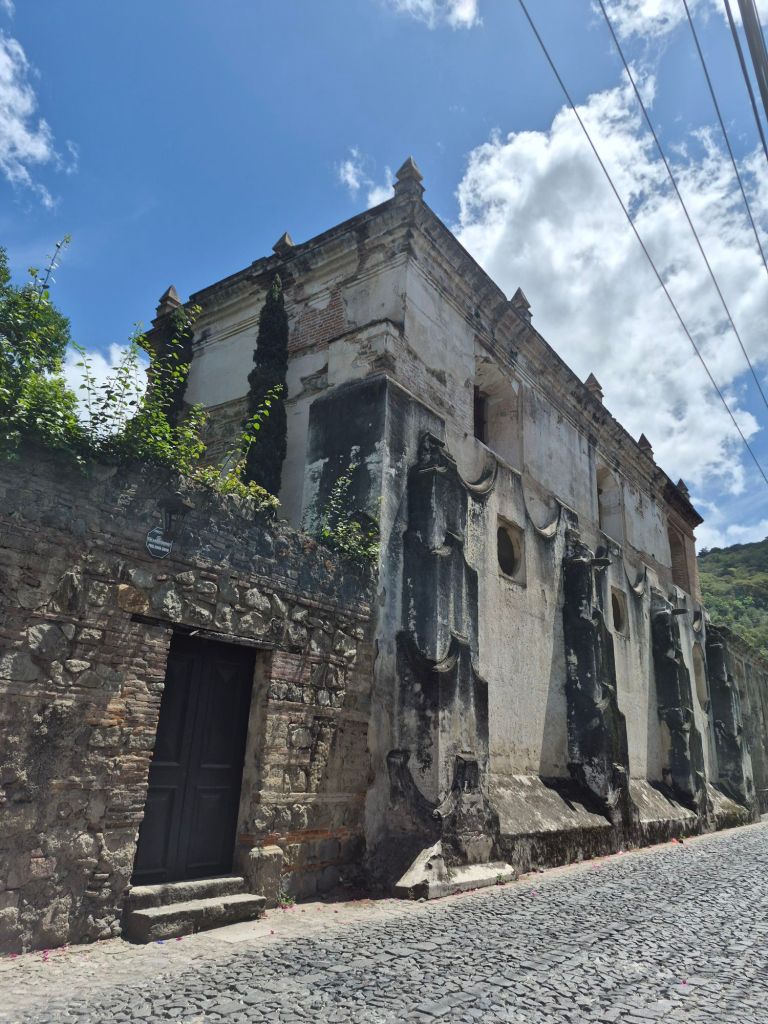
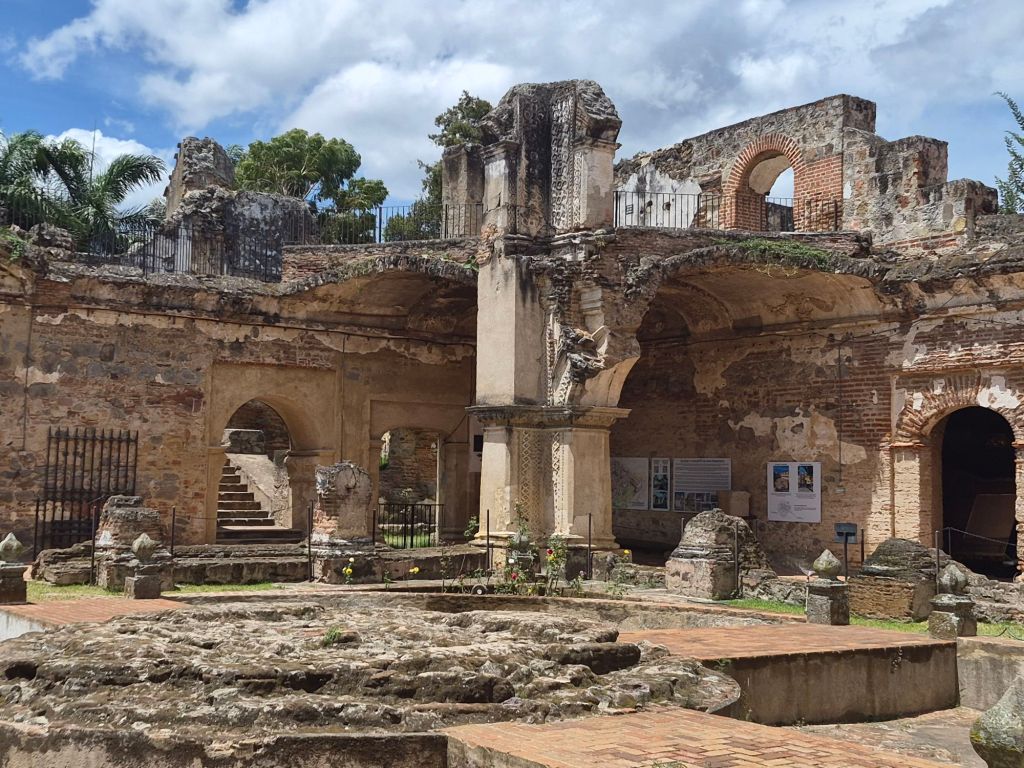
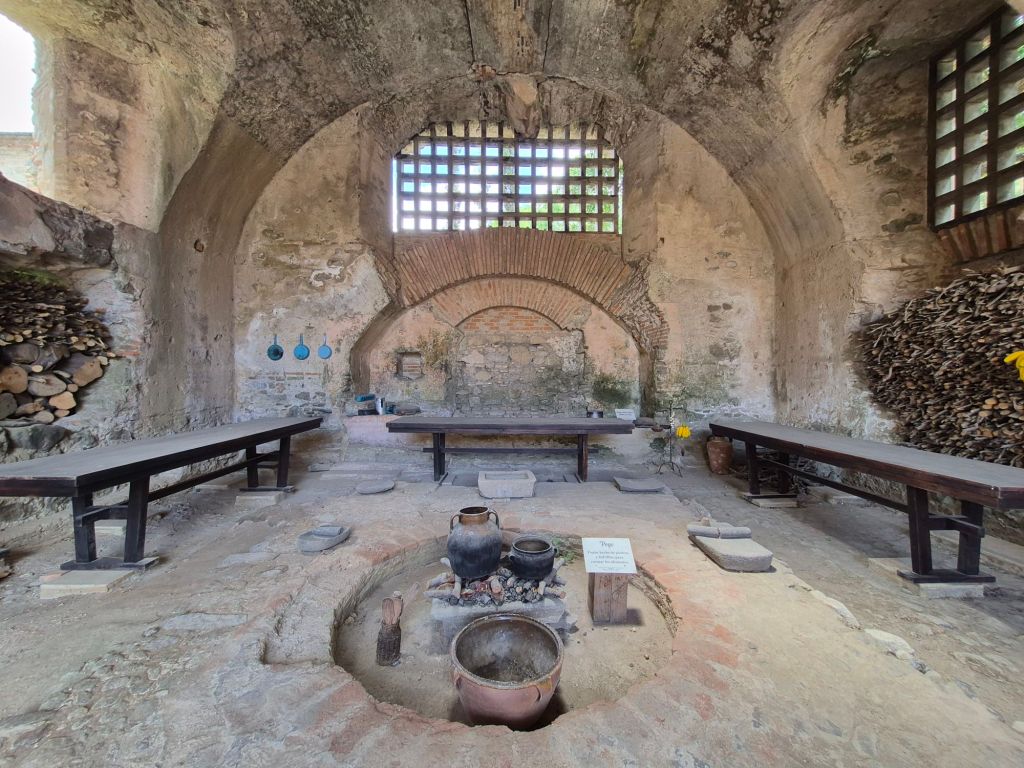
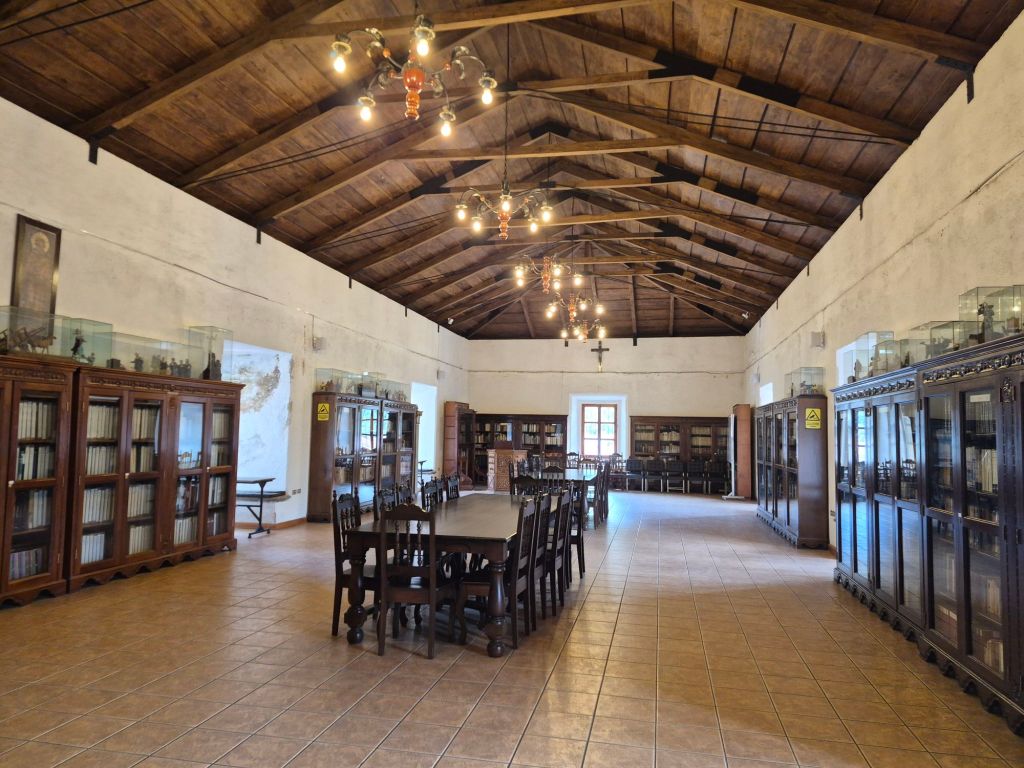
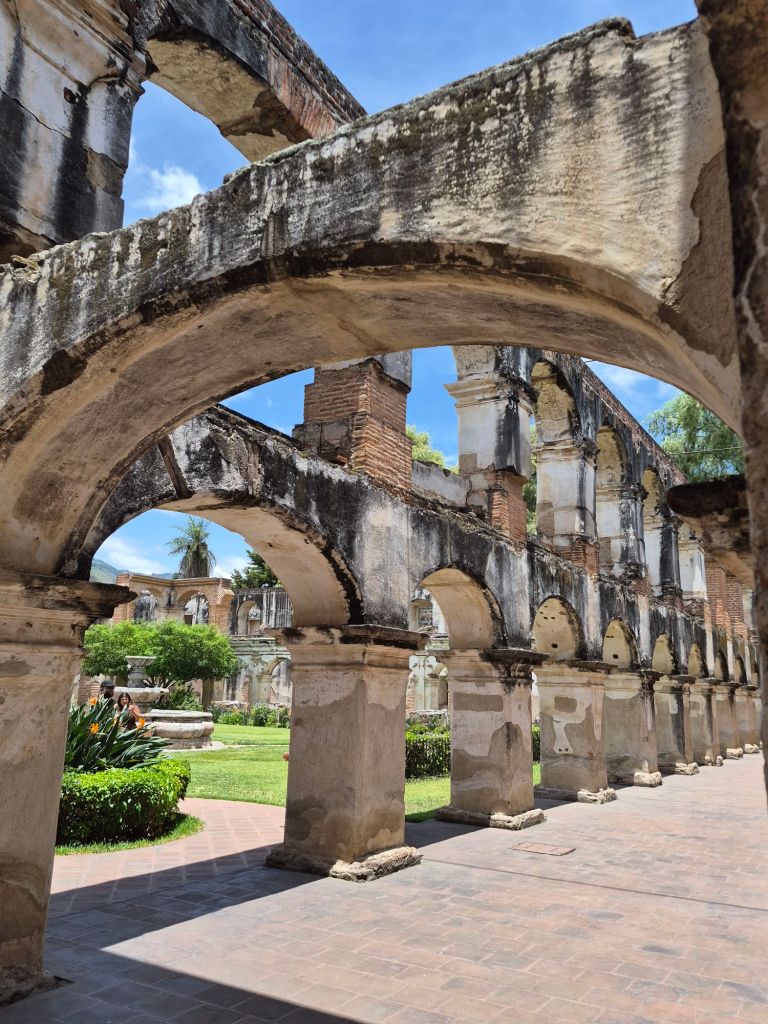
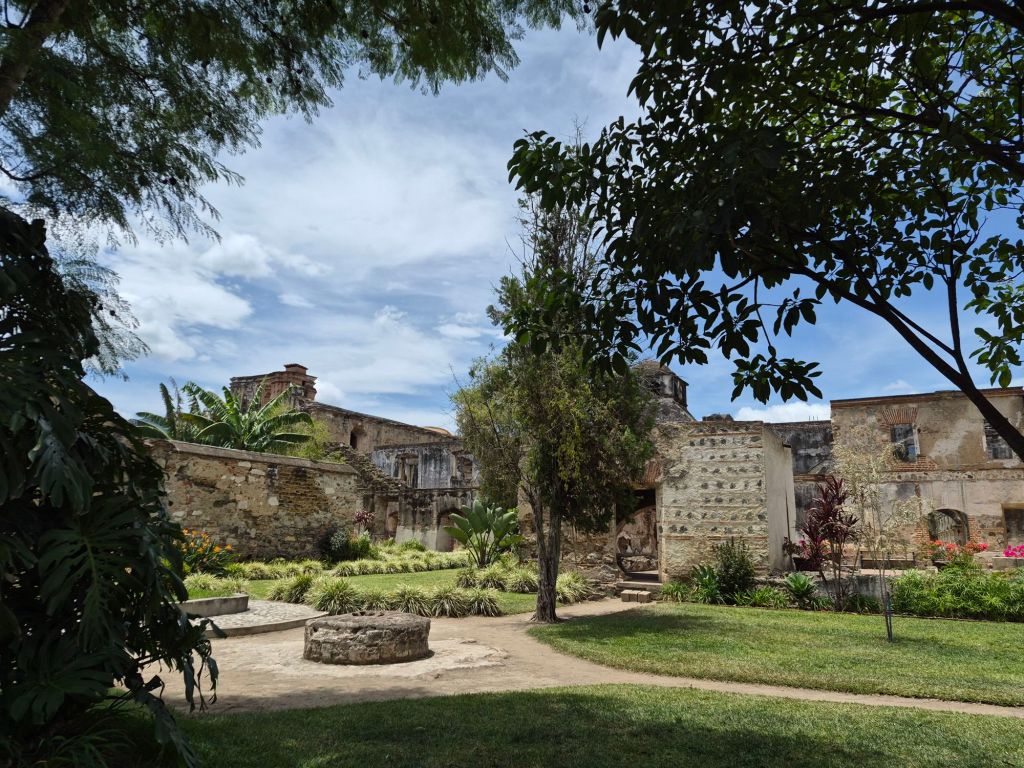
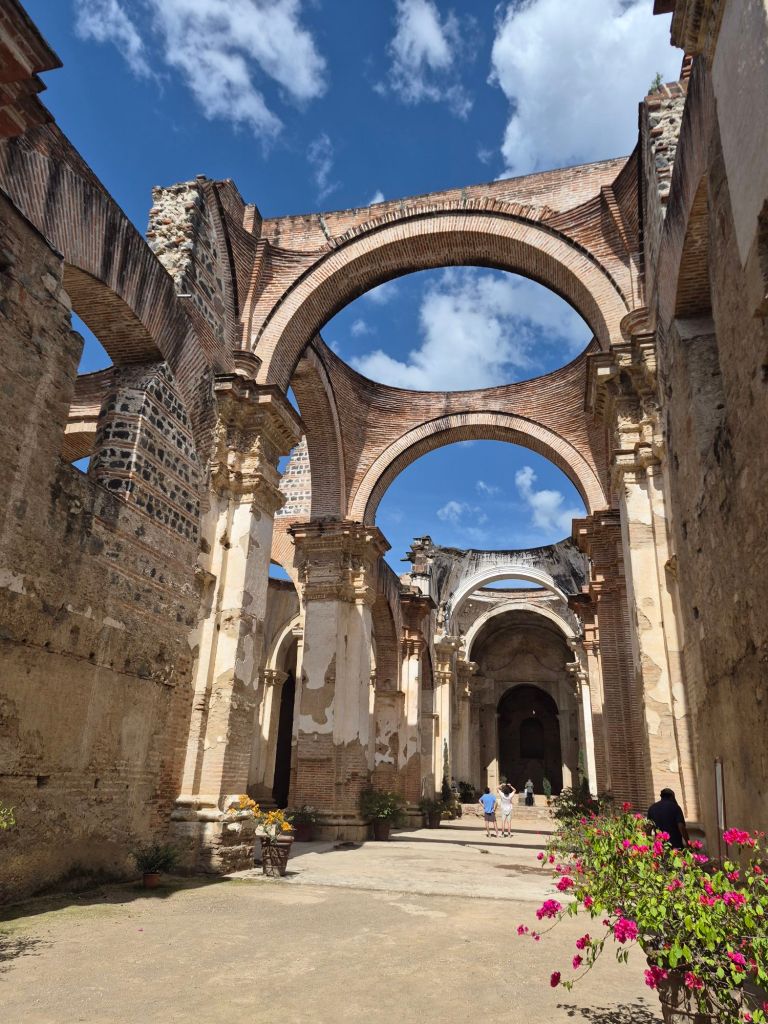
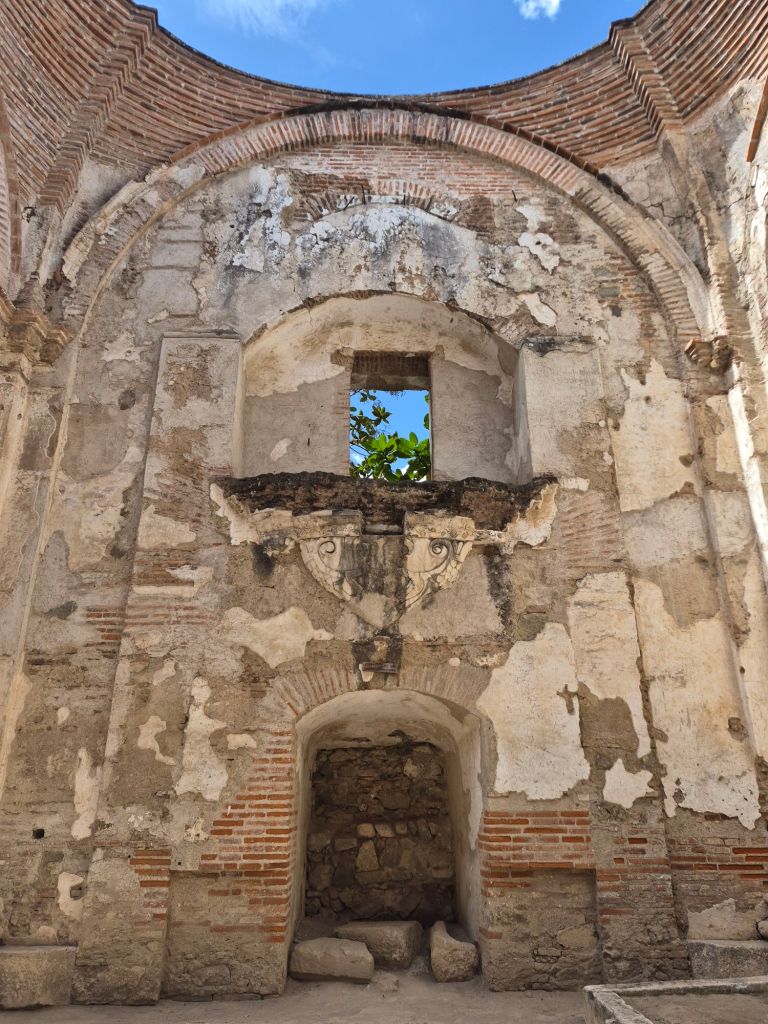
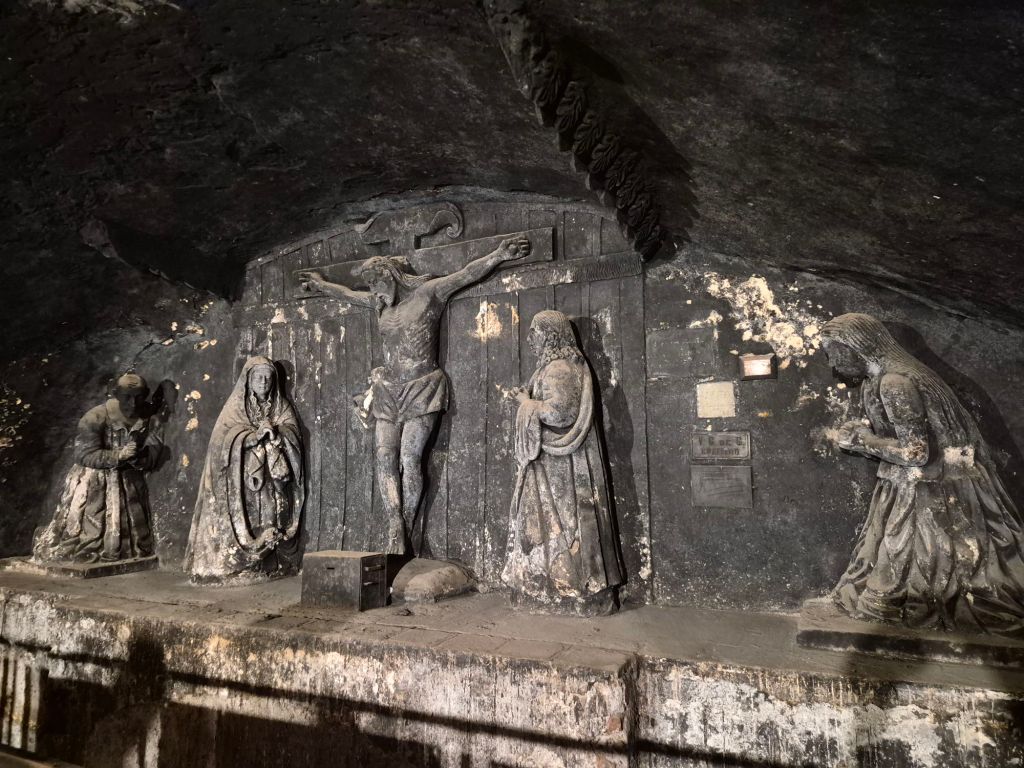
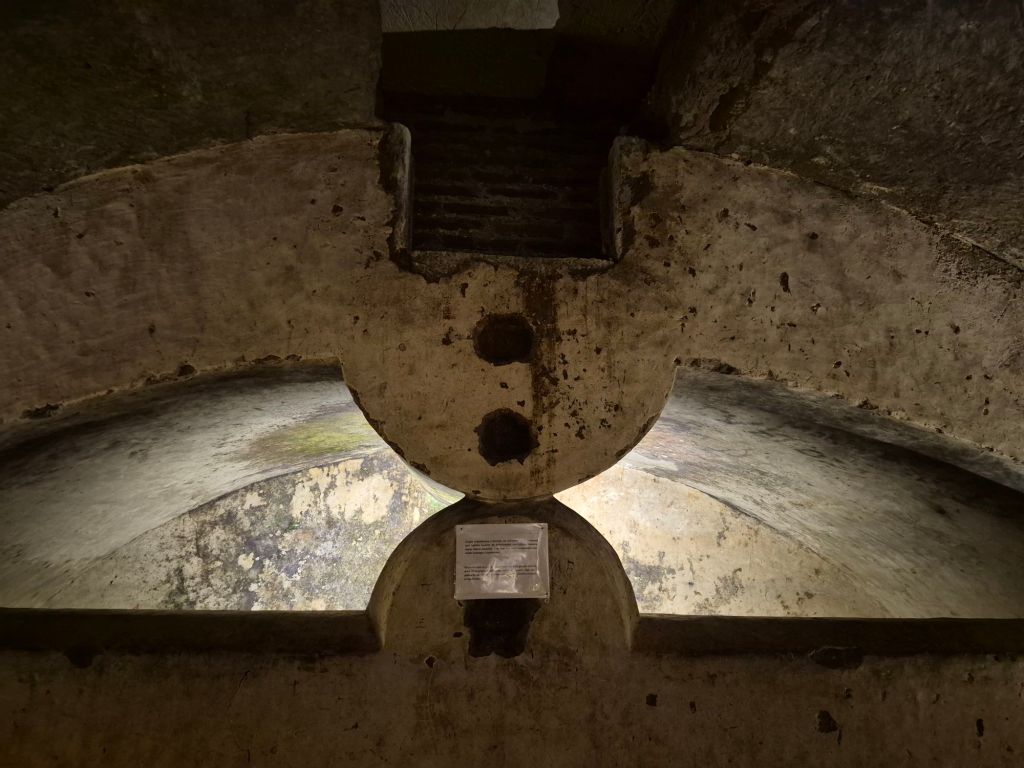
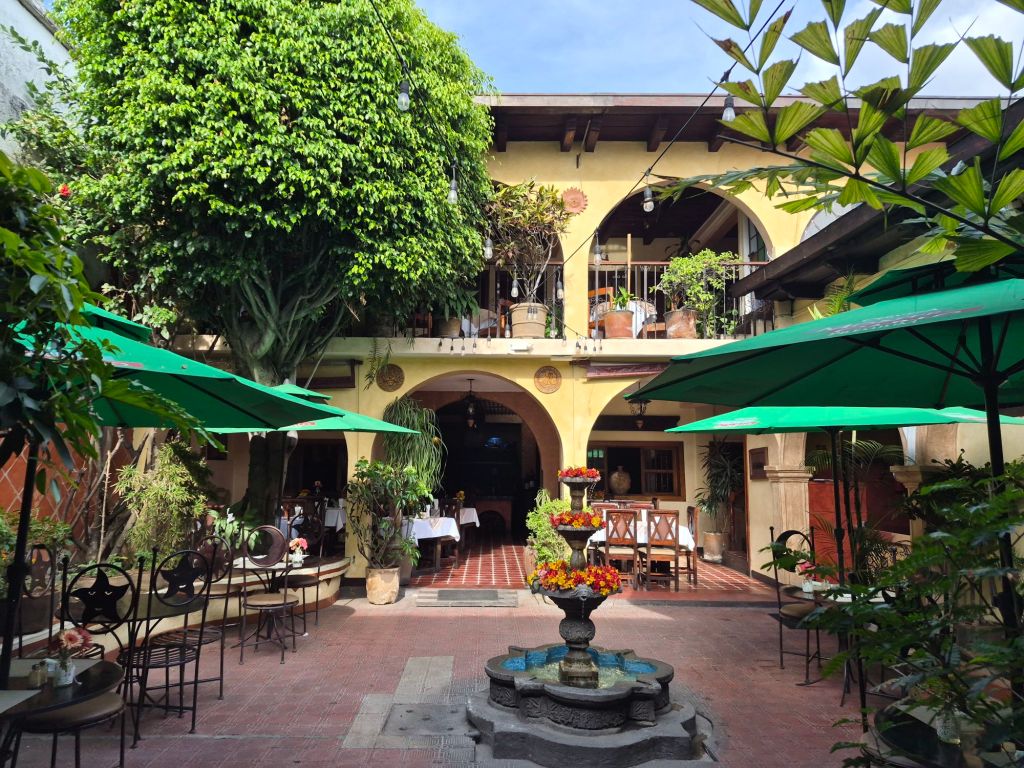
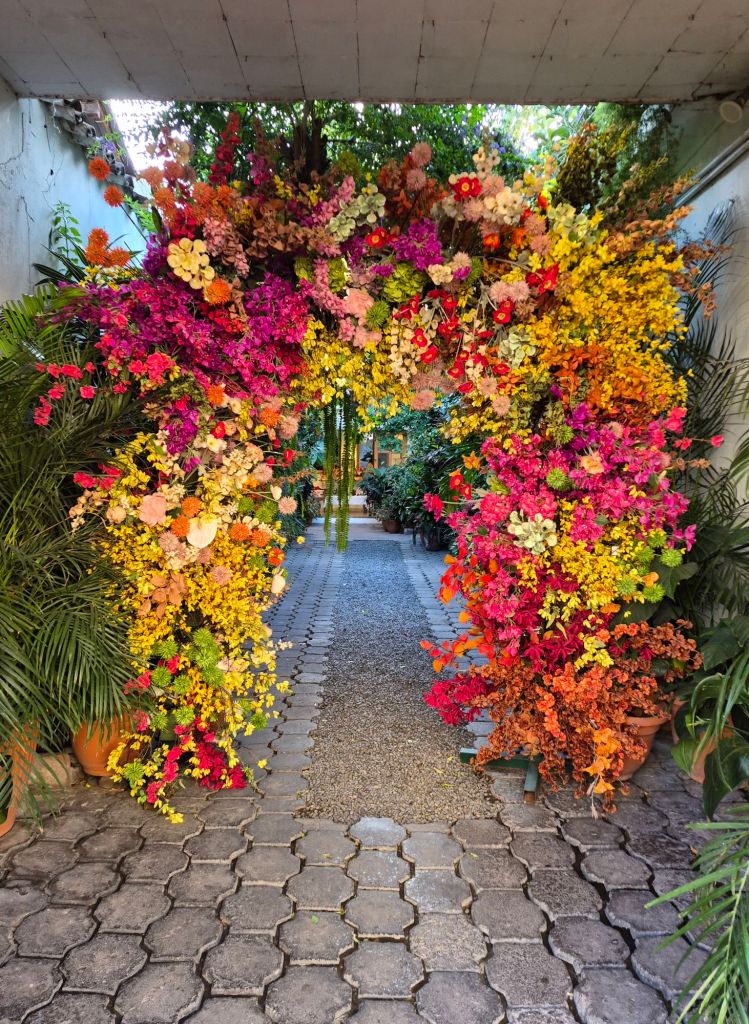
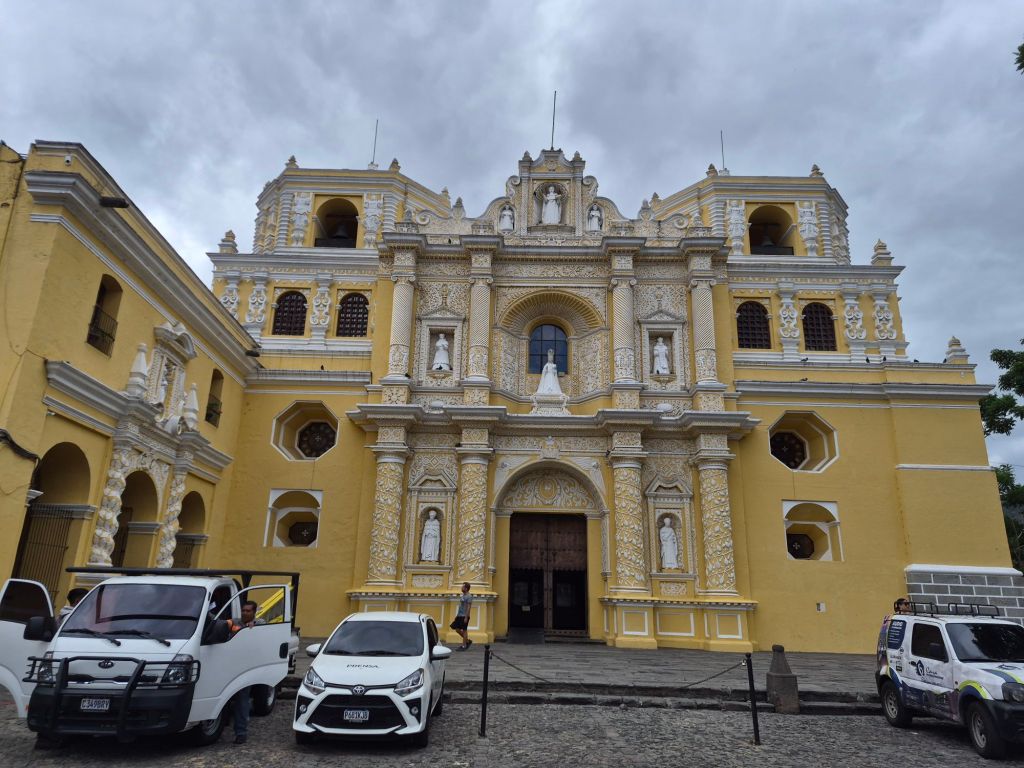
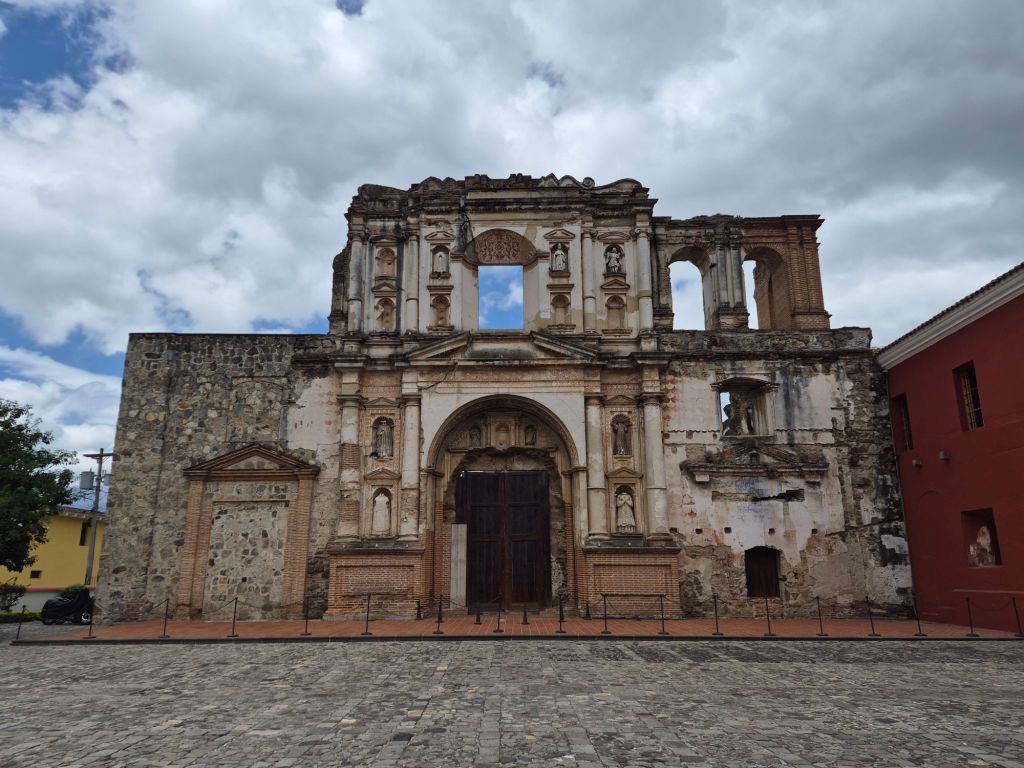
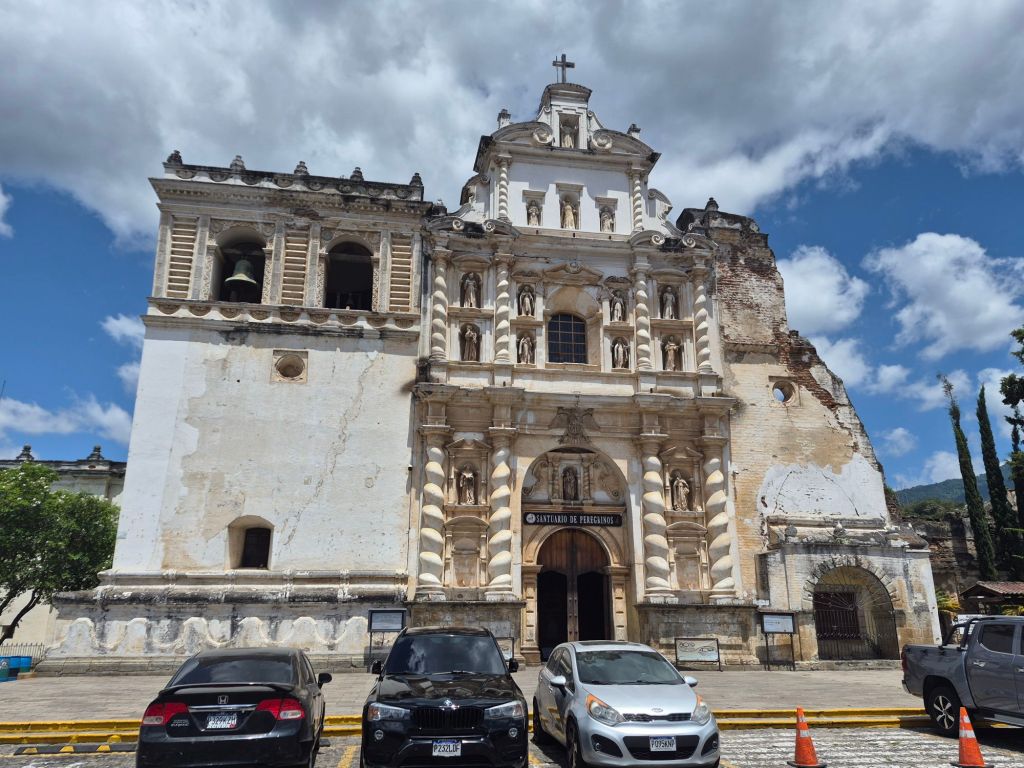
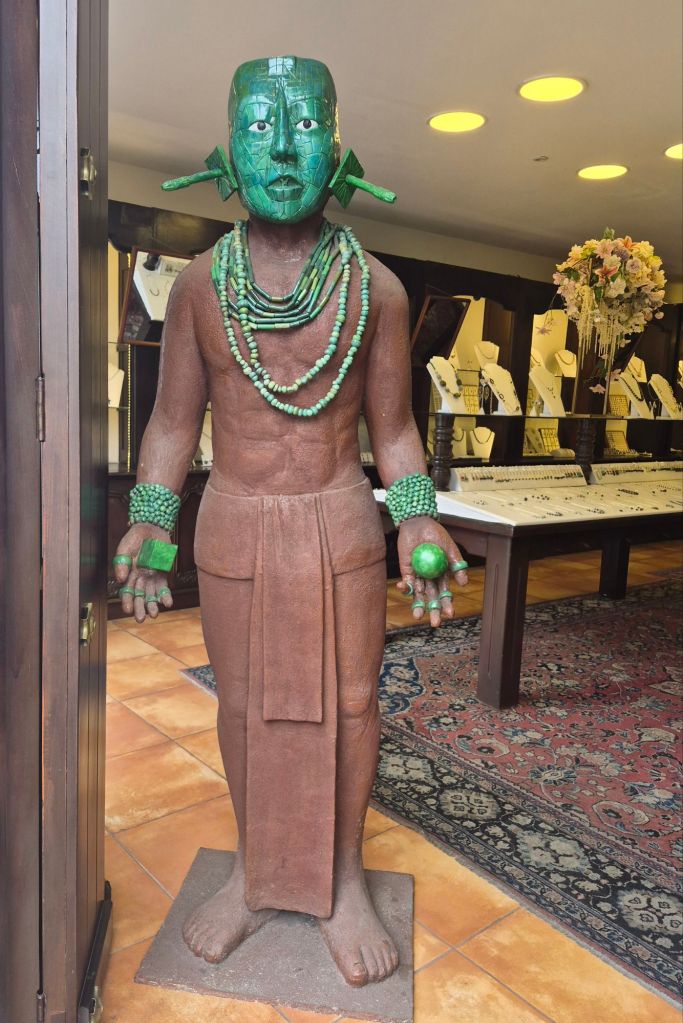
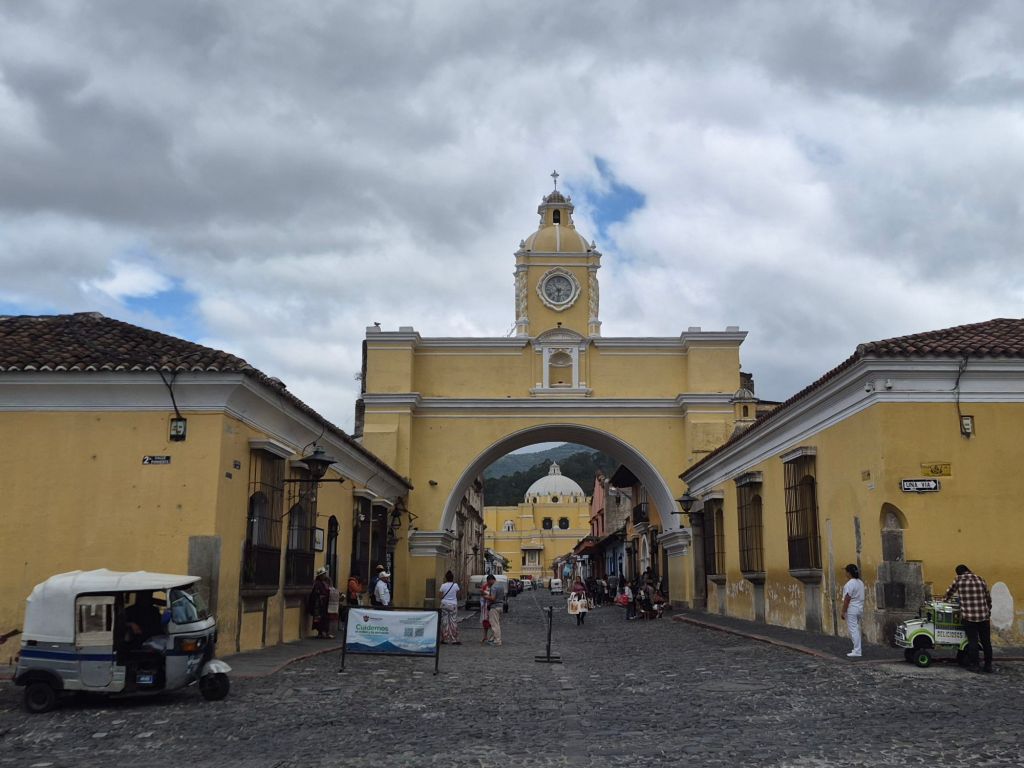
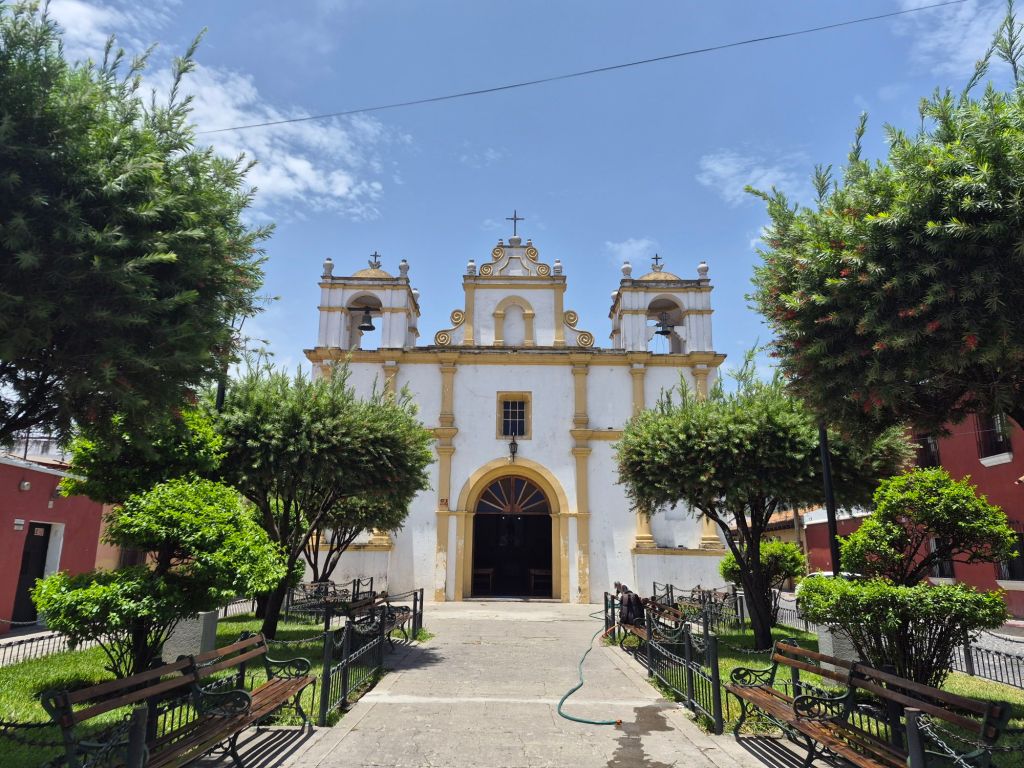
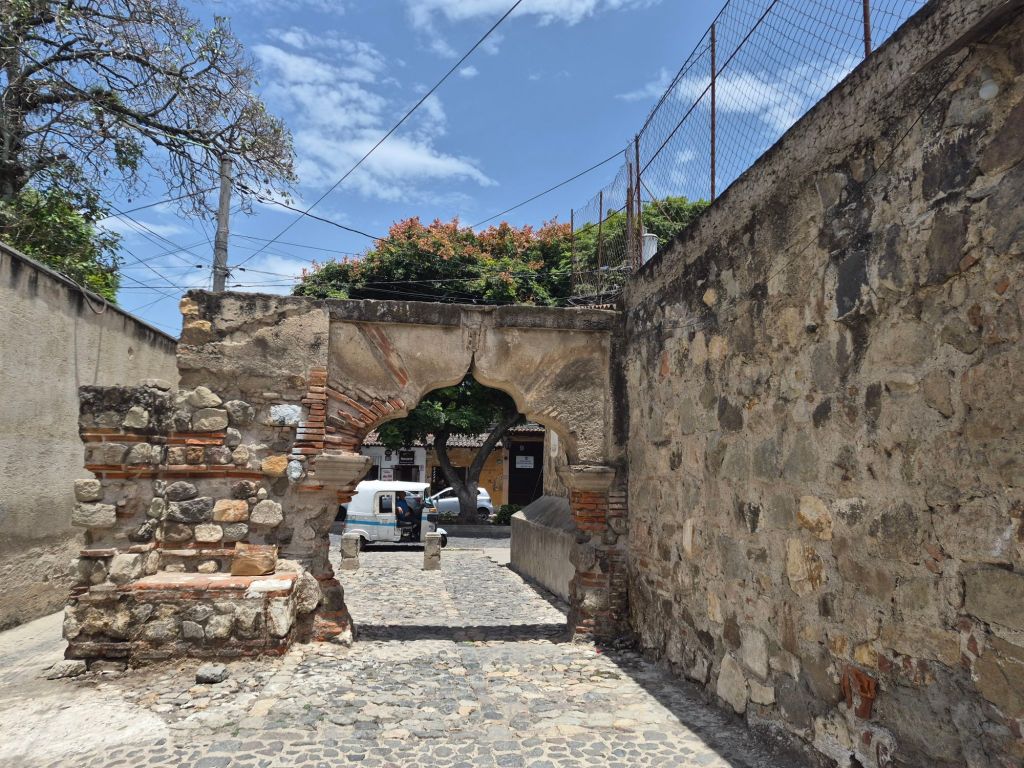
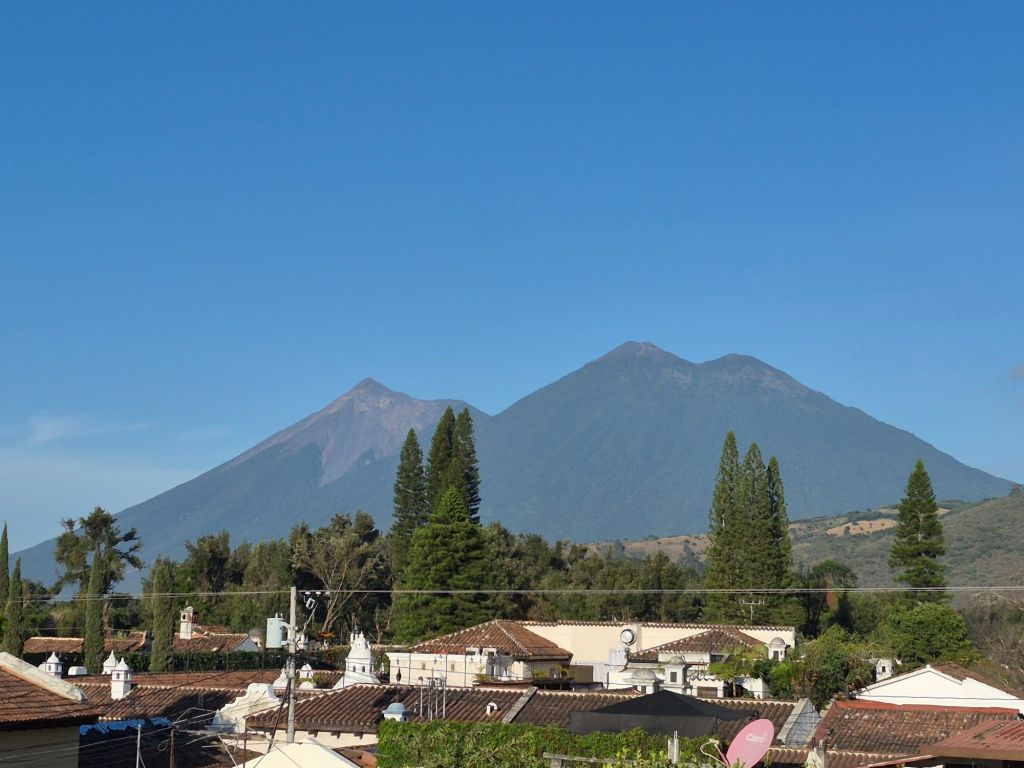
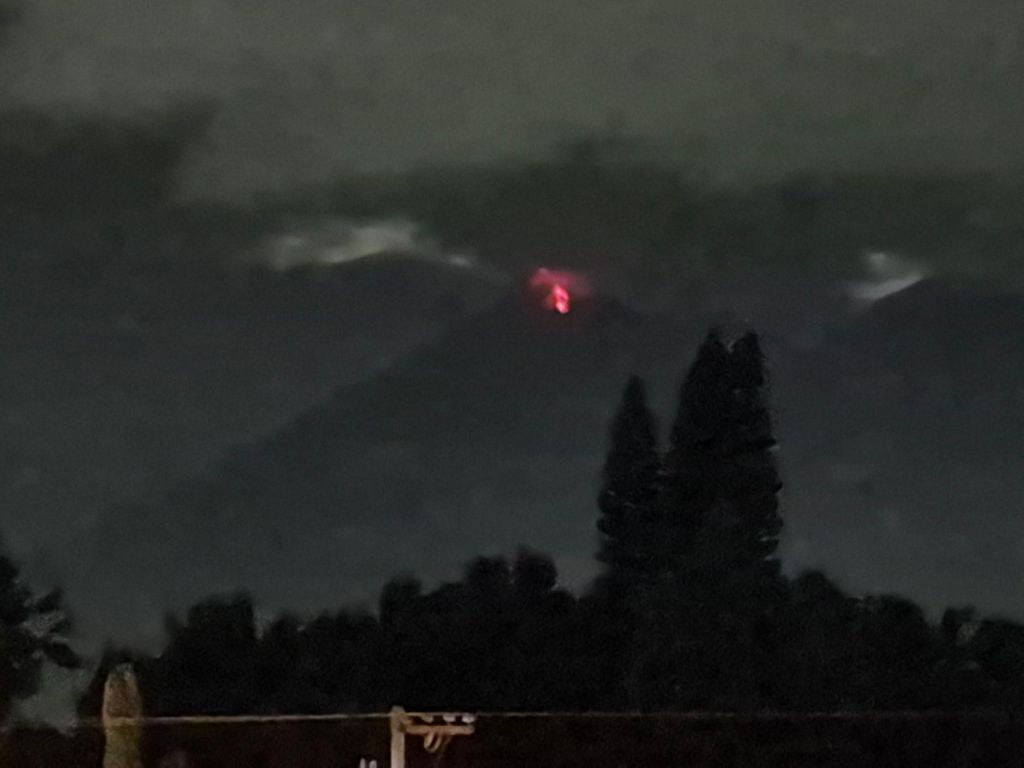
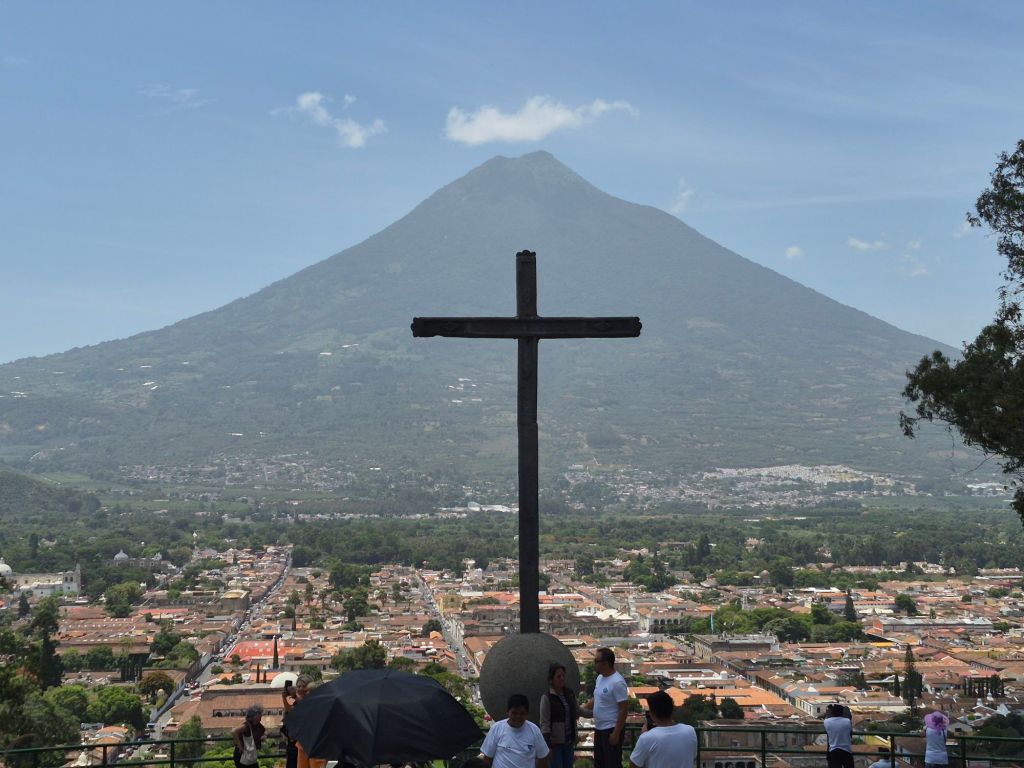
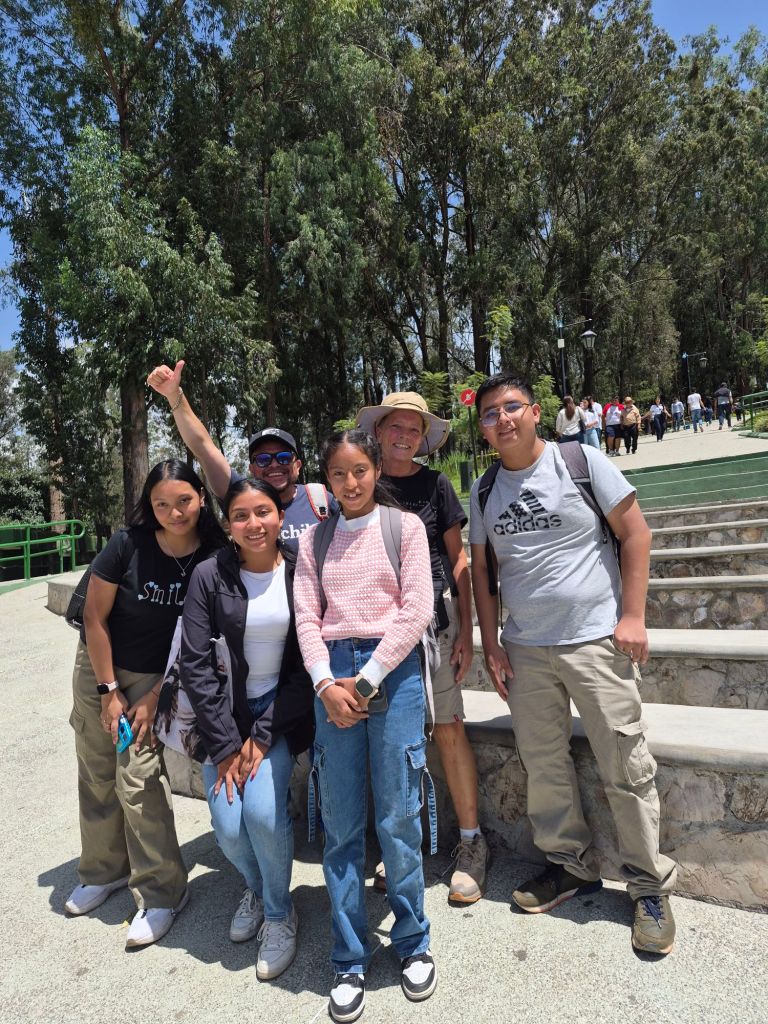
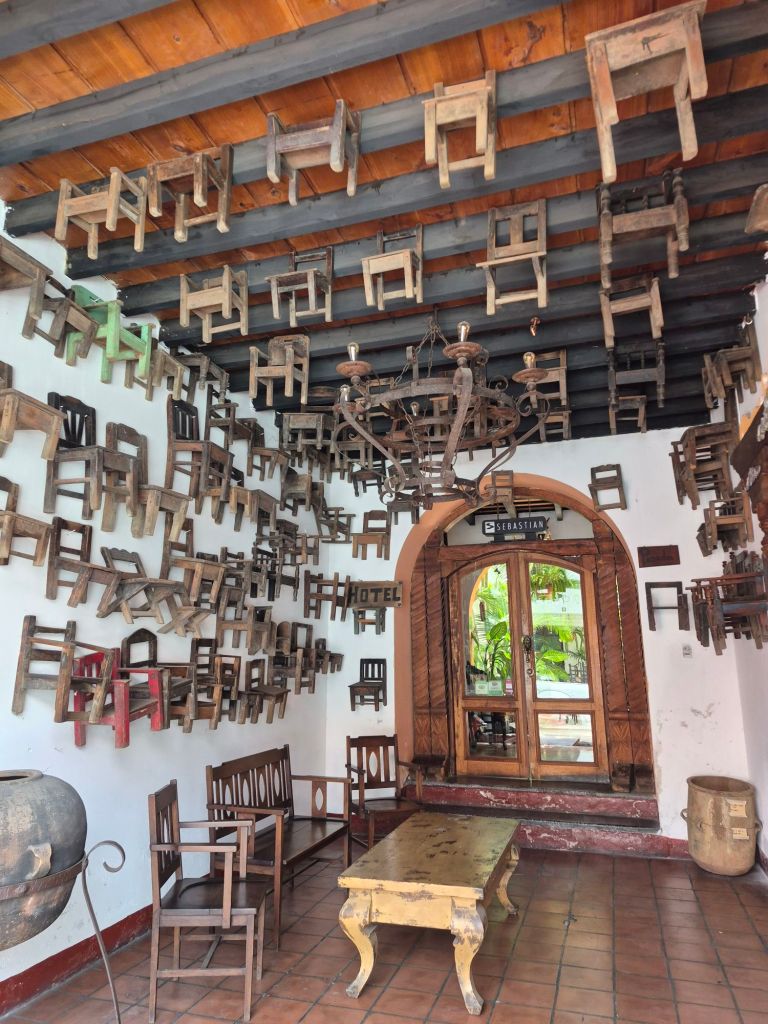
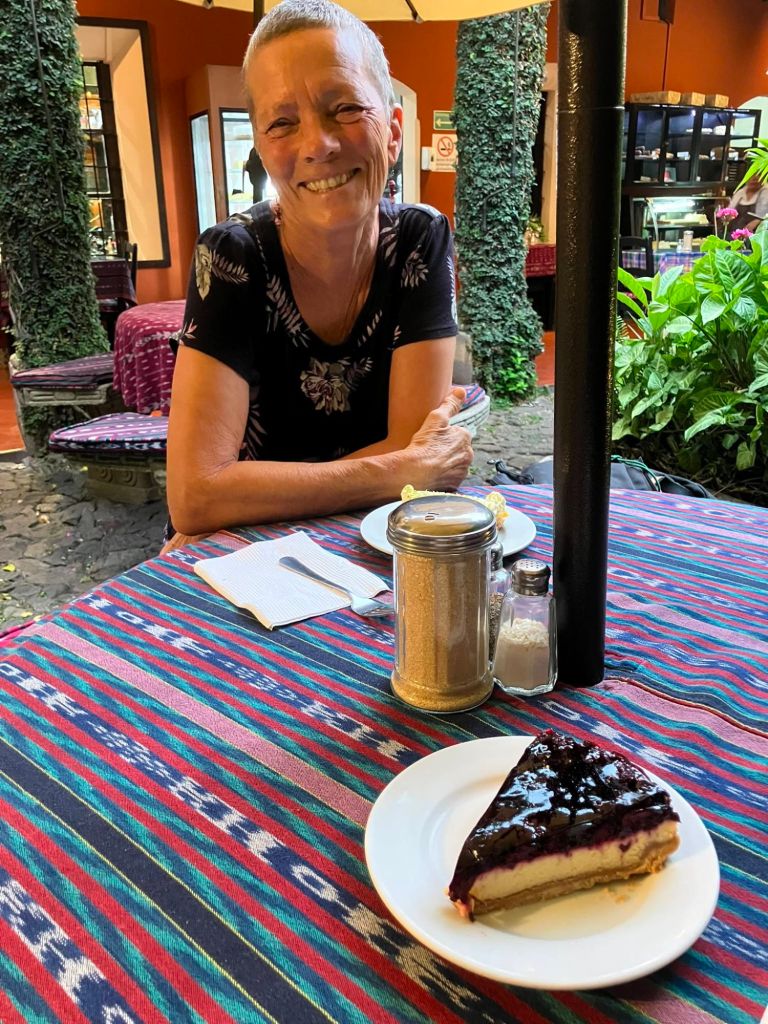
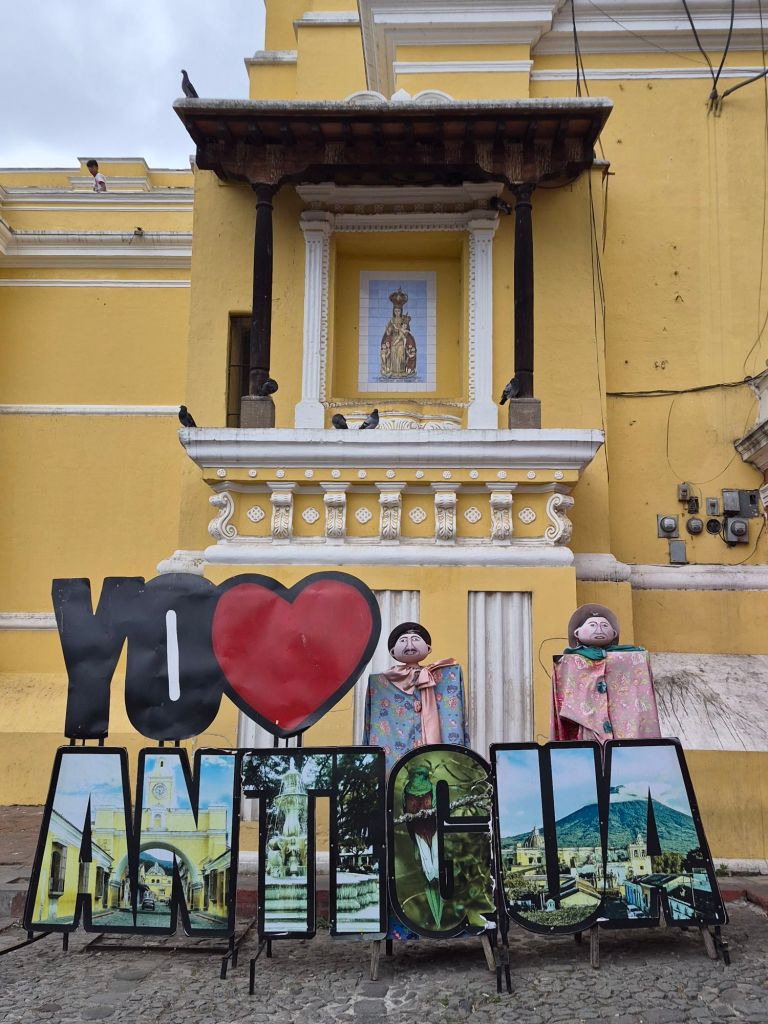
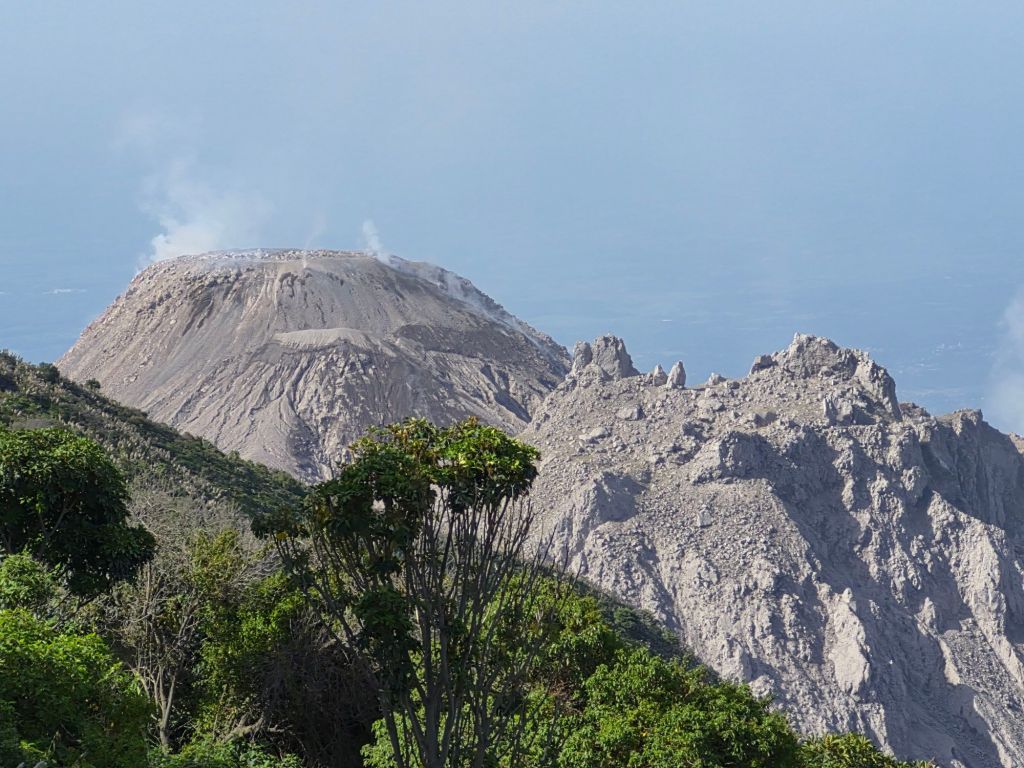
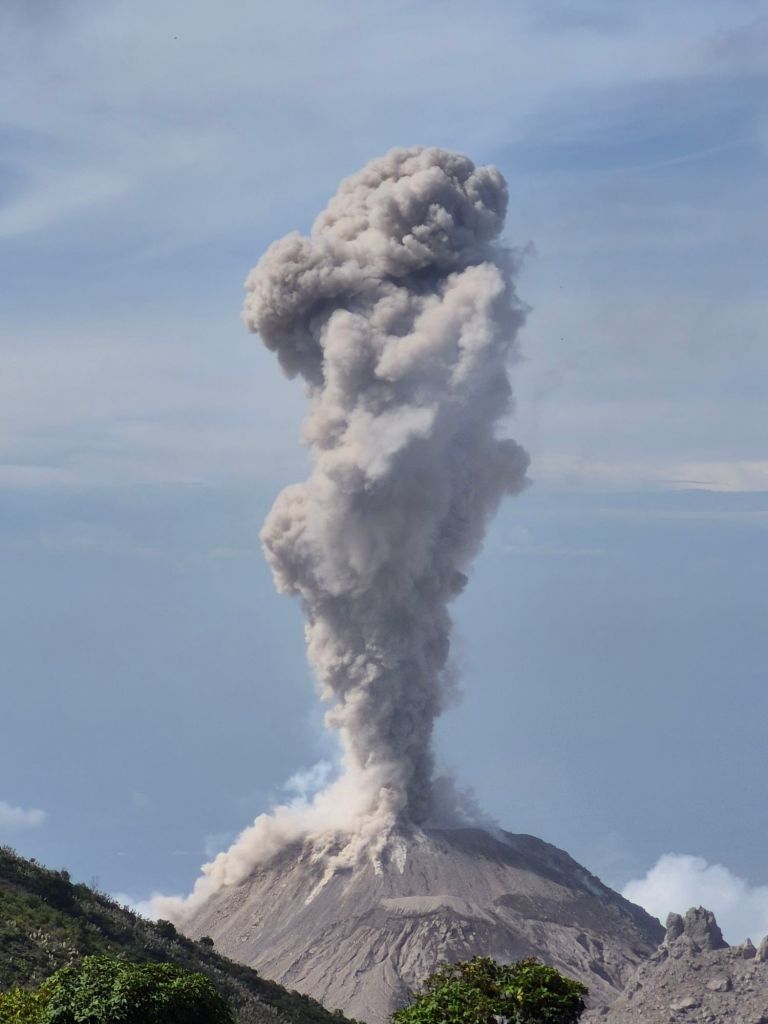
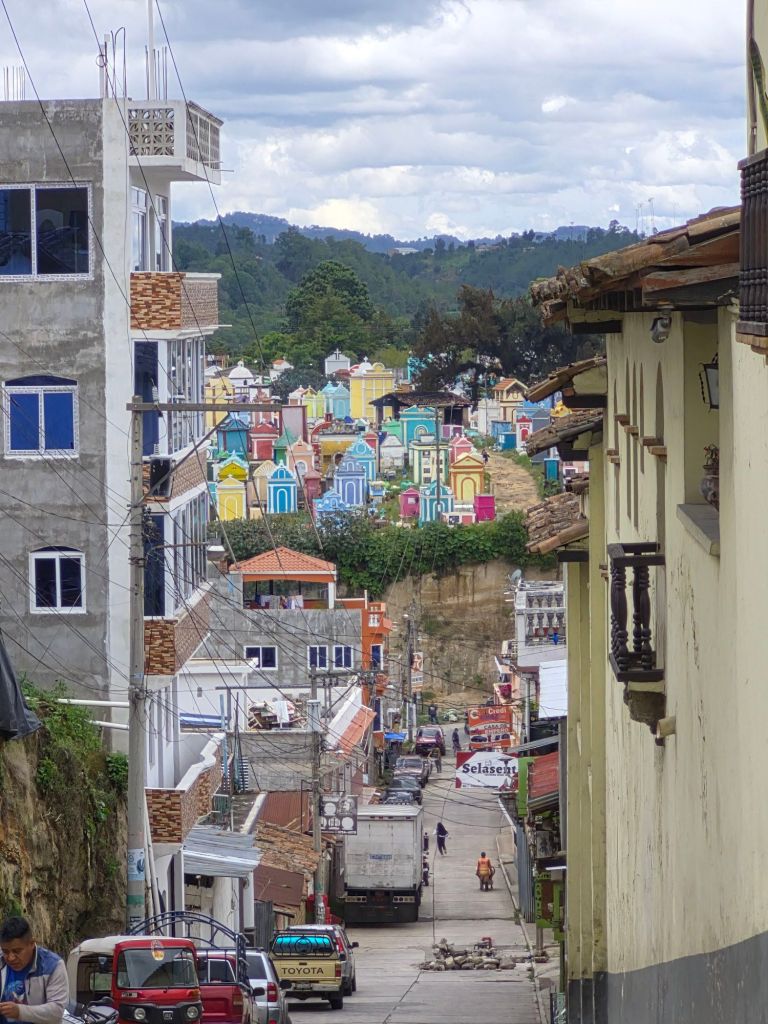
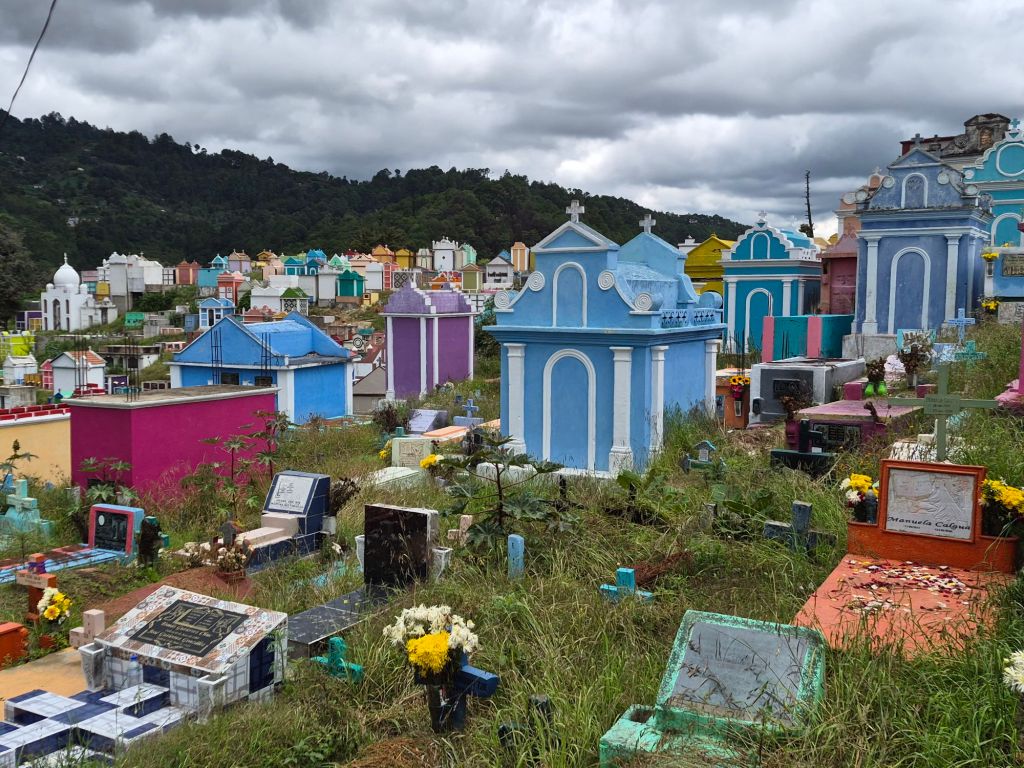
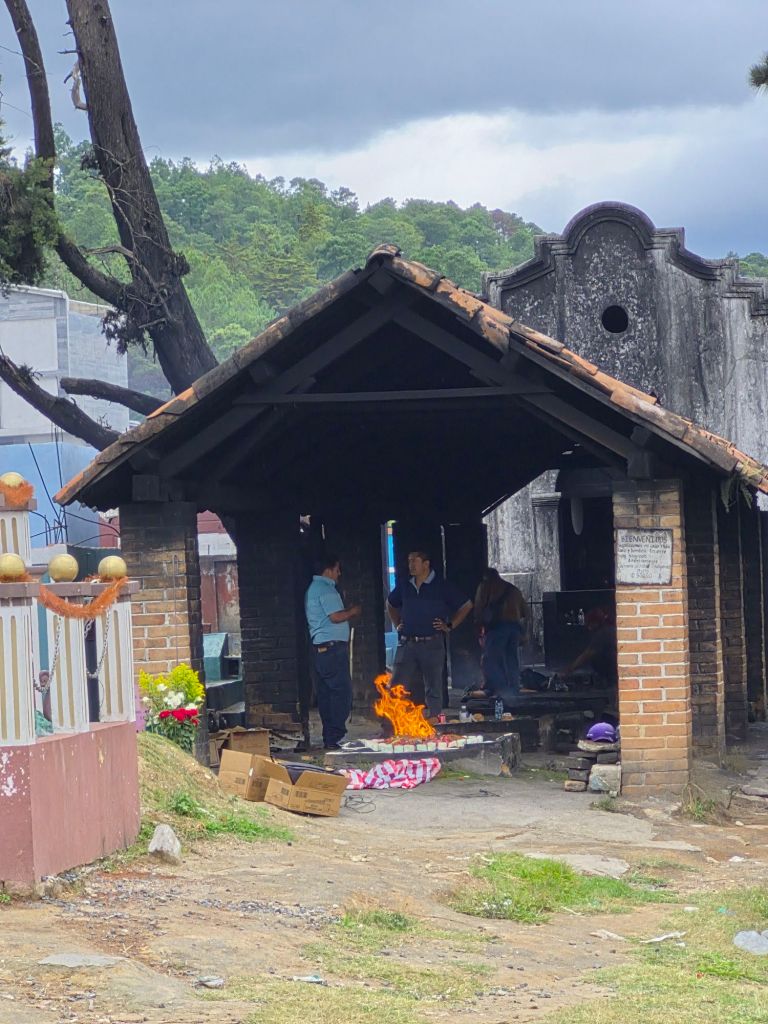
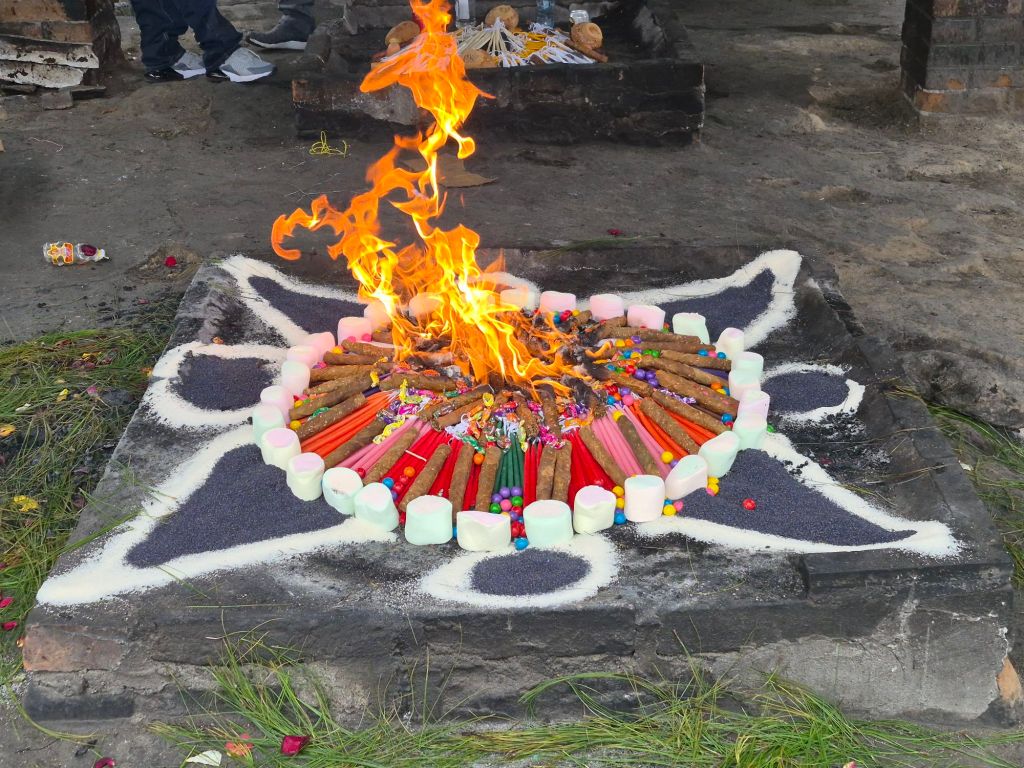
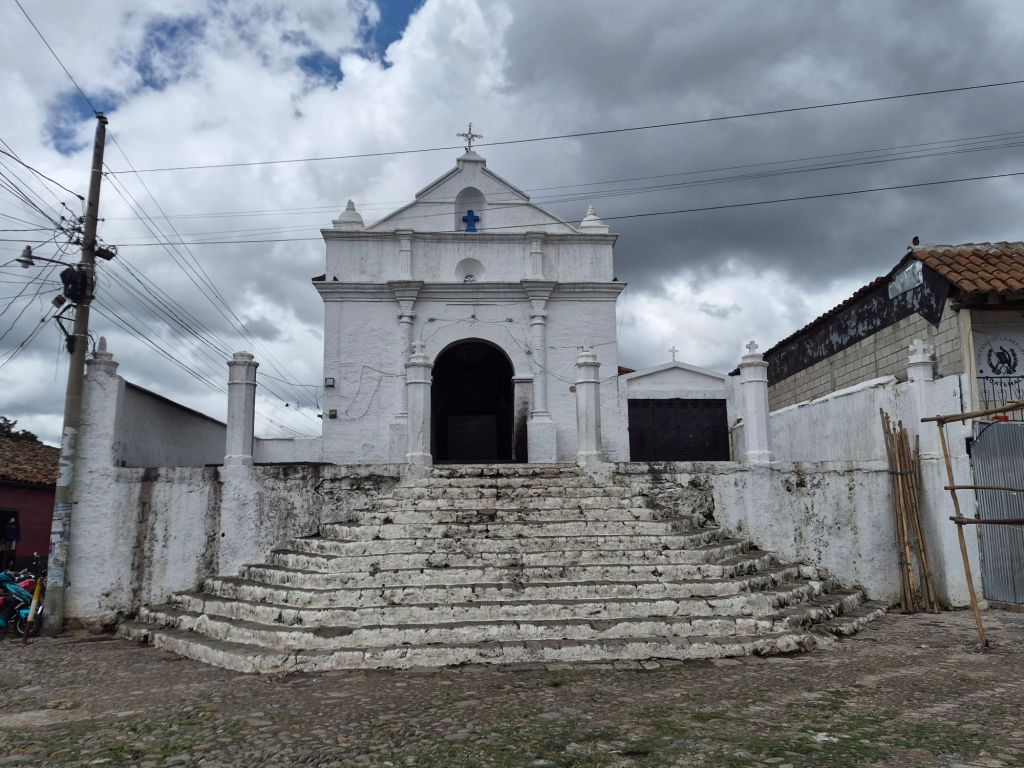
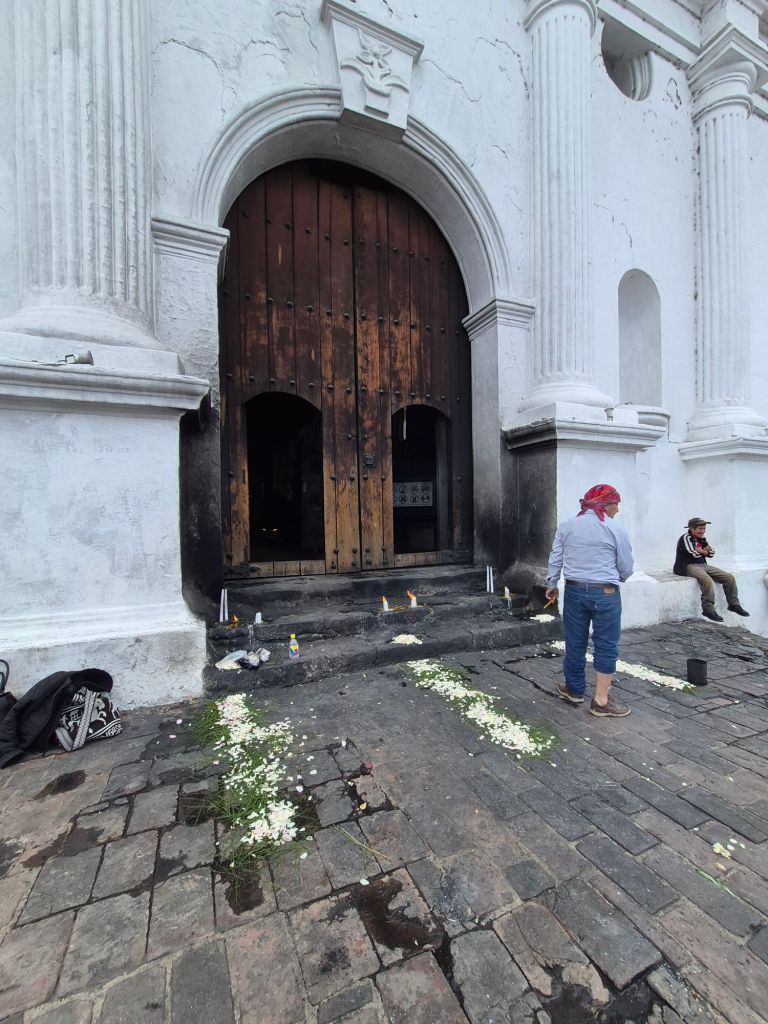
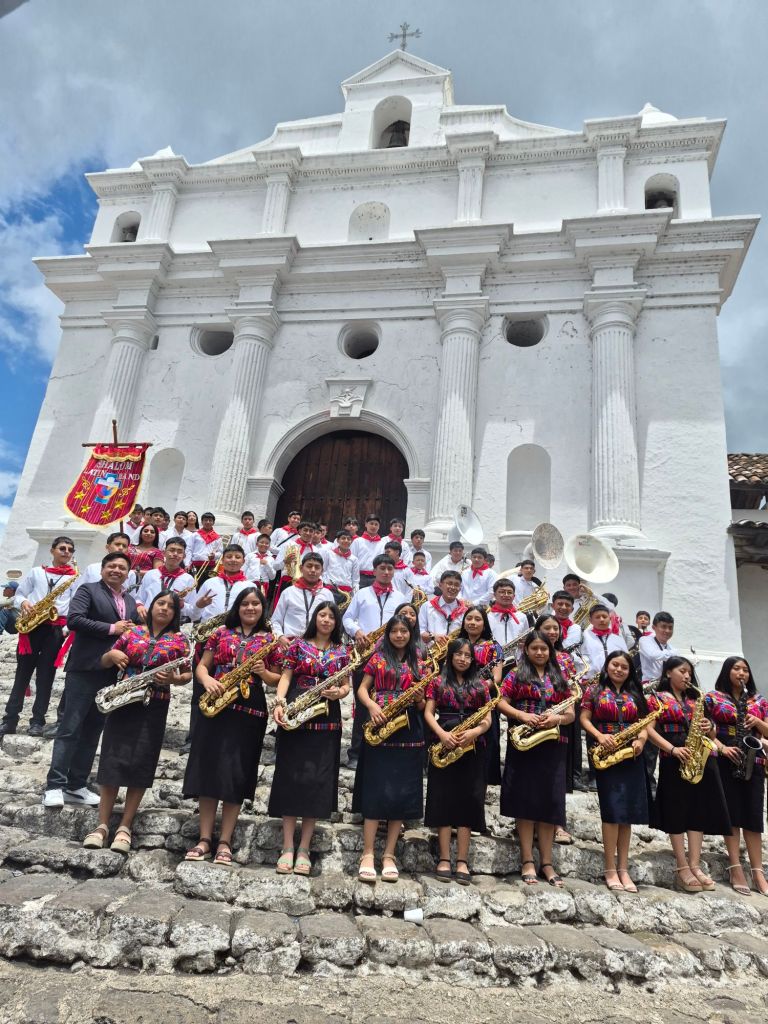
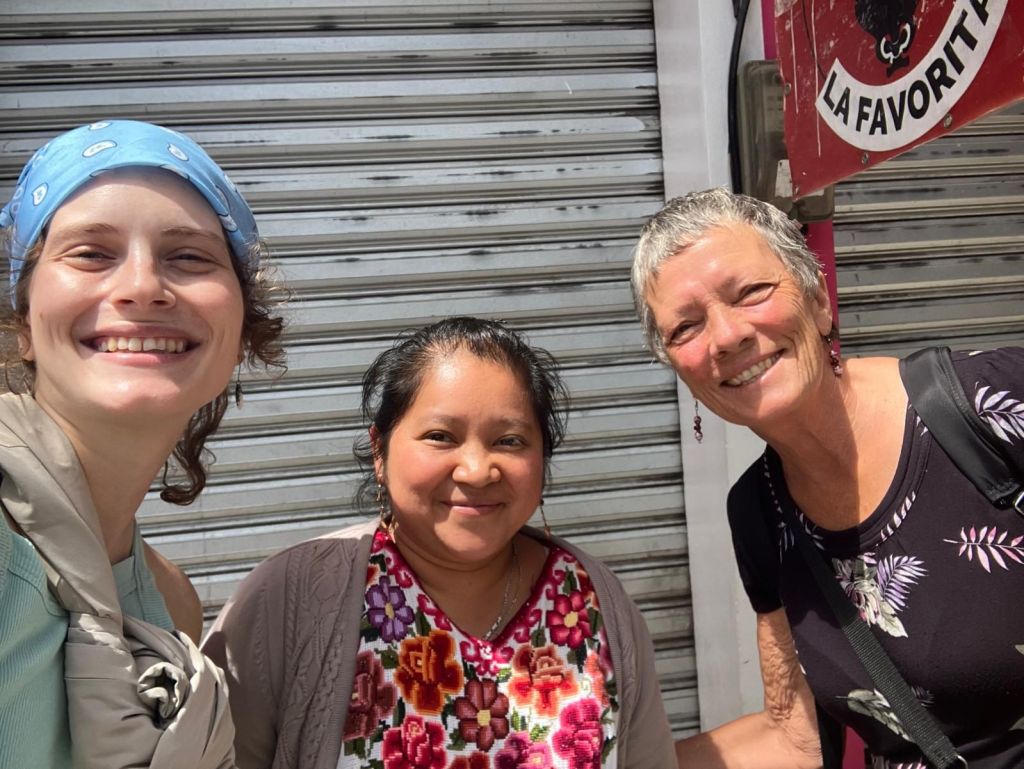
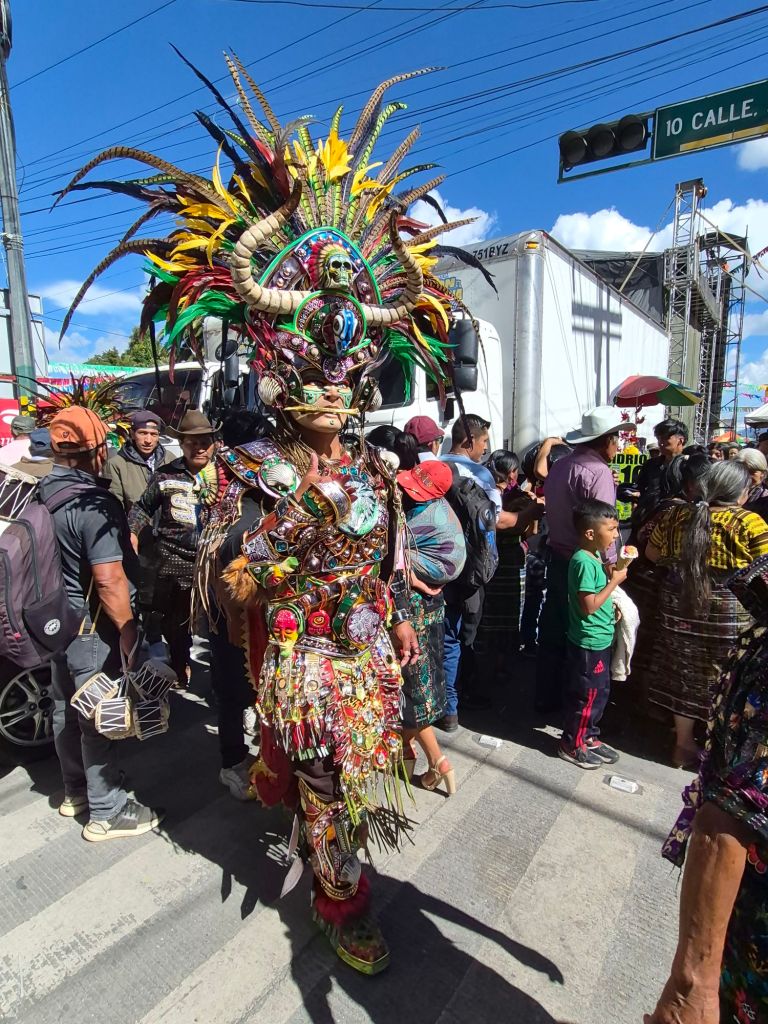
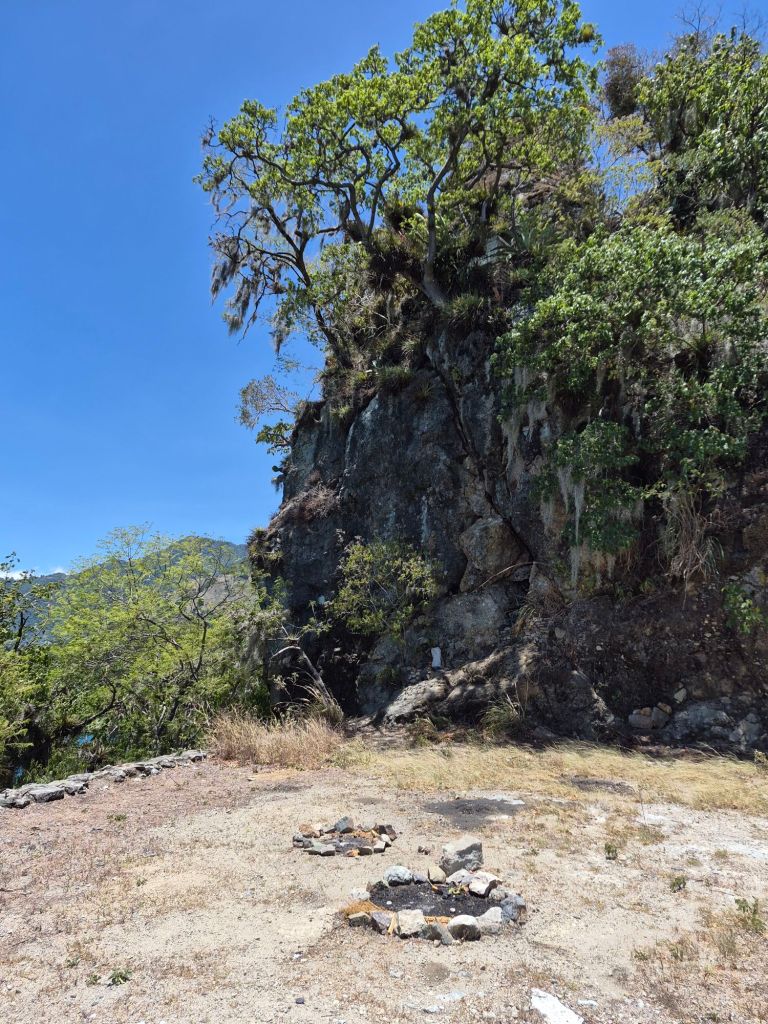
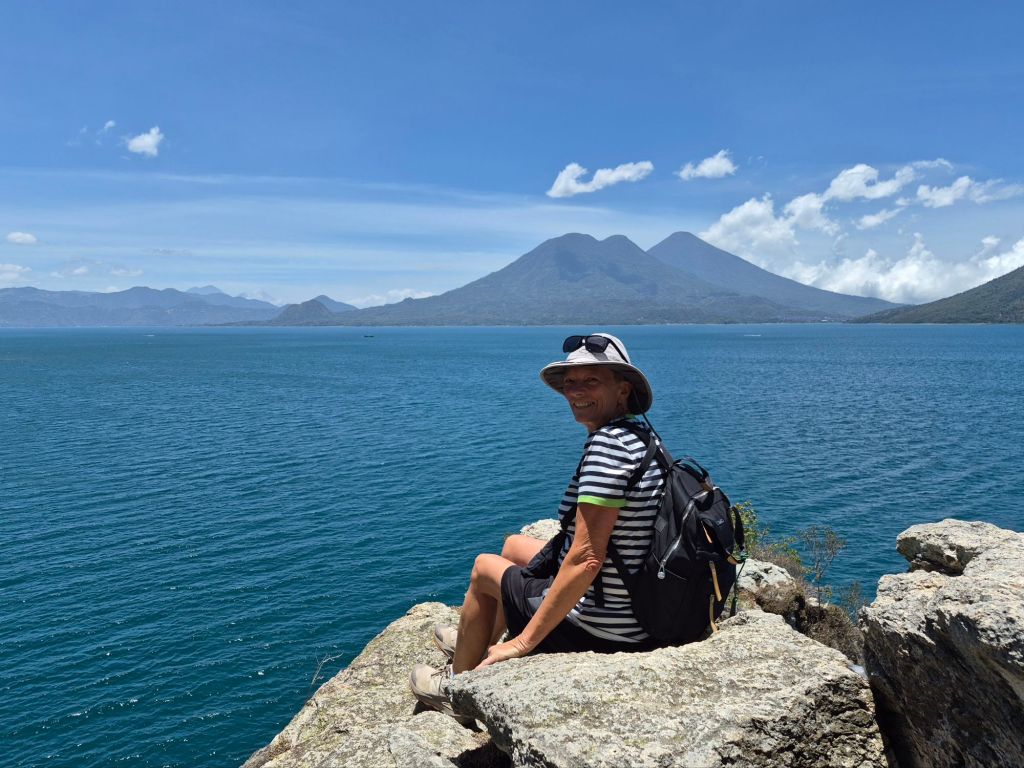
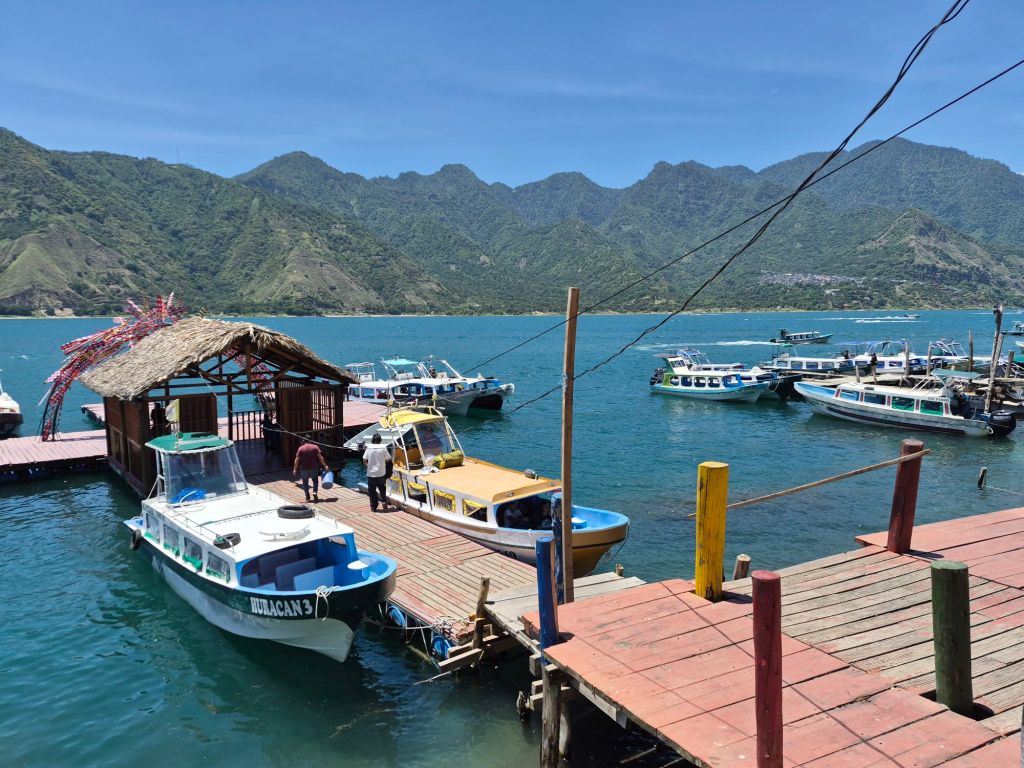
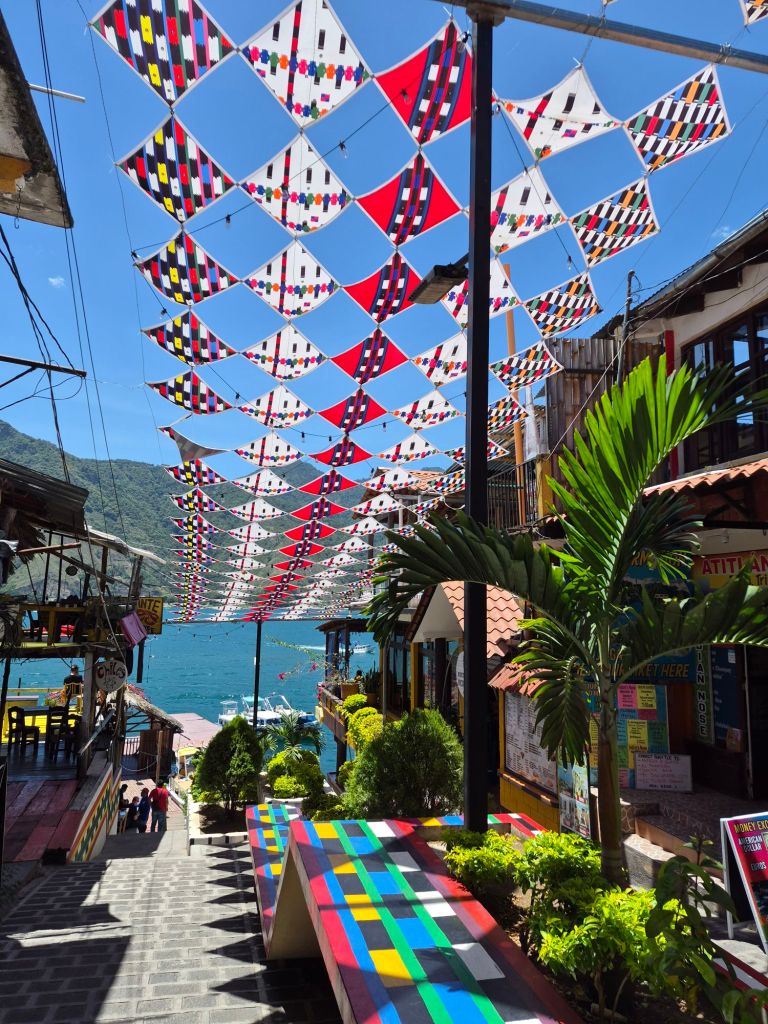
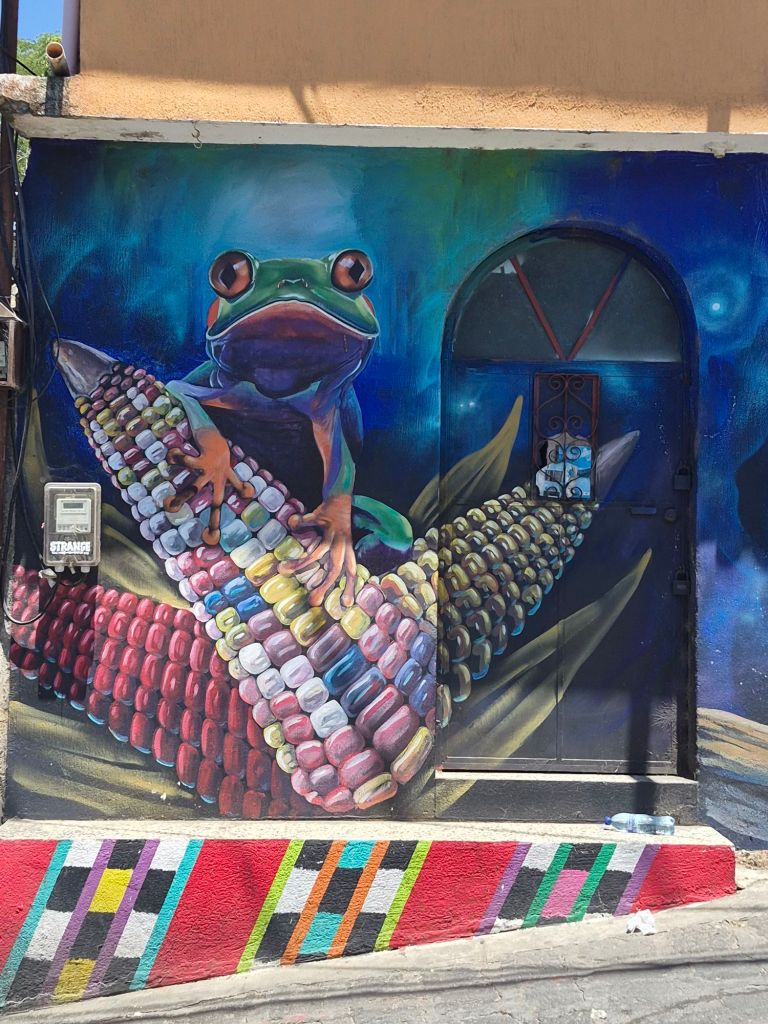
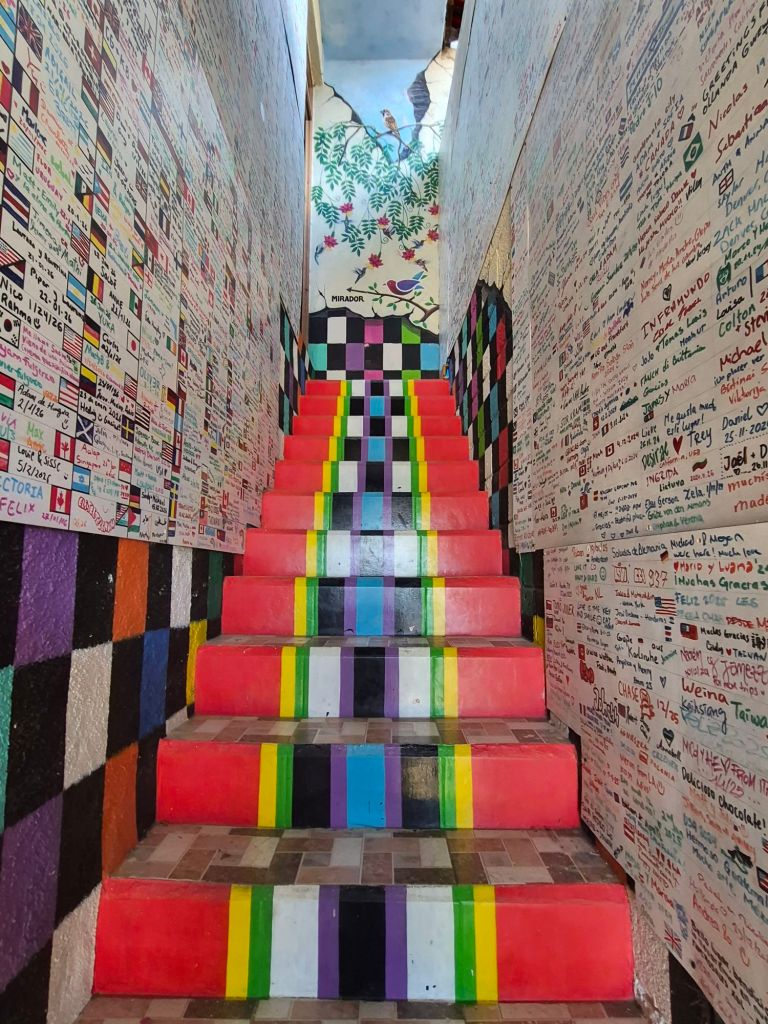
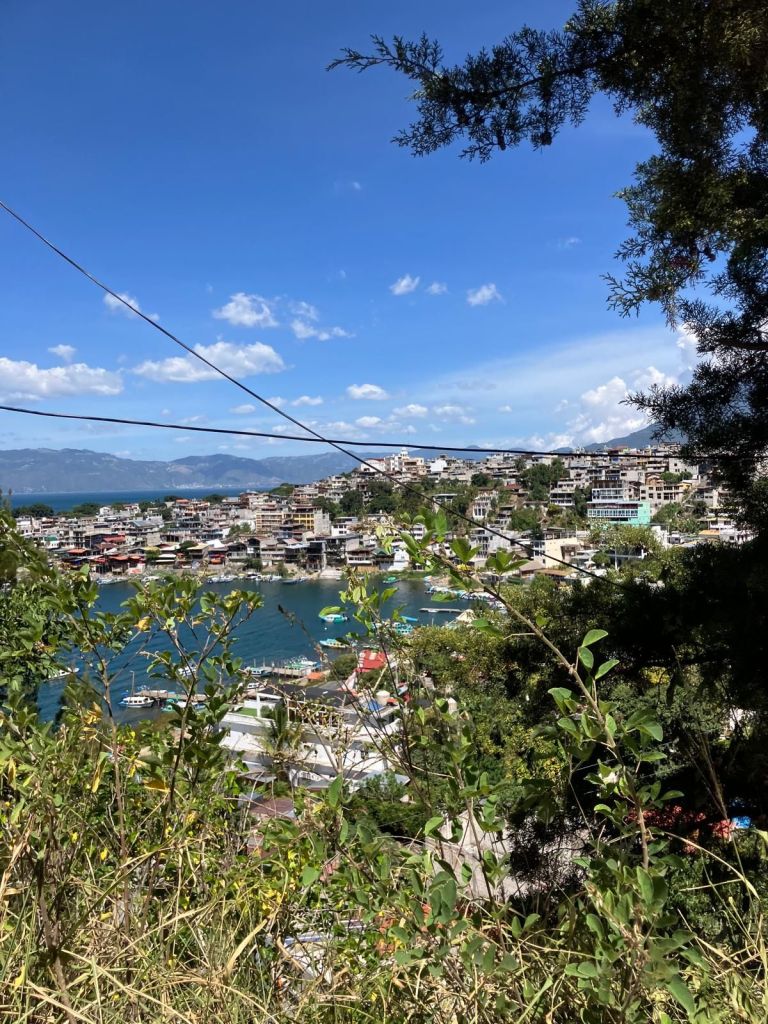
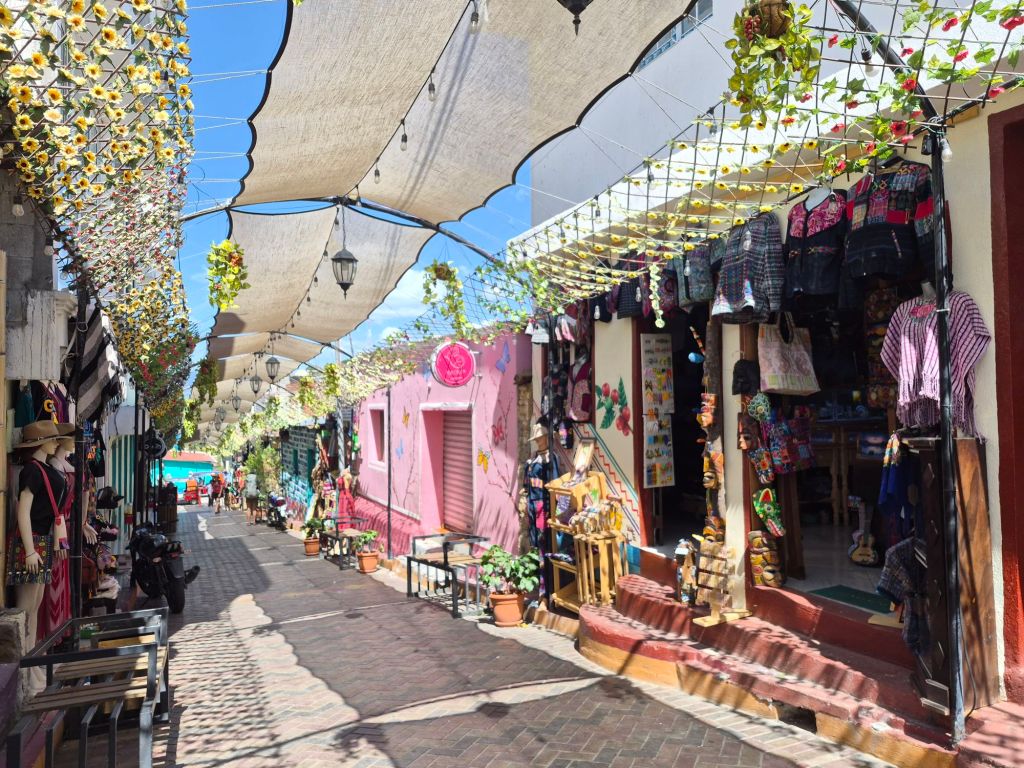
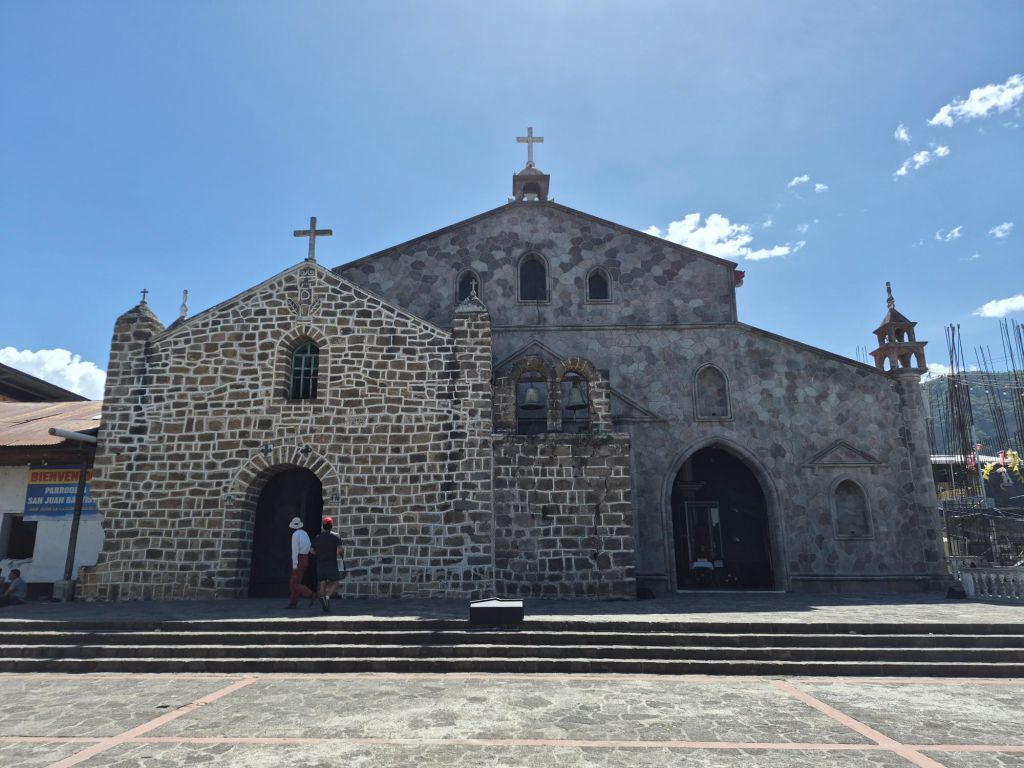
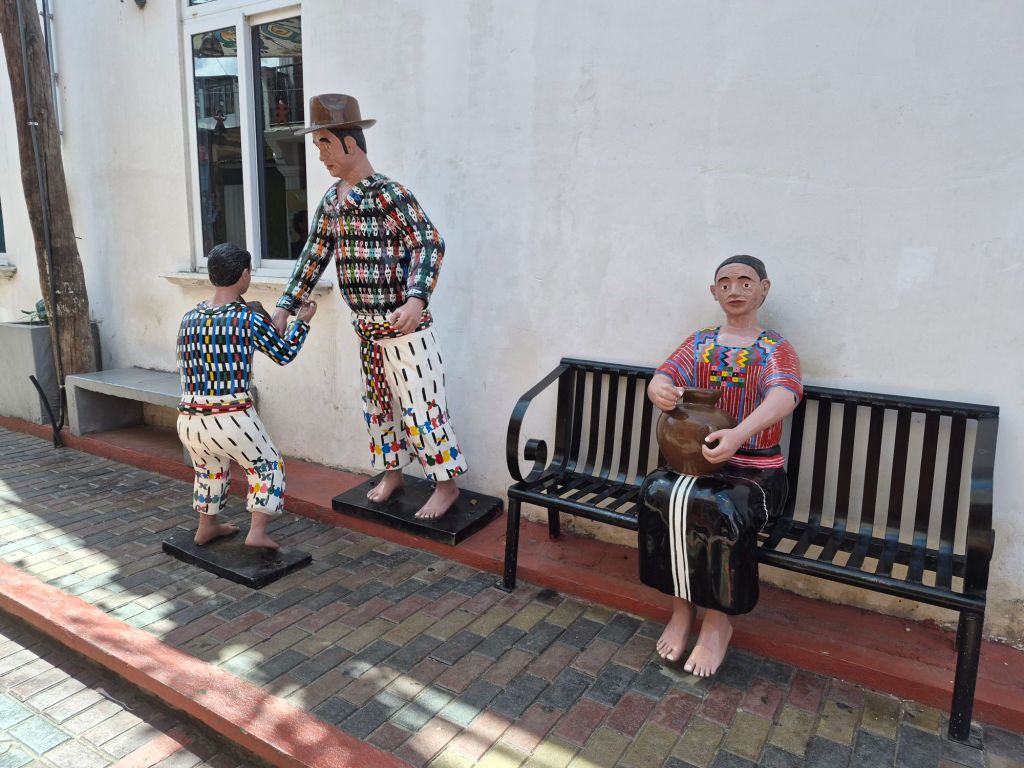
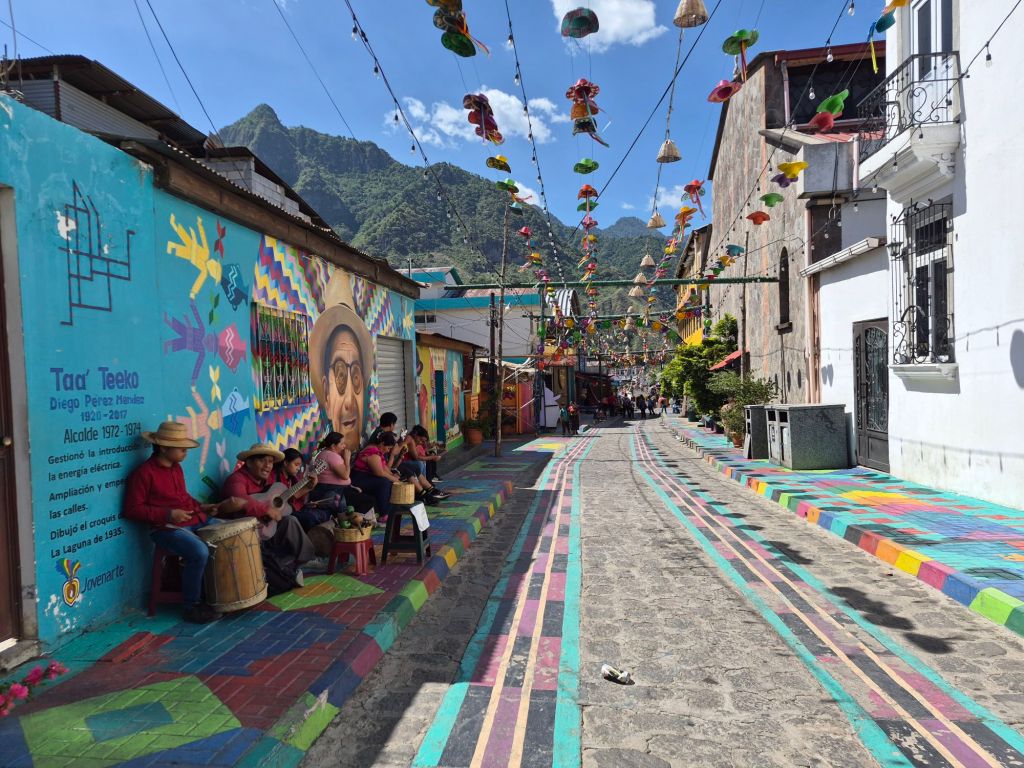
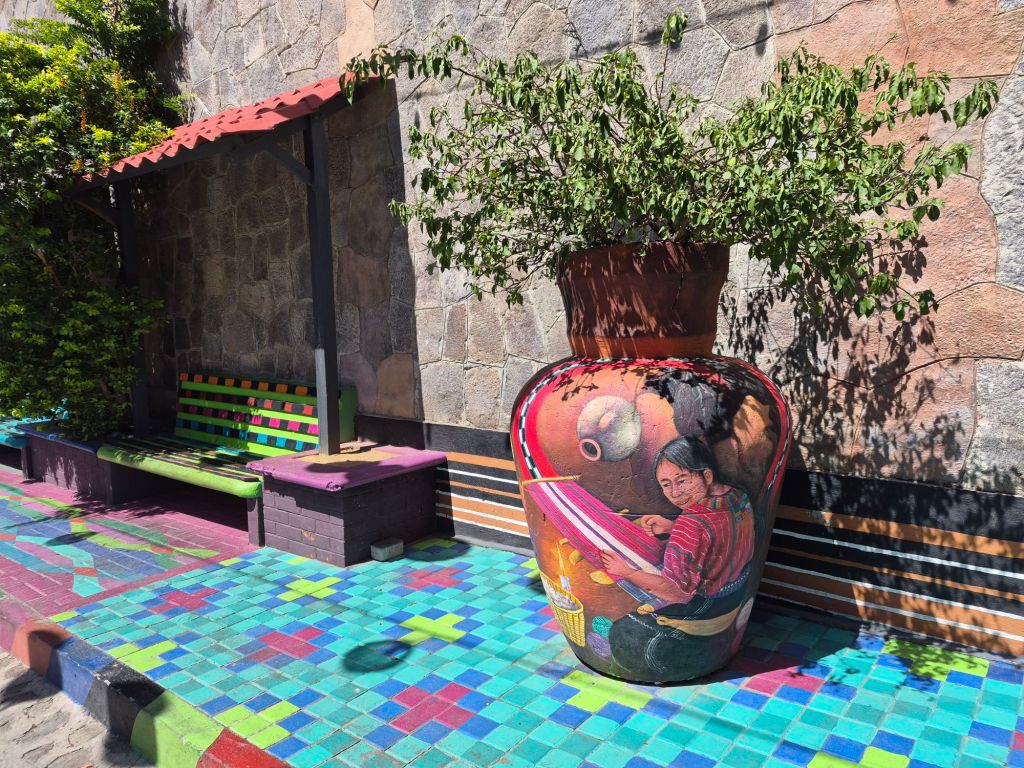
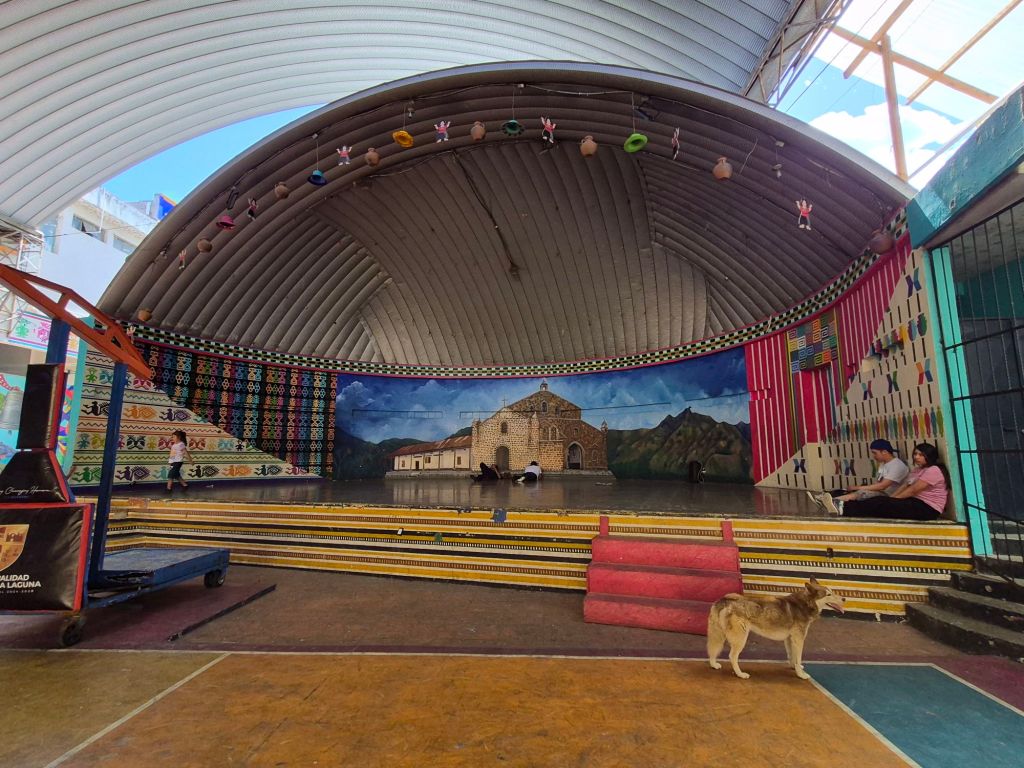
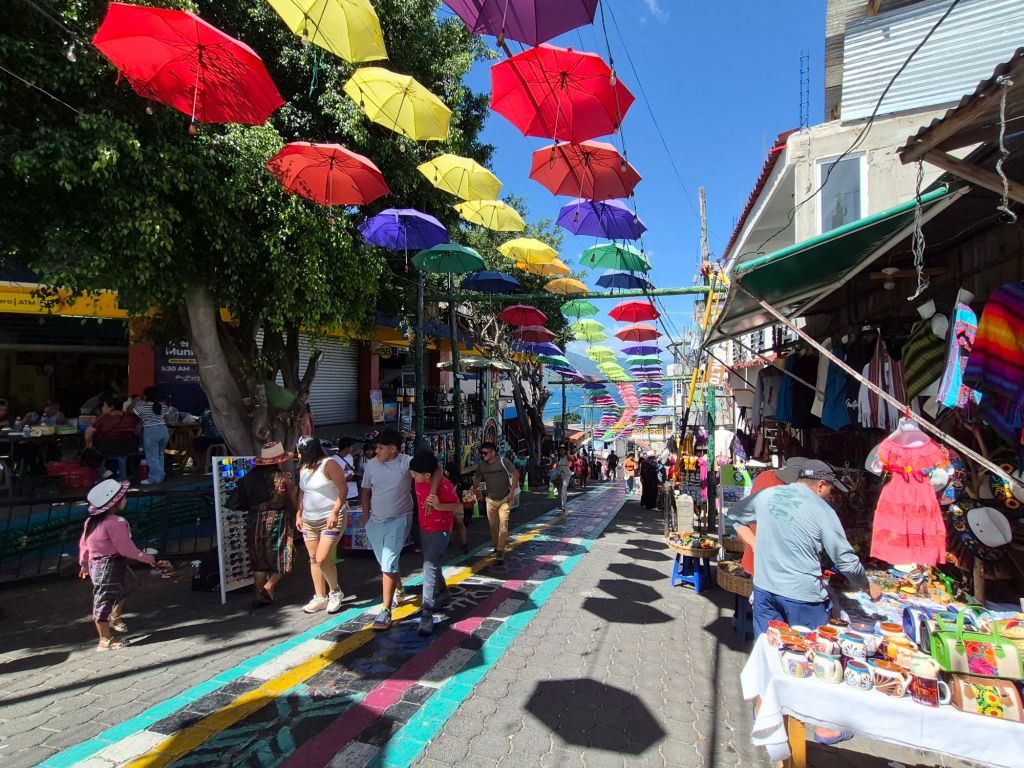
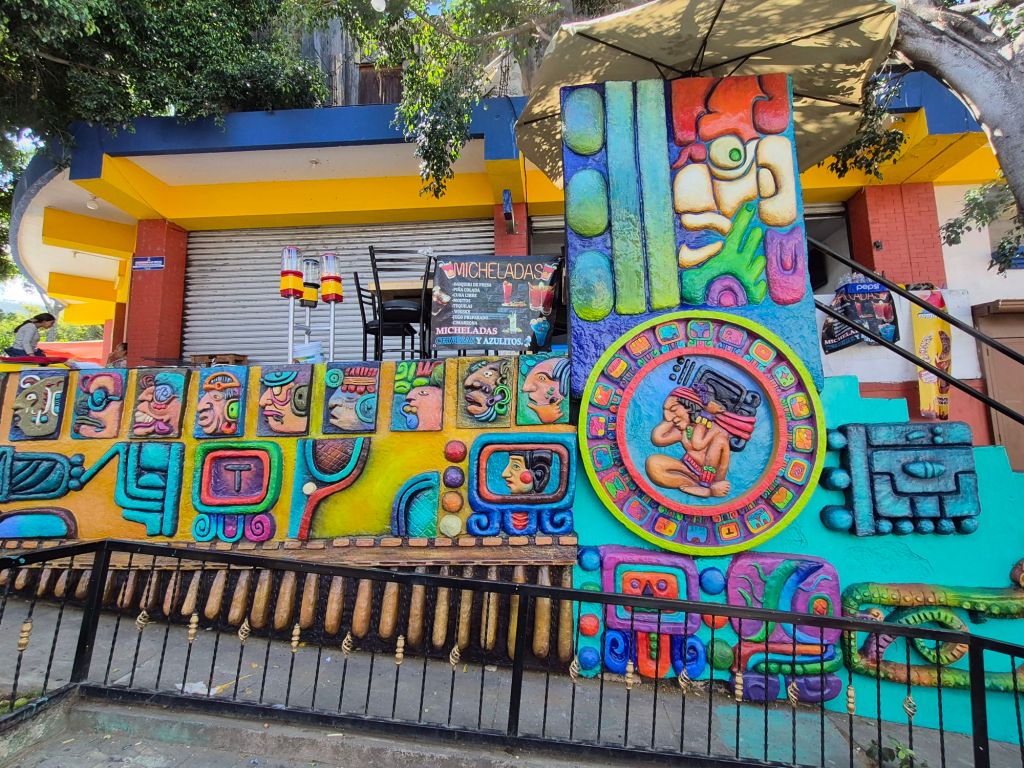
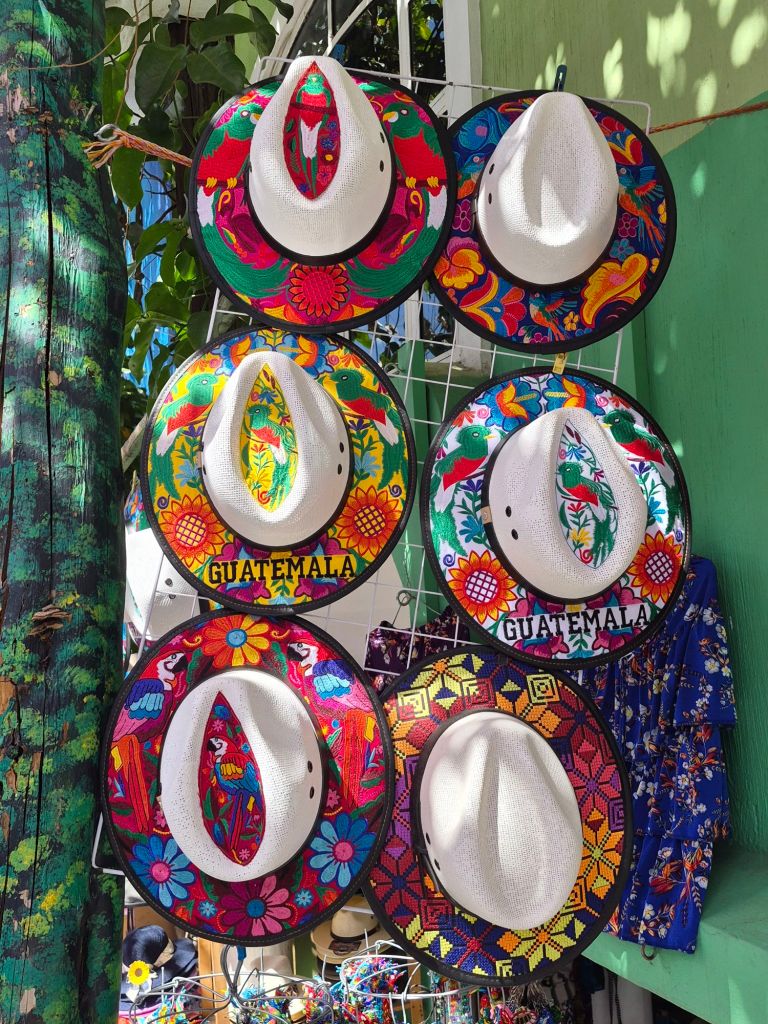
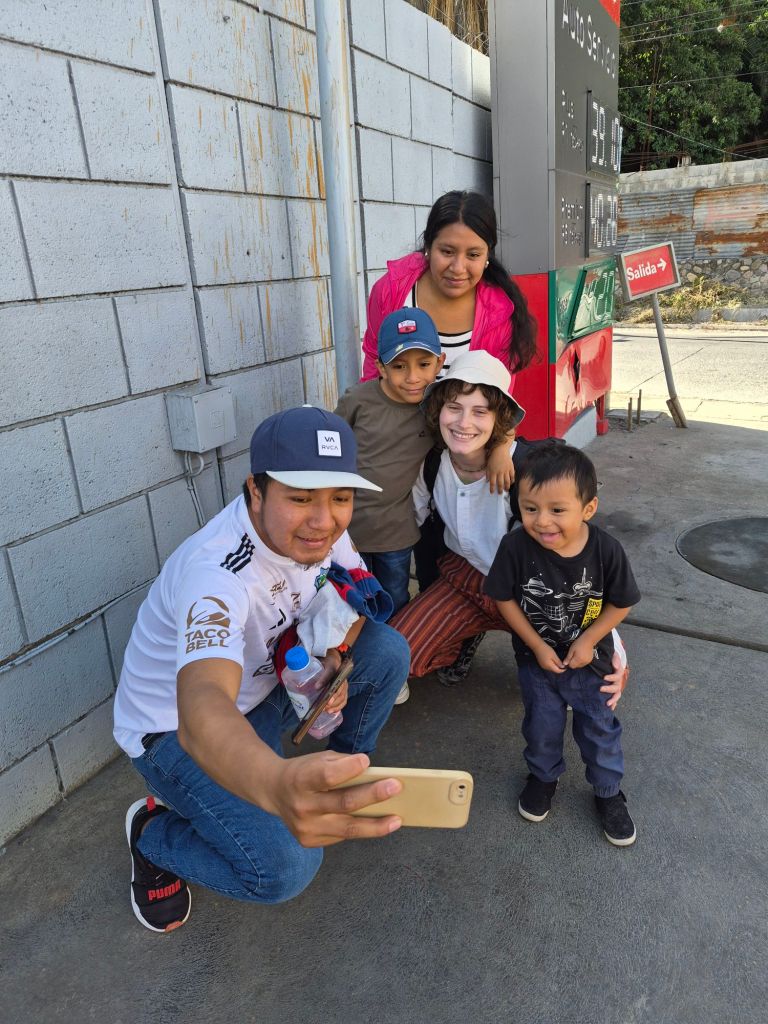
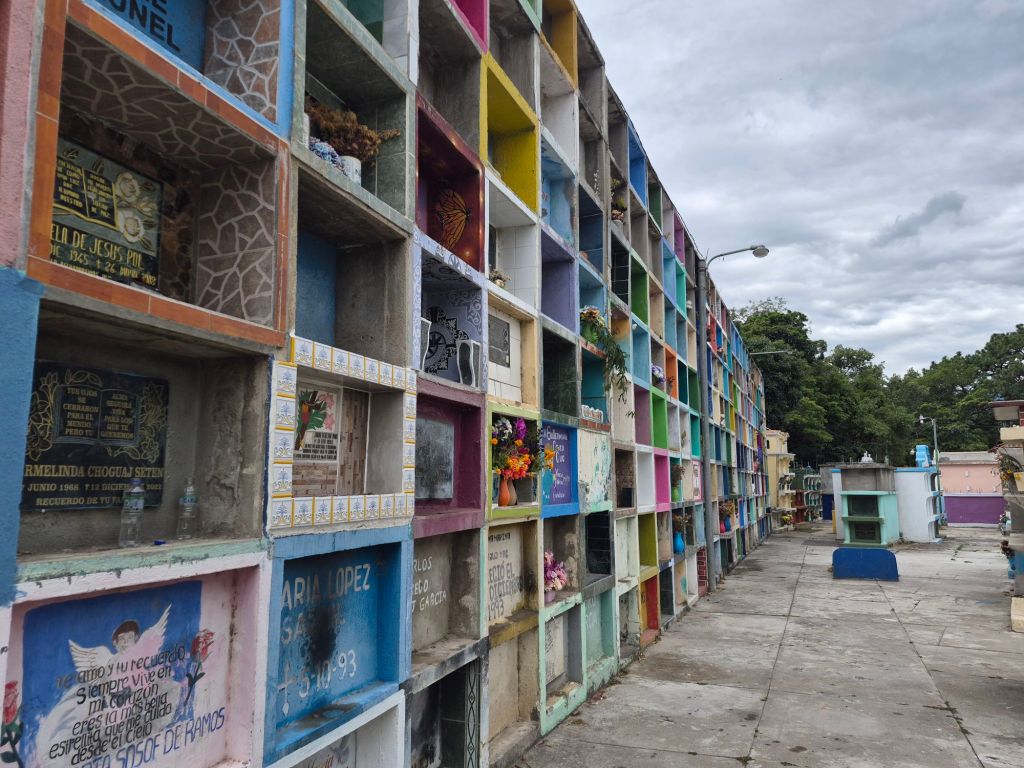
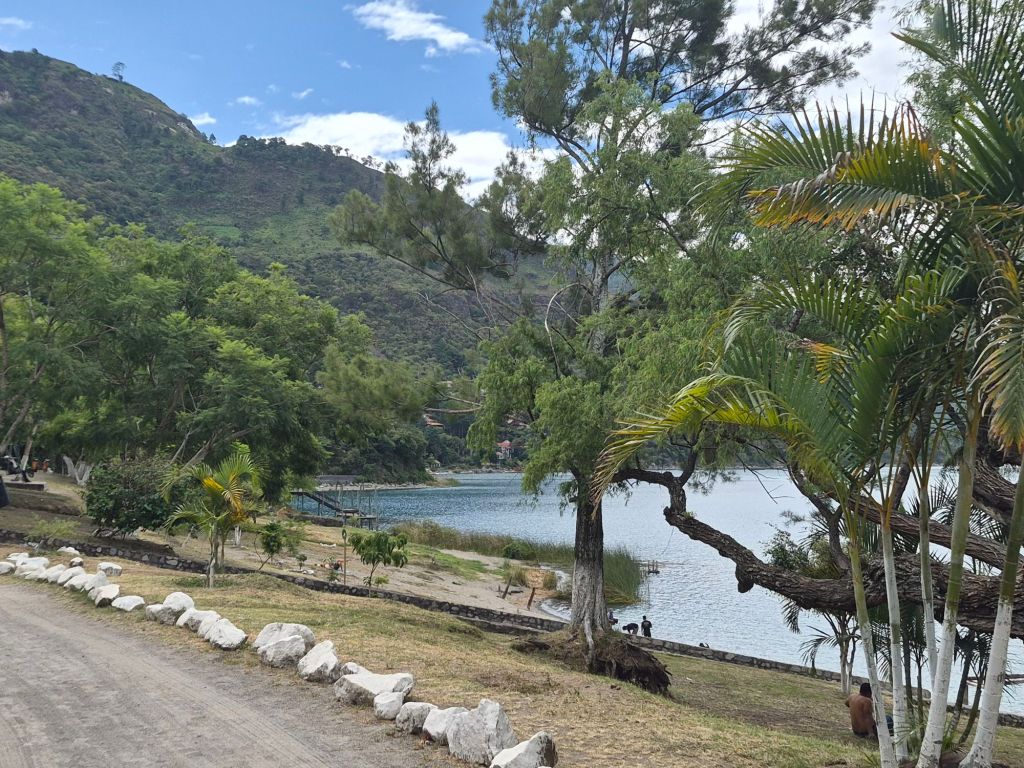
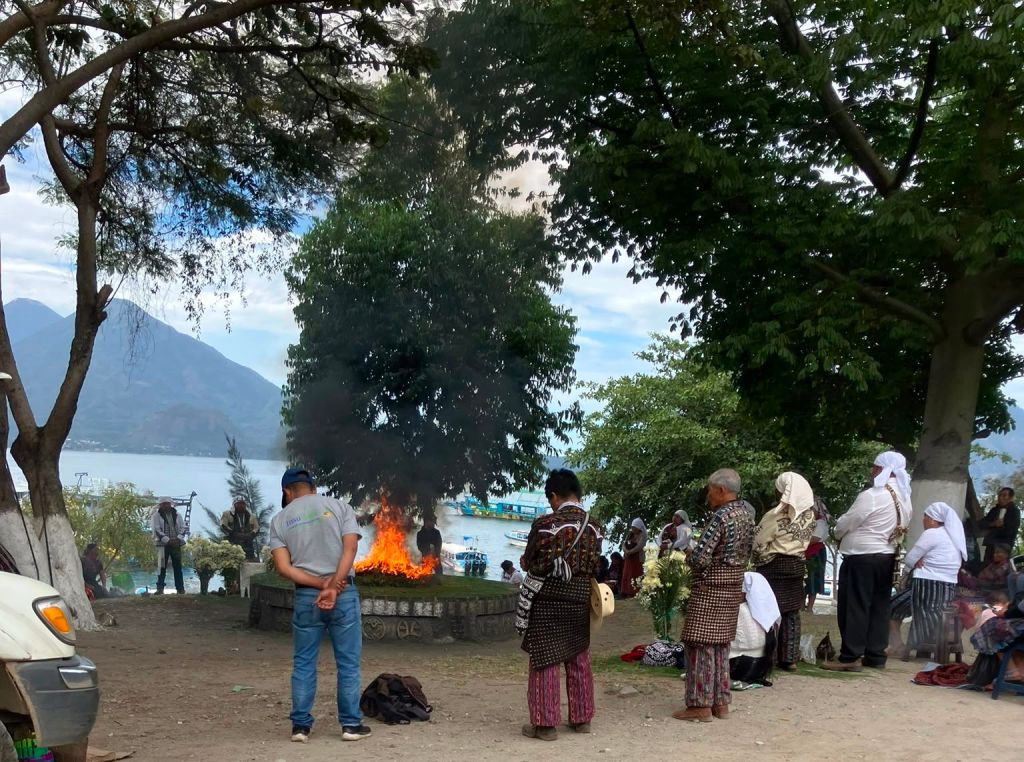
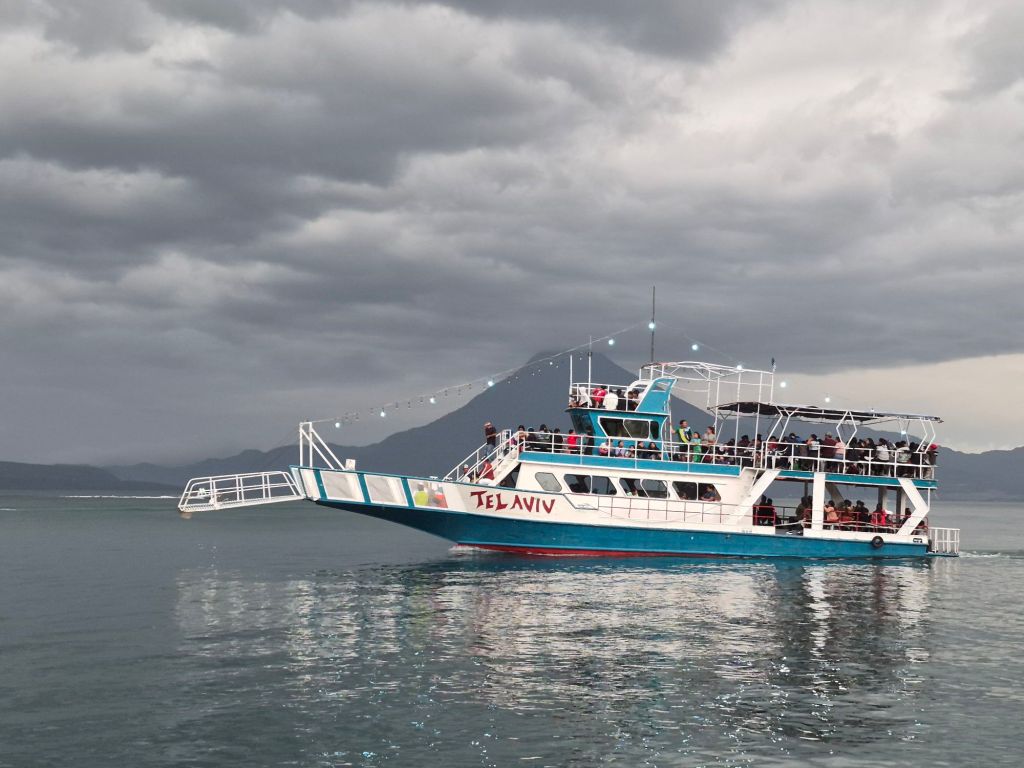
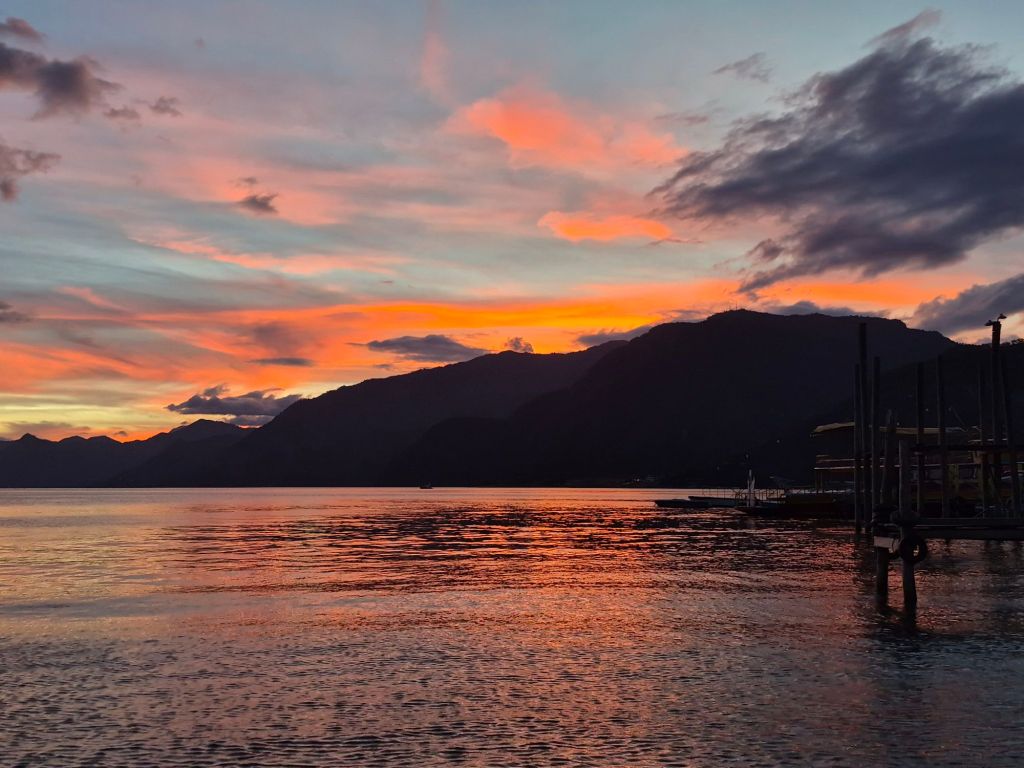
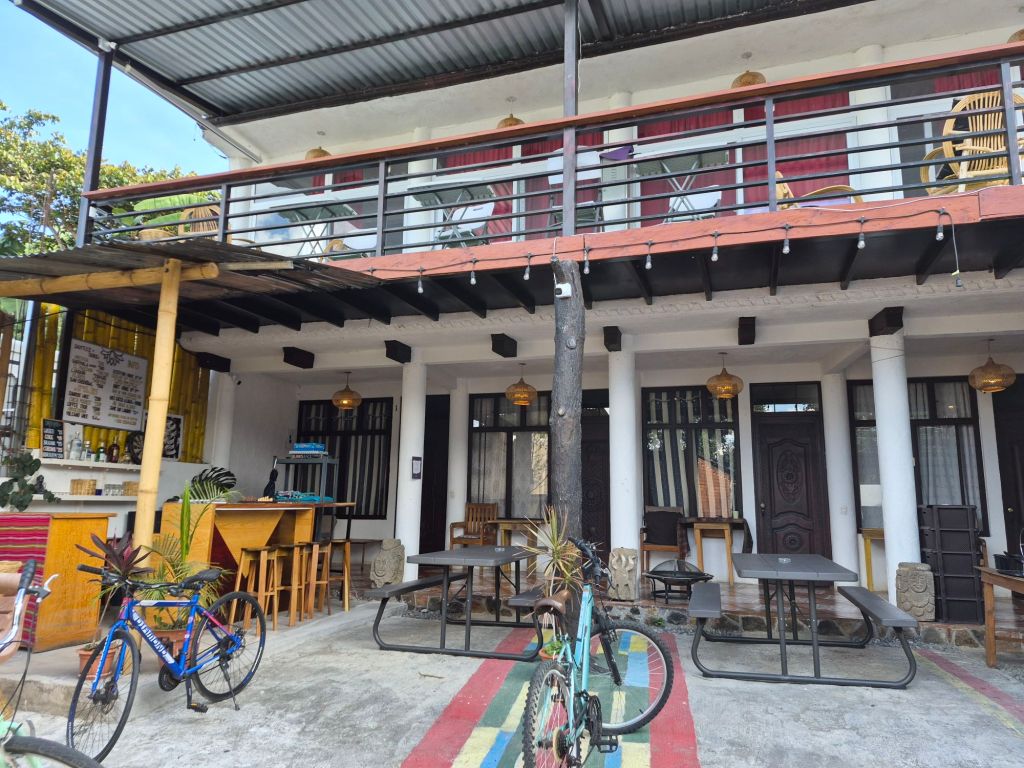
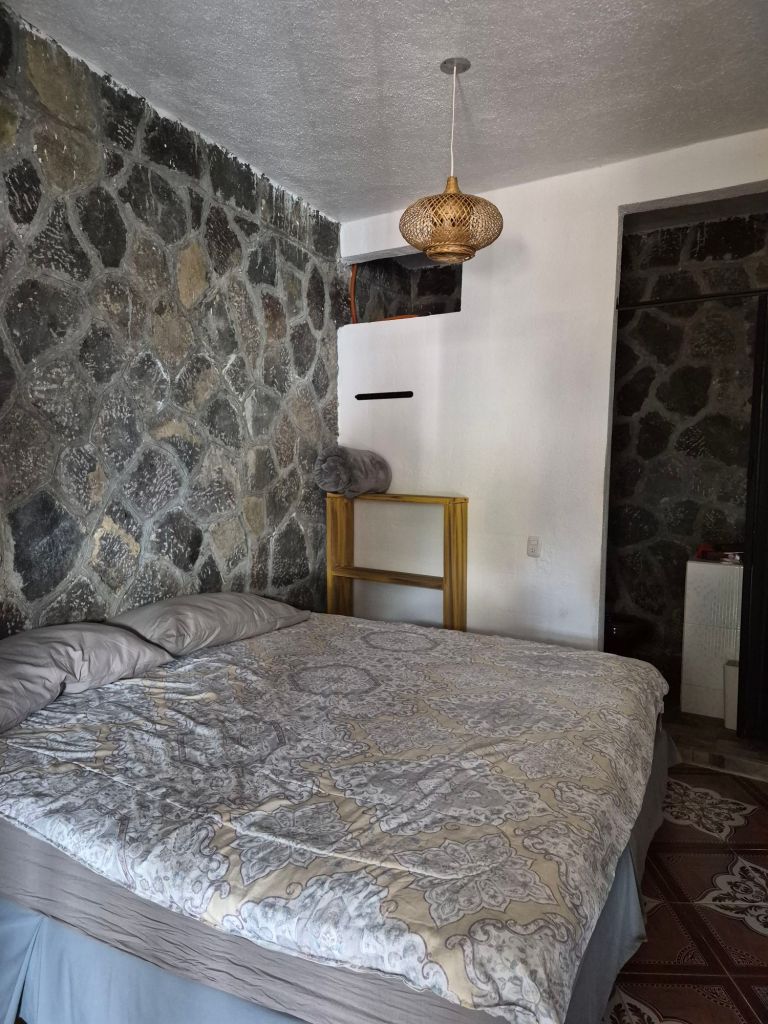
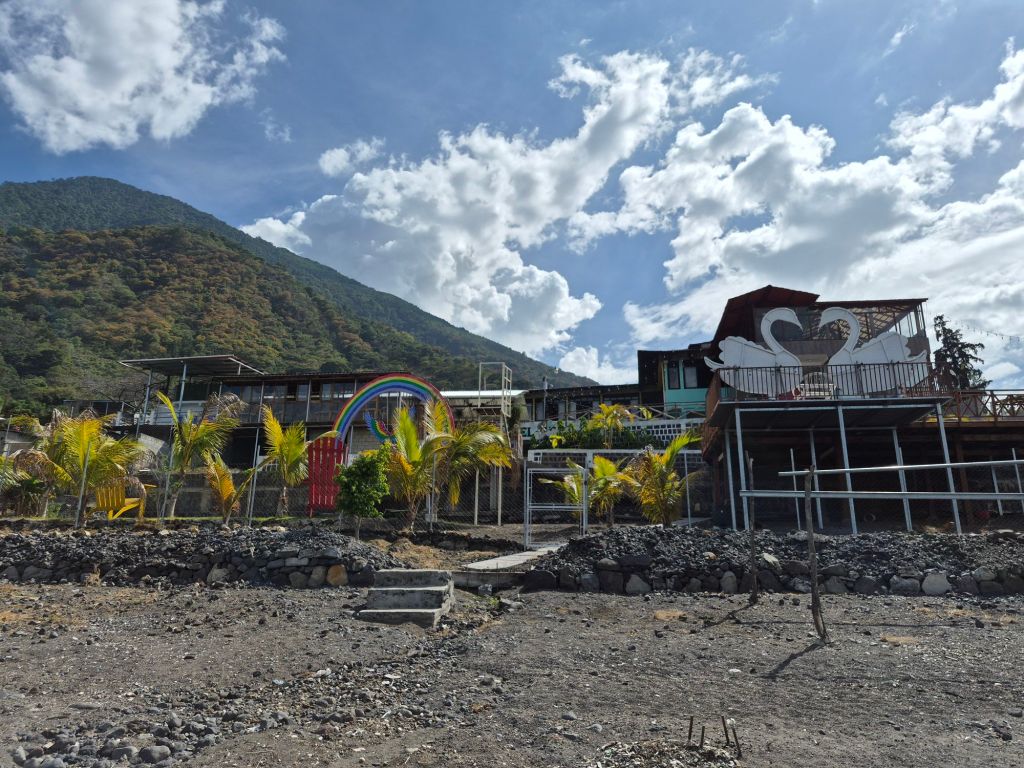
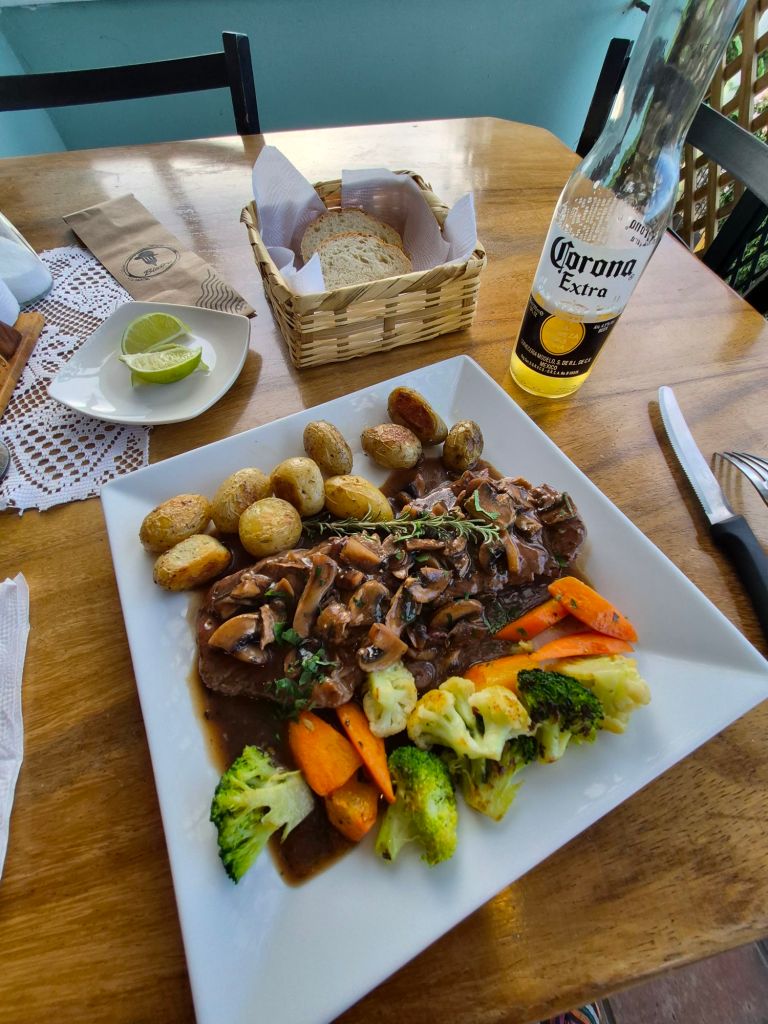
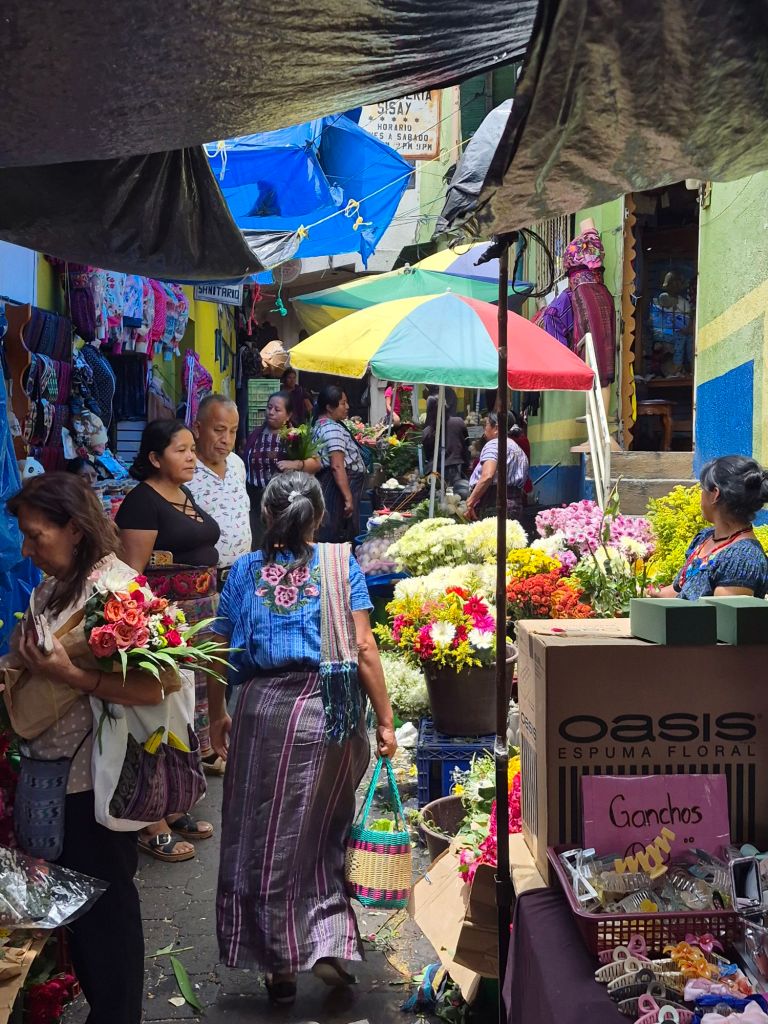
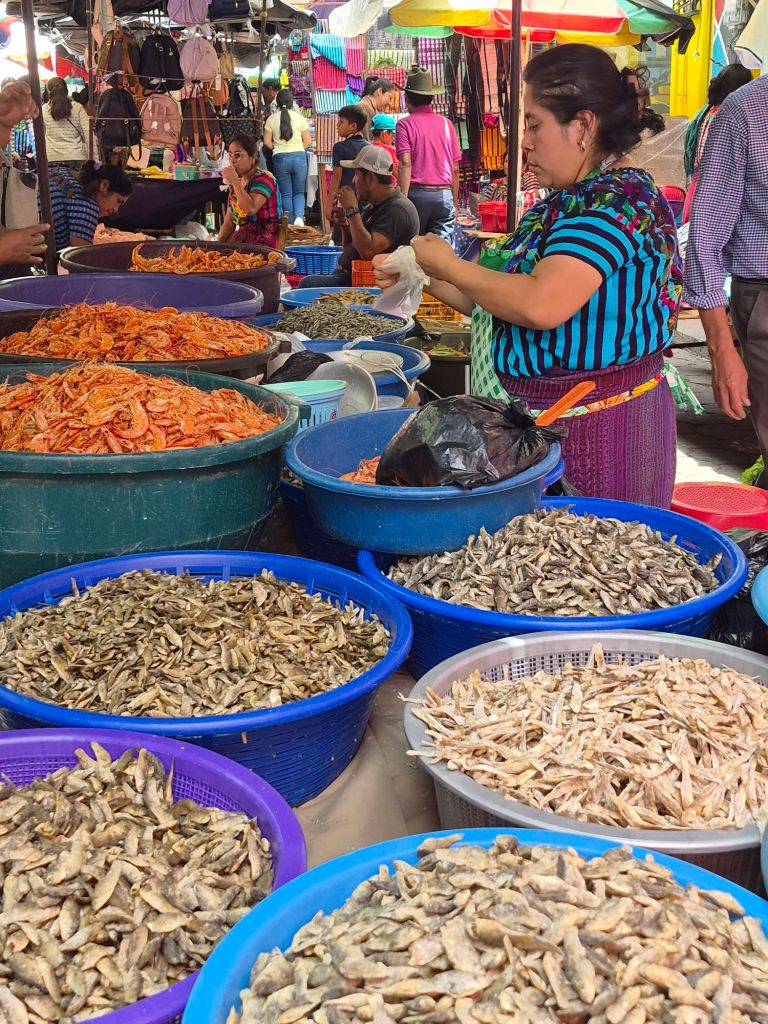
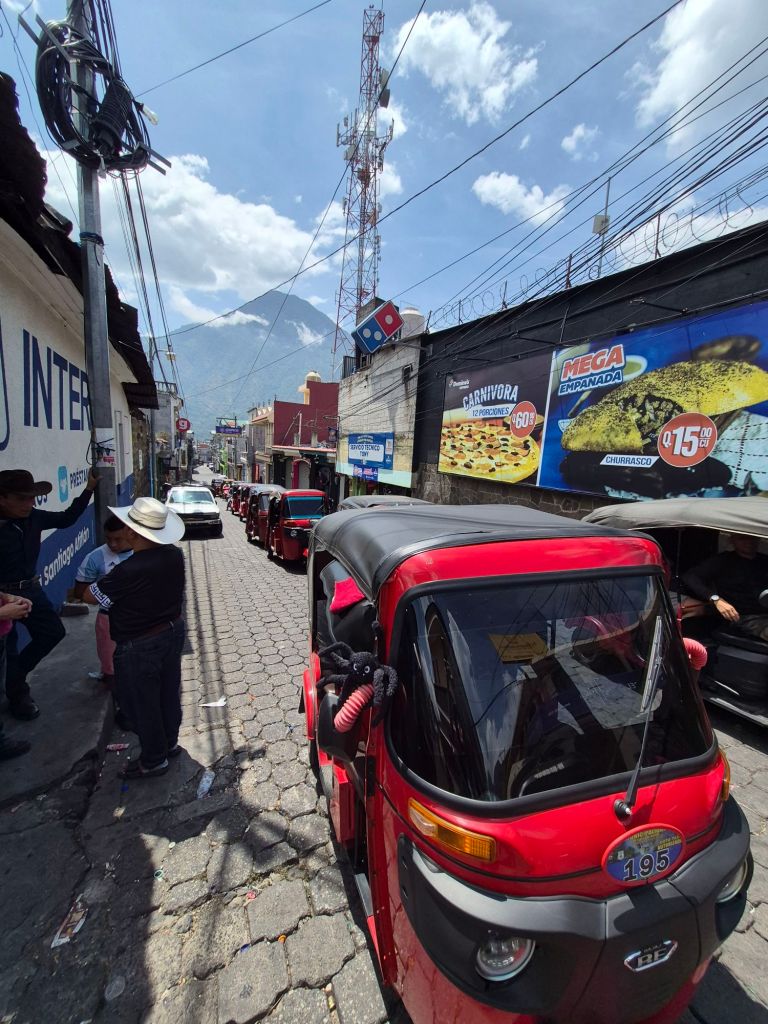
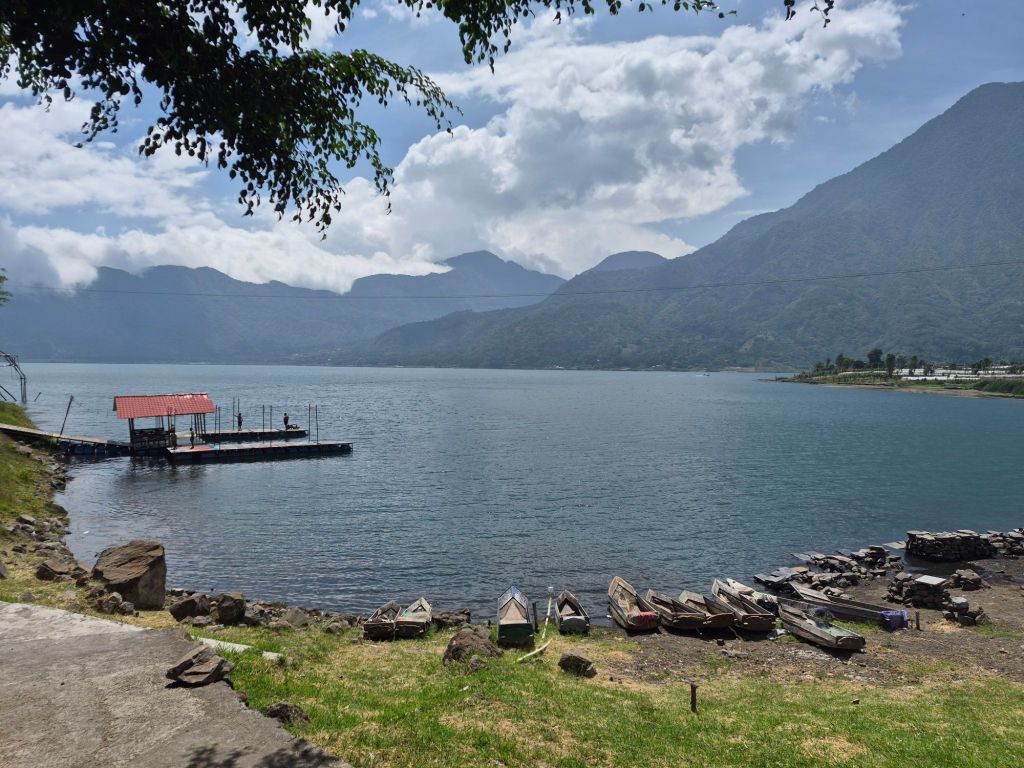
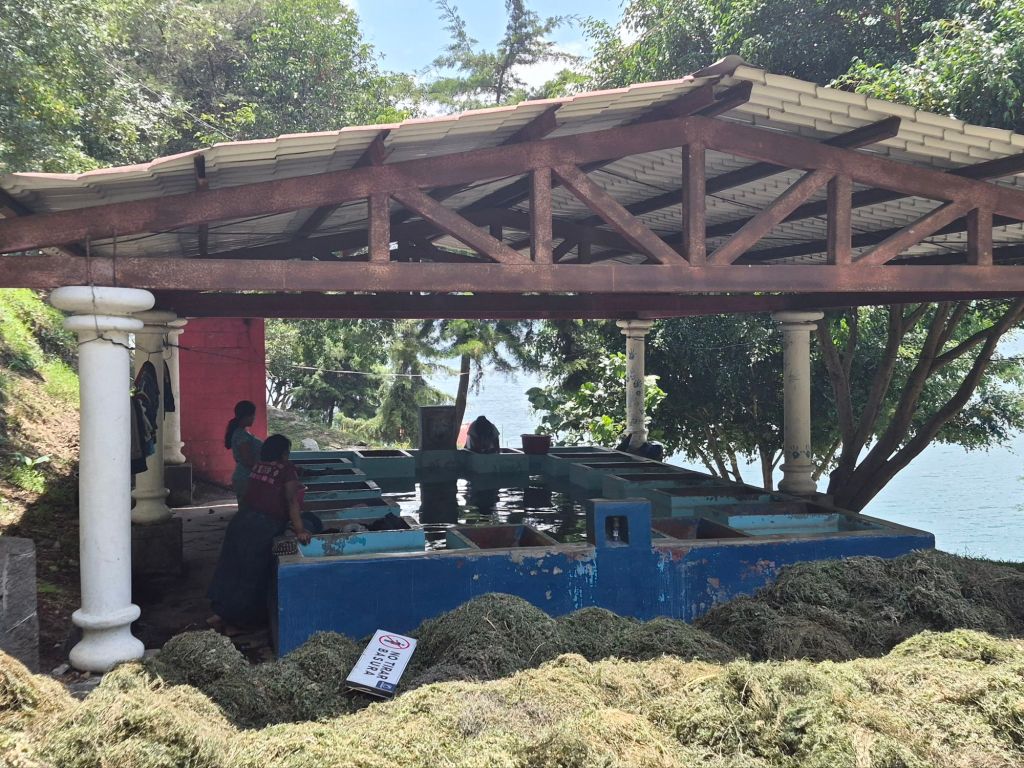
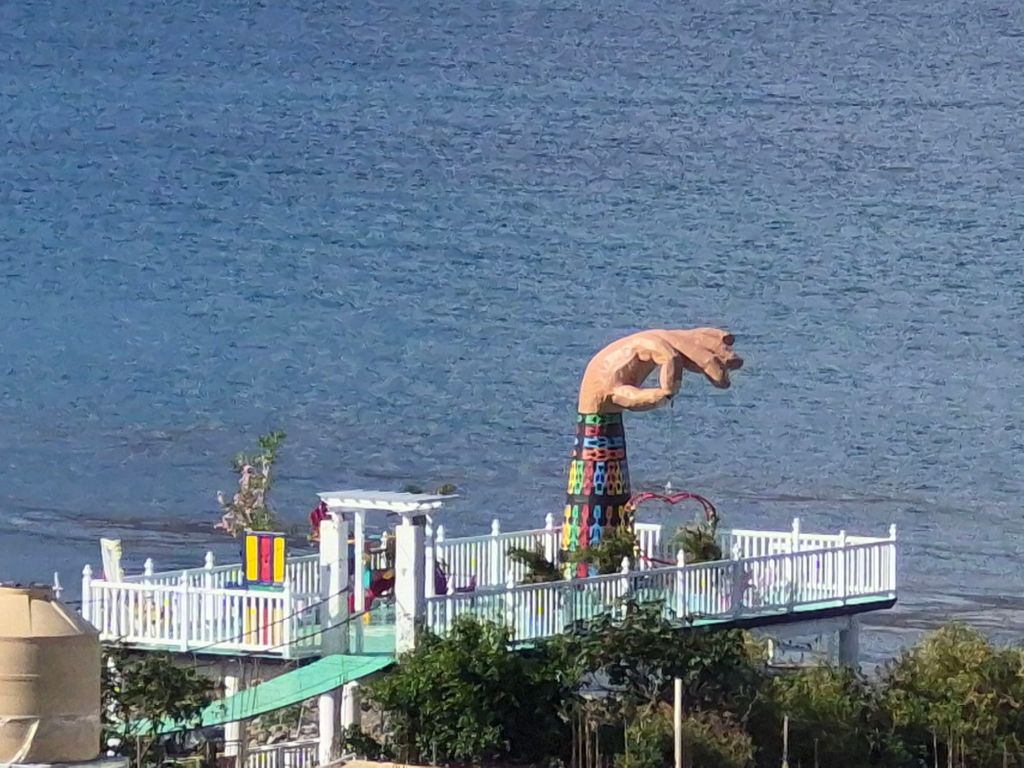
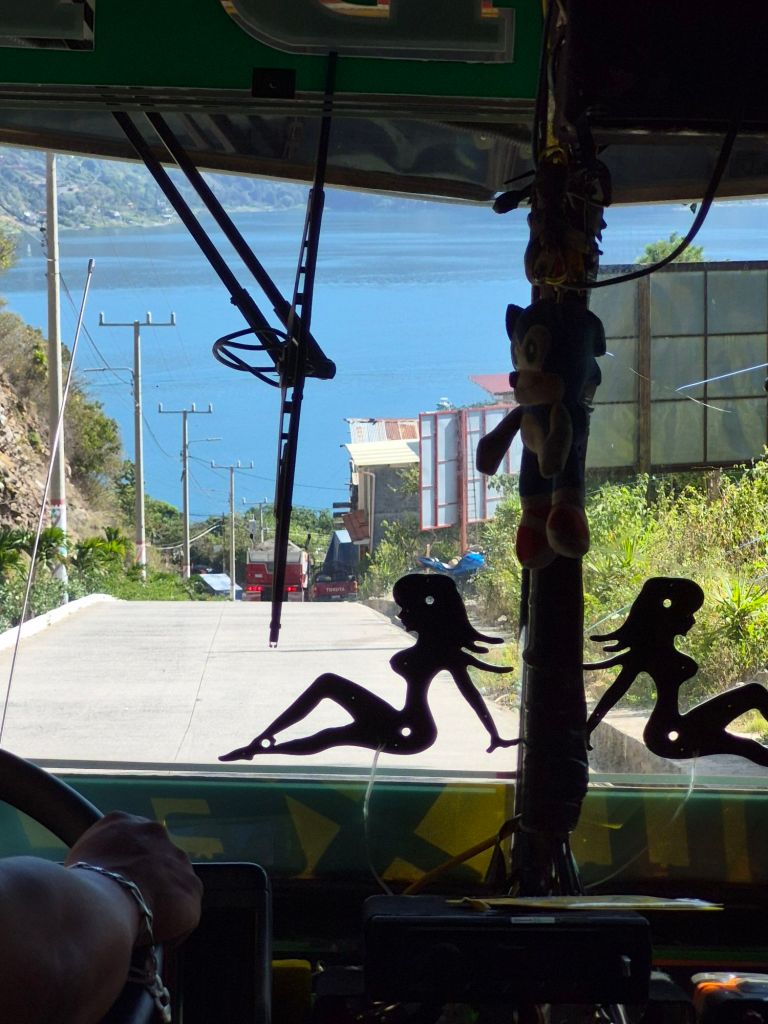
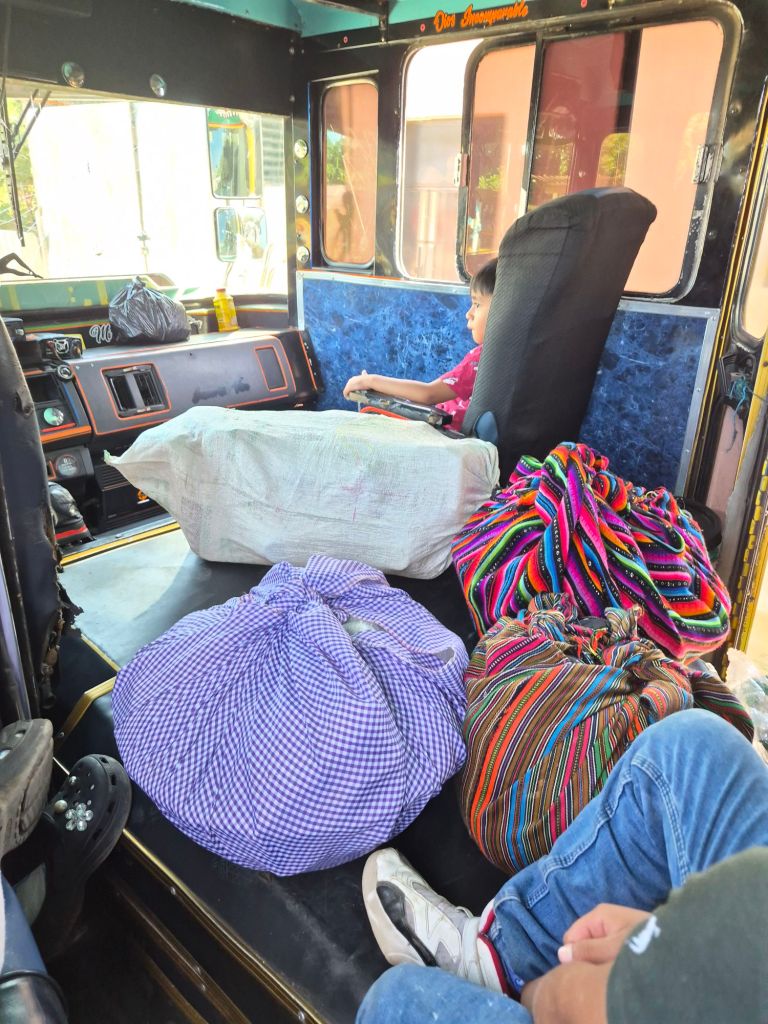
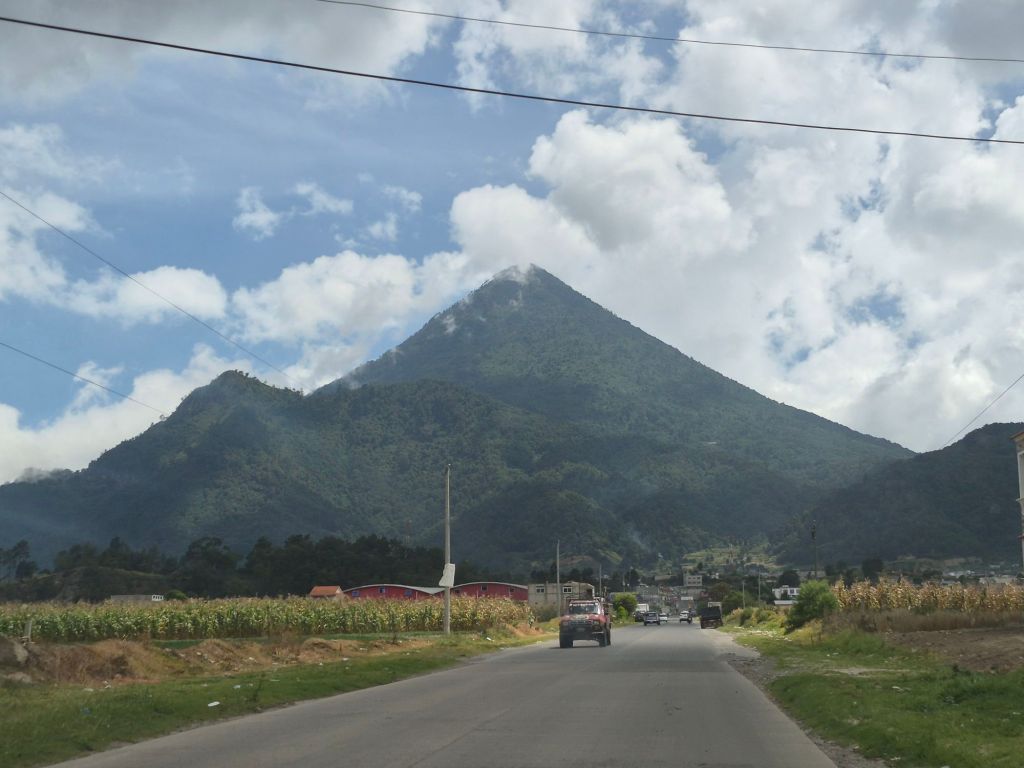
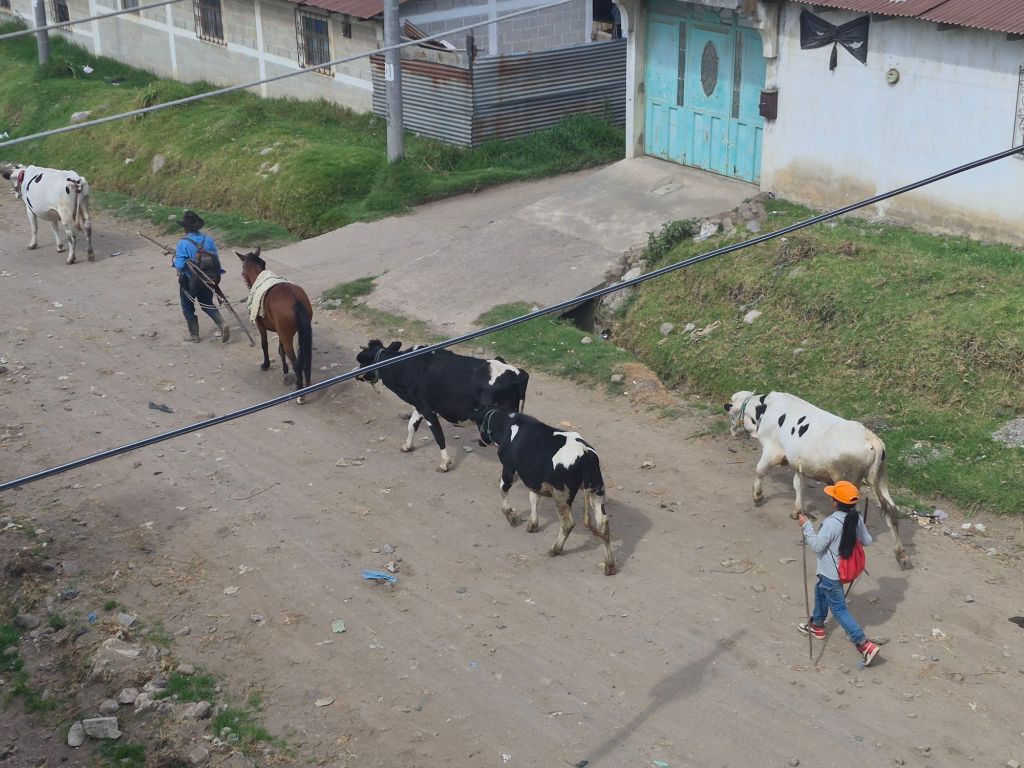
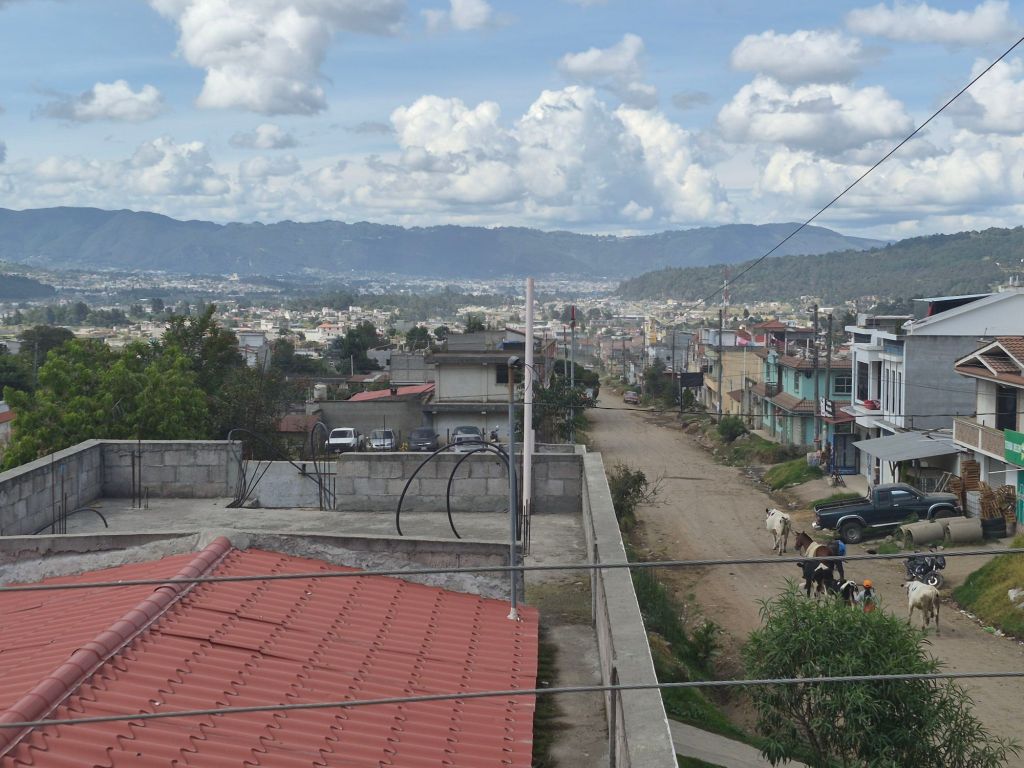
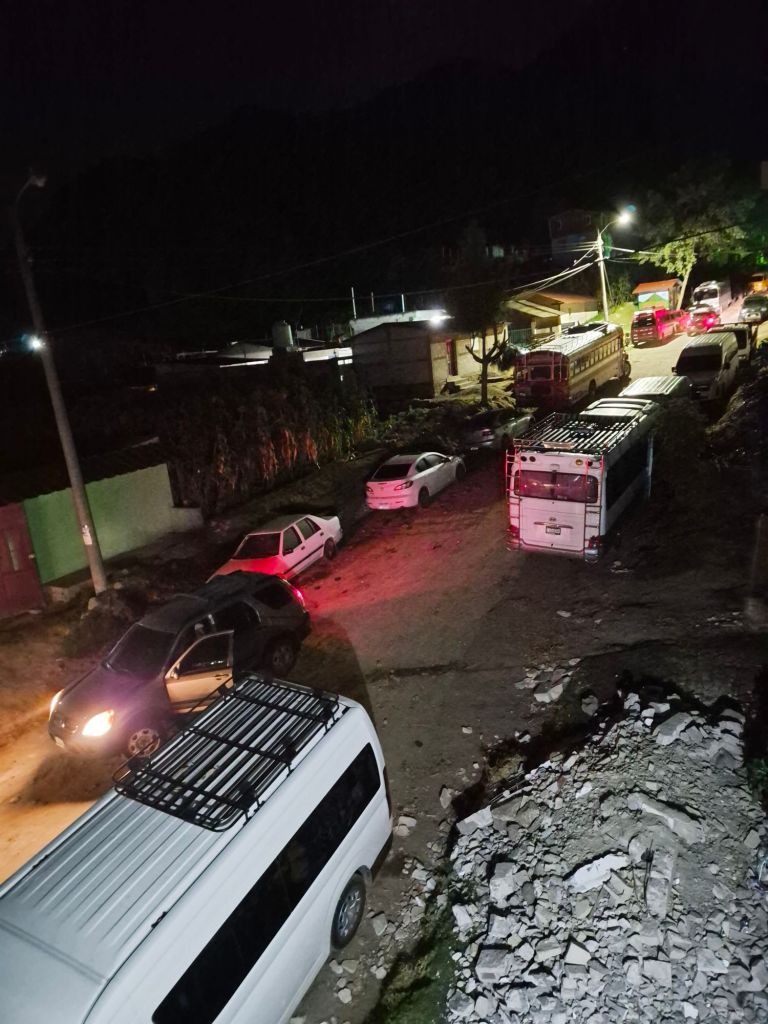
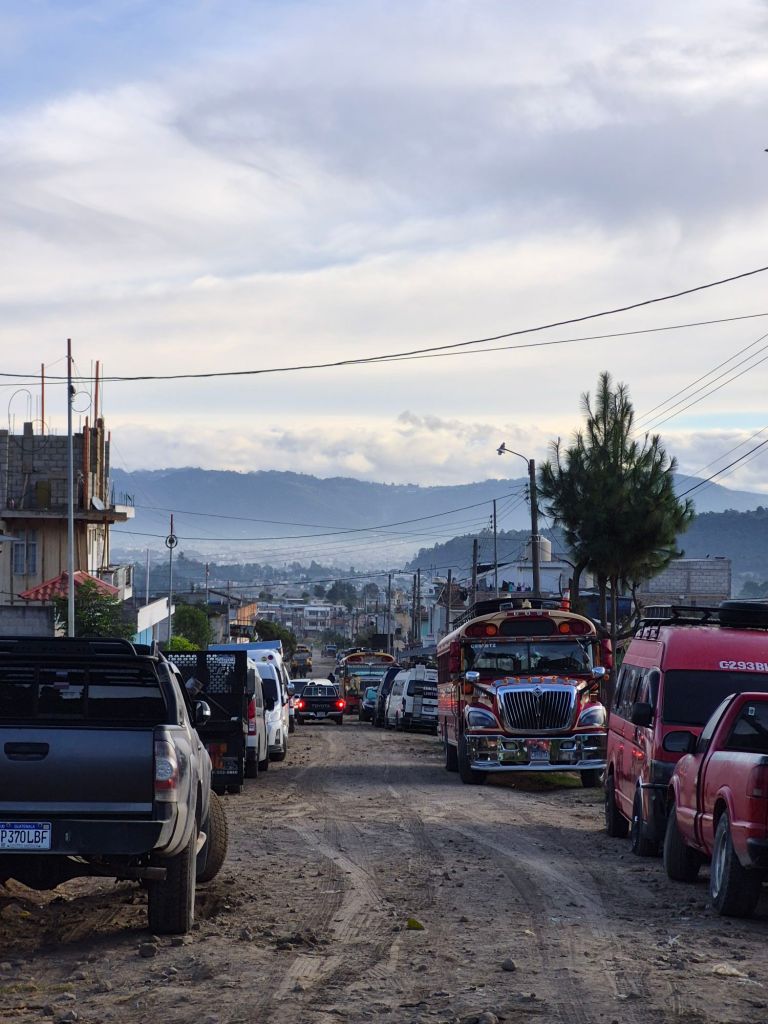
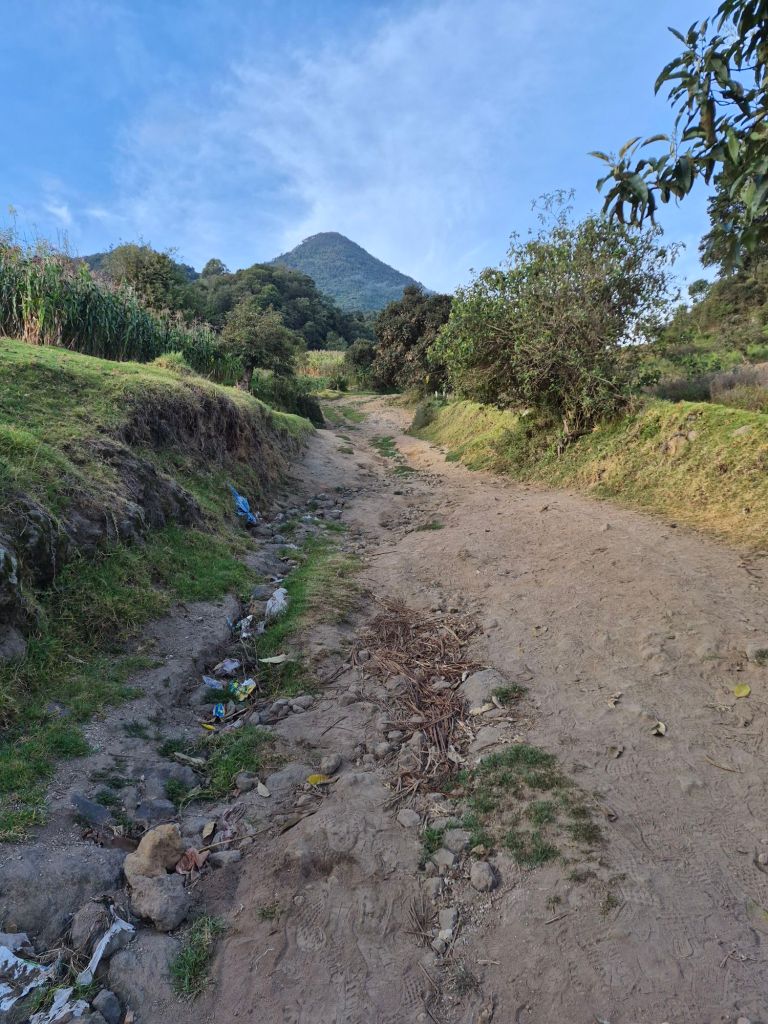
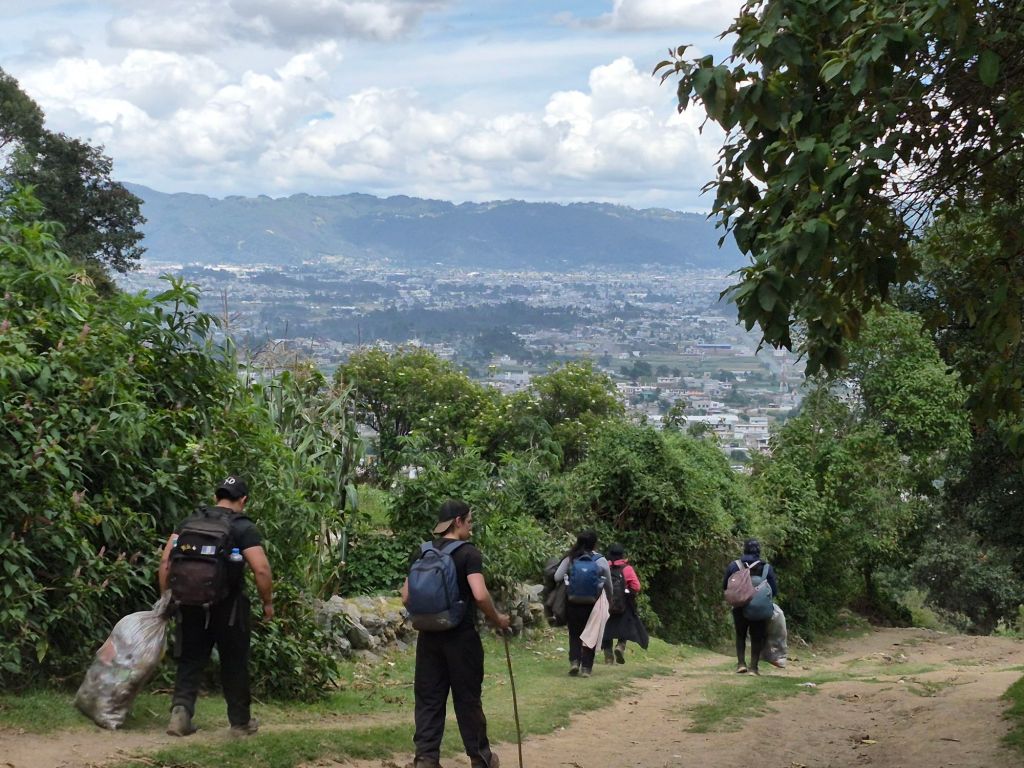
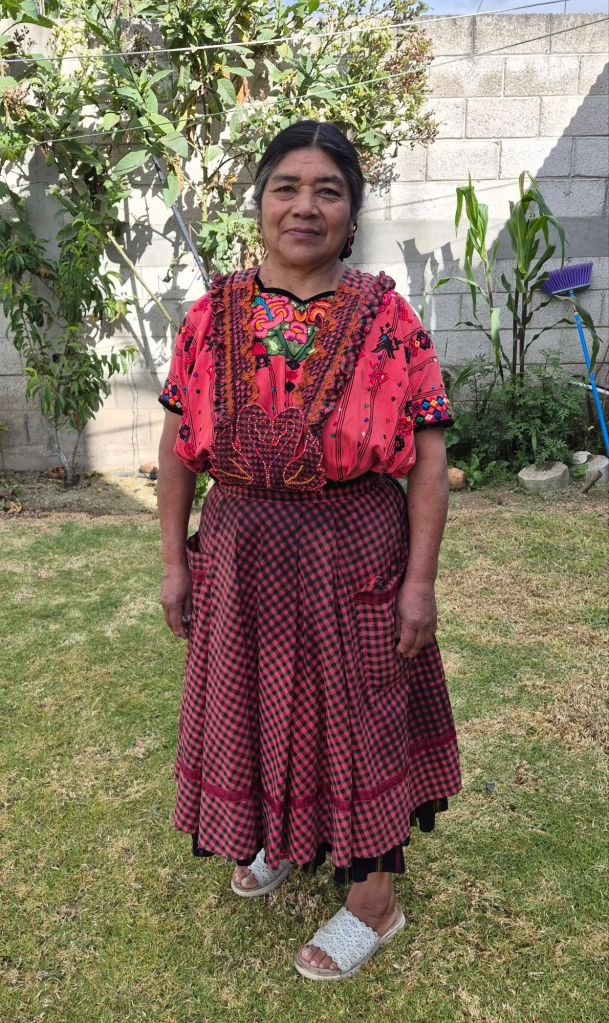
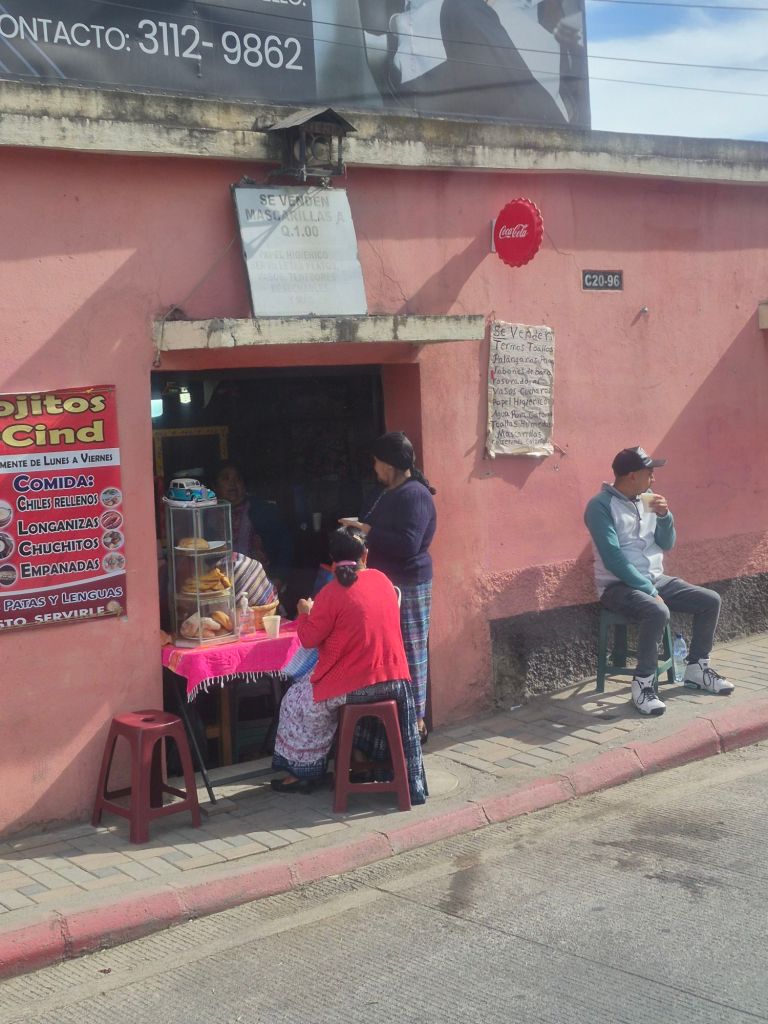
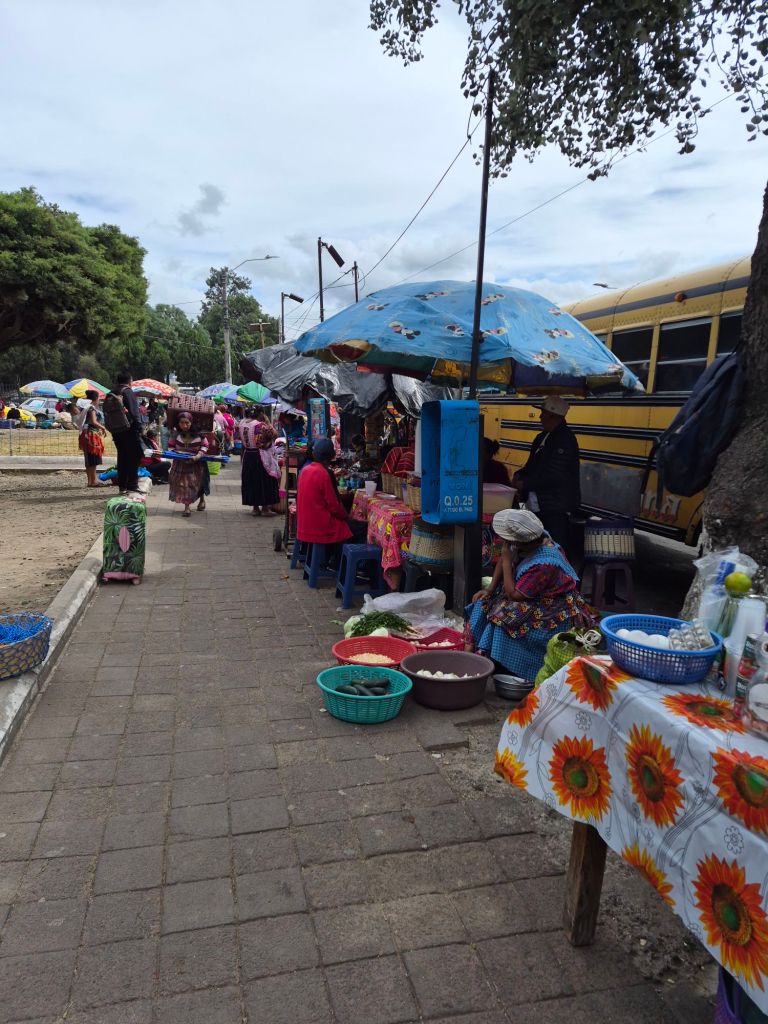
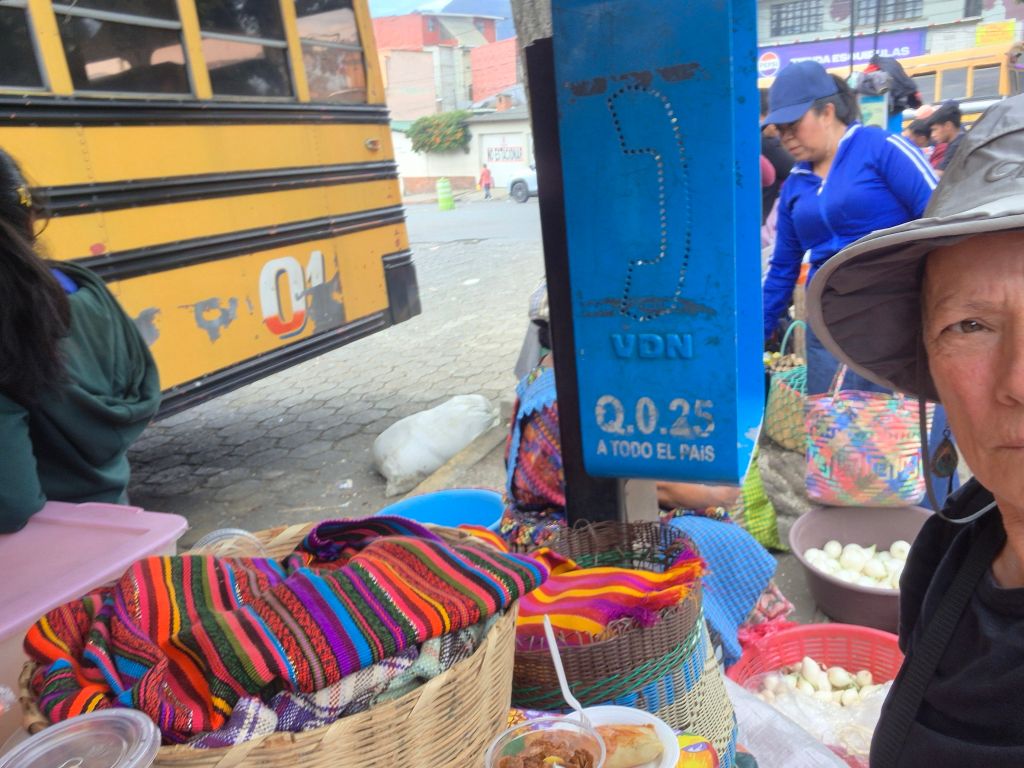
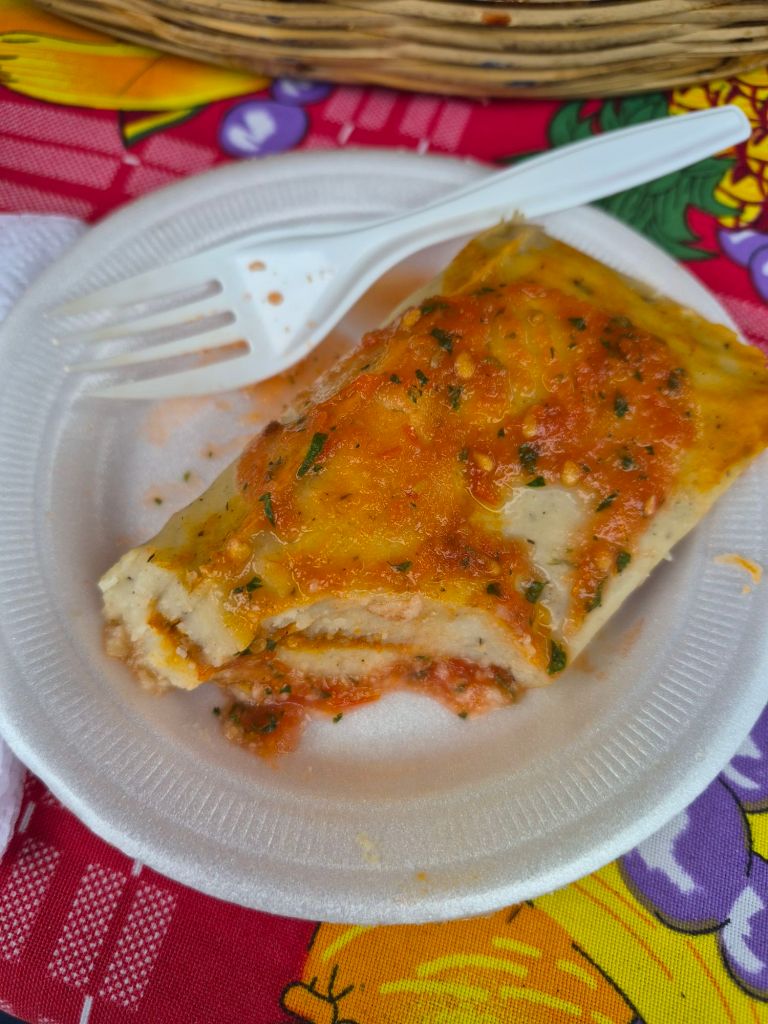
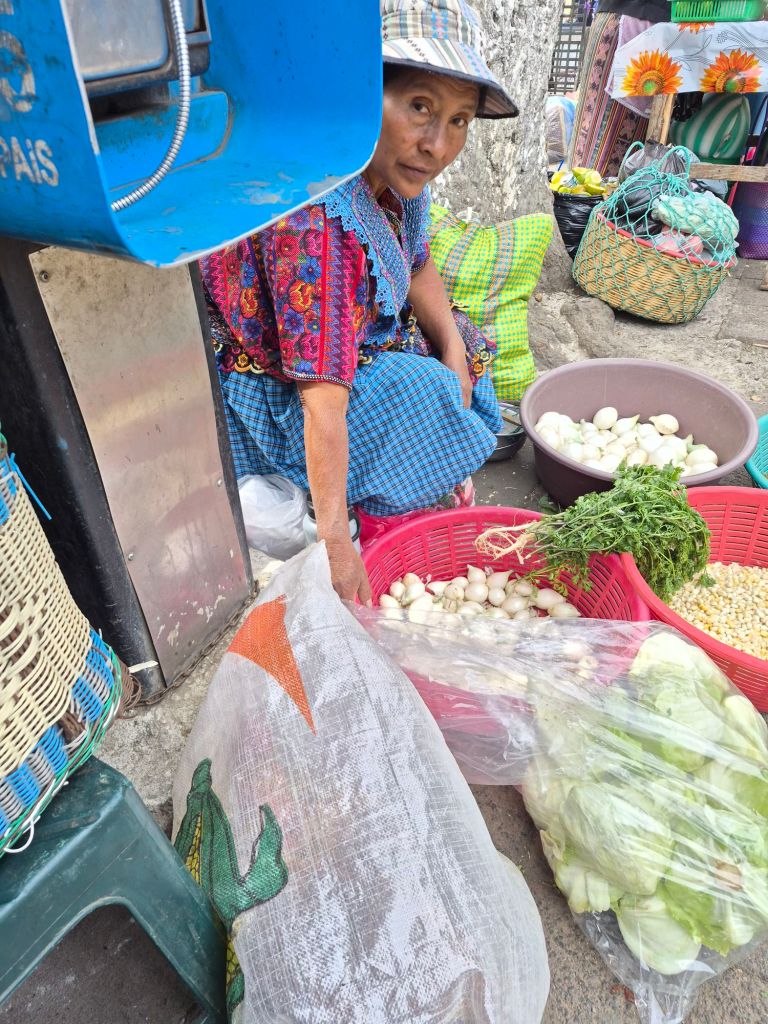
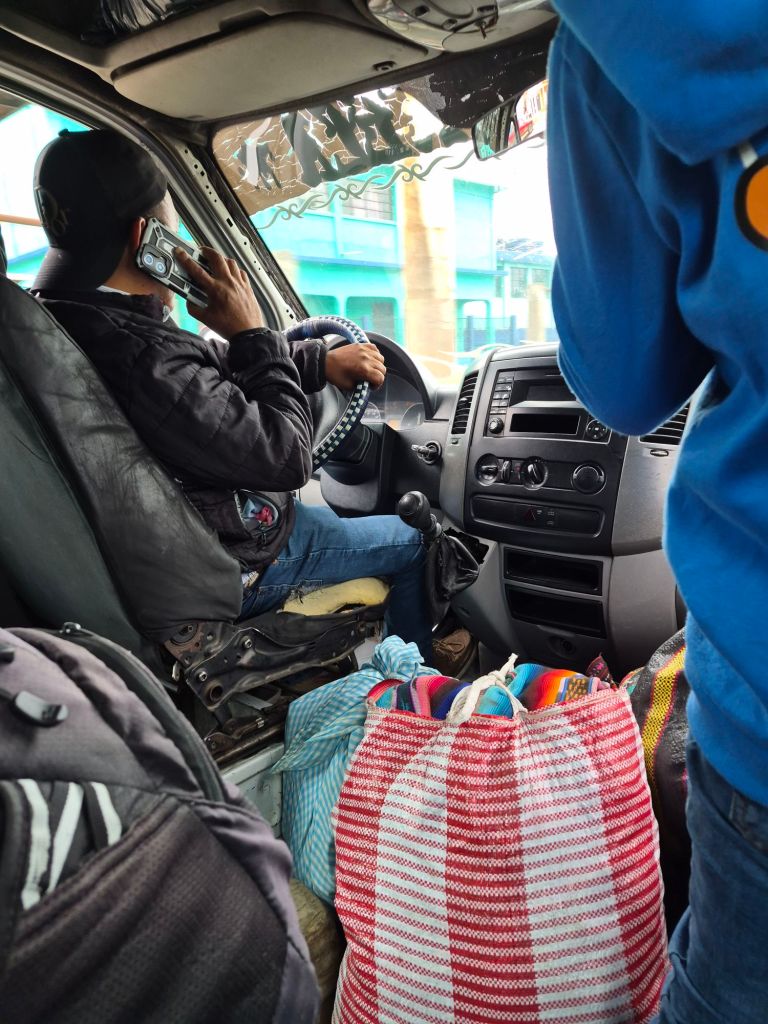
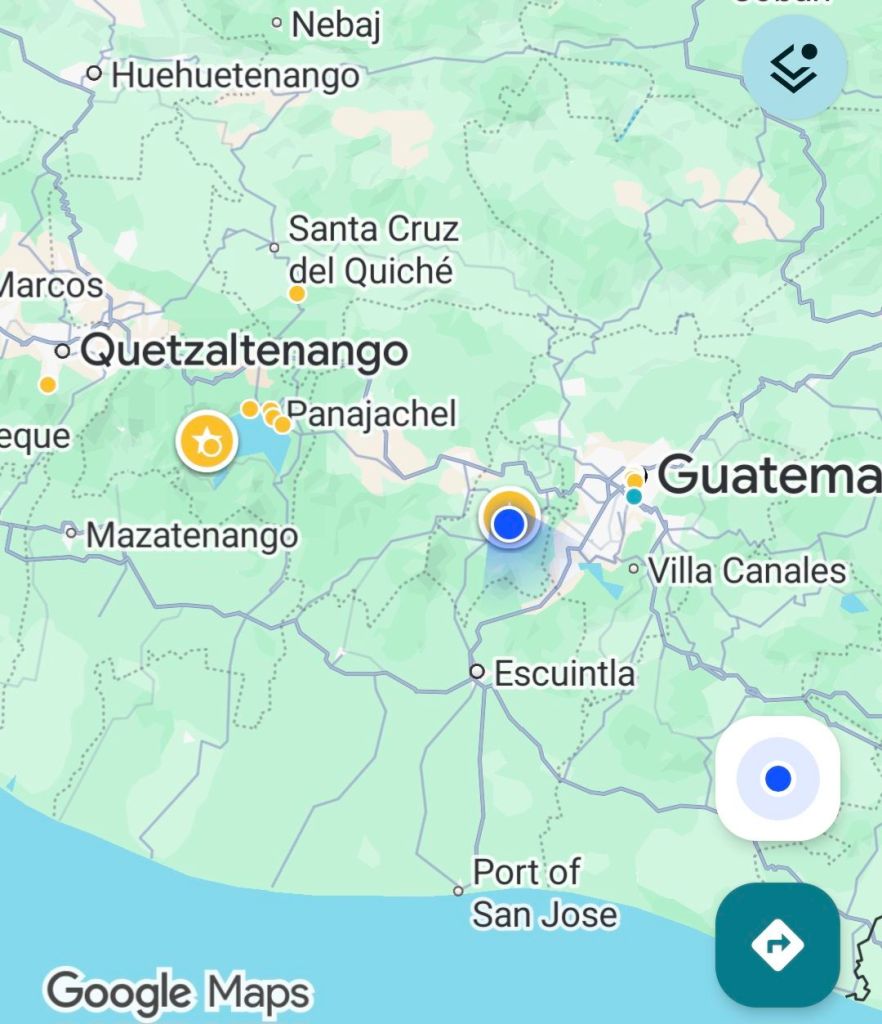
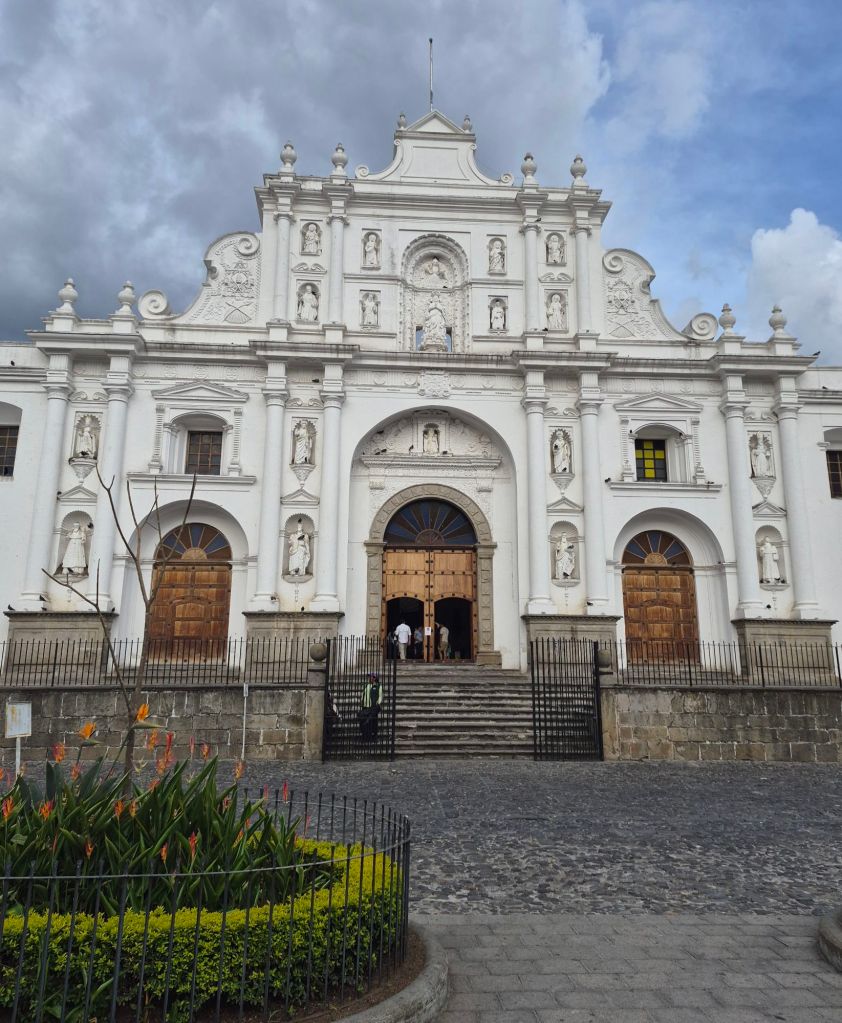
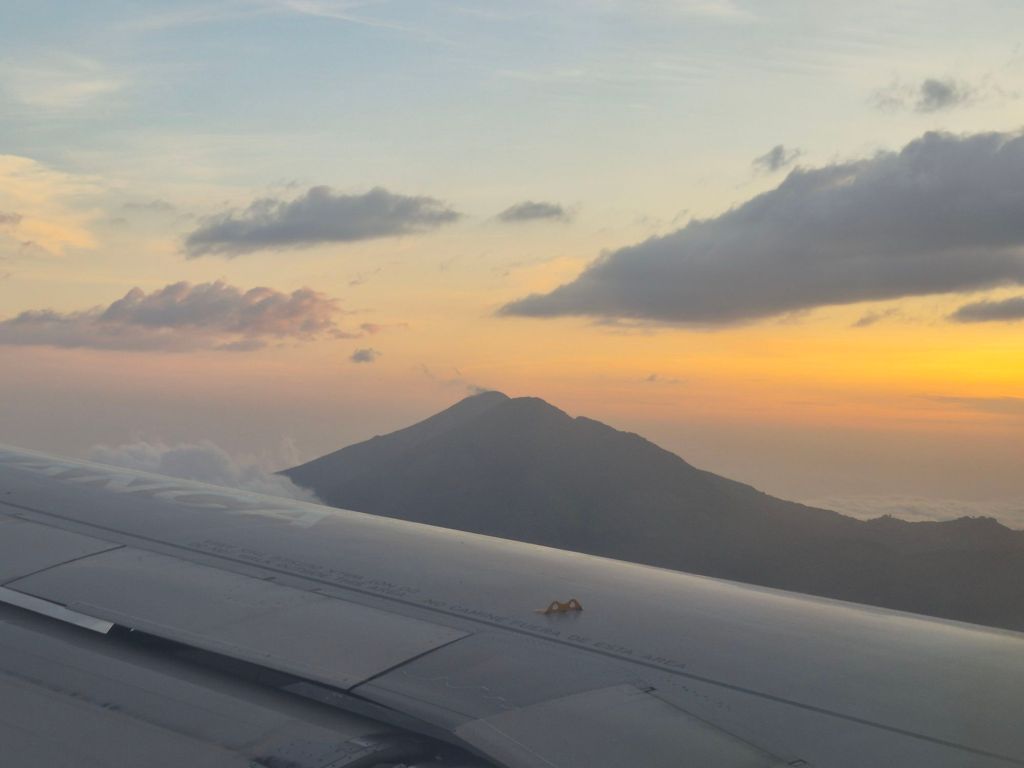
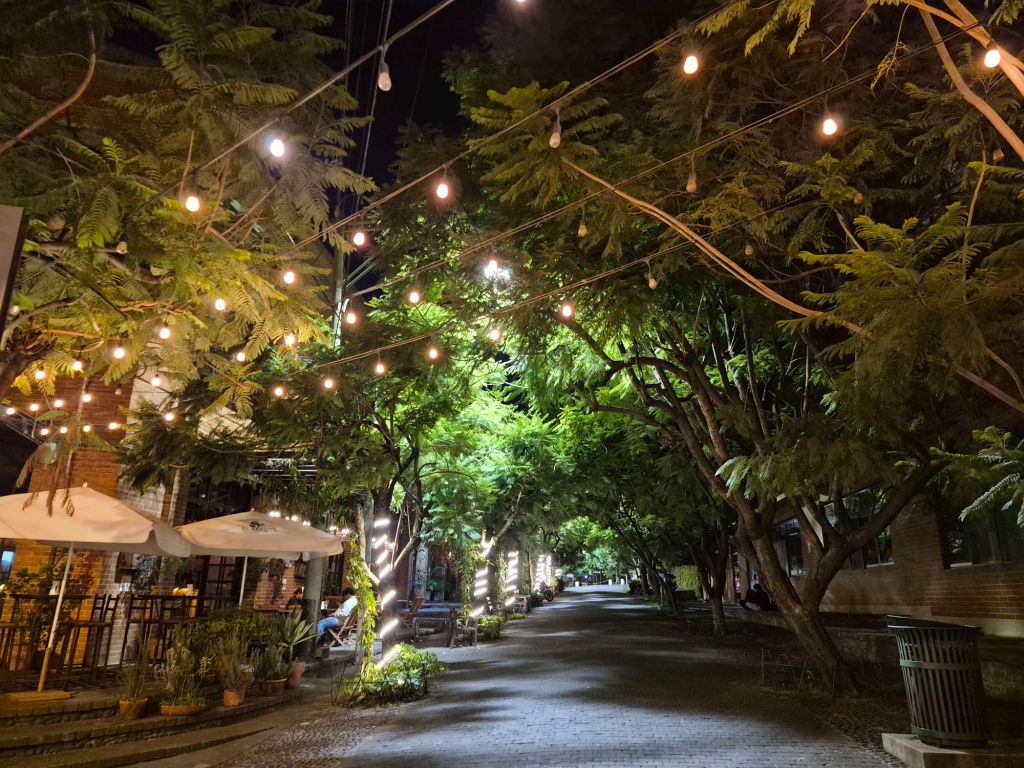
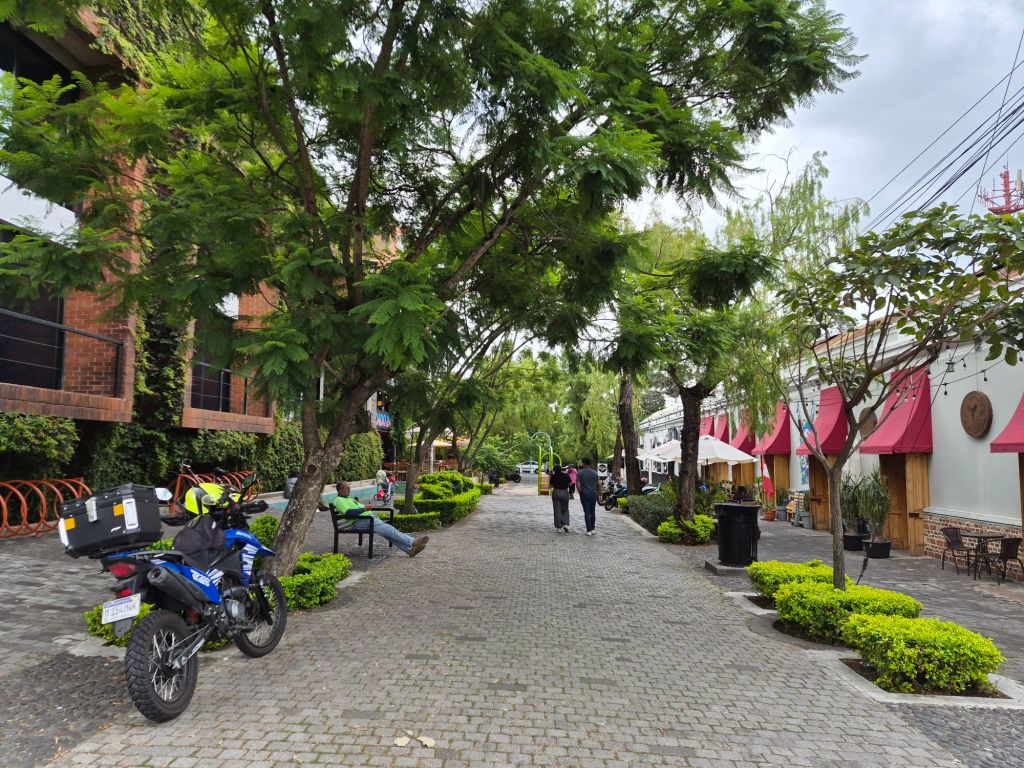
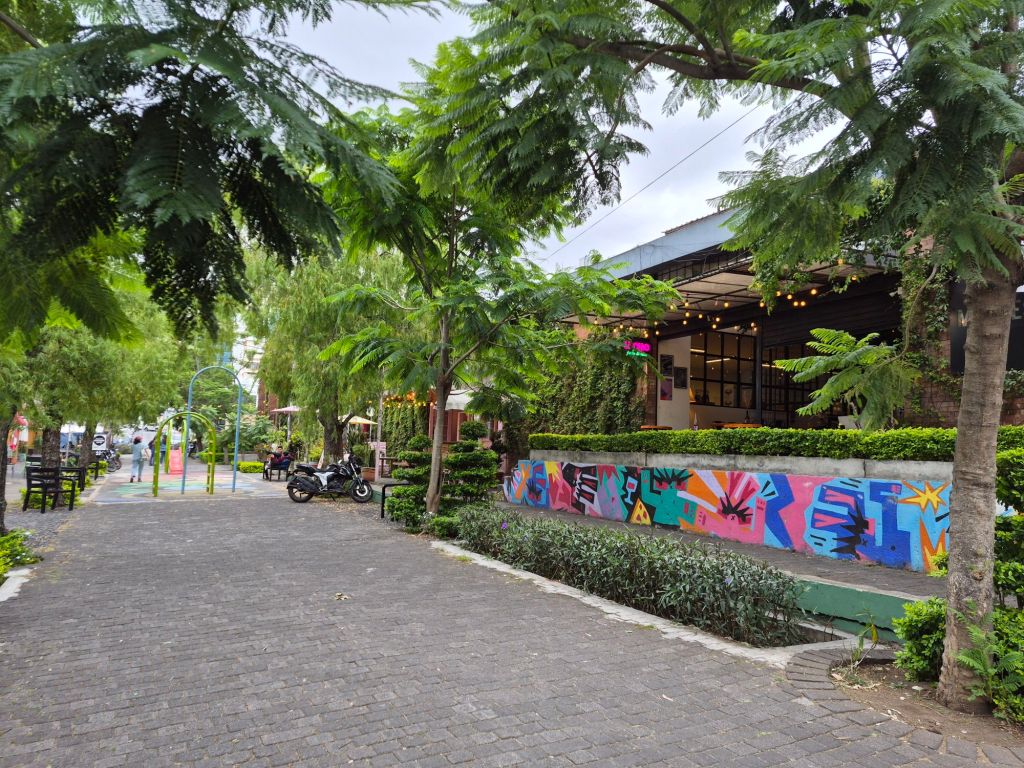
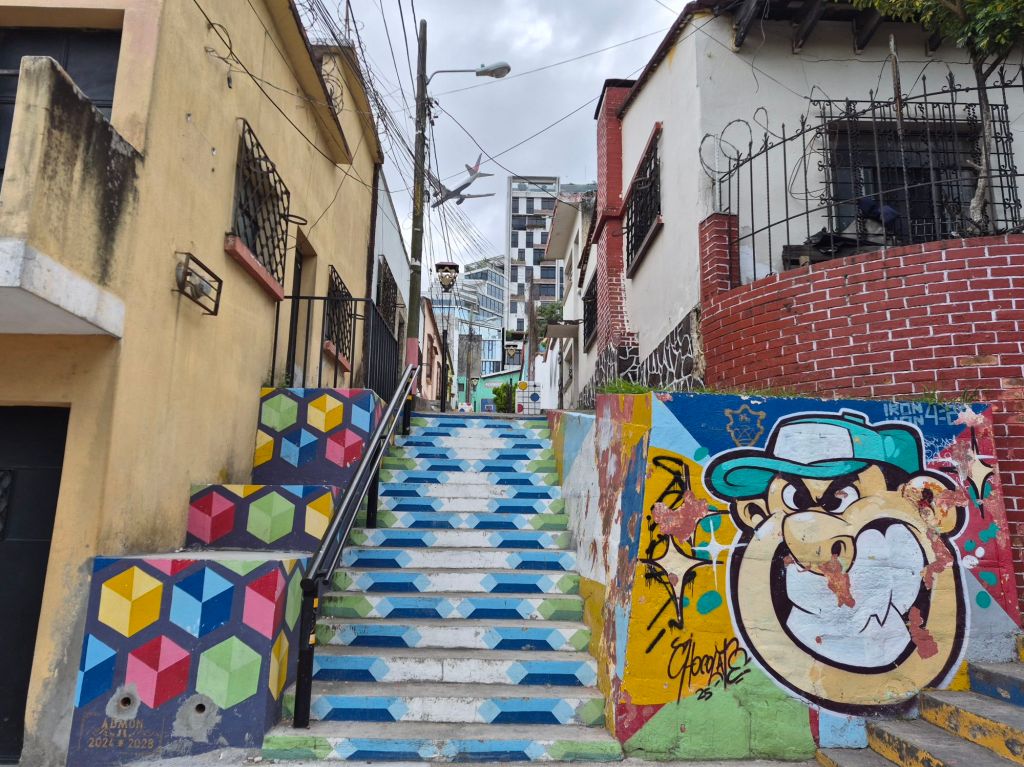
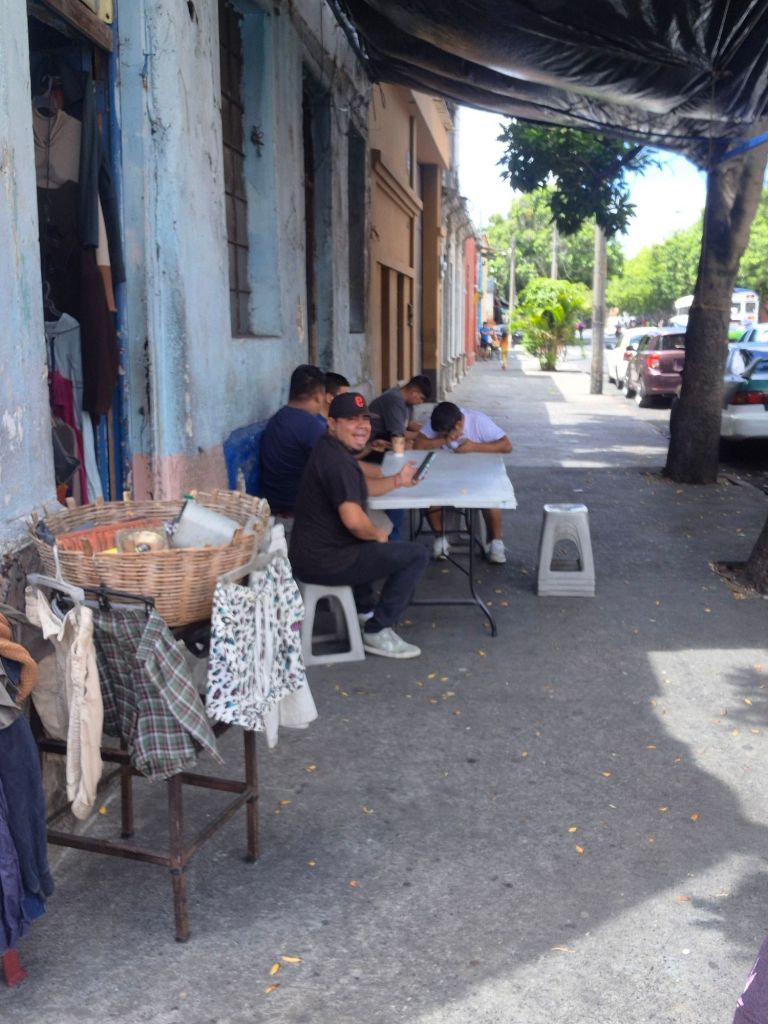
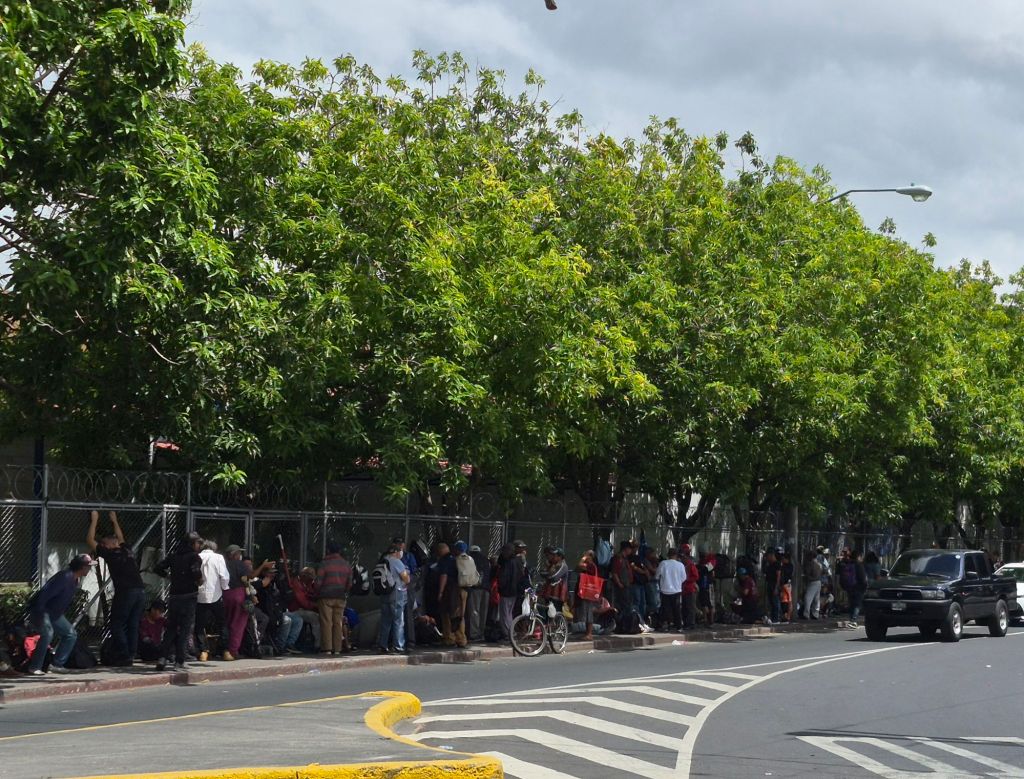
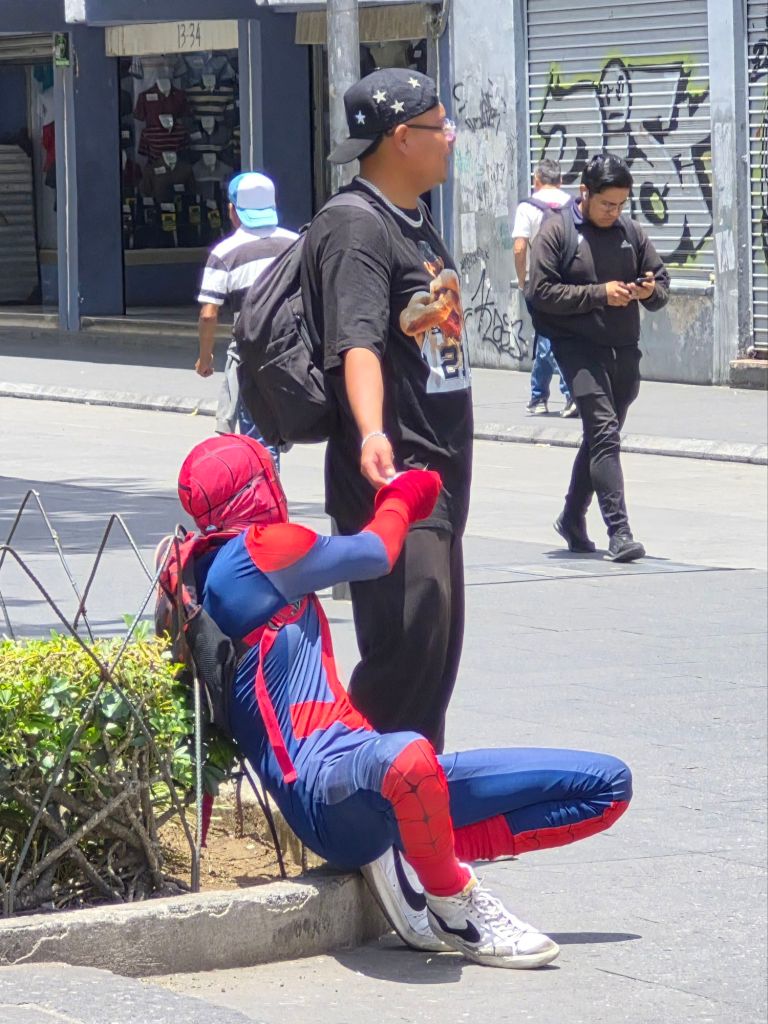
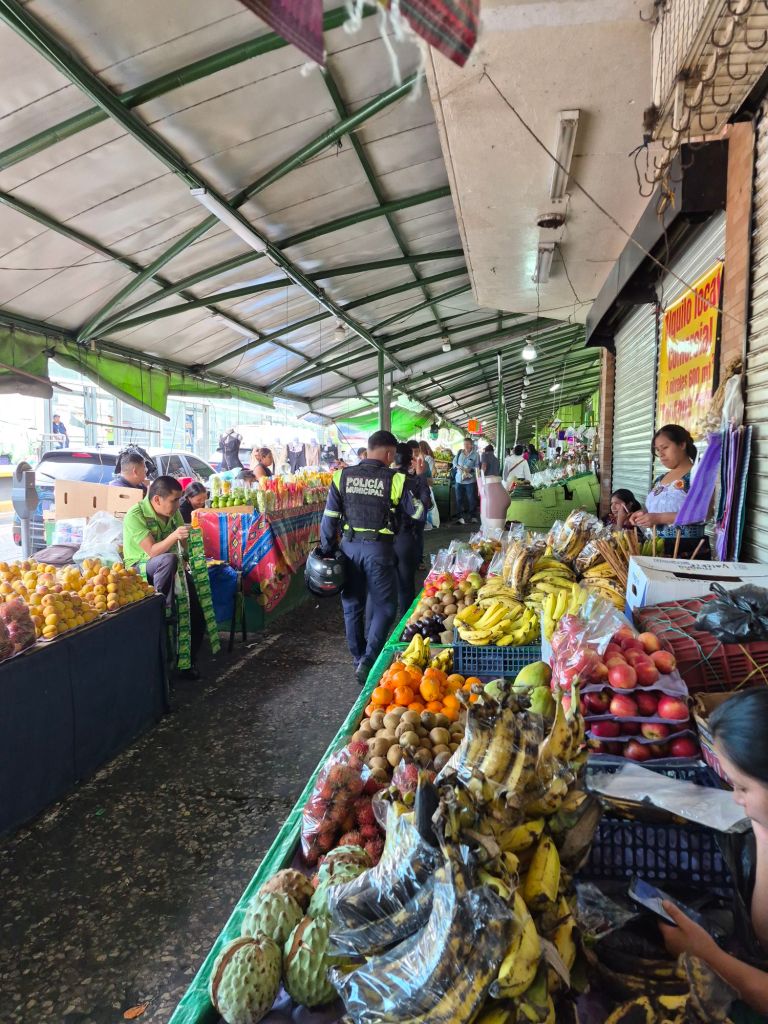
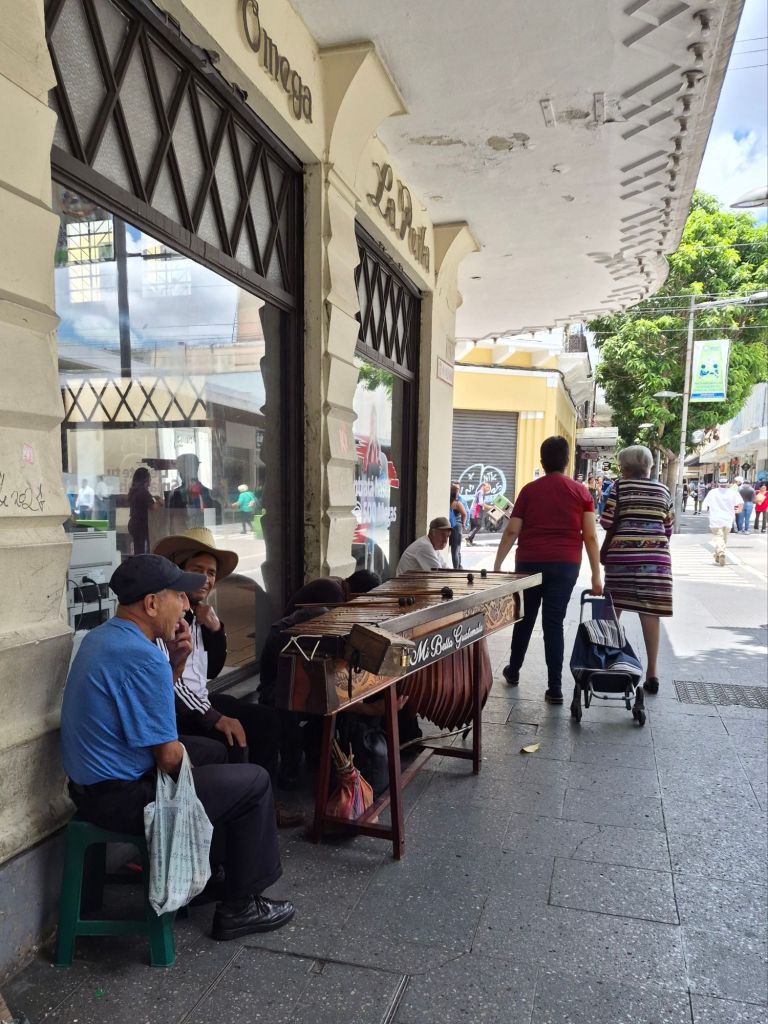
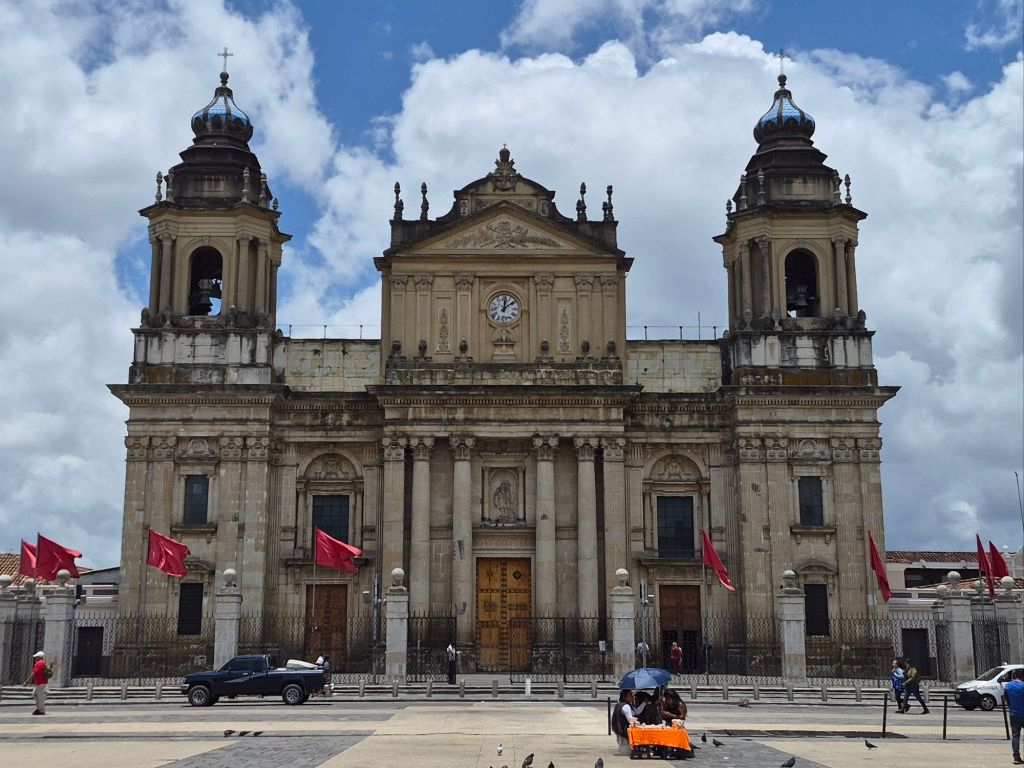
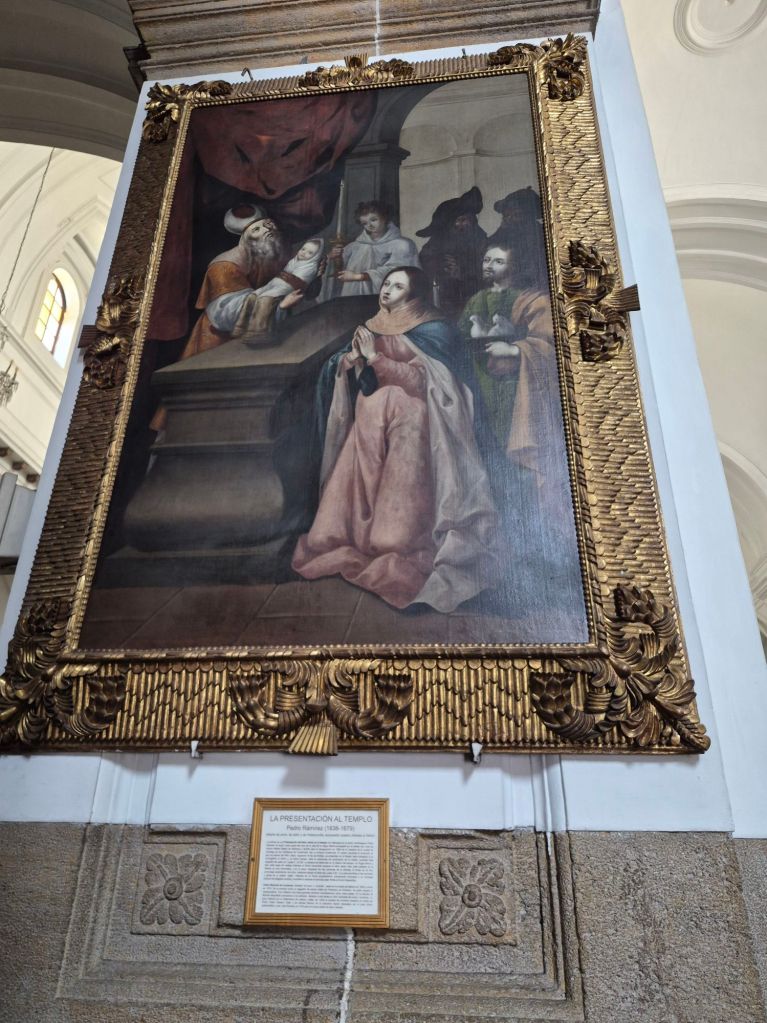
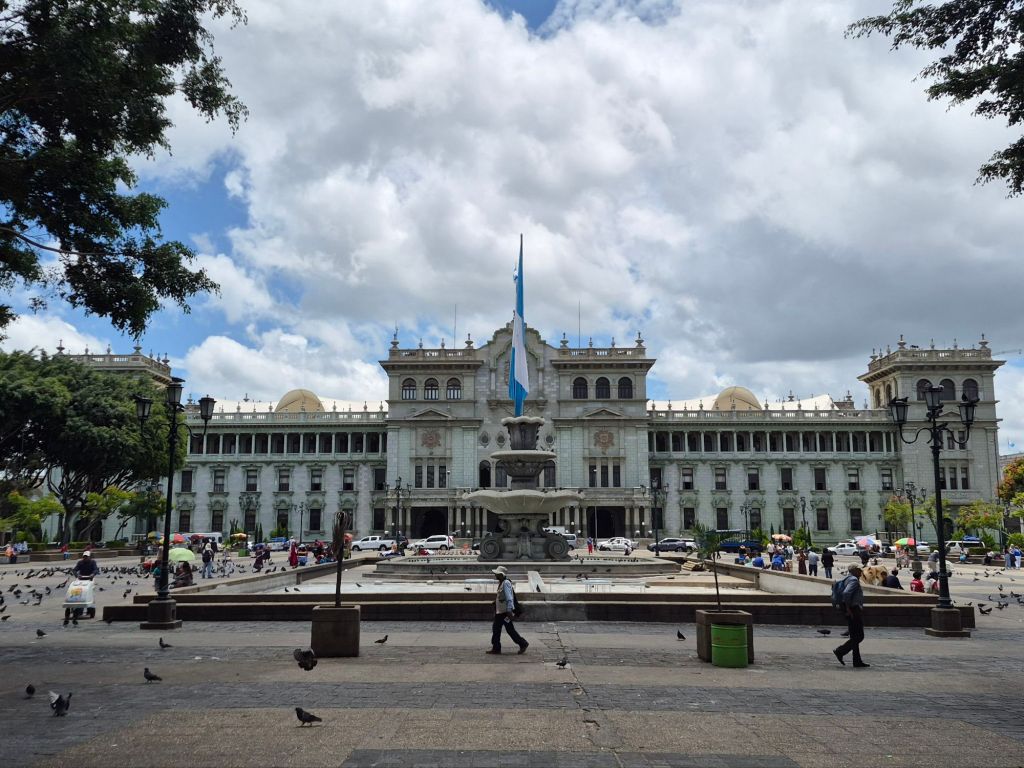
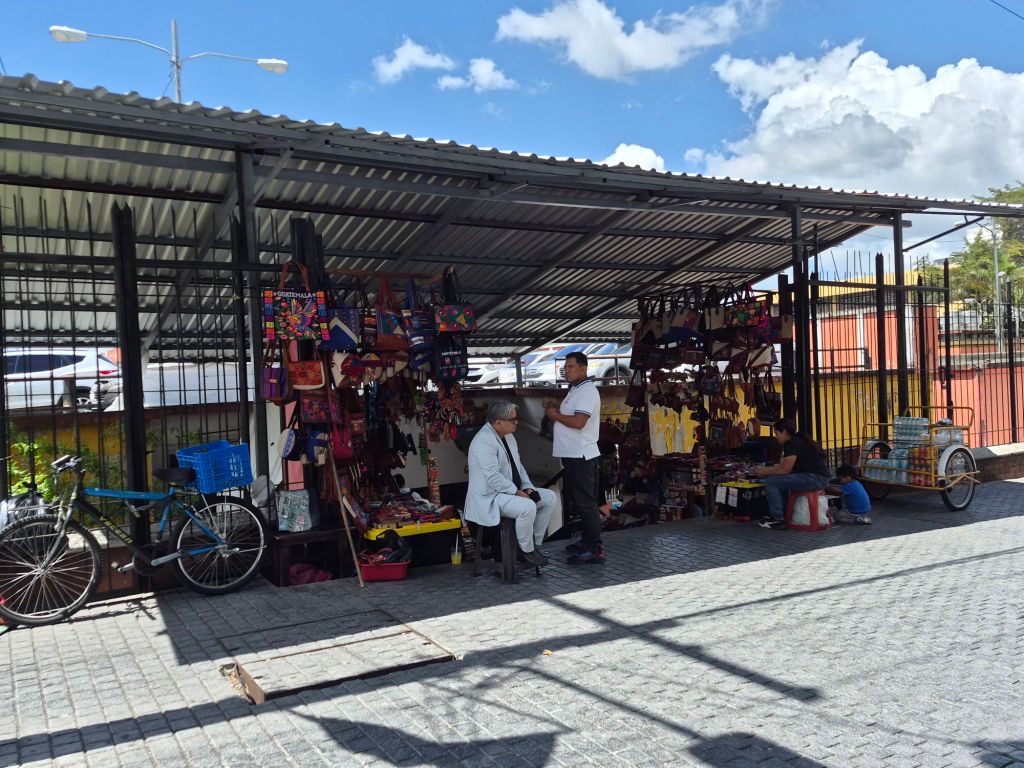
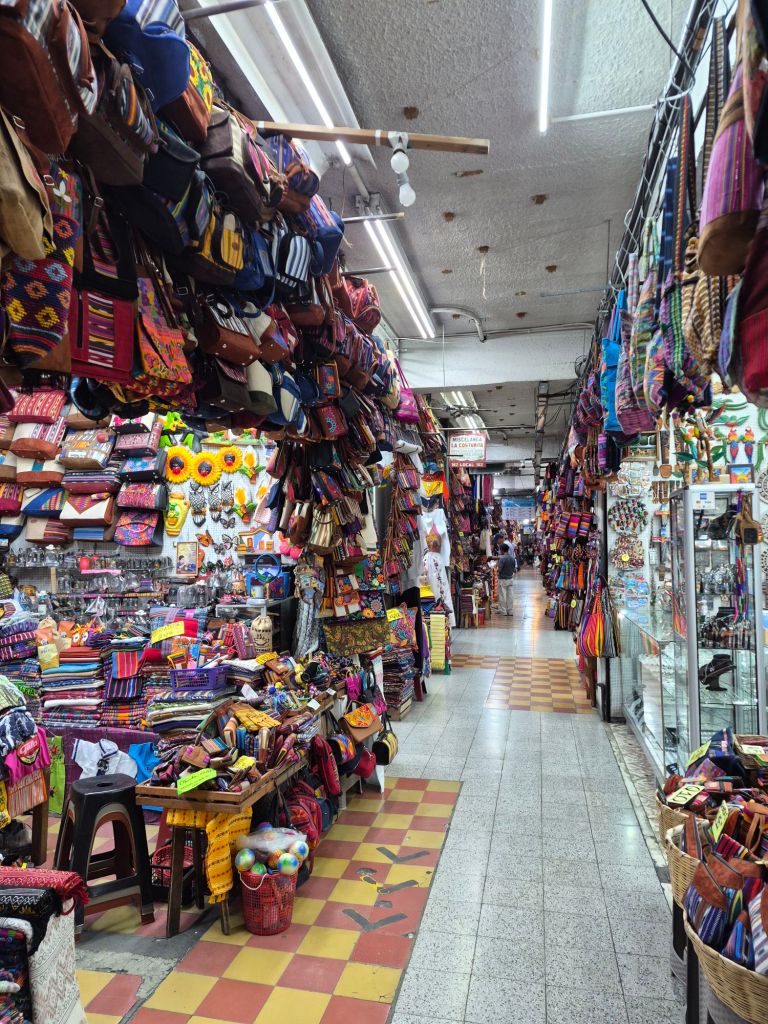
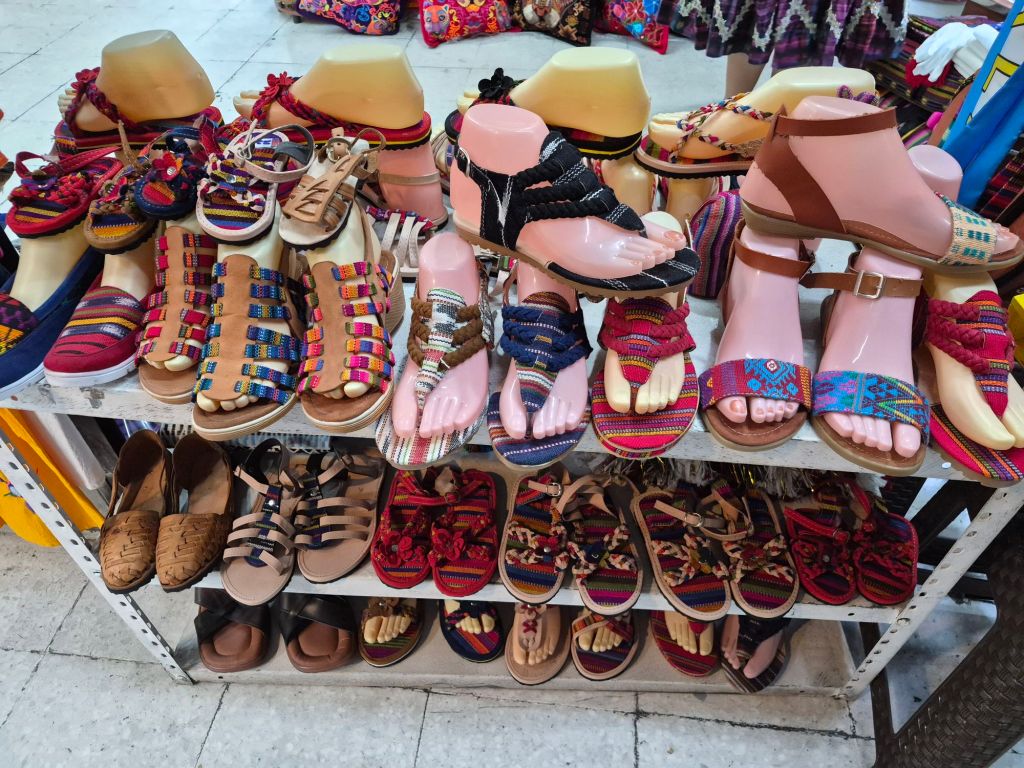
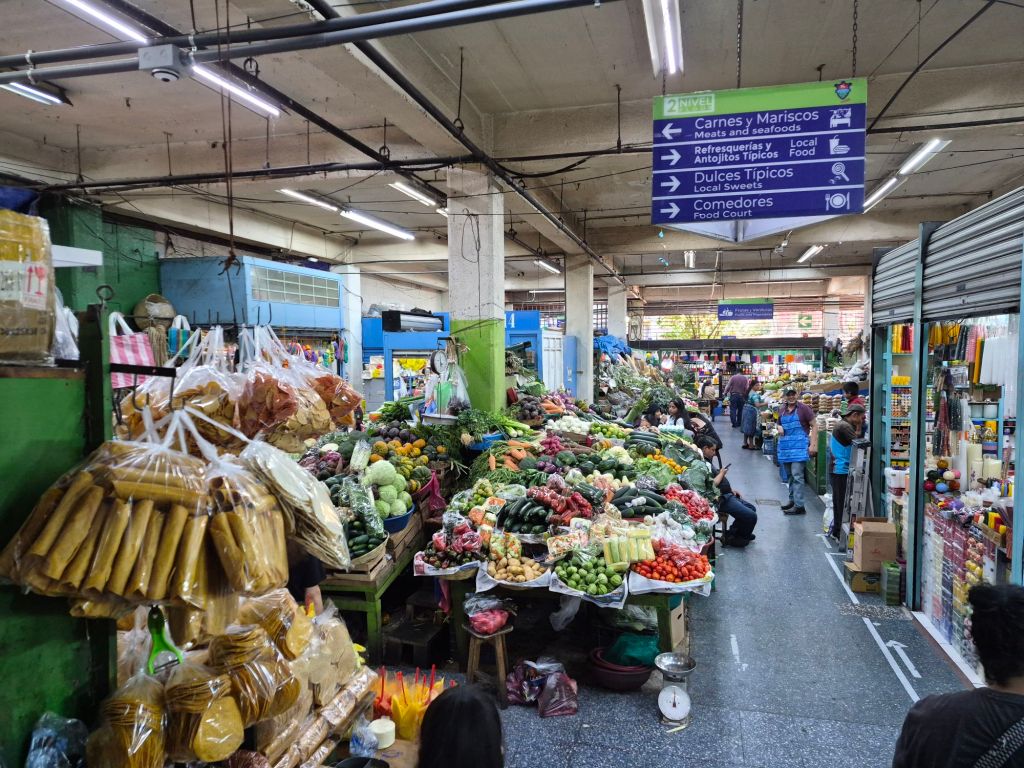
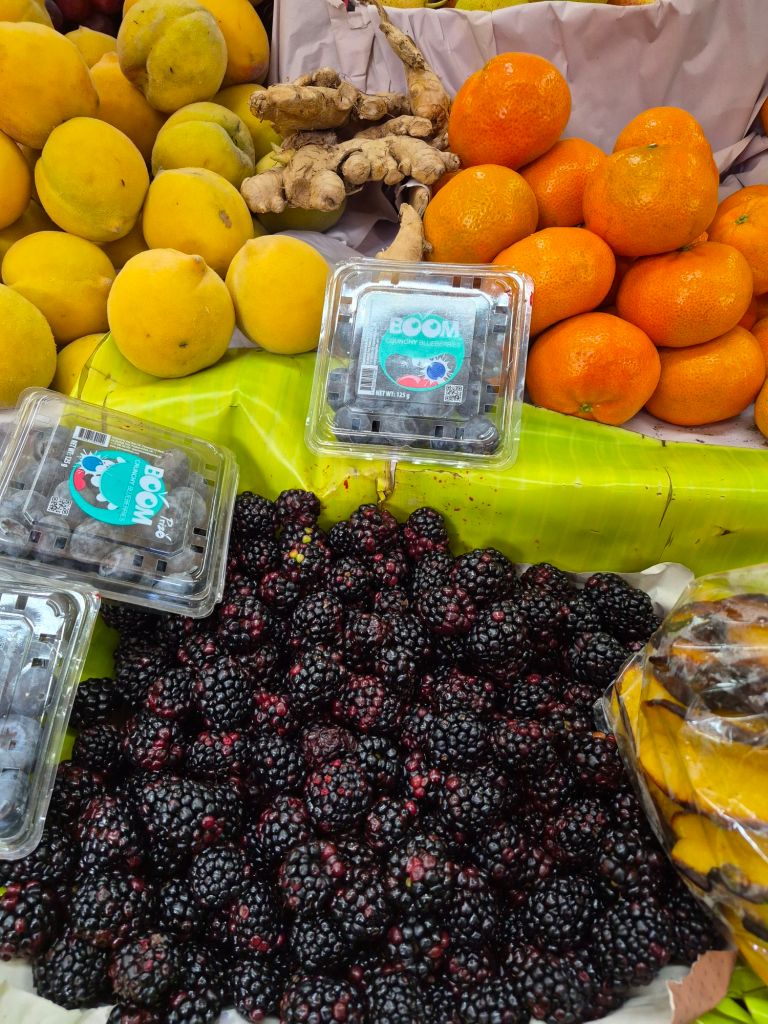
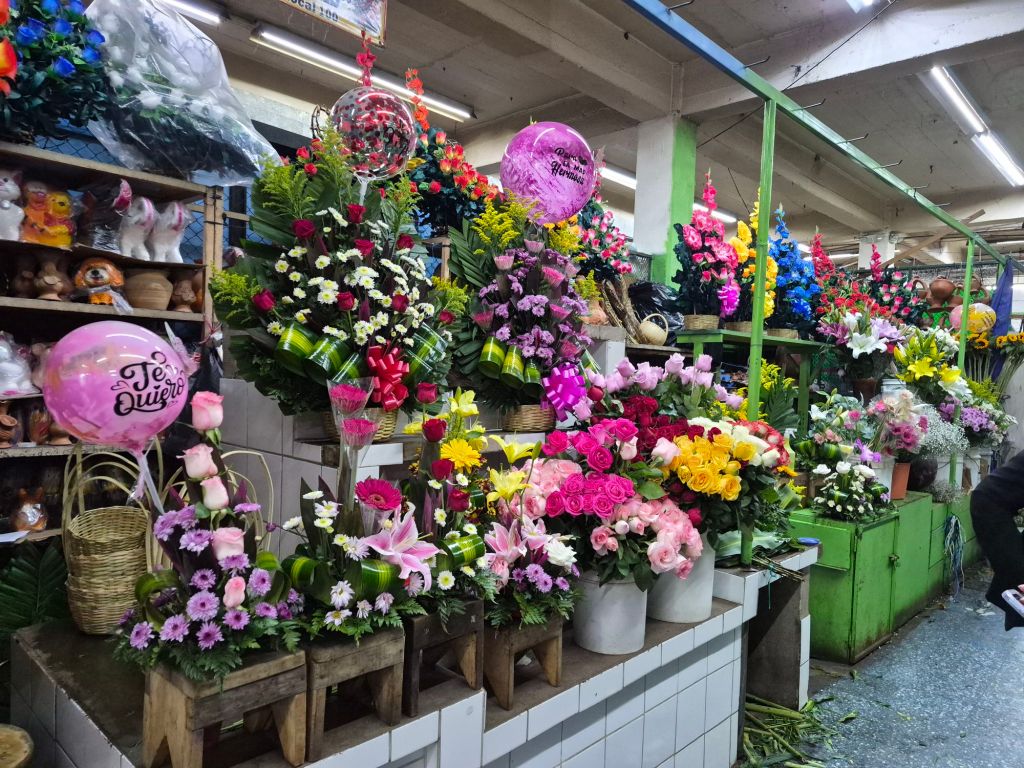
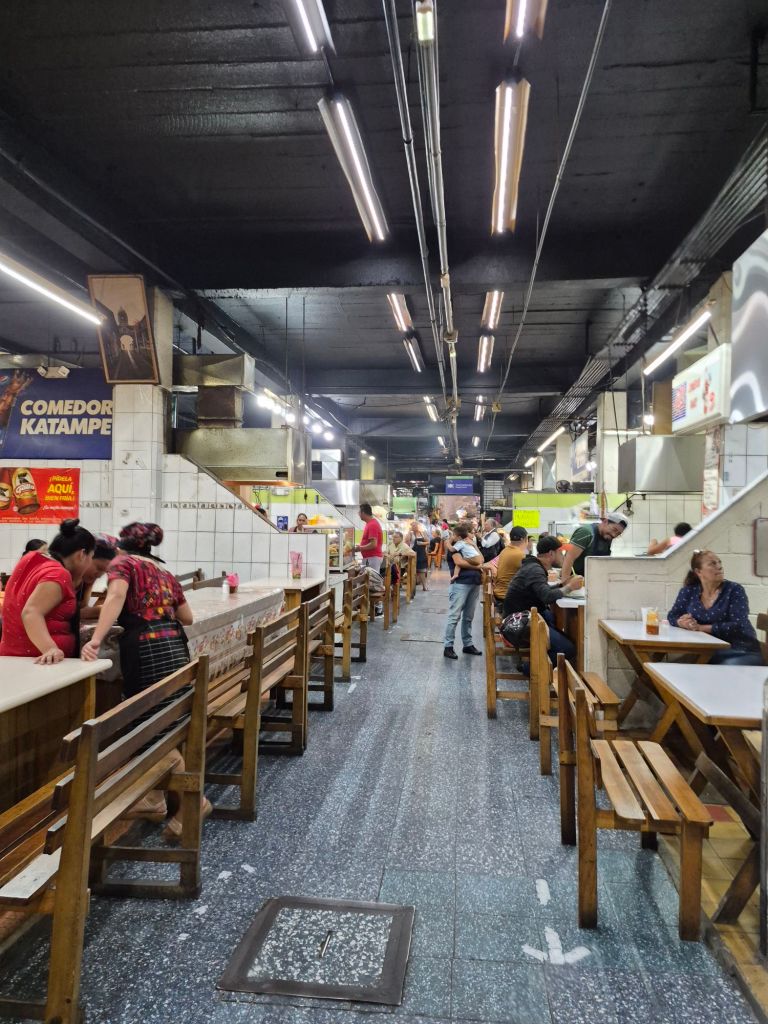
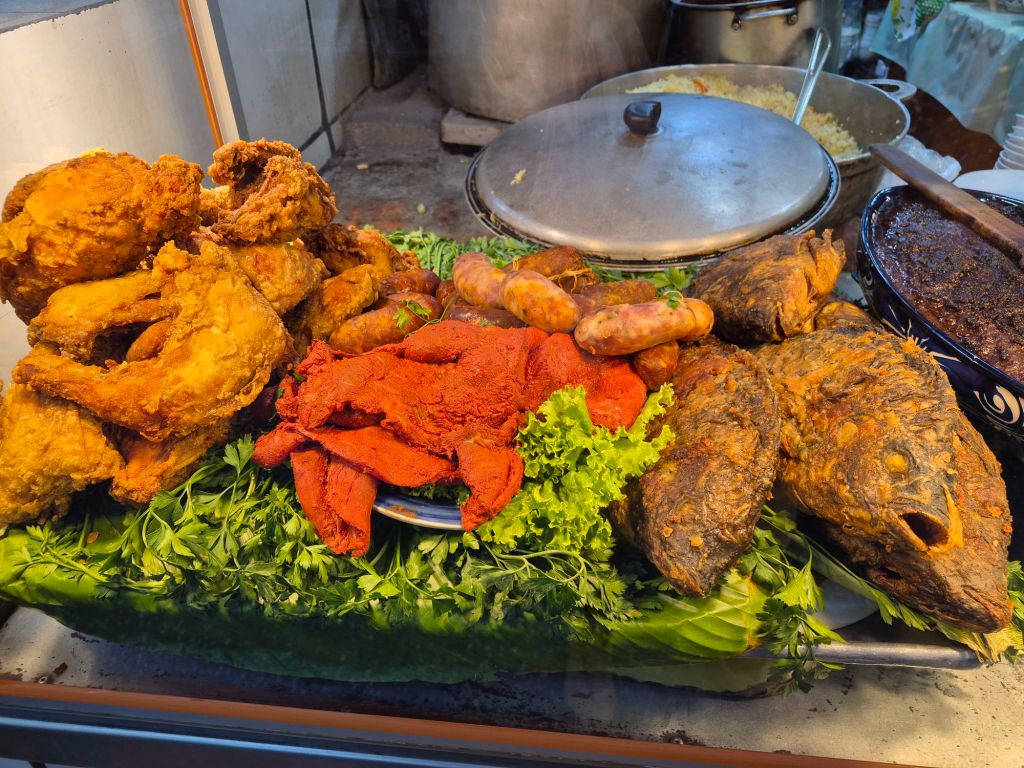
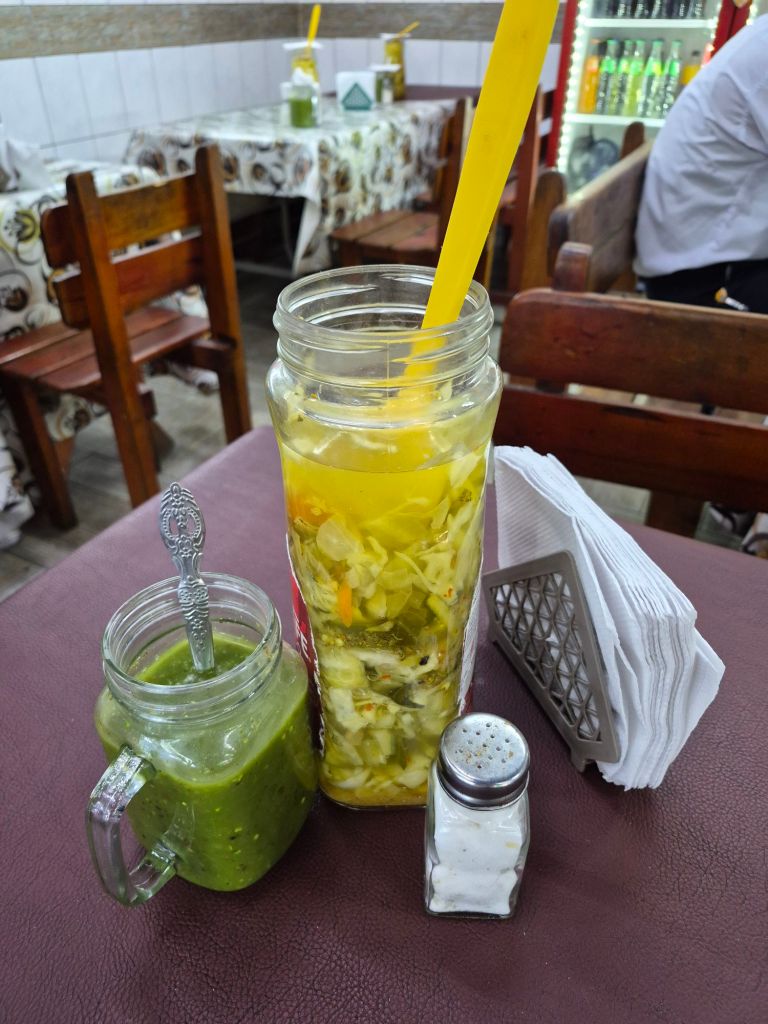
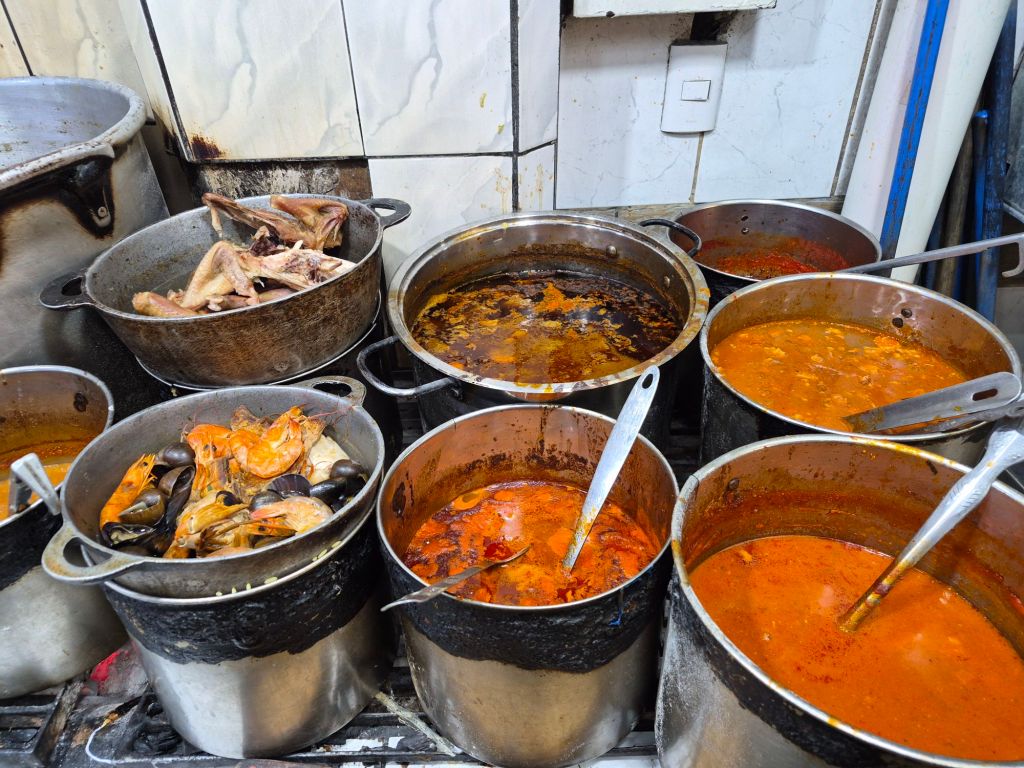
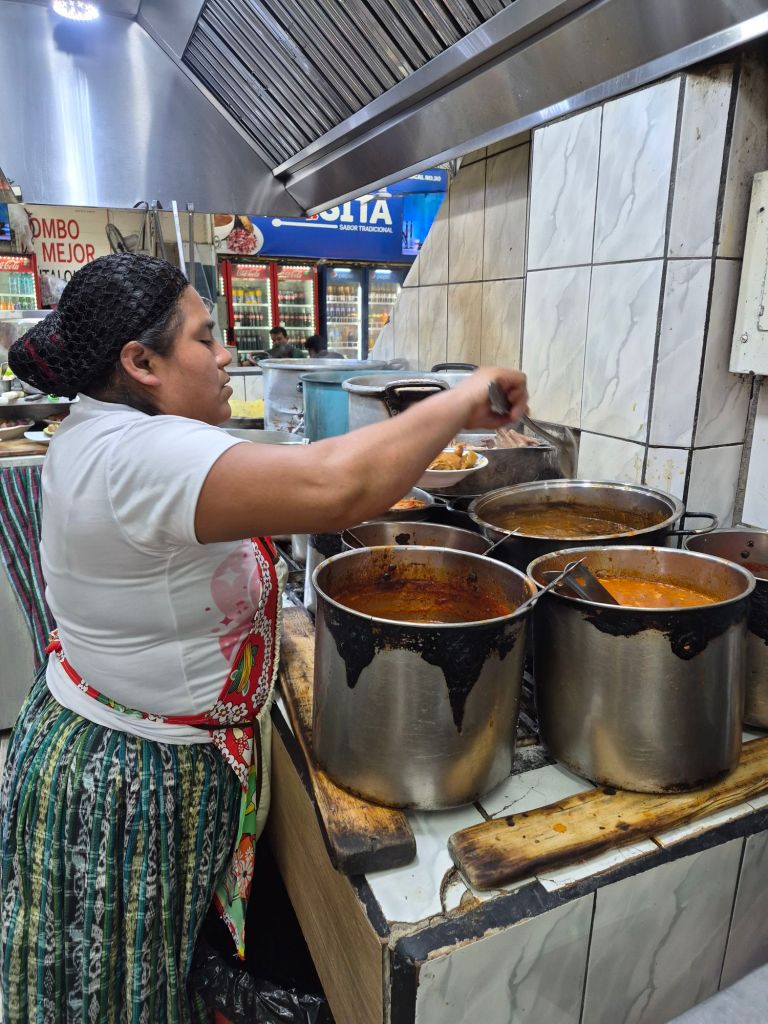
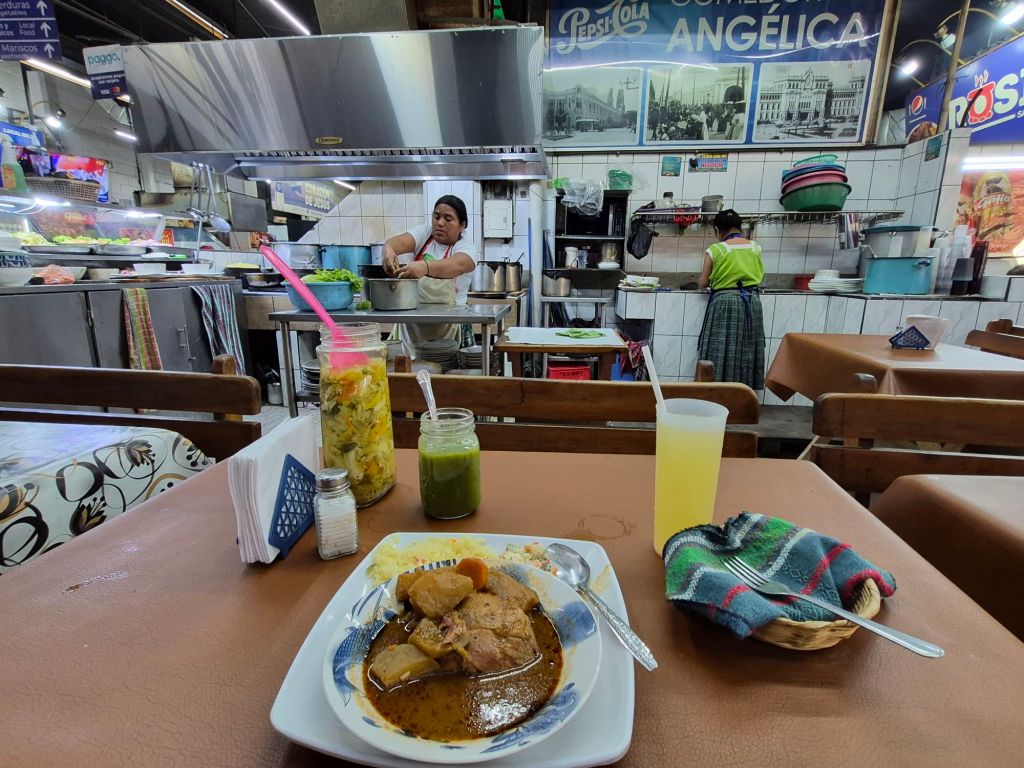
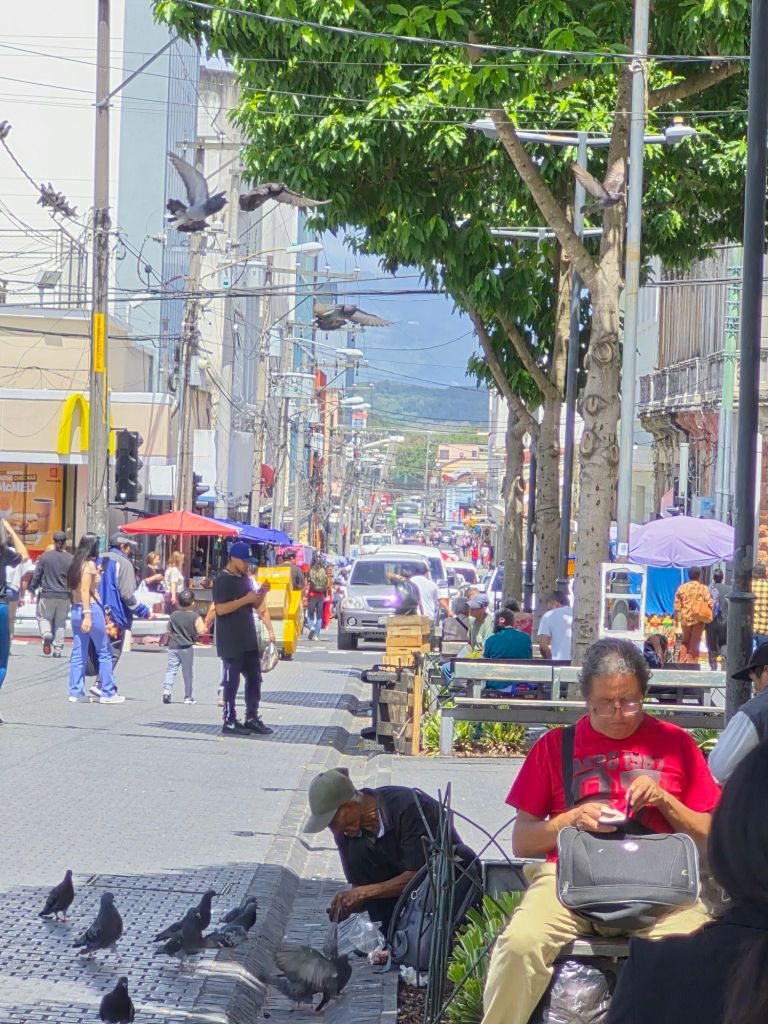
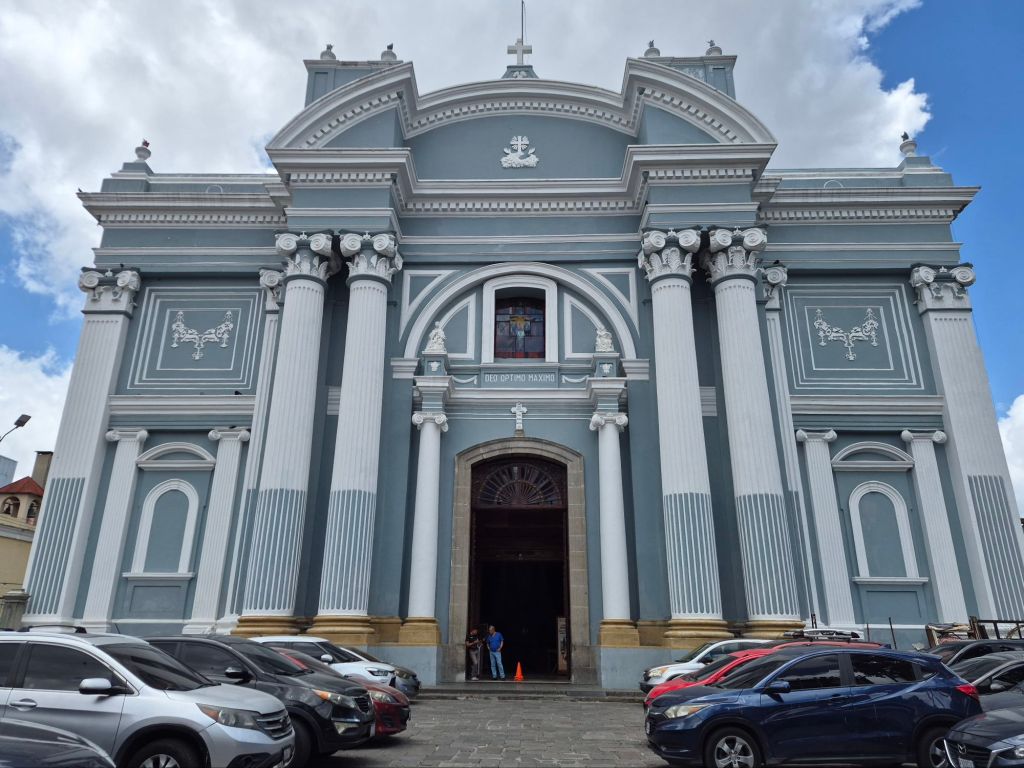
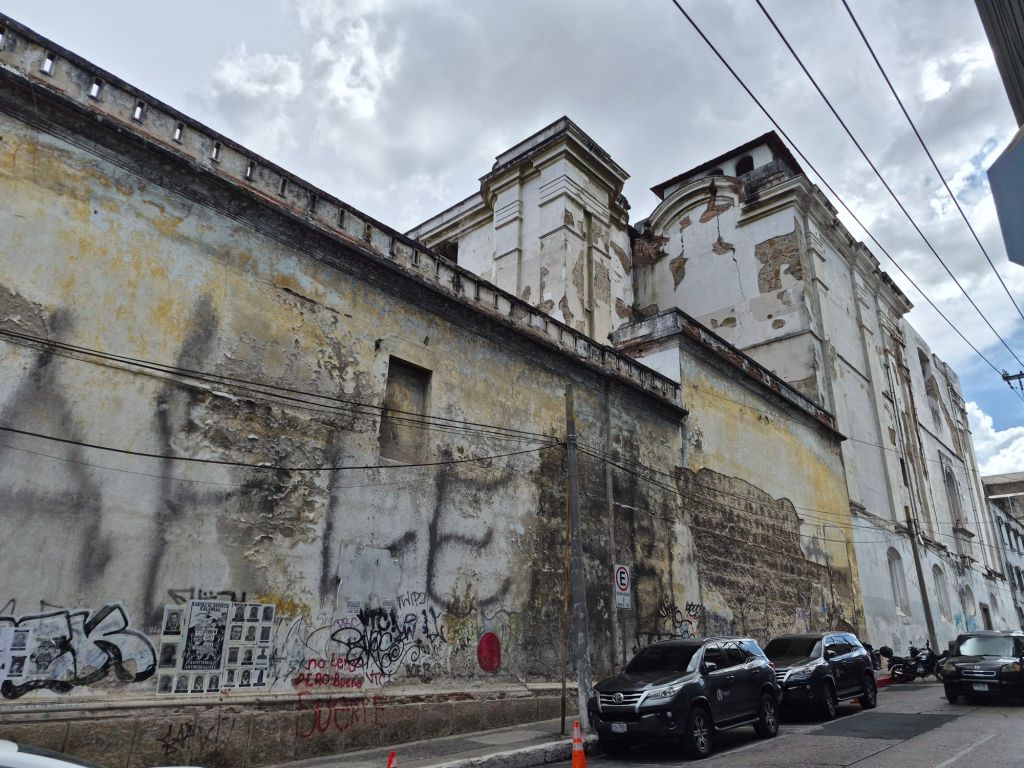
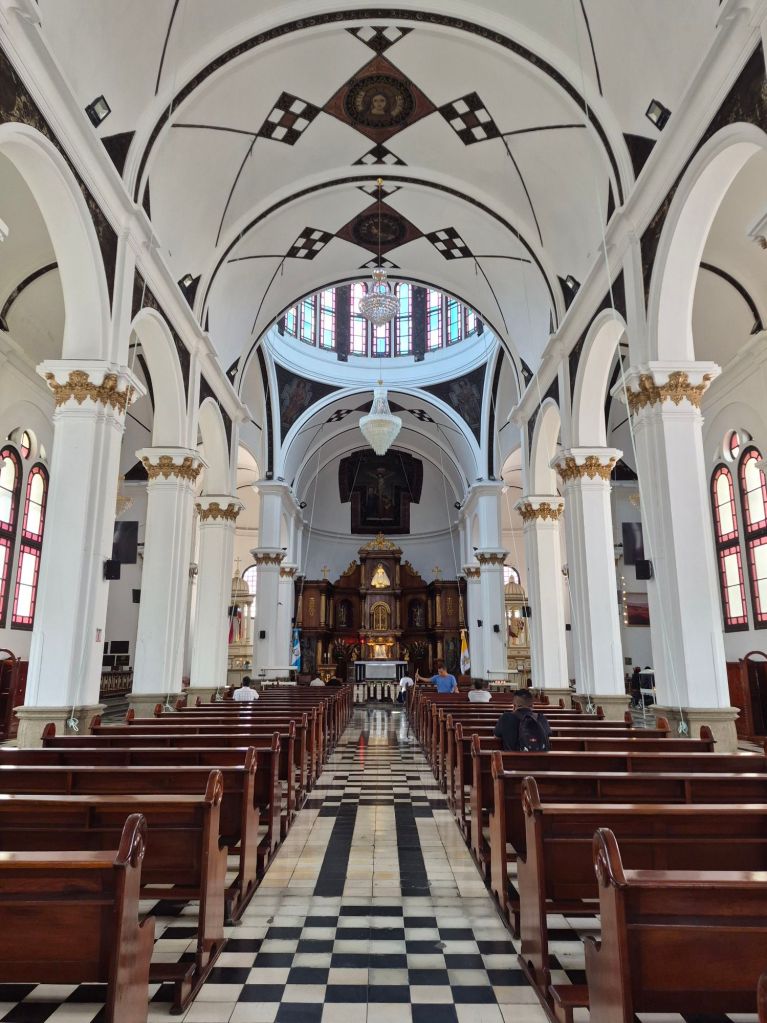
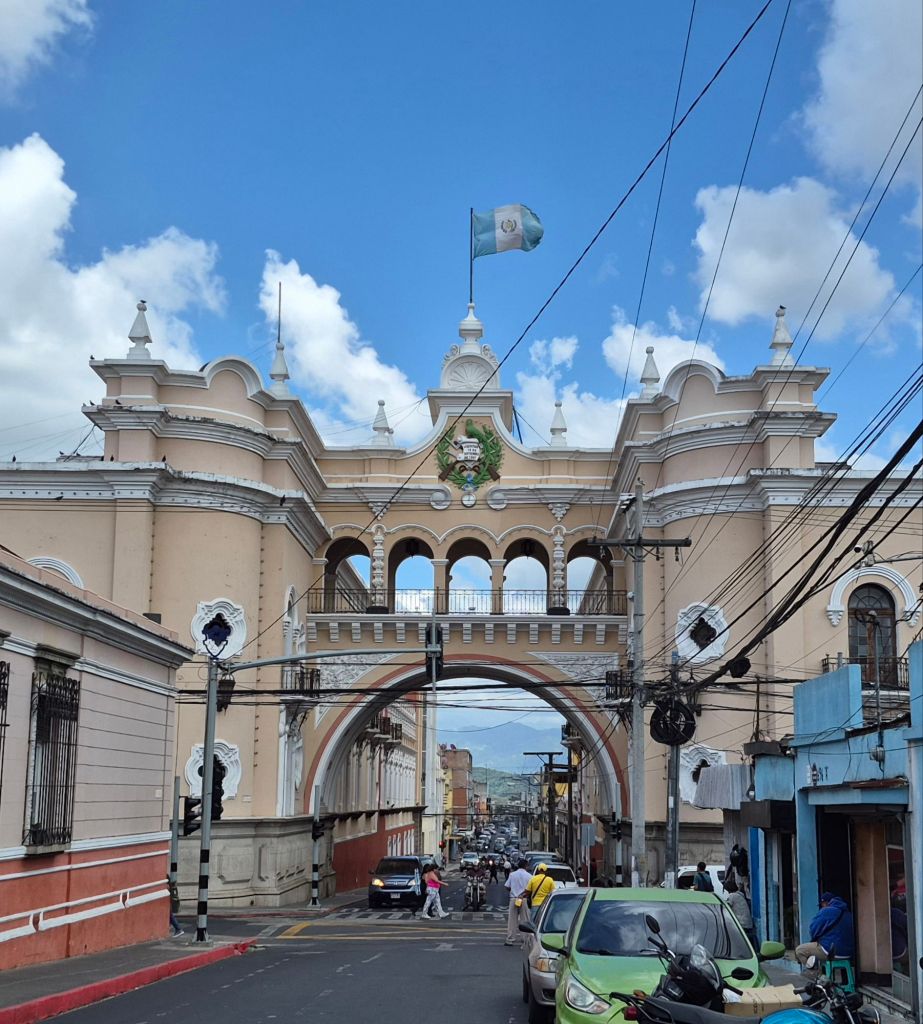
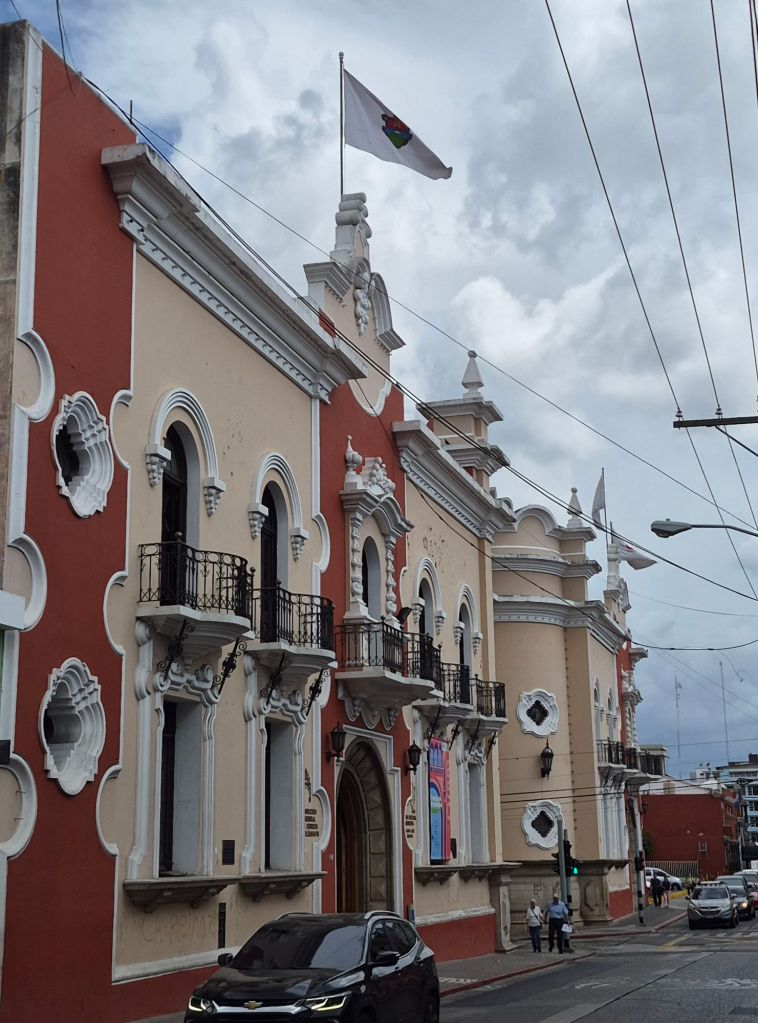
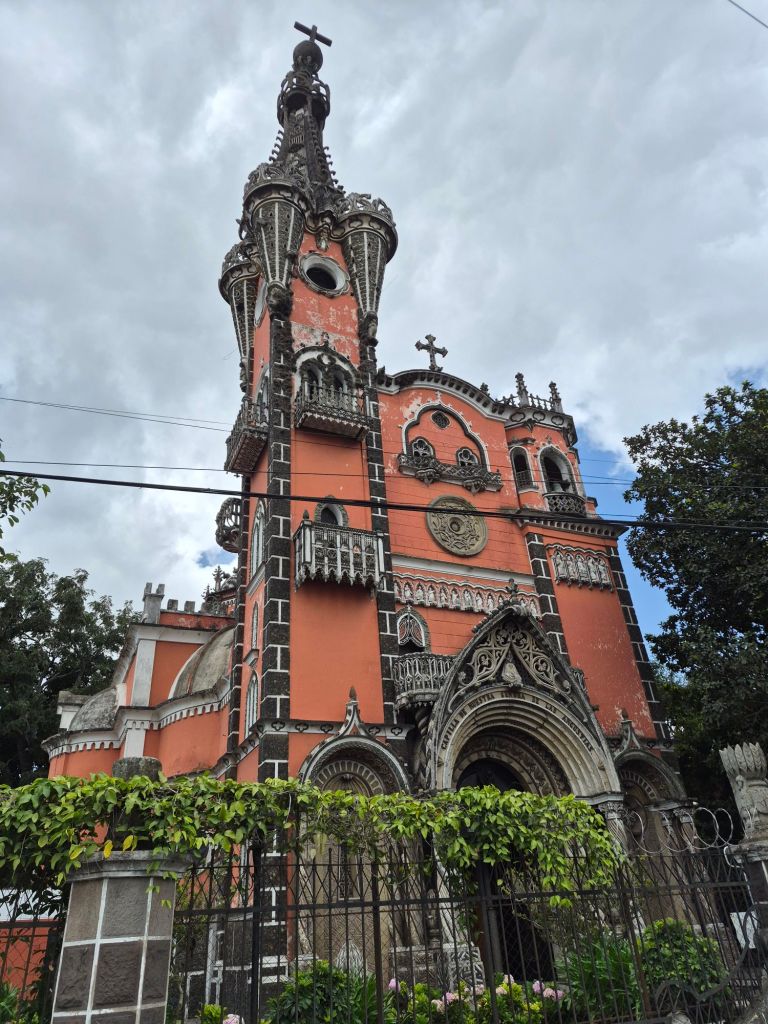
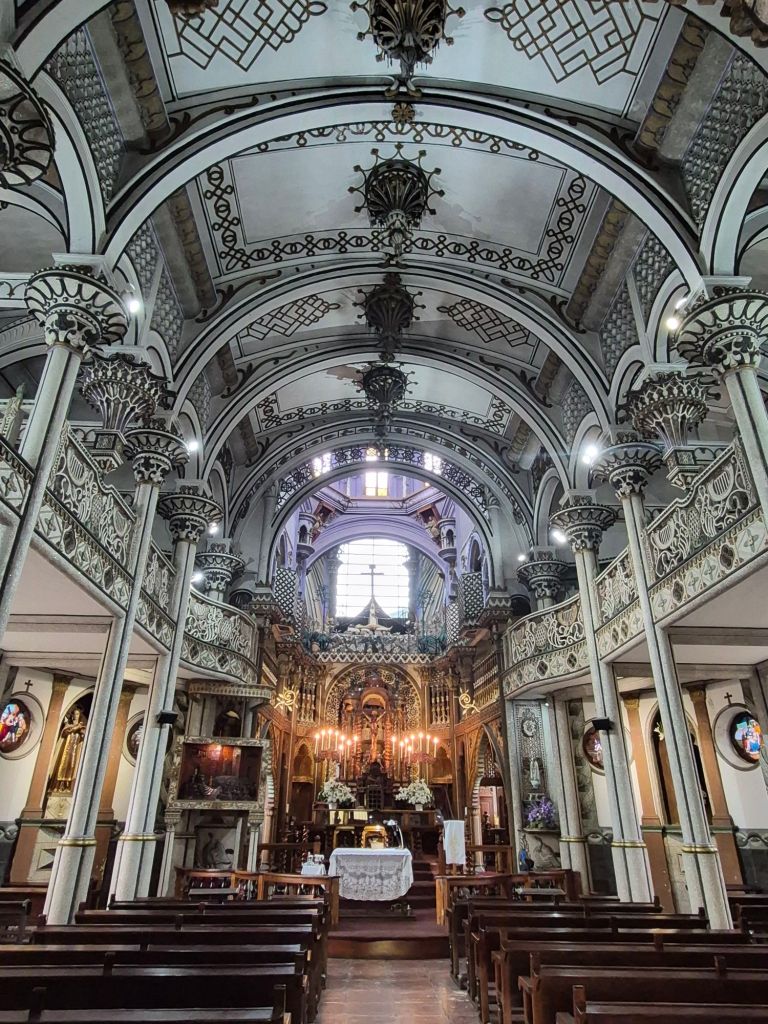
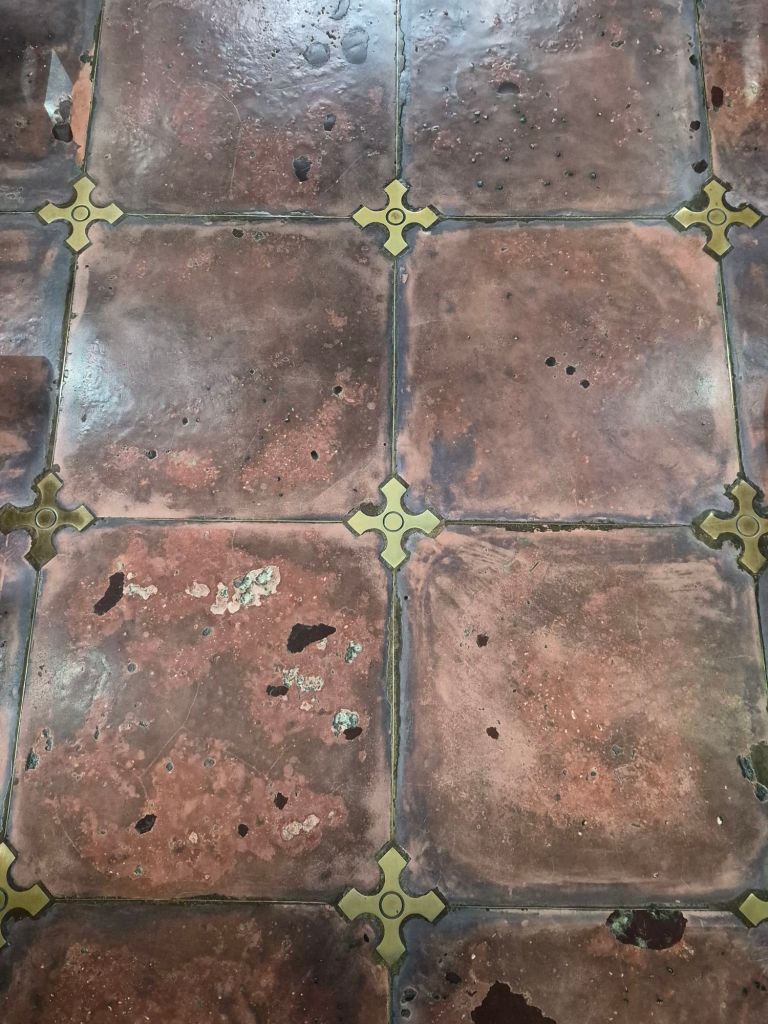
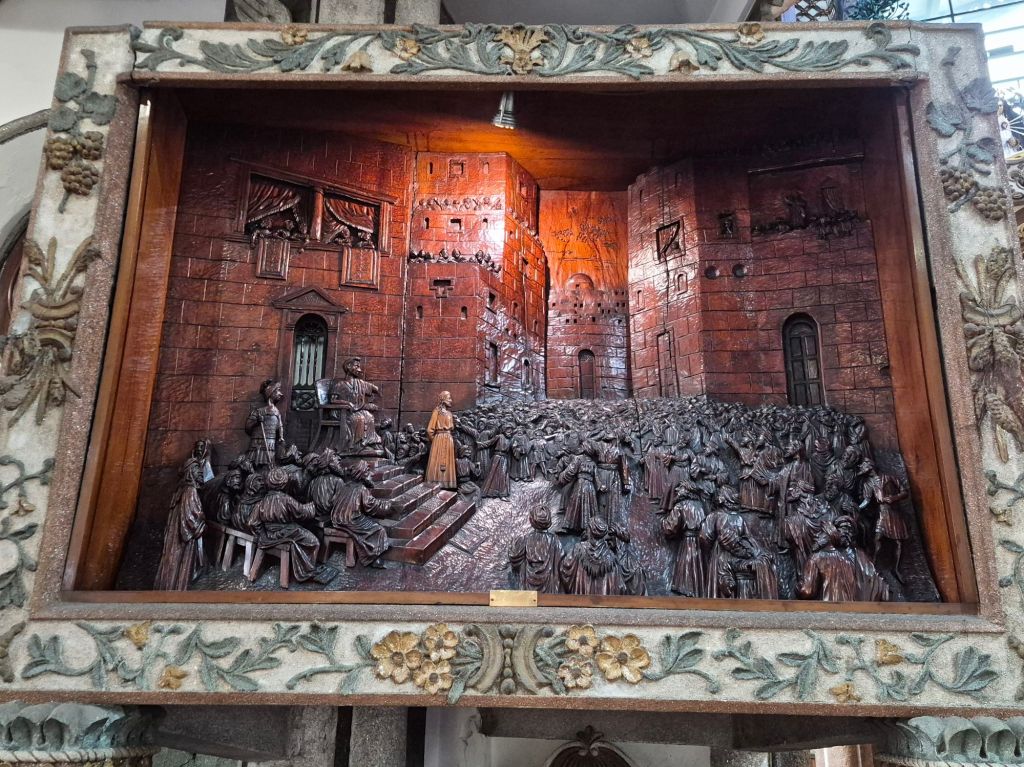
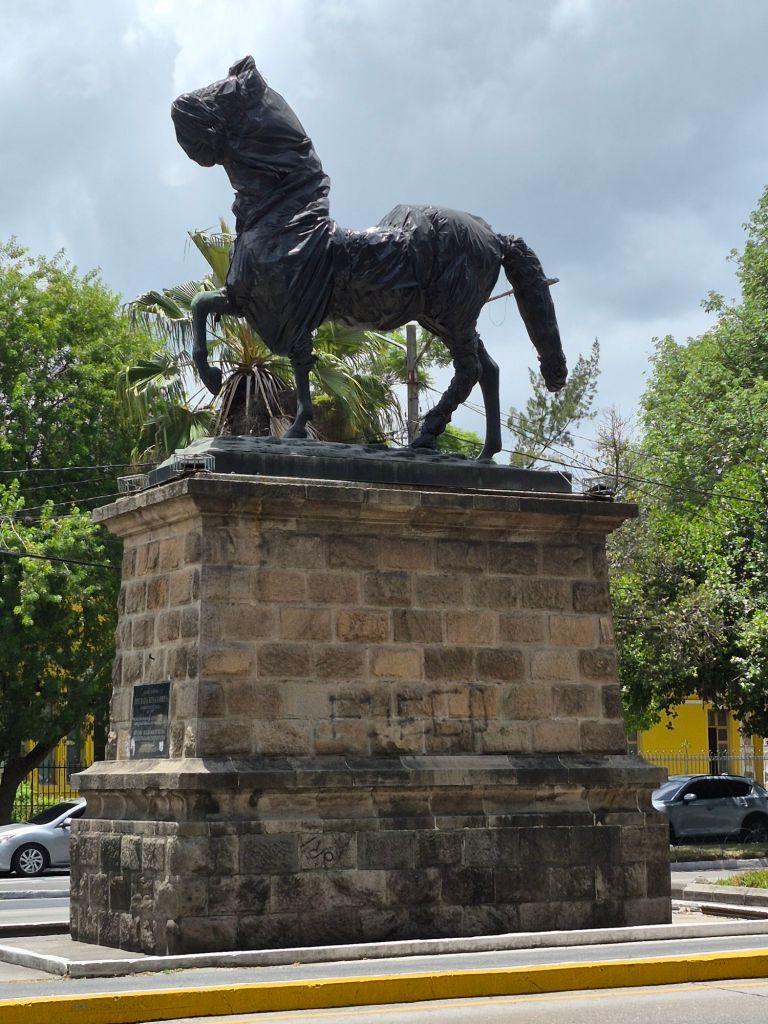
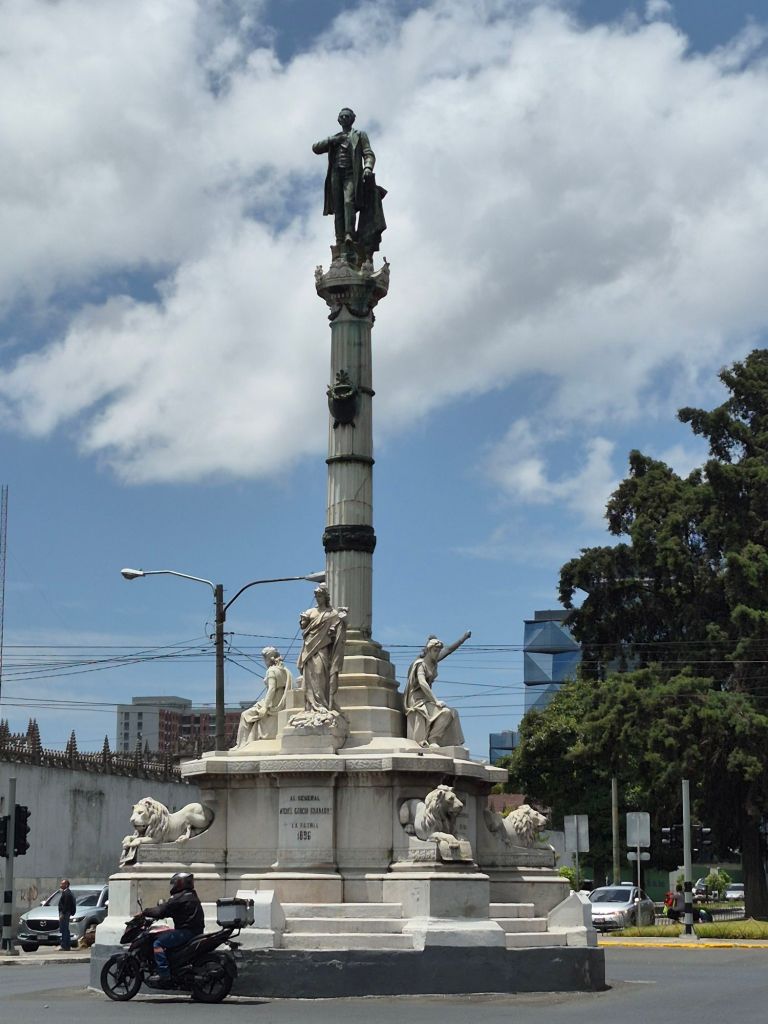
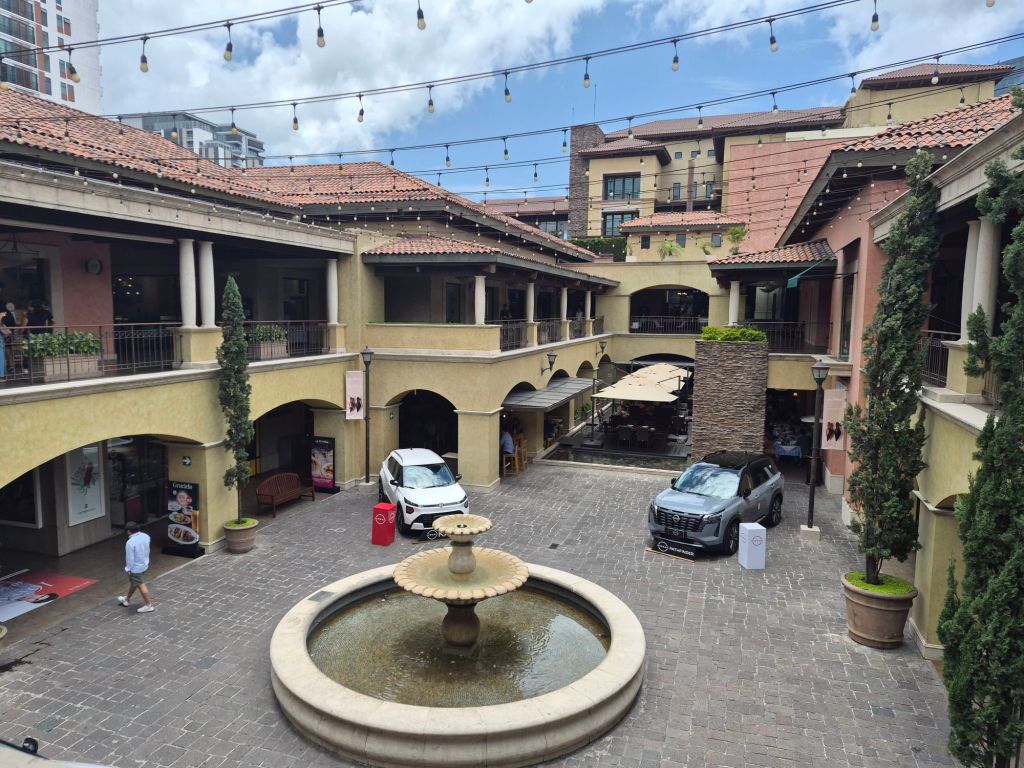
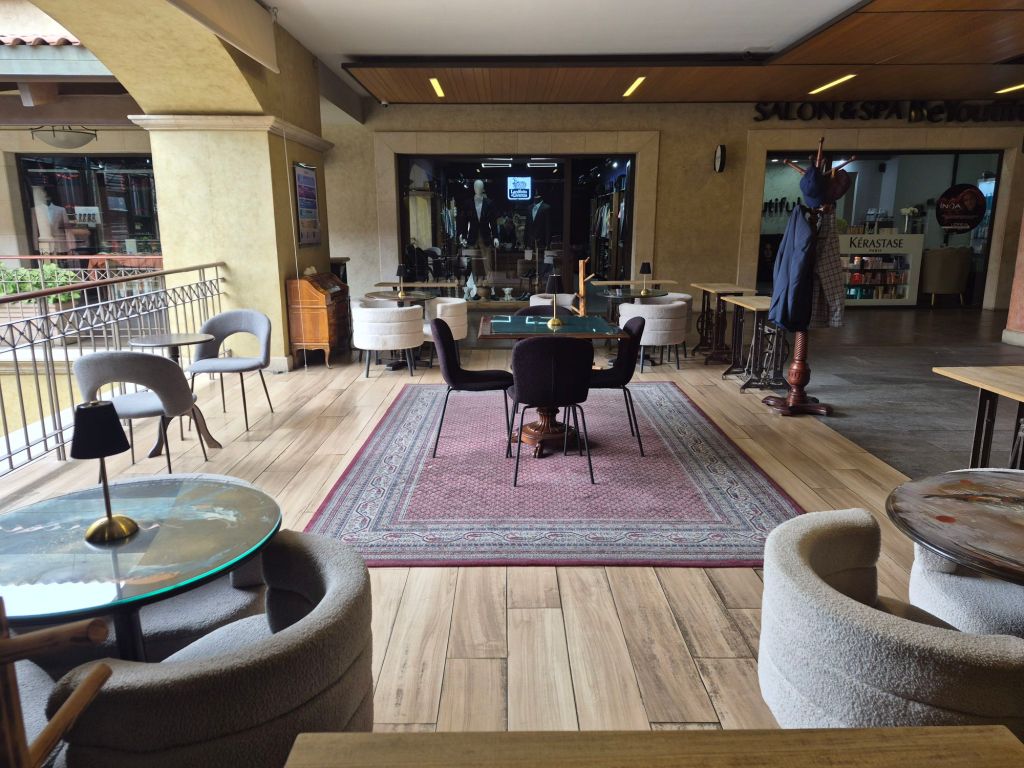
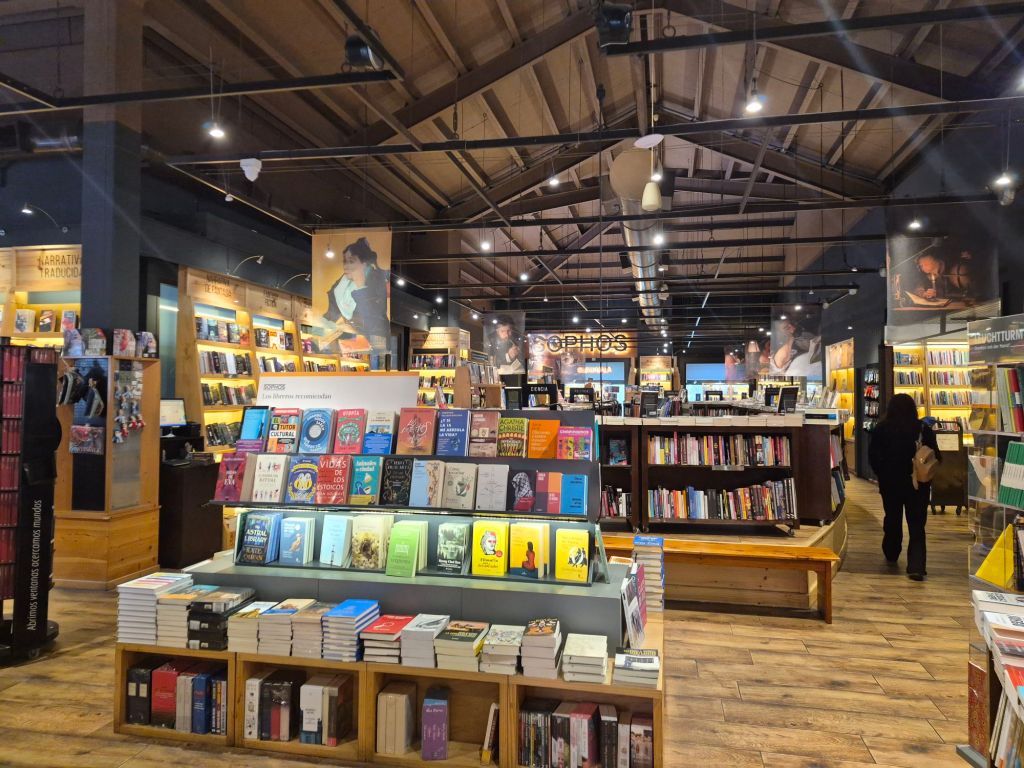
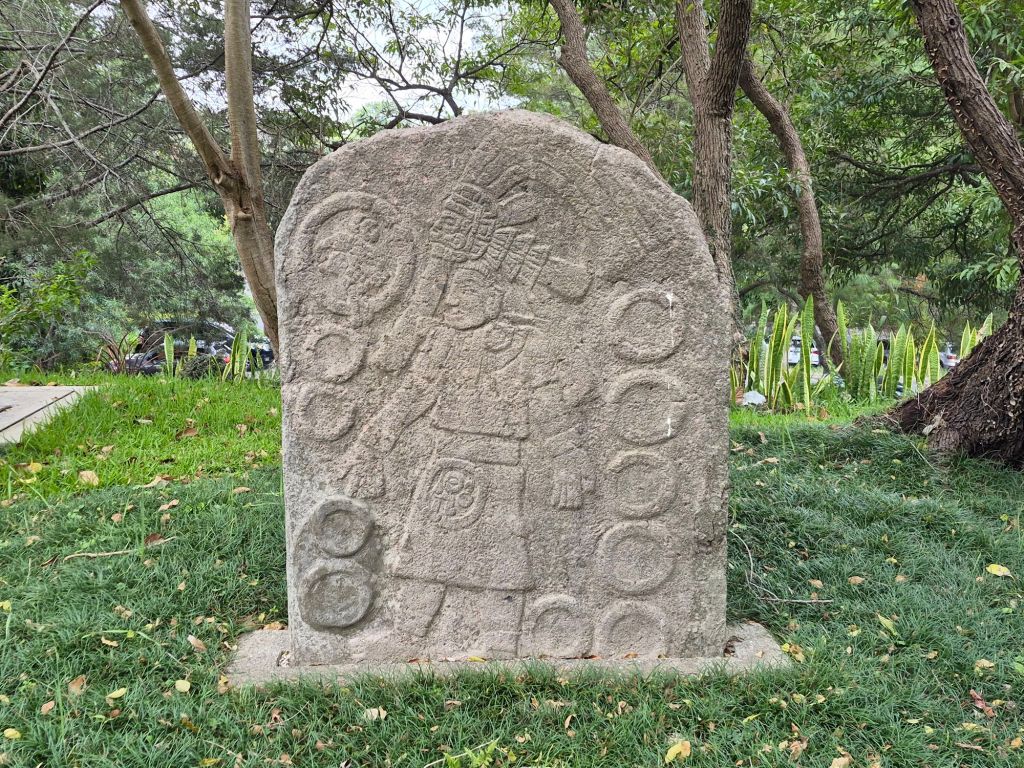
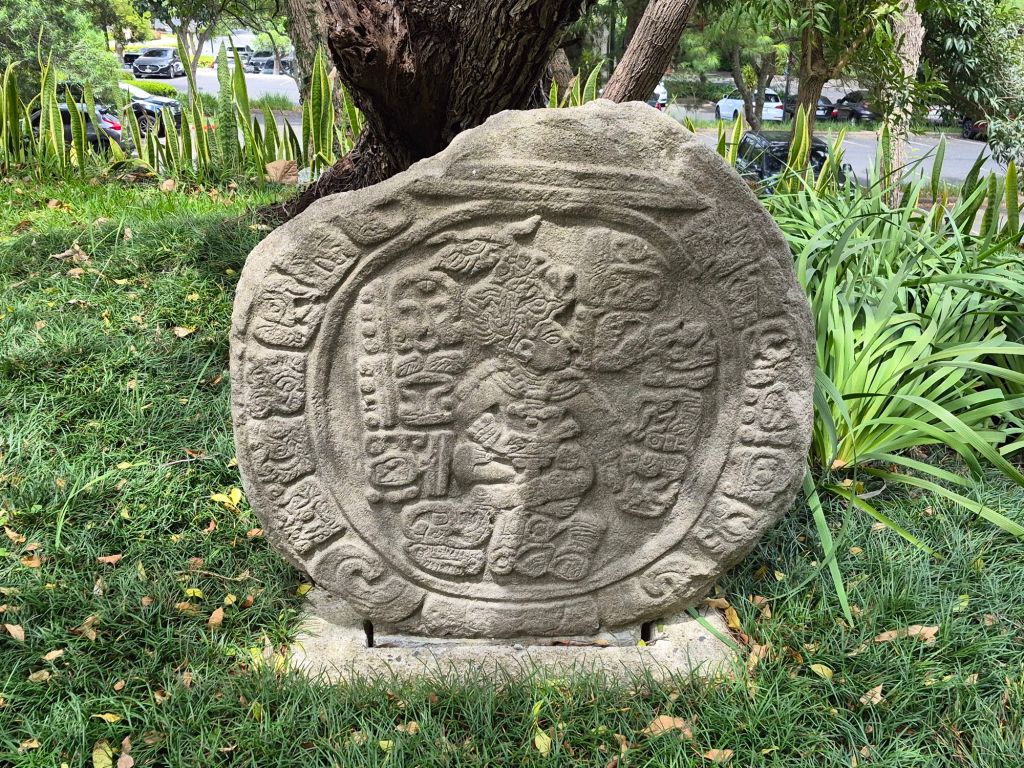
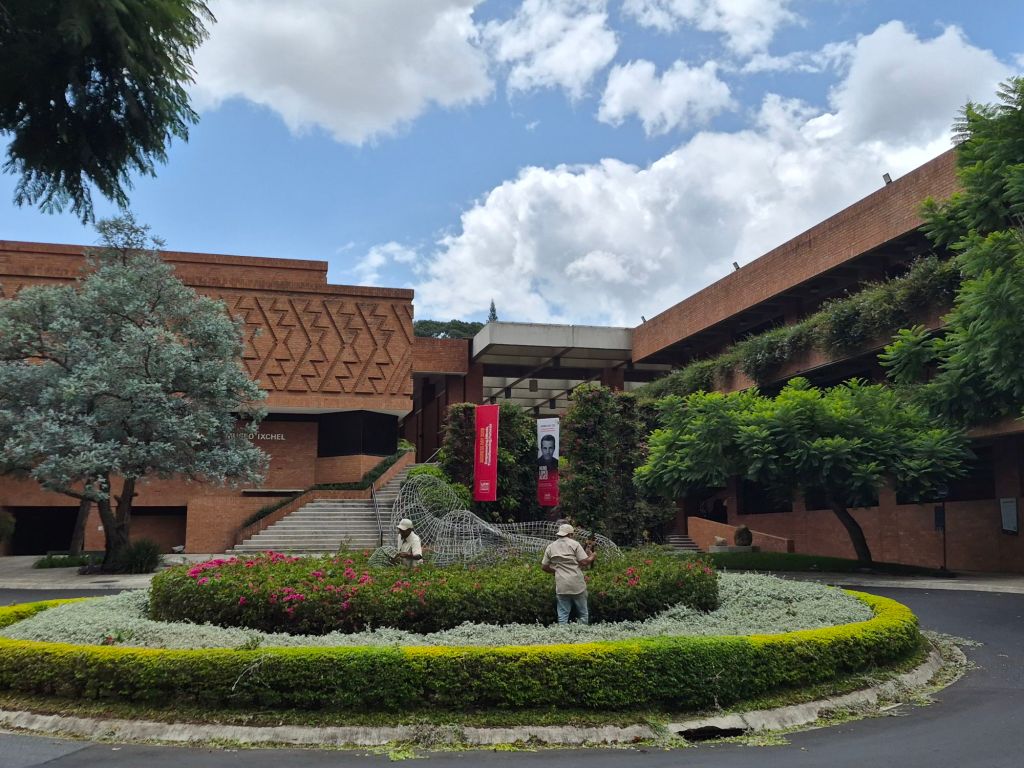
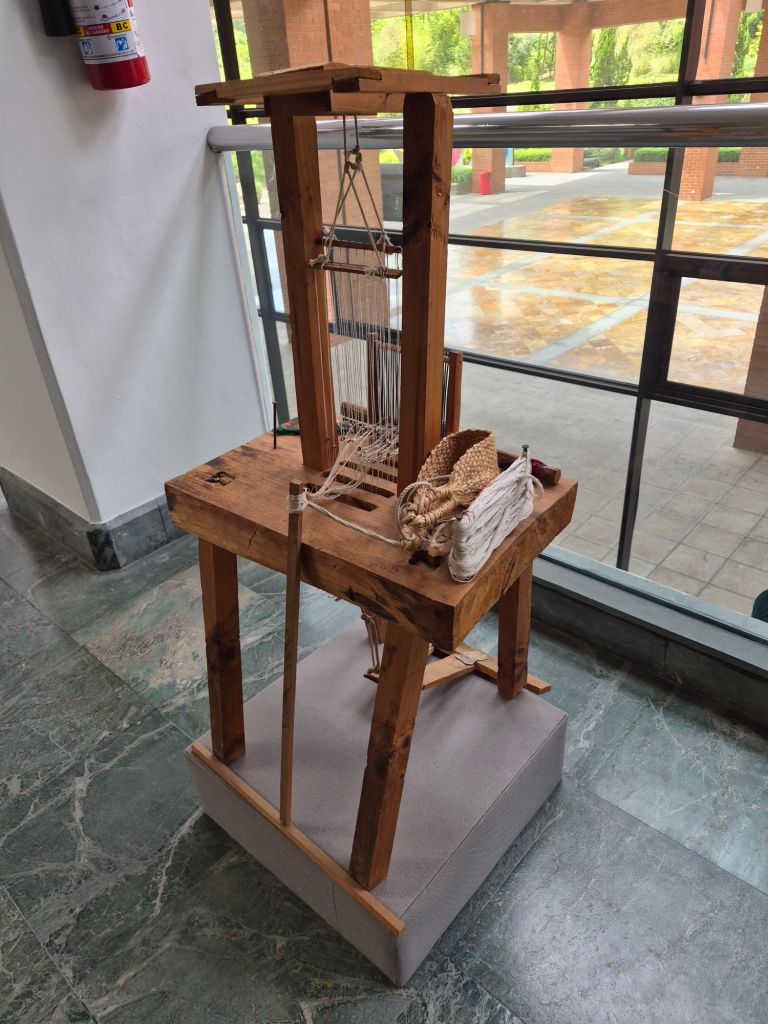
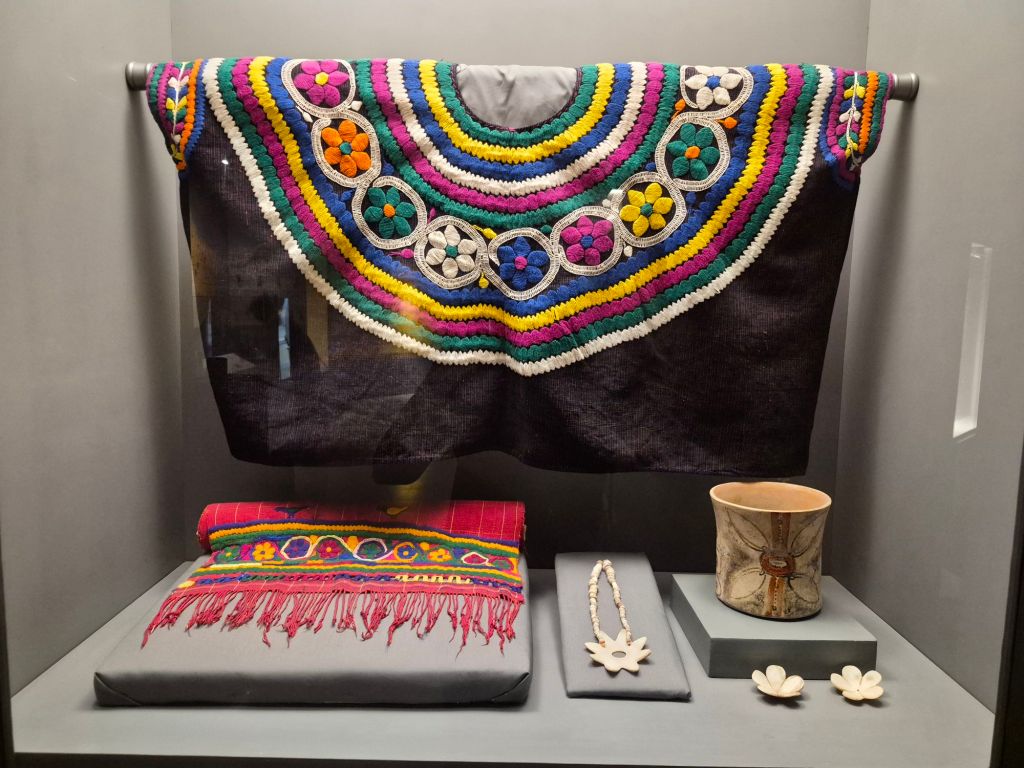
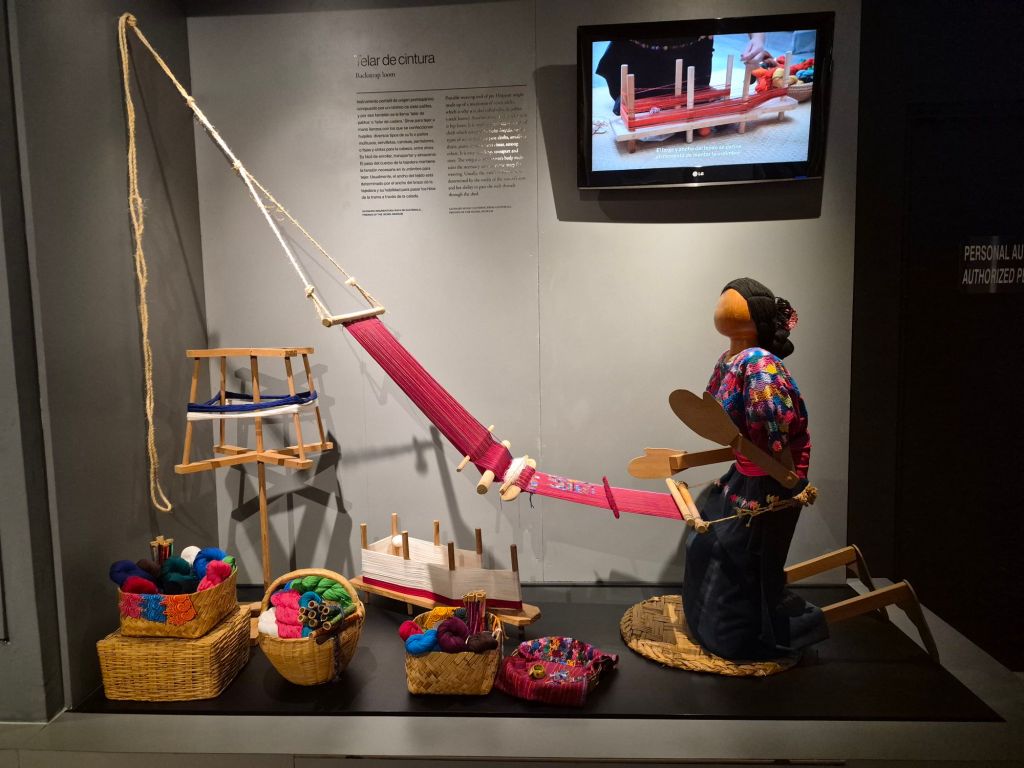
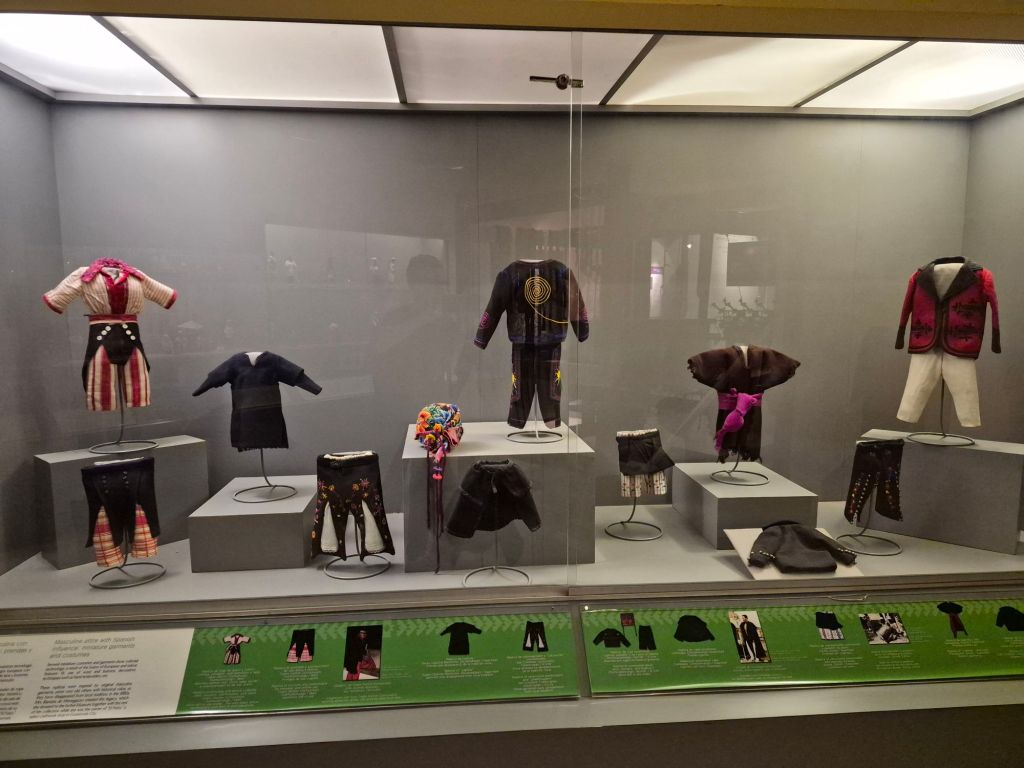
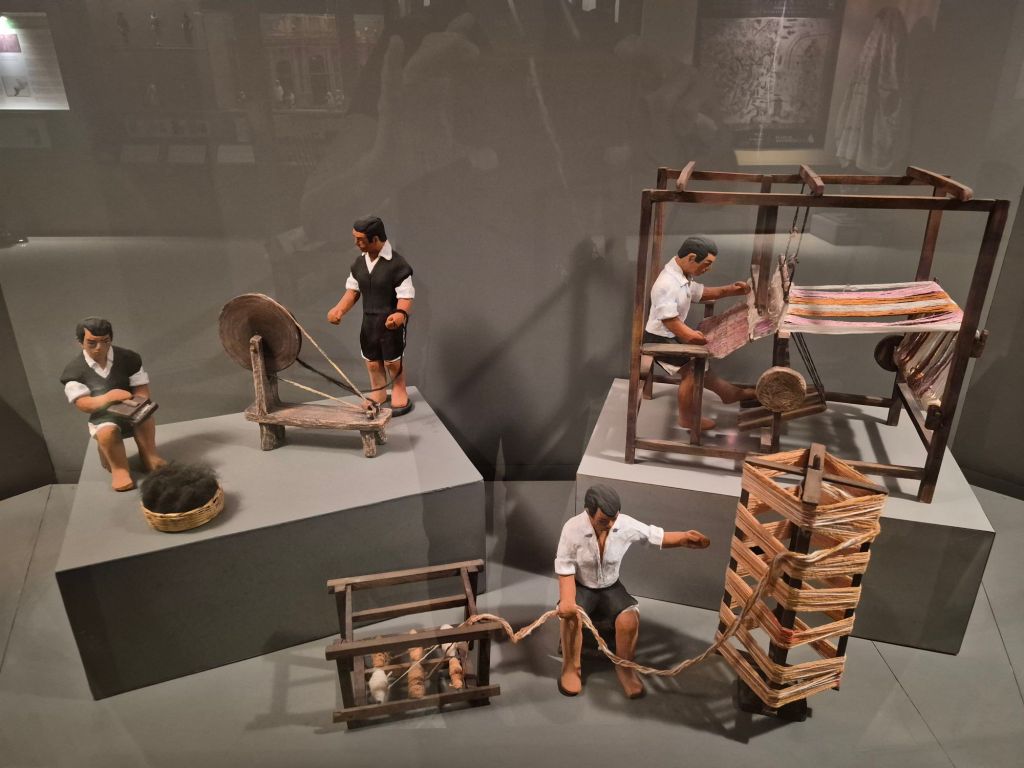
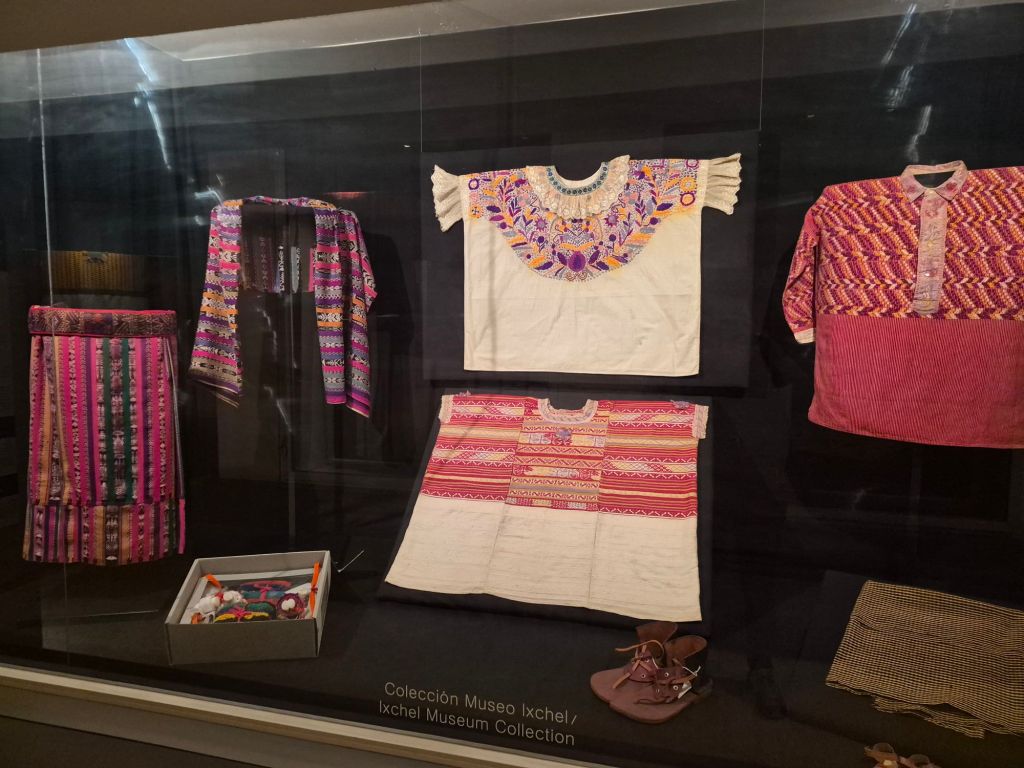
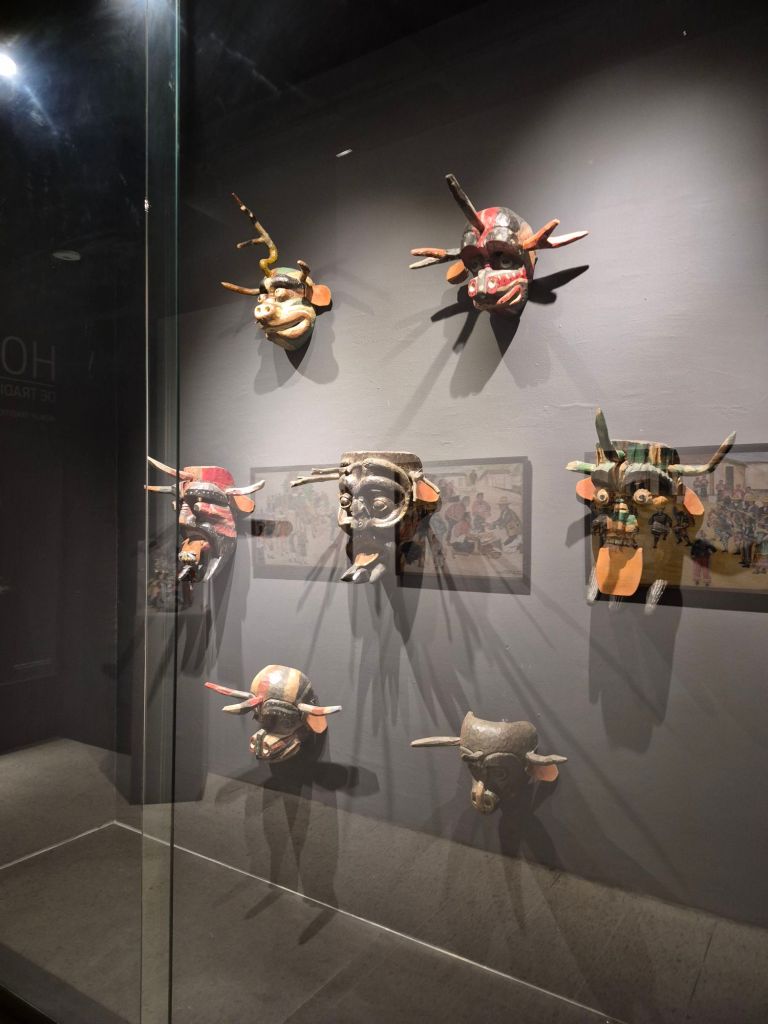
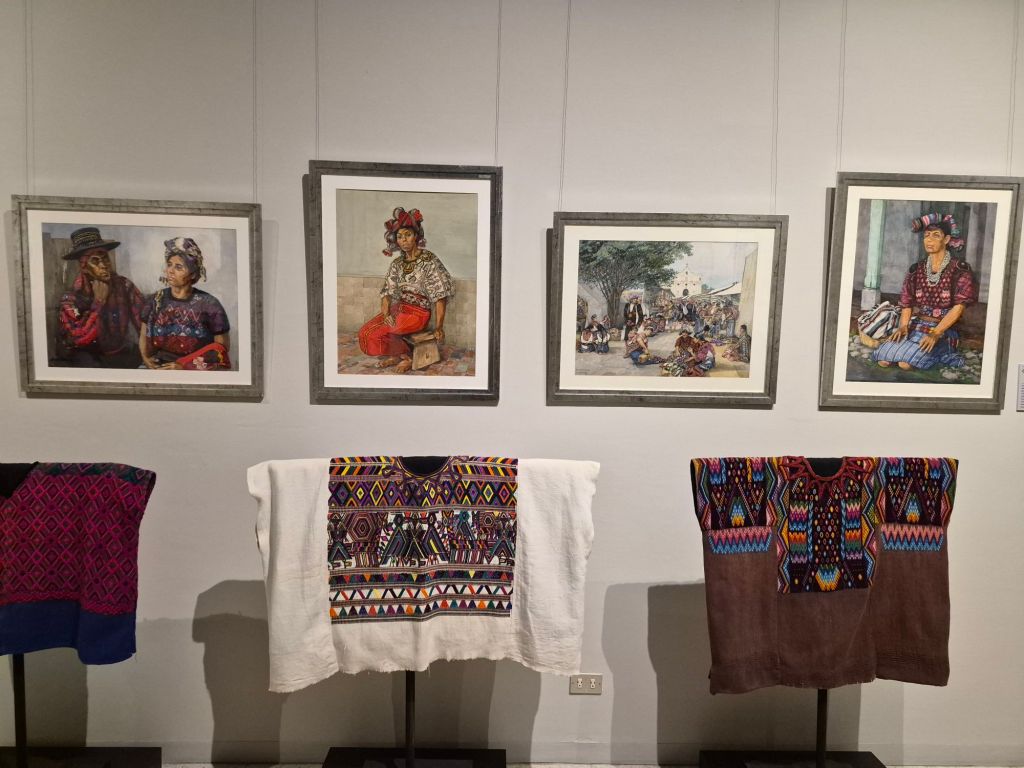
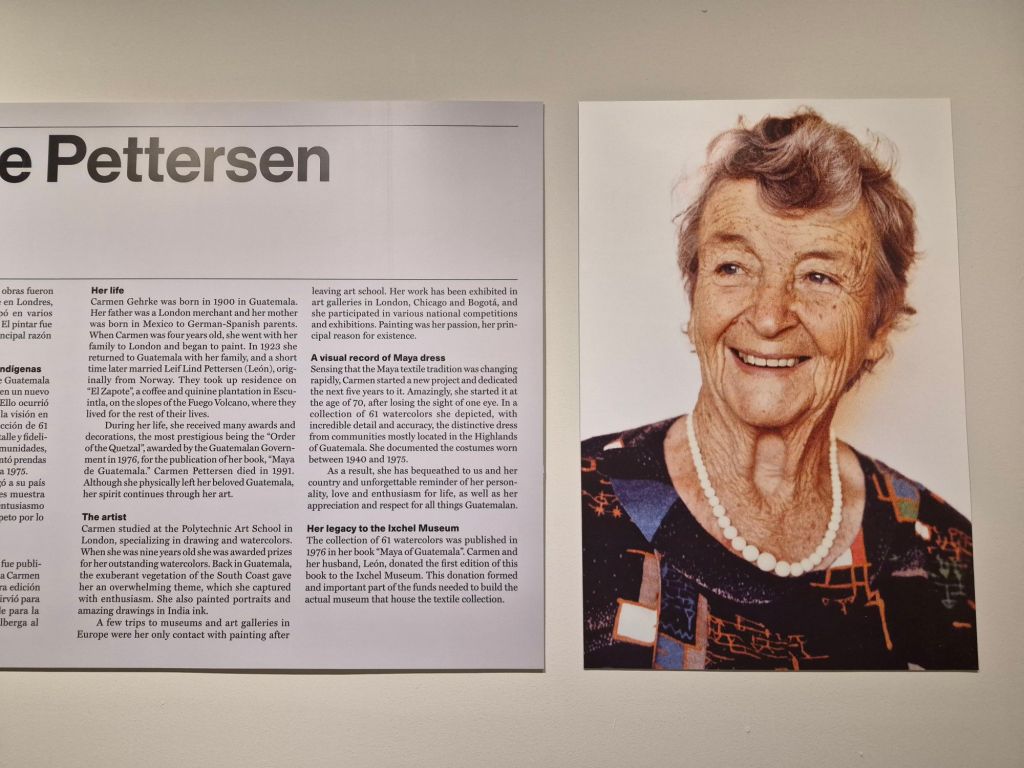
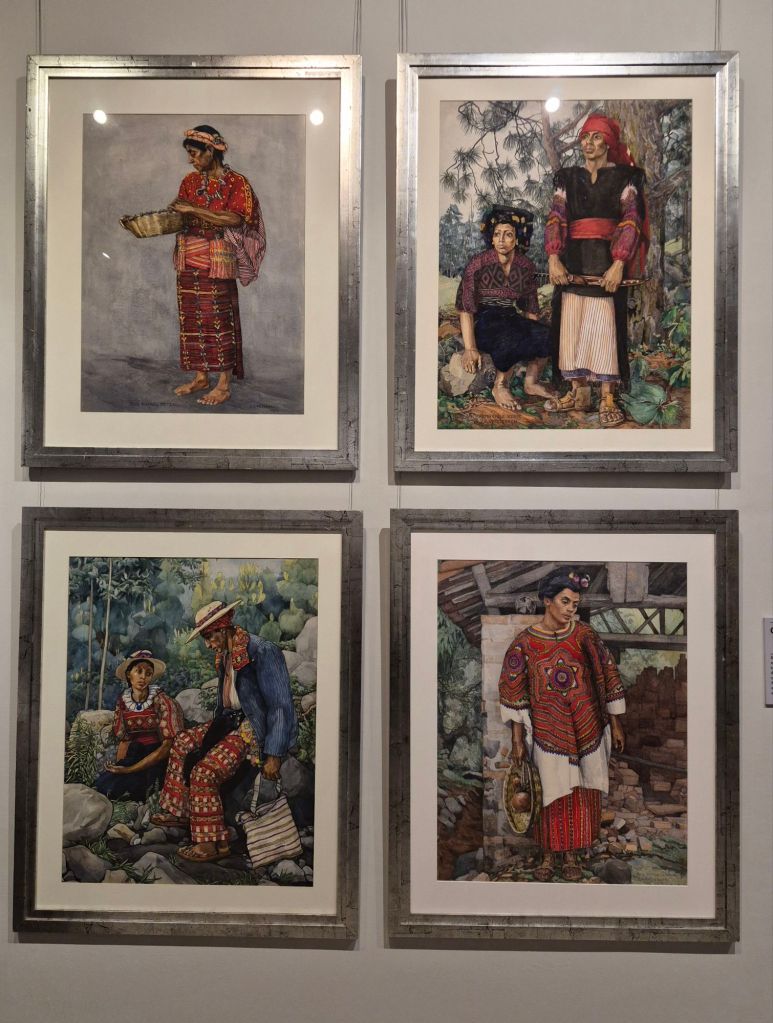
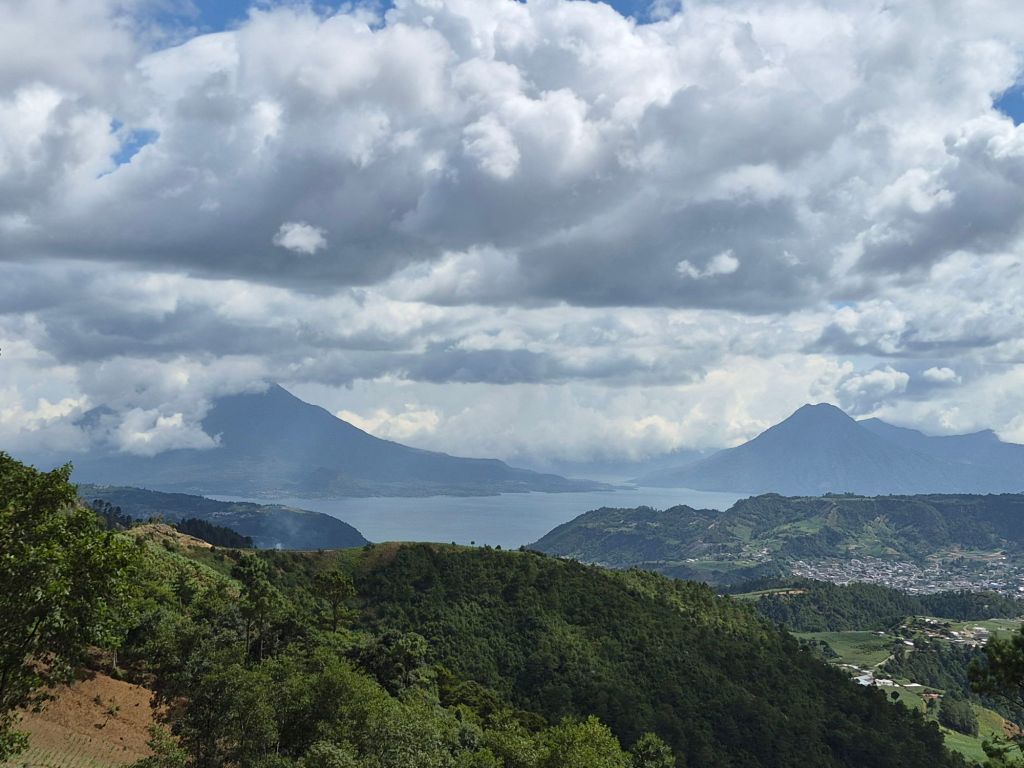
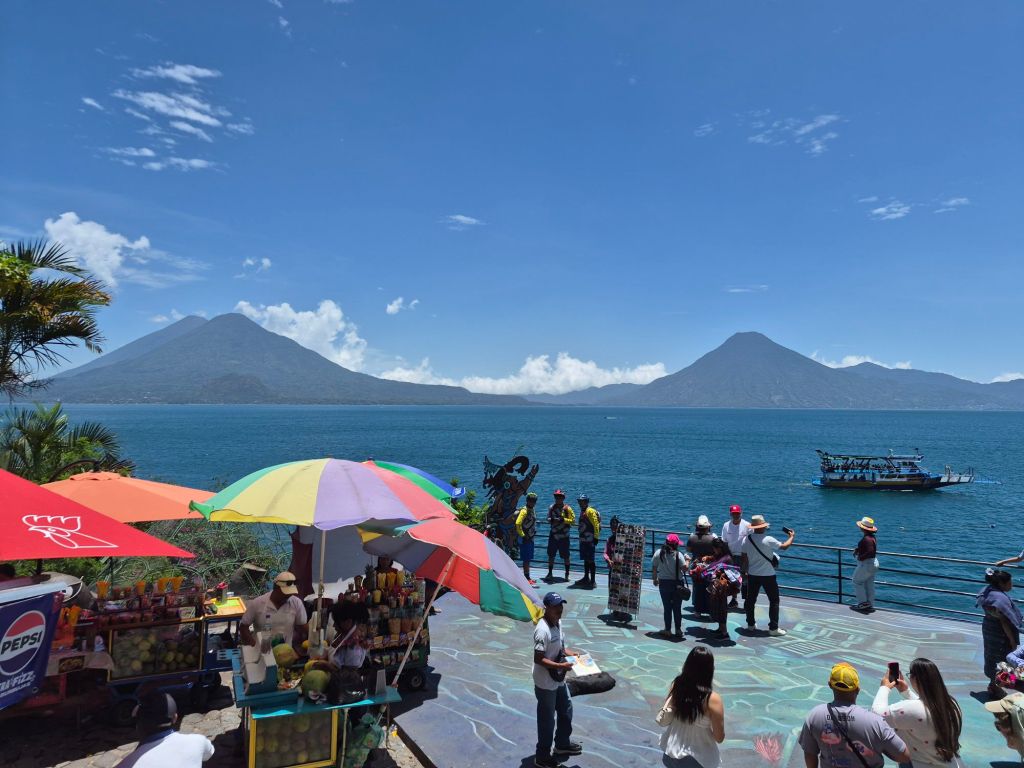
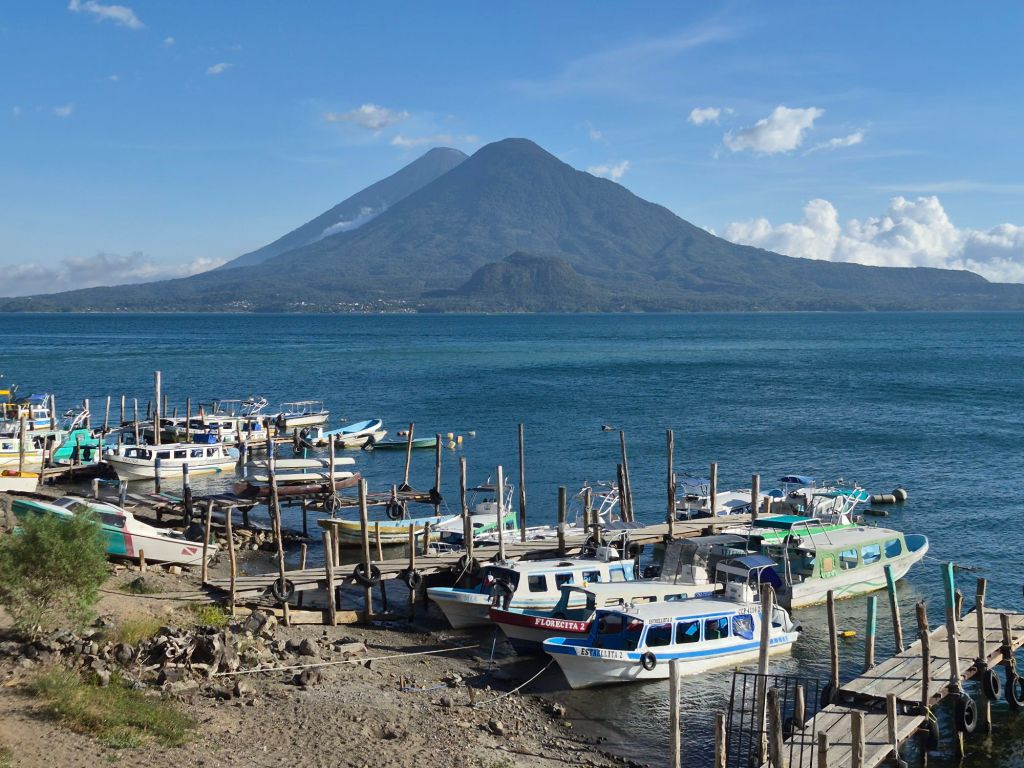
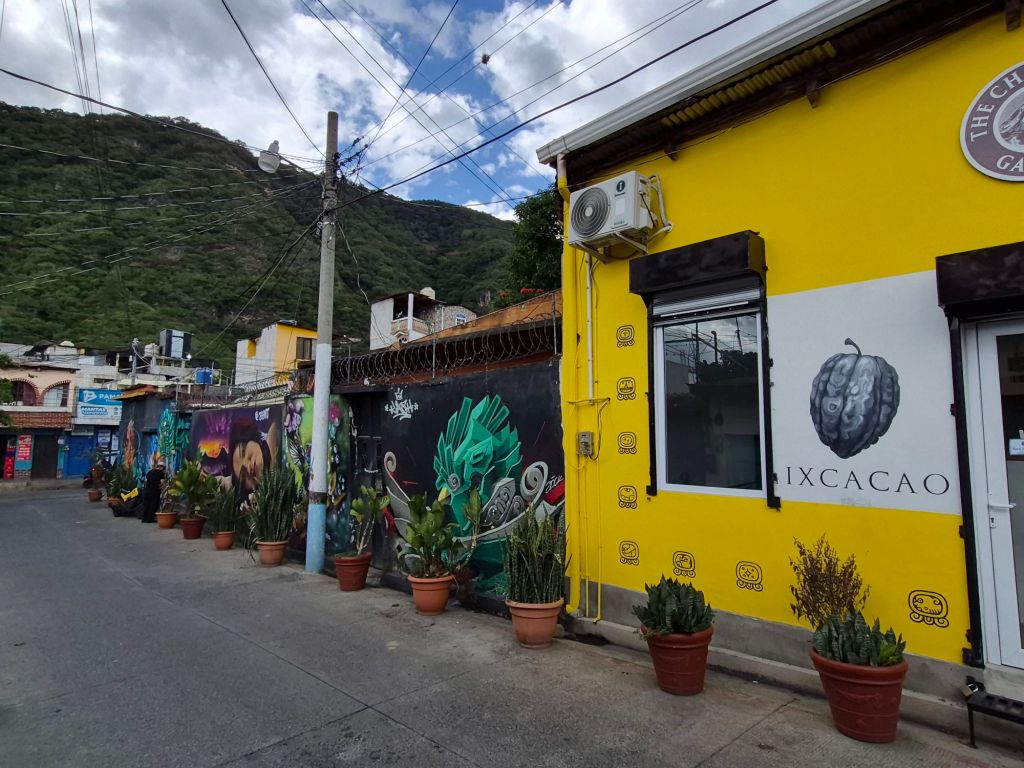
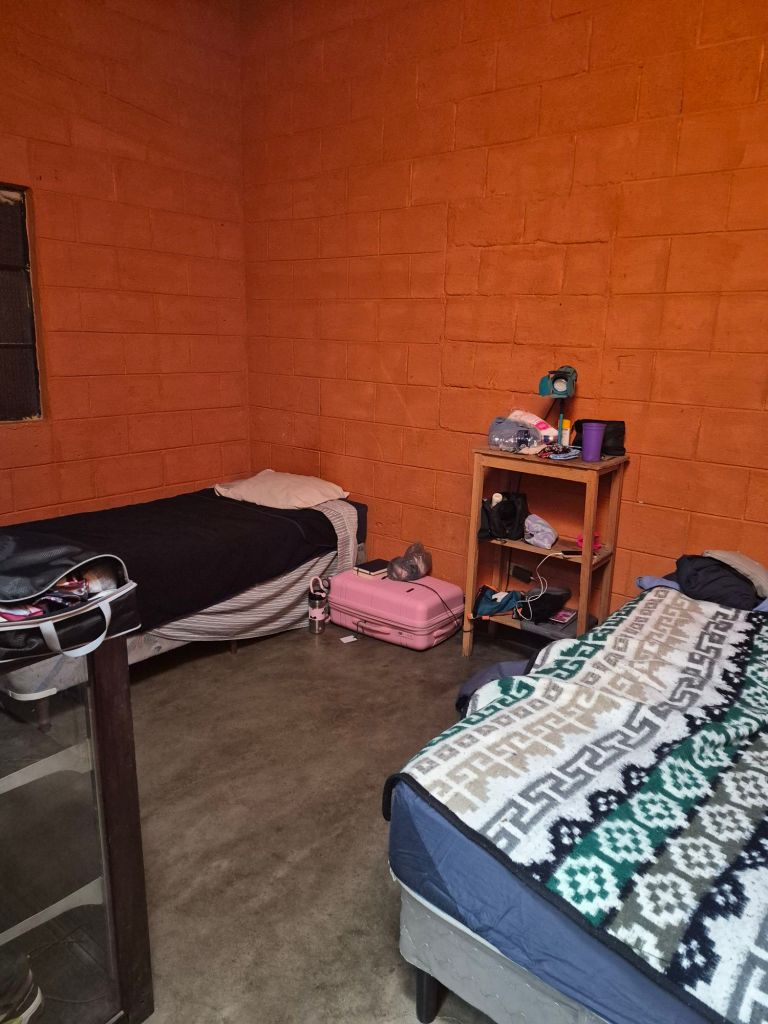
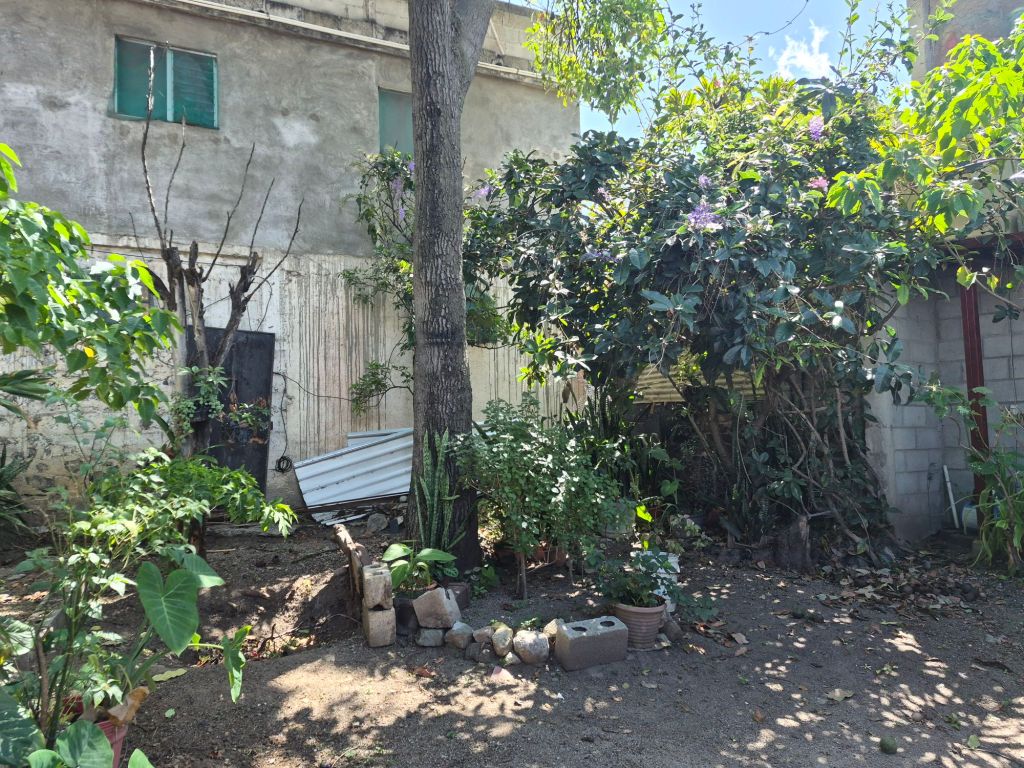
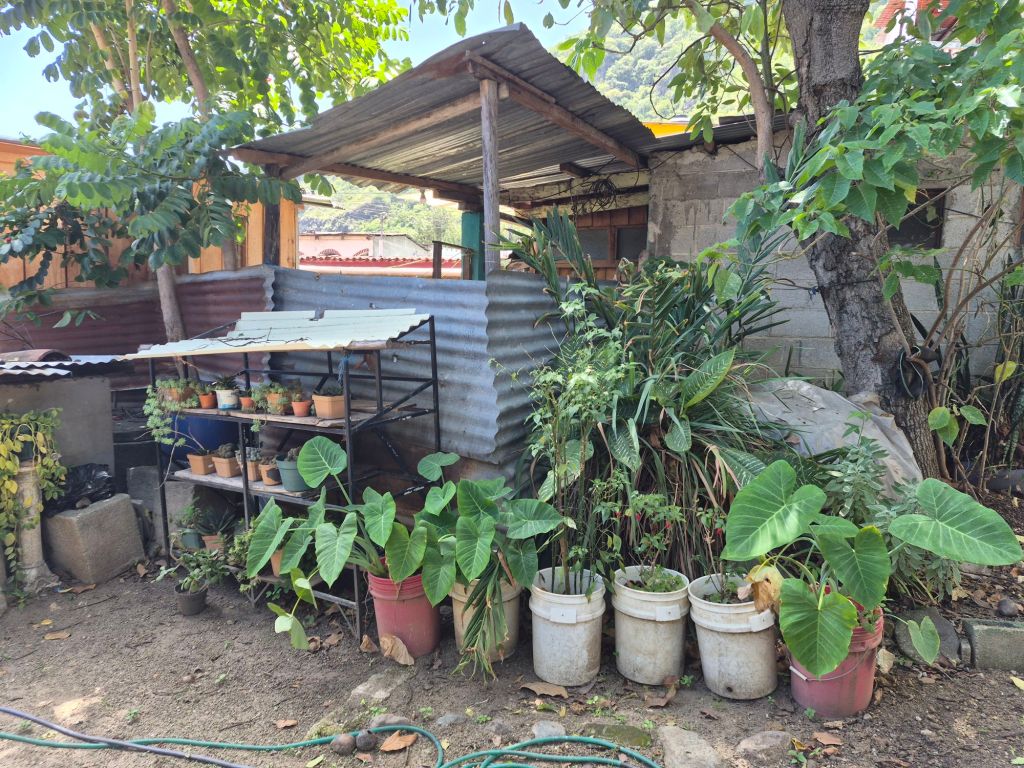
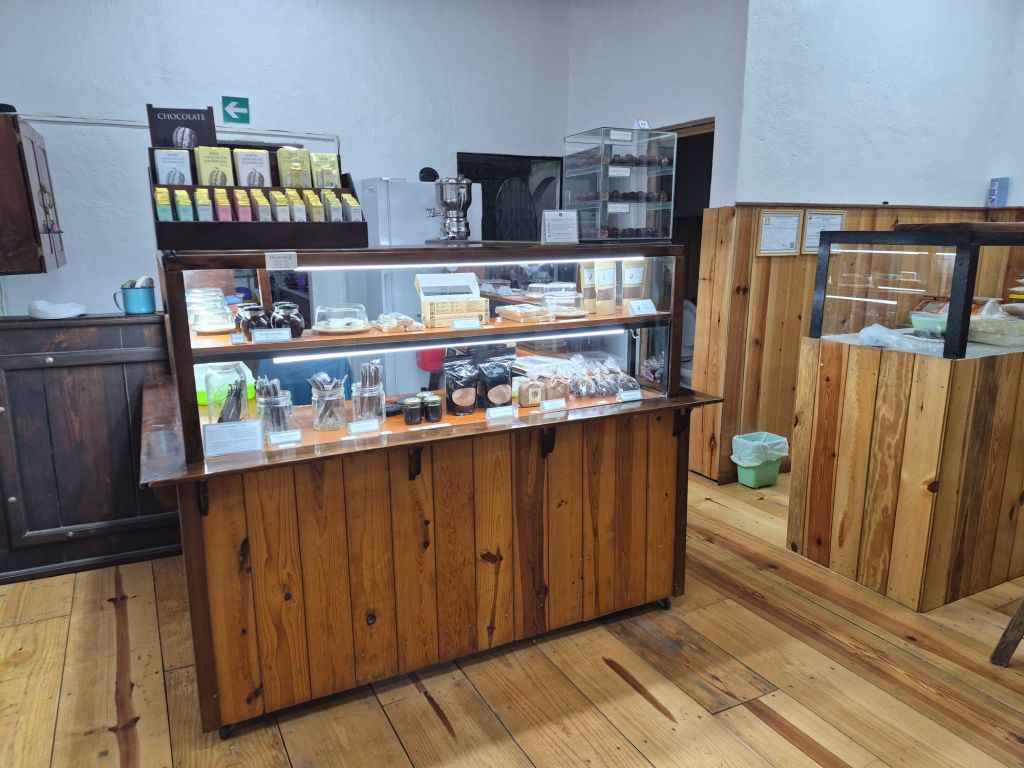
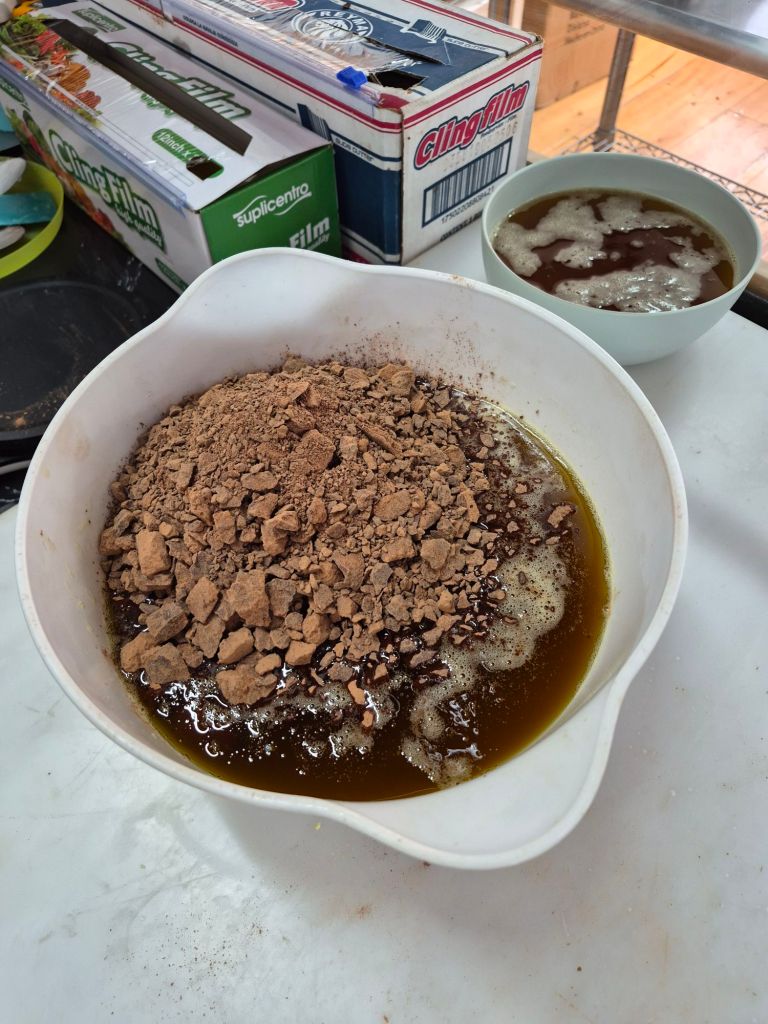
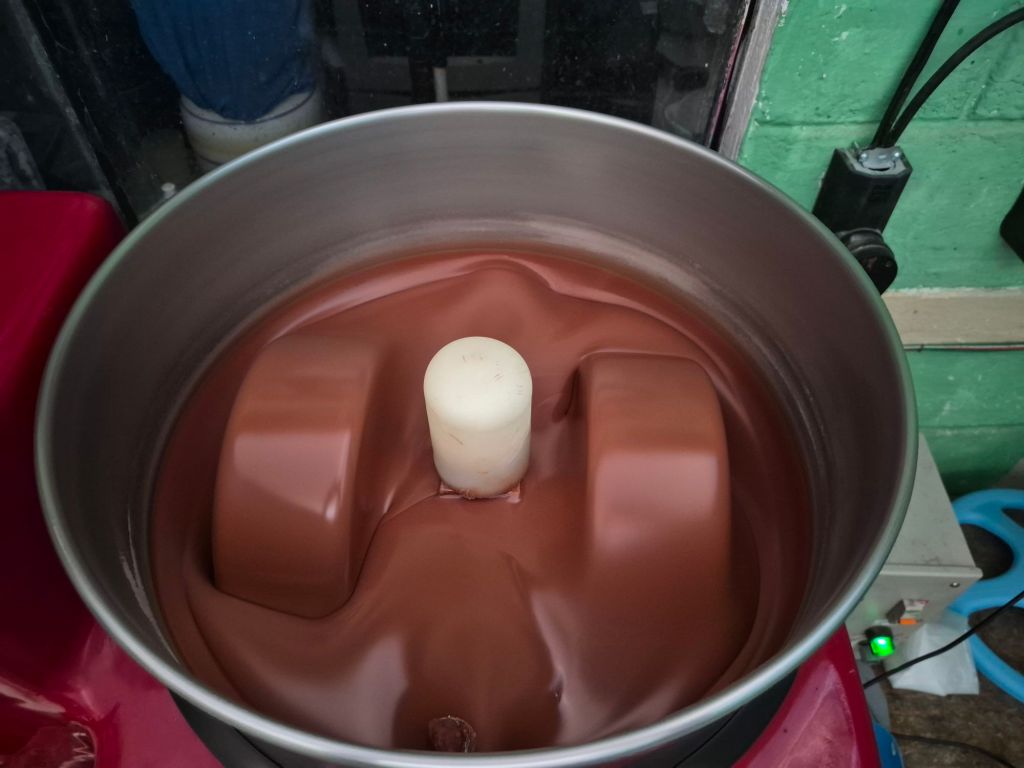
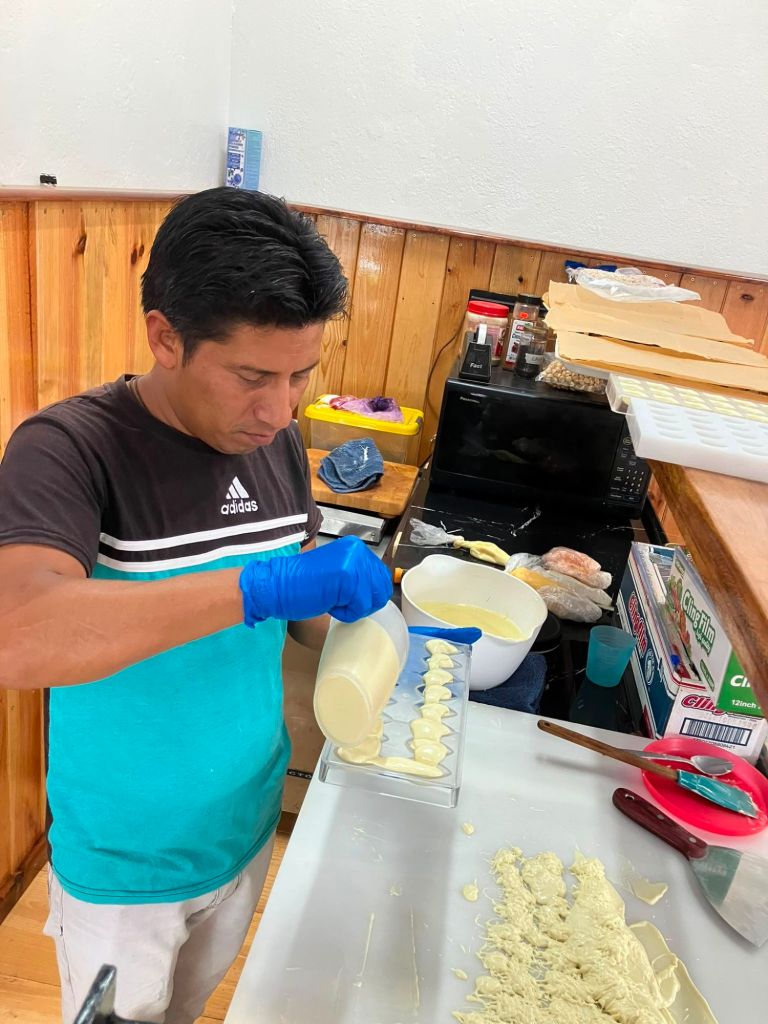
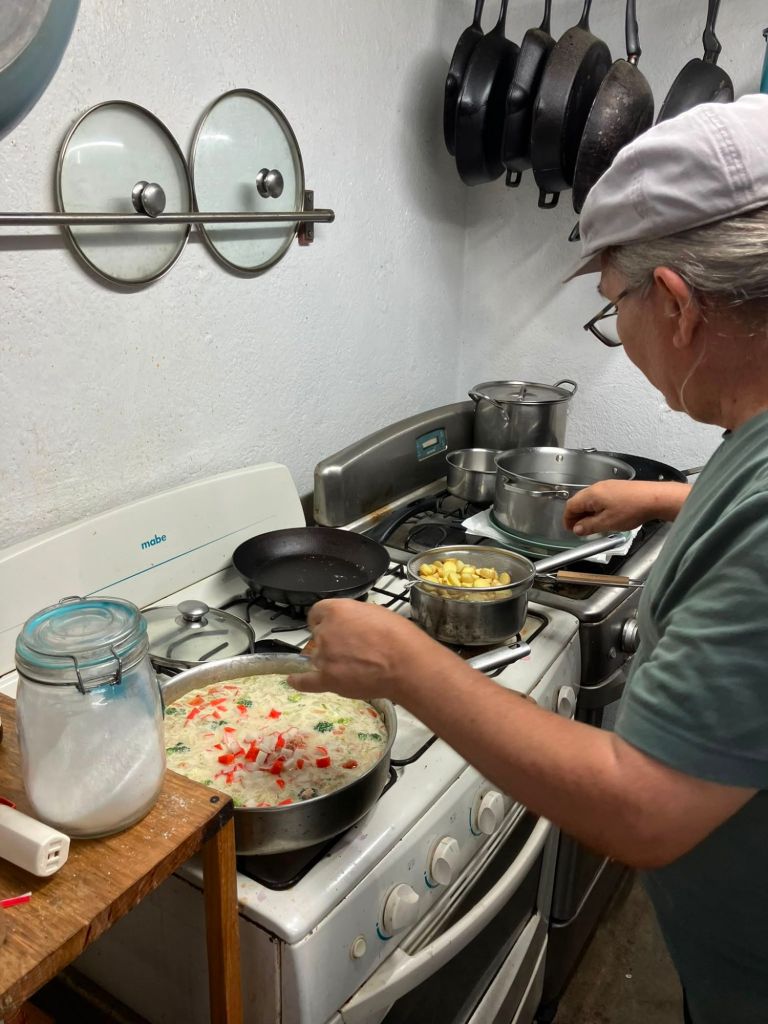
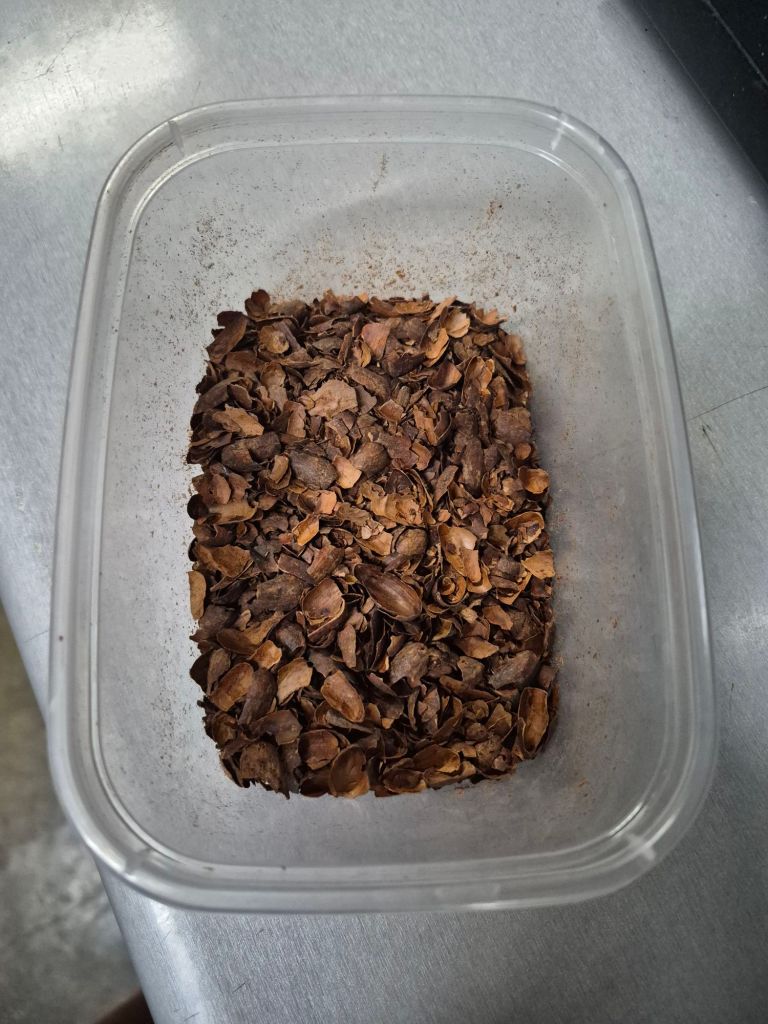
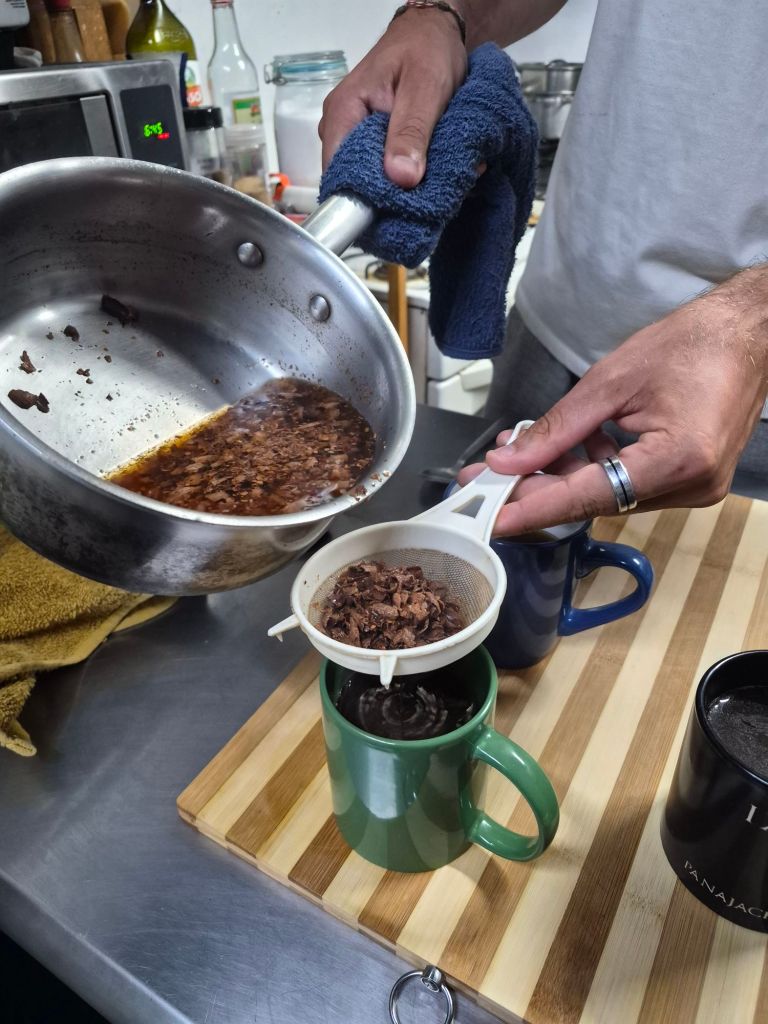
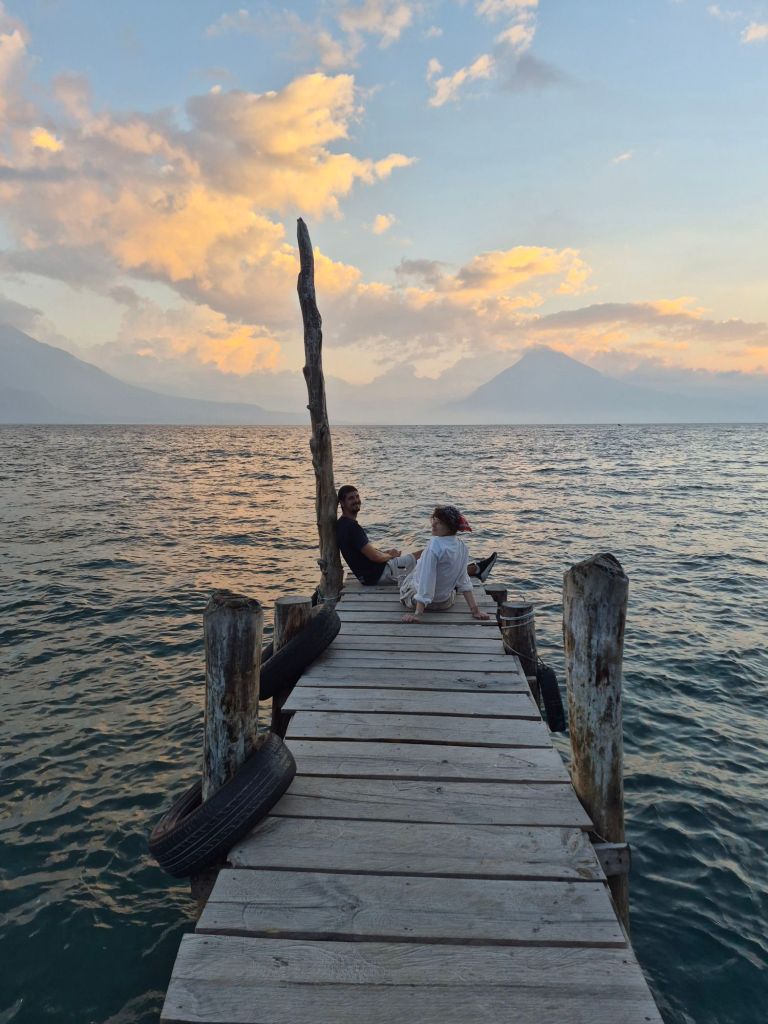
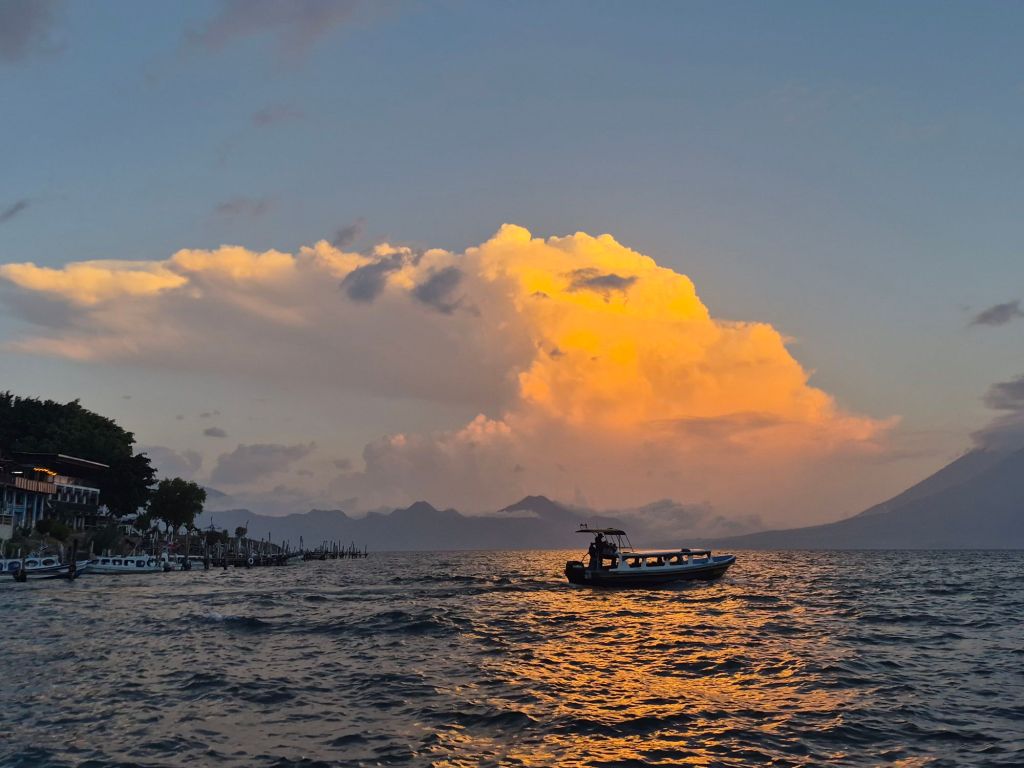
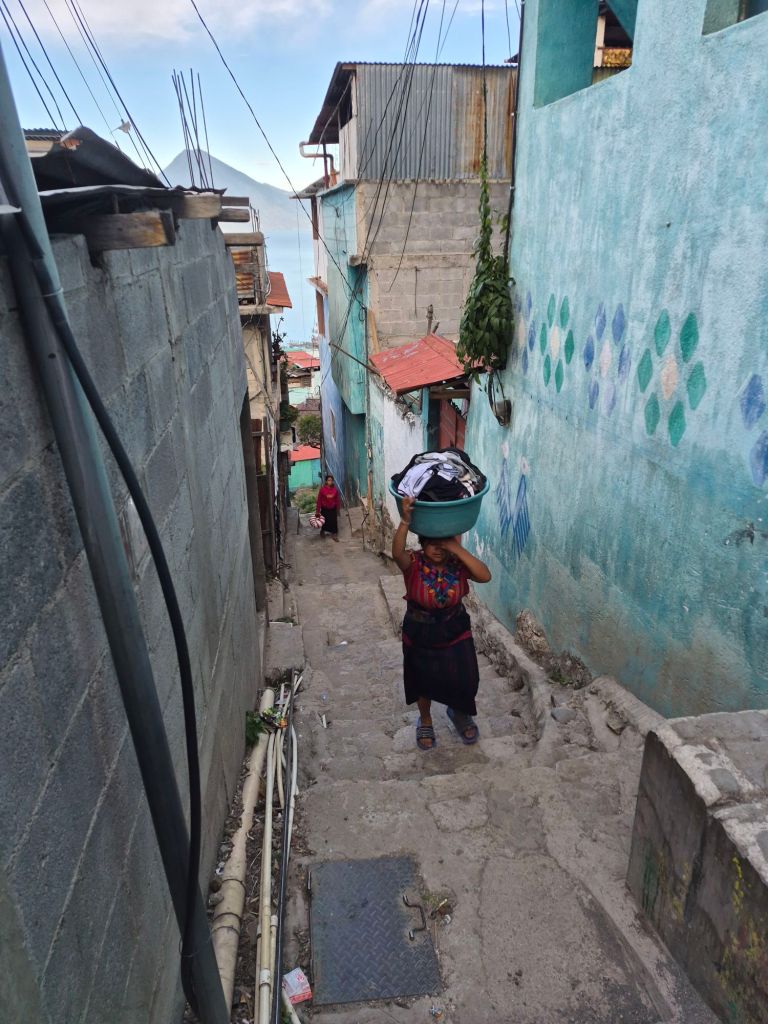
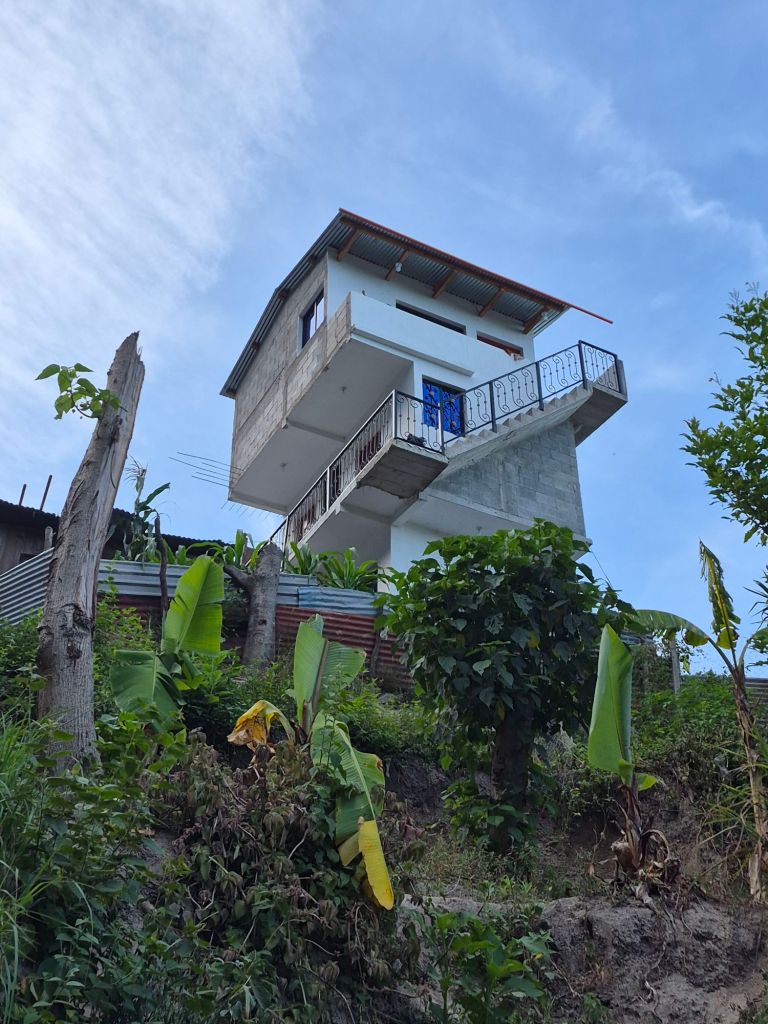
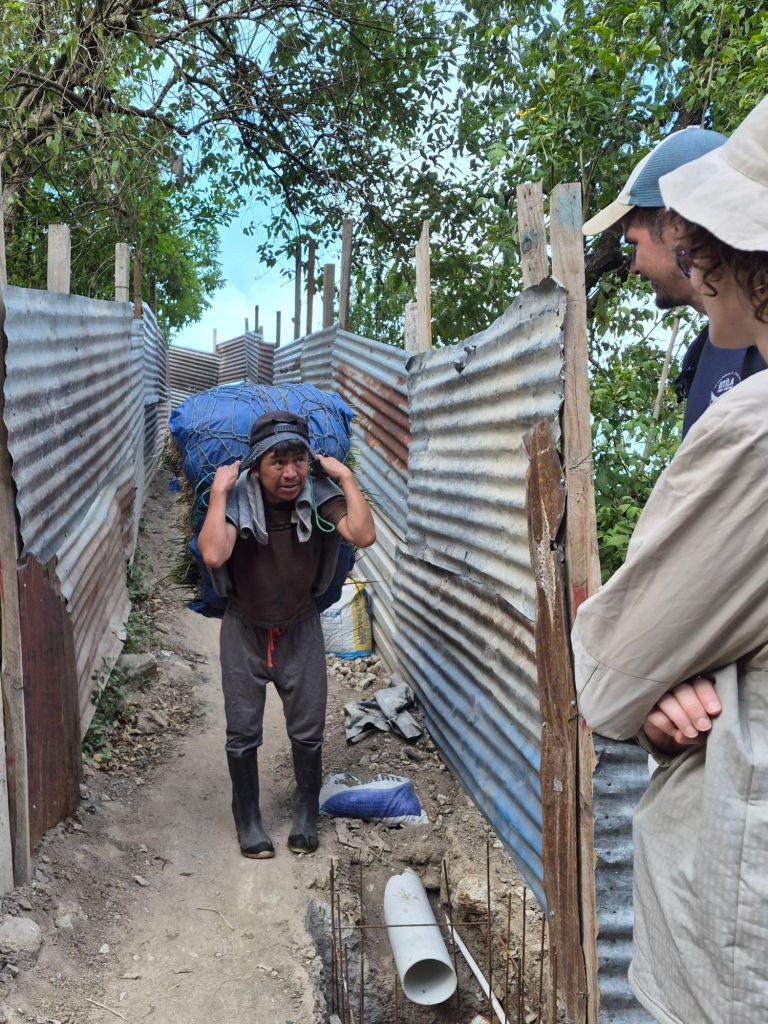
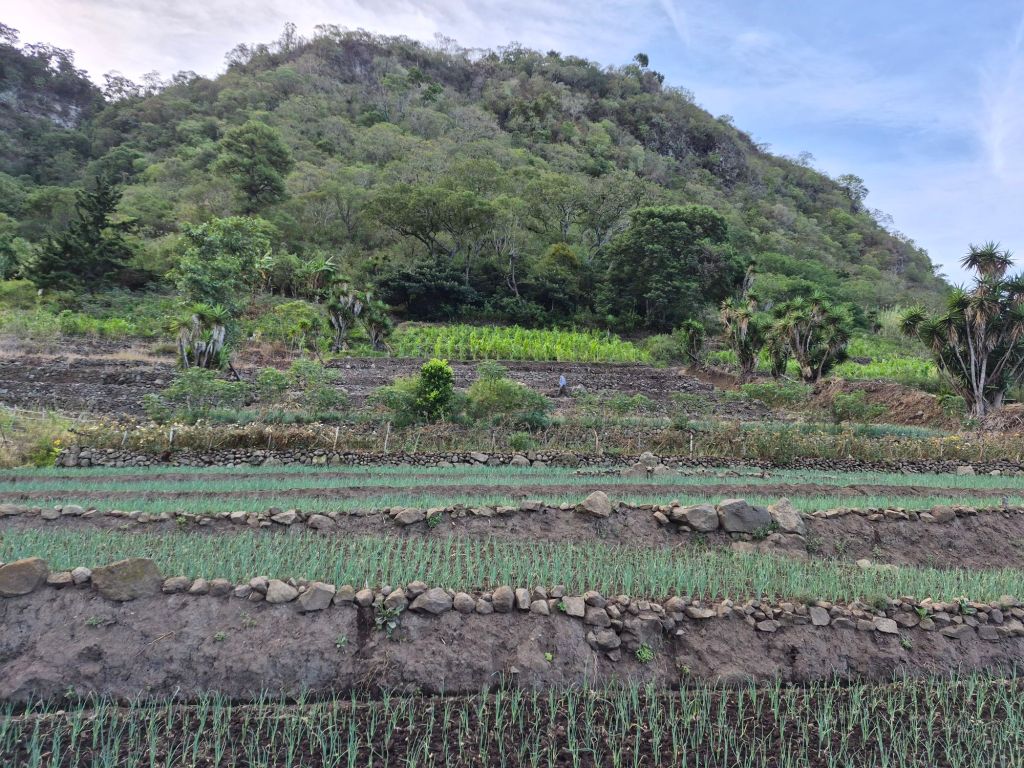
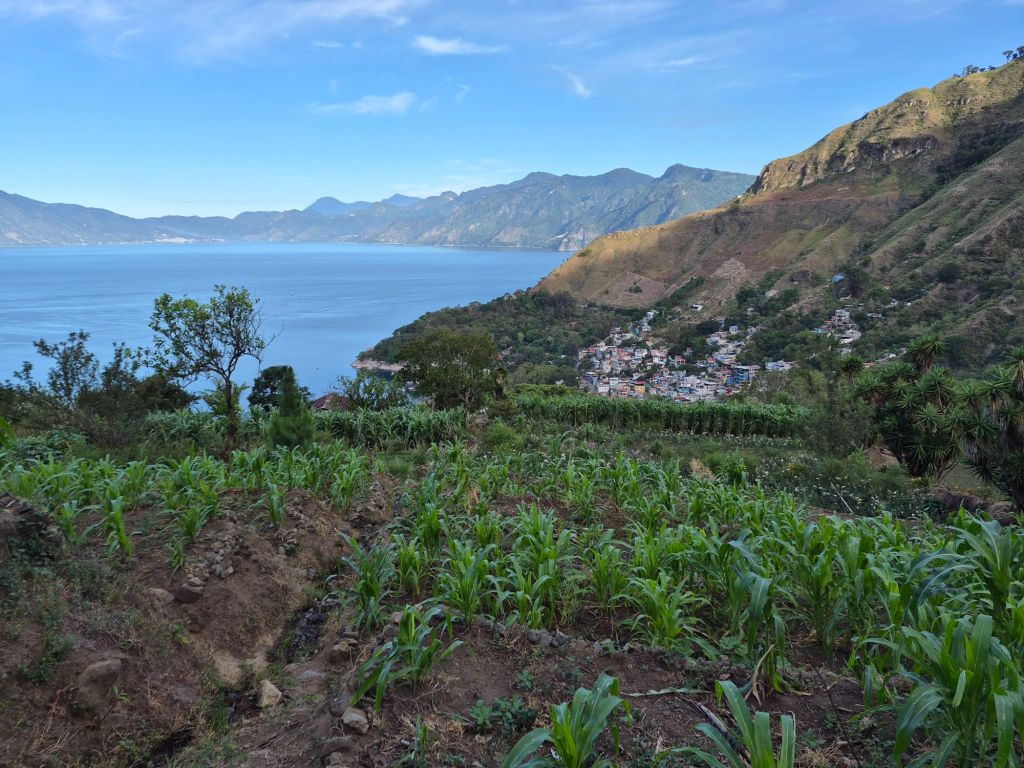
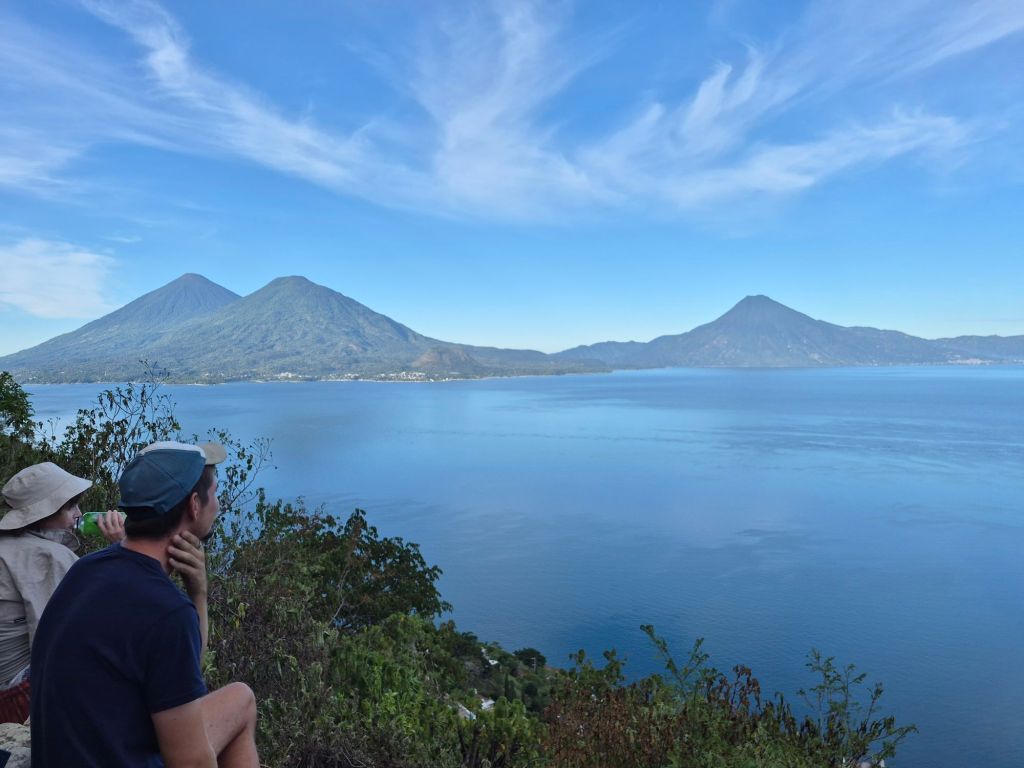
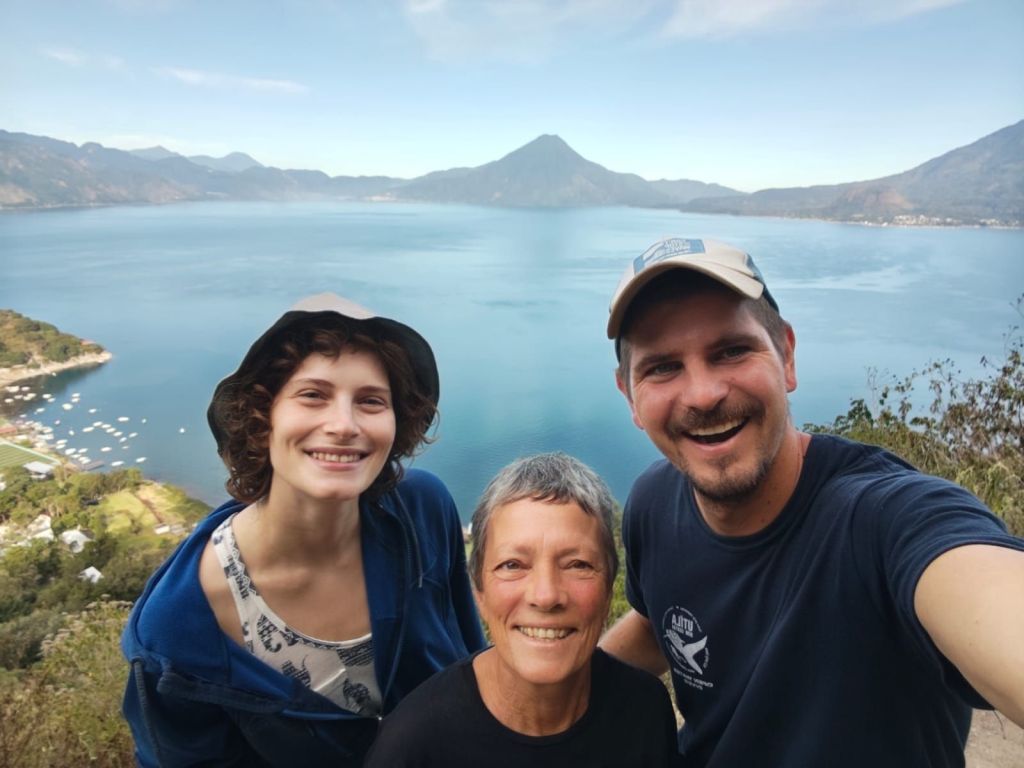
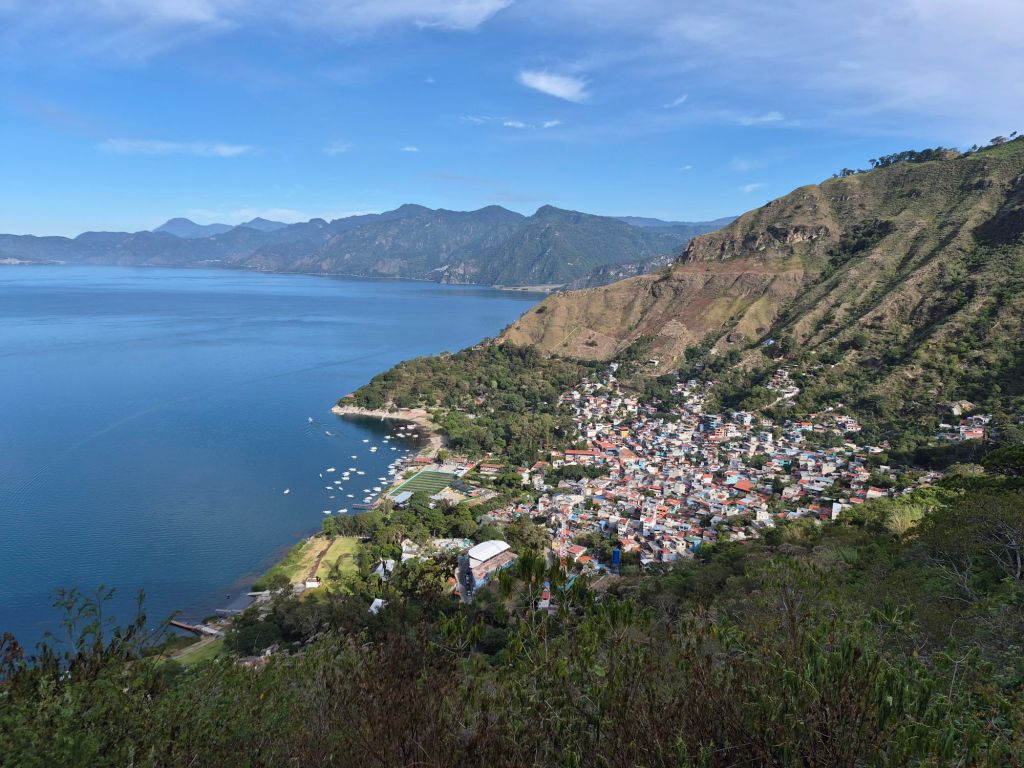
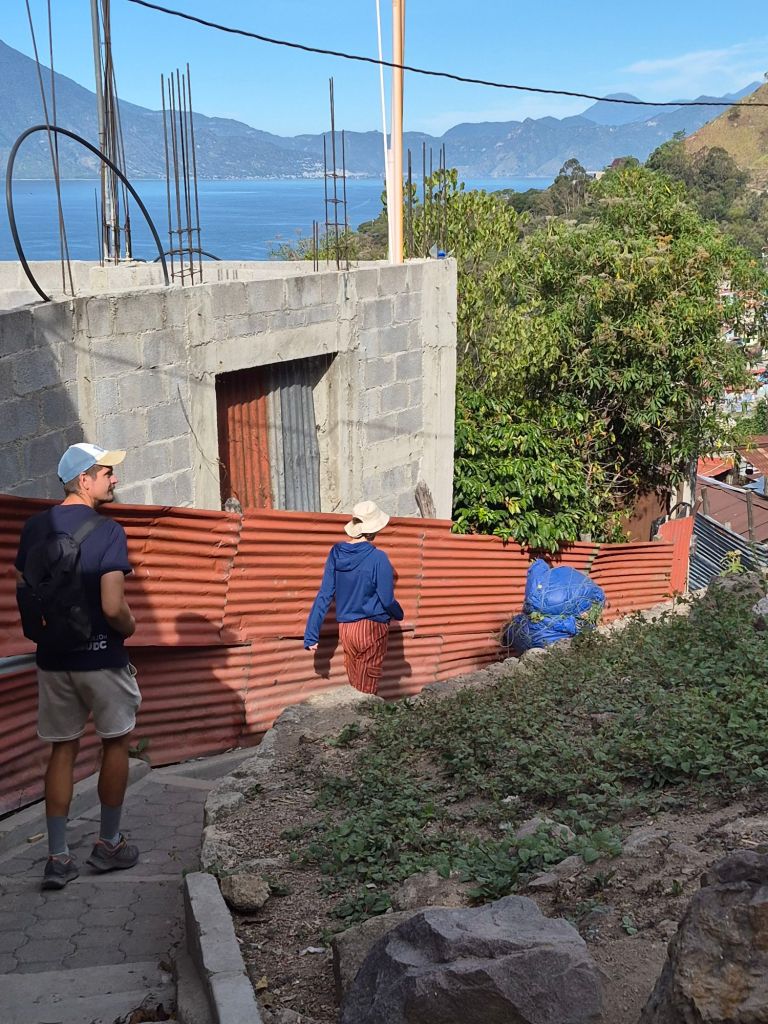
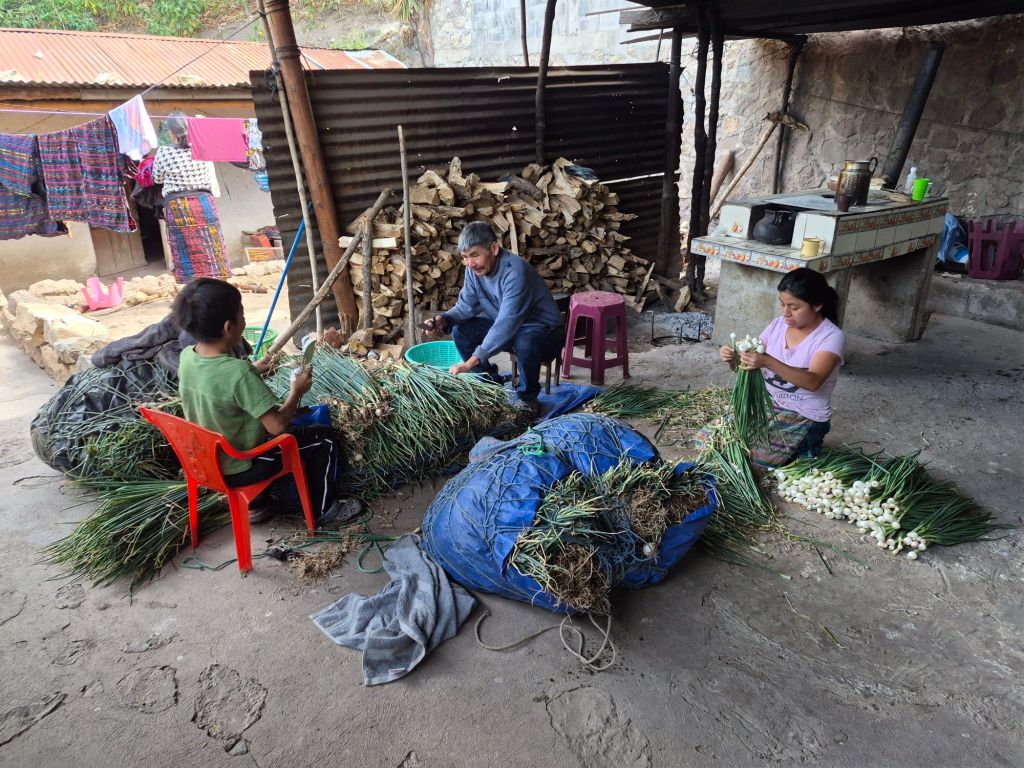
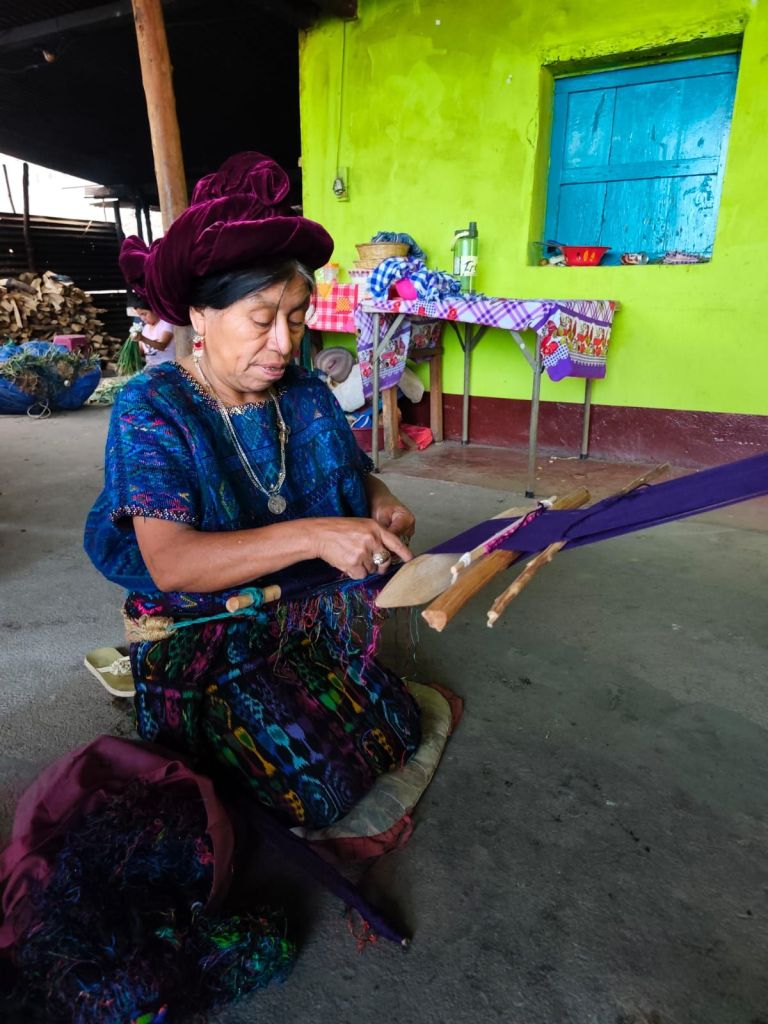
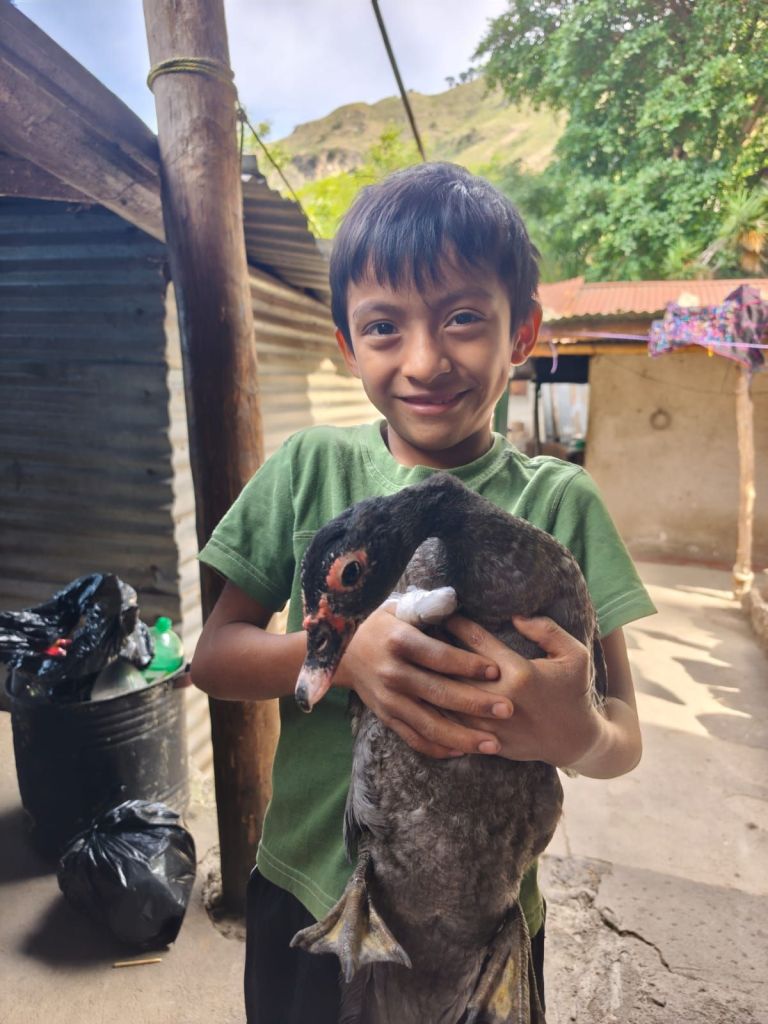
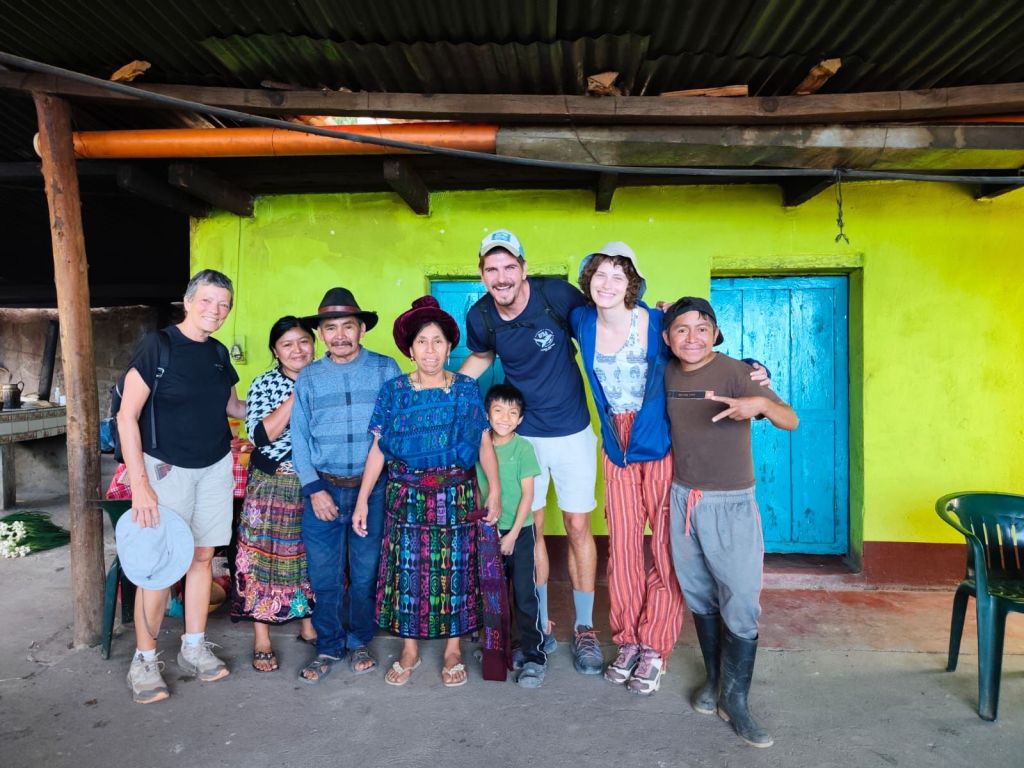
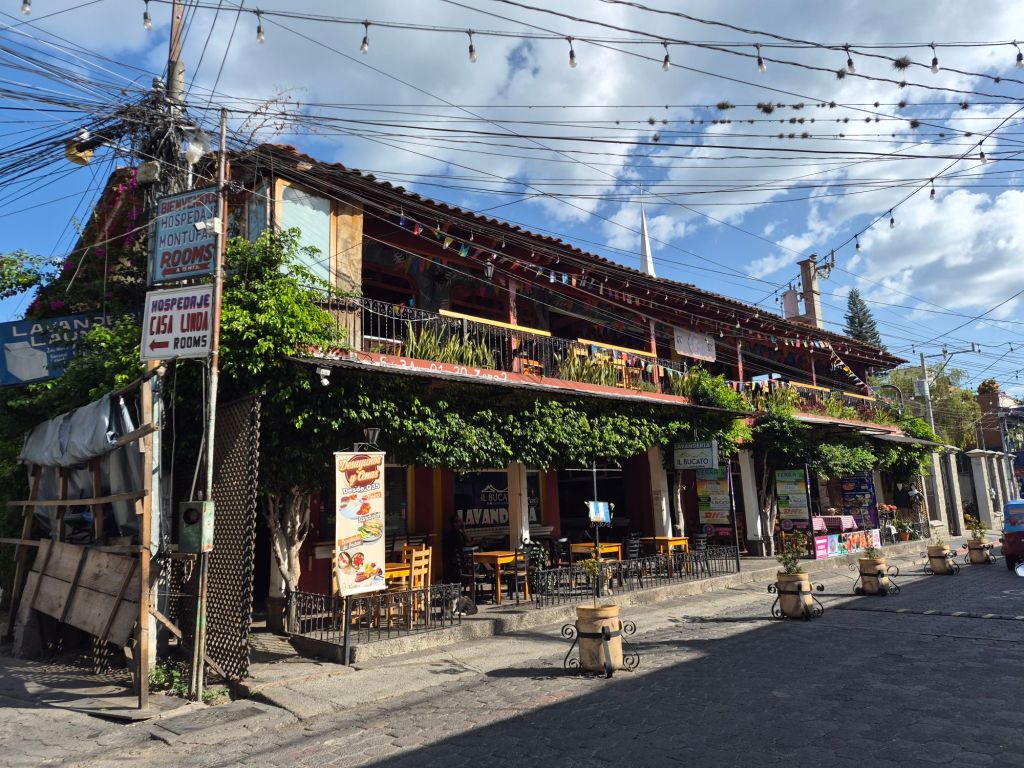
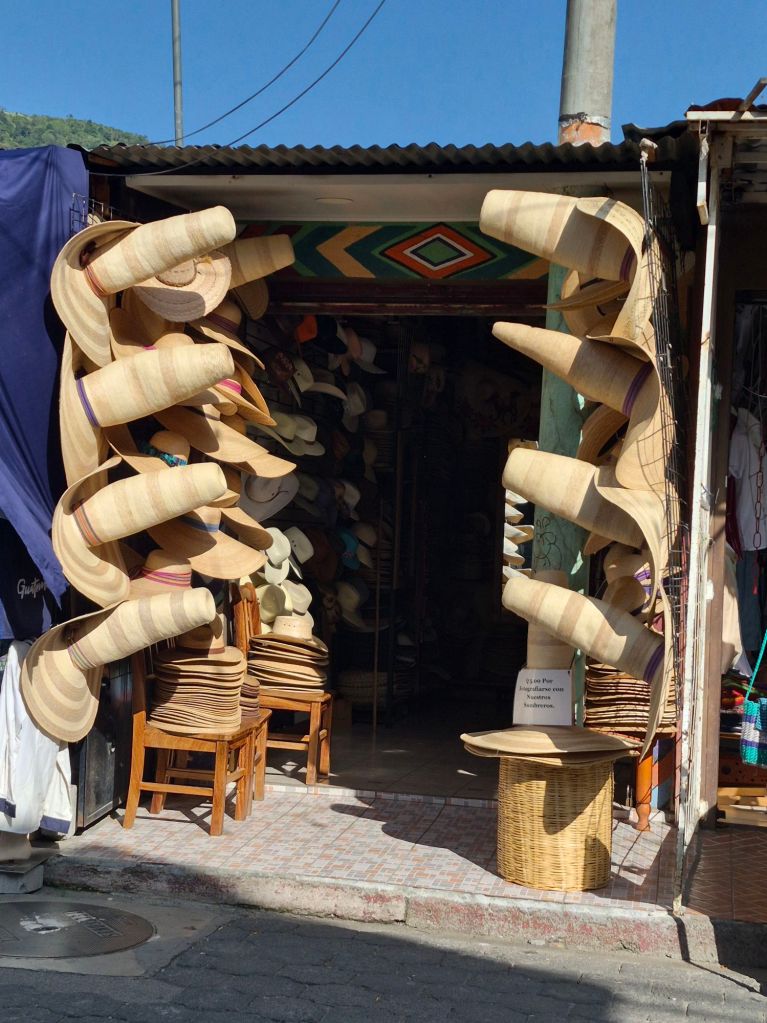
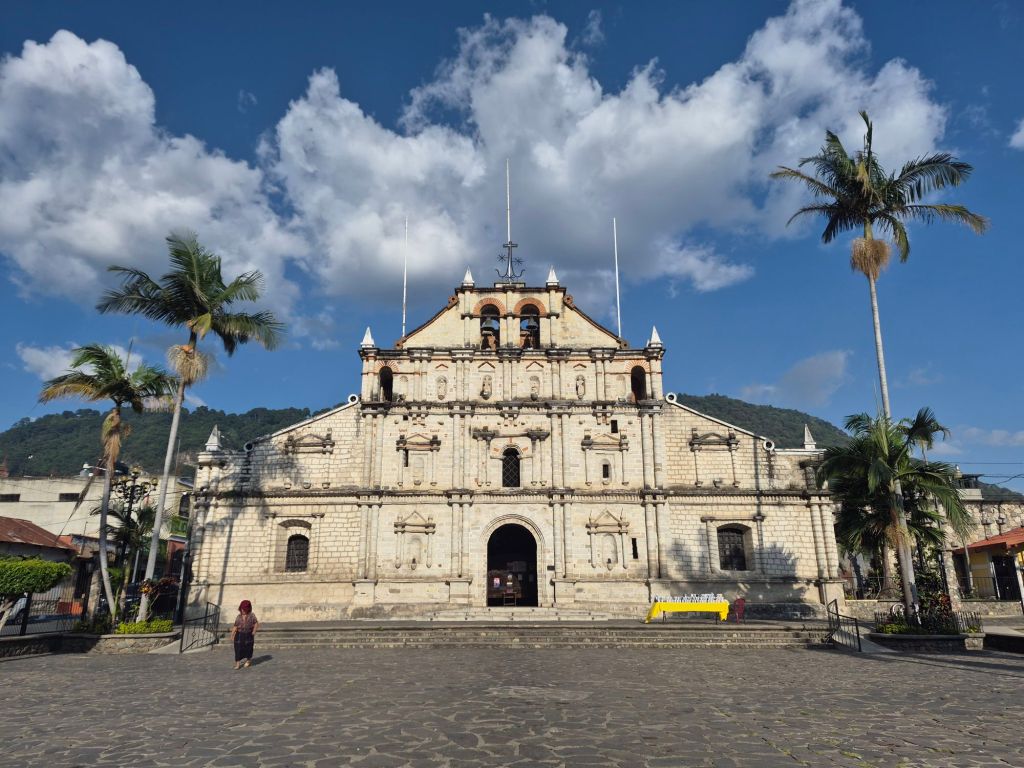
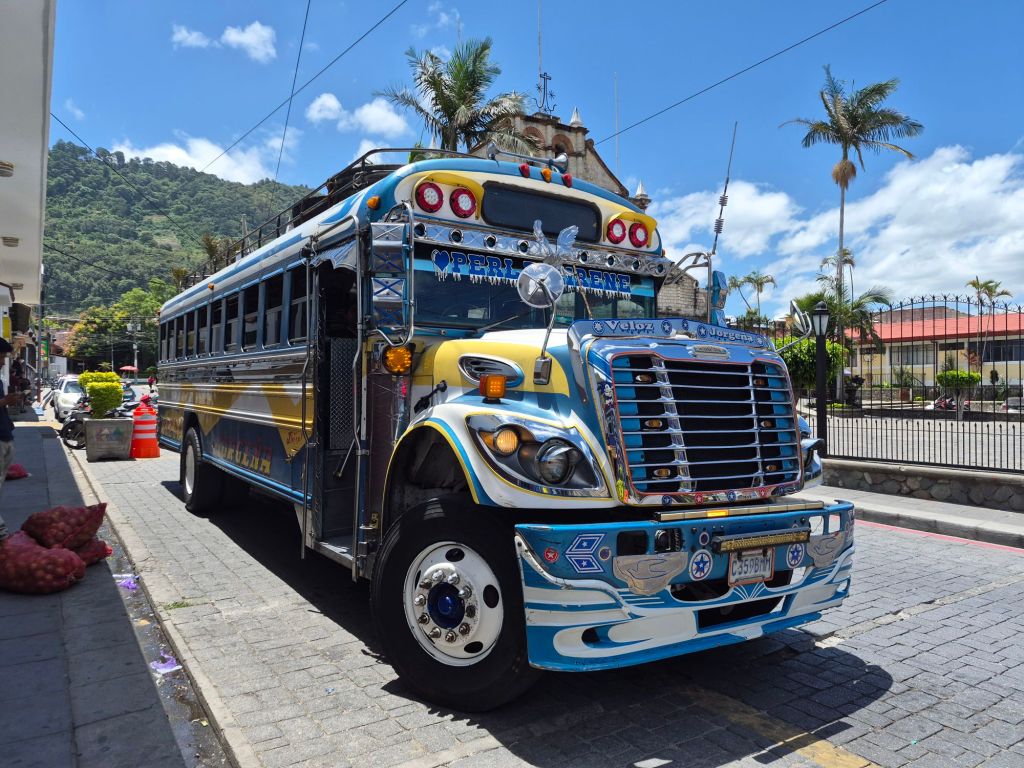
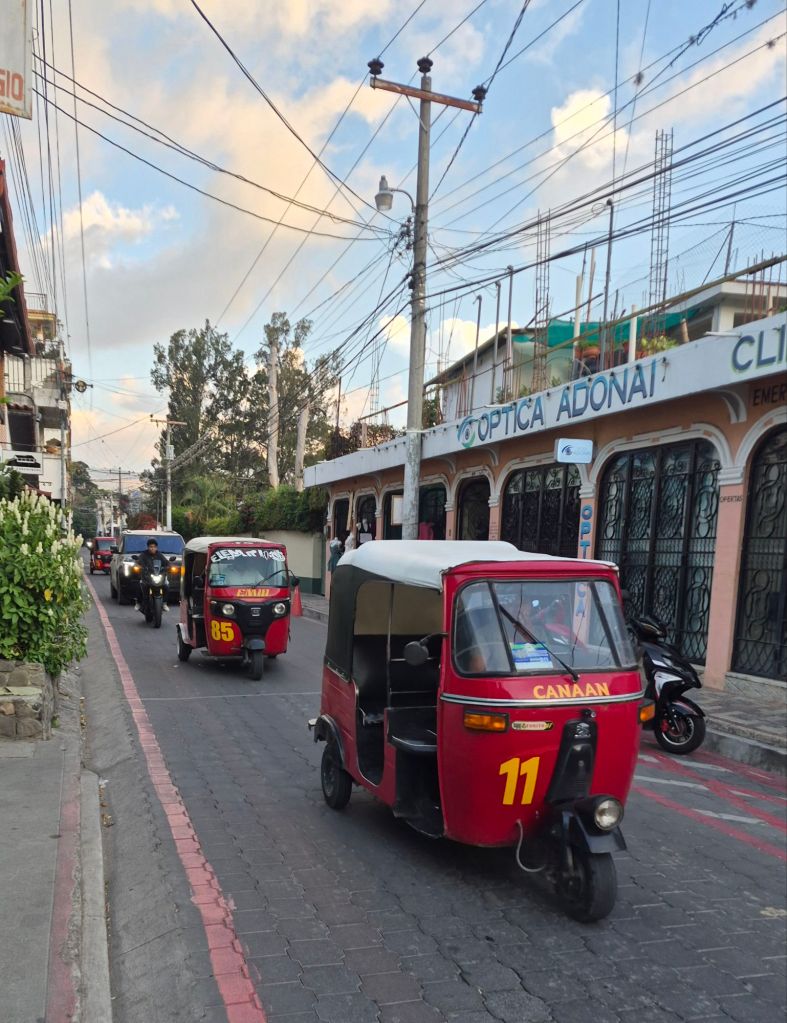
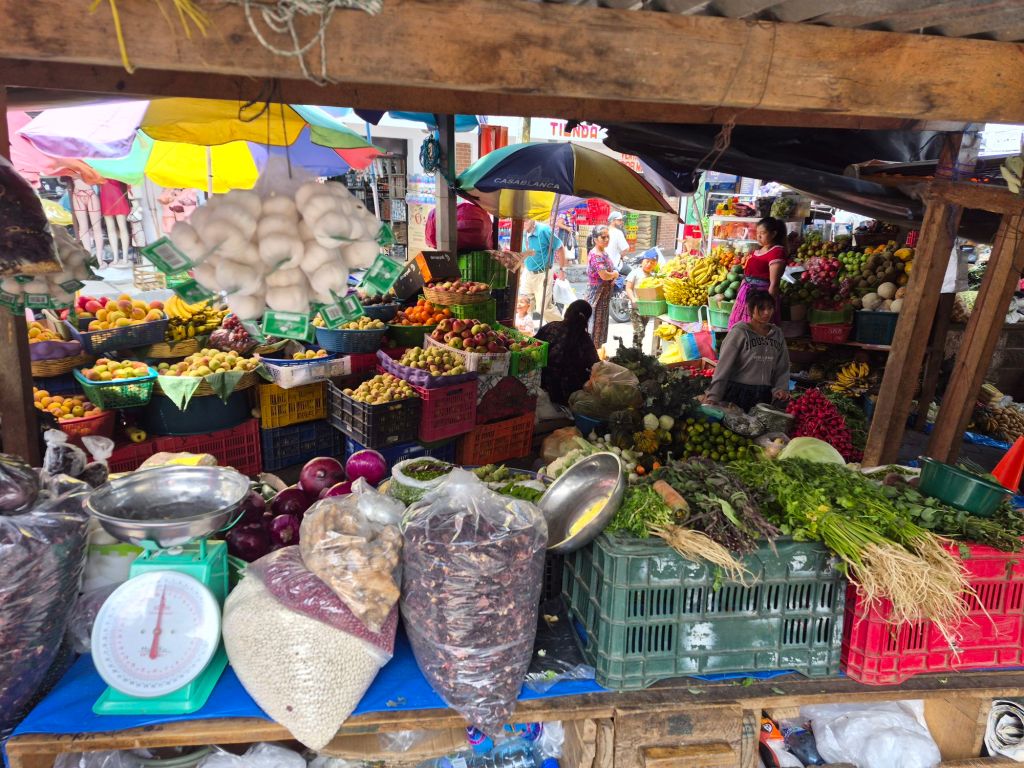
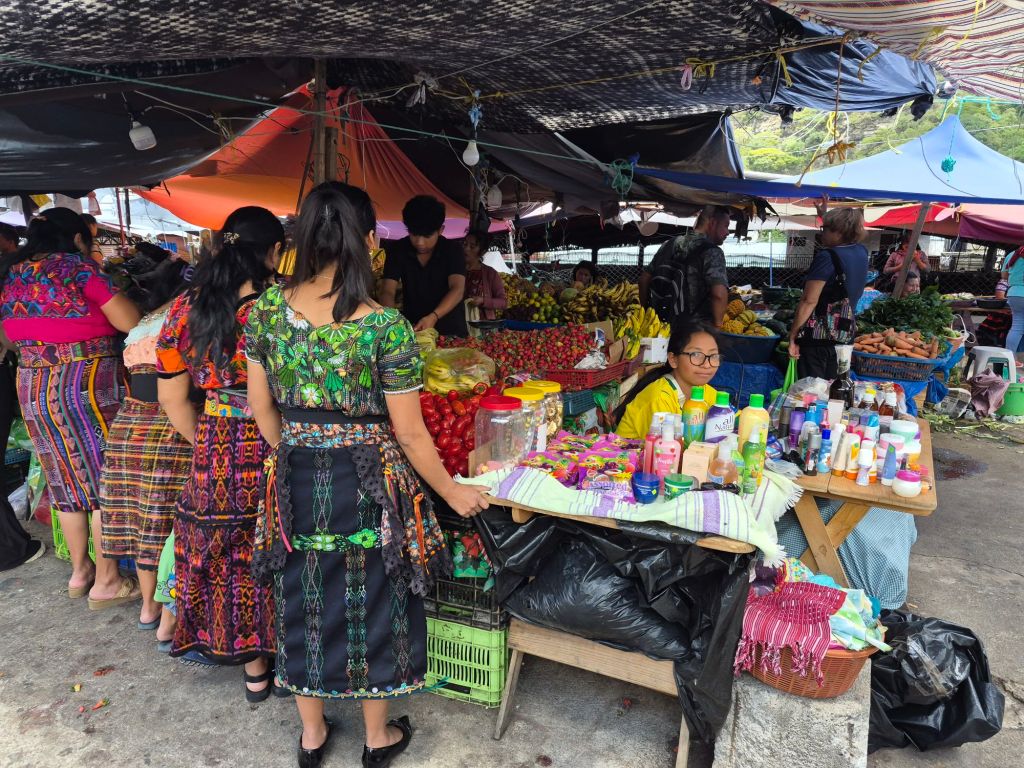
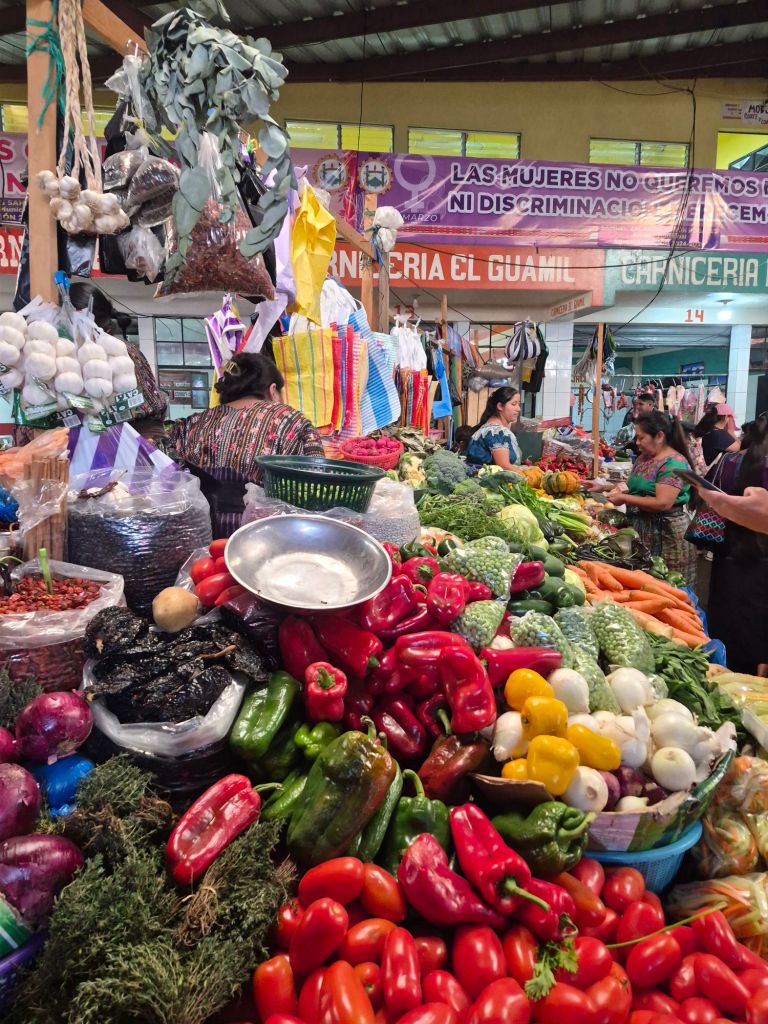
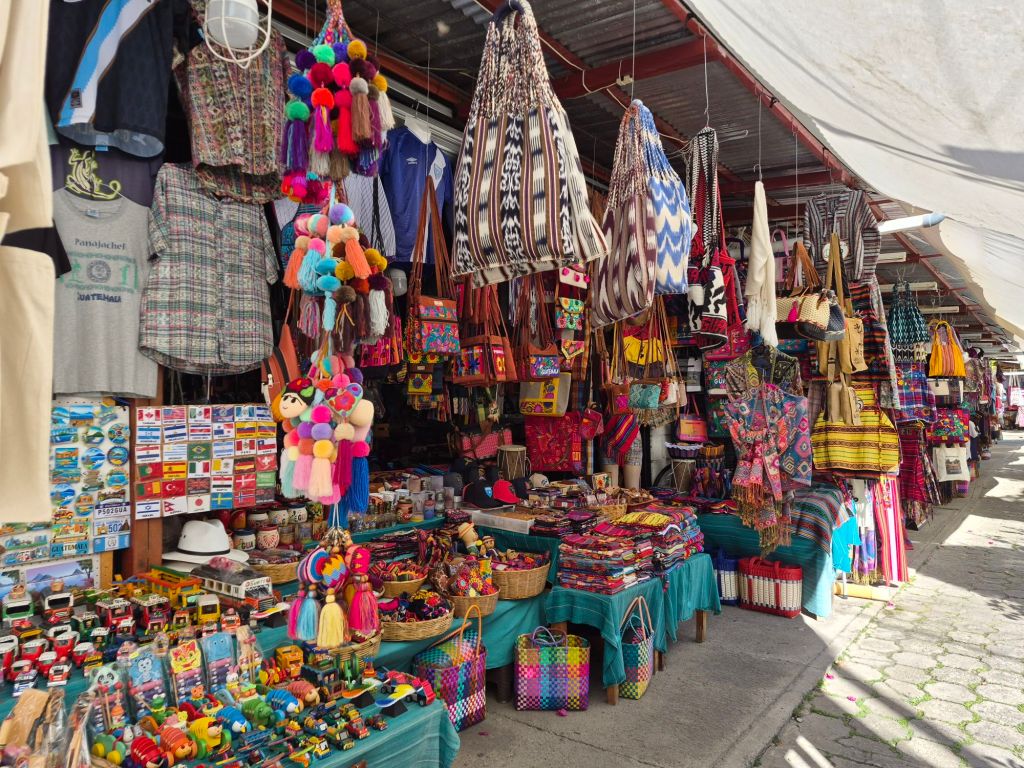
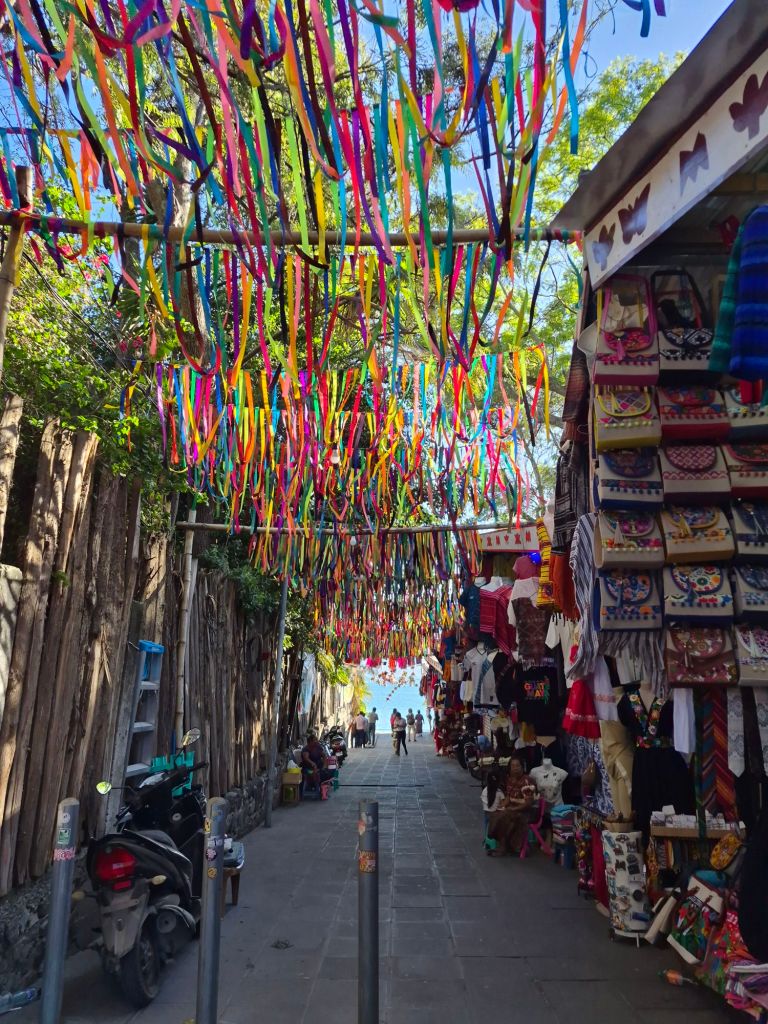
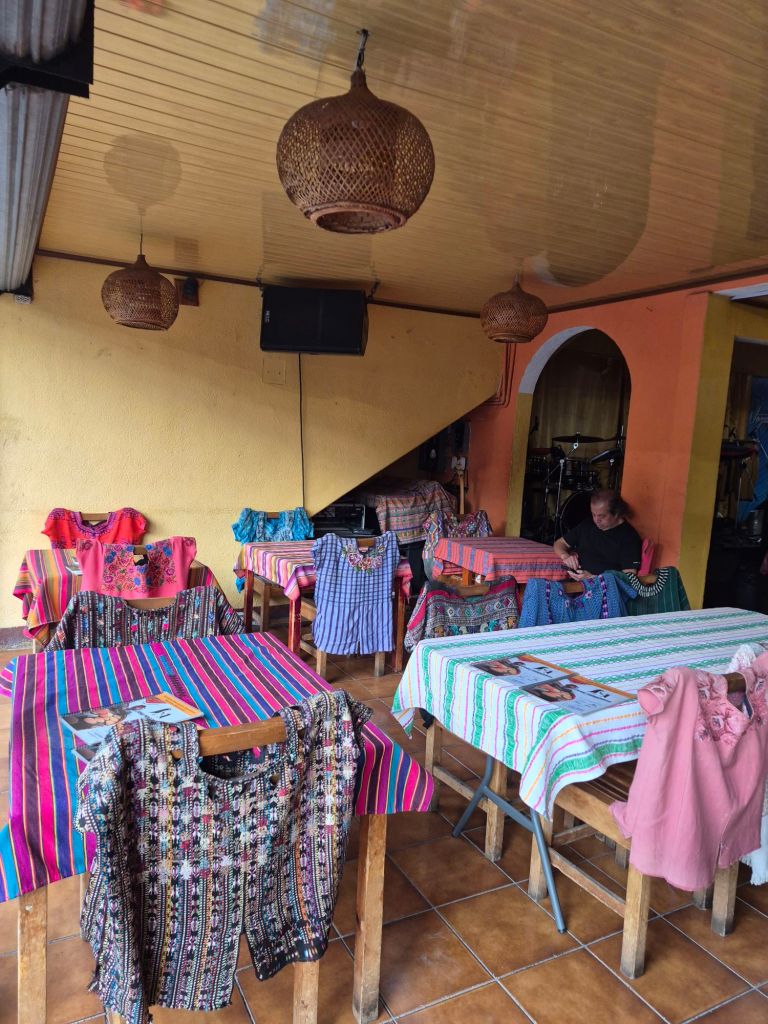
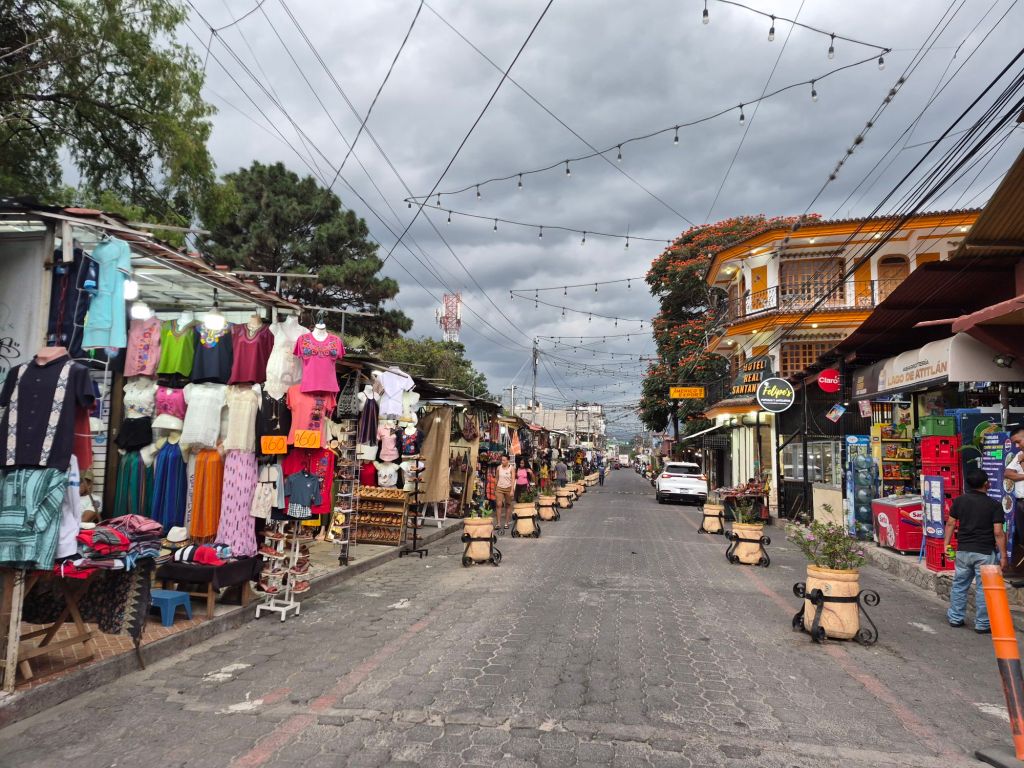
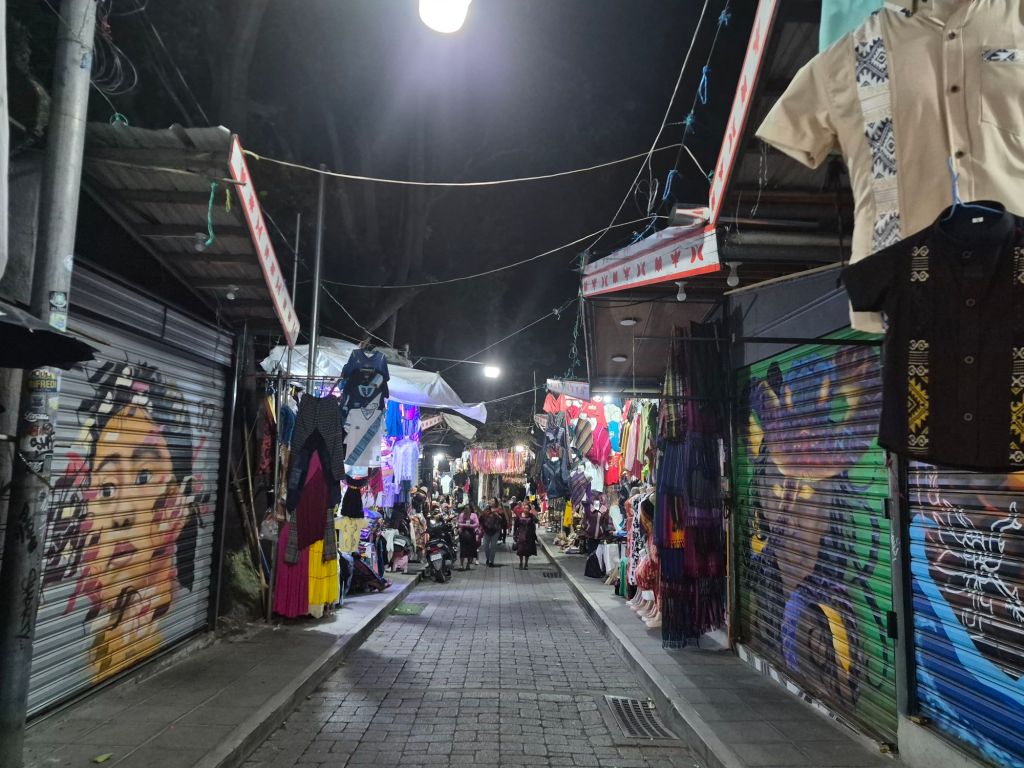
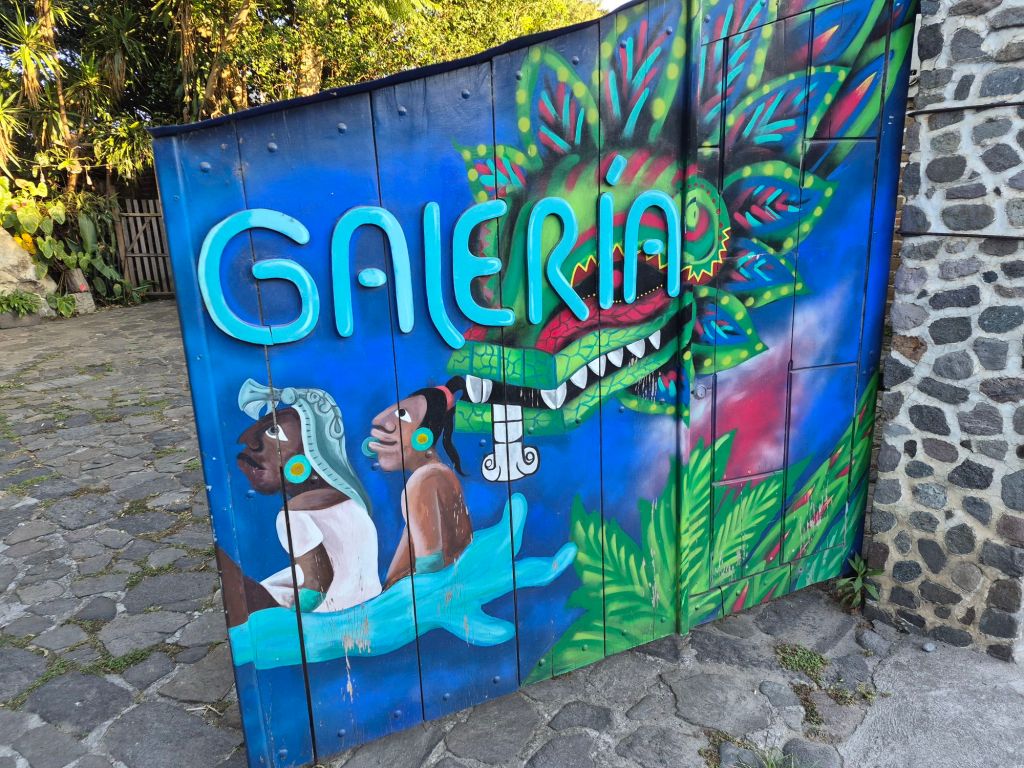
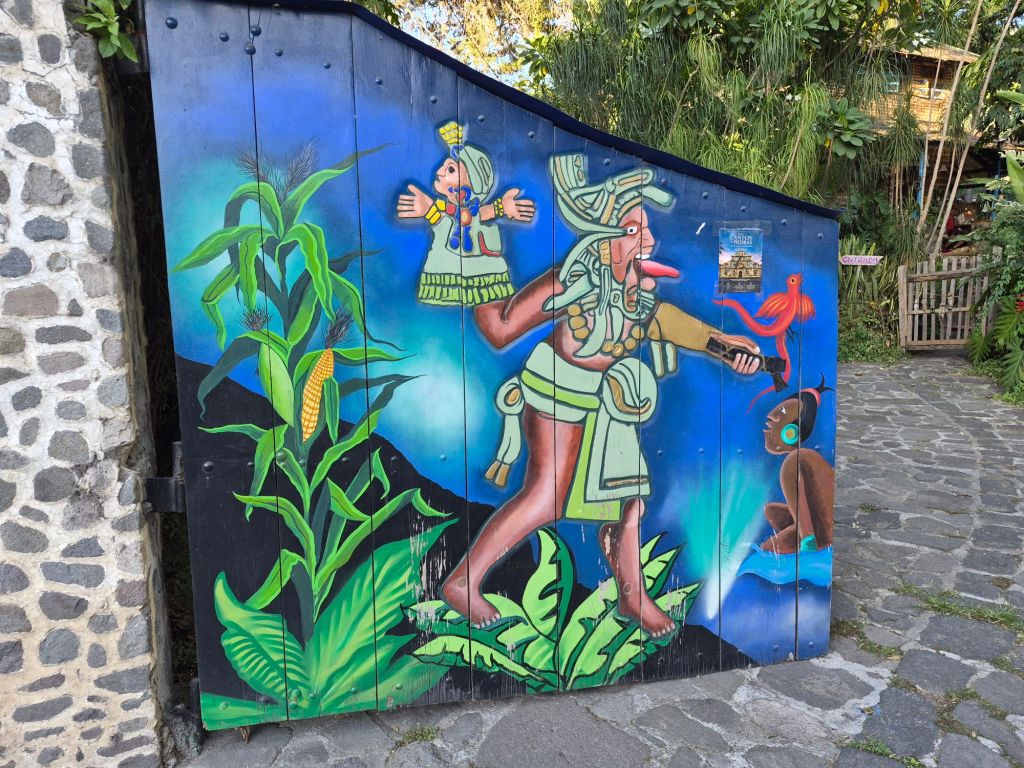
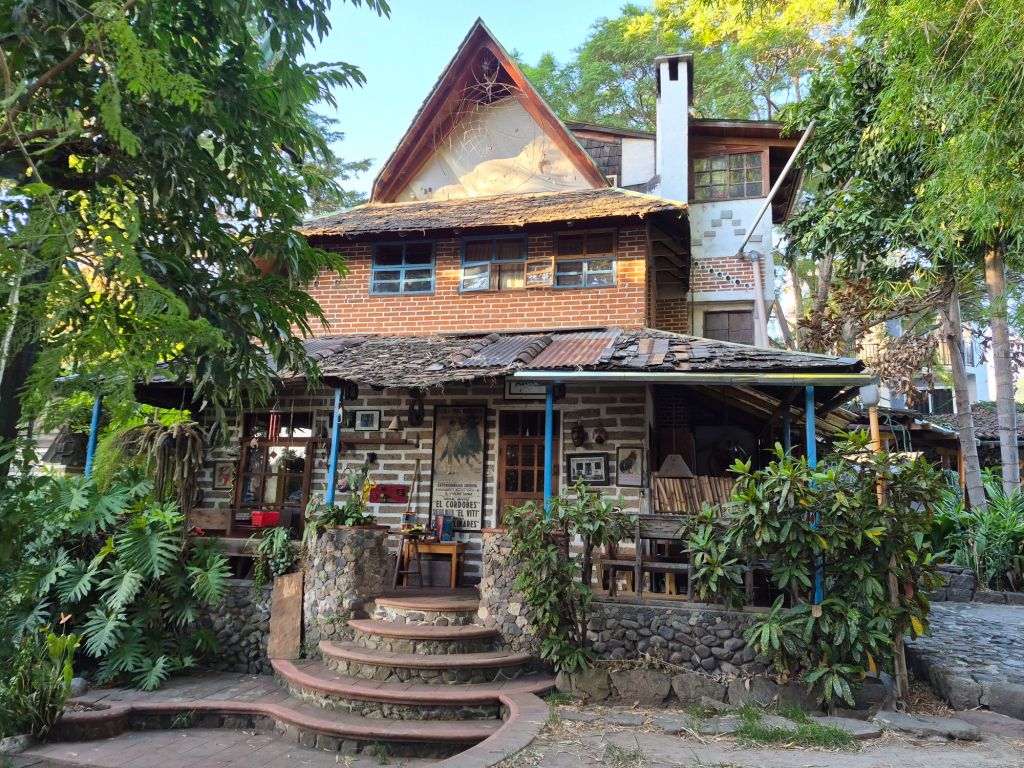
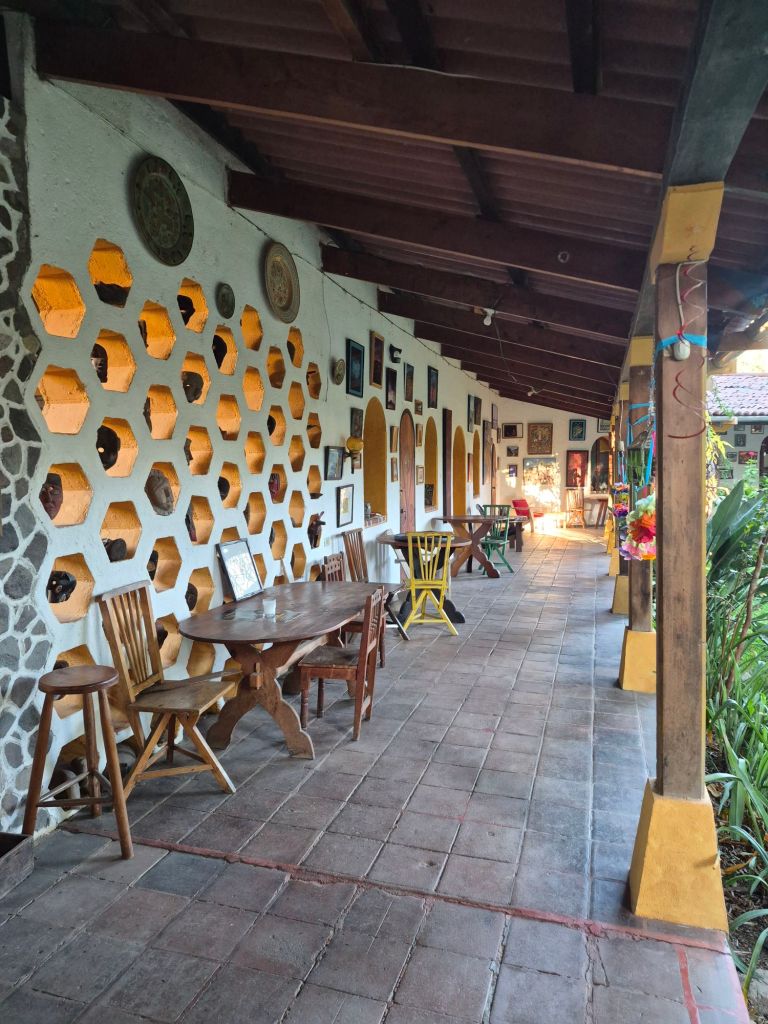
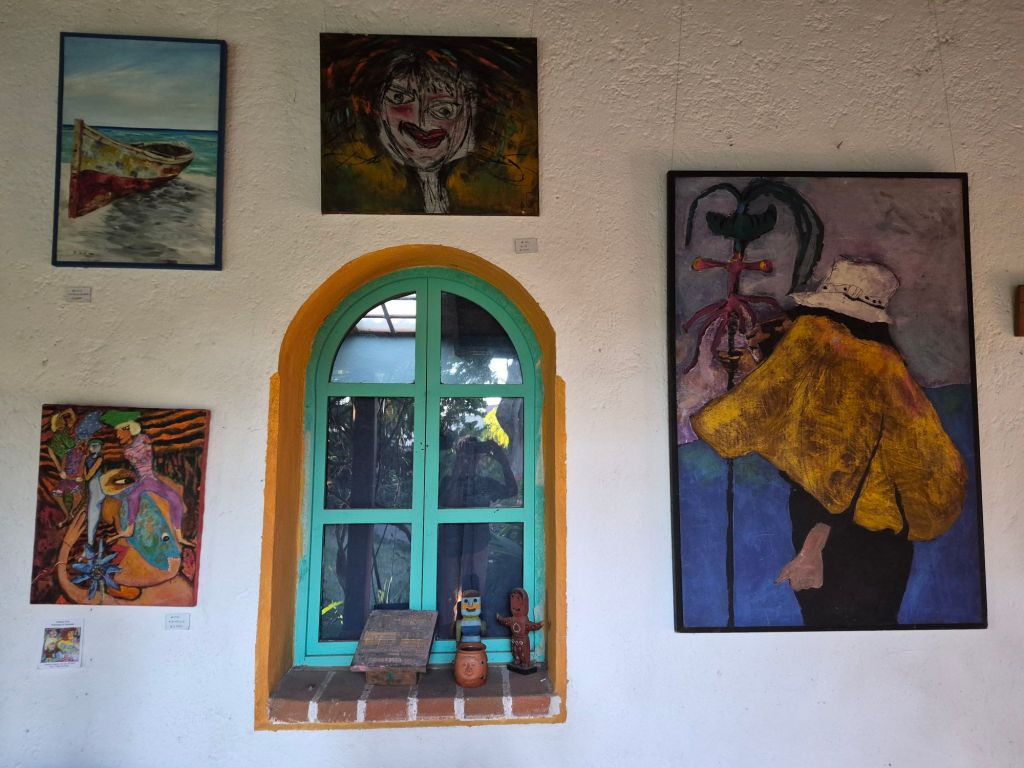
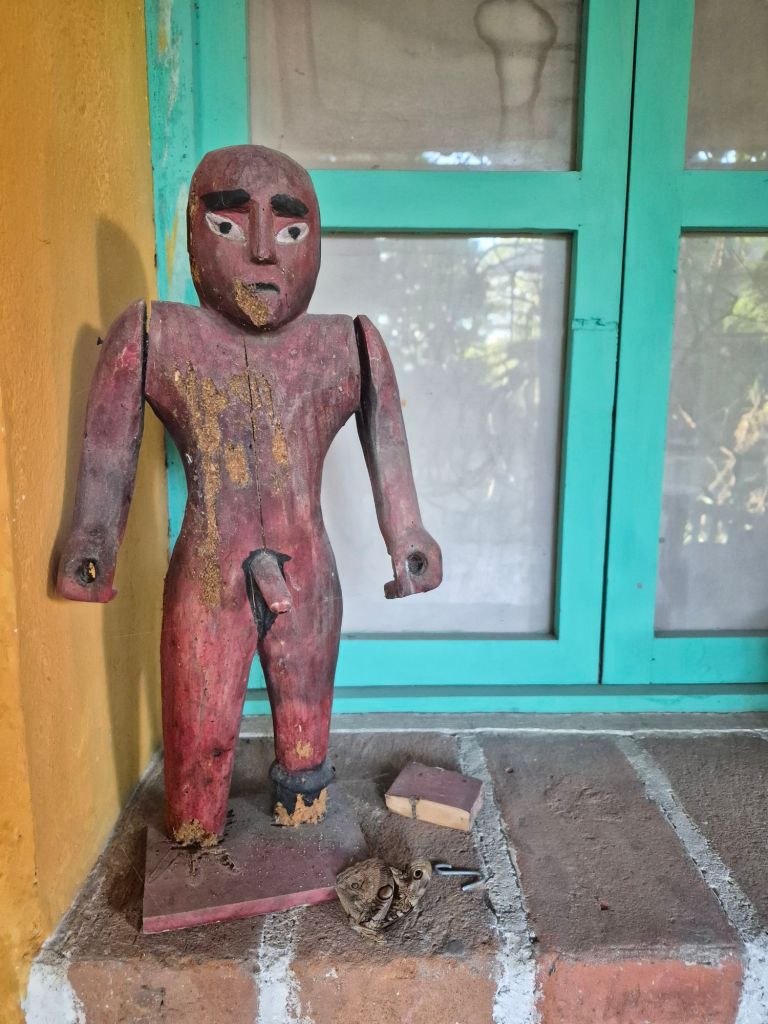
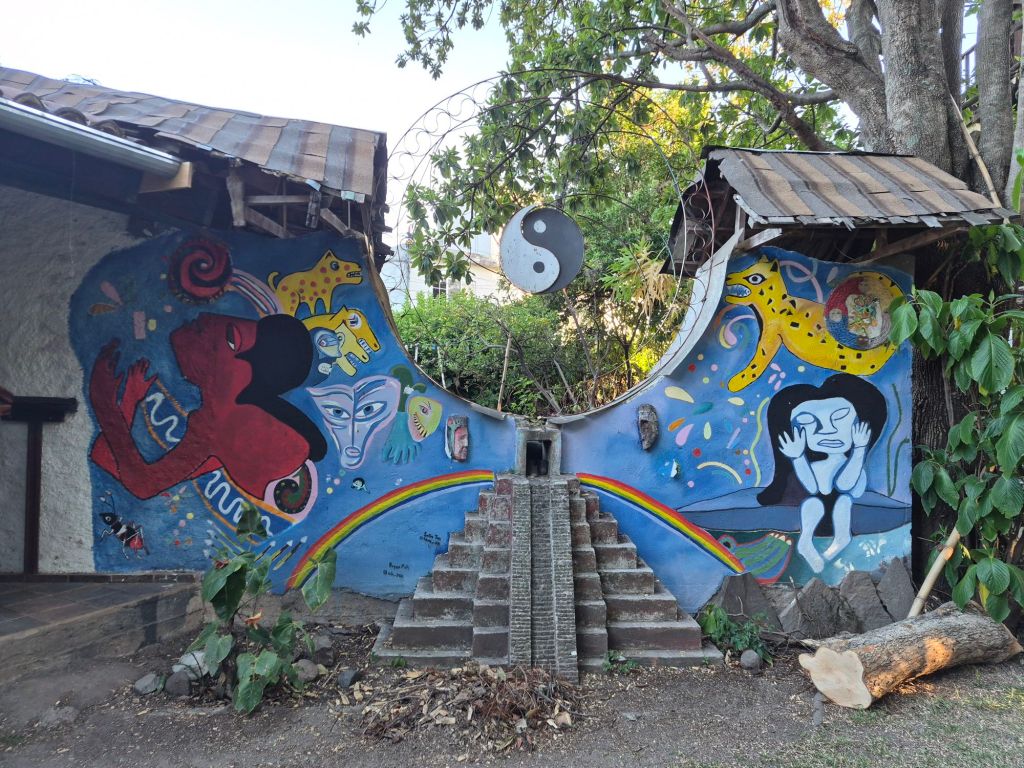
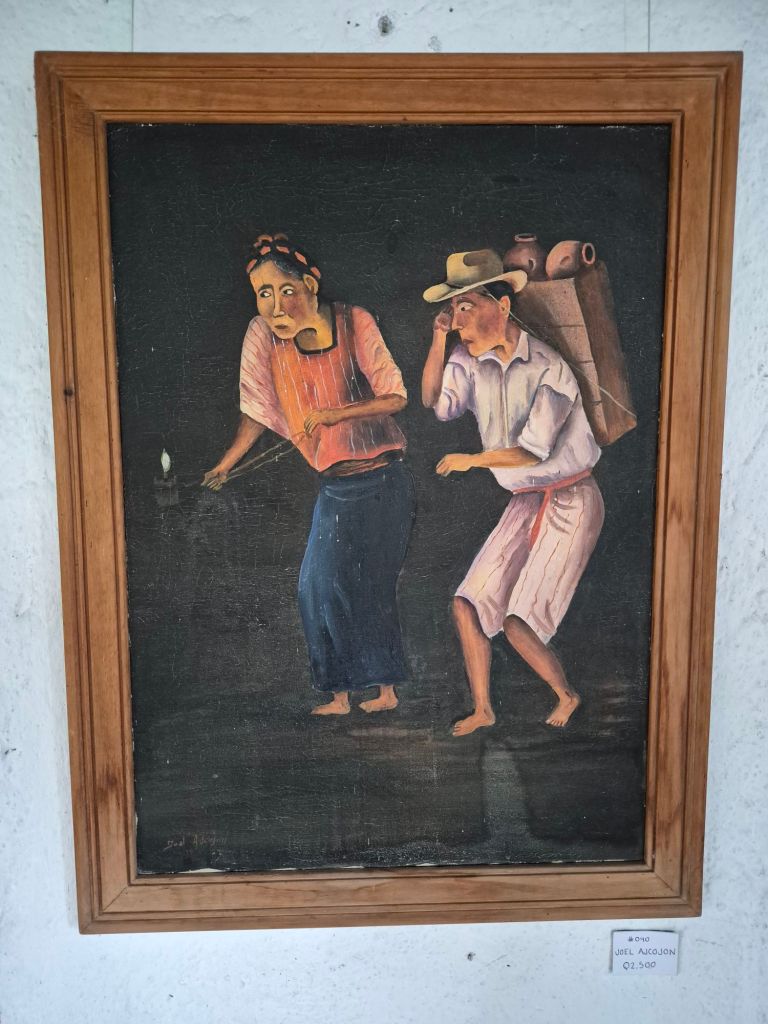
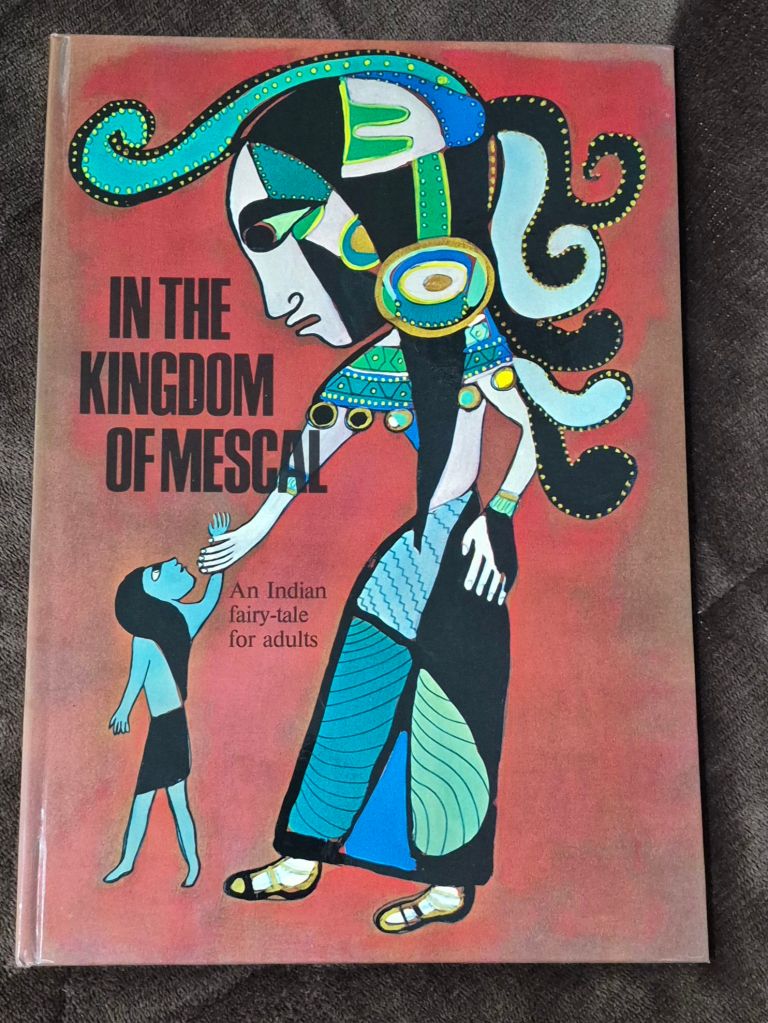
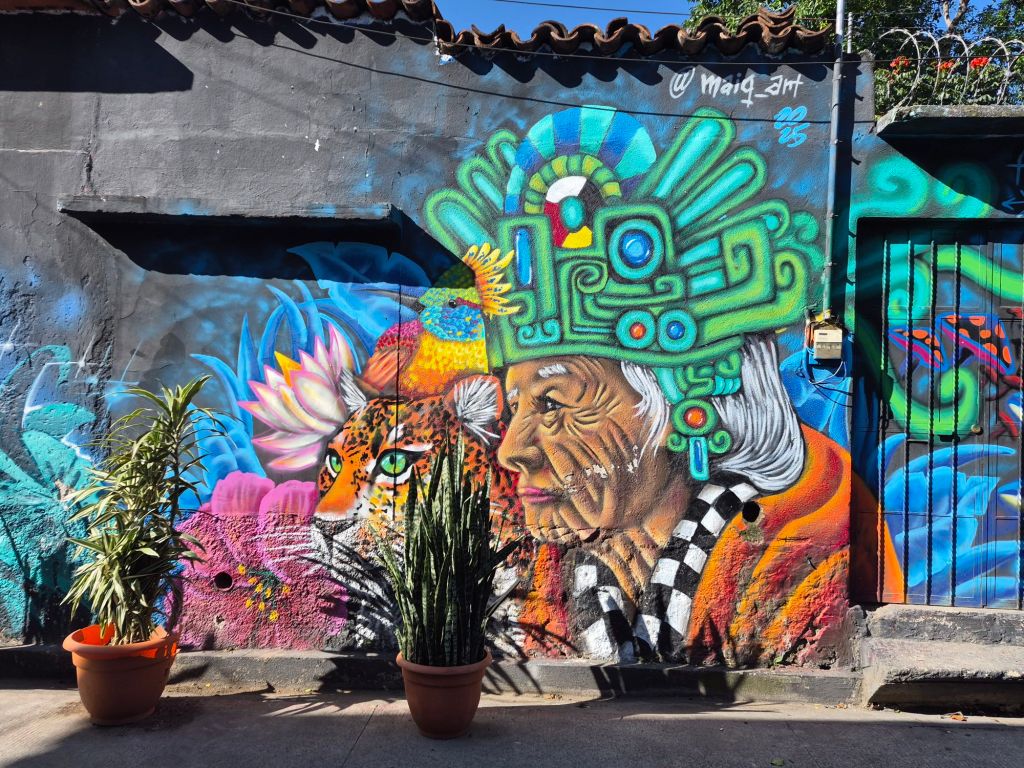
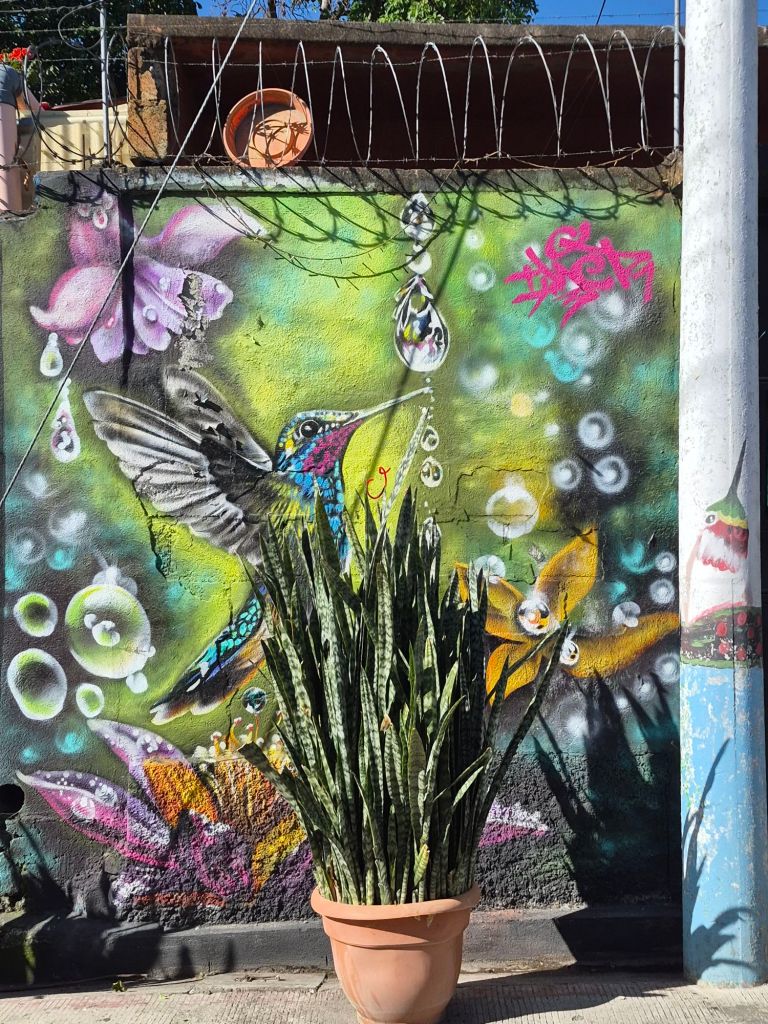
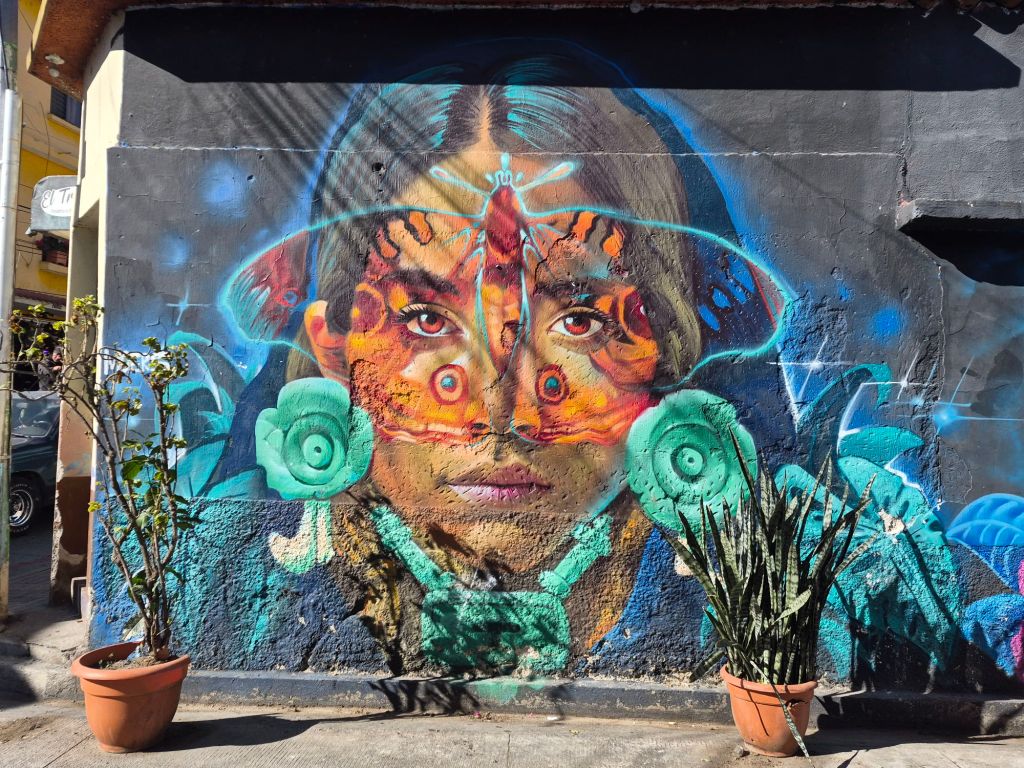
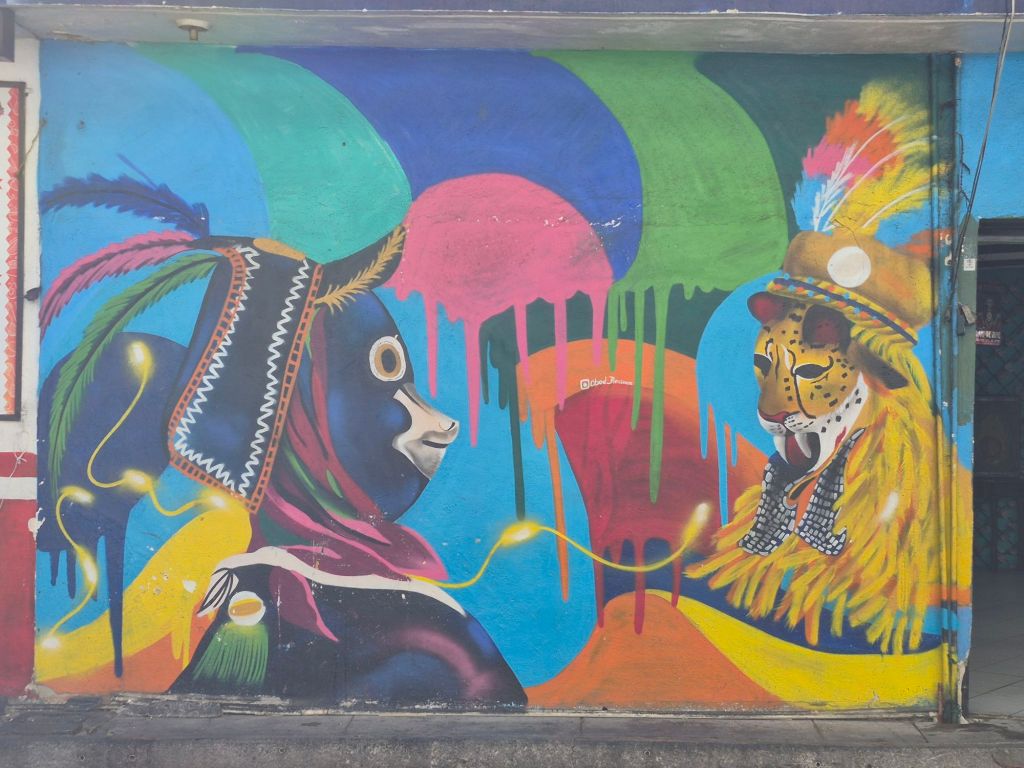
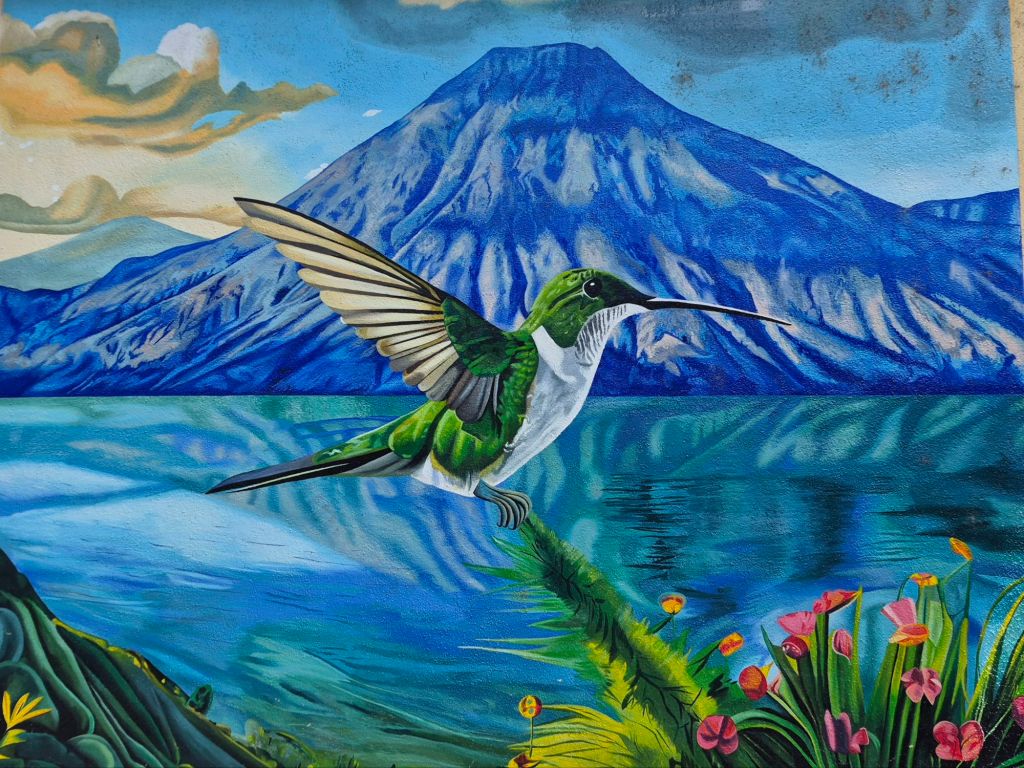
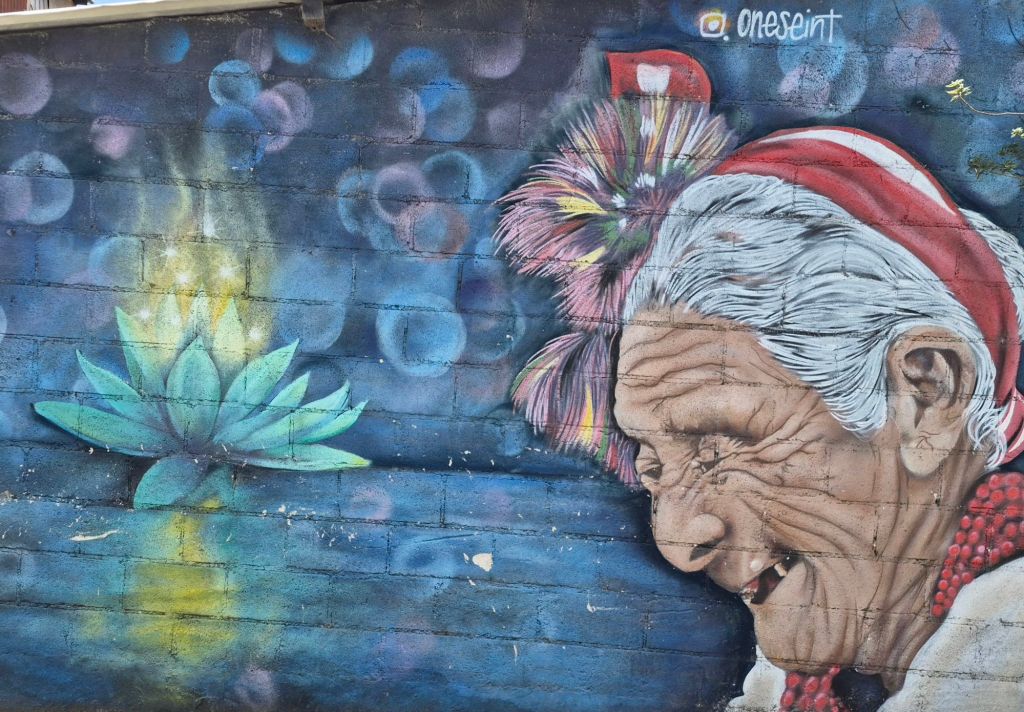
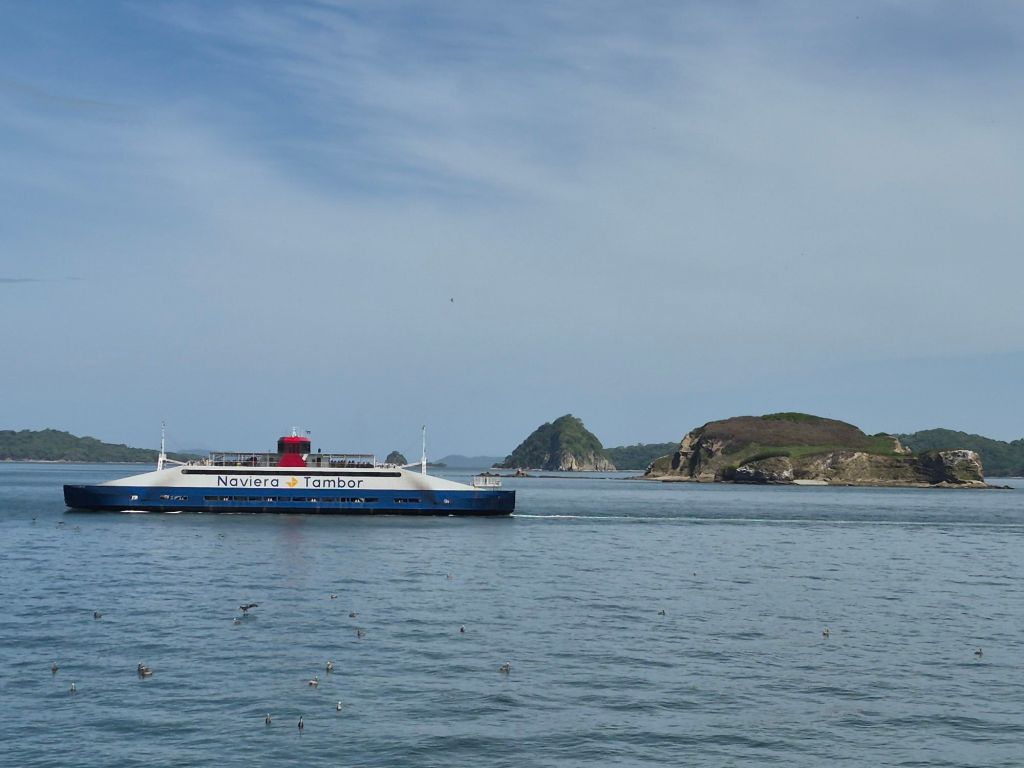
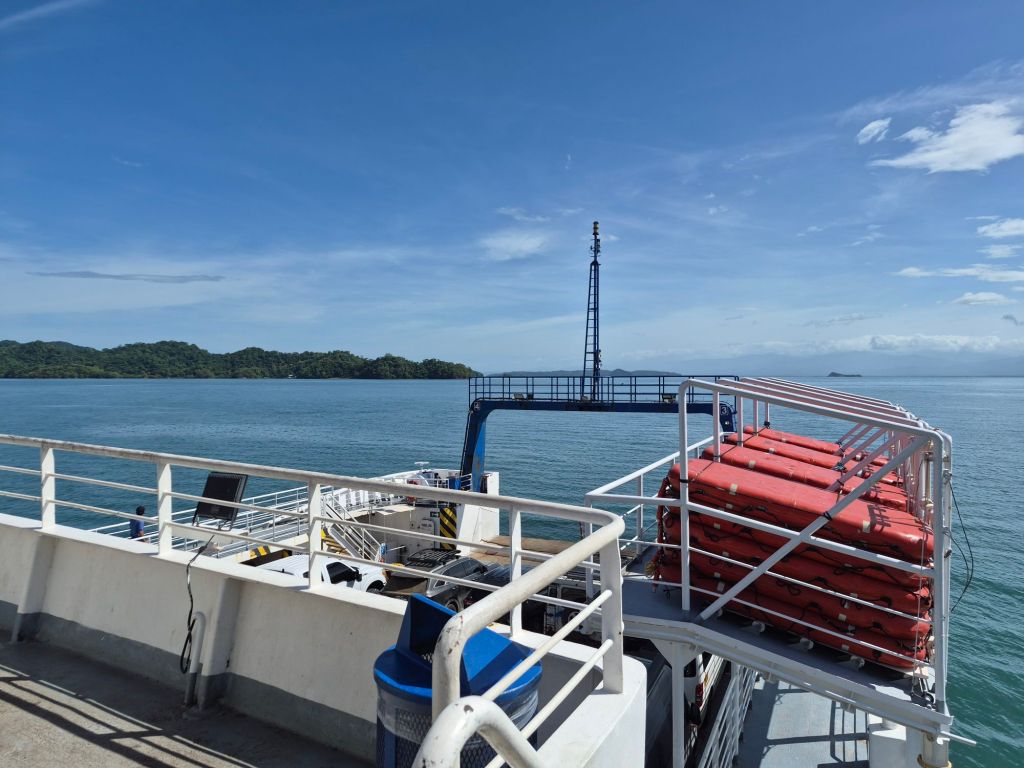
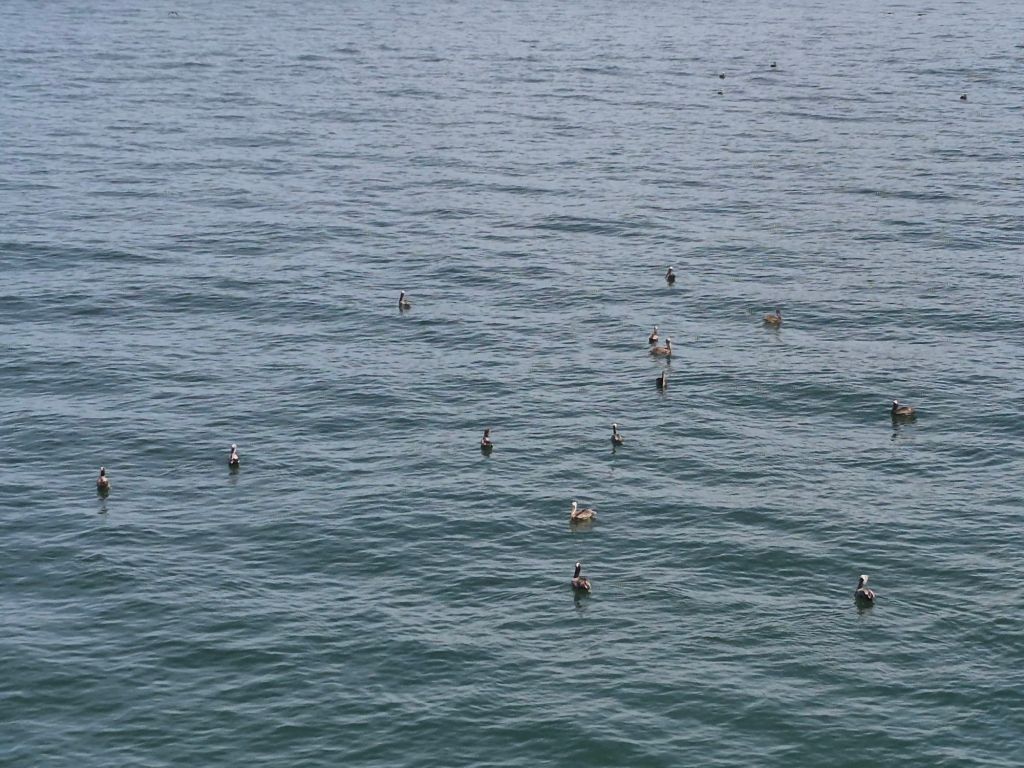
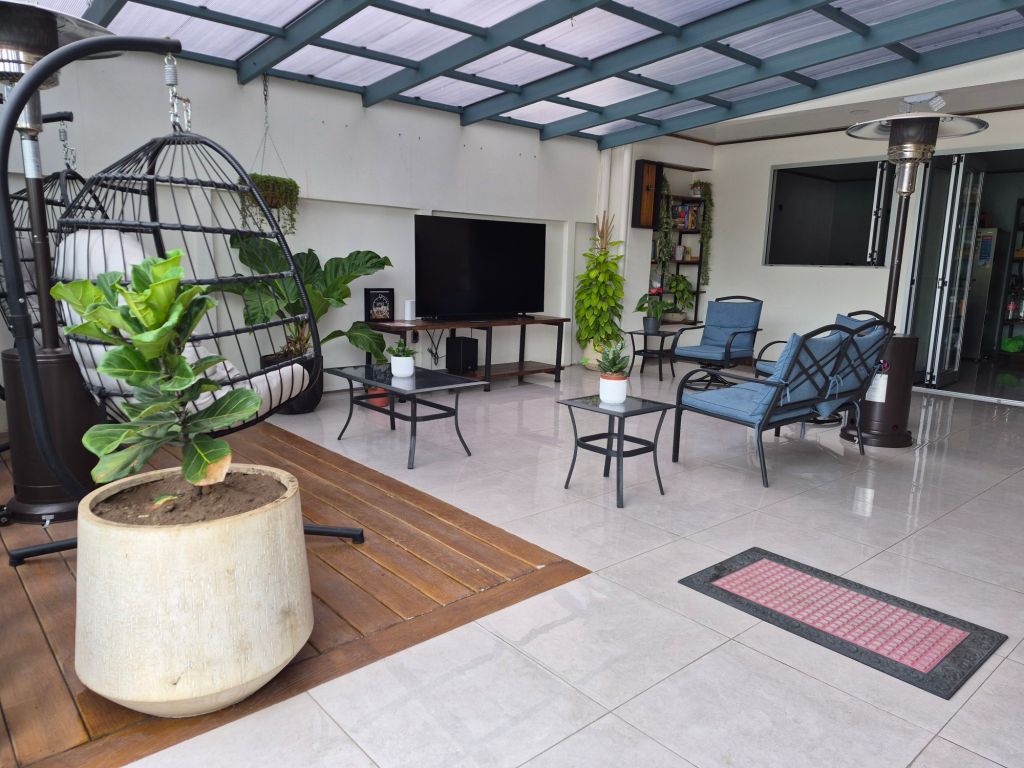
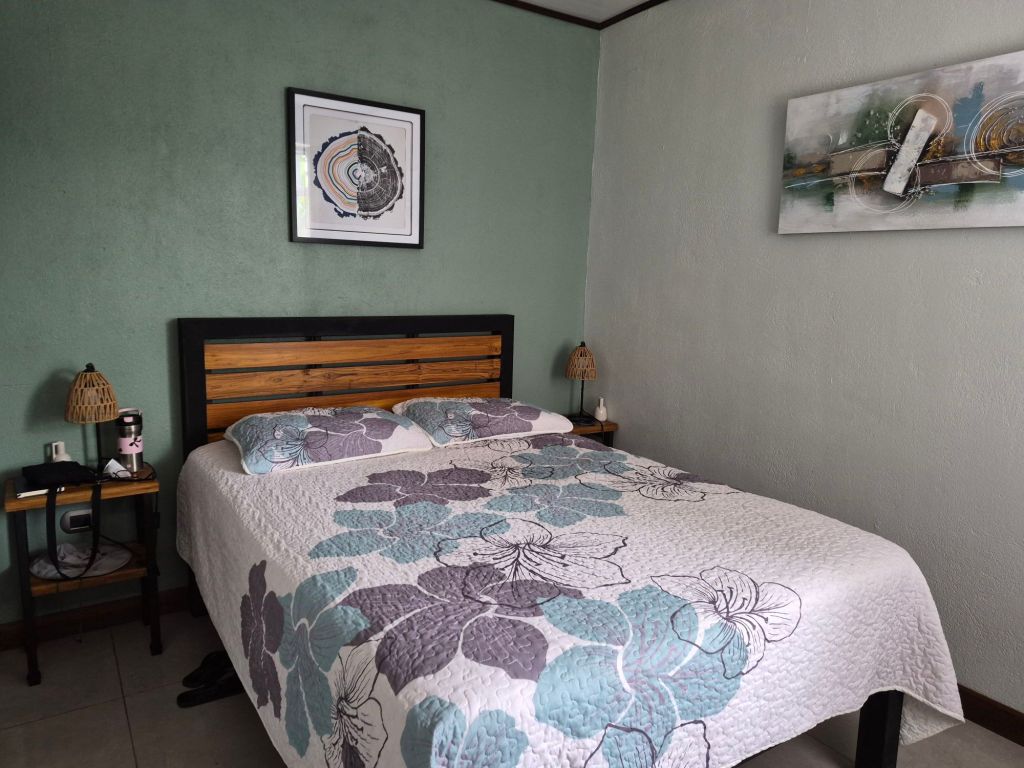
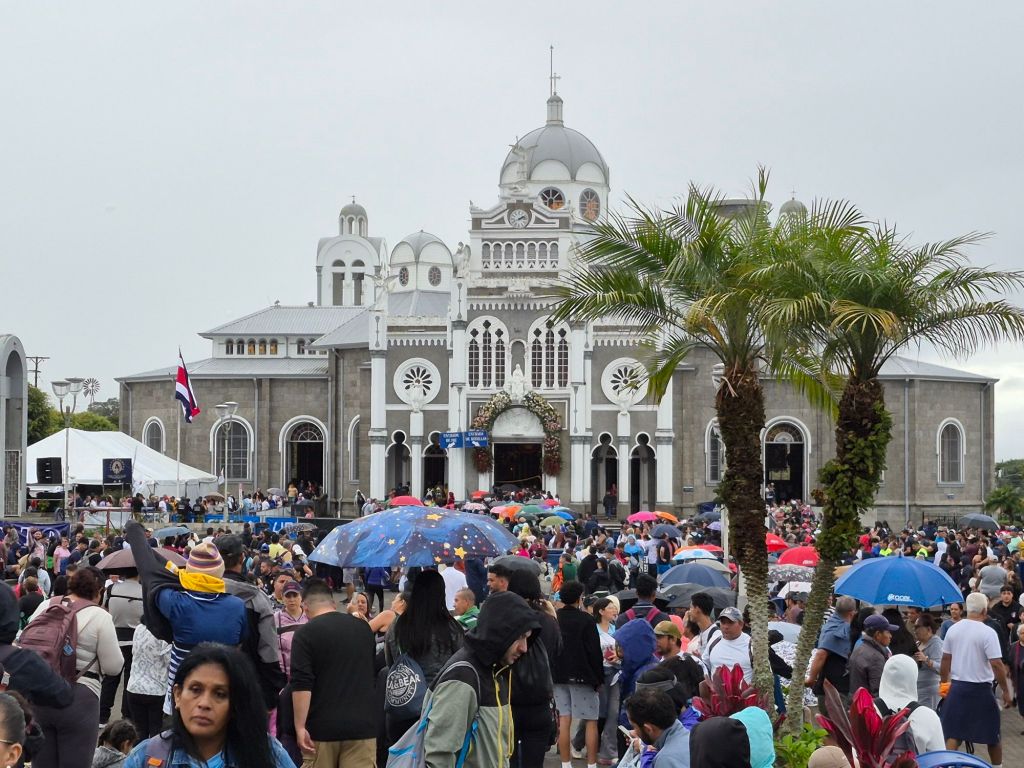
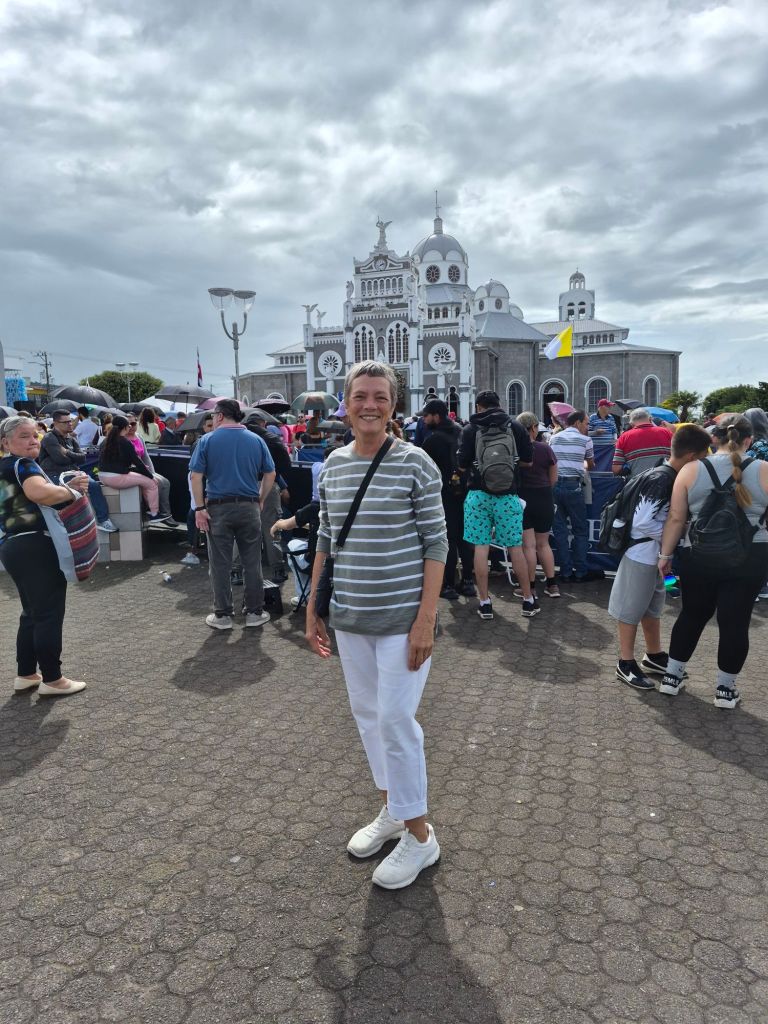
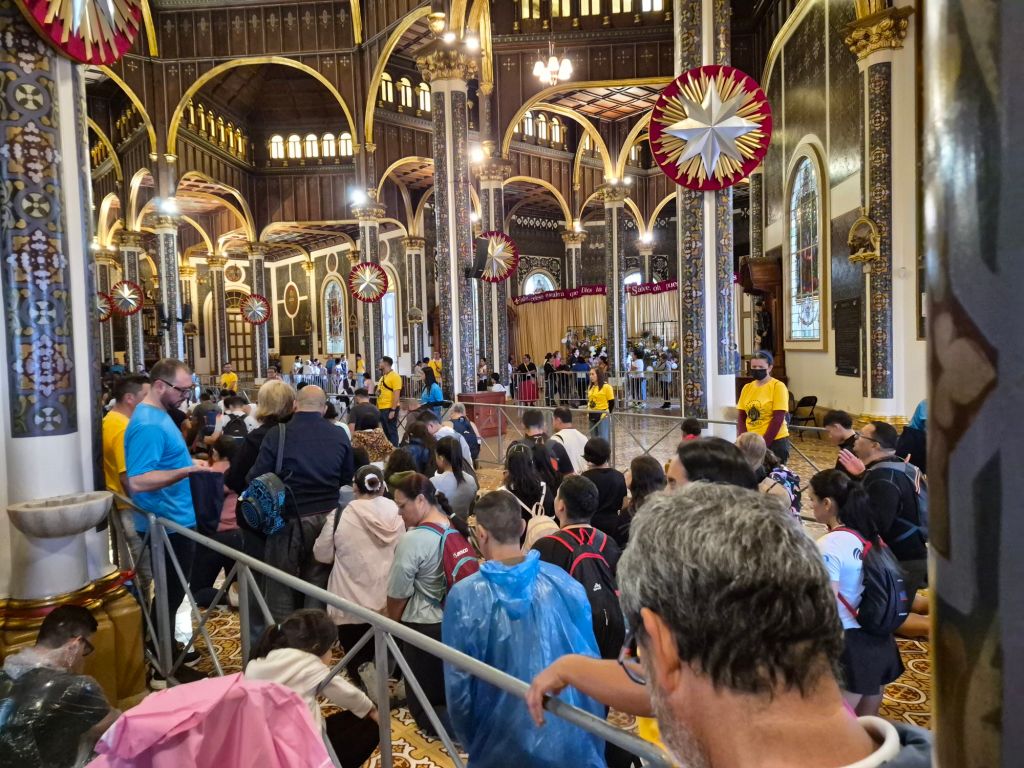
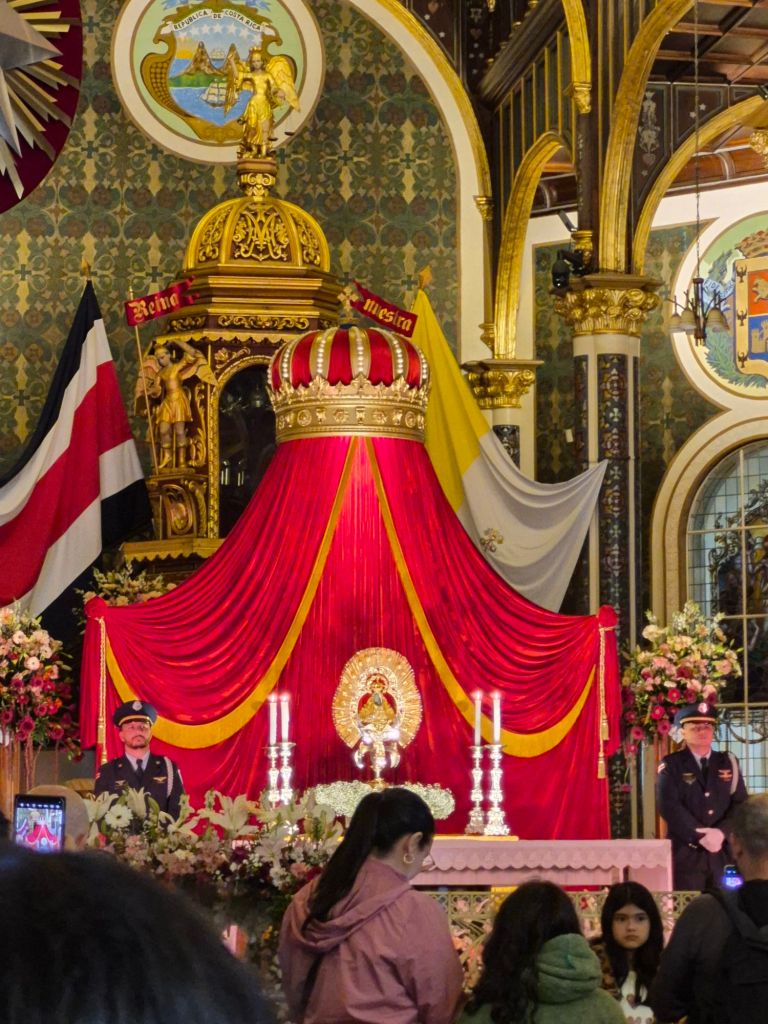
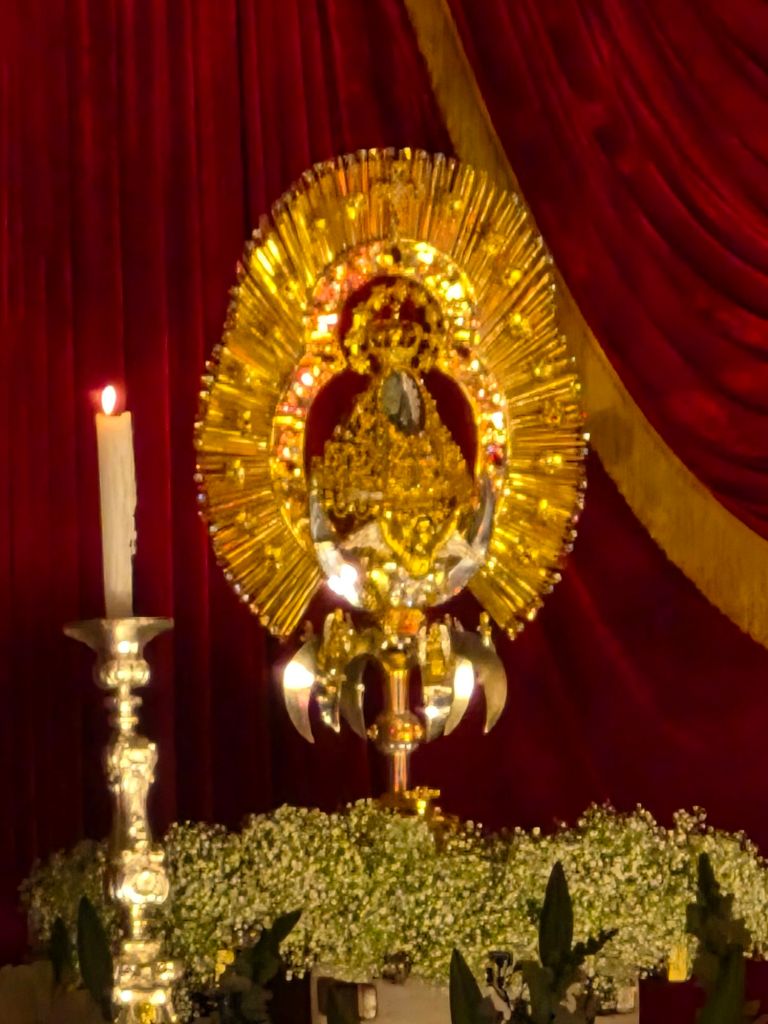
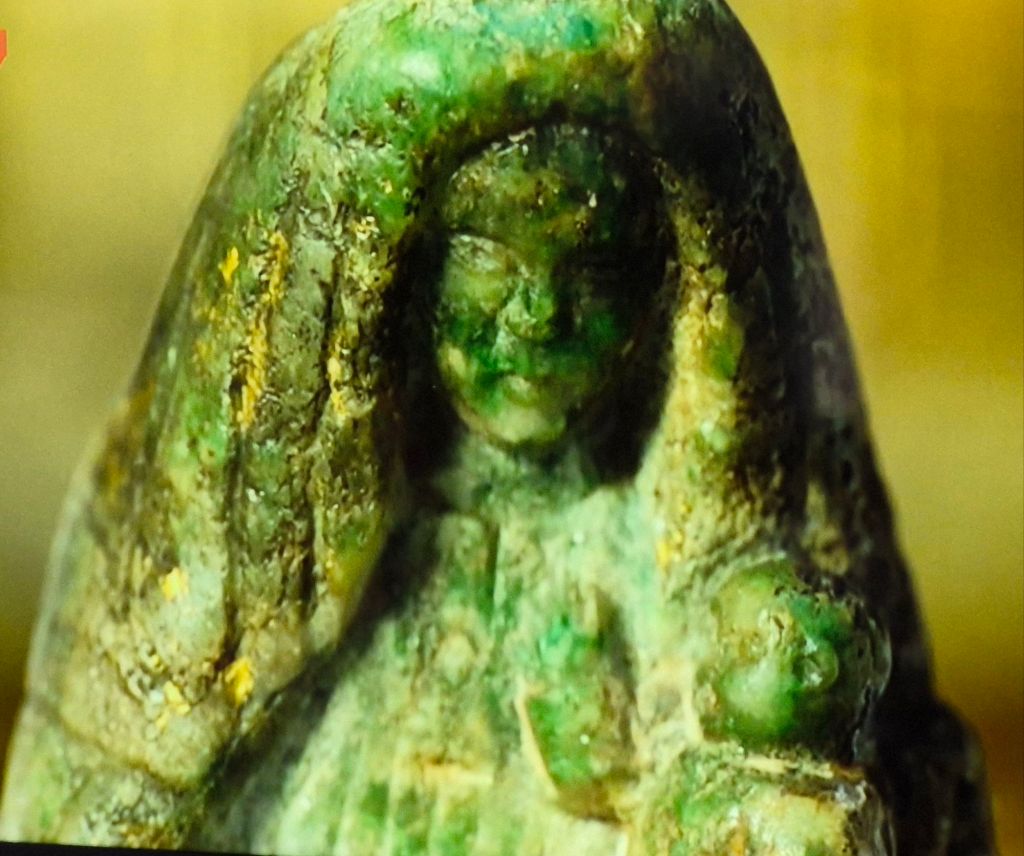
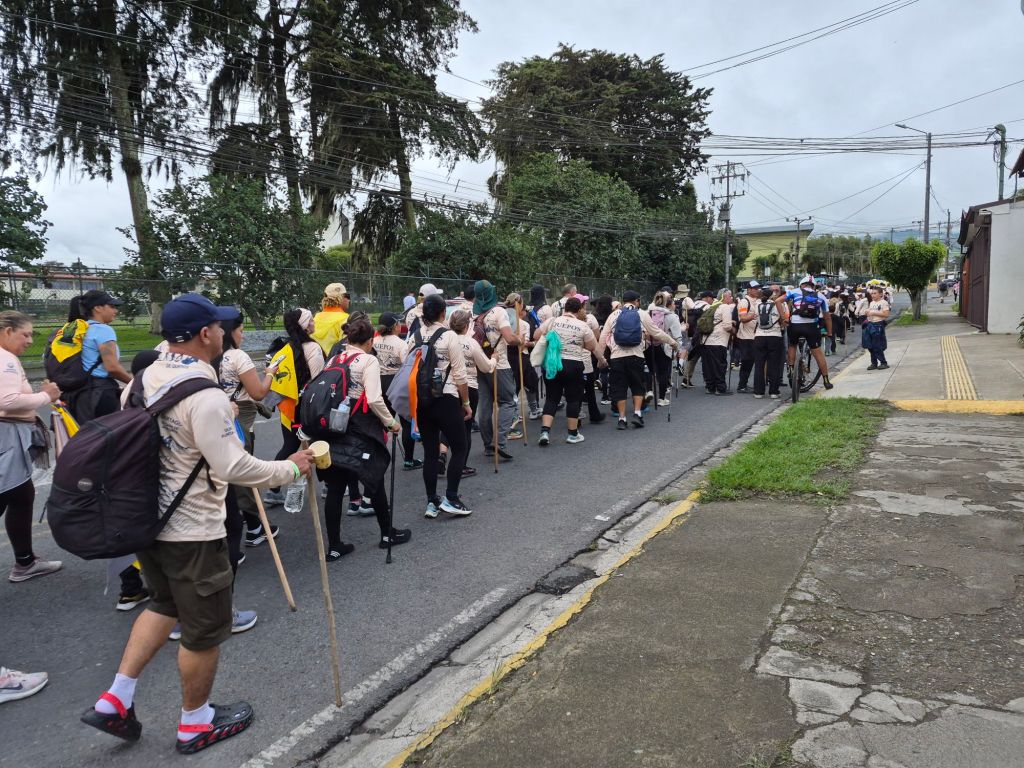
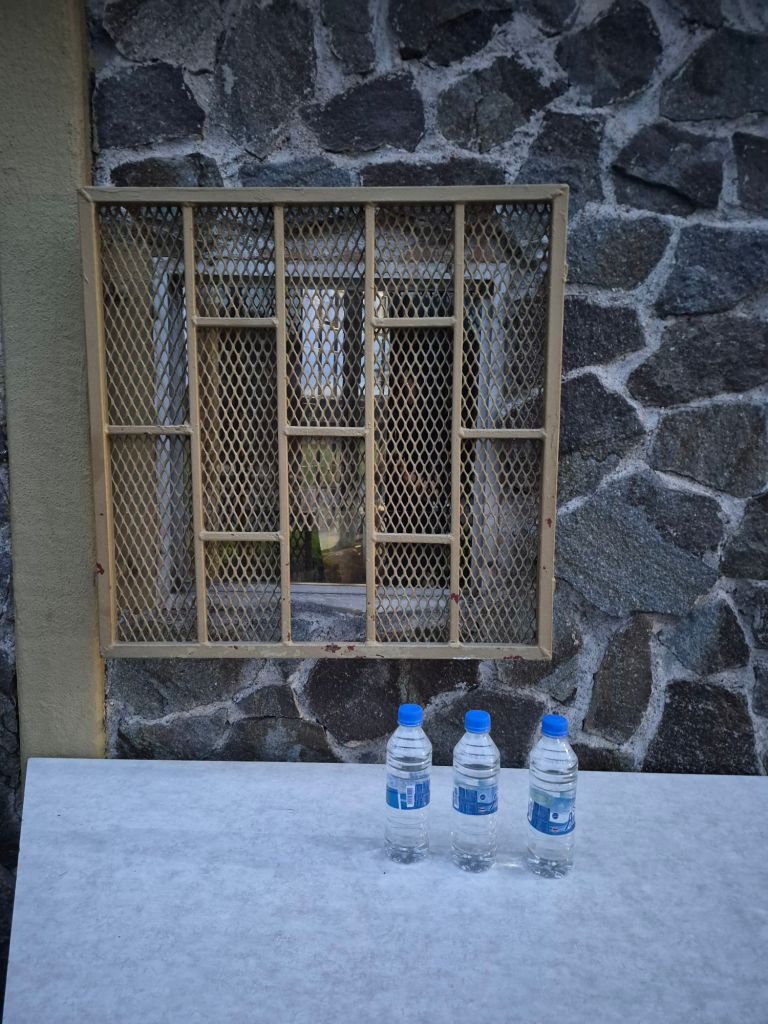
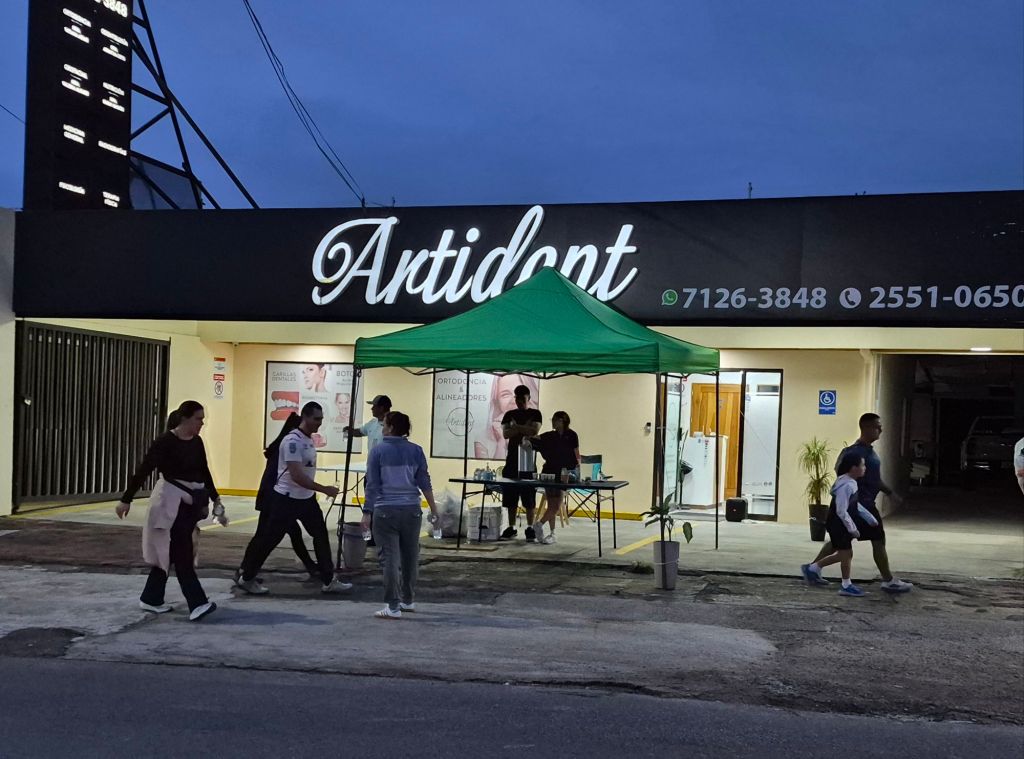
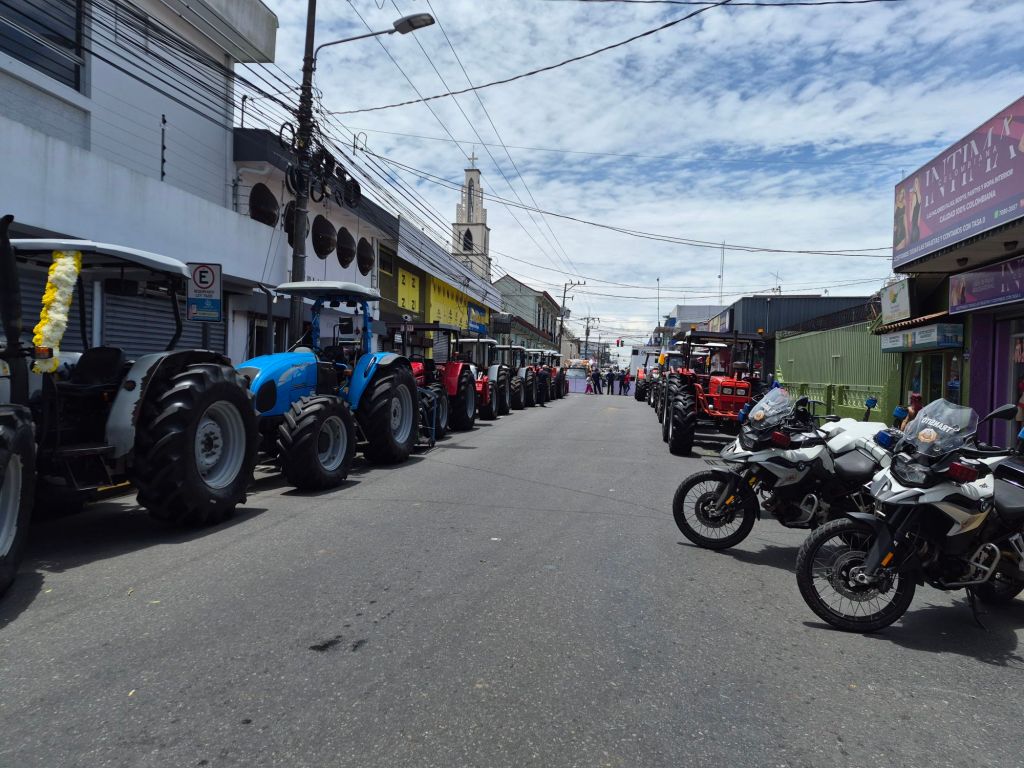
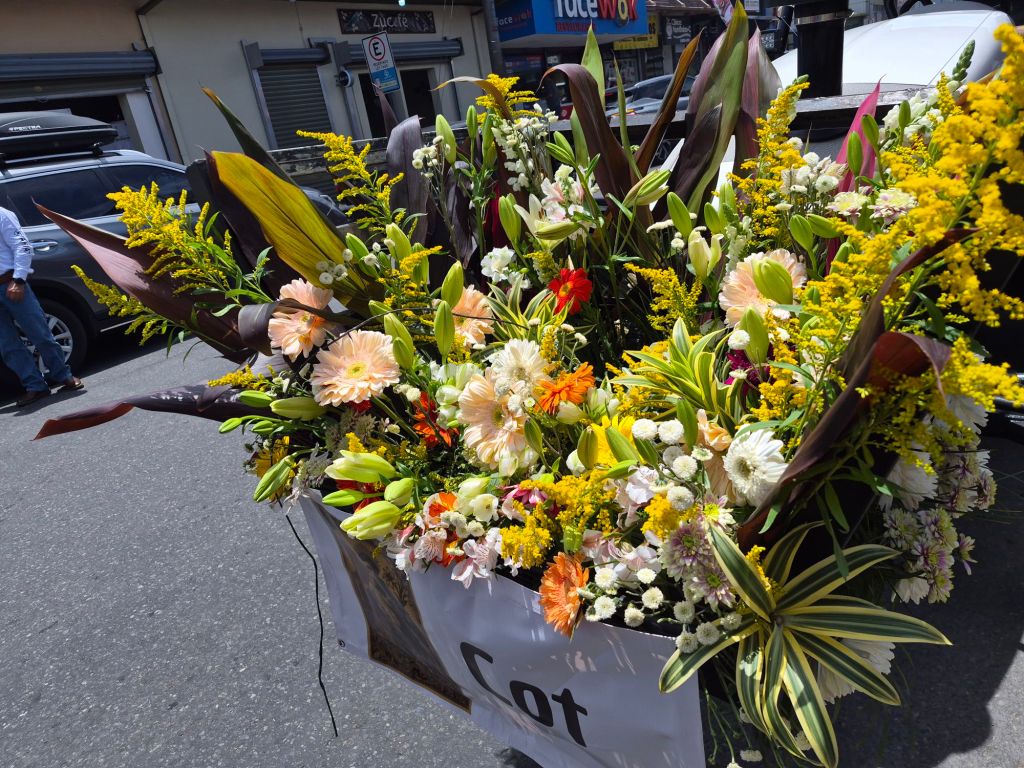
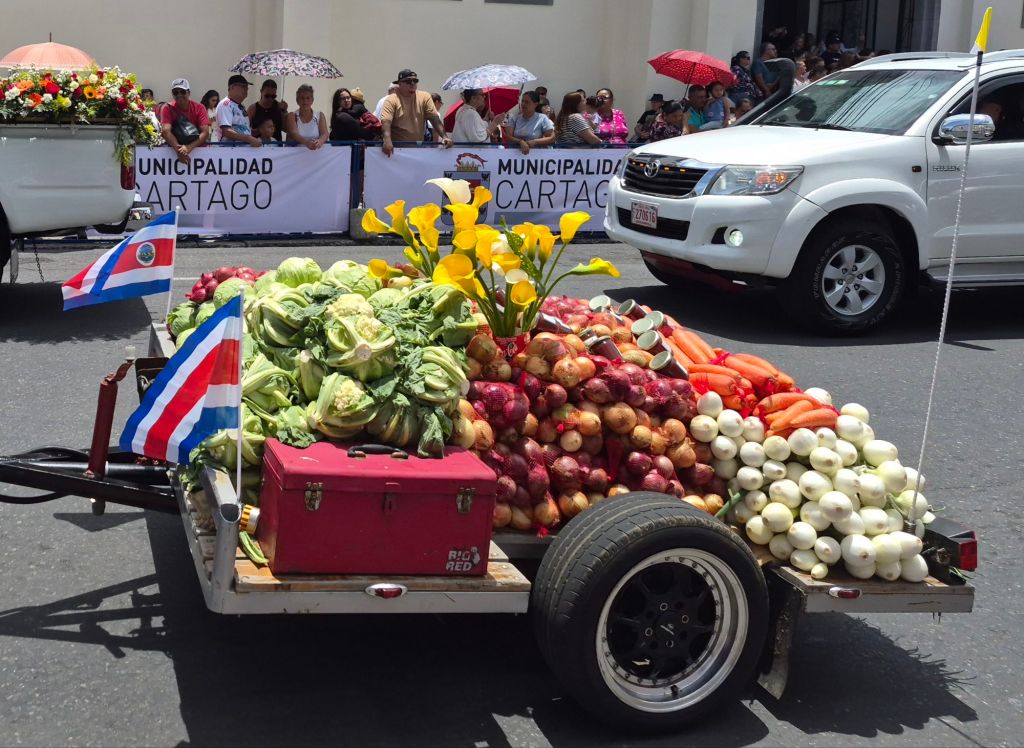
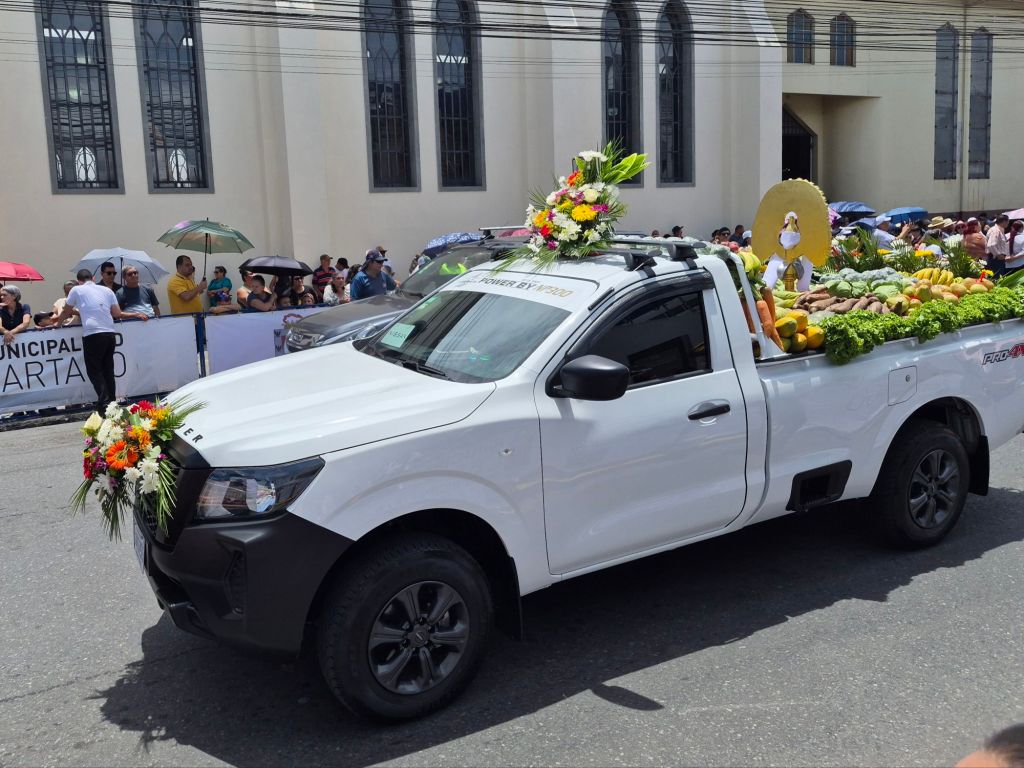
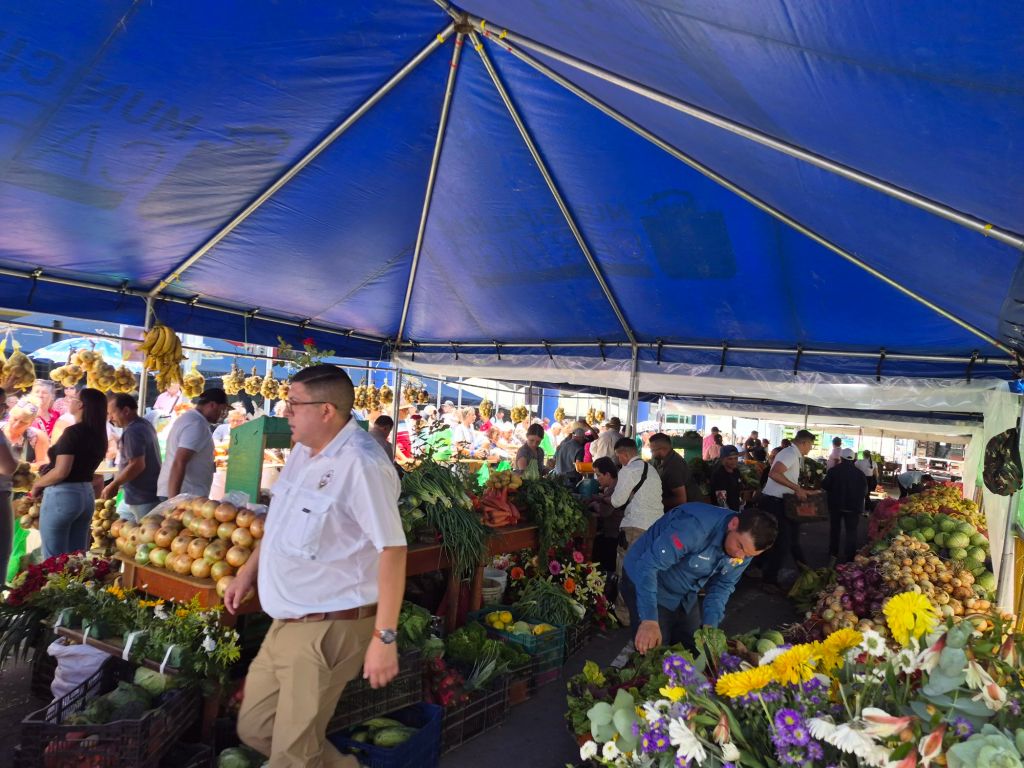
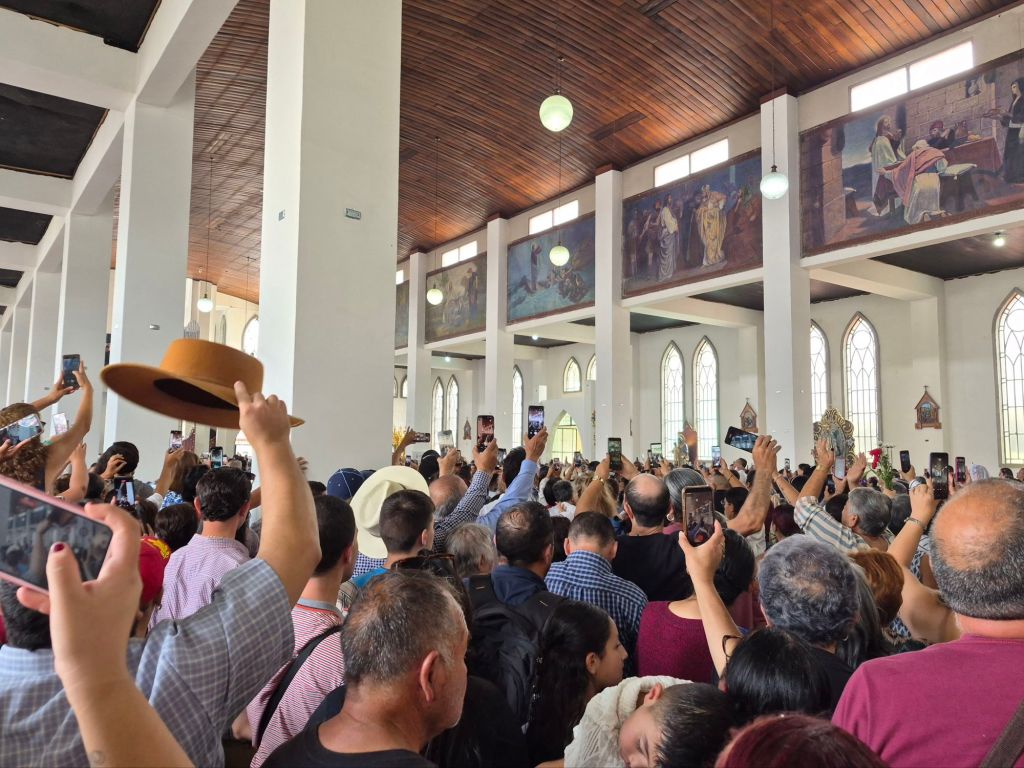
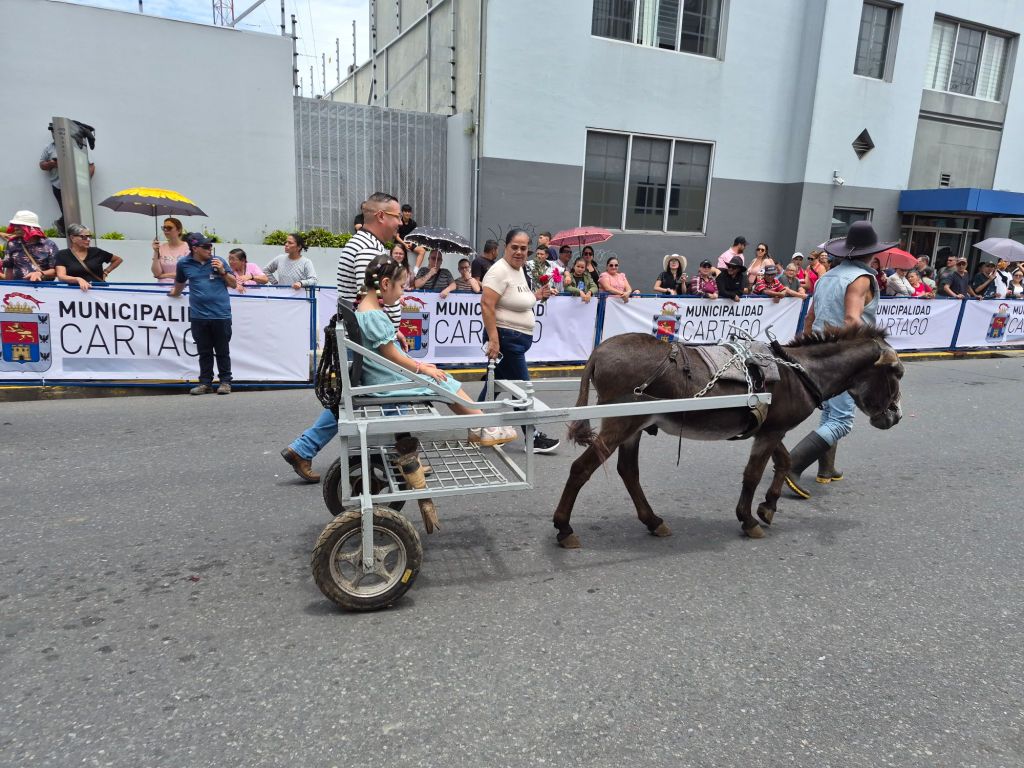
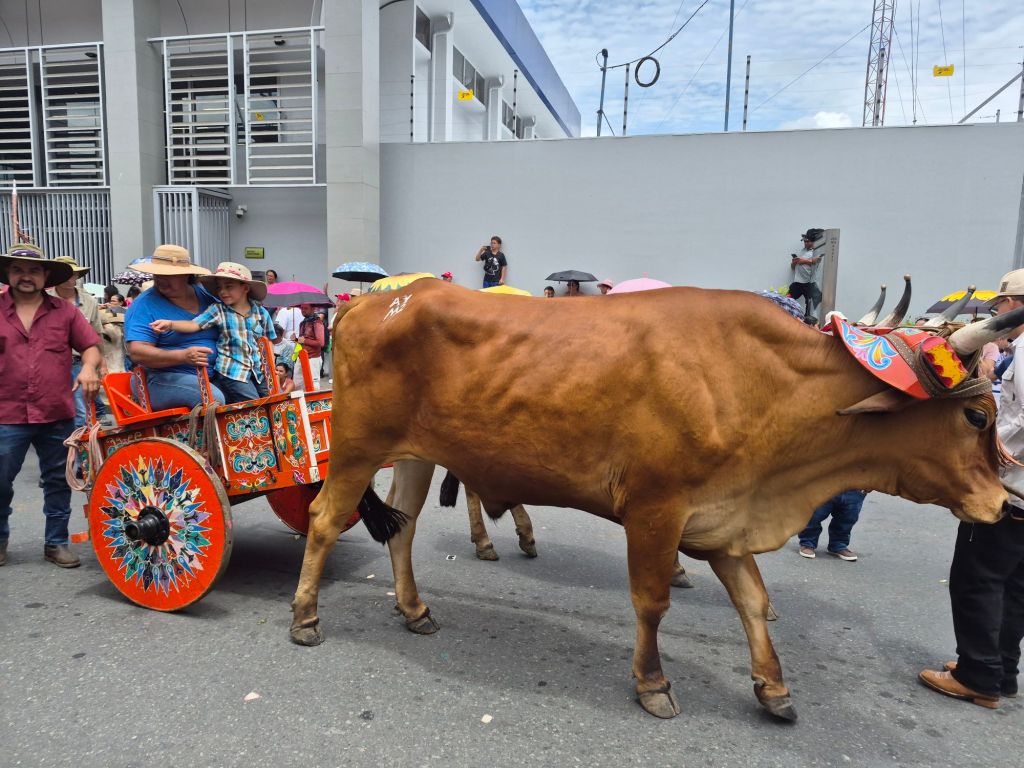
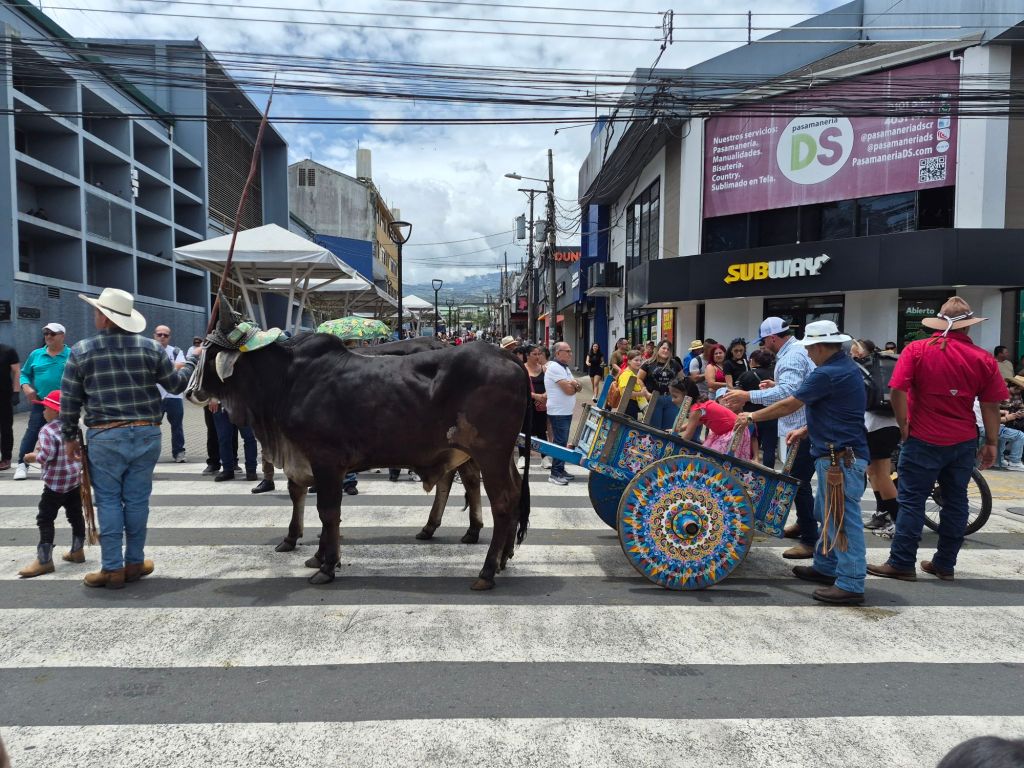
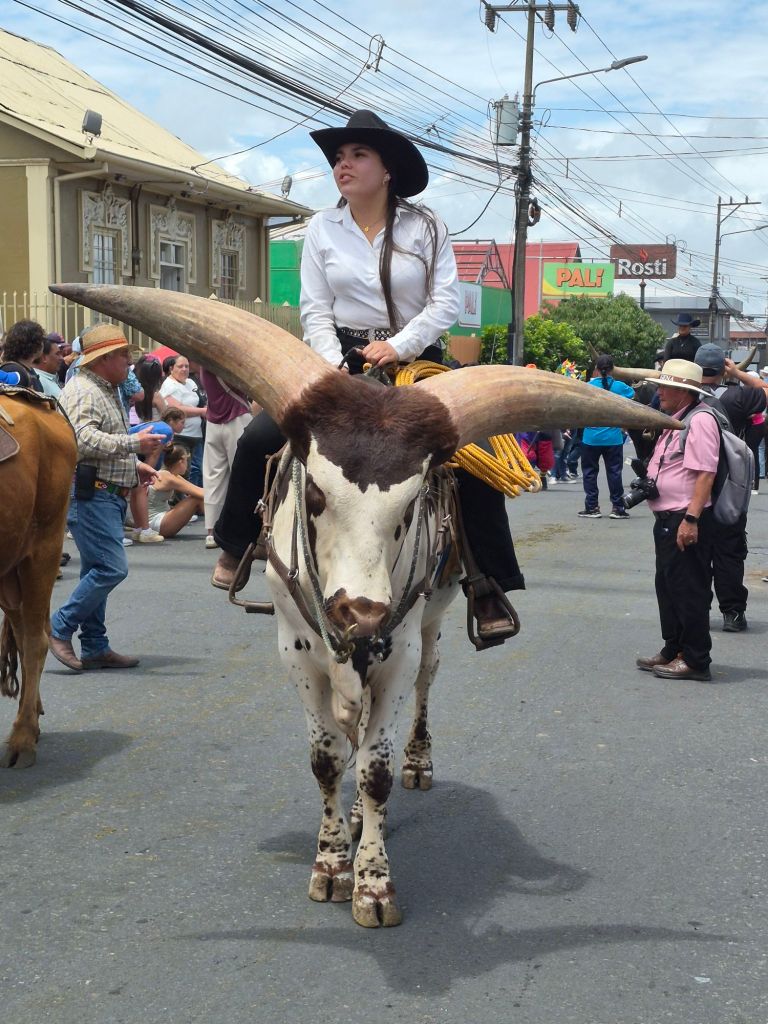
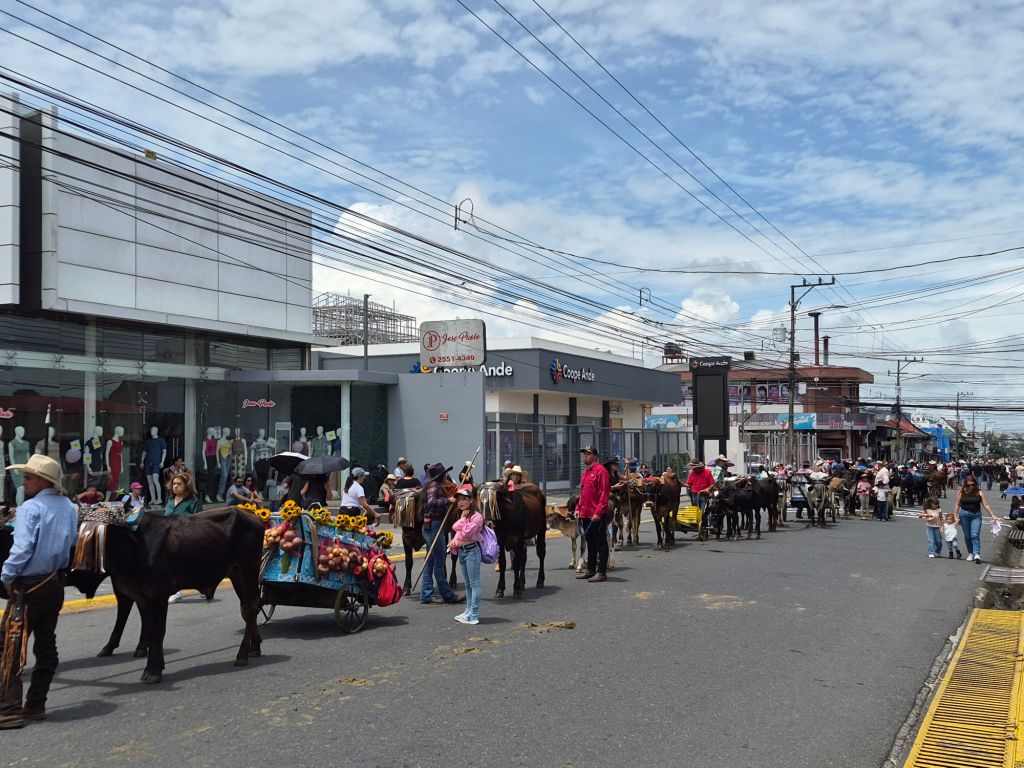
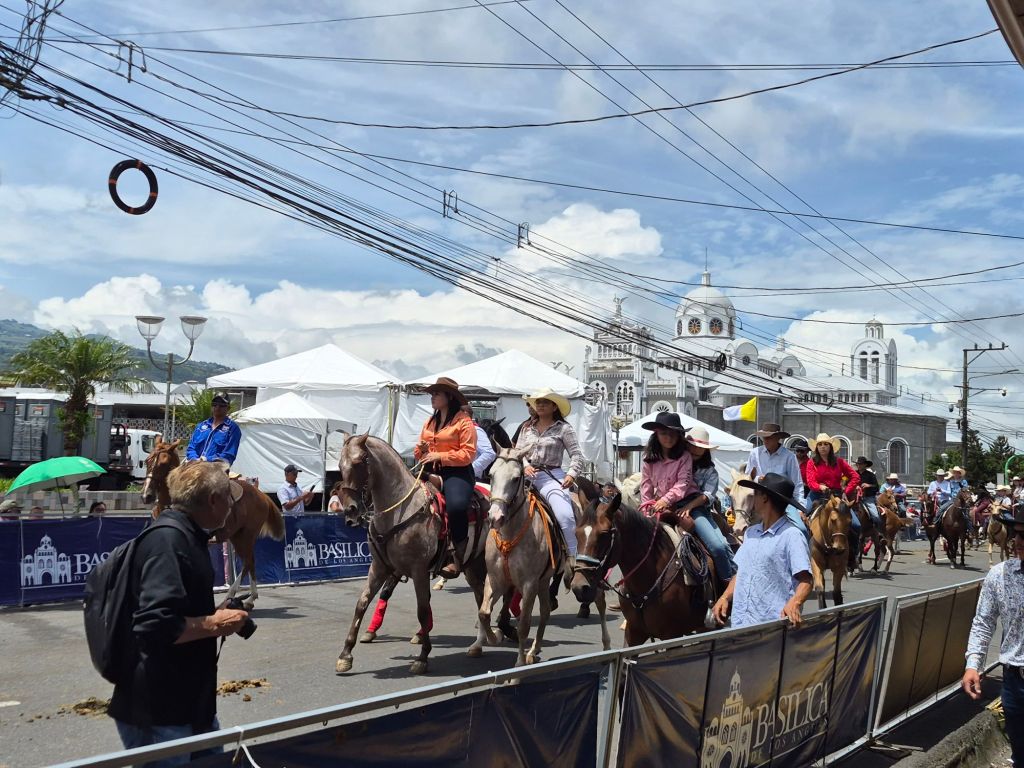
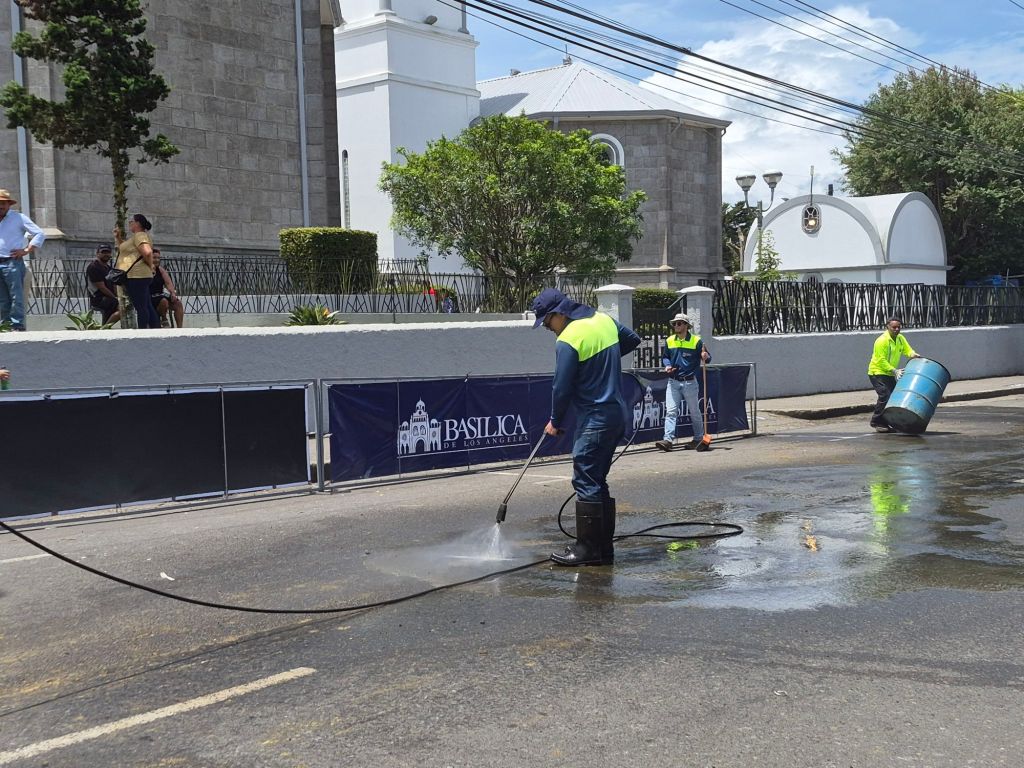
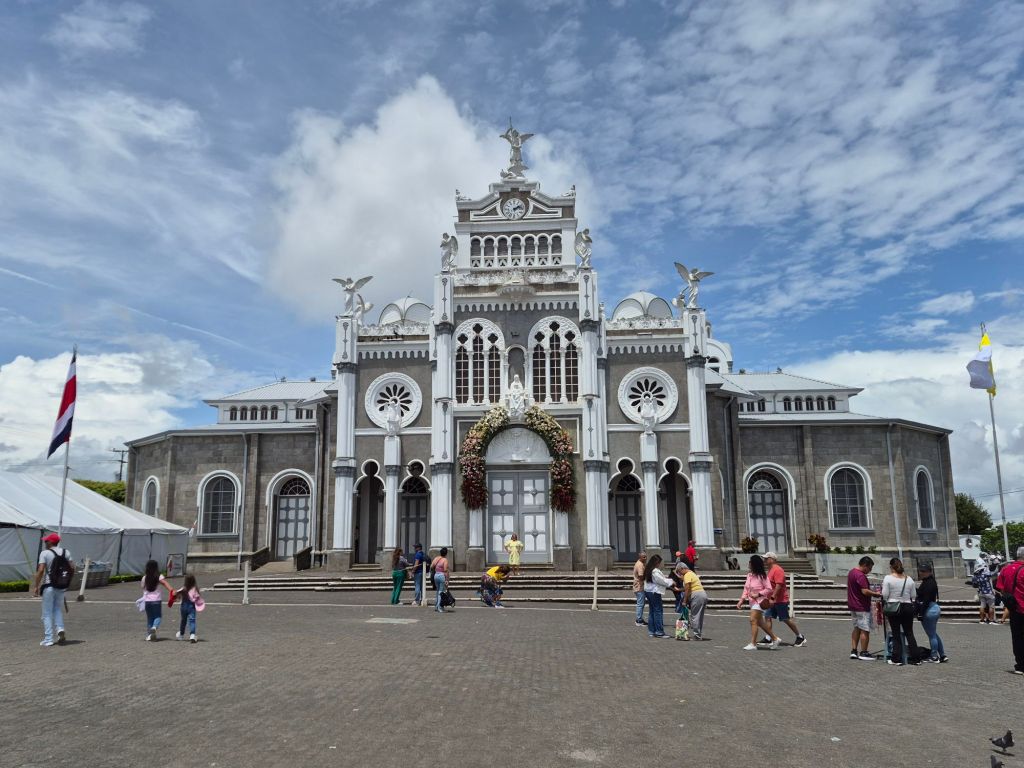
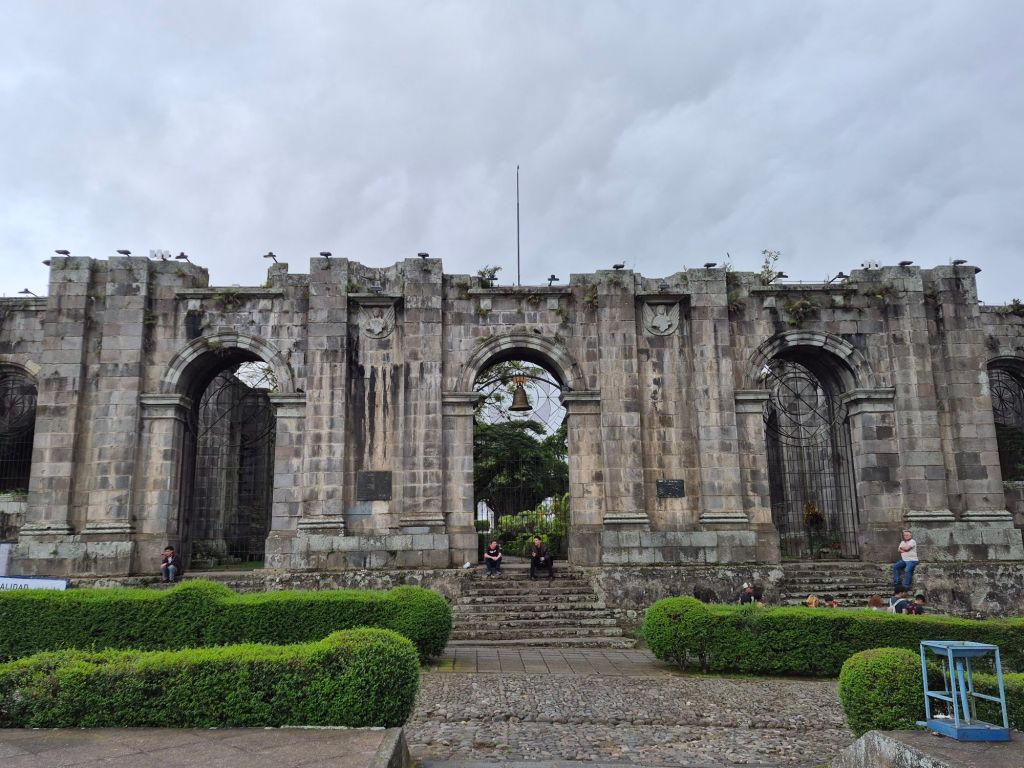
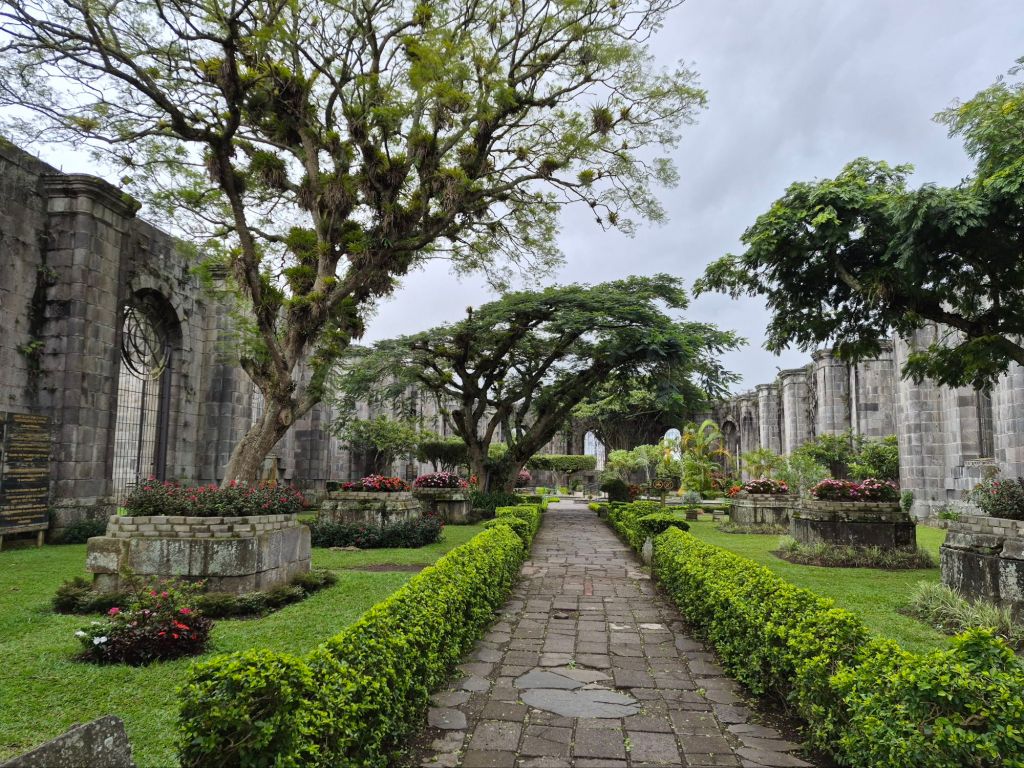
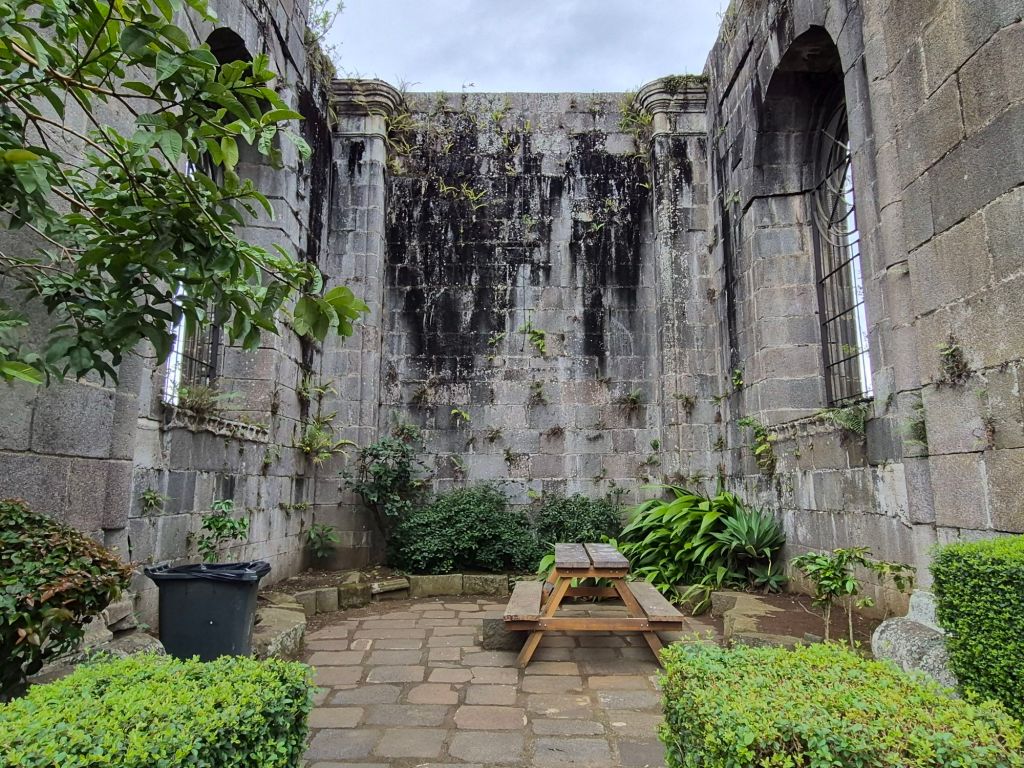
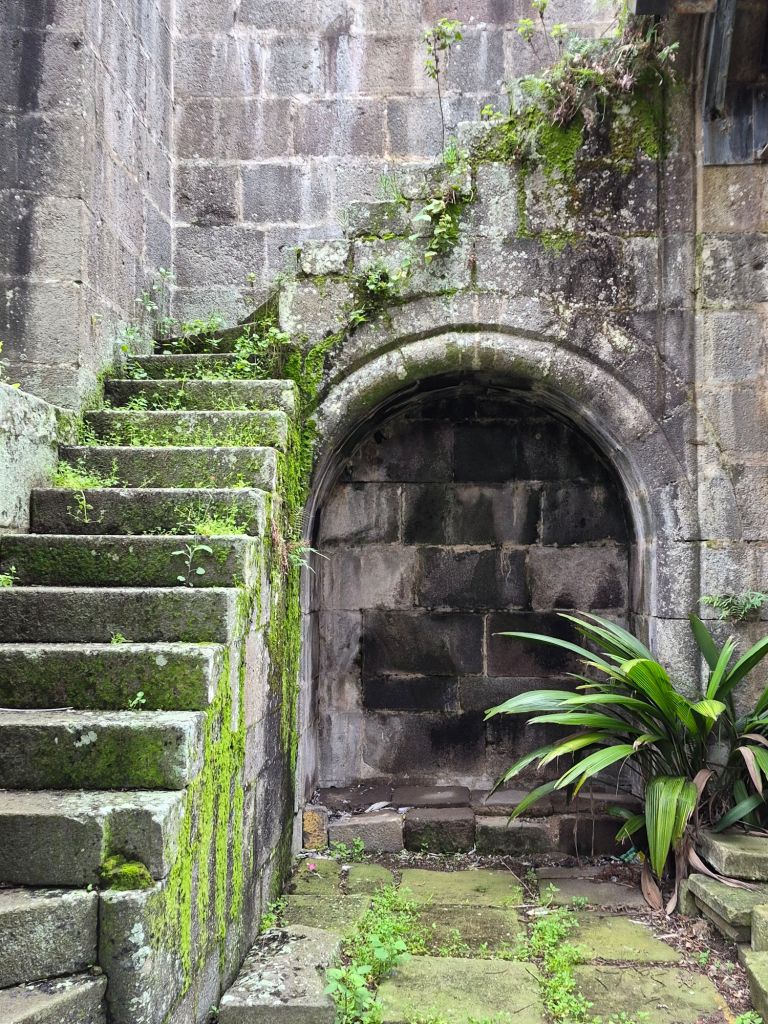
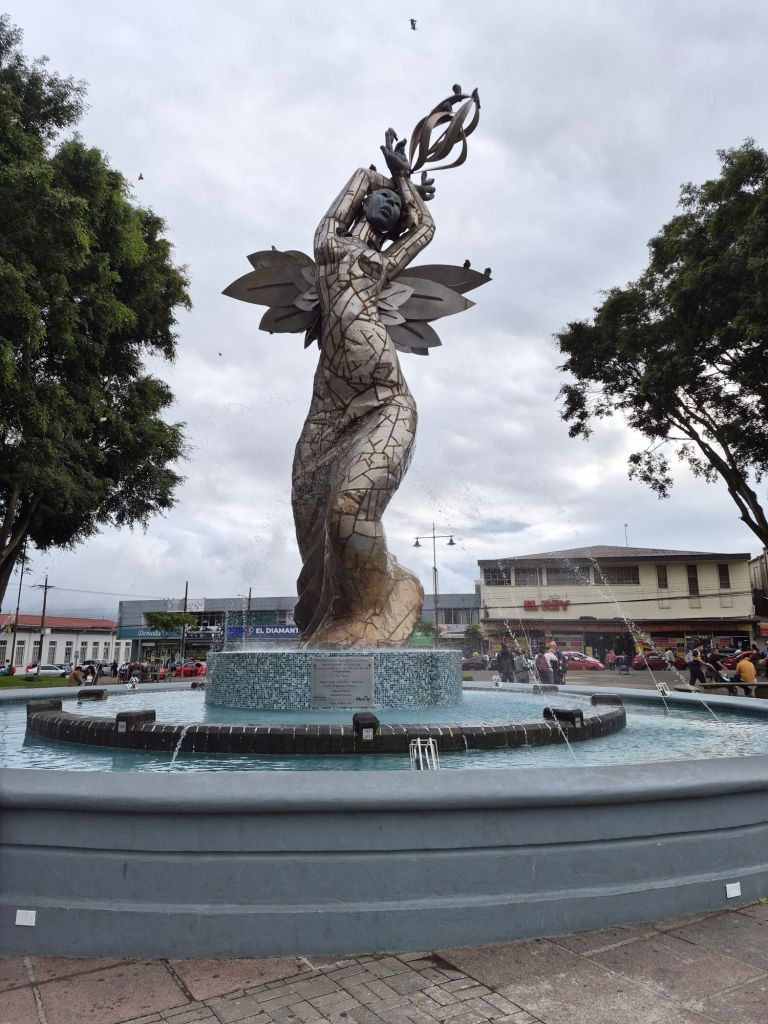
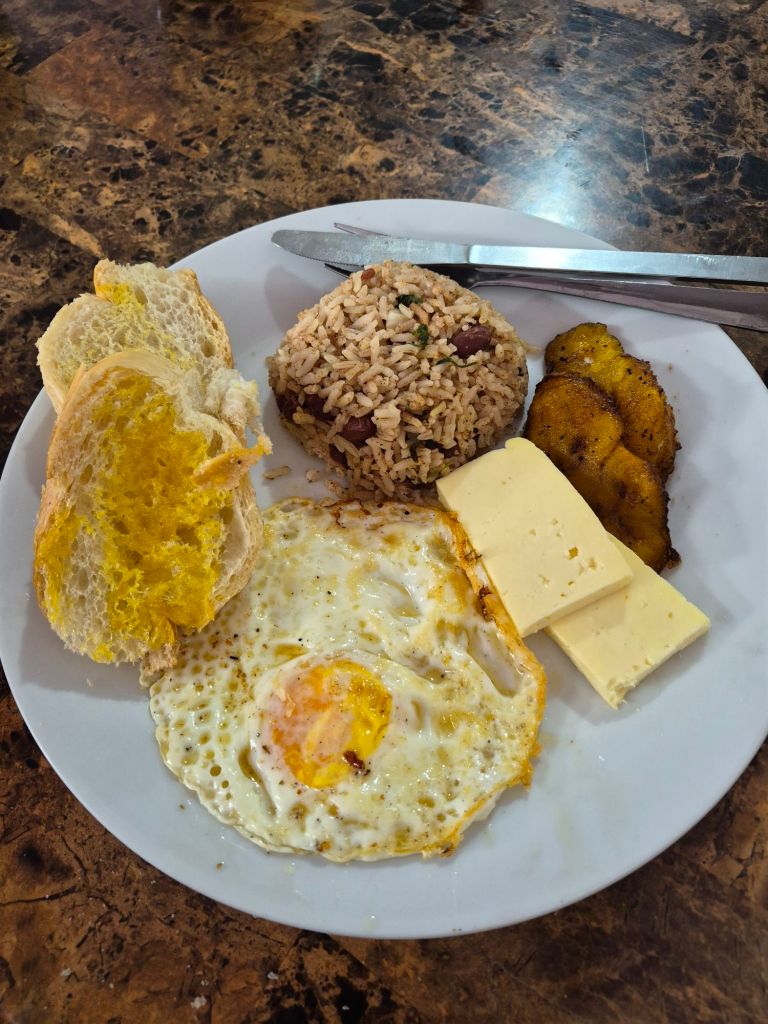
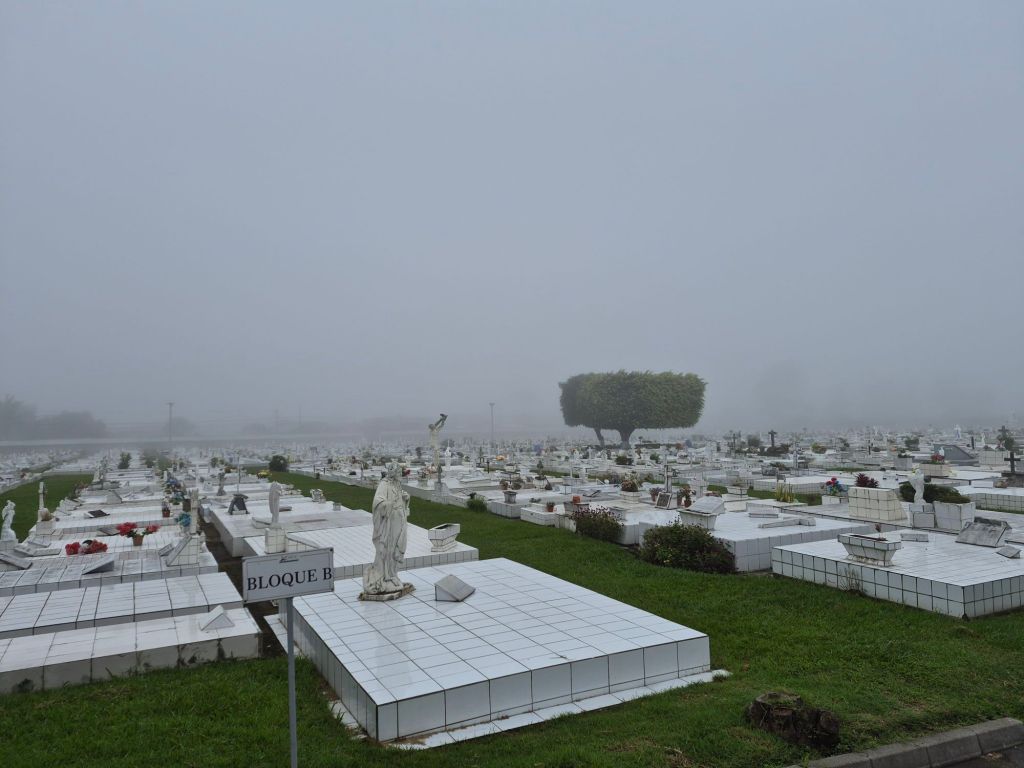
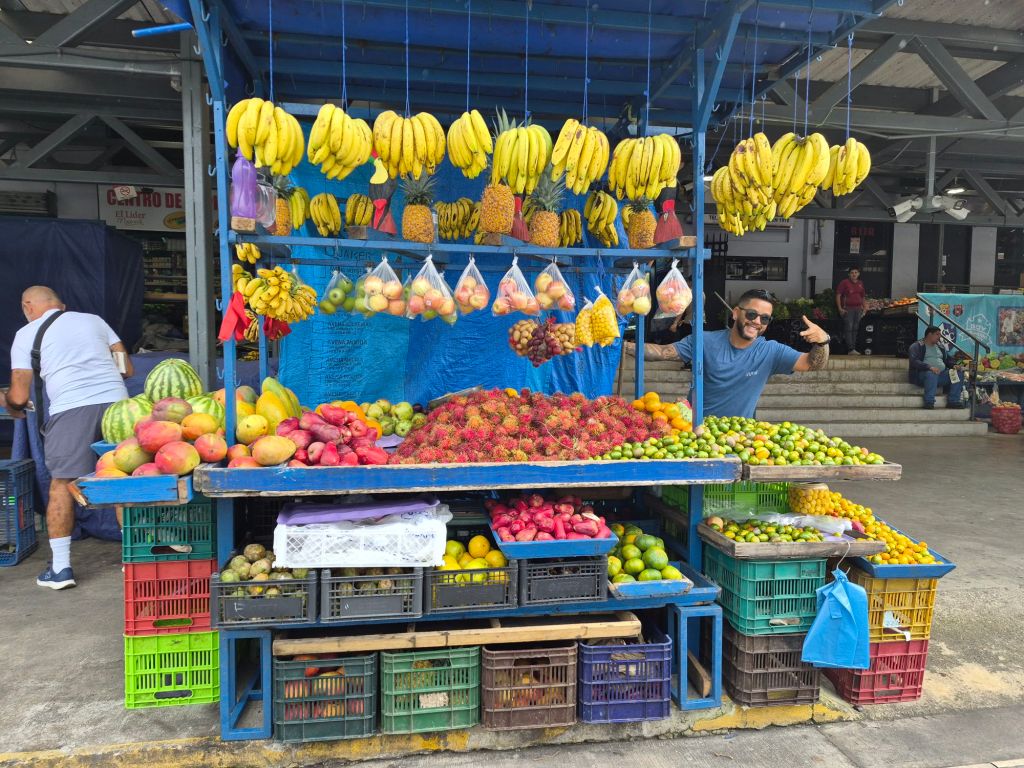
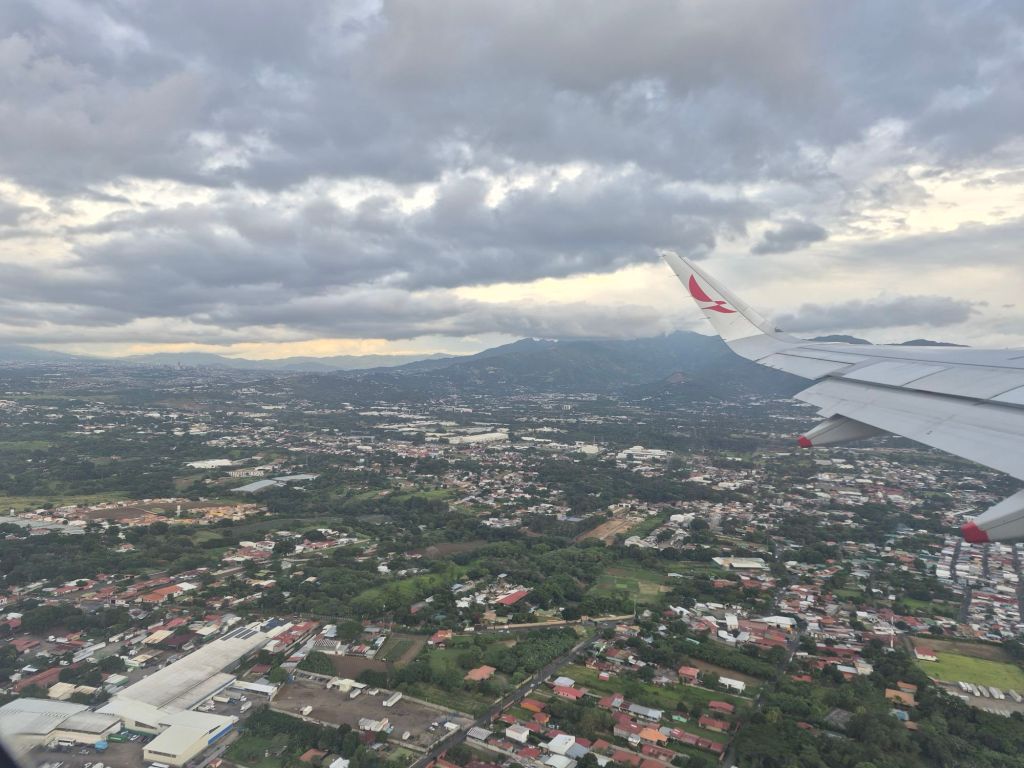
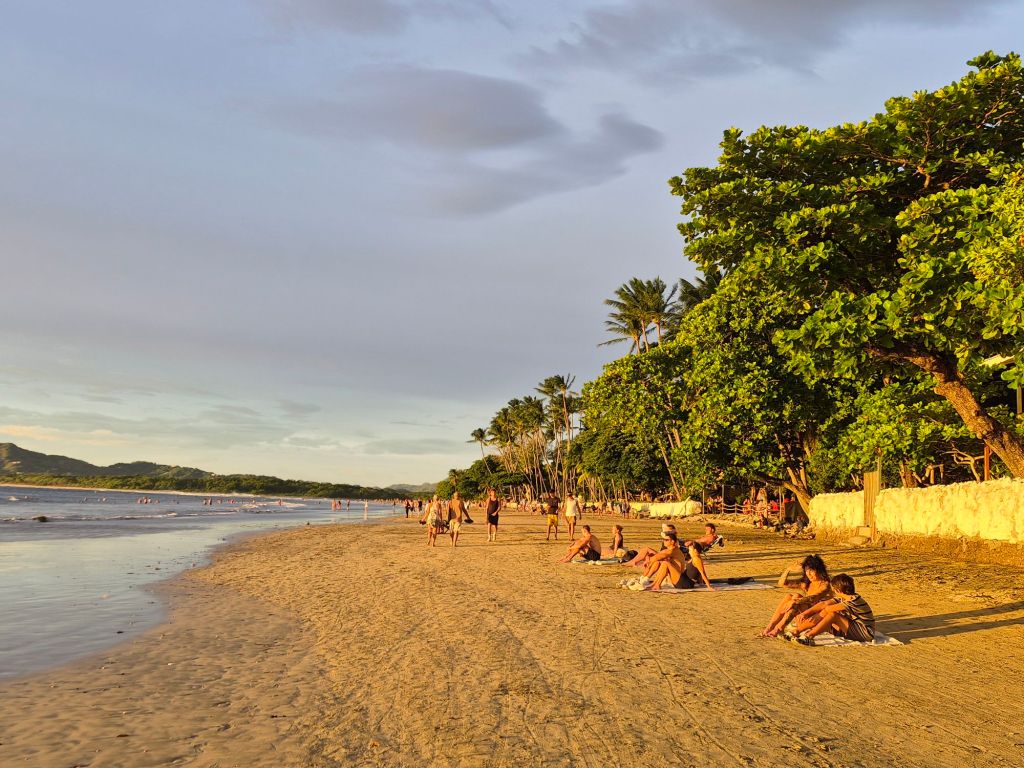
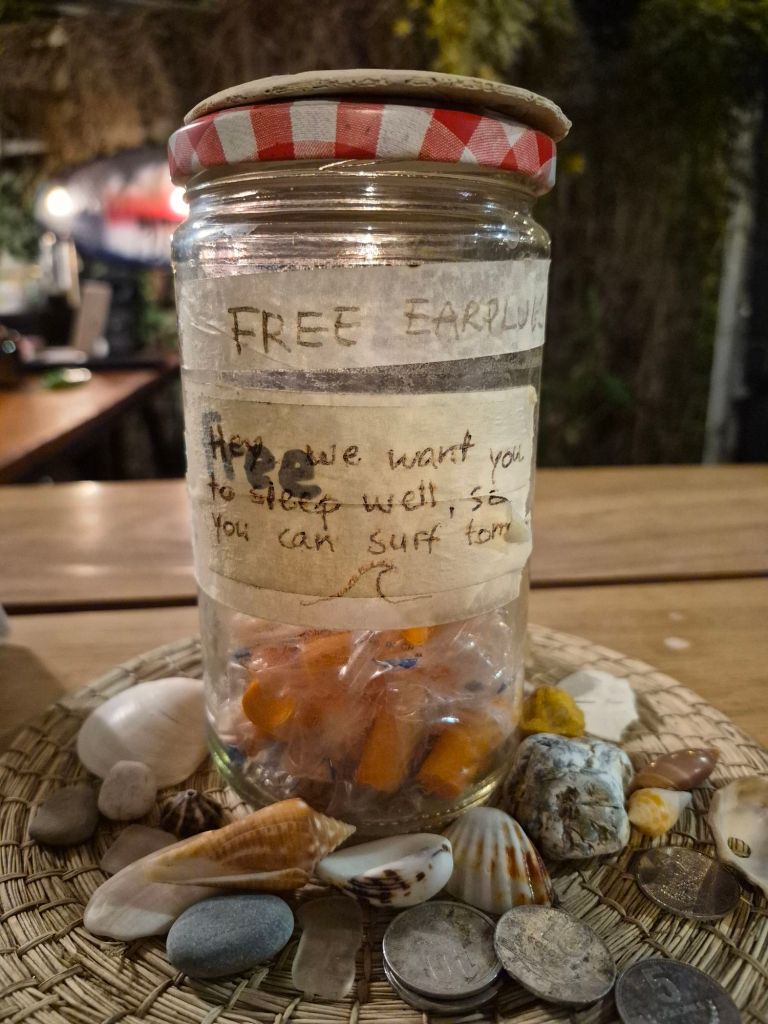
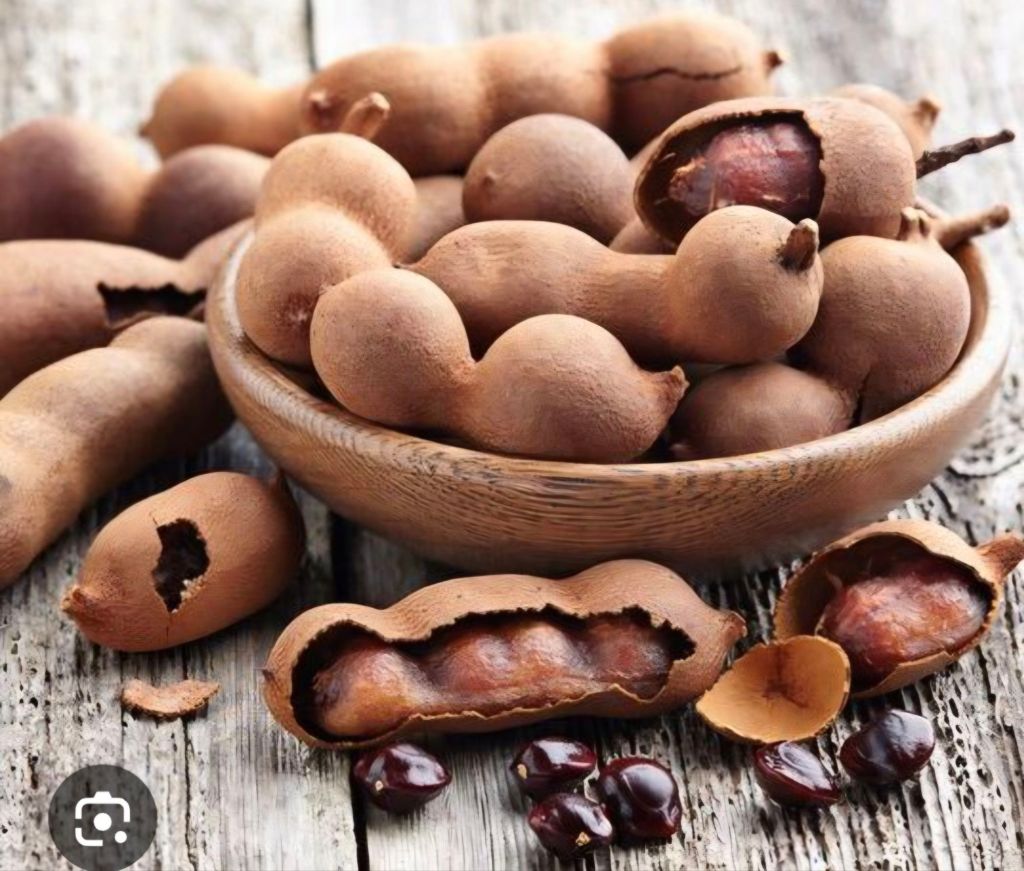
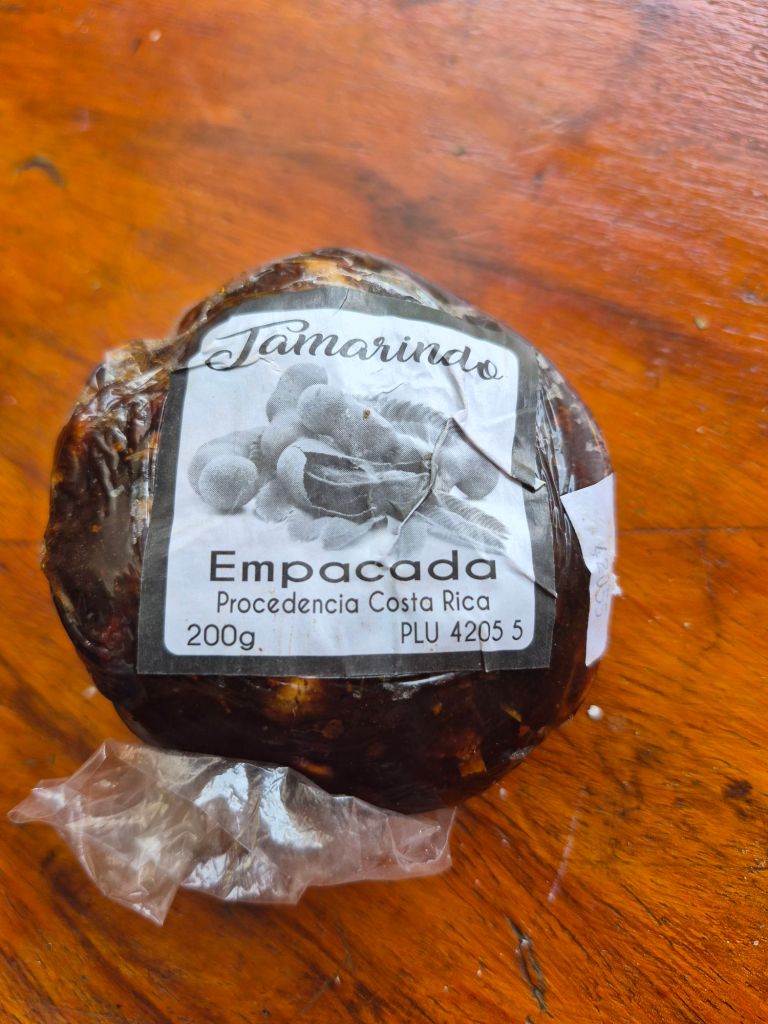
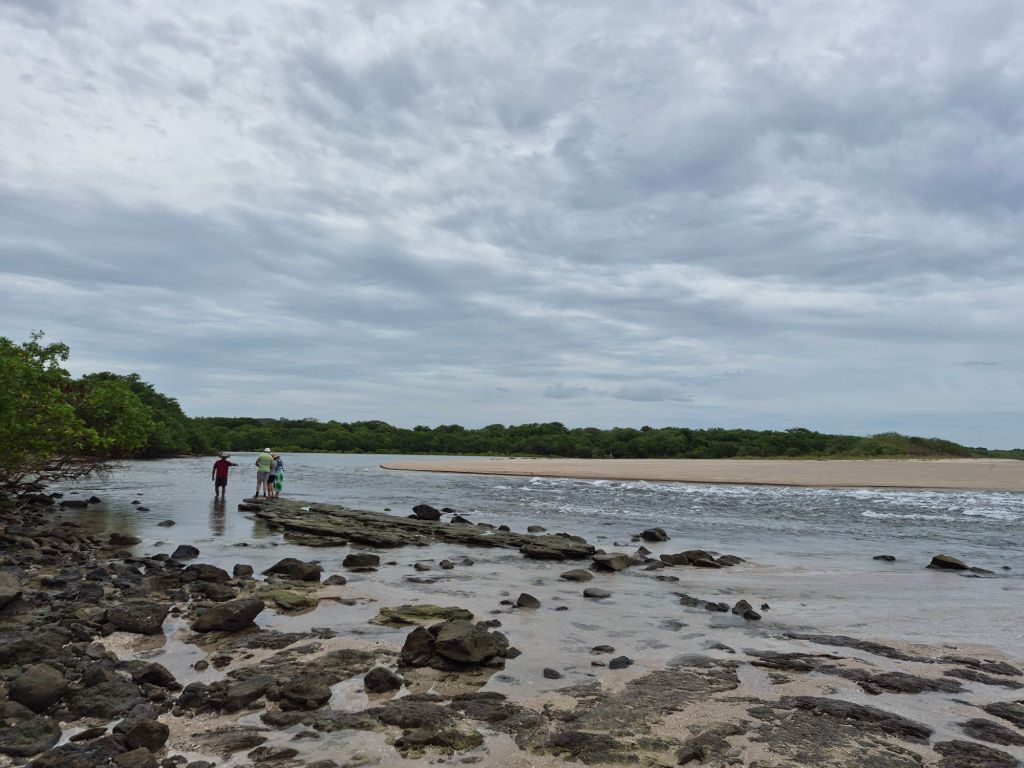
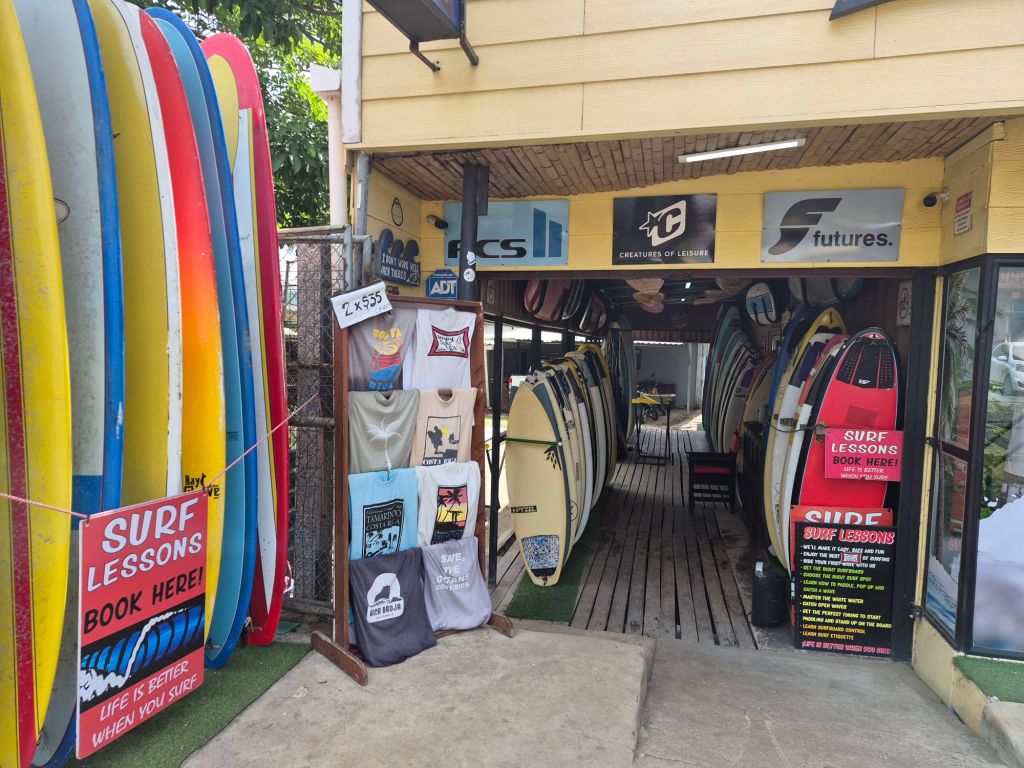
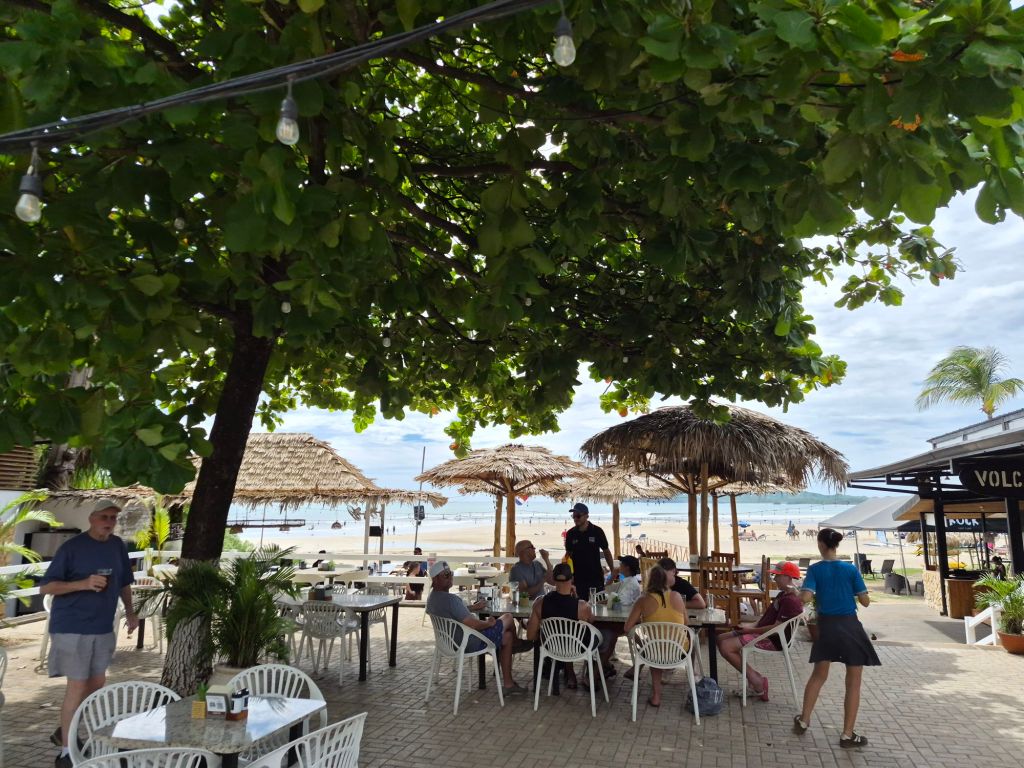
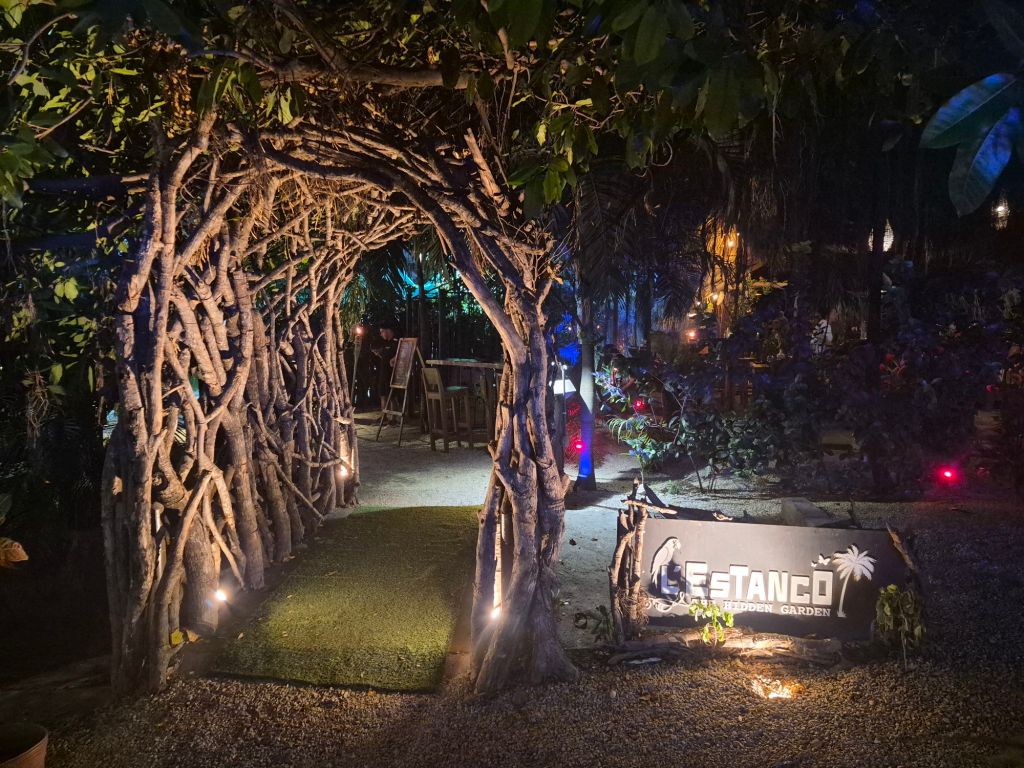
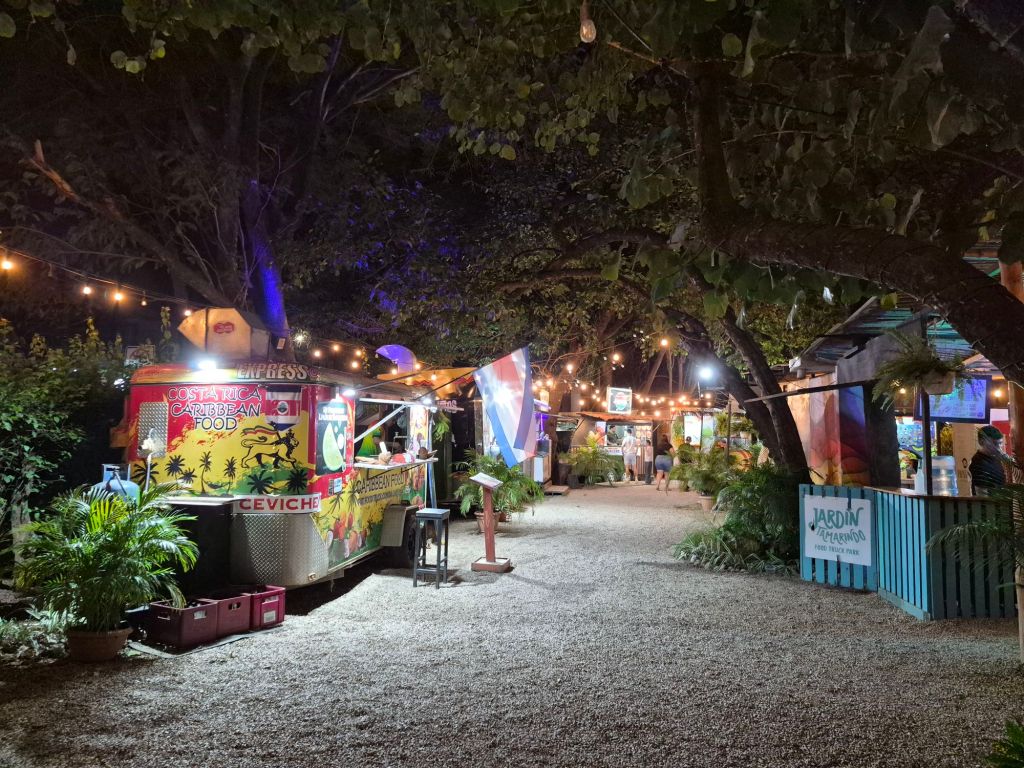
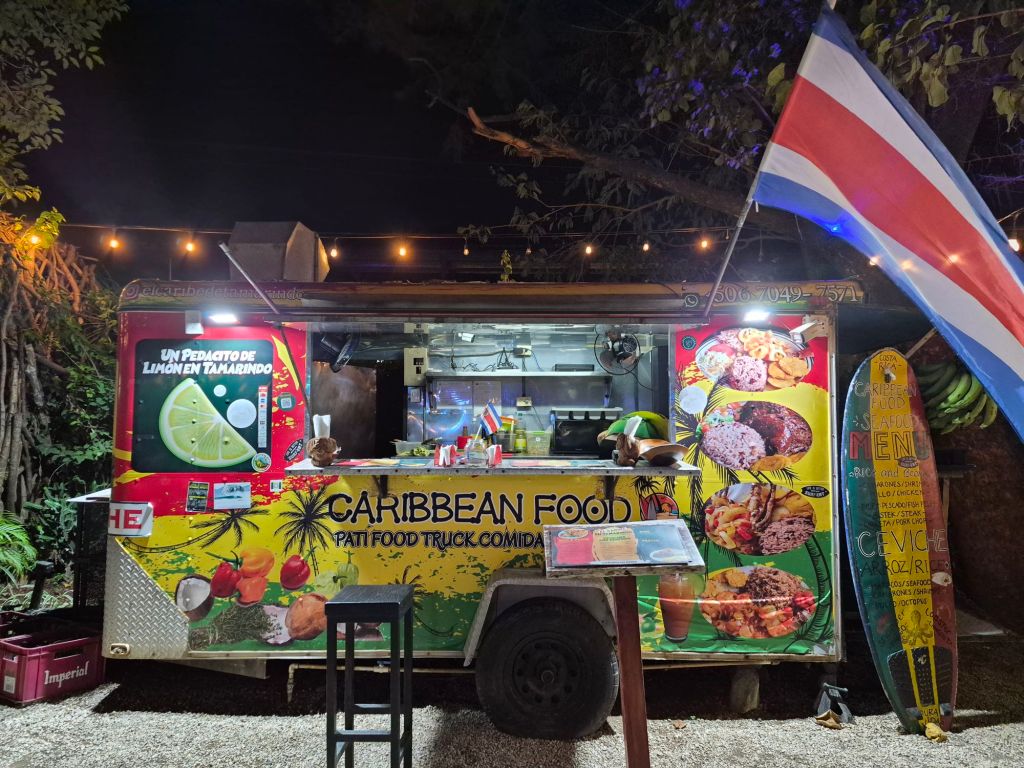
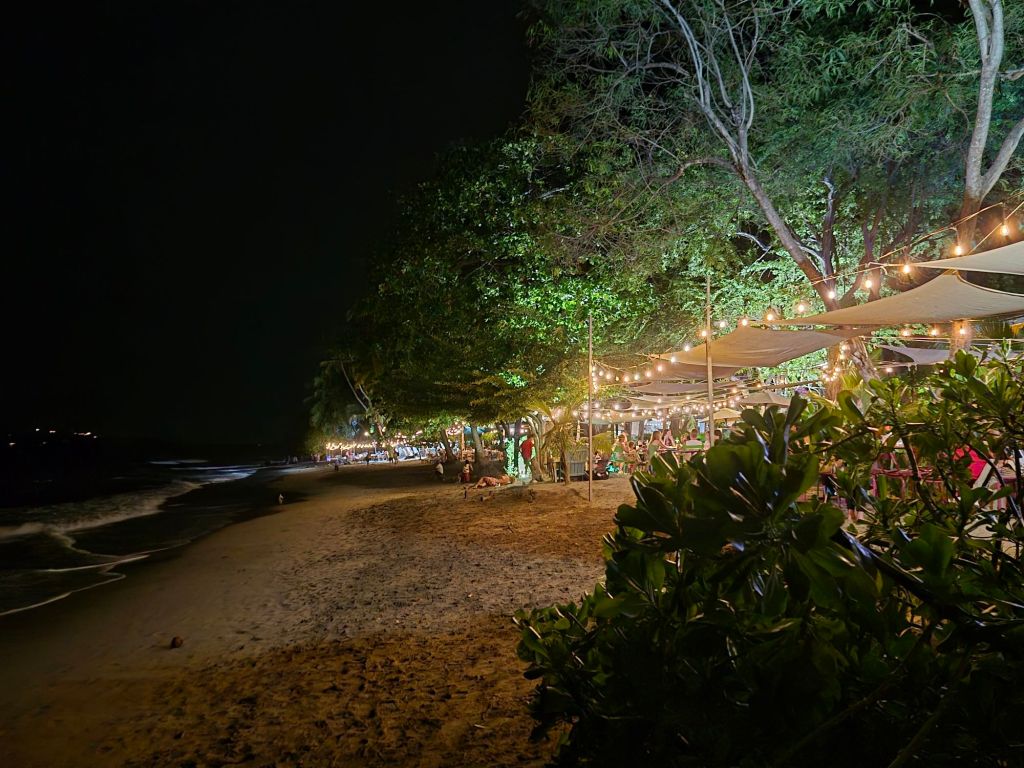
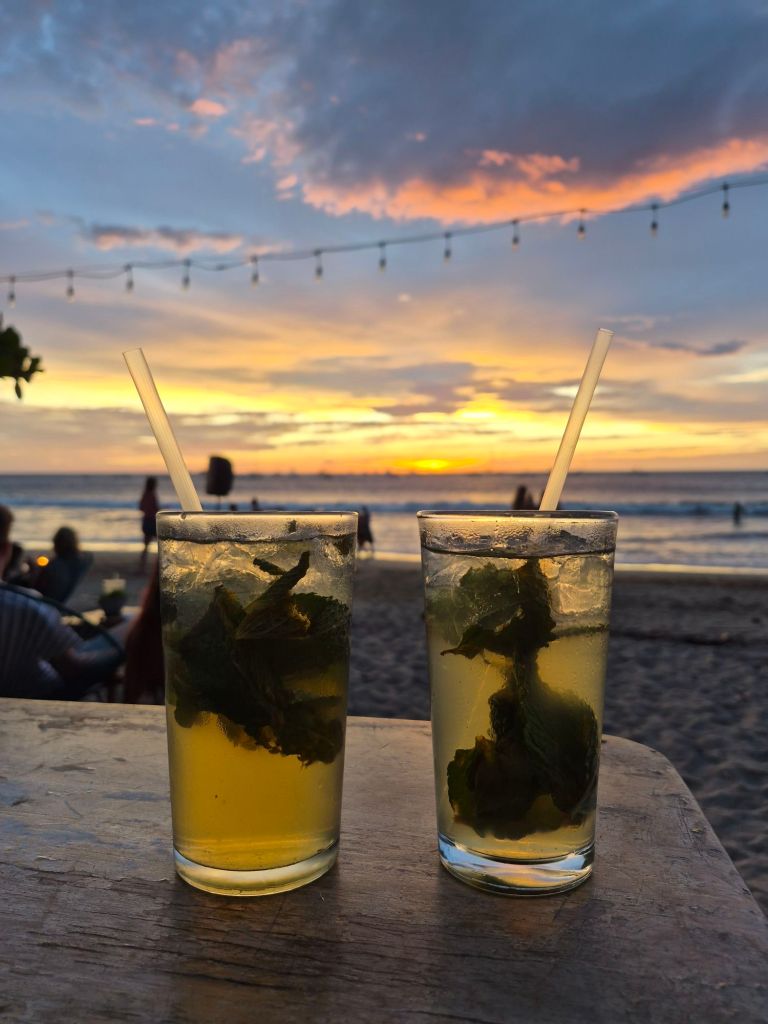
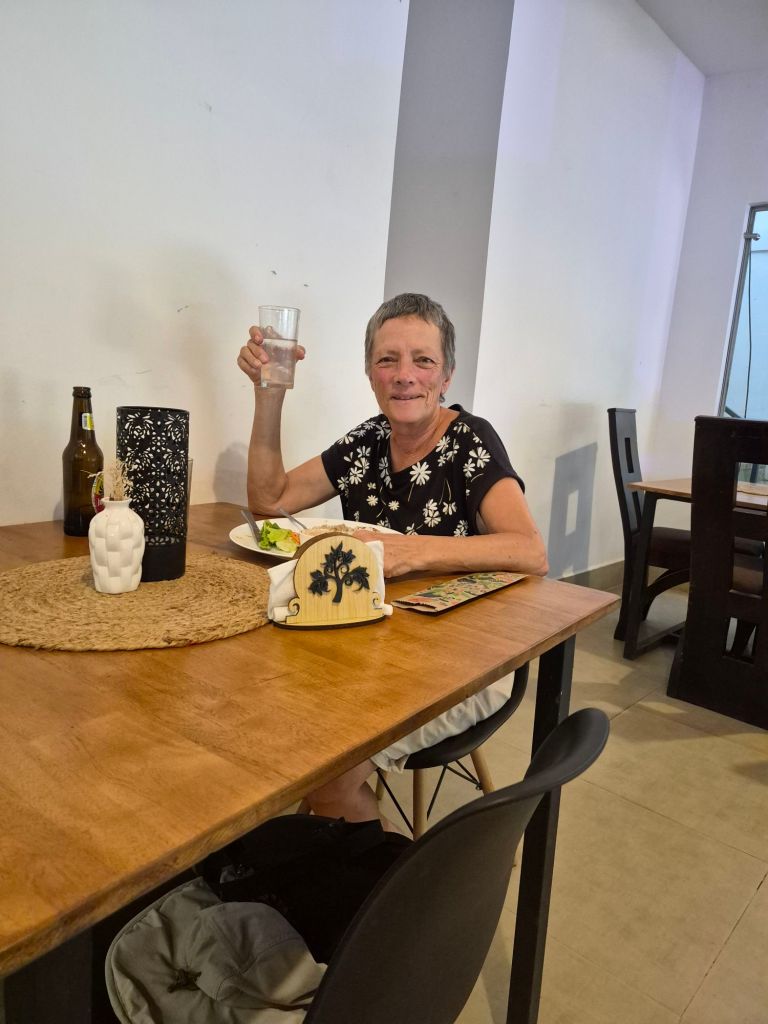
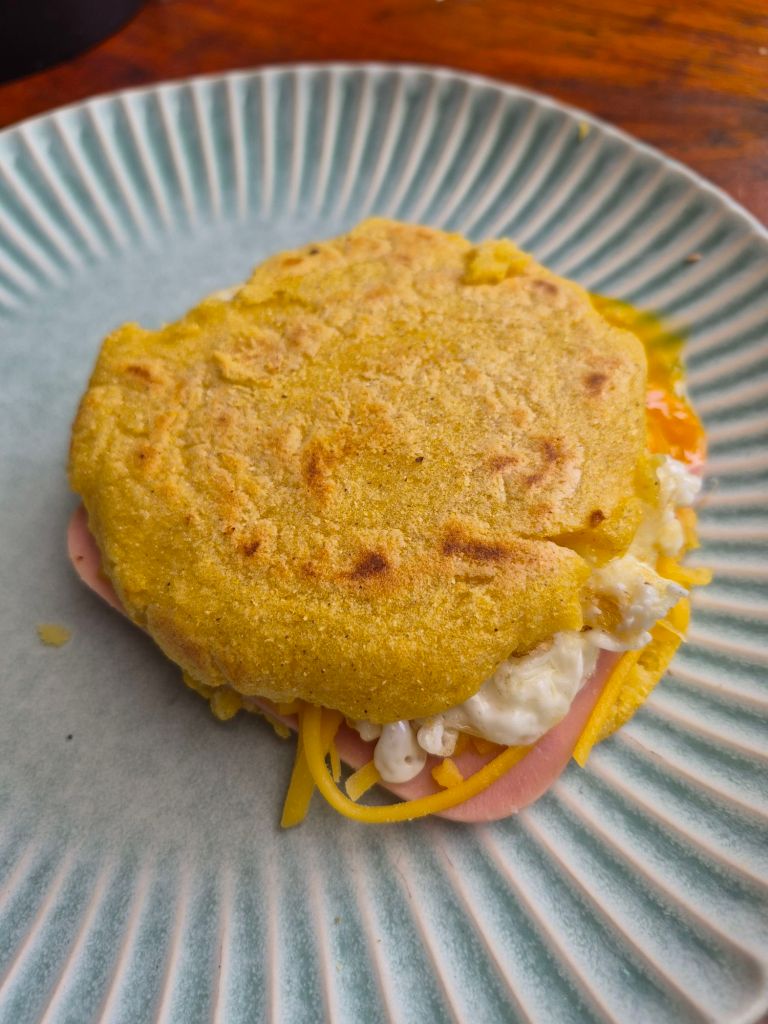
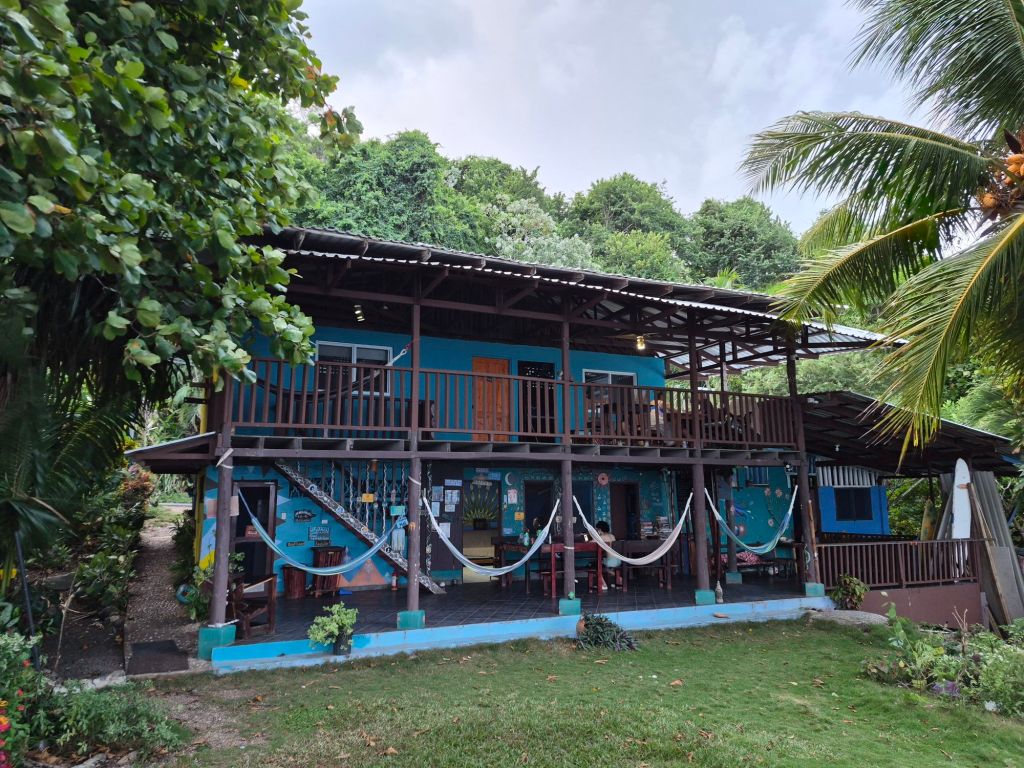
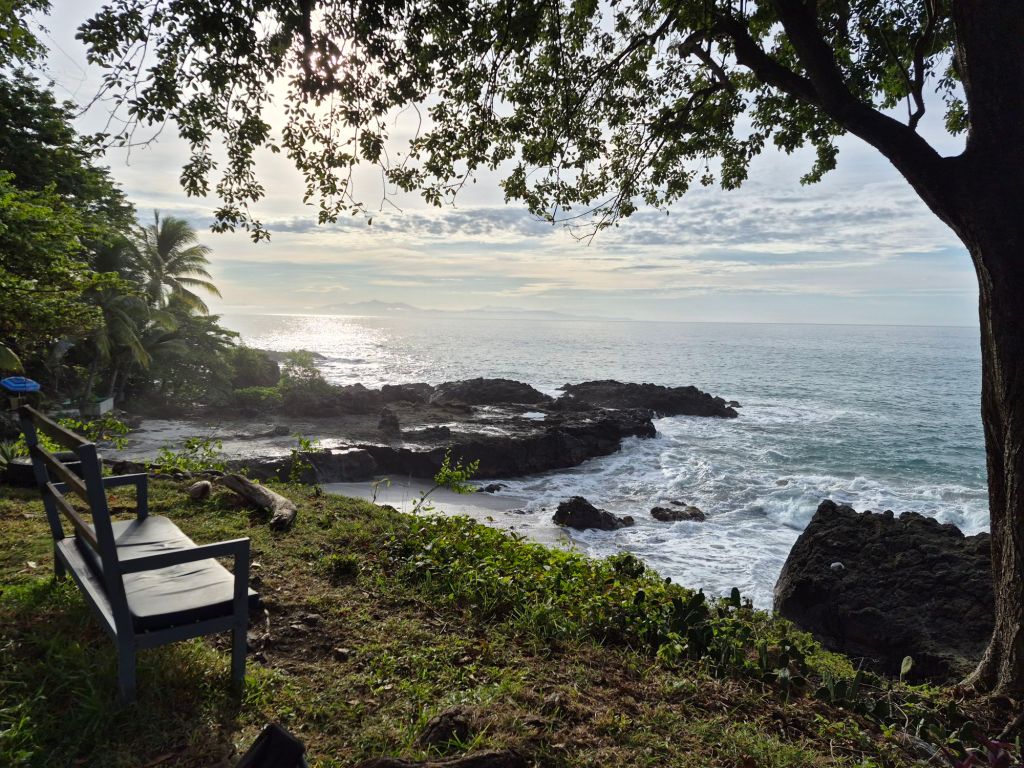
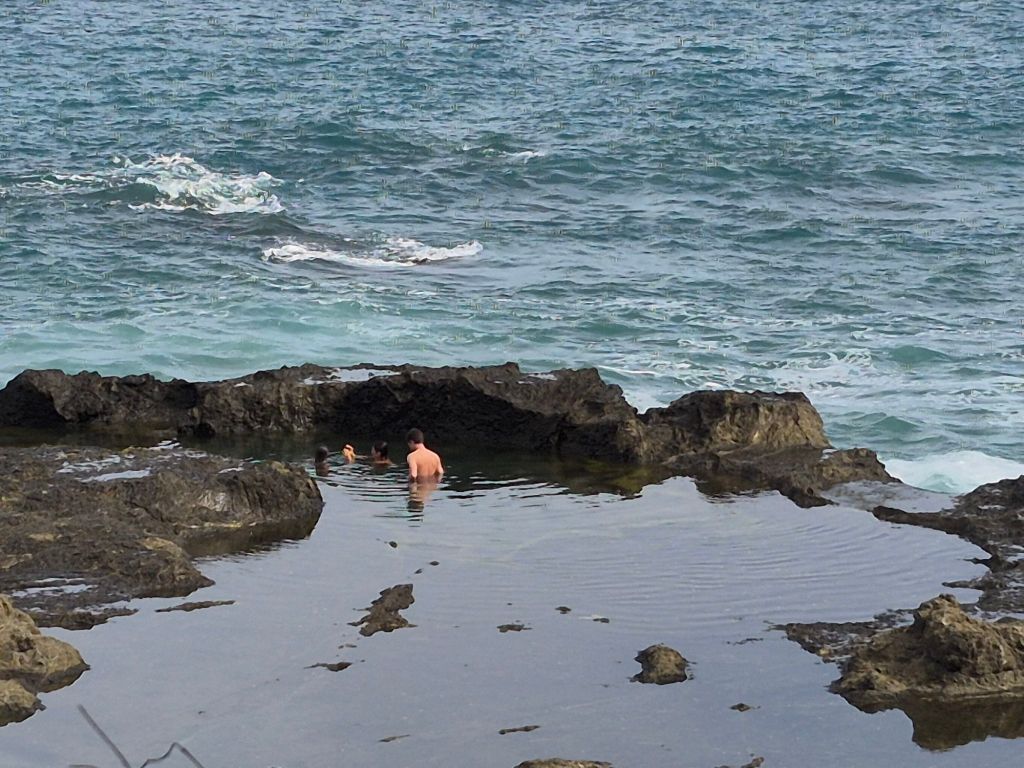
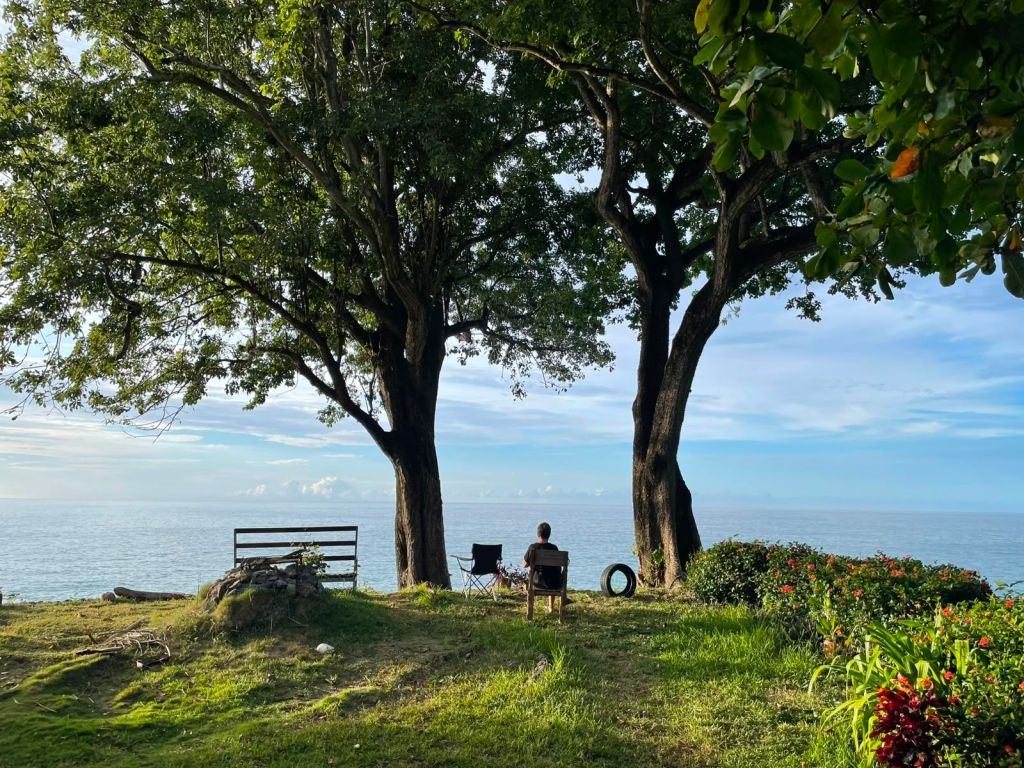
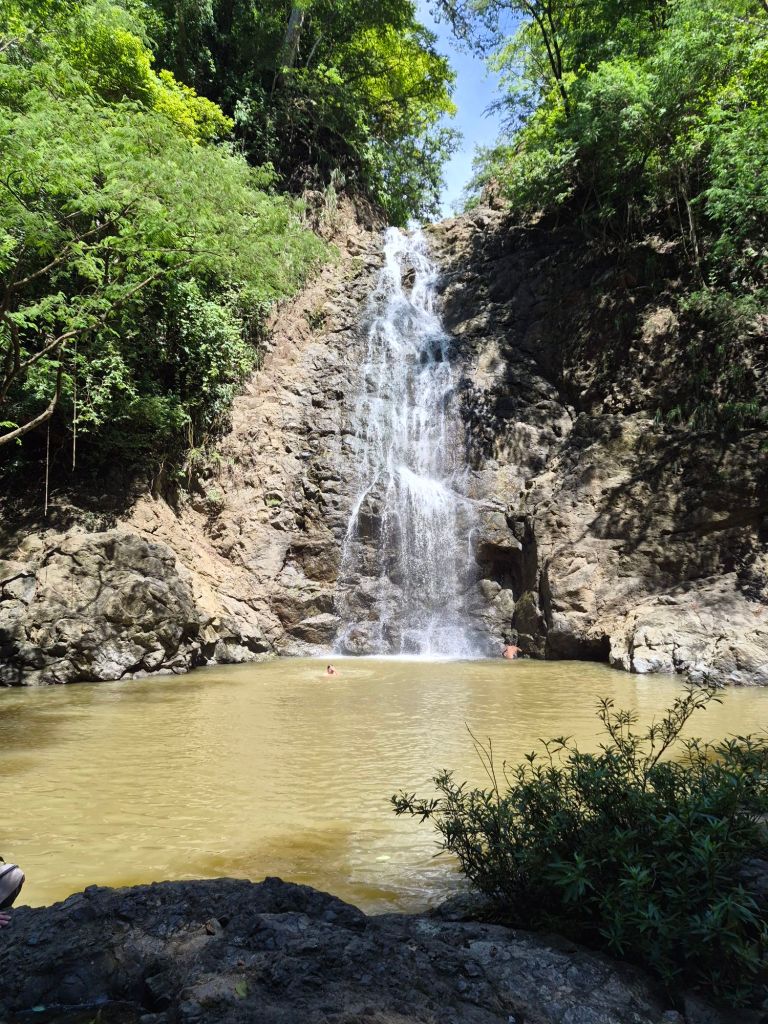
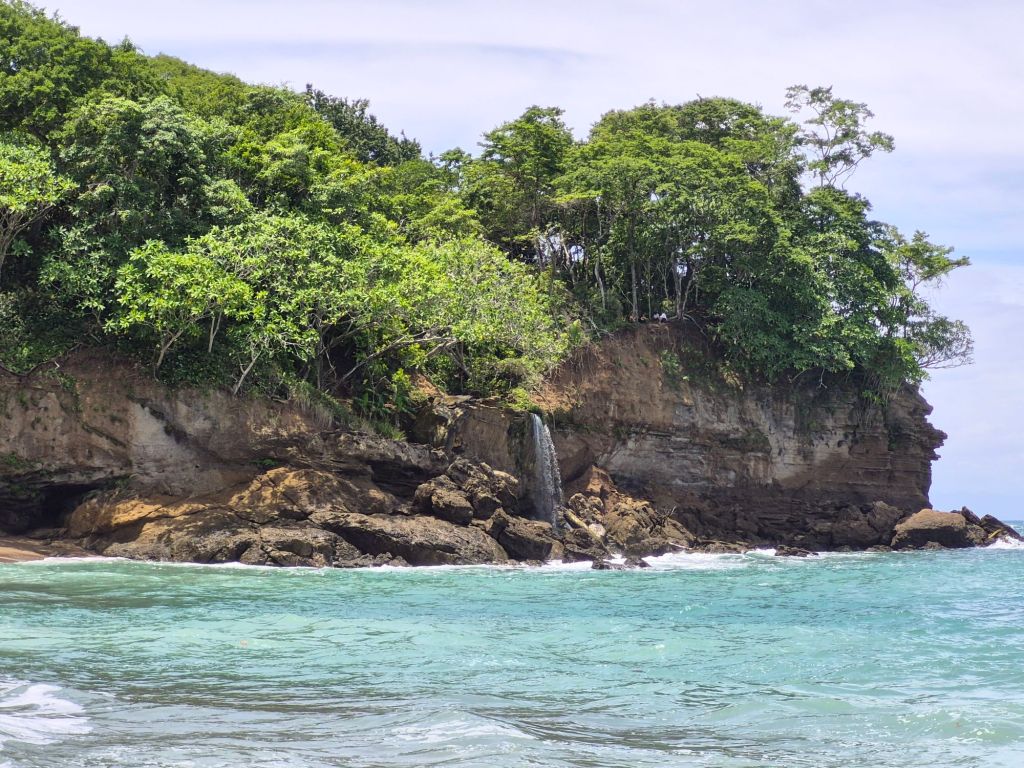
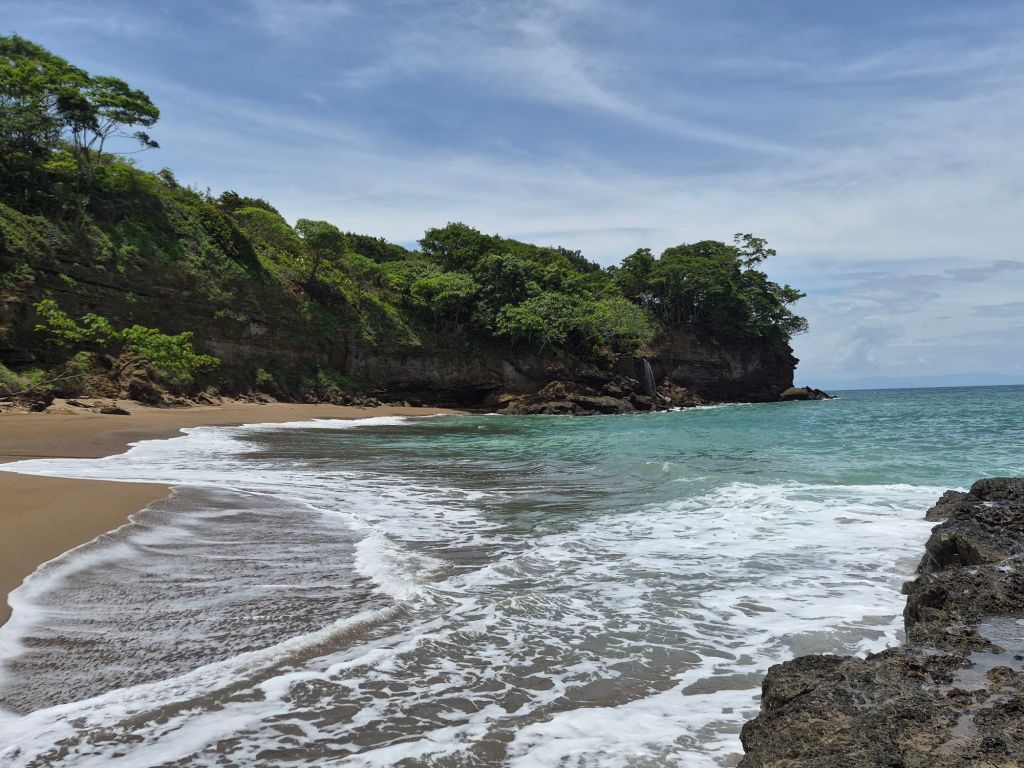
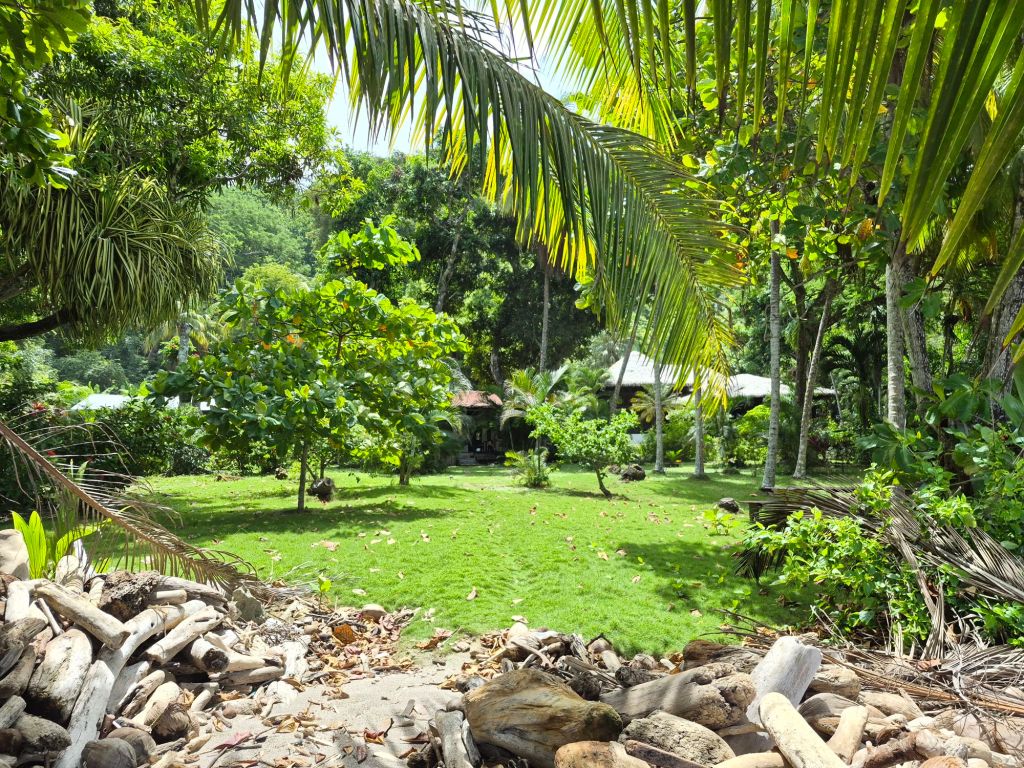
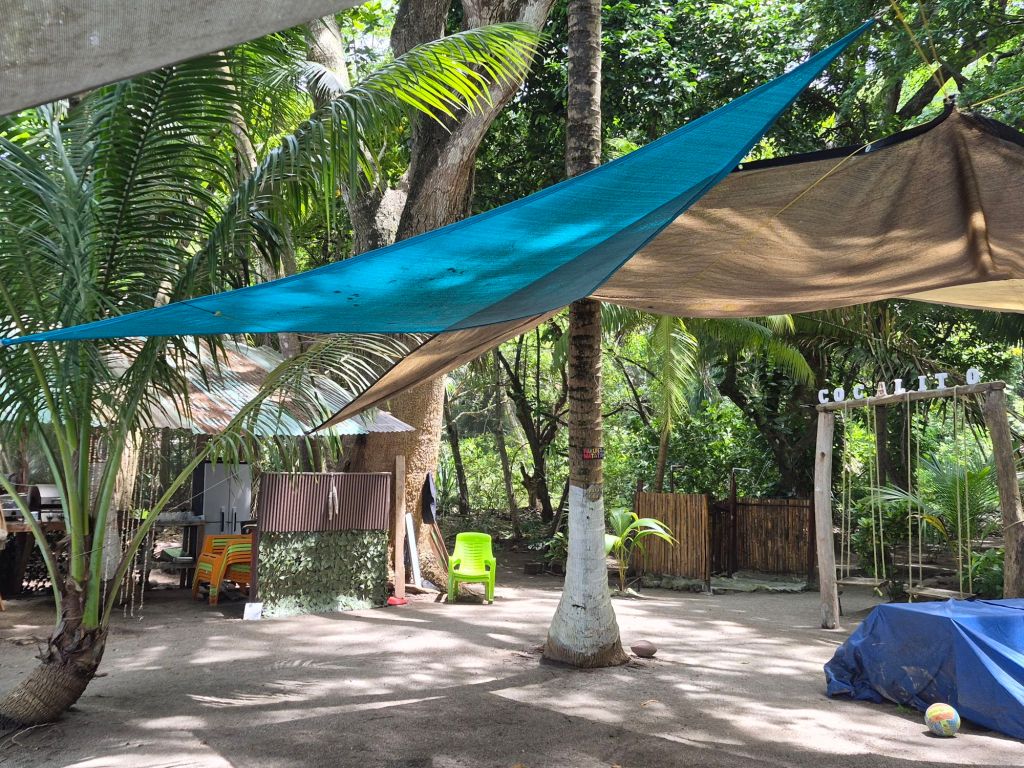
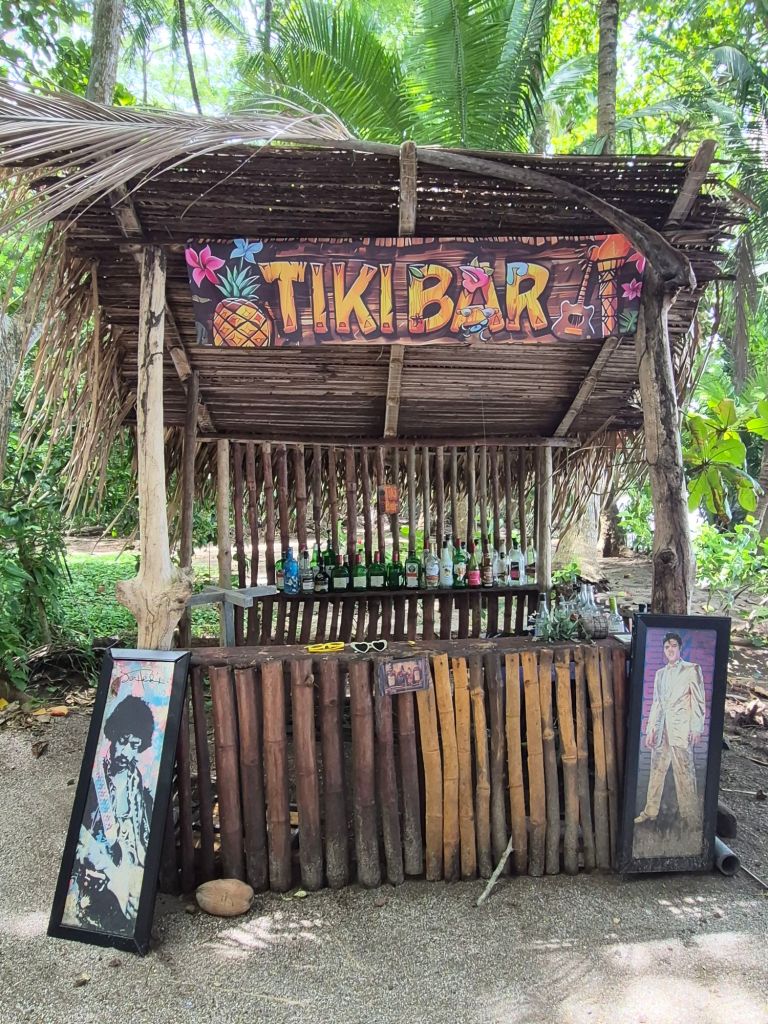
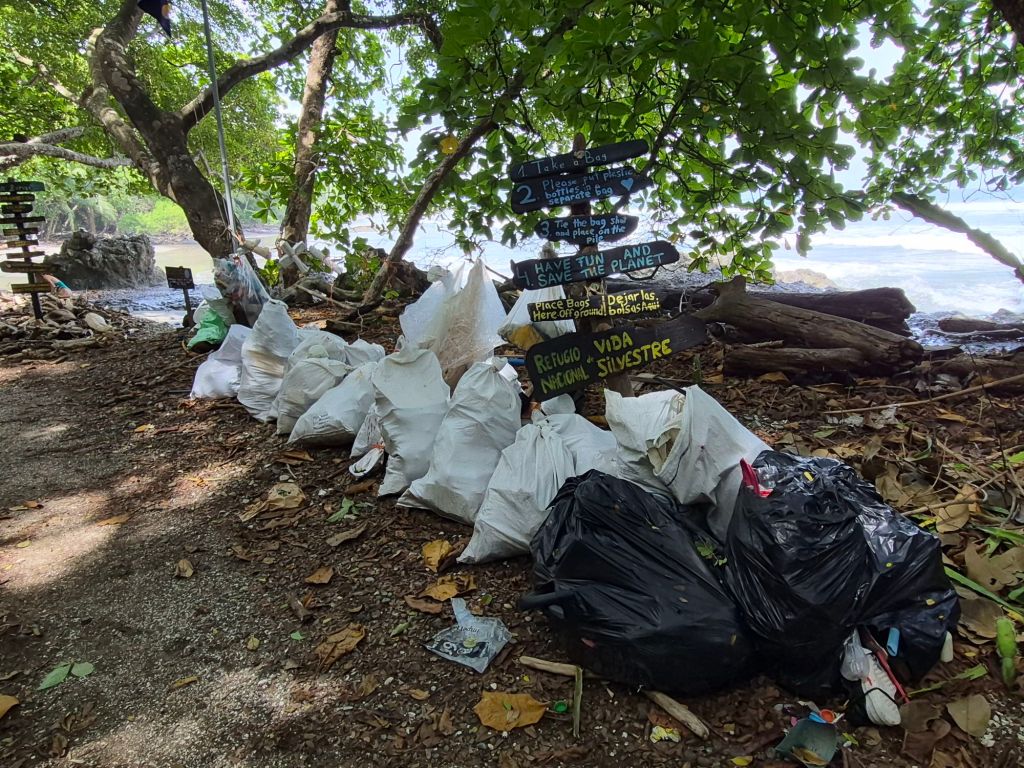
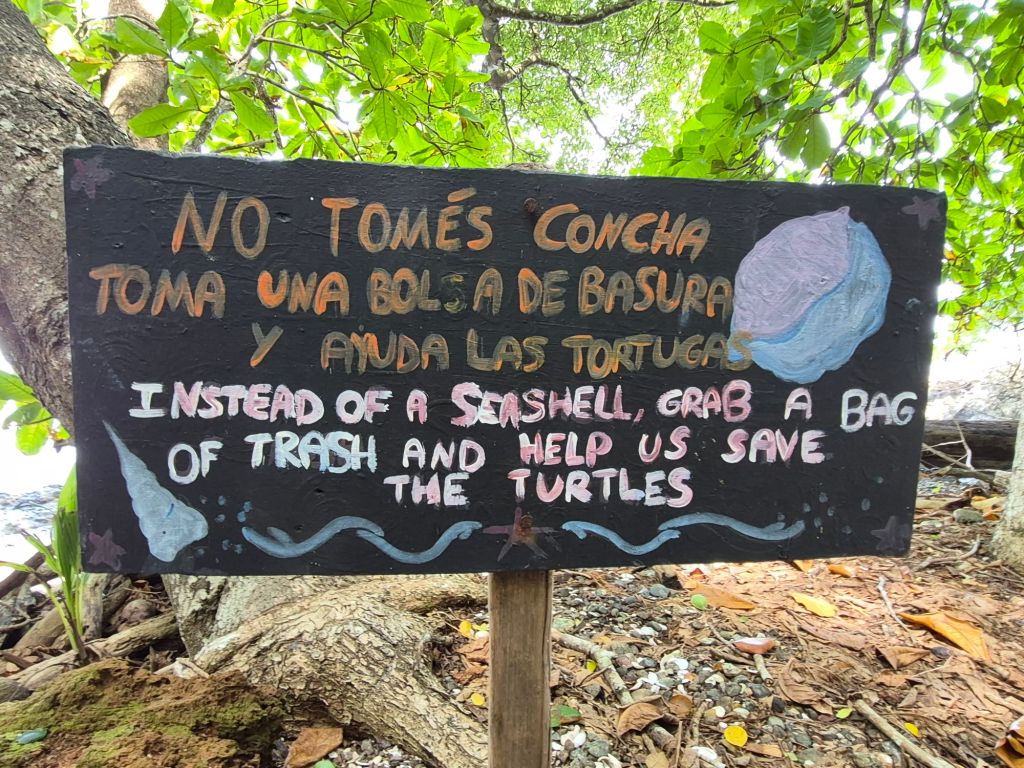
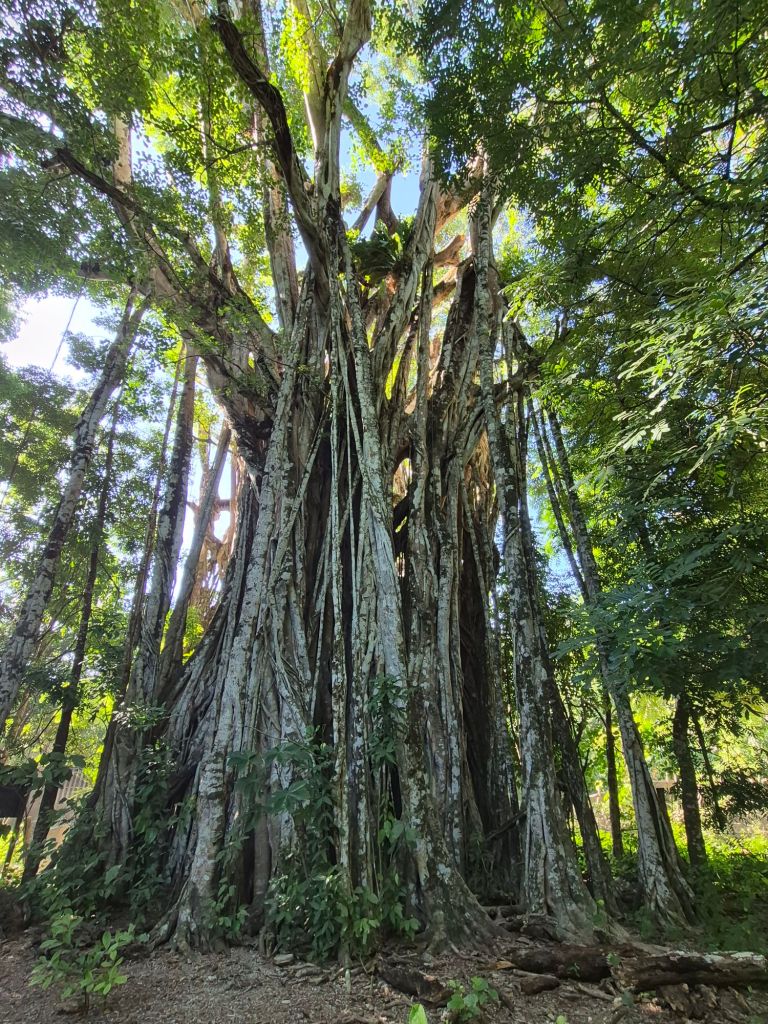
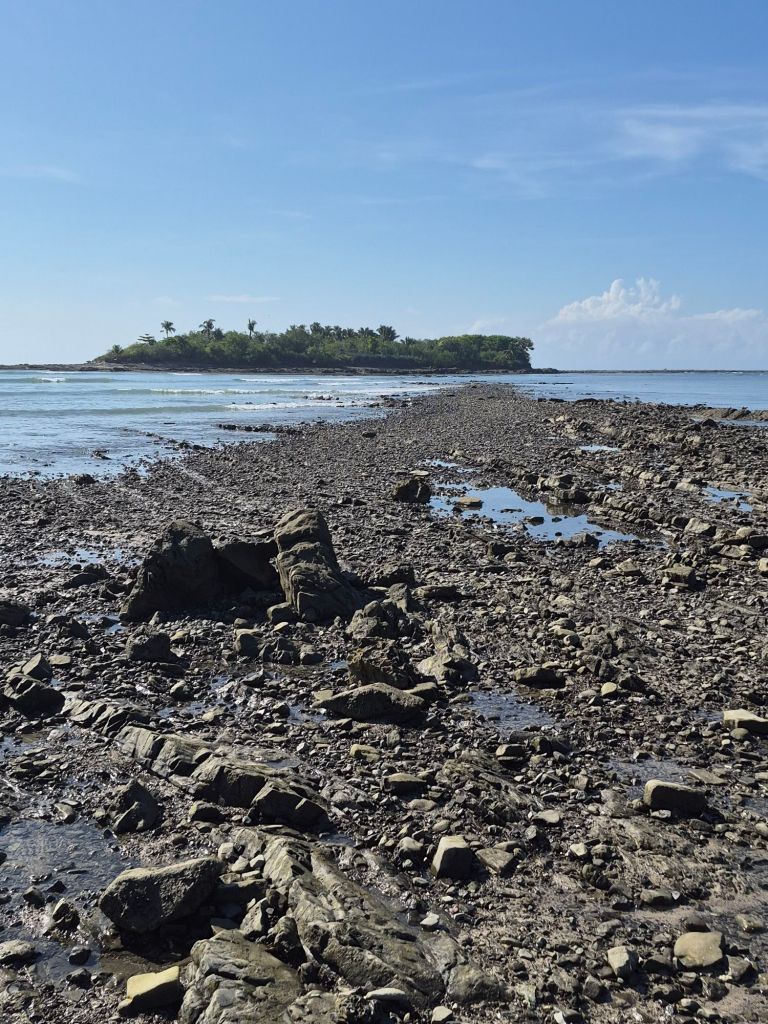
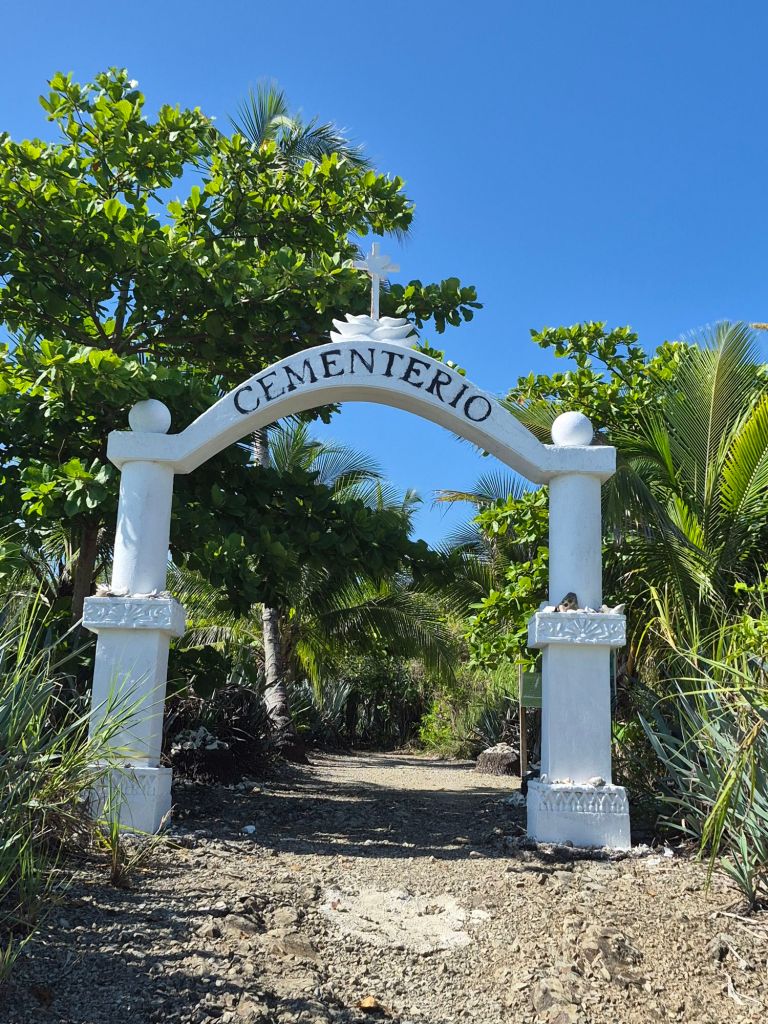
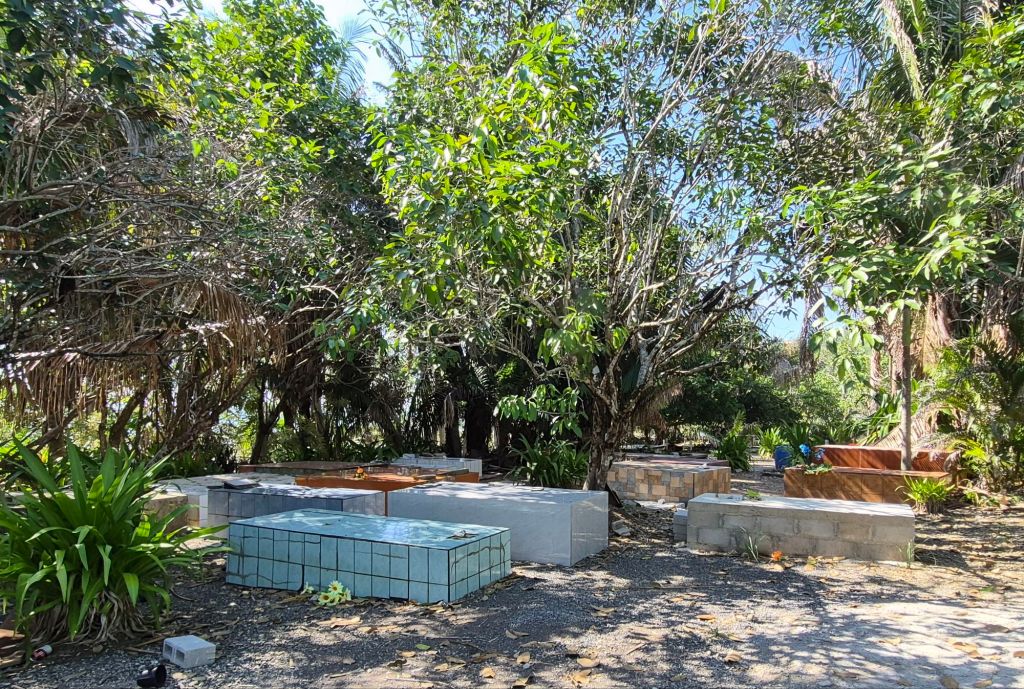
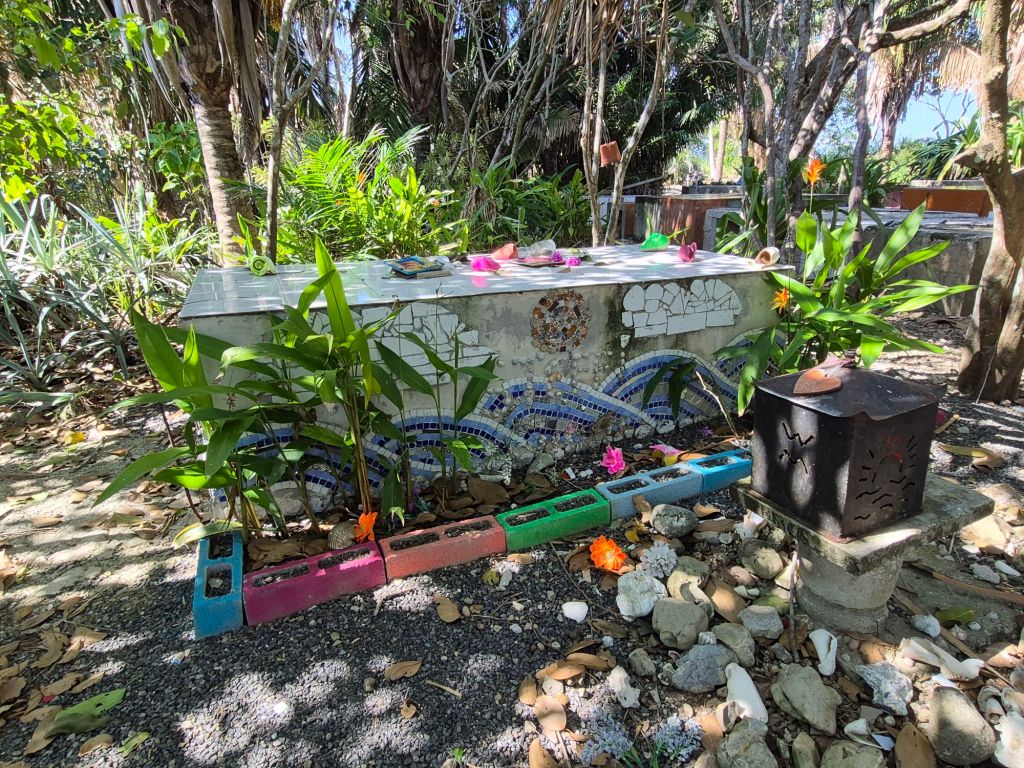
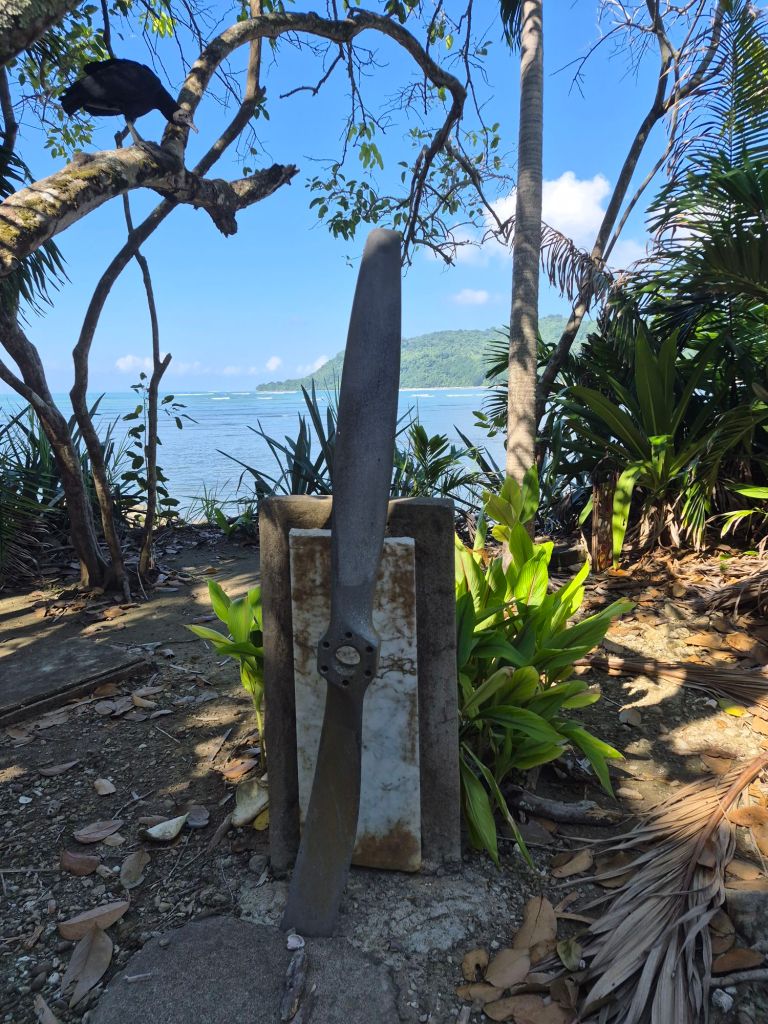
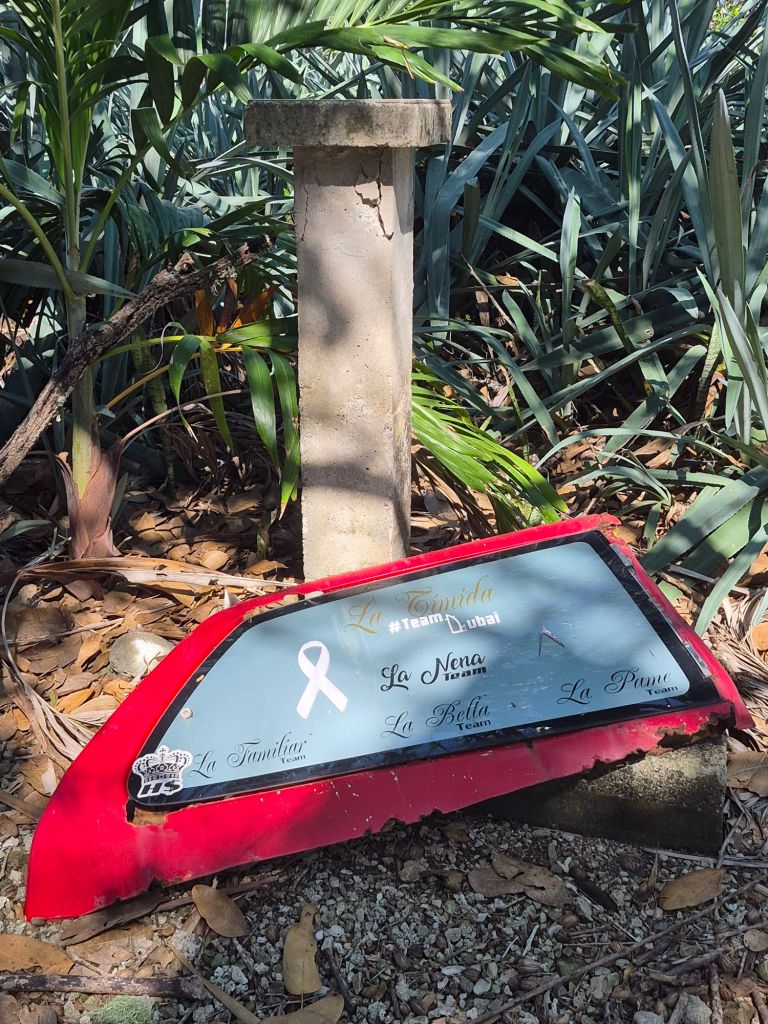
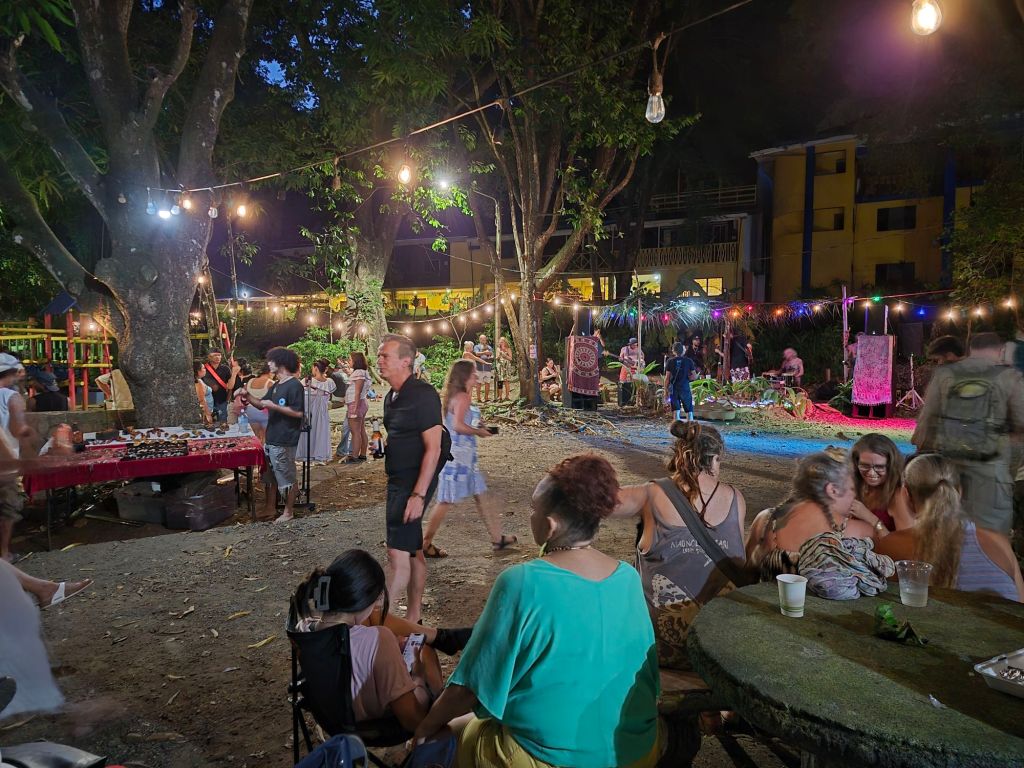
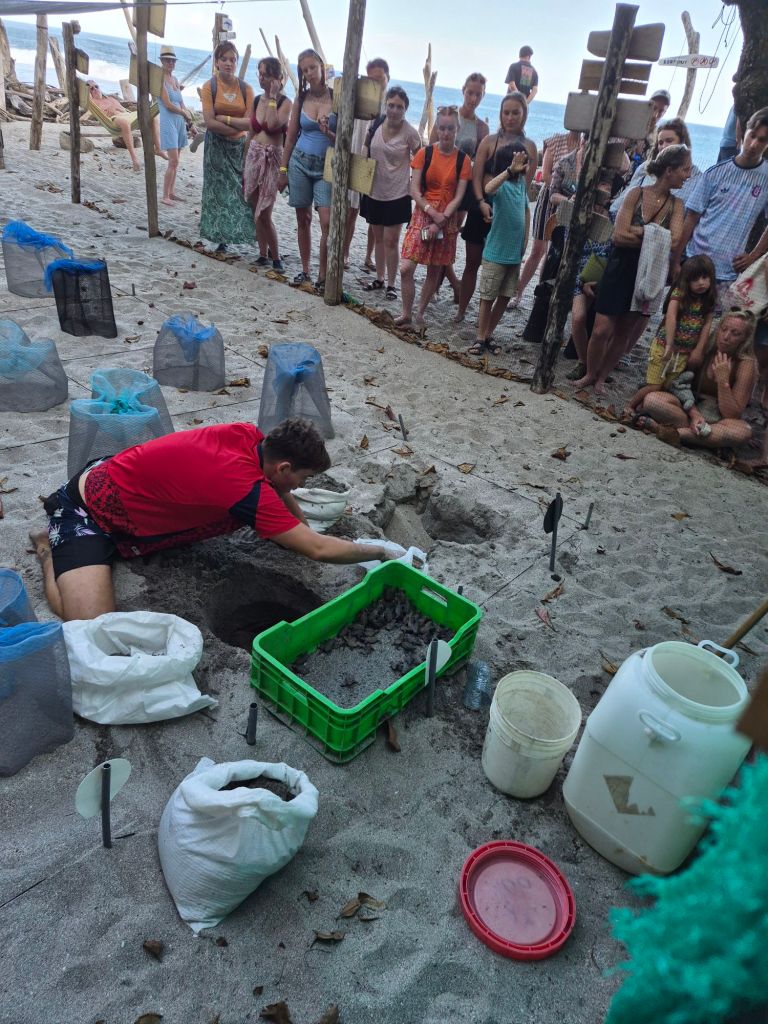
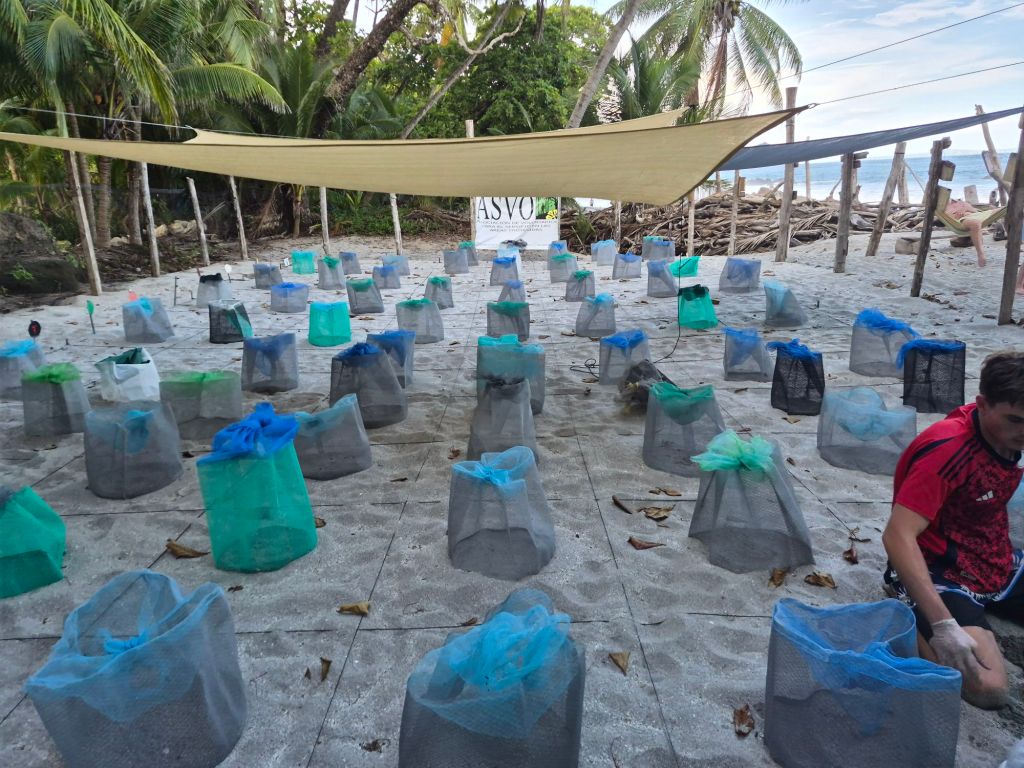
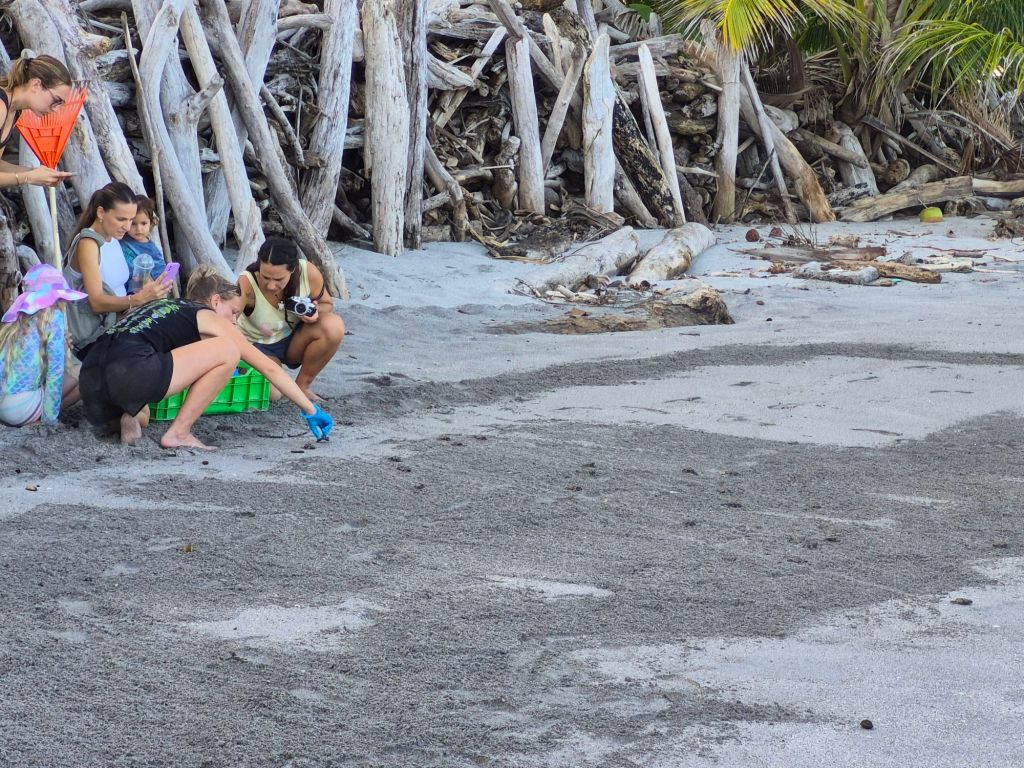
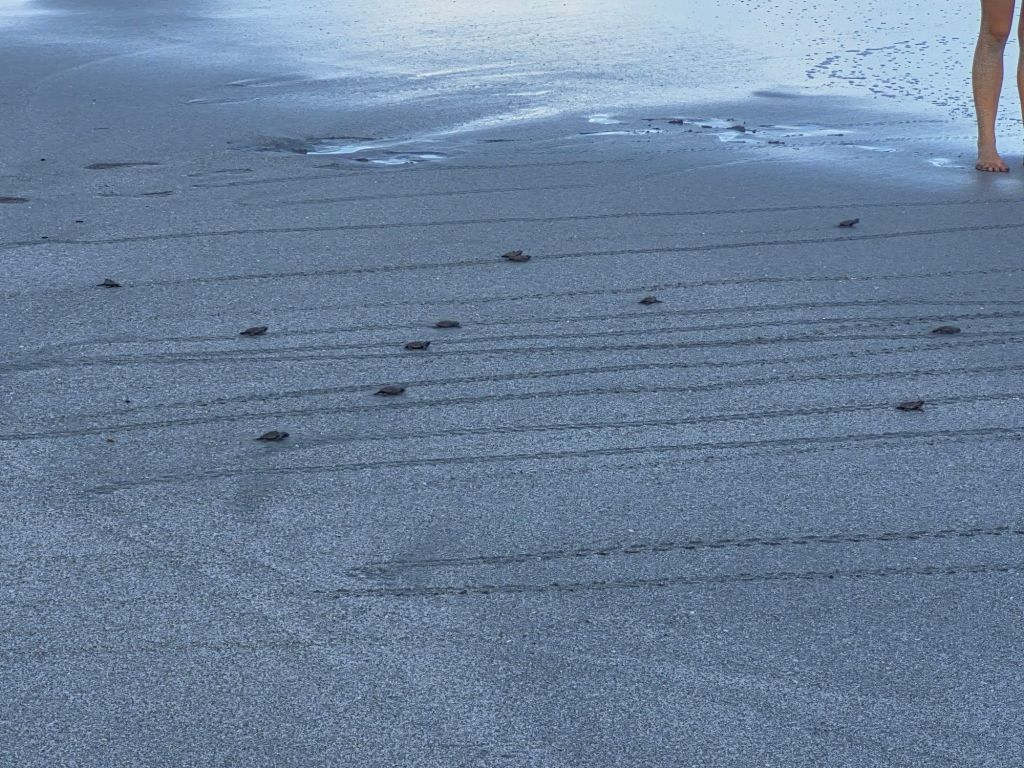
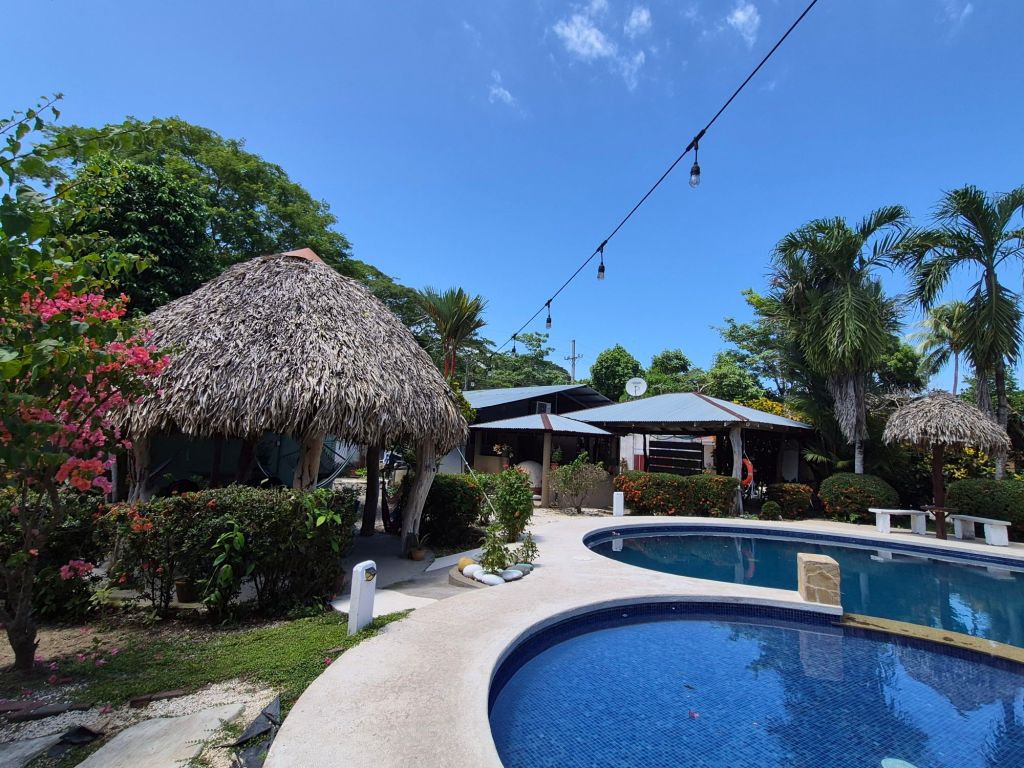
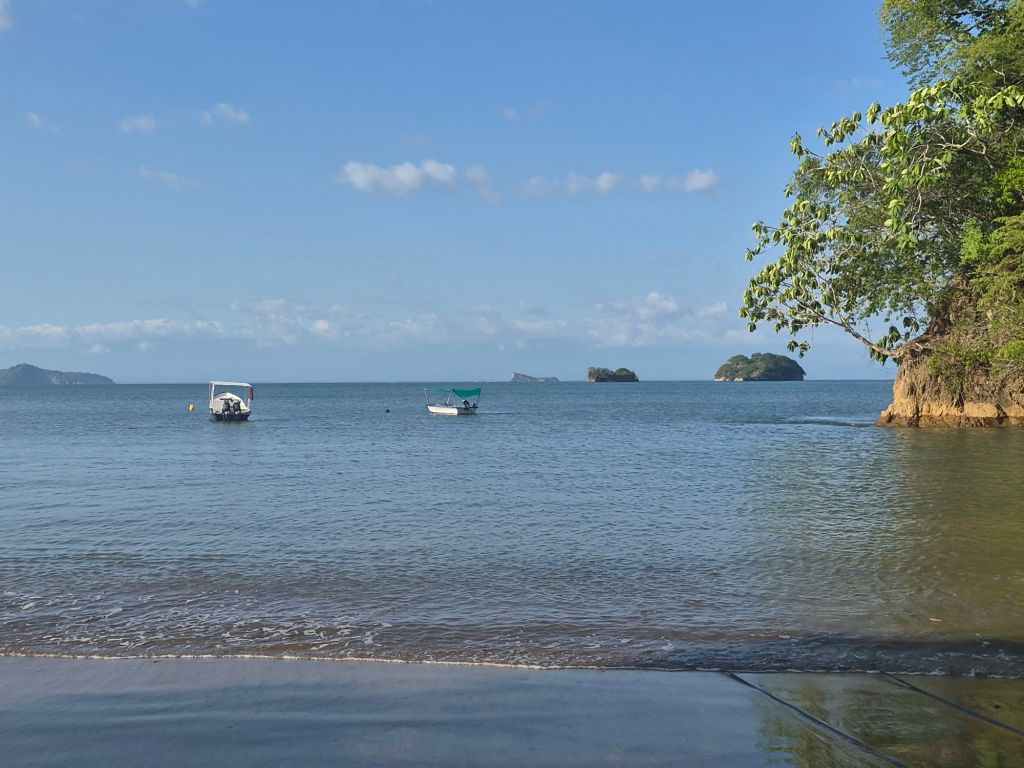
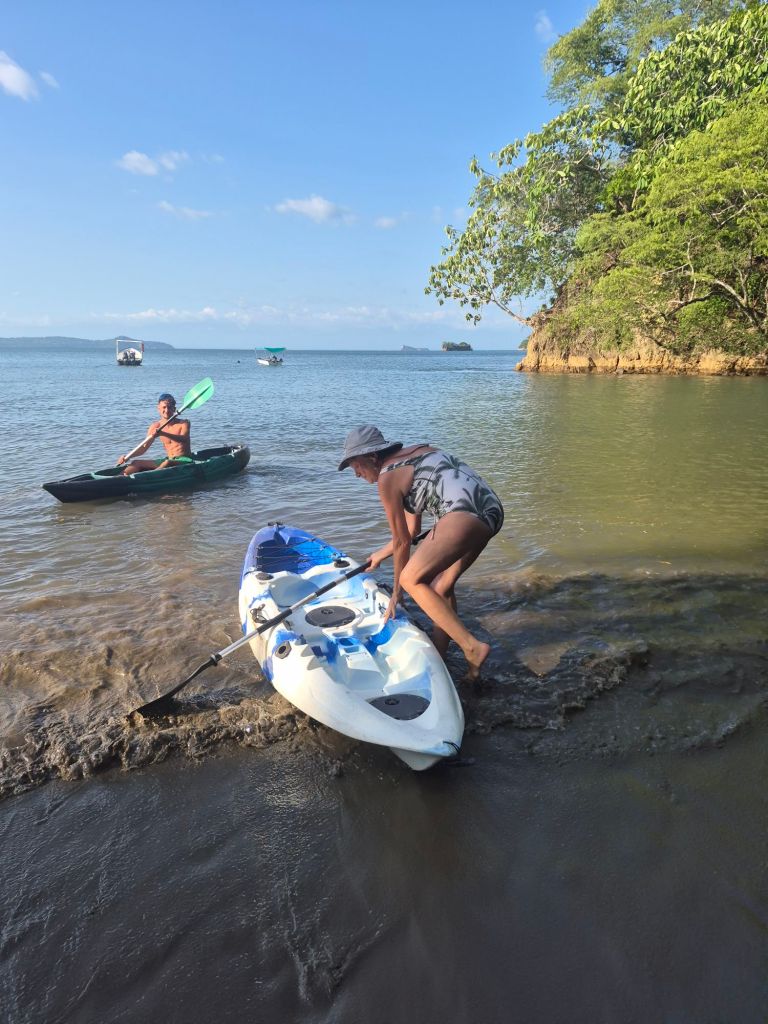
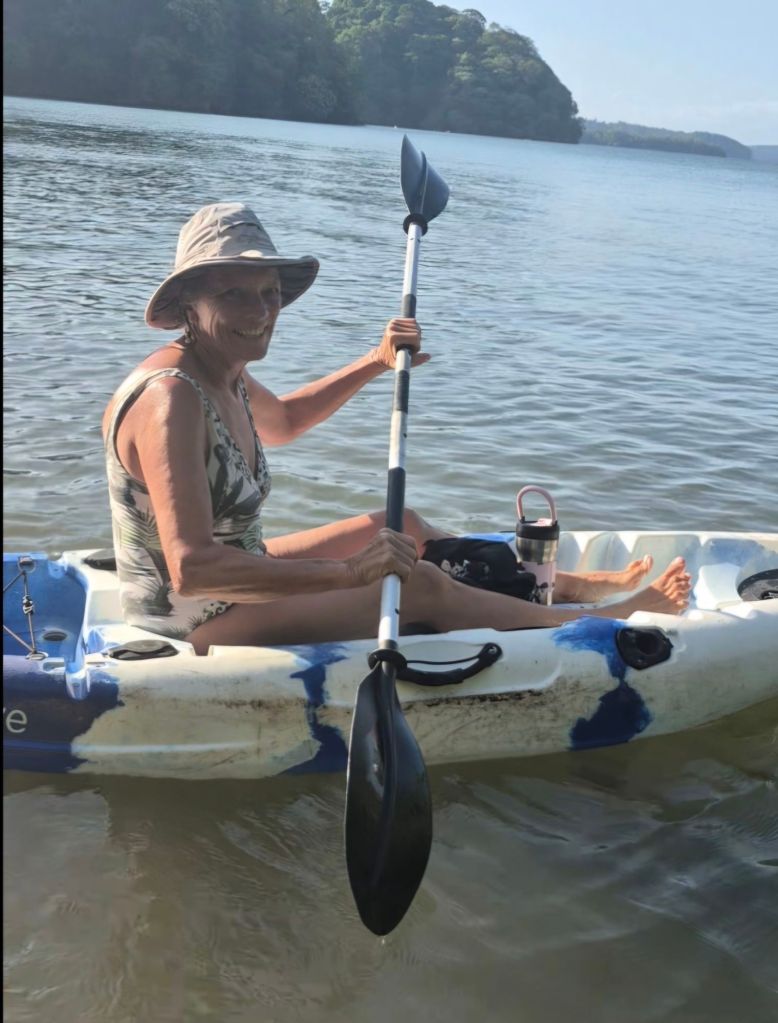
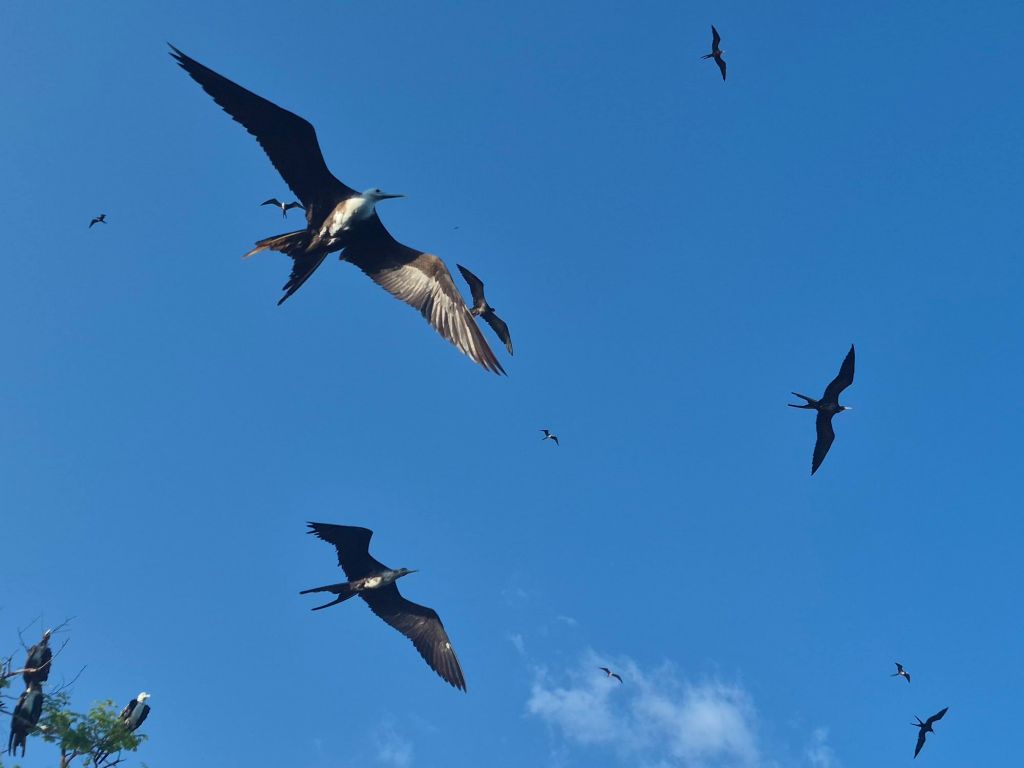
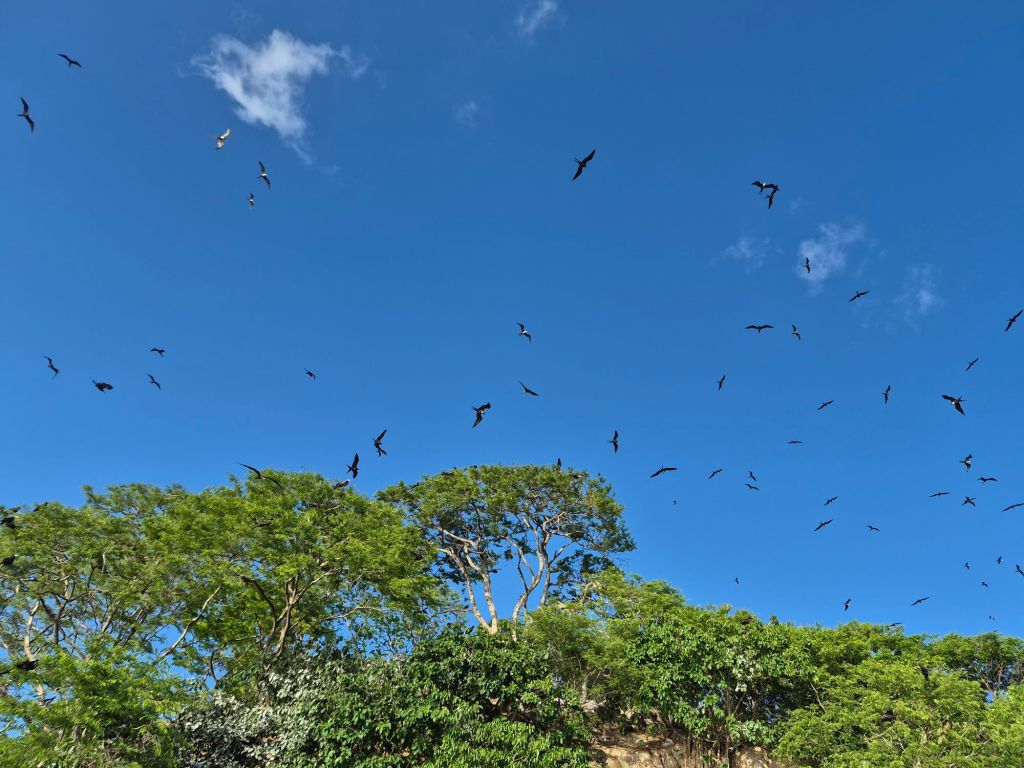
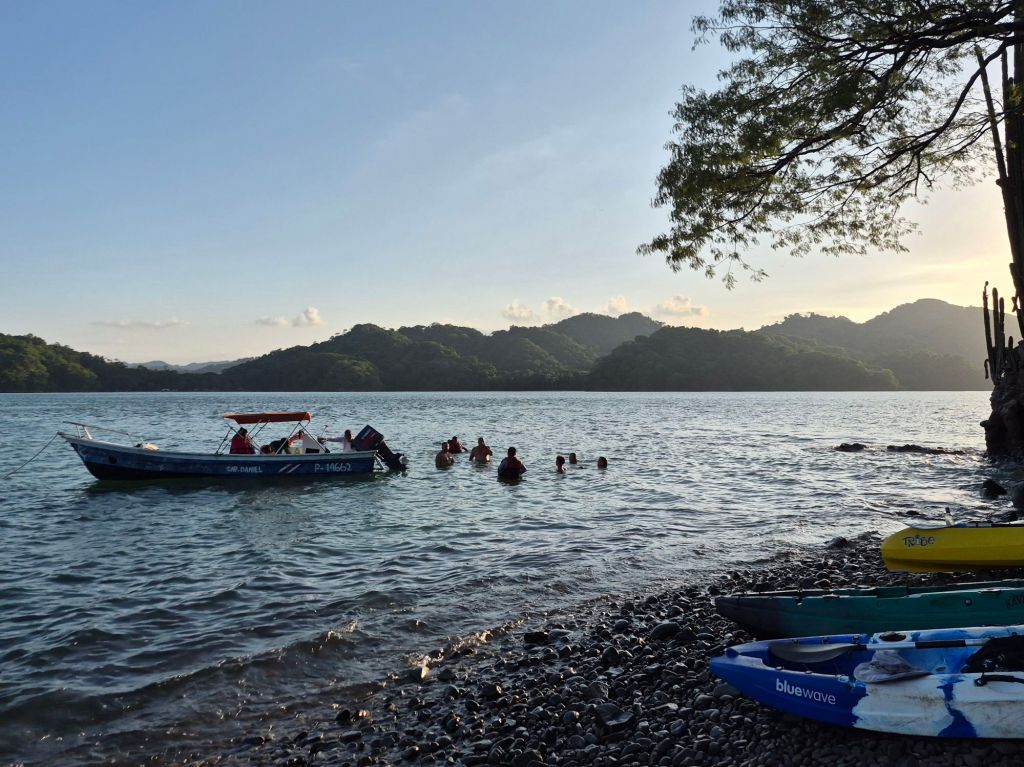
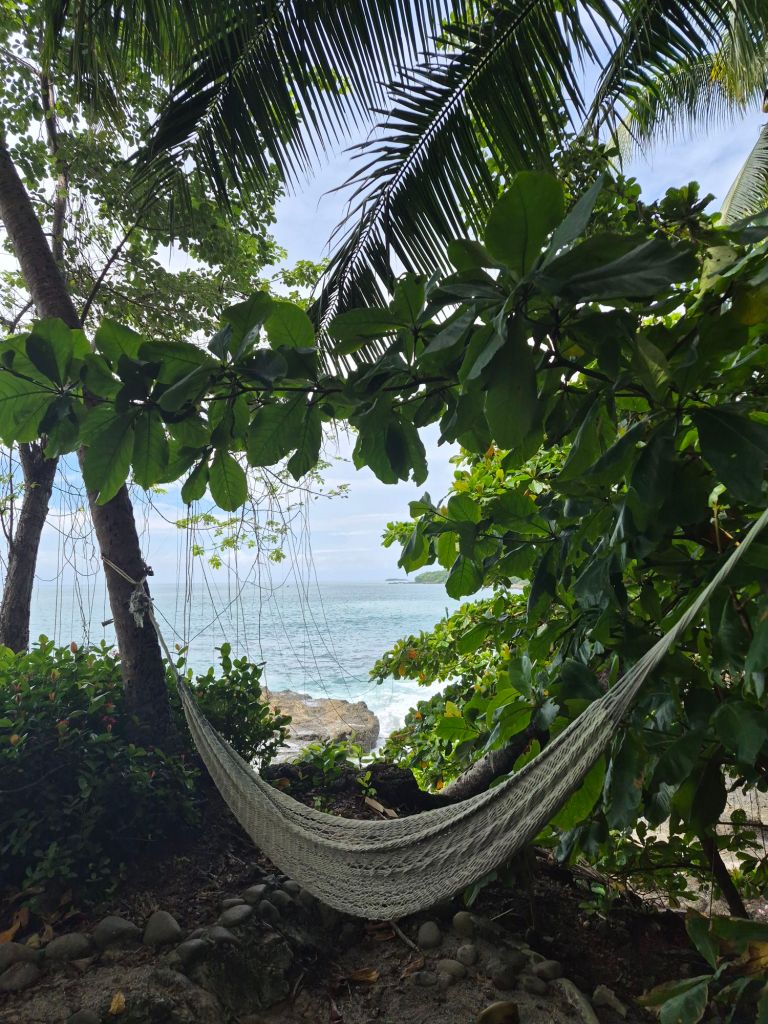
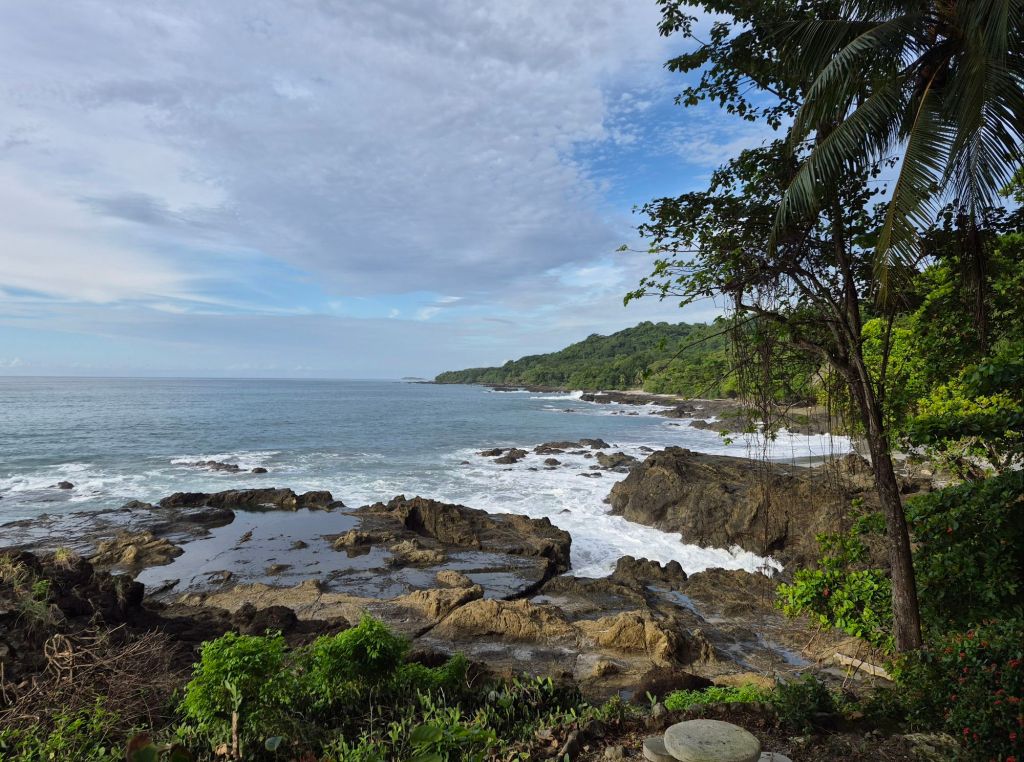
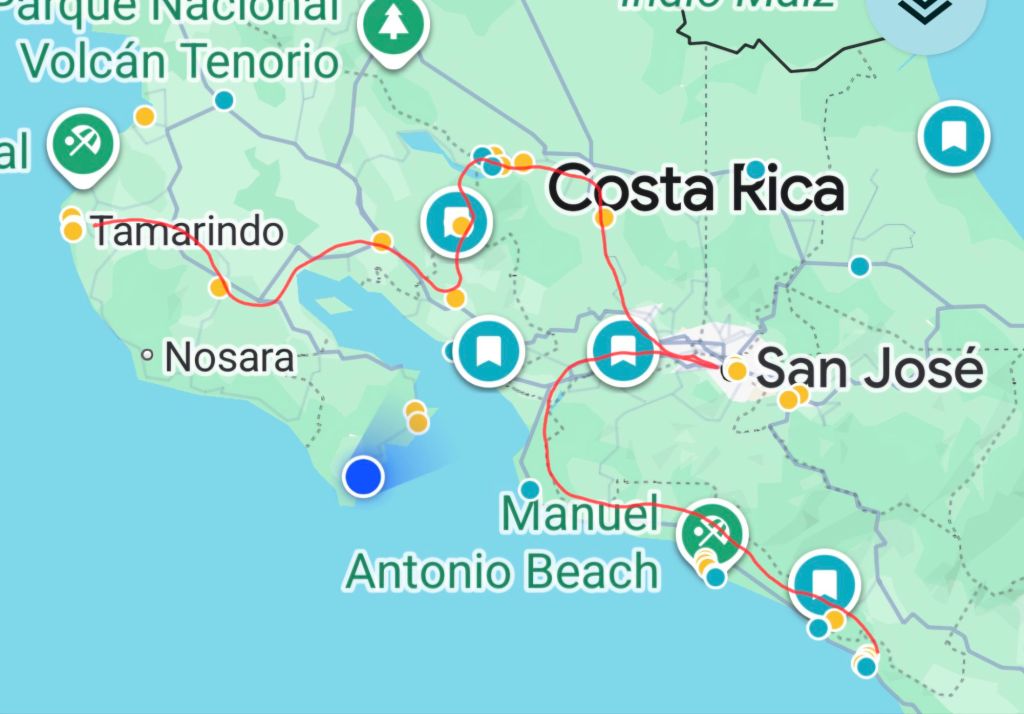
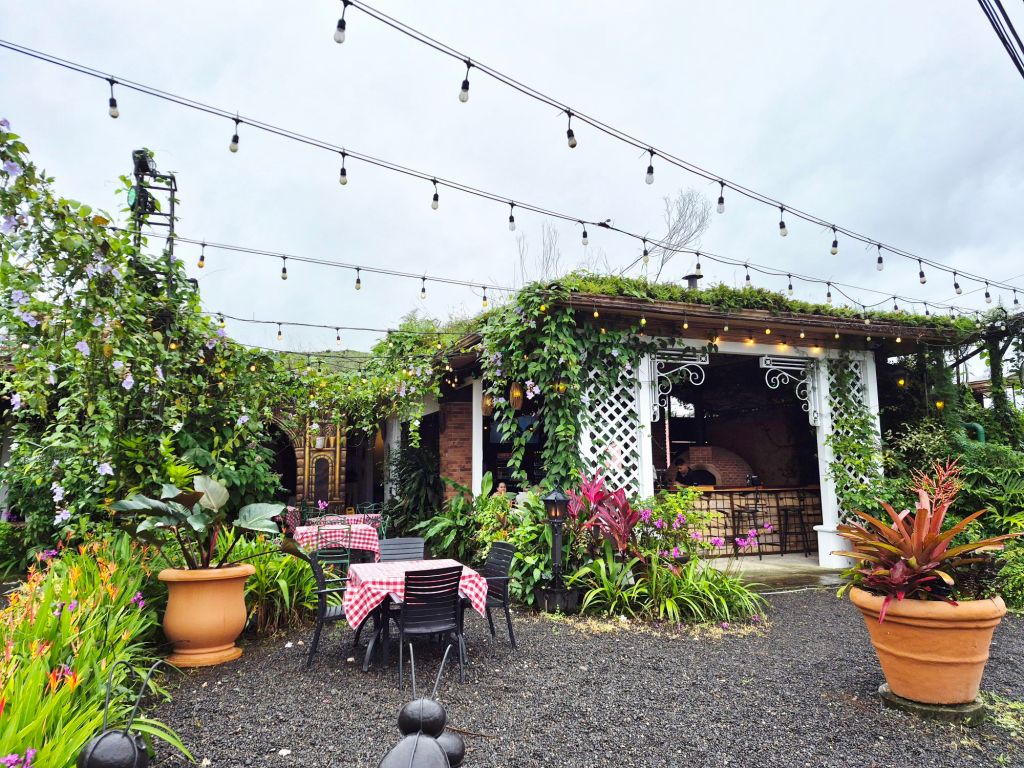
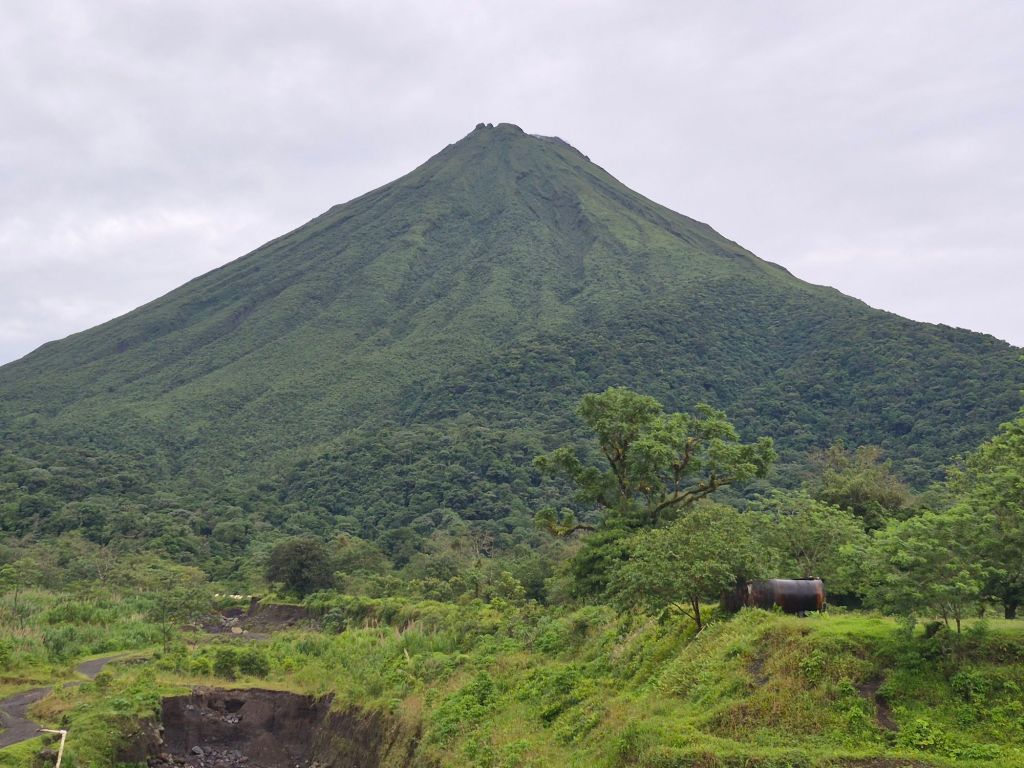
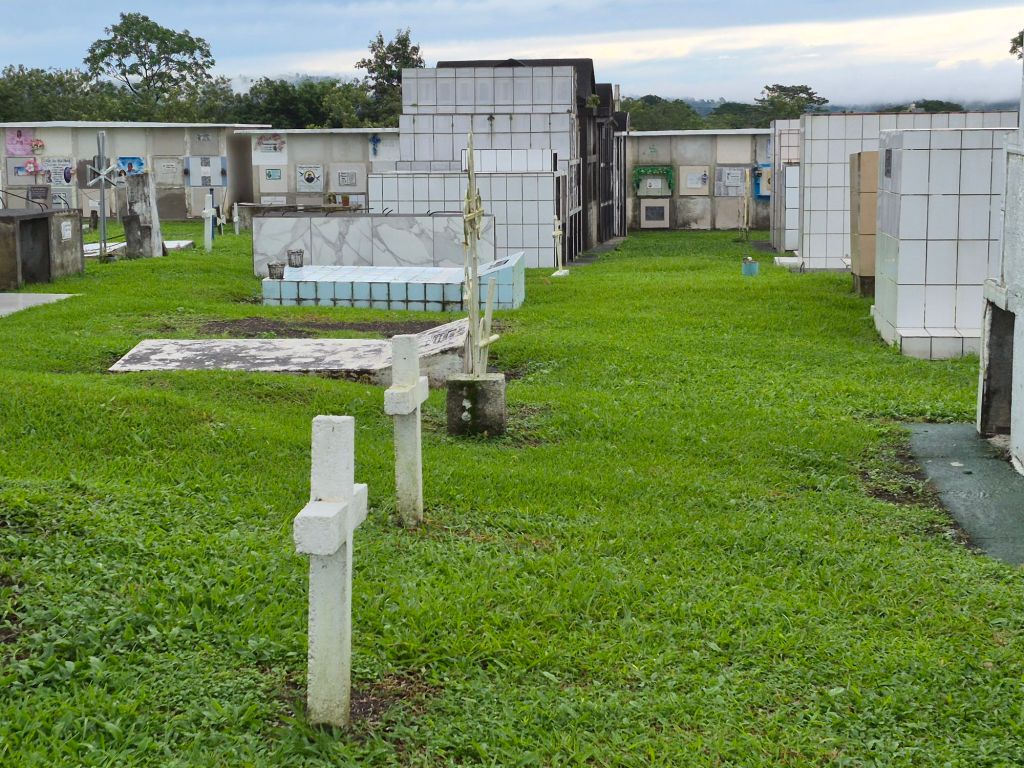
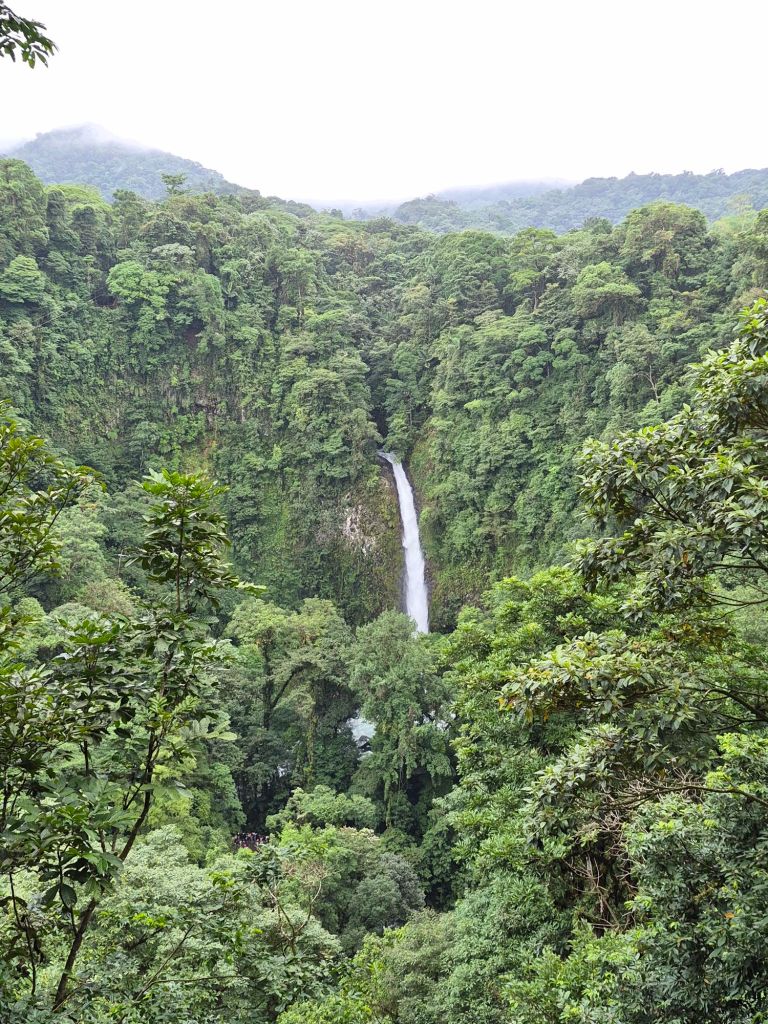
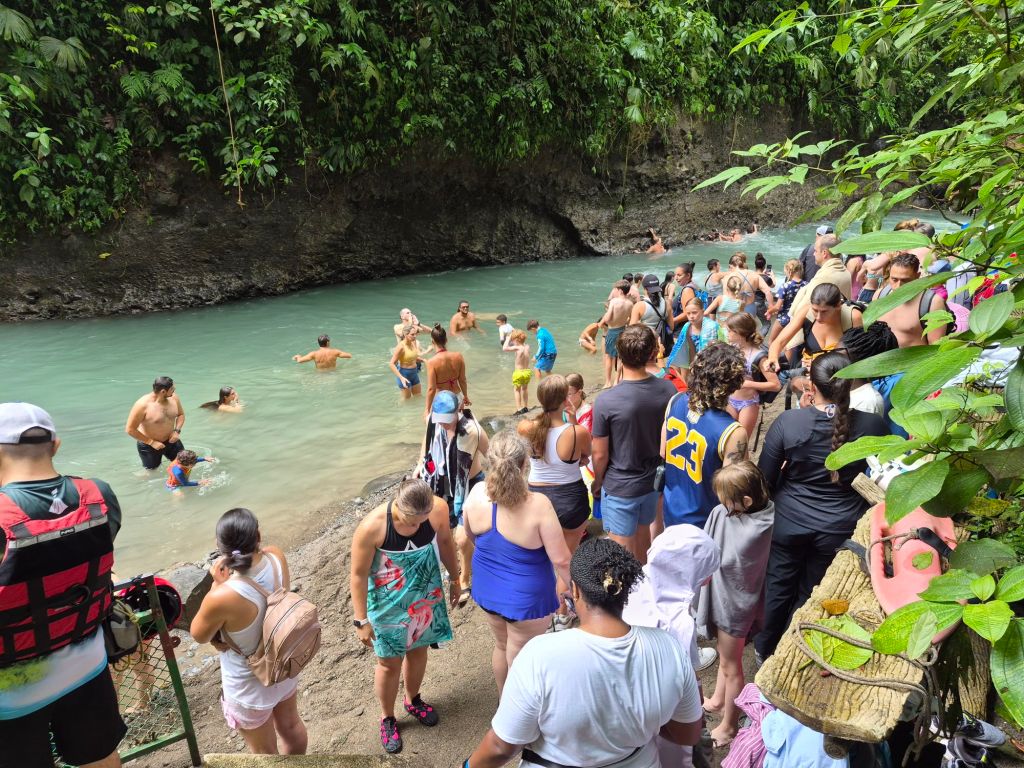
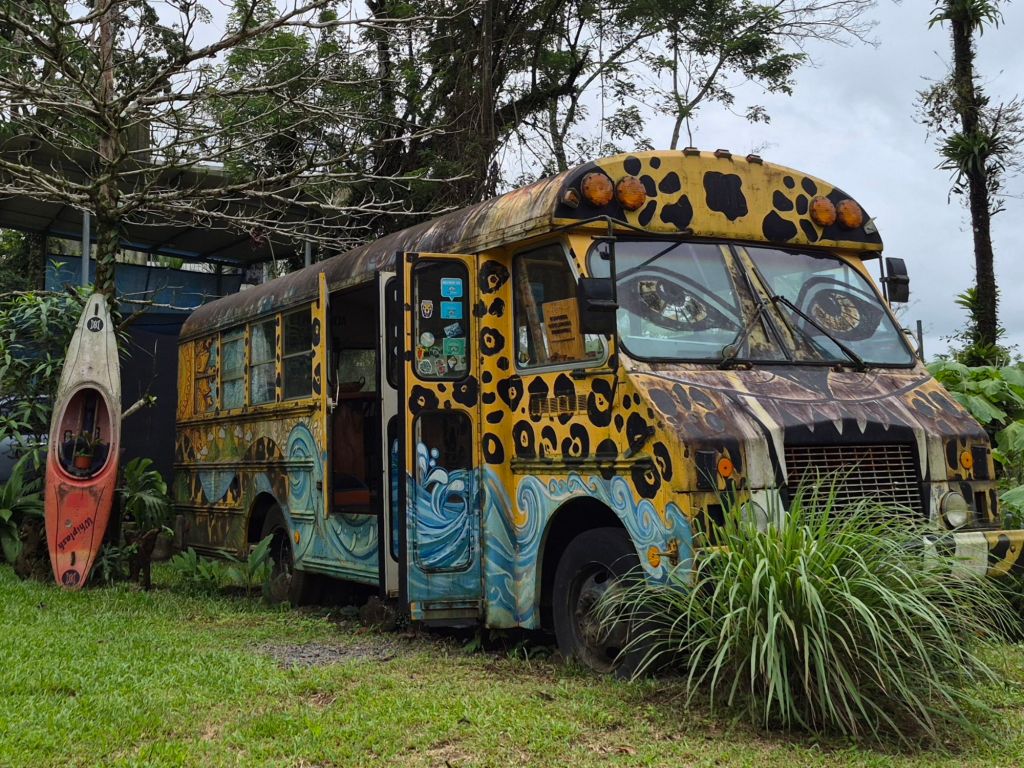
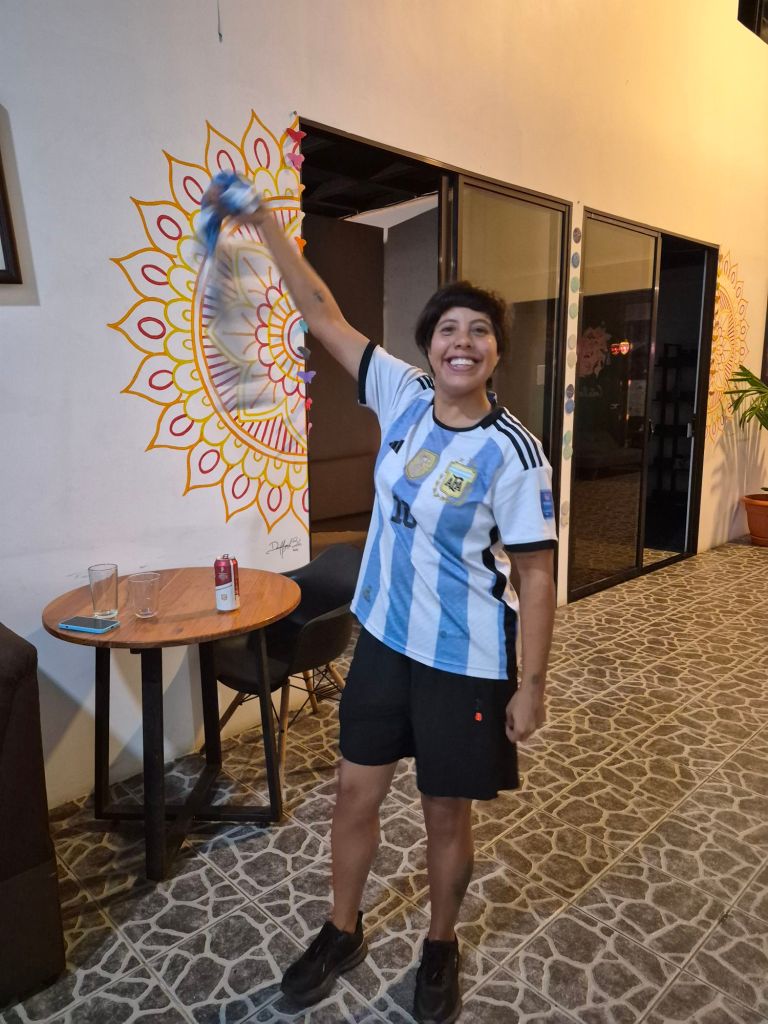
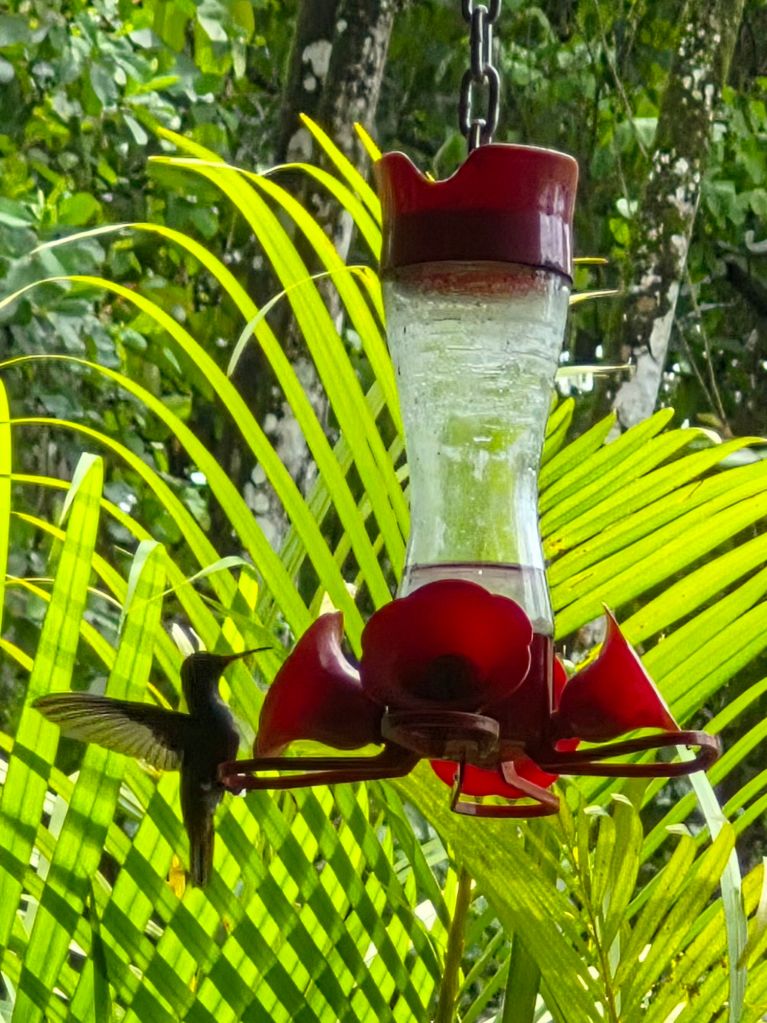
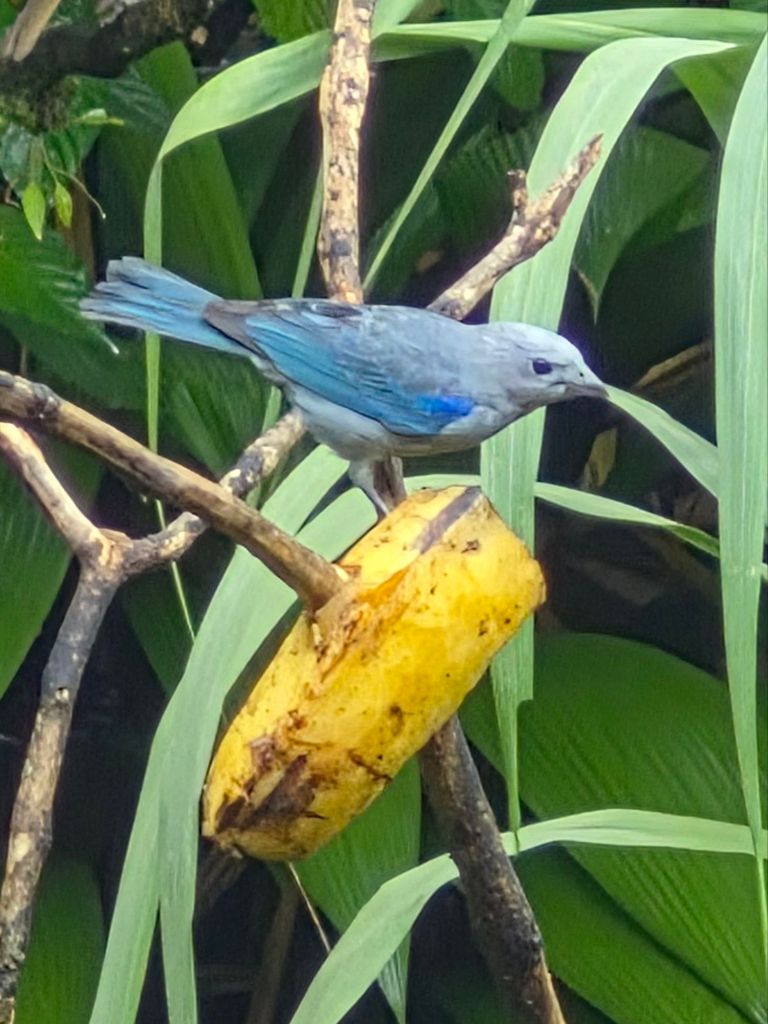
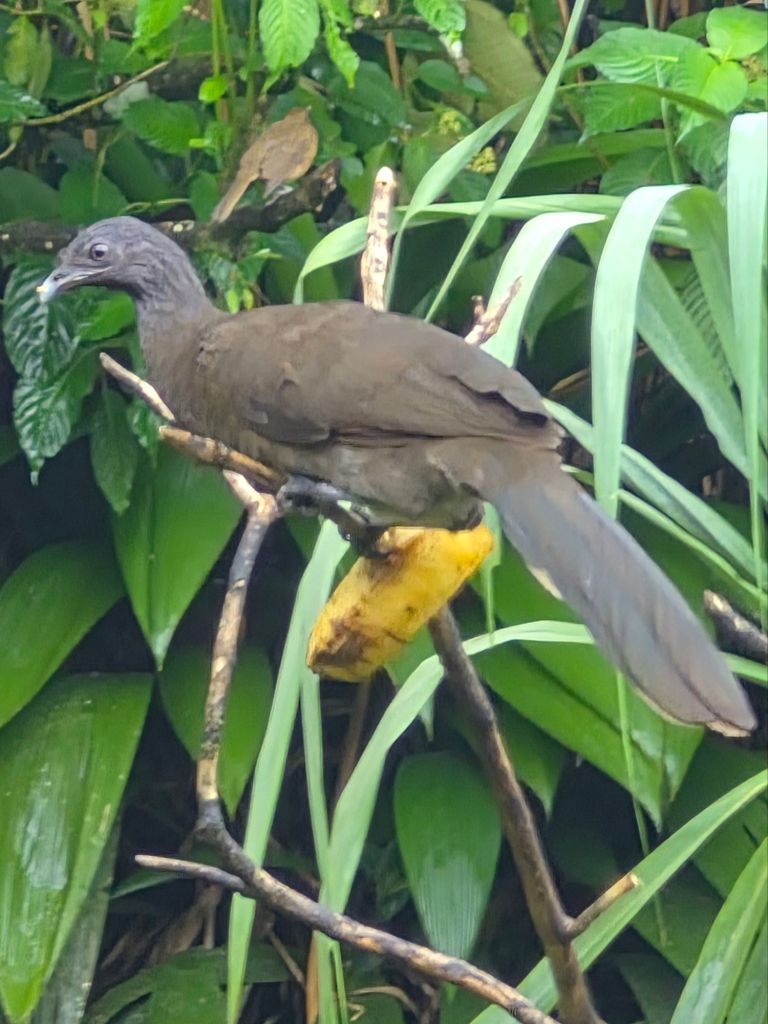
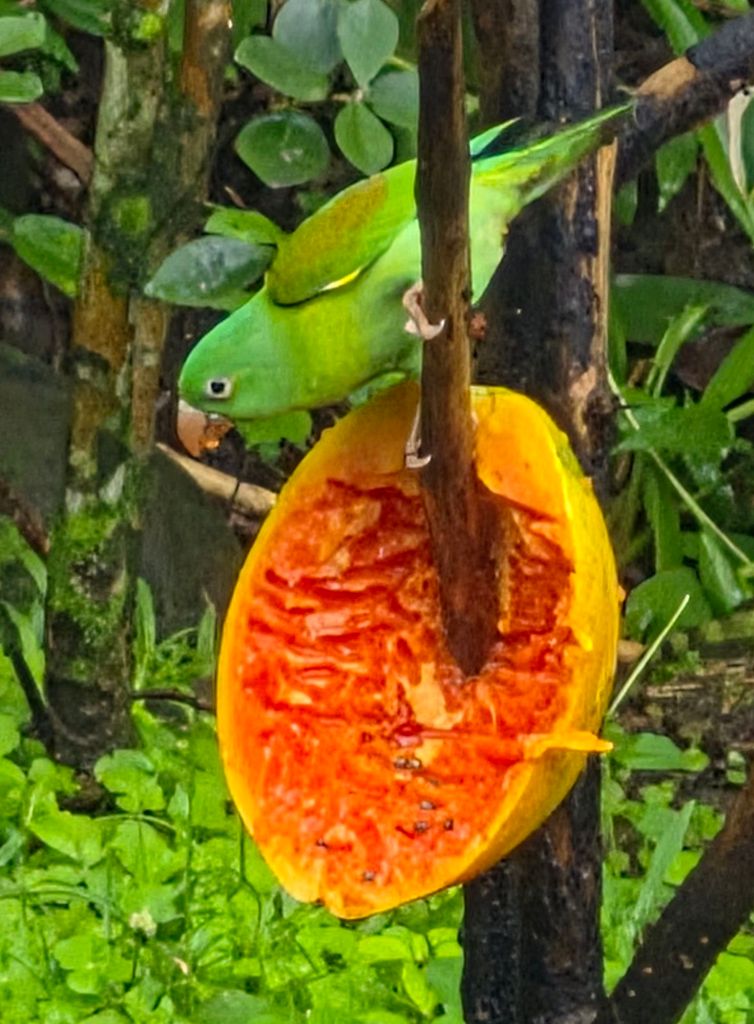
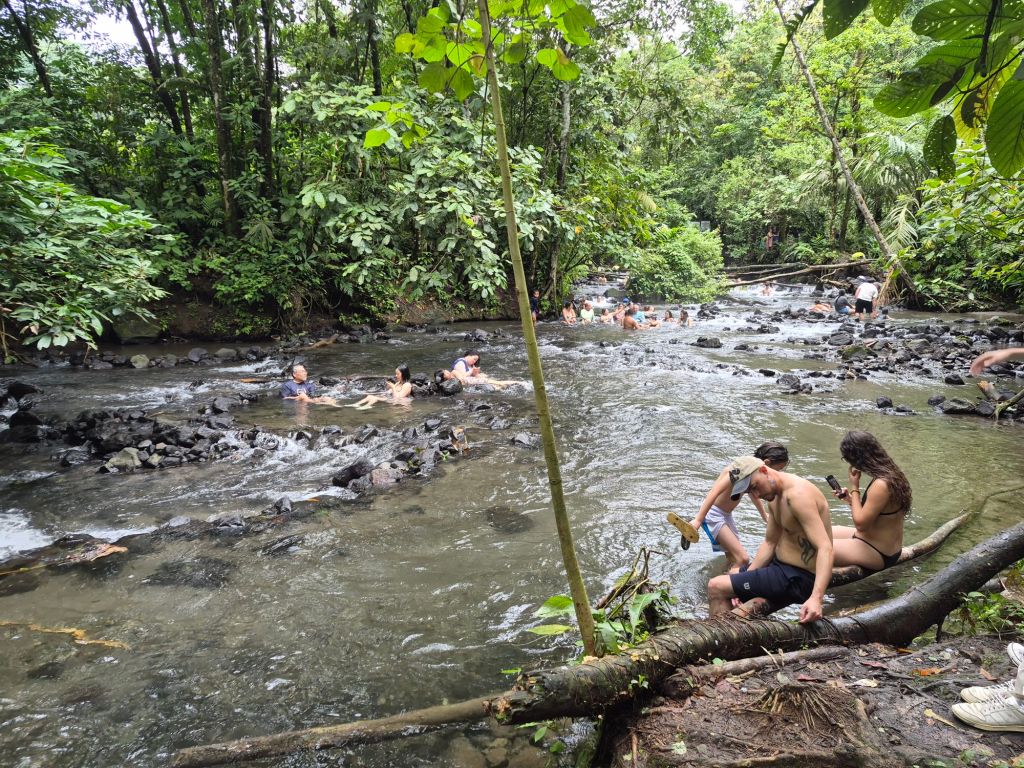
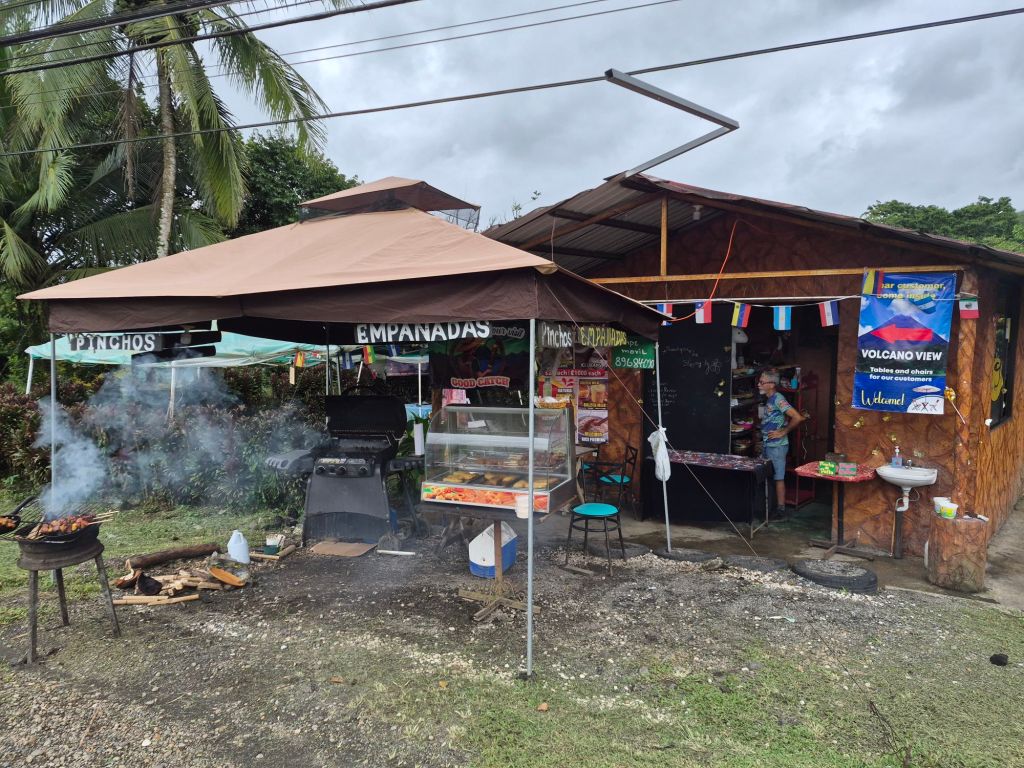
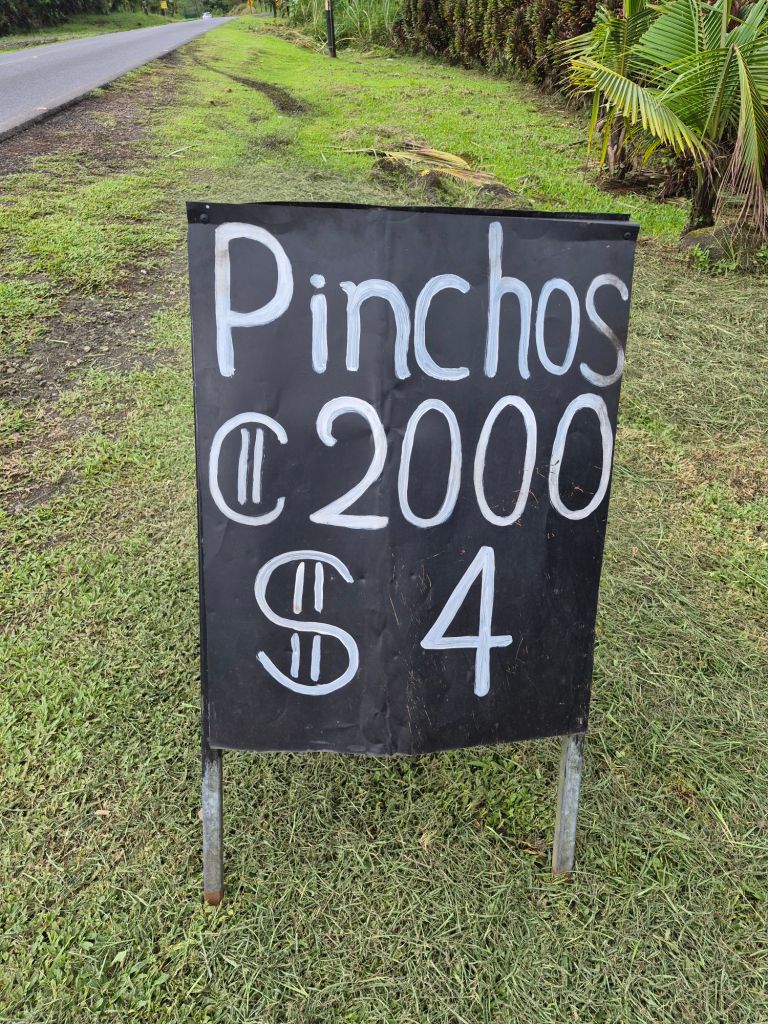
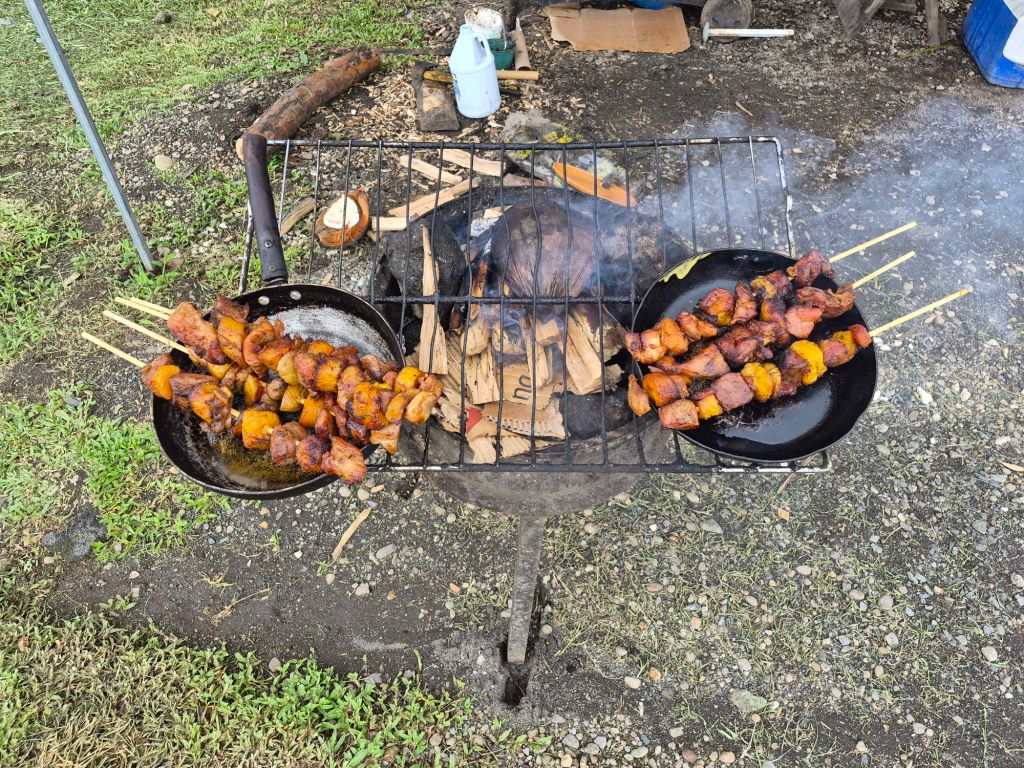
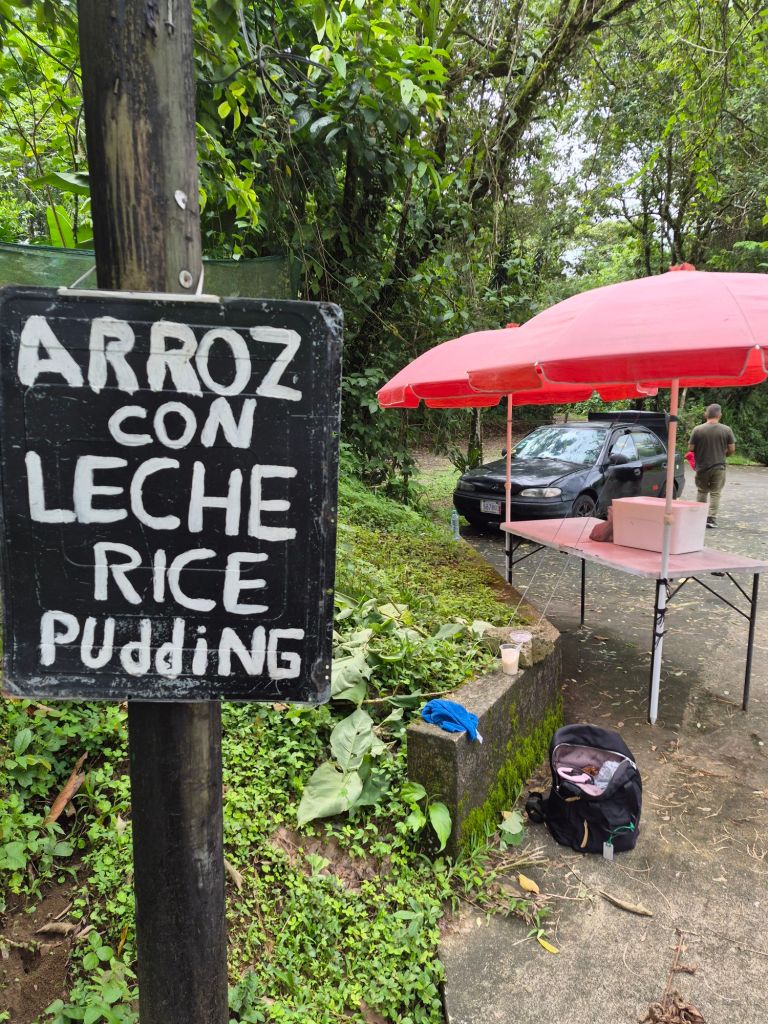
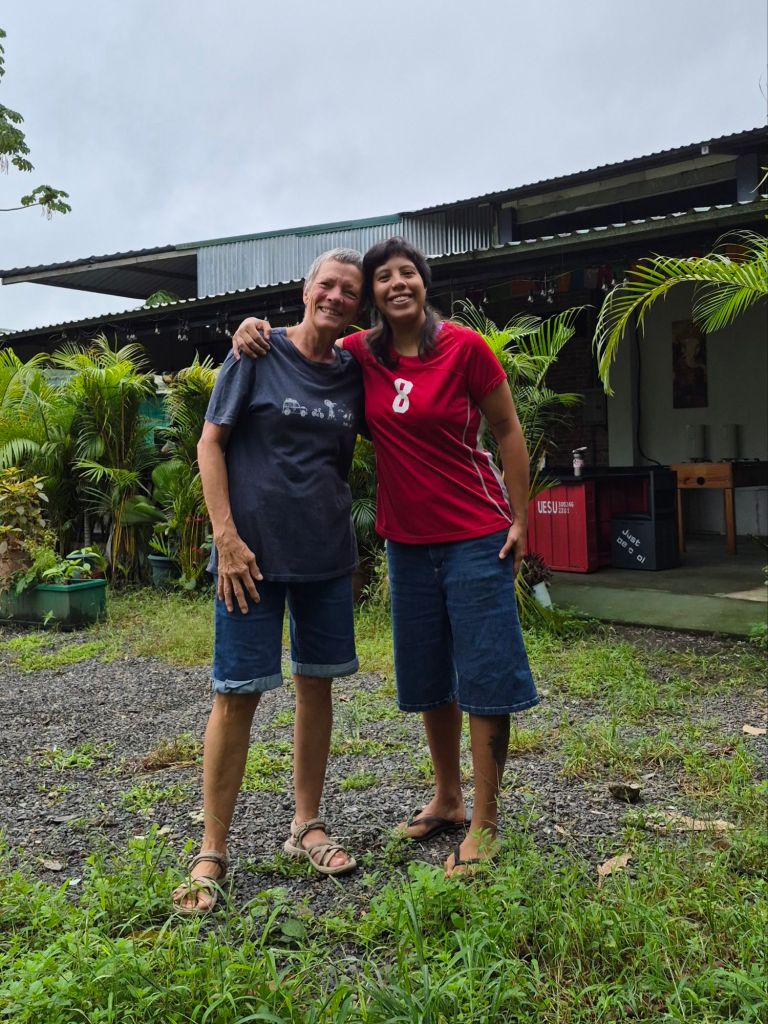
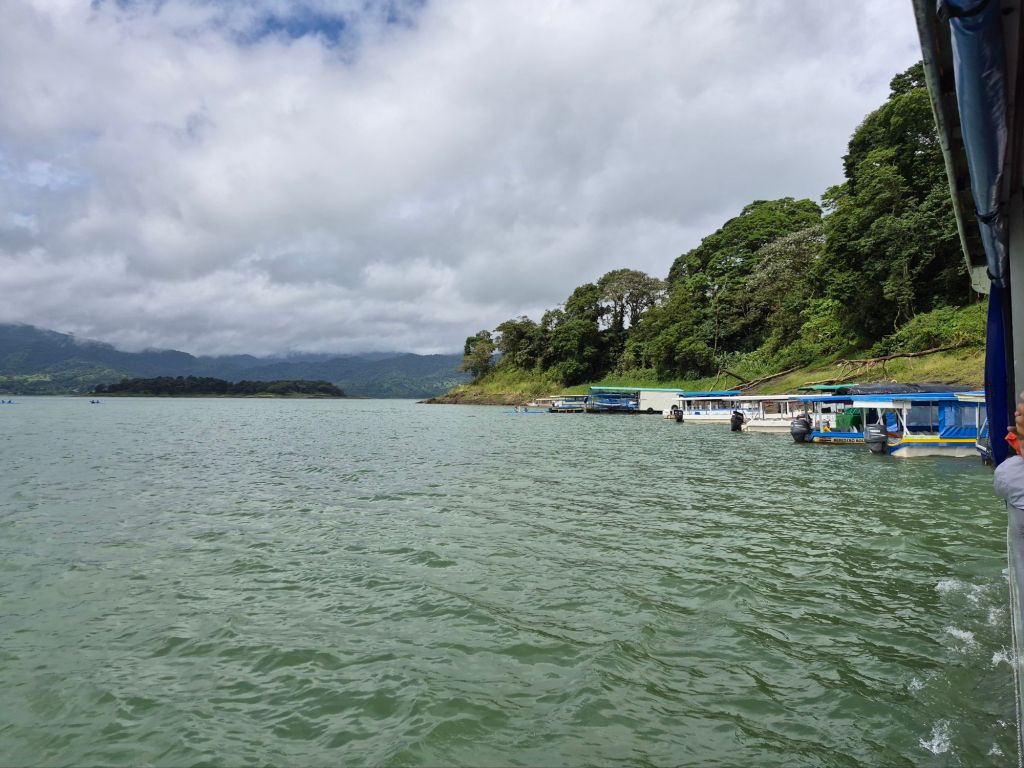
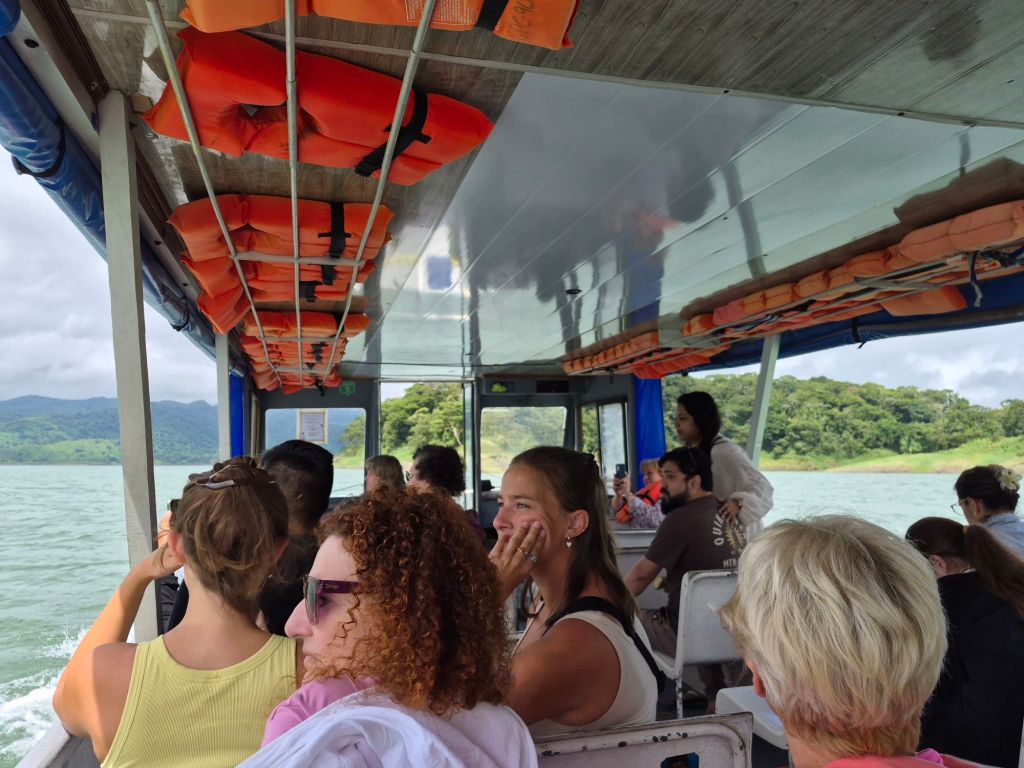
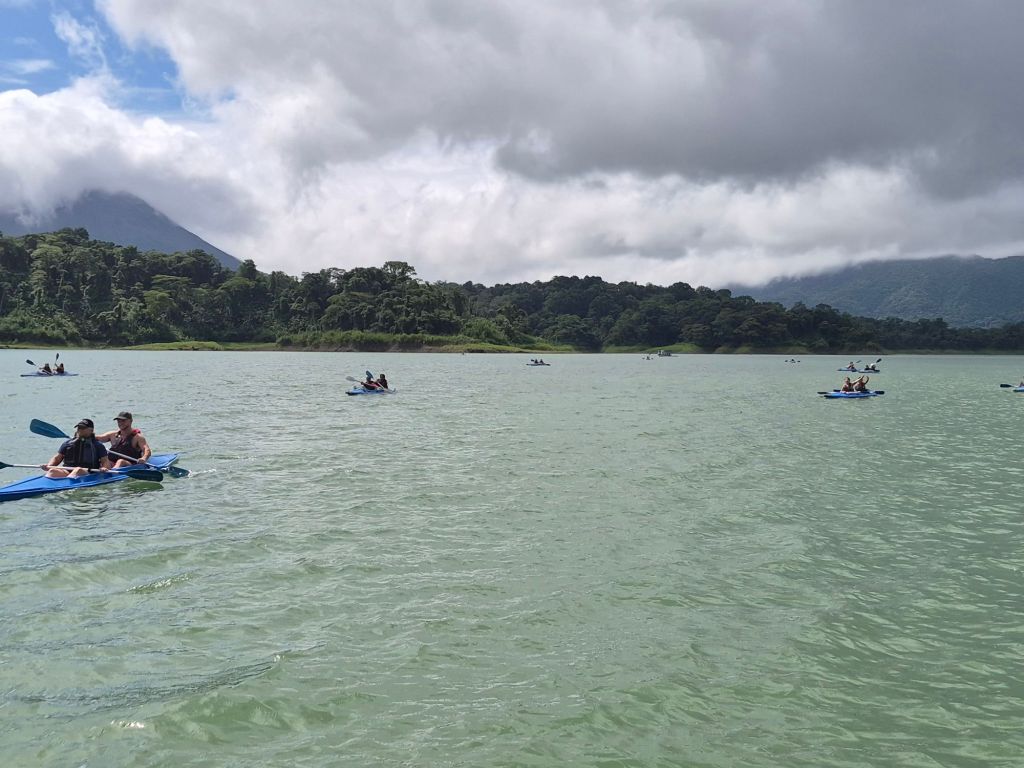
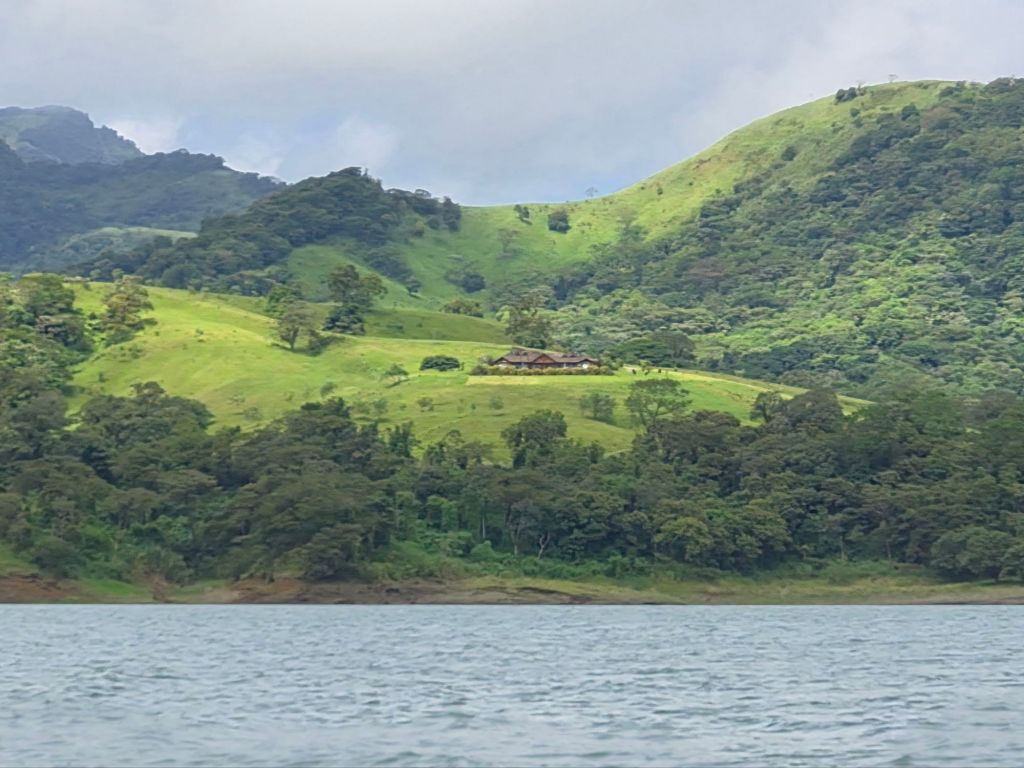
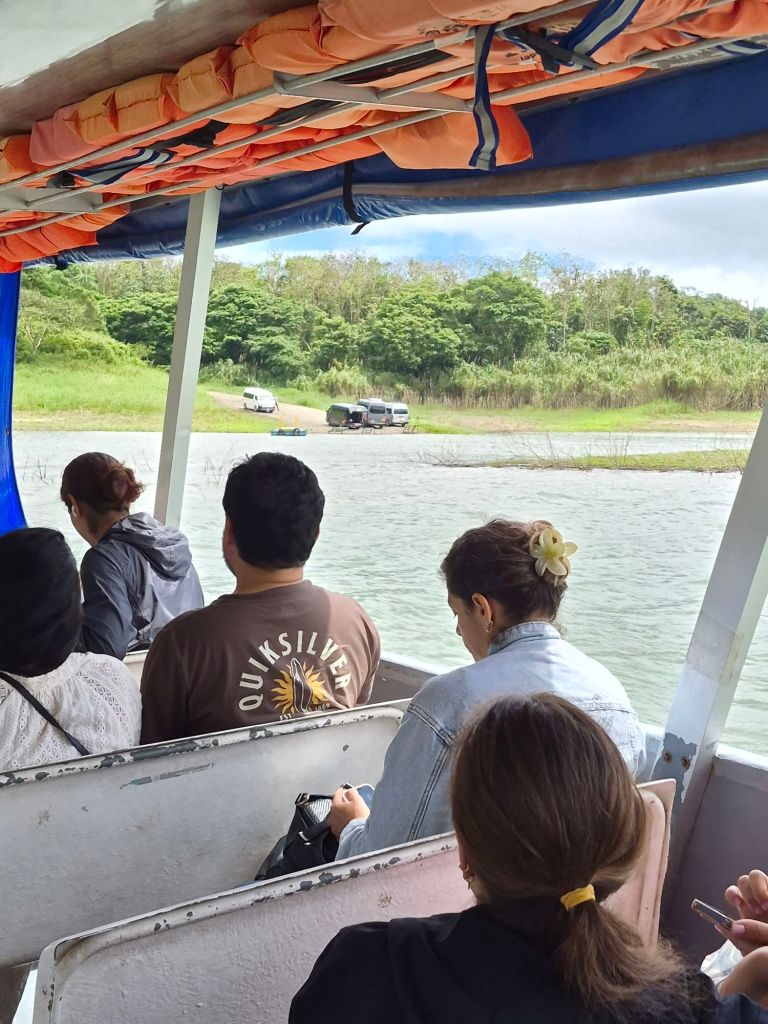
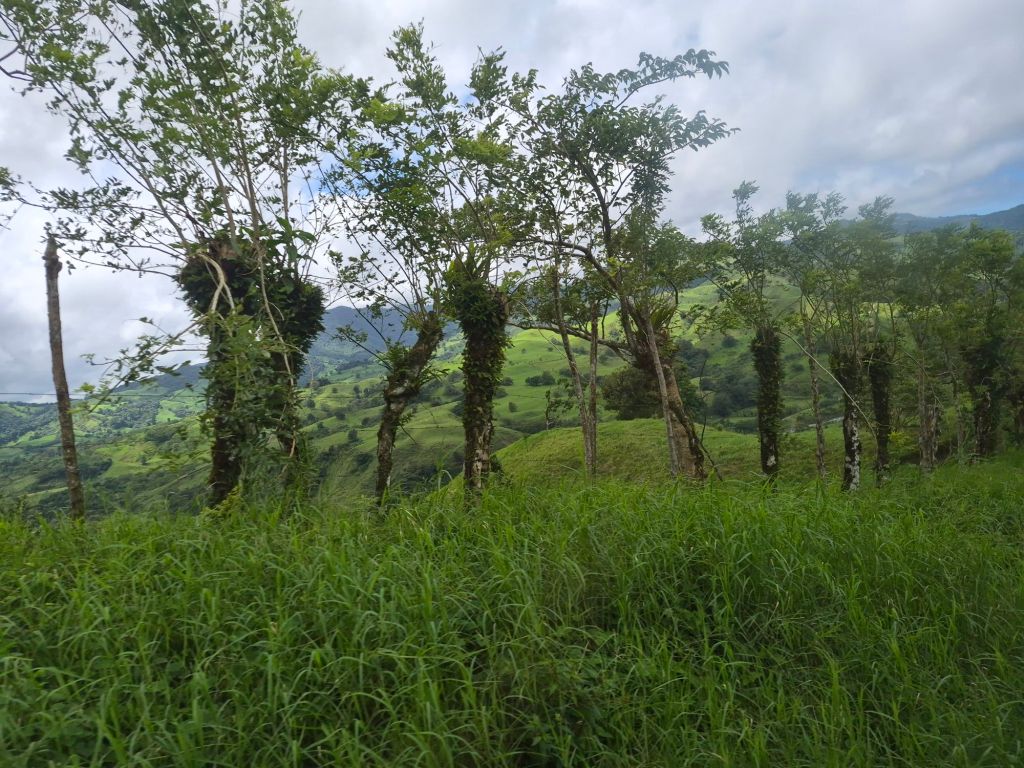
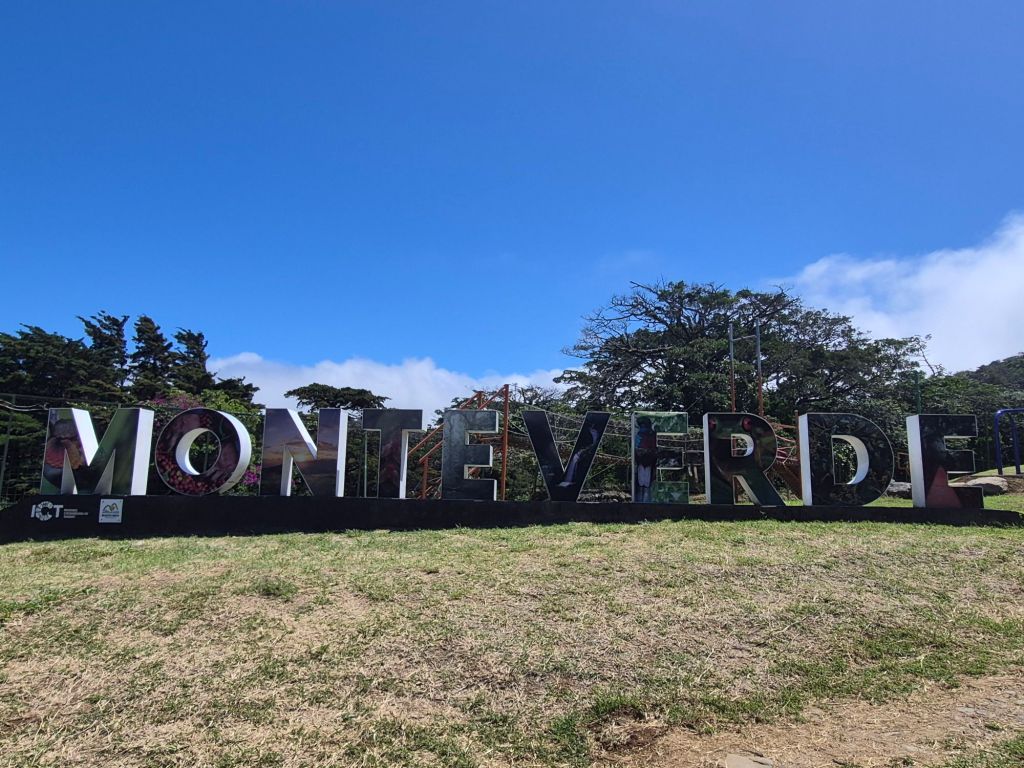
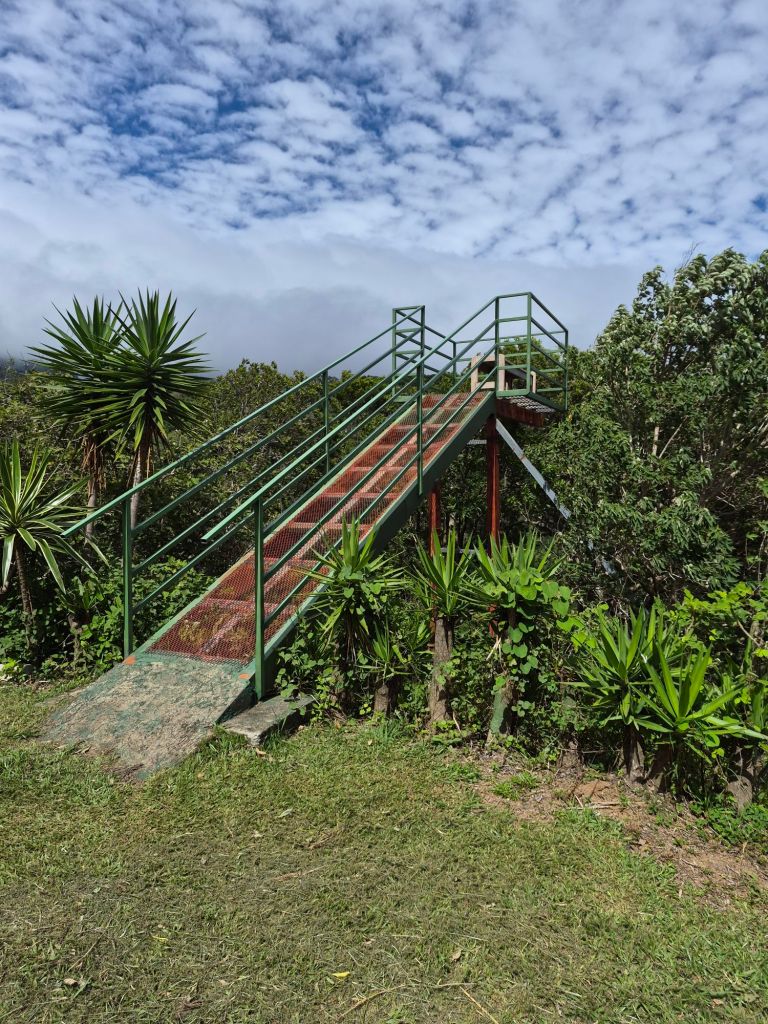
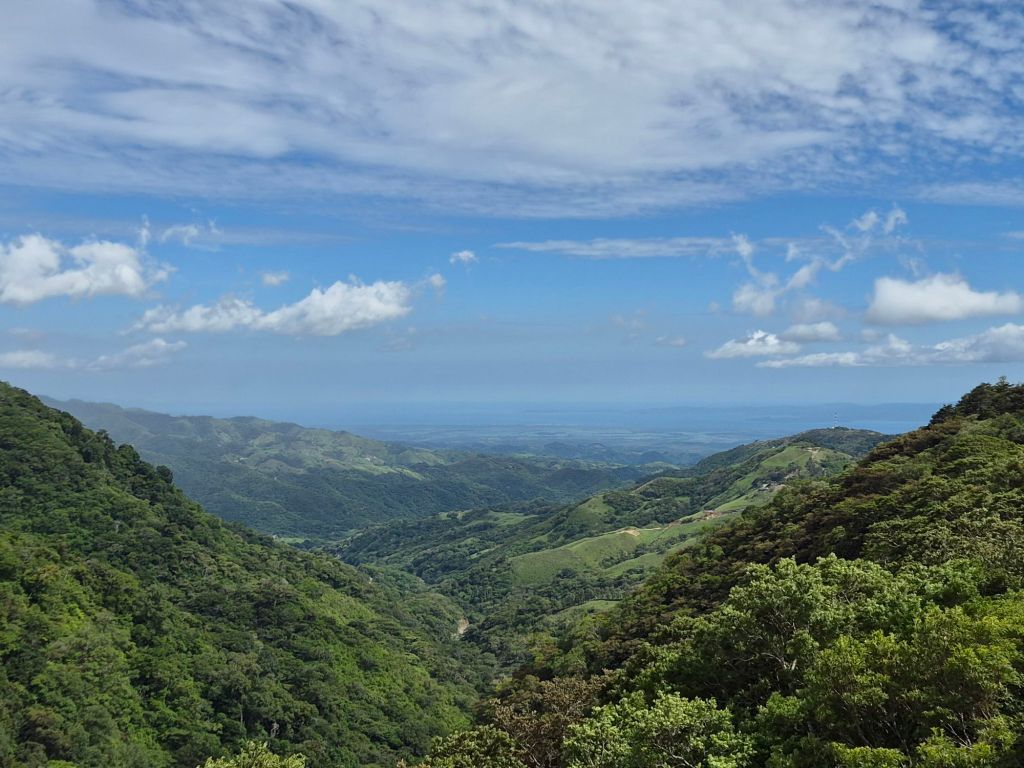
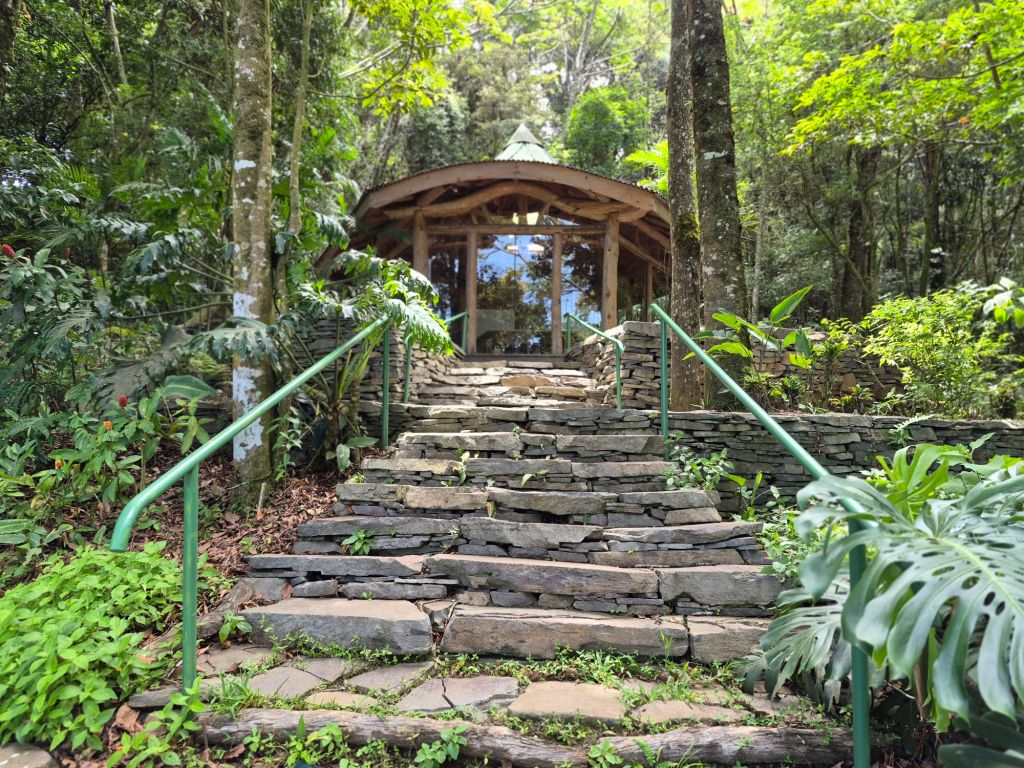
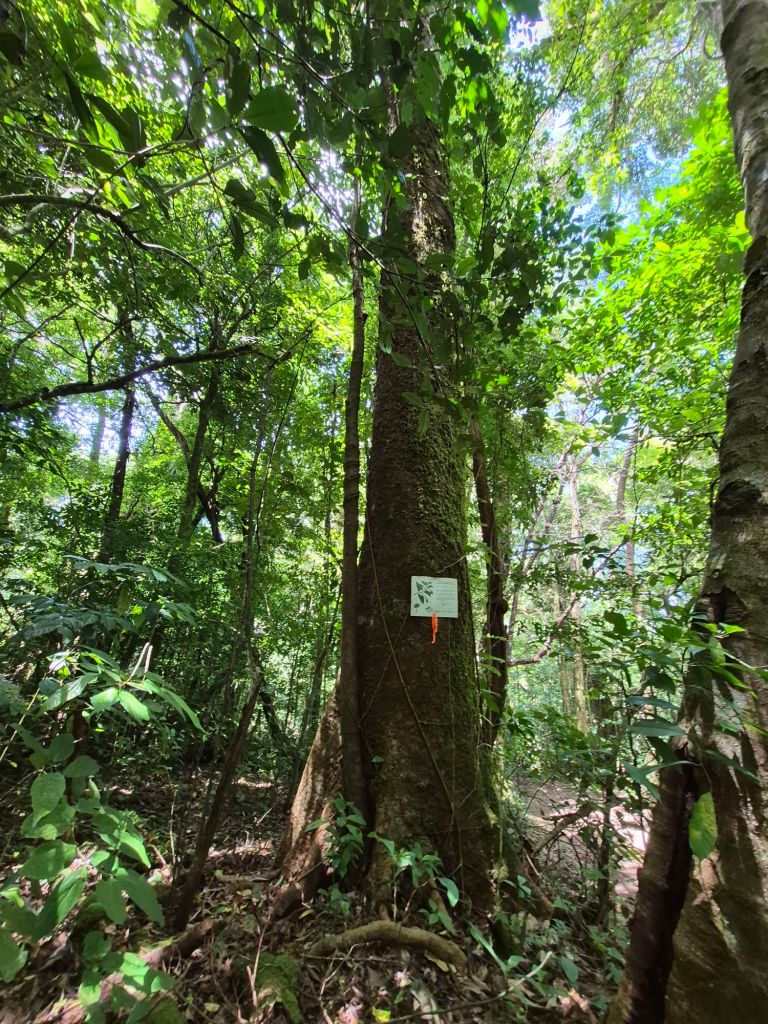
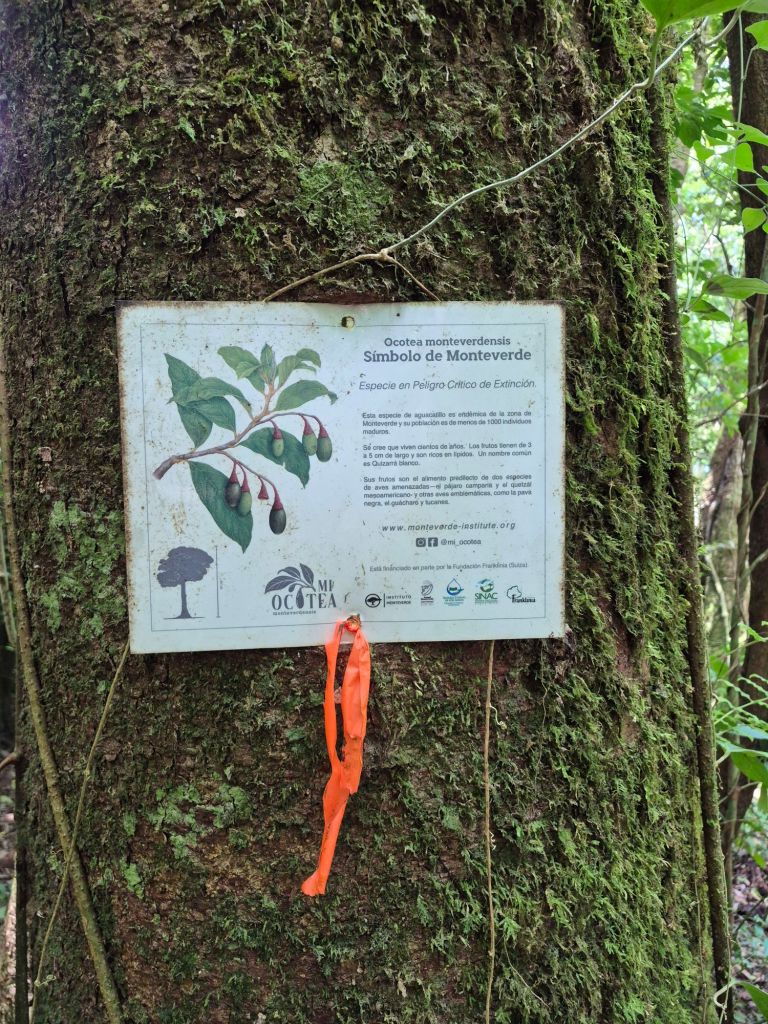
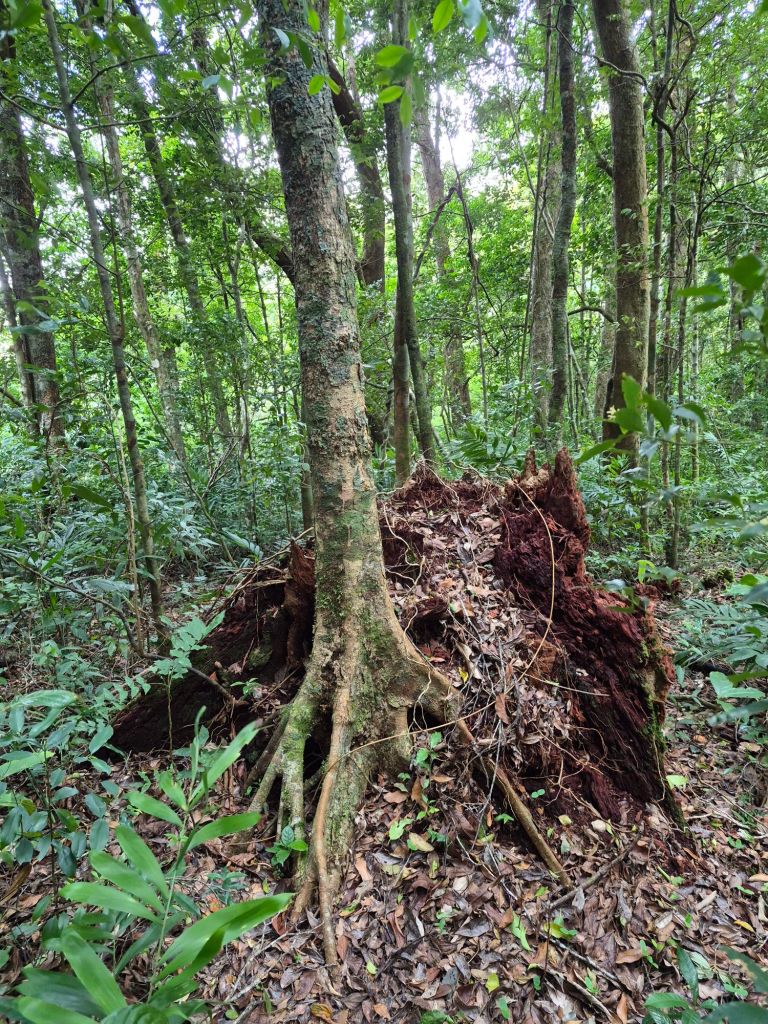
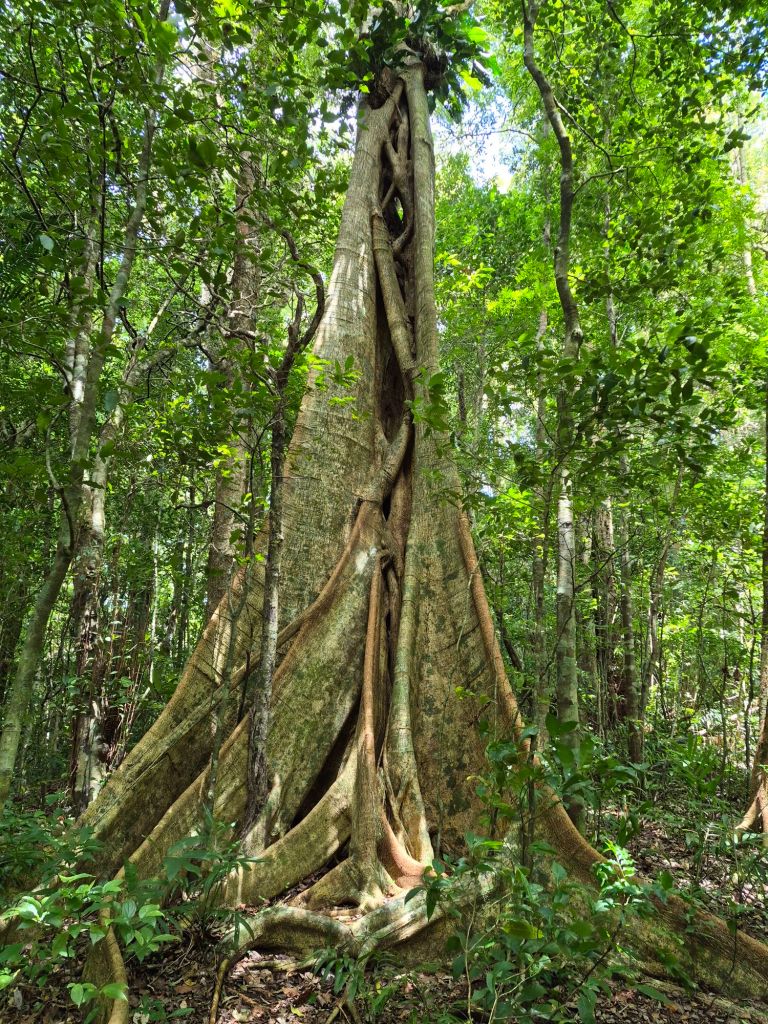
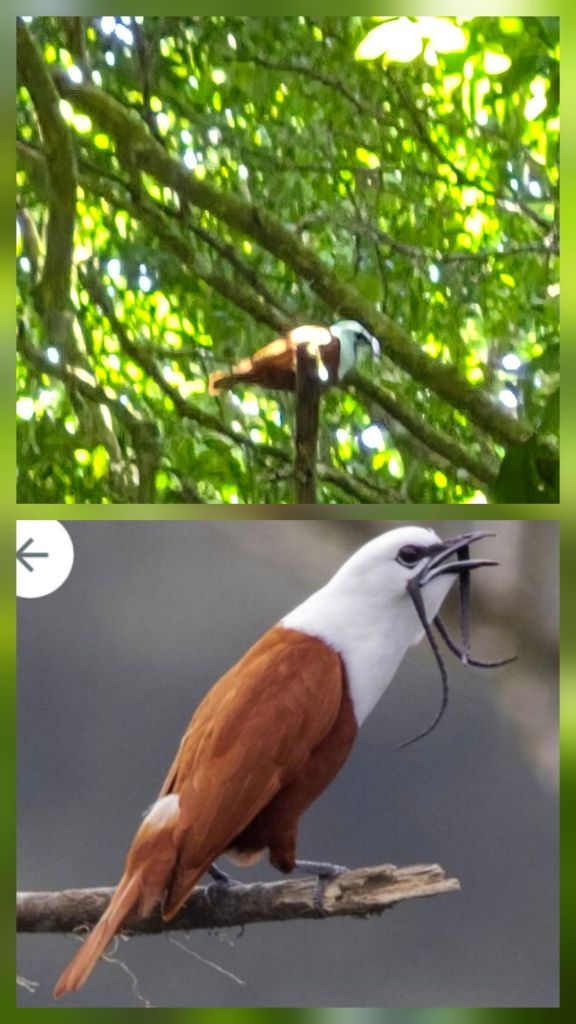
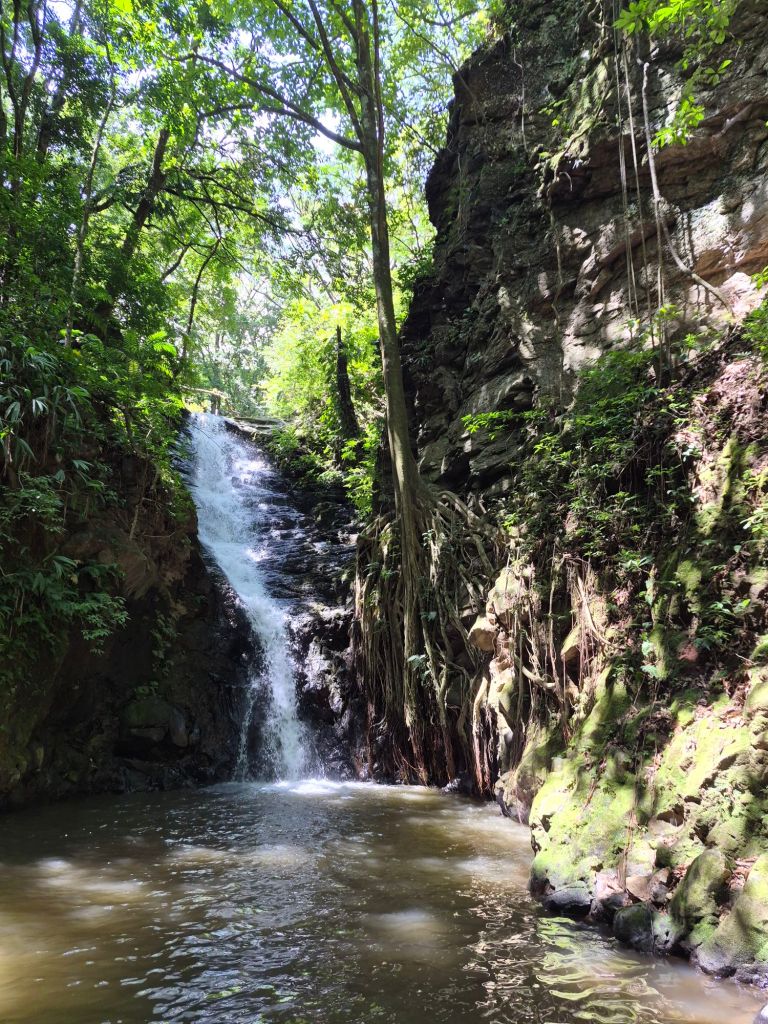
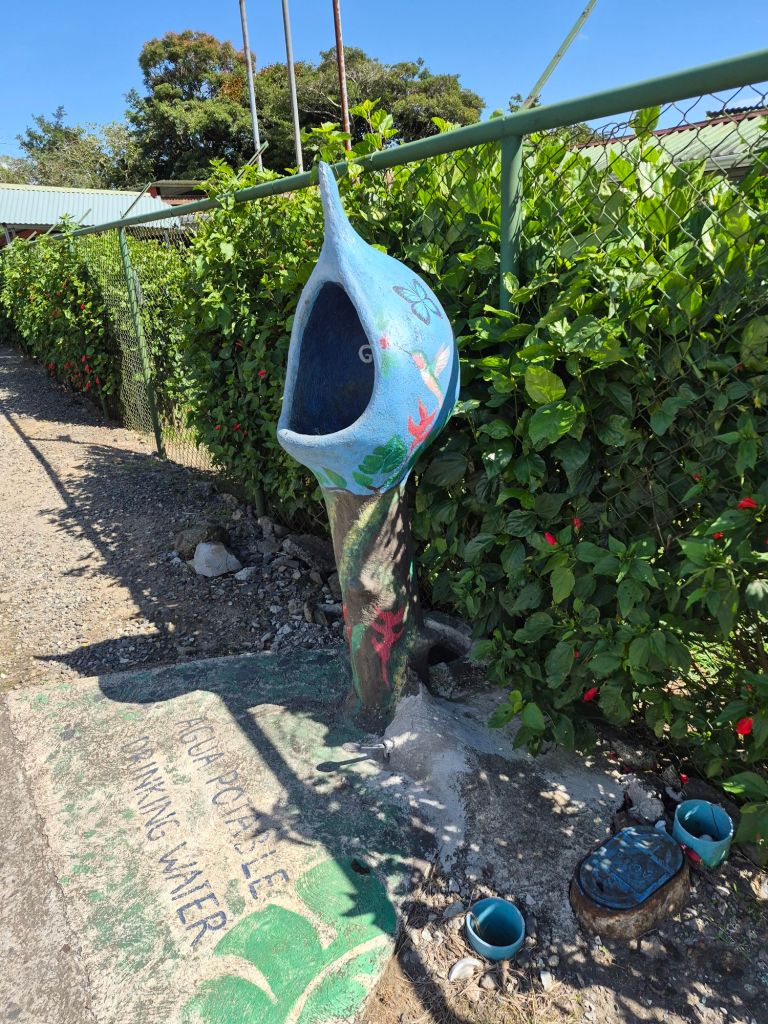
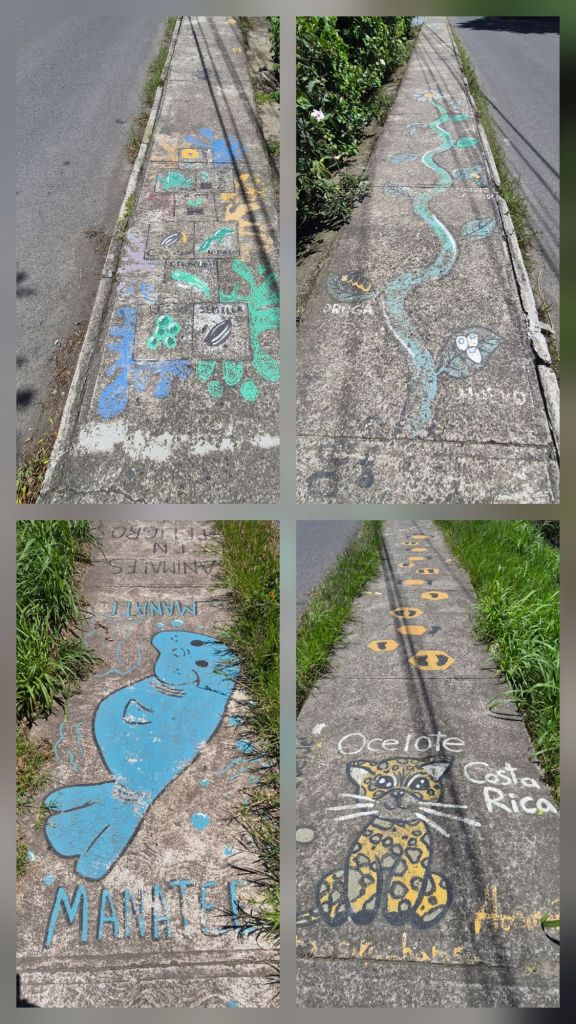
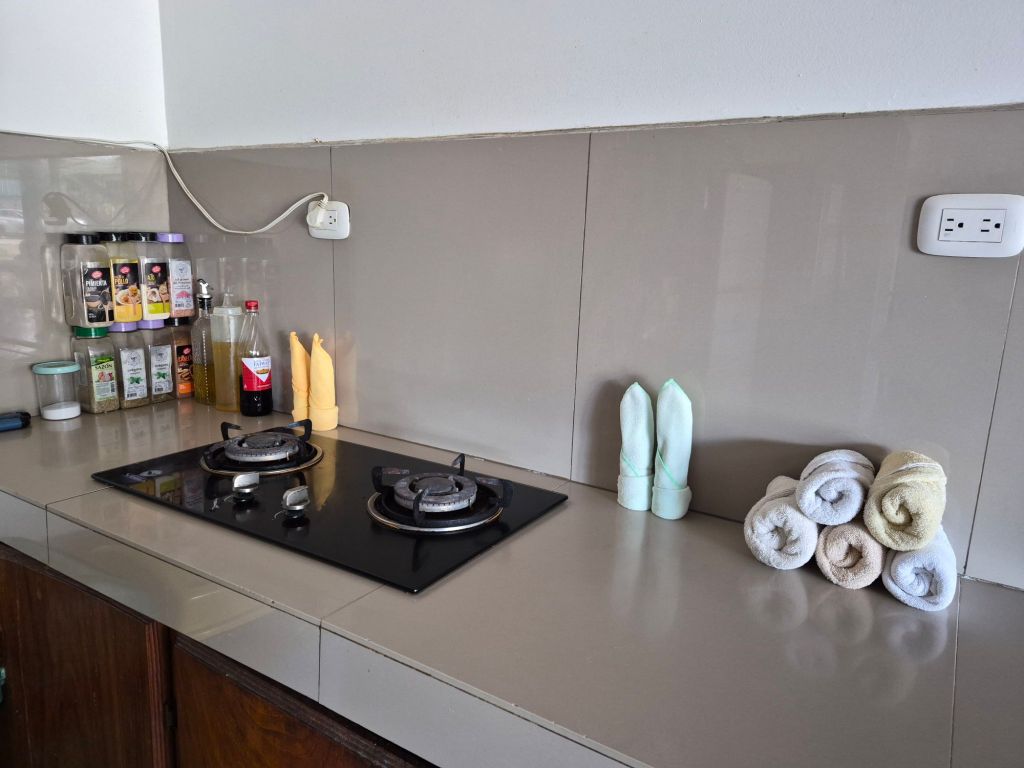
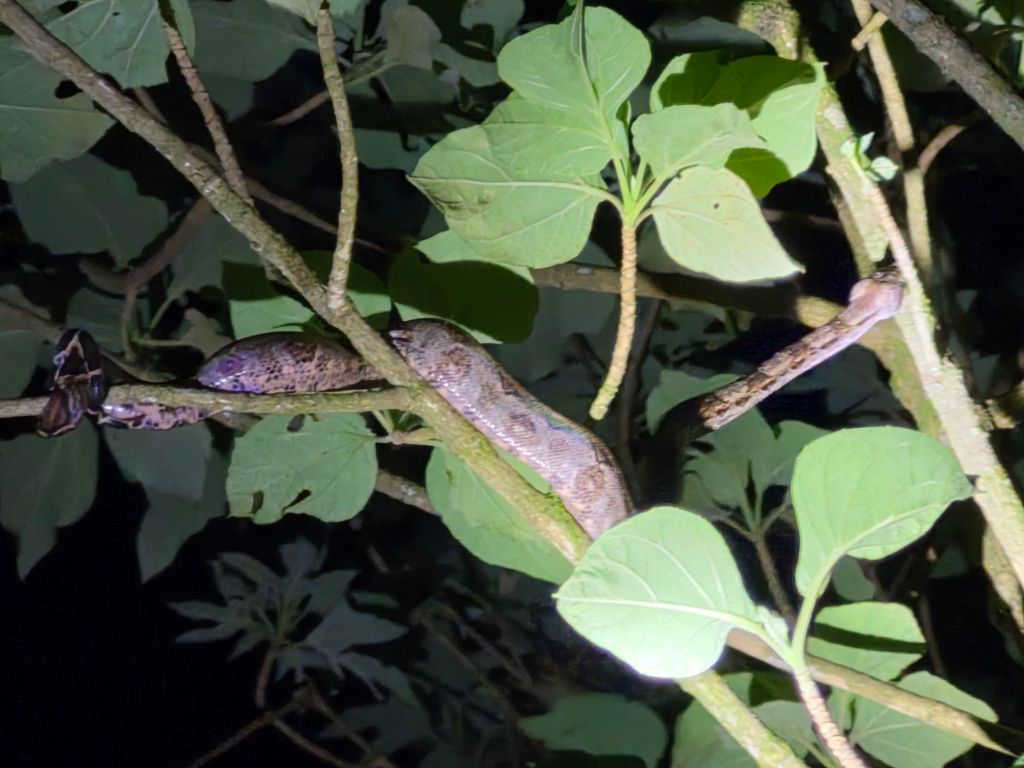
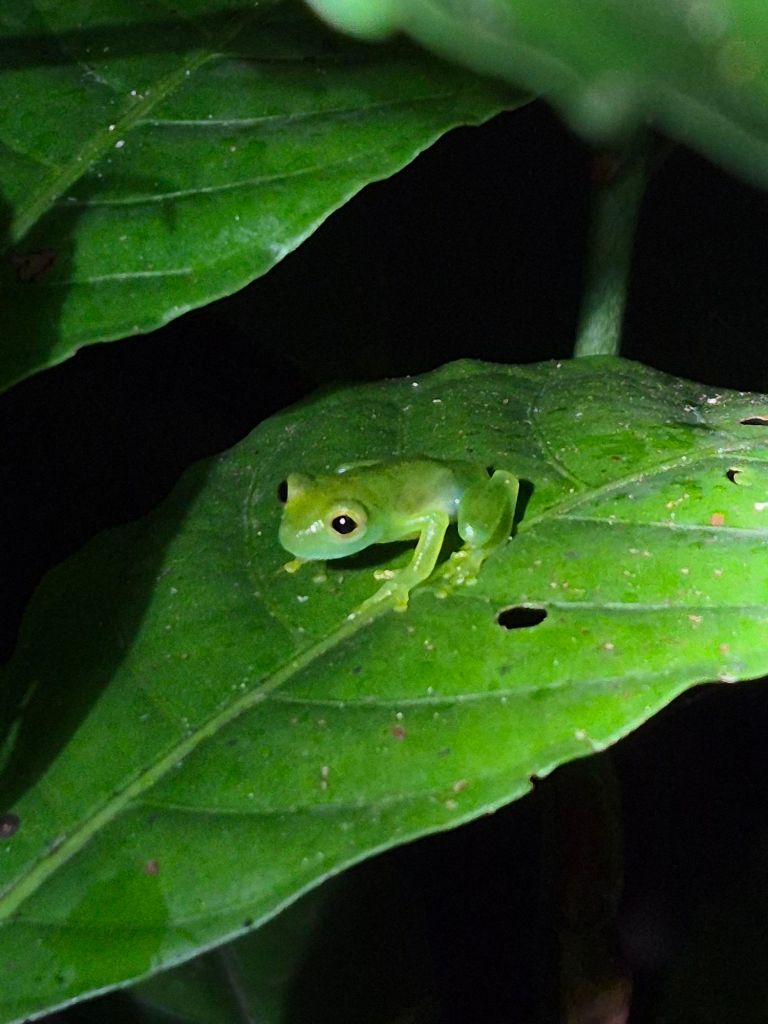
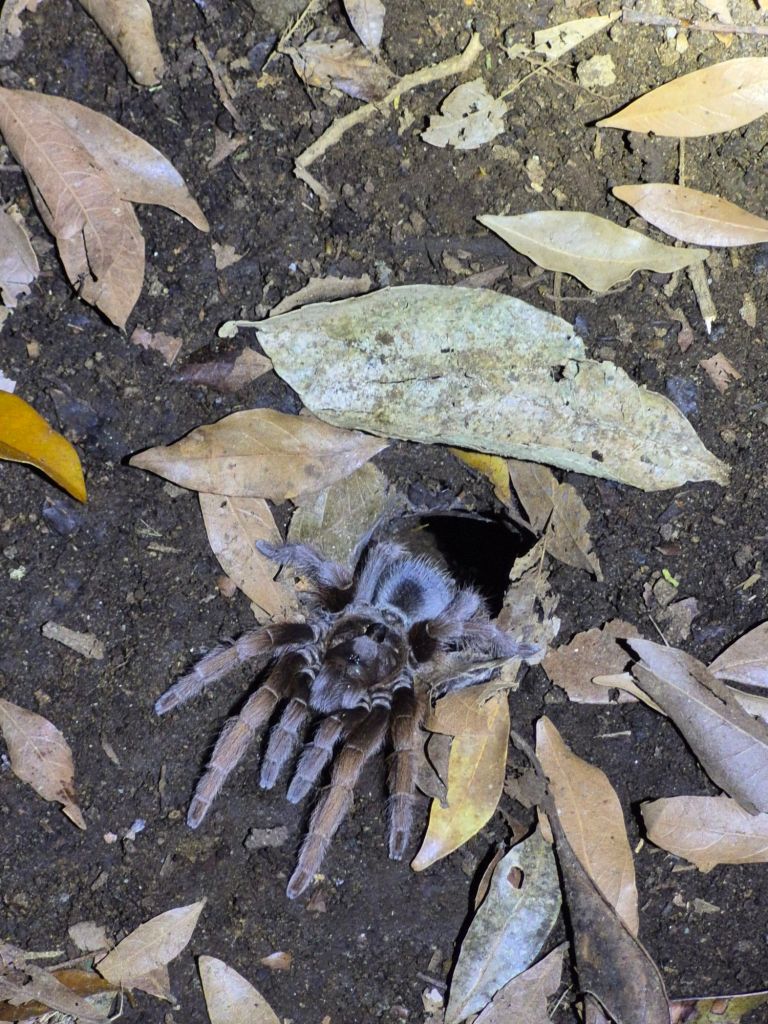
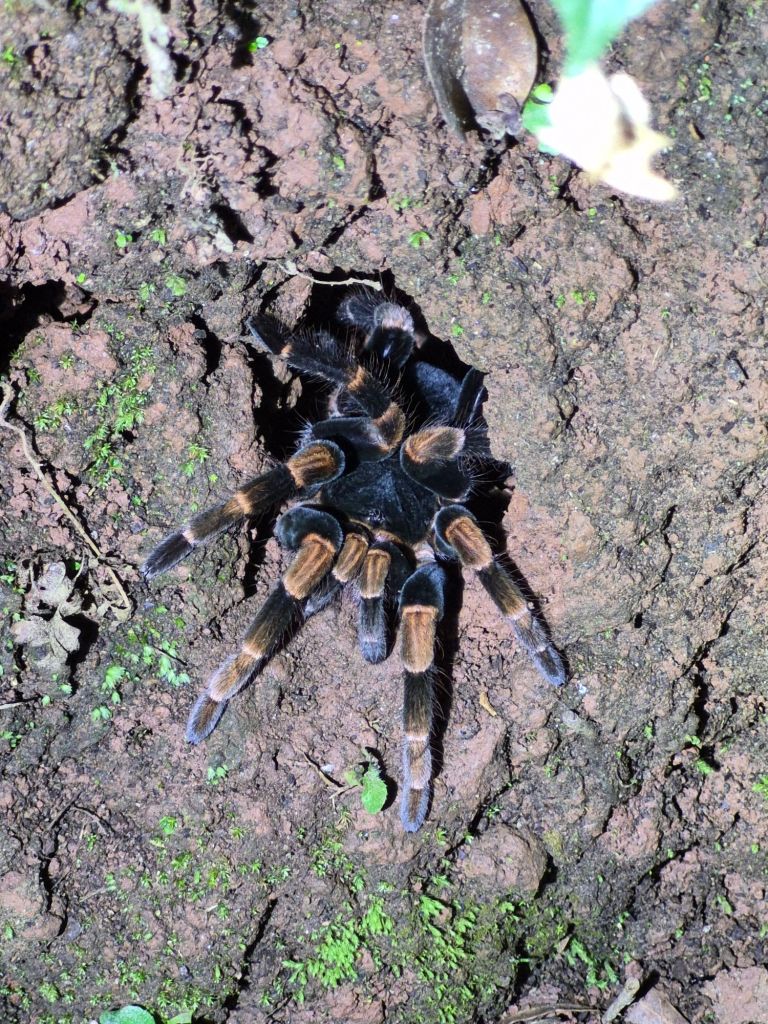
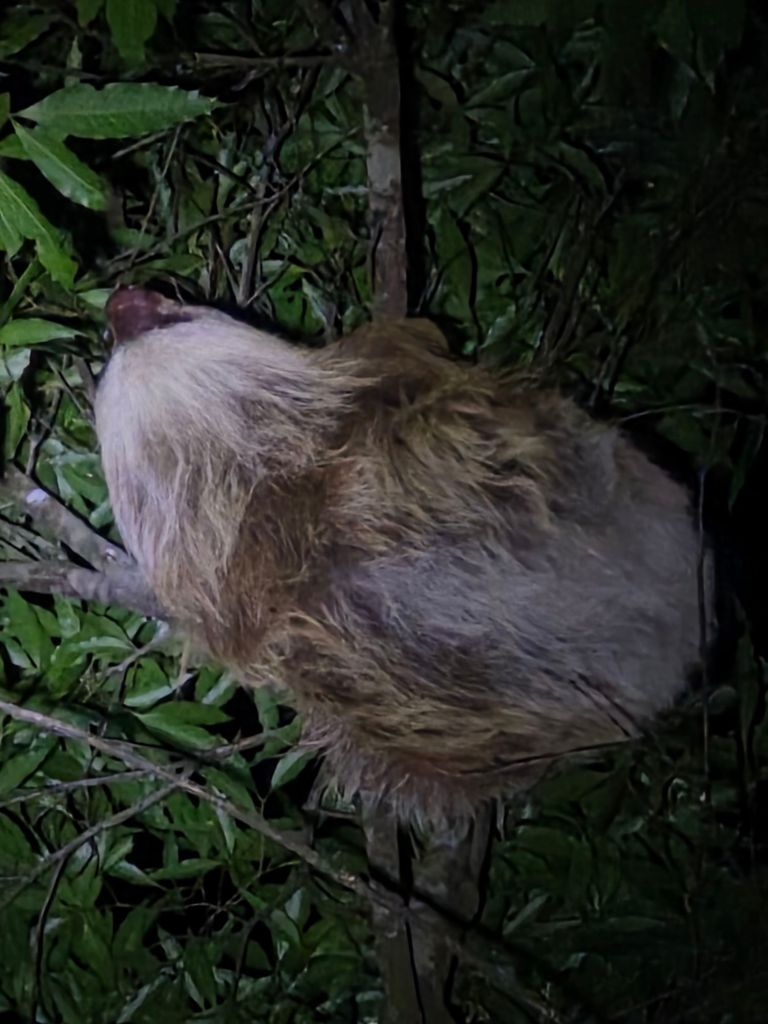
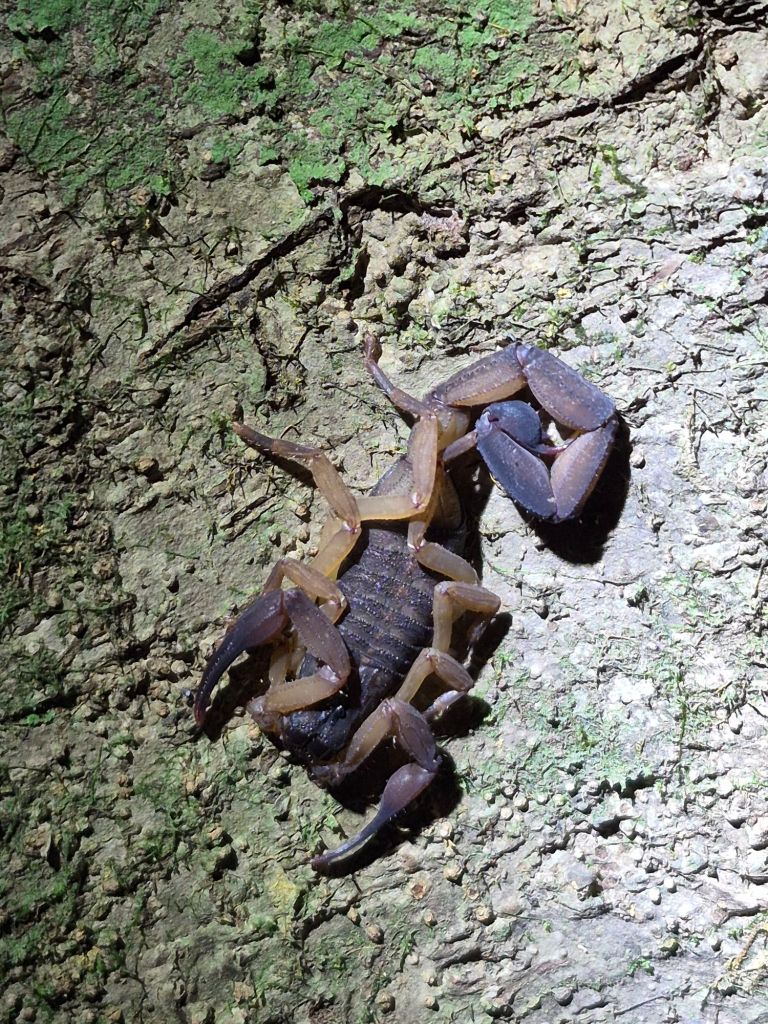
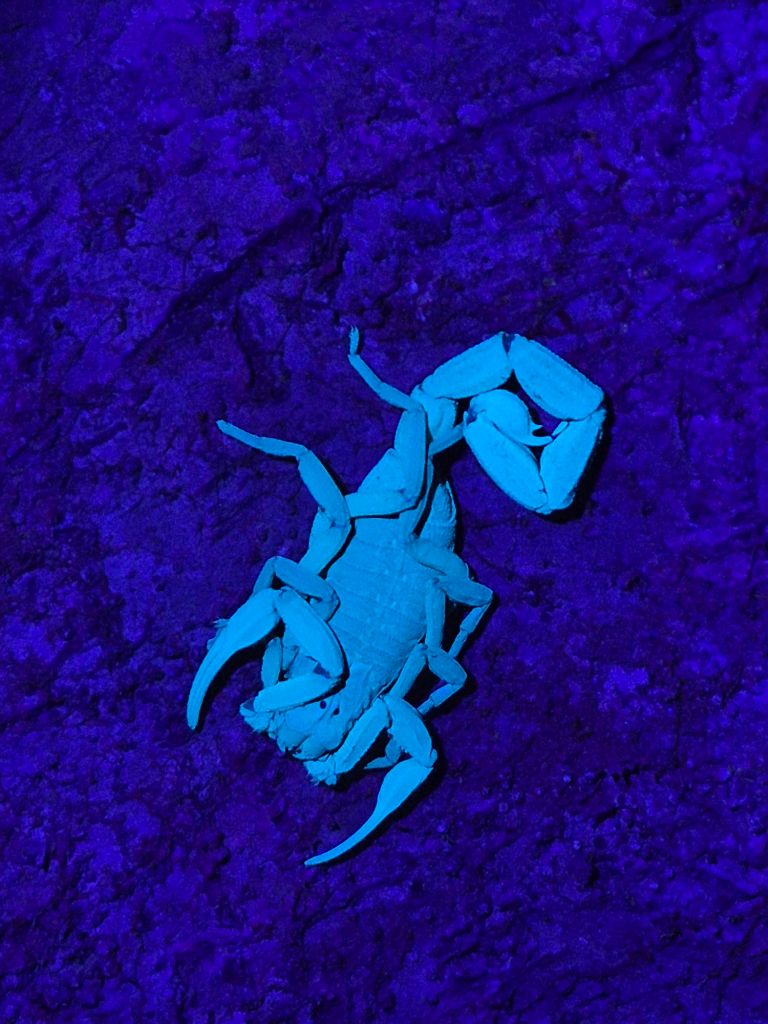
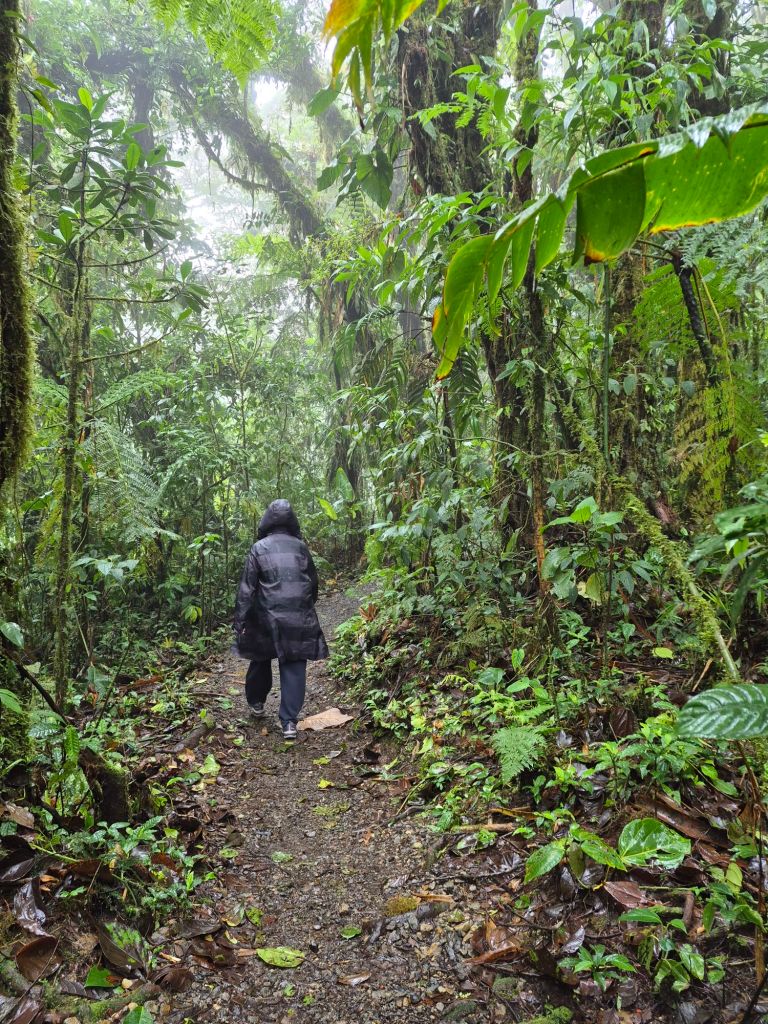
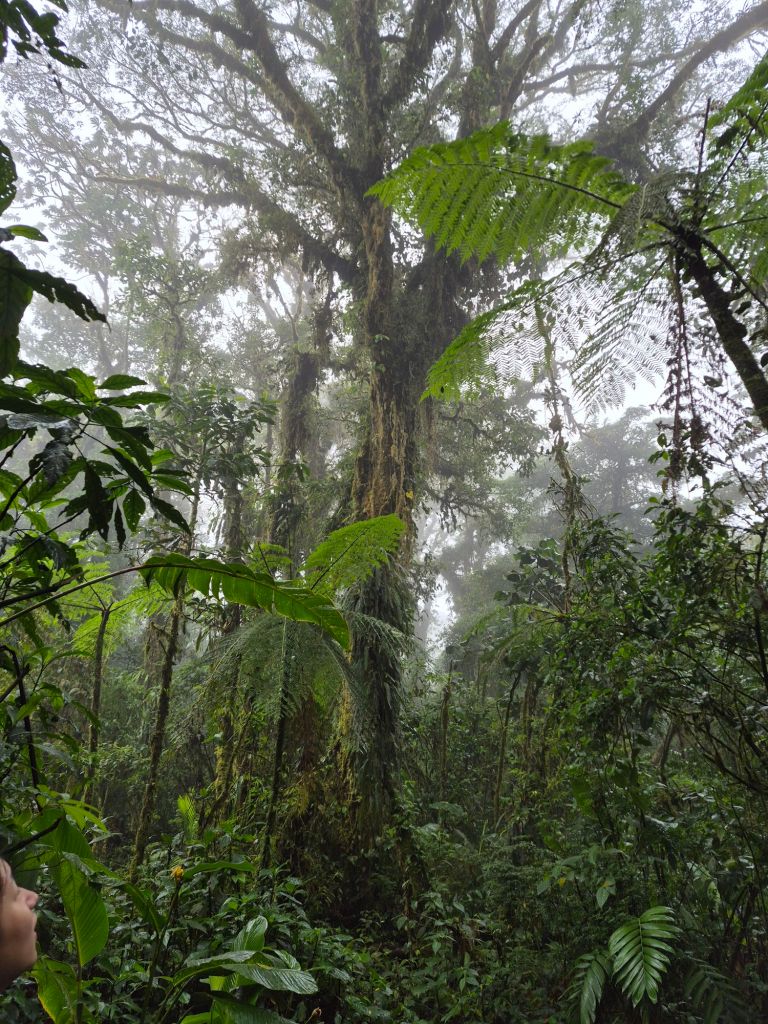
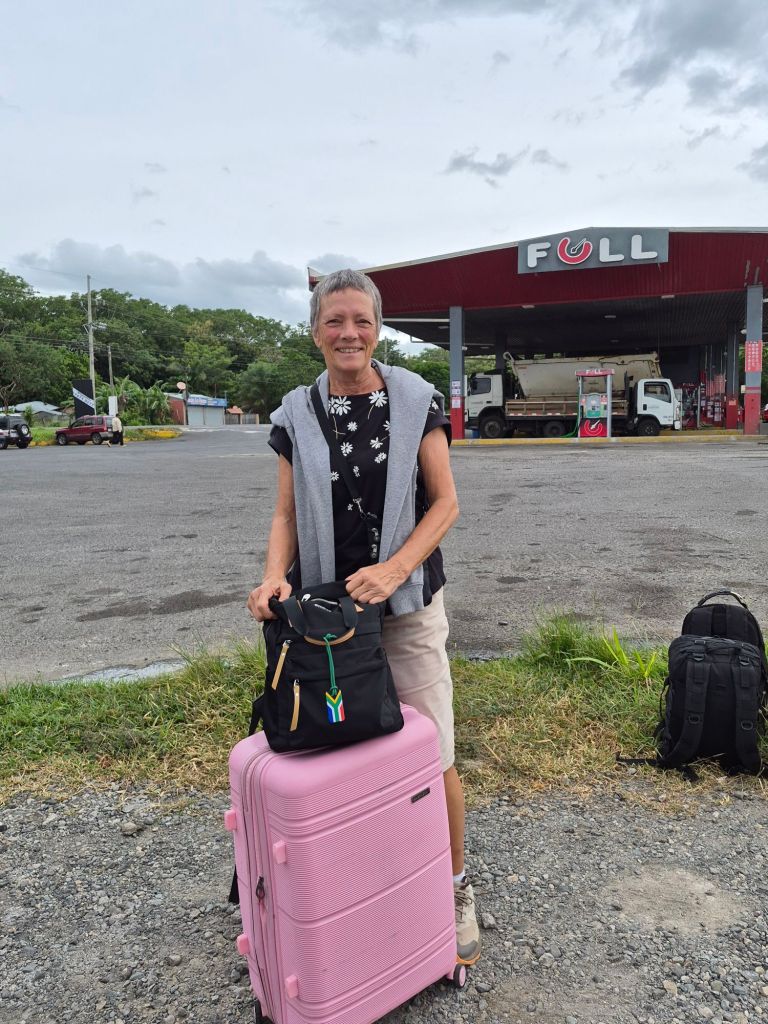
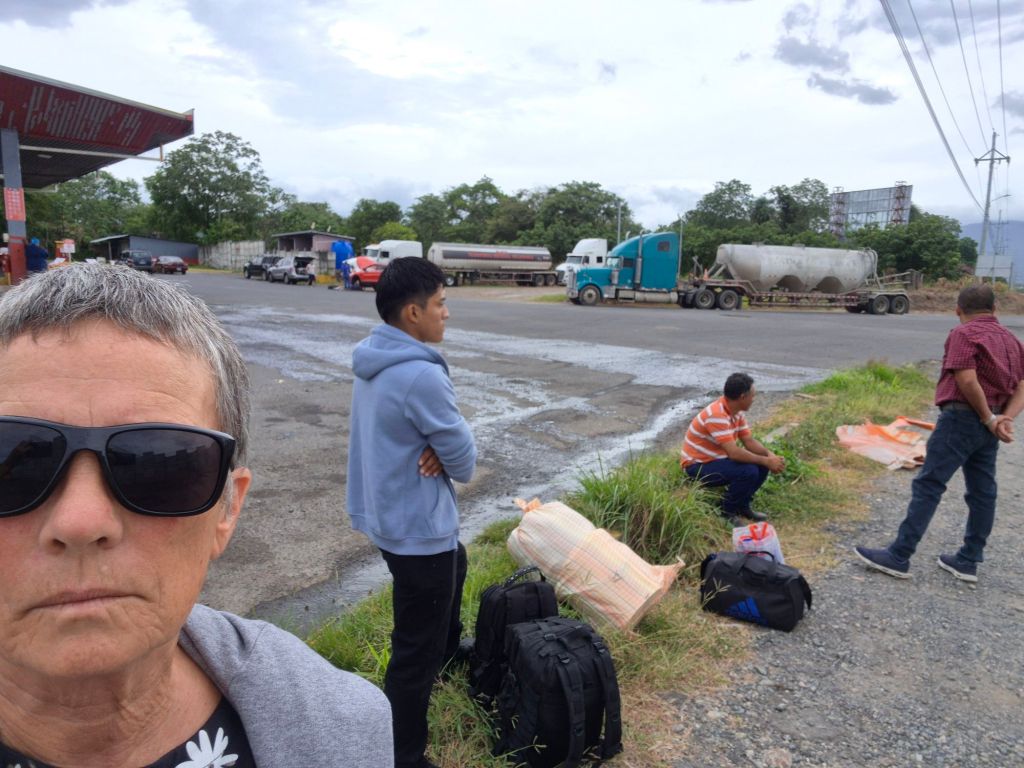
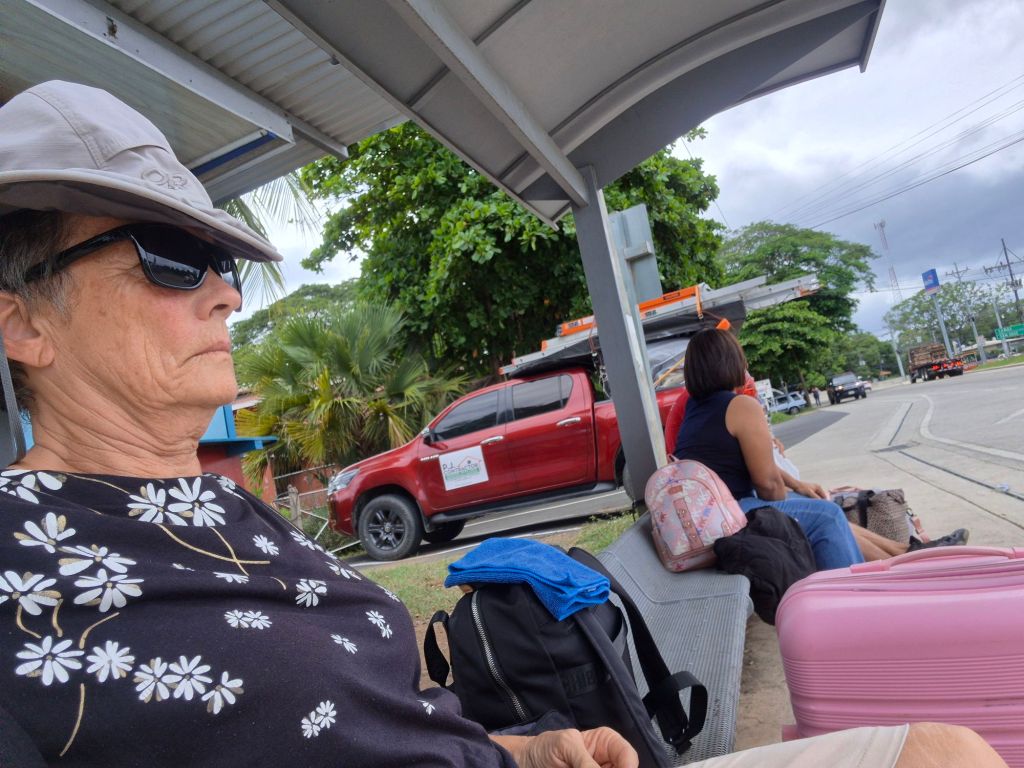
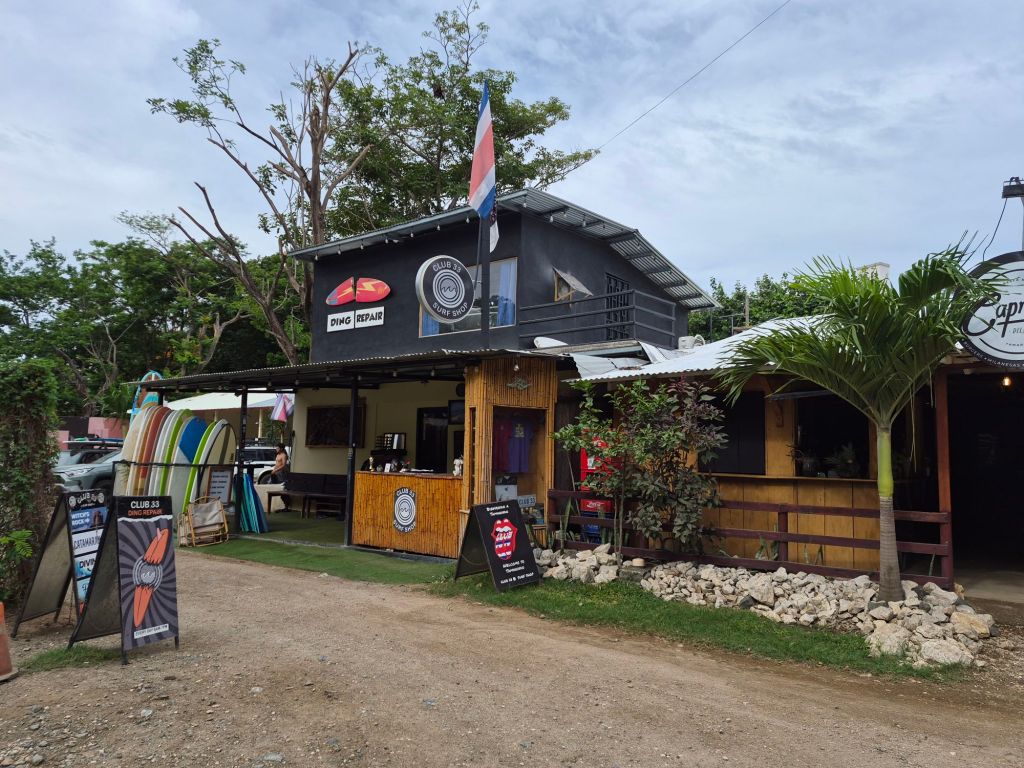
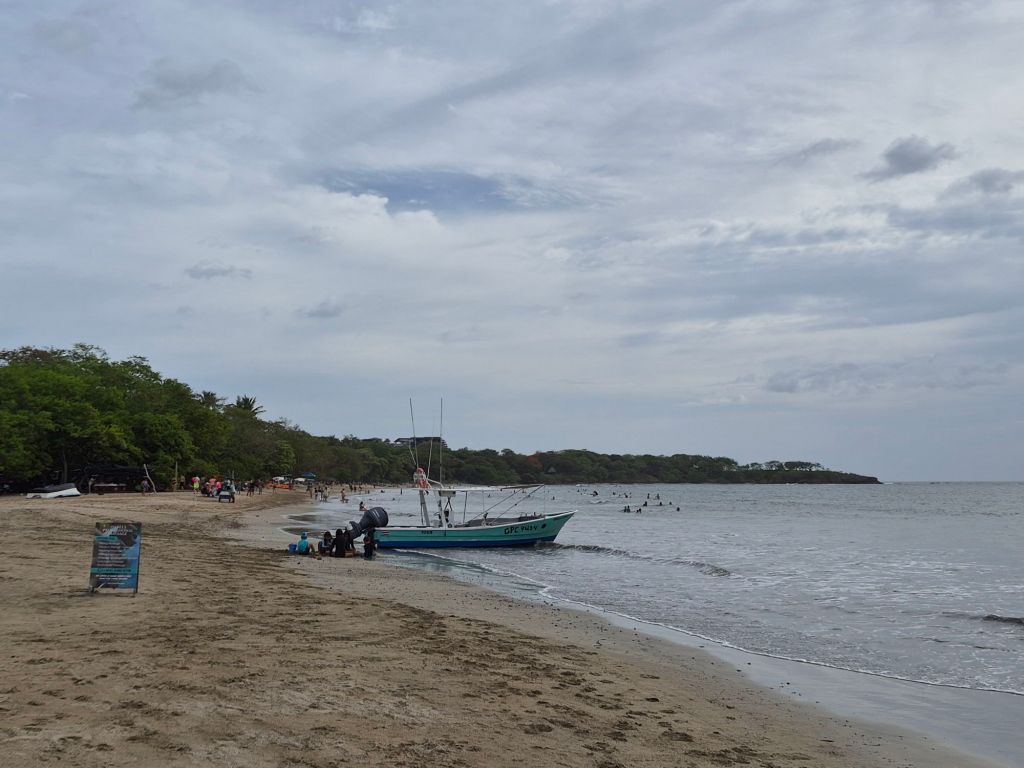
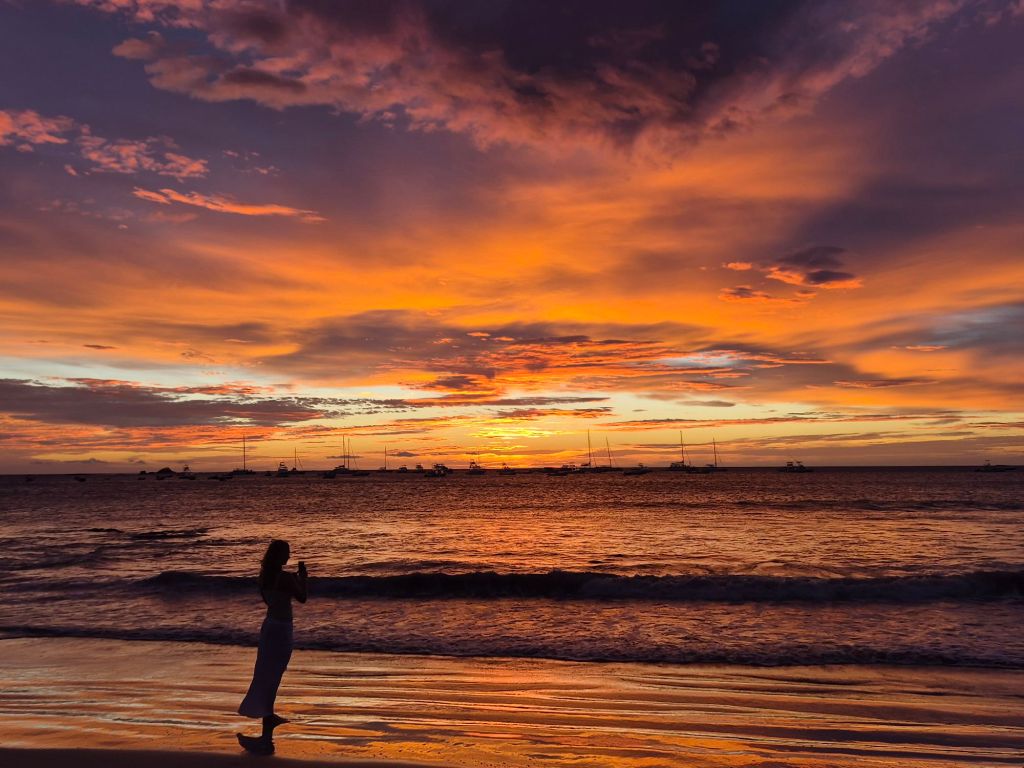
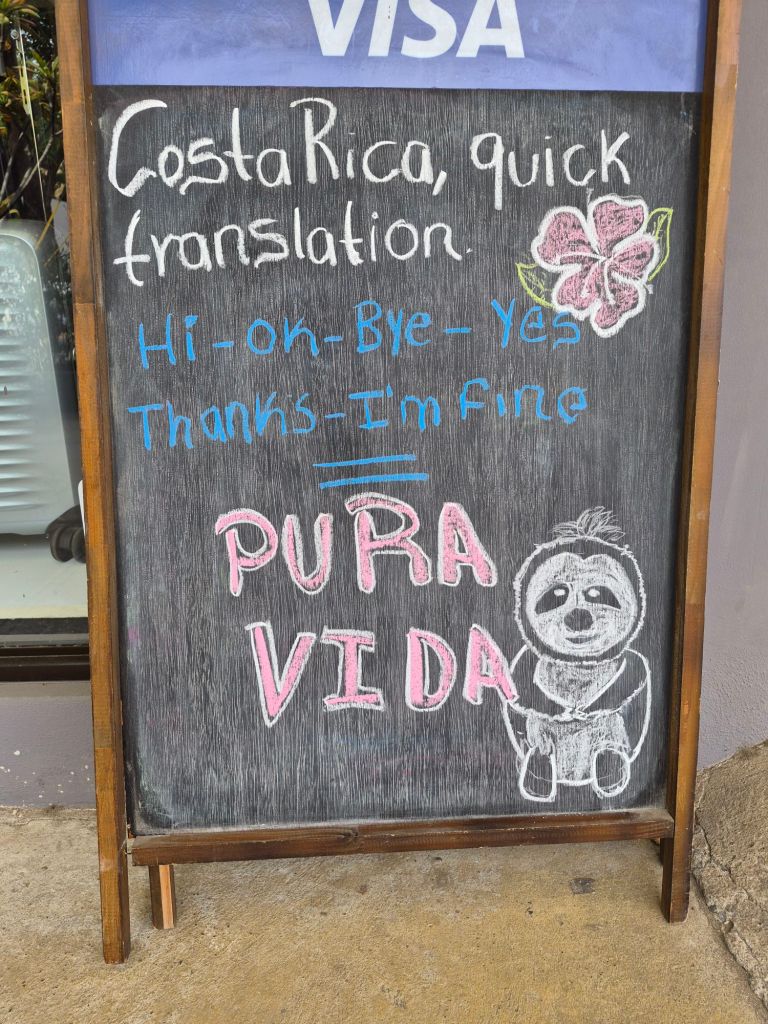
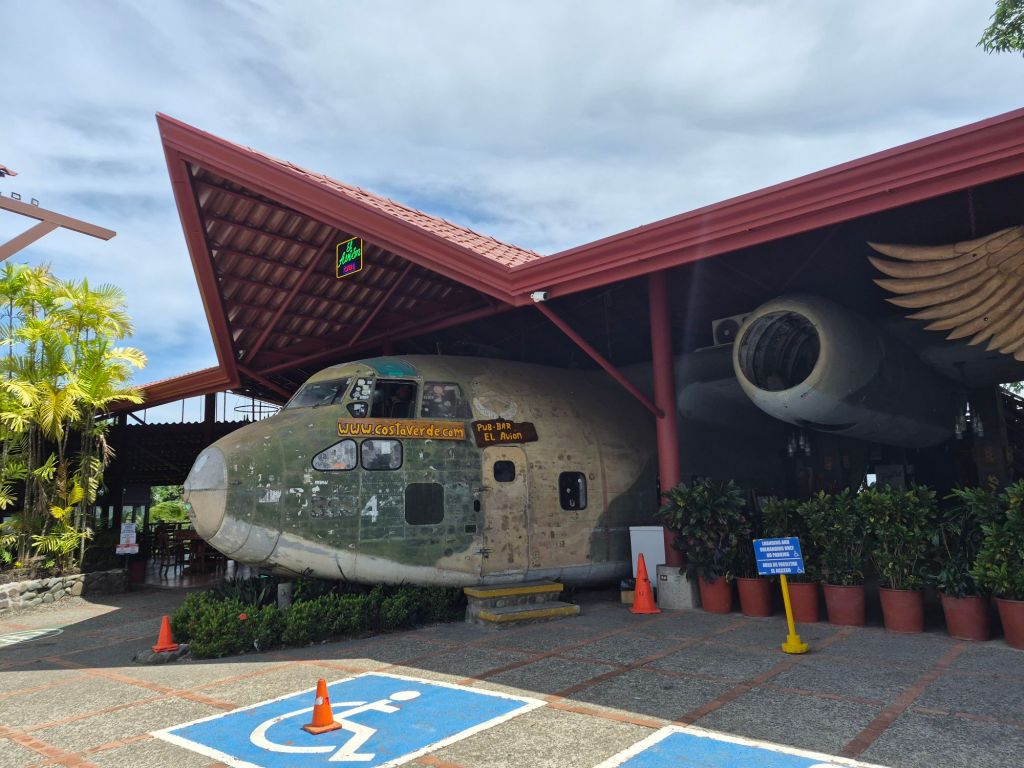


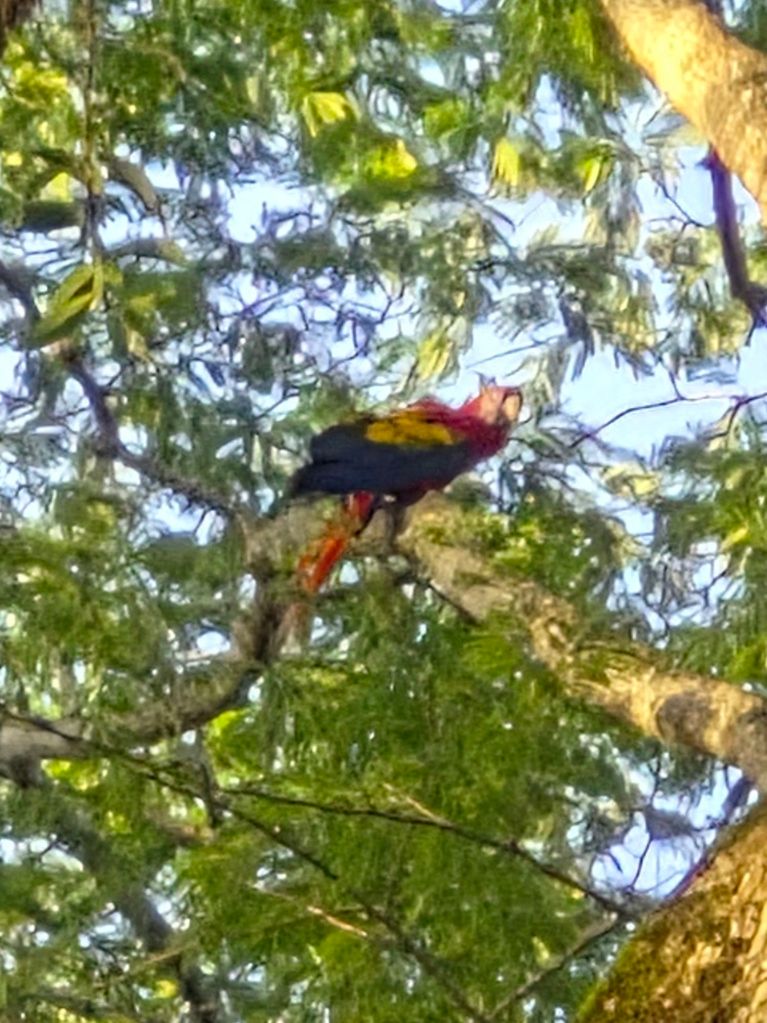
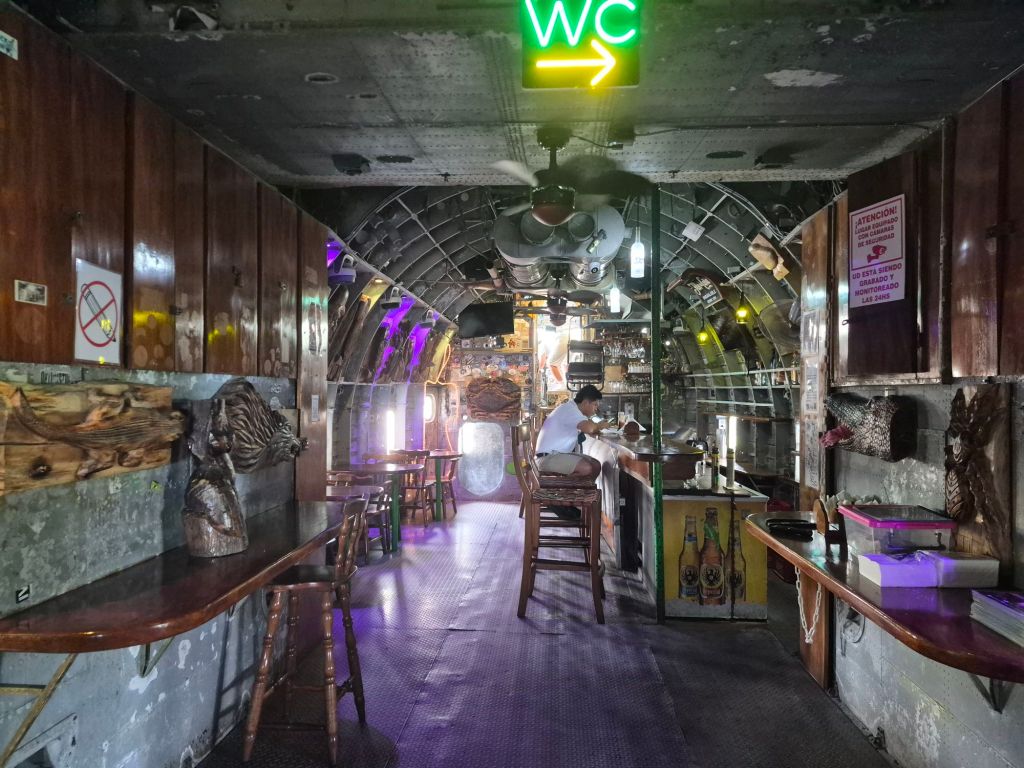
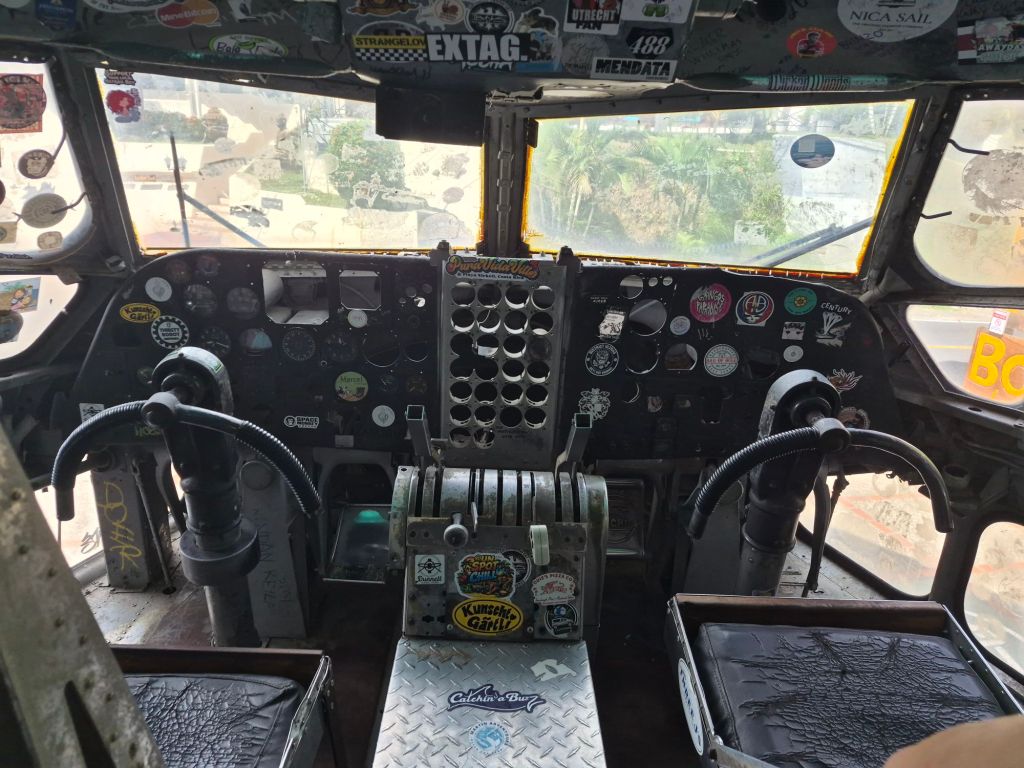
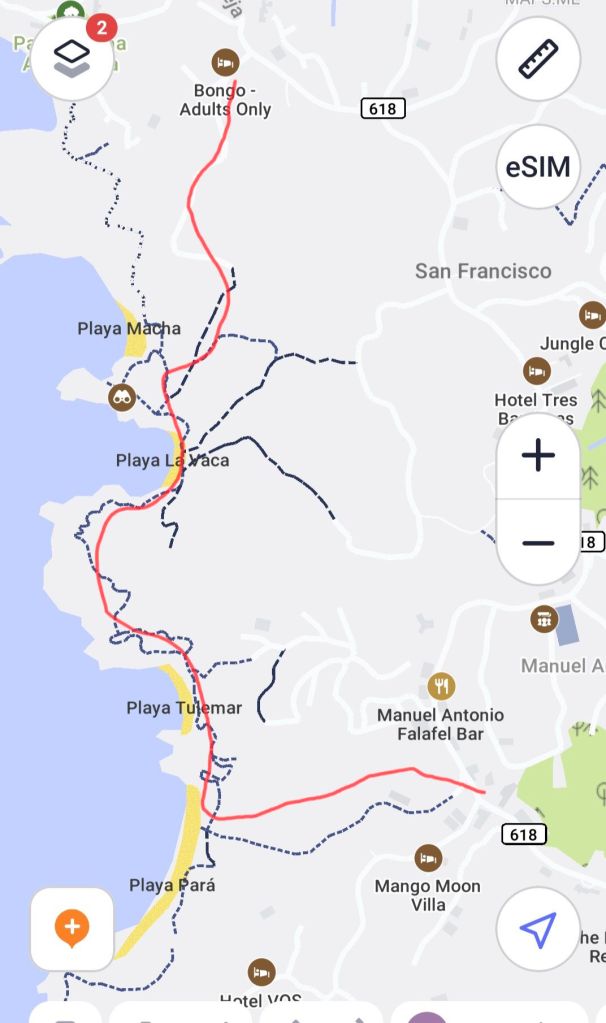
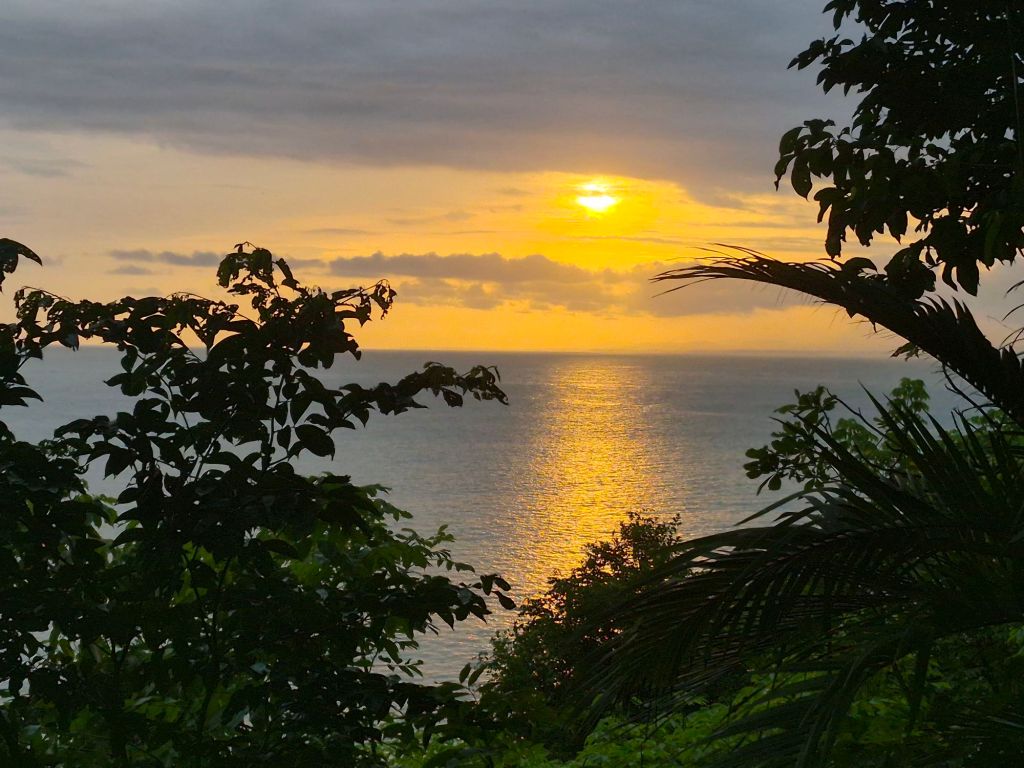
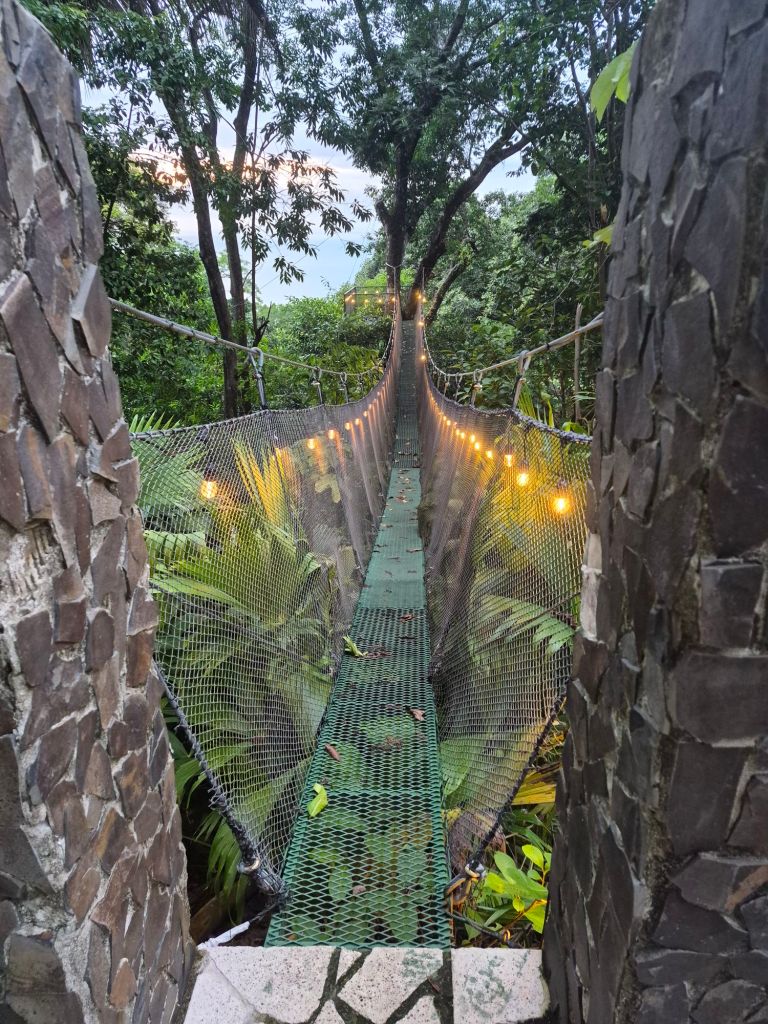
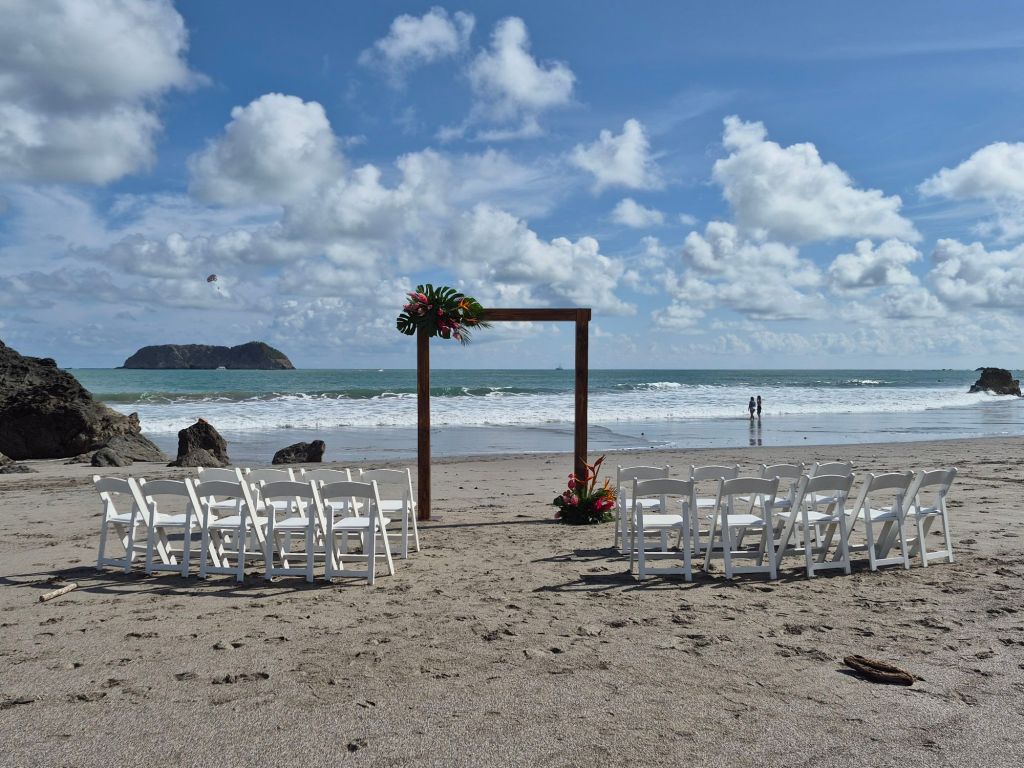
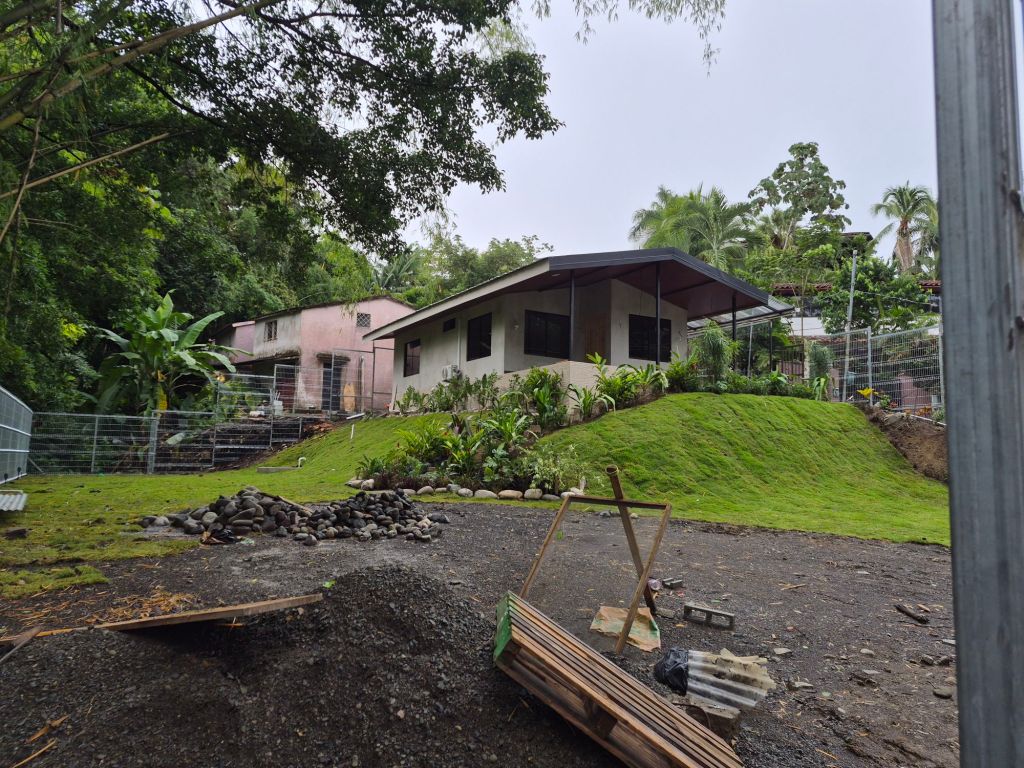
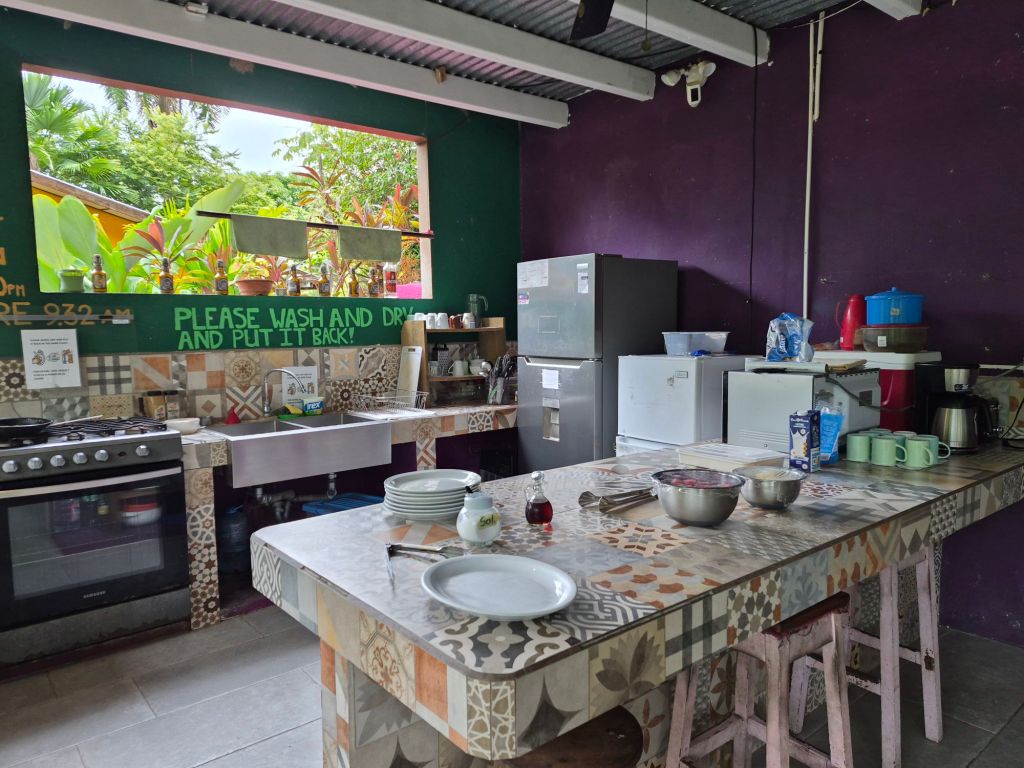
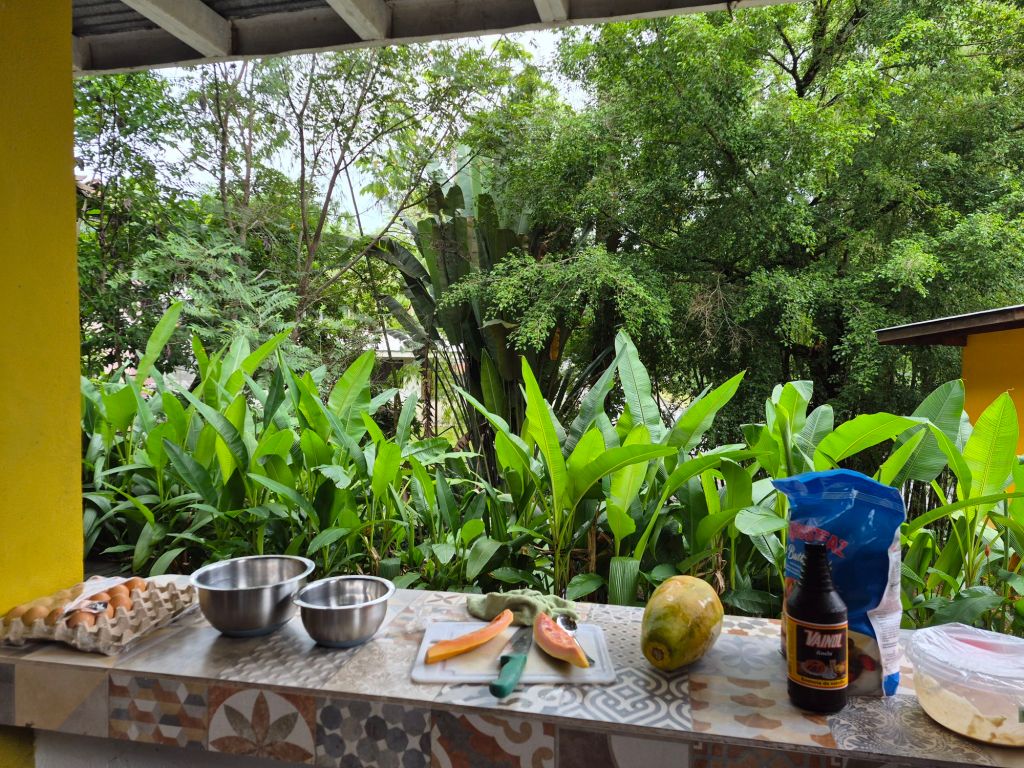
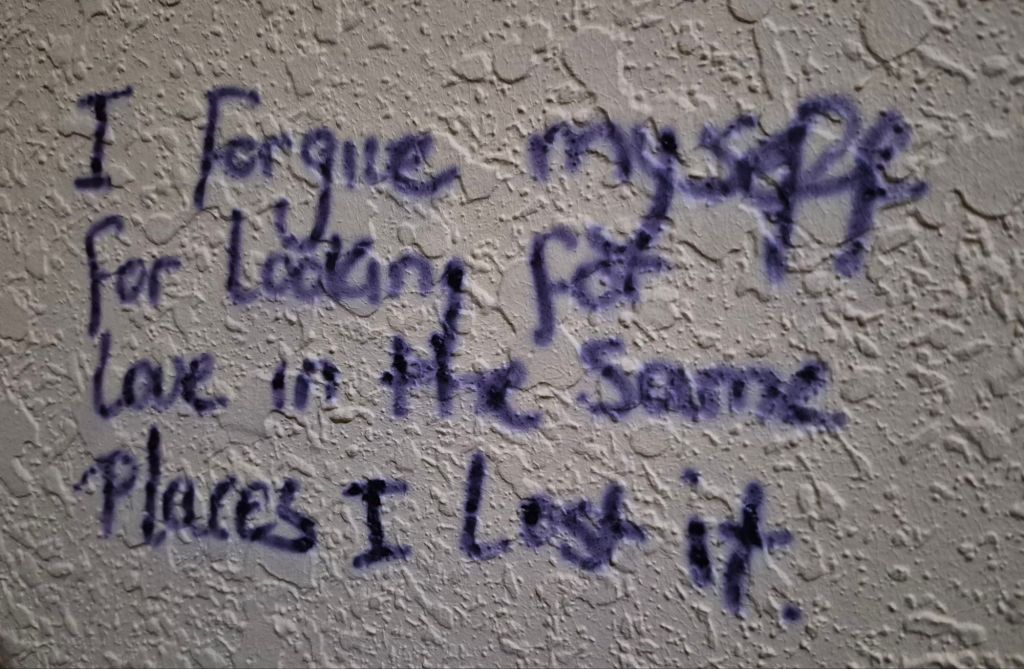
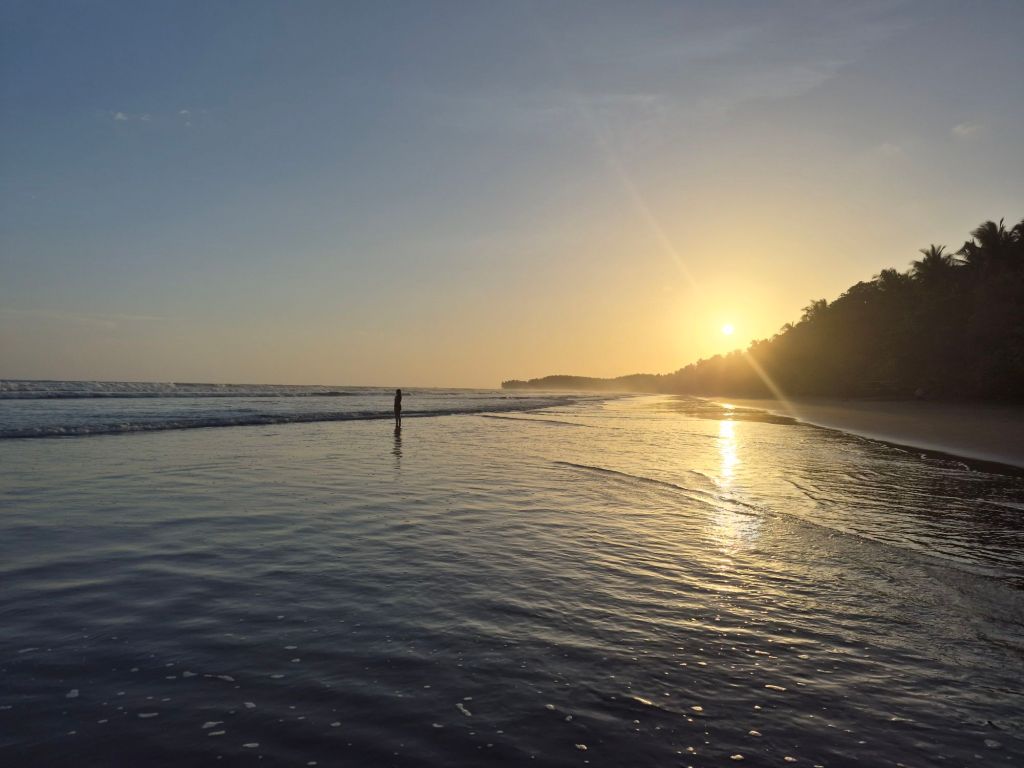
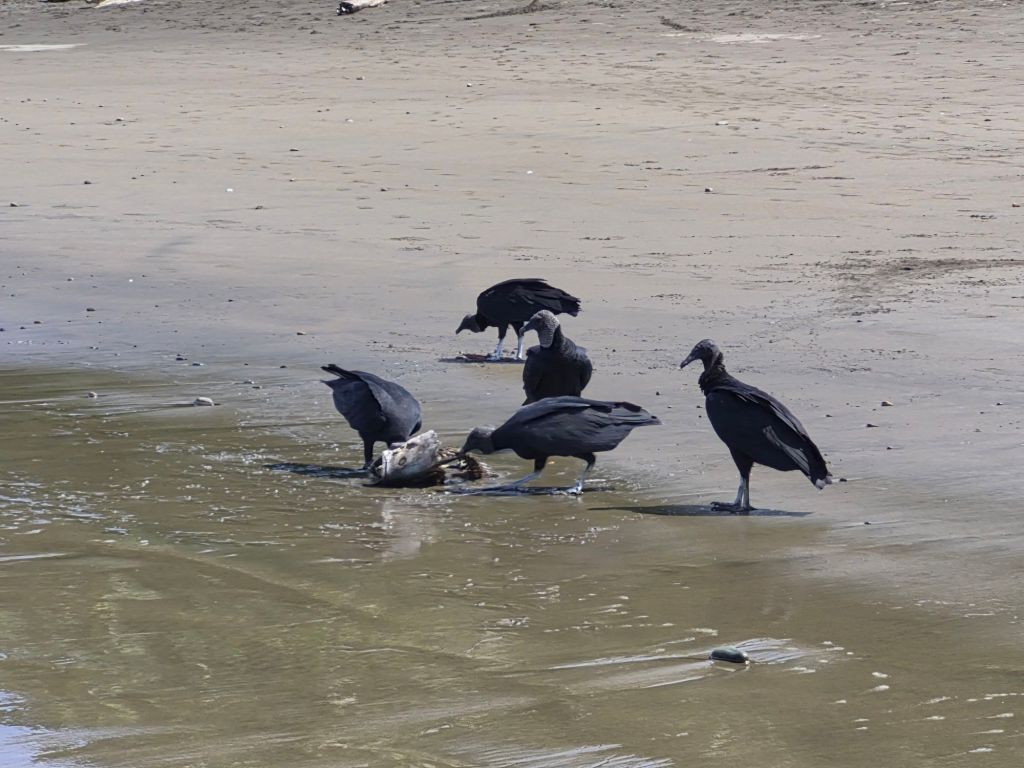
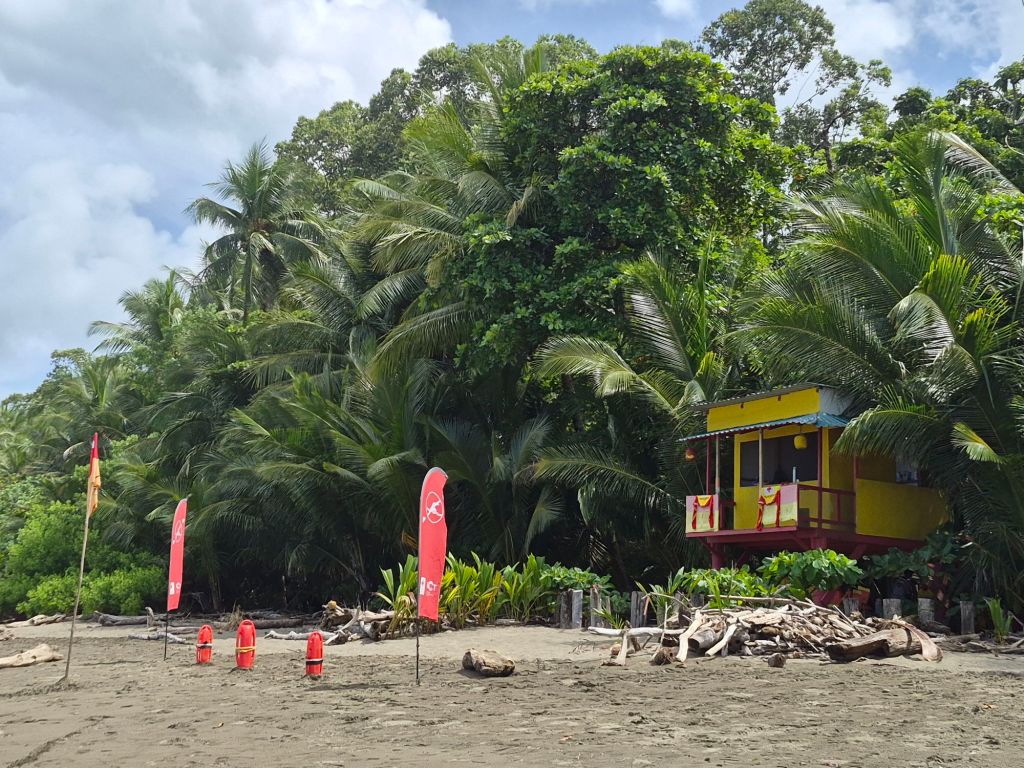
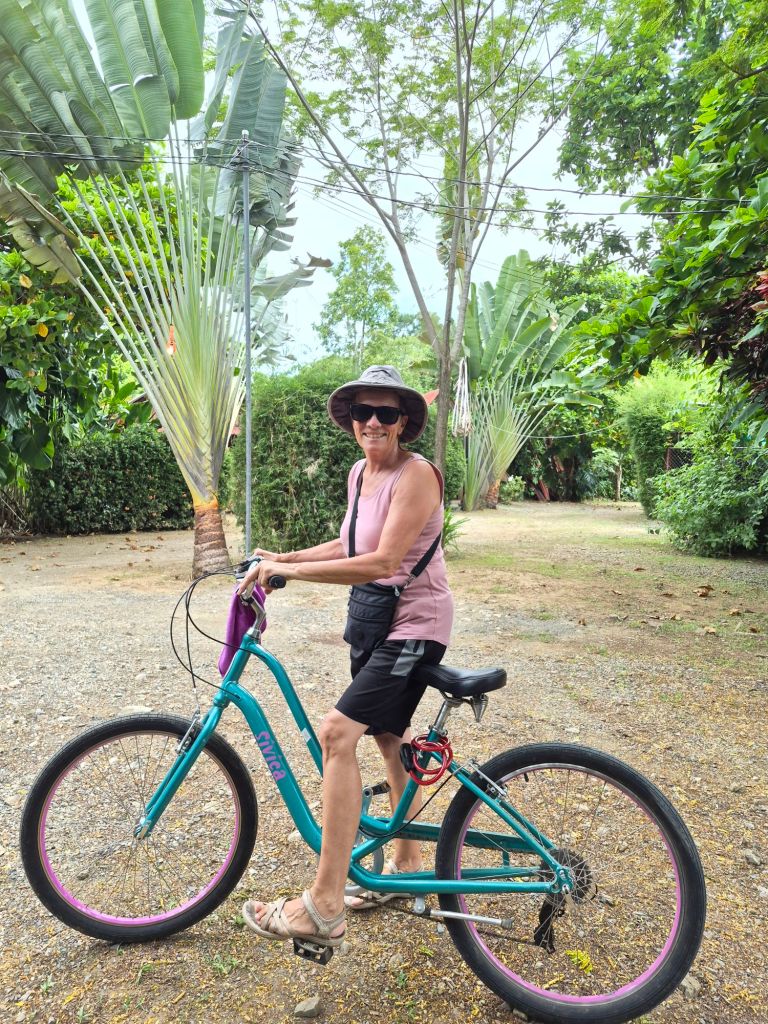
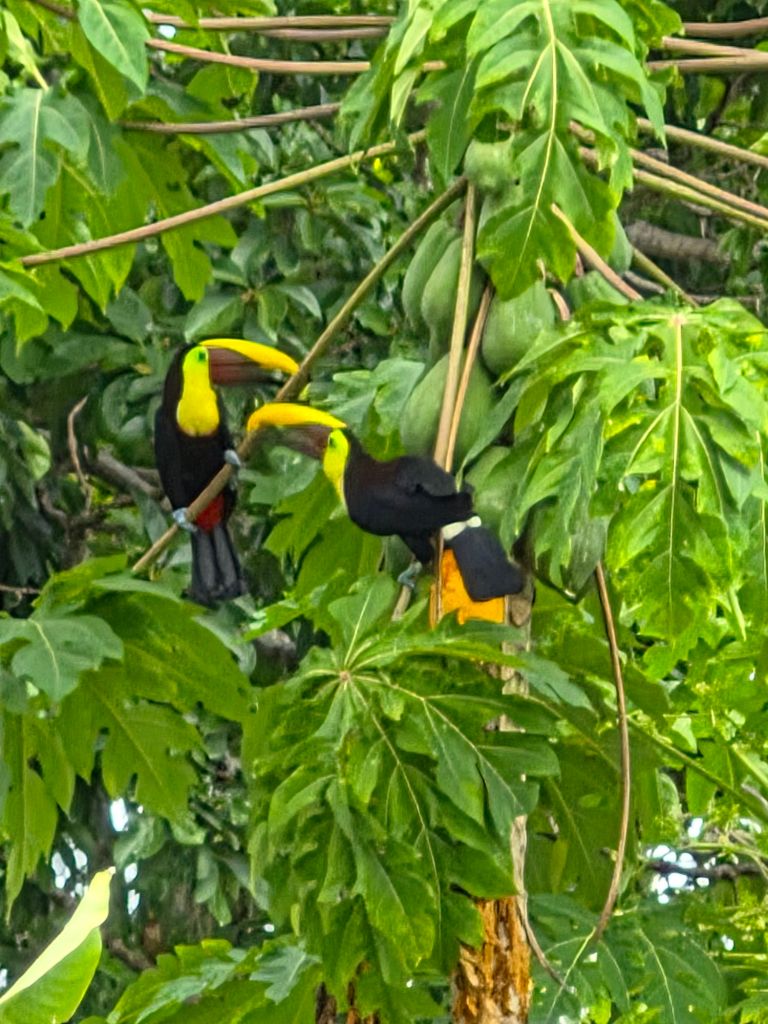

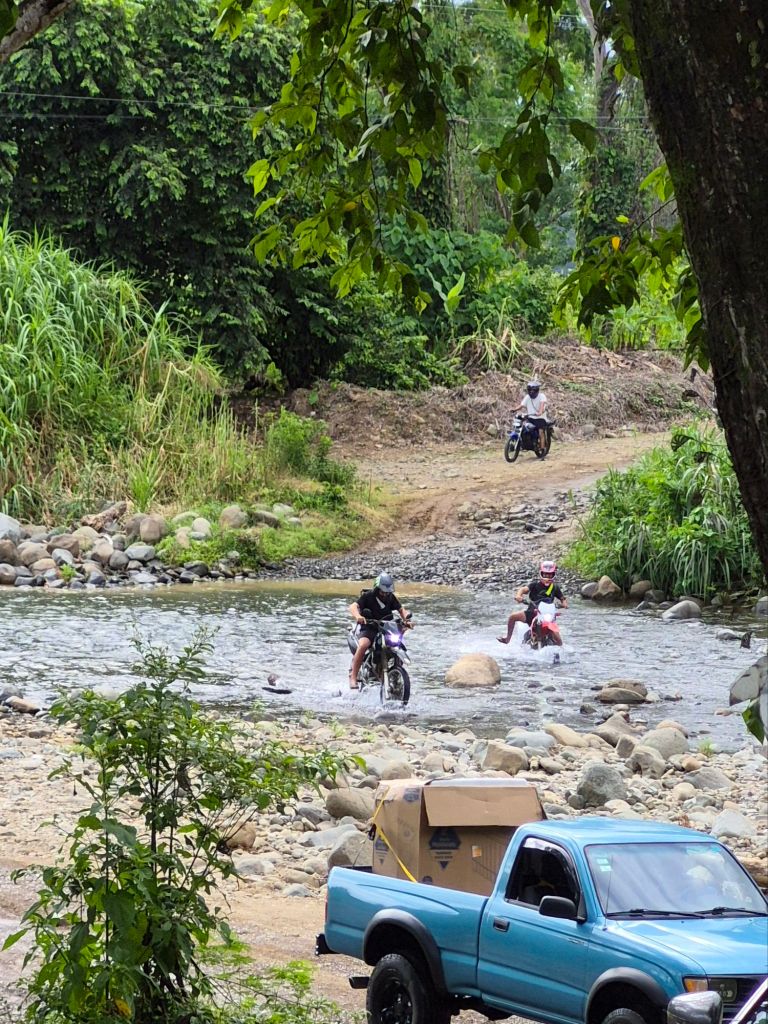
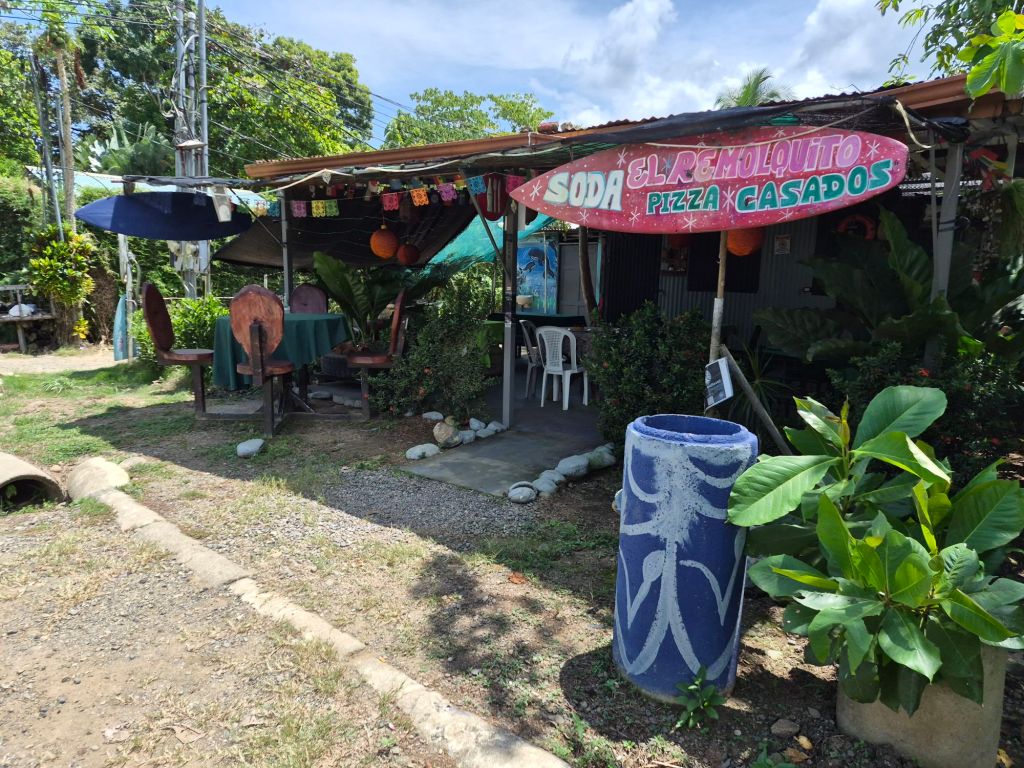
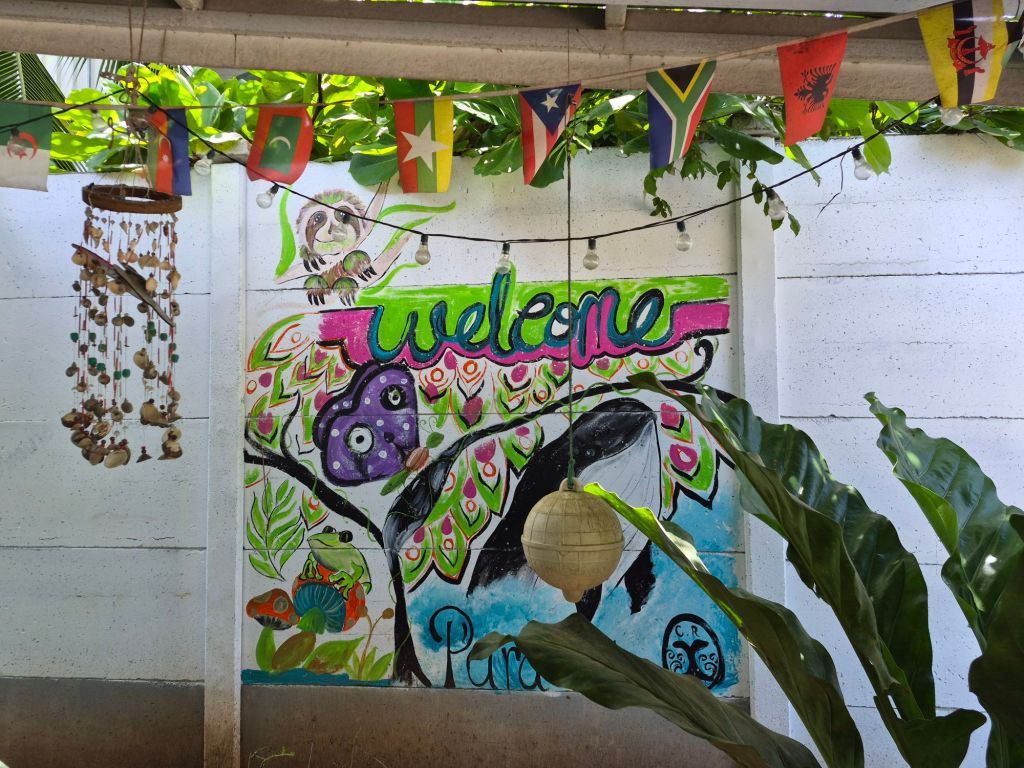
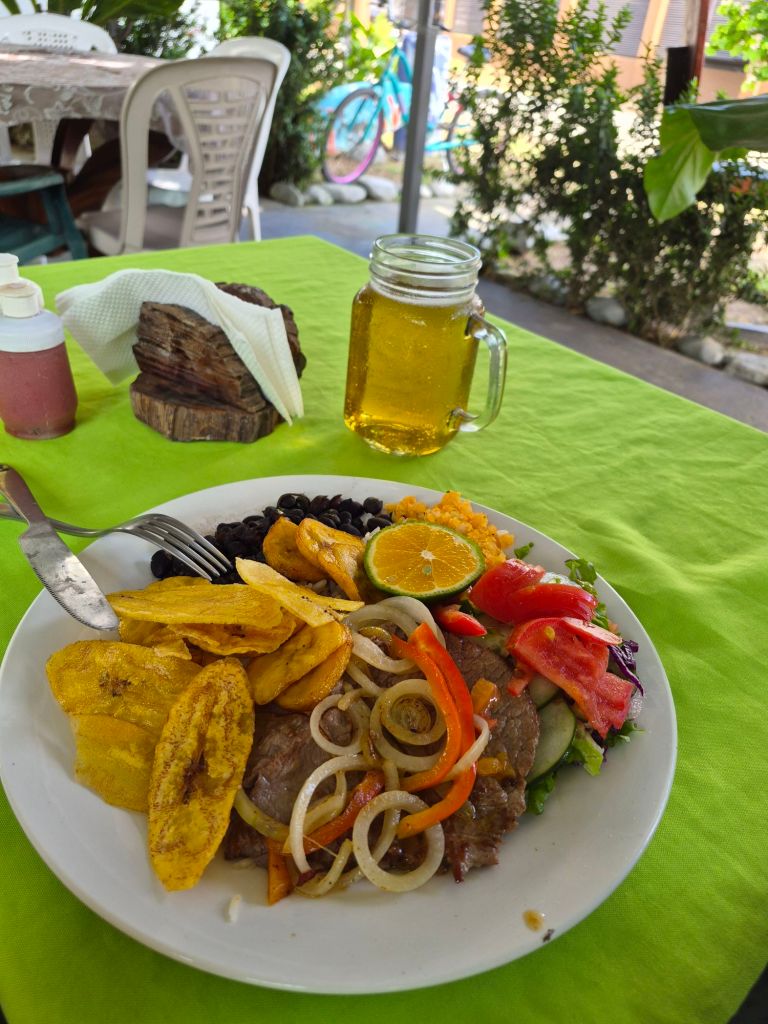
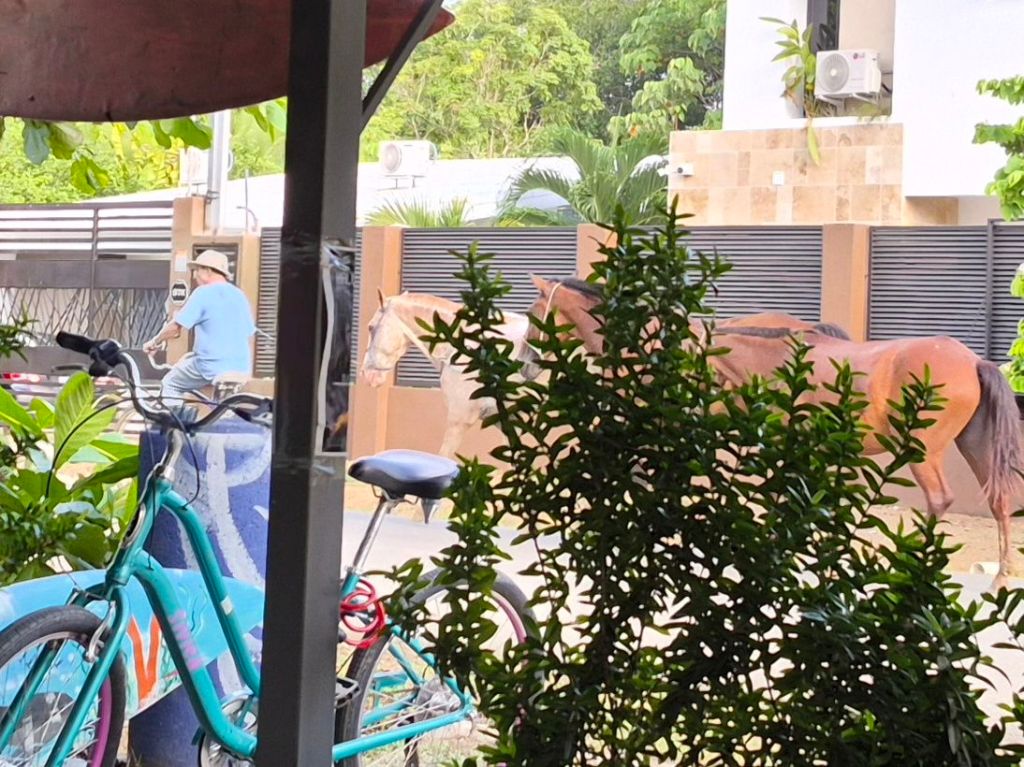
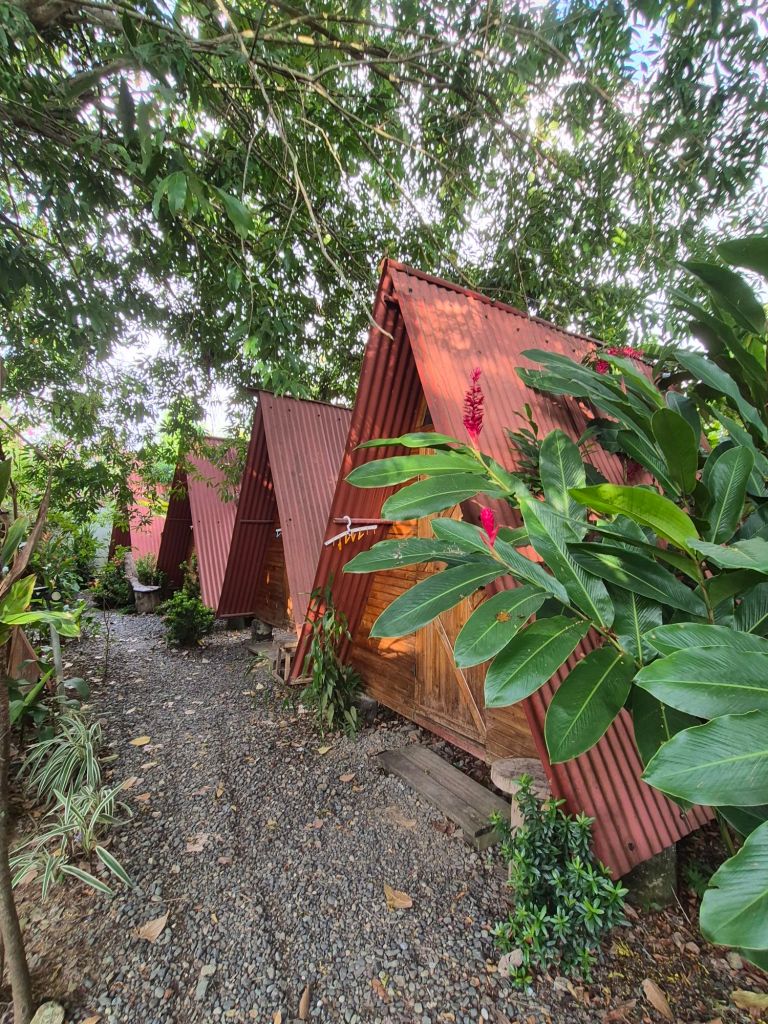
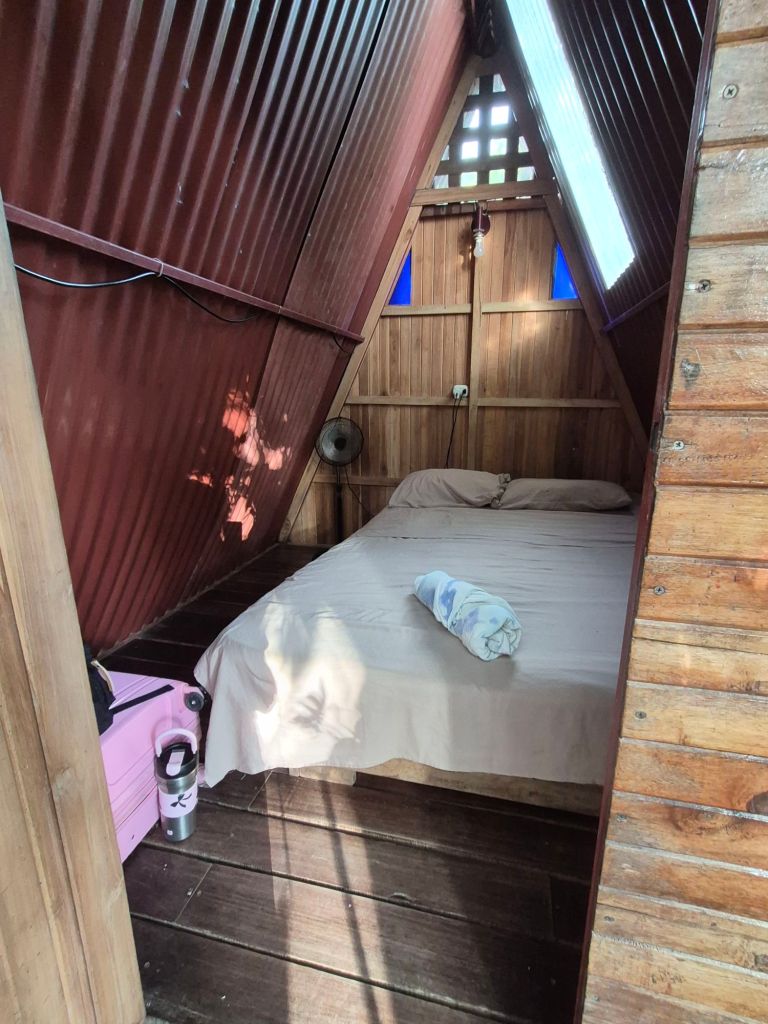
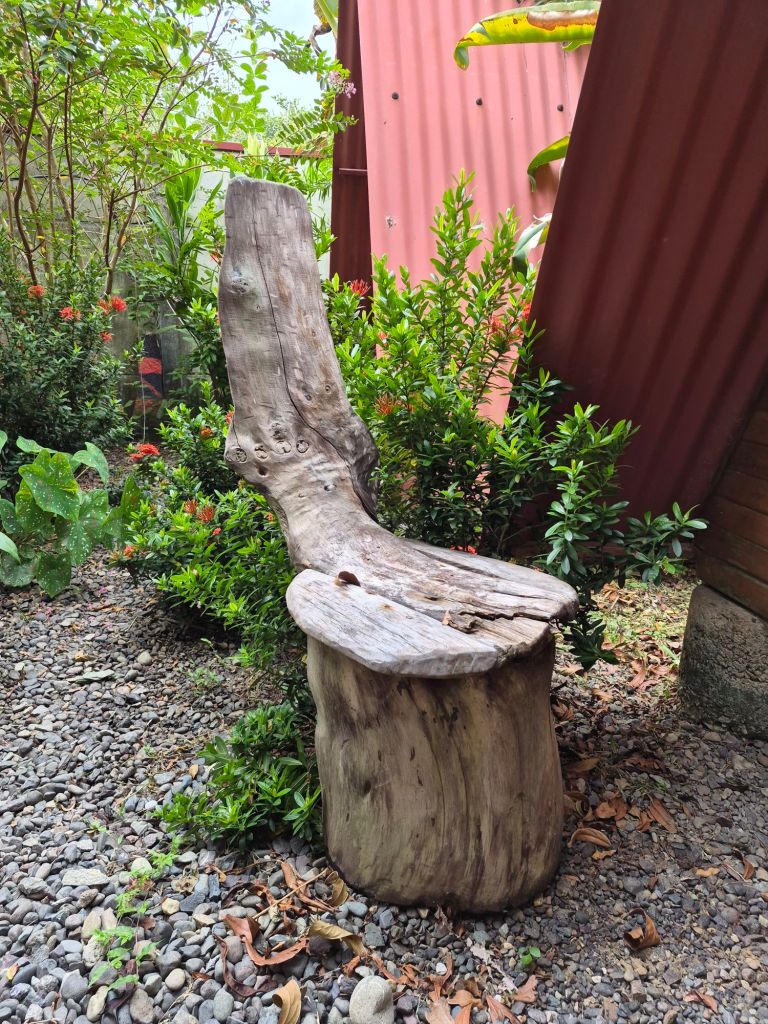
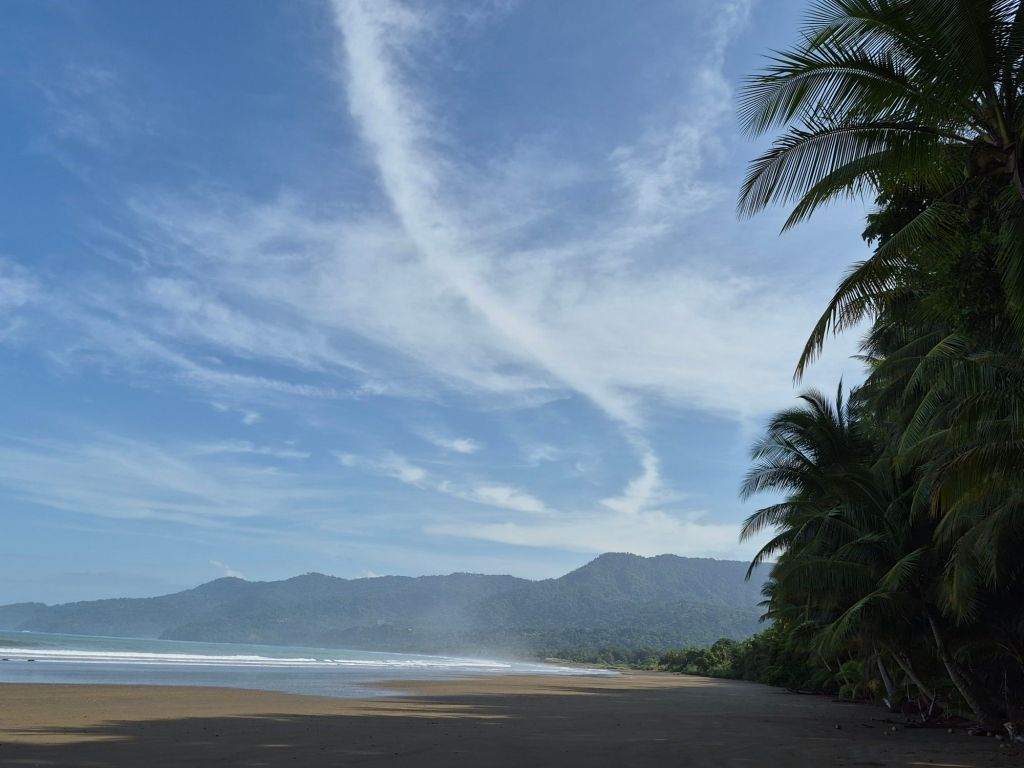
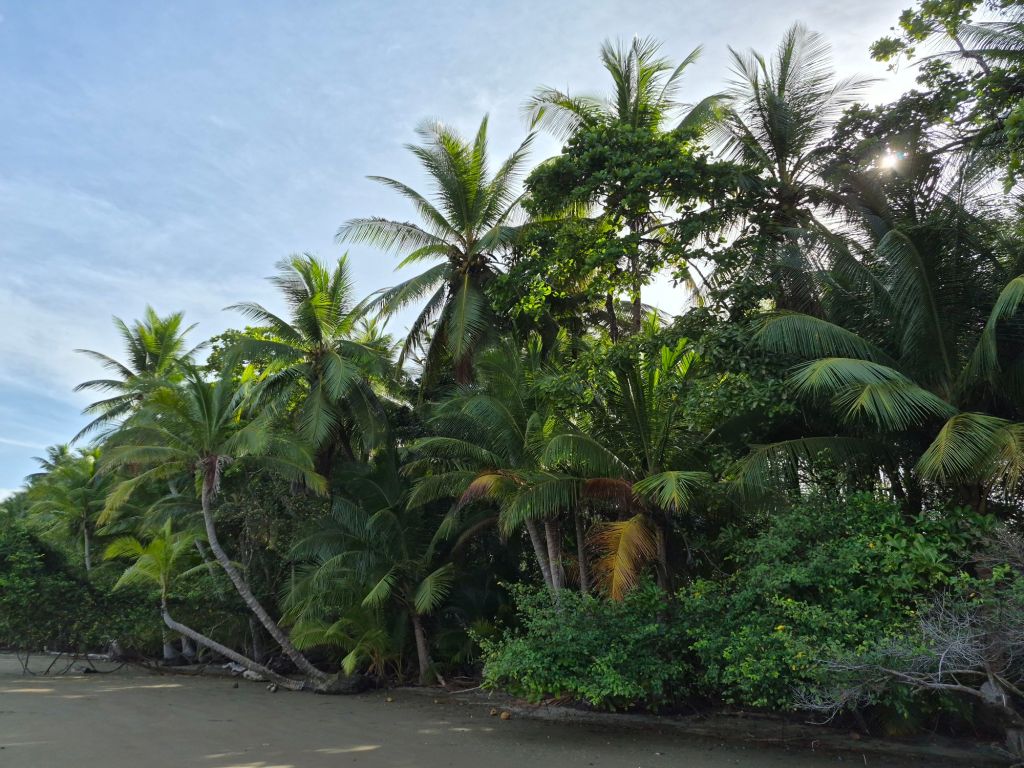
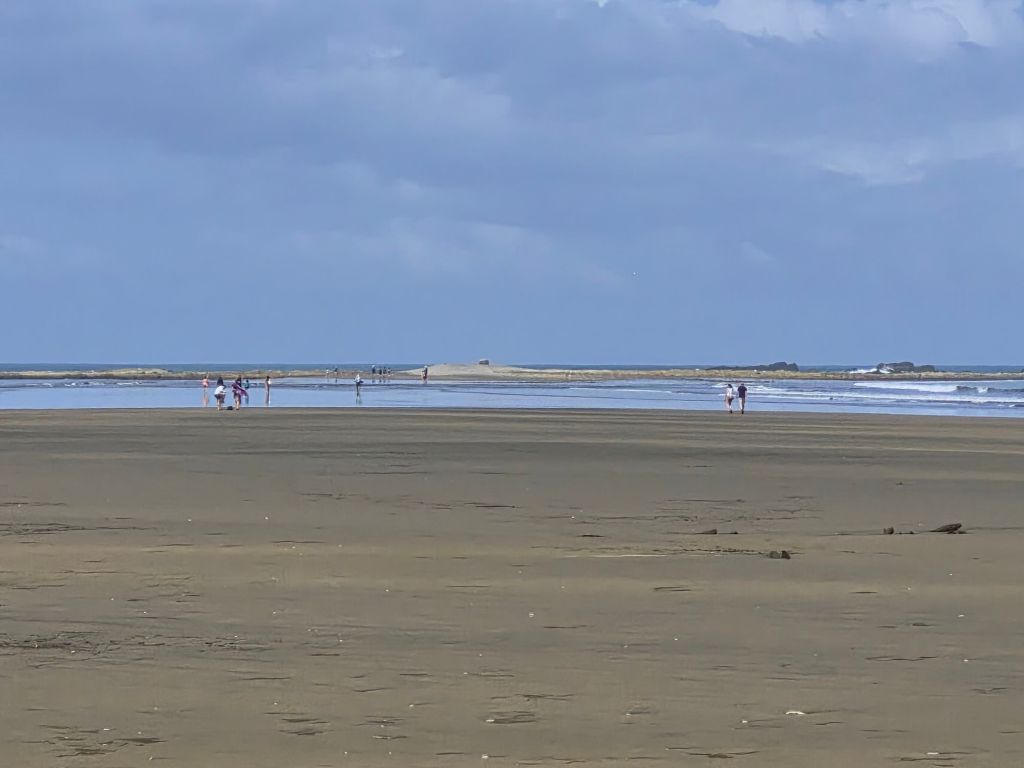
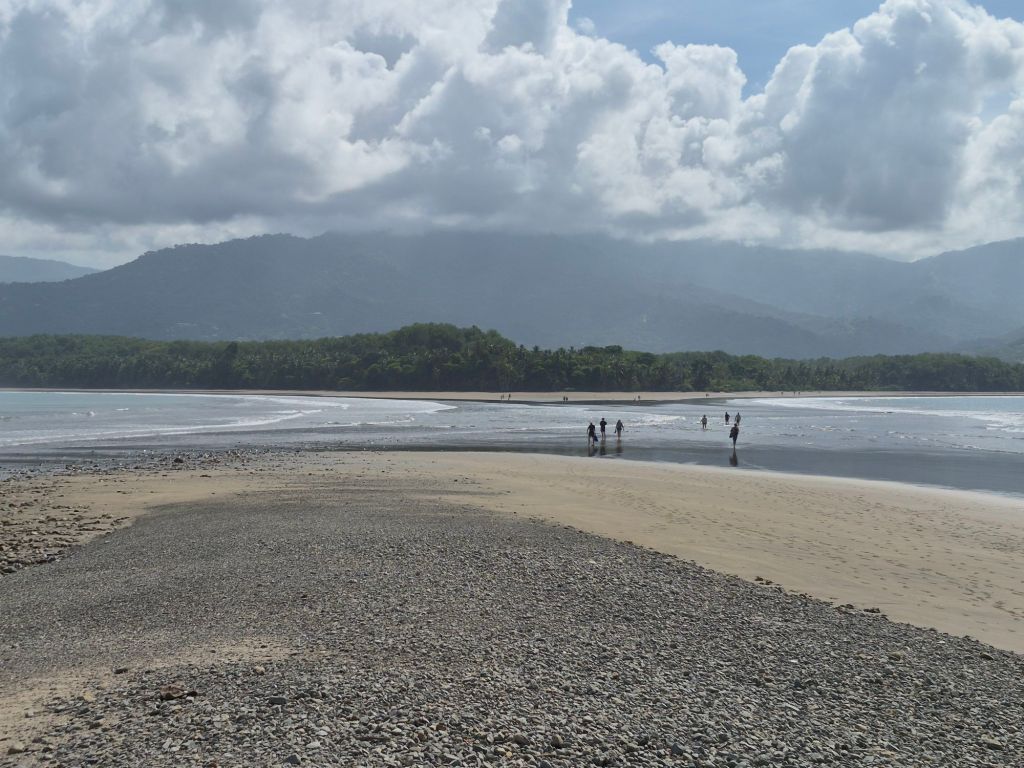

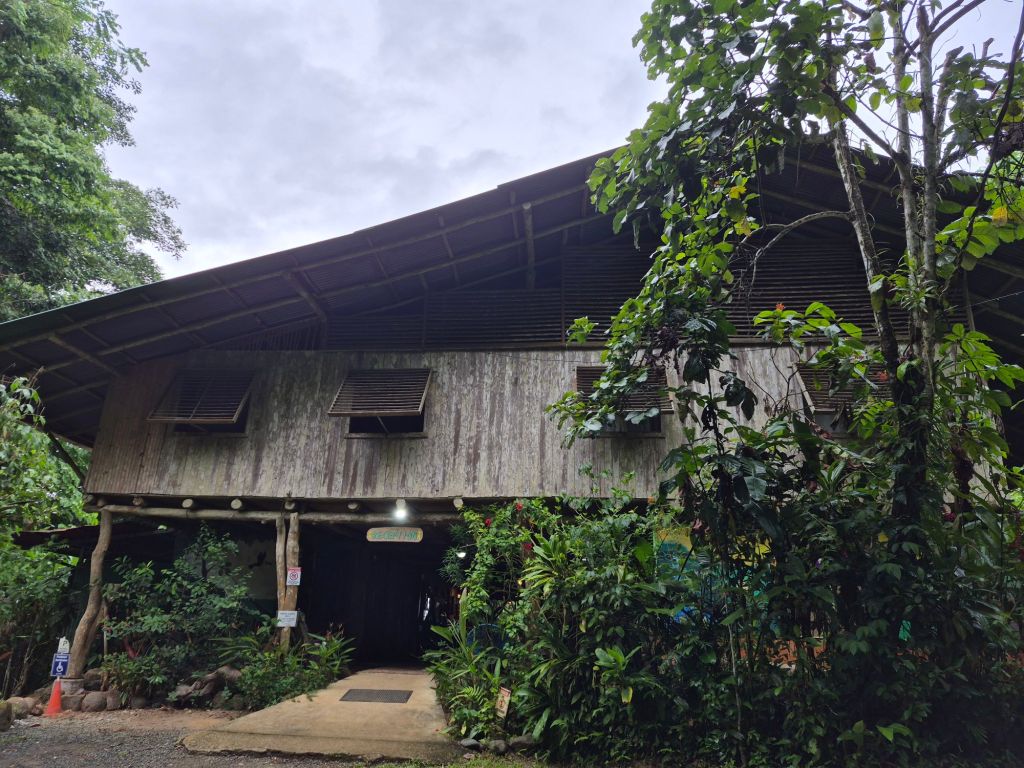
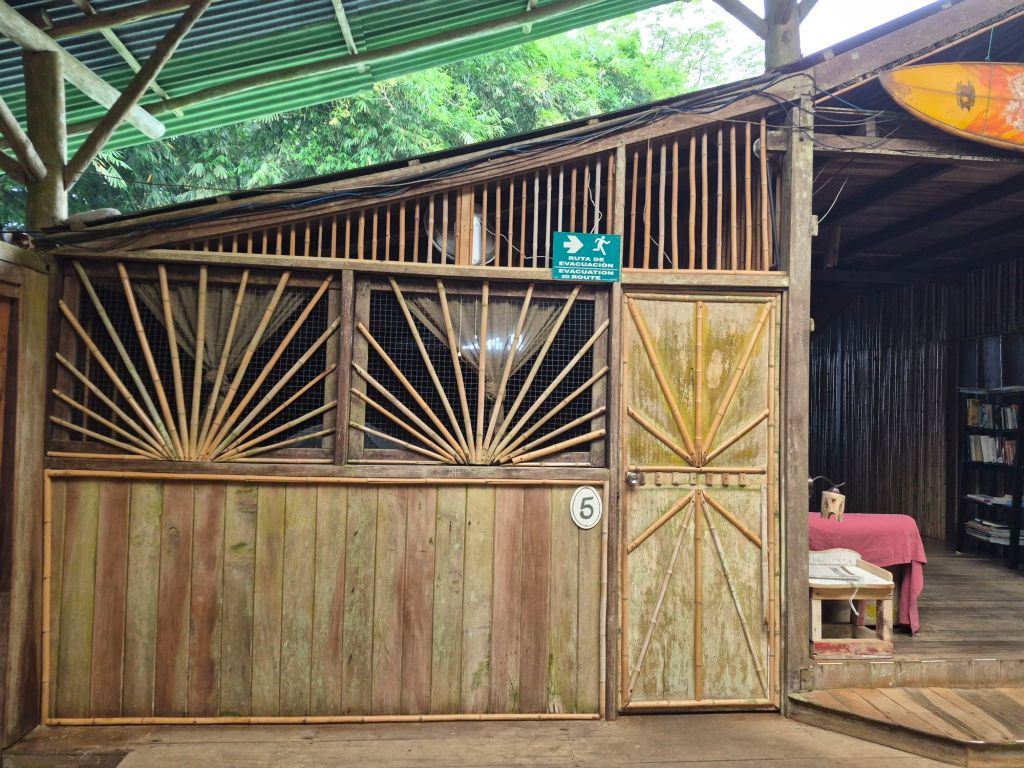
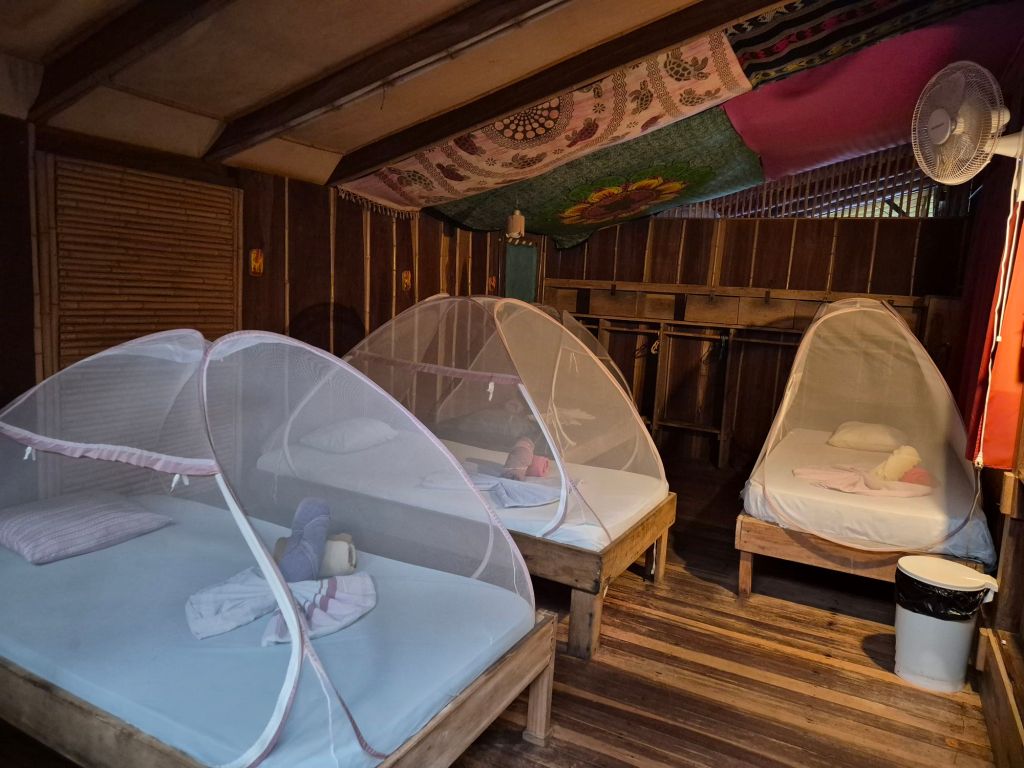

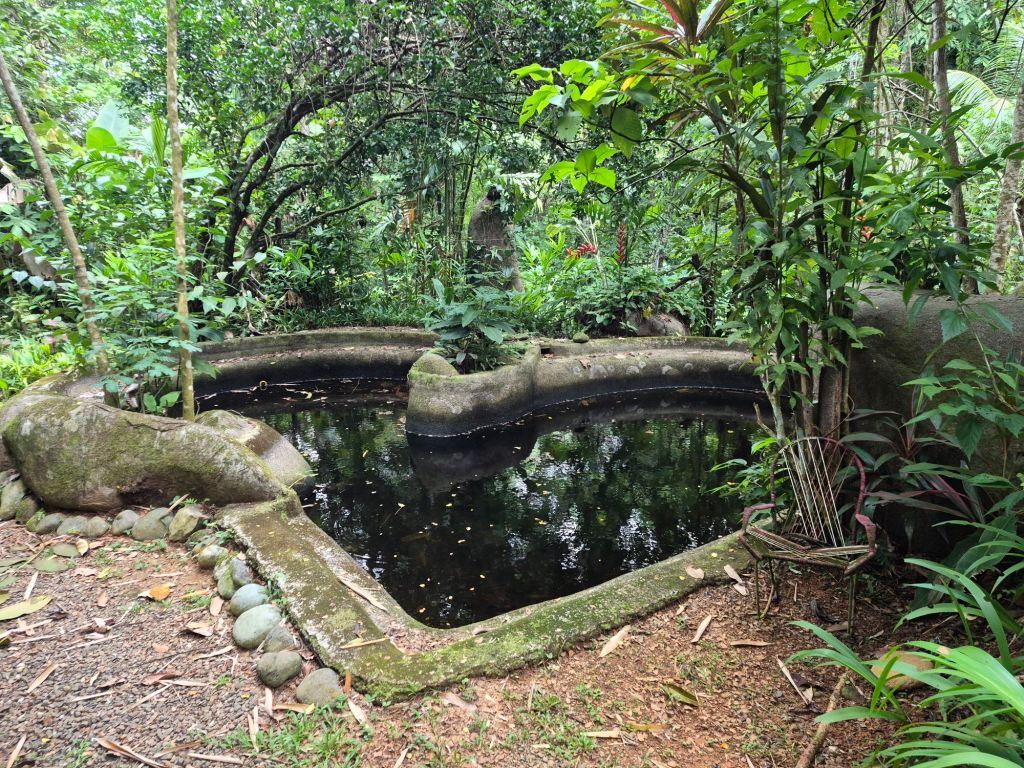

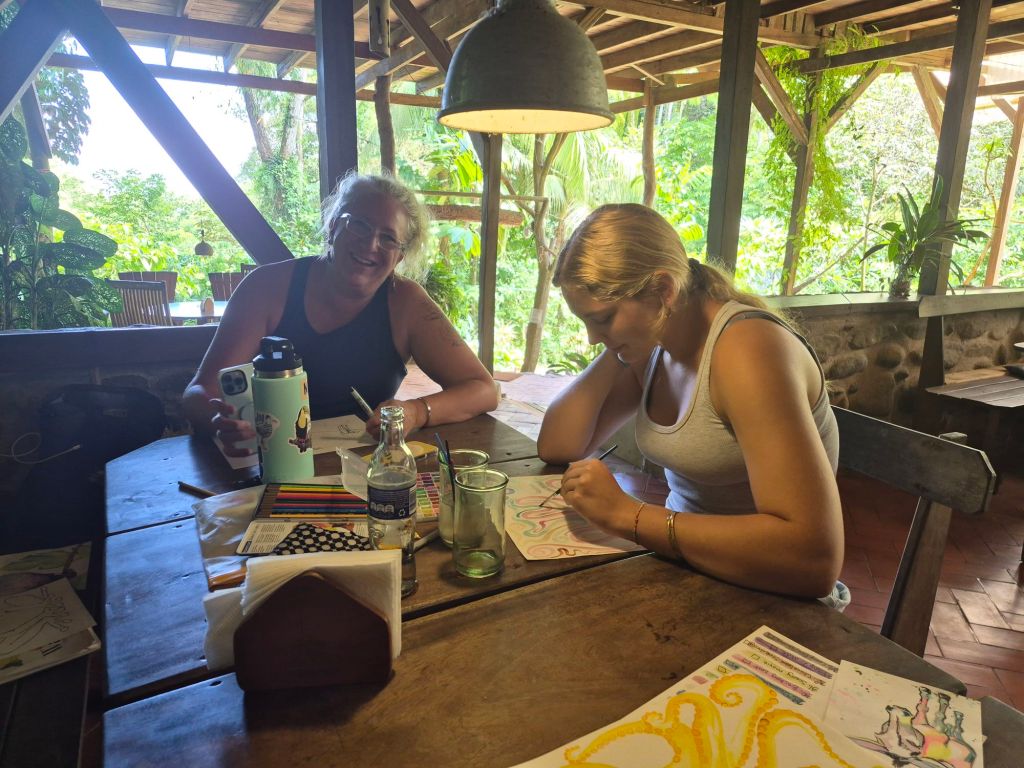
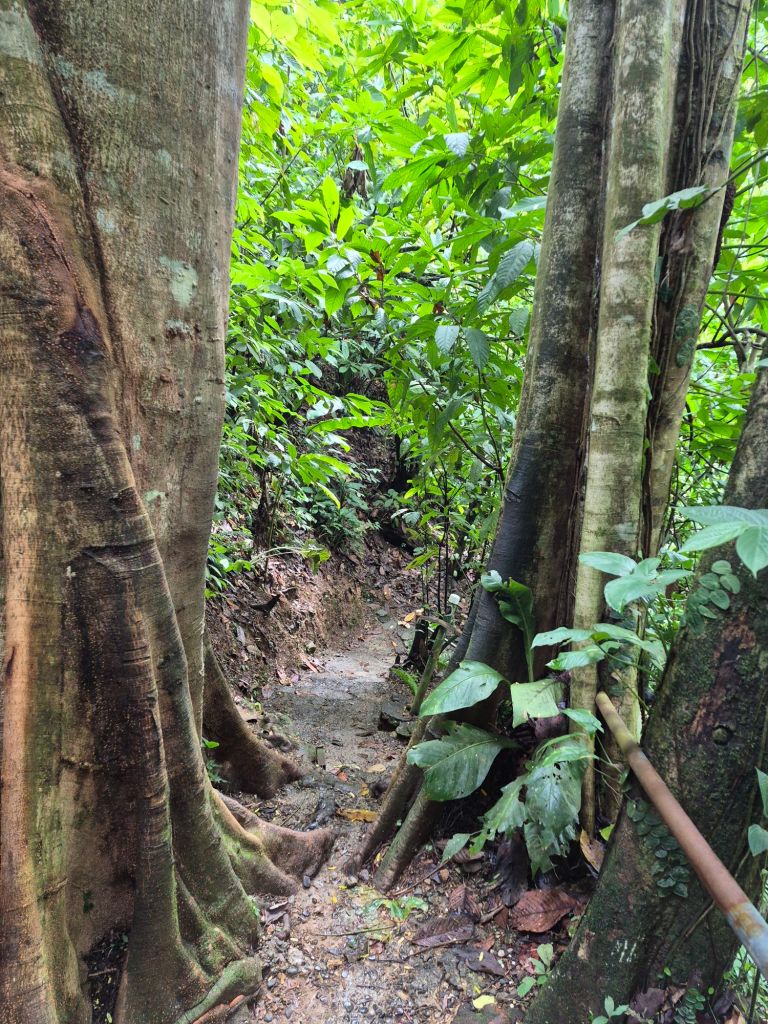

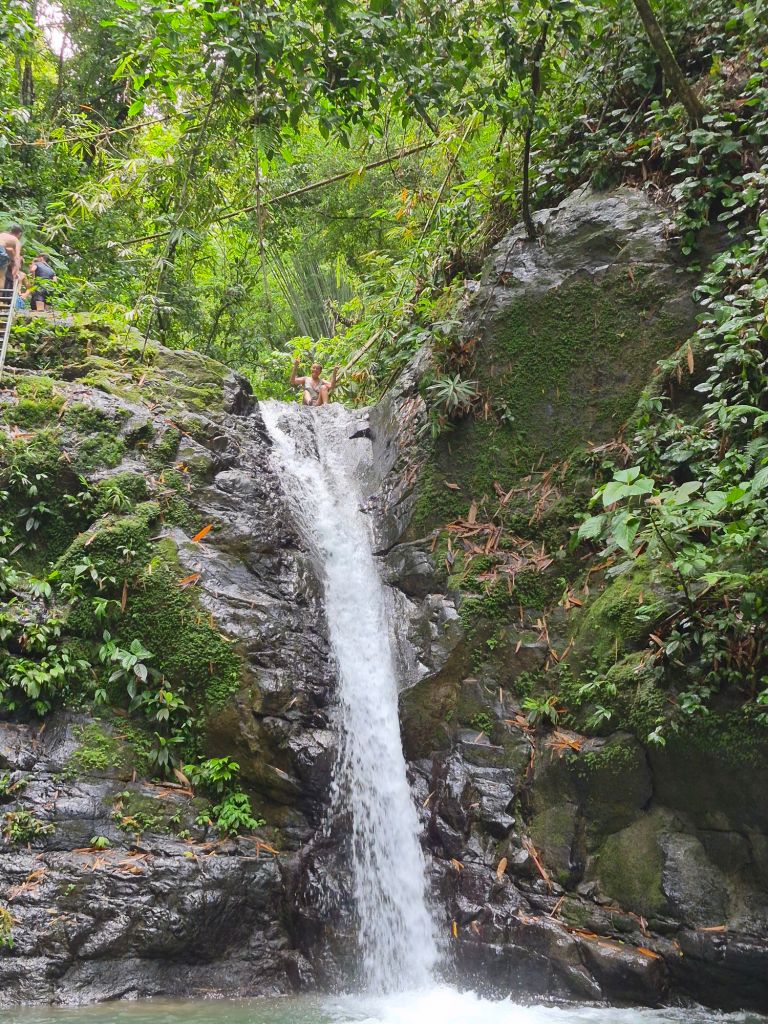
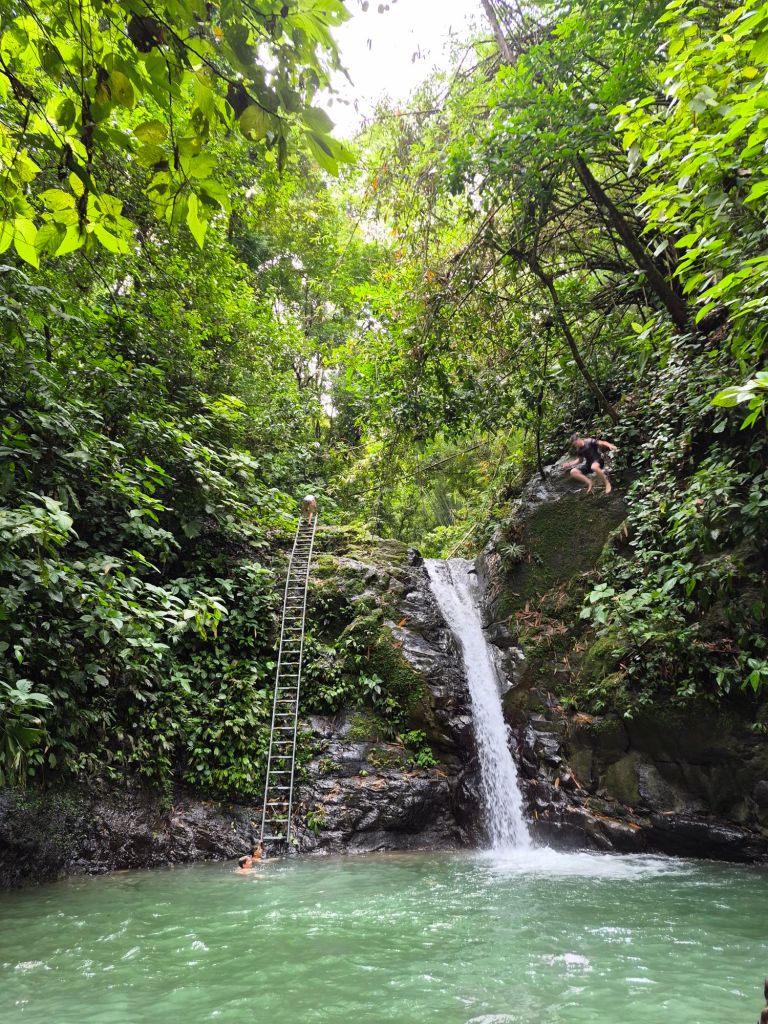
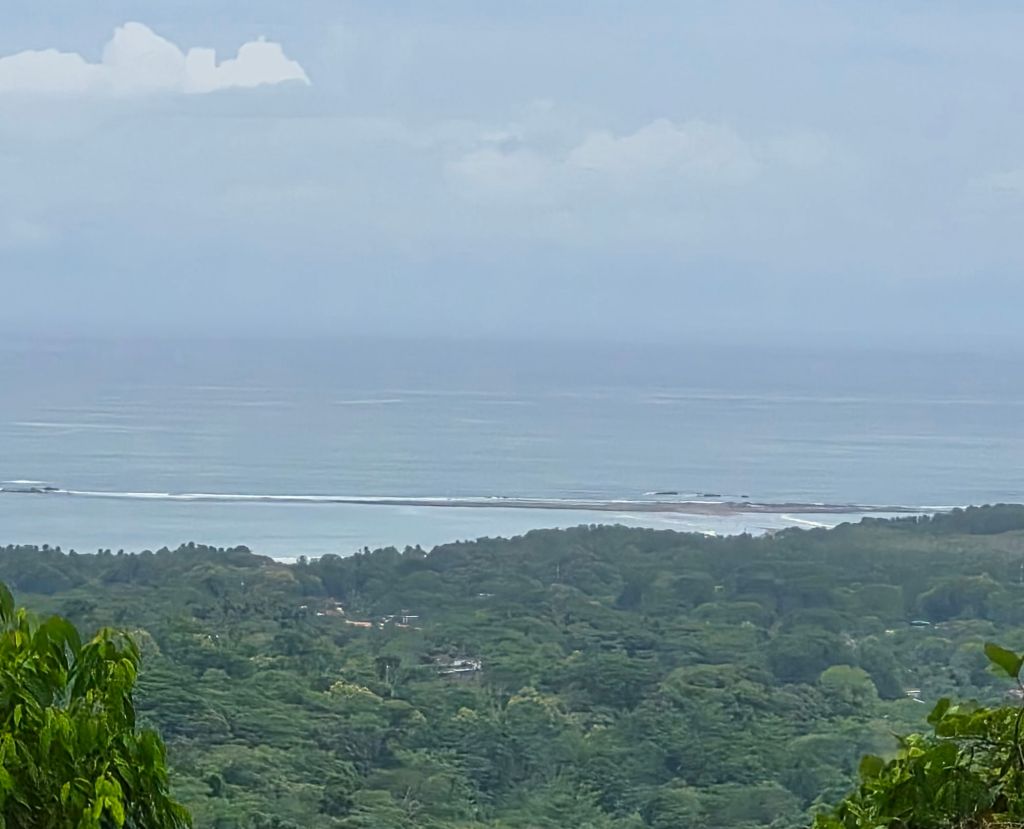

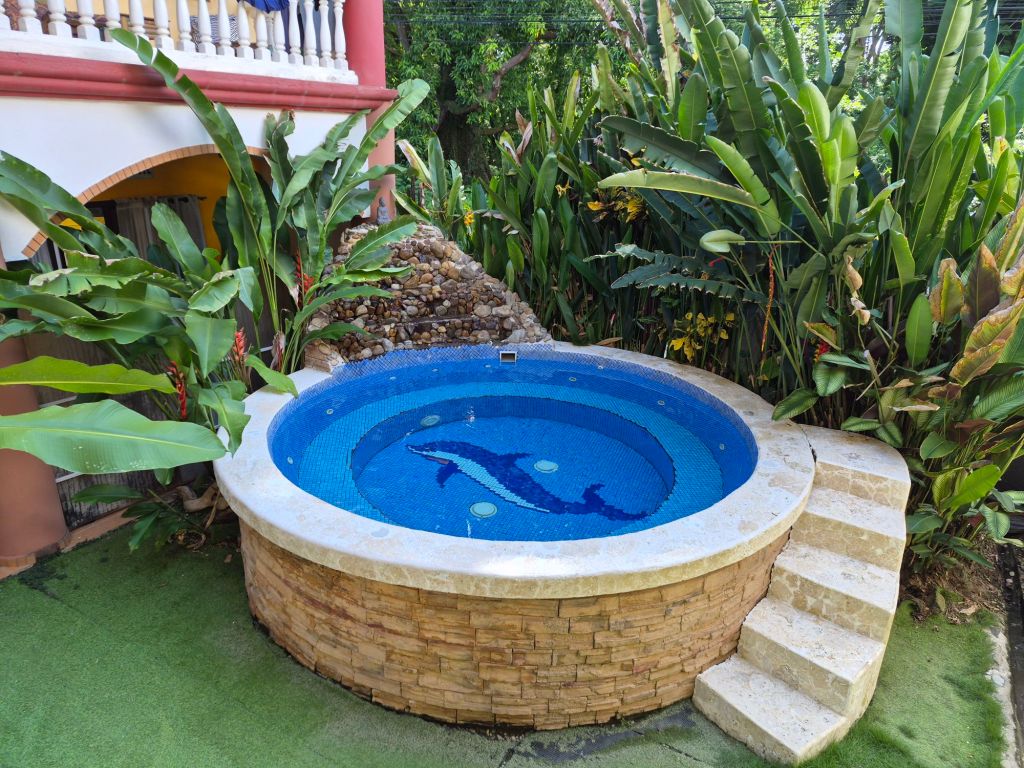
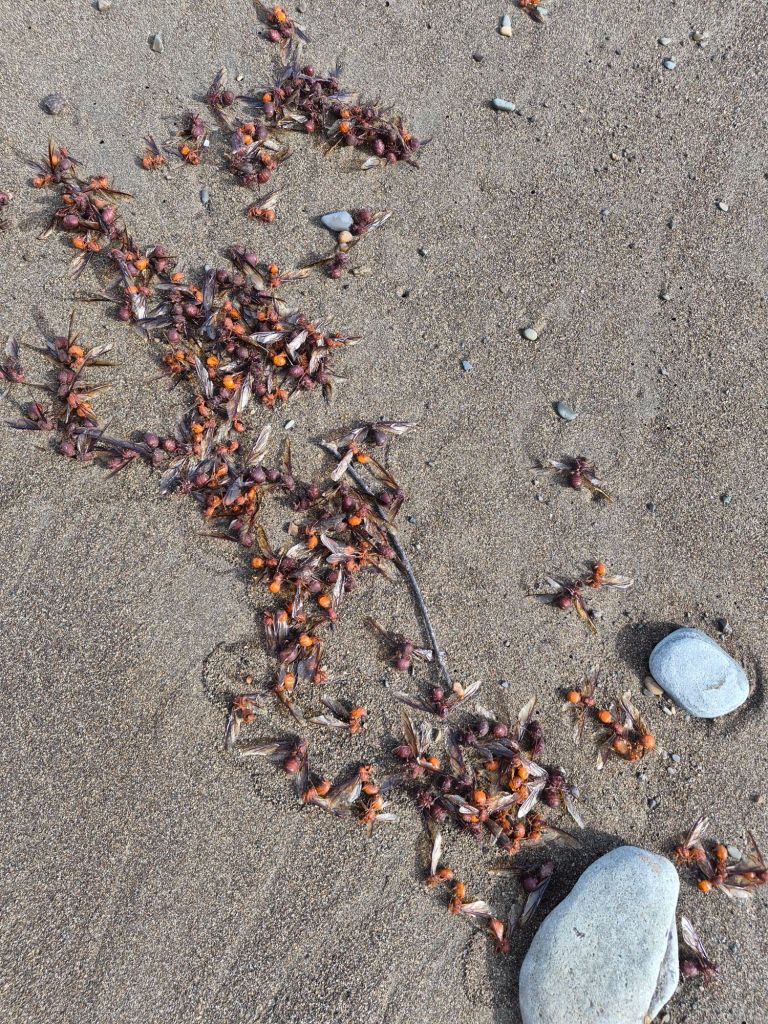
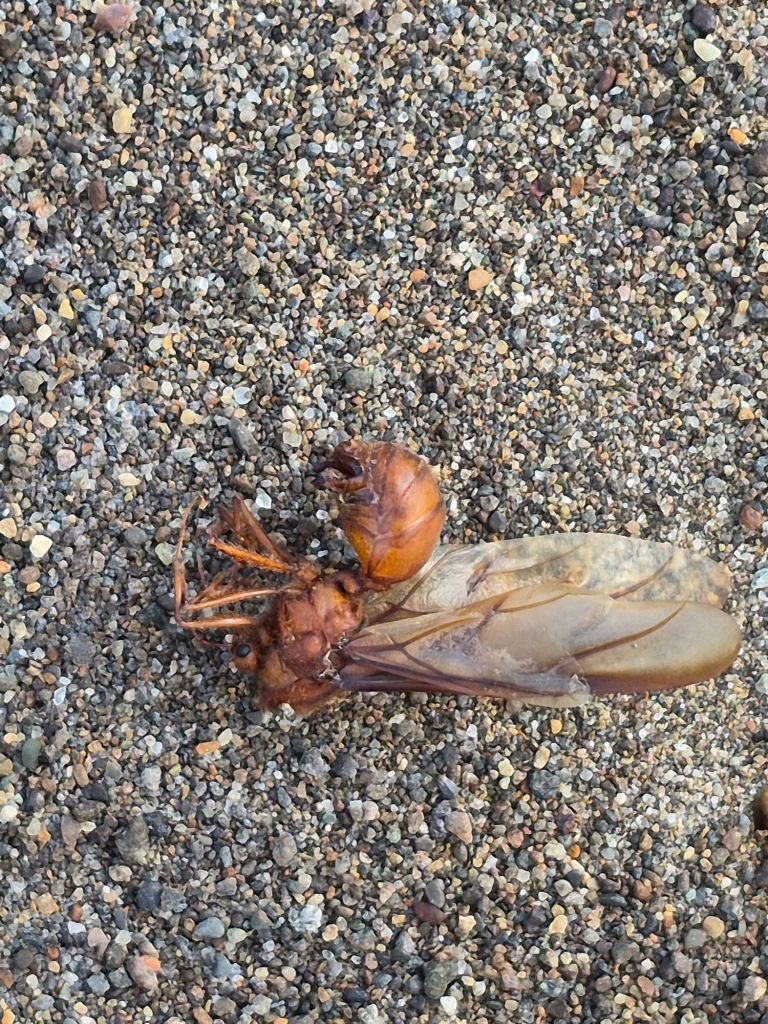
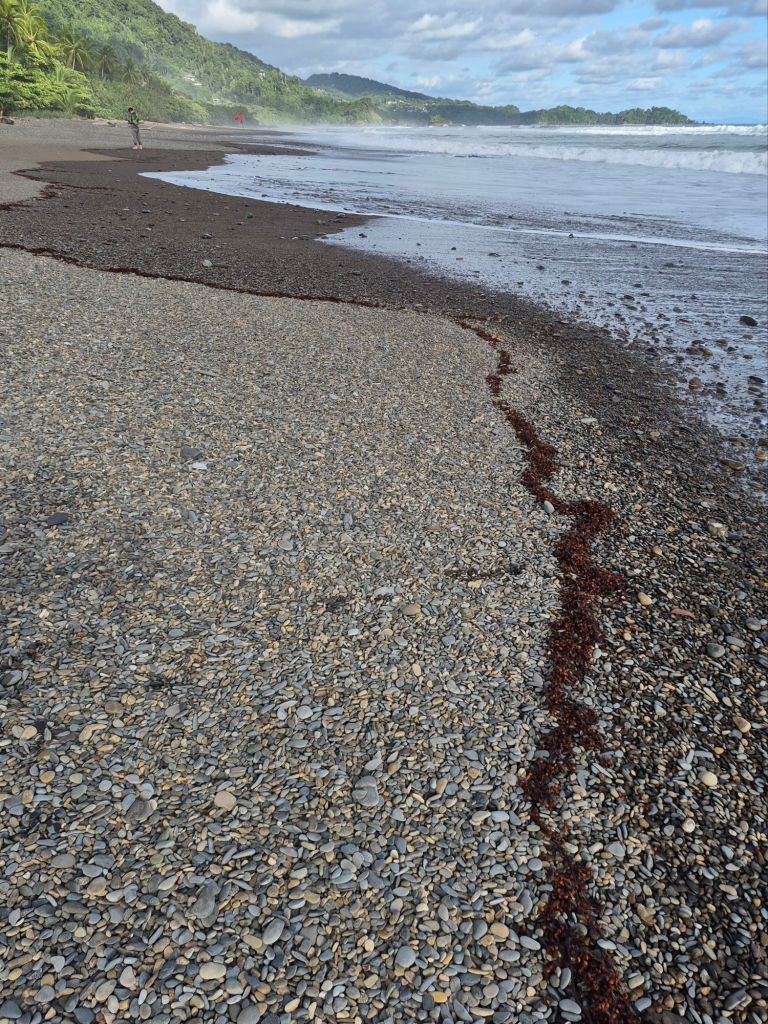
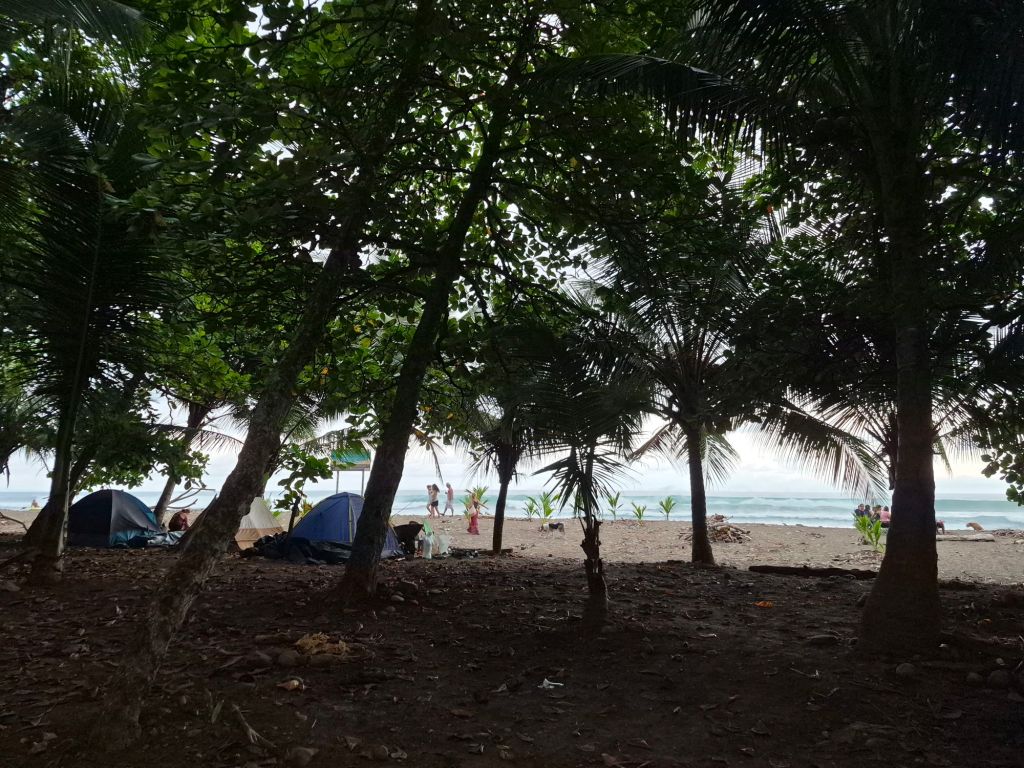
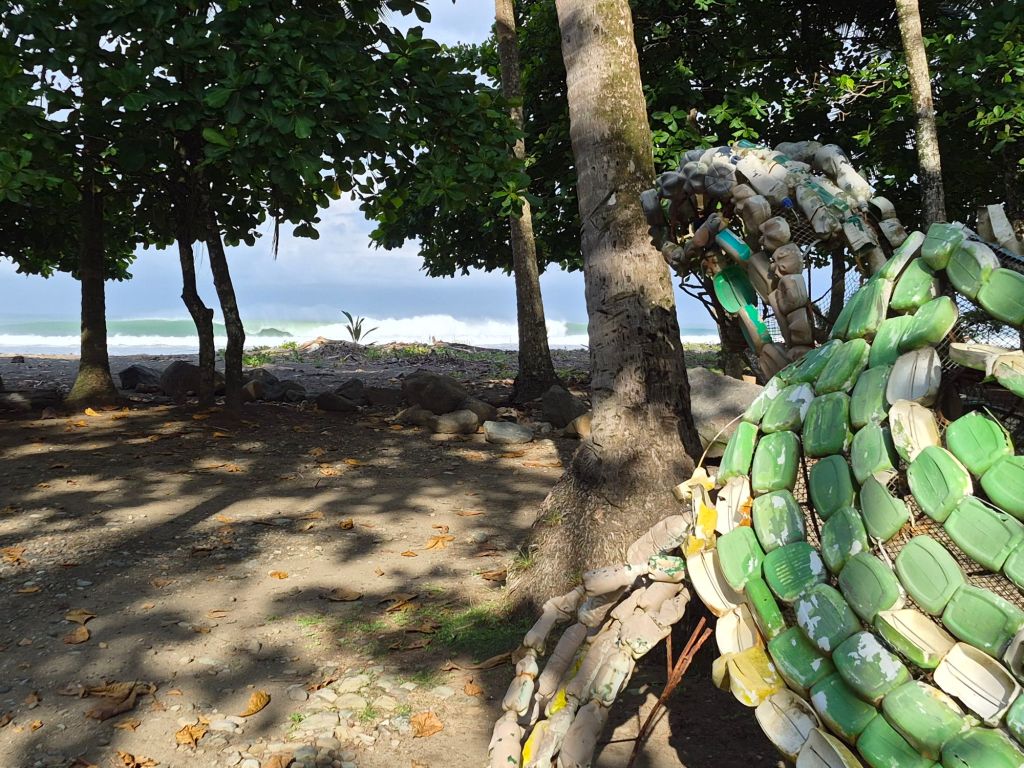
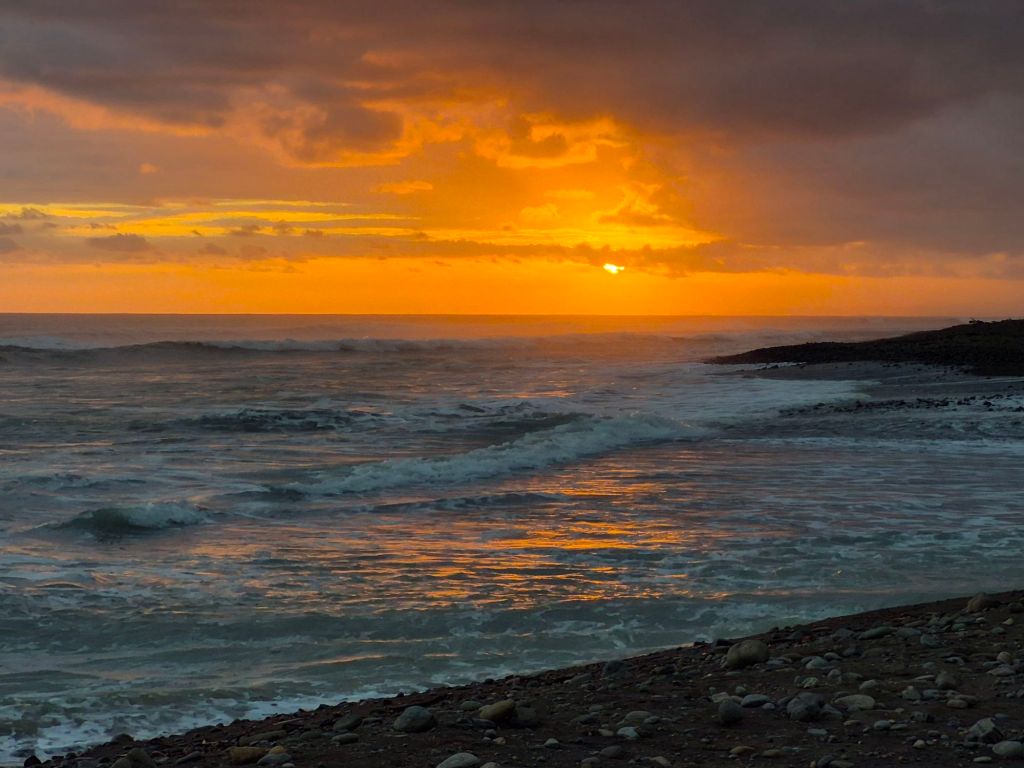
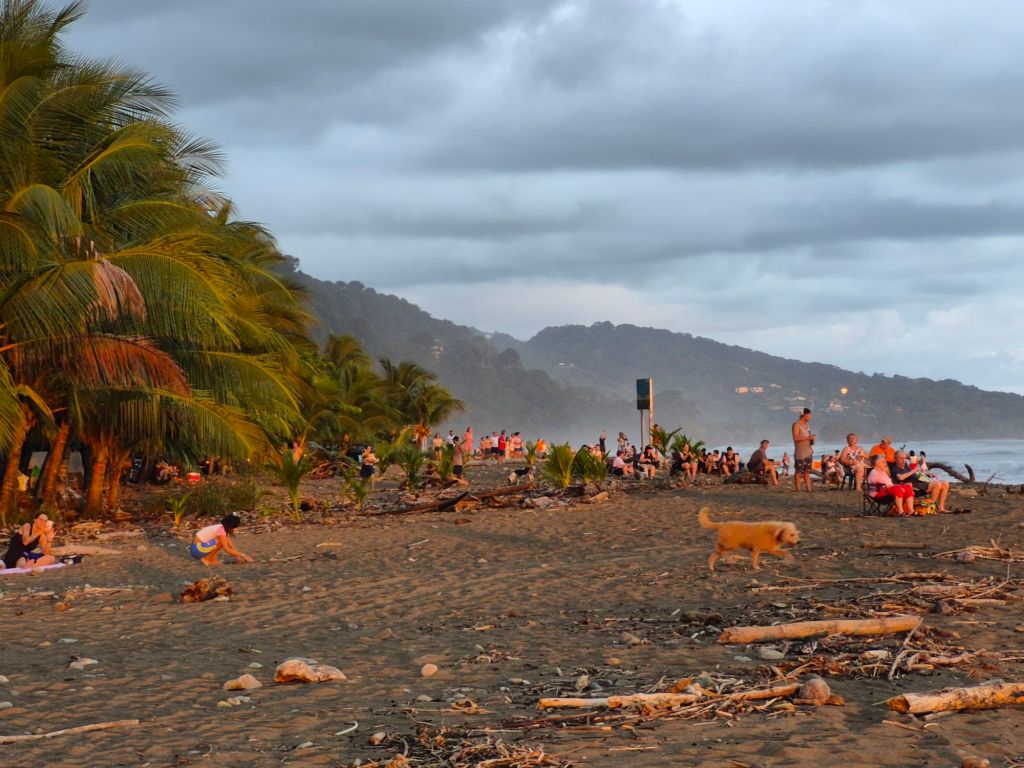
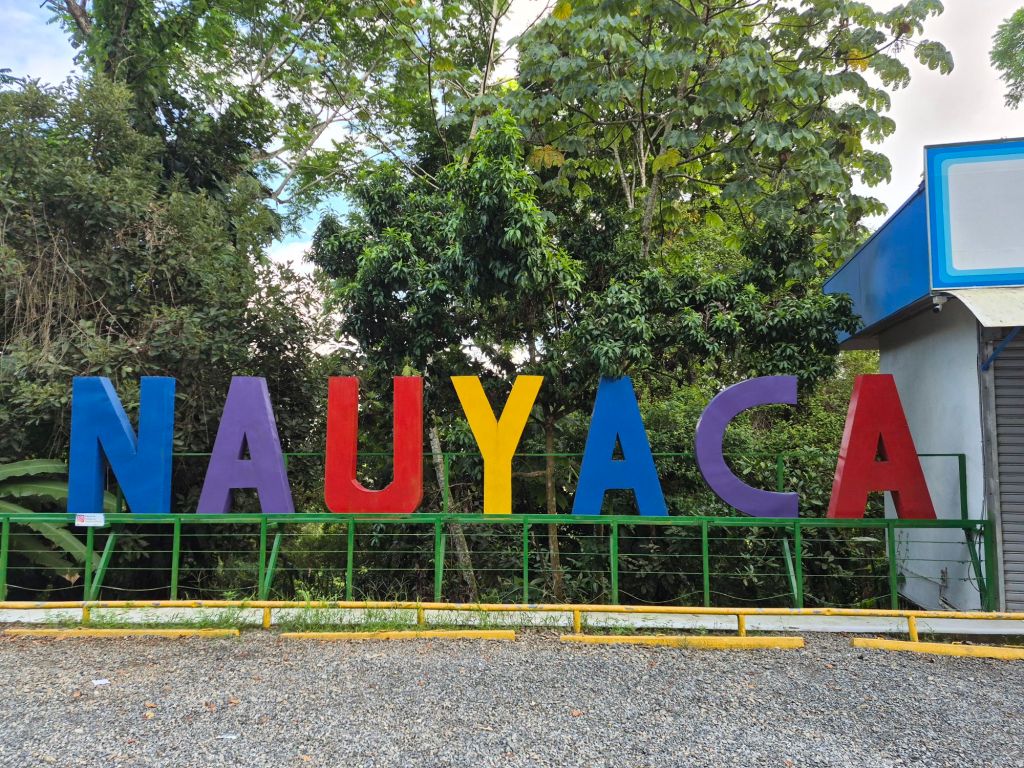
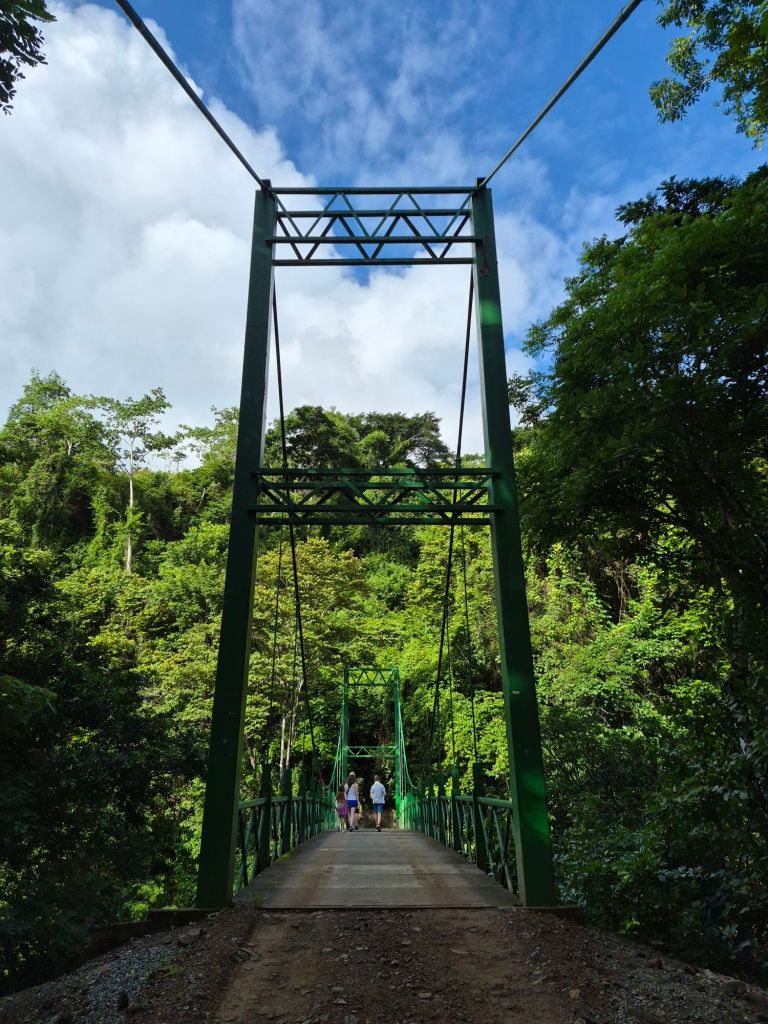
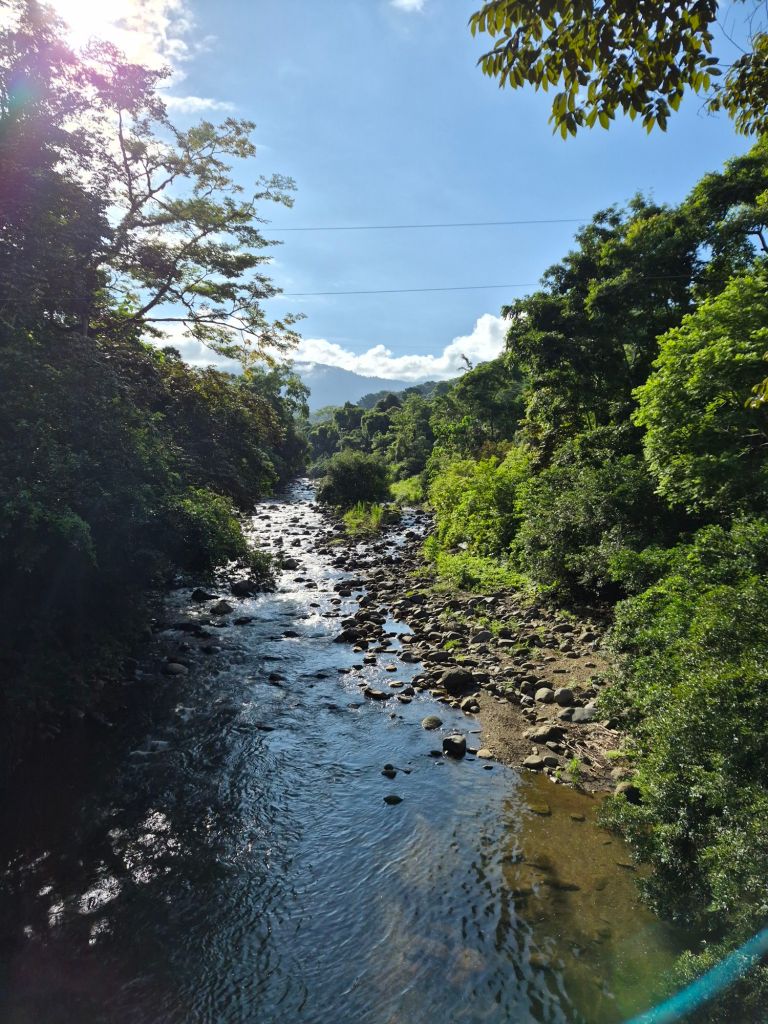
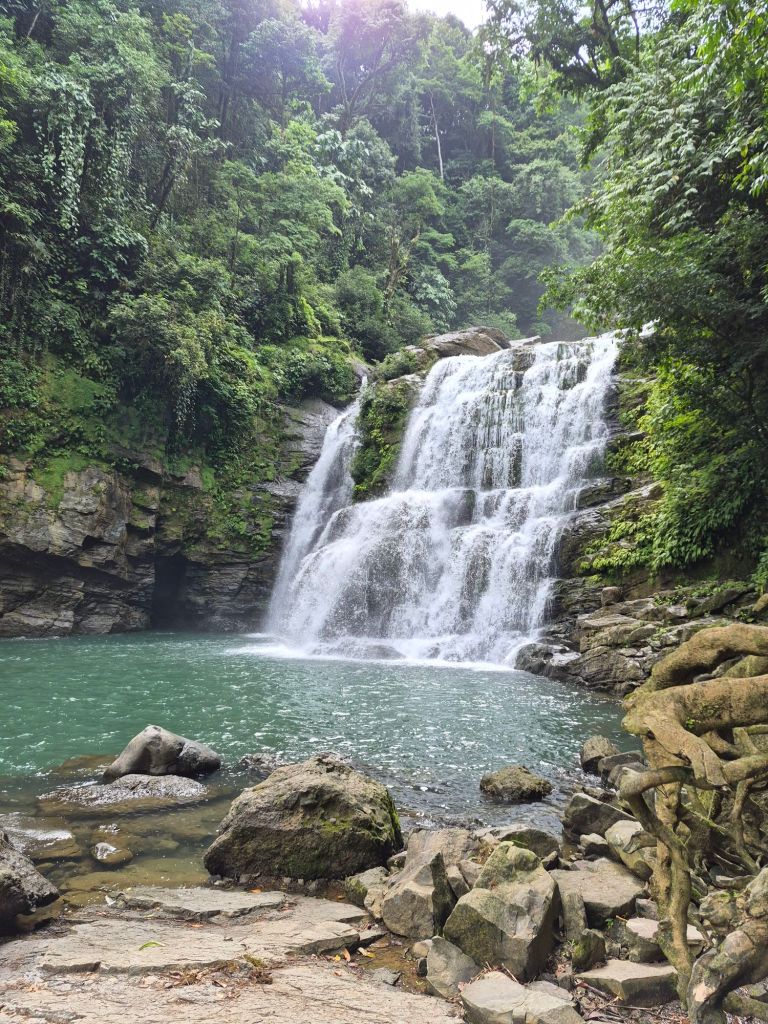
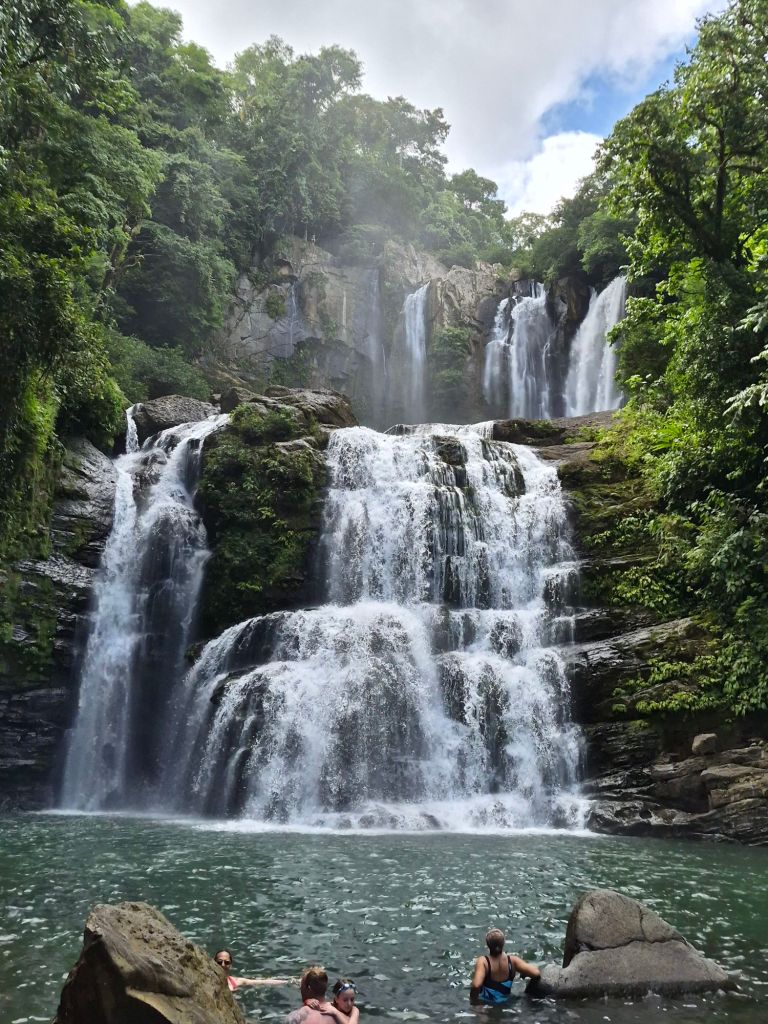
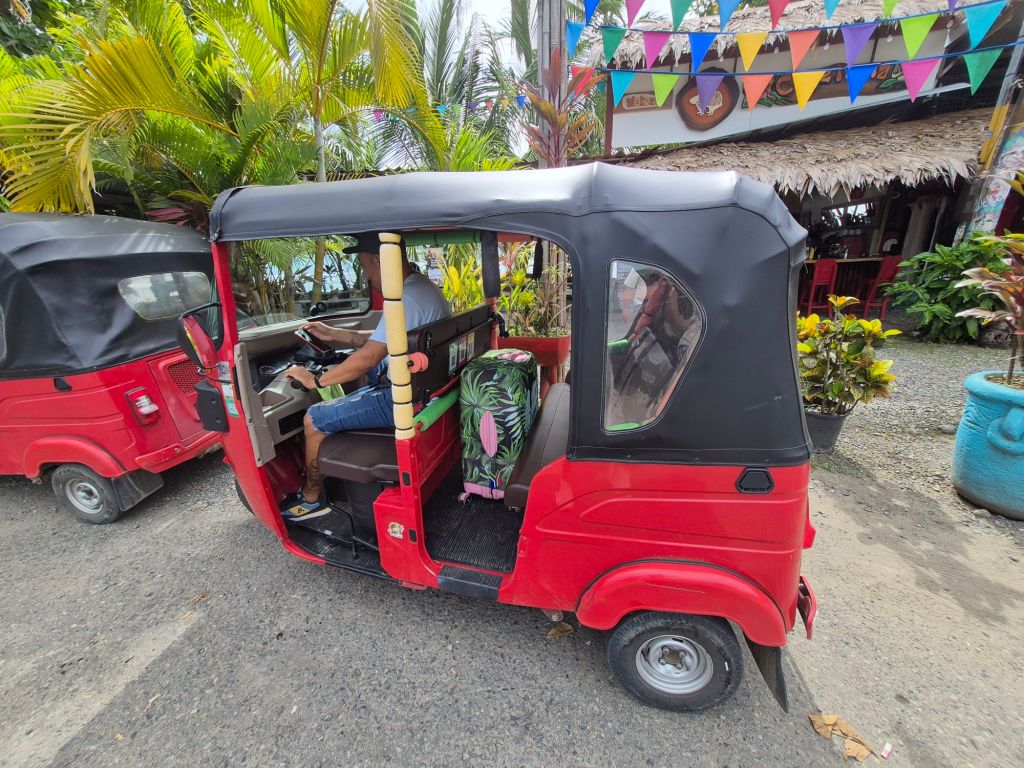
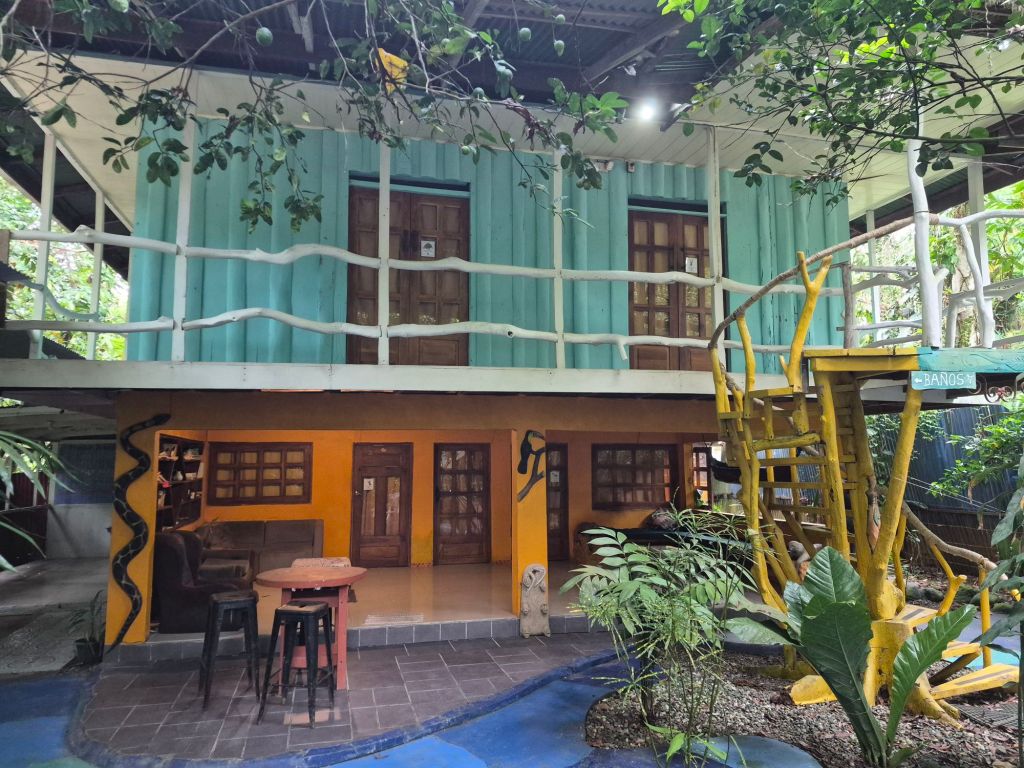
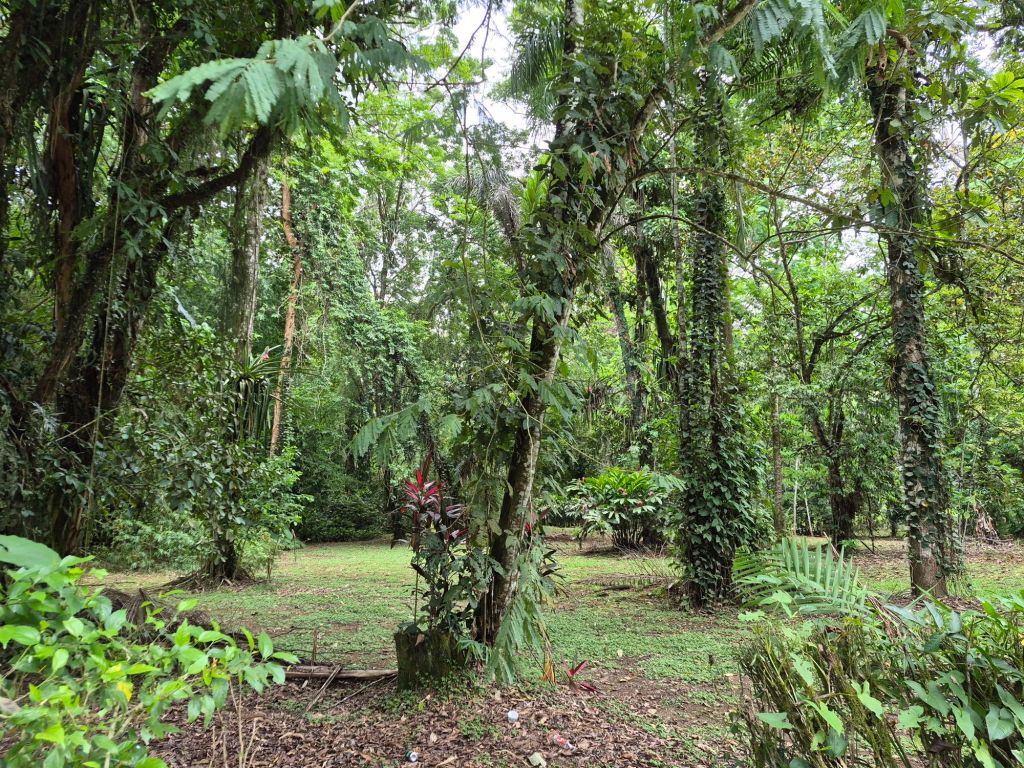
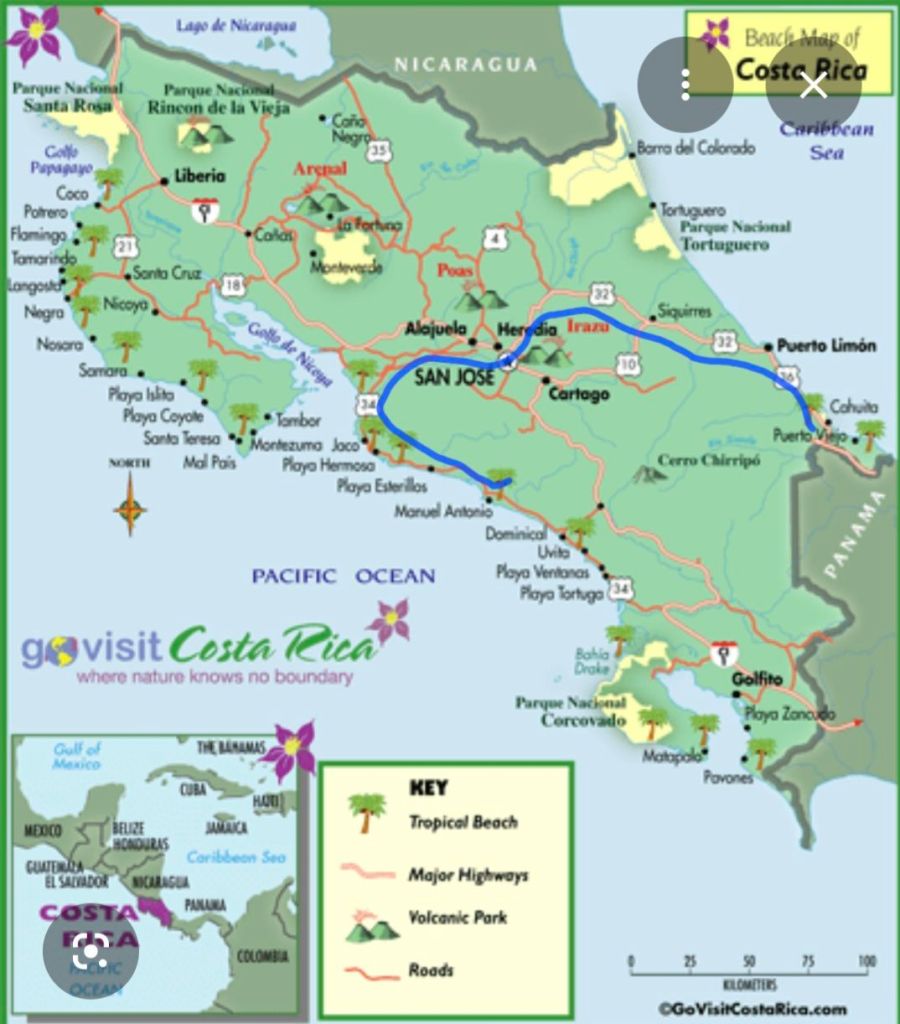
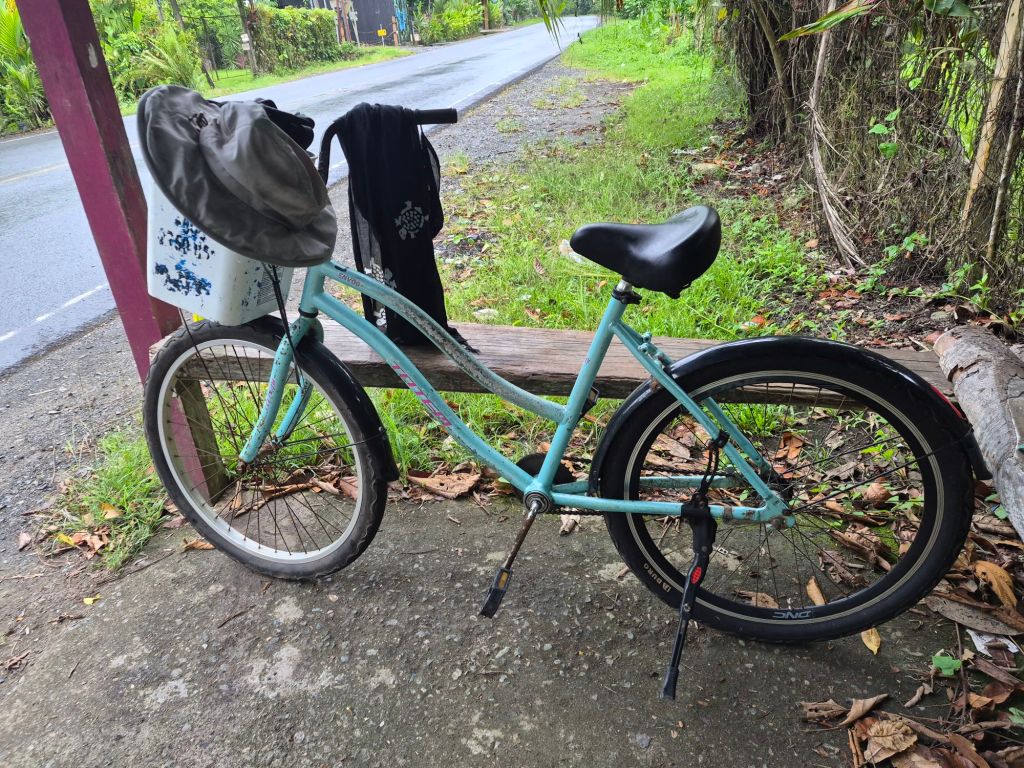
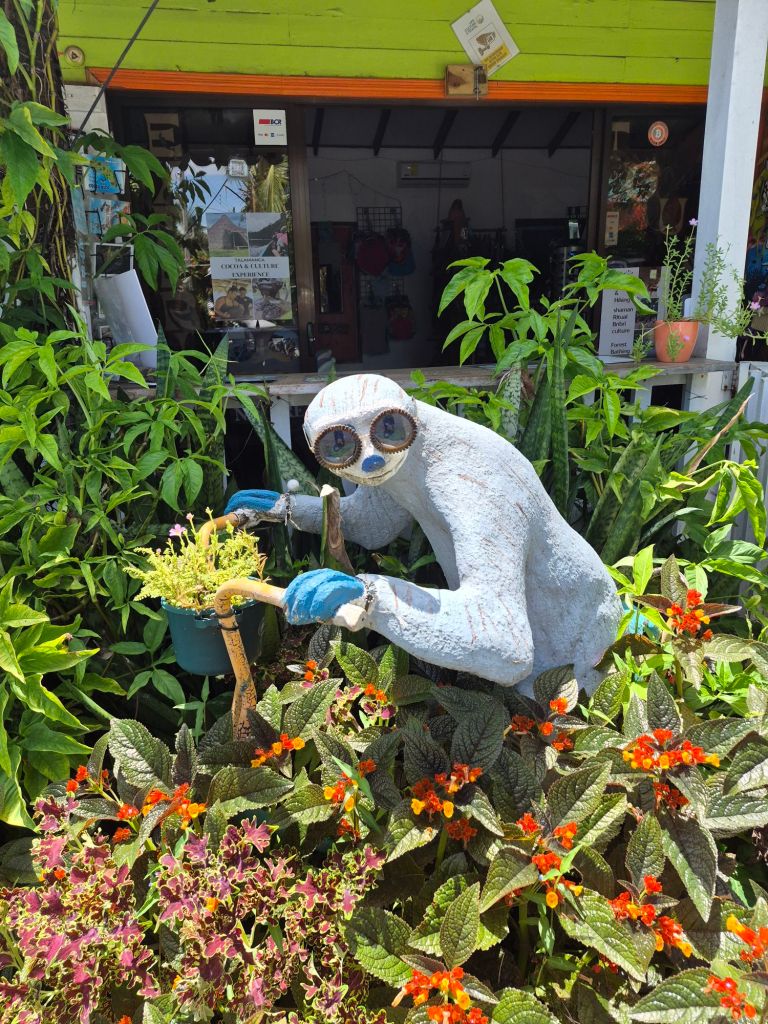
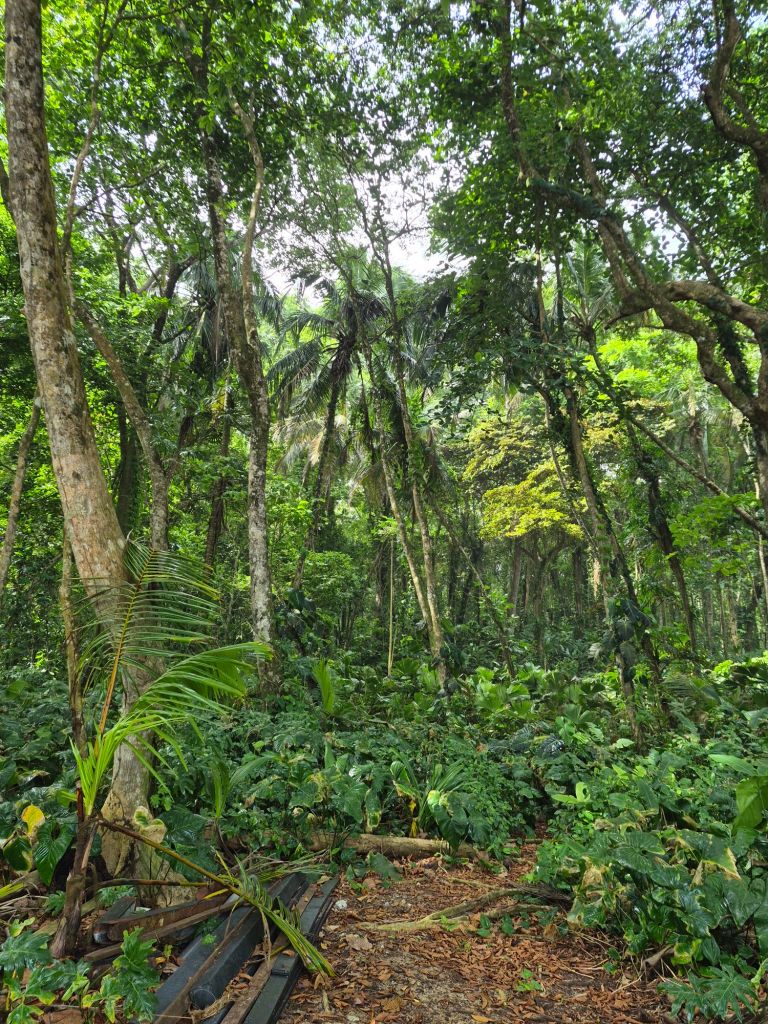
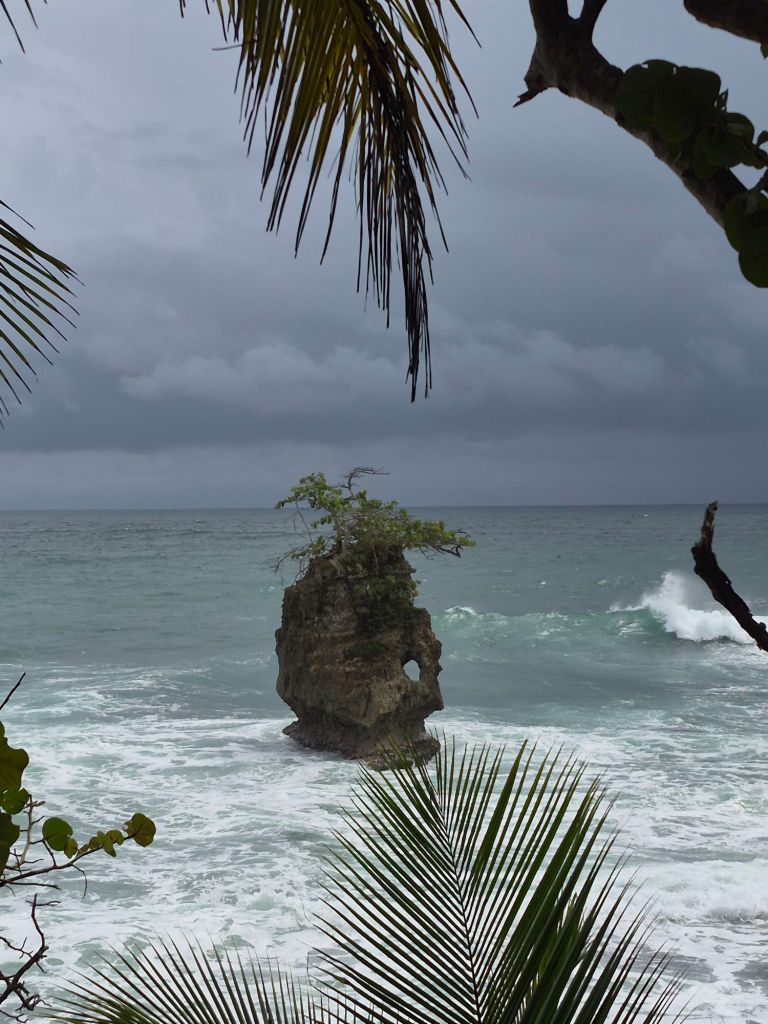
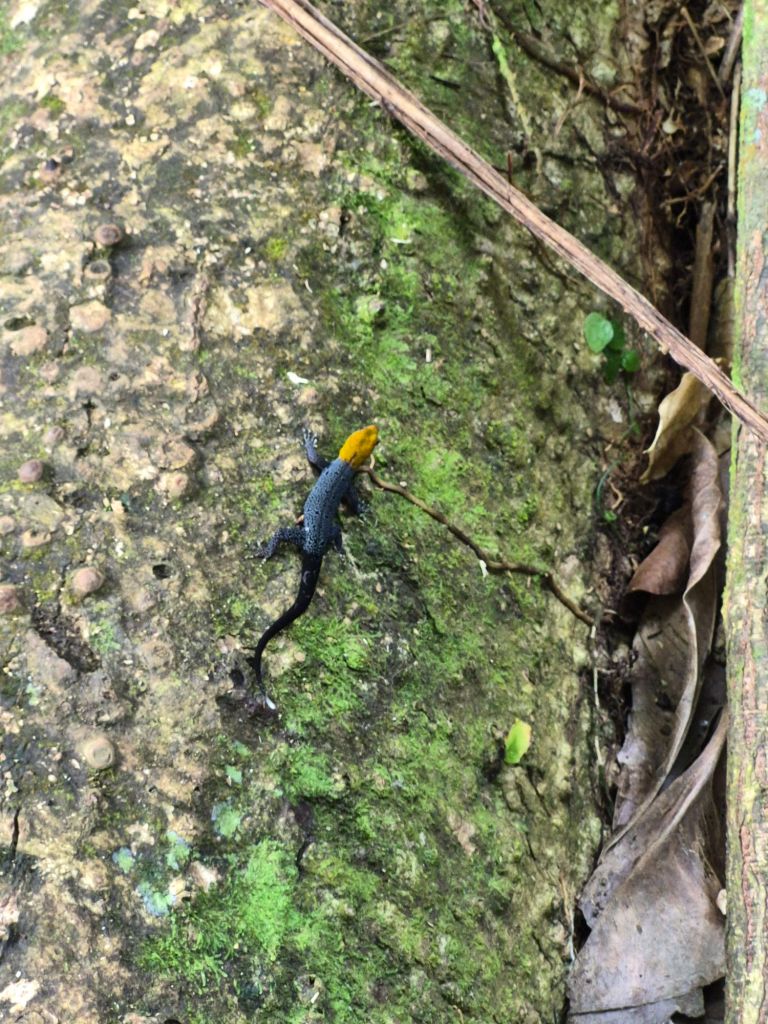
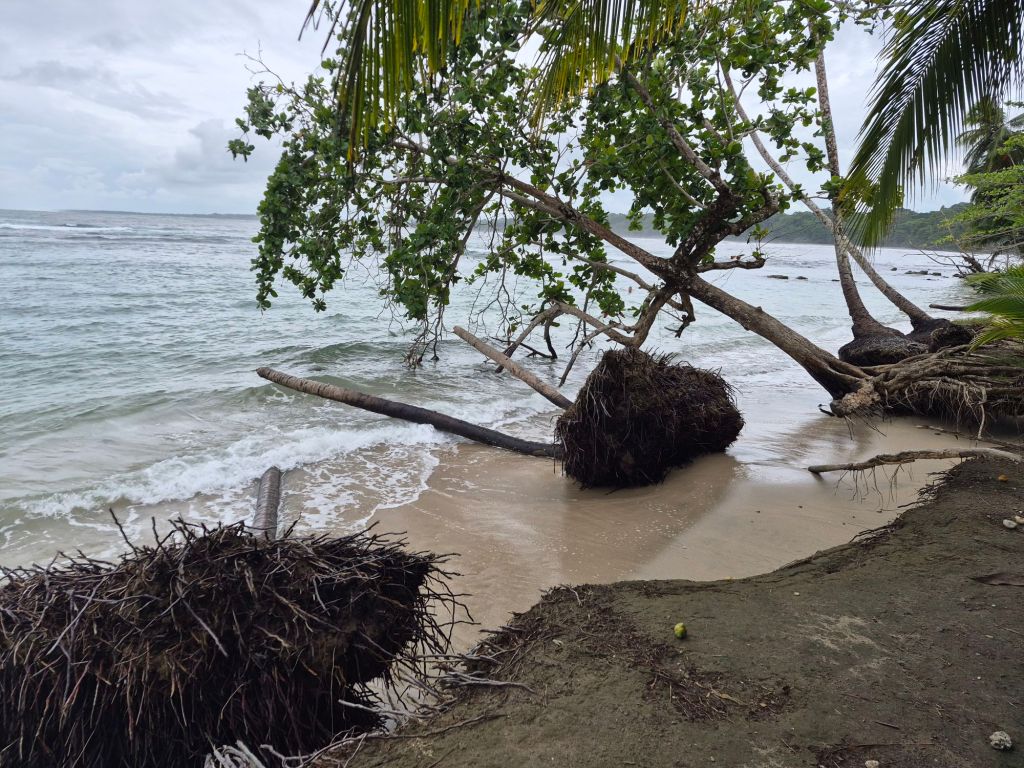
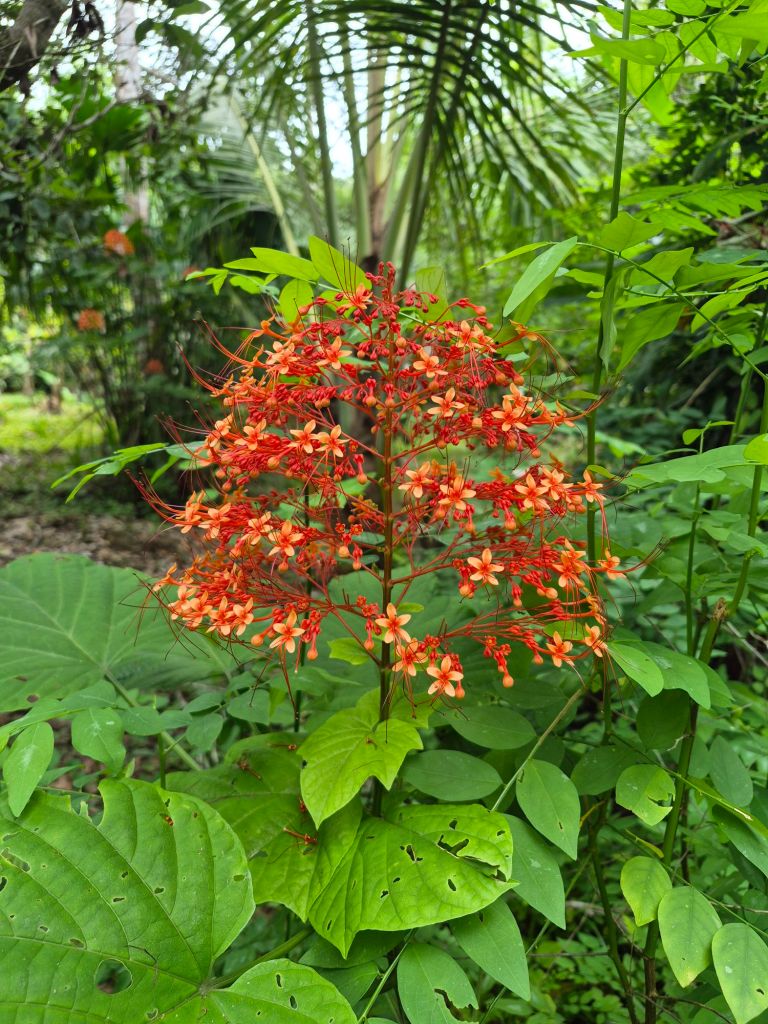
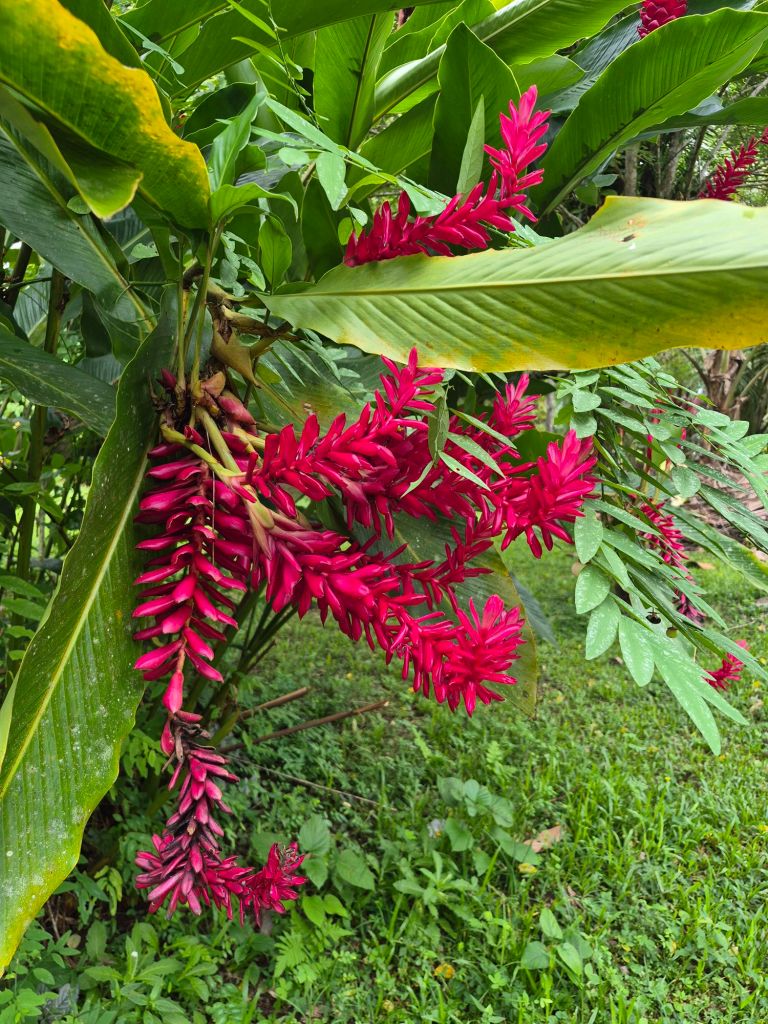
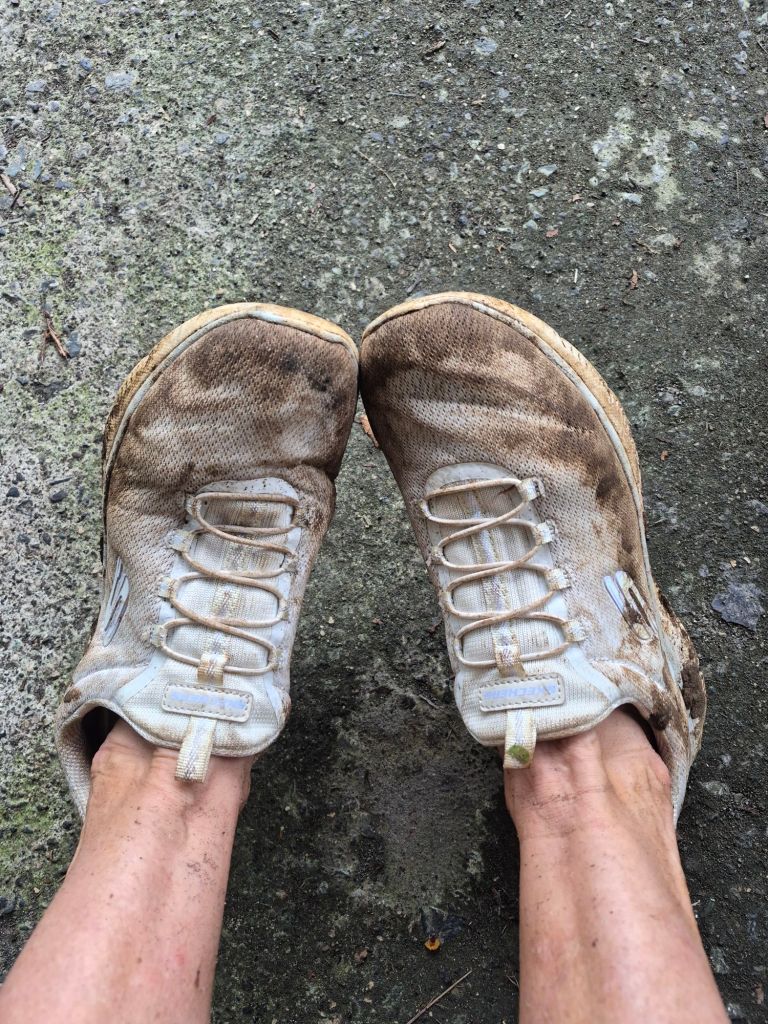
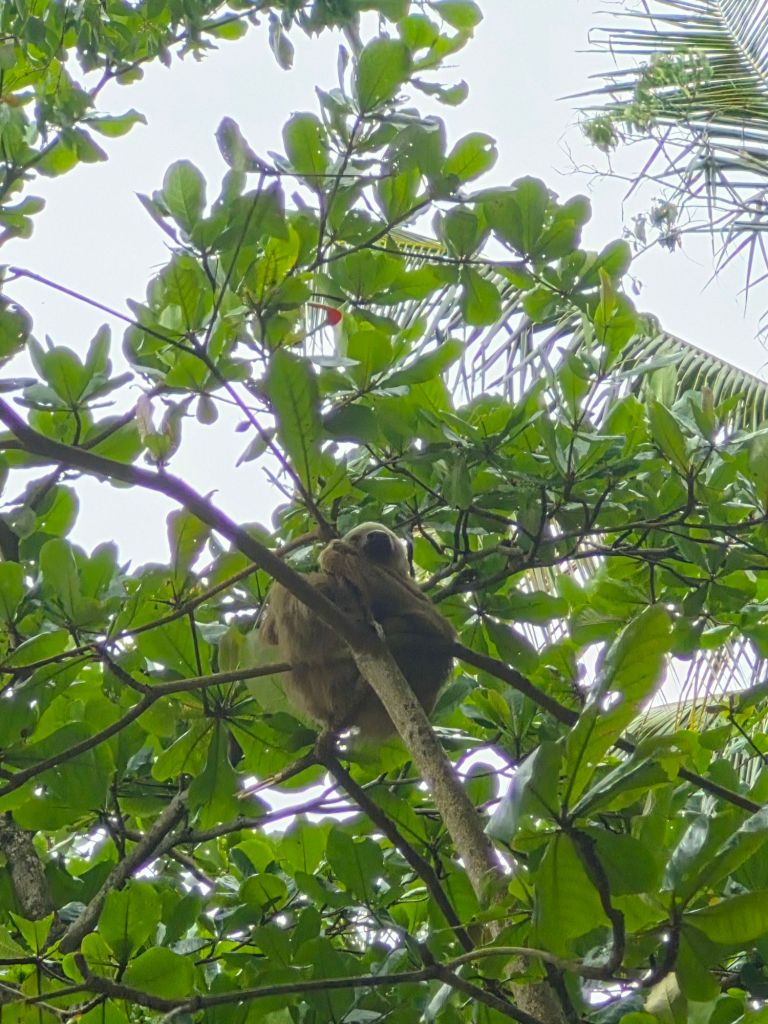
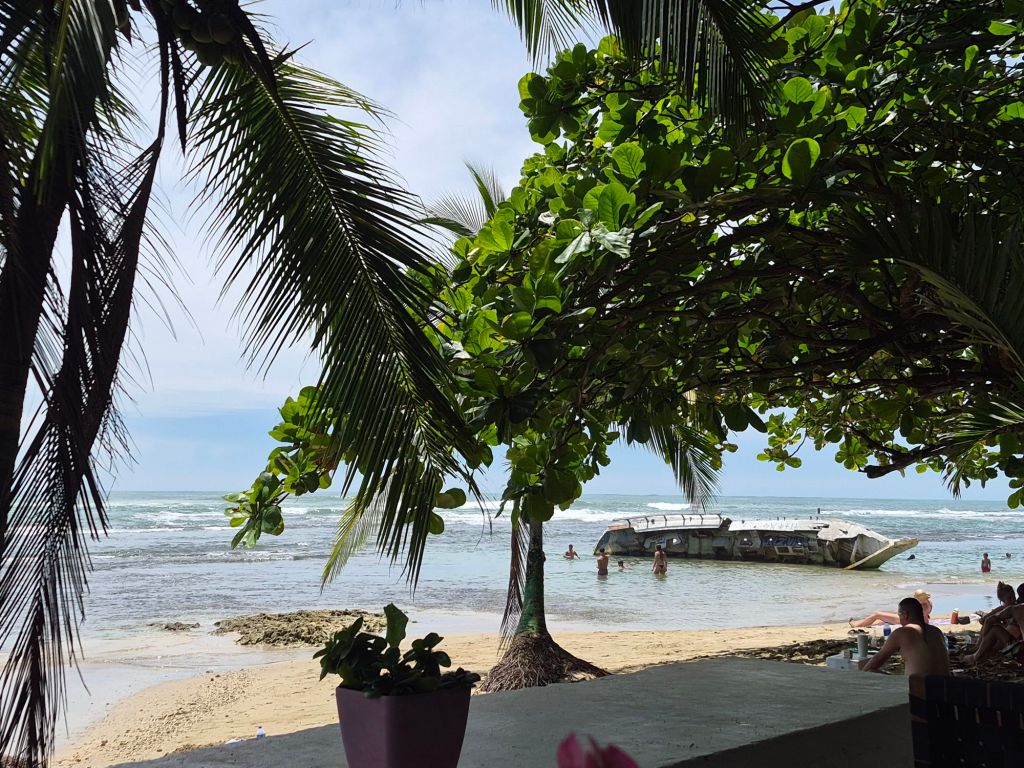
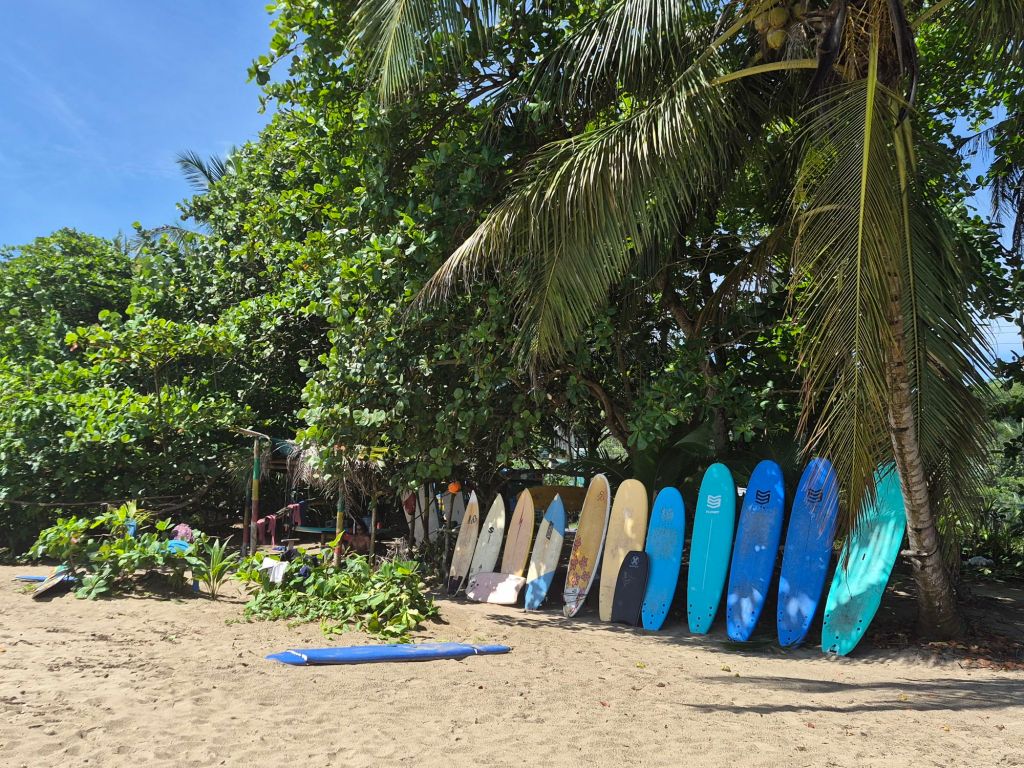
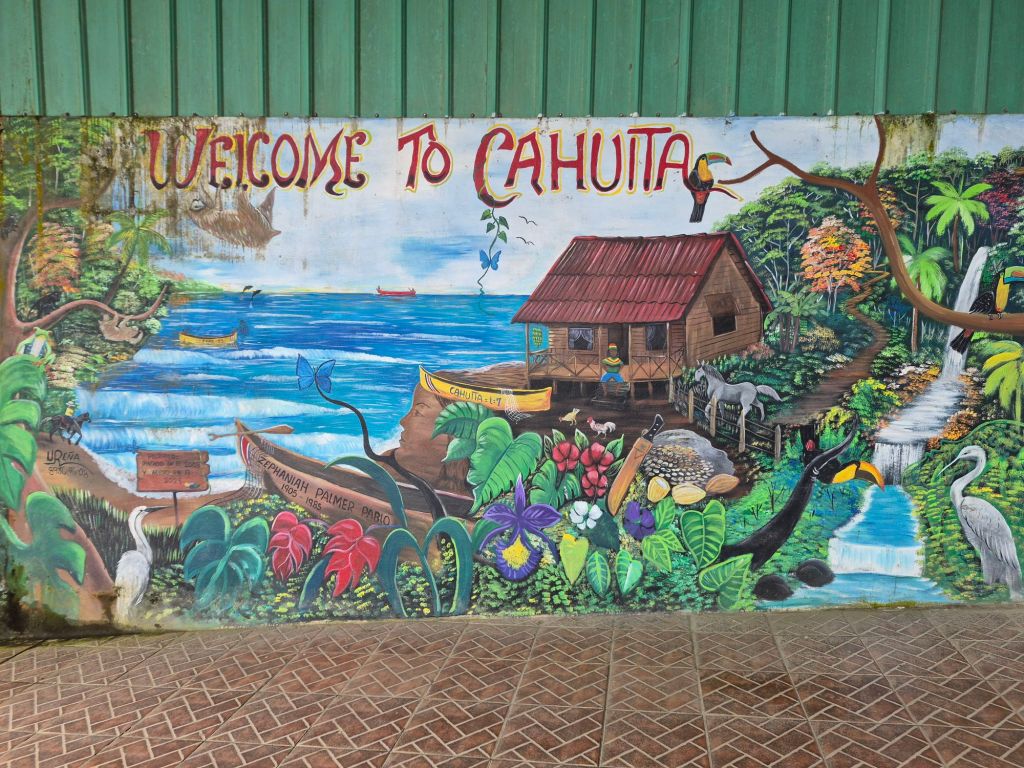
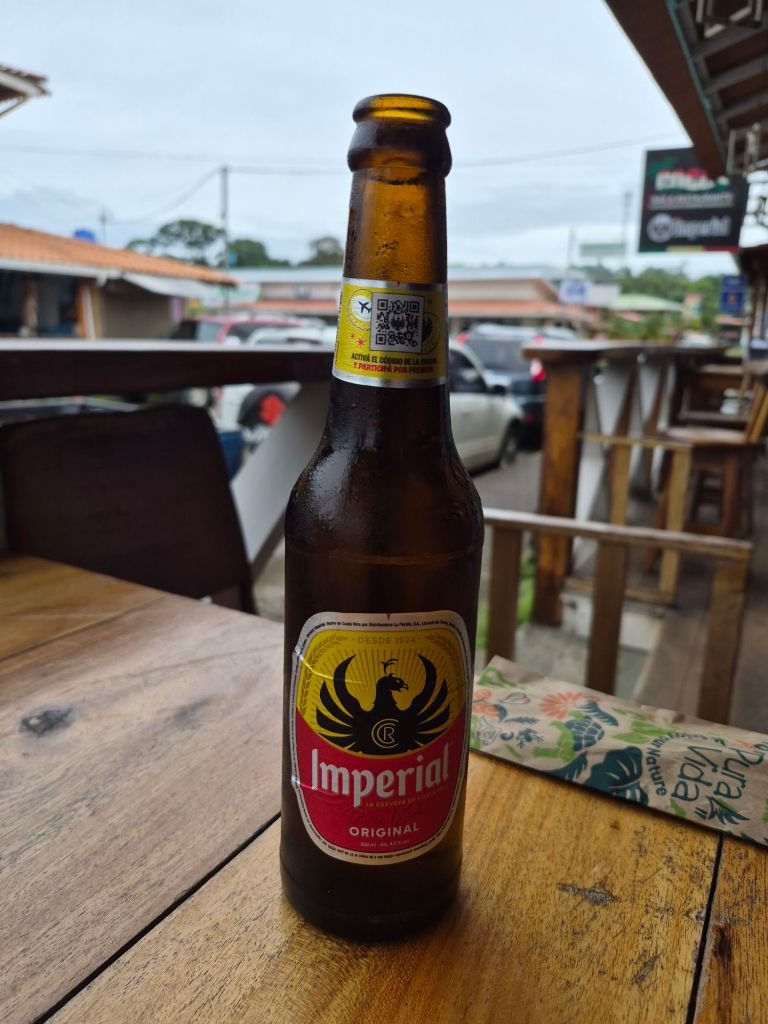
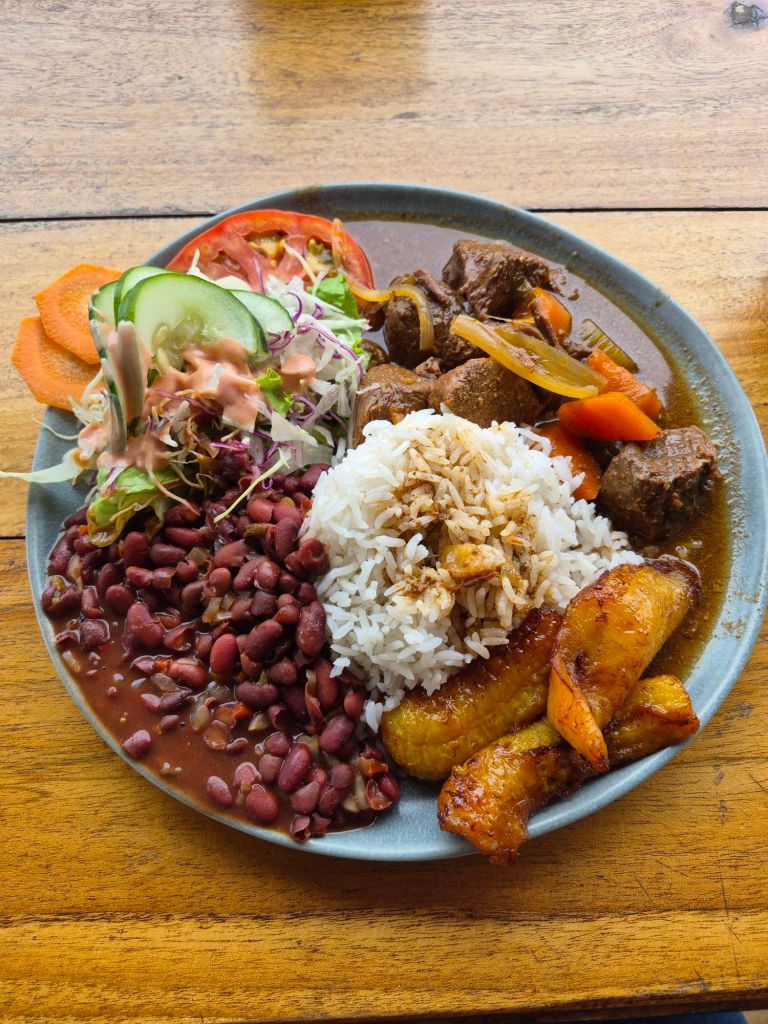
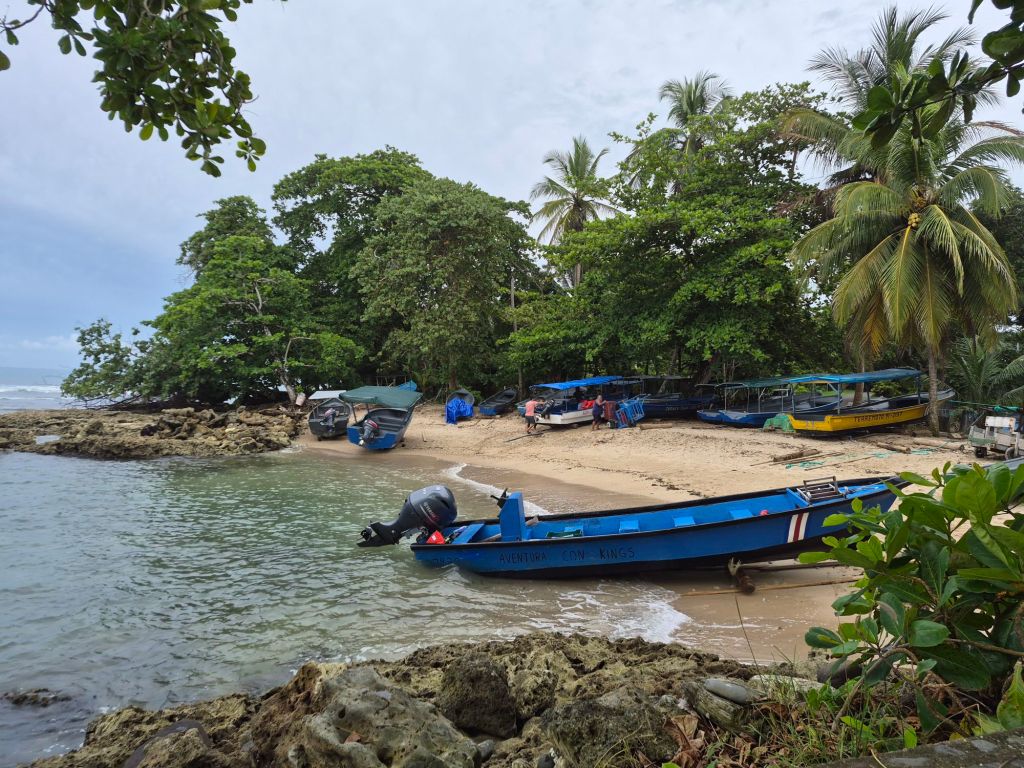
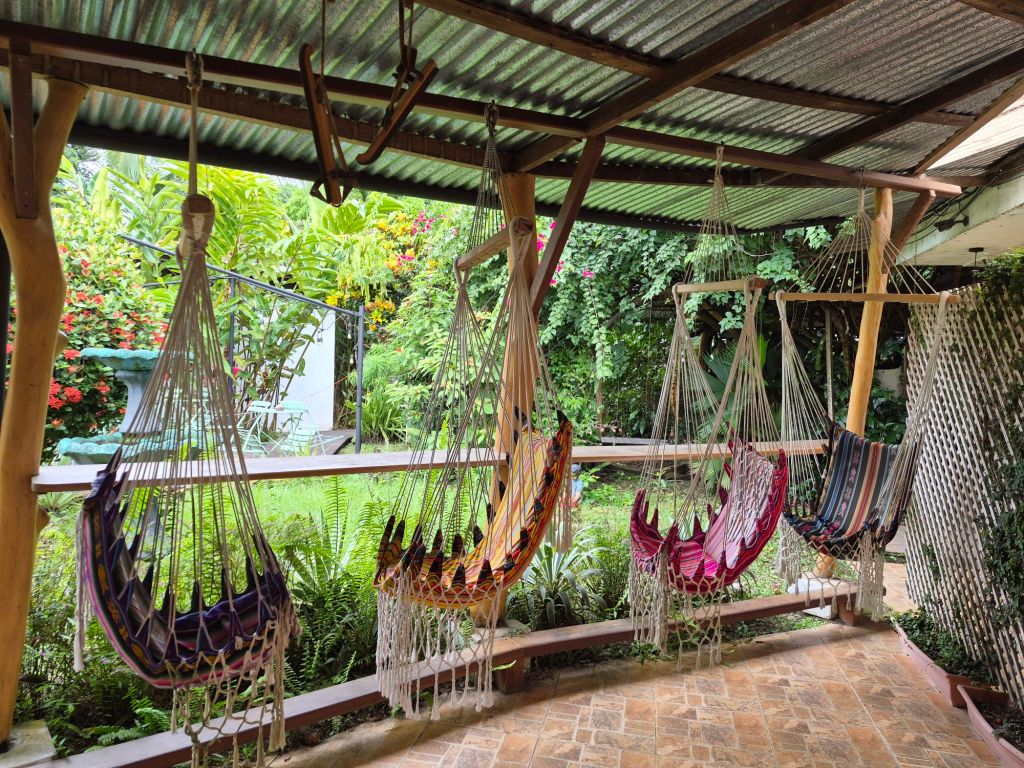
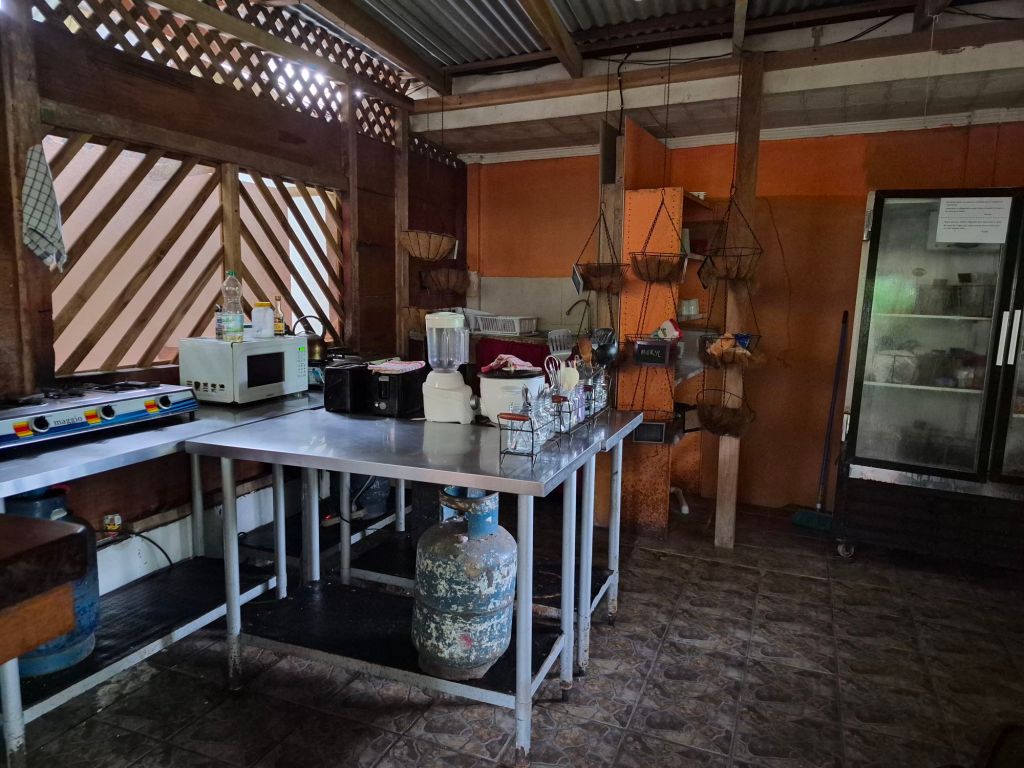
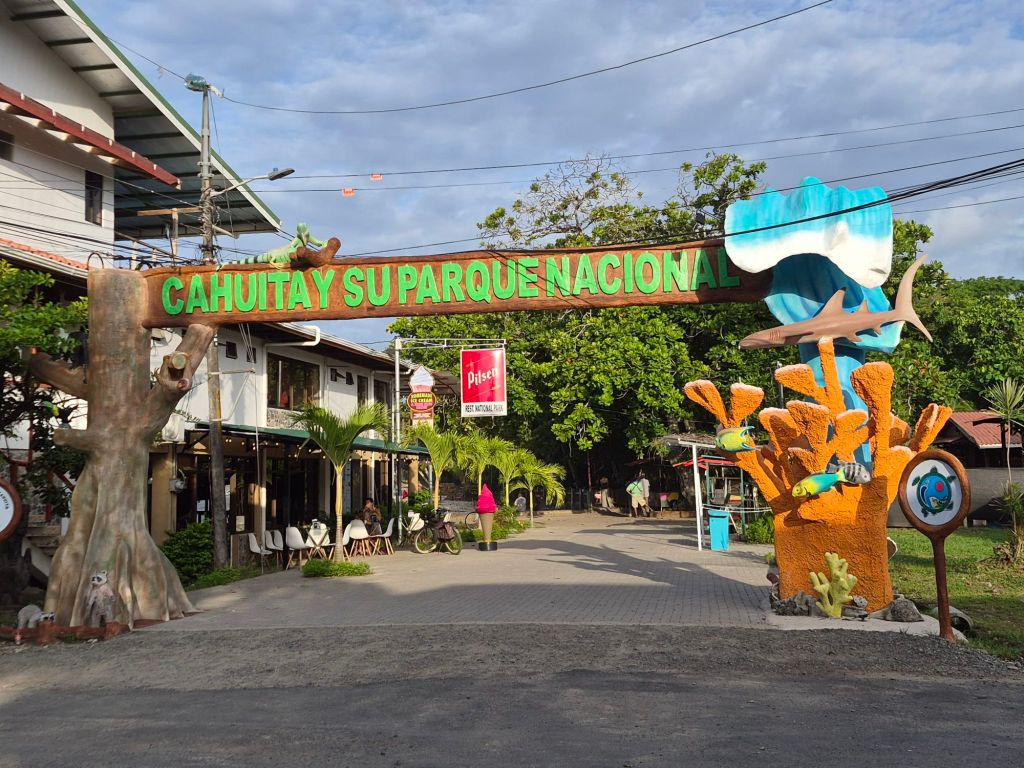
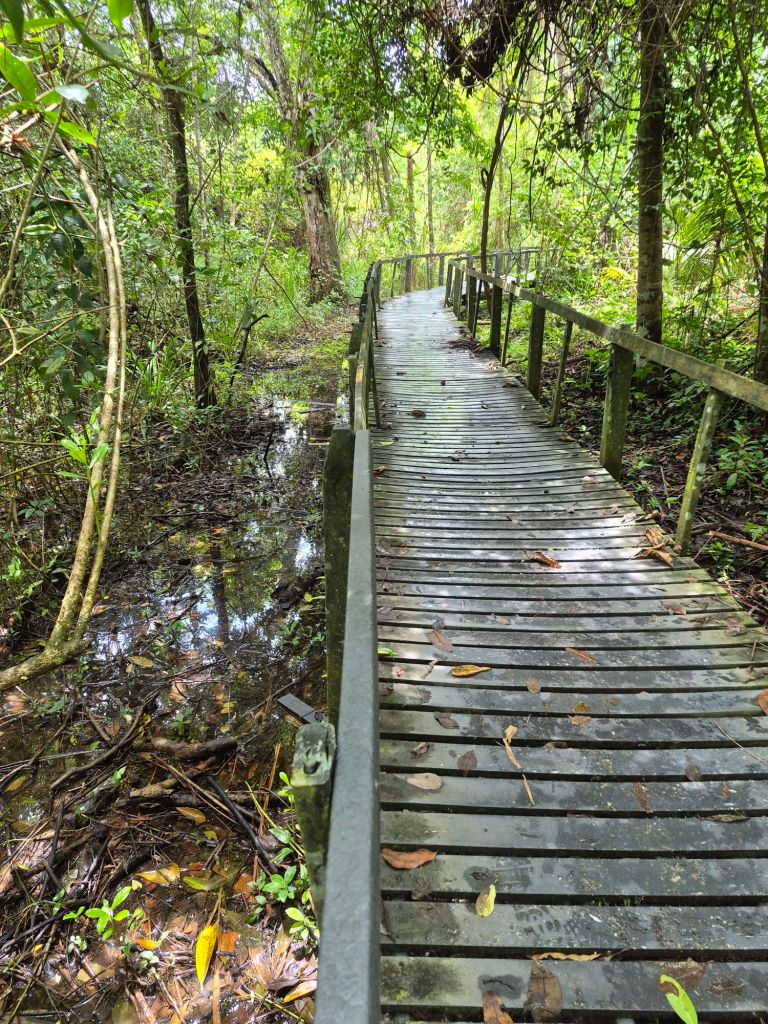
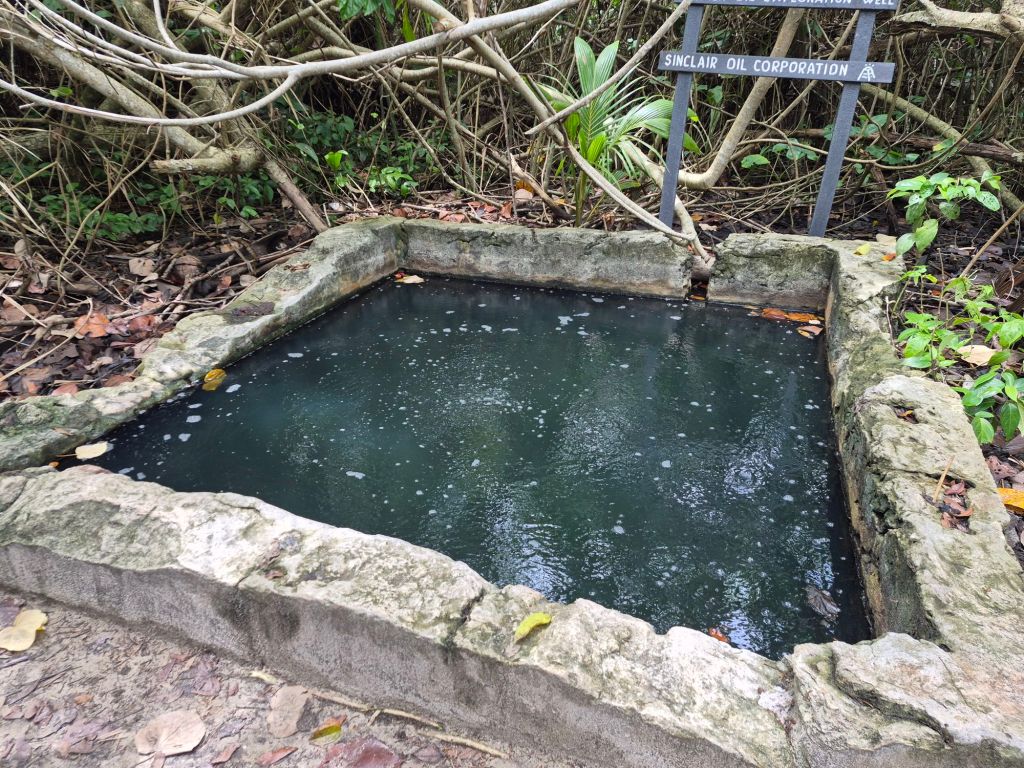
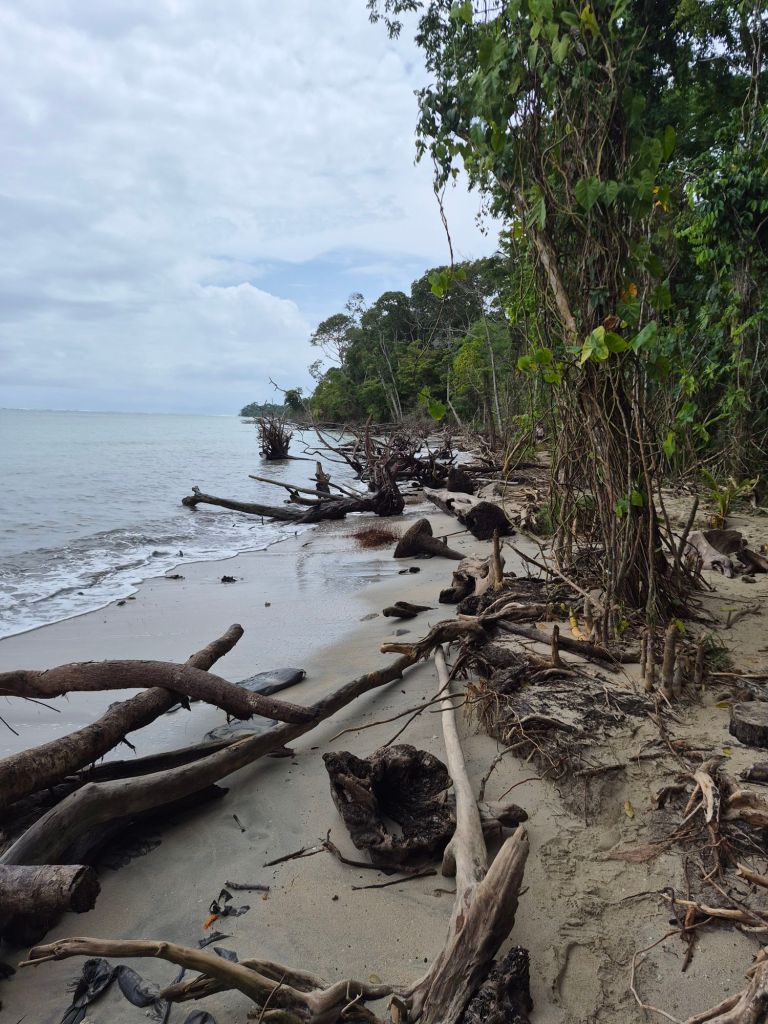
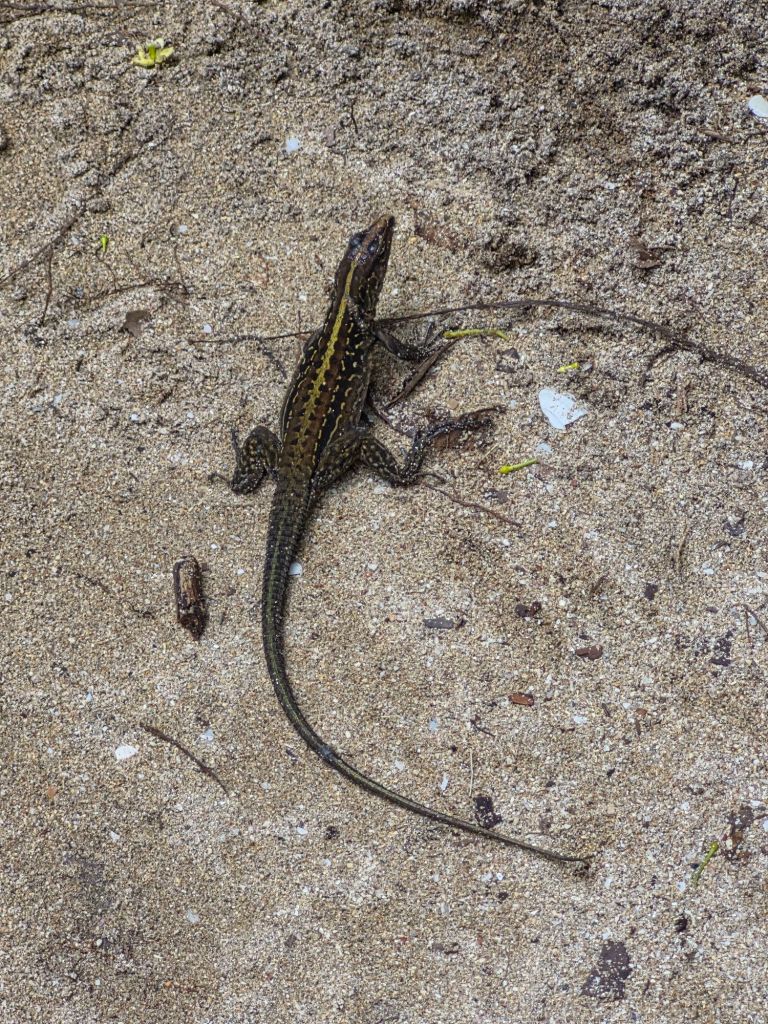
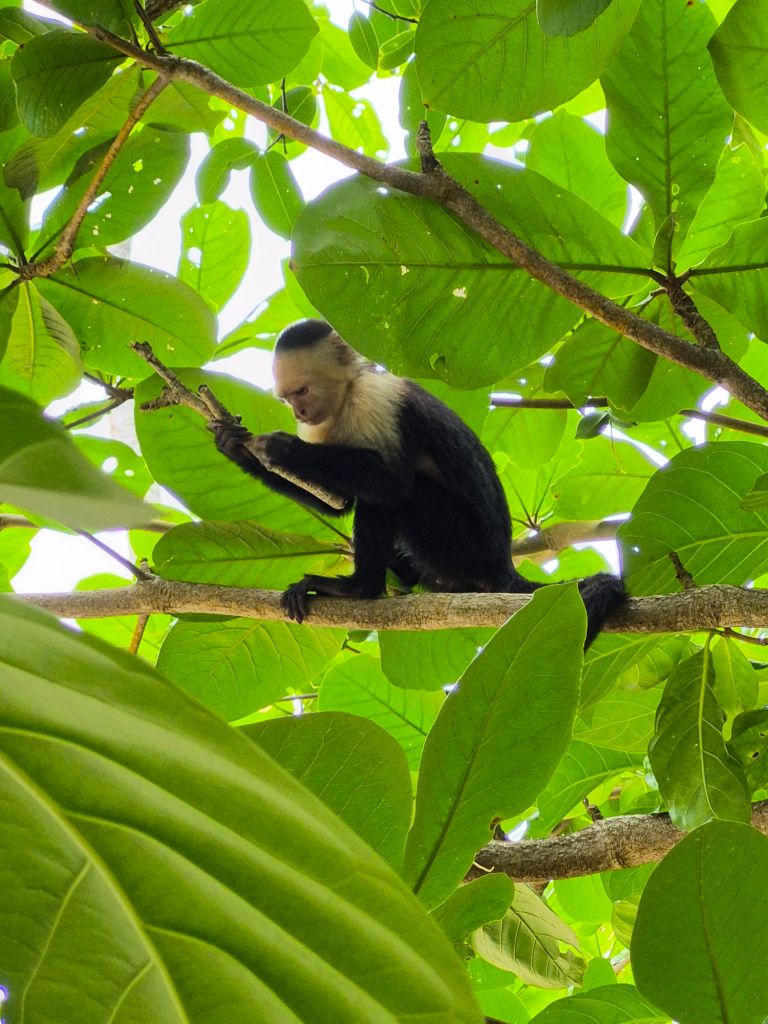
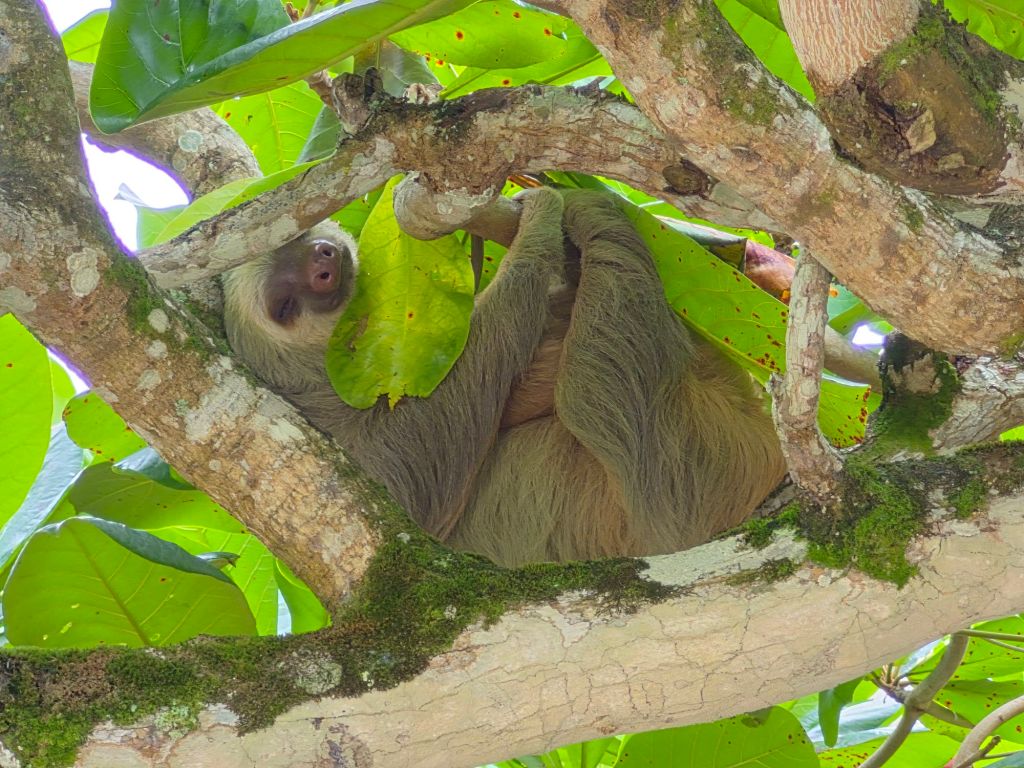
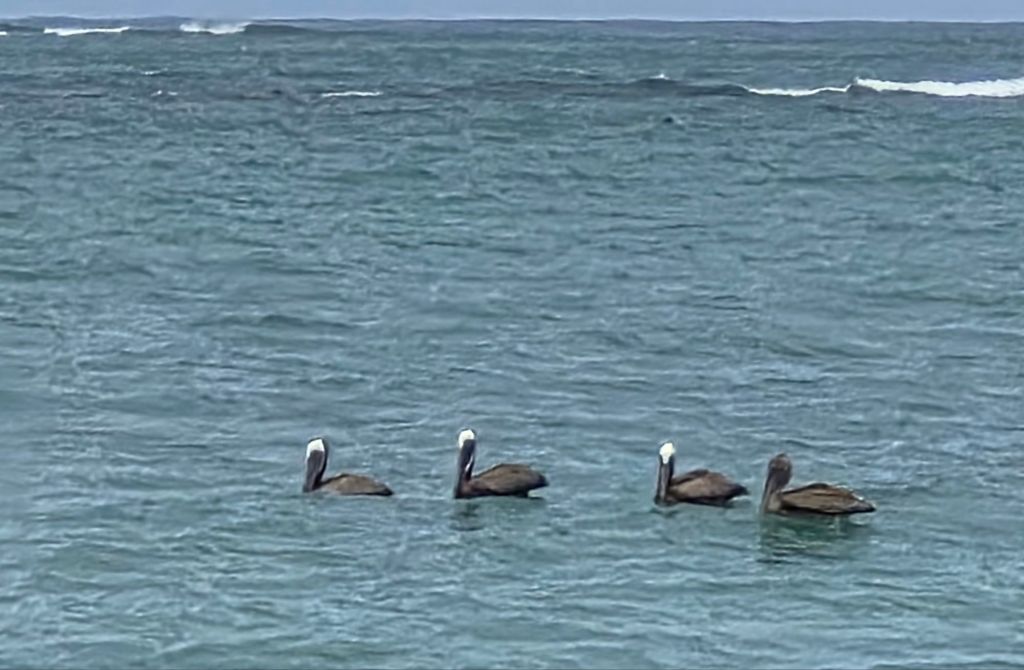
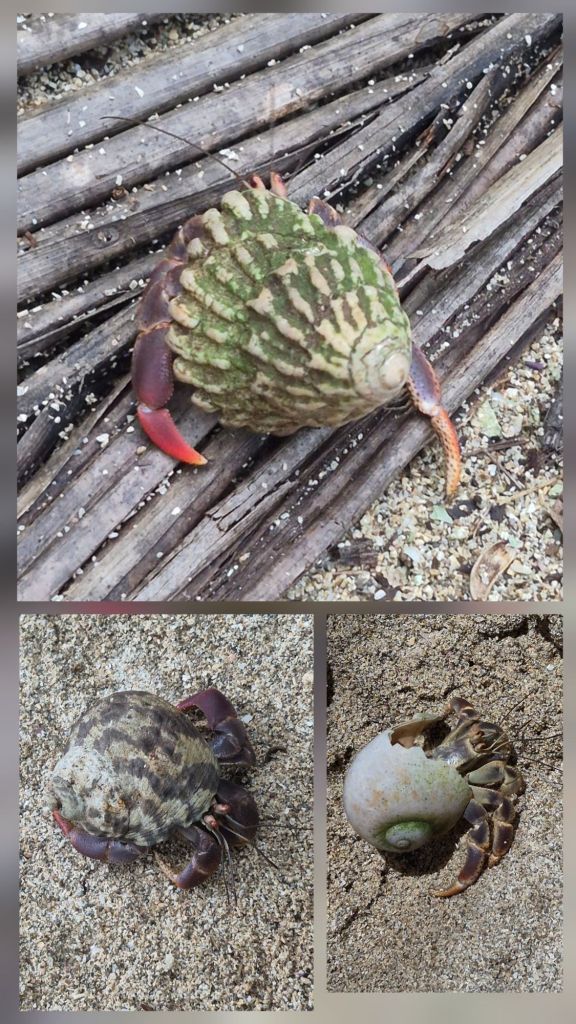
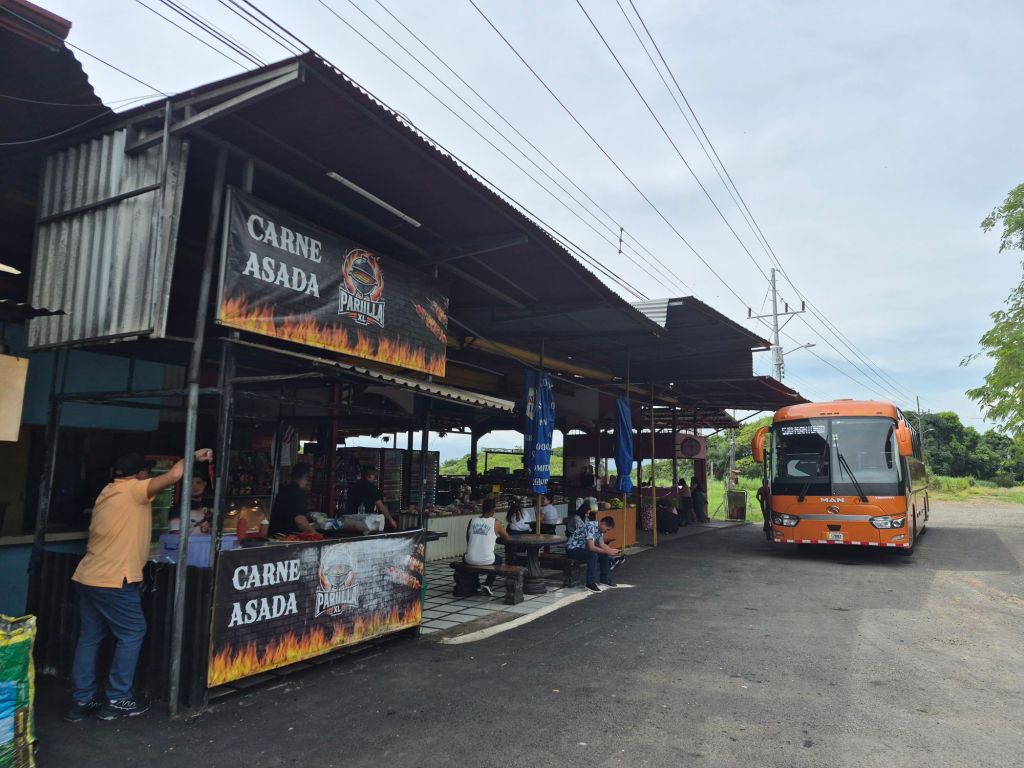
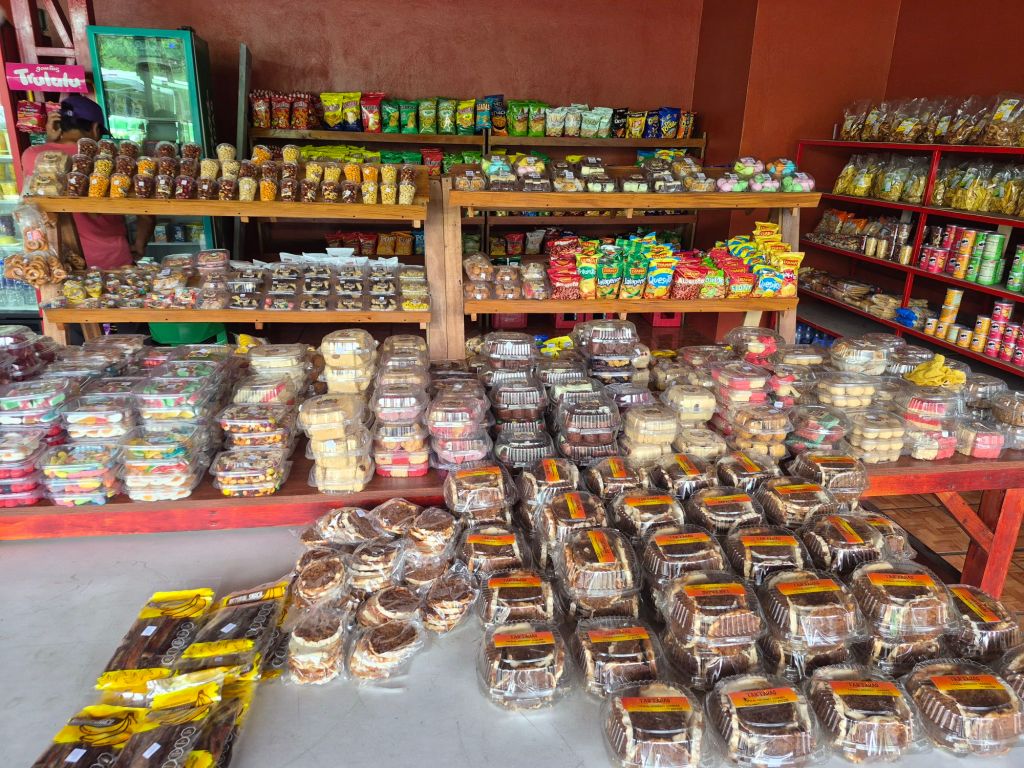
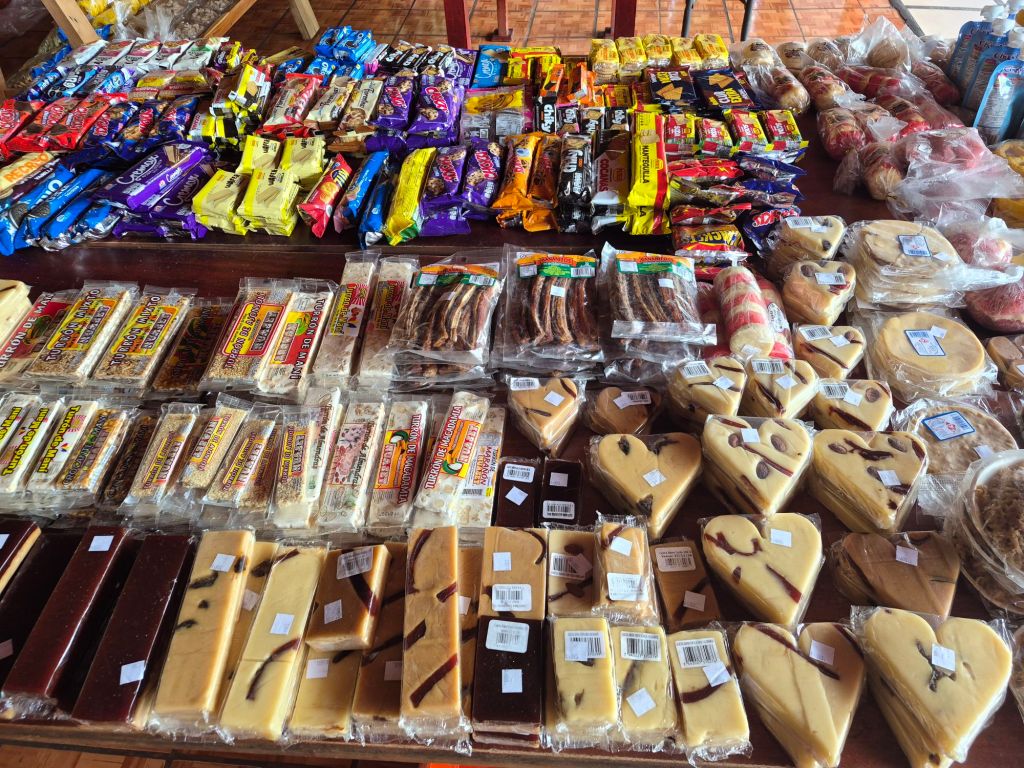
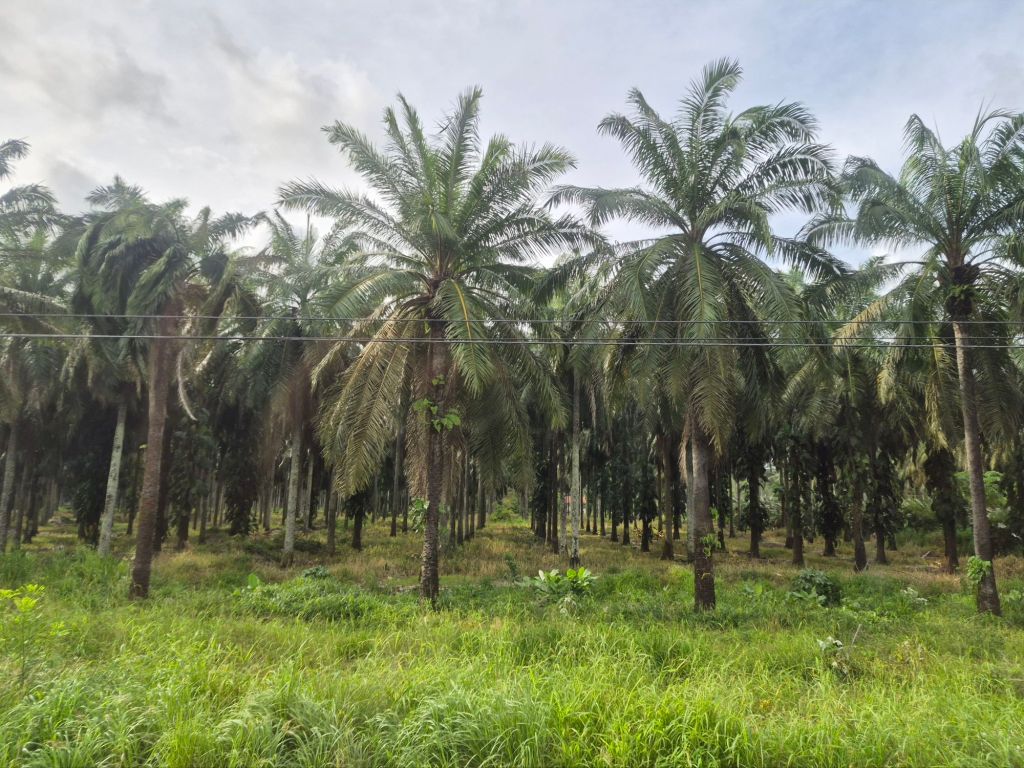
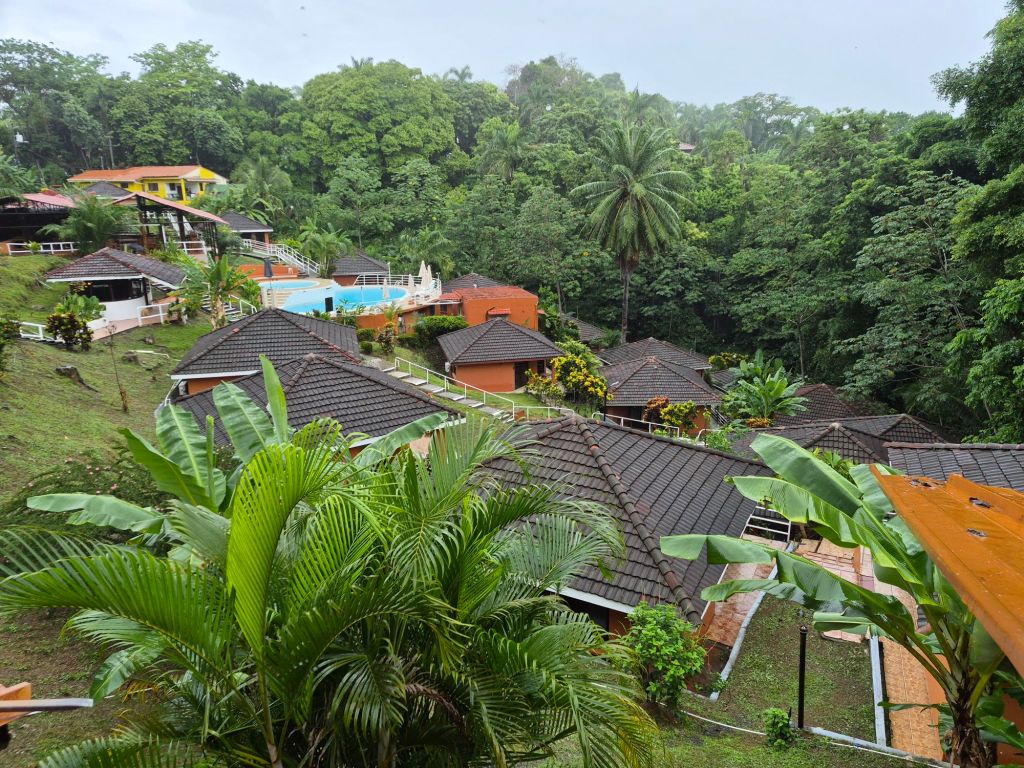
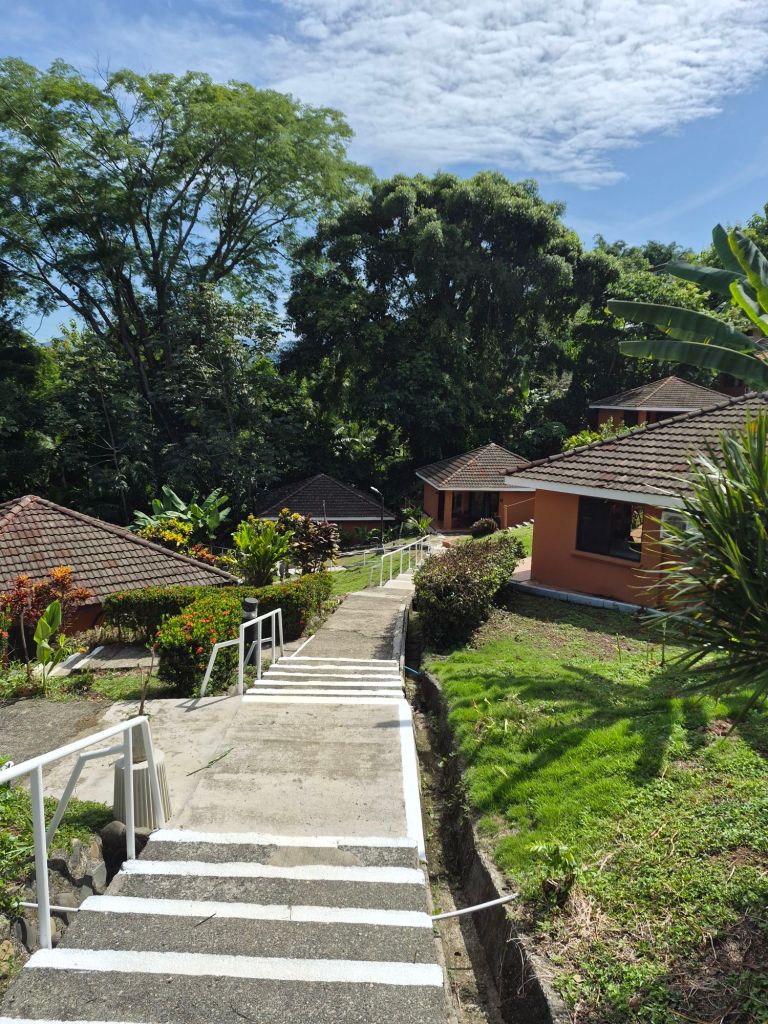
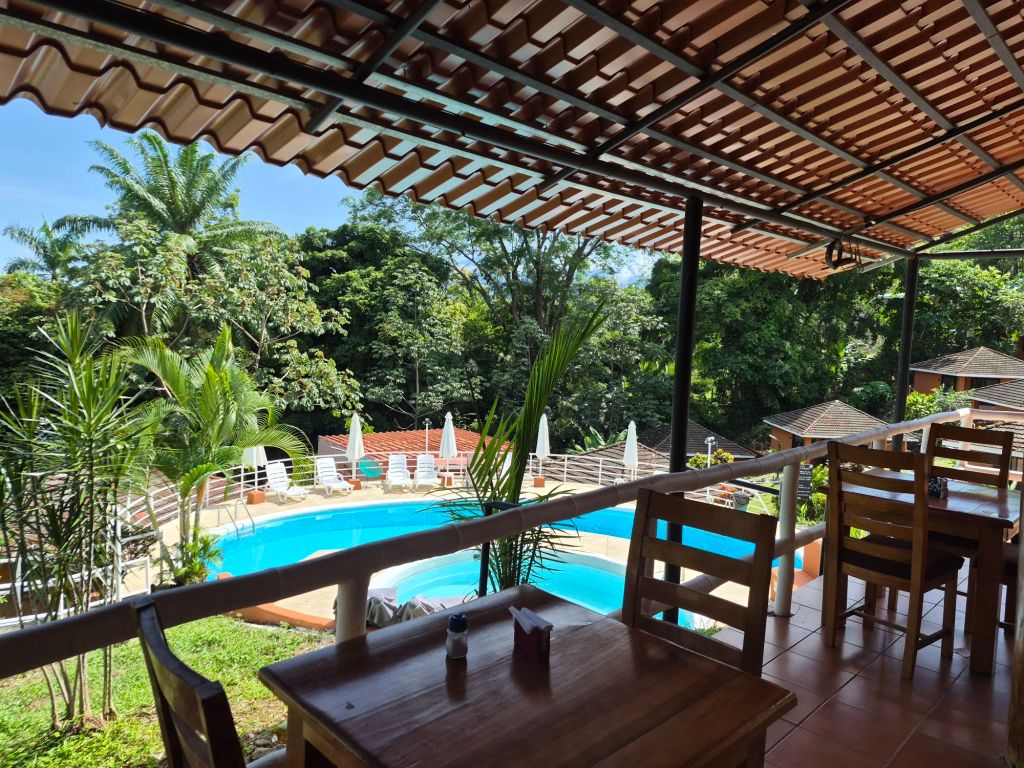
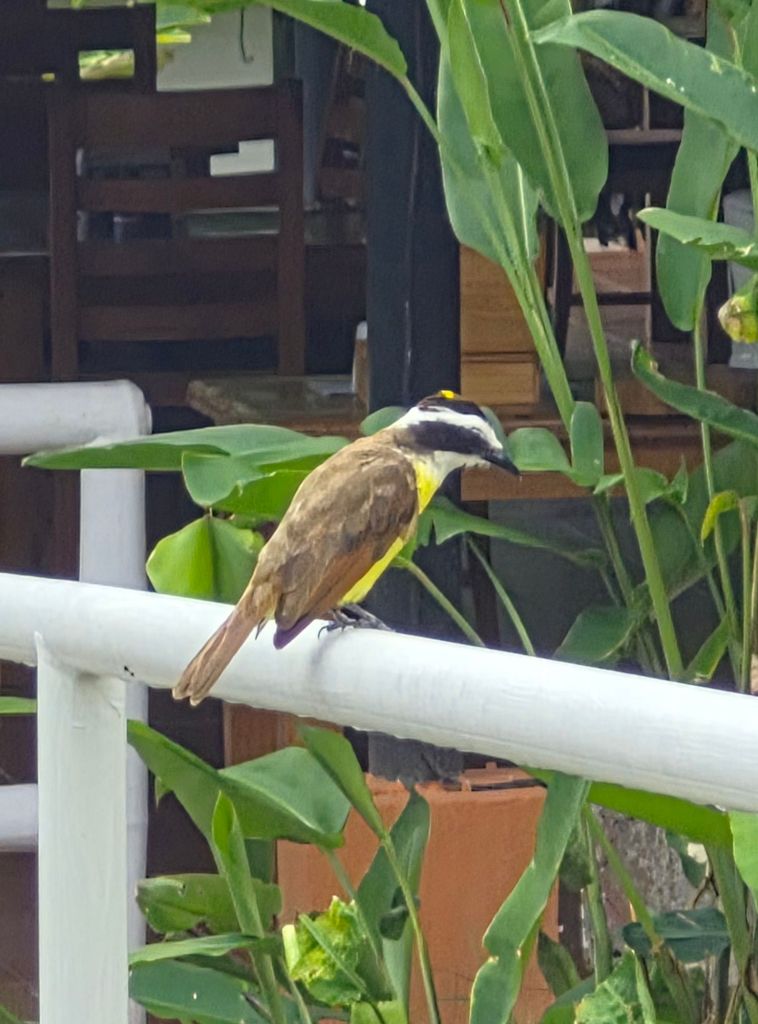
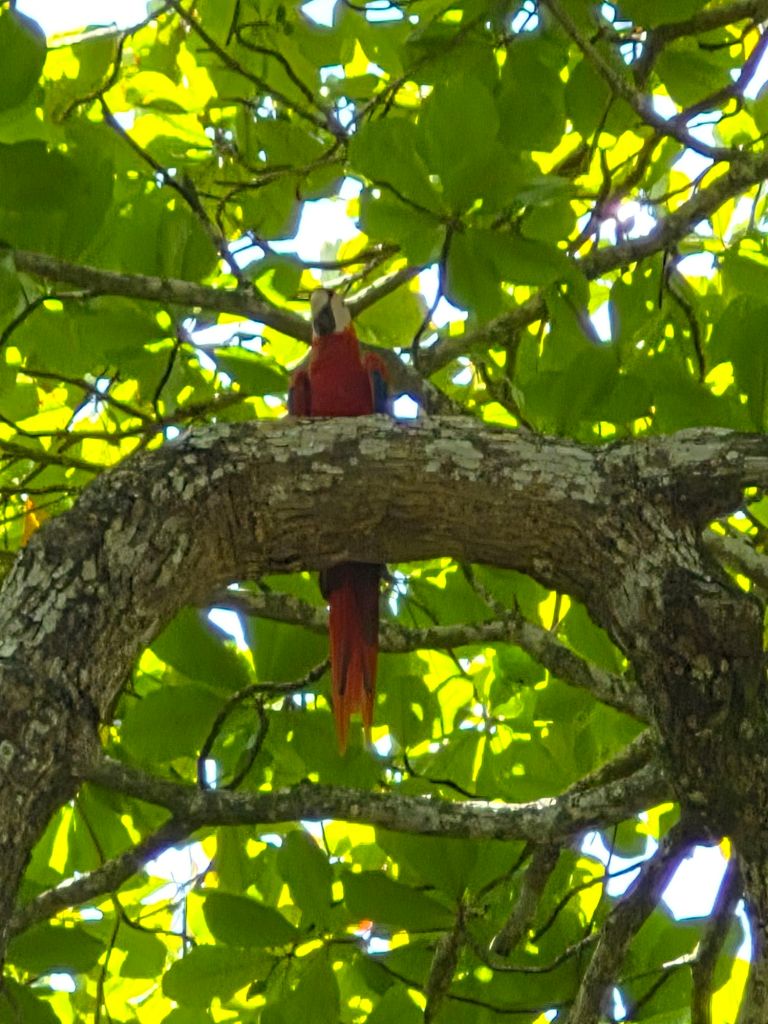
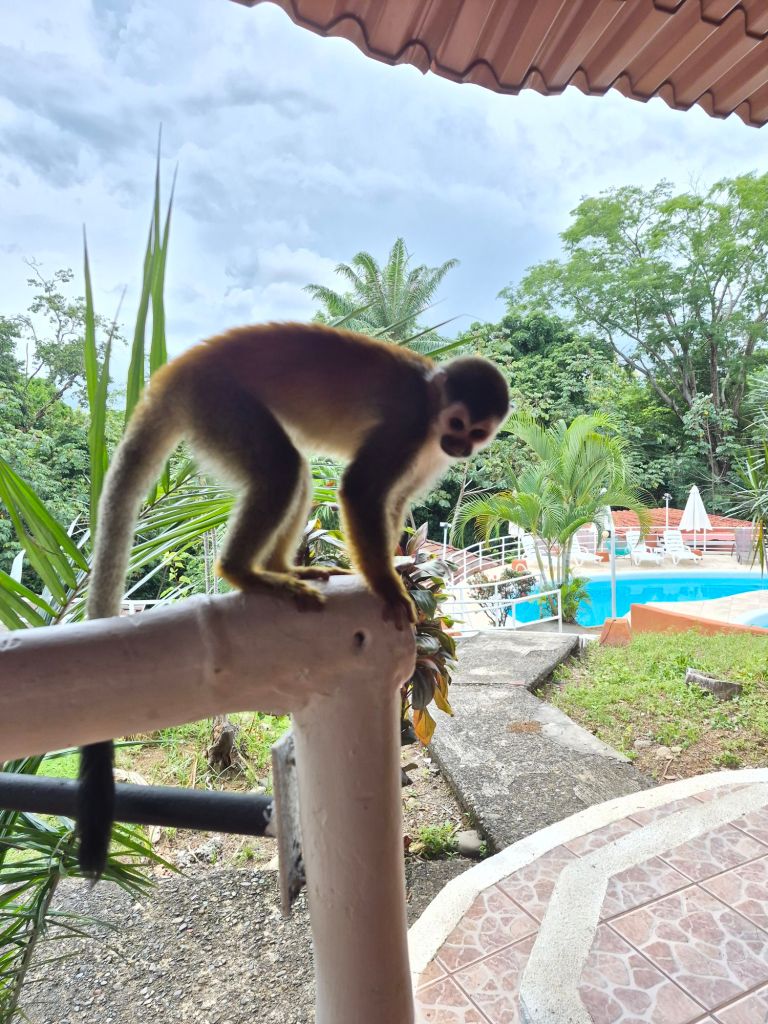
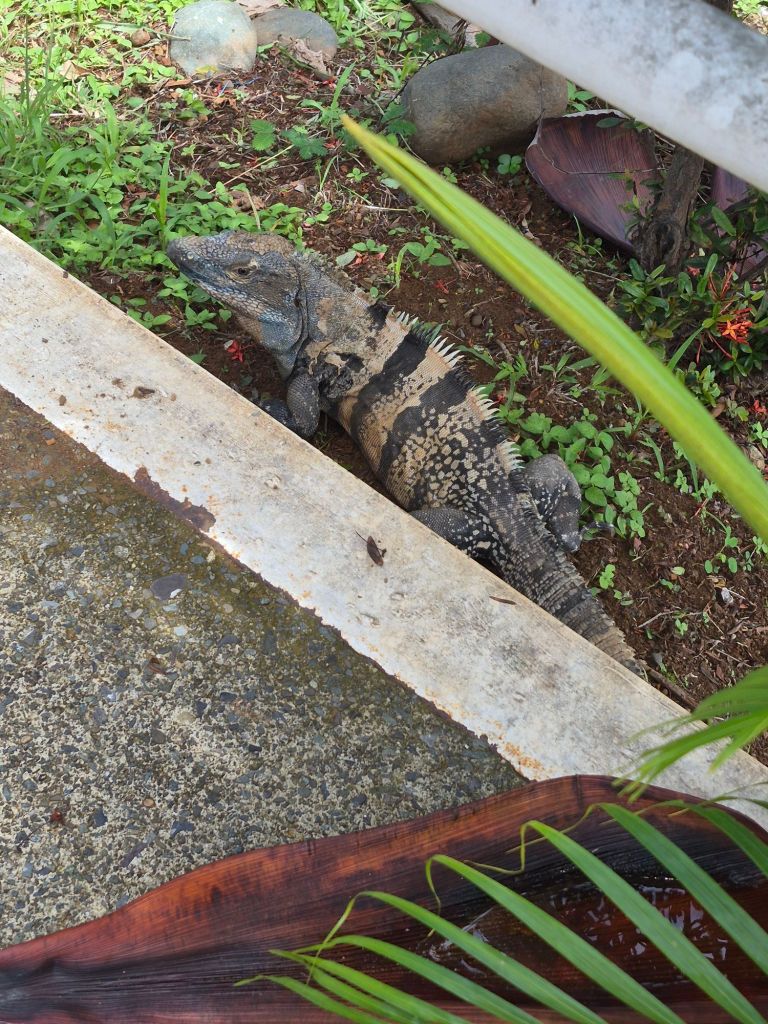
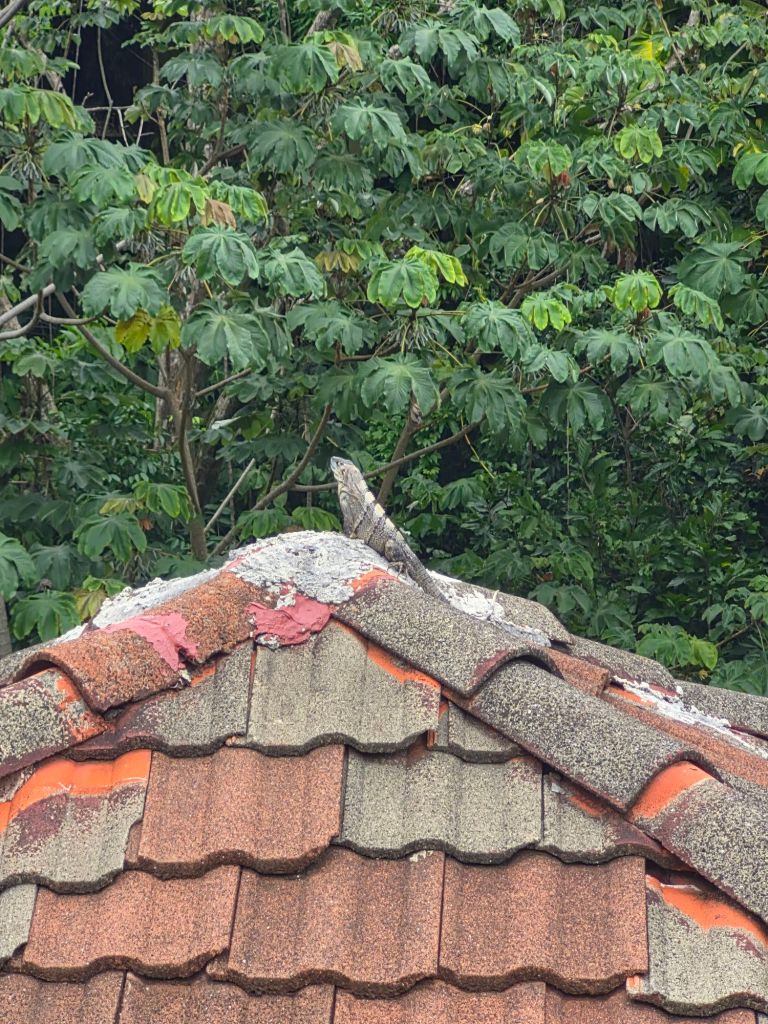
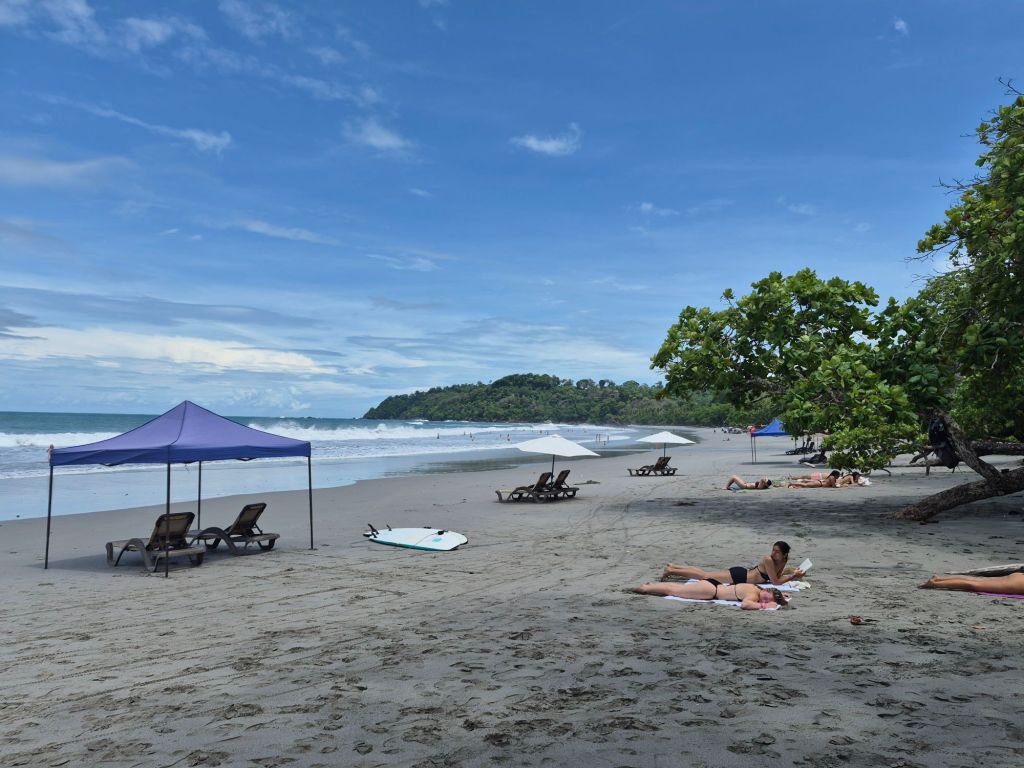
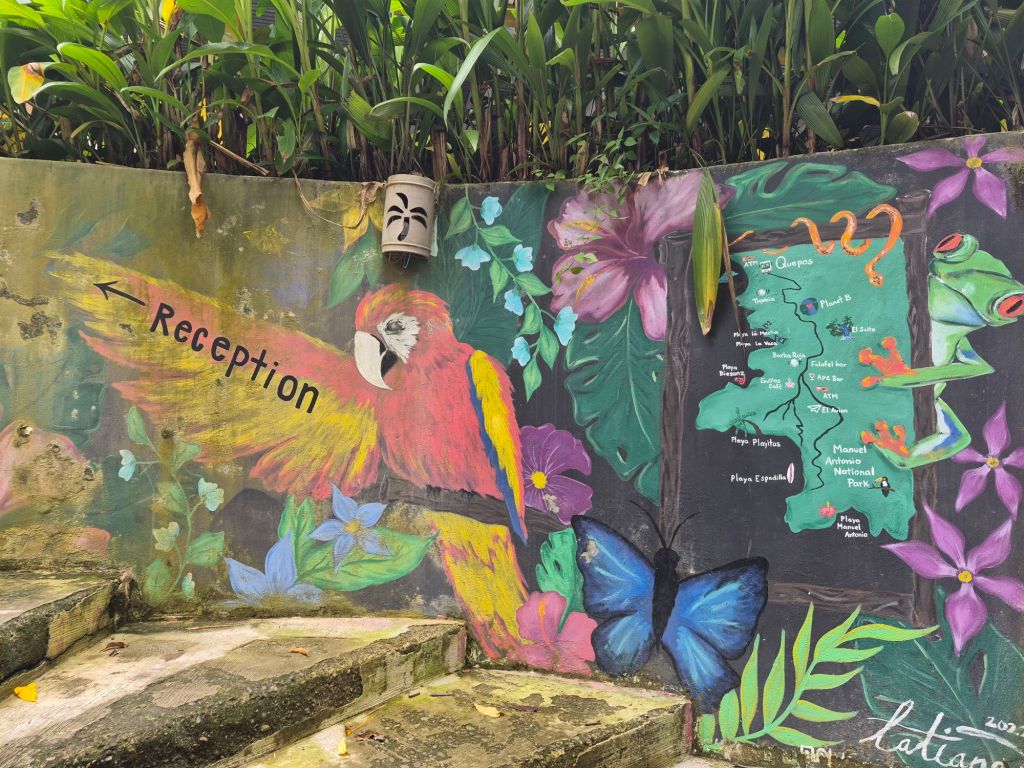
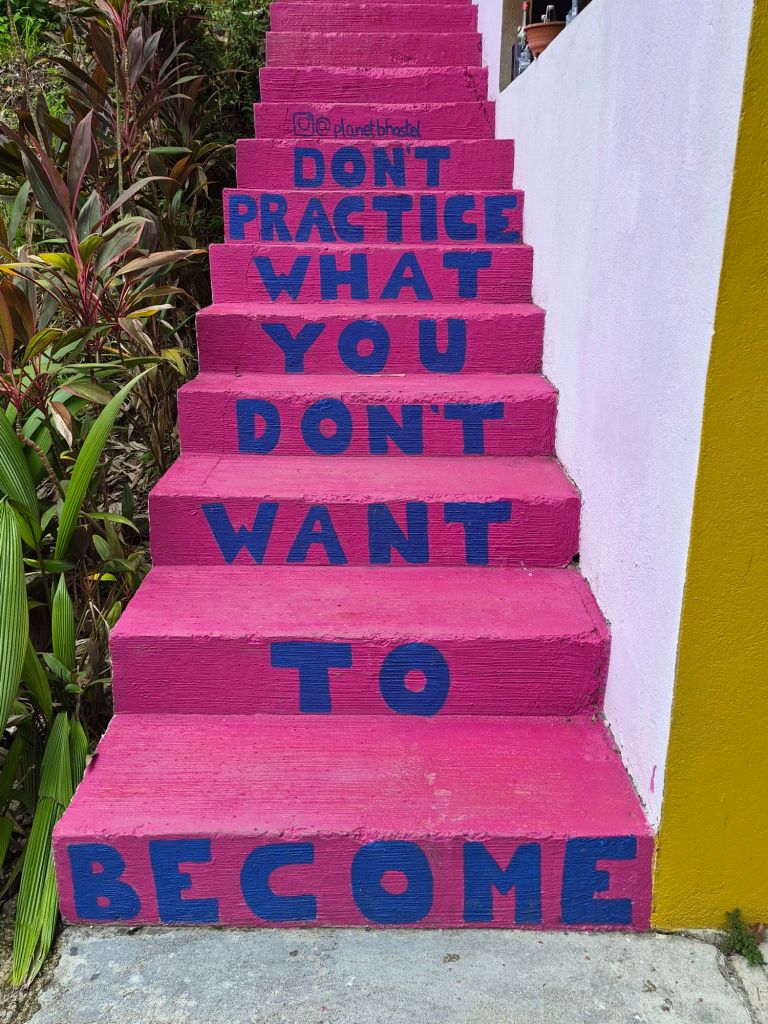
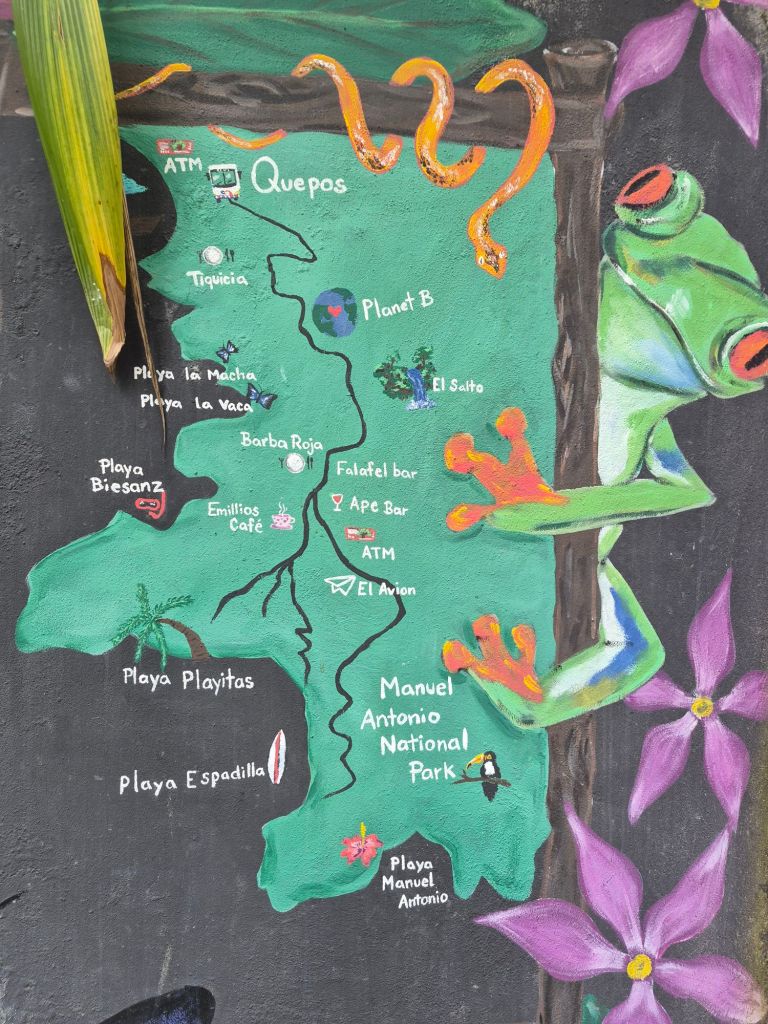
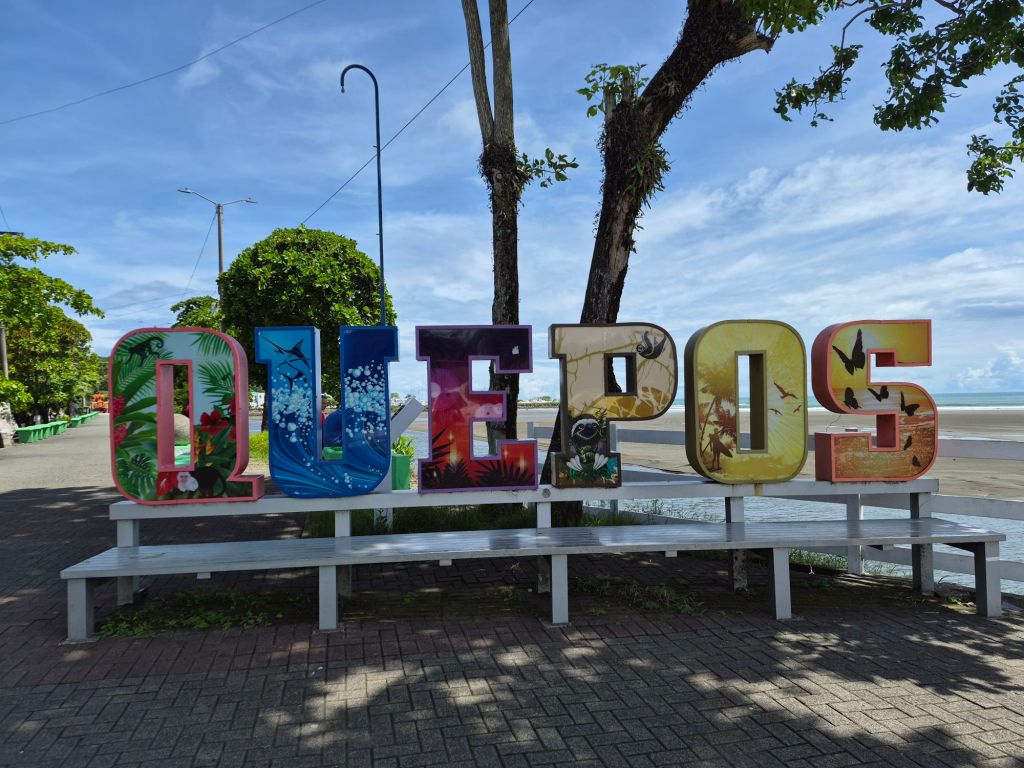
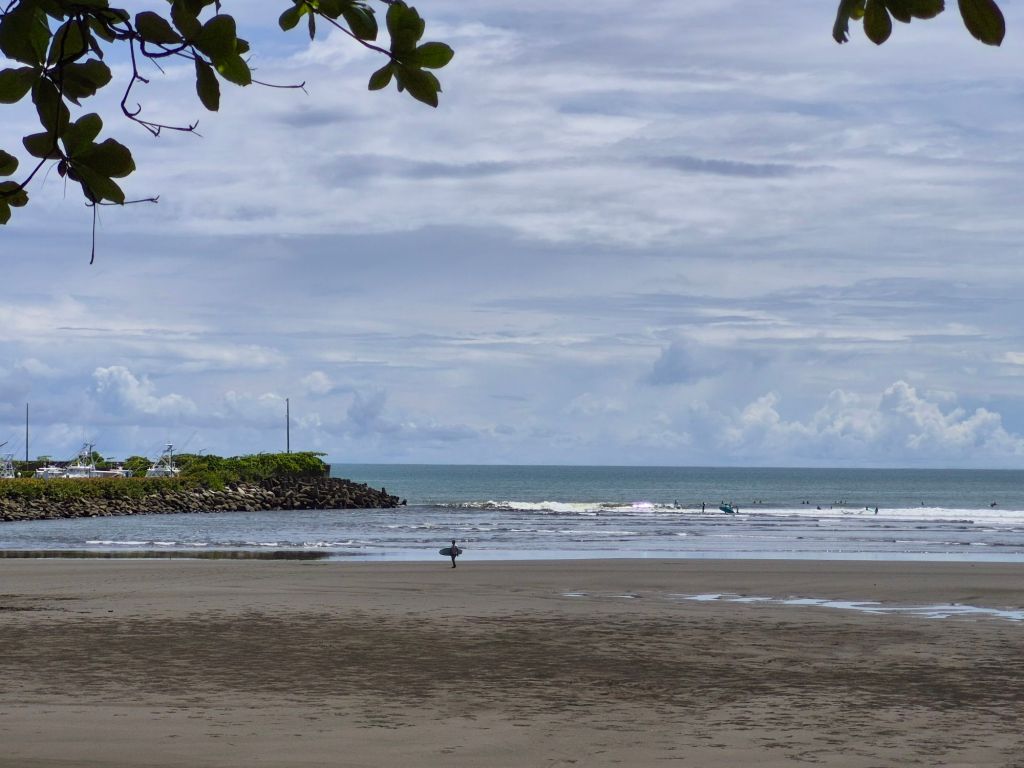
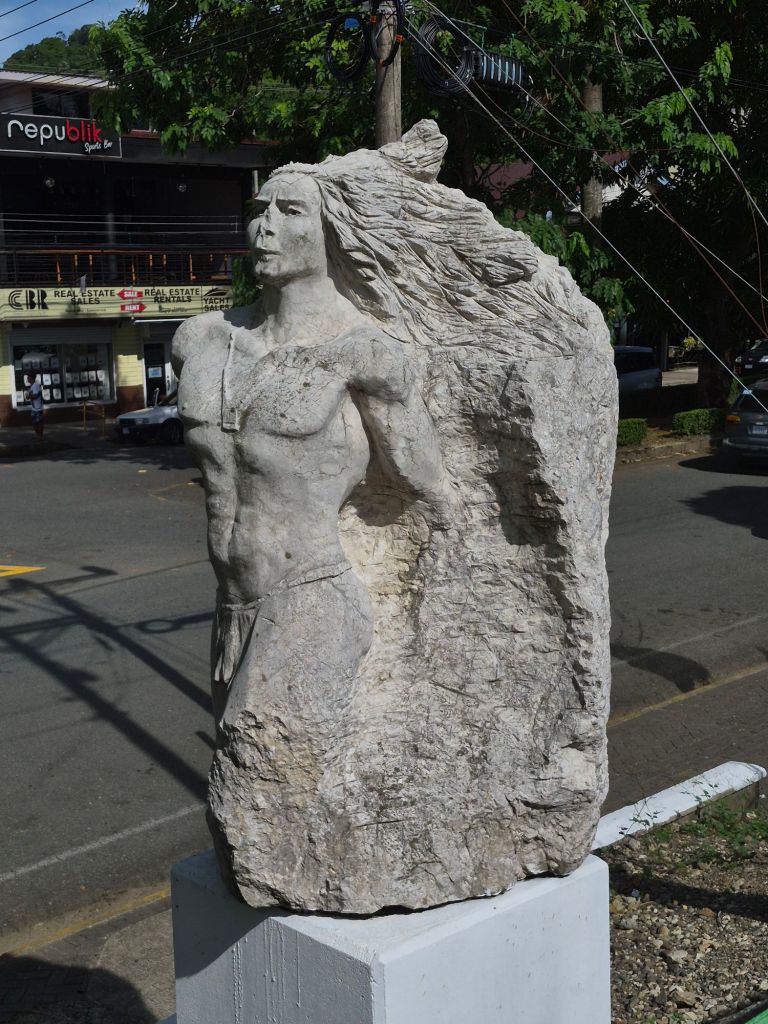
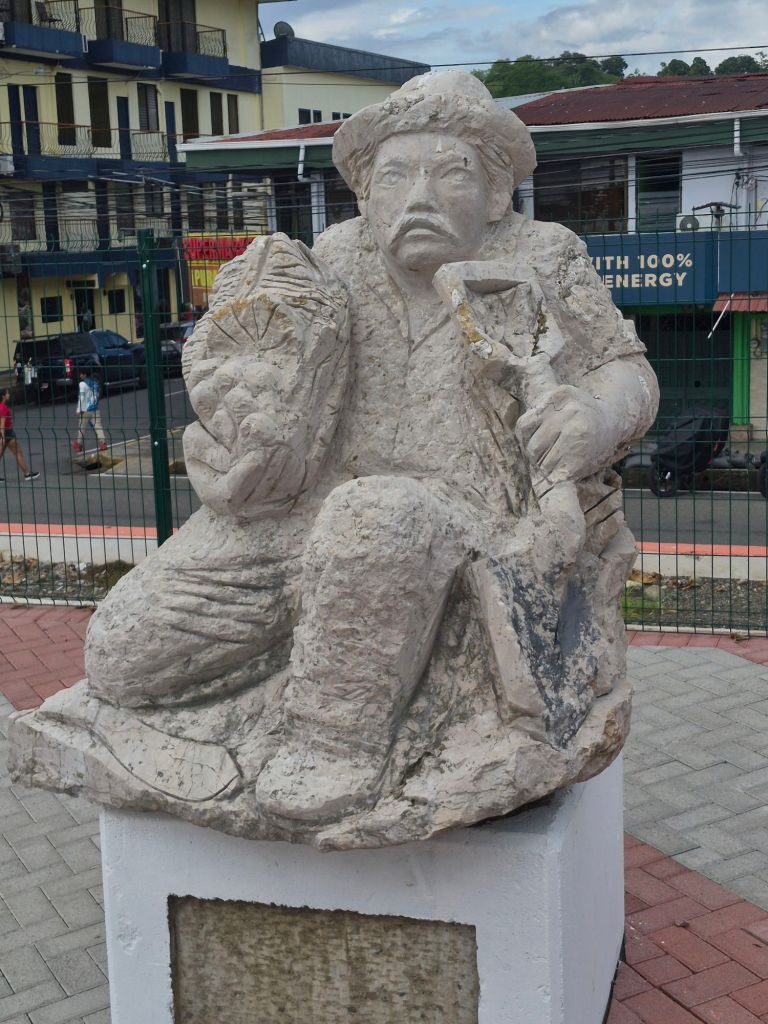

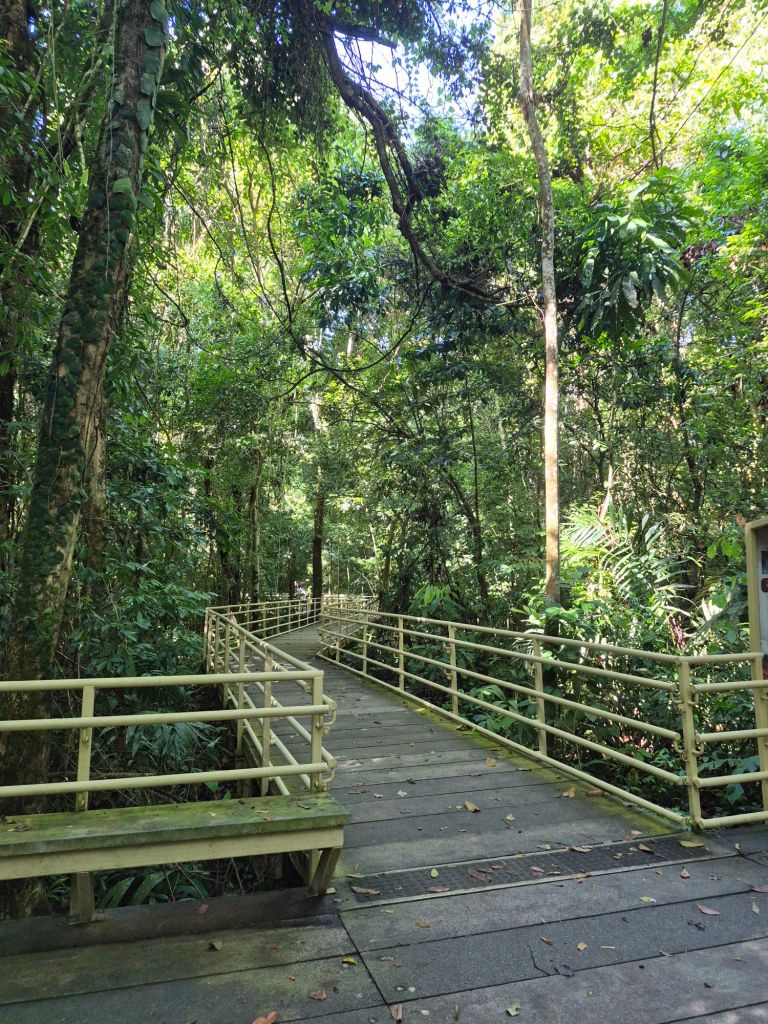
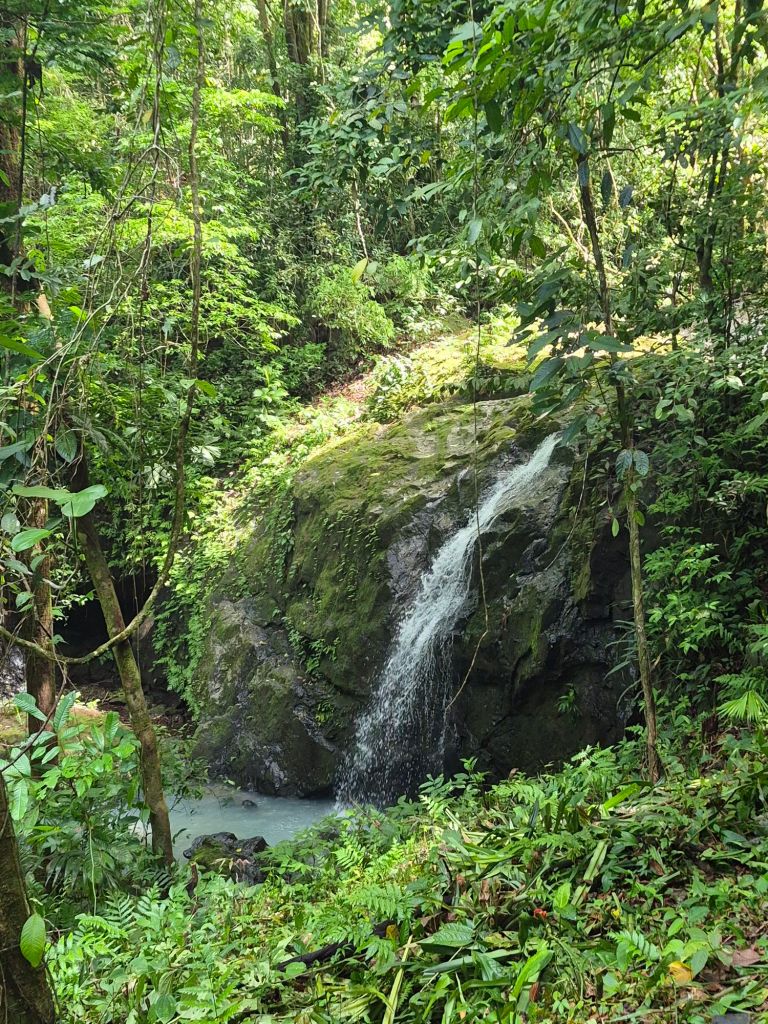
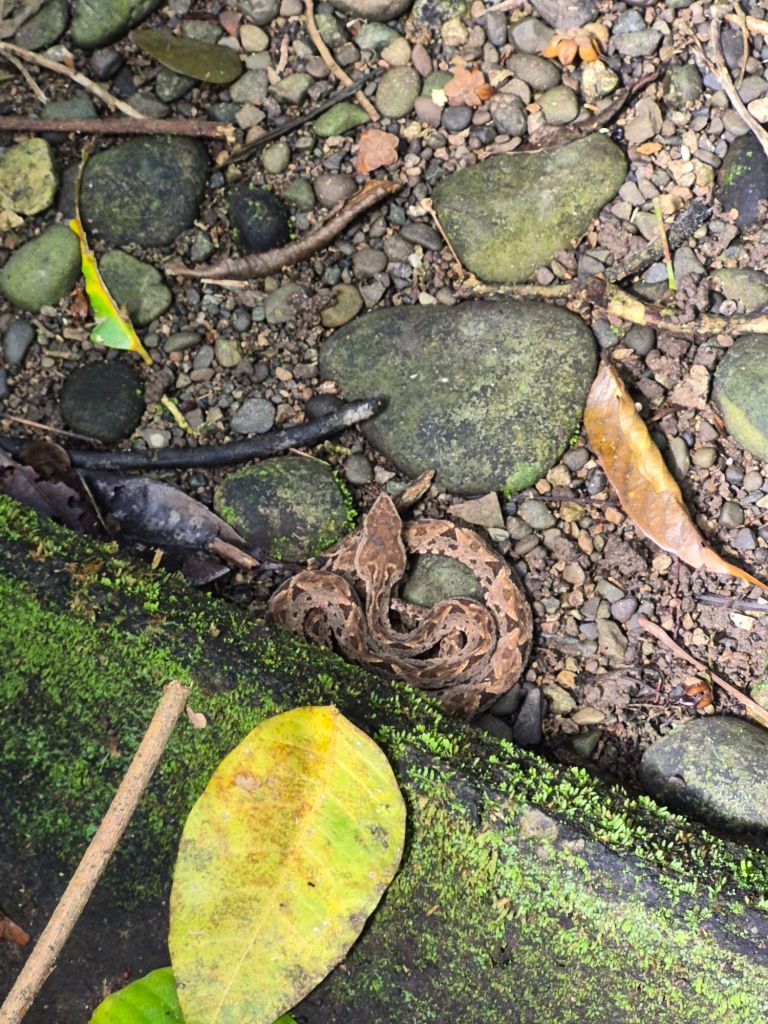
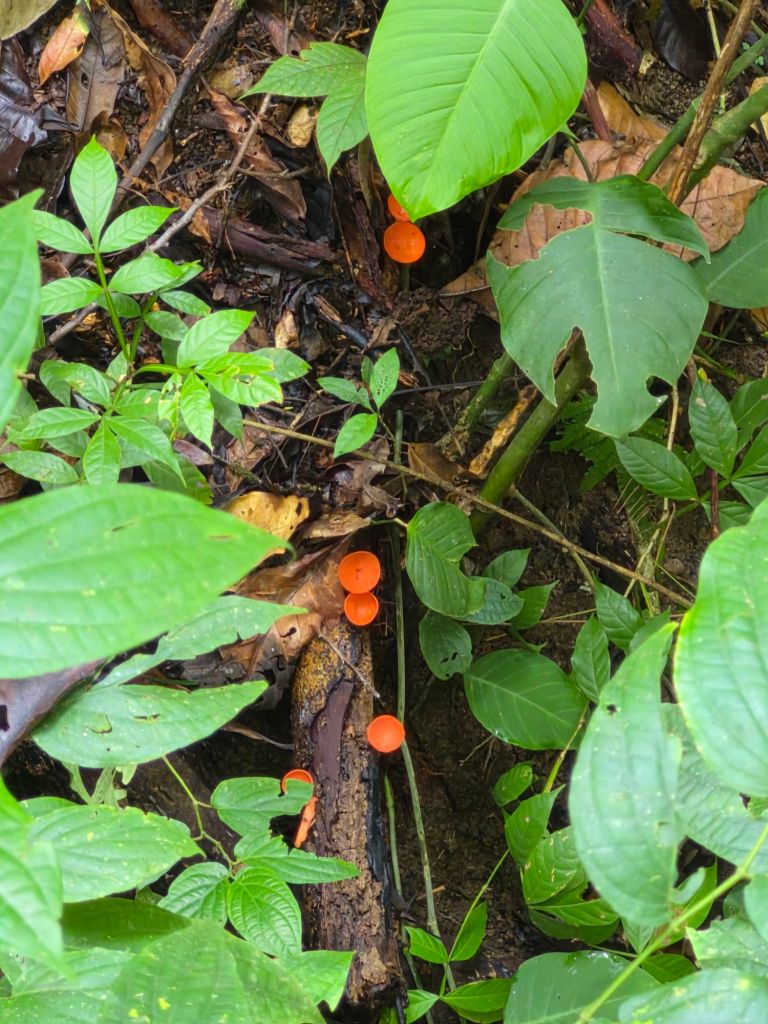
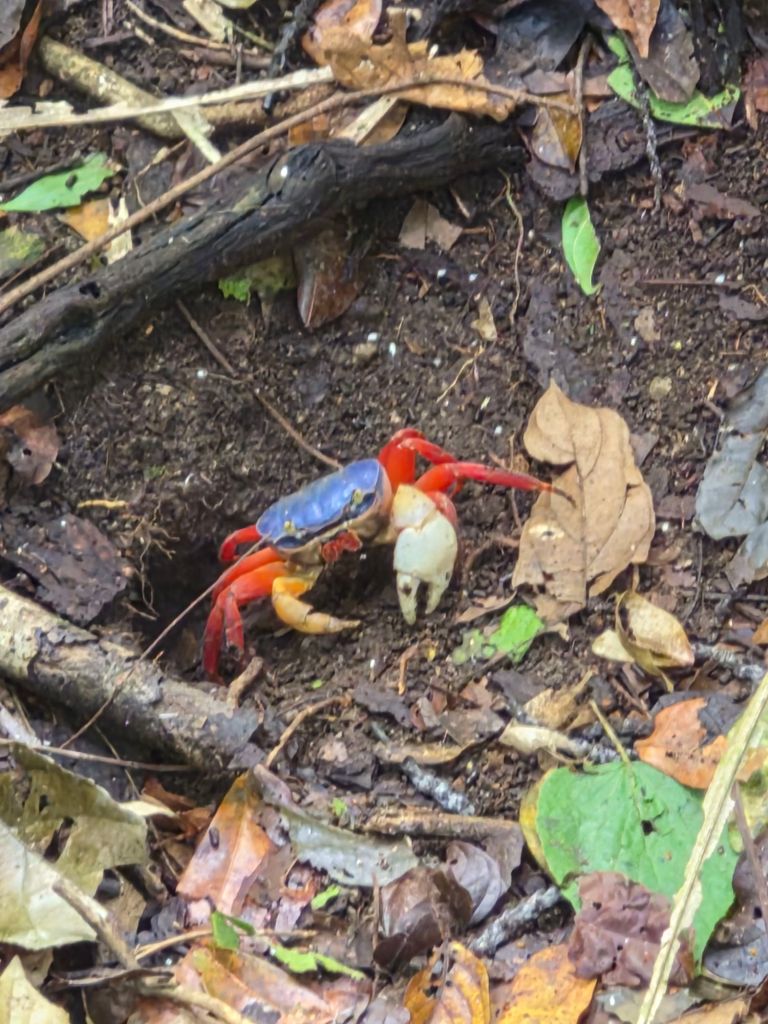
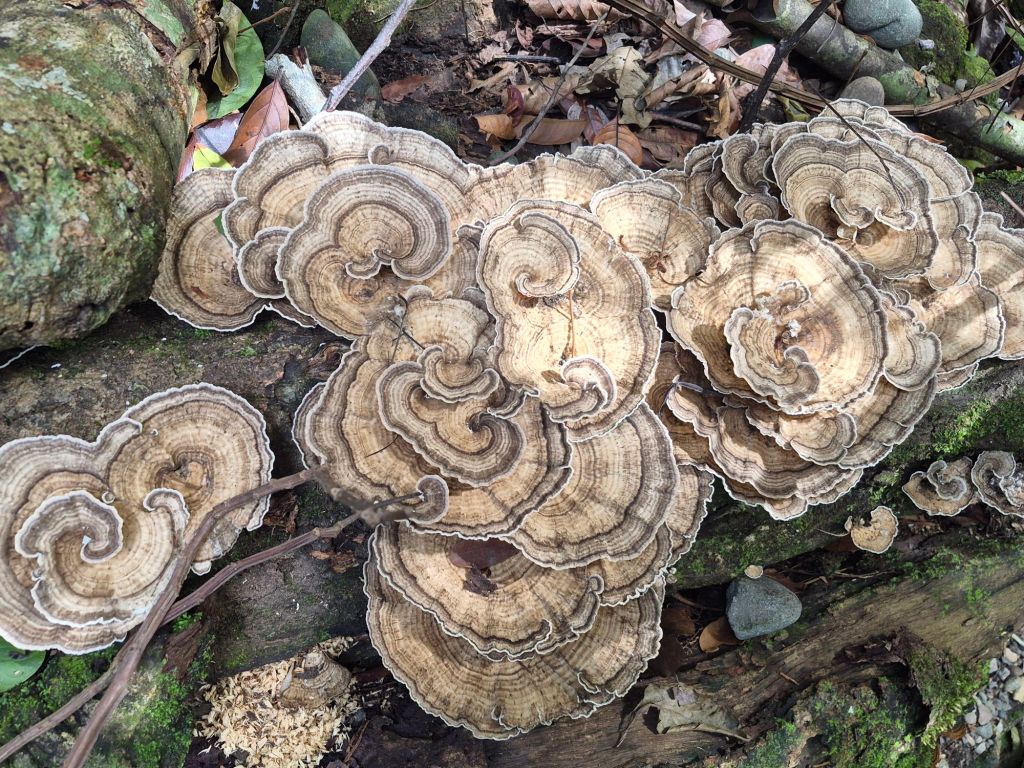
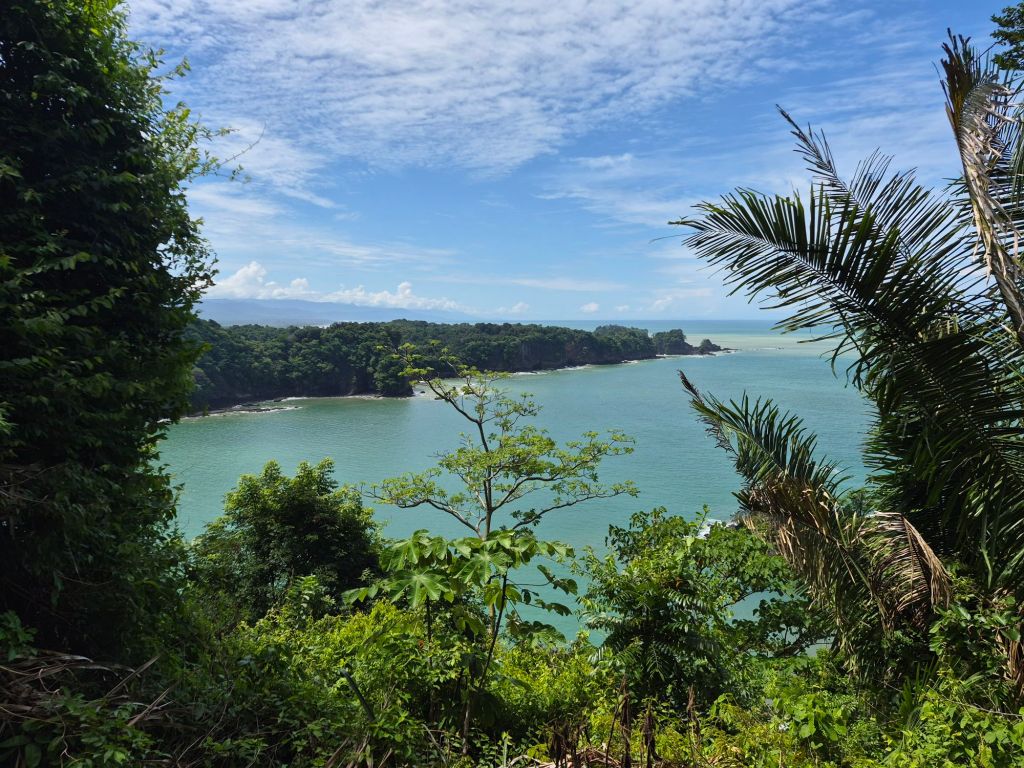
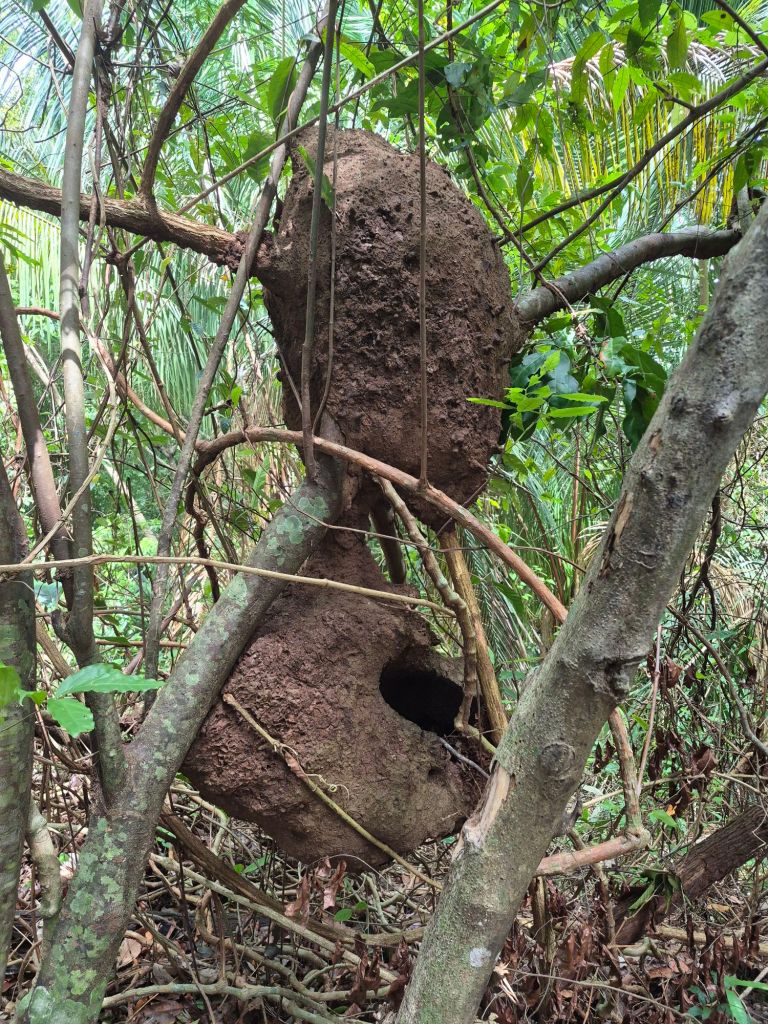
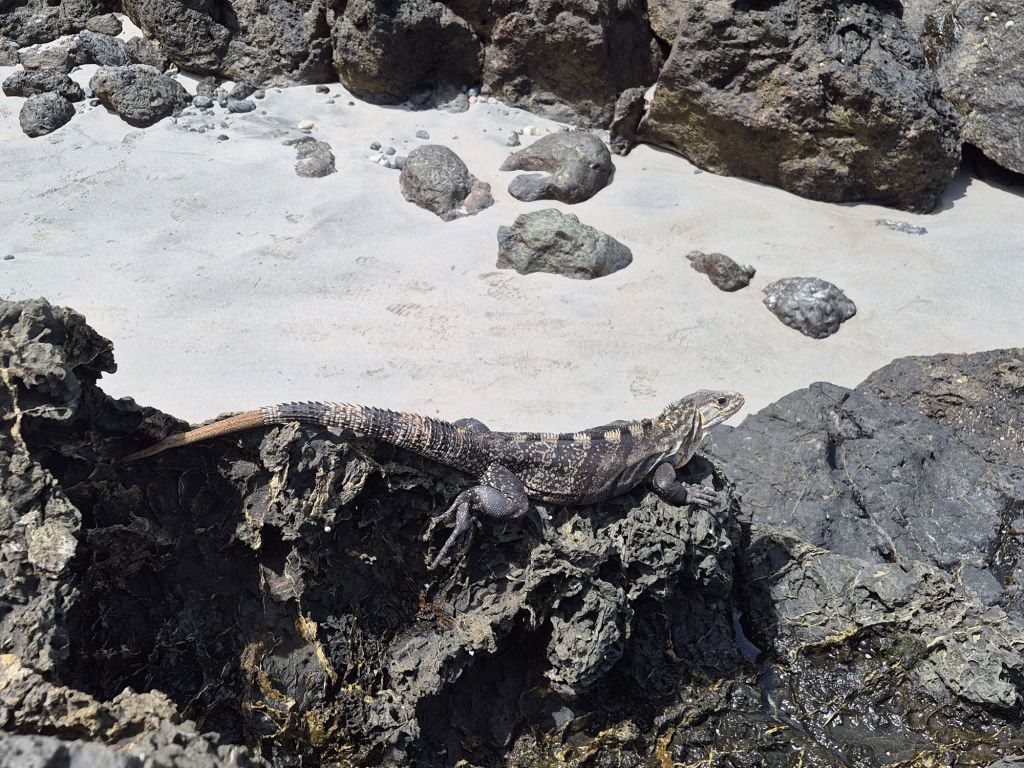
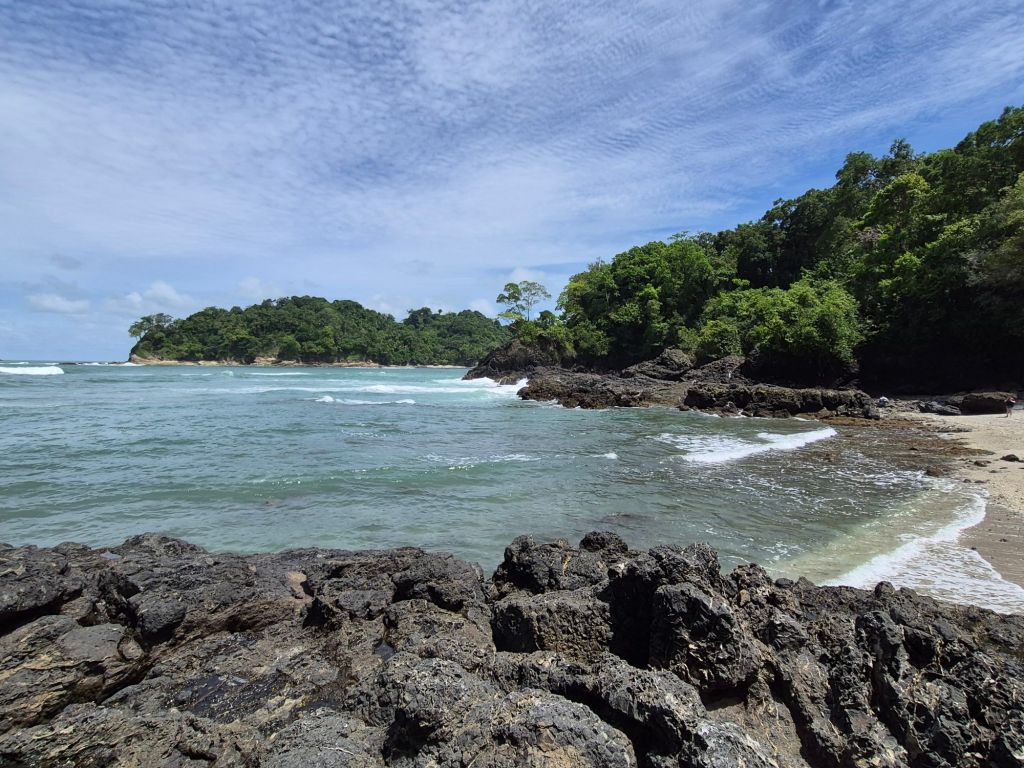
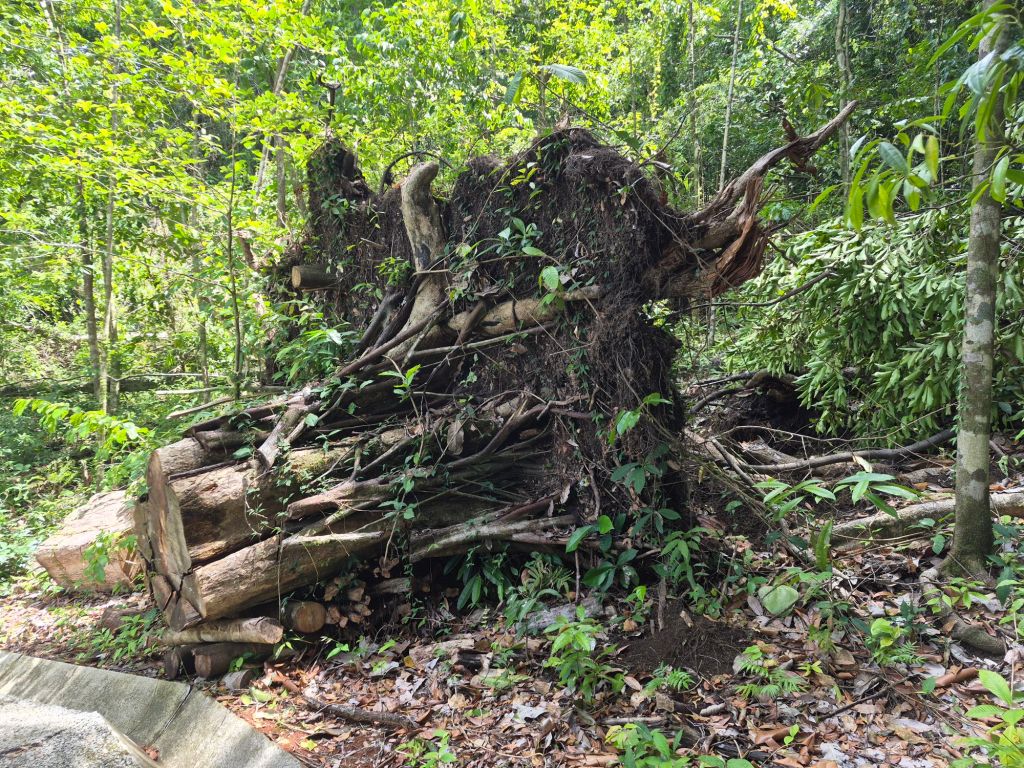
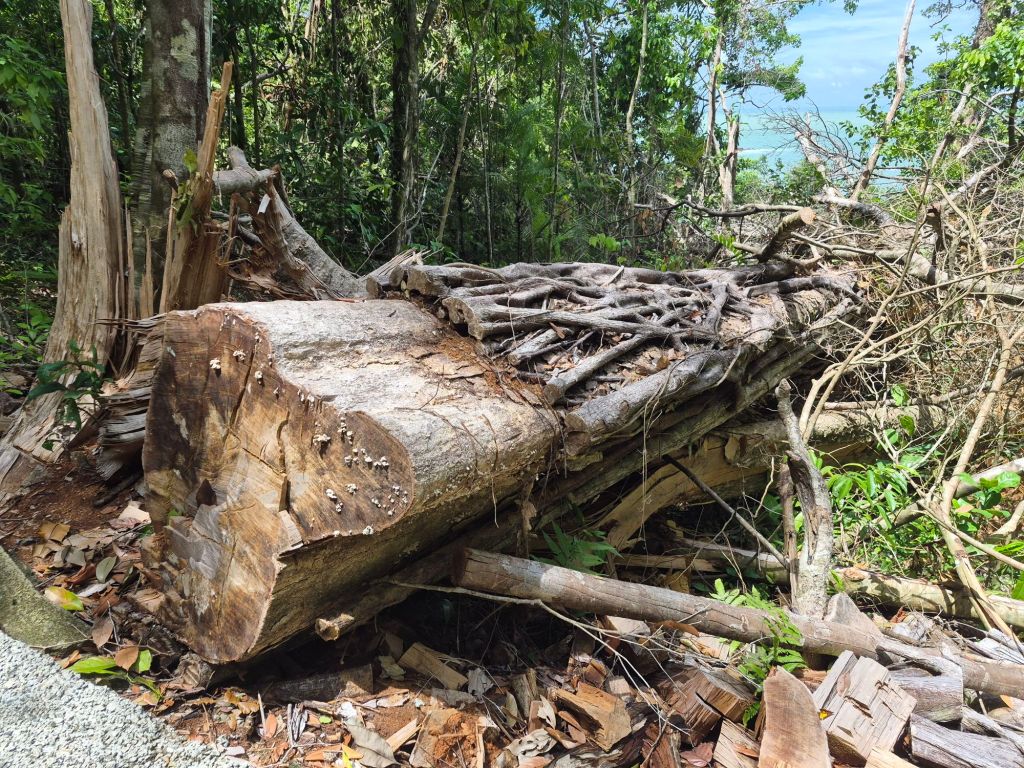
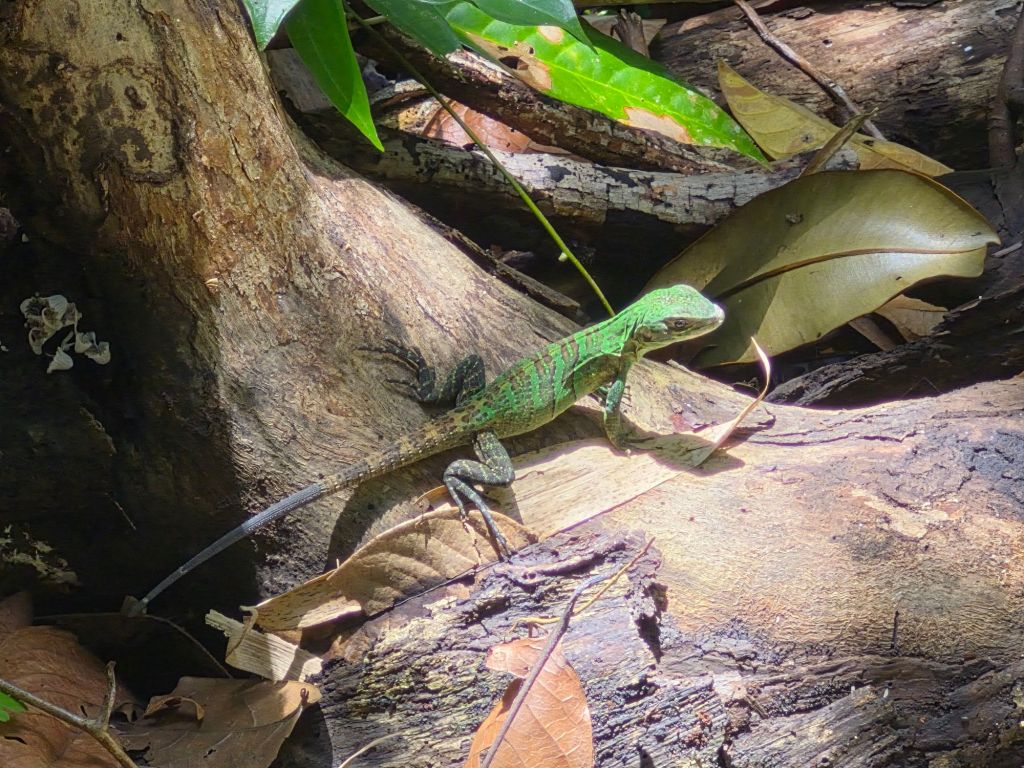
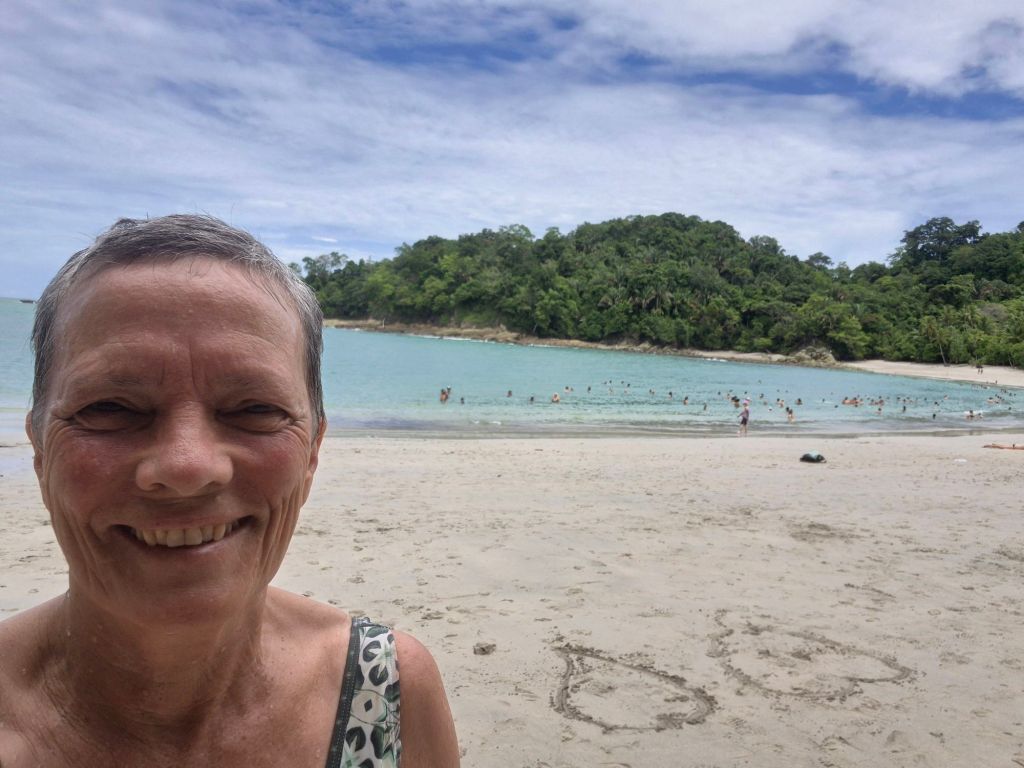
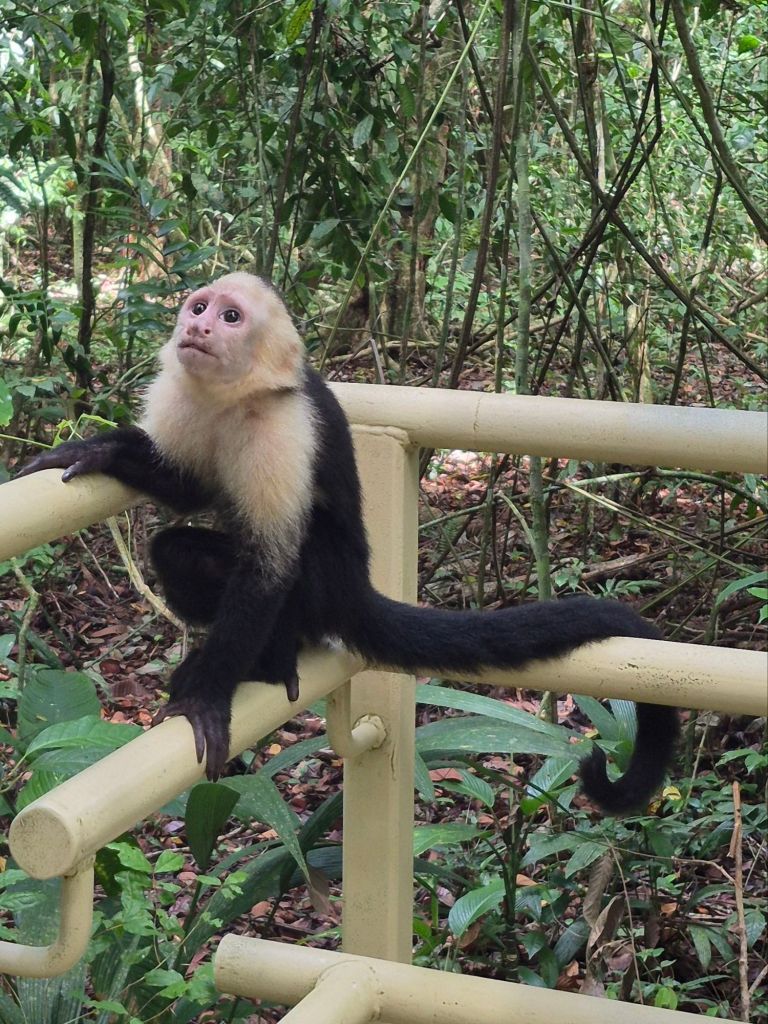
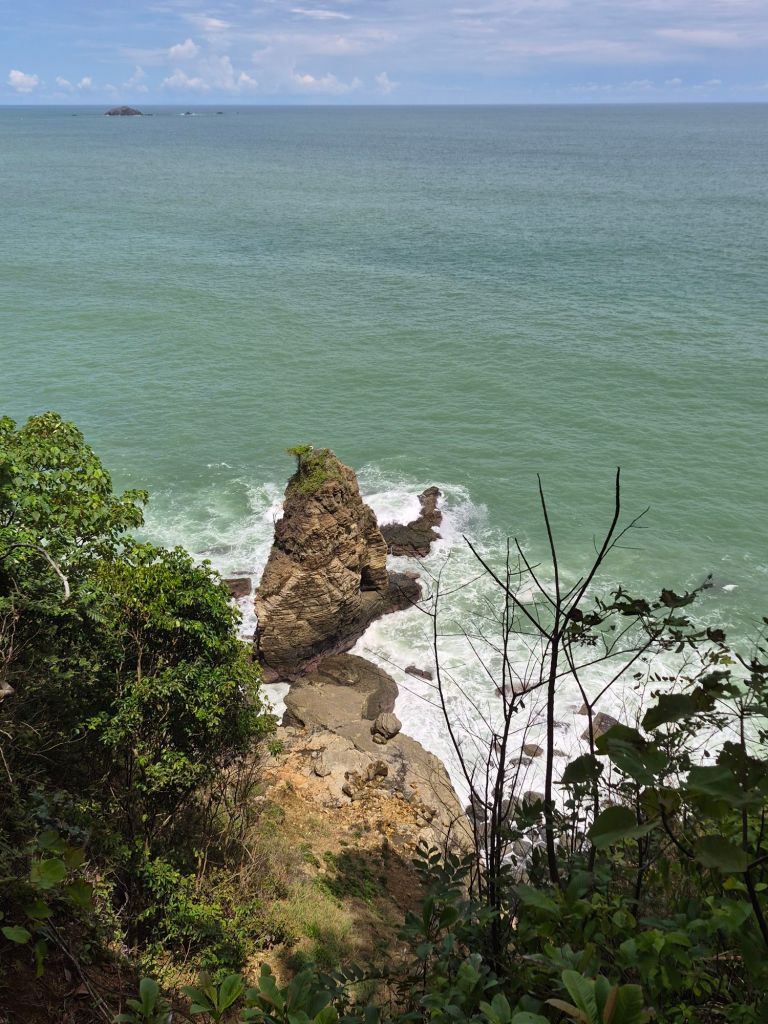
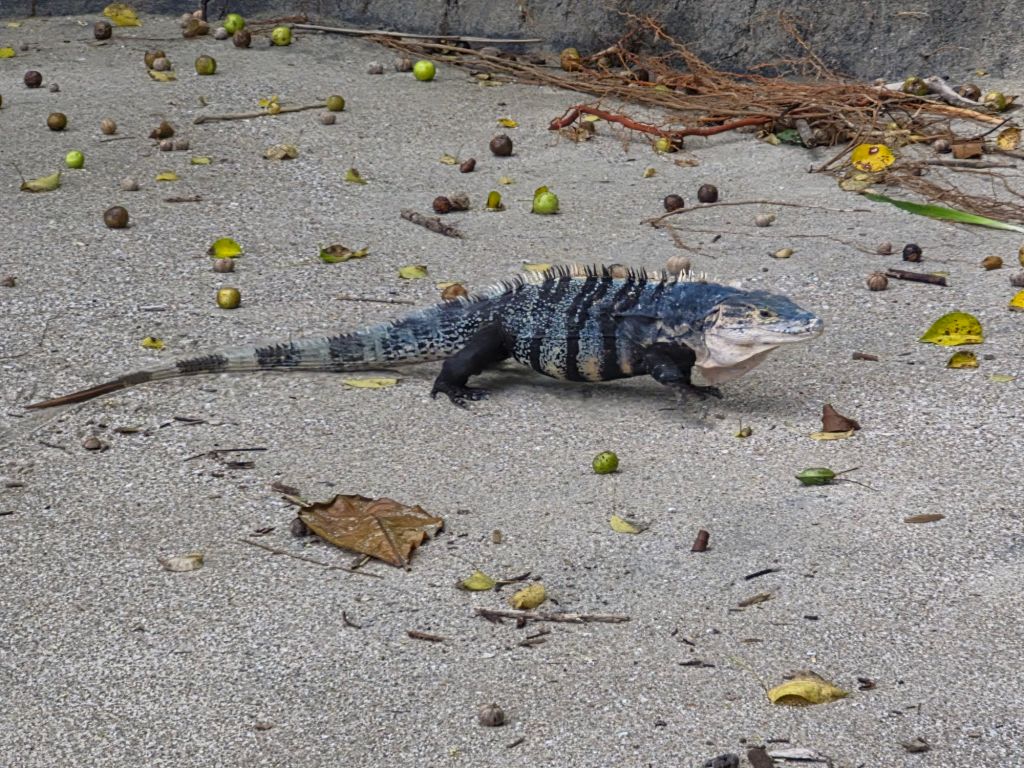
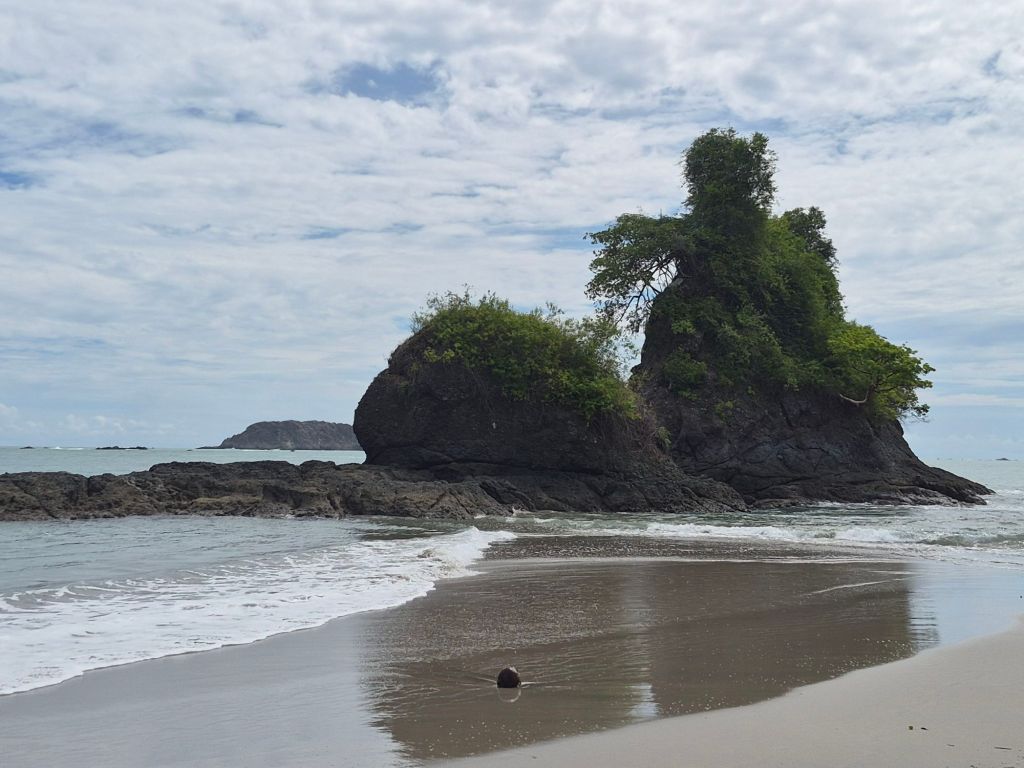
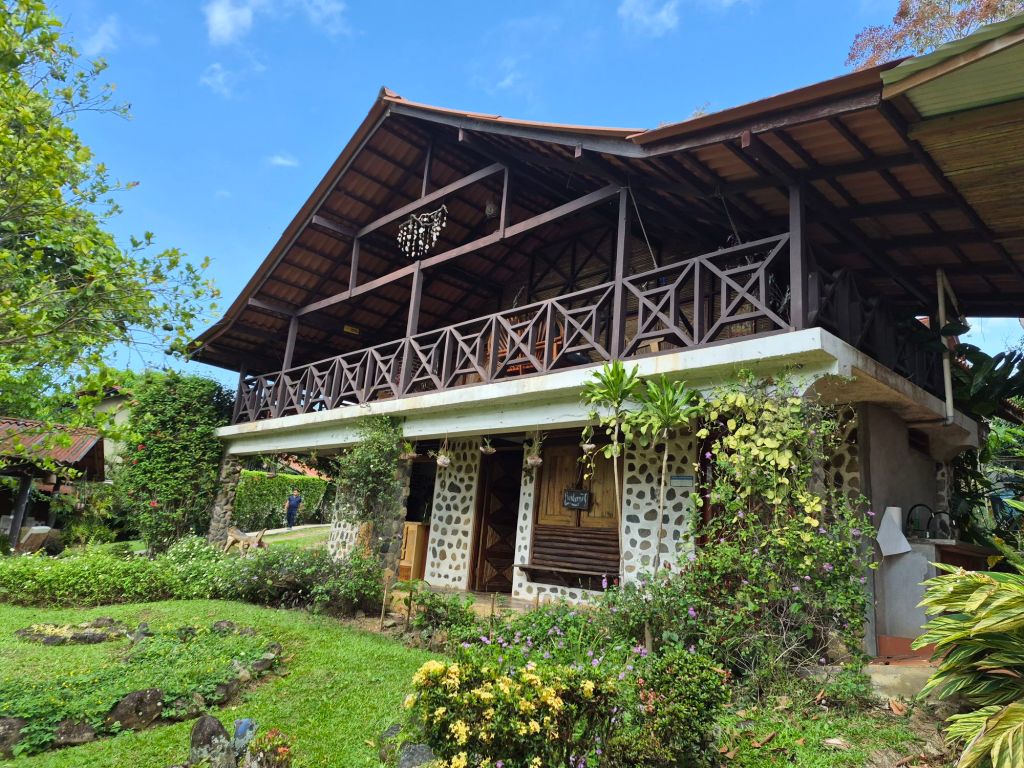
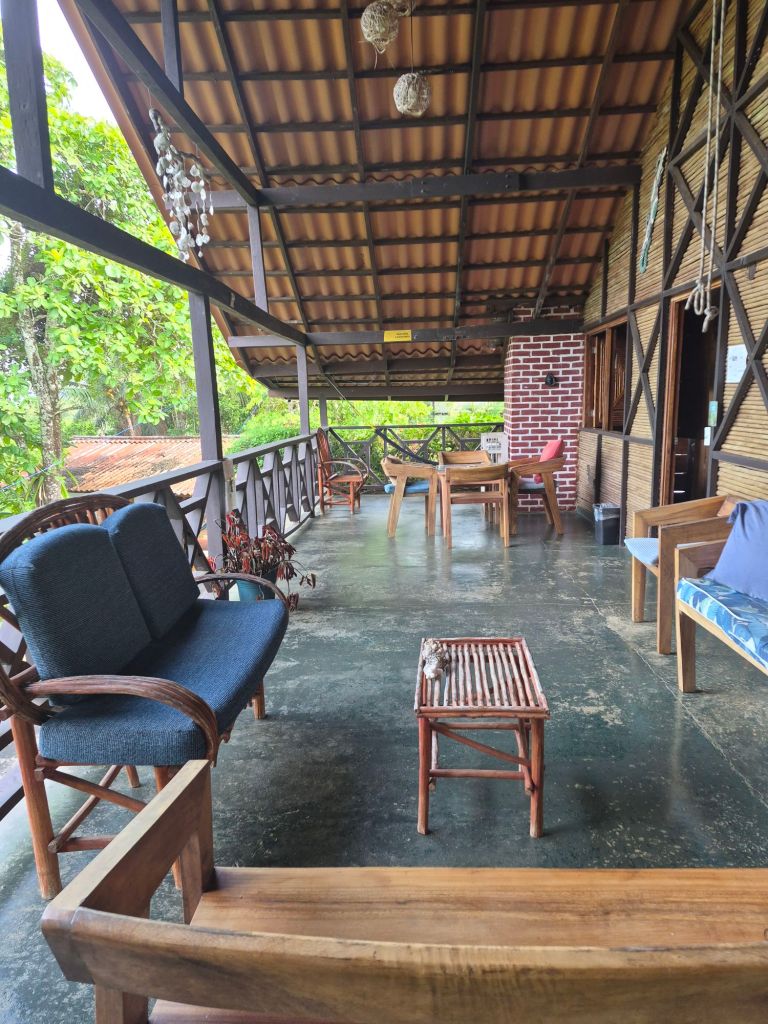
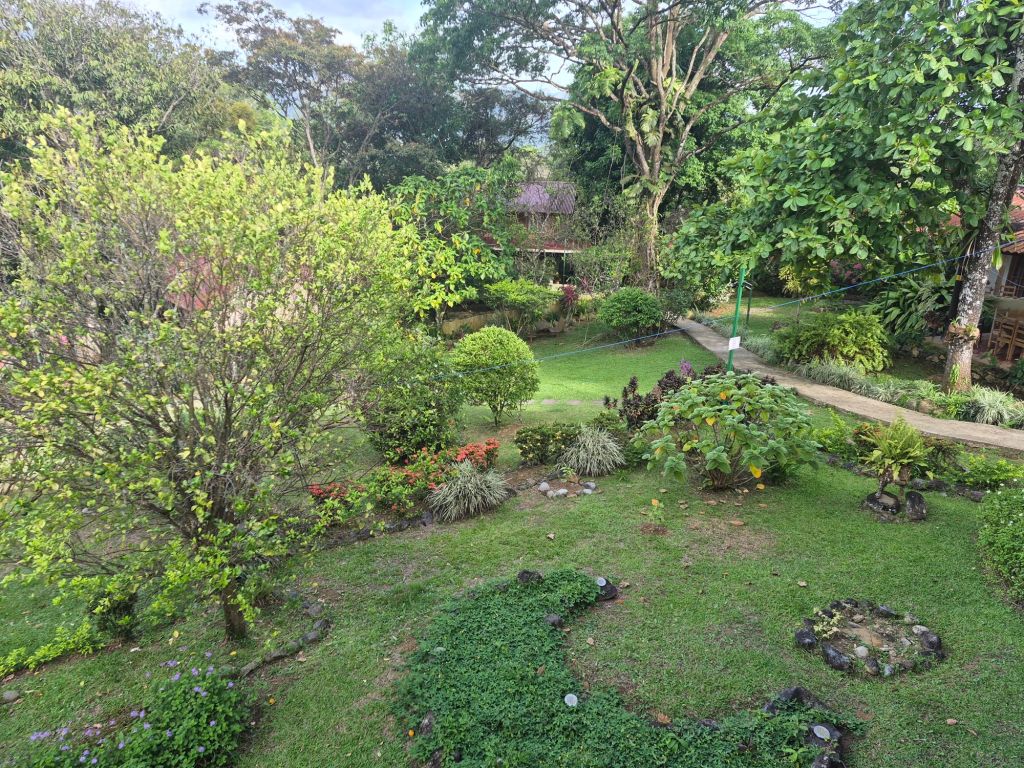
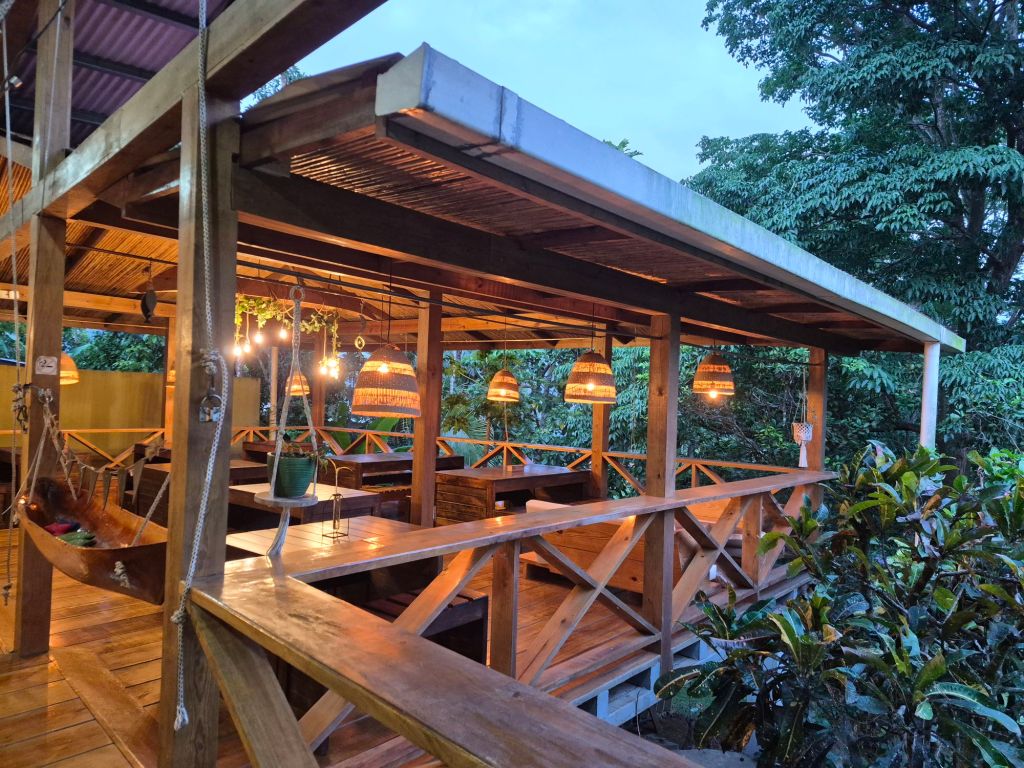
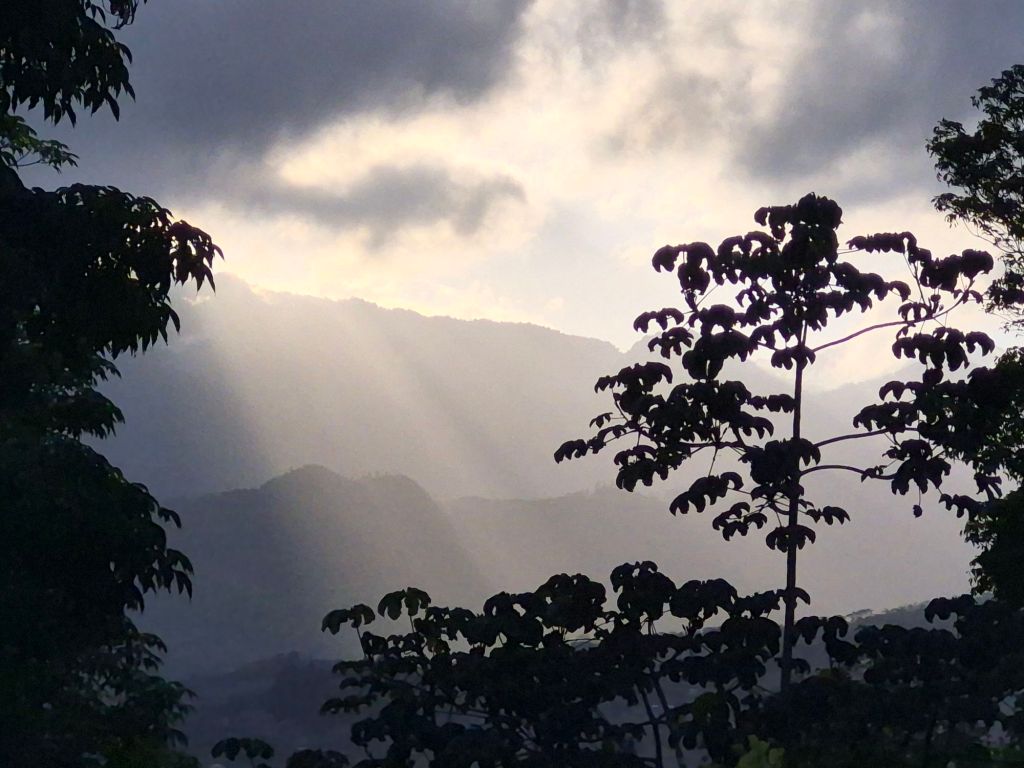
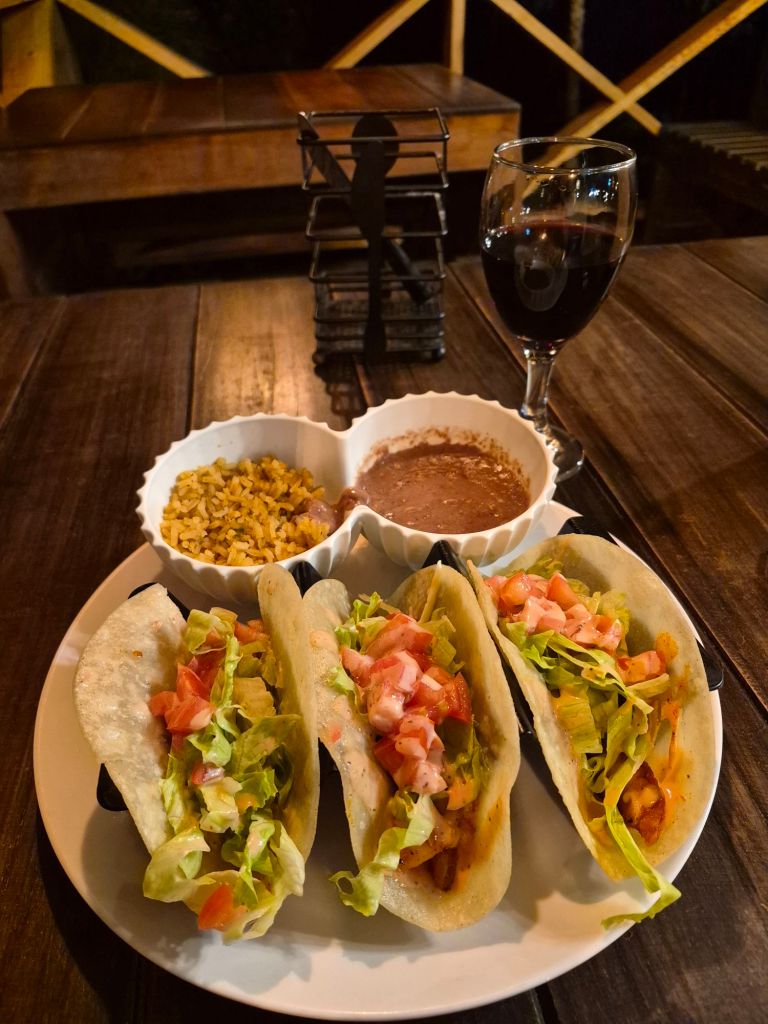
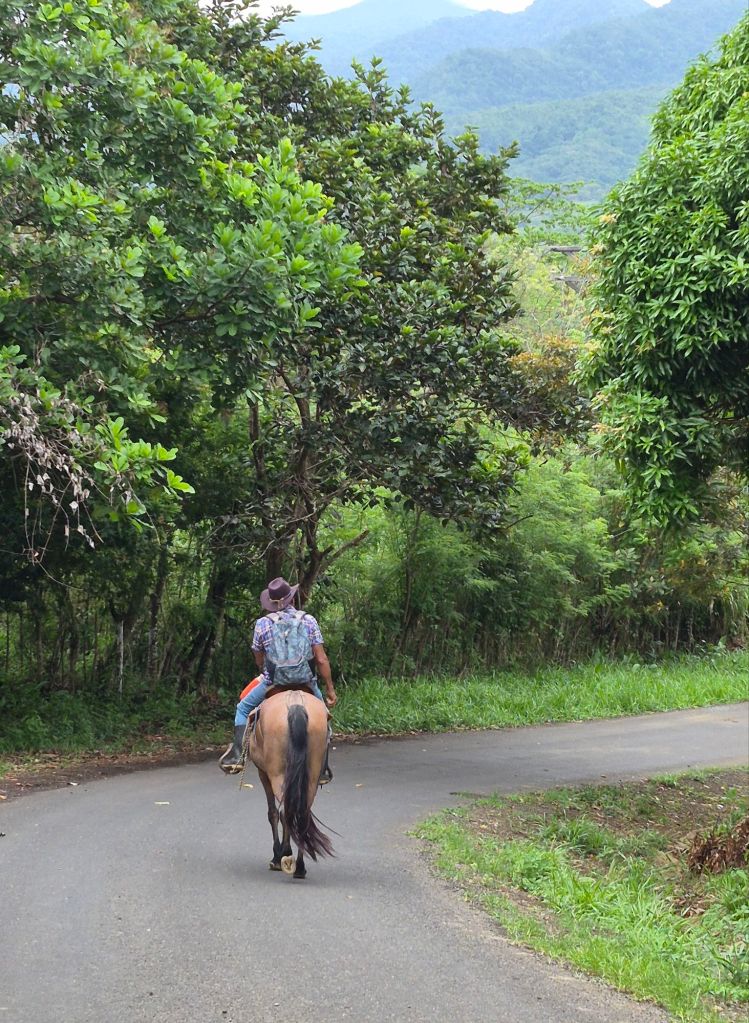
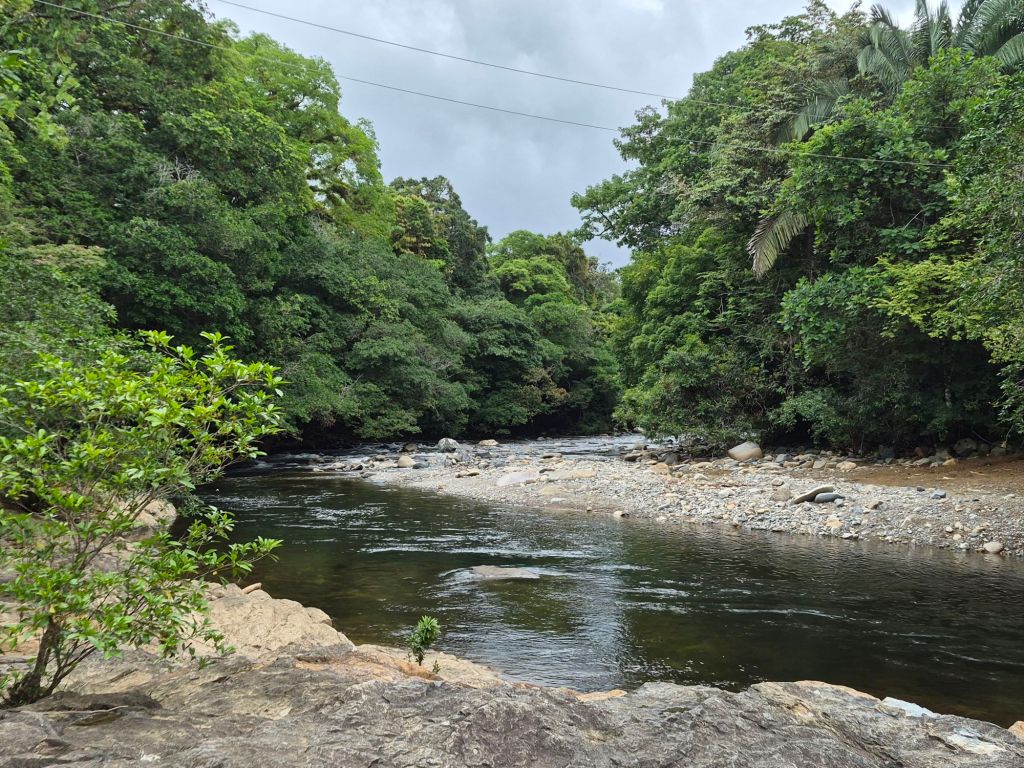
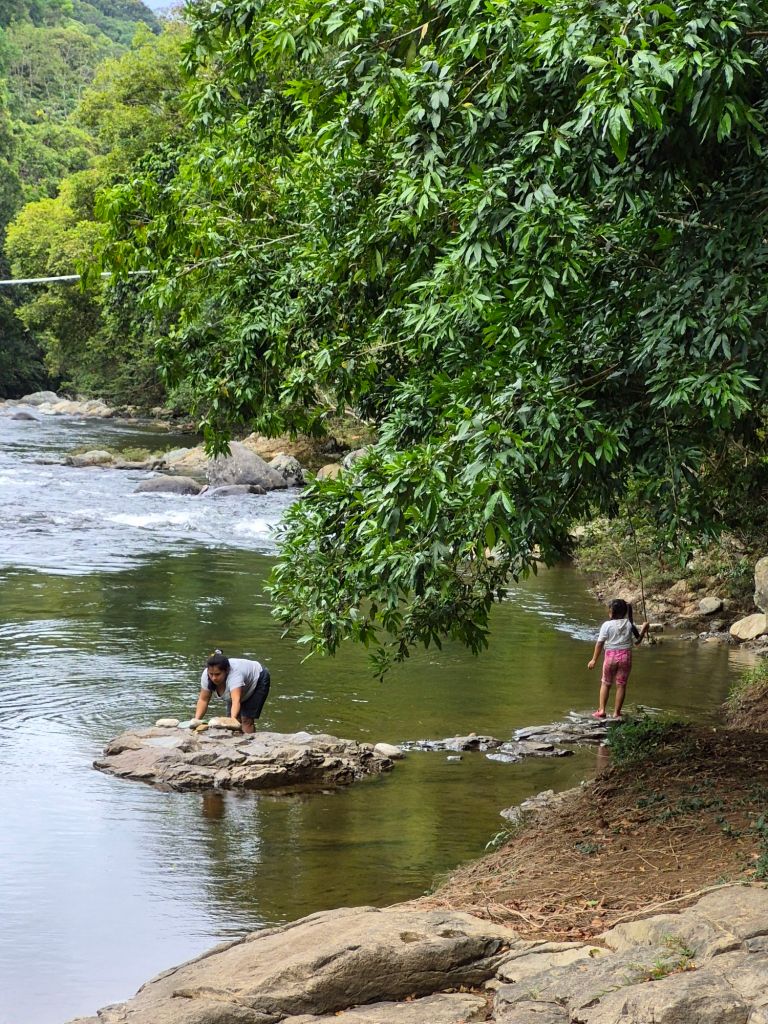
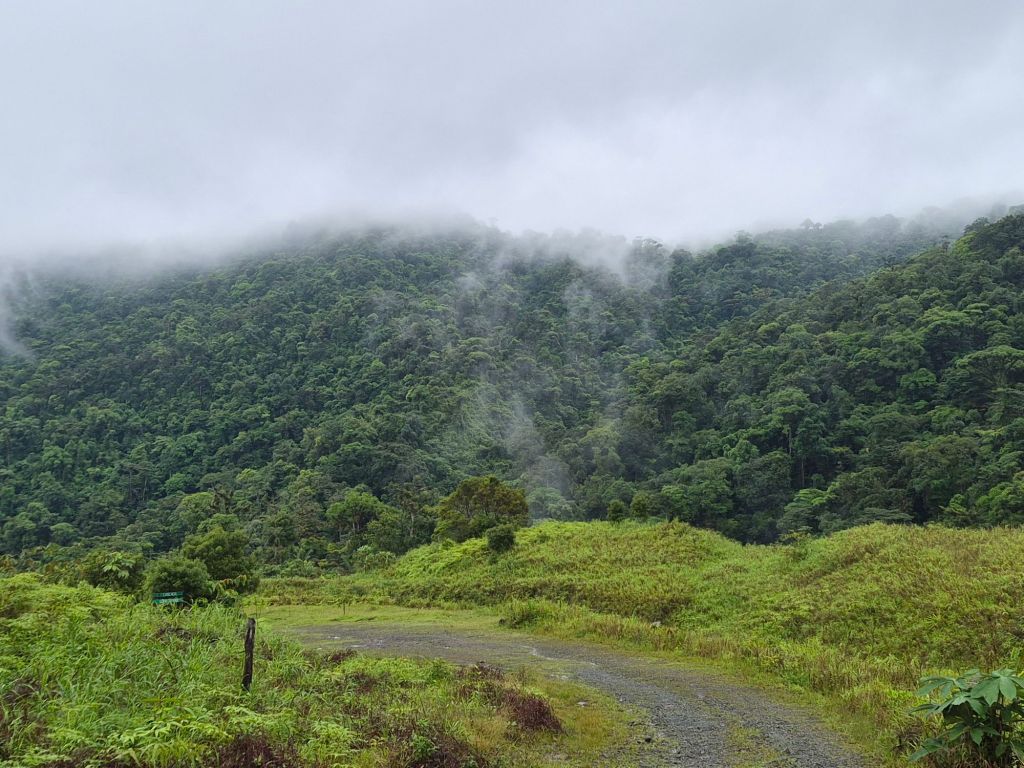
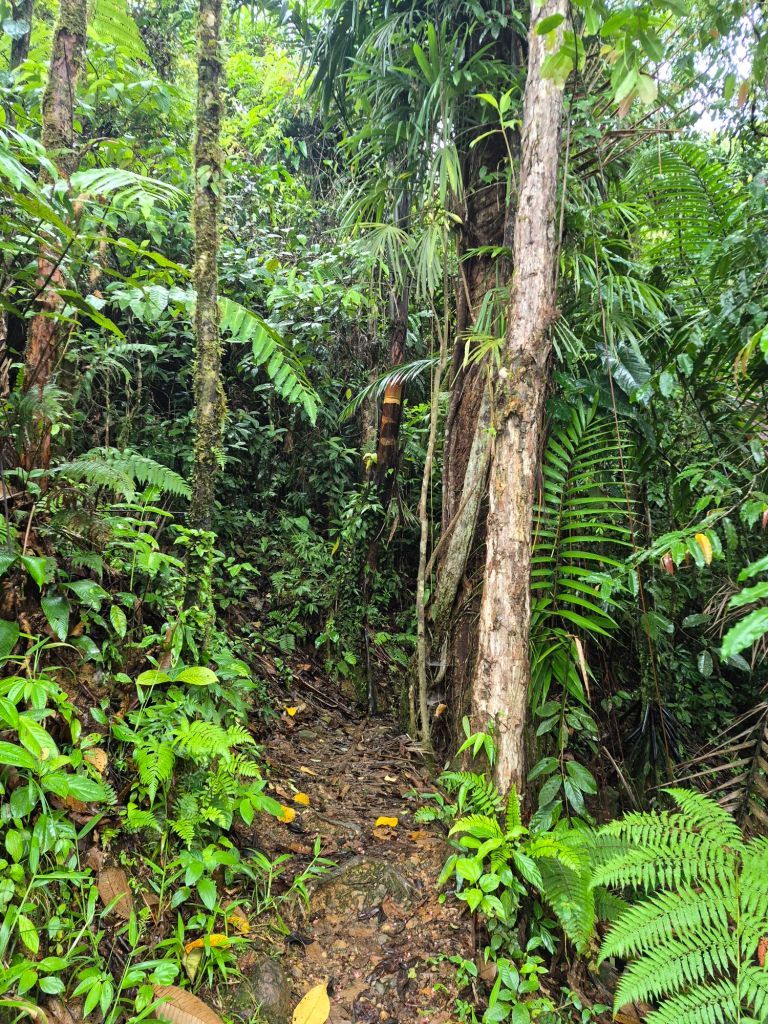
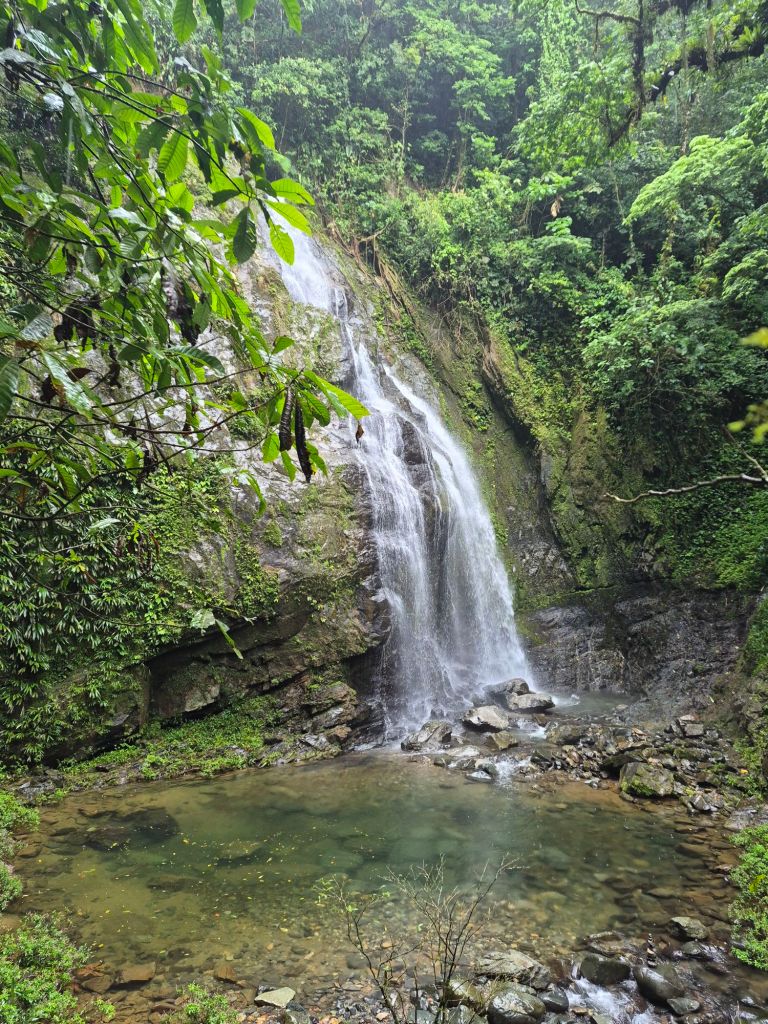
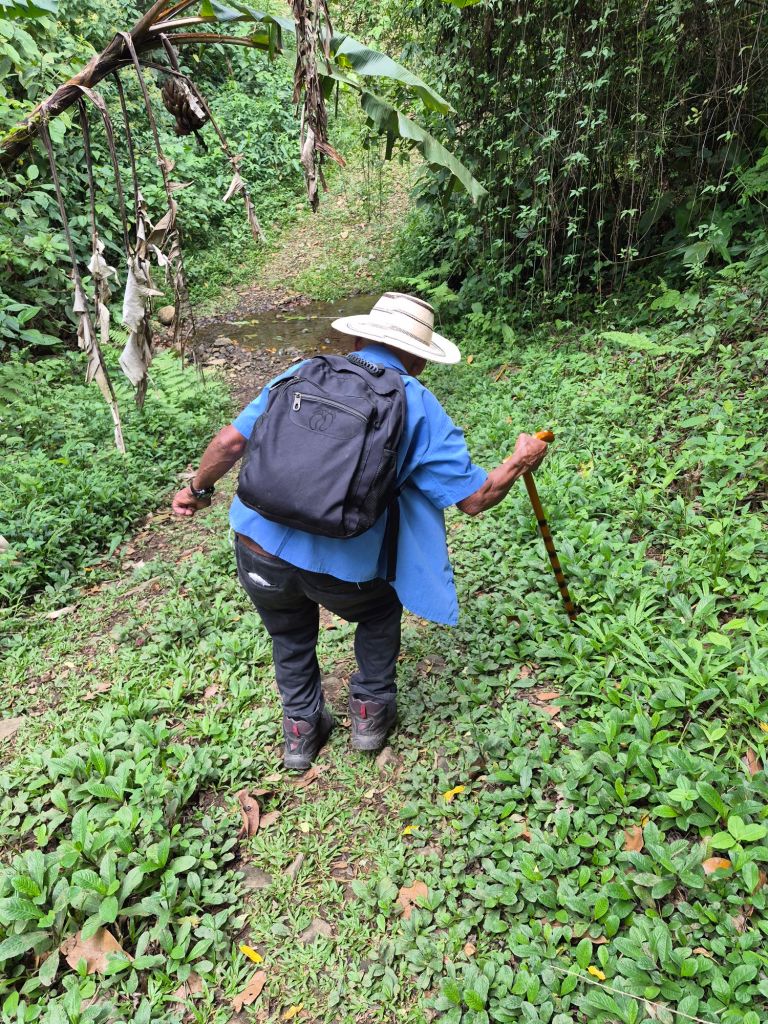
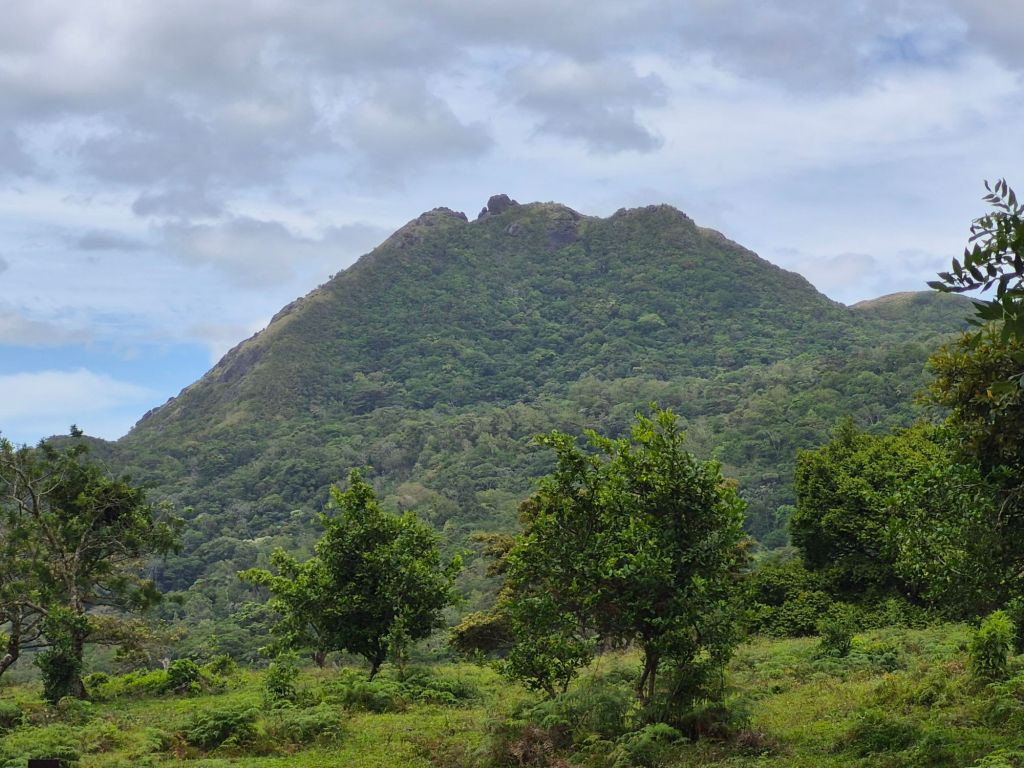
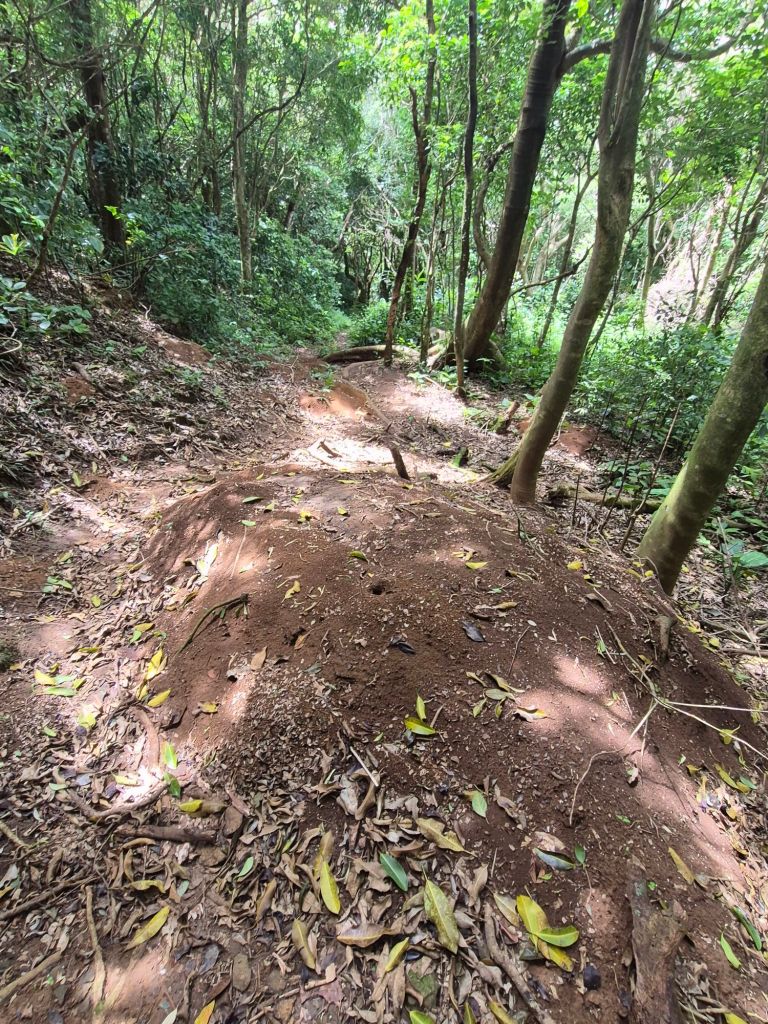
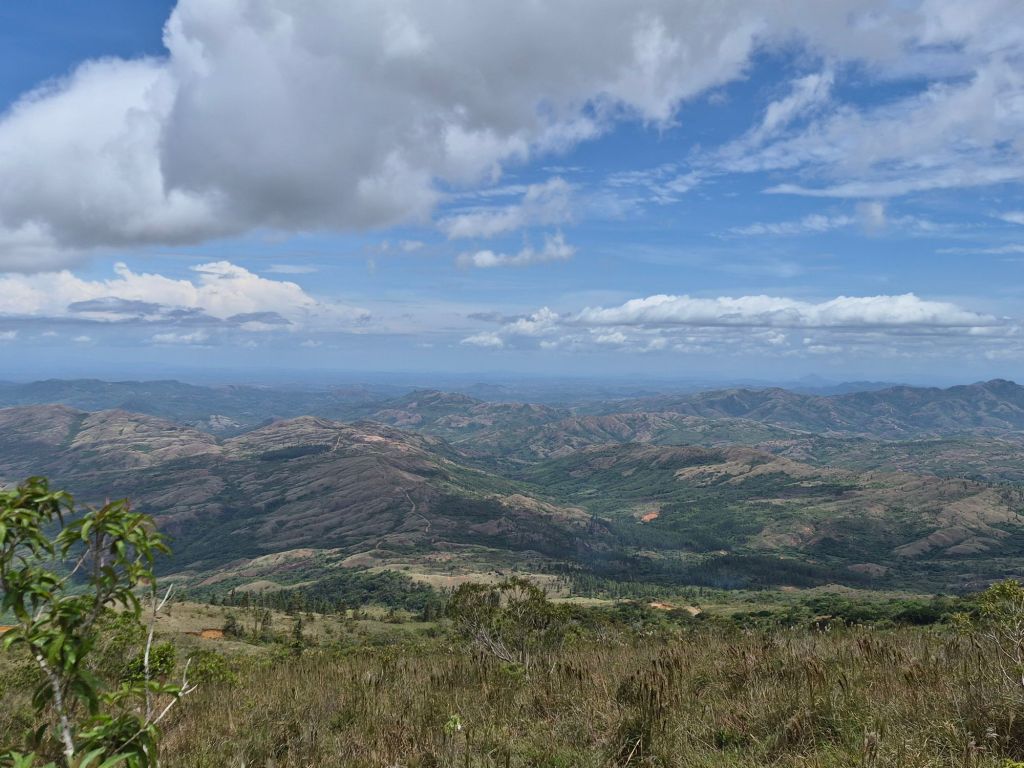
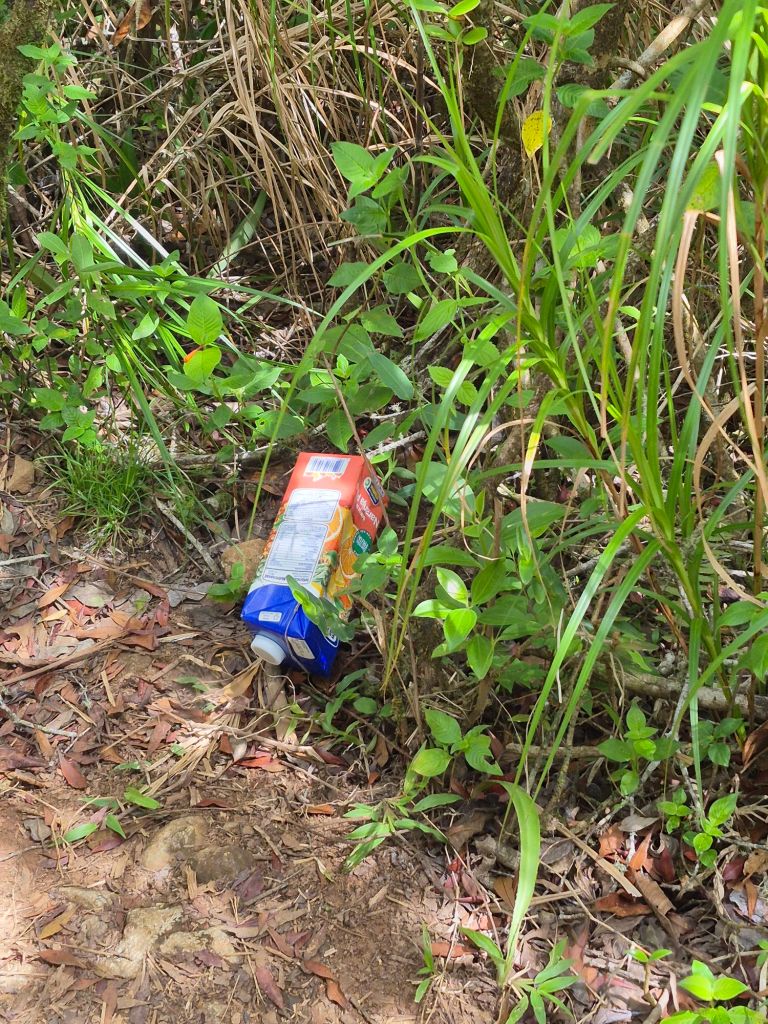
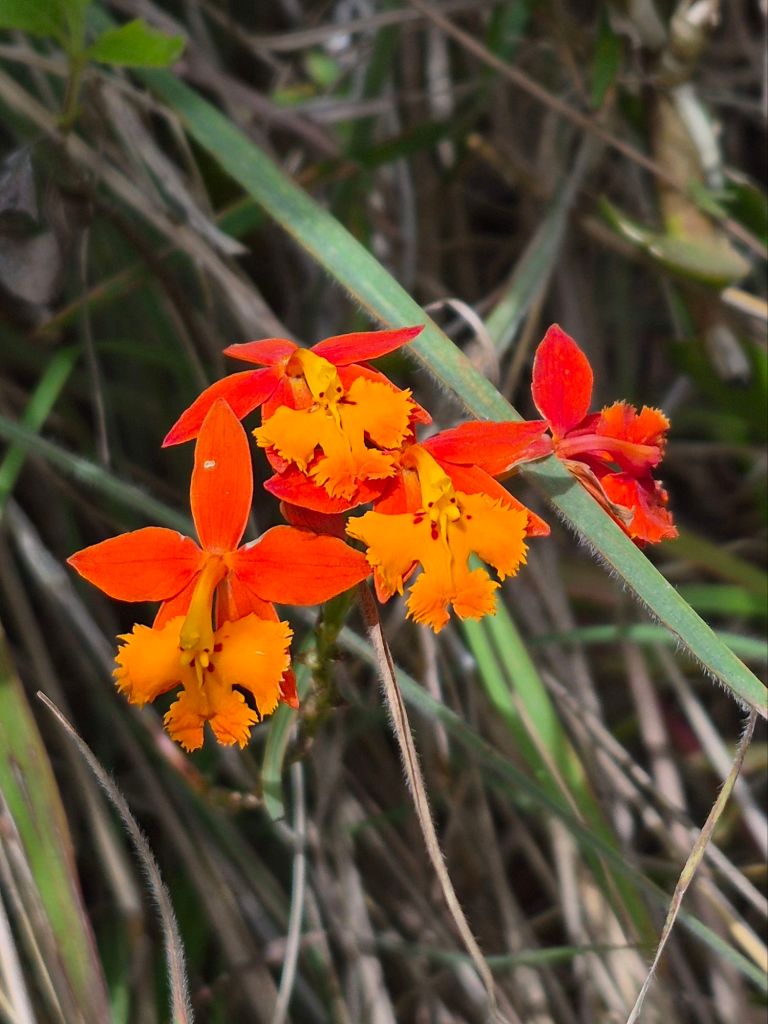
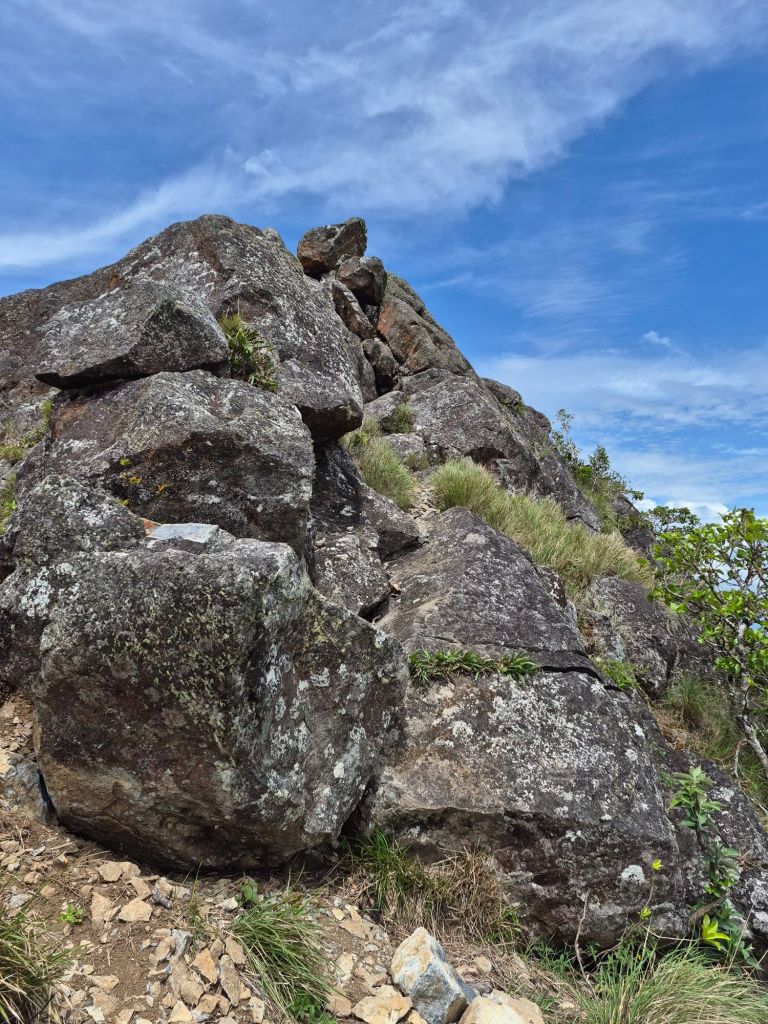
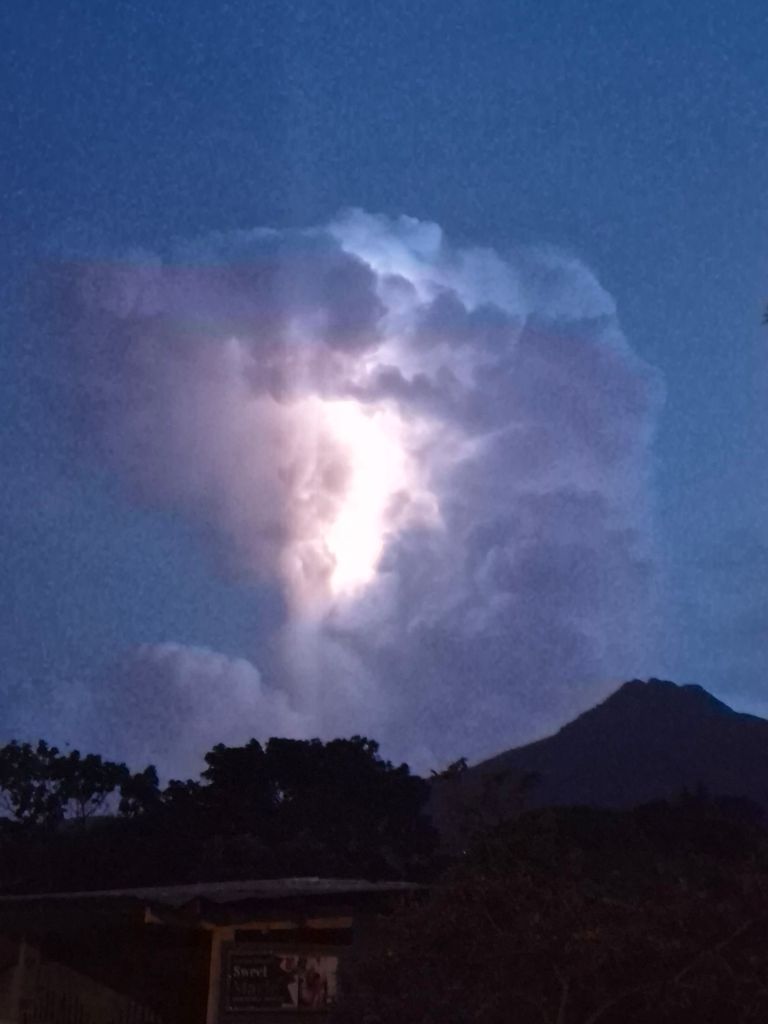
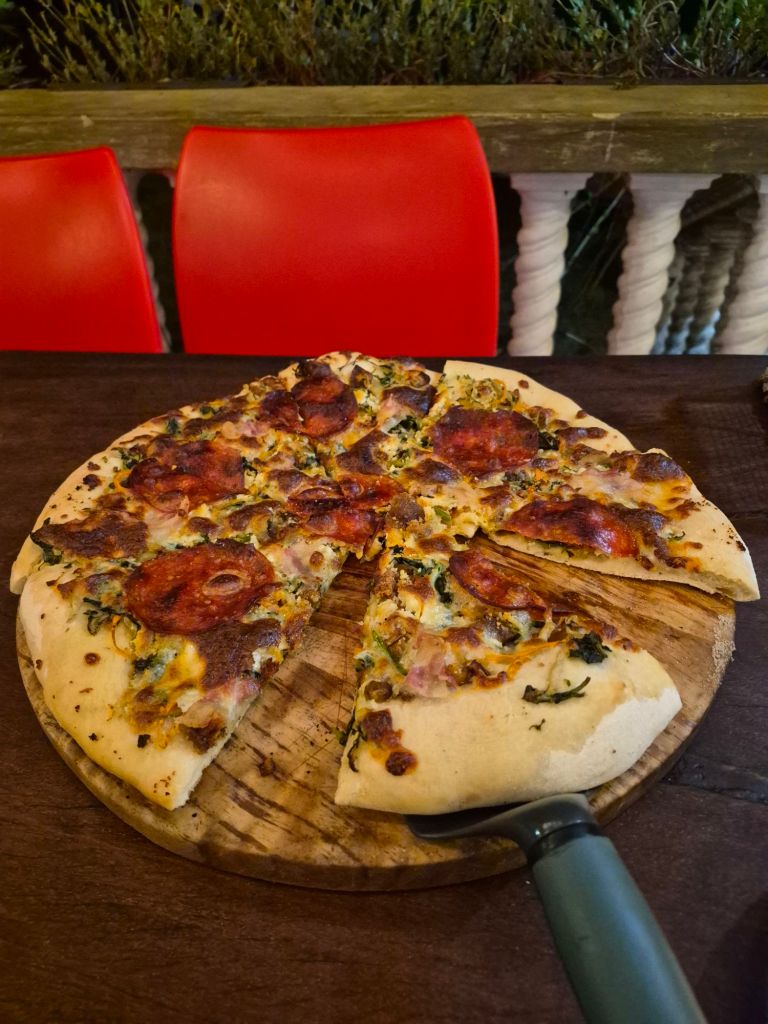
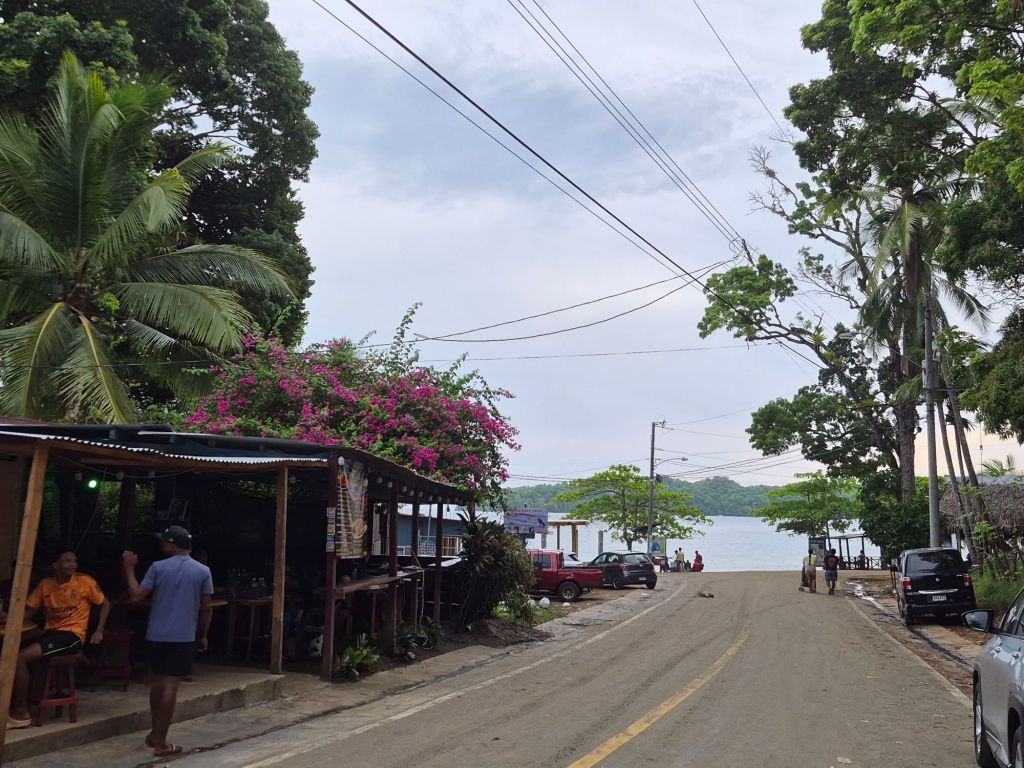
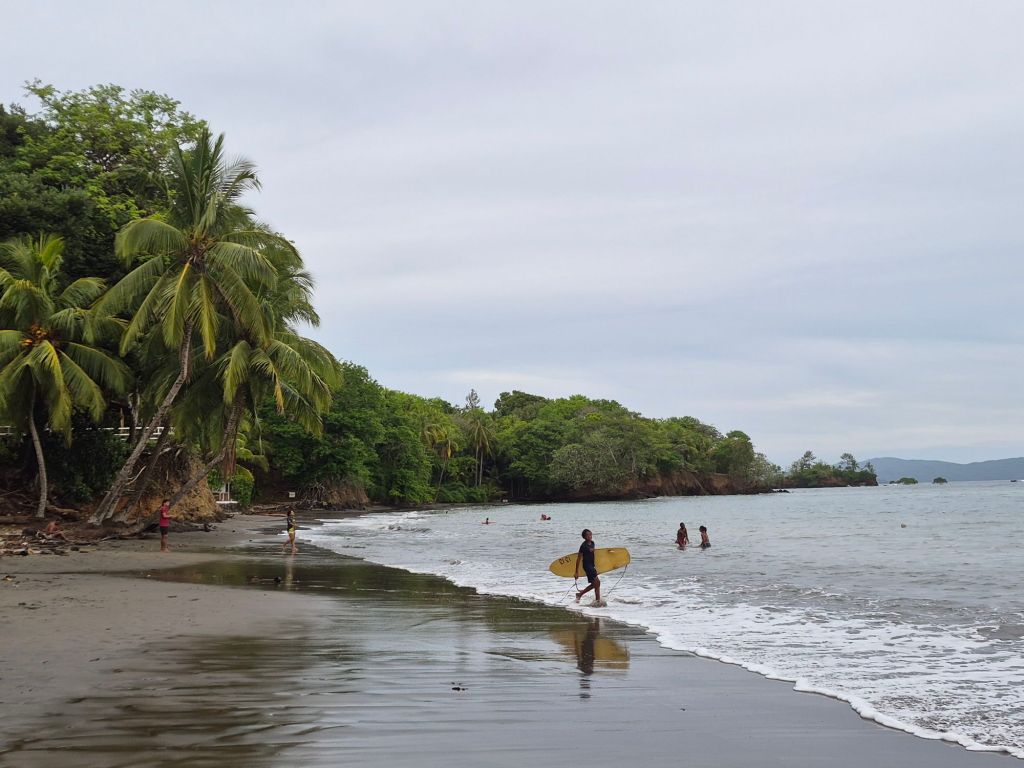
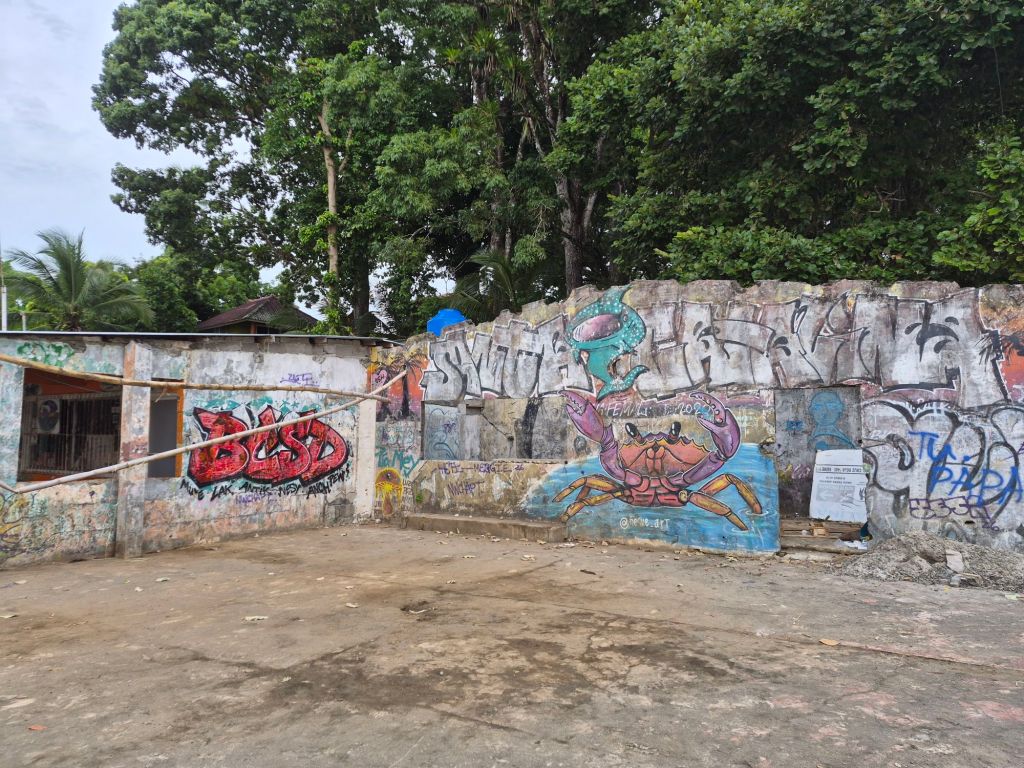
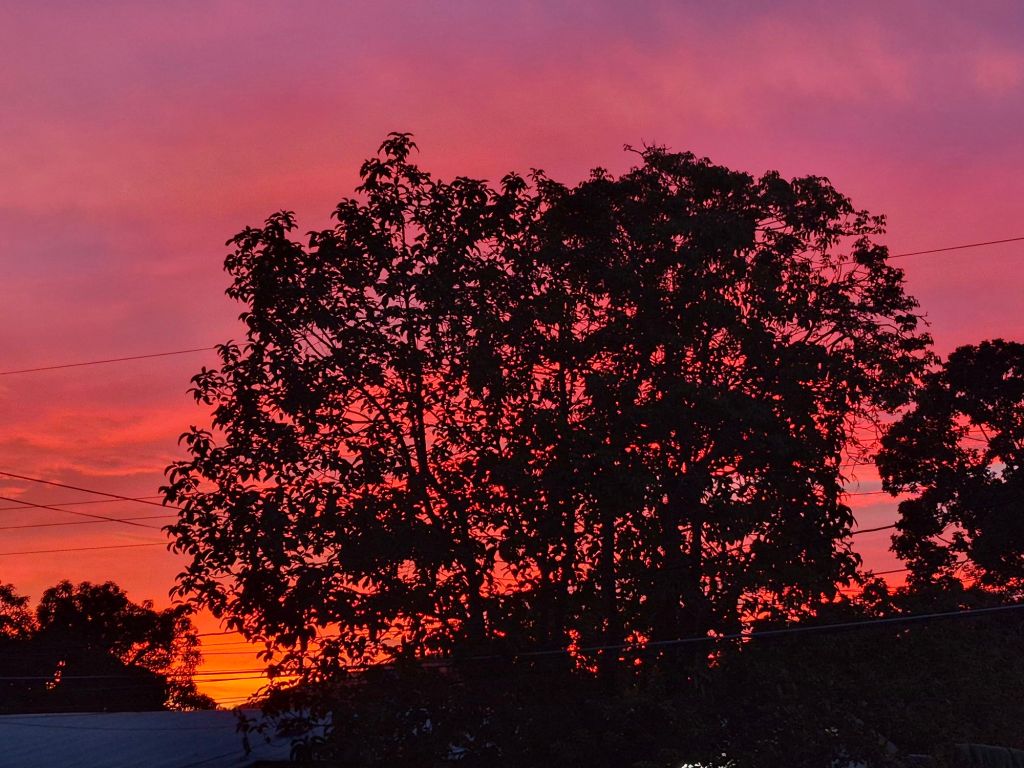
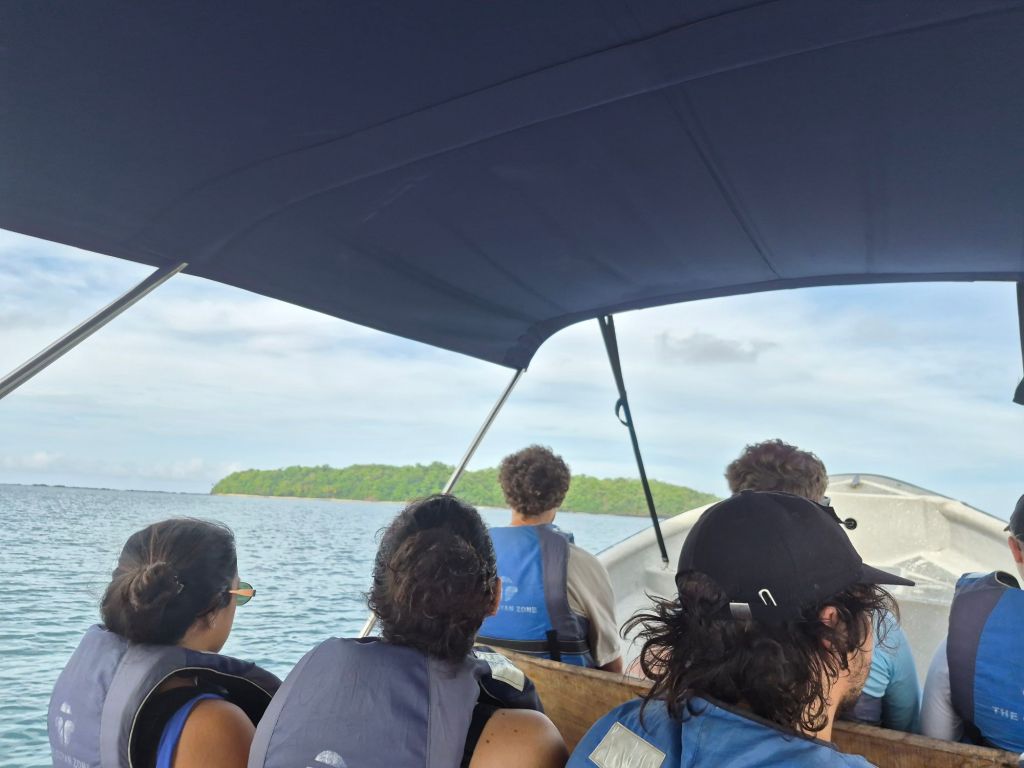
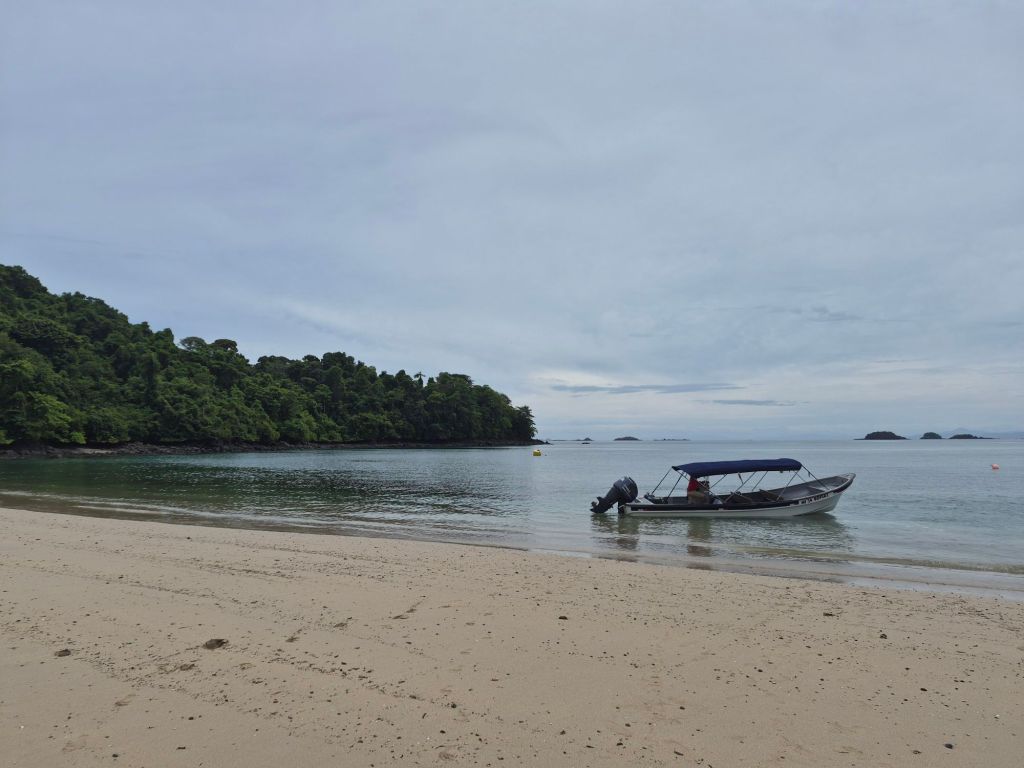
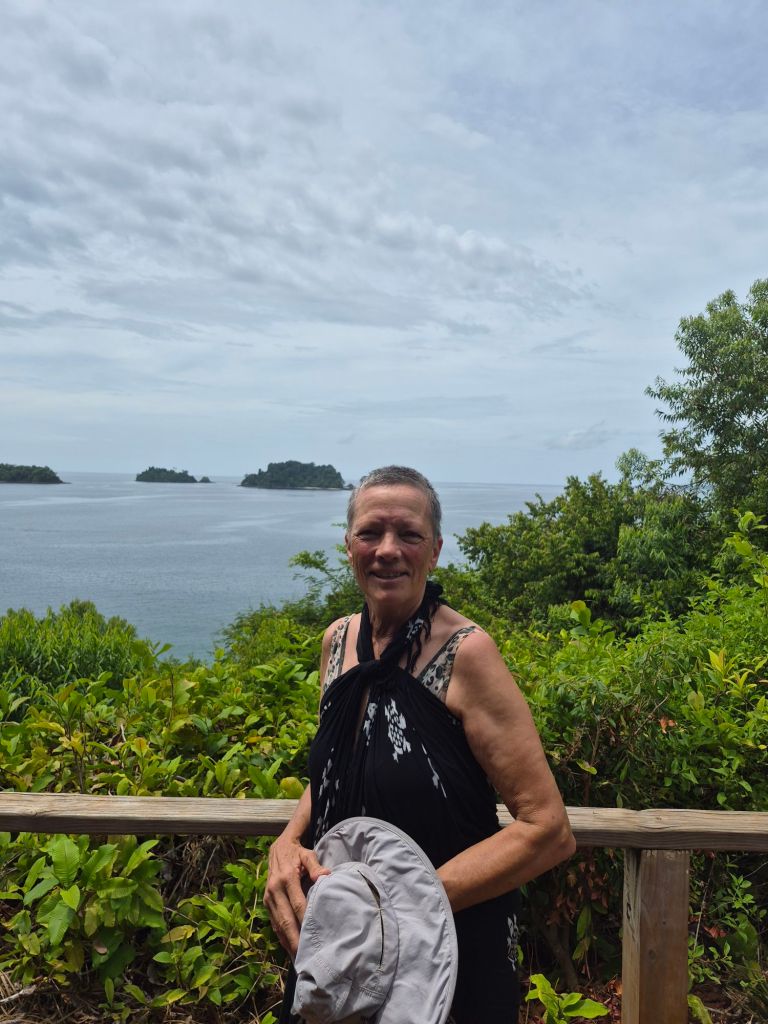
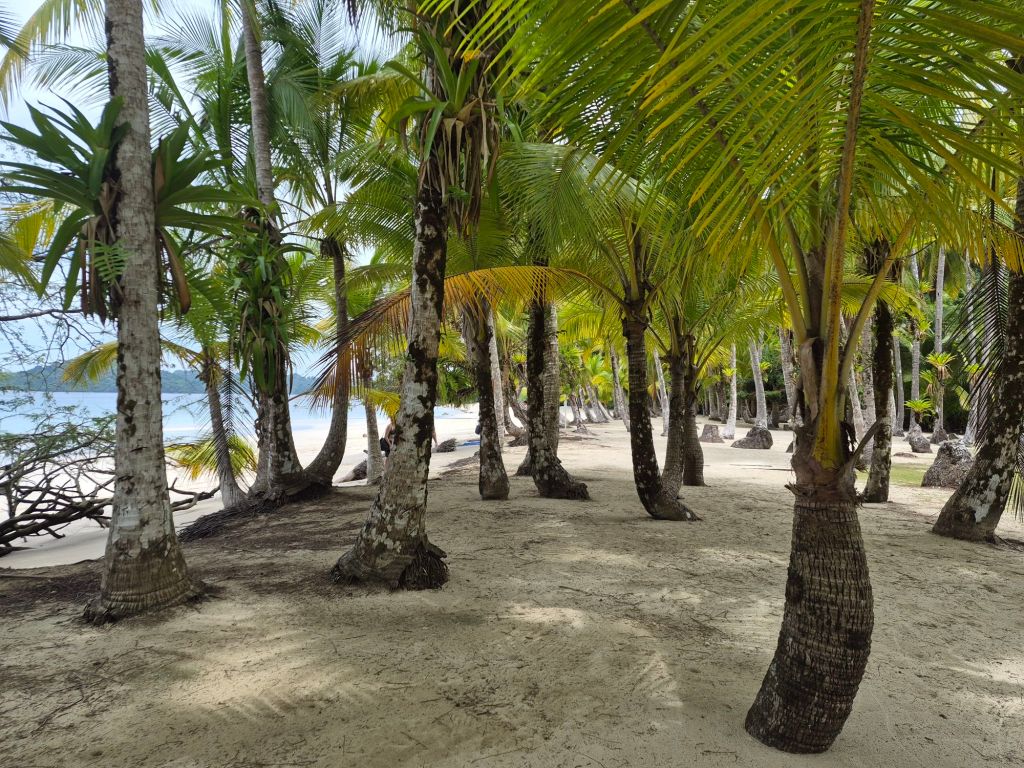
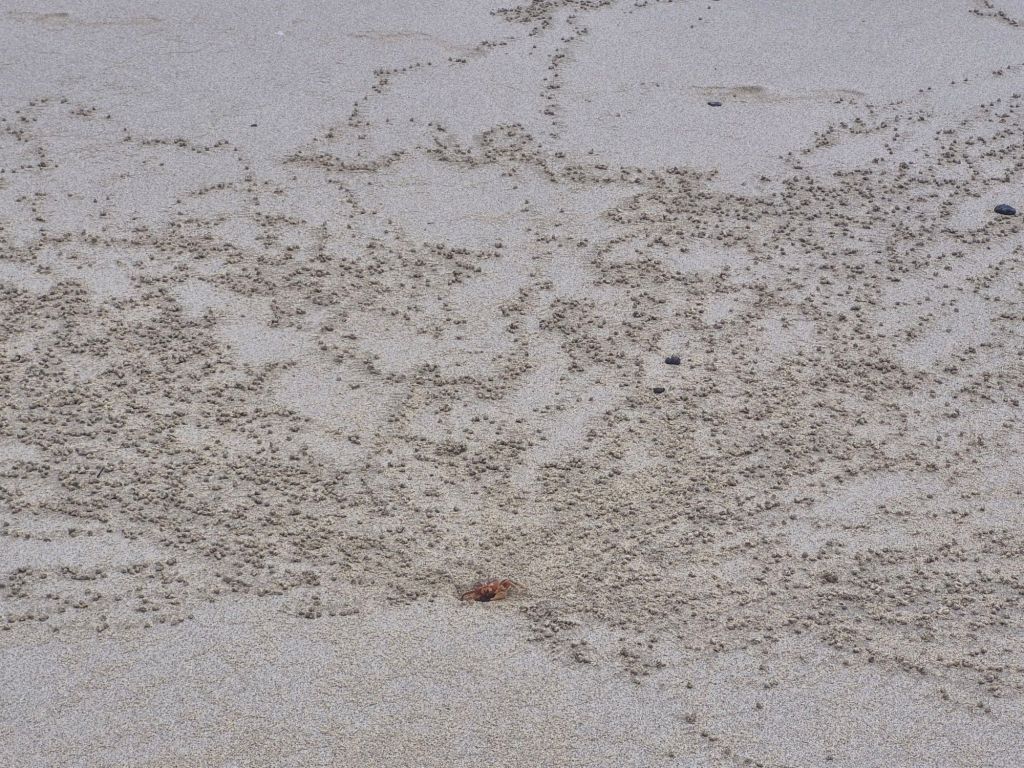
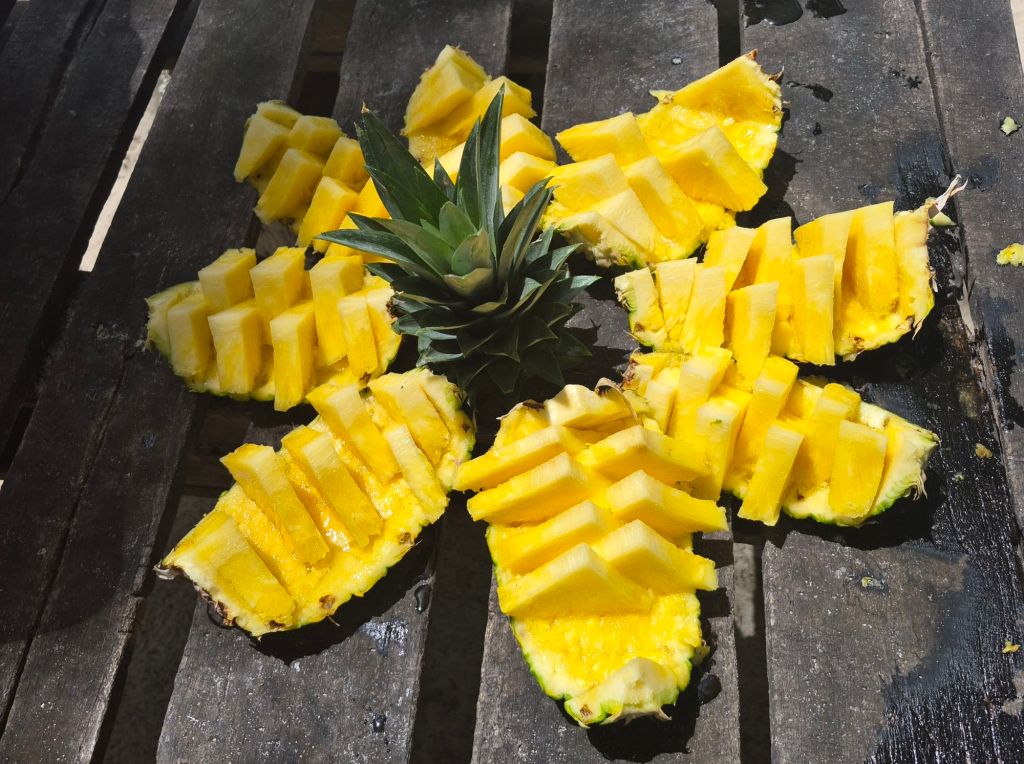
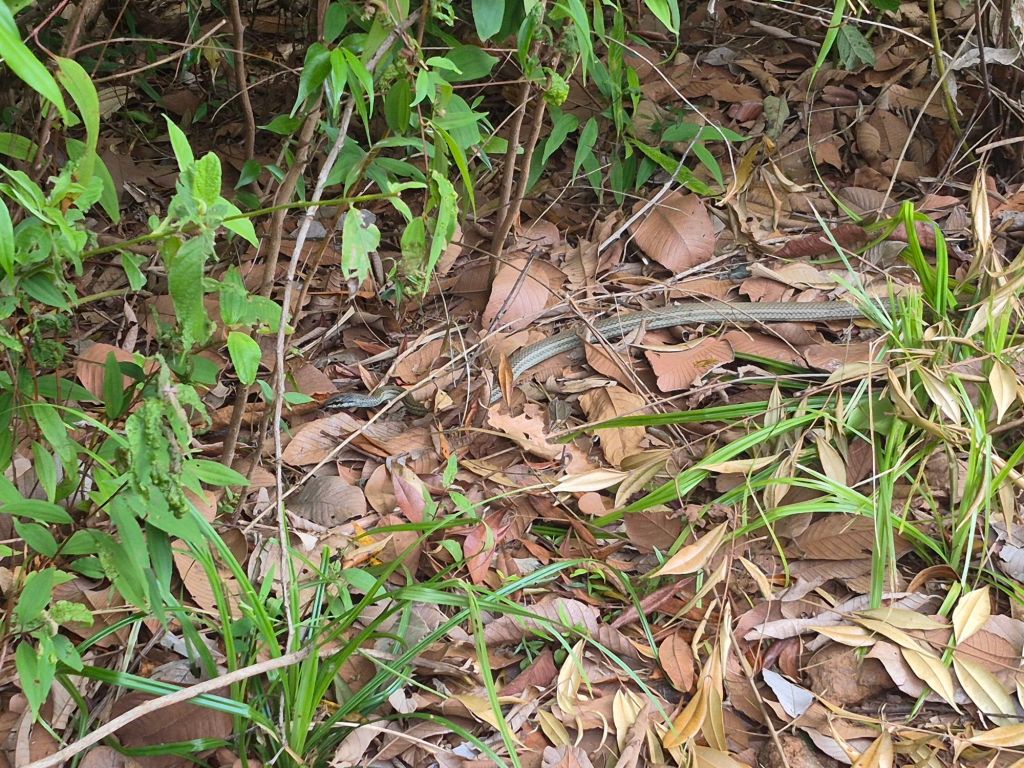
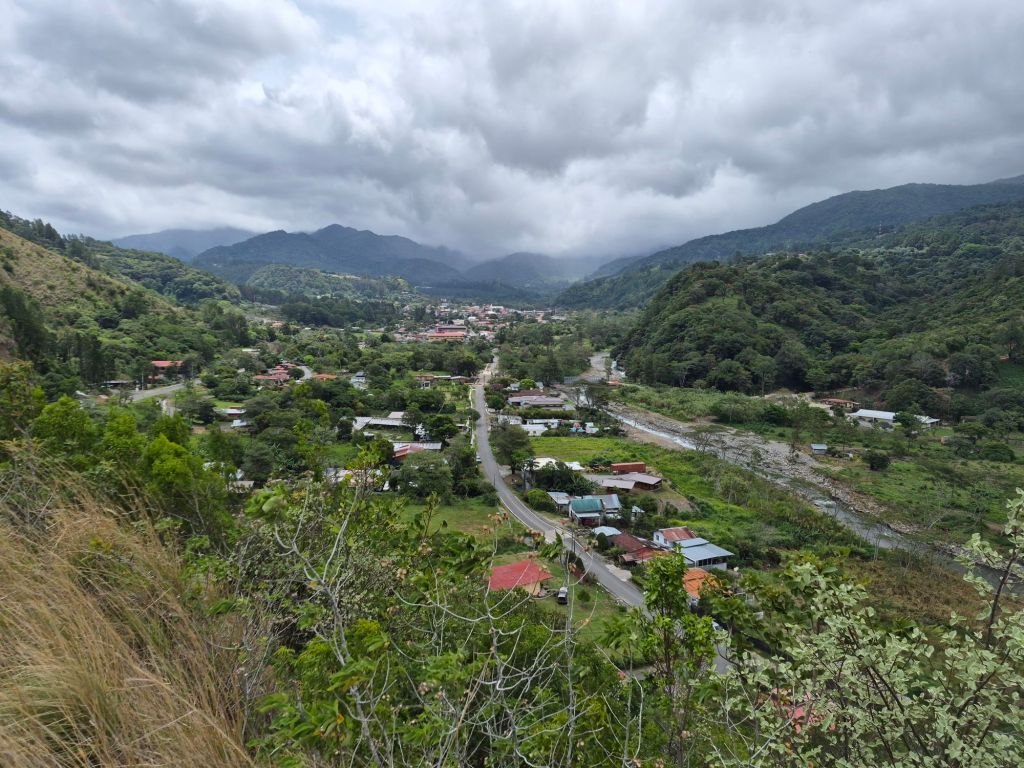
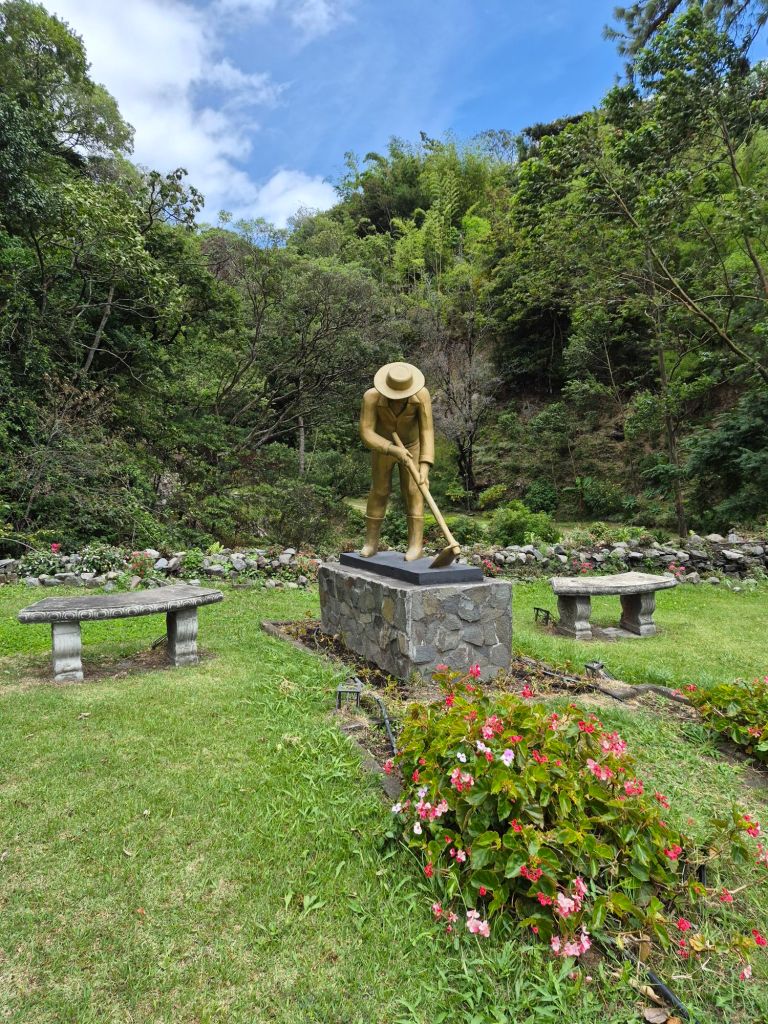
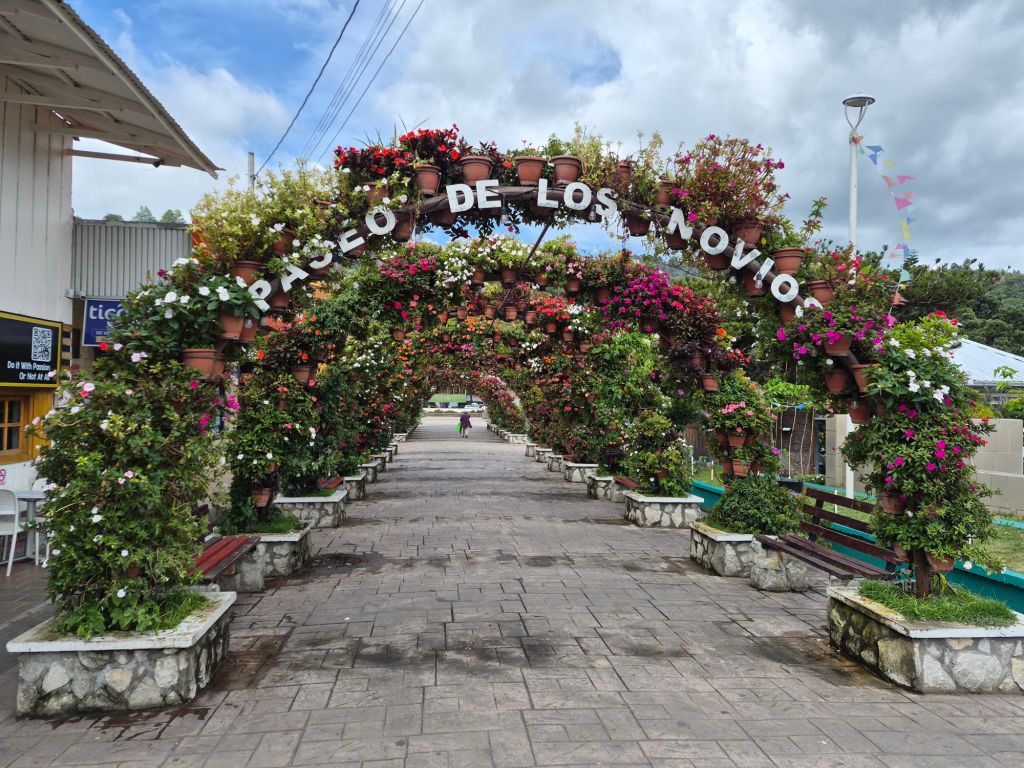
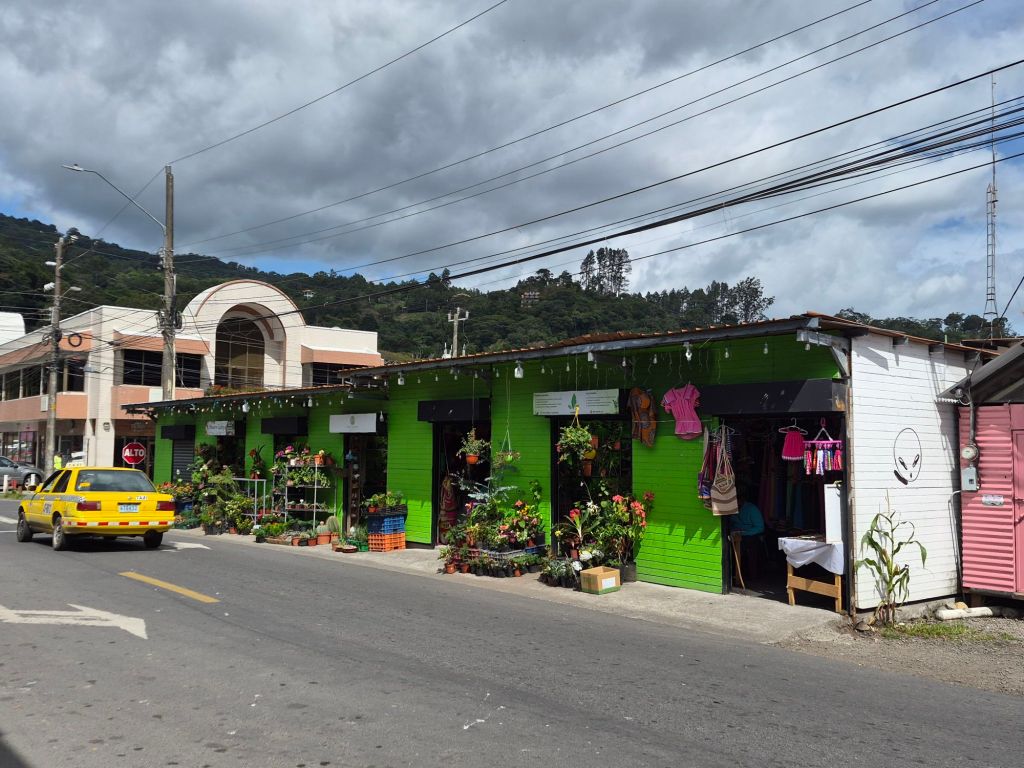
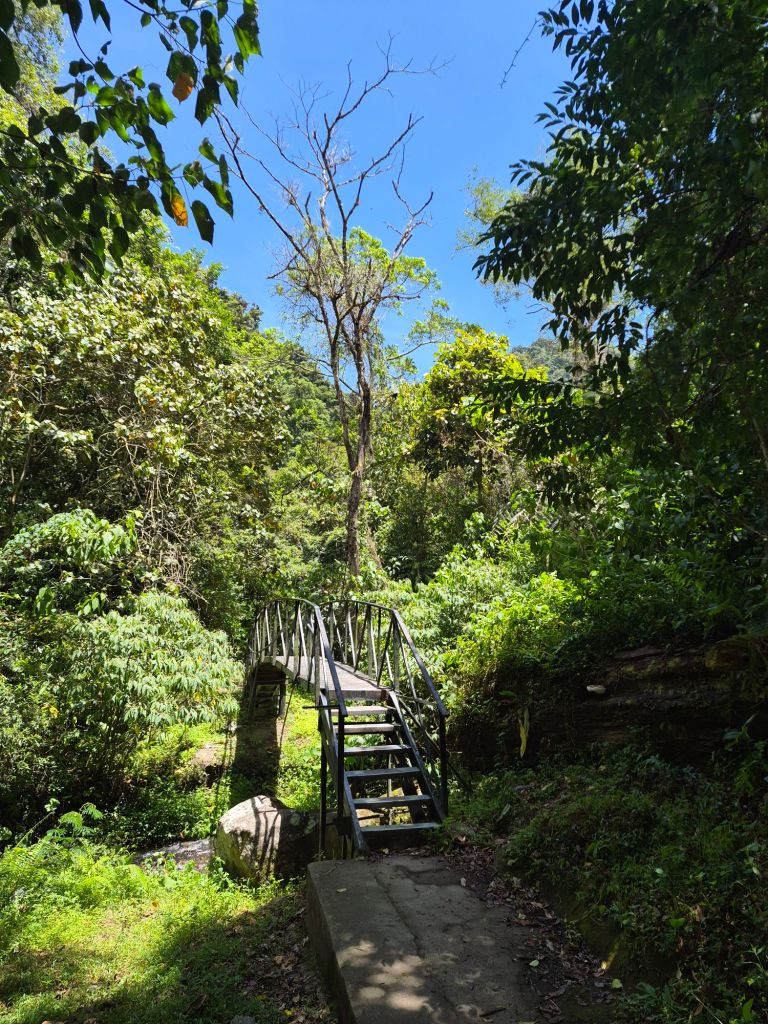
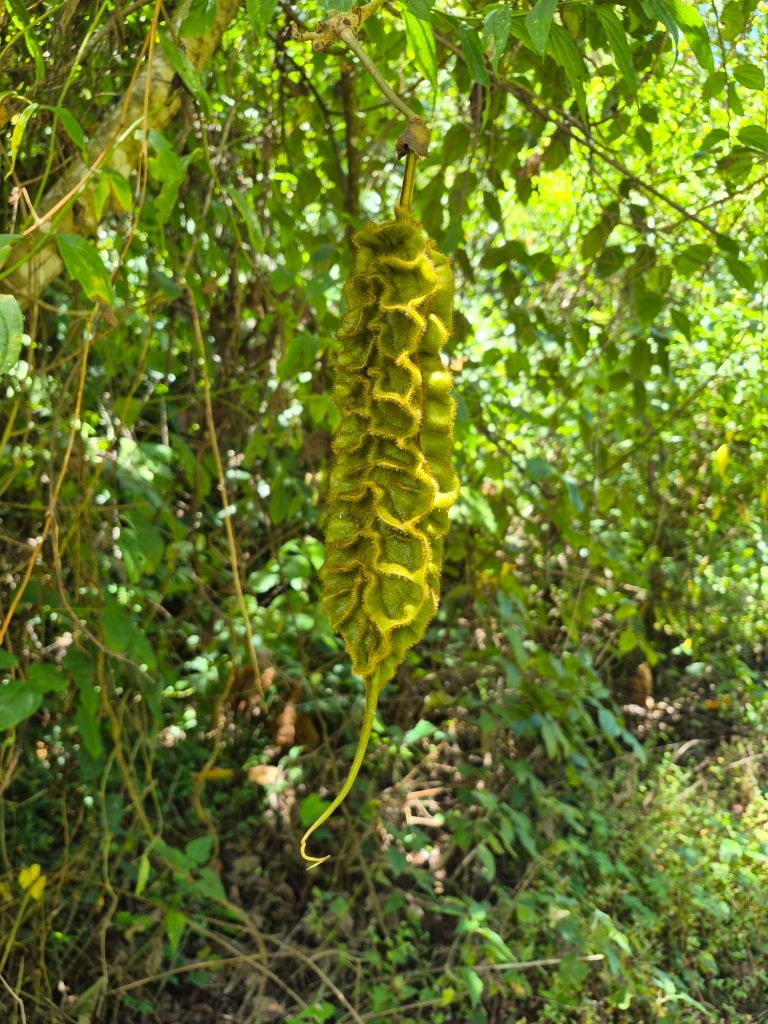
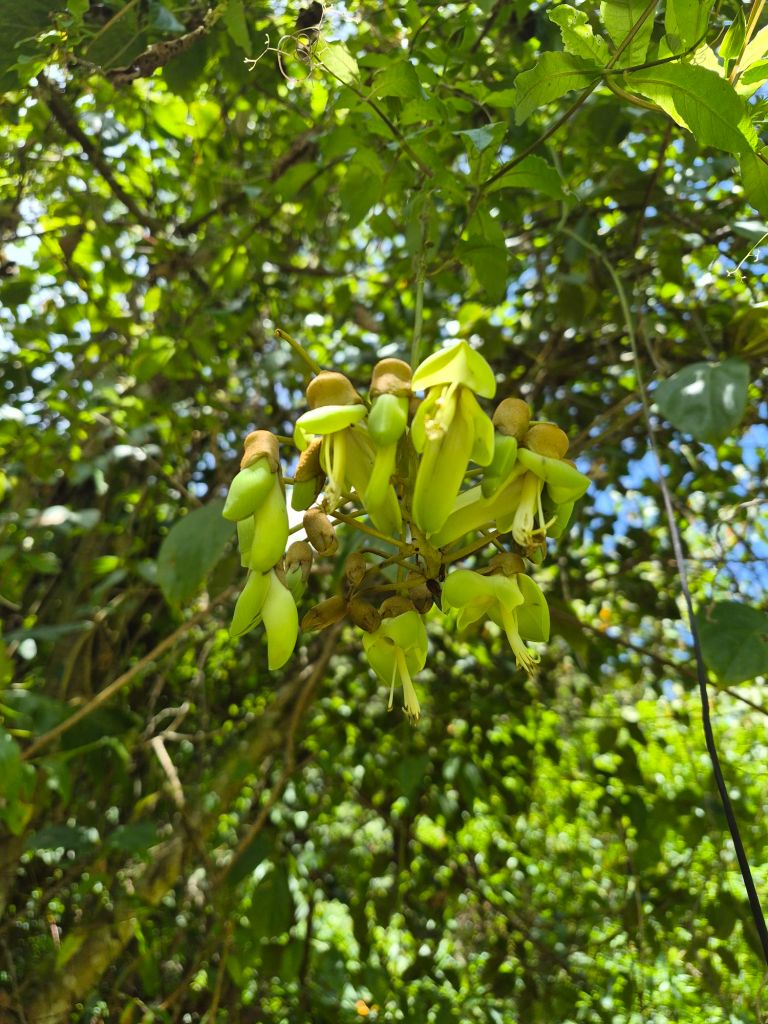
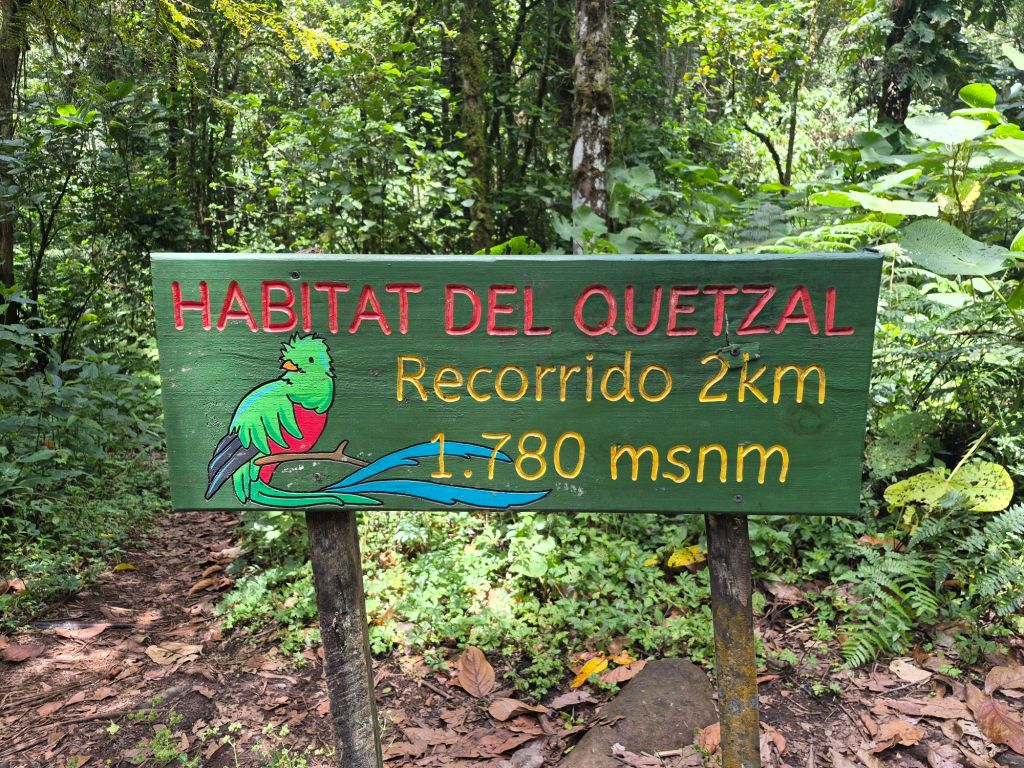
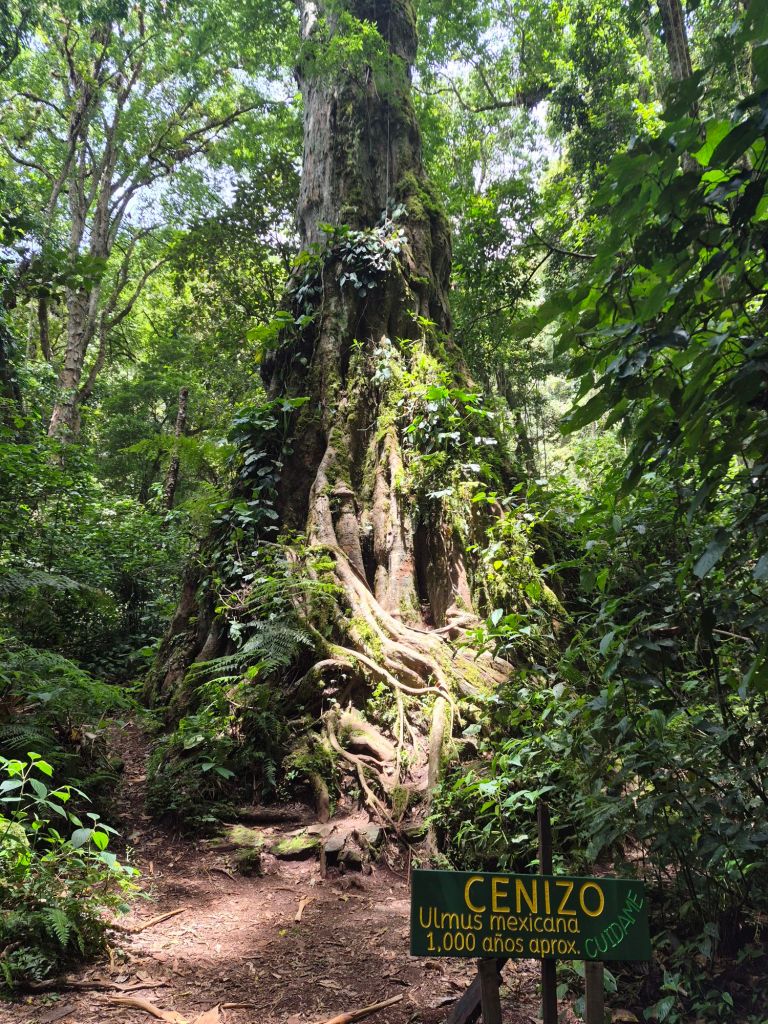
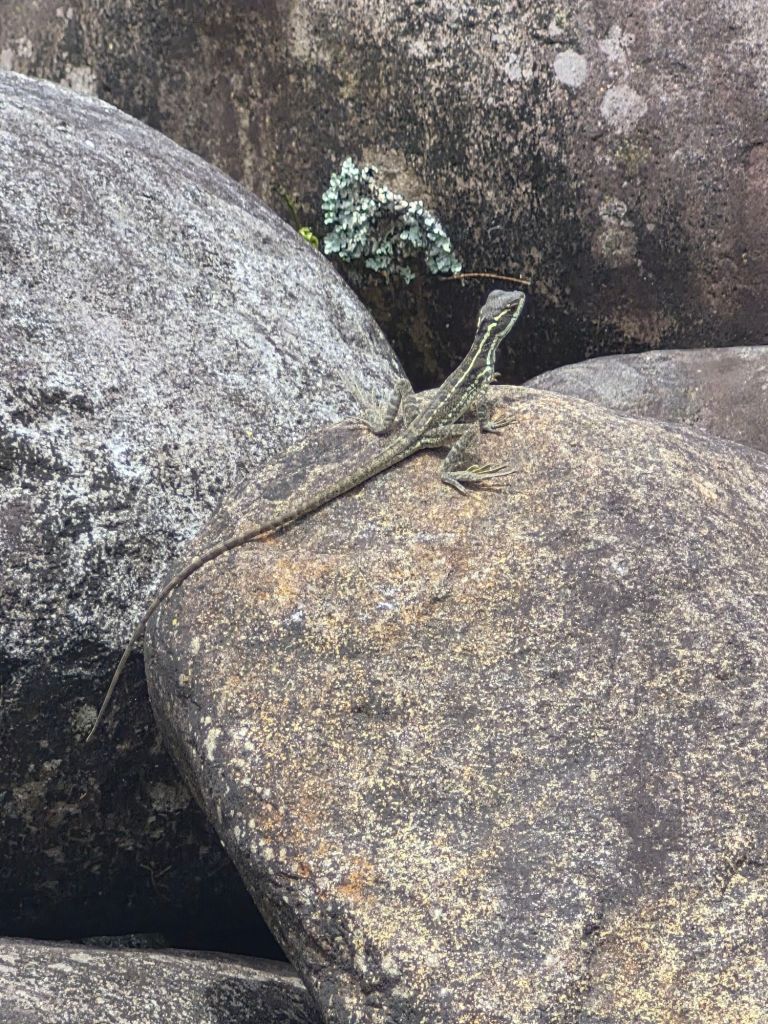
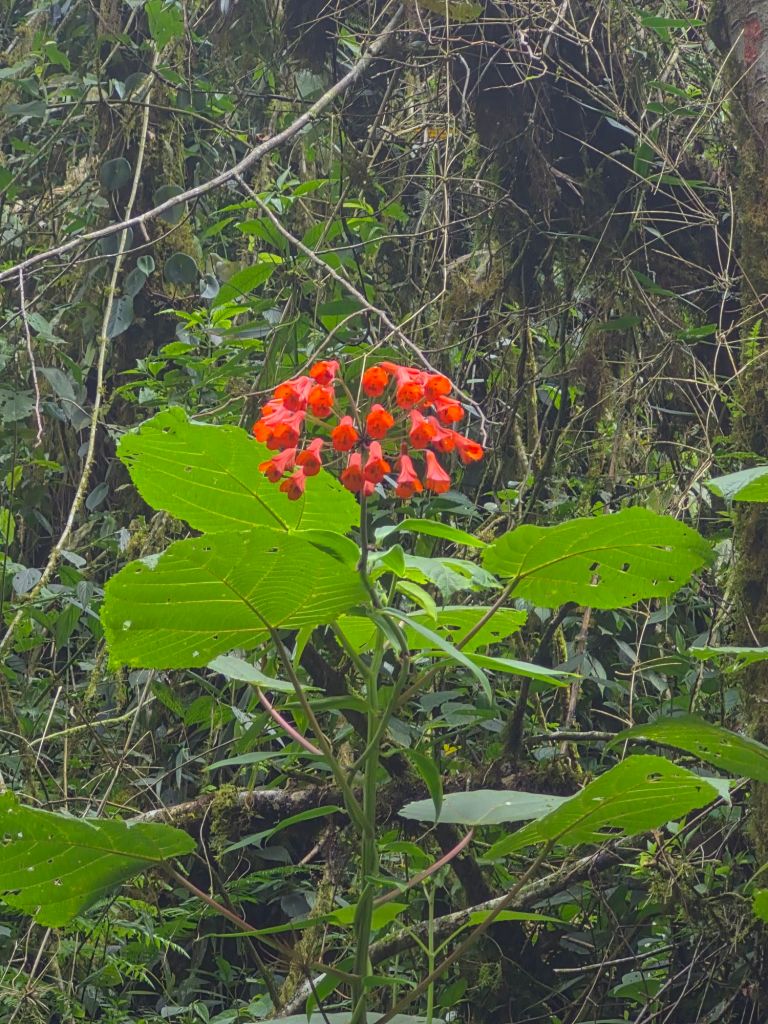
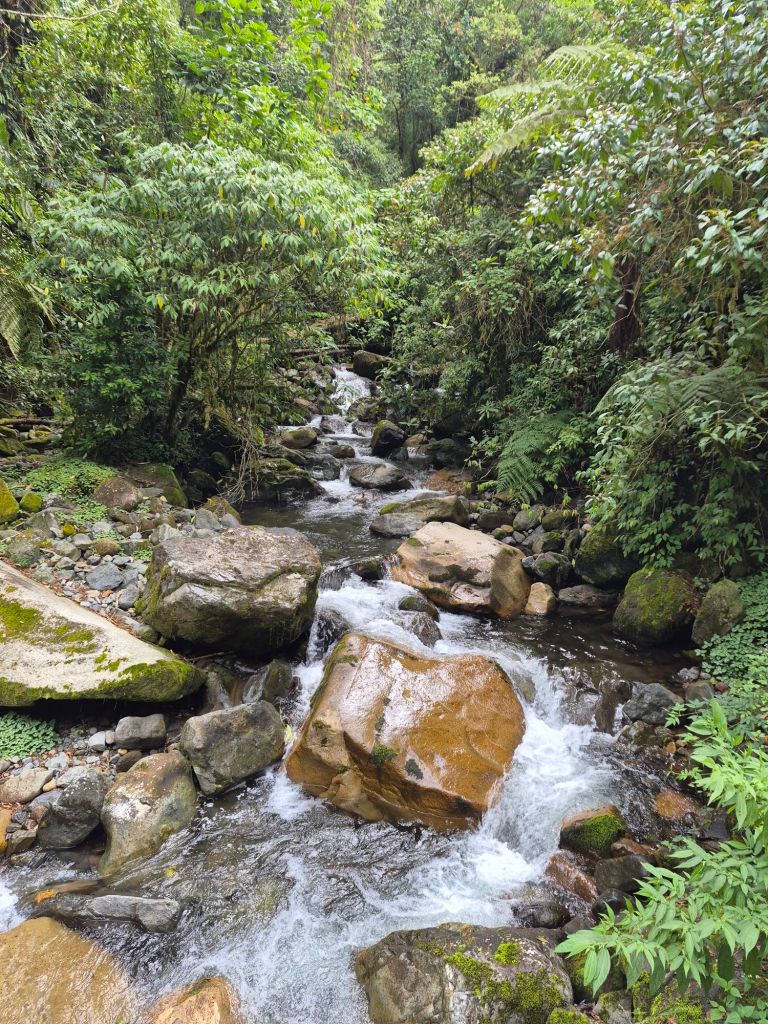
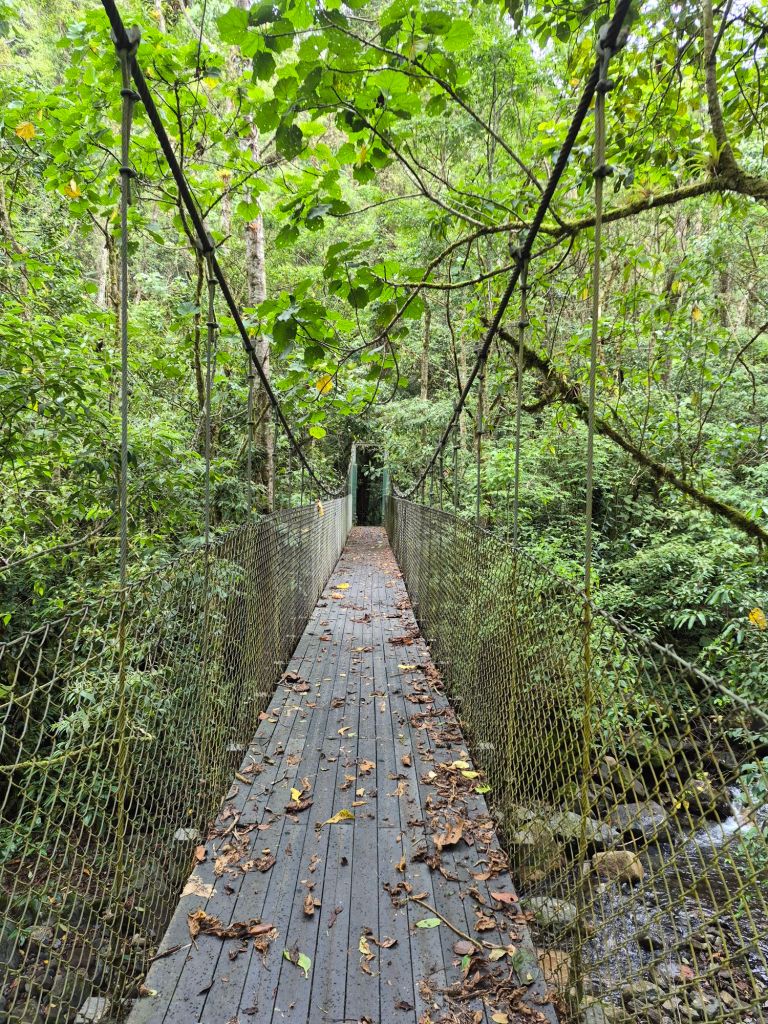
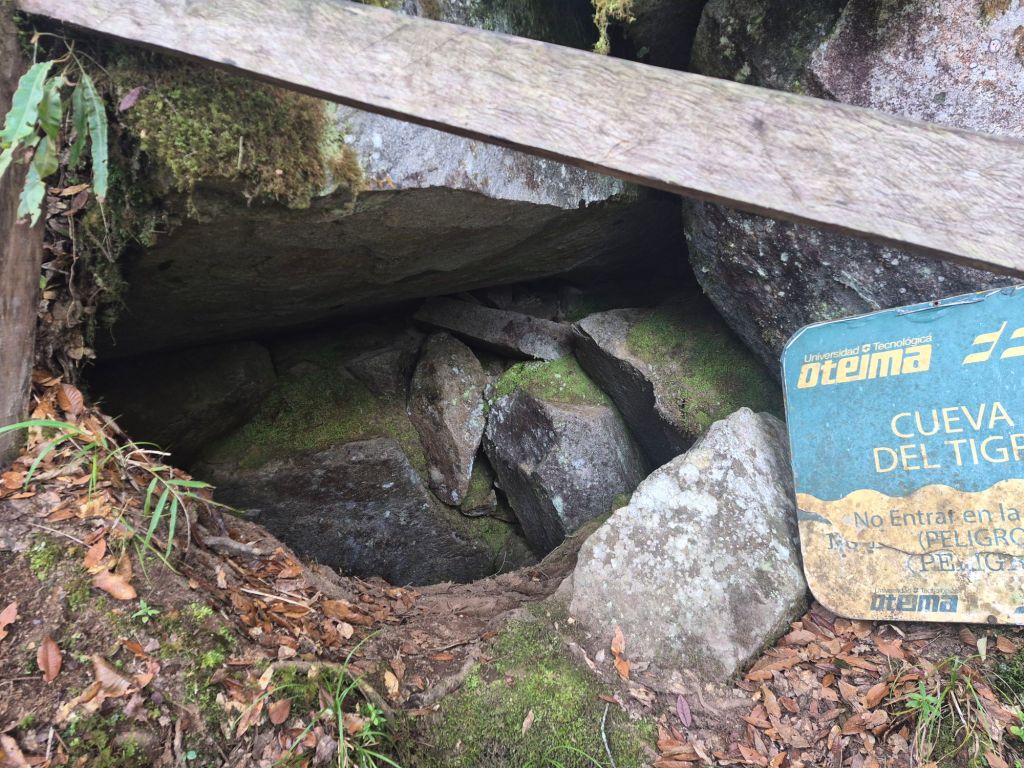
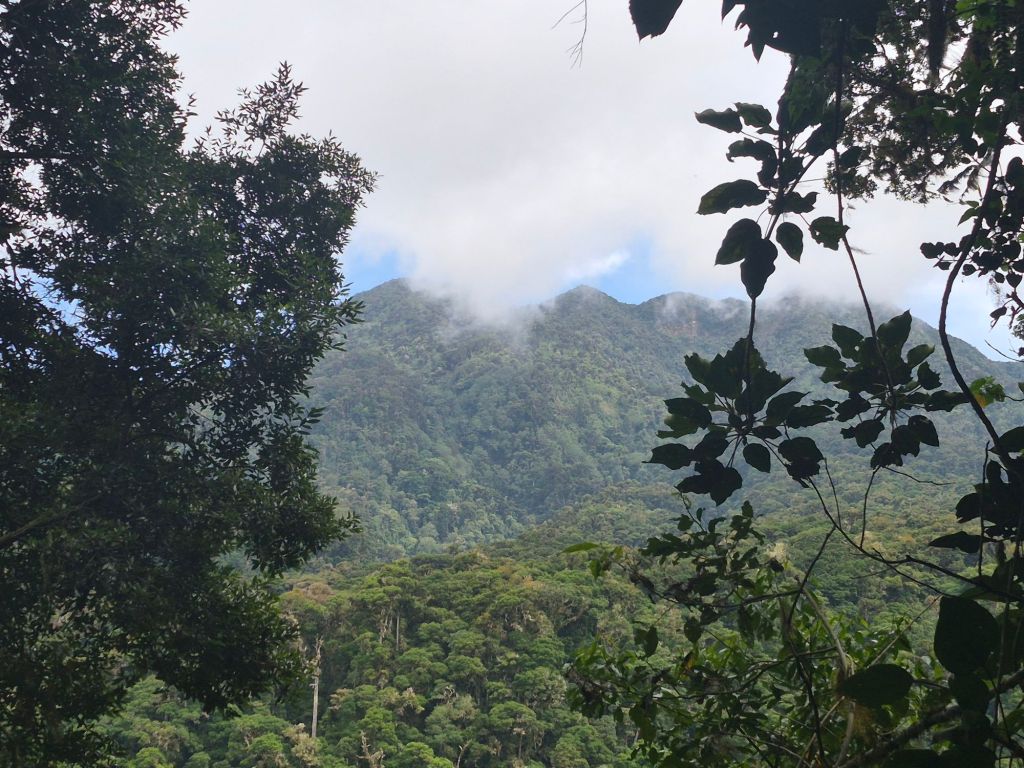
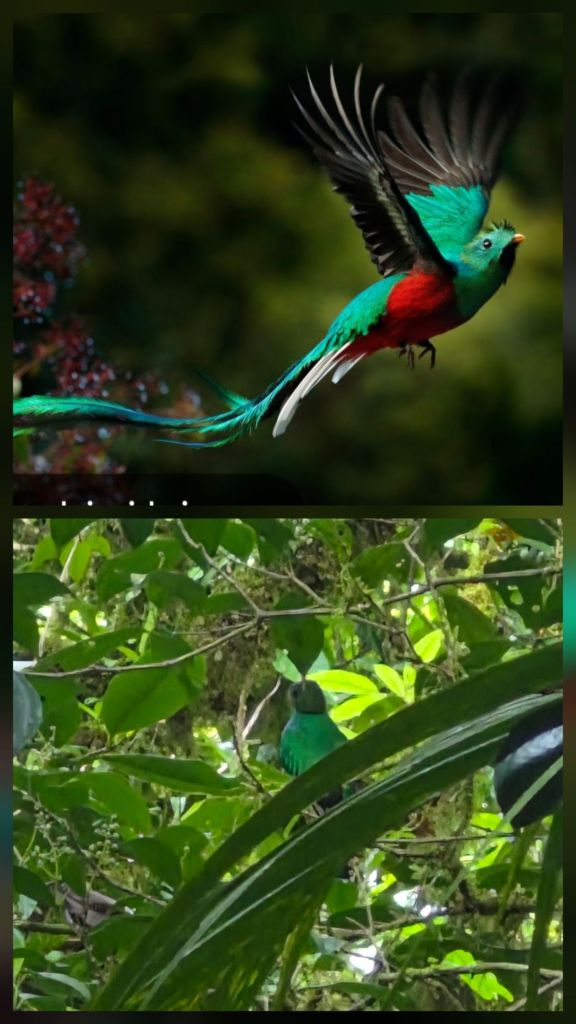
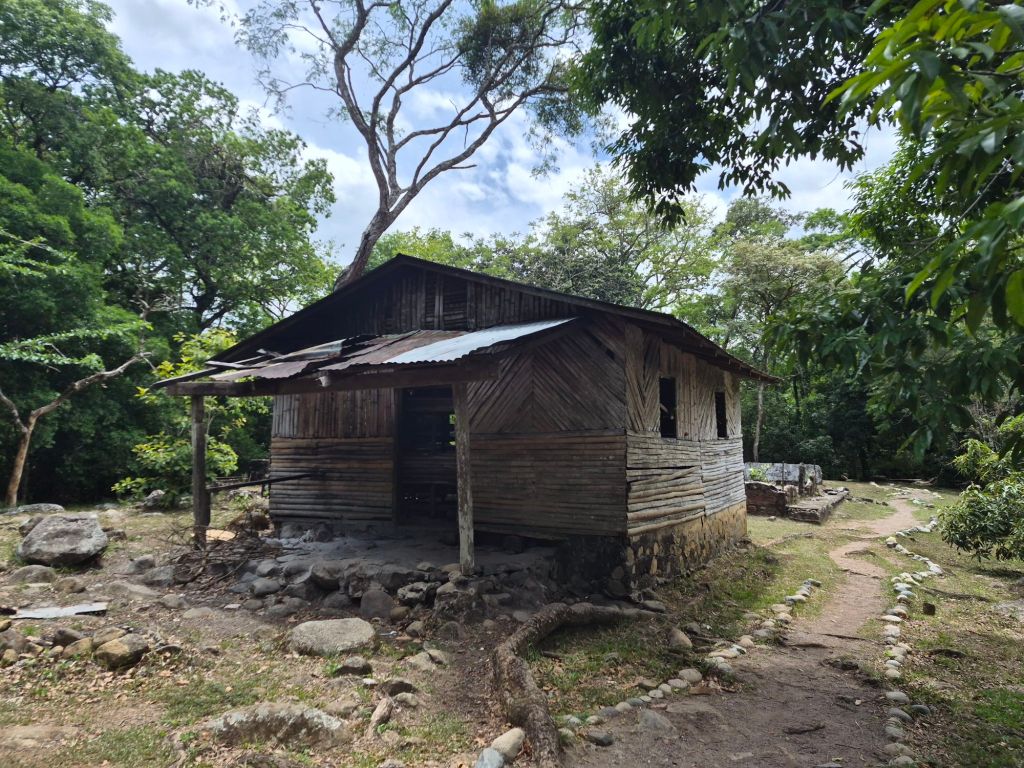
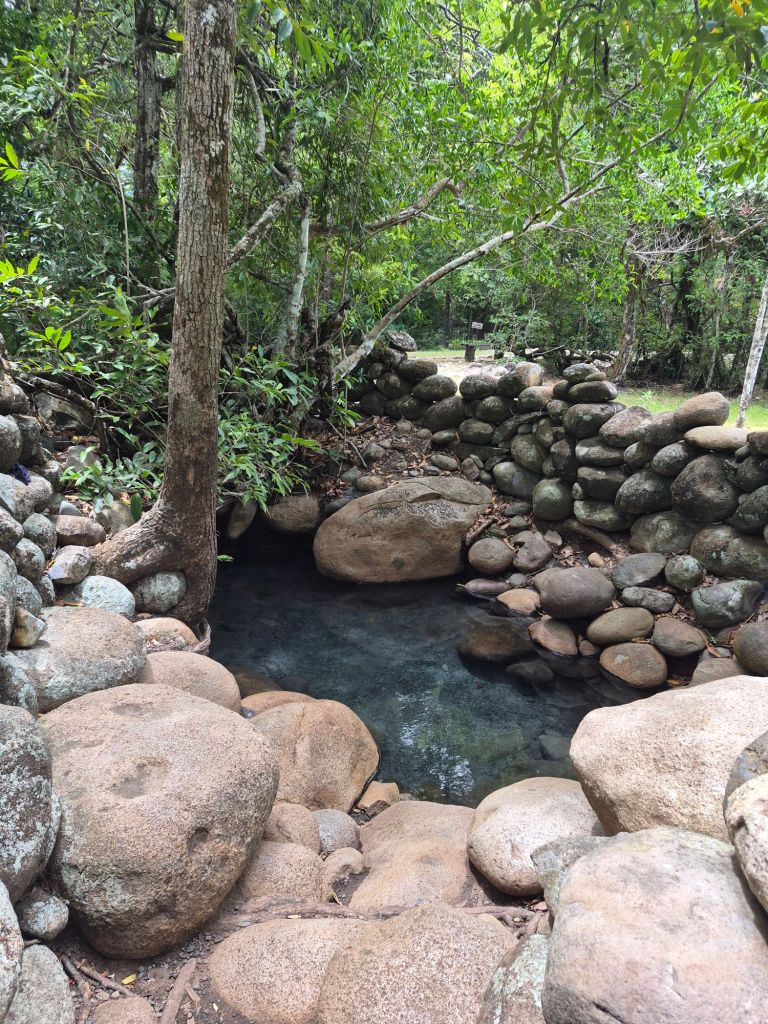
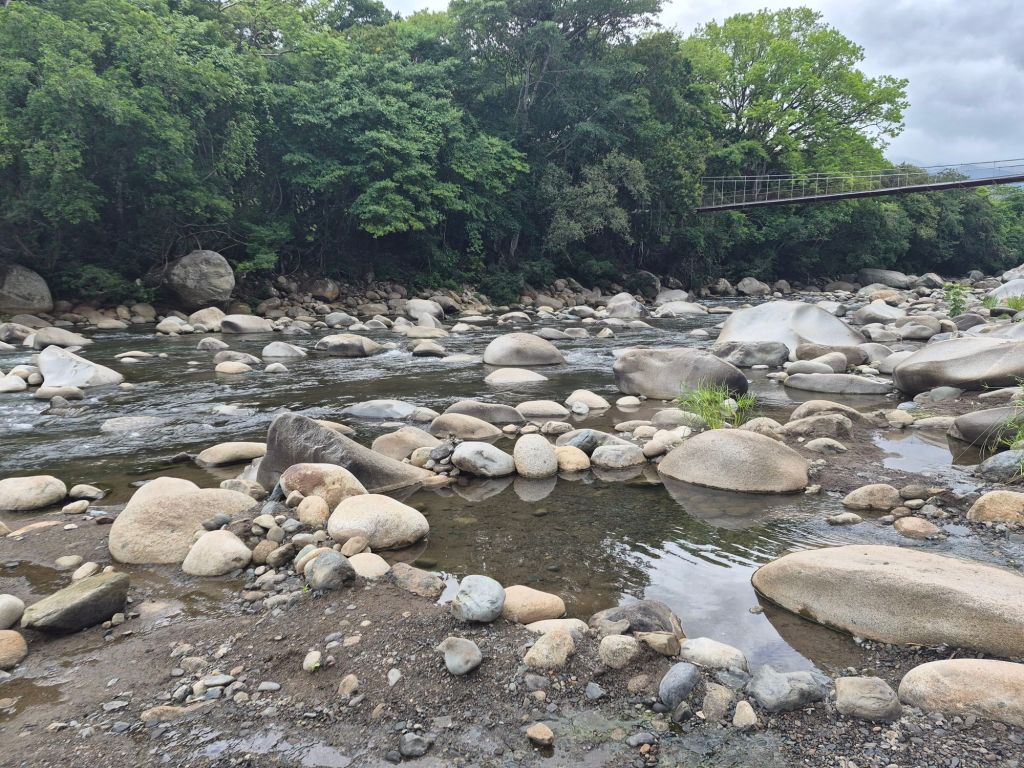
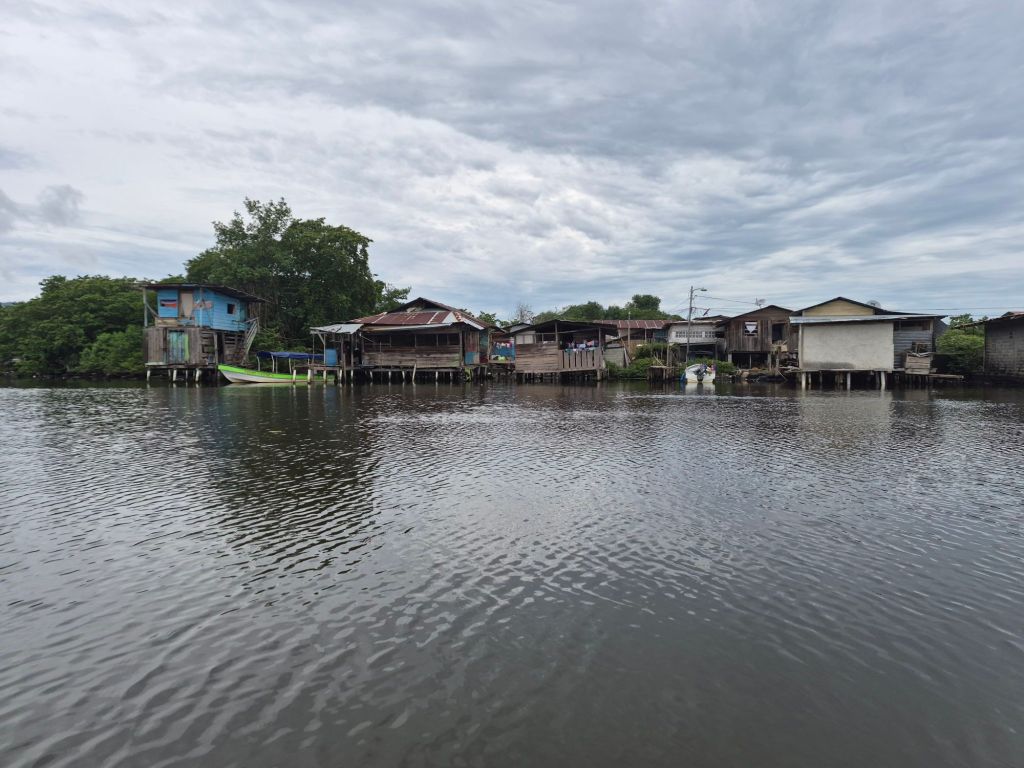
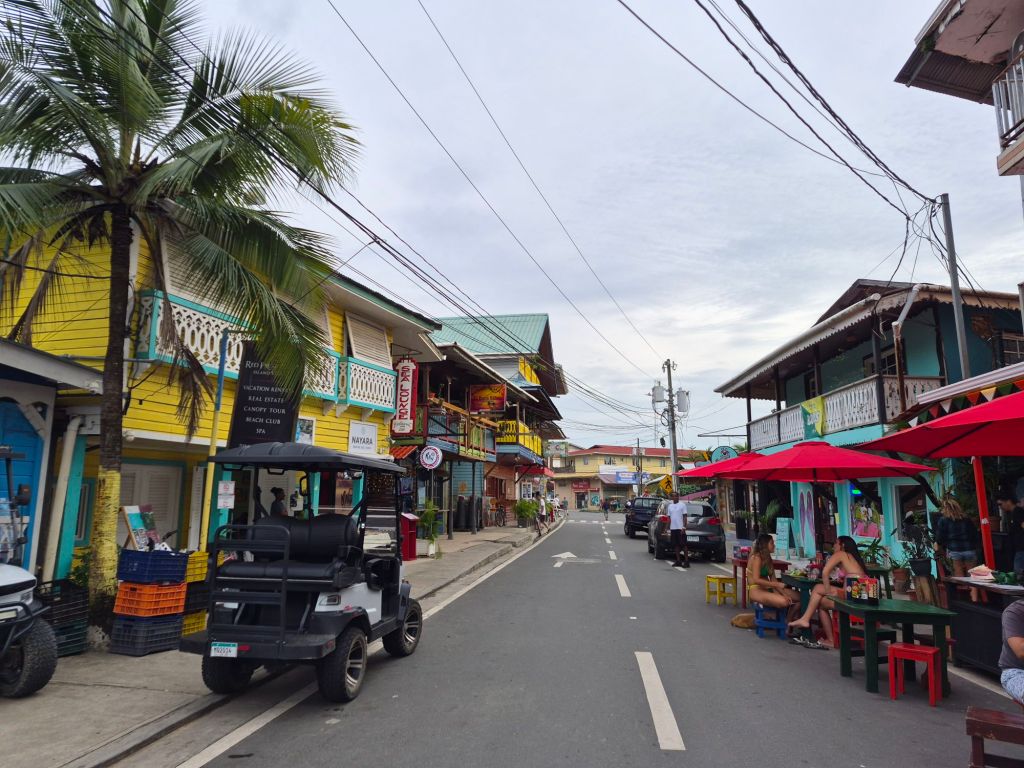
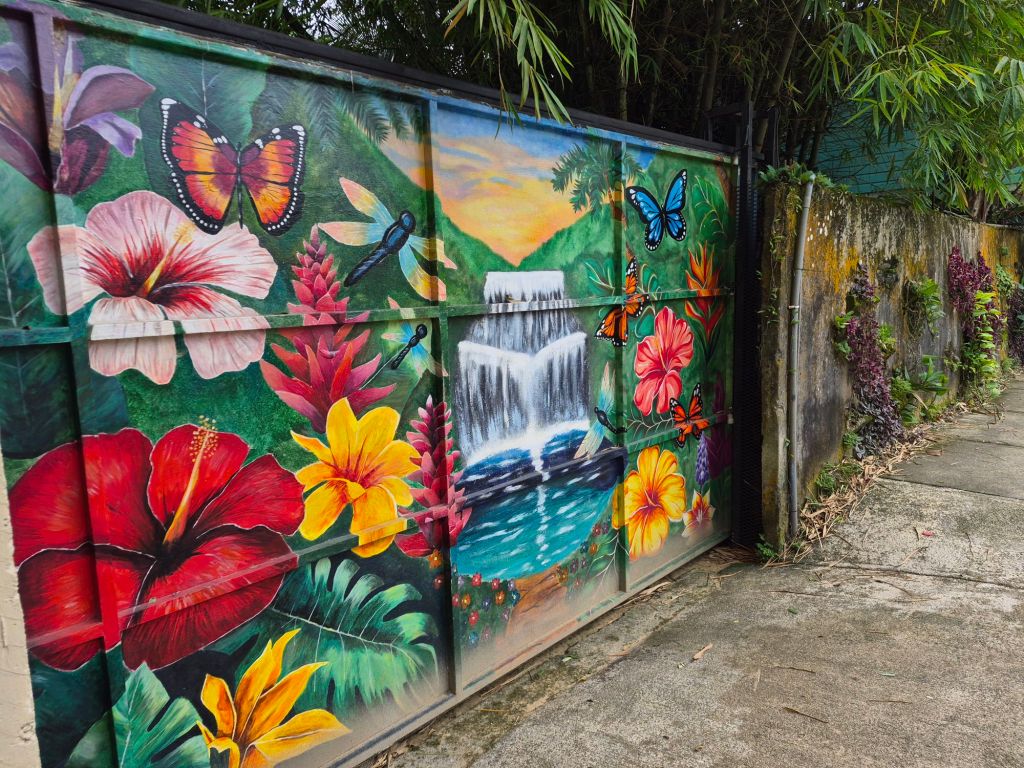
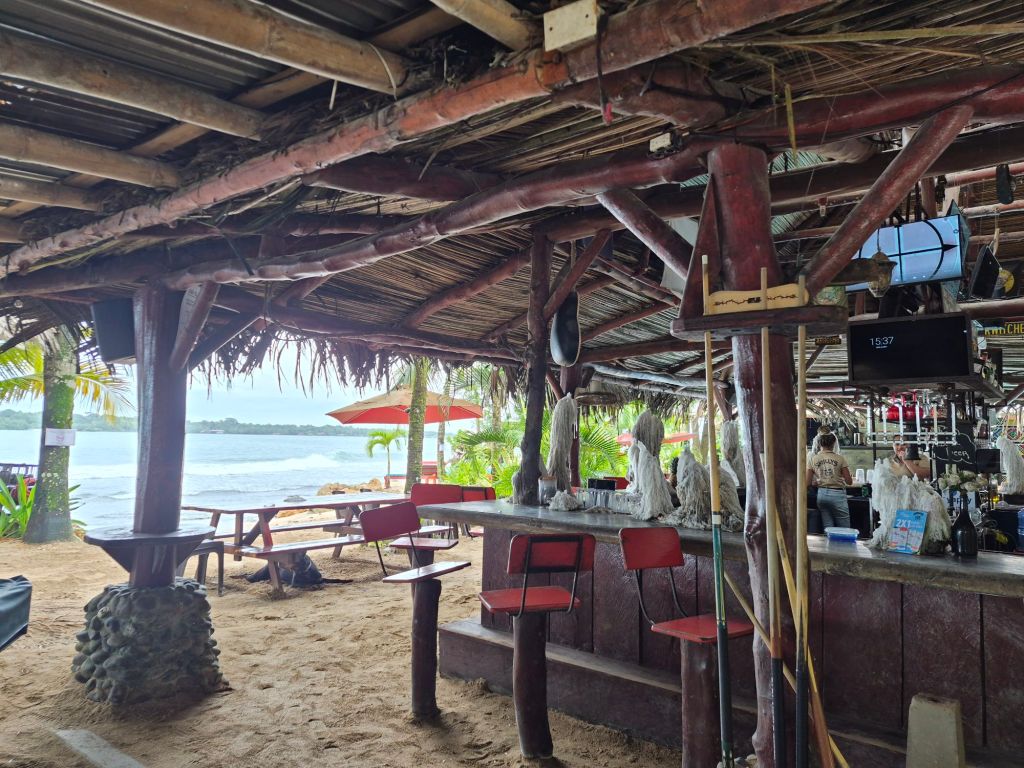
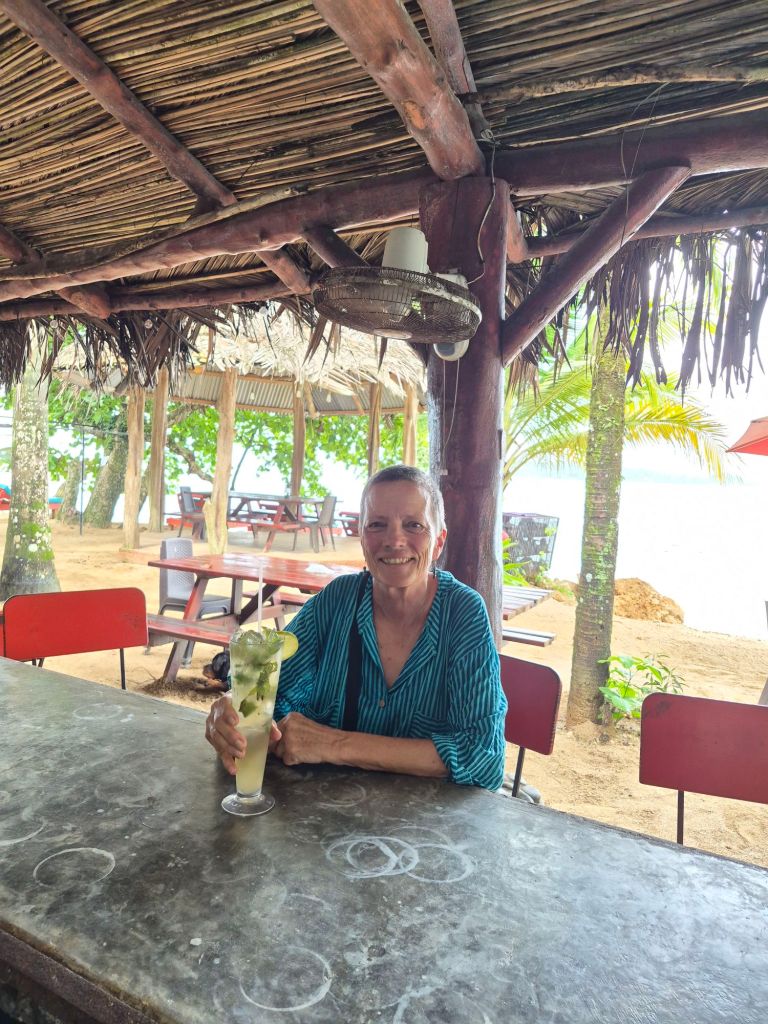
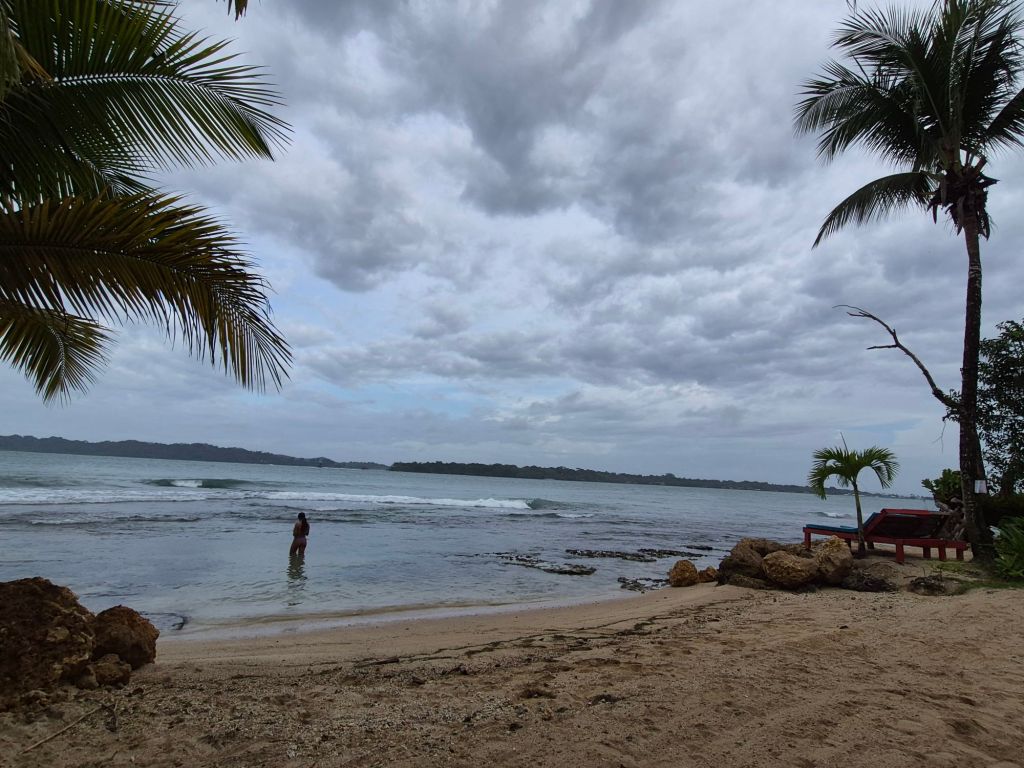
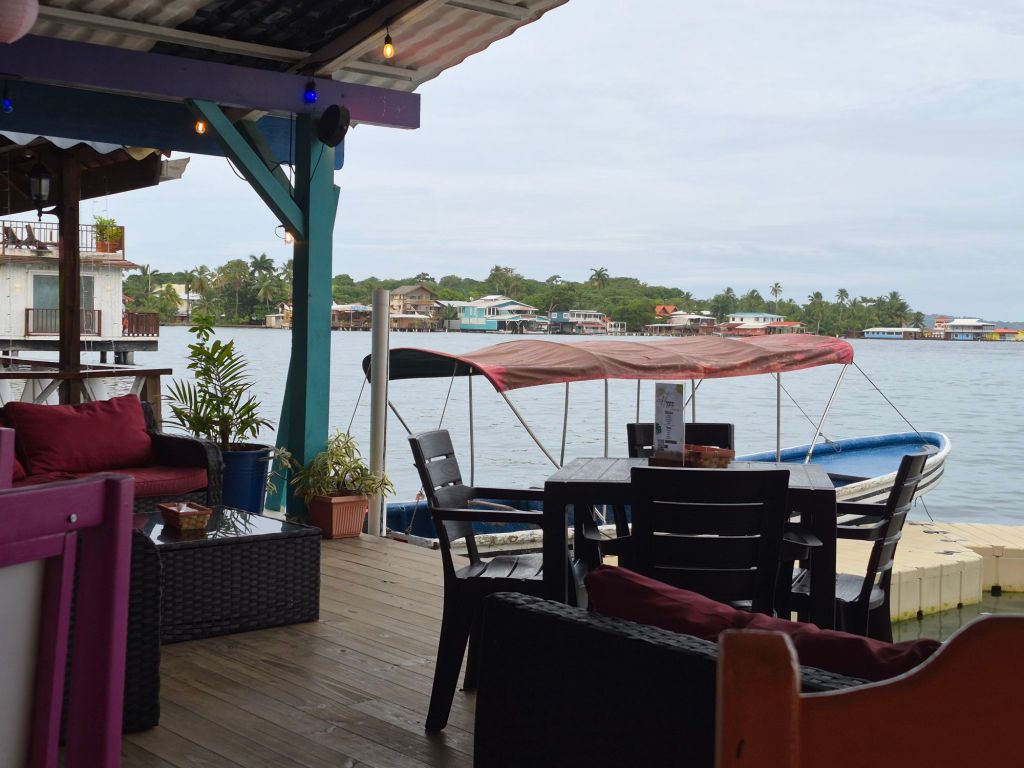
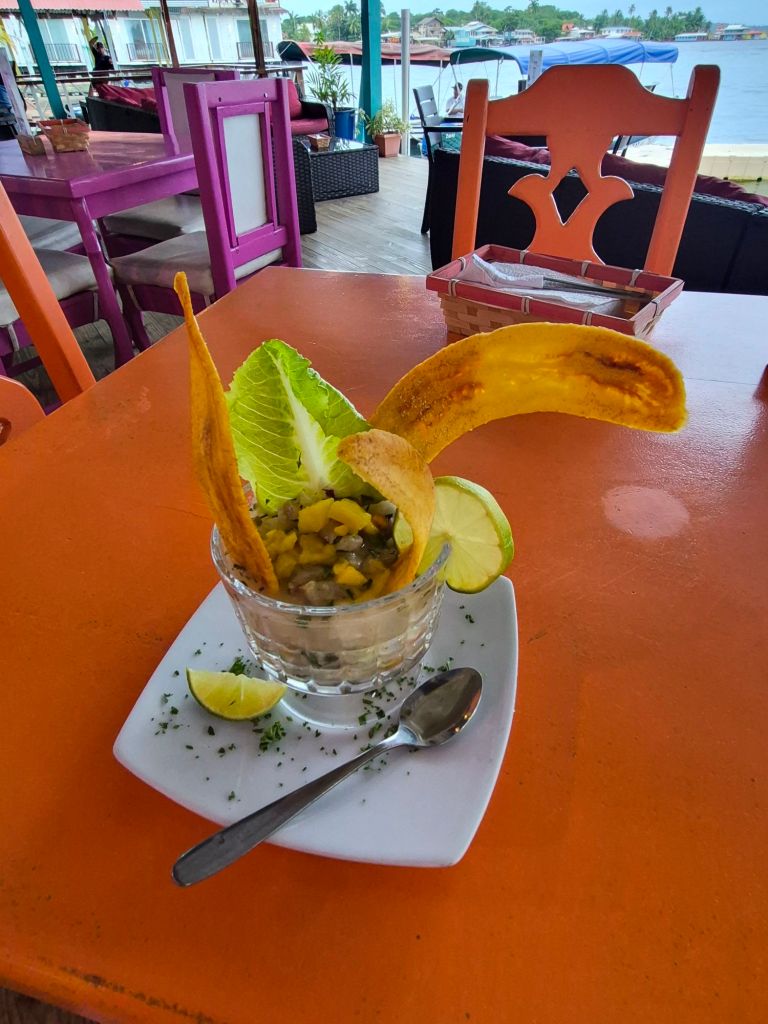
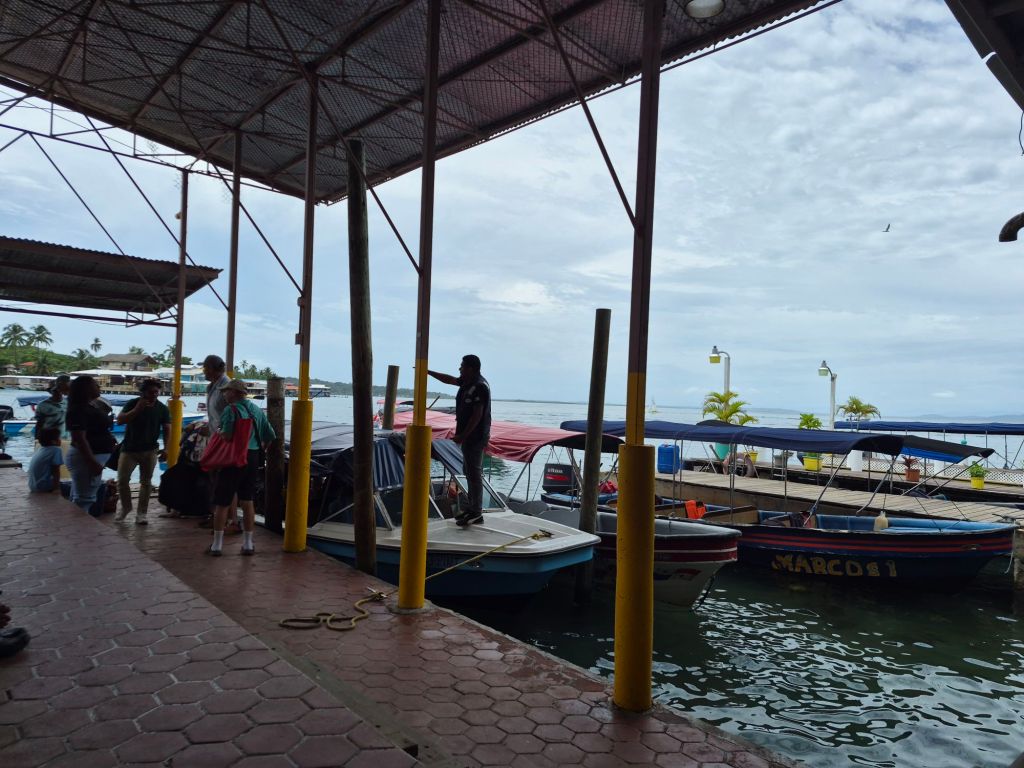
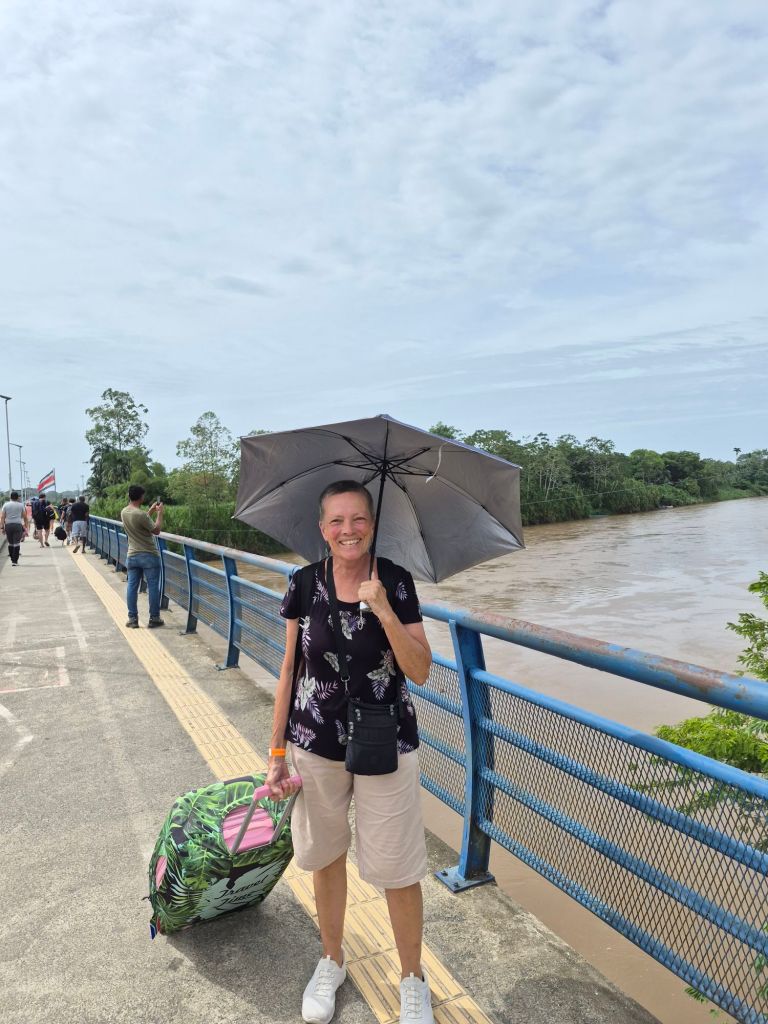
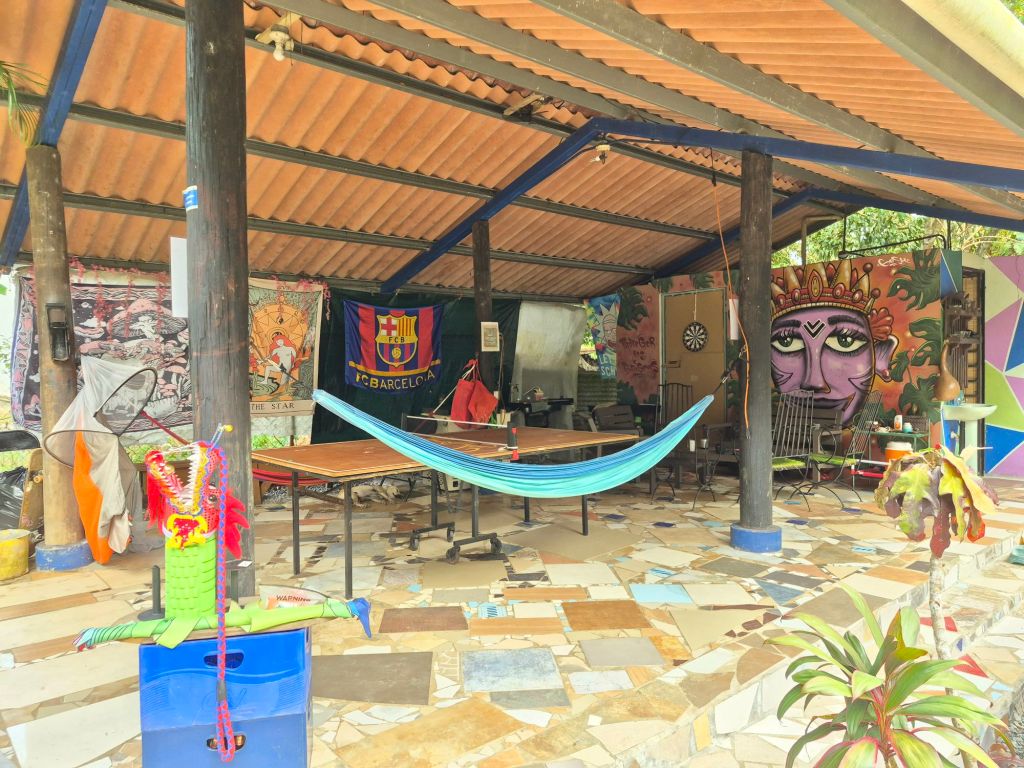
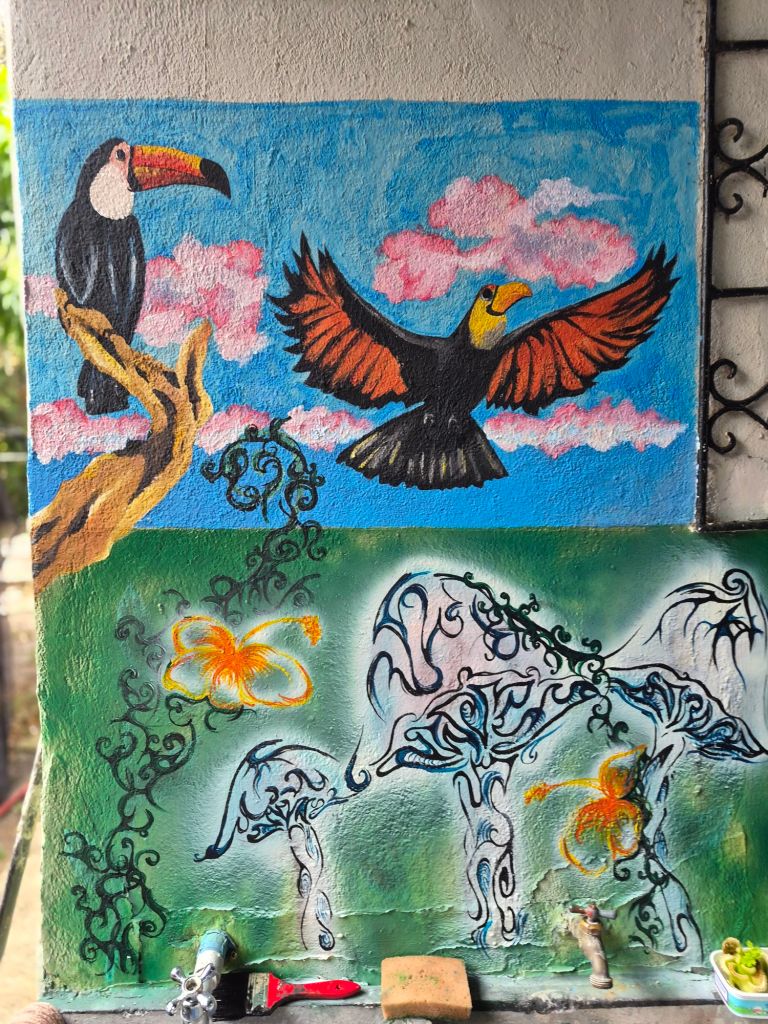
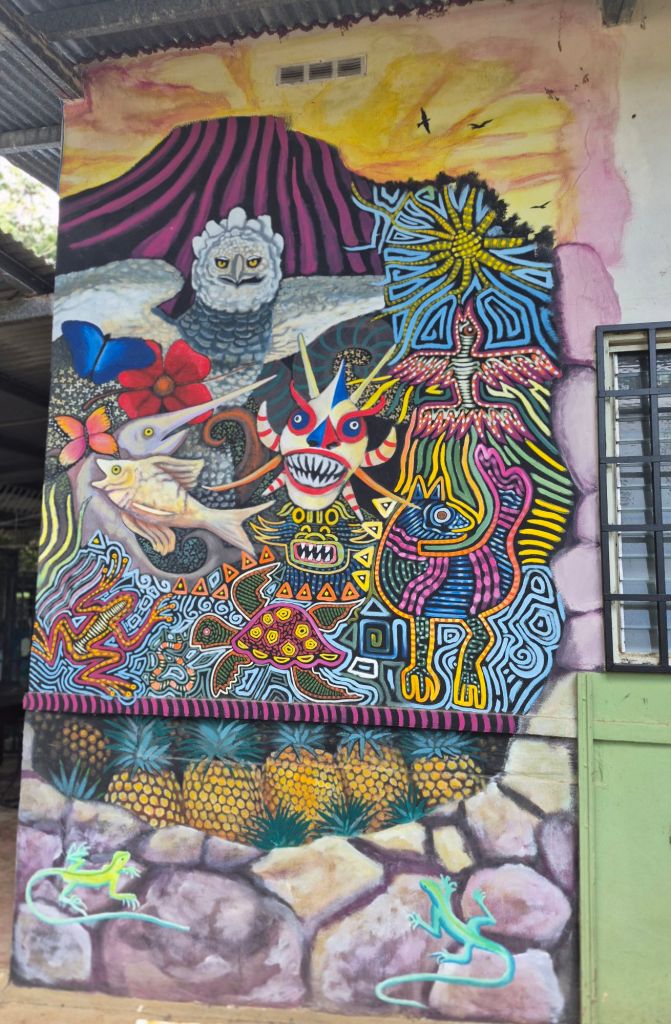
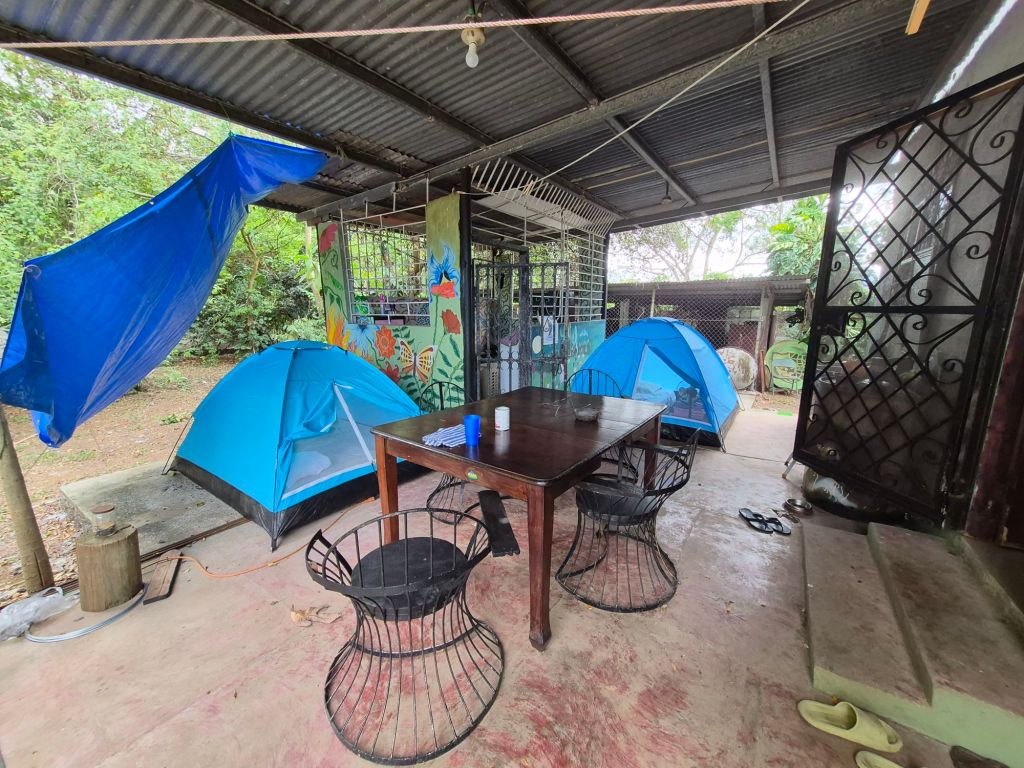
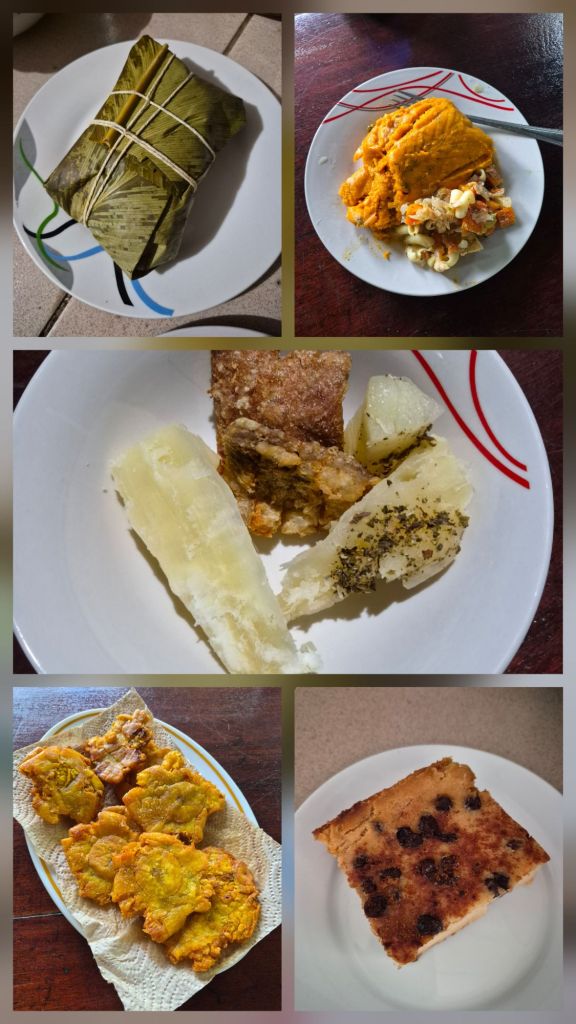
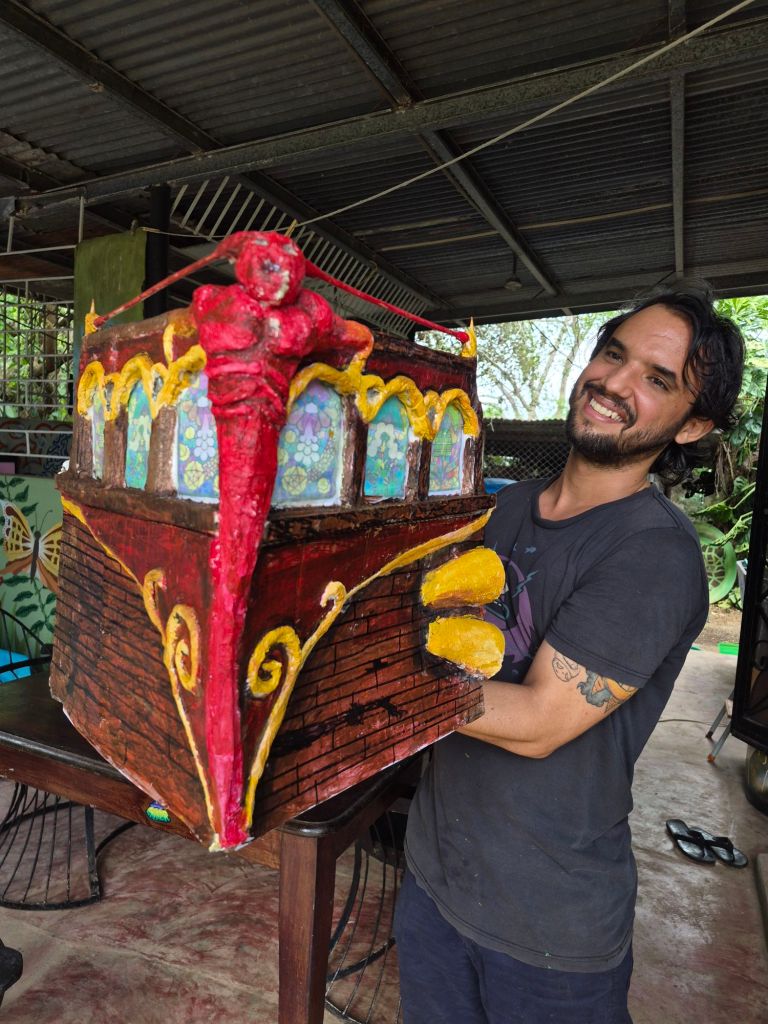
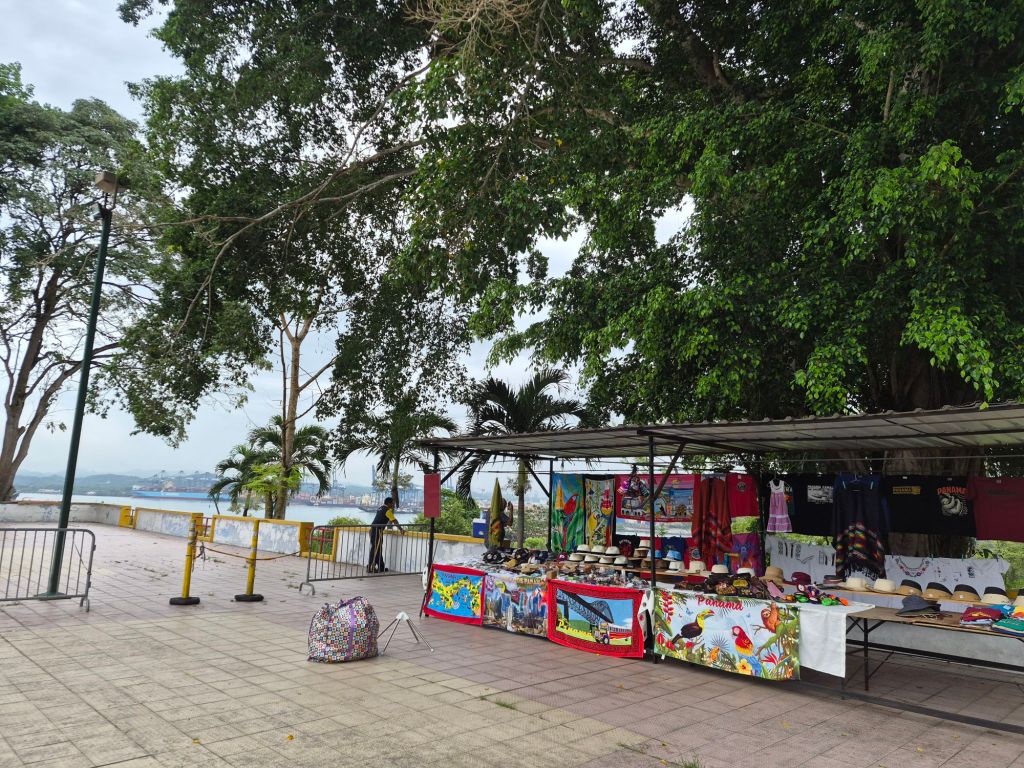
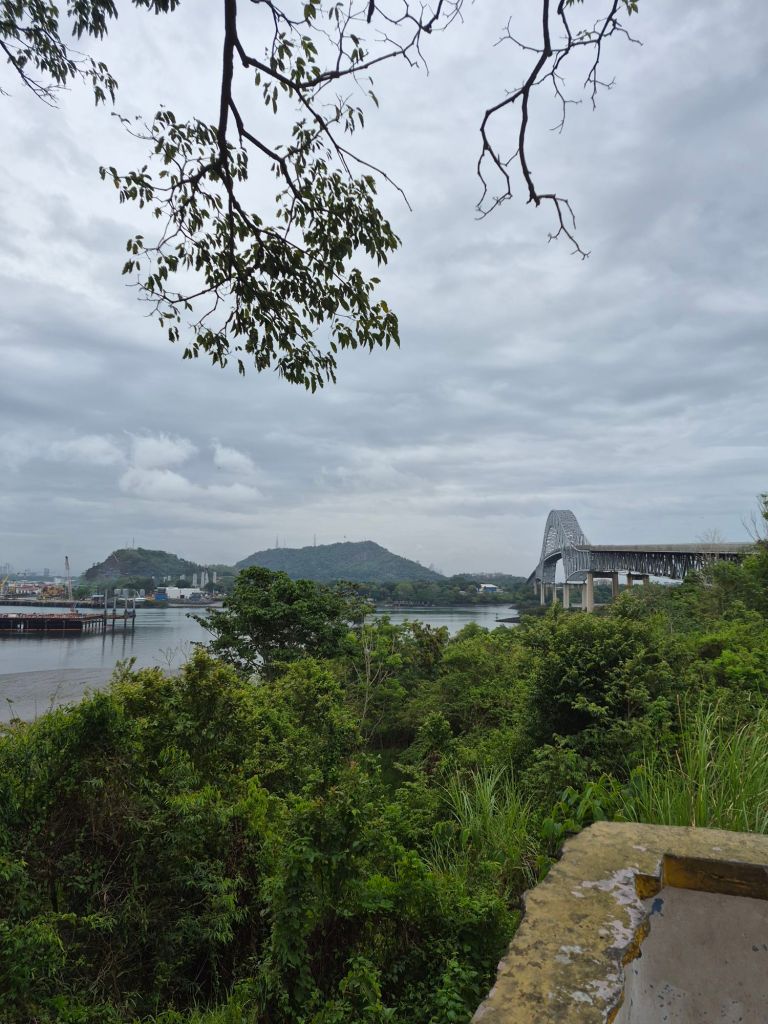
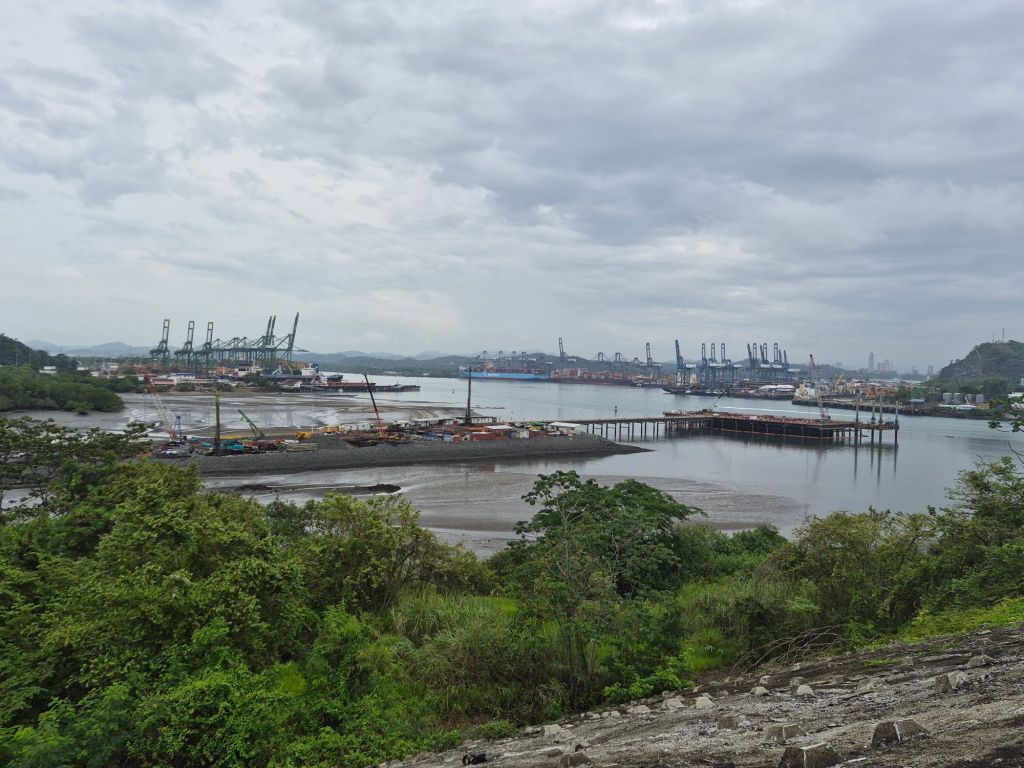
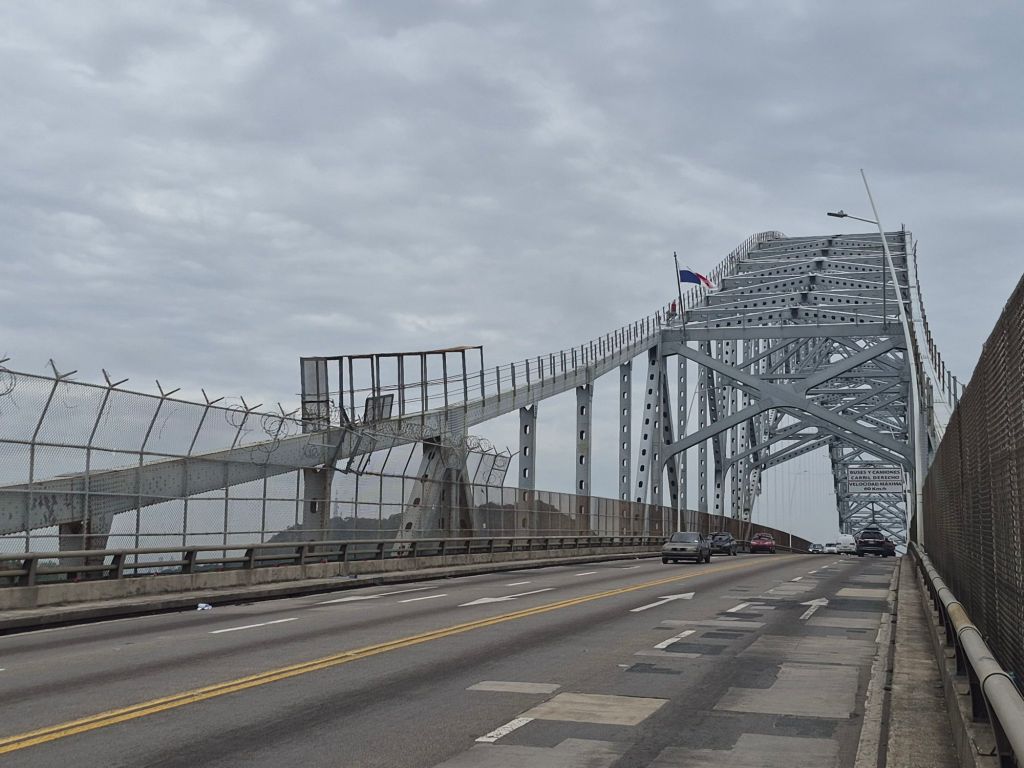
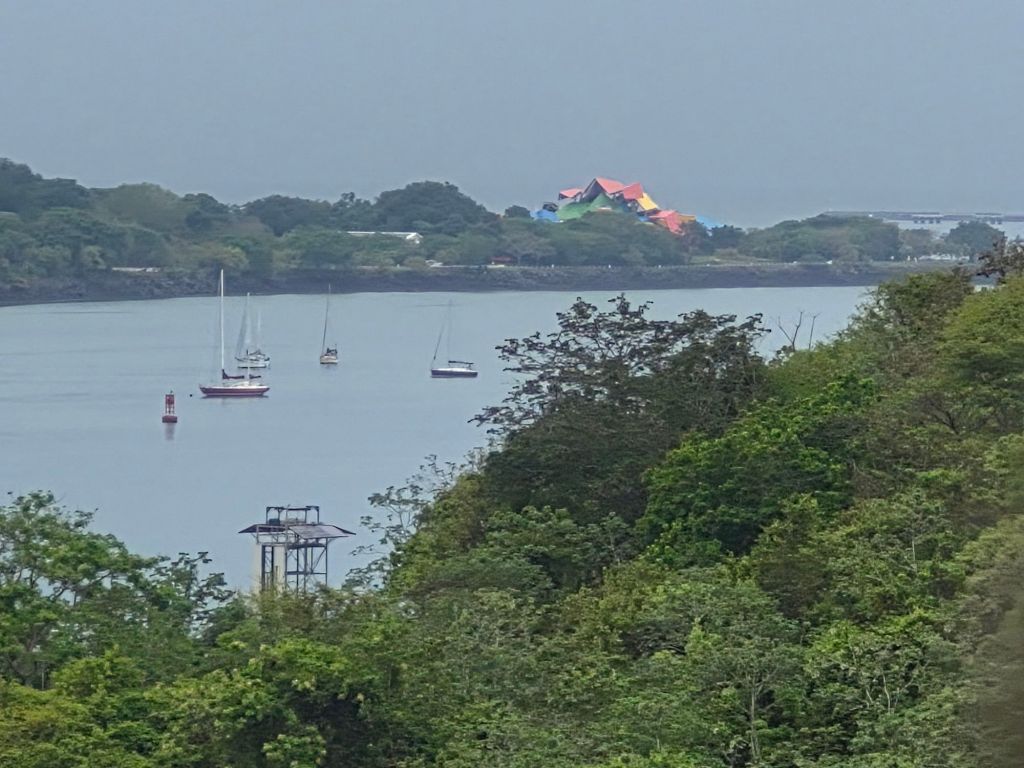
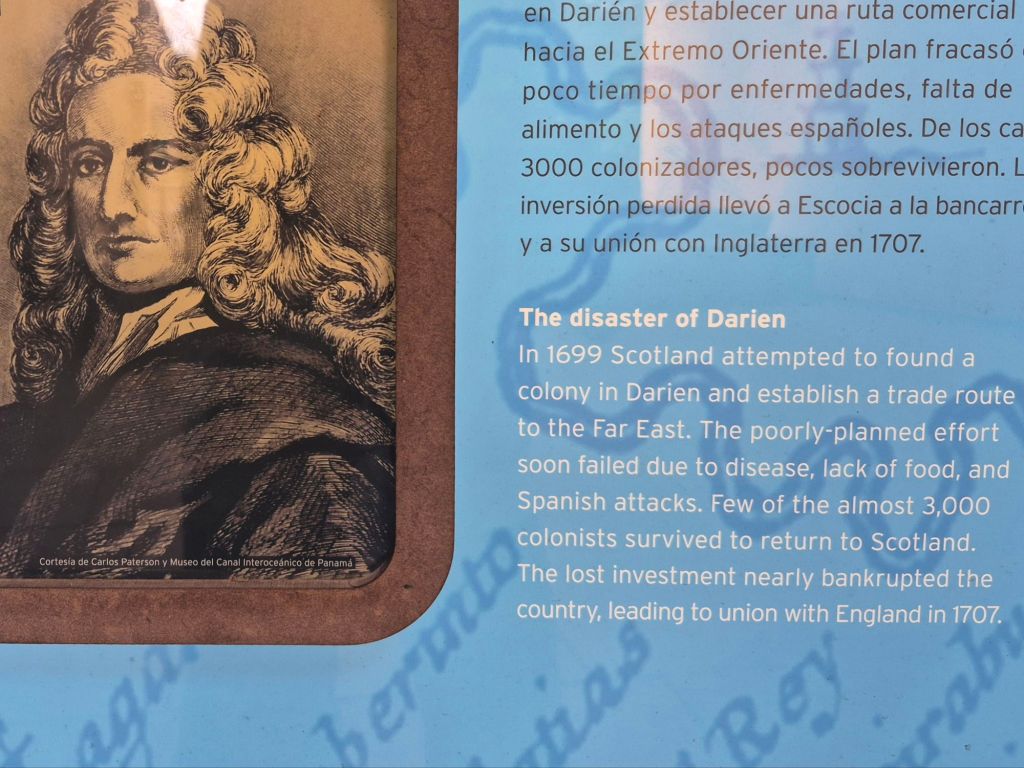
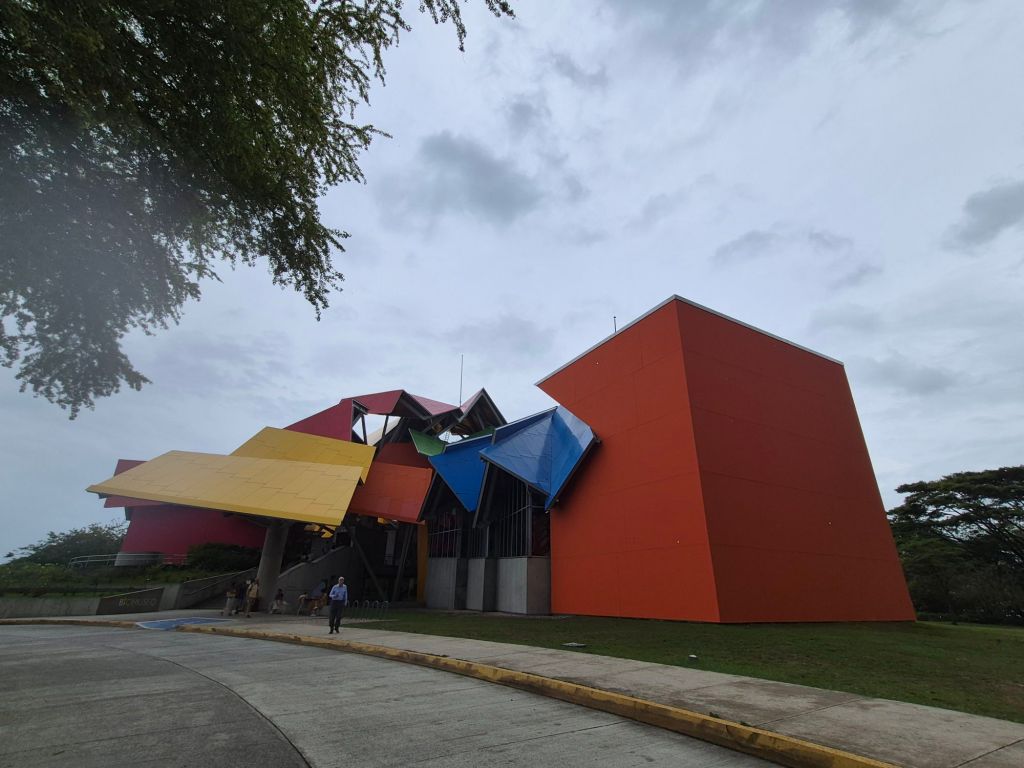
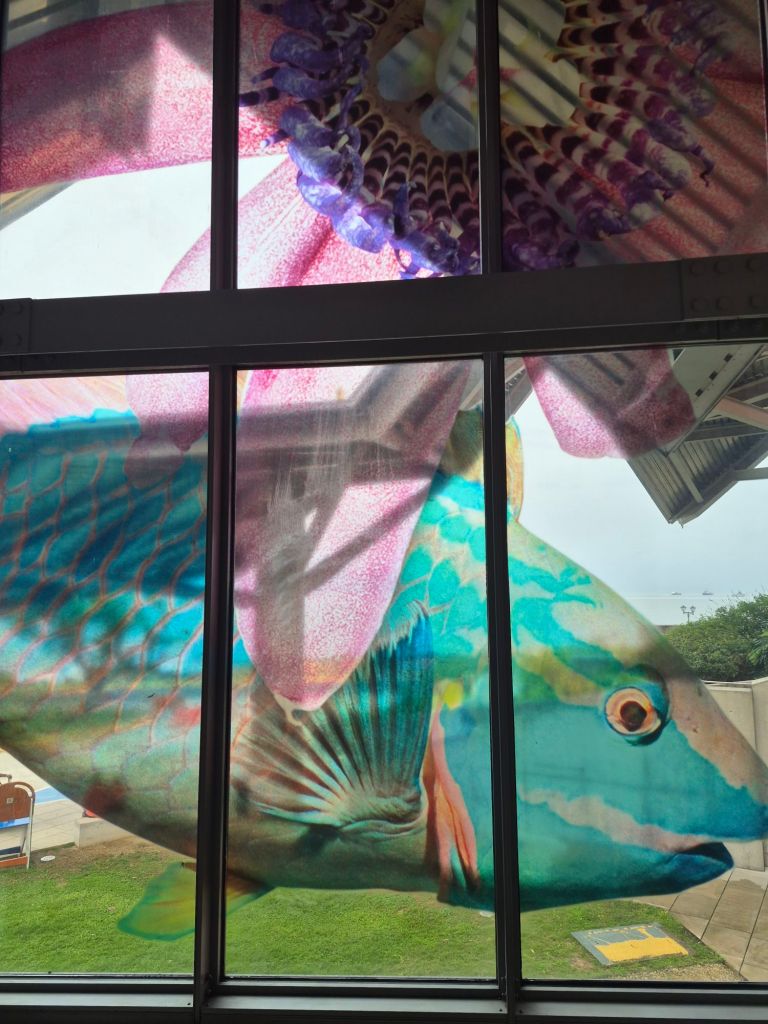
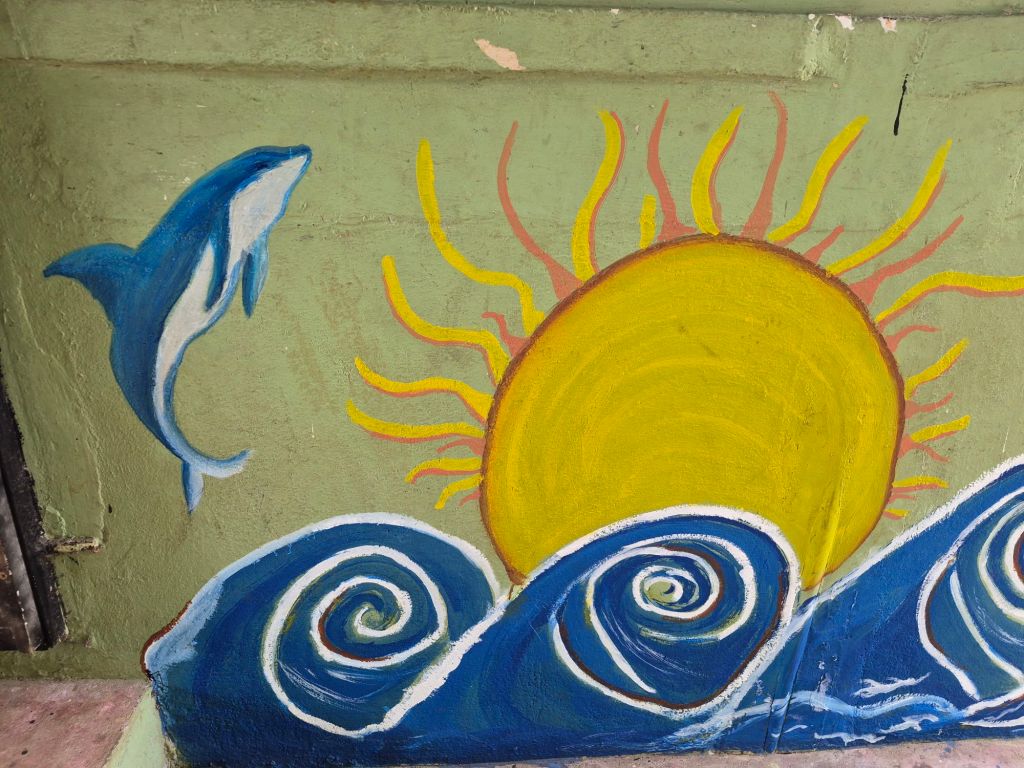
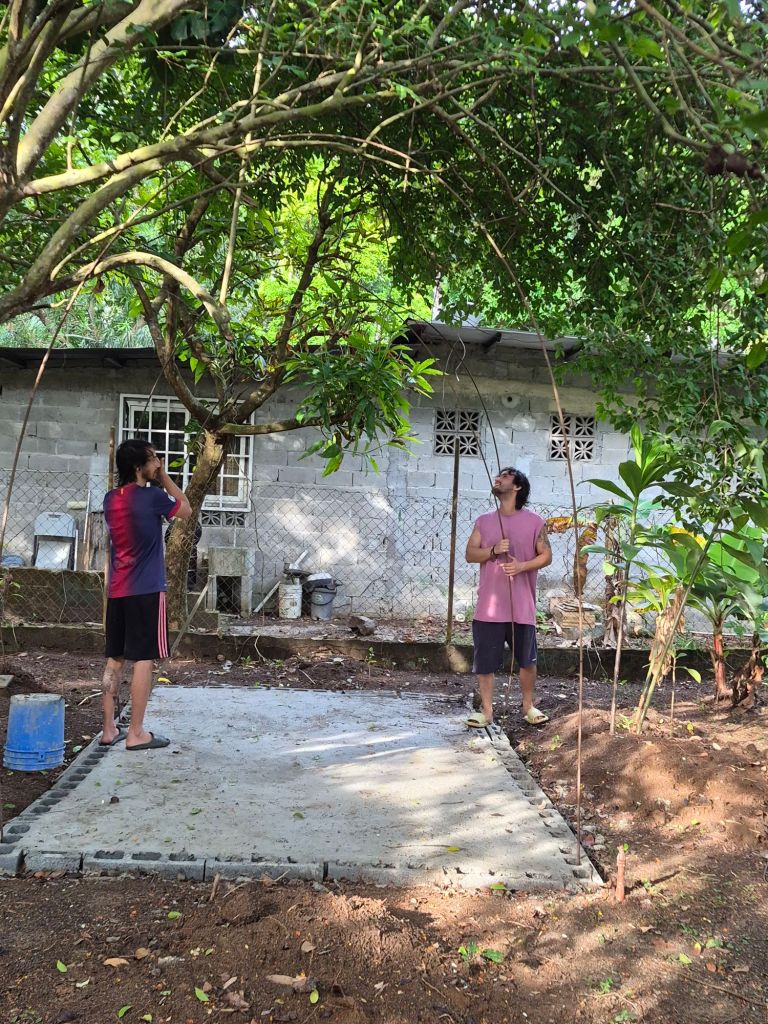
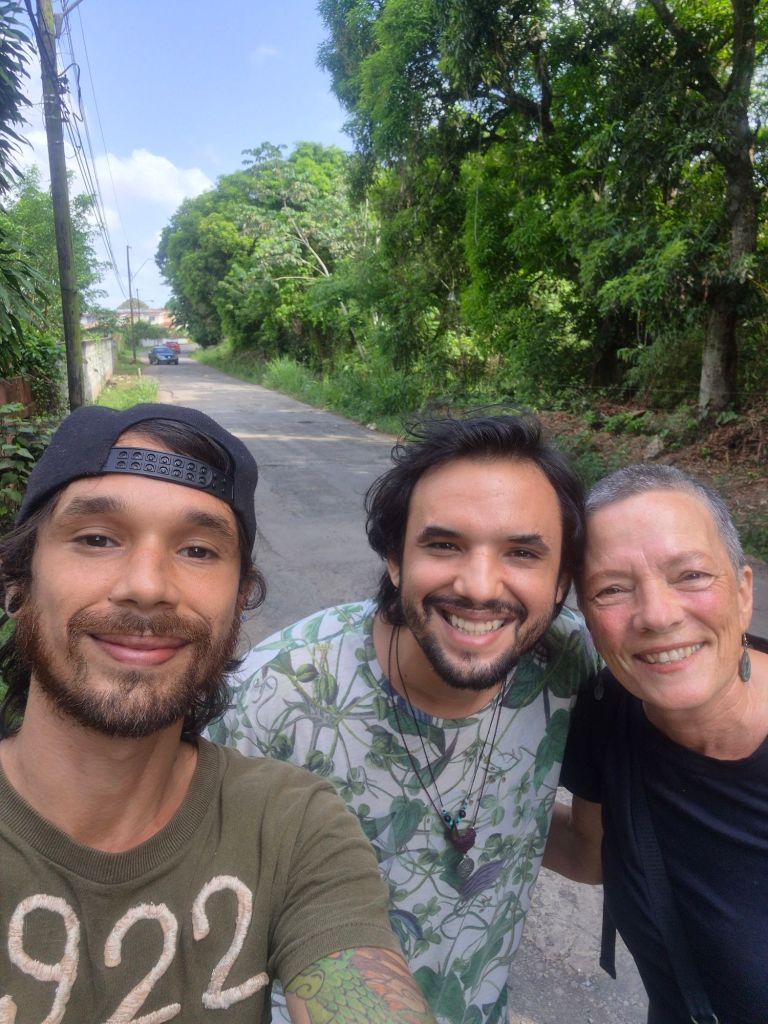
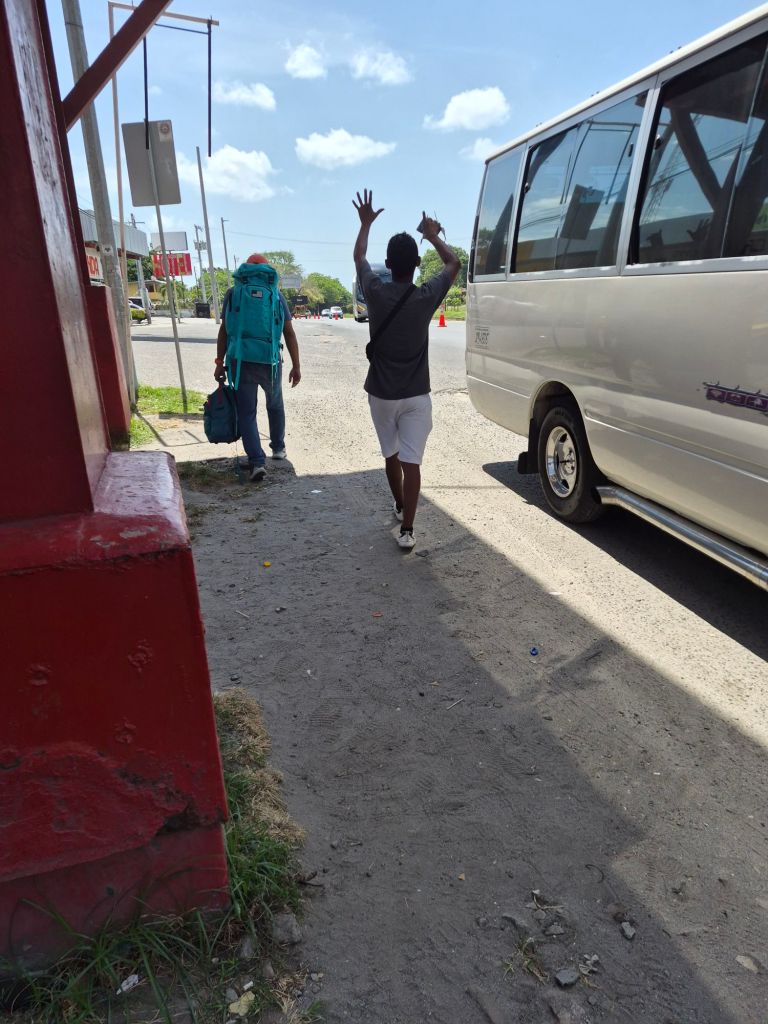
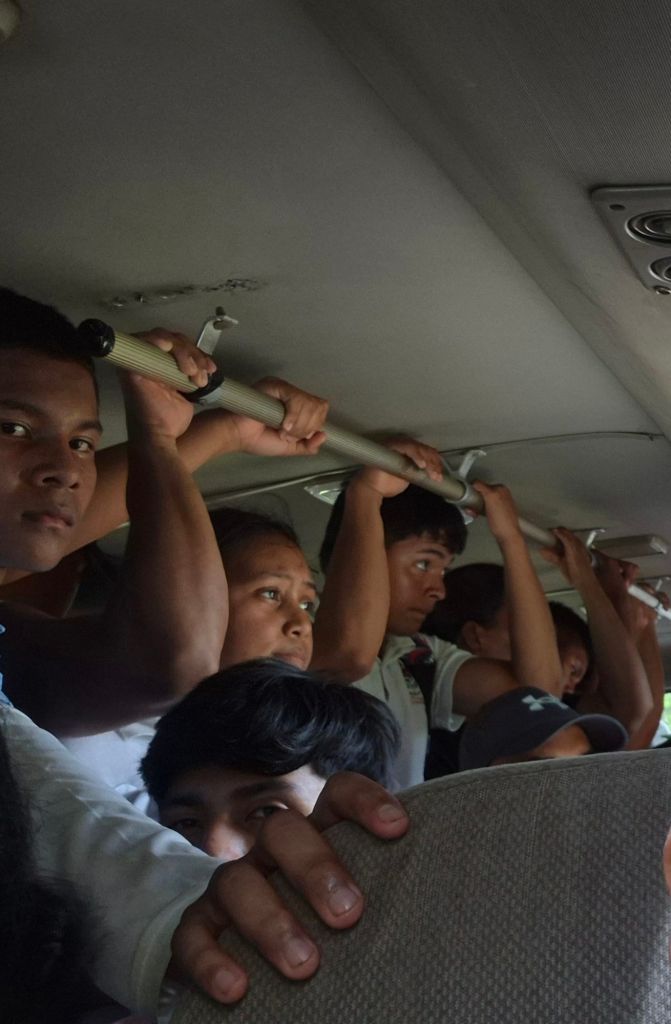
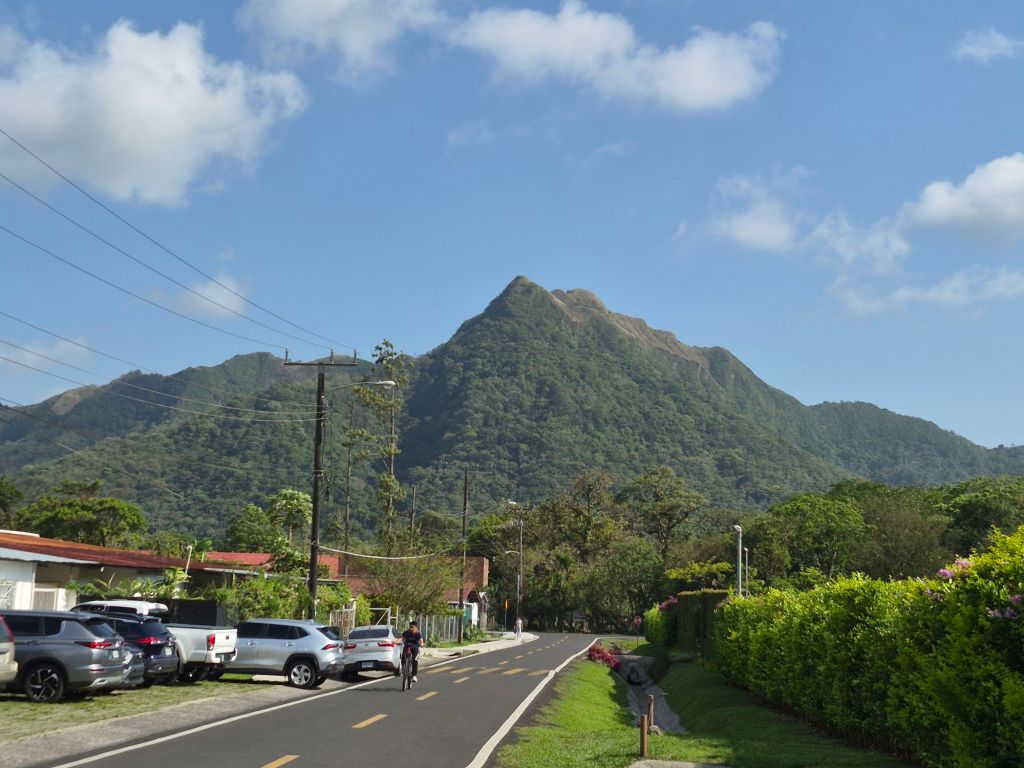
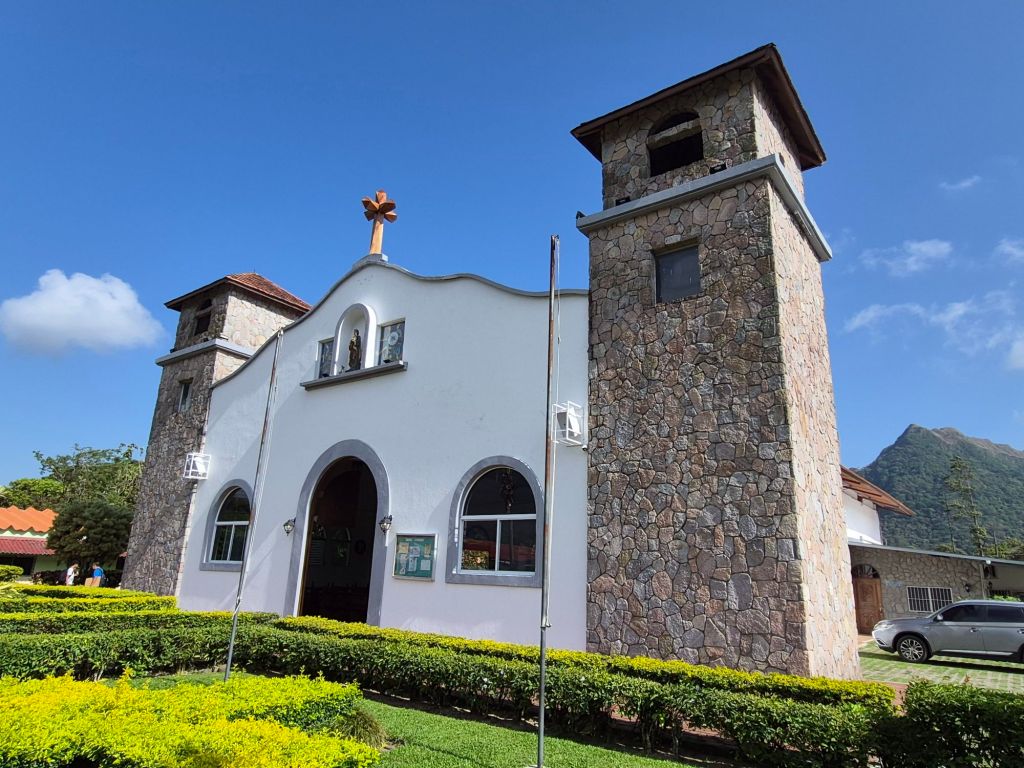
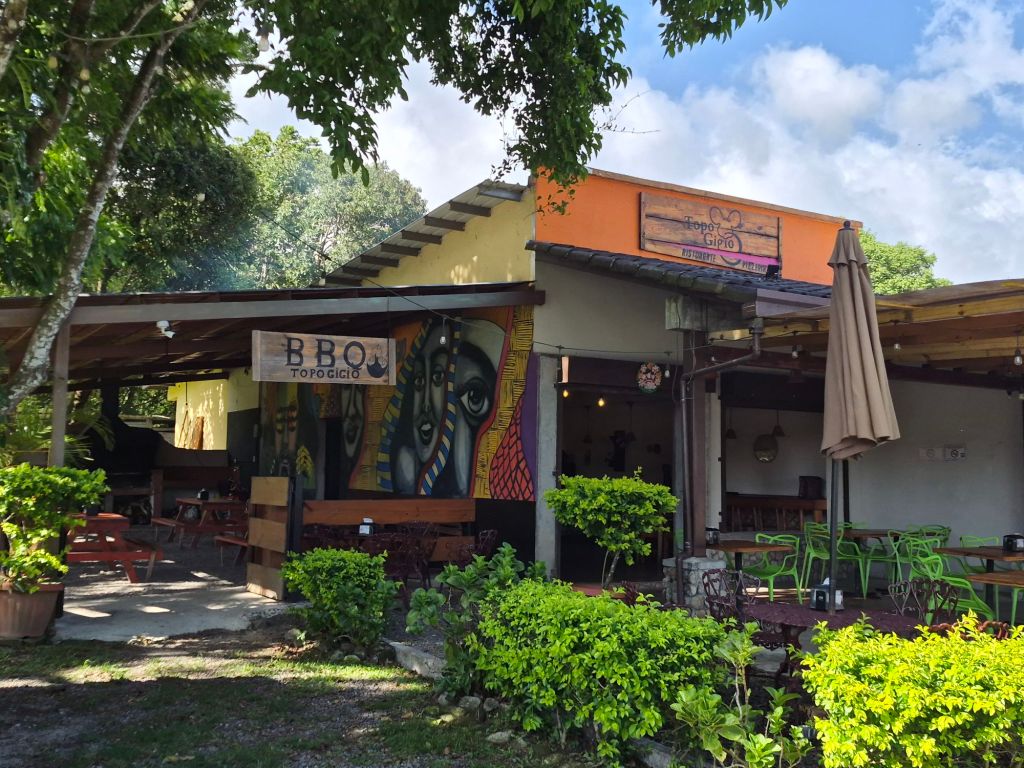
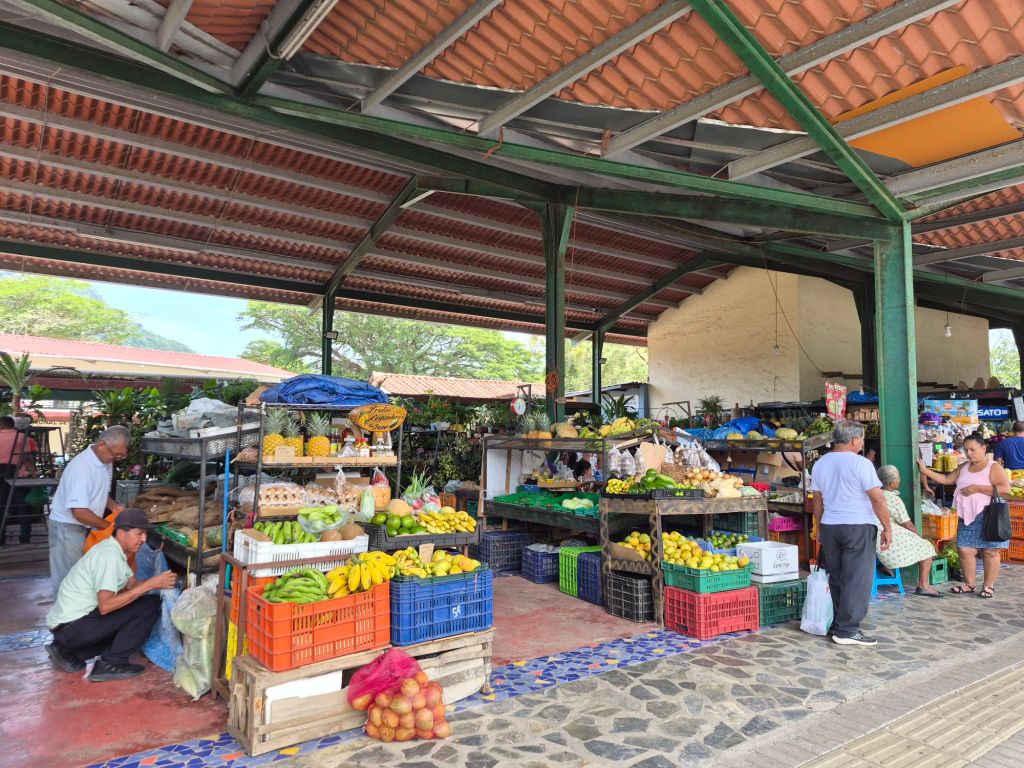
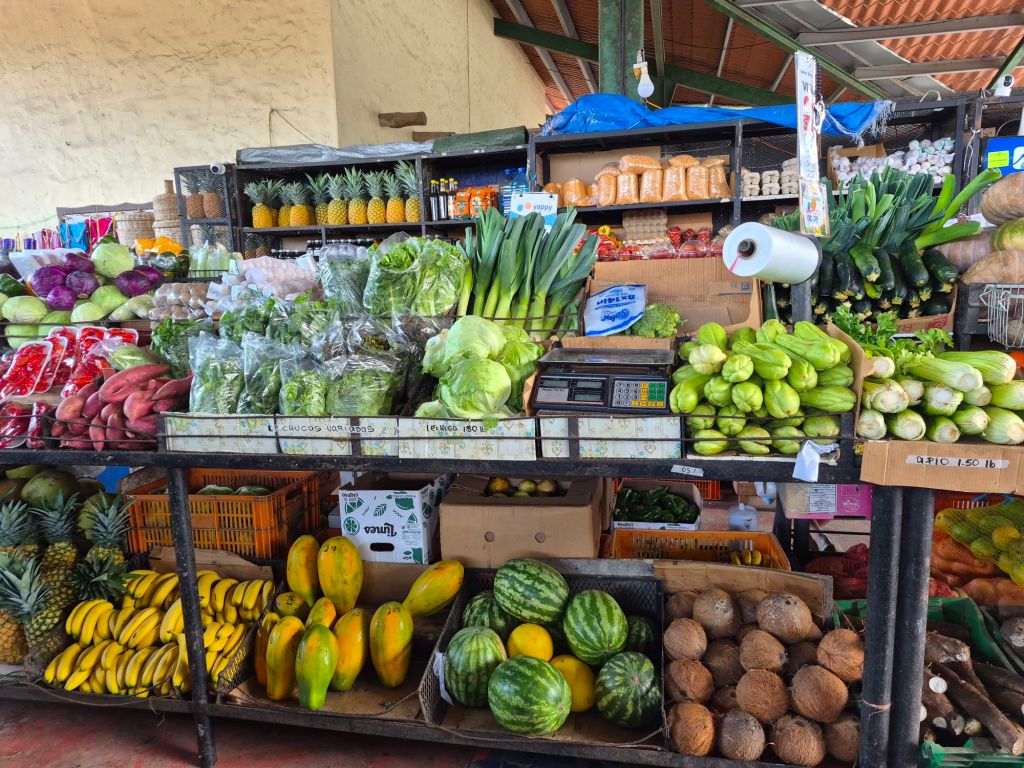
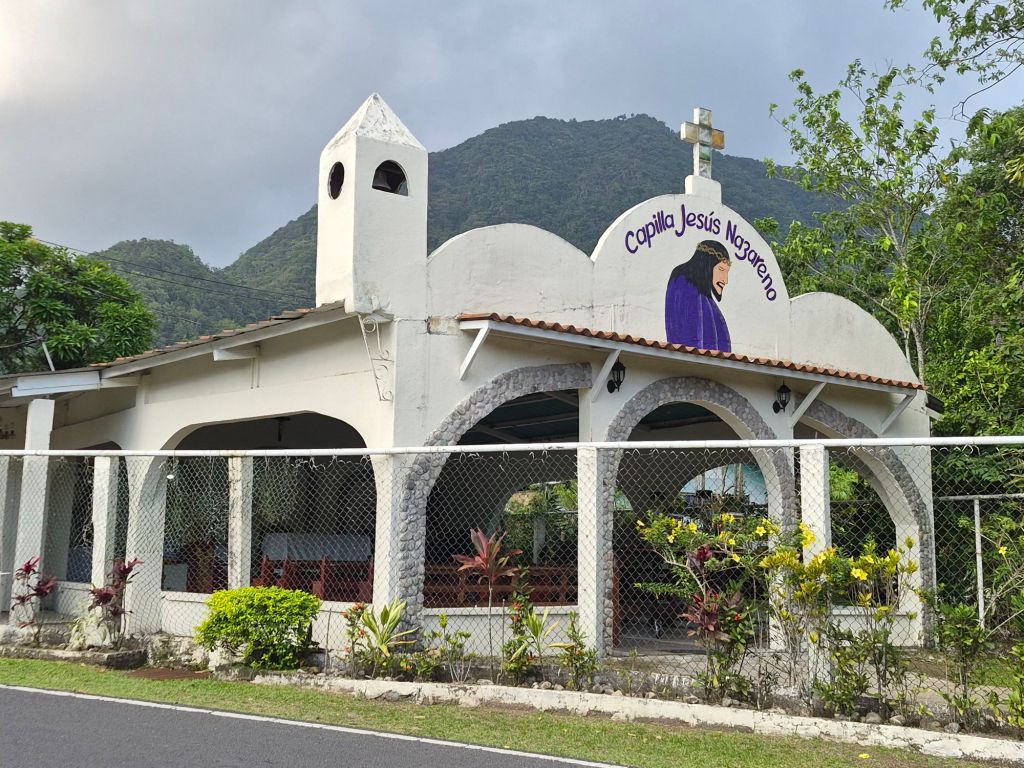
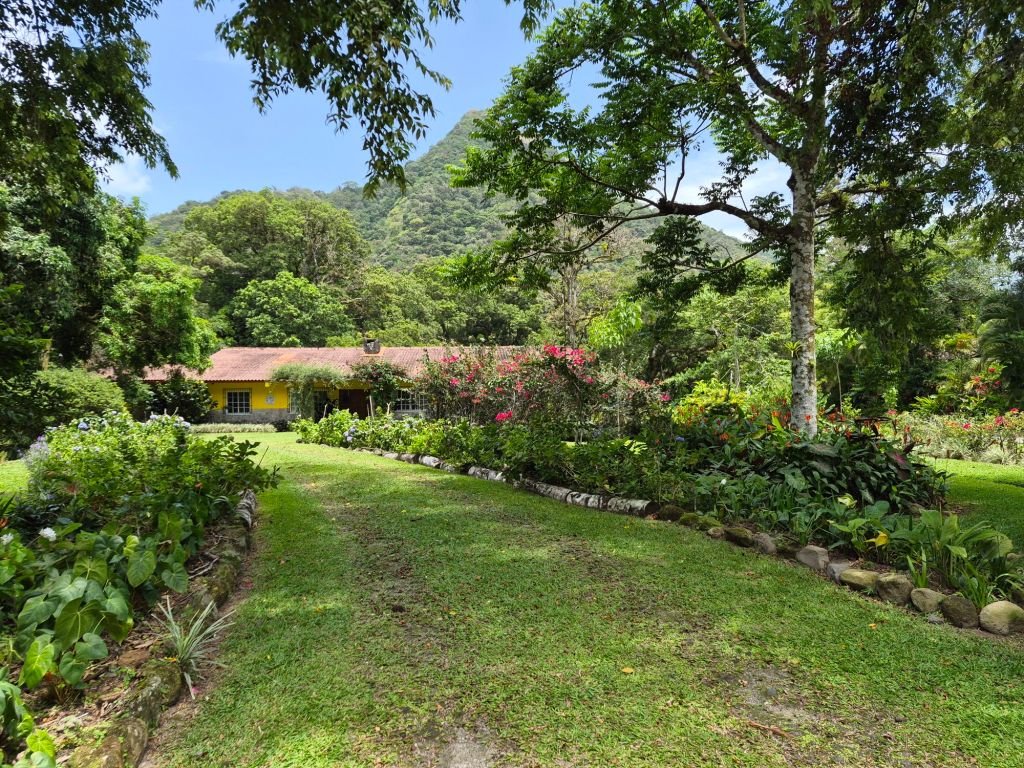
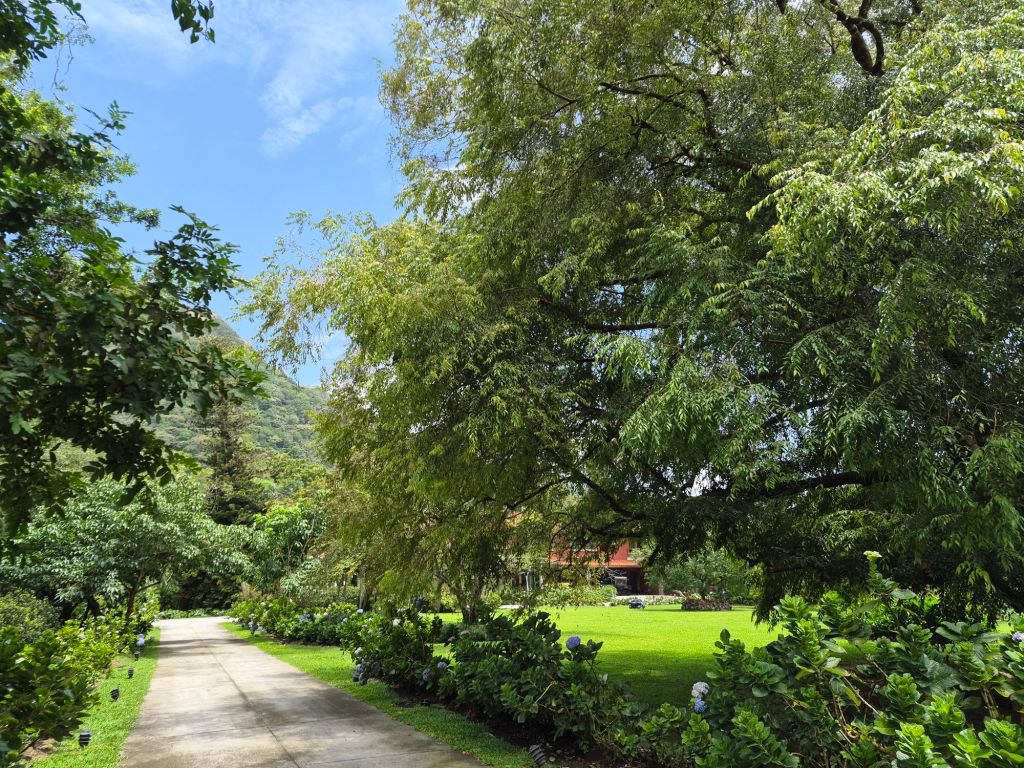
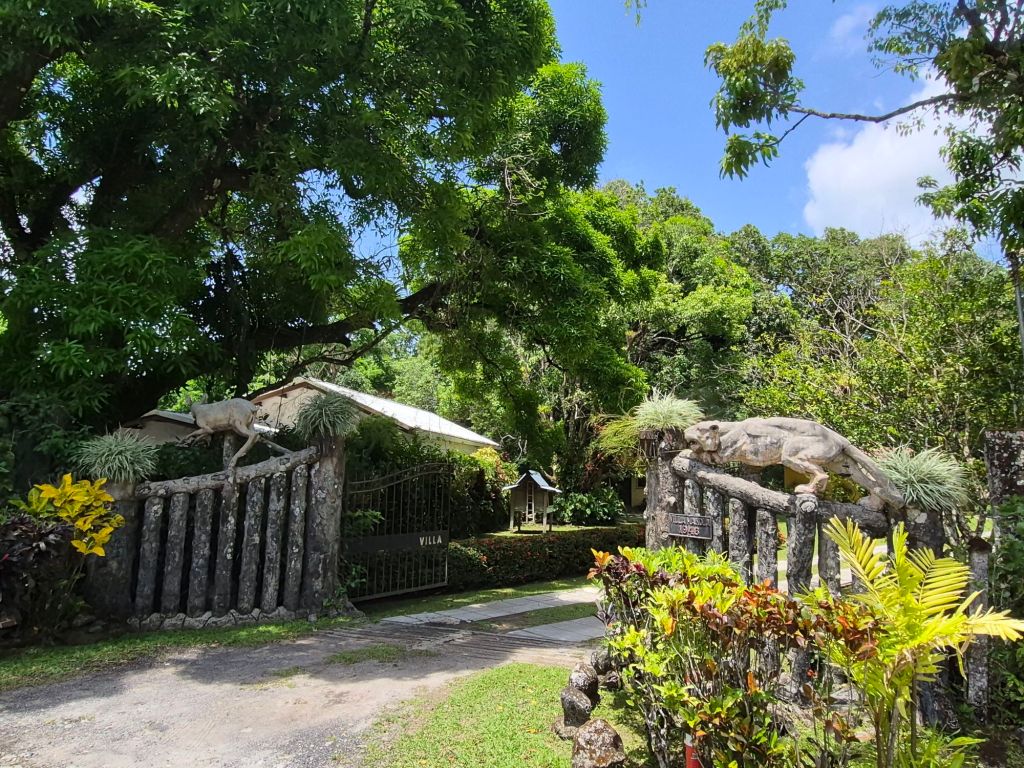
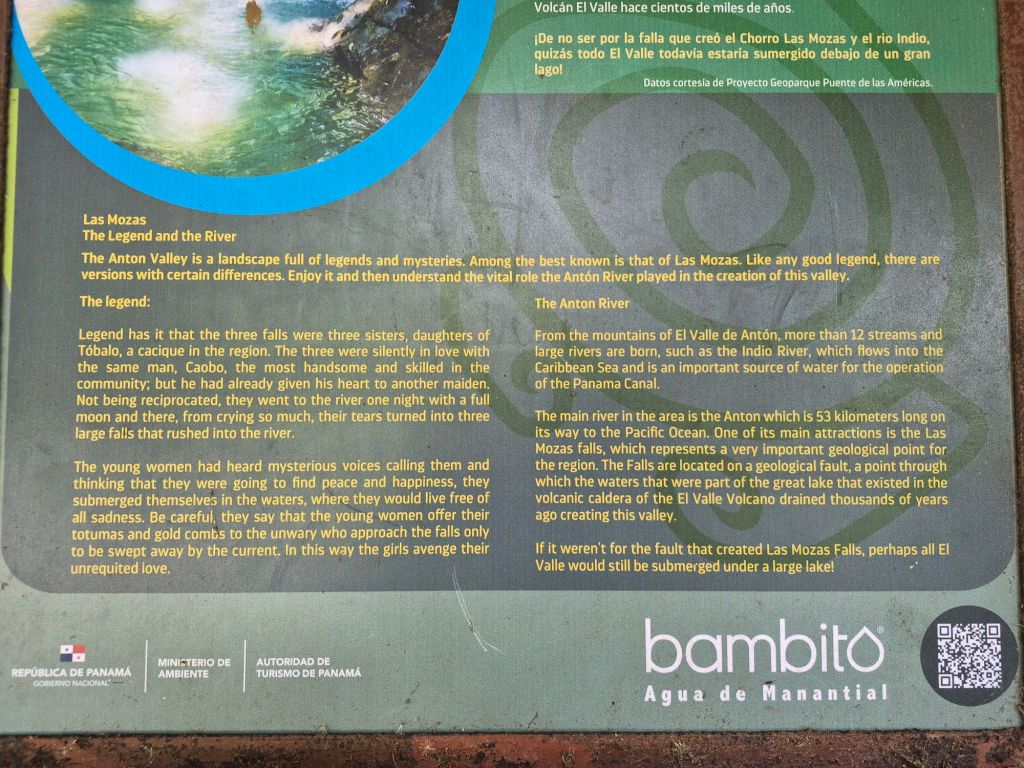
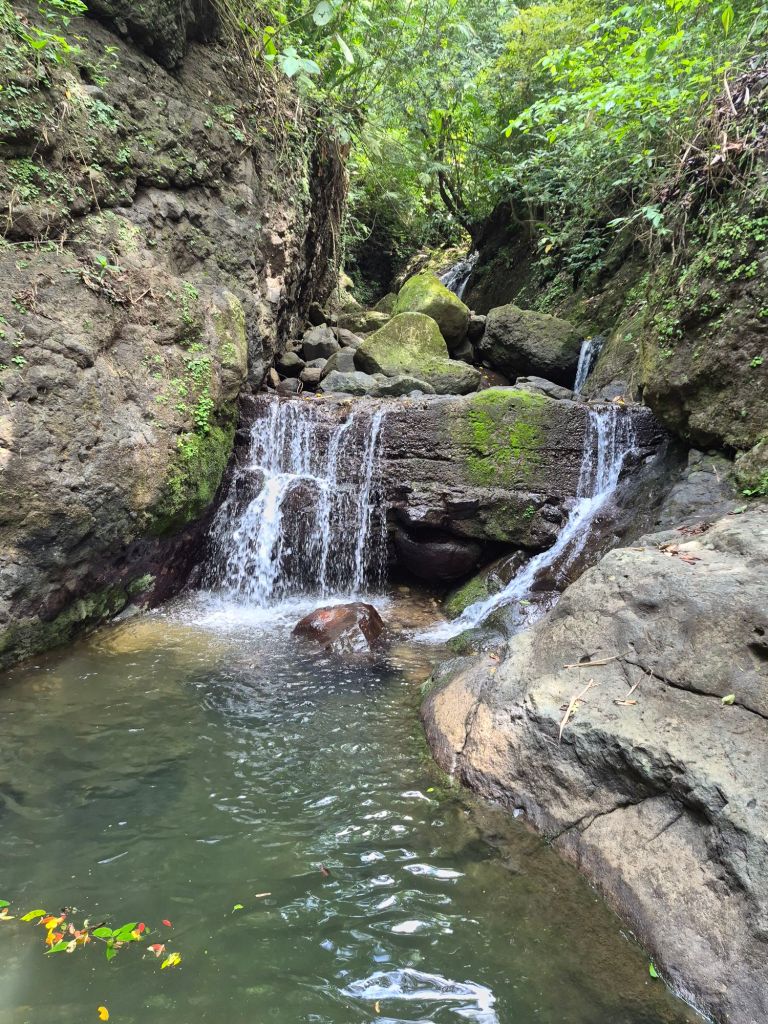

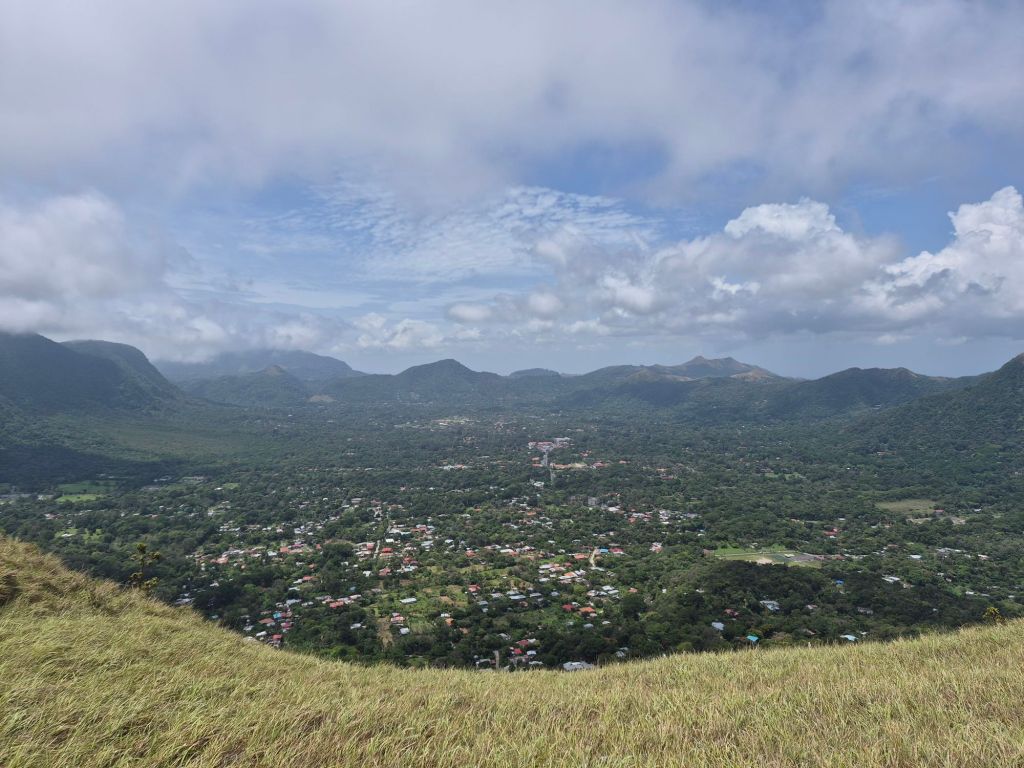
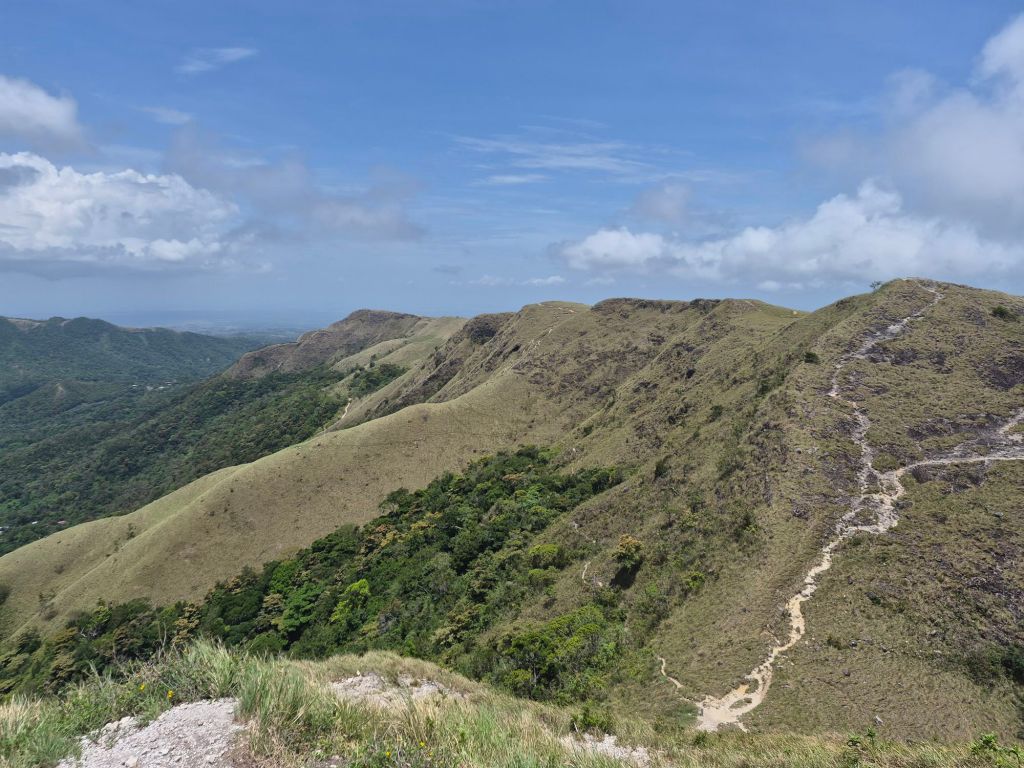
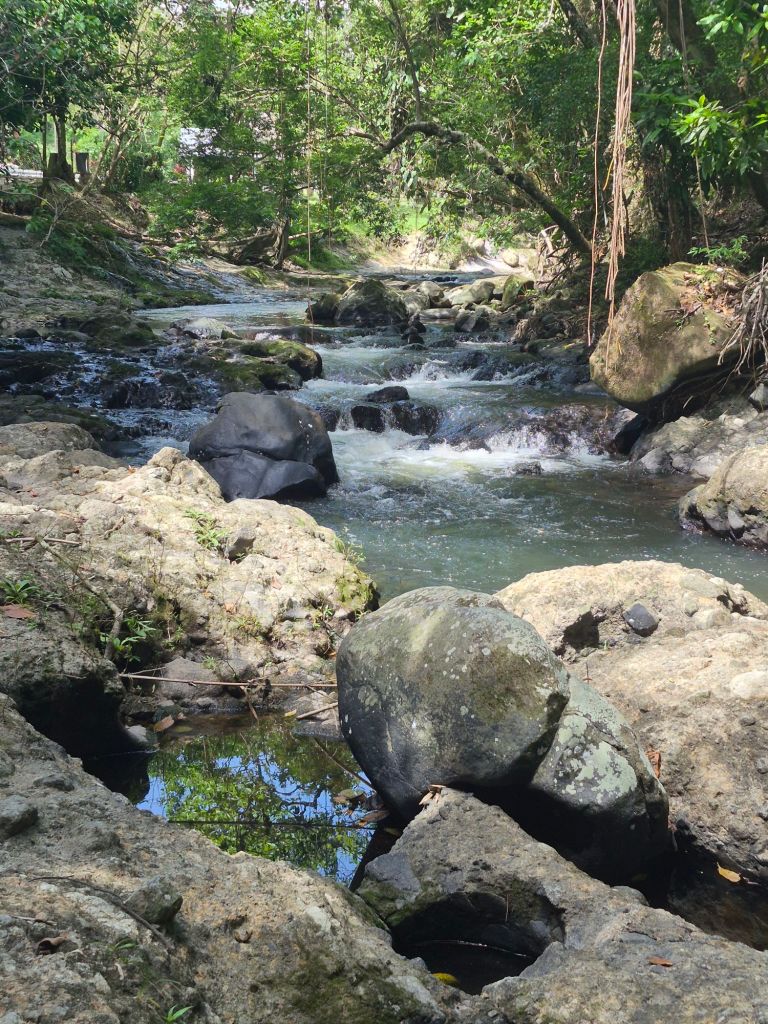
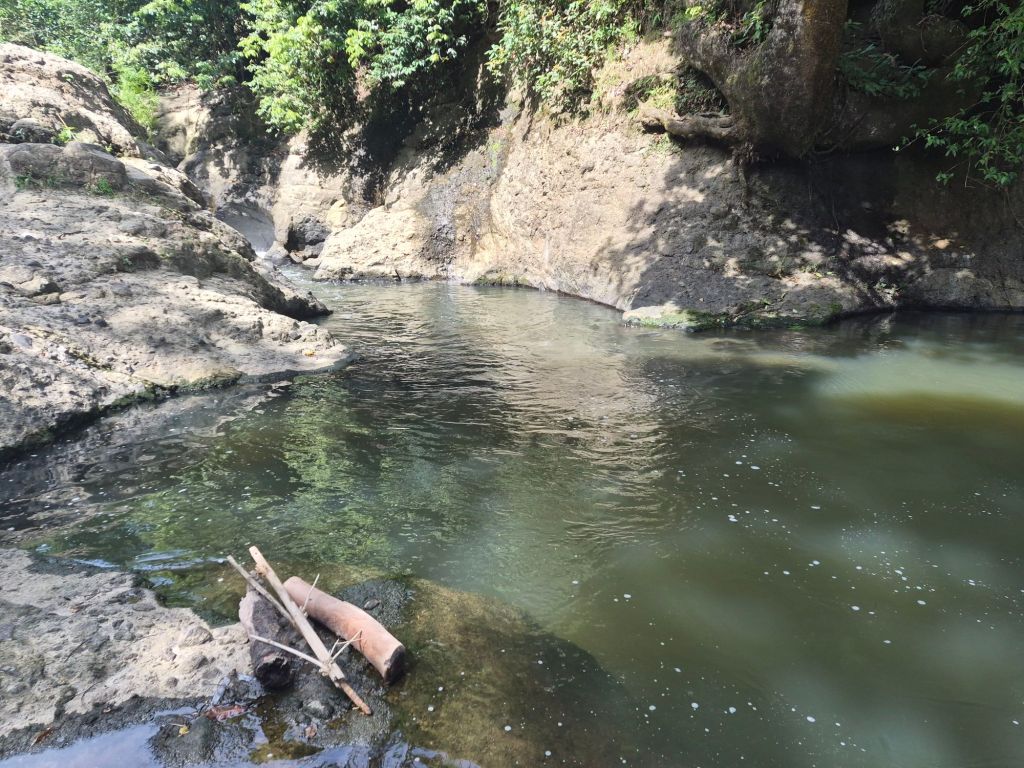
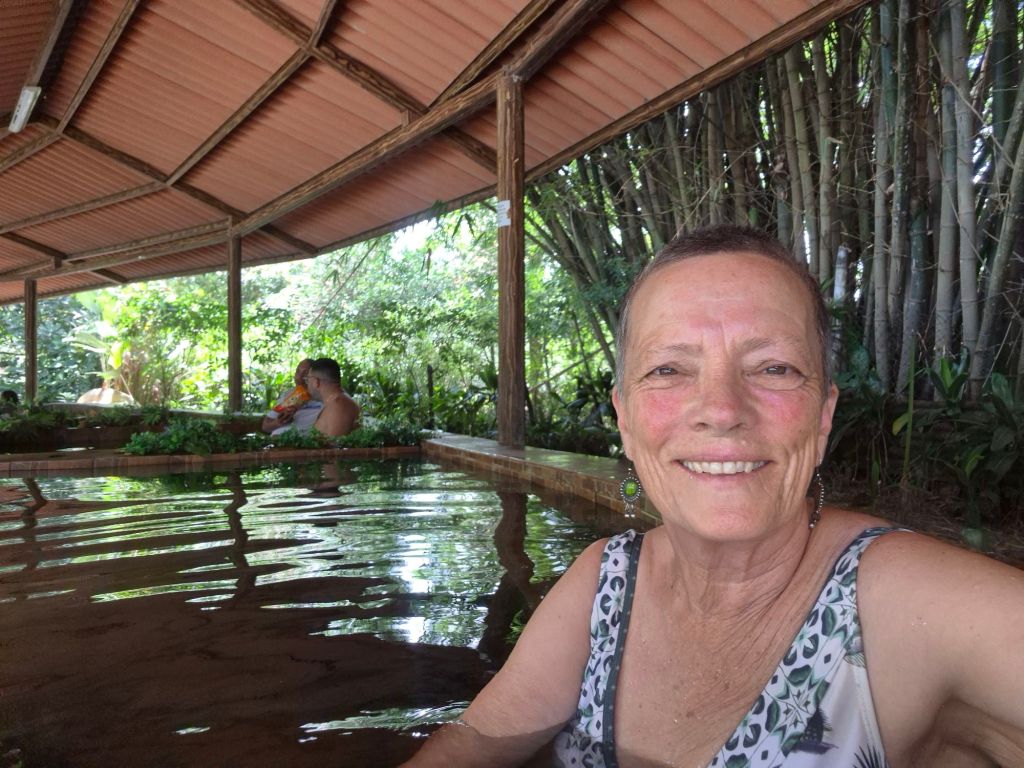
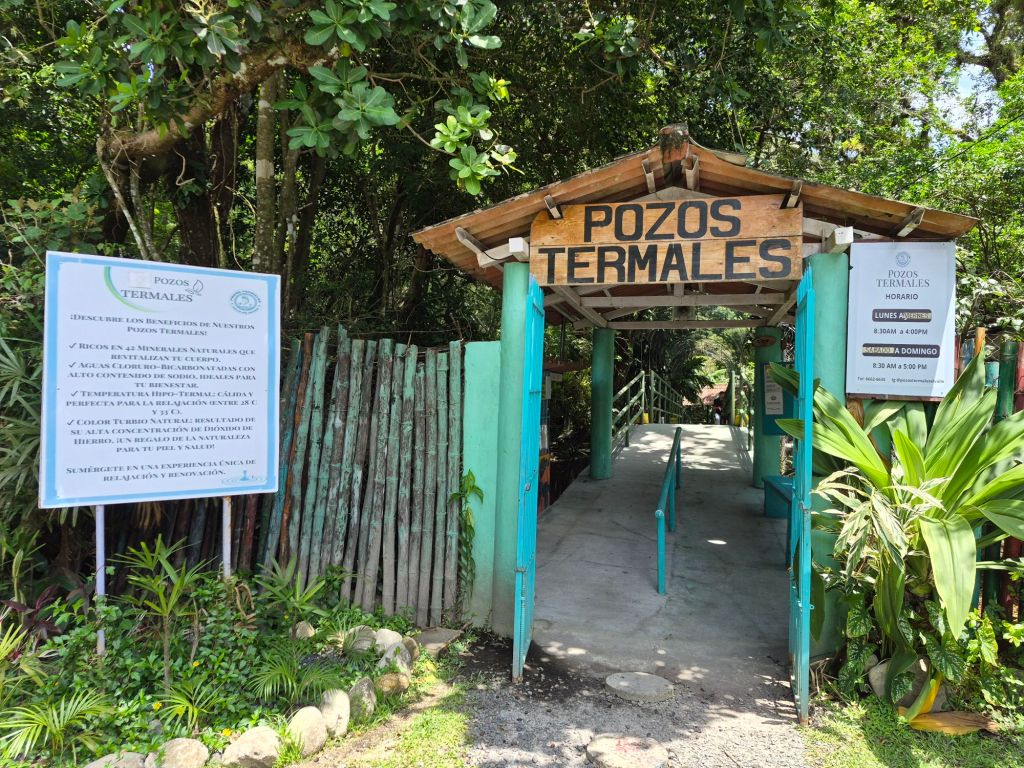
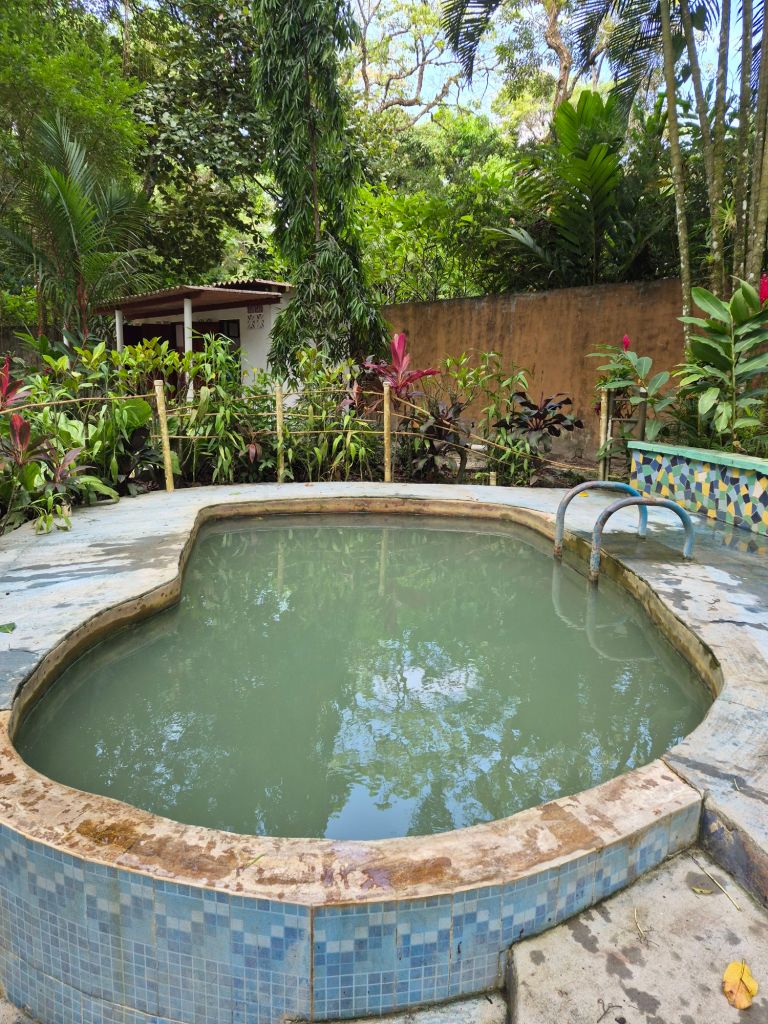
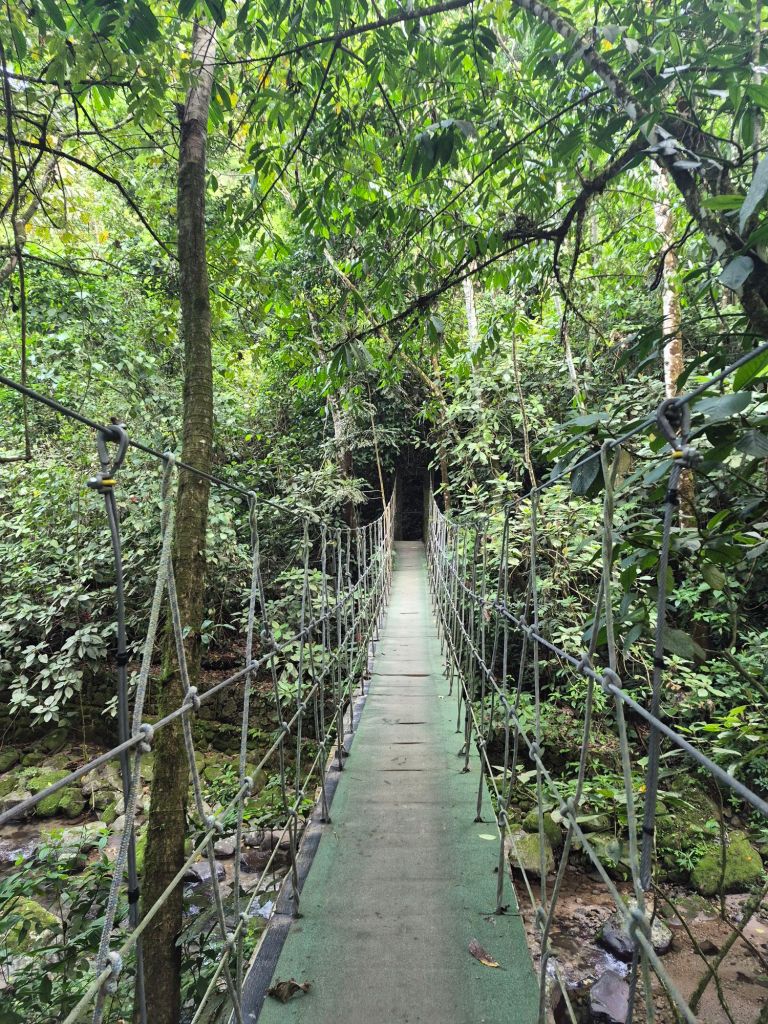
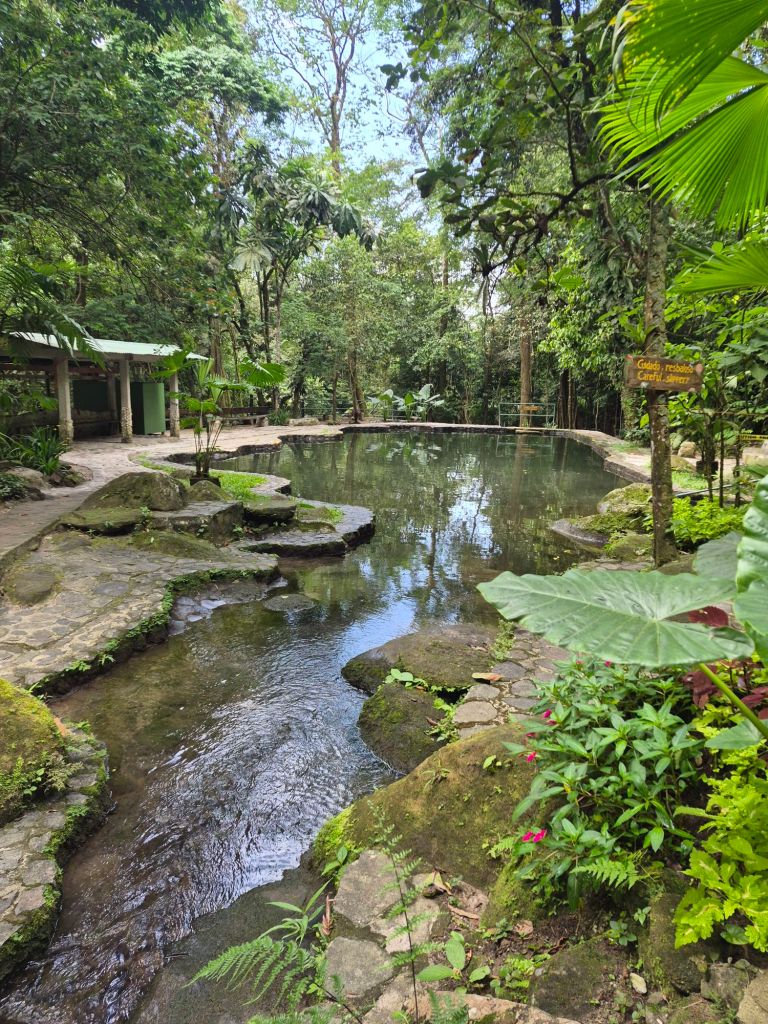
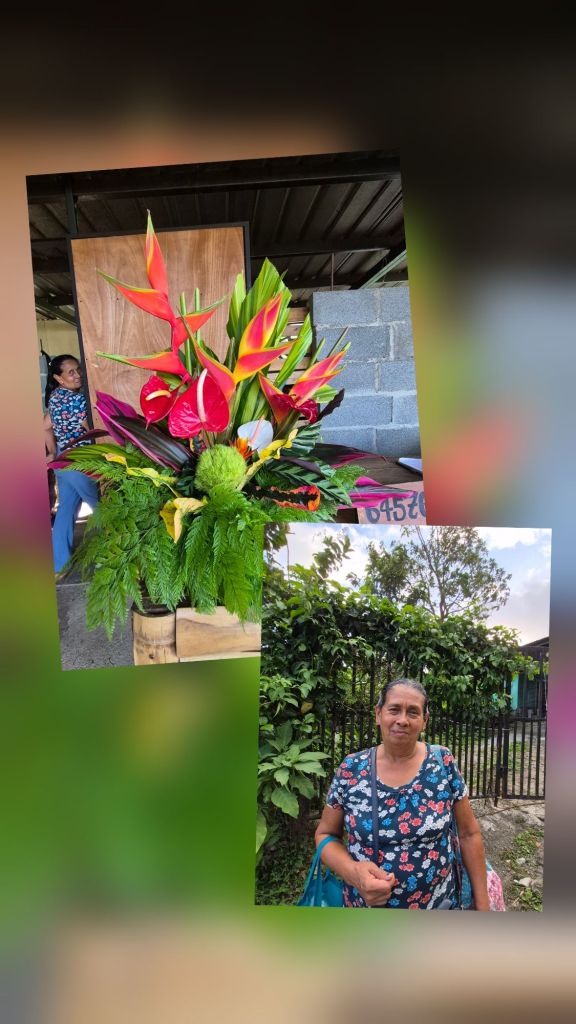
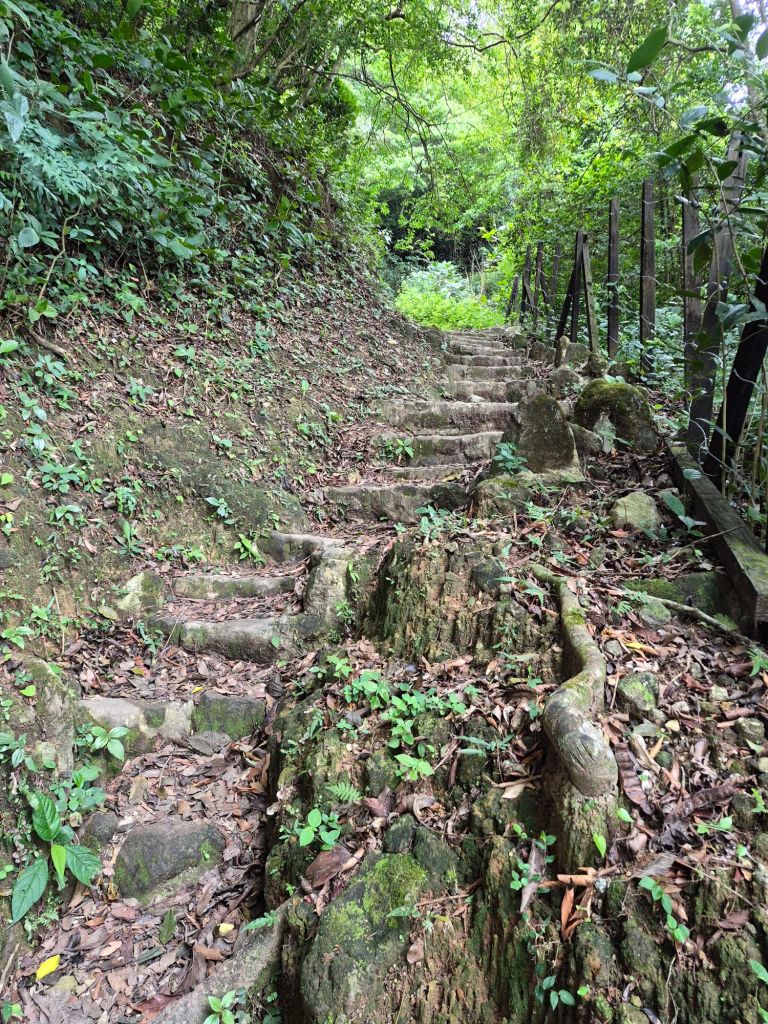
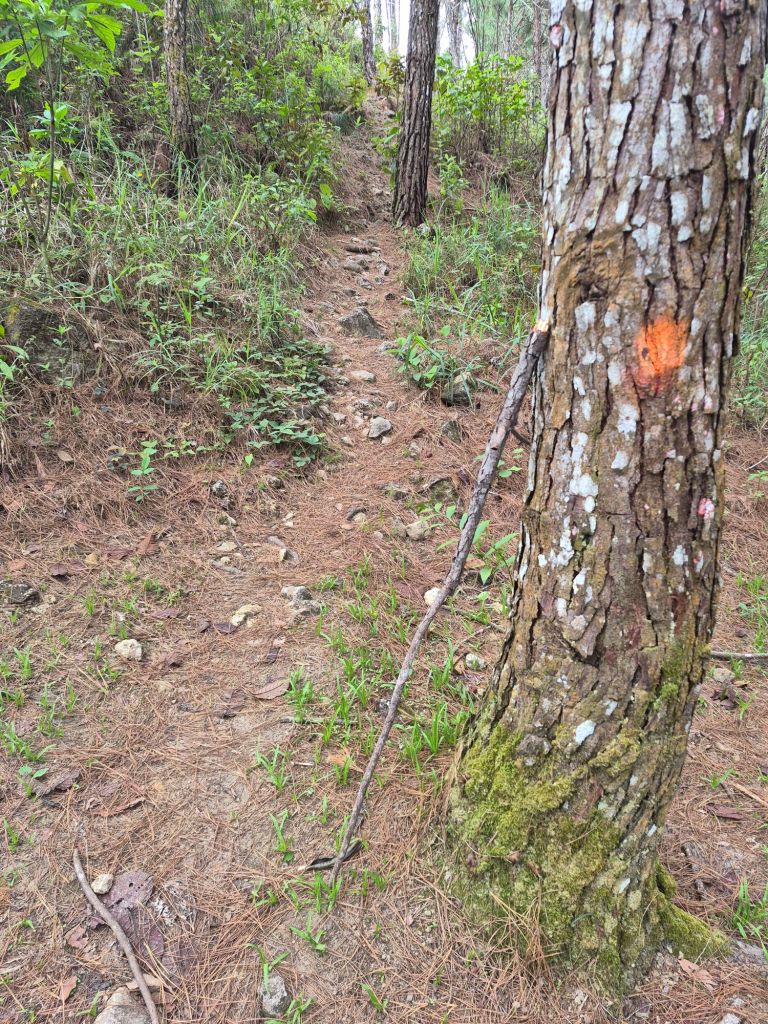
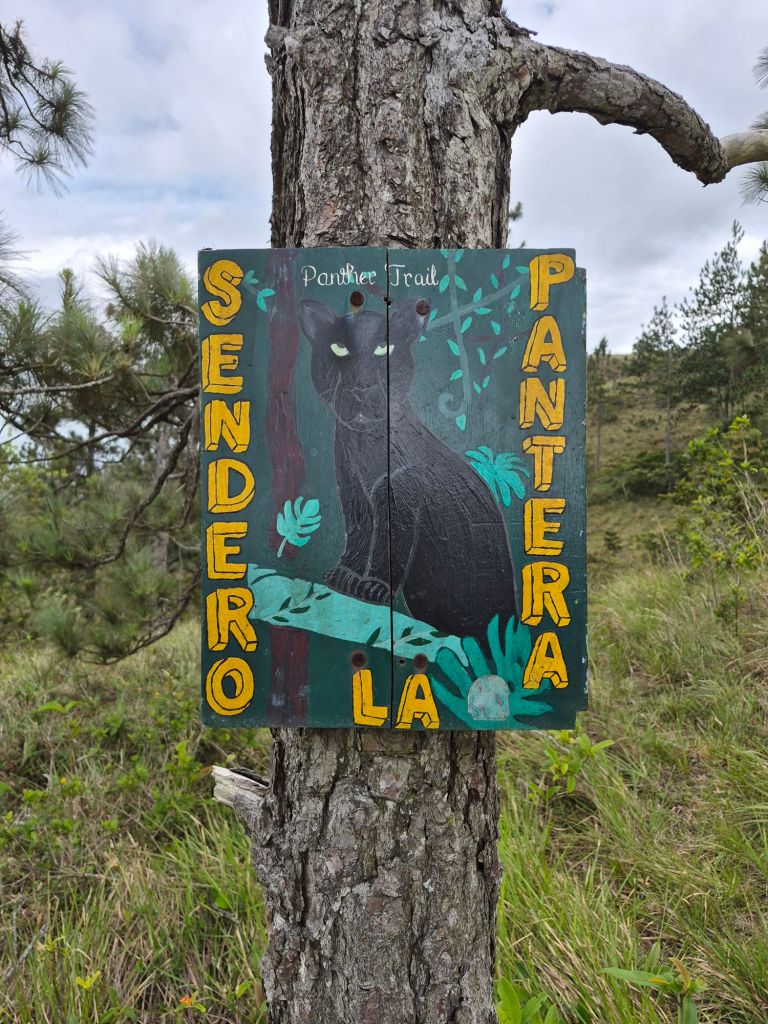
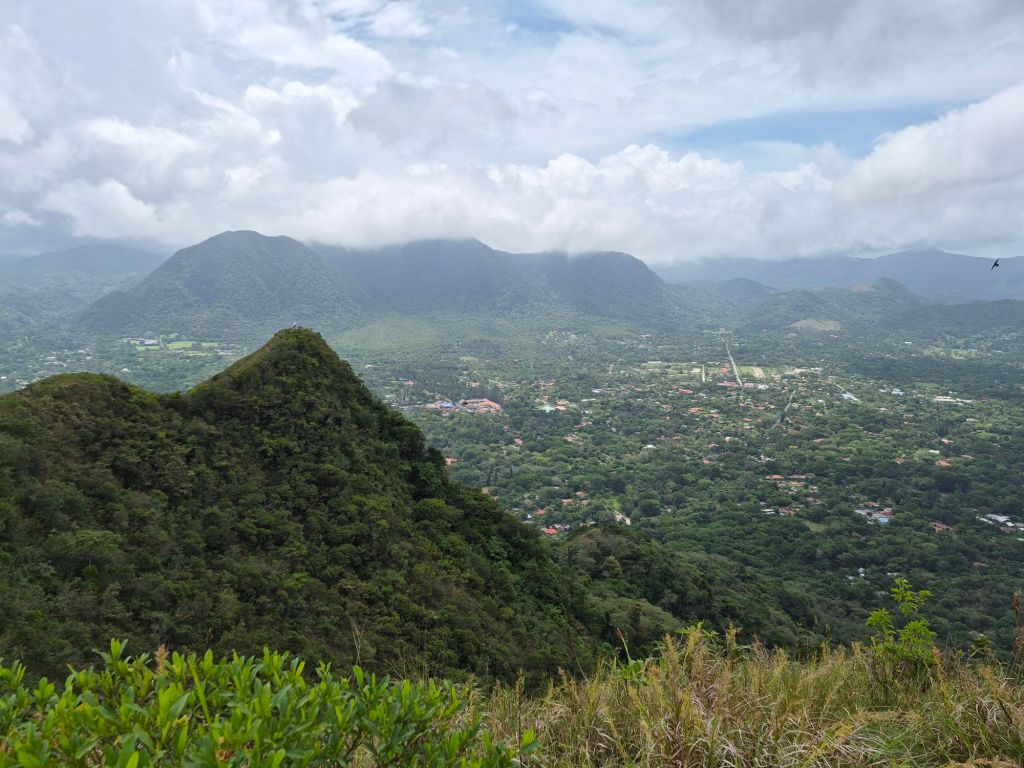
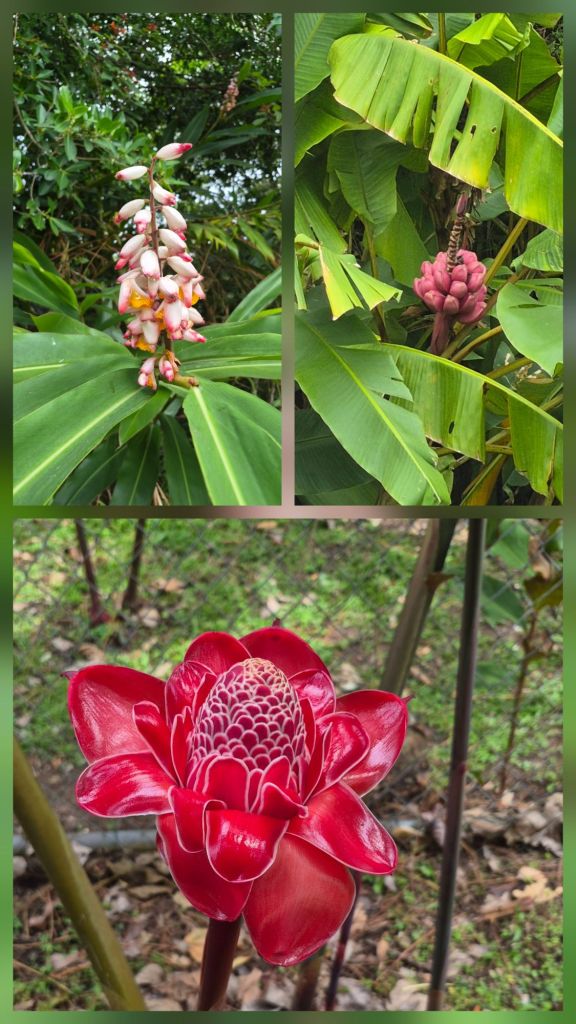
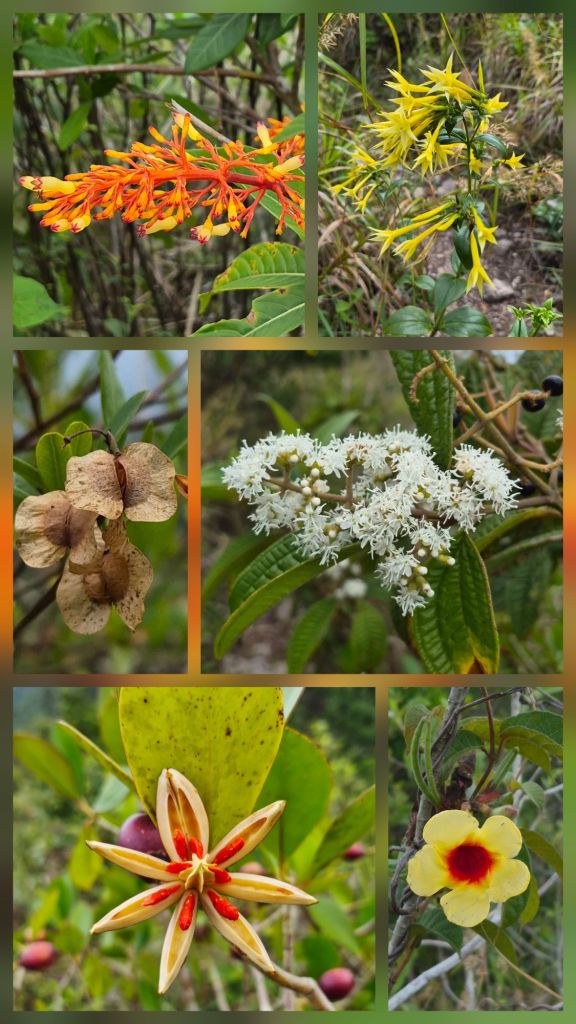
 Mella Madness